





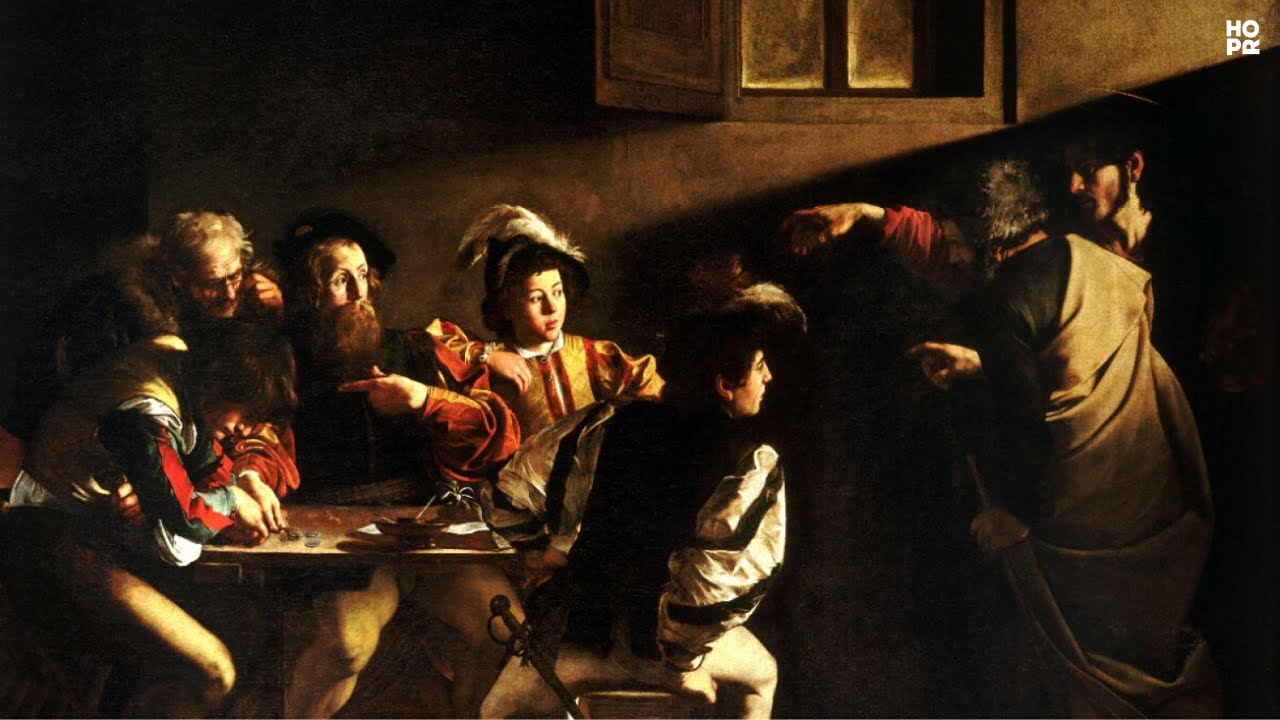

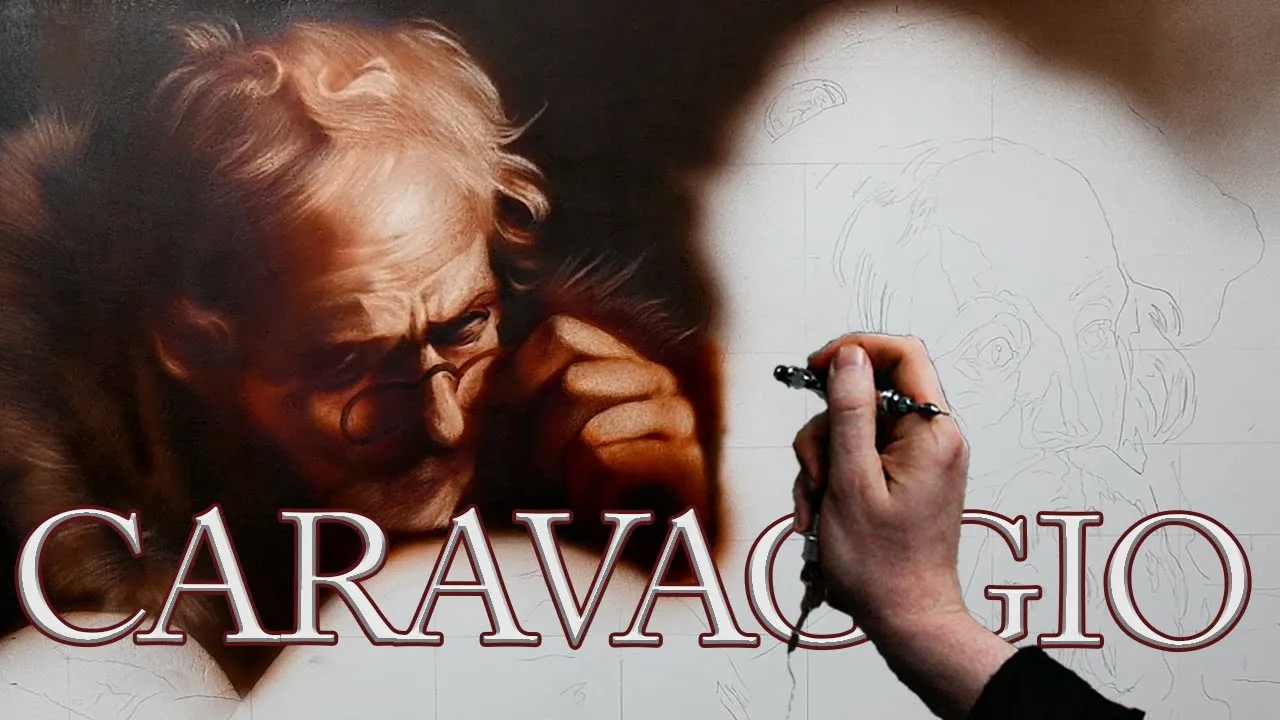












The Spanish Baroque emerged as the most intensely Catholic and emotionally charged variant of the Baroque movement, which was originally a Counter-Reformation tool designed to win hearts and minds through dramatic, theatrical art. Unlike other European Baroque traditions, Spanish Baroque art was characterized by its fierce religious commitment, dark intensity, and focus on ordinary people's spiritual experiences, as exemplified by artists like Velázquez (who painted humble bodegones before becoming court painter to Philip IV) and Zurbarán (who created unsettling religious imagery). This Catholic intensity made Spanish Baroque particularly effective at spreading across the Spanish Empire, ultimately becoming the dominant artistic style throughout Latin America, where it absorbed local influences while maintaining its distinctive Baroque character.
Exploring the Spanish Baroque: Velazquez to Vermeer
Added:this channel is part of the history hits Network [Music] let's see film we're over here in Italy watching the birth of the Baroque and we ended up in Naples down here Naples was a Spanish colony and that means the next stage of our journey is over here in Spain oh my God [Music] foreign [Music] reasons why the Baroque was as successful as it was why it became the first Global art movement was because it was so damn adaptable the Baroque spread across Europe like a wild fire everywhere it went it adopted the local tastes and customs and sneakily made itself at home but when it got here to Spain it didn't have that much adapting to do the Spanish were already fiercely Catholic they liked drama emotion passion Darkness they were if you like instinctively baroque so the baroque's task here in Spain wasn't really a case of adaptation it was more like pouring petrol on a large bonfire [Music] the Spanish Baroque was Hardcore the most fiercely Catholic the Baroque became some of its sights will turn your stomach and appall you but the Baroque was a war remember a battle for your heart deliberately started by the counter-reformation and in times of War Anything Goes [Music] this is the longest Pilgrim Trail in Spain the southern route to Santiago de campostello it's called the Via De La Plata the Silver Road and I'm going to be walking some of it for you because it takes you past so many key Baroque sites [Music] but the first stop I want to make is that lovely power shimmering on the horizon Seville start at the Via De La Plata [Music] this is a cultural hot spot if ever there was one the old Jewish quarter in Seville [Music] Can You Feel the cultural potency bubbling up in this place oh this is where Rossini's famous opera The Barber of Seville is set and also Mozart's marriage Figaro [Music] a bit further out is the Baroque tobacco Factory in which that dangerous Beauty Carmen worked in bizet's Opera what a grand building for a tobacco Factory what a perfect building for an opera [Music] and all this is pertinent because remember Opera is a baroque invention and fusing the Arts together like this music and theater dance and spectacle was a very Baroque thing to do but that's not what I've brought you here I wanted to show you where Diego Velasquez was born in that modest house over there in seville's Jewish quarter in 1599.
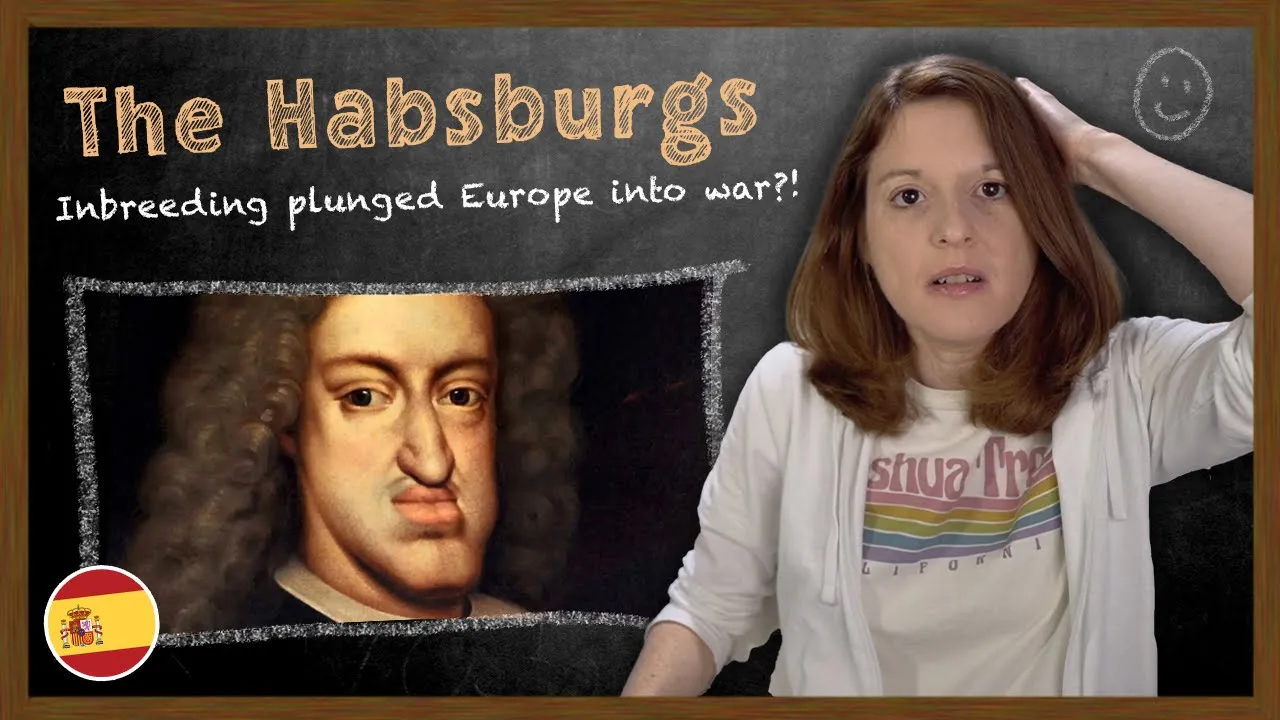
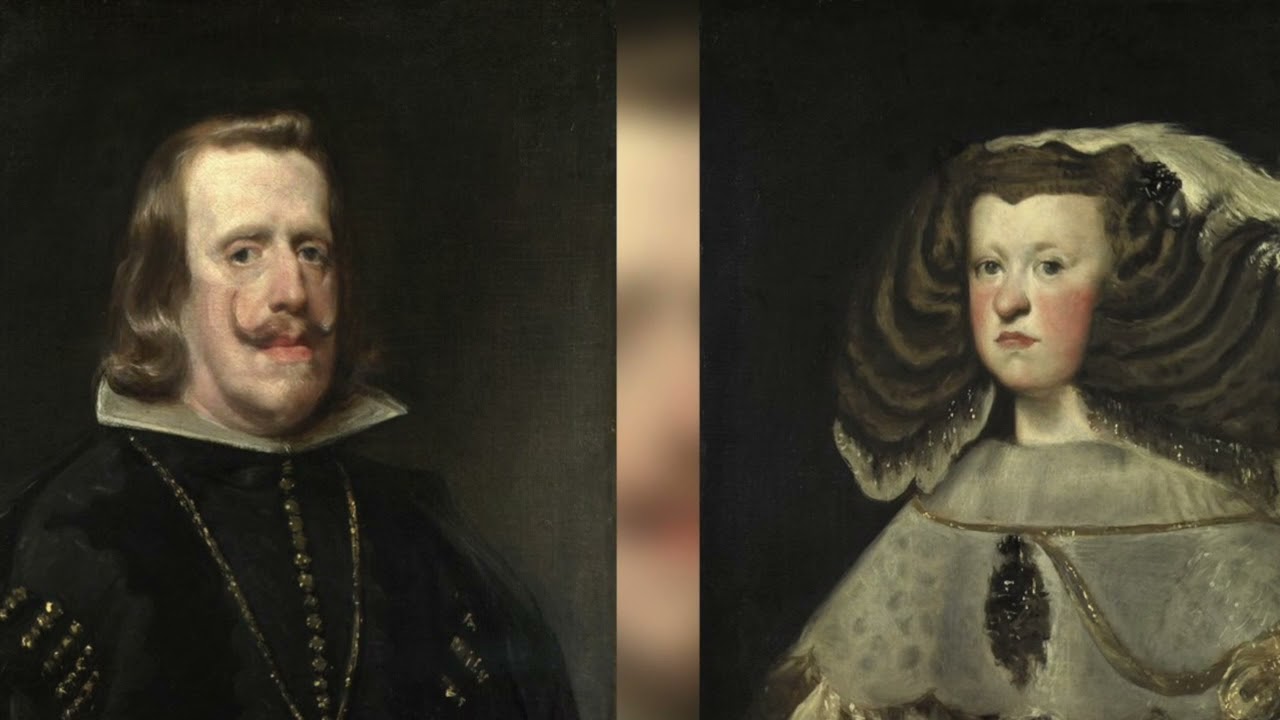
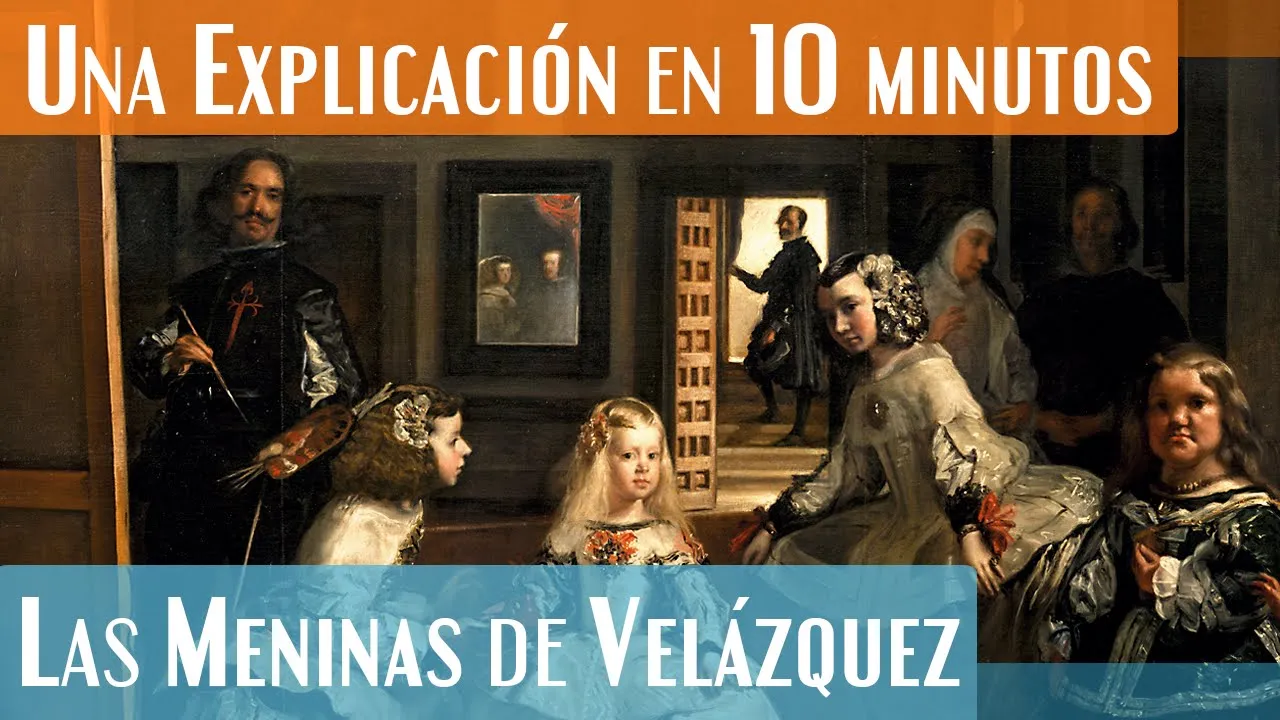
foreign [Music] Spain's greatest baroque artist would later pass himself off as a man of aristocratic bearing what a haughty presence he affected in his own art official painter to the Spanish King the dark dignitary the Maestro with the perfect mustache but some energetic researchers have recently been digging up Velasquez's past and it's been discovered that he was in fact of Jewish origin his family on his father's side were Portuguese Jews who converted to Christianity what they call around here conversos so Velasquez the son of a converso could almost be called the first Jewish artist [Music] the first important paintings that Velasquez produced weren't portrayals of Kings or venuses or popes but humble and very realistic depictions of ordinary life they were called bodegons after the Spanish word bodegon which means a Tavern or eating house [Music] the young Velasquez painted a clutch of these bodagonies they're brilliant things so atmospheric and tactile you can hear the eggs sizzling you can smell the garlic being crushed [Music] frogs fascination with low life bars taverns kitchens amounted to an obsession and it shouldn't really surprise us remember one of the chief aims of the counter-reformation was to address the hearts and the minds of Ordinary People so art was encouraged to talk their language and to set its action in their spaces [Music] the bodygones have a deeper meaning realism for realism's sake was never velazquez's only ambition he was much too Baroque for that realism's job in his art is to hook you and pull you in closer to be close enough to see the paintings real meaning [Music] foreign look into the background of the great kitchen scene in the house of Martha and Mary and you'll see that Jesus got here before you according to the Bible Jesus came to visit the Two Sisters Martha and Mary and while Martha visit herself in the kitchen Mary sat at Jesus's feet and listened to his word when Martha complained that her sister wasn't helping out Jesus stopped her Mary he replied has chosen to listen and in the end listening to the word is more important than preparing the dinner it's that Baroque message again life is short reality is an illusion and only the word of God lasts forever Velazquez was so strikingly talented that when he was 23 he was summoned to Madrid by the king himself Philip IV and told to paint the Royal portrait so he left Seville never really came back new employers were about to discover a splendid Baroque rule you can take a genius out of the bodega yes but you can't take the bodega out of a genius the Spanish Kings the dreaded habsburgs were a spectacularly awful Bunch dim-witted arrogant Pious deformed but God in his wisdom saw something he liked about them and gave them most of the known world to rule a gigantic International Empire a 3 billion Acres spreading from Italy to the Netherlands from Africa to the Americas but to rule you need rulers and that's where it had got tricky their problem was the usual Royal problem of inbreeding to keep the money and the titles in the family the habsburgs had spent too many generations marrying amongst themselves cousins uncles nephews nieces [Music] even as greater portraitist as Velasquez had trouble telling apart the Habsburg princesses this one is Philip IV's wife as well as his niece she was going to marry his son but the son died young so she married the Dad instead this one is Philip's daughter this one oh I give up you need a degree in forensics to tell them apart the most obvious physical deformity was their lower lip the infamous Habsburg lid which stuck out at an angle like that the genetic condition called mandibular prognathism they almost all had it and that's why that old wives tale does the rounds about why the Spanish lisp it's because none of their Royals could actually say grazias they could only say gracias but even Royal inbreeding as scary as this can occasionally throw up an interesting variation and Philip IV who was King here in Spain for the key Baroque years 1621-1665 was a serious and thoughtful monarch 44 years he ruled and it said that in all that time he only laughed at court on three occasions Philip had the lid and that pushed in Habsburg face as concave as a baroque Church facade but he liked the Arts and was sensitive to them like all the habsburgs Philip IV didn't do much that was right but in choosing Velasquez at his court painter he can at least be credited with one remarkable decision Velasquez brought us closer to the Spanish Kings than any audience had previously been to its Royals and from this close up you get to see surprise surprise that they're just like the rest of us flawed worried wrinkly when the time came to paint his most ambitious offering in the field of Royal portraiture Velasquez adopted the usual Baroque strategy of going big but everything else he tried here was new and revolutionary and it lifted the genre to its greatest Heights Las meninas the maids velazquez's masterpiece set inside the Royal Palace it's a group shot of the Royal Court and many people will tell you it's the greatest Baroque painting of them all [Music] it was painted in 1656 near the end of Velasquez's life now the reason why this picture confuses people so much I think is because there is such a huge castlest involved when you first look at it you think oh what's going on who are all these people so as a helpful guide to Las meninas I'm just going to introduce them all to you the key figures of course are Velasquez himself on the left he's painting away in the middle the infanta margarita she's the five-year-old daughter of the Spanish King Philip IV and his wife princess Mariana of Austria and there in the picture too reflected at the back in the mirror at the back of the studio now everybody else who looks after the little princess is also in the foreground these are her two dwarfs on the right female dwarf from Germany Maria baloba famous dwarf at the court Italian dwarf on the right putting a foot on the princess's great big dog the Royal Mastiff playfully giving it a kick in the back and behind the princess you see the two shadowy figures the woman on the left she's the princess's chaperone and the figure on the right that's the princess's bodyguard so right at the front of the picture you've got all the people who look after the princess princess herself and Velasquez painting busily away [Music] Velasquez shows himself looking like a member of the royal household himself look how heartily he stands with that excellent mustache and he's at work on this huge canvas on the left what is he actually painting I think that only makes sense when you work out what's actually going on in this picture the king and the queen are actually standing out here where the audience is now looking at the picture afresh so Velazquez is painting the king and the queen who are standing over here and the king and the queen can see themselves in the mirror perhaps to check how they look but also because of this beautiful game of psychological trickery that's going on here they seem to be looking out at us at the same time but was this picture really about who is the focus of all this action and all this psychological doing and throwing it has to be the infanta herself this sweet little princess right at the middle of the picture and because the habsburgs had this terrible history of inbreeding they had nothing but bad luck in the production of children and although Philip and Mariana had five babies at time this picture was painted only one of them was alive the infanta margarita [Music] princess blonde hair and her gorgeous white silk dress is like an angel of Deliverance at the center of this black and doomy and intense and psychologically troubling group portrait she represents all their hopes for the future foreign [Music] there were only two possible sources of a commission in Baroque Spain you either worked for the Kings or you worked for the monks [Music] Bergs had baroqueally discovered the power of Art but the real rulers of Spain had always known it foreign [Music] foreign I've got some bad news for you if you want to understand the Spanish Baroque reasonably well better than all those around you and you need to brush up on your religious orders I know it's not very 21st century but if you can't tell the difference between the franciscans and the Dominicans or the mercedarians and the carthusians then so much of what's going on in so many amazing Spanish Baroque paintings we'll go over your head [Music] why for instance is he upside down why is he writing on himself in blood why are they nodding off and why is he staring so Darkly at that [Music] to help you out I've prepared a handy Pilgrim's Guide to the Spanish religious orders you'll thank me for this this one here he's a Franciscan Brown robes knotted cord for a belt Franciscan [Applause] sometimes the clothes get more ragged and patched but they're still Francis guns he on the other hand is a Dominican Black Cow white robe Dominican quite often seen in the Americas converting the Indians or sometimes whipping off their robes and flagellating themselves Dominicans [Music] the ones in the black robes are benedictines remember black robes benedictines they don't appear in art as often as the others they're The Moody Silent Ones [Music] get all that franciscans Brown Dominicans black and white benedictine's all black now you're ready for the Spanish baroque [Music] now you're ready for Francisco de surbaran Spain's spookiest baroque artist was born here in Fuente de cantos the fifth stop on the Via De La Plata so his understandings were small town understandings and his rhythms were the rhythms of the pilgrimage [Music] these days zorbaran is reasonably well known but at the start of the 20th century he was completely obscure in fact most Spanish art apart from Velasquez was underexplored and undervalued I think it was so dark so strange so Catholic that we just didn't get it and in particular we didn't get soberan these are let's face it bizarre and unsettling images uncomfortable funerals impossible deaths [Music] the zorbaran family house on the main Square in fuento De cantos it's got a posh house now must have been really Posh in the 17th century zorbran's father was a prosperous textile Merchant from the north Basque Country who moved down here because southern Spain particularly Andalusia was experiencing this boom in new religious building and there's so much money here for the priests and their new outfits so there's a lot of work for the zuberant [Music] many years later Francisco de zorbaran hinted a mysterious series of Christian Martyrs beautiful female Martyrs all of whom were dressed in modern clothes they're some of the most beautifully painted and exciting clothes in 17th century baroque art and people said that zorbran was using his father's textiles in these paintings advertising them using these Christian Martyrs just to show off what his dad had for sale [Music] foreign [Music] 's main employers were the Spanish religious orders the mercedarians the carthusians the benedictines the Dominicans and the franciscans [Music] one day Pope Nicholas V visited Assisi he wanted to see the Crypt where Saint Francis was buried and at five in the morning he went down into the Crypt with a band of monks and all they had with them was torches and as the Torchlight spread around the dark Crypt suddenly they saw Saint Francis standing there 200 years after his death still as fresh as if he just stepped out of a bath untouched unblemished as if time hadn't touched him sobraham went on to do many other things but monks were his specialty monks were where his genius was best expressed and it's not just the vividness with which he Illustrated their uncanny stories but that sense you get with him that zorbaran's monks are so convincingly full of God full of worship full of thought foreign ER has painted human belief as convincingly as this the Baroque Pilgrim trudging dutifully the 600 miles from Seville to Santiago de Campostella would have had regular encounters with the Spanish baroque and waiting for them at the end of the trudge was an eye-catching eruption of Baroque architecture [Music] you know Chaucer's wife of bath came on the pilgrimage to Santiago it's been the most famous pilgrimage route in Europe for a thousand years but it was the Baroque Era that shaped the town itself and gave Santiago de Campostella it's memorable and exciting look Cathedral here to which thousands of busy pilgrims scuttled daily is a baroque wedding cake in the churi giresque style which as far as I can tell consists chiefly of adding things to places when there isn't really room for them but somewhere within this crazily writhing sculpture encrusted fantasy facade me thinks me sees the remnants of Spain's Islamic past [Music] inside the great pilgrimage church at Santiago the baroque's love of glitter has been spectacularly Unleashed guilt may have driven the Spanish Baroque but gold was what paid for it the stupendous wealth of the American colonies was flooding into Spain and then into the pockets of the Catholic Church which spent it as the Catholic church so often did on art you know it's never been an art movement as a debt as the Baroque was at absorbing local influences taking them all in regurgitating them and then spinning them out at the other end as something that looks unmistakably baroque you can't imagine this building in Italy or France or perish the thought England it's obviously from around here but with all that thrusting and swirling and movement it's just as obviously baroque but there is one huge slab of the world where you can easily Imagine This [Music] when I say the Baroque was the first truly International art movement I mean truly International the churigaesque style may not have traveled to Italy or France but it traveled all right to the Far Far Corners of the Spanish Empire where it ended up in some very remote places [Music] wherever the monks went the Baroque went and it ended up as the house style of the whole of Latin America [Music] but not all of the baroque's travels were quite so exotic how the Spanish kings came to own Belgium there's a dark political story involving so many battles and so much constant religious conflict that would be here for as long as the Hundred Years War trying to understand it fully let's just say they were here and they shouldn't have been in any case what interests us is the art that came out of the Spanish Netherlands and for that you need a strong stomach [Music] thank you [Music] the Spanish were here for nearly 200 years but you'd hardly know it there's so little sign of them left few plaques some statues and this magnificent Baroque Square in the center of Brussels The Grotto Market [Music] it's as action-packed a square as the Baroque ever produced with its ring of spiky and busy Baroque buildings The Groton Market is a 50 course banquet of architecture in which all the courses are served up at once [Music] superb building at the end the house of the fox that used to be the headquarters of the haberdasher's guild next to it the Guild of The Boatman their Center was in the house of the horn see the big gold horn there but the most interesting for us it's the one at the end see there that used to be the headquarters the baker's guilds it's now a pub called the king of Spain and right on top a statue of Charles II even by the standards of the habsburgs Charles was a terrible advertisement for royalty all those generations of harpsburg inbreeding had turned him into an imbecile [Music] surviving son of Philip IV he could walk or talk till he was seven and an aging nurse breastfed him till he reached puberty too weak to survive an education he grew up illiterate and squalid so they made him king of the Netherlands and named this Pub after him it was a Monumental Clash of cultures the Spanish with their black intense morbid gloominess and the fun-loving Flemish with their naughty juicy fleshy Lust For Life we're never going to see eye to eye but somehow the coming together of these two momentous opposites squeezed so much Monumental art into the world [Music] I probably don't need to tell you who the best known representative was of the Flemish tendency there's notoriety goes before him he's one of those artists who seems to have nothing much to say to the modern world so our times have taken a dislike to him but not me I've got all the time in the world for Peter Paul Rubens [Music] Rubens shouldn't be out of fashion an artist as great as him should never be out of fashion this was one of the Towering Geniuses of Art serial achiever on so many Baroque fronts for instance he designed that [Music] and this Tower here [Music] painted that [Music] but he's notorious of course for his love for fat women the adjective rubenesque has entered our language to describe the Dawn French type the big gun size 16 uh and there's no point denying Rubens liked the Fuller figure Ruben's is Art bulges at the seams with a huge tonnage of Happily wobbling cellulite the bigger woman rang his Bell and squeezed his Pips but he wasn't alone in that that's how the Flemish like their women [Music] Reuben's career coincided neatly with that rare thing in Flanders some decent Spanish leadership in fact there were two Governors overseeing the Spanish Netherlands in tandem the conjoined married pair of archdukes Albert over here [Music] and Isabella [Music] Albert and Isabella ruled here from 1598 to 1621.
she was Philip II's daughter he was the same King's nephew so they were actually Habsburg cousins and should never have married but when Philip II made them the joint governors of the Spanish Netherlands Albert and Isabella surprised Everyone by being rather good at ruling the belgians and their arrival put a stop temporarily at least to the constant round of Flemish Warfare and it was in this period of peace and prosperity that Rubens began to operate [Music] Reuben's interestingly had been born a Protestant he his father was a Flemish convert to Calvinism but when the father died the family converted back to Catholicism and you'd never guess from Ruben's Catholic handiwork that he'd ever been away from the faith this stupendous master class in Baroque movement and emotion The Descent from the cross in Antwerp Cathedral is Reuben's greatest moment as a creator of thunderous religious theater if this doesn't move you you've got no soul [Music] thank you the young Reubens Unleashed sex and violence on us too in this scary Baroque manner it's hard to believe what's going on here and my God will you look at that but let's not be hypocritical about these dark and tremendous action pictures judging by the stuff that pours out of our Cinemas today a taste for this has always been in US [Music] Rubens was merely early in admitting it foreign [Music] if you know Reubens only for his naked orgies and his show-off mythologies you might be surprised to discover that he had a quiet side a lovely gentle aspect Rubens couldn't stop painting he was at tap that couldn't be turned off it was habitual for him a necessity so when the king of Spain wasn't commissioning him Reubens painted something much closer to hand instead his family just for himself just for the pleasure of it [Music] keep dying his first wife the charismatic and eager-eyed Isabella Brandt had died tragically young in 1626 Rubens was devastated he'd put so much love into painting the two of them sitting there in their Sunday best two cooing lovebirds in a bower [Music] but it was his second wife Helen formong who played the largest part in his art he married her when he was 53 she was only 16.
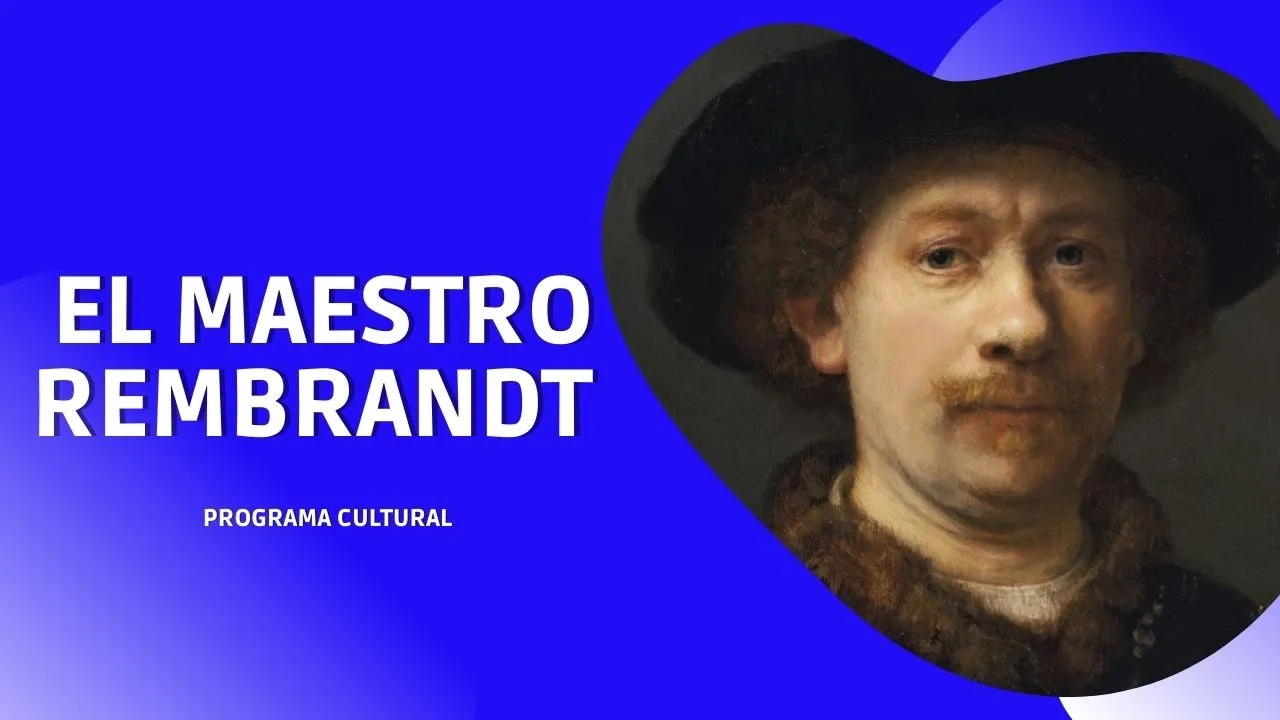
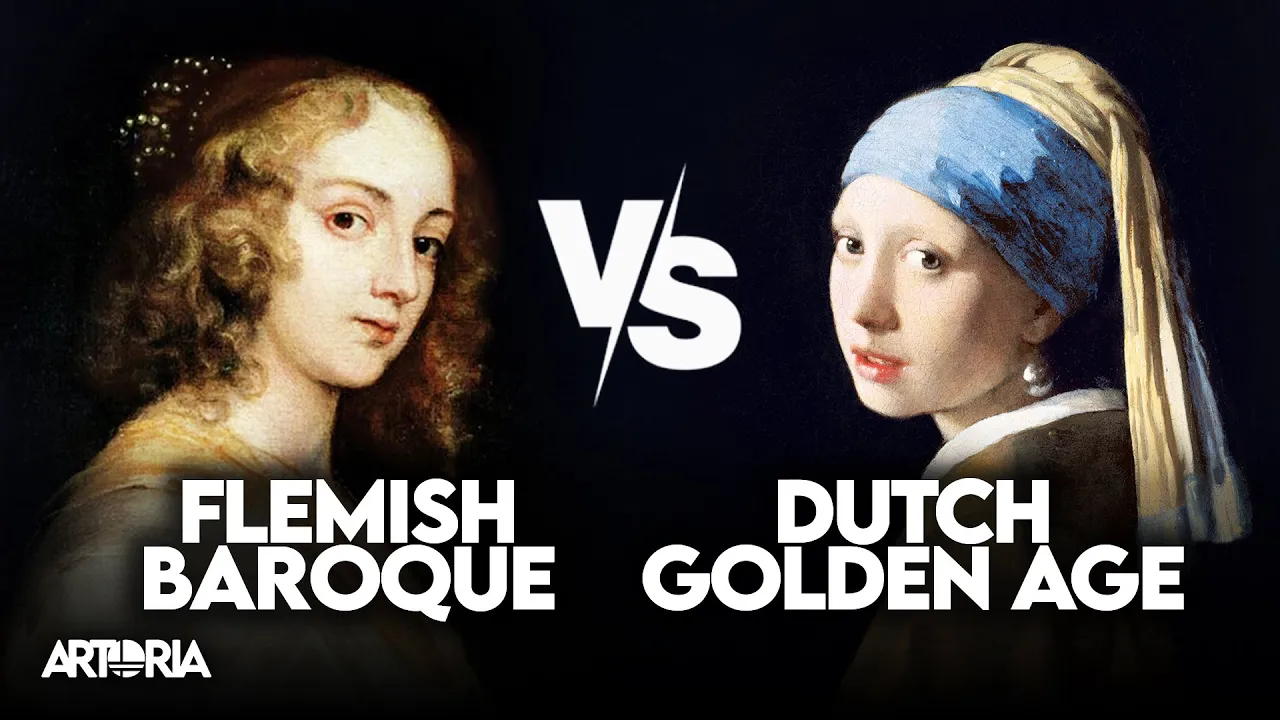
she's that fleshy blonde nude who appears in so many of his mythologies the best model ever for the Rubens girl [Music] and definitely tell from his art how much he wanted her the many portrayals of Helen formal Sizzle with lust the joyous lust of a 53 year old man who's hit lucky with a beautiful 16 year old girl it doesn't sound good I grant you but he loved her and he wanted her and it shows never before in art her o hunted this much access to the private life of a celebrity artist 400 years before Hello magazine Rubens had already realized that the world was now fascinated by everything he did that's how ahead of the times he was that's how Baroque he was [Music] Rubens spoke six languages fluently and he moved easily among Kings and popes he was the consumer schmoozer so in 1629 the Spanish King sent him to England to schmooze Charles the first which Reubens successfully did so Charles knighted him and the University of Cambridge made sir Peter Paul Rubens a master of arts soon enough the Baroque would follow Rubens to England but first there were still lands to conquer closer to home just a border away to the north [Music] welcome to Holland the wettest stage in the baroque's great journey from Rome to London from Saint Peter's to Saint Paul's [Music] foreign so far in this series we've been investigating the Catholics they invented the Baroque it was their movement their mindset it reflected their passions their hopes their fears [Music] but as any mother will tell you babies don't always grow up as you expect them to and that was definitely true of the Baroque by the time it got here to Holland it was much too big and boisterous an art movement to be controlled by one religion or one mindset indeed one of the most remarkable things about the Baroque is how brilliantly how confidently and inventively it switched its Allegiance from the Catholics to the Protestants foreign [Music] the greatest Dutch painter of them all Rembrandt was a classic Baroque hero intense dramatic and ambiguous Rembrandt was born a Protestant here in Leiden a fierce calvinist stronghold on the edge of Holland but to make it he had to leave Leiden and move here to Amsterdam where he turned very Barack who quickly made his mark all that's actually happening in Rembrandt's tumultuous Night Watch is that a company of Home guards a Dutch Dad's Army is sitting out on its daily March around the town [Music] but the sense of occasion here the emotion the movement the drama is so big and sober Rock you'd think they were off to save the world [Music] Hayden may have been a calvinist stronghold but Rembrandt's mother actually came from an old Catholic Family and to my eyes he inherited a popish intensity from her a Catholic fretfulness and sweatiness that gives all of his art its biblical air [Music] foreign Brandt couldn't keep out of his own art this intense little man from Leiden took such a shine to his own face he kept painting it and repainting it more often than any artist had ever done before him in 1635 he showed himself flush with Amsterdam's success celebrating his early good times with his beloved wife saskia but even here there's doubt in the air Rembrandt self-portraits lead you on a merry goose chase as they peep in and out of his soul I'm particularly fond of this mysterious bit of method acting painted near the end of his life a self-portrait with circles why is he standing there with two big circles painted on the wall behind him there have been lots of interpretations but the one that convinces me involves an old story that was told about fidias the greatest painter of classical times vidias was famous for being able to draw a perfect circle freehand without a compass and Rembrandt in his aging self-portrait with circles is surely saying I can do that too but he's not saying it with great conviction is he because there's always so much doubt in Rembrandt so much hesitation a sadness that draws you towards his irresistible vulnerability like a magnet and this realization that the problems of an artist his insecurities and inner life were worthy of a picture was one of the baroque's most brilliant insights it was the first art movement to realize that people are as interested in weakness as they are in strength the doubts are as compelling as achievements and that the real hero is sometimes the underdog [Music] Protestant Holland put the ordinary doubts of ordinary people at the center of Art you didn't have to be a pope or a king or a mythological hero to deserve your place in art everybody deserved their place in art [Music] you see that chap up there second from the left at the top right at the back of this busy crowd scene do you know who that is he's a personal hero of mine one of the great Geniuses of the Dutch Baroque an artist blessed with some of the fastest hands in art that France house [Music] Fran's house is perhaps best known for painting this smirking chappie known to us all as the Laughing Cavalier in fact he isn't laughing and he isn't a cavalier he's an unknown Dutch Bravo exuding such excellent nonchalance [Music] these chaps here were all members of another of these Dad's Army brigades a squad of amateur soldiers from Harlem called the Civic guard of Saint George in theory they were there to protect the city in times of War in practice they met a few times a month and socialized energetically this is their end of term photograph in which everyone in the class poses for a picture these things are really tricky to paint with a king or a pope you just put them in the center of the picture and that's that but the Protestant democratization of art caused all sorts of compositional problems here you have 15 people all of whom have paid to appear in this picture and all of whom expect to be seen properly [Music] house was a genius at getting that right look how skillfully he arranges them around the table turning this way and that Apple at the front some at the back it's a magnificent piece of human orchestration and it creates that Restless sense of movement of the action swirling about the picture that is so quintessentially baroque [Music] and there's something else something even more Baroque than all this restlessness these men are meant to be soldiers but you never see them fighting they're meant to be Civic Heroes but there's no aggression in their eyes the Saint George Civic guard of which house himself was a member is instead always shown banqueting and chatting and bonding that's because these showy banqueting scenes are actually subtle pieces of Baroque propaganda for peace Holland had seen so many wars and squabbles and wished so desperately for them to end but instead of coming out with that in some aggressive propagandist way house implies it subtly sneakily broccoli God's Great Bounty should not be squandered on war and conflict [Music] this subliminal moralizing became the chief Obsession of the Dutch Baroque you can't trust any of this art to mean what it seems to mean [Music] especially not when it's been painted by that elusive Dutch genius who smuggled the most subtle subliminal messages into his pictures Jan Vermeer of delft [Music] unlike everyone else I love Vermeer those Frugal and tearful women of his lost in their own thoughts trying to read a love letter as the weak light of delft struggles through their window they Claw at my masculine attention I can't resist them [Music] but Vermeer is as much of a moralist as the rest of them is beautiful and thoughtful women dreaming of their loved ones strumming their guitars tinkling at their virginals demand that you note their fragility and breakability as they offer themselves up so sadly for your inspection [Music] these are moods so delicate that the lightest knock would shatter them like Crystal [Music] a climatic Nuance a shadow a touch a gesture the final meaning of life is conveyed in such subtle ways [Music] in the end what's being understood here is the fragility of life itself the vulnerability of beauty the shortness of Youth and the fact that some or even most of vermeer's girls with pearl earrings were probably the painter's own daughters add so much poignancy to his message and personalizes it so baroque these are not theoretical understandings that are being passed on to us here these are understandings born of fatherhood and observation [Music] Vermeer himself was a thoroughly obscure figure completely forgotten for 300 years before the 19th century rediscovered him but this lack of reliable Fame seems somehow to supplement the meaning of his pictures here today gone tomorrow that's the artist's life for you [Music] golden age of duchart spew spewed out so many fascinating painters and I'd be happy to spend many months here remembering them for you but staying put is not Baroque Behavior in this series promised to take you from Saint Peter's over here to Saint Paul's over there and that means we've got some water to cross
Up Next

Ribera's Martyrdom of Saint Philip: Baroque Realism & Caravaggio Influence
@smarthistory-art-history
21.5K views•2011-07-21

Christian Iconography: History, Theology, and Meaning | Fr. Panayiotis Papageorgiou
@Trisagionfilms
58.8K views•2020-02-21
Dante Gabriel Rossetti: Pre-Raphaelite Art and Scandal
@AbsoluteHistory
41.6K views•2024-02-21

Earliest Depictions of Jesus in Art: 10 Ancient Images Explained
@UsefulCharts
5.9M views•2022-06-03
Related Study Plans & Knowledge Roadmaps
Structured learning paths in Art History