






![[AULA] Linha do Tempo da História da Arte](https://i.ytimg.com/vi_webp/SEyhdqLQ6lA/maxresdefault.webp)


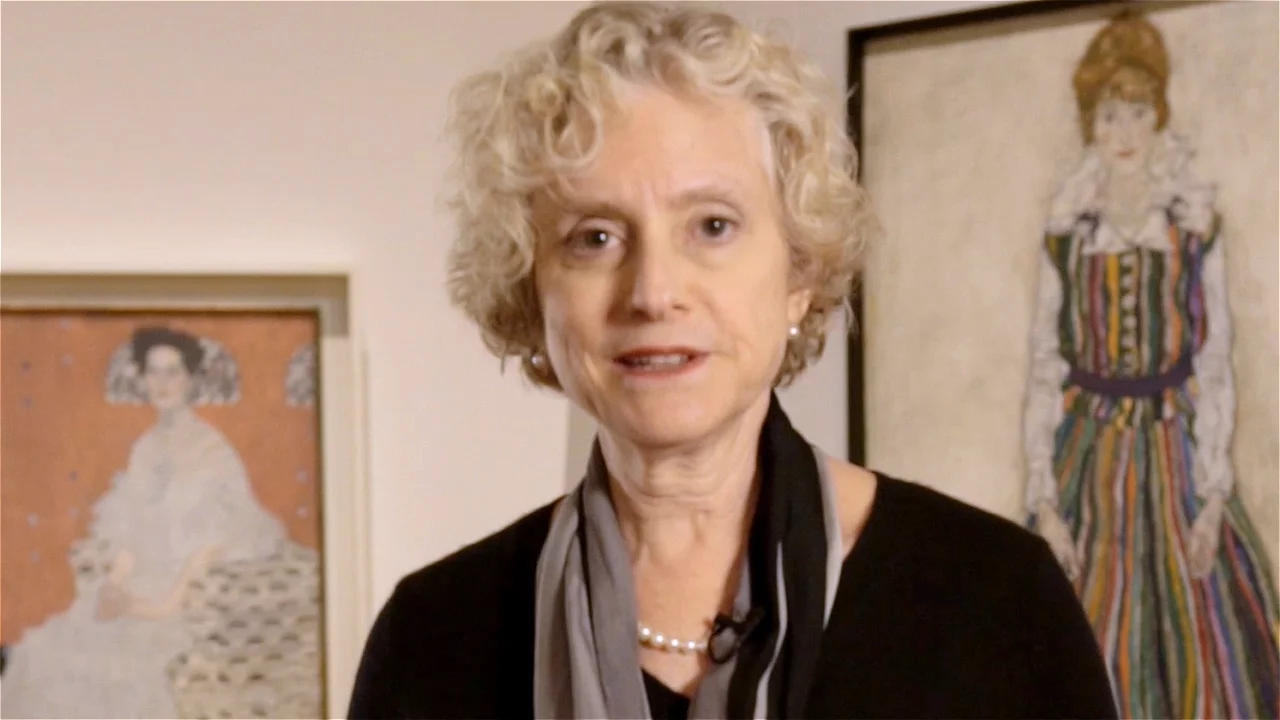
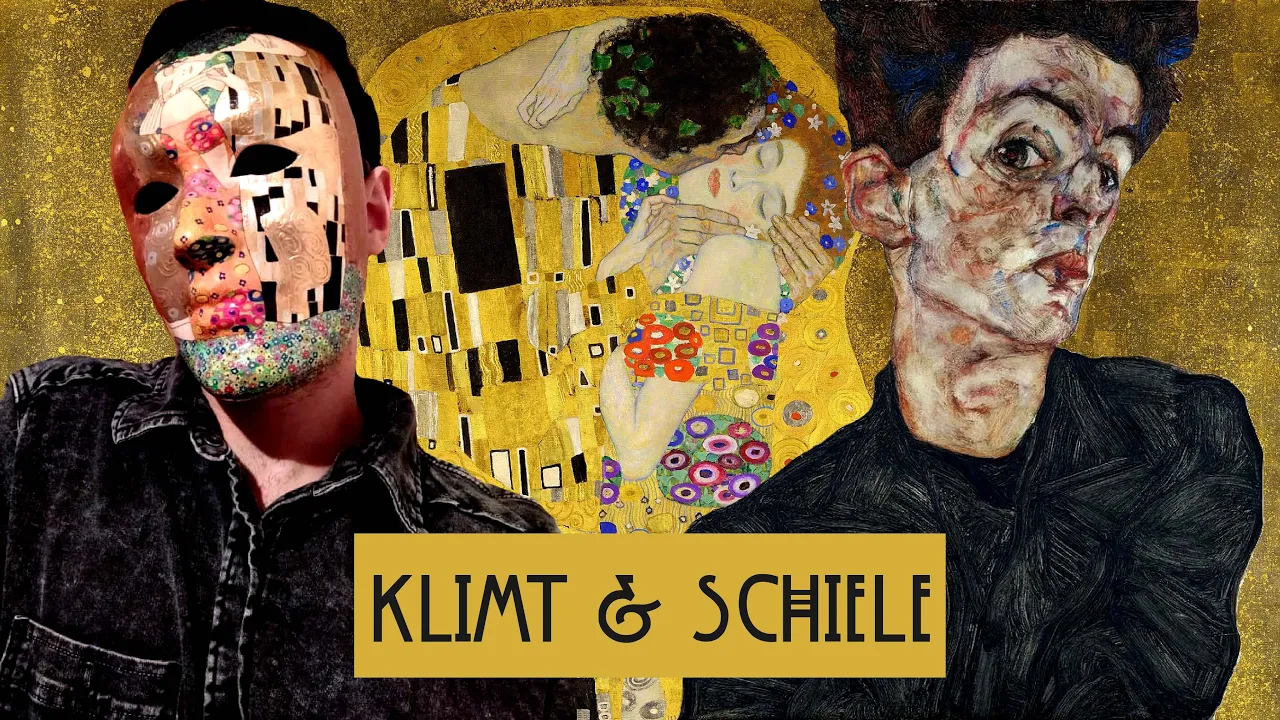



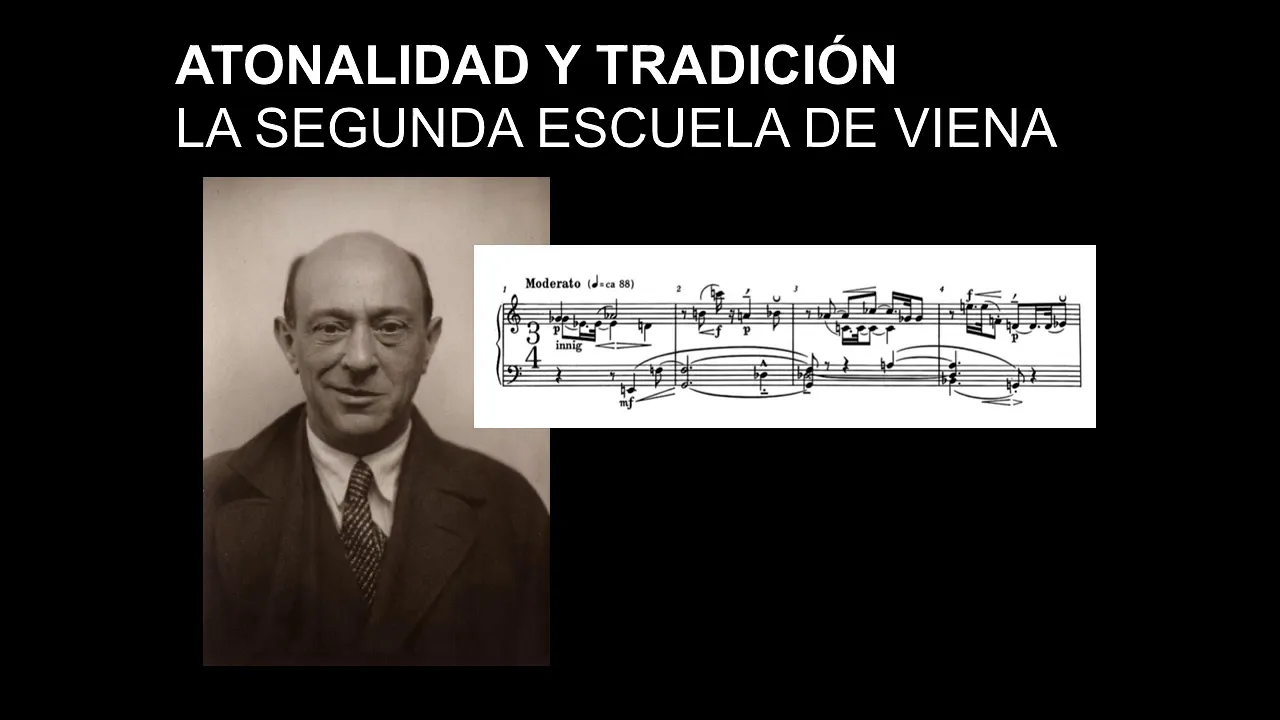
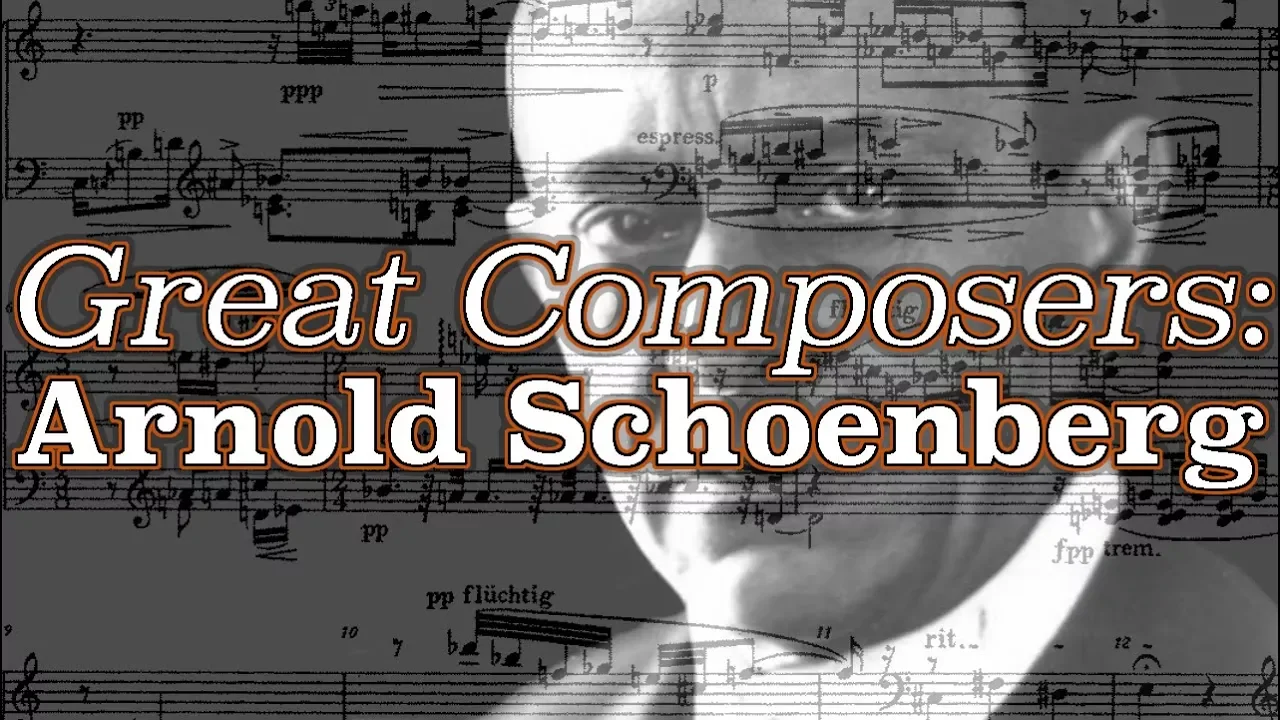



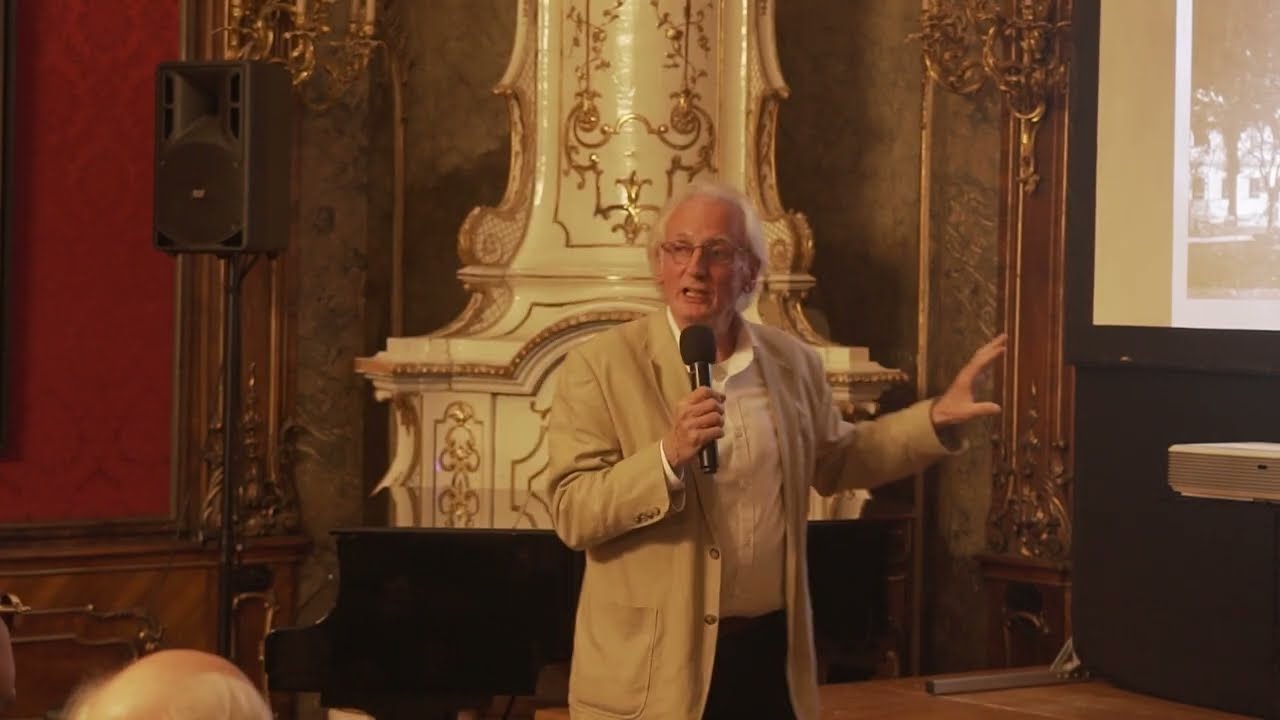

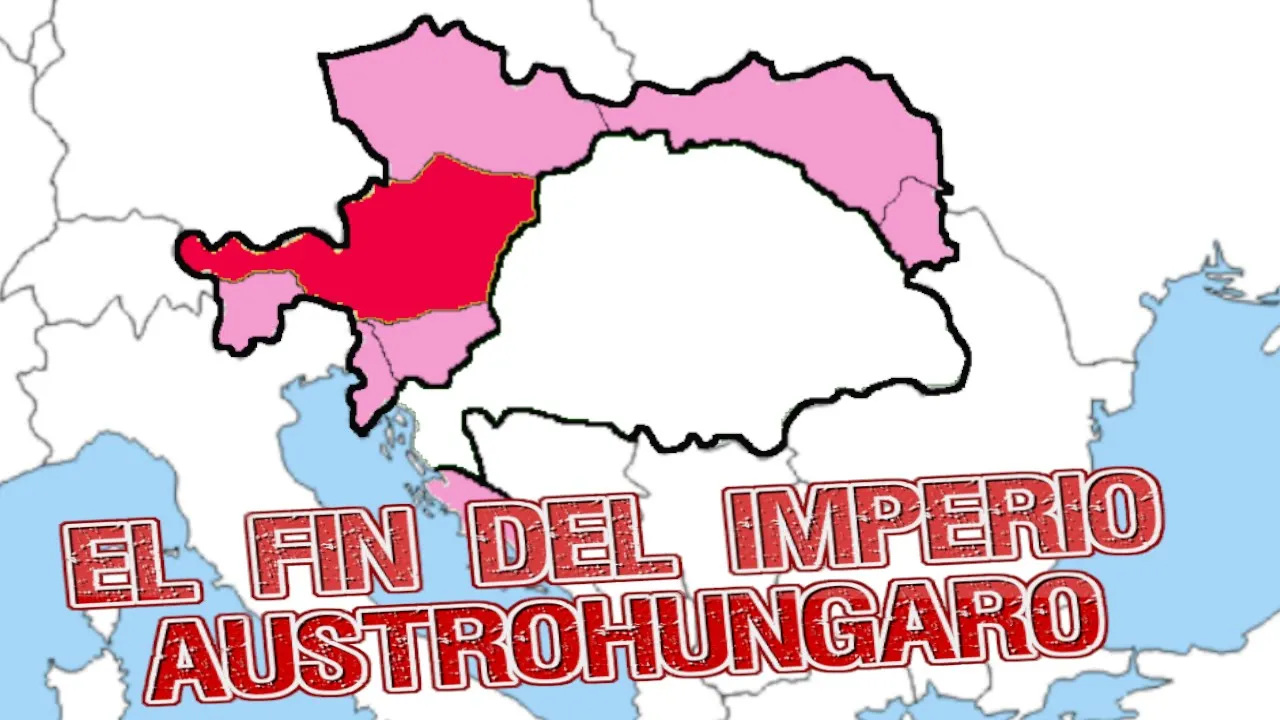
Vienna between 1890-1914 was a unique European city where concentrated artistic and intellectual innovation flourished due to its homogeneous nature, manageable size, and vibrant cafe culture, producing groundbreaking developments in psychoanalysis (Freud), music (Schoenberg), painting (Klimt, Schiele), architecture (Vienna Secession), and literature (Musil), though this creative explosion was ultimately undermined by rising anti-Semitism and political instability that led to the collapse of the Austro-Hungarian Empire.
Vienna 1890-1914: Birthplace of Modernism | Dr. David Perkins
Added:The political and cultural structure of the Austro-Hungarian Empire under the late Habsburg monarchy.
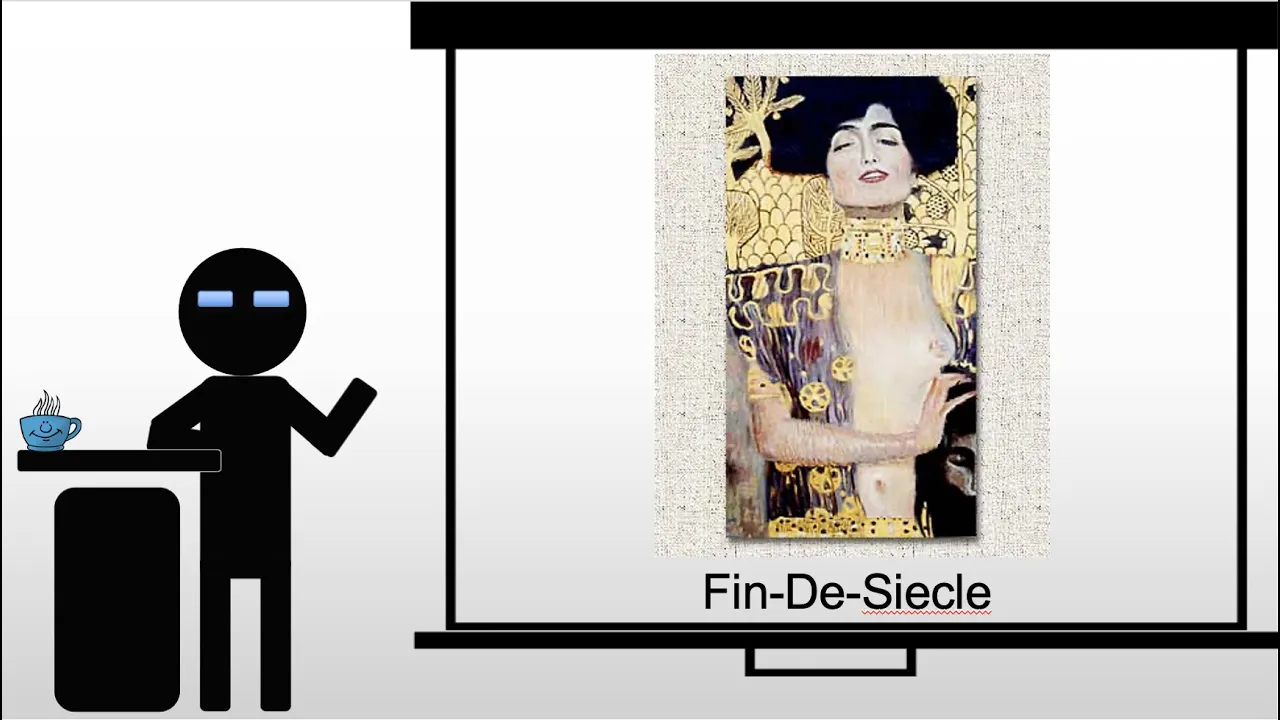
The basic concept of 'fin-de-siècle' culture and the European transition away from 19th-century academic realism.
An introductory understanding of Sigmund Freud's early theories regarding the unconscious mind and psychoanalysis.
The core principles of Symbolism and Post-Impressionism in late 19th-century European art.
A deep-dive into the Vienna Secession movement, focusing on the works of Gustav Klimt, Egon Schiele, and Oskar Kokoschka.
The radical shift in modern music led by Arnold Schoenberg and the Second Viennese School's development of atonality.
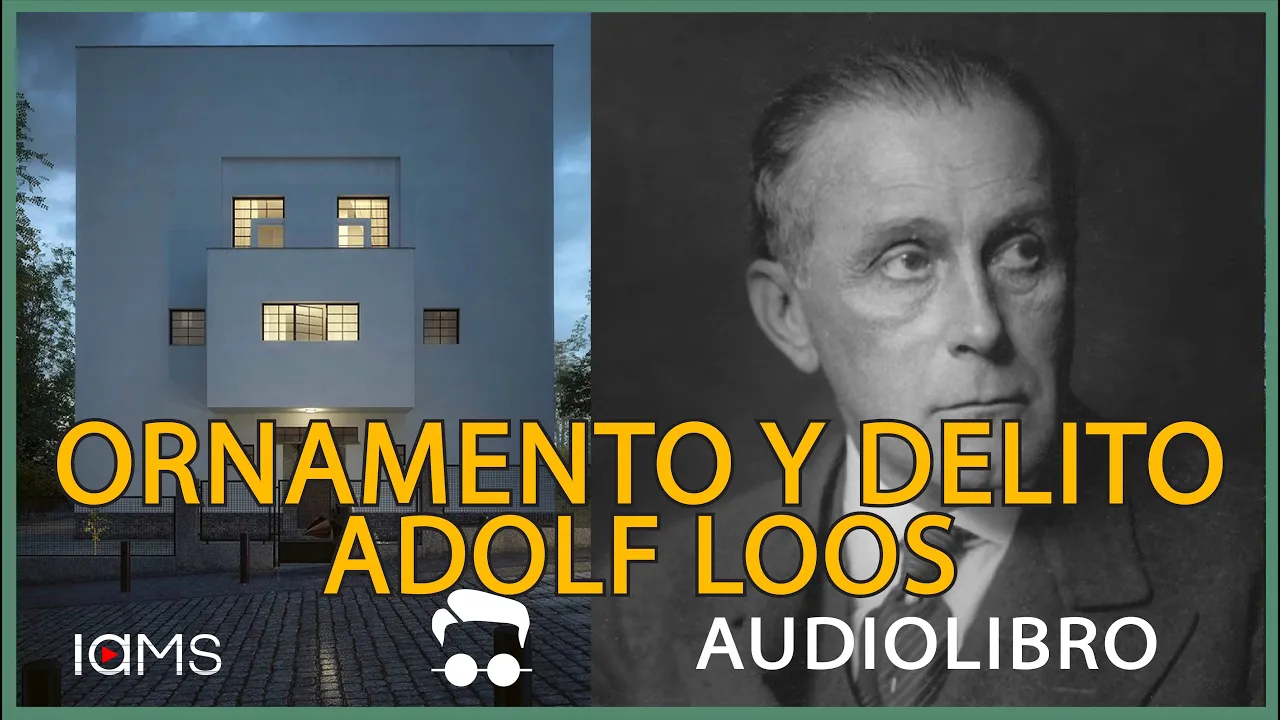
Austrian architectural modernism and the rejection of historicist ornament by pioneers like Otto Wagner and Adolf Loos.
The philosophical developments of the Vienna Circle and Ludwig Wittgenstein's early contributions to analytical philosophy.
How the devastation of World War I and the collapse of the Austro-Hungarian Empire transformed the trajectory of European modernism.
4.1K views0likes55:44Original Release: 2021-01-29
good evening and welcome to tonight's king's talk on the historical significance of the beautiful city of vienna with particular reference to the early 20th century my name is greg hunter and i am the deputy head co-curricular kings tonight we are delighted to welcome our current head of research and arts and humanities dr david perkins to provide this talk he has a lifelong interest in vienna's history david recently completed a 10-year stint as head of history at king's and in the past has completed a doctorate at the university of cambridge tonight's talk will take two parts firstly dr perkins will be providing us a presentation and then he'll be taking questions from you the audience through either the zoom q a or by putting your virtual hand up now it's with a great pleasure that i welcome dr perkins welcome david thank you thank you very much the end of the world began in vienna 1900 so they say apparently the principal sources of modernism um can be traced back to the clash of ideologies in a single um overlooked european city there was a spectacular outburst of cultural creativity as well as the discovery or invention of psychological man sigmund freud diagnosed the discontents of civilization disillusioned with politics fraud interpreted dreams vienna possessed a dream-like quality herman brock noted the city was a dream and the emperor a dream within the dream even before 1914 there was a sense of a society on the verge of collapse new forces of mass politics and demagoguery were unleashed in a feverish atmosphere that would have profound consequences for the future ham and brock recalling the pastries and the waltzes thought that vienna at least had suffered a joyful apocalypse hermann bar declared there was a virtuosity in nervousness meanwhile the musicians of the second viennese school specialized in eternal anguish eternal anguish but vienna just wasn't ready for this new music in 1913 arnold schoenberg faced an angry mob when he conducted works by berg vabren together with his own chamber symphony violence broke out oscar krauss oscar strauss even sorry excuse me oscar strauss oscar strauss who was the composer of the operetta walt stream punched the president of the avant-garde society for literature and music in 1980 carl e shawska produced a remarkable book fantasy x of vienna politics and culture he wasn't the first to write about fantasy vienna but he put forward a powerful theory he argued that those who created modernism did so out of alienation when their liberal political structure was brought to an end around 1900 frustrated by the loss of political power um frustrations over the loss of political power gave rise to the to psychoanalysis o to a tonality in music new athleticism in literature painting and theater architecture as well as in lifestyles shawska said there was an unusually high concentration of artistic and intellectual innovation said that these innovators symbolized the other cultural and social changes characterized by their alienation and independence from the past for schwarzkopf vienna proved to be a historical hot house because of its homogenous nature its manageable size and cafe culture played a major role in in spreading ideas it's possible to look at the cultural life in vienna around the time of 1900 as a series of intersect intersecting circles or constellations of activity the vienna circles model is an abstraction from the complex reality um there were internet interconnections certainly but there were also missed encounters for instance hitler stalin and trotsky could all have met over a coffee at the famous central cafe central they were all in town in early 1913.
perhaps it happened perhaps it didn't as well as circles there were also contrasts there are also contrast and unexpected pairings here we have rickard strauss and hugo von hoffman style the two men scarcely met um but the two exchange letters over a period of 29 years artistic collaboration by the media of letter would be inconceivable today here comes freud freud corn new psychological terms such as the edible complex defense mechanism death instinct repression he was one of the radicals but at the same time his lifestyle was very conventional his meals were exactly on the hour he strolled the ringstrasse every day his barber trimmed his beard daily he played cards with the same people every saturday night he was always falsely dressed freud is not exactly what you'd imagine a creative person looks like here we have adolf hitler author of world destruction he tops every list of infinite infamy much has been written about um hitler but he always seems abusive he was a man who sought to control the future but he also sought to censor and control the past people have often asked where did this monster come from here this childhood is familiar the overbearing father the doting mother the willful artistic boy the willful boy with artistic dreams um what's less well known is that there was six days older than wittgenstein and they actually went to the same school i don't think they were the same school in litz but i don't think they were bosom bodies hitler arrived in vienna from then intending to be an artist or an architect but he became an alienated drifter a consumer an avid consumer of fake news his later book uh minecamp contains scarcity and original thought he picked up almost everything in vienna here by contrast we have felix zoltan author of bambi um he sold the rights um for a thousand dollars it was published in 1923 translated into english 1929 um uh became a disney film in 1941 42 let's look at some art let's look at gustav klimt klimt was the son of a goldsmith he went to art school and he was he was a prodigy success came to him early his works became hugely popular he was a superstar who was revealed and sometimes reviled in equal measure he was the chief organizer of the vienna session consisting of a group of artists reacting against the stale the stale past art of the 19th century here you can see a kind of contrast that shawska would have talked about contrast between the um between the um representational realism on one side and his new kind of language art his um symbolist sensuous style um klimt's work his later work in particular burst with pattern and meaning it's as if his motto was more is better here's some more clips um we have a painting on the right of margaret stone stone bro wittgenstein who's the daughter of the wealthy industrious wittgenstein the wittgenstein family are touched by success as well as tragedy the three elder brothers committed suicide the rest became fairly famous that can sign the philosopher paul a concert pianist and margaret was active in the arts world here we have the development of klimt style the subject wears a white dress klimt enjoyed the white on white and in the background there is a kind of art nouveau style there margaret didn't like the the painting and had it consigned to the attic of her summer house on the left we have the dress designer amelia ferger he was presented as a kind of bejeweled beauty um she and her family didn't like the uh painting either um so that's something they had in common but it shows that the kind of develop it's a kind of radical image for the time we next go to one of the most famous images of klimt the kind of chocolate box image of the klimt the kiss um and it presents an uh an embracing couple cloaked in a in a cocoon almost protecting them from harm it kind of suggests the immortality of their love um the man is is is is coated with kind of repeating geometric patterns representing masculinity and the woman with with circles and flowers representing femininity but they're both kind of untouched by reality they've they've moved away from history um they're abstracted figures um this is the height of klimt's golden golden phase influenced by his father's career as a goldsmith um there's kind of a powdered gold coating a shimmering background um in the museum in the belvedere museum in in vienna they got bored with so many people taking selfies they've actually created a full-sized copy uh in the museum and they've called it the selfie point here we have another klimt painting from his golden period adele blockbauer a woman stares out um beautiful serene floating disembodied she's one of a group of wealthy jewish women the sort of jewish woman that freud liked to psychoanalyze um clint immortalized her in this in this painting he produced a lot of society paintings five or six a year and charged the equivalent of about a hundred thousand us dollars a pop um i don't block there would be a pair were very close and he's the only woman that climbed painted twice but there's quite a contrast between the second one where where adele bloodbar is presented as a kind of vertical tower in the middle there's a way in which some women kind of disappear into the wallpaper here we have egon sheila um you could say that egon cheetah ranks as one of the century's most screwed up artists he was only 28 when he died in 1918 like klimt he was swept away in the flu pandemic um she his career like many prodigies was brief but productive he was a son of a station master he went to art school he met klimt in 1907 and then his distinctive style began to emerge he's very very skilled at painting the human form almost always showing the body in isolation from its surroundings he famously painted pictures of starved looking nudes they were all elbows knees spidery fingers contorted limbs he seemed to be saying that even the bony body could be sensual here we have sheila's painting of the publisher edward cosmack from 1910 which again shows us a disturbing image and not an easiness that seemed to be prevalent in vienna at the time with sheila you see the body as a kind of a straight jacket a kind of prison of the soul and these were common expressionist themes sheila wasn't the first expressionist that in vienna that honor goes to richard gerstel gerstel was alienated from the tight-knit circle of artists in vienna he was arrogant he was super sensitive um he was short-tempered his art was experimental um in 1908 he began an affair with matilda schoenberg wife of the composer arnold schoenberg and the dynamics of that affair seem to have made his art more radical um faces blurred backgrounds lapsing into chaos and abstraction arnold schoenberg was having a simultaneous streak of creativity with his second string quartet but as he finished it he walked in on the pair and his wife briefly ran off with gerstel schoenberg who was also psychologically unstable threatened suicide matilda went back to schoenberg um gerstle proved the most fragile of two he was devastated he committed suicide in november 1908 aged 25 having destroyed much of his work here we have oscar koshka and alma mala they have a dynamic isn't the only troubled relationship in vienna at the time alma mala has a kind of eye for talent um consider the men she married or toyed with gustav mahler oscar koshko walter gropius franz werfel all of them big hitters but usually suffering from the same fatal flaw possessiveness there also there are there's two alexander von zimmelinski um the playwright gerhart hauptmann you know alma's definitely she was a talented artist she sacrificed her own creative impulses to see the ambitions of her men you know was she a serial betrayer because she seemed to fall for the same kind of temperamental artist she devoted her life at least for a while to them to their endeavors and then she left them for the next artist or musician who came along she's often seen as being a bit of a groupie um a groupie of intellectuals and artists but i imagine she didn't see herself quite that way her first love was reputed to have been climbed kakoshika became obsessed with her and this leads to his painting the the bride of the wind the tempest from 1914 encouraged by alma he started to create a kind of expression in his style and this can be seen is painting the uh tempest which shows um a couple on on maybe on a boat or on a bed in a in a turbulent landscape um there are lots of stories about oscar koshka like the time he found out that alma had been cheating on him with one of his love rivals the noticed bothered his poor camera later when alma mala left him camera threatened to shoot himself on marla's grave camera did experiments with toads um one alma and oscar used to meet in alma's summer villa one day oscar arrived to find the living room filled with tanks of toads some of the toads had escaped and there was a slimy orgy of frisky toads all over the floor here seemed to be viscous or vicious proof of alma's infidelity in a rage oscar threw the toads out of the house he'd been he'd been at work on the on the tempest um for about a year um and the toads instant allegedly led him to re-tint the painting from its original red color to a more ominous blue green color another story was that alma promised to marry him if he produced a masterpiece unfortunately she didn't but akka costa became obsessed with alma mater still uh stalkerish even had a kind of life-size model made about which you could take around with him um it was all good it all got a little bit weird in august 1914 he sold the painting to a berlin pharmacist he bought a horse a cavalry uniform and a brass helmet we saw that picture a moment ago and the postcard was made of him kikoshka also painted the architect um adolf elise and the writer peter altenberg um altenberg was a bit of a bohemian he used to dress in uh kind of these fitting clothes and wear sandals and all weathers he used to live in hotel rooms and uh counted his official dress as the central cafe um is that today the central cafe features a full life-size statue of him um sitting at a table um koshka's life didn't seem to make him that happy though and you can see here the kind of almost a sense of kind of distress the kind of intense color and kinetic handling of the paint again suggesting expressionism and here we have the koshka's painting of adolf lewis um who um a famous architect who's a kind of model of intellectual rigor the background here is a turbulent background it's not like the clinton background um there's a kind of sense of turbulence and t-mold um the classed hands are kind of clenched together almost like cogs um you could say that kokoshka was the last survivor of fantasy x vienna he died in 1980 but then i suppose you could also say maybe it's bambi maybe bambi is the last survivor of uh fantasy x of vienna um anyway the coffee house here is peter altenberg sitting in the in in the in the end prince of the central cafe yeah the best place to observe the end of the world was in the coffee house and here are some famous figures who frequented the central cafe there's also the cafe green style um which um was famously the building was famously demolished in 1897 and the southwest car crash wrote an essay called literature demolished um the the the cafe has been reinstated it was recreated in the 1990s it's a bit of a a kind of a fake cafe now but i kind of like it moving to architecture the ring strategy the kind of great boulevard of vienna created in the 1860s had a whole series of buildings which kind of made a nod to the past classical style for the parliament building the university and the renaissance style that's development progressed there's more and more eclectic article architecture in vienna there's a reaction against this um a group of artists seeking a new way of um producing architecture so here it comes a surprise after the kind of bombastic ringstrasse architecture to come across the spare white building topped with a spherical dome um a dome of golden laurel leaves um it was known at the time by vienna citizens of the golden cabbage the architect joseph murray albright answered his critics with the motto to every ages art and to art its freedom um it was a reaction against the pomposity of 19th century architecture i mean it houses clumps beethoven freeze which is a huge um freeze over three walls um again um a highly symbolized highly psycho psycho psychologized uh centralized um freeze um here we have um as an offshoot from the secession movement we have the vina verkstetter and one of its practitioners of arts and craft years of hoffman who liked a lot of squares and rectangles and you can see some of his backgrounds in the in the clinton paintings also paulo moser he's also one of the founders of the universe debtor who preferred uh circles so again otto wagner um otto wagner another suspection architect not far from the succession building is his car carl's pla stop by station um with his favorite motif the sunflower and also one of my favorite buildings in vienna his majorica house um he also produced the post spa caster the post office savings bank um which is um another one of my favorite buildings it combines functionality and beauty kind of focuses on every detail it's unusual for some a building of that time to be completely modular you can shift around the interior of it in a kind of strikingly modern way it can be adapted and changed um as needs change one thing i forgot to mention about the vena verter workstatters i think their designs are still used for the there's a famous batisterian uh uh cafe in in vienna called demmel um which is well worth a visit if you're in town and at least i think they still use the vina virtual designs for the pastry boxes we saw a painting of adolf lose and one summer years ago i spent walking the streets of vienna and one day i found myself walking on the street counting house numbers until i came across number 10 you know i was i was a bit puzzled because this wasn't the stark first thought i remembered from all the books it didn't look like the house that had launched the modern style you know i couldn't understand where the house had got to it took me a while walking around to realize that i was looking at the front of the house um rather than the back the front of the back is it always looks like a barrel almost um and it's quite deceptive um lewis himself was born in in what's now the czech republic started in the u.s for a while worked in the u.s for a while returned to vienna and became a practitioner an innovator of modern architecture you know he had a kind of obsession with simplicity form function and lack of ornament um here we have his house on michaela platz which is right opposite the entrance to the the habsburg palace to hofberg and um it was very controversial at the time when it was built because it didn't seem to have any windows it was very simple paired down and franz joseph was a emperor francios was a super conservative you know it's fair to say he was he wasn't really a huge fan of anything that could be construed as modern um and so he had all the windows supposedly he had all the windows on the palace that faced the building shuttered and he kind of refused to go out that way because he was offended his sensibilities were offended by this striking building um another favorite of mine is this is the um strudel hof steps these are this is a staircase and actually this is a staircase produced by the local government it's unusually stylish for something that's produced by a local authority um it was built in 1910 it seems unusually elegant so um there's a famous novel by himself um called the studio steps where most of the action sort of revolves around these kind of art nouveau you you can still kind of steps um the central plot uh takes place there there's a novel by arnold bennett um um called uh i think it's called now it's called the reisman steps uh saying clark come on which is a similar kind of an idea although this is a more complex novel um i kind of prefer this one though i think really but there's there's a translation of the new translation to english coming out in 2021 so one summer again i i went to track down the staircase you know i tracked down the steps i walked up and down you know i stood at the top drink it in the the final um thing i wanted to say in this um rather seven league boots approach to the history of vienna is to say something about uh the novelist the modernist novelist robert muesl um he's a contemporary priest a contemporary of james joyce and he's a striking the original thinker and he produced a novel um over the course of many years uh a kind of unfinished love called the man without qualities and it kind of represented a moment in history that exposes um kind of universal conditions of character states of psychology social and political and sexual interactions with volatile or otherwise is the setting of his book is vienna 1913 and he says in his notes that all the lines in the book um leads the war but it's an ironic book it's an ironic novel and a few of the characters can see war coming even if even though many of them are alert to the decadence of society most of the characters in the book are brought together through the activities of a parallel campaign they're planning a vast international celebration for the 70th anniversary of the accession of emperor franz joseph to the throne of austria-hungary this is a celebration that'll never take place um and the society collapses and that foreshadows the apocalypse he entitled one of the um three volumes pseudo-reality prevails history was set to collide with self-delusion [Music] everything comes to an end very much all right thank you dr perkins okay so it is now time we'll take your your questions uh either two ways either type your questions into the q a of the uh of the zoom function or alternatively put your virtual hand up and put you directly on to ask a david question yourself um just while waiting for the the the questions to come in um just on the that the coffee house yeah is that when did that actually you said they recreated in the 90s was it yeah when was it actually when did it stop in in its current format the well the the the cafe green starter was demolished in 1897 or the building was demolished it wasn't recreated um until the 1990s i think the vienna had a has has a slightly awkward relationship to these innovators many of them were jewish and um they there there's there's a kind of awkwardness as well as a celebration um and it took some years for these uh for these things to come to pass and how accurately do they do they think that they've actually recreated that that cafe some 90 years later or whatever it was um well i think it is it's it's i mean to be honest i quite like the cheers bar in boston which is which is a fake is is it is fake heaped on a fake idea so i'm a sucker for this kind of stuff anyway um regardless of its strict um authenticity i think the central cafe the cafe centrality is not exact it's in the same building it's not exactly the same place as it was before it doesn't look exactly the same but i think it's more um to give a kind of cop-out answer it's more of a it's more of a flavor or a feeling for it rather than strict historical accuracy thank you i just you might be reminisce about going to boston myself it feels like the cavern club of liverpool as well you know all these places that unfortunately you know either don't exist anymore got rebuilt or or whatever but it's still a spiritual place to go and visit when you go to these places okay so we'll start with the questions in fact we'll go straight through we have a hand up give me one moment i'll get there peers i'll just put you on to the on to ask your question please ask a question um hi there dr perkins i was just wondering about um vienna cafe culture in comparison to paris cafe culture i'm thinking about the cafe de floree and why perhaps vienna cafe culture was different in those days as opposed to uh vienna what was so special about vienna i think that i think is because vienna was was such a a small size and they had that tradition of of cafes and as i think i said earlier vienna sort of resembled it was more like 18th century london and then contemporary london um it still had that kind of um small town feel to it and it was possible as i said for people to kind of you know freud walked down on the ring start it was easily possible for him to walk into adolf hitler they they their history doesn't record that meeting but so uh and a lot of there was because i suspect also people's flats i know that people's flats were kind of uh rather unwelcoming and they they went to the cafes for warmth um a bit like the author of harry potter in a different way and um they they they came together and kind of bounced off each other um for that reason i think it's a kind of a peculiarity um i think that the viennese coffee house uh properly done is is a kind of a thing of a beauty really so um but they don't really really serve uh fast coffee great thank you very much thank you very much yeah thank you uh thanks peers okay we've got to cut my hands up before we go to another hand i'll just uh there's a a a related question from from gene as well in the 1920s the cafe culture was it rather like bloomsbury set in london is is that hold some similarities um i mean i think i think obviously the vienna um suffered after with the world war two with a profound reduction in i mean suffered worse than ger germany's serious economic problems um they're trying to keep it all going but the one of the things that had created this kind of cultural flowering was a new form of politics which is often uh i call a populist anti-semitic politics and you can see that increasing throughout the 1920s and into 1930s so um the the culture has become more difficult i think there are some there are some comparisons um still they're trying to keep that culture going but obviously um many of the um many of the participants are are going to leave are going to leave austria in the 1930s or in some cases commit suicide excellent thank you um andrew uh please ask your question of dr perkins um my question is are there any uh parallels or or differences between fandue sierra vienna and fandue siekler berlin i mean i i think that vienna was kind of overlooked in some ways and and and became a thing uh partly because of shawski was actually thinking about america in the 1950s and he was thinking about the decline of american liberalism and the development of new forms in politics and the the dominance of of freudian culture in america so part of the story of of shawska's work is a kind of a history of america um in another way um certainly and vienna became this huge thing um but then more recently people have looked more to a kind of central european cultural pharynx it doesn't make any sense just to say vienna is a thing on its own obviously you've got people like um kafka who come in from prague now again to give uh talk to go to insurance conferences and give court talks on accident prevention but the the there's a kind of firing of culture in in in prague and in krakow also in berlin so um the the idea this kind of gleaming idea that schwartzke had is a very kind of viennese thing um has perhaps been challenged in recent times so and and people like uh kosh spend more time in berlin um and in a way become more identified with german expressionism thanks thanks for taking um thank you andrew thank you for your question okay so um next question we have um can you recommend any good books to read about viennese culture um well i think that shawsky is is the one to start with um that is the kind of classic one that i mean i said he wasn't the first one the stefan vig the very famous um german author wrote a book called the world of yesterday um which is what kind of one of the original books here there's a book called sacred spring in the 1970s also an interesting book called wittgenstein's vienna by yannick and tillman thank you okay um i want to ask do you think the new architectural style uh could have happened without the experimentation within art and vice versa um i mean certainly architects like otto wagner sort of hero worship klimt um that if you believe got the kind of short skin analysis there's a kind of shift away um from the patterns of history to new forms um and and there is that experimentation and a kind of brutalism but it's not it's not quite the same one of the reasons why as as what we might expect from the class stereotypical ideas of the 1960s architecture in the uk obviously one of the reasons why some of the wittgenstein designed a house for his sister um those houses that they just build out better materials um so i think there to answer the question there is there is a there is a kind of a feedback between the artists and the architects i mean larissa got his ideas from from the usa but there is a kind of uh there is a kind of positive feedback leap i think thanks david is is um alexander is is hitler thinkable without his vienna experience is is that yeah i mean hitler's is is like i don't know hitler's kind of hard to track down and he's he's a kind of creation he's other people's ideas in a way he's kind of a creature of other people um later he one of the founders of the nsdap a guy called is it dietrich eckhart i think he is he kind of takes him on board and creates his style and and and kind of shapes him into a new thing but i think um there is definitely an argument that he kind of there was a big divisions about immigration particularly of jews coming in from the eastern part of the empire um hitler felt he'd had his genius hadn't been recognized um and he he kind of there were lots of anti-semitic newspapers um he kind of drank and of this whole atmosphere certainly but he kind of um he kind of went back and kind of edited his history um as i said so sometimes it's a little bit hard to track down but maybe it's a bit of both if i'd had to give a fitting answer um george asked why was vienna the city which had such a variety and depth of artistic and intellectual activity in that period um i think i think i i think again it kind of some of its accidents some of it's the small size it's just that i don't know sometimes it's a bit like i don't know i don't want to draw a false comparison but like tech hubs you know you kind of get a whole bunch of people together they're old street roundabout or or in california wherever they all just kind of feed off each other and it just becomes a thing and the uh the genesis genesis and dynamics of this is not always easy to to kind of track down i think but um there are people people tended to kind of not people tended to but you get people who who kind of straddle different fields so for instance you've got the economist schumpeter who left uh notes for an unfinished novel where he's he writes the protagonist goes to america to get into business and not because he's interested in making money but it's kind of the philosophical idea of the dynamics of capitalism um so you and you get people involved like measle he's a trained engineer witkinstan he's an engineer people cross fertilize in different areas i think um to a large extent thank you elizabeth i noticed that gustav klimt wasn't branded as degenerate during the nazis vendetta against art that wasn't to their liking do you have an idea as to why he escaped unscathed um i think because uh he there's the there's the [Music] there was an exhibition during the war of obvious i think is his adele blockback the golden eldell blockburn and they kind of edited out the jewish background to it they just call it the golden woman or something like that and um so i think they just again it's a kind of form of editing and because he wasn't jewish himself um you know he was he was kind of acceptable um and he was he was i suppose also klimt wasn't really he was a kind of a happy rebel against society you know he he made a lot of commissions you know he was revered and his he was on the i mean some of his paintings went a bit too far and they scandalized people particularly early on but he kind of people people kind of like his like these smarty paintings thank you um cameron one of our shells uh asks sort of what drew you to study vienna opposed to other european cities um well i guess you you've got to study one thing as opposed i i i fell into it because i i did a a course at university on it and i kind of it was it was kind of a mind-blowing course because it wasn't just political history it was like this is the history of everything um and it just really kind of expanded my perception i became a bit of an enthusiast for it and i've kind of although i haven't i've i've kind of specialized in other things i've kind of come back to it uh now and again and i've had trips to vienna and so forth uh max asks can you tell tell me something about the mikko kosher church it's stunning inside but i know a little bit about its background it's history um i mean it it that it dominates the place i'm i don't i don't actually um i'm i'm gonna i'm just having an adventure in dementia i'm afraid i can't i can't remember the first thing about it uh to be honest i'm just gonna have to i'm just going to stick my hand up and say that now um it dominates the square i i've walked past it so many times but i um again i just think um i'm gonna have to i'm gonna have to uh past that one i'm afraid you're doing really you're doing really well david that's fantastic look peace we're going to allow you to talk peers please ask your question hi there dr perkins could you uh just tell us about the position of austrian jews at this time um where they were i i'm teaching a module at the moment on on this and and and what they were considered in society was it whether they considered differently or how they sat in an austrian society at this point yeah but i mean i think that the there was there was a kind of a great hope of integration um um from the 1860s 1870s after the stock market crisis of 1873 um things change and the loss of faith and progress you get the rise of um populist movements anti-semitic movements the right the shift from cultural anti-semitism to a kind of more biological anti-semitism that you can't actually change who you are you are what you are according to this kind of distortion of racial theory so um jews had a sort of unusual position i mean freud struggled to get to be in this new atmosphere of of populist anti-semitic politics freud struggled to secure a um associate professorship he's about 45 or 46 so there's there's a definite feeling of of discrimination um the the the mayor of vienna of the christian social party who's often seen as a kind of precursor to hitler um khan did play on this anti-semitic stuff and he set up the post office savings bank which is a nice building but it's also trying to undercut what they regarded as being jewish financial interest so um but he he basically famously said i decide he's a jew he says not like you know that he i've got how come you've got lots of jewish friends well you know i decided he was a jew um but he kind of i suppose he set that off and it's gonna have um tragic consequences in the future thanks so much for your question please um georgia asked you said there were many innovators that were jewish were was there no anti-semitism feeling at the time sort of similar sort of lines um i mean definitely against mahler for sure yeah um he had a very difficult time um so i i think i think um so i mean some of the some of the perches i mean like the wittgenstein family come from a jewish background and they're sponsoring the succession building the viking styles by climps canvases so um some of the art market is is i don't want to exaggerate this but some of it is is there are jewish kind of sponsors of it so uh i don't know too much about that to be honest but i mean certainly there is there is a feeling of of scandal and it it's not helped by um the artists being jewish certainly andrew wright some thank you david been to to been to um intervene once on a young enterprise trip and loved it one thing that struck me was the subservience you could come across a road with no cars inside or normally cross it no local dare to do so unless there was a green light do you think there is a reason for this i i think that that and there's there's always been a tension between the the the kind of socialist vienna the kind of working class vienna red vienna and the kind of more buttoned down conservative vienna and those things kind of exist in tension with each other i suppose they they're i don't want to make large scale um assertions necessarily but um germanic cultures tend to be kind of more ruler boy do they not um they like they've got rules about when they can hang their washing out and so and so forth so um maybe that's the reason i don't know thanks um and barbara says how did the inner culture influence science uh what was its influence on the venus circle wittgenstein and yeah i focused on the kind of cultural uh artistic elements but yeah obviously someone someone like me is easy to forget that there's a kind of um there's a kind of important scientific development as well in in you've got you've got mac here the mac number you've got boltzmann um you've got developments in radiology and and medicine um and you've got characters like robert muesl who's a trained engineer uh wittgenstein who's an engineer and make some developments to aircraft engines i think um and then move into different spheres so um i've kind of lost the threat of the question but the the um but hopefully that's some kind of answer vienna cultural influence on science oh the vienna culture influence on science i think um i think again um actually i don't think i don't know in fact barbara you is is your question do you want to uh do you want to elaborate any further i would like to a little bit because uh my great-grandfather is maurice schlick and he was part of the vienna circle that wittgenstein was part of and i know that he exchanged for example mail with einstein so there's a lot of history there but i think he arrived in vienna in 1922 so a little bit later and he was murdered on the steps of the university in 1990 in 1936 i would love to kind of learn more about pretty much anything that was going on around the period that my grand great grandfather lived there sure yeah sorry i don't it's quite random but i don't i don't yeah thank you that's a that's that's very interesting but i i'm afraid i don't really that's fine i have anything to offer i'm afraid thank you for your thank you thanks for your question barbara um can i just uh we'll go adrian would you uh like to ask your question um yeah yeah sure um the modern modern-day economist pickety i think he looks at this period and identifies it as being characterized by a large disparity in wealth which mirrors to some extent where we are at the moment and possibly even going further back to the regency period um do you think there's anything in this in terms of there being a sort of excess disposable incomes to feed culture in this way um i i think i think yes obviously artists tend to need a market um if you believe the kind of um shawsky kind of theory many of them i mean it's not a completely watertight theory but a number of them are the sons of people who've been in business who are now alienated from the from society and they now they now turn away from business and from politics because i think um an example from business the the two two of the wittgenstein brothers committed suicide because they they want to do other things but their their father is putting intense pressure on them to go into the kind of business world and uh i think i mean yeah that undoubtedly there was a huge disparity in wealth um there's no doubt about that and i think the the market and it was a rather unusual kind of patron kind of centered kind of art market yeah do you think there's a any parallel today in in the art market and um i'd the the um i don't know i i i i'm not i'm not particularly active in in the art market i don't have a chagall in my downstairs toilet but i i i do uh i think there probably are um some that i'm sure there are parallels definitely um the the the the same sort of things that seem to be happening and when the the a few years ago when uh adult blockbuster's painting came on market again having having been recovered from having been stolen by the nazis it commanded millions of dollars so um it still it still has an attraction today so i think the the there are undoubtedly um disparities in wealth i suppose when you look at the the kind of viennese school of economists the are they rooted in their period or are they saying things that are kind of um if not exactly um timeless then maybe axiomatic maybe they they would claim there's something that goes above and beyond they're not completely trapped by their environment thank you thank you adrian thank you for your question um charles asks how many ethnic groups were in vienna during this period and how did that affect the culture at the time um well there's a very large number of ethnic groups i had in my mind to actually because i i had my mind to check that out but obviously the the the austro-hungarian empire is a very large diverse multinational empire with a whole range of different language groups many of them are loggerheads at this time including czech nationals uh hungarians um the whole thing is going to split apart um after the war into a whole set of new states there's gonna be lots of um jews coming in um from the eastern parts of the empire you're gonna be dressed in in cafe towns you know and they they've they they have that kind of different look that makes people kind of suspicious so definitely it's very much there's some quite vicious anti-semitic cartoons at the time and generally and and the carl lake lueger the the christian social mayor of vienna is active in campaigning against immigration into vienna even i think he coined the term judah pest to to you know he's some pretty stark stuff going on thank you and um could you tell us a little bit more about you you've gone through so many different interdisciplinary elements of cultural vienna you know why did this happen there um i i suppose um at that stage life wasn't quite as specialized as it is now now people tend to kind of hold up in very narrow specialisms and they can't really keep contr they can't really keep track of all the technical specialist literature in their area let alone the idea that they're gonna um and i think it still was just about possible for educated people to have kind of read all the major books and and to and to be able to swap in between different areas in a way that it's not possible now particularly technology has helped us but it's also led to a kind of exponential growth in the amount of material that we've got to deal with yeah and um and elena that was a great question from anthony and alan asked how did the spanish flu sort of affect the intellectual exchange of these ideas um you know you mentioned people are the death of shield etc yeah sheila and klimt were swept away by the the spanish um flu i mean obviously um you know it was it was those the two people i can think of on the top of my head who who who suffered and i think she his wife also died in it but the uh obviously in these in these covert days it's a kind of because people kind of forgotten about the impact of like people knew about 1918 through panda i mean they kind of knew about in a kind of abstract way but people are kind of revisiting now and looking at a bit more closer than they have done um i suppose and um i think it the the the the the the empire came to an end the whole the whole multinational empire split apart there's huge economic social political problems psychological problems leftovers from the war it's it's all it's it's it's a facet of of of a larger story but it's a pretty important facet i think you know people were really in a very bad state um in the in the late teens early 20s fantastic and just one or two more questions to finish off and yet william sublimely isolated from the rest of the habsburg empire or is it characterized and strongly influenced by it i think i think the you you can i suppose it comes back to whether you think there's something unique about vienna or whether it's more part and parcel of a central european kind of flowering and but certainly you do seem to see um art nouveau buildings you can see it across across the empire and you see and you see people have done studies to look at the connections and um you can see artists in the czech lands um in slovenia as well where you also see buildings of this type so um i think there are there are and as i said you've got people like coming in from different parts of the empire like like kafka springs to mind um who are part of a kind of german speaking culture which which kind of ties that thing into vienna i suppose thanks david i'm i'm gonna have the the last question here so eventually when covid's over and you get that flight out of vienna where do you go first um the that's a that that is actually um um a good question um i might i might go to the cafe landman which is which is near near near the university which is one of freud's regular hangouts and then i might imitating freud i might take a little walk around the ring strasser i can see i can see you there right now um there there were quite a few other questions and uh and actually quite a lot of comments in the in in the q a thank you so much david for your insights um and and on vienna in in the early 20th century you know i've i've gained a lot in about sheilas and gurstal's almost harrowing pictures actually paintings and and what they did there with the portraits and dare i say is it the fiendish relationships that alma sort of had you know the various relationships there um is that the right word well i don't know i mean they they if i mean they're always mad as a box of frogs these people and and and and um um you know they're just extremely like akash has got a life-size model of of of which he takes around with him everywhere and then eventually he sort of decapitates it to try and get rid of get out of his system every painting he paints it's always the every female form is rendered with with the image with the kind of with the features of of alma she as i said she probably she has this reputation for being flighty and everything else but you know her she was quite talented and marla had stopped her from composing and and maybe she's just she's just conforming to the kind of stereotype at the time and she's she's trying to carve out her own world i mean she becomes quite grouchy later on but fortunately she managed to emigrate to the united states and after some dicing is getting out of europe so she's she has she had quite a ride really but i think you know and she's one of the survivors with bambi she's one of the survivors of of um from not being too flippant of of that whole world because she last until 64 i think fantastic yeah i i i look forward to having a cup of tea and hearing more stories about about vienna when we get a chance in in the common room david it was it's been absolutely fascinating hearing your your insights um and uh and and you handled the questions incredibly well there's quite a diverse range of questions there and uh and and you've done extremely well so so thank you for your time on behalf of everybody listening um and uh and we really appreciate the time we gave thank you david
Up Next
126:17
The Birth of Modernity: 1900-1914 Documentary (SLICE HISTORY) | A Turning Point in Western Civilization
@SLICEHistory
173.9K views•2025-07-20
31:27
History of Candles & Medieval Lighting: From Oil Lamps to Rushlights
@LynneFairchild
5.5K views•2021-02-11
91:57
The Geopolitics of the Ukraine War and the Rise of Global Autocracy
@JordanHarbingerShow
468K views•2025-04-19
17:05
Understanding the Cold War: Superpower Conflicts and the Road to Détente
@OverSimplified
46.1M views•2019-01-24
Related Study Plans & Knowledge Roadmaps
Structured learning paths in History
history
Byzantine Iconoclasm: Theology, Art & Politics
01Foundations of Byzantium and Early Christian Images
02The First Iconoclasm: Leo III and the Crisis of Images
03Empress Irene, Nicaea II, and the Second Iconoclasm
+ 2 more learning modules
9h5 modules
Explore Roadmap
history
Iranian Revolution (Causes, Events & Legacy)
01The Pahlavi Dynasty and the Roots of Discontent
02The Spark of Rebellion and the Rise of Khomeini
031979: The Fall of the Shah and the Climax of the Revolution
+ 2 more learning modules
8h5 modules
Explore Roadmap
history
Mali Empire: Mansa Musa, Trade & Timbuktu
01Foundations of the Mali Empire
02The Trans-Saharan Gold and Salt Trade
03The Reign and Pilgrimage of Mansa Musa
+ 1 more learning modules
6h4 modules
Explore Roadmap
history
1947 Partition: Politics, Borders & Legacies
01Foundations of British India and the Divide
02The Political Negotiations and the Mountbatten Plan
03Drawing the Boundary: The Radcliffe Line
+ 2 more learning modules
8h5 modules
Explore Roadmap