






![[중2역사] 중세 유럽의 역사(프랑크 왕국부터 봉건제 성립까지)](https://i.ytimg.com/vi/drzSMASNh_o/sddefault.jpg)



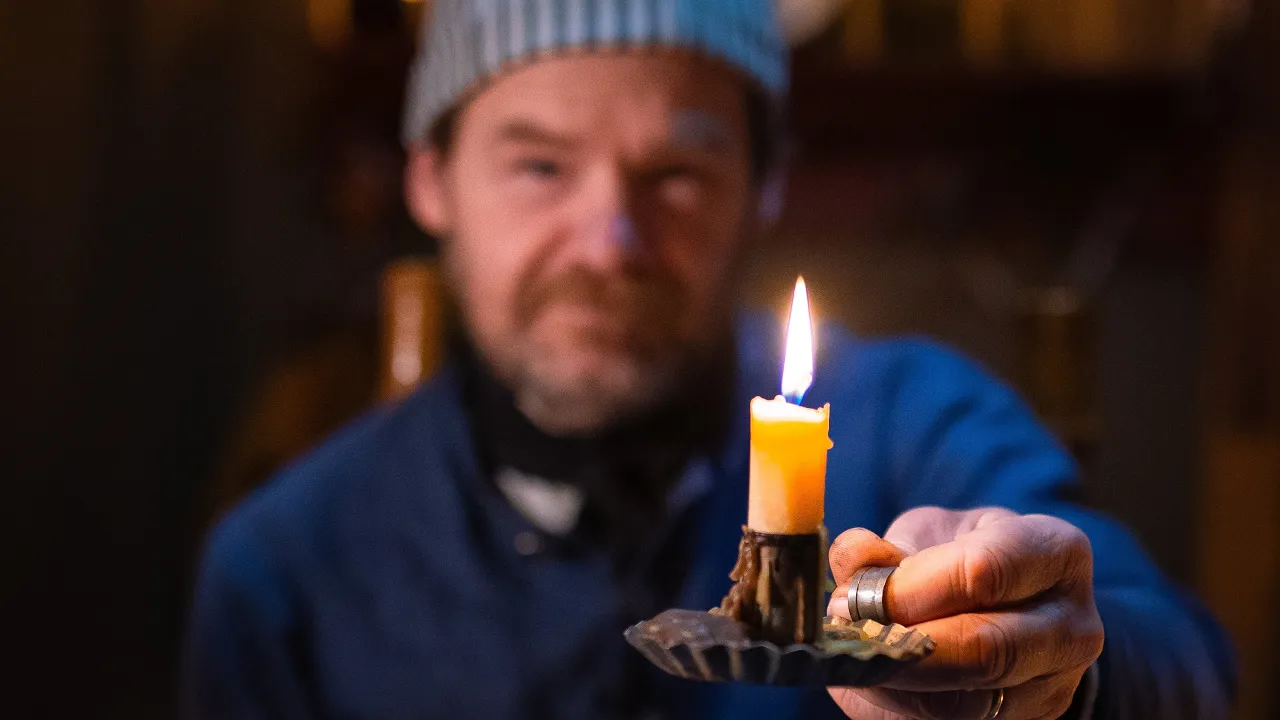














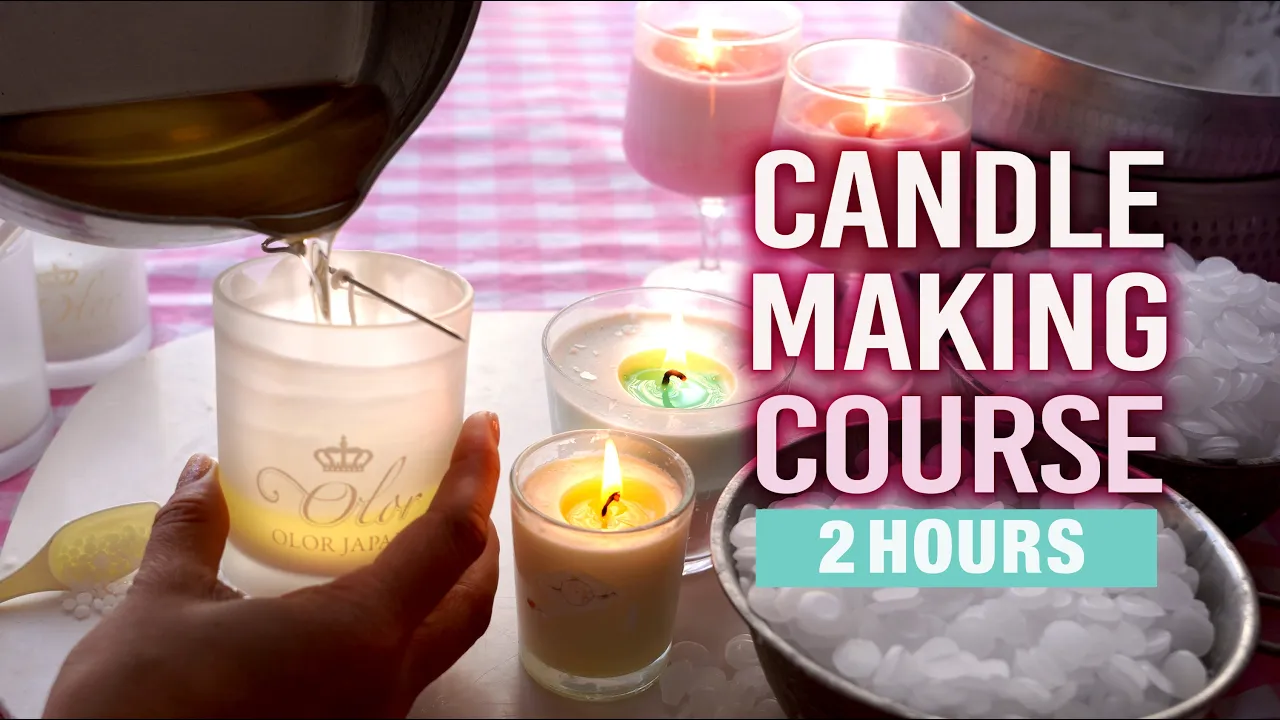


Throughout history, lighting technology evolved from Roman oil lamps (using olive or fish oil in clay, bronze, or stone containers) to medieval rush lights (dried rush plants dipped in kitchen grease that lasted only 15-20 minutes), then to tallow candles (animal fat, cheaper but smoky) and beeswax candles (luxurious, clean-burning but expensive—priced at nine pence per pound in 1371, equivalent to a soldier's day pay for six candles), before finally reaching paraffin candles in the 1850s, which were mass-produced by machines creating up to 1,500 candles per hour and ultimately replaced by Thomas Edison's light bulb in 1879.
History of Candles & Medieval Lighting: From Oil Lamps to Rushlights
Added:Basic principles of combustion, including how fuel, heat, oxygen, and a wick interact to generate and sustain a flame.
A general chronological understanding of the transition from the Roman Empire to the European Middle Ages.
Familiarity with pre-industrial raw materials, specifically animal fats (tallow), beeswax, and plant fibers.
An awareness of socioeconomic stratification in historical societies, as access to quality light was heavily dependent on wealth.
The development of municipal gas lighting systems and their impact on urbanization and nocturnal safety during the Industrial Revolution.
The history of the whaling industry in the 18th and 19th centuries, driven by the global demand for whale oil and spermaceti wax.
The invention of the incandescent electric light bulb and the sweeping social and economic impacts of widespread electrification.
The organic chemistry of modern candle-making, focusing on paraffin refining from petroleum and the physical mechanics of capillary action in modern wicks.
5.5K views153likes31:27Original Release: 2021-02-11
hello one of my many interests is candle making so for today i'm going to be discussing candles and other light items in history and so welcome to candles in history this picture is of me making beeswax candles but before we get too far into today's discussion make sure to select thumbs up if you like video if you have questions during the video please post them in the comments below and as always please subscribe to be updated when new videos come out so first what is a candle today i will be describing and discussing what a rush light is compared to oil lamps in history as well as tallow candles beeswax candles and paraffin candles the picture in the middle is an example of what a rush light is and the picture on the right side is a picture of a candle as we know it in today's world but i'll be getting more into the differences between the brush light and the candle later on in the video first let's go back in the history back during the roman time period and we actually have many examples of what romans used to help as a lighting source they may have dipped rolled papyrus and into tallow tallow is animal fat um they also may have rolled it in the papyrus into pitch or beeswax to create candles however if you used beeswax that was more of a luxury or status symbol finally the younger wrote of candles being made of pitch in the first century and i mispronounced this name i'm sorry epoulaius mentioned beeswax candles in the second century so we do know romans used candles however oil lamps were more popular olive oil or fish oil it was more easily accessible and also less time consuming in making it oil lamps could have been made out of stone clay shell glass or metal after rome fell candles became the default light source because oil was not as easily available anymore throughout the rest of europe on the right hand side of the page is an example of a multi-socketed candlestick holder as you can see on the left part of the candlestick holder there are two holders for the candles and then on the far right side is a hook which made that to where you could either hold it or hook it onto something if you weren't using it now if you remember i did say romans did use candles here are some examples of candle holders the picture on the left is of a candle stick holder it's at the museum of london and it is made out of copper alloy the picture on the right is a quadrupod candlestick and that's also at the museum of london and it's from about anywhere from 43 to 410 a.d we just know it's during the roman period that this candle stick holder was made and it's made out of a lead alloy but do you remember how i said romans preferred their oil lamps here are some examples of oil lamps during the roman time period you have on the far left hand side an oil lamp in the shape of a frog it's from about the second century and it's made of bronze the picture next to that is an oil lamp with a double spout it's from about the fourth century also made of bronze the picture in the middle is called a firma lumpen it's a factory lamp and it's from anywhere between the first to the third century it's made of clay and the picture next to that is the same firmalumpent and it is a gladiator's helmet from about the second century and it's also made of clay and the picture on the far right is an oil lamp and a pear-shaped body and it's from about the first century and it's made of bronze if you are interested in roman oil lamps i recommend looking up the word firmalumpin at the archaeological museum of bologna and you'll find many many more examples of roman oil lamps you're curious how a roman oil lamp worked the picture on the left is a diagram provided by the milwaukee public museum and it actually shows you the different parts of the oil lamp to know where like the base was the handle the reservoir the rim the nozzle and then on the right side is a picture of the bottom of a factory lamp and many roman oil lamps have maker's marks on the bottom of the oil lamps this one specifically was produced in northern italy and here are some more examples of roman oil lamps the picture on the left is from the museum of london from anywhere between 60 to 300 a.d it's made of ceramic and the picture on the right is also from the museum of london the romans did inspire other cultures after the roman time period to have oil lamps here are two examples of oil lamps the picture on the left is of a hanging oil lamp it's at the museum of london and that's from about the 12th century and it's made of a copper alloy and the lamp on the right is of a winged sphinx at the v a museum and it's from about the late 15th century it was made by andrea riosco in padua italy but even though we know oil lamps did exist they were not the most popular after the roman time period which brings us to rush lights rush lights were used during the medieval period on up into the victorian period flashlights were used by the poorest of the poor what you would do is you would send a child out to go pick brush plants the brush plants were then soaked in water with the other layer peeled off and then dried after it was dried then you would repeatedly dip the pith which is the inner layer in tallow or animal fat and this animal fat would be fat that was collected in the kitchen so after you made your meals the grease would collect in the grease pan and then you would use that grease to dip the inner layer of the rush plant in the fat to create a candle well a candle of sorts if you look at the picture on the left this gives you an idea of how brush lights were used you would have it was called a nip it could also be called a pair of nips or nippers but think of pliers that would hold something simple and small for example this is actually a beeswax candle but just imagine my fingers being a pair of nips and then you would hold the rush light like this brush lights were not strong enough to stand vertically as seen in the picture on the left so you would actually hold it at a 45 degree angle and what you would need to do is pinch it and then you would light your end and then every so often you would have to move your rush light up the pair of nips as the fire burned down that way otherwise if you had it pinched say right here the fire would go right there to the nip and then burn out just the same if you put the nip right here this would burn and then probably fall like that and then the fire would go up and you would burn out your rush light that much faster so you had to move the rush light every so often through the pair of nips to keep your light but even with that a typical rush light would only last about 15 to 20 minutes mutton fat was preferred as it dried the hardest there are a few examples that i have found of rush lights that are sort of remind me of a fork if you look at the picture on the left and the picture on the right the picture on the left is from the british museum it's from about the late 13th century and it's made of iron and the picture on the right is from the north lincoln shirt museum and that's from about 1250 and it's made of a copper alloy the picture in the middle is to give you an idea of how these two candle hold well they're listed as candle holders but how they would hold the rush light so you have your prongs and then you would just stick the rush light right in the middle but this seems to be a very rare concept as far as brush lights that still exist in museums most rush light holders that we find in museums are like these examples where you have the nips so think of something that looks like pliers the picture on the left is a brush light holder it's from about the 16th century it's made of iron and then it's also on a wooden stand and just simply a pair of pliers with a little hook to pull it apart and close on the right is an interesting one because most rush light holders tend to be stood up something like you would put on your night nightstand or on a table this one on the right is a hanging rush light it's at the brooklyn museum and it's from about the 17th century and it's made of iron some more examples of brush light holders the rush light stand on the left is at the brooklyn museum it's from about the 17th century and it's made of iron again if you look you've got a wooden base iron and it just looks like a pair of pliers the holder on the right is a rush light and candle holder as we get into the later time periods you will find more rush light holders have this option available where there is both a candle holder and a rush light holder this is from the science museum group from about 1720 and it's made of iron and more rush light holders the rush light holder on the left is from the grand rapids public museum from about 1748 and it's made of iron again wooden base and then a pair of pliers sticking out that wooden base on the right is another rush light and candle holder combination this is from anne hathaway's cottage in dairy it's from about 1750 and also made of iron and more rush light holders the one on the left is a candlestick and brush light holder it is at the met and it's from about the 18th century also made of iron the rush light holder on the right is from the british museum and it's from about the 19th century and also made of iron now that we've discussed rush lights and poorest of the poor using rush lights if you were able to afford candles either tallow candles or beeswax candles then you would have needed candle holders the candle holder on the left is at the museum of london it's made of iron and this one i found fascinating because it could either stand on the table or be hung up by the hook it has a double-ended socket for the candle the end is used depending on the position of the candle holder so if you notice on the right side of the candle holder you'll see right now it's sitting as if it would sit on a table and there's a candle holder on the far right and then that's where you would place your candle but if you were to lift it up and hang it on the hook if you look right along that base there is a another candle holder so if you use the hook then there's a candle holder to hold a candle vertical or again lay it down and then there's the candle holder on the far right for the other candle most candle holders that you find in museums are from churches such as this on the far right it's a pair of altar candlesticks these are at the morgan library and museum and they're from about 1500 to 1525 and made in italy and they're made of bronze one thing you'll notice with candlestick holders that are such as this altar pieces instead of having a cup for the candle to sit in instead there's just a base with a point sticking out where the candle would then just be stabbed by the point on the top of the candlestick holder and a few more examples of candle holders and history on the left is a candlestick holder it's at the louvre it and this one is interesting because we actually know who made it francois roberte the elder who was a goldsmith to the duke of orleans and this was made in the early 17th century and then if you think candles to me the first thing i think of when i think of say a palace with candles i think of the hall of mirrors on the right side is a picture of the hull of mirrors from the palace of versailles this palace was built between 1678 and finished about 1684 and in its heyday this room alone had over 3 000 candles that were used to light just this one hall that doesn't include the rest of the palace just this one hall had over 3 000 candles imagine trying to make all of those candles or paying for all of those candles to be made or being the person having to light all of those candles but you have to admit i think the room is gorgeous so if you were able to afford candles your options were tallow candles or beeswax candles the difference is tallow candles are candles that are made from animal fat and beeswax candles are candles made from beeswax research shows that tallow candles have existed since at least the 13th century quality tallow candles came from either sheep or cow fat lower quality tallow candles came from pig fat if you remember with the rush lights the rush lights were rush plants dipped in grease which came from animal fat well tallow candles are similar because they're also dipped in animal fat with using animal fat the rush lights provided the tiniest bit of light possible tallow candles because instead of having just a again this is a beeswax candle but use your imagination imagine this being a thin little brush light you can imagine how much light or how little light this will provide now imagine this being a tallow candle if this provides only a little bit of light that as a rush light the tallow candle will provide more light because there is more wax there but with that the sheep and cow fat did not provide as much black smoke and did not smell as bad as the pig fat did in 1462 tallow chandlers which were a guild of makers and sellers of tallow candles were granted a royal charter by edward iv allowing for trade to be monitored and taxed in 1709 there was attacks on tallow candles and an interesting tidbit the melting point for tallow wax is between 125 to 165 degrees fahrenheit the picture on the right is from dietero's encyclopedia which was written between 751 and 772 and in this you can see one person cutting the thread to go in the candles you can see another person dipping the candles so the strings are all tied onto um it'll say a branch onto a stick and then dipped into a bucket and then come out and then they would dry and then you would dip it again or the person on the right you can see has a cup and they're pouring molds so beeswax candles beeswax provided better lighting and smell nicer than the tallow candles and even better lighting and smelled better than the rush lights the beeswax candles provided no smoky flame like the tallow candles so overall beeswax candles were preferred they provided better lighting they smelled better however they were also more time consuming in 1371 the london wax chandler's ordinance decreed the wax chandler which was a separate guild from the tallow chandlers that they would receive nine pence for a pound of wax candles which was about the equivalent of a soldier's entire day pay for just six small candles imagine working all day to just pay for six small candles that tells you how how expensive beeswax was and to make these candles was just that expensive until the 19th century beeswax candles were typically reserved for the church royalty and nobles specifically because it was just that expensive only the church and the royalty could afford paying for beeswax candles beeswax cannot be used in molds unlike tallow or paraffin candles the beeswax will stick to the mold once cooled and because of that beeswax candles can only be made of one of two ways and the picture here you can see and it's also the same setup like the first picture when the discussion first started if you saw me standing in front of a wheel you will see it's a wheel with strings hanging down and the wheel spins over a bucket and you'll take a cup and pour the wax down a string and then move the wheel take the cup pour the wax down the next string and this is one way of making the candles is by pouring the wax down the string any wax that doesn't collect on the string can then be dripped back into the bucket underneath the other way of making beeswax candles if you remember the previous picture here the lady in the middle holding the stick with the strings you can have a large bucket and just dip the strings into the bucket the thing to remember with this is however long the strings are you want your bucket to be even longer than the strings if you are dipping because otherwise if you have a small like say a shallow bucket and your strings are really long as you dip and pull out those strings are going to start curling up every time they go down and then back up because they are hitting the bottom of the bucket you want the candles to stay straight the picture on the left is from alan baird's candle makers workshop it's from about the 18th century with making beeswax candles using the pouring method shown on the previous page can take roughly six to seven hours to complete from start to finish part of that just depends on how long your candles are and also how thick you want the candles to be after pouring one layer of beeswax you want to wait until the candle no longer feels hot and has returned to its original color before pouring on the next layer if you pour the wax onto the candle when the candle is too warm it can create ripples which will make the candle appear bumpy rather than smooth and if you wait until the candle is too cool then it can create rings like an onion which will weaken the candle just an interesting tidbit modern paraffin wax has a higher melting point and is more suitable for a double boiler system if that is what you would like to use when making candles at home beeswax has a lower melting point of about 144 degrees fahrenheit so if you are making candles at home you want the beeswax to be directly heated over a low heat source if it's heated above 185 degrees discoloration can occur and if you heat the beeswax too much then it can become explosive and catch fire and on the right hand side of the page is the coat of arms of the wax chandlers of london the oldest beeswax candles that i have found to be in existence um are at the alamonic graveyard and overflow in germany they date to either the late 6th or early 7th century a.d and they are the oldest surviving beeswax candles north of the alps and i also have the dimensions here the one on the far left is about eight inches long and we'll say about three quarters of an inch wide the one in the middle is almost 11 inches tall and about three quarters of an inch wide and the one on the right is about eight and a half inches long and also three quarters of an inch wide and now on to paraffin candles in the 1820s a french chemist figured out how to extract stearic acid from animal fatty acids this became known as stearin in 1834 joseph morgan who was a pewter worker created a machine that could create up to 1500 candles per hour in the 1850s james young a chemist came up with the process for removing paraffin from colon oil the steering remember from the 1820s the stearic acid that was removed from animal fatty acids the stearin was added to this mixture of paraffin to raise the melting point of paraffin the these candles quickly became cheap and could burn for longer periods of time so remember before the wheel with the beeswax candles how it could take six to seven hours just to make 24 beeswax candles now imagine making up to 1500 candles in one hour this right here with the making of the machine to make candles this quickly and the technology to make candles this cheaply this is what killed the rush light after this everyone could afford candles they became cheap to make they were quick to process no one wanted the brush light because you got more light with the paraffin candle the only downfall to the paraffin candle was that it left soothing stains on your walls which i think is partly why when you look at victorian architecture you will find they like to go with more of a darker appearance and i think that's to help hide the stains that came with burning all of these candles and in 1879 thomas edison created the light bulb and the light bulb quickly took over where candles were lighting the way now light bulbs lit the way and today we only have candles for say scented candles for decoration purposes the picture on the left is of a candle molding machine from indonesia from about 1920 and if you're curious to see what candles look like during the medieval or renaissance history on the left is a painting from about 1427 to 1432 it's at the met and if you look on the table you will see she has a candle next to her where the flame has been snuffed out and then just above the fireplace on the top right corner you will see it looks like two arms that can move out and each one is a candle holder one appears to have a candle in the candle holder and the one on the far right does not the painting on the right is a young man reading by candlelight by matthias stone from about 16 30 and it's at the national museum and just looks like a simple pan with a handle with a candle sticking out it's dark enough that the painting is dark enough that you can't really quite tell if it is a tallow candle or a beeswax candle either way wax candle with a flame very simple candle the painting on the left is of the penitent magdalene by i mispronounced this i'm sorry georges de la tour from about 1640 and it is at the met and you can see it's a simple candle holder holding a candle in front of a mirror on the right is of an old woman at a window with a candle and it was painted in 1671 again just a simple handheld candle stick holder with a candle and if you wanted some fun tidbits in ancient india cinnamon was added to tallow candles to improve the scent remember before where i said tallow candles were made from animal fat and so they could smoke and sometimes smell bad depending on which animal fat you were using well cinnamon was added to help improve the scent do you think this could have been technically the first scented candle to bleach beeswax it was cut into small pieces and bleached in the sun for days before being melted so if you can see i have a piece of beeswax here and so what you would do is you would cut up this chunk of beeswax lay it out in the sun let it sit there let the sun bleach it and then take those little chunks put them into the bucket heat up the bucket until it all melts and then after that that's where you would take your strings on a stick and then dip it into the bucket or do the cup pouring on the string method during the colonial times colonial women in america made candles from the berries off of bayberry bushes which smelled really good and it burned cleanly however it was too tedious and time consuming making these candles from what i have read it sounds like it was more time-consuming to make these candles than what it was to make beeswax candles so it was short-lived in the late 18th century spermicetti wax was used to make candles it was made by crystallizing oil found in the head of a sperm whale or a bottlenose whale but again i think just like the bayberry bush wax candles the spermaceti wax candles were short-lived because of they do still exist but for how much time is involved with whale hunting and then extracting that oil from the whale after the whale is dead that's very time consuming very tedious and also very expensive if you have questions or want to see any of the information that was listed in this discussion here is my work cited and here are more links to what has been mentioned in today's discussion and more links to what was mentioned in today's discussion so if you remember before i showed you a chunk of wax this is just a chunk of beeswax nothing pretty just something i use for my blackwork embroidery but this is what would be cut into pieces sat in the sun to let it the sun bleach it and then after that then it would be put into the bucket for it to be melted under a low heat source and then created into a white candle rather than a brown candle you want to know what beeswax looks like unbleached this is a beeswax candle that i've made as well as a small little beeswax candle that i made thank you for watching if you have any questions please feel free to ask post your questions in the comments below and as always subscribe [Music]
Up Next
88:33
The War of the Currents: Edison, Tesla & the Electrification of America
@HISTORY
2.1M views•2022-05-17
126:17
The Birth of Modernity: 1900-1914 Documentary (SLICE HISTORY) | A Turning Point in Western Civilization
@SLICEHistory
173.9K views•2025-07-20

91:57
The Geopolitics of the Ukraine War and the Rise of Global Autocracy
@JordanHarbingerShow
468K views•2025-04-19

17:05
Understanding the Cold War: Superpower Conflicts and the Road to Détente
@OverSimplified
46.1M views•2019-01-24
Related Study Plans & Knowledge Roadmaps
Structured learning paths in History
history
Byzantine Iconoclasm: Theology, Art & Politics
01Foundations of Byzantium and Early Christian Images
02The First Iconoclasm: Leo III and the Crisis of Images
03Empress Irene, Nicaea II, and the Second Iconoclasm
+ 2 more learning modules
9h5 modules
Explore Roadmap
history
Iranian Revolution (Causes, Events & Legacy)
01The Pahlavi Dynasty and the Roots of Discontent
02The Spark of Rebellion and the Rise of Khomeini
031979: The Fall of the Shah and the Climax of the Revolution
+ 2 more learning modules
8h5 modules
Explore Roadmap
history
Mali Empire: Mansa Musa, Trade & Timbuktu
01Foundations of the Mali Empire
02The Trans-Saharan Gold and Salt Trade
03The Reign and Pilgrimage of Mansa Musa
+ 1 more learning modules
6h4 modules
Explore Roadmap
history
1947 Partition: Politics, Borders & Legacies
01Foundations of British India and the Divide
02The Political Negotiations and the Mountbatten Plan
03Drawing the Boundary: The Radcliffe Line
+ 2 more learning modules
8h5 modules
Explore Roadmap