

















![Dr. Alexander Wunsch – Gesundes LED Licht? Lichtflimmern, Infrarotlicht und Co. [038]](https://i.ytimg.com/vi_webp/UQ9LmMI6cVc/maxresdefault.webp)





In the 18th century, lighting was a complex technological challenge with three main sources: open fires, oil lamps, and candles. Candles represented a significant technological innovation, with different materials determining their quality and accessibility—spermaceti candles (from whale oil) were the standard for candle power measurement, beeswax candles were expensive and taxed, while tallow candles (made from animal fat) were affordable but required careful wick maintenance. The candle-making industry drove economic activity and taxation, with regulations like Britain's 1709 law prohibiting home candle-making without license. Modern candle wicks, developed in the 1830s-40s, feature braided designs that control burn height and prevent guttering, representing centuries of technological refinement in what we now consider a simple tool.
18th Century Lighting: Candles, Oil Lamps, and Lanterns Explained
Added:We take lighting for granted we walk into a room in the dark we turn on the light and amazing things happen. If that light switch doesn't work if the lights don't come on the room is dead it's impossible to use.
In the 18th and 19th century lighting was incredibly difficult and important.
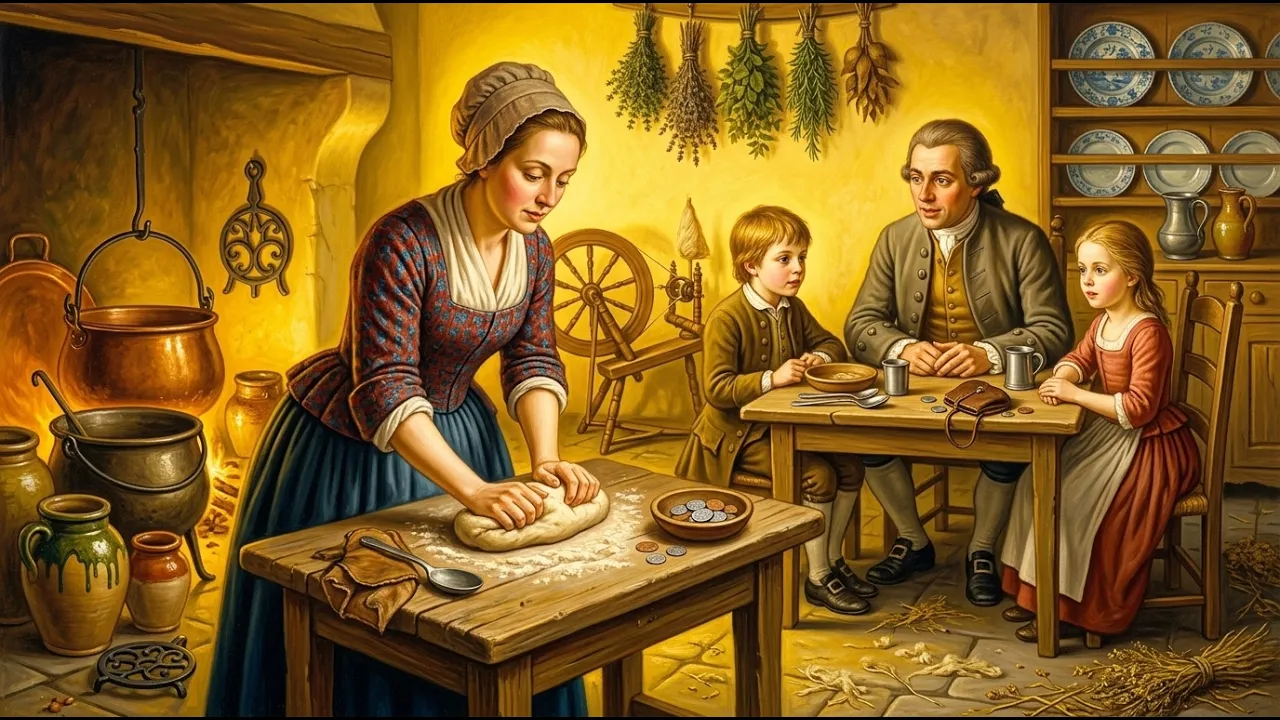
The lighting industry and the trades related to that were a big economic driver they created a lot of jobs and a lot of taxation. It doesn't matter whether you the poorest person or the richest person there were three main sources of light you had light from open fires like fire places and some people that was the only light they might have in their home at night.
And then there are oil lamps you can have all kinds of different simple oil lamps and very very expensive oil lamps. And then the classic the one we think about all the time candles and candles are a very special kind of light source they are actually a technological innovation the candle topic today is very interesting because candles are extremely popular today but most people enjoy candles because of their scent or because of the atmosphere they bring But in the 18th century candles were a tool like a flashlight might be a tool. Now yes some people were using very very high-end expensive candles and in other people the lowest possible cheapest candle you can imagine.
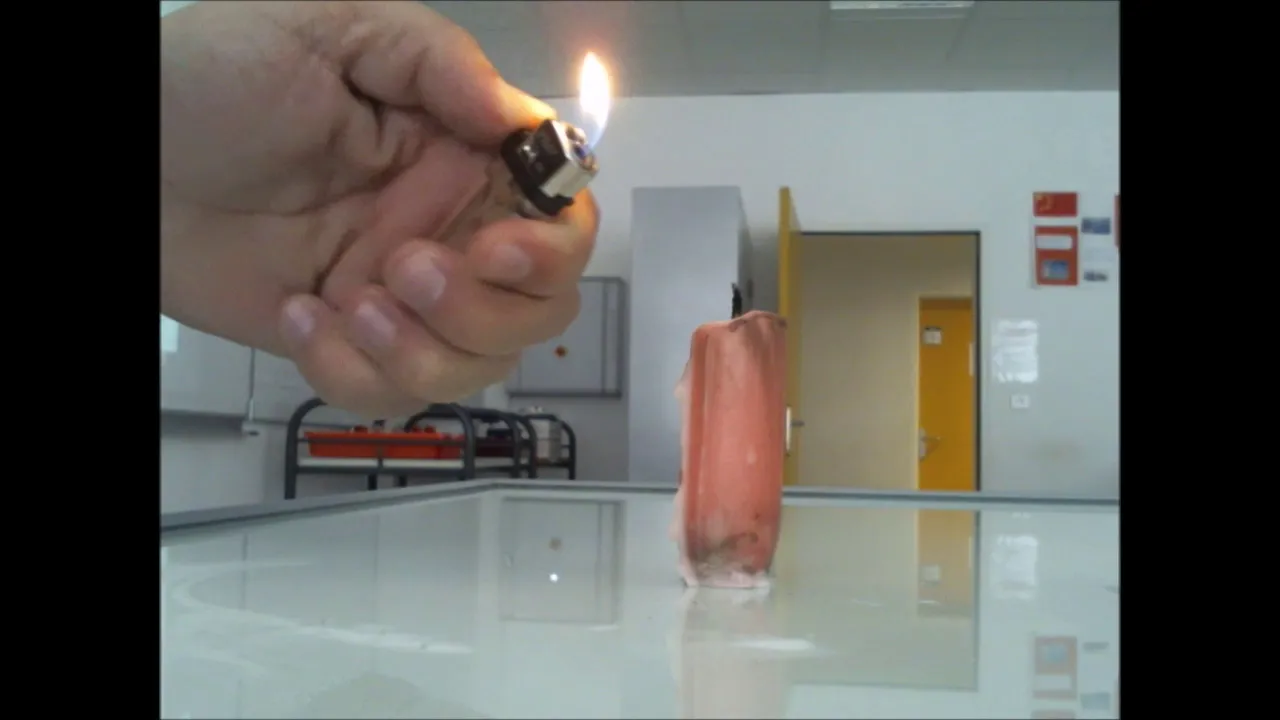
The very richest people can afford these amazing candles from the 18th century spermaceti candles made from the spermaceti from sperm whales that candle was the quintessential candle a beautiful white bright flame didn't smoke smelled great and these candles were the candles that candle power is based on even today when we rate a lighting source and how bright it is we talk about candle power that's based on the spermaceti candle. Most rich people are using beeswax candles they are a very expensive candle for the time period wax isn't as easy to come by and in Great Britain they were a taxed item so these beeswax candles are expensive again they smell great they put out a great flame and a lot of light. But for the poor in the working class the standard working candle was the tallow candle and a tallow candle is made from the suet or tallow from oxen and from sheep usually mixed together in a 50 50 percentage and this created an inexpensive candle that would work well but only really in cooler temperatures beef tallow really starts to break down at about 100° if you get to maybe 90 or even 95 the candle starts to bend even in my hand this candle is starting to melt they're very delicate candles they do work well for a while they can burn rather quickly and the candle wick has to be in the very center of the candle or this candle really starts to fail rapidly. A lot of people make their own candles today and when we think about this poor working class person let's say in Great Britain we think they're probably going to be making their own candles. Even if they don't have molds they could make simple dip candles right? Guess what? It was illegal in Great Britain to make candles in your own home unless you had a license there was a law created in 1709 that made it illegal to make your own candles and they were taxing candles because there was a war at the time they wanted to fund this war and so they decided they would tax candles and candle wax for that purpose. The war ended in 1711 just 2 years later the tax didn't disappear for another 120 years.
Not only did it regulate candles but it also regulated what you could use for an oil lamp so the next best thing people would use an oil lamp well it regulated the kind of oil you could use in your oil lamp. In Great Britain at the time rush lights were popular because it was an untaxed light source and these were um a rush that was dipped in a maybe hogs lard or something like that and they did not burn very well they didn't create very much light and they smoked a lot but it was a very inexpensive light source and interestingly enough rush lights never got to be popular in the colonies why because their candles weren't taxed. The fuel of the candle the wax or tallow is only a single component the important part of a candle is the wick.
We think of wicks as a very simple kind of a string that goes through a candle and in the 18th century they were simply a kind of string but there's a lot more to a candle wick than that if you look closely at a modern candle wick it is braided and it's a flat braid and if you knew exactly how it was manufactured it's a little tighter on one side than the other so they braid it very very carefully this was an innovation in the 1830s and 40s when they were really working on the candle technology when braided in that way as the candle burns the wick starts to curve over and make a little curve at the top that makes it so the wick is only a very particular length you only want that Wick to be about a 1/4 of an inch or 38 of an inch long if it gets any longer than that it'll get a smoky end to it and it will start to get too hot and it will melt all the wax too quickly it wants to create a pool of liquid wax just the right size so that it doesn't run over the top and then you lose that liquid wax. So this simple string in the 18th century candle because because it wasn't braided yet it would burn too tall and it would cause too much heat on the candle the candle would melt instantly it would gutter and it would ruin somebody had to go around and trim the wicks on your candle so there was special scissors with a little box that would hold the burning wick you don't see these anymore because we don't need them for our modern wicks but that's a standard tool there were a lot of them in the 18th century every rich household that used lots of candles would have someone like a servant go around trimming the Wicks on the candles. And when I say fuel for the candle I mean the tallow or the wax and if we think about what's going on here with the candle it's it's an amazing innovation here the candle by itself burns it holds its flame what's happening is is this solid fuel the tallow or the wax is creating a liquid pool like a pool of oil but what's really burning in the candle is a gas form of that same oil so we have all three forms of that fuel the solid on the outside the liquid and then the gas as it goes and burns at the wick itself and the wick isn't really burning so much but the gas of the oil that's where the flame is coming from.
There were even scientific papers from the time uh pages and pages of study about what's going on exactly with the flame of the candle there are all these air currents that are happening around in that it's very interesting that this was the beginning of scientific innovation and this is one of the places they started to study. There were three main methods of making candles in the 18th century we are all familiar with candle molds and making candles and that was probably the main way of making at least high-end candles for the time period they had molds especially the more industrial candle making in in Great Britain they had special kind of modular mold so that they would make a candle they could make many many candles at once and they had a special tray that would hold them together we're more familiar with the simple six or eight style candle mold that's probably something it's more like a colonial candle mold design for somebody making candles at home. There are also dipped candles and a lot of dipping is going on even in an industrial kind of way someone's sitting over a pot of molten wax and they are dipping wicks over and over letting them cool dipping them again and slowly building up a layer of candle wax on the outside of those. Many times those are misshapen and those sorts of candles have to be rolled out and flattened. And then a style that we don't think about much today and that is a method of pouring the wax over the top of these Wicks to create that candle again these made very misshapen looking candles and they had special rolling tables that they would roll those out flat and they would make thousands and thousands of candles.
While most people could afford some kind of candle at times oil lamps were extremely popular and oil lamps could burn something as simple as waste oils from the kitchen something like bacon grease yes it made a smoky smelly fire but it was a lot less expensive than candles.
In Britain even what was burned in your oil lamp was regulated you couldn't burn tallow in your oil lamp you had to burn a different kind of waste oil from the kitchen. So there were multiple different kinds of simple oil lamps some of them nothing more than a a simple metal tray with a little bit of a spout edge to it and you would just lay a wick in there pour your oil in and light that and it would work this simple one has four different spouts so you could light all four to get a little more light some of the oil lamps in the 18th century had a better design they had an internal spout that kept the oil from dripping off the side and so something like a a Betty lamp like this one would be much more desirable but more expensive. Very simple oil lamps like this are typical for not just the 18th century but they are thousands of years old because lighting was in such demand it created a lot of Industry around it not just the candle makers but people that had to make all the vessels for burning oil lamps might be made out of iron they might be made out of tin or copper or even pottery and lanterns you really can't use a candle or even an oil lamp in any sort of situation where there's any wind at all unless you have a lantern so there are some people who are directly connected with lighting people that go around lighting street lamps at night in the 18th century having to go and trim the wicks or clean the globes on your street lamps and street lighting was a very important thing it really started to be an important industry in France in the 17th century Great Britain takes on the idea of street lighting in London in the 18th century and they have special globed oil lamps that have to be lit and then cleaned constantly Benjamin Franklin sees the problem of the lamps lighting the streets in London in 1750s he wants street lighting to happen in Philadelphia and so he comes up with a new lantern design that won't smoke the glass so it's a special oil lamp that you can have for the street lights in Philadelphia.
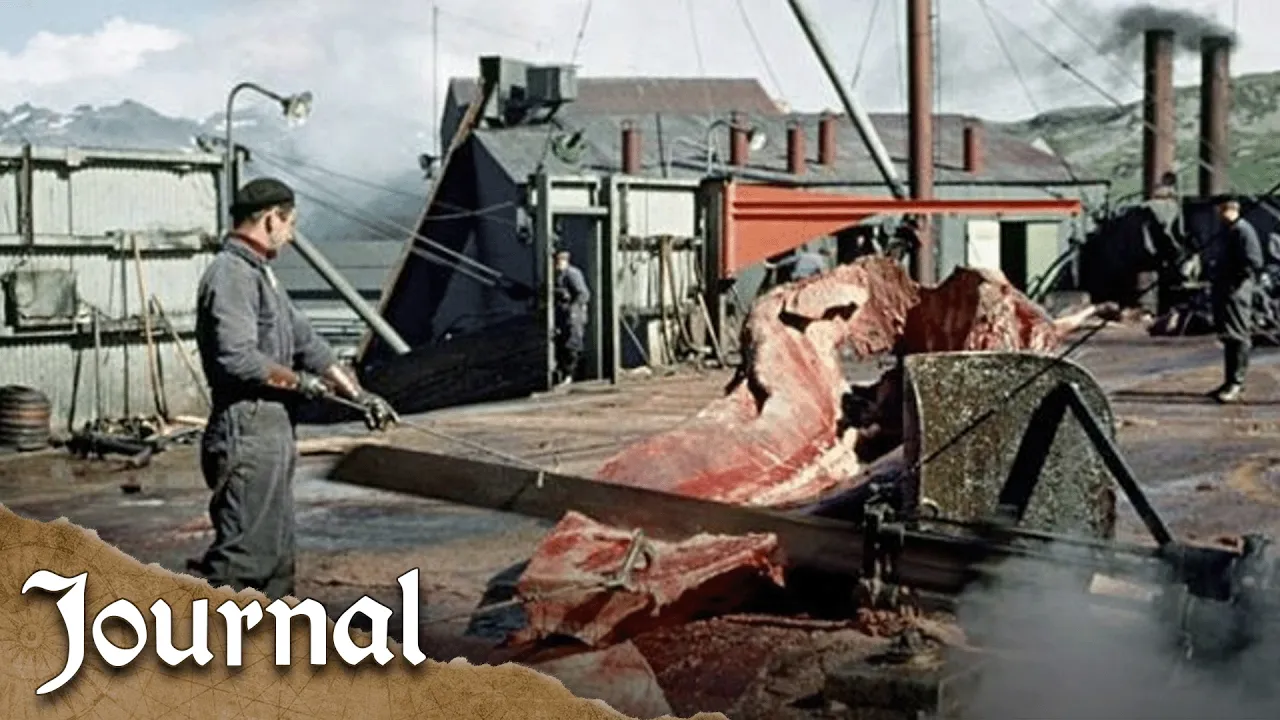
Speaking of Street lighting I grew up around here and there's a city Wabash Indiana it's just a few miles south we drive through it all the time and they have a sign they're famous for being the first electrically lighted city and how did they light their city? In the 1880s they suspended four electric Ark lamps from the courthouse roof to light up the city and it was amazing. Lighting affected blacksmiths and potters and tinsmiths and coppersmiths and all the people that had to deal with making the candles themselves but that wasn't it that fuel had to come from someplace so beekeepers are important along with butchers they are harvesting and separating out all the tallow that makes the tallow candles and then as we go into the 18th century the whaling industry becomes incredibly important spermaceti for spermaceti candles whale oil is important way up all the way into the 19th century for lighting. There's so much about lighting and candles in the 18th century is a very deep topic This is a tallow candle that I made it's 100% Tallow and I don't know exactly how it's going to burn but we're going to try this candle out all the other candles we've been burning here are different kinds of wax mostly beeswax but here's our tallow candle I can't believe how well this is burning it's great to be able to get in there and make a candle just like they did in the 18th century.
Up Next

David Davis Mansion: A Victorian Architectural Tour with Lincoln's Legacy
@ALPLM.
271.6K views•2017-12-11

Whole Brain Architecture: First International Workshop 2024
@thewholebrainarchitecturei9784
640 views•2024-07-22

FastAPI vs Flask vs Django: Choosing the Right Python Web Framework
@TechWithTim
302.5K views•2024-05-26

Game of Thrones Opening Credits: A Cinematic Analysis
@gameofthrones
46.3M views•2011-04-18
Related Study Plans & Knowledge Roadmaps
Structured learning paths in General & Interdisciplinary Studies