










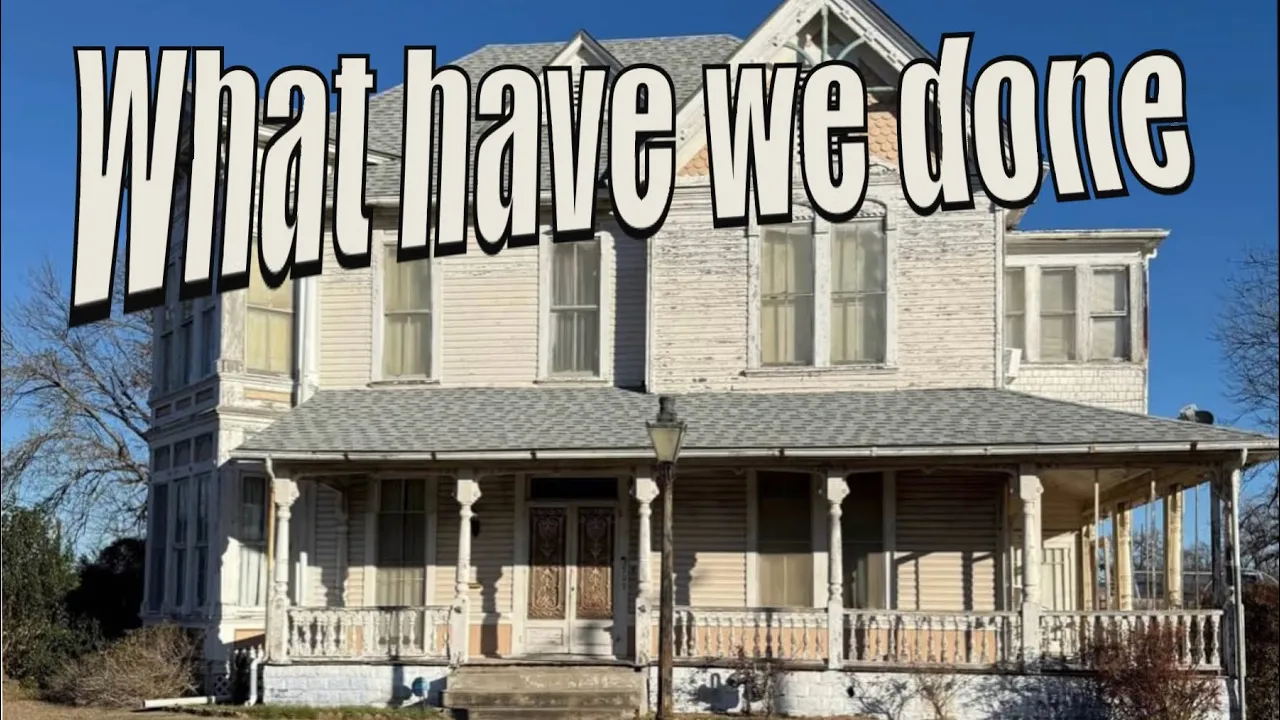
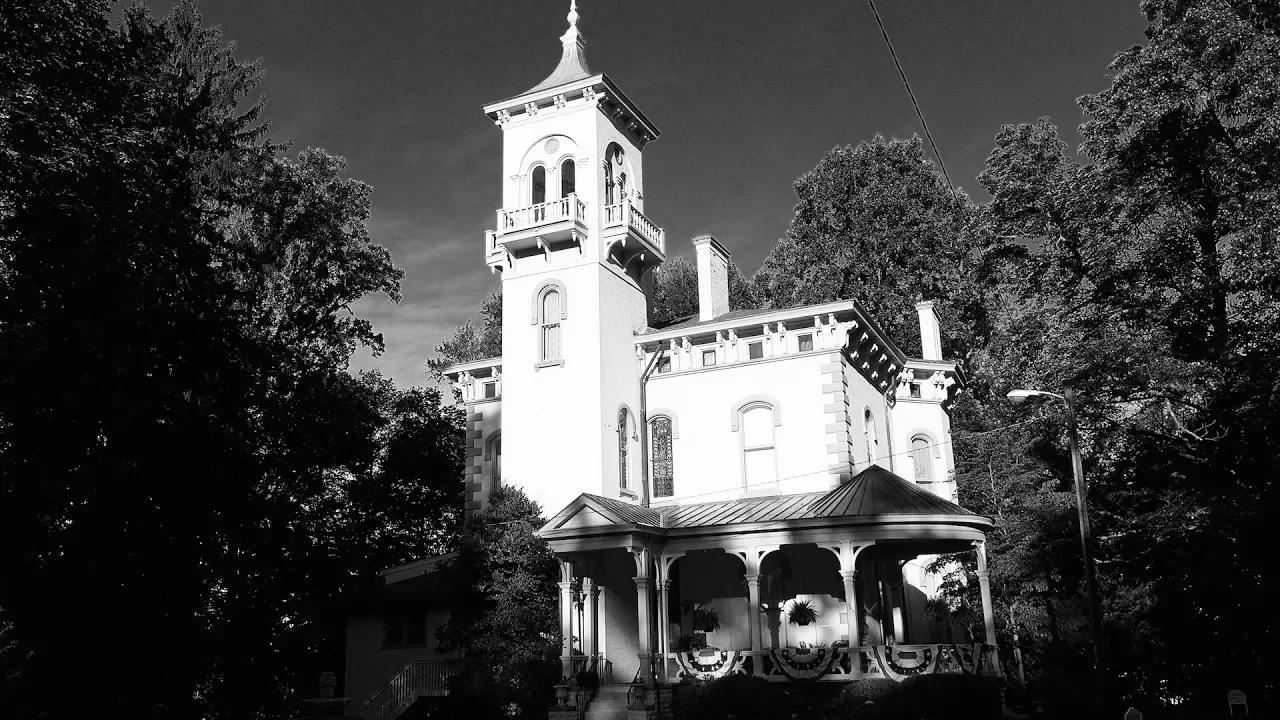





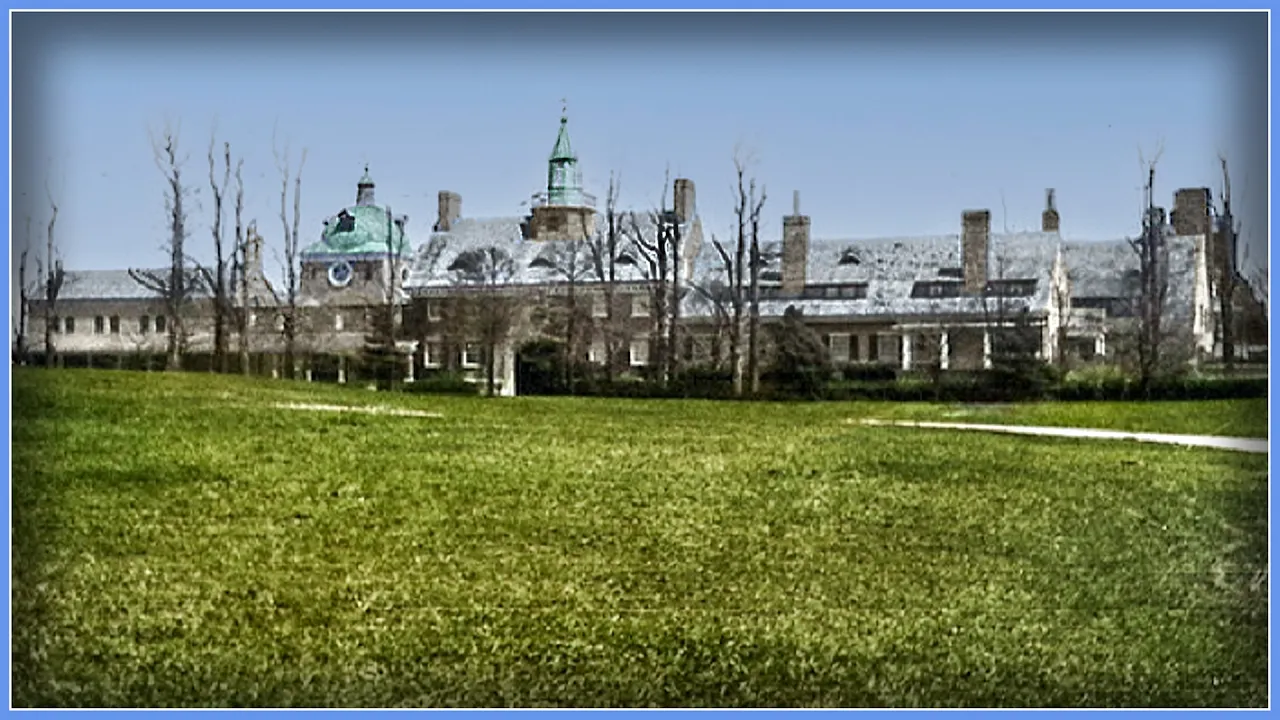
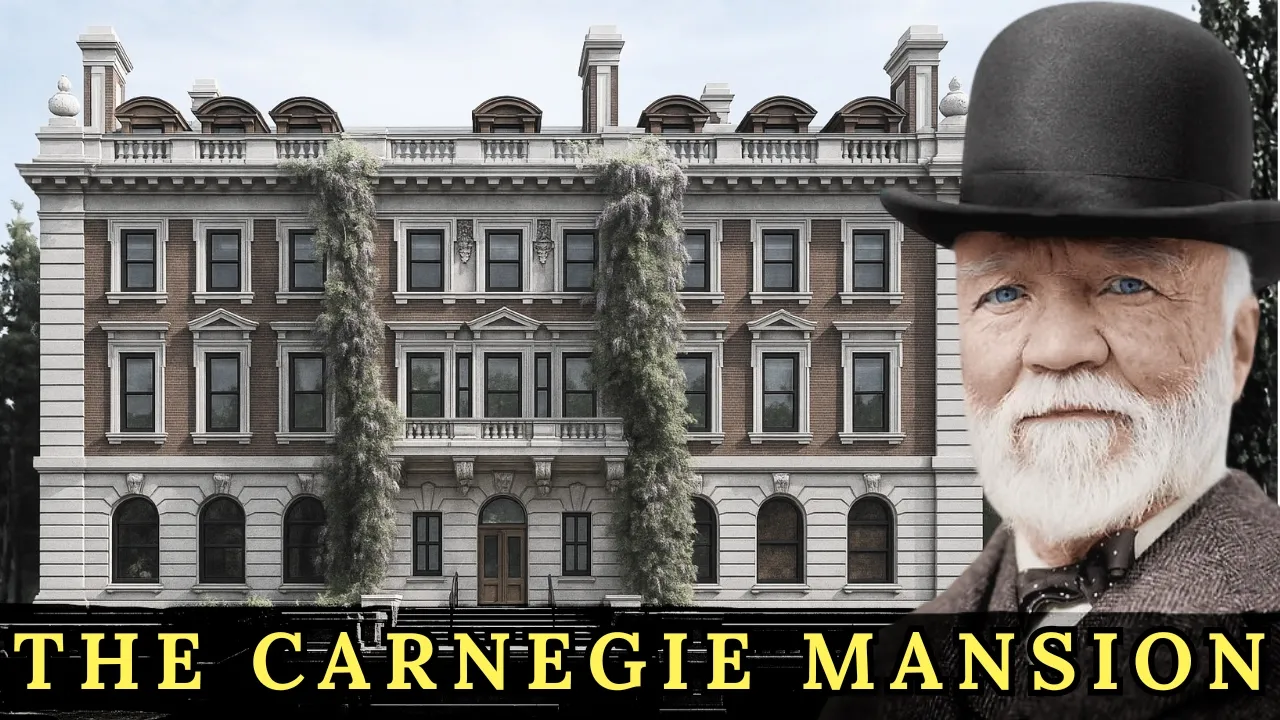







The David Davis Mansion (1870-1872) exemplifies Victorian architecture through visual variety, asymmetry, and eclectic mixing of Italian Renaissance, Italian villa, and Second Empire French styles, while its interior reflects 19th-century middle-class values of privacy, companionate marriage, and self-improvement, with rooms organized into three distinct zones—private family areas, public entertaining spaces, and servant quarters—that demonstrate how domestic architecture physically embodied social hierarchies and the emerging self-made man culture of antebellum America.
David Davis Mansion: A Victorian Architectural Tour with Lincoln's Legacy
Added:Basic understanding of 19th-century American history, particularly the Civil War, Reconstruction era, and the rise of the Gilded Age.
Familiarity with Abraham Lincoln's political career, his legal circle in Illinois, and the key figures who aided his rise to the presidency.
Introduction to Victorian architectural principles, particularly the Italianate style and the domestic design trends of the late Industrial Revolution.
An understanding of the concept of historic preservation and how material culture reflects socio-economic status in the 19th century.
In-depth analysis of Justice David Davis's judicial legacy, specifically his authorship of the landmark Supreme Court decision Ex parte Milligan (1866).
Exploration of Gilded Age technological innovations in domestic engineering, including early indoor plumbing, central heating, and gas lighting systems implemented in wealthy estates.
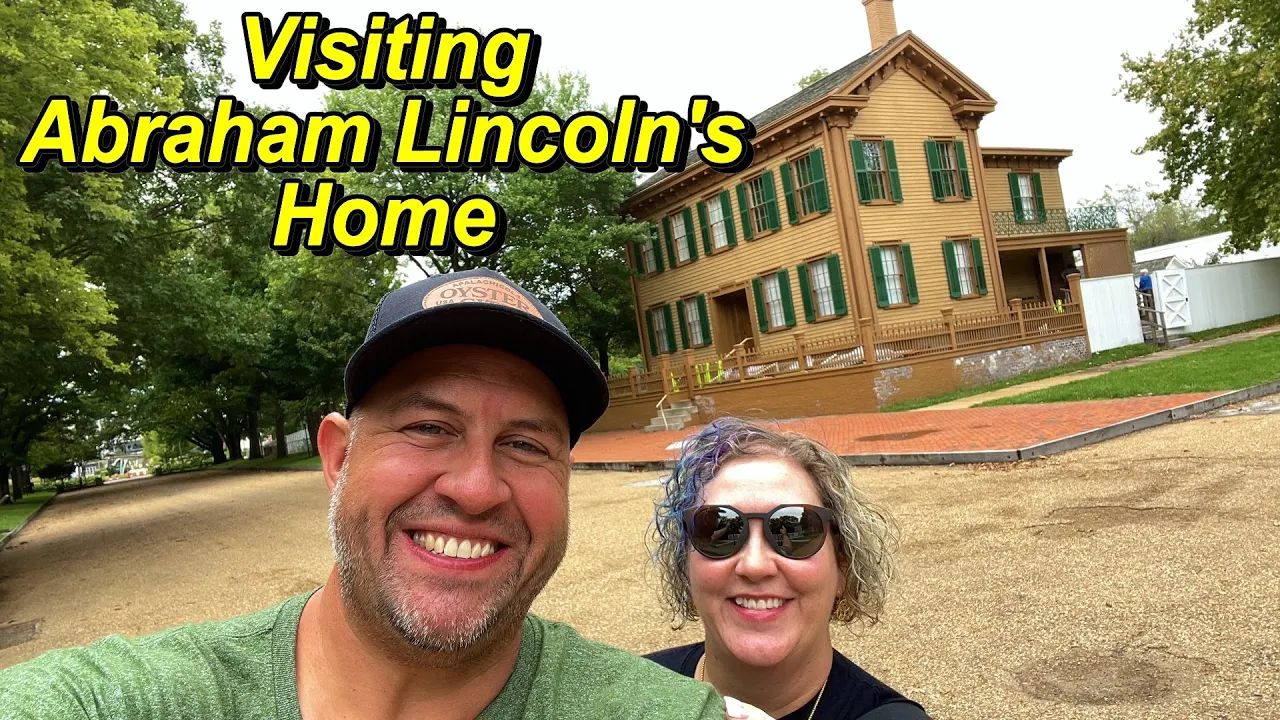
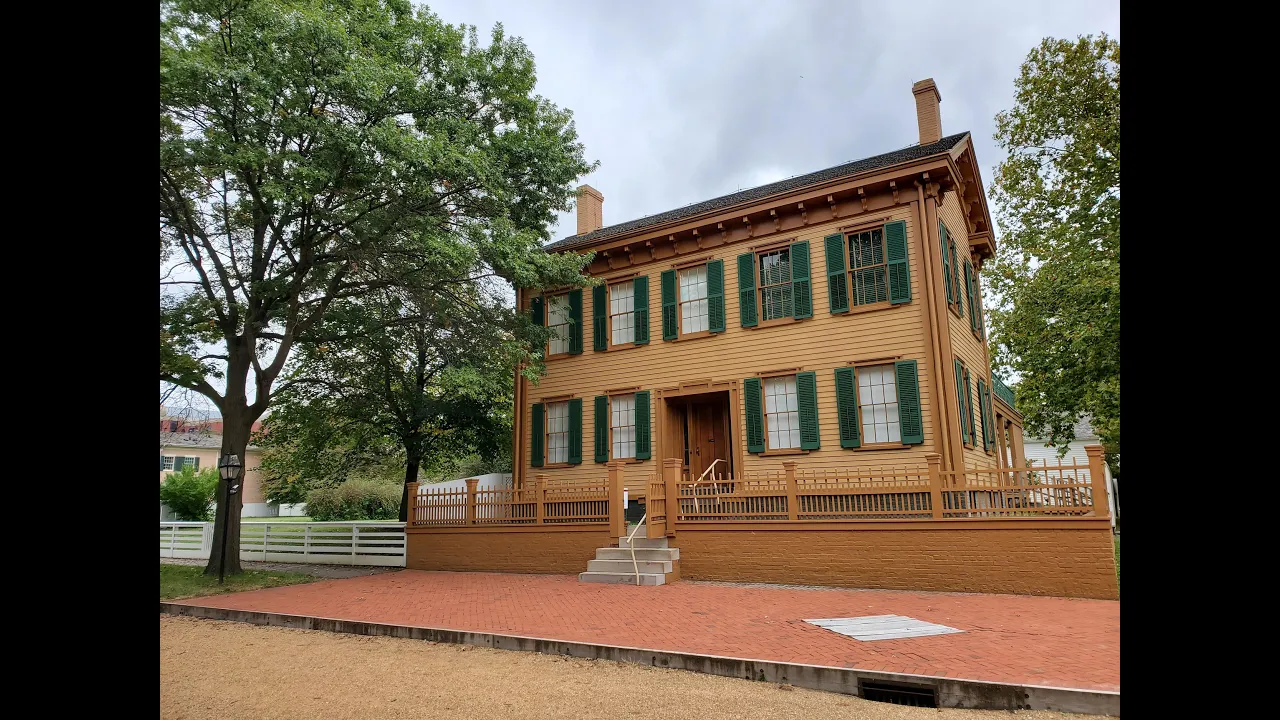
Comparative study of other prominent 19th-century political residences, such as Abraham Lincoln's home in Springfield, Illinois, to analyze differing socio-economic backgrounds.
Advanced topics in historic preservation, including the techniques used by modern curators to restore and maintain Victorian-era textiles, wallpapers, and woodwork.
271.6K views2Klikes1:20:56Original Release: 2017-12-11
[Music] [Applause] [Music] I want to welcome you to the David Davis mansion and before we go in we'd like to have you take a look at the outside architecture to see what a gem this building is and then we're going to go inside and see that the interior matches the splendor of the exterior so if you will uh look over here at the facade this is the south facade the entrance to the mansion and there were a variety of architectural principles that Alfred Pieknar who was a well-renowned architect in Illinois employed as he was designing the mansion one of the main characteristics of this architecture is the visual variety this is very popular theme for victorians especially victorians who had hired an architect to design a home or a residence for them in the middle of the 19th century so you will notice for example that there are paired windows on both sides of this central entrance tower but every single uh set of of windows is different from its neighbor opposite so there's tremendous visual variety in just the windows themselves secondly what he did was to create a kind of asymmetry when you look at the house at first you're not sure what's going on why do I not understand what I'm seeing and you realize that although everything is balanced there are four sets of windows two pairs on this side and two pairs on that side again they're not matched so that instead of having everything symmetrical with the same appearance on both sides in fact it's very different one of the other interesting features is that the facade on our left side is actually further out than the front of the building on the right side and the iron cresting which is the ironwork on the on the balcony and on this porch they're each set of of iron work each set is different from the other so you have asymmetry and also tremendous visual variety another feature that victorians loved and that the architect employed was eclecticism there are a variety there is a variety of architectural styles in this building which are amazing there's Italian renaissance which you can see in the in the window headers and the villa italian villa style as well you can see that in the arches over the doorway that's called a Palladian style window and that was very popular in Italian villa architecture it also has these projecting eaves with the bracketed cornices that you can see at the roof line and then it's a very irregular roof line there are actually seven chimneys up there all of the chimneys are different from one another uh and then so we have italian renaissance we have italian villa and then at the top of the tower is a mansured roof which is second empire french style so that is not something you usually would see with all of the other italianate features here so we have both italian and french mixed in in this one building this was highly prized it makes a very picturesque architectural picture and something that victorians absolutely love to the 20th and maybe even the 21st century this style seems to be a little mixed up but it was very fashionable in the 19th century so shall we go in pete sure let's head in well we're in the vestibule of the david davis mansion marcia how did this room function um well first chris i want to tell you a little bit about who david davis was and then we're going to tell you how he welcomed visitors or didn't welcome them into his house david davis was at the end of his career a u.s supreme court justice and later a state senator in a congressman i should say in the u.s senate from illinois he came here in 1835 from massachusetts where he had been interning as a law clerk trying to learn the career as a lawyer he was in massachusetts staying with friends and a family met a family with three or four beautiful daughters of a marriageable age and he fell in love with them sarah walker and he asked for her hand in marriage and was refused by her father who said go west young man and make your fortune and then if you still love my daughter come back and we'll consider another proposal and that's exactly what davis did he came out to pekin moved to bloomington where he bought the law practice of jesse fell a local attorney here quite prominent in developing the area and he did make a small enough fortune to build himself a house on grove street which isn't too many miles from here and then he went back to massachusetts and proposed again to sarah this time his proposal was accepted he brought his young bride out here set up shop as an attorney and very soon after arriving here even before he married sarah walker he met for the first time abraham lincoln sparks did not fly but they became acquainted then and davis began writing the eighth judicial circuit as an attorney with his colleague abraham lincoln in 1848 davis was elected as the circuit judge for the entire eighth judicial circuit and that's when he and abraham lincoln became fast friends so davis's career began to have at that point a really rather meteoric rise he was very instrumental in helping lincoln win the nomination for the republican party candidate as president of the united states in 1860 and uh with davis help with the help of a lot of other people um davis campaigned for lincoln um among a very prominent friends that davis had back east he was able to raise a lot of interest in lincoln's candidacy and eventually helped lincoln i think um win the presidency uh lincoln uh wanted to appoint davis to a special position um with the war department but uh that the military blocked that so eventually lincoln was able to appoint davis as a us supreme court justice and he served on the bench for 15 years and then as i say he became a senator from the state of illinois serving as a u.s senator davis was born in 1815 and died here in bloomington in 1886. he had a long married life with sarah walker they had seven children only two of them survived to adulthood so uh in very brief time that's a kind of capsule story of david davis and now we're in his home and actually david davis would never have greeted visitors at the front door the victorians and the davises were very much victorian members of the middle class in the local society here they would have a maid who would actually answer the door because they were very concerned about privacy so if you came calling on the davises there were no telephones no internet service you had to come by the house to present yourself you would bring your calling card bring the doorbell and the maid would answer the door when you stepped in if you were a friend of the family the maid would take your calling card and she would go into the house leaving you here in the vestibule and you would be looking around at all the beautiful things that you can see in here and you would begin to be impressed by the wealth and splendor of this home and the sort of social status that a family like the davises must have occupied to see this beautiful encaustic tile floor for example which is a a process that was lost to history and only rediscovered a few decades ago it creates a beautiful pattern and is very distinctive so that when a visitor came that's one of the first things they noticed but the really outstanding gem in this room are these two big double doors plate glass in them beautiful decorative motif called the greek key pattern and then the initials dd david davis so you if you'd forgotten who it was you were calling off this would be a gentle reminder oh this is david davis's home the maid would open the door and come back she would either say mrs davis is at home and i will take you in or she would say i'm sorry mrs davis isn't at home today and then you would leave your card with the maid and go on your way sometimes people came to the house who were not friends of the family and they would be sent by the maid to the back door for a handout so this festival functioned as a way of screening visitors protecting the family from the outside world and only close friends close acquaintances relatives would get past these big double doors which were a kind of visual symbol that we want to protect our privacy in this in this household let's see if the maid lets us in yes we'll we'll see if if she's taking our calling card today okay let's head on in okay come with me okay now we're in the hallway of the david davis mansion marcia can you tell us how this area functions yes this is the grand entrance when visitors came in we are assuming the maid took our calling card and she placed it in the card receiver right there and then you had a chance to see the hallway and the hallway has a very important function because it separates this house into the three main spaces of the house on that side of the hallway which as you come in is the right side is the private side of the house if i'm a regular visitor from in town i'm never going to go into those rooms if i am a visitor from in town i'm going to be ushered into this room here on the left side as you come in and that's the public side of the house and there are two rooms on this side of the hallway that are used for public entertaining and then you will see a long corridor all the way to the back but you are stopped by two big double doors and that tells you as a visitor right away that something else is going on in that space and again as a visitor you're never going to go into that area because that's where the servants lived and worked and spent the majority of their time so this house has three important spaces and family members and servants and visitors all interacted but in specified rooms there were rules for how this house was to be used and the victorians followed those rules one fun architectural note is at the back of the hallway i don't know if you can see it but there is an archway and that archway the architect peaknar had a lot of fun with all of these little visual references that archway is a copy of the archway over the front entrance door the archway over the big double doors and it also is a resonates the image of the archway over the palladian window in the tower so uh the architect is playing with us and after we've been here a while we begin to notice these things there are also on this hallway three arches that are holding up the second floor but they also uh he has made them again as a visual reference to this italianate architectural style that's outside the house in the basement there are three archways that match this so even down to the basement which is an area the public would never see you will see this repeating theme of the italianate architecture all the way down to the where the area where the servants spent a lot of their time working um we'd like to now show uh visitors the hall stand it's the premier piece of furniture here in the in the hallway and um it has a lot going on and i'm going to explain to you in a minute what all of these visual references mean first of all i want to talk a little bit about the kinds of tours that we now give outside we gave you an architectural tour very brief when we first opened the site with the illinois historic preservation agency in 1985 we spent a lot of time on the architecture we spent a lot of time maybe not as much on the interior on the interior decorative arts as time went on and we did more research we realized that there were other stories we wanted to layer over the original story we want to give a lot of credit to people who worked at the agency back in the 1980s bob coomer was our head of the division of historic sites he put a lot of time and energy into getting this tour correct and then our chief researcher and historian dick taylor those of us who go way back in time can never give enough credit to dick he he did a magnificent job of writing the interpretation that we used and the first story that we told in addition to the architecture was the story of women because sarah davis was the person who was the chief occupant of this house after it was built david davis was on the supreme court in washington from october to may every year so she spent a lot of time alone here and even while they were building the house she and her son made the chief decisions about this house so all the decorative treatments you see in it were sarah's handiwork so dick focused on the woman's role and how she was a kind of domestic feminist at a time when there weren't a lot of feminists around in victorian society so it's a great story as time went by and we did more research we realized there's another story to tell why is this house we kept saying to ourselves so significant and so worth preserving well that's because it's not only the story of the architectural history it's not only a story of the decorative arts in this house but it's also the story of a generation of men and women who came here from some from the south abraham lincoln some from the east men like david davis and they created an orderly society out here in the very far west which is what illinois was when they got here in the 1830s and they are the generation then that took those skills and led our country through its greatest and most terrible war the civil war and then even though lincoln was assassinated at the end of the war it was that generation of men and women who led us through reconstruction so this is a national story and that's what we begin to add to the architectural story and to the women's story and so we added back in david davis and started talking about the relationship of davis and lincoln what's important and this is the theoretical background the the visitors don't get this story but it's the background upon which the interpretation is based lincoln and davis came to illinois at a really exciting time in its history and in our nation's history this is the transition from an agrarian world often on the frontier of subsistence economy to the rise of capitalism and the expansion of a market economy which changed men's lives and what it did was to bring a great deal of economic prosperity way out here on the frontier and to attract a lot of people here who took advantage of the range of jobs and careers that were suddenly available two of the men who made that westward migration to illinois or abraham lincoln and david davis and they formed a small group out of all the people who settled illinois about 25 percent were a new breed of men historians have identified a an entrepreneurial culture that is created during this time period the 1830s uh and it is a select group of of men there are women in the story too and we'll get to that but these are men who were willing to risk everything to leave behind families uh land and so on and go out and seek their fortune and of course uh eventually in their own time a man named henry clay came up with a term to describe who these men were because he was one himself the self-made man and this is somebody who's willing to take great risks and is achieving great things through his own individual talents he doesn't depend on his family background he doesn't depend on wealth that he may have inherited he's not going to be farming he's going to be starting out in one of the new careers the law commerce manufacturing medicine there are new professions and these are those men and so davis and lincoln are pioneers they are representing a new way of an economic life and social life in america and when they get here not having um family to rely on they begin to rely on each other and they form associations some are educational but they're legal and political associations today we call them networks lincoln and davis were great at networking and they put together groups of people who share their values the main value for this group of people was what they called self-education self-improvement and these are the people who recognize for the first time how important it is to have an education and davis is always talking about how he is going to improve himself which means he's going to read more he's going to try to learn more he's going to try to be a better man and this is of course exactly the story that we tell about abraham lincoln so you're going to see as you go through the house those values represented they also believed in privacy they also believed in leading a moral life they are morally they are concerned to set high moral standards they are concerned about home and family and love of family this is in some ways very new they form marriages that are based on love and companionship not economic necessity george washington married martha from economic motives he fell in love with her later on david davis fell in love with sarah davis before he married her so that's a big big difference scholars will disagree about this but i think at one point somewhere along the line lincoln loved mary todd too but i i'm not going to go too far with that one so this house then represents a whole set of values and that's what we're going to see as we go through the rooms that they chose specifically how to decorate their house how to lay out the space in their house because they have these values in mind in the 19th century there's a lot of symbolism in what people choose to wear and what they choose to decorate their houses with so let's look at the hall stand then this is the epitome of a lot of the values that this group of people and they are members of this new middle class that emerges in this time period david davis may seem like he's upper class but these are middle class folks the hall stand is a very expensive piece of furniture so immediately it's going to convey to visitors that this is a family with money and they aren't ashamed of that they're happy but they are also they're happy to show that but they are also concerned to be creating through their furnishings messages for visitors and for family members that this is a special place throughout this hall stand which has functional purposes you hang your hats you hang your coats on the coat hook you put your cane or your or your umbrella there but throughout there are symbols of nature so at the top of the hall stand is the stag's head and that's probably the premier symbol but there are also subtle references to nature throughout these are little animal heads at the end of the coat hooks the canes rest at the base of the cane it's resting in a in a shell a half open or a half shell uh reminding you of a of a of a marine motif uh that the the stylized pattern has almost um a floral aspect to it so it's also functional when the lady comes in and she wants to be sure she looks presentable before the maid takes her in to see sarah she can look at herself in the mirror and see if is her skirt straight and so on same by the same token when a family member is going out to get in the carriage they can take a look at themselves and make sure the calling cards are also placed here so it has function but it has beautiful form and it conveys all these messages shall we head into the city mirror yes let's go into the sitting room okay we are now in the davises sitting room and this looks like a fun room i can see playing cards over there this would be a good place to read marcia can you tell me a little bit more about this room this room probably has more going on in it than almost any other room in the house today we would call this the family room sitting room is a perfect description of it they sat a lot in this room but this is an important room because it was the place where the family gathered where they spent a lot of time and it's where sarah davis collected a lot of memories of their life together they had already lived in illinois since 1838 so by the time they got to this house which was started the building in 1870 finished the building in 1872 they'd lived a long time in a farmhouse that stood exactly on this spot so sarah is choosing very carefully the furnishings in this room this is in fact as you said a great place to sit and play cards the furniture as you will see is very comfortable and uh you could see these are activities that family members would have enjoyed doing this reminds us that this is one of those core values that the middle class group of entrepreneurs who moved to illinois valued that they that they loved home they loved family they loved spending time with family members so this is probably as i said the most important room in the house and i remind us that we're on the on the family side of the house and this room continues that theme of privacy that we talked about in the video because they're safe and protected and private here any if you're in here reading and your mother is in the parlor which we will be seeing next entertaining you can have the door shut the curtains drawn complete privacy guests visiting the house are not going to know you're in here so that's what's going on in this room love of home love of family gathering around this central table at the at the bay window table where there's plenty of light to see to read there is there are two photographic plates that are hanging in the windows they represent the victorian love of nature that we saw in the hallway and also the fascination with exploration because they are actually the second expedition of john wesley powell who left from bloomington illinois to explore the west and he's the first white man to go down the colorado river and discover the grand canyon and a tremendous history represented in these plates his photographer took these photographic plates and then eventually they were sold as souvenirs at the philadelphia exposition we're not quite sure how the davises got them but it again shows their love of nature and uh their love of exploration discovery interest in education educating themselves learning about the world one of the most important memories in this room that sarah is preserving for herself and her husband is this lithograph portrait of henry clay that is hanging over the doorway right after the davis family moves in here into the house in 1872 sarah writes to the judge that i hung mr clay's portrait in its proper place today in the sitting room henry clay was the founder of the whig party abraham lincoln was a wig when he came to illinois david davis was an avid follower of henry clay and a wig when he came here seeking his fortune it was their mutual admiration for clay that brought davis and lincoln together and henry clay is the one who invented the term self-made man so hanging this portrait here is a visual reminder every day in this most important family room of one of the most significant parts of the davis's past which was their participation in wake politics their loyalty to the wig party and it represents the friendship between davis and and lincoln as well this portrait was done as an enormous oil portrait as a campaign poster for clay when he was running for the presidency which he which he obviously did not win but he nonetheless solidified the support of people like davis and um abraham lincoln uh and then as we move on uh toward the fireplace we see this magnificent crayon portrait of judge david davis which was actually done from a portrait of him a small portrait after his death by his son george but it is appropriate that it would that they chose to hang it here in the room where davis when he was living here in the house when he wasn't in washington serving on the supreme court or later in washington because he was a u.s senator the family chose to put that portrait over the fireplace this again has a lot of memories attached to it it's memorializing davis in his final years as a u.s senator and then this mantle clock of the arrangement there was a housewarming gift when the davis has moved in it has all the themes of nature that's a merman not a mermaid but a man in a canoe and there are lots of floral motifs and of course the canoe is is gliding through the water so it's it's another representation of nature but it's also a representation of friendship that bound davis's law partner wells colton and lincoln and davis together wells colton unfortunately was killed after a fire in st louis he was hit by some burning pieces of a building and died several days later and it was said by almost everybody and by historians later that because davis was so close to wells colton who was his law partner when colton died lincoln is the person who replaced davis um i mean replaced colton in davis's heart so this mantlepiece arrangement has a great deal of memory that it that it brings into this room and sarah has chosen to put it put it there as a reminder of the link with henry clay and the legal the legal career of david davis the fireplace itself is significant because this is the only fireplace in the house or i guess there are two the master bedroom that burns wood and when there was any kind of outbreak of equine fever among horses they couldn't deliver the coal to this house i was to hang it here in the room where davis when he was living here in the house when he wasn't in washington serving on the supreme court or later in washington because he was a u.s senator the family chose to put that portrait over the fireplace this again has a lot of memories attached to it it's it's memorializing davis in his final years as a u.s senator and then this mantle clock of the arrangement there was a housewarming gift when the davises moved in it has all the themes of nature that's a merman not a mermaid but a man in a canoe and there are lots of floral motifs and of course the canoe is gliding through the water so it's it's another representation of nature but it's also a representation of friendship that bound davis's law partner wells colton and lincoln and davis together wells colton unfortunately was killed after a fire in st louis he was hit by some burning pieces of a building and died several days later and it was said by almost everybody and by historians later that because davis was so close to wells colton who was his law partner when colton died lincoln is the person who replaced davis i mean replaced colton in davis's heart so this mantlepiece arrangement um has a great deal of memory that it that it brings into this room and sarah has chosen to put it put it there as a reminder of of the link with henry clay and the legal the legal career of david davis the fireplace itself is significant because this is the only fireplace in the house or i guess there are two the master bedroom that burns wood and when there was any kind of outbreak of equine fever among horses they couldn't deliver the coal to this house and this house was heated by a coal-fired furnace in the basement so sarah had this fireplace converted so it could burn wood because wood was always available they could go out into the woods and chop it down and so again always a fire burning in this fireplace because somebody is in this room so it symbolizes the warmth of the family relationships the closeness the love and it's in the hearth of course is a symbol of home so this is a very important symbol in this room too and then as you look further over oh and i do need to show you the judge's rocking chair that is another reason that these two items these two artifacts are paired together the judge is looking benignly down or we like to think on the rocking chair where he spent a lot of time this is an old piece of furniture again a souvenir of the old house it was in their old farmhouse that stood on this very spot and davis would sit here and read the paper he could relax in here he could be himself he wasn't having to have his public image as he would across the hall he could be just letting his hair down as we used to say and you can see by its size that it is designed to fit the judge you can see by the portrait that he was a large man he weighed around 200 pounds when they came to illinois but over time he gained some weight and so this is a chair that that would fit his frame what's also important about it is it's handmade now marsha this room looks a lot different than the room we were just in yes it does doesn't it yes this is the room on the public side of the house where the davis family did a lot of their entertaining we're going to go into the next room which is the other public entertainment room but this is pretty spectacular especially compared to the room we just left which has a very different set of furniture very different color scheme different carpeting on the floor and so on you've gone from the private room where people could relax and let down their hair to the public room where everybody was wearing who was female a corset sitting up very straight and the furniture is not very comfortable to sit on so probably the maximum amount of time you might spend here if you were visiting we've come in left our calling card and come into the parlor the maid has brought us in and we might spend 15 or 20 minutes here and so this is where someone the people would spend time before going to the dining room the dining room or maybe they're just paying a call on mrs davis we can't send her an email we can't call her on the telephone but we want to continue to build and grow and establish our social connections this goes back to the idea of networking this room and the dining room were the two ultimate penultimate rooms for entertaining friends and expanding the social network so mrs davis might have a group of ladies in here and today we're apparently serving tea to some of the ladies this would be a room where you'd have a little bit of a light tea you wouldn't have to go into the dining room to sit down for a full dinner but you were here to re-establish contact with mrs davis and she is showing off all the elegant pieces in the room sometimes in this room at other times of the year when we're not getting ready for christmas we have a portrait over the fireplace that is a copy of an old master of the madonna and child and sarah davis chose that to go over this magnificent fireplace because it was sending a message many people who see the message when they come into the room think oh mrs davis might have been a catholic because here we have the madonna and the child it is actually valued as much for the other symbolism as it is for its religious symbolism it symbolizes the woman's role in a household like this in the 19th century she is the woman who presides over all the family activities is the is the caregiver and nurturer of children so it's an idealized portrait of how women should behave and she stays at home this is the ideal image pure um sanctified in this in this pure environment and protected from the outside world this room makes a lie of that portrait of the madonna and child because sarah davis idealized herself in that portrait but in reality she was a consumer and she went out into the public realm mingled with all the corrupt men who were out there doing you know what in the business world and this is not supposed to be the role for a proper mother and housewife and so on but a lot of women who were in sarah's position had access to money went out and bought things sarah not only went out to buy things locally but much of what you see in this room was purchased from stores in new york city so she got on the train and went all the way out to new york city to buy the furniture to order the carpeting to order the window treatments to order the cornices so this room's decor represents the new role for women in the 19th century which was consumer so she's got a lot of economic power the fireplace is beautiful where did the marble come from this is carrara marble and it is from the quarry in italy which most of the great sculptors the italian sculptors got their marble from including michelangelo so this is the premier showpiece in the room and it's beautifully carved and you will notice again all the naturalistic images these roundels and these scroll scrolls that here hold up the mantle and so on everything is a reference back to the natural world and of course most of the women who came to visit sarah would have commented on this so it's meant to impress her visitors it's meant to convey her social standing her refinement and good taste and it makes a great conversation beautiful it looked like it was carved yesterday exactly exactly so you could see that the tea table is set here in front of the fireplace a good place to show off to her guests the carpeting on this floor is another gem that sarah would have been very proud of she purchased this in new york city a.t stuart was the name of the largest department store in the united states the most prestigious at the time and later on macy's is the one that takes that that reputation away from a.t stewart but this carpeting represents the female image it's filled with flowers the love of nature but it's also very feminine in its appearance all of the furniture you will notice is feminine in the color scheme that's because parlors were the domain of women this is where she would entertain a lot of her female friends both in casual visits and after dinner the women would leave the dining room and come here and talk certain prescribed conversations you didn't talk about the naughty parts of life you kept it very civilized and the men could talk politics which the women weren't supposed to participate in in the dining room so this is a feminine room and i don't know whether you can get a shot or have gotten a shot of the woodwork over there i apologize but it is pink and no self-respecting man is going to spend a lot of time in a room with a great big pink door but this is a room women were comfortable in and while you're there you can also see the piano that again was the domain of women it was a way you raised your daughter to be able to play the piano it was an accomplishment that that well-educated women should have there is a lot of evidence that sally davis their daughter spent a lot of time at the piano and not just improving her mind but also there would be young men sitting on these very uncomfortable chairs admiring her form as she moved up and down the keyboard this was a great place to court in the 19th century did more women play the piano than men i think probably in a residence you would find more women than men there certainly were a lot of taboo right exactly exactly but in a private residence so this is a symbol again of the culture and refinement of the middle class and this is something that if you have a well furnished well-appointed properly decorated home you would want to have a piano in the parlor to go with the madonna in the parlor should we now head into the dining room let's go into the dining room well here we are in my favorite room in the house the dining room i think that's wonderful that it's your favorite room and i'll tell you one reason i think that maybe so of course men love food right and we have a lot of food that's served in this room but this room's decor if you look around is a very masculine in appearance the colors are dark it has dark wood work in the other room you have this very fancy busy floral pattern all filled with pinks all of the colors are colors that men prefer and that's not by accident the decorating etiquette of the day was parlors are feminine where women hang out dining rooms are for men women are allowed to eat there too but this is where they hang out after dinner so it has a more masculine appeal and what's wonderful is in this dining room we have abraham lincoln hanging over the fireplace i've seen that guy before he's been he's been around a few places i guess he slept in a lot of places like george washington he certainly slept at the old farmhouses the davises had which was on the spot for years we told people that this is a very common portrait of of lincoln um uh from its uh steel engraving that was made from one of the last photographs taken of lincoln and so you find it in schools and so forth so we thought the state of illinois may have put it in here or that a family member admired it and it was put up long after the davises the first generation were deceased but in fact just a few years ago we found a documentation that after lincoln's death many lithographers engravers print makers rushed to make copies of lincoln's image it was a souvenir market like none other and so sarah davis uh purchased one of these that was registered with the clerk of the of the government in washington dc and we know the date she bought it about two or three years after lincoln's death and it hung in davis's hotel room which was a a permanent residence for him for all the time he was in washington and she would stay there with him too and so it hung over their fireplace there until davis and brought it back and it it was installed here in the mansion so it's been a piece that sarah purchased herself so we we know it has her blessing so it's a reminder though to everybody uh to to visitors today but visitors back then that there is this incredible close tie and connection with abraham lincoln because they were both on the eighth circuit and davis was a judge and lincoln was a lawyer right but they got along exactly and davis then you know by the time this house is built lincoln's had his presidency and been assassinated we know that davis did so much to help lincoln win the presidency so it's a it's a continuation of that story that goes back to 1835 when the two men first met here in illinois so it's a it's a perfect place for lincoln to be smiling down on all the happy guests and you can see why they're happy the table is set up for a lovely lavish dinner you could have more to people at this time you could have more people that's a very good point this would be probably a family dinner um her son and daughter-in-law and granddaughter and then later grandchildren lived very close by david davis had had the same architect pete nar who built this house built their their house which is just a few minutes from here and uh so they would often be here for dinner and other local friends so it would be a small family gathering but there are a lot of leaves that extend this table all the way over to the to the bay window over here and you can seat probably up to about 22 guests at this table when you put all the leaves and so on and it has a quite a suite of furniture to go with to go with the table what's fun is that everything on the table is set according to specific rules and this is one of those things that the middle class kind of invented in the 19th century in america that you had to decorate your house and everything governing everything you did in daily life followed rules of etiquette so there's a celery base on the dining table with filled with celery celery is a very exotic hot house vegetable expensive to purchase so only wealthier families would often have celery and they made a special vase just to house the salary so the celery could be passed around the table if it's very informal or it could be served to the guests if it's a more formal dinner party i have one quick question you keep referring to the middle class yes i look at this house i'm seeing no you'd be wrong no you'd be wrong because in this time period this is a new group of people who haven't really existed very much before and they're the product of the industrial revolution of the rise of capitalism and a market economy this is the middle class which was earning its wealth not through farming not through inheriting land but through all these different occupations that are suddenly available in america in the 19th century these would be upper middle class but go to biltmore that's america's aristocracy a little bigger than this exactly yes anything else in this room um yes we have an amazing lighting system over here in the bay window we have a gas light there are three lights on it it's just the right size to light up the bay window area and it is lit by gas that is piped in the gas came from a gas works which manufactured gas we don't have natural gas in this time period so the gas works is not too far away there were actually pipes under the city streets david davis had the gas piped from the street down at jefferson street all the way under the lawn and into the basement below the parlor and that's where the gas meter was and the man who owned it ashley gridley could monitor how much gas david davis consumed and he was probably the first house out here because he was subdividing the land and creating a subdivision and he talked gridly into piping gas out here because mainly gas was used in commercial establishments government buildings and so on and and he is convincing gridley you're going to have a market i'm going to open up these streets build houses and you're going to be able to have gas so this is a drop light that hooks up to the gas source all of these gas lights have to be fixed against the wall so it's not like an electric light which you could easily move around so they came up with the ingenious idea of having a hose that attached to the source of the gas in the in the gasoline itself and piping it down to this table lamp which they called a drop light and so you just take a match and open up the valve and let the gas flow in and then light it with a with a match eventually the davis installed an electric ignition system to light their gas lights but that wasn't until later after george perrin davis the sun took over the house so this was the most modern technology for the day and of course there's a beautiful gas light over the dining table as well so they would have had a beautifully lit dinner party here once the sun is going down and and it gets dark outside you really this this room would come alive welcome to the butler's pantry as it's called today but the davis has called it the china closet this is a buffer zone between the formal dining room and the active busy noisy smelly kitchen victorians liked the privacy as we've talked about many times and they wanted to keep all the smells and the sounds isolated in the kitchen separate from their guests so that their guests would not be disturbed and would suddenly magically receive the next dish when it was placed in front of them by the by the maid who was doing the serving so this is a room in which food was passed from the kitchen through a pass-through and set up here and then the maid could come in here she was always sure to shut the door that that closes this room off from the dining room and she'd get all the things on the tray open the door and take the tray in and serve the dinner guests whatever the food was she wouldn't know she'd depend on the cook in the kitchen to cue her to send in the next dish um so the maid stayed in here serving the serving maze stayed in here the cook was in there for large dinner parties mrs davis would hire day laborers people who could help out doing additional work in the kitchen ordinarily as we'll see upstairs she had a cook a maid of all work and a manservant who lived here in the house with the family in their own servant's quarters but this is such a great room because it's where they stored all their best china so that the maid doesn't have to carry it very far she would even plate up food in here so you can see pete that with a room like this you have to have servants to operate a house like this marcia should we go to see the judge's master bedroom excellent after you thank you marsha we are now in the davis's master bedroom um what can you tell me about this room well this room is a testimony to the kind of marriage that sarah and david davis had in this time period a lot of our marriages were still arranged and they were for economic reasons david davis fell madly in love with sarah and he really wanted to marry her and brought her out here to this prairie where there was basically nothing but at the end of 41 years of marriage he is presenting her with this incredible home and this bed sort of symbolizes the kind of relationship they had we know from letters that davis wrote to his wife that they had this loving relationship but the bed is the symbol of it marriages in this time period are important as part of your networking connections you want to marry the woman who is from the right family and the right part of society so davis did have that in mind when he chose sarah her father was a probate judge in berkshire massachusetts highly respected well-known individual um and and abe lincoln married into the todd family and so he's making the same kind of marriage but at least in davis and sarah's case we can document that this was their bed they slept here together he didn't have his room and she had her bedroom and this bed is symbolic of the kind of furnishing style that was popular and fashionable at this time period so sarah davis burst has purchased at a furniture store again in new york city this pedimented headboard style sleigh style bed it's called renaissance revival and this architectural looking element here is called a pedimented like a pediment headboard and this is very much the renaissance style the top that's very prominent with in size lines drawn into the woodwork and then many times they were gilded with these little pedestals intricate carving beautiful walnut wood so this is the type of furniture that was chosen by many fashionable women so sarah is right there in with the mainstream but it's it's a it's a testimony basically to the fact that they had a companionable marriage and these items on the wall these are bell cranks and they're in every room except the dining room where we just were in the dining room it's a it's a foot pedal that you cannot see under the under the floor of the dining table on the floor of the dining table these are the only paired call levers you would pull the lever through a series of wires and dog legs that run through the house the wires would lead to the kitchen to a panel called an annunciator panel and we'll see it when we're in the kitchen that summoned the maid or whoever else it was that sarah wanted she would call them in the appropriate room that they are supposed to be serving so if if it's in the kitchen it's probably the maid is going to be coming and answering because mrs davis wants the maid here if it's somewhere else in the house she might want willie on the manservant and he would come we have always puzzled over why there were two call bell leavers well that's because we told for years they were his and hers the judge had one and mrs davis had one not so one of them goes to the kitchen but what if mrs davis is here alone at night the other one we found by tracing the wires went to the servant's bedroom on the second floor so that if she were suddenly ill at night she could wake a servant up who could come and take care of her so it was a rather ingenious method a way of summoning the servants should we take a look at the bathroom yes let's absolutely do that and while we're passing um there is a picture um over the little table here of sarah davis's family home so this is another reminder and this is in massachusetts she was from lennox massachusetts and that's where davis was sort of clerking learning the profession of law which is how you did it in those days with henry bishop and he met her the daughter of the walker family you know when do you say walker family there was a president george hurley yes that walker family is on david davis's side so there were walkers on sarah's side and with her husband's side and david davis is related to the walkers on uh um and georgia the relationship with george bush is on david davis yeah yeah in the bathroom um you're gonna show us some pretty modern yes this was the most technologically modern room you could possibly have had in the davis mansion i know there were other modern bathrooms like this in other stately homes in bloomington but none of them have survived and this one has this had all the modern fixtures from that were available on the east coast the latest technology so you have a sits bath which was actually the french call it a bidet it's where you could sit and wash the bottom half of your body the water actually came up from the bottom there's a valve at the bottom and the water squirted up sort of like a whirlpool bath today and then there's the modern toilet next to it it had a tank a reservoir of water above it was gravity fed so when you pulled on the lever a valve opened and allowed the water to flow down and then swished around in the in the toilet bowl there and uh went on out and there is there are plumbing stacks here and over in the kitchen area and going down into the basement and then all the waste water went out through piping in the basement and then we have a very modern sink with nickel plated today we use chrome but they use nickel plating faucets and a spigot and so on and a beautiful porcelain bowl and you could purchase those they were very expensive and you could get a catalog from a local contractor who would sell the you had your choice of what you wanted your bathroom to look like so the lady of the household could decorate her bath much as women do today and then of course the the the real spectacular thing is the tub in the shower and you will notice it's a large top it does accommodate the size of david davis and the shower is it it's a gem because there were a lot of tubs and tub baths that people could take in this time period but not as many bathrooms with showers and then it had gas lighting piped in so you had a beautiful gas light in here so maybe we should go take a look at the last room on the first floor which is the kitchen and then we'll go upstairs and look at some of the bedrooms excellent pink come on with me follow me we're now going through the big double doors from the family portion of the house to the servant's wing of the house to the back of the house the back of the house and i'm dying to show you the kitchen which is fabulous we're going to be passing past the built-in cast iron stove which they referred to as a range and that meant it was built in and this was very expensive very high fashion and something that most families would not have been able to afford these number of potholes where you put the different cast iron utensils for heating and cooking and the number of ovens this one has four ovens determines the cost of the stove so with the four ovens and a lot of the potholes there you can see that it was a it was top of the line and that is a no it isn't gas it's a hot water heater and it runs pipes through the inside of the firebox here actually against the wall of the firebox and as the water circulates it heats and it comes back into the tank and the warm water will rise it's under pressure when you open a faucet the hot water faucet it opens up the tank and the water rushes to wherever in the house because of the water pressure there is a 400 gallon tank of water in the attic providing pressure for the whole system so it's like they had their own mini water tower here in the mansion and this is the pass through yes and so this is where the cook is operating and uh we came under the annunciator panel on the wall over there over the doorway well the cook would hear the bell ringing in here because sarah davis in the dining room had stepped on the floor bill and she set off this series of wires that would ring the gong eventually get here and ring the gong and then an indicator arrow would slide over and they were numbered and it would show which room was calling of course the cook is probably going to figure out there's a big dinner party in there that's likely this is davis and the dice and then the cook would know mrs davis is ready for the next course she would bring the food over to the pass-through pass it through the maid and then the maid has the cue then to go on into the dining room and serve the food and then this is the sink and what's amazing about both of these items is that they are here from the 1872 installation titan period this is the original sink it's made out of soapstone somehow the davis family kept it going all those years and the house was deeded over to the state of illinois by david davis iv who never did live here and his nieces in 1960 so the state has owned it ever since but this is the way it would have looked with this on the drain board and a towel rack and so on for drying and then we're standing right beside the pie safe which was a common item in victorian houses a pie safe and this is where you kept the pies that you've just baked free from flies and other flying insects and there is venting on the side over there that allows the heat to escape and the fresh air to flow in so that the pies didn't get all yucky and you know too moist and so forth so this was an essential part of the baking process that went on in this room and then over here we have the refrigerator which is seems strange to say is the term that victorians used in this time period and mrs davis called it her refrigerator and all the food was stored on this side and then the blocks of ice and this was supposed to have accommodated 200 pound blocks of ice on that side and then there are louvers here and the air the cool air from the ice would flow over and cool off all of the items in the refrigerator and then eventually what does ice do it melts into the tin pan that's underneath and it was the cook's job to keep an eye on that pan and make sure it didn't spill over all over the floor and then periodically she'd pull it out and then that's the door to the outside she would empty it outside and then bring the pan back in for the next load of ice to melt into the pan and start the process all over again so this was a wonderfully convenient and comfortable kitchen where her irish servants were able to work and this beat any other kind of place where they might have had employment and they certainly back where their families were living on the west side of bloomington never had a kitchen like this so this shows you that servant life although it was hard and they worked long hours there were still benefits to working for a family that had all the latest technologies and this is where the cook would have spent most of her time and this is also where the maid and the cook and any of their friends mrs davis let them entertain friends they'd sit around the table and have their meals here too so miss davis was a pretty good mistress of the she was mistress of a household she um let them have alternate sundays off and that was rare usually you would only have a half a day off and not maybe not you know every other sunday maybe not as frequently as that so her servants were well treated and seemed to generally to have been very fond of her how about we go up and take a quick look at the second floor let's do that okay this is the premier room in the second floor of the mansion it is the man's room upstairs all the rest of these rooms were occupied by various female servants and female guests and relatives who were staying here at the house but this is the judge's retreat it's his library and you can tell right away not only is it filled with books but it has a very masculine look all the dark woodwork the dark walls the massive bookcases and so on the central desk which is where the judge spent a lot of time this is his place to hang out and retreat from all these women who were here in this household what distinguishes this library is the fact that it has several generations represented here these are all original books that belong to the davises there are books on theology that reflect sarah davis's interests in this time period there are law books that reflect davis's occupation and his passion and then there are a lot of history books in here that reflect the family's interest in history and particularly george perrin davis he moved into this house in 1886 after his father's death and his mother had died in 1879 so he was the next generation to move in so this room also reflects his occupancy in this in this room what's really significant in this room is what's not here but we can tell the story when the state of illinois in 1960 took over the davis mansion one of their major interests in assuming responsibility and ownership of the house was in preserving this incredible collection of documents that were stored primarily here in the library there were some stored in the attic in a desk in the attic that was the the judge's desk in the basement and all of those documents are now in the abraham lincoln presidential library and constitute the davis family papers collection which is over 19 000 documents plus 27 bound volumes it it's a record of everyday life of lincoln and davis on the circuit of sarah and davis's relationship and the relationship with all their friends with some of the famous names in american history are on the documents in that collection and they were here in this library and so it again this room is a reminder a physical reminder of the relationship between davis and lincoln without davis's help lincoln probably would never have been president without lincoln's help davis certainly would never have served on the supreme court so their careers intersected they reciprocated favors for one another and at lincoln's death robert todd lincoln telegraphed send a telegram to one person in the united states david davis back here in bloomington davis was actually in chicago but he sent the telegram here as well as chicago and said come at once to washington to take care of my father's legal affairs and davis jumped on a train and went out east and of course the country was in turmoil his own family in turmoil sarah came rushing home back here davis sorted through all of lincoln's papers he paid bills he had money forwarded to marry he made payments for the family and he was appointed as the guardian of young tad who was 14 at the time so he was the administrator of lincoln's estate he formed a close relationship with robert todd lincoln and that kept up for the rest of their of davis's life but that's all symbolized by what you see in this room that relationship between lincoln and davis at davis's death robert todd lincoln said that i knew of him when they were on the circuit together and all the good things my father said of him after my father's death i turned to davis as a second father and this he was to me for all the days until the end of his life i revere his memory and i benefited from his counsel that's a rough paraphrase but it shows that that relationship between lincoln and davis continued on until davis death in 1886. marsha we are now in is this a guest bedroom yes it's known as the parlor chamber and it's the best guest room in the house and that's because it's directly over the parlor below which you probably remember is a very fancy room indeed so it has this magnificent bed with again a very impressive pedimented headboard a matching renaissance revival bureau which was for the benefit of the guests beautiful glass curtains topped with lambricans these are the most expensive window treatments in the house and then a fireplace and there are fireplaces in all these rooms and they provided supplemental heating in the house the main heat was provided by a coal fired furnace which was in the basement and there are radiators that were mounted up underneath the floor in every room with a register over the radiator and it was just by convection the warm air passed over the from the coal furnace passed over these these radiator strips and then lazily made its way up into the room and there were flues in all the walls too up to the second floor and now we're looking at the wonderful convenience in this room of a built-in sink so that she could actually the guest could actually get up in the morning and wash and not have to go down the hall as you did in a hotel to a bathroom that's shared by all the guests and then we will see next door there is an adjoining bathroom there which is private for the use of the guests only let's take a look and so it doesn't have a sink but that's because the sink is here in the bedroom so it's got the other two necessities a toilet and a and a tub and you will notice that the tub is considerably smaller than the one in the master bedroom of downstairs because in the next bedroom is also a guest room okay great so maybe we should go take a look at one of the services yes and what a contrast it's going to be to this part of the house so we're back in the front part of the house on the second floor we're going to go down the hall to the back of the house and be in the servant's wing again the way we were in the kitchen only we're going to be in the room above the kitchen okay great let's go take a look okay okay now we are in the back of the house once again and this is one of the servants bedrooms and let's take a look and contrast it with the bedroom we were just in well you can see there are some market differences first of all have you noticed the walls there is wallpaper everywhere wallpaper was very inexpensive in this time period all the rest of the house the walls are painted by a decorative painter very expensive here you go down to the store you get some wallpaper you have somebody hang it so this is considered fashionable enough for the servants but not so fashionable that they're spending a lot of money on the service so it's still it's a beautifully furnished room the heating system did not extend the way the architect designed the the system of the boiler and the pipes going through the walls he didn't extend it to this part of the house so it relied on a heating stove and there you see the stove using there's a chimney there and it was specifically designed to accommodate these two heating stoves that are in the two servants bedrooms so it's going to be cold when you get up in the morning because you've got to you've got to light the fire yourself but still you have a beautiful room basically considering the fact that you're a servant they had gas lighting at the windows they had a comfortable bed this would have been a bed that was in sarah davis's older home which she handed down as it were to the servants the carpeting on the floor is a remnant of carpeting that would have been used in mrs davis's fine parlor in her old farmhouse she was very frugal so she said let's not cut it up and throw it away let's cut it up and use it in the servants room so she did that she took the dining room and the parlor carpets from the old house had them cut and surged and put in these two bedrooms for 30th century recycling 19th century recycling exactly now if you thought that this was a pretty modern and convenient room for just a servant then look at your surprise when you see just like in the fancy bedroom that we just saw you've got a built-in sink here that was available for the servants we believe that the servants were allowed to use the other fixtures that are in a hallway bathroom that we passed as we came down the hall to the servant's wing and the treatment of the woodwork is the clue this is called wood grading and it's a faux finish treatment where you simulate the fact that this is expensive wood whereas actually they have wood gray they have painted a pattern over very cheap pine to make it look like more expensive oak so the woodwork finishes here match the woodwork finishes in the bathroom on the hall and that bathroom was also used interestingly enough by their daughter sally her bedrooms across the hall and by anybody who would be staying in the front bedroom on the southeast side of the house they would not have their own bathroom but still it was amazing that the servants would have been allowed to use this indoor plumbing so it would have made a life of a servant here quite a notch up on all your other friends in the community i've got a question what is on that pillow isn't that fun if we weren't ready to leave pete i'd have you do your last task of the day and go over there and you pick it up it's like a miniature rug beater you'd pick it up you'd pick up the pillow and you fluff the pillow and plump it up so that mrs davis would have a comfortable night's sleep you might even sneak into your own room and do it in yours too but it's called a pillow fluffer isn't that appropriate well marcia thank you very much for giving this tour of the david davis mansion you served here many years as a site manager you oversaw the restoration of the home um what year was the restoration the restoration actually i came in on the third phase there were three phases it started in 1985 and that was the first phase where they studied everything and produced a historic structures report in 1986 and then from about 86 to 90 they had the second phase which was to restore all the outbuildings on the property and then 1990 they started the interior restoration and that's when i came in so we had all of the house to do okay you did a beautiful job it's a very uh beautiful home and a very historic importance the connection to abraham lincoln and thank you once again for taking us on a tour thank you well thanks to the historic preservation agency a great place to work with a real sense of the importance of preserving our history [Music] [Applause] [Music] you
Up Next

27:58
GE's Hybrid CFL- Halogen Bulb Design Explained
@TechnologyConnections
925.6K views•2024-04-01

178:38
Whole Brain Architecture: First International Workshop 2024
@thewholebrainarchitecturei9784
640 views•2024-07-22

9:49
FastAPI vs Flask vs Django: Choosing the Right Python Web Framework
@TechWithTim
302.5K views•2024-05-26

1:42
Game of Thrones Opening Credits: A Cinematic Analysis
@gameofthrones
46.3M views•2011-04-18
Related Study Plans & Knowledge Roadmaps
Structured learning paths in General & Interdisciplinary Studies
general-studies
Artificial Light: History, Tech & Human Impact
01The Pre-Electric Era: Fire, Oil, and Gas Lighting
02The Incandescent Revolution and Grid Electrification
03Gas Discharge and Fluorescent Illumination
+ 3 more learning modules
14h6 modules
Explore Roadmap
general-studies
Elevator Engineering: History, Physics & Cities
01From Hoists to Safety Brakes: The Dawn of Vertical Lift
02Hydraulic vs. Traction: The Engineering Physics of Elevators
03Modern Speed, Safety, and Algorithms
+ 2 more learning modules
12h5 modules
Explore Roadmap
general-studies
Rubber: Material Science, History & Geopolitics
01Origins of Natural Rubber & Mesoamerican History
02The Chemistry of Natural Rubber & Vulcanization
03The Geopolitics of the Rubber Boom & Colonization
+ 2 more learning modules
12h5 modules
Explore Roadmap
general-studies
Containerization: Evolution, Logistics & Trade
01Ancient Trade & Bulk Cargo: Amphorae to Barrels
02The Industrial Revolution & Cardboard Packaging
03The Containerization Revolution: Malcom McLean
+ 2 more learning modules
12h5 modules
Explore Roadmap