




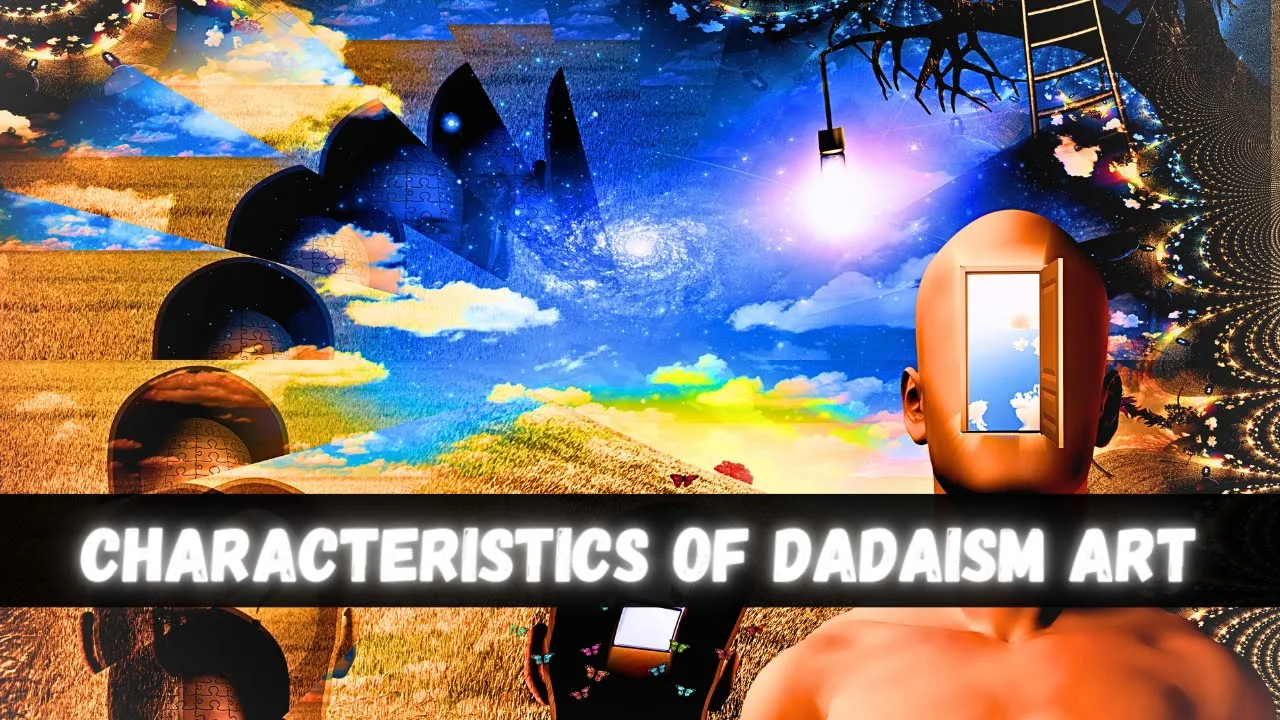













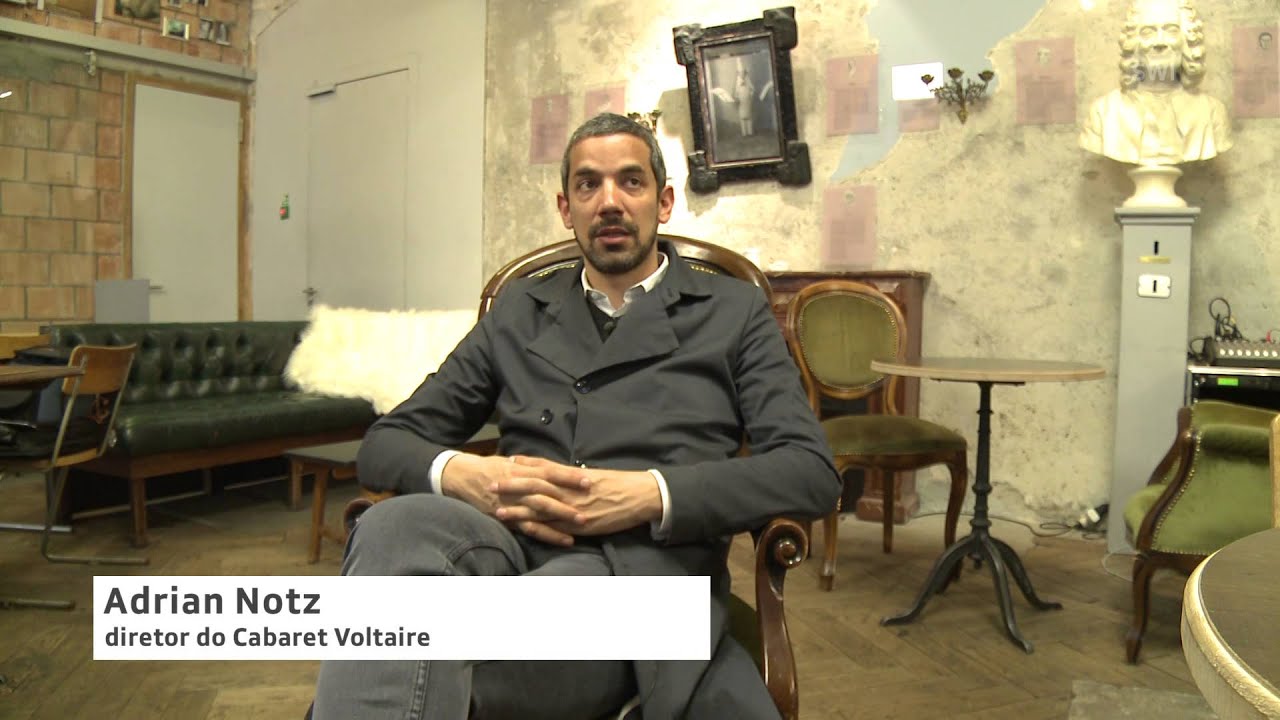
Dadaism was an anti-establishment art movement founded in Zurich, Switzerland in 1916 during World War I, created by artists fleeing the war who rejected traditional artistic conventions; the movement embraced randomness, nonsense, and absurdity as forms of artistic expression, famously demonstrated through Marcel Duchamp's readymades like 'The Fountain' (a urinal declared art simply by the artist's choice), thereby establishing the revolutionary concept that any object can become art when recontextualized by the artist's intellectual decision.
Dadaism Explained: The Birth of Anti-Art and Its Enduring Influence
Added:The historical context of World War I, specifically the widespread disillusionment with rationalism, industrialization, and traditional bourgeois societal values.
Academic art standards and traditional aesthetic conventions of the 19th century, which Dadaism sought to subvert and deconstruct.
The basic concept of the 'Avant-Garde' and how early 20th-century movements like Cubism began breaking away from representational art.
The transition from Dada to Surrealism, analyzing how artists shifted from chaotic nihilism to the structured exploration of the subconscious mind.
The rise of Neo-Dada in the 1950s and its foundational role in the development of Pop Art, particularly through artists like Robert Rauschenberg.
Conceptual Art and Institutional Critique, examining how Marcel Duchamp's 'readymades' permanently shifted the definition of art from physical craft to intellectual concept.
The legacy of Dadaist performance tactics (such as those at Cabaret Voltaire) on the mid-20th-century Fluxus movement and modern performance art.
473.3K views13.5Klikes8:13Original Release: 2021-05-07
Why is a urinal considered a piece of art? What does the word Dada represent? What are Dada soirees? What does Dadaist poetry sound like? And can everything and anything become a work of art if we chose to declare it art? In this week's story, you'll find out the answers to these questions and learn more about the famous art movement called Dadaism.
If you'd like to see more Art stories, be sure to give us a like and tell us which topics you want to learn about next!
The art movement known as Dada was born in a cool little nightclub named Cabaret Voltaire in Zurich, Switzerland in February 1916. The times when this amazing movement started its life were, however, not so amazing. World War I was roaring and artists from different countries were running away from the terror. Fleeing from the ongoing war, a group of artists moved to neutral Switzerland and formed a new artistic group. Dada was truly an international movement with artists coming from all over Europe. Tristan Tzara and Marcel Janco came from Romania, Emmy Hennings and Hugo Ball from Germany, and Jean Arp from France. Dada united artists opposed to war, who were looking to find new and alternative art practices through which they could communicate their feelings about the world around them. They wanted to create a new universe that was completely different from the one happening around them. Dada, therefore, became anti-everything. Anti-war, anti-bourgeois, anti-nationalist, anti-establishment, anti-museums, anti-materialism. Dada, as Andre Breton said, was a state of mind. Dadaist truly wanted to bid farewell to established rules, ideals, and conventions. They aimed to destroy what was thought of as reasonable. Or as Jean Arp phrased it "Dada is for the senseless which does not mean nonsense. Dada is senseless like nature. Dada is for nature and against art."
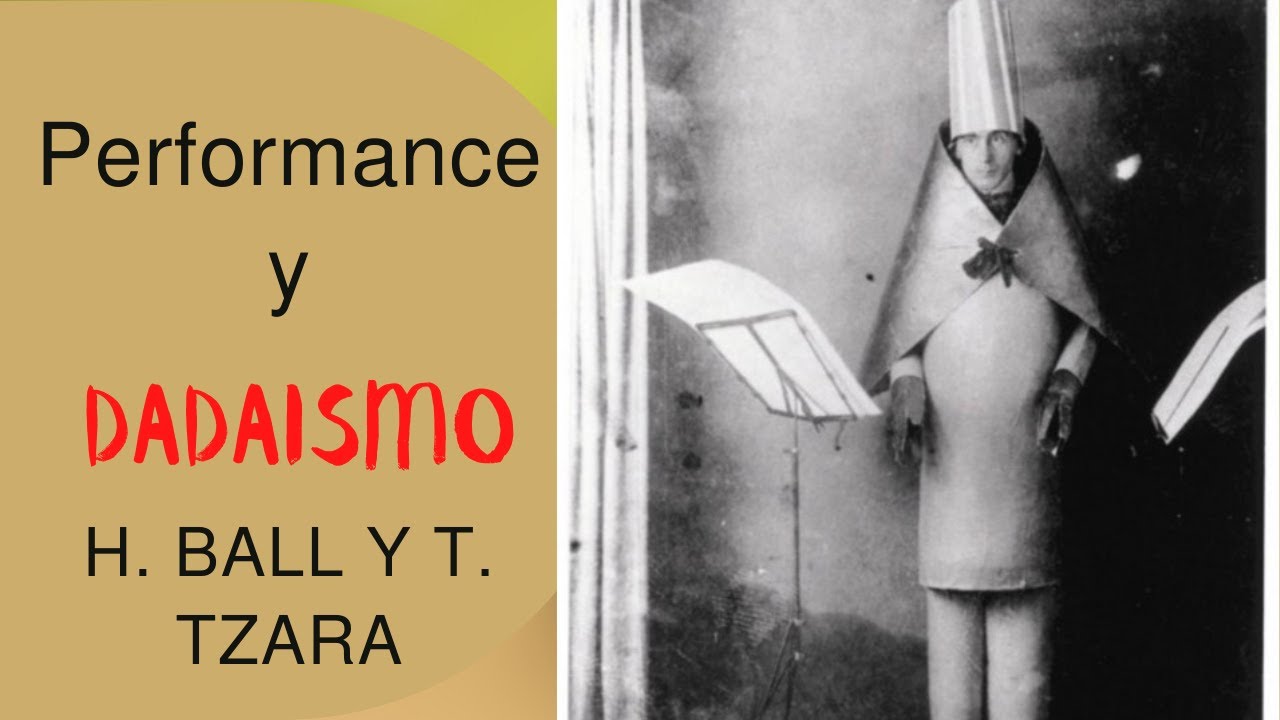
Since Dadaists were anti-meaning too, they chose a peculiar name for their movement. The word DADA could represent a sound a baby would make, or it could mean a rocking horse, or it could mean yes-yes in Romanian. Either way, Dada could mean everything and nothing! So, you might be wondering, what was dadaist art like? Well, the previously mentioned Cabaret Voltaire became a hotspot for all things Dada. It was the place where performances, poetry readings, dances, exhibitions, and dada soirees were held at. It was a center for all types of avant-garde artistic entertainment. The Cabaret lasted for six months only, but its legacy is surely enormous.
Many dada soirees, or dada evenings, consisted of Dadaist poetry readings. And Dadaist poetry was certainly unconventional. Artist Tristan Tzara even wrote an instruction on how to create a dada poem. What you need to do is take a newspaper, cut out the words, put them in a bag, shake the bag, and then you take the cutouts one by one, and there's your poem! You could even try and make a dadaist poem yourself! A number of Dadaist poems, like the ones Hugo Ball wrote, consisted of random nonsensical words that would just represent a seemingly meaningless sound. You might have heard the famous Talking Heads song called I Zimbra. The lyrics were written by none other than the Dadaist Hugo Ball. And the lyrics go like this: Gadji beri bimba clandridi Lauli lonni cadori gadjam. Yes, these are all random words that don't mean anything in particular, fascinating right?
Other Dadaists like Jean Arp also liked to play with the idea of spontaneity and chance in art. When creating some of his collages, Arp would drop paper cut-outs from the air and glue them exactly where they fell. After the war ended, Dadaists started moving to other places from Switzerland, so Dada spread around too! Mainly to France, Germany, and the USA. After Zurich, Dada had its new centers in Paris, Berlin, and New York City.
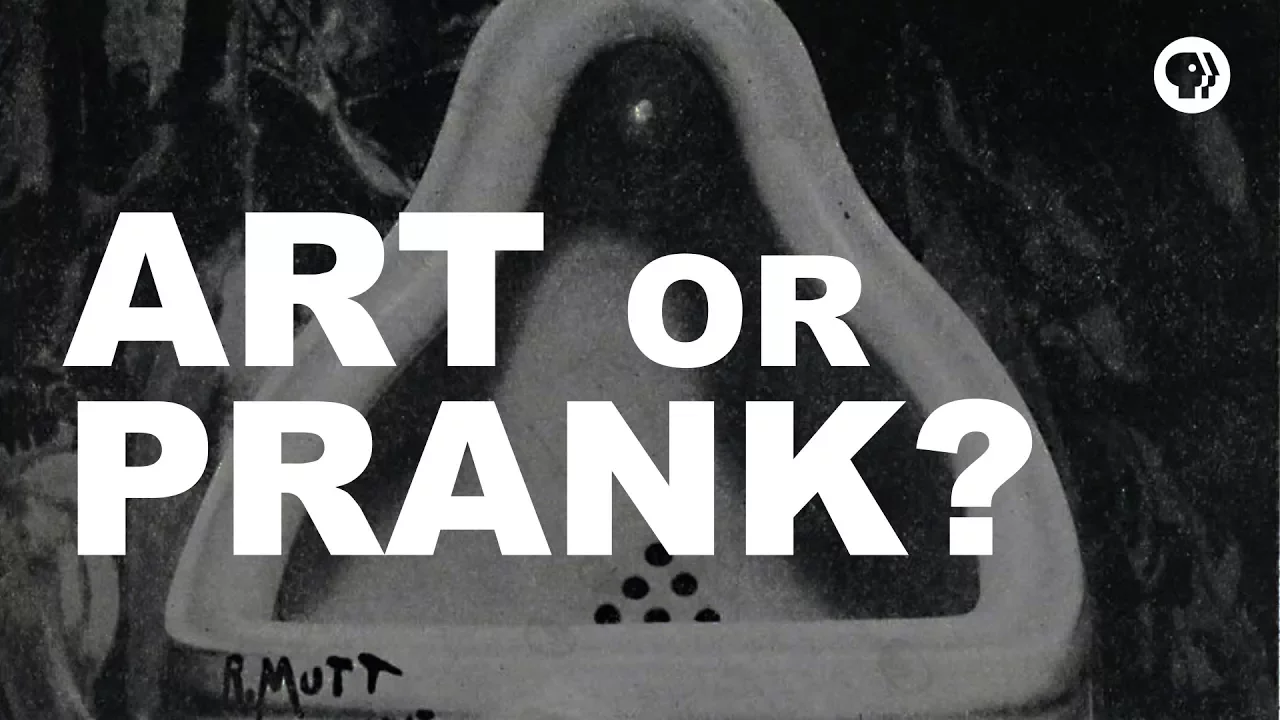
The Berlin group, led by Hannah Hoch, Richard Hueselback, and Raoul Hausman, was the most openly political of all Dadaist branches. During the 1920 First International Dada Art Fair In Berlin, even the ceiling was used for exhibiting a piece. Artists John Heartfield and Rudolf Schlichter created a life-sized doll of a soldier with a pig's head made out of paper-mâché and named it The Prussian Archangel. The Berlin Dada group is also famous for coming up with a new art-form known as the photomontage. Photomontages represented a new version of collage where media images from newspapers and magazines were cut out to create a work of art with a political message. Photomontages showed the media images used in the Weimar Republic, but Dadaists used them in subversive and even feminist ways, especially in the case of Hannah Hoch who created many pieces reflecting the idea of what the new modern woman should be like. 8. Now, let's move on to the American branch of Dada. The New York Dada is connected to the very famous Marcel Duchamp. Duchamp created one of the best-known Dadaists pieces and probably one of the most famous art pieces in the history of art - The Fountain. The Fountain consists of a signed piece of a regular white porcelain urinal seen in restrooms all over the world. So, you might be wondering, why is this considered art? The answer is actually quite simple: because the artist chose to make it an artwork. Duchamp's main goal was to show that the artist had the intellectual power to choose what object becomes art and change its context. What's important here is the artistic idea and not the object itself. And this notion became a big game-changer in the history of modern art.
Duchamp's philosophy of art was of enormous importance for postwar art movements like conceptual art, performance art, and postmodern art. What we choose to see as art can be art, it doesn't mean that it's good or bad, it's just - art.
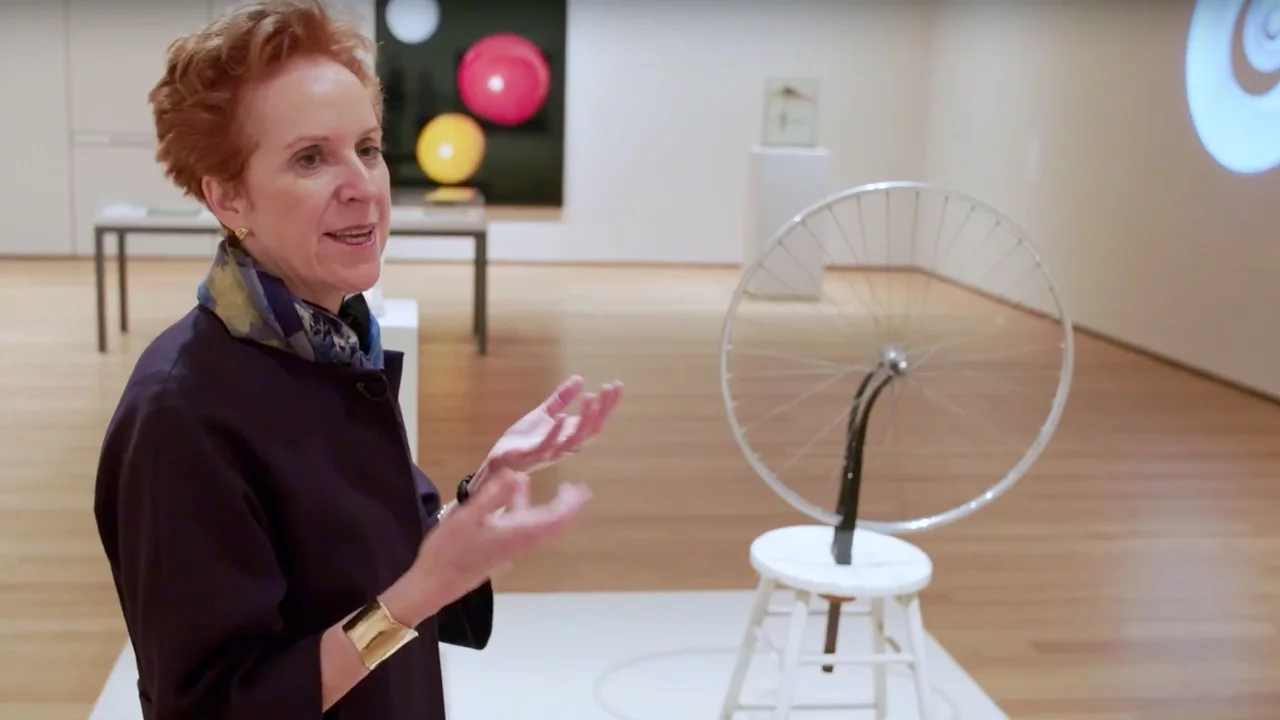
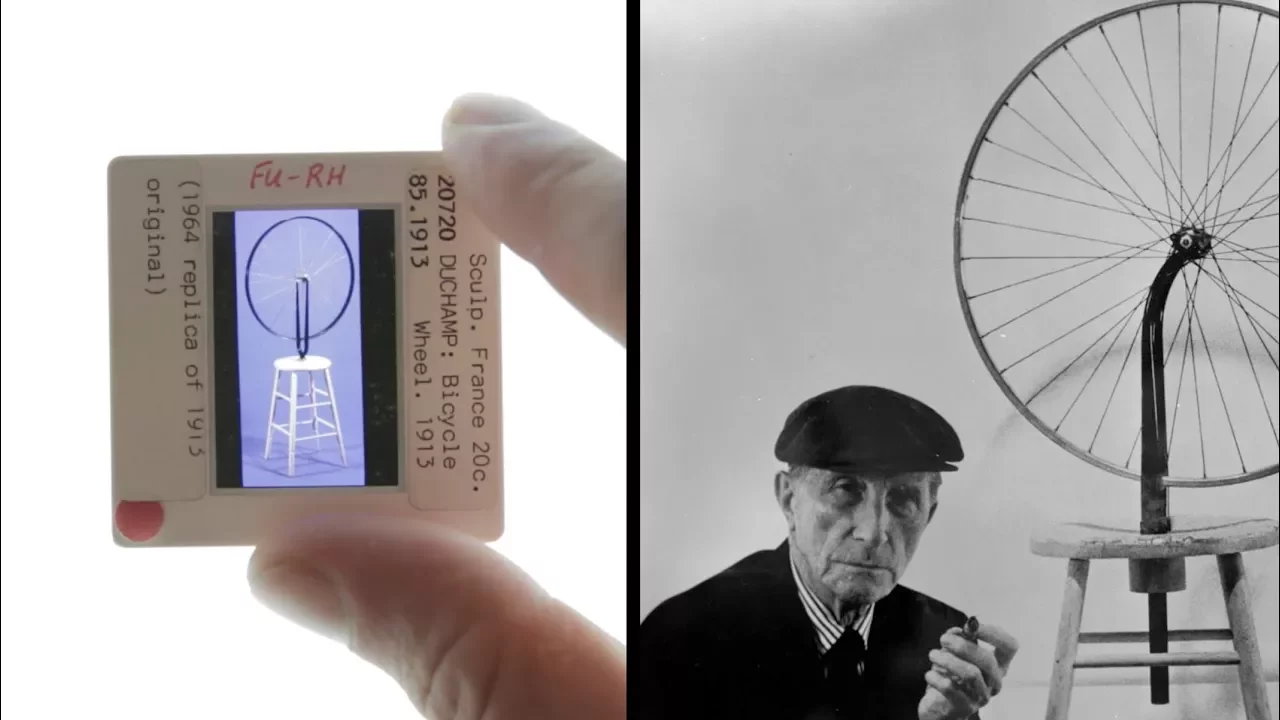
Duchamp decided to call his chosen mass-produced objects made into artworks his readymades. A bicycle wheel, a shovel, a bottle rack, you name it, Duchamp made it into an artwork! And Dadaism made all of that possible. Dada slowly dissolved during the early twenties with artists going their own ways and moving on to new art movements like surrealism for which dada laid the foundation for. But if you're wondering if Dadaist artworks are still relevant today. The answer is - absolutely yes! Without Dadaism, we wouldn't have Marina Abramovic's performance art, or any conceptual art piece. Maurizio Catalan’s infamous banana wouldn’t ever be considered art without Dadaism, and Banksy’s pieces probably wouldn’t have been sold in the art market. So, Dadaism's legacy is huge and ever-present, both in the history of 20th-century art and the contemporary art world.
What did you find the most curious about Dadaism? Would you like to learn more about the history of other art movements? Share your opinion in the comments. If you’d like to see more stories like this one, don’t forget to hit the Subscribe button. And find us on Instagram for your daily dose of culture from Curious Muse!
Up Next
9:18
What Is Abstract Art? A Guide to Non-Representational Painting
@theartassignment
1.2M views•2016-07-28
60:59
The Mathematics of Perspective in Renaissance Art and Modern Applications with Sarah Hart
@GreshamCollege
29.8K views•2021-10-25
8:49
The Vienna Secession Explained: Art, Architecture, and Klimt
@CuriousMuse
52.4K views•2022-05-11

16:34
Earliest Depictions of Jesus in Art: 10 Ancient Images Explained
@UsefulCharts
5.9M views•2022-06-03
Related Study Plans & Knowledge Roadmaps
Structured learning paths in Art History
art-history
Vienna Secession: Rebellion, Klimt & Schiele
01Fin-de-Siècle Vienna & Academic Historicism
02The Secession Movement & Klimt's Decorative Symbolism
03Gesamtkunstwerk & the Wiener Werkstätte
+ 2 more learning modules
9h5 modules
Explore Roadmap
art-history
Gothic Cathedrals: Engineering, Light & Society
01The Birth of the Gothic: Romanesque to Suger's Vision
02The Structural Triad: Pointed Arches, Ribbed Vaults, and Flying Buttresses
03Theology of Light: Lux Nova and Sacred Geometry
+ 2 more learning modules
14h5 modules
Explore Roadmap
art-history
Pre-Raphaelites: Realism, Symbolism & Critique
01The Victorian Art Establishment and Academic Formula
02The Founding of the PRB and Radical Realism
03Medieval Revivalism and Literary Symbolism
+ 1 more learning modules
8h4 modules
Explore Roadmap
art-history
Street Art: From Subways to Art Market
01Subcultural Origins in Philadelphia and New York (1970s)
02The Subway Era and Style Wars (Late 1970s - 1980s)
03The East Village Scene and Early Gallery Crossover
+ 2 more learning modules
10h5 modules
Explore Roadmap