






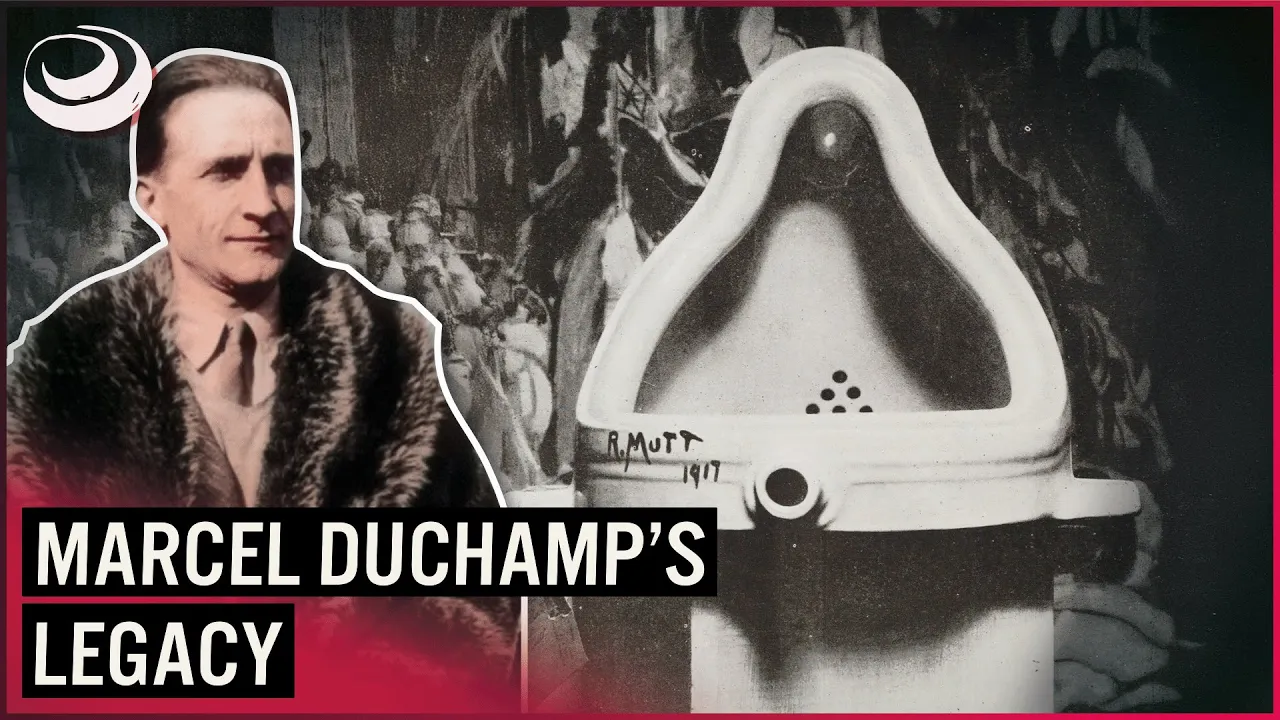





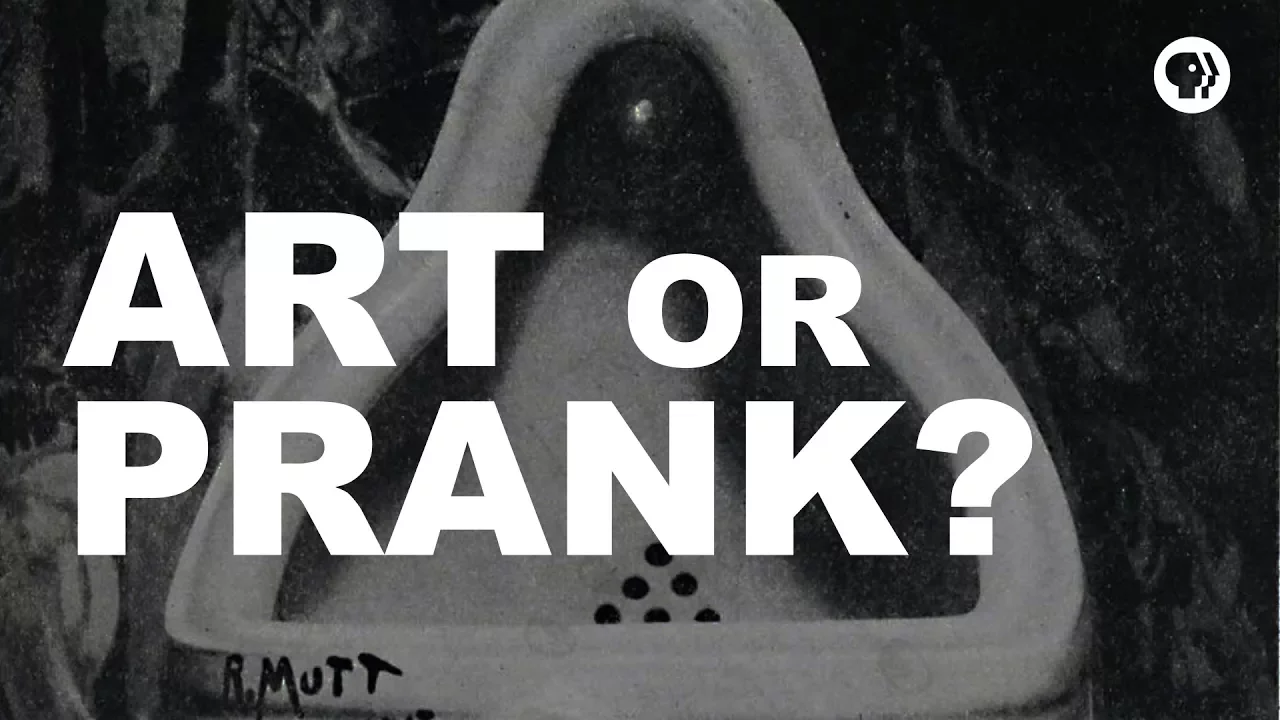

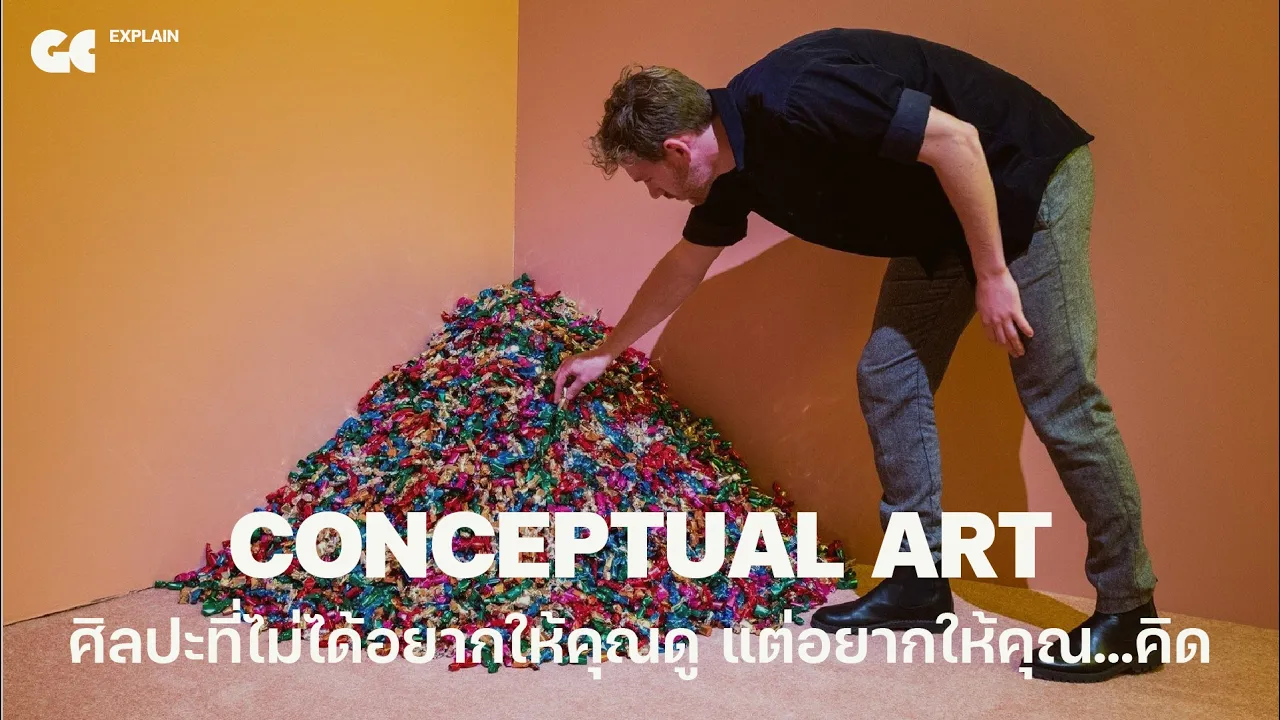

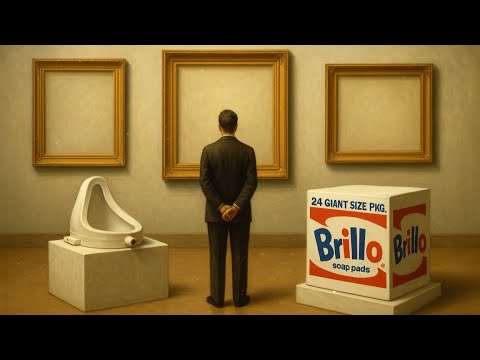
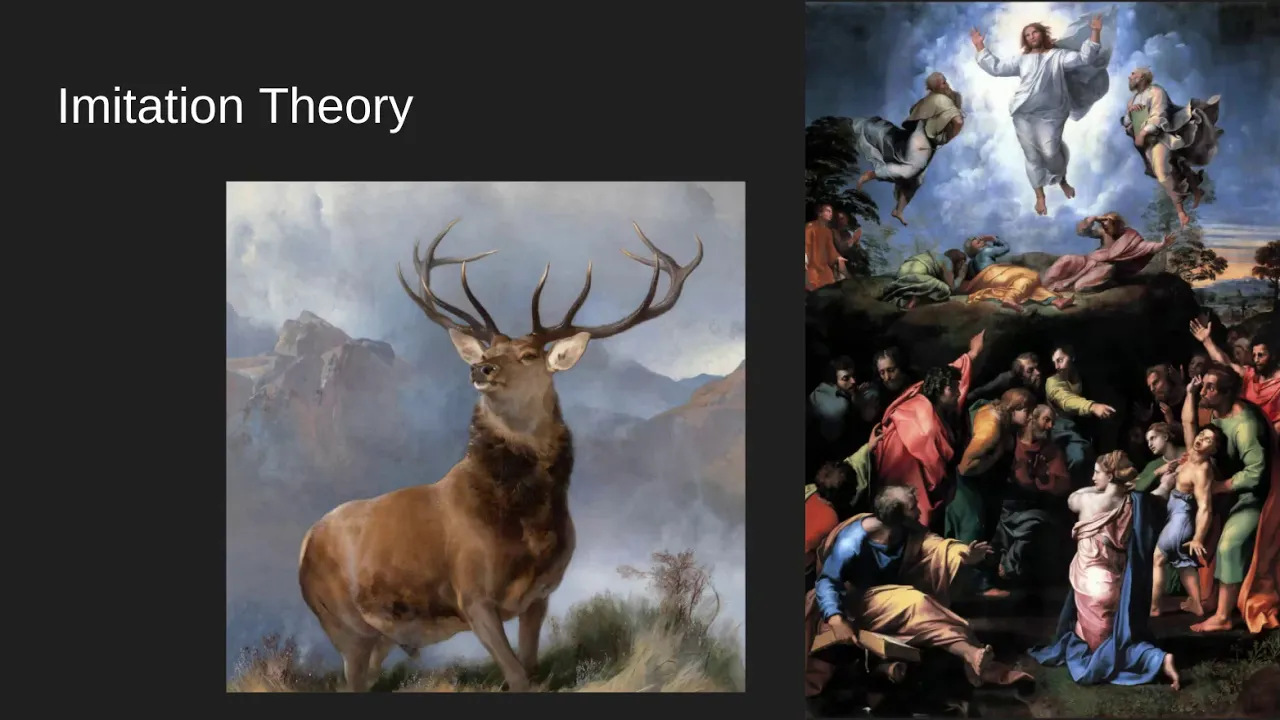

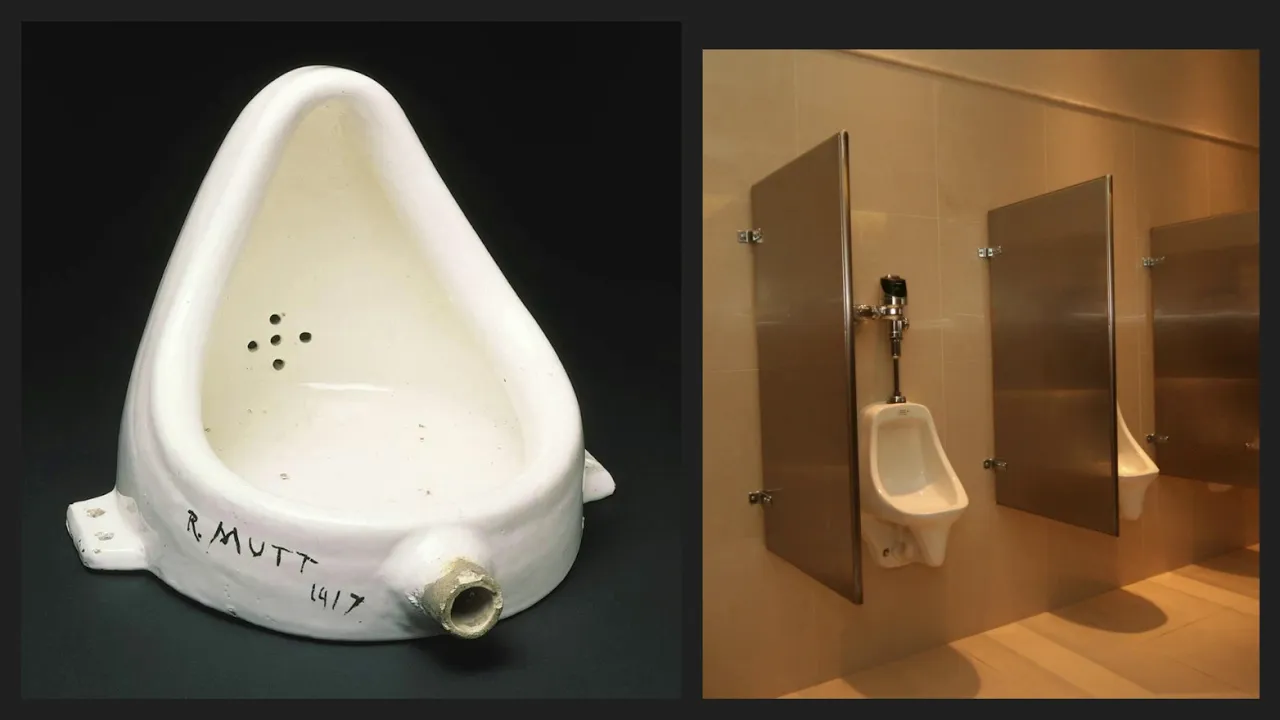



Marcel Duchamp revolutionized art by introducing the 'readymade' concept in the 1910s, where ordinary manufactured objects—such as a urinal or bicycle wheel—could become works of art simply through the artist's declaration, thereby shifting the focus from artistic skill and aesthetic beauty to the intellectual decision-making process itself; this radical approach challenged centuries-old assumptions about what constitutes art and directly influenced subsequent movements including conceptual art, pop art, and minimalism.
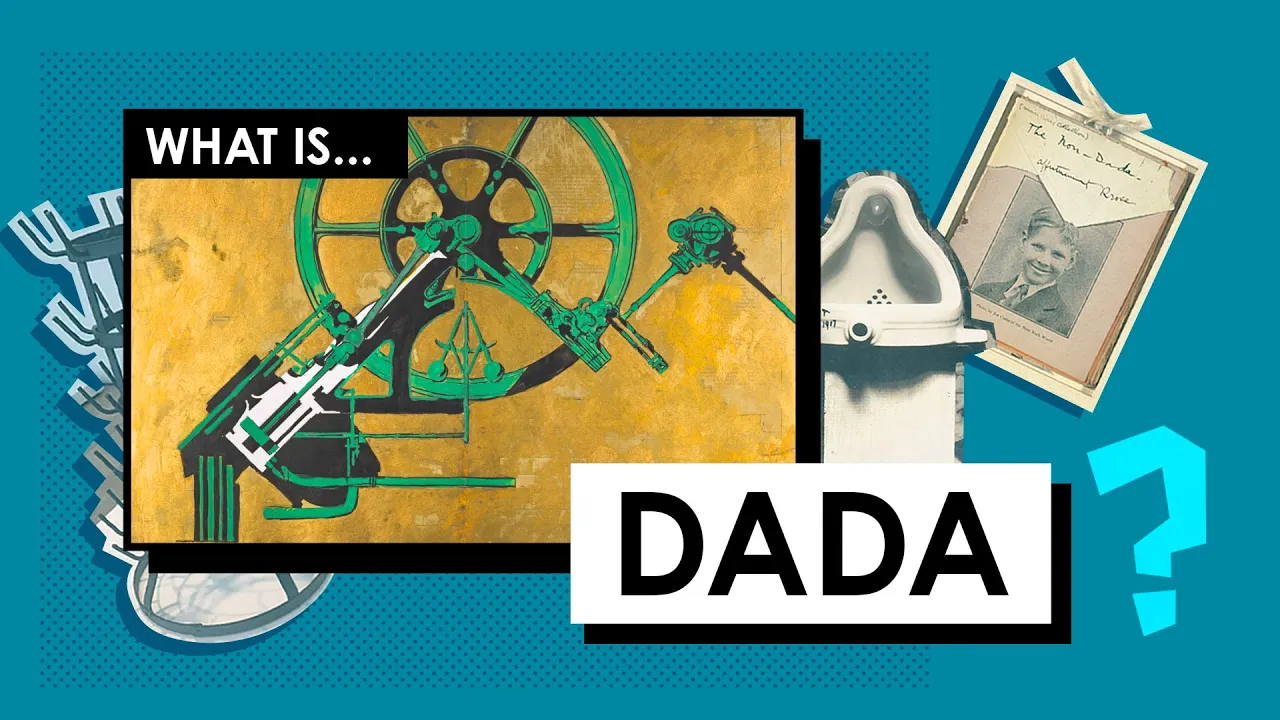
Duchamp's Readymades: How MoMA’s Curator Explains Art’s Big Shift
Added:The historical context of the Dada movement and its anti-rationalist, anti-establishment philosophy following World War I.
Traditional academic definitions of art prior to the 20th century, which heavily emphasized manual craftsmanship, aesthetic beauty, and representation.
The basic biography of Marcel Duchamp and his transition from Cubist-influenced painting to conceptual practices.
The traditional role of the art institution (museums, salons, academies) in dictating taste and validating what qualifies as 'fine art'.
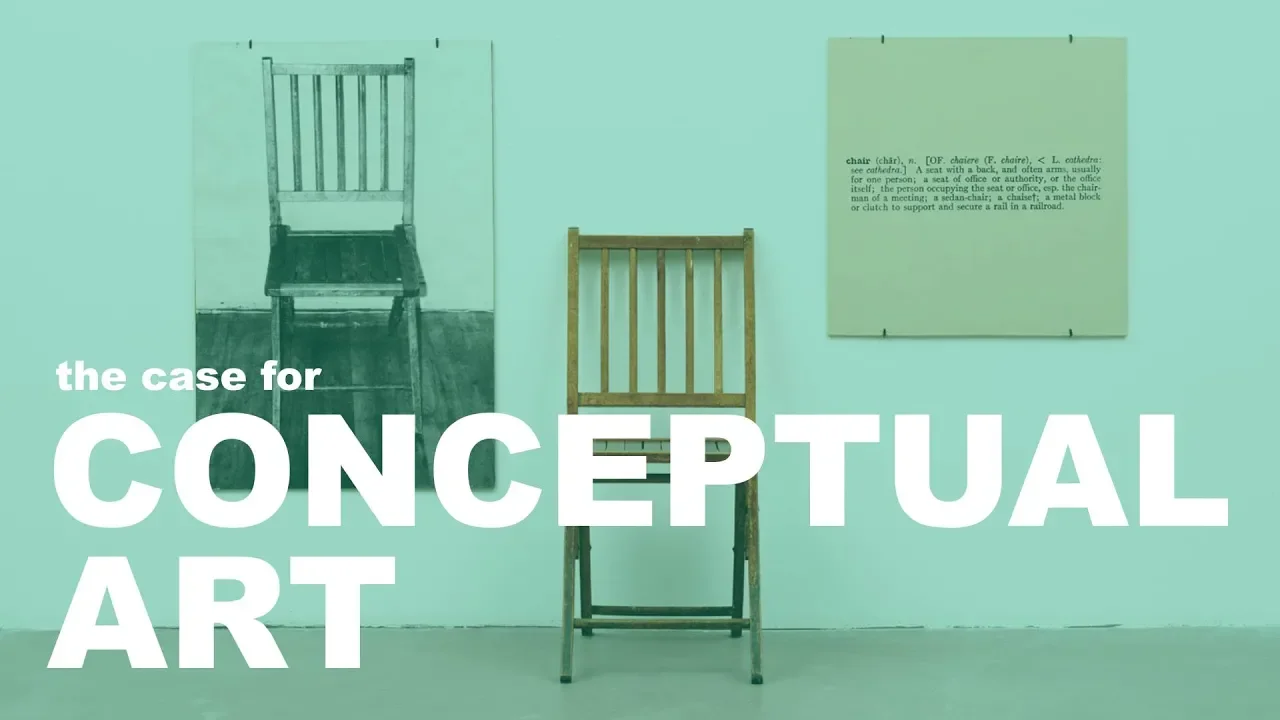
The development of Conceptual Art in the mid-20th century, where the idea or concept behind the work took precedence over the physical object.
The concept of 'Institutional Critique' in contemporary art, where artists systematically question the authority and politics of art galleries and museums.
Arthur Danto's 'Artworld' theory and the philosophy of aesthetics regarding how non-art objects undergo transfiguration into art.
The legacy of appropriation in postmodern art, examining how artists like Andy Warhol, Sherrie Levine, and Jeff Koons use pre-existing objects and imagery.
239.9K views3.7Klikes6:12Original Release: 2017-04-20
Duchamp's great ambition was a very, very bold one.
It wasn't how to be a better artist, it was how to redefine the question of what is it to be an artist.
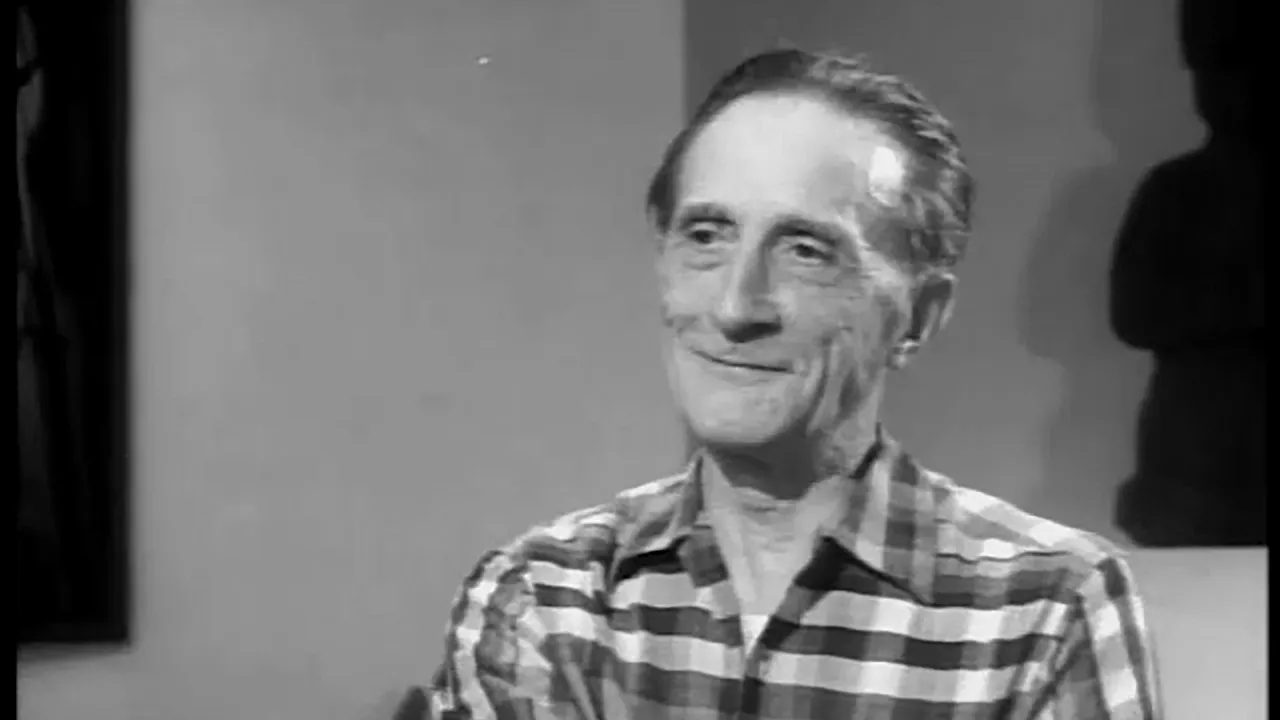
He himself said in an interview that probably his greatest contribution, among many, to the art of that century was the idea of the “readymade.” A readymade work of art is something that Duchamp came up with in the teens, nineteen-teens.
And it was the idea that literally he could go to a store, choose an item, or maybe a couple of items, and put them together, set it up in his studio, and call it a work of art.
This means that all of these notions that had gone for centuries, with the idea of an artist, such as that you were a skilled painter or that you knew how to carve or to mold, all of these ideas associated with the beauty of a creation or with the suddenness of inspiration are gone.
He, of course, was a painter when he started out.
First making impressionist pictures.
Then after Picasso led the way with Cubism, he made a variety of cubist paintings.
After he had been painting for about a decade, he decided, "You know, what's the point if I'm one more very good or even excellent painter?
I'm not changing the world."
He bought a bicycle wheel and a kitchen stool, put them together, the wheel on top of the stool, and kept it in his studio.
And from time to time, he would rotate the wheel.
One of the first readymades he made when he got to New York, where he was encountering snow, was a work that he called "In Advance of the Broken Arm."
Oftentimes, the readymades had a title that was part of the work of art.
Bought it at a hardware store on the Upper West Side, took it to his studio, hung it up.
That was a readymade.
People, what should I say, tend to romanticize quite a bit the meaning.
What's the choice behind the wheel and the stool?
Is it sedentary and motion?
Is it round and round?
You can go on and on, and it brings out some really, kind of almost like parodies of what art historians or critics might say.
But Duchamp maintained that it wasn't a matter of aesthetics and that it really was a matter of the artist's brain.
And when he said that this was one of his greatest contributions, if not his greatest, to the art of the century, I think what he was going for was the idea that all of this took away the artist's or the viewer's retina as the most important thing.
And Duchamp called painting “retinal art,” and it was sort of like it was all about what you would see with brush stroke and color.
Duchamp is trying to say retinal is substituting a lot for just dumbness.
Almost like religion is the opiate of the people.
Let's get away from that and let's get some ideas going.
This one is called "Why Not Sneeze, Rose Sélavy?"
Its title is a question.
Rose Sélavy was his pseudonym, his female alter ego name.
Totally puzzling question, "Why not sneeze?"
What we've got is a birdcage with some marble sugar cubes, a cuttlefish bone, and a little thermometer—put together all of these store bought items, put together in a collage of objects.
When you see readymades from place to place in various museums, I think almost virtually none of them, just a very few, maybe a handful, survived from the teens themselves or the early '20s.
And thereafter, what you're seeing most everywhere else are re-editions of them that he made in the '40s, '50s, or '60s.
The '50s and '60s were a time that he actually made them anew, in part because this is after a couple of decades of relative non-celebrity, his art became of great interest to young artists again.
People like Jasper Johns, Robert Rauschenberg became fascinated by the model of an artist who was not just concerned with craft and with the idea of hard work, but who just liked the idea that an idea could be a work of visual art.
With pop art, with minimal art, and with what we now have come to call conceptual art in the 1960s, all of this depended, to an immense degree, on the precedent of Duchamp in the teens, having said to the world, "What matters for a work of art is what's going on the choices that are being made, the decision that an artist makes.
Then he declares, or she declares, something to be a work of art, as an idea, as a concept.
And that's all that it needs, in fact, to be a work of art."
And it's amazing.
When I go on tours through these galleries, with visitors, they're looking at all kinds of abstract, pretty difficult-to-decipher paintings on canvas and they're taking it really well.
When we come to here, still 100 years later, invariably I get “why is that art?” And I think that's one of the great tributes to Duchamp having succeeded at what he was setting out to do.
He got people to question what otherwise is something that they just take for granted without a second thought.
Up Next

4:53
Breton's 1924 Surrealist Manifesto: Origins & Legacy
@coolmillenniumbooks
533 views•2024-09-06

114:18
Christian Iconography: History, Theology, and Meaning | Fr. Panayiotis Papageorgiou
@Trisagionfilms
58.8K views•2020-02-21
10:02
Max Ernst: Beyond Painting | MoMA Curator Explores Surrealist Art
@themuseumofmodernart
257.2K views•2017-10-05

16:34
Earliest Depictions of Jesus in Art: 10 Ancient Images Explained
@UsefulCharts
5.9M views•2022-06-03
Related Study Plans & Knowledge Roadmaps
Structured learning paths in Art History
art-history
Gothic Cathedrals: Engineering, Light & Society
01The Birth of the Gothic: Romanesque to Suger's Vision
02The Structural Triad: Pointed Arches, Ribbed Vaults, and Flying Buttresses
03Theology of Light: Lux Nova and Sacred Geometry
+ 2 more learning modules
14h5 modules
Explore Roadmap
art-history
Pre-Raphaelites: Realism, Symbolism & Critique
01The Victorian Art Establishment and Academic Formula
02The Founding of the PRB and Radical Realism
03Medieval Revivalism and Literary Symbolism
+ 1 more learning modules
8h4 modules
Explore Roadmap
art-history
Street Art: From Subways to Art Market
01Subcultural Origins in Philadelphia and New York (1970s)
02The Subway Era and Style Wars (Late 1970s - 1980s)
03The East Village Scene and Early Gallery Crossover
+ 2 more learning modules
10h5 modules
Explore Roadmap
art-history
Classic Maya Art: Iconography, Glyphs & Ritual
01Foundations of Classic Maya Visual Culture
02Deciphering Maya Hieroglyphs & Text-Image Integration
03Sacred Geography and Cosmological Architecture
+ 2 more learning modules
14h5 modules
Explore Roadmap