














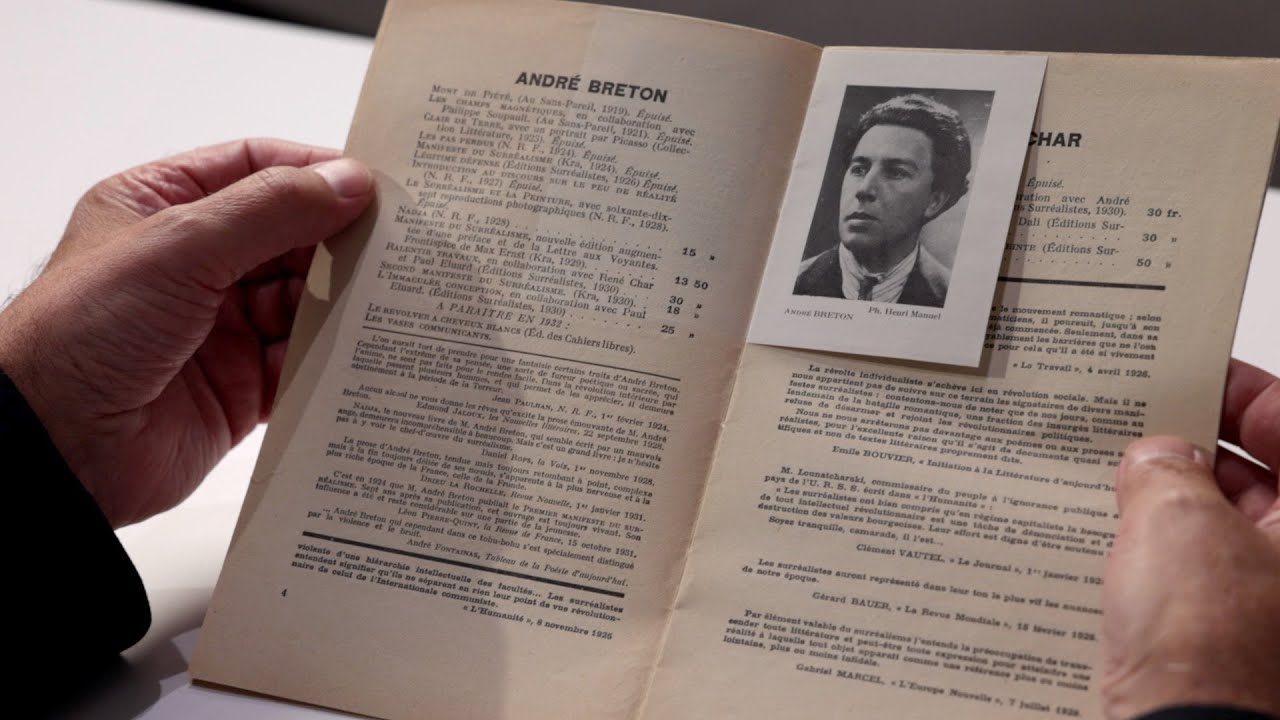

André Breton's 1924 Surrealist Manifesto established surrealism as a revolutionary art movement grounded in Freudian psychology, emphasizing dreams, the unconscious, and automatic writing; Breton, a former medical student who met Jacques Vaché during WWI, led the movement after Apollinaire coined the term 'surrealism' in 1917, distinguishing his Freudian approach from contemporaries like Ian Go and the Dadaists, ultimately influencing later movements including abstractionism and situationism while raising enduring questions about art's potential to create political change.
Breton's 1924 Surrealist Manifesto: Origins & Legacy
Added:The historical impact of World War I on European intellectuals, which fostered deep disillusionment with rationalism and traditional societal structures.
The core tenets of the Dada movement, particularly its anti-art philosophy, nihilism, and embrace of chaos as a response to the horrors of the war.
Basic concepts of Freudian psychoanalysis, including the significance of the unconscious mind, dreams, and the mechanism of free association.
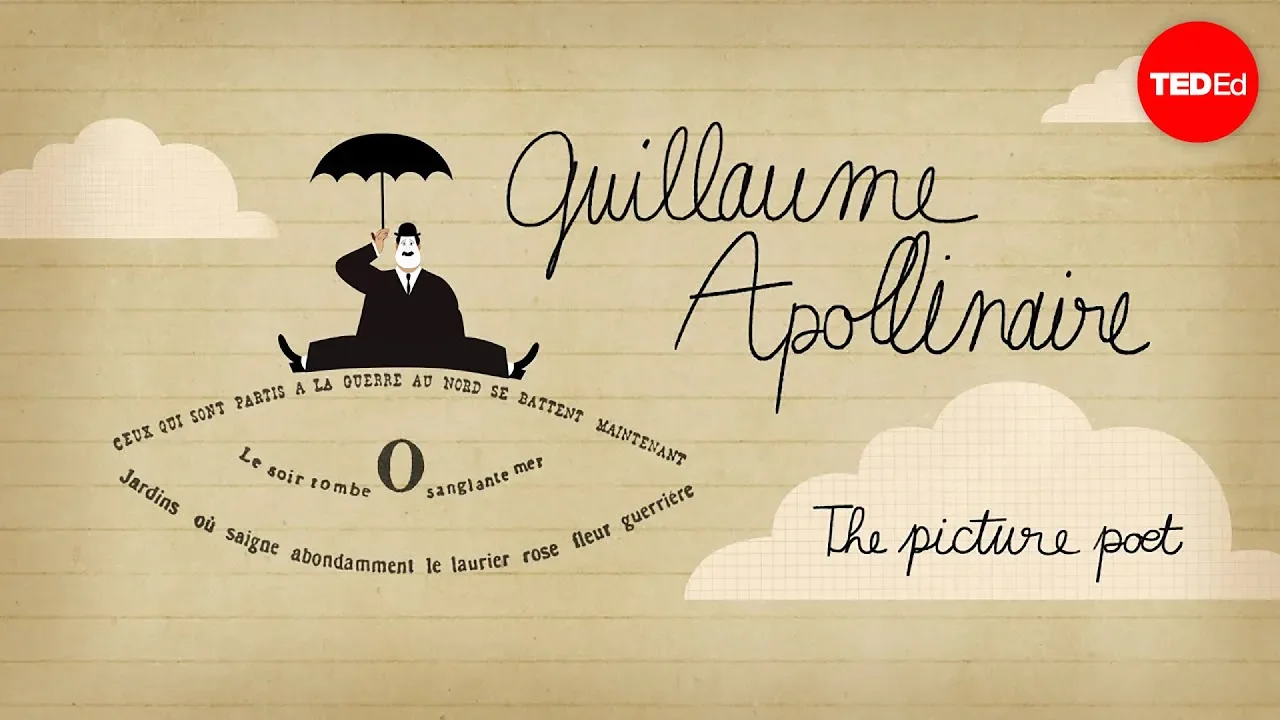
The literary legacy of Guillaume Apollinaire, who coined the term 'surrealism' and pioneered early modernist poetic techniques.
The practical application of surrealist theories through techniques such as psychic automatism, automatic writing, and the 'exquisite corpse' game.
The evolution of Surrealism from a primarily literary movement to a visual art phenomenon, analyzing the works of Salvador Dalí, René Magritte, and Max Ernst.
The complex relationship and eventual schisms between Surrealism and Marxist political movements, including André Breton's interactions with the French Communist Party and Leon Trotsky.
The Second Surrealist Manifesto of 1929 and the subsequent ideological divisions, expulsions, and evolution of the movement into the mid-20th century.
533 views11likes4:53Original Release: 2024-09-06
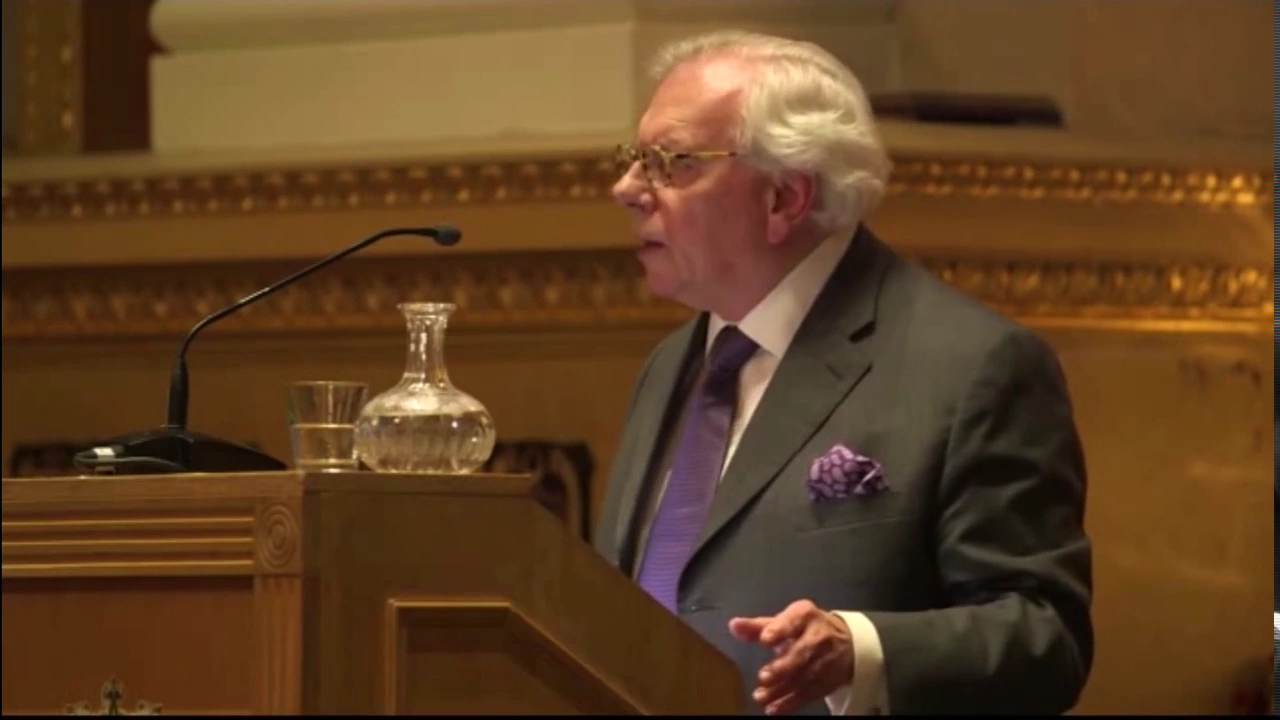
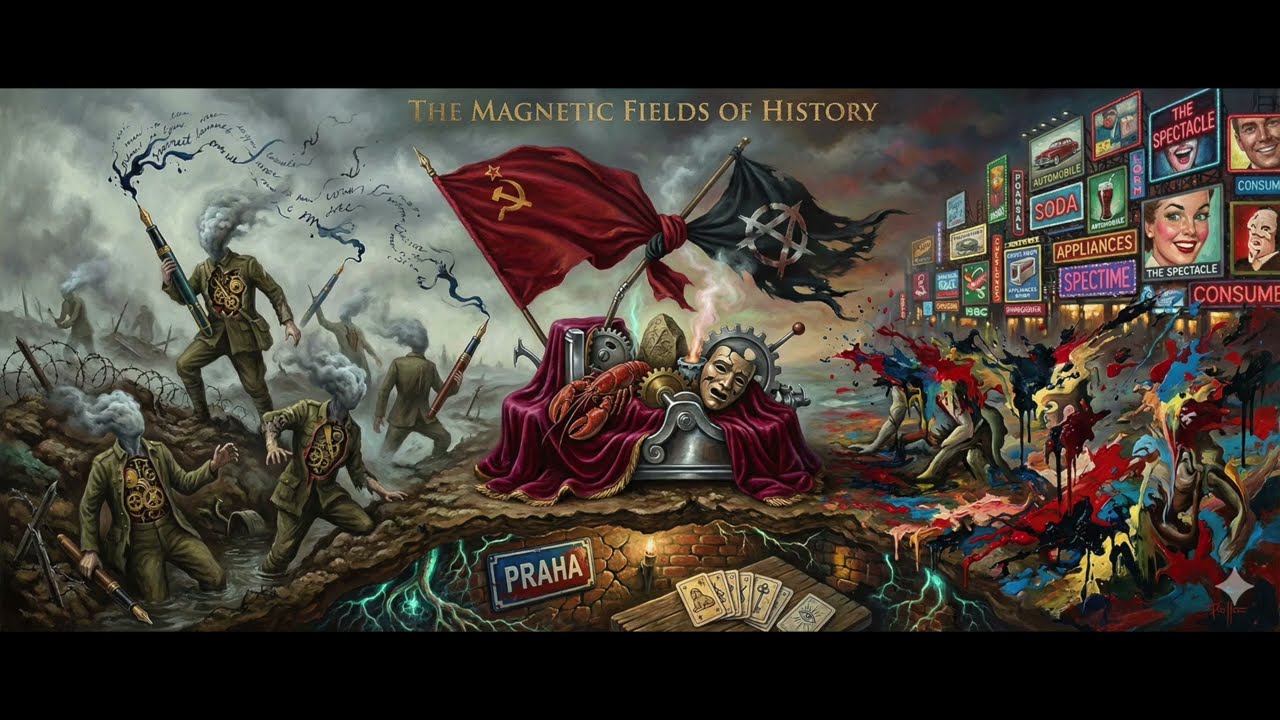
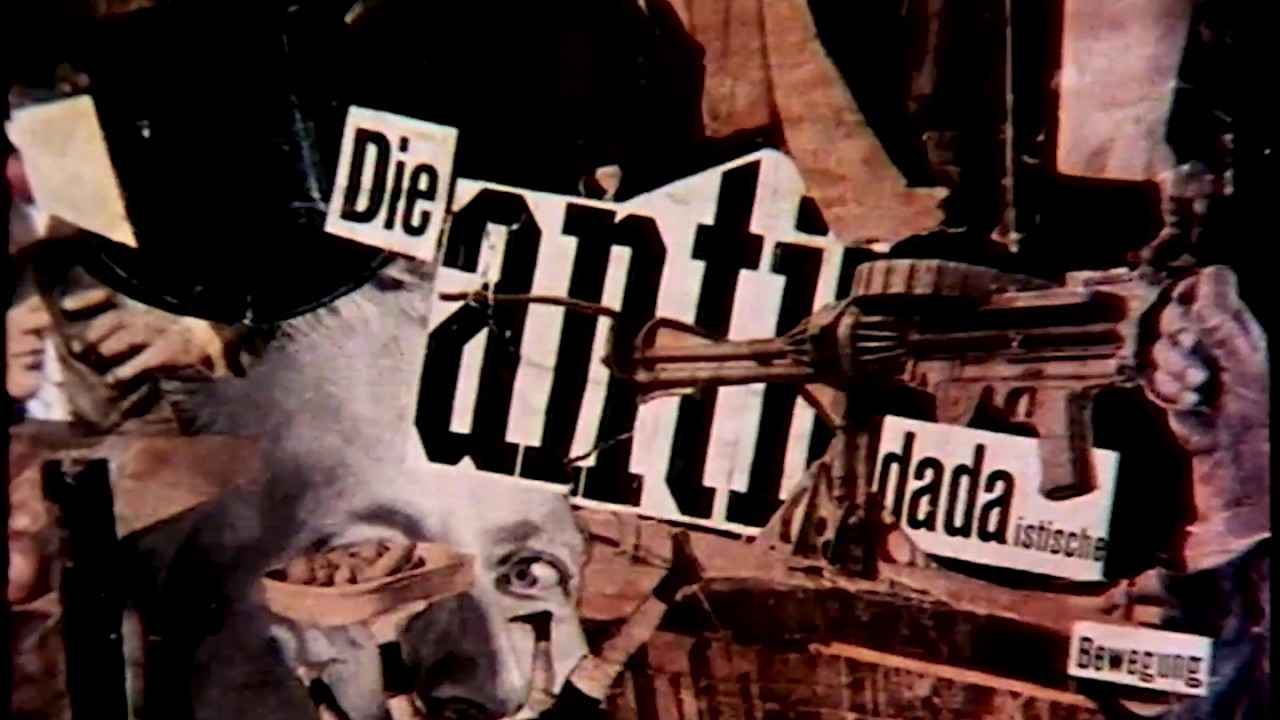
Andre breton's surrealist Manifesto of 1924 is an early attempt to set the agenda for un subtly claim leadership of the surrealist Movement by a major figure within that movement born in Normandy in 1896 Breton became a medical student focusing on mental illness during World War I he worked in a neurological award where he met a man of his own age Jack vashe with whom he hammered out his ideas on surrealism Bashe died in 1919 from an opium overdose Breton went on to become a poet essayist and cultural theorist in 1924 however Bret On's leadership of the surrealist movement was disputed by a slightly older French German poet called Ian go go had published a Manifesto of his own two weeks before Brett HS both their approaches were grounded in the work of the Innovative poet and playright gu a poire who had originally coined the term realism and who in 1917 had produced a play called the breasts of terus which claimed to be so realist apollinaire had been wounded in World War I and he died in 1918 during the Spanish flu epidemic so he wasn't available to arbitrate the dispute between Breton and go the other big influence on surrealism was dardar an ambitious artistic movement and partly an anti-war movement that rejected methodical creativity aesthetic norms and logic and which had begun in Zurich or possibly Romania during World War I the origins of the term da are obscure but it was probably intended as a nonsense word like the Sur realist the early daoists also wrote manifestos the German Anarchist poet Hugo Bal and the Romanian performance artist Tristan Zara wrote competing declarations between 1916 and 1920 and like Breton and go they ended up at loggerheads whereas Go's 1924 surrealist Manifesto emphasized cubism and supernaturalism bretons was Freudian he' met Freud in 1921 stressing dreams the unconscious an automatic writing breton's 1924 Manifesto wasn't his position for long in 1927 he joined the Communist party and in 1929 he produced a revised Manifesto which seemed to Advocate shooting random passes by in the street and which earned him the disdain of Alber kamu he was expelled from the party four years later and eventually became an anarchist but not before writing yet another Manifesto the manifesto for an independent revolutionary art in collaboration with Leon Trotsky in 1938 he died in Paris in 1966 at the age of 70 what makes his 1924 Manifesto interesting today is firstly its longevity the Curious fact of its relatively known while all of its competitors have long since been forgotten secondly there the interest value of surrealism itself the movement gave birth to both lism and situationism although both forly rejected it and thirdly it's recognizably behind many forms of radical art today all based on the notion that art has the power to disturb and disrupt and can potentially have political effects the D and the surrealists weren't by any means the first to write manifestos the French painter Gustav K produced a realist Manifesto In 1855 and the Greek poet Jean moras produced a symbolist Manifesto in 1886 nor were they the last indeed it became normal for artists to write manifestos in 2011 and 2017 penguin published two collections of a 100 such documents each nowadays they're commonplace which perhaps prompts two questions firstly how many different forms of artistic intention could there be secondly can art really change the world Carl Marx would probably have said no on the grounds that it belongs to the ideological super structure of a society as an expression of that society's relations of production its causal powers are negligible nevertheless the idea of art as having the power to alter our material conditions of life is seductive especially if you're radically minded as many artists are but how plausible is it really and to Manifesto help I genuinely don't know I'll leave you to decide incidentally if you're interested in Reading breton's Manifesto for yourself don't go buying it there are lots of places on the internet where you can download it for free
Up Next
10:02
Max Ernst: Beyond Painting | MoMA Curator Explores Surrealist Art
@themuseumofmodernart
257.2K views•2017-10-05

114:18
Christian Iconography: History, Theology, and Meaning | Fr. Panayiotis Papageorgiou
@Trisagionfilms
58.8K views•2020-02-21
7:48
Ukiyo-e Art: History, Woodblock Printing & Influence
@japanathand
6.3K views•2023-06-08

16:34
Earliest Depictions of Jesus in Art: 10 Ancient Images Explained
@UsefulCharts
5.9M views•2022-06-03
Related Study Plans & Knowledge Roadmaps
Structured learning paths in Art History
art-history
Gothic Cathedrals: Engineering, Light & Society
01The Birth of the Gothic: Romanesque to Suger's Vision
02The Structural Triad: Pointed Arches, Ribbed Vaults, and Flying Buttresses
03Theology of Light: Lux Nova and Sacred Geometry
+ 2 more learning modules
14h5 modules
Explore Roadmap
art-history
Pre-Raphaelites: Realism, Symbolism & Critique
01The Victorian Art Establishment and Academic Formula
02The Founding of the PRB and Radical Realism
03Medieval Revivalism and Literary Symbolism
+ 1 more learning modules
8h4 modules
Explore Roadmap
art-history
Street Art: From Subways to Art Market
01Subcultural Origins in Philadelphia and New York (1970s)
02The Subway Era and Style Wars (Late 1970s - 1980s)
03The East Village Scene and Early Gallery Crossover
+ 2 more learning modules
10h5 modules
Explore Roadmap
art-history
Classic Maya Art: Iconography, Glyphs & Ritual
01Foundations of Classic Maya Visual Culture
02Deciphering Maya Hieroglyphs & Text-Image Integration
03Sacred Geography and Cosmological Architecture
+ 2 more learning modules
14h5 modules
Explore Roadmap