






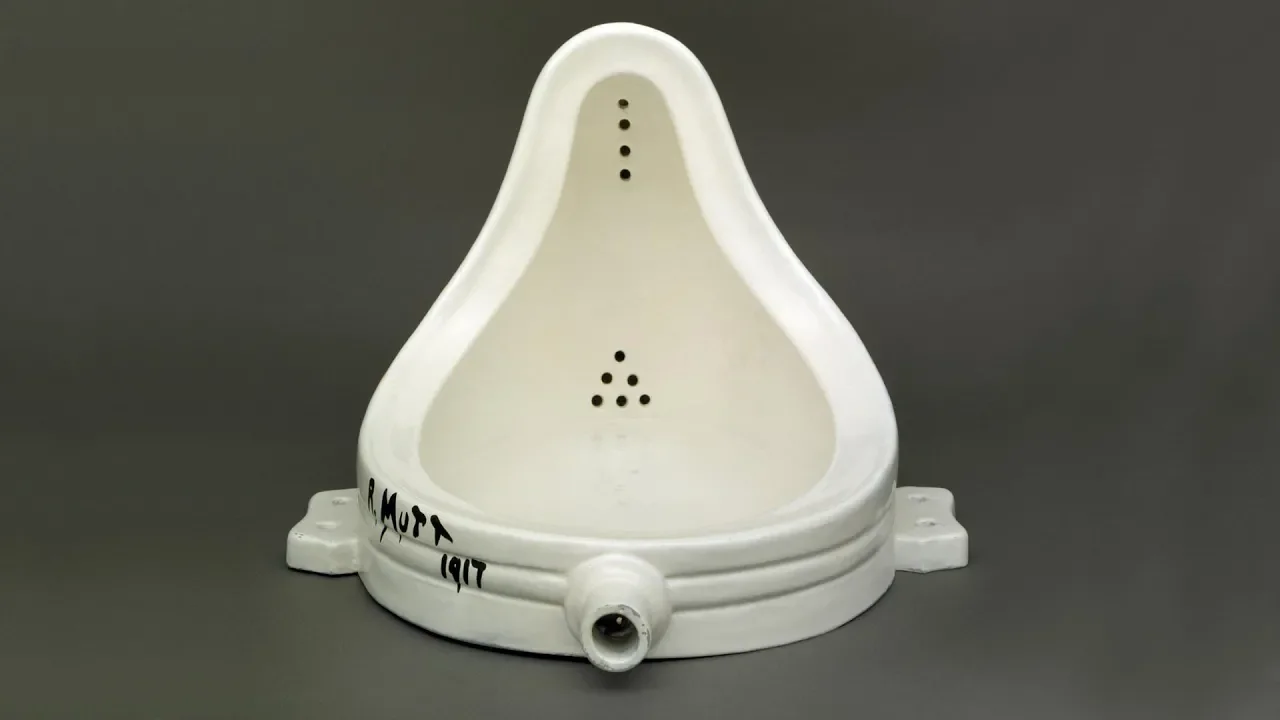

















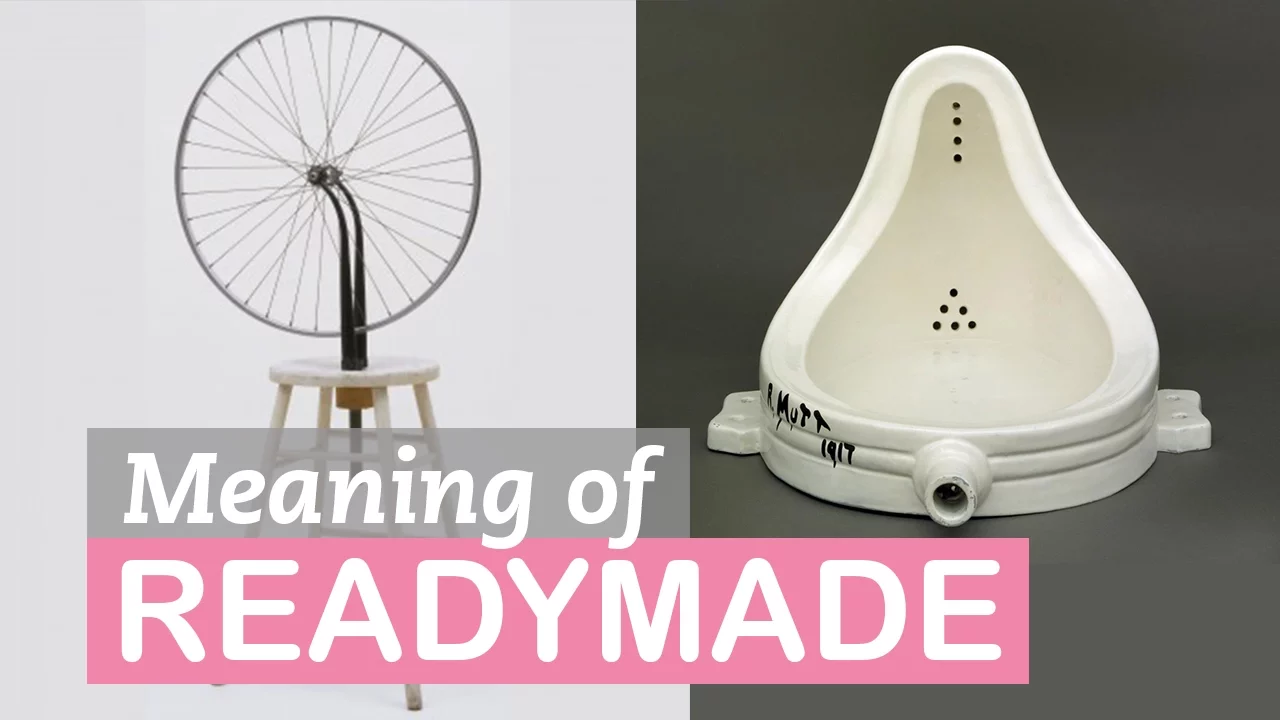
Marcel Duchamp's 1917 'Fountain' (a urinal designated as art) established the concept of 'readymades'—ordinary objects transformed into art through artistic designation and institutional context—demonstrating that art's value lies not in craftsmanship but in the viewer's interpretation and the institutional framework surrounding the object; this concept continues to challenge our understanding of what constitutes art, as seen in modern pranks like the SF MoMA glasses incident where teenagers similarly questioned institutional authority by placing everyday items in gallery spaces, revealing that art is ultimately defined by the relationship between the object, the institution, and the viewer's active engagement with meaning-making.
Art or Prank: Duchamp, Readymades, and Institutional Critique
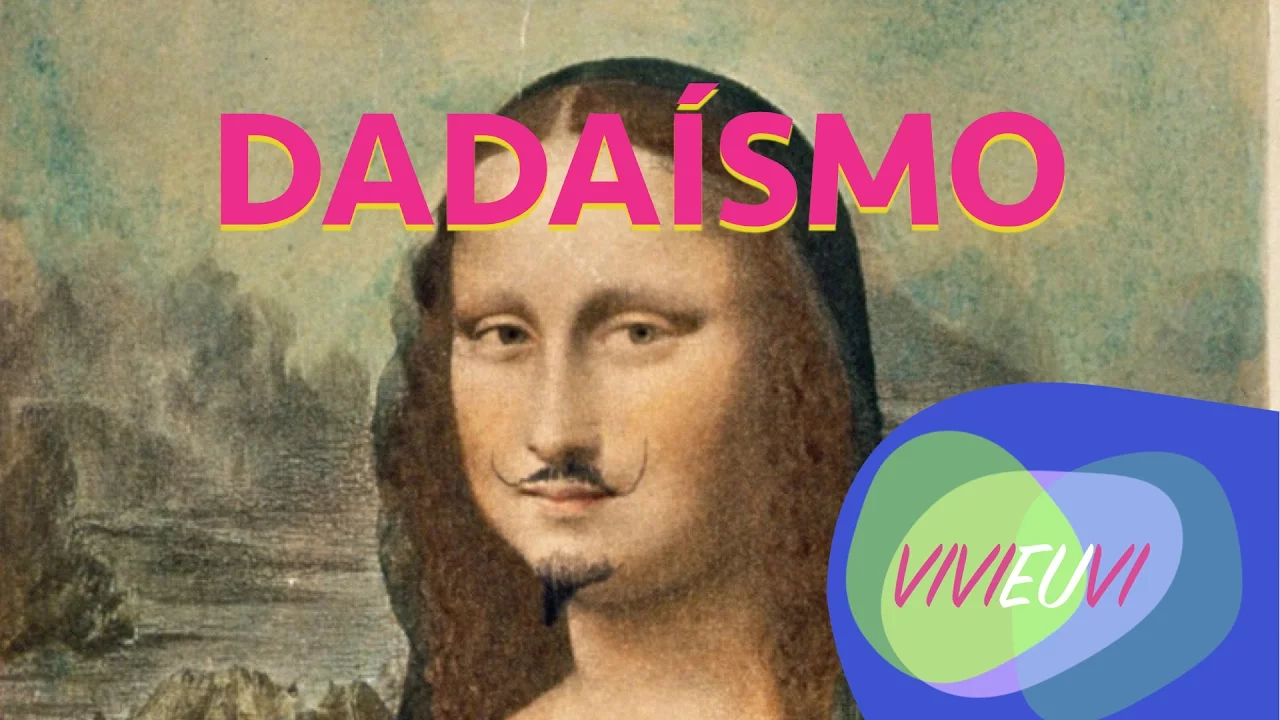
Added:The historical context of the Dada movement and its anti-art philosophy in the early 20th century.
Traditional definitions of art, emphasizing craftsmanship, representation, and aesthetic beauty.
Marcel Duchamp’s 'Fountain' (1917) and the foundational concept of a 'readymade' object.
The traditional role of art institutions (museums and galleries) in curating, validating, and establishing the value of art.
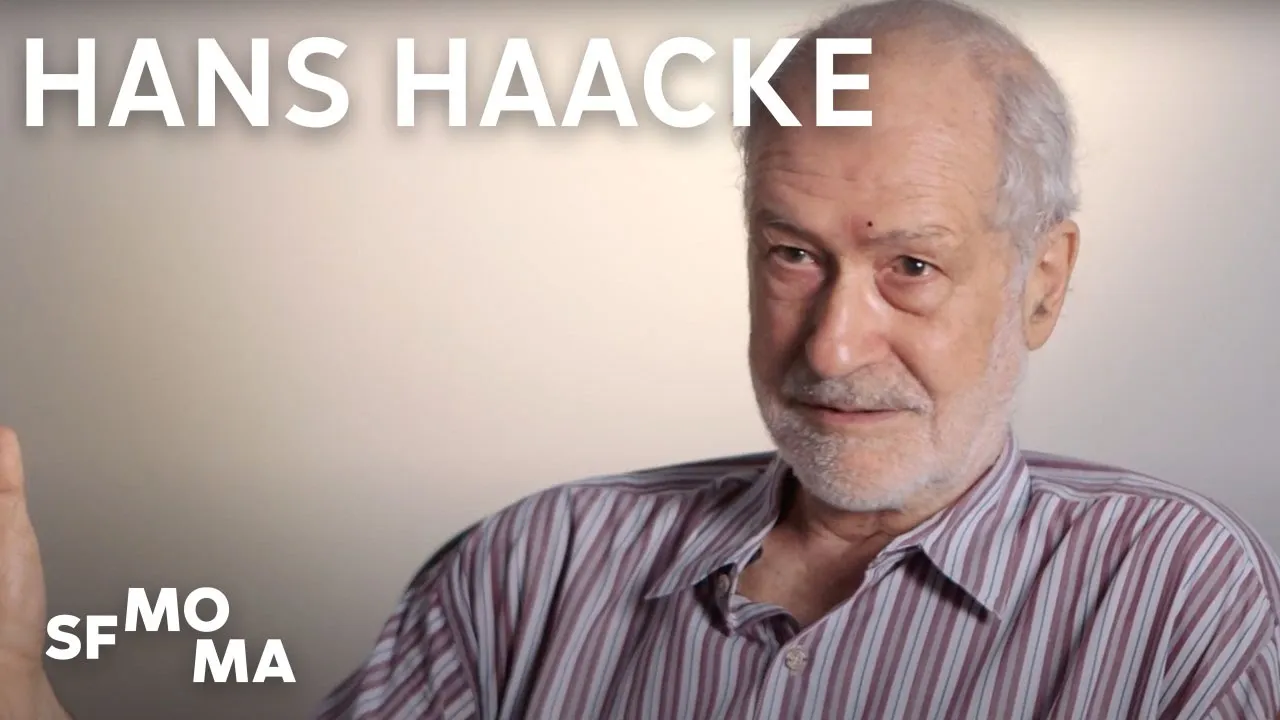
The mid-20th-century development of 'Institutional Critique' as a formalized art movement, examining artists like Hans Haacke, Andrea Fraser, and Fred Wilson.
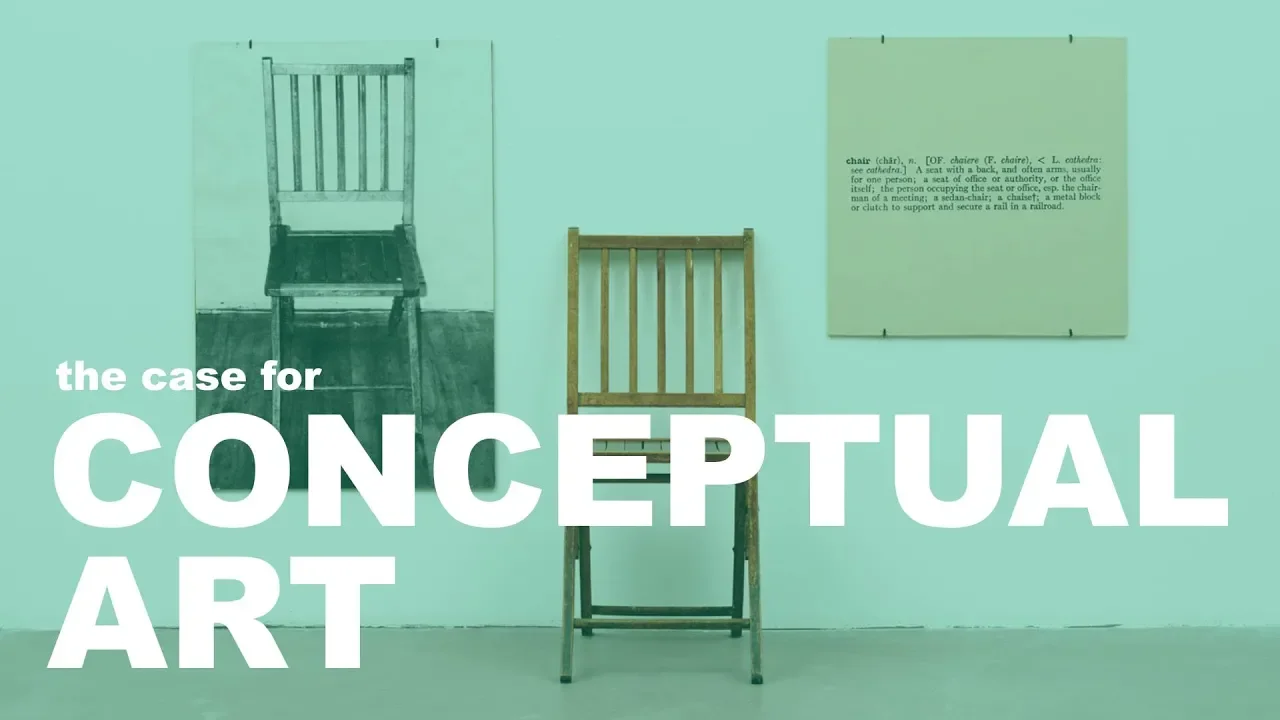
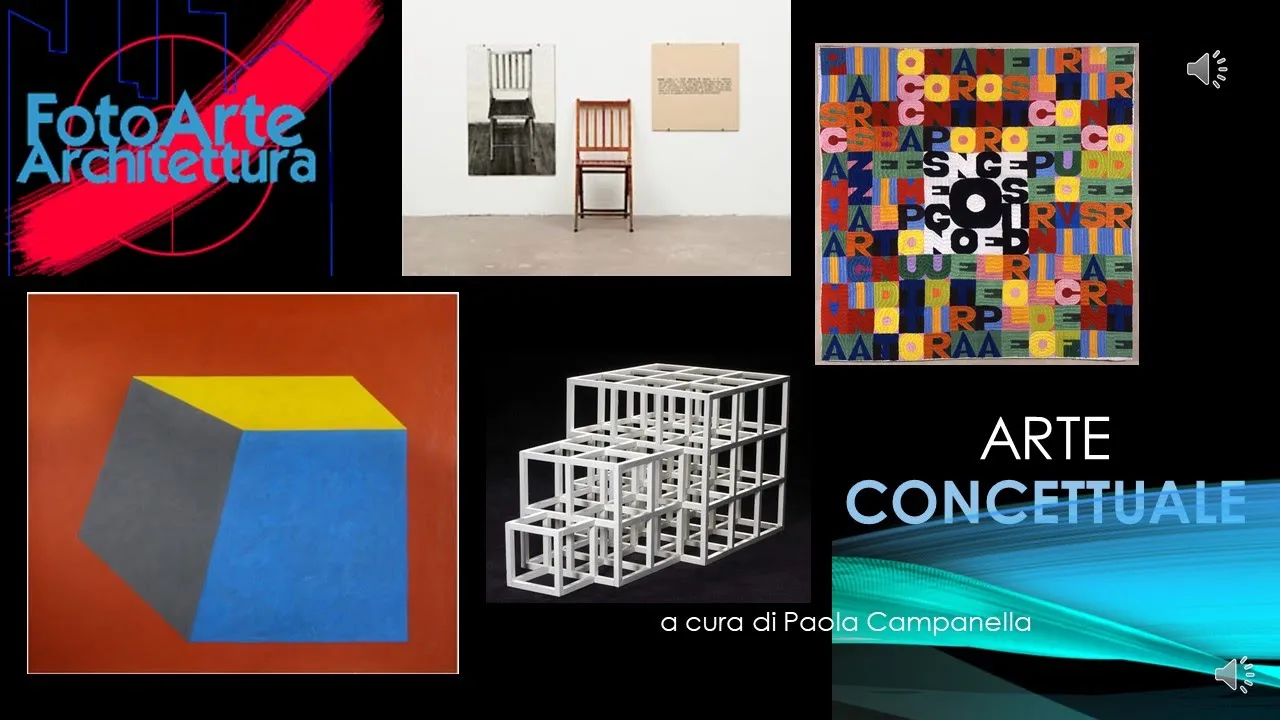
The evolution of Conceptual Art, where the idea or concept behind the artwork takes precedence over the physical object.
The sociology and economics of art valuation, analyzing how institutions and the art market assign financial and cultural capital to objects.
Modern 'culture jamming' and activist art interventions, such as those by Banksy or the Guerrilla Girls, that use humor and subversion to critique societal power structures.
287.8K views8.3Klikes8:54Original Release: 2017-07-27
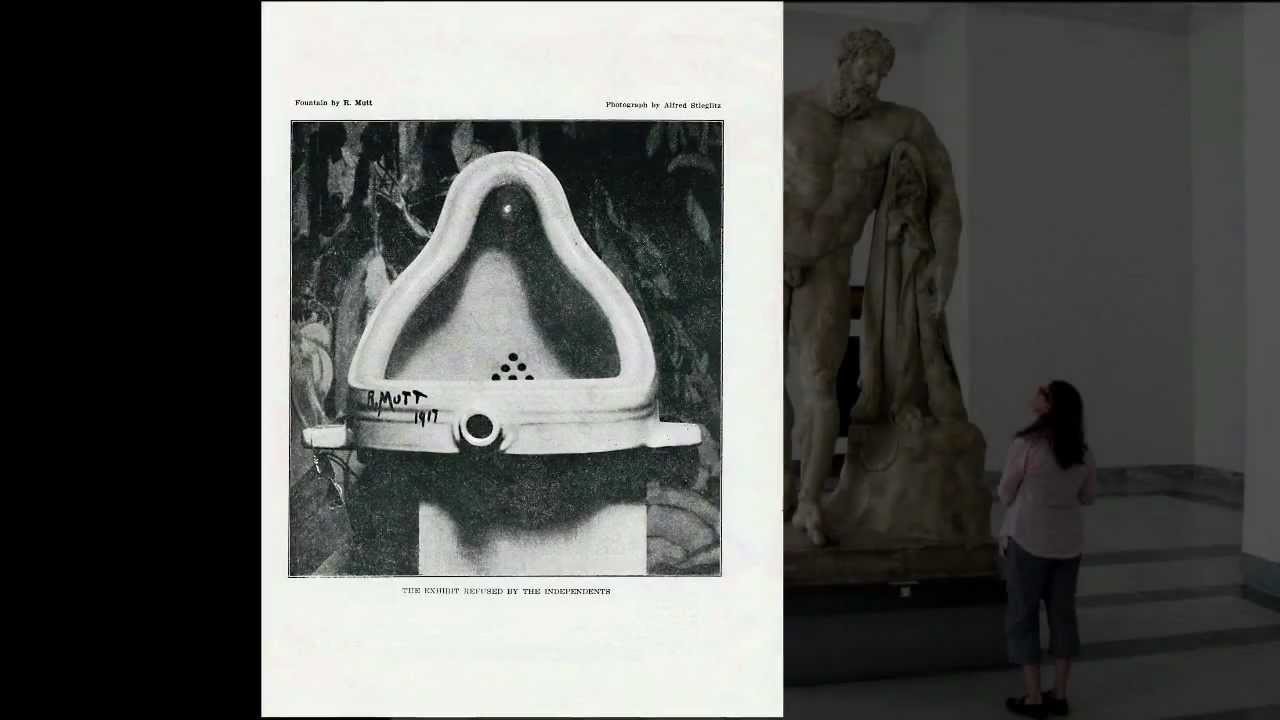
in May of 2016 teenage friends Kevin nwin and TJ kayatan visited the San Francisco Museum of Modern Art and while they did see some art they liked they were unimpressed when they came across a piece very similar to this one by the artist Mike Kelly it's what it looks like stuffed animals arranged on a blanket Kevin said later in an interview is this really what you call Art and TJ said we looked at it and we were like this is pretty easy we could make this ourselves so they decided to play around a bit placing a jacket on the floor and then a baseball cap to see if either would draw attention then one of them put his glasses on the floor underneath a wall label explaining the theme of the gallery and stepped aside people started to gather around them and someone even took pictures TJ posted some pics to Twitter and it started to spread a couple days later SF Moma responded from their official Twitter saying do we have a Marell Duchamp in our midst they were referring to duchamp's series of Works he called readys Ordinary objects that he the artist designated to be works of art the most famous of these is Fountain from 1917 a standard urinal of the time turned on its side signed and dated R mut 1917 and put on a pedestal now the backstory here is important Duchamp had arranged through a friend to submit this under a pseudonym to the newly established Society of Independent Artists which he himself had helped found the whole point of this Society was that they'd accept whatever the members submitted no matter what except when the board of directors saw Fountain they said it could not be considered a work of art that it was indecent and then voted to exclude it from the show Duchamp was Furious resigned in protest and he and his friends got Fountain back had it photographed by Alfred stetz and published the photos in a new Journal they created in it the editors wrote whether Mr mut with his own hands made the fountain has no importance he chose it he took an ordinary article of Life placed it so that that its useful significance disappeared under the new title and point of view and created a new thought for that object exactly what Kevin and TJ were doing in defense of Fountain the poet guom apollinaire wrote in 1918 the Viewpoint of the Society of independent artist is evidently absurd for it arises from the untenable point of view that art cannot inoble an object and that's a critical point here because that's all art does really we take simple everyday materials and reject them to Transformations large and small as large as making a blank piece of fabric into a painting or as small as positioning an object in an art gallery these Transformations en Noble these materials making them into something more than the sum of their parts like the glasses prank Fountain was a test in 1917 it was a test to see what the institutions of the time even the most Progressive ones could bear and it failed they wouldn't exhibit it it was in its rejection that the object slowly Rose to f the original work was lost but Duchamp sanctioned a number of replicas later on after his own Star had risen and the urinal story persisted in art historical memory these replicas sit in museums around the world and still serve as a test challenging each visitor to consider its legitimacy as a museum worthy object they continue to be good barometers for us as we think about what art is exactly what it can be and what we want it to be oh hey and one of those replicas was peed on at the Tate modern in 2000 by collaborating performance artists Sai Yuan and Jan Juni actually they only peed on the vitrine surrounding it in a way attempting to return the urinal to its original purpose and in hitting its barrier highlighting how Museum culture has fetishized and protected this object beyond the artist's original intentions and while I cannot say I like or approve of this peeing performance it does Reas the original questions posed by du's Fountain what is it that makes One Thing ordinary and another extraordinary furthermore it shows us that artworks even as they sit in museums under glass continue to shift in the way that we understand them and let's be clear the museum did not invite this particular performance but museums and galleries often do invite artists to do performance-based work in the galleries which sets up a perfect scenario for those looking to do an art prank not that I'm recommending it there's a long history of artists not only performing in galleries but also inviting participation in their work like irin worm's one minute sculptures where he directs you to pose with an object or set of objects in a particular way and to hold the pose for 1 minute it's funny but it's not a joke or at least not entirely these make me think about the people who are historically depicted in artworks throughout the centuries important people holding unnatural poses and displaying their riches artists like Claus oldenberg have long played with our expectations of what we're supposed to see when we walk into a gallery or admire on the lawn of a museum in 1969 jannis kunelis put 12 live horses into an art gallery in Rome he's associated with Arte POA a movement defined by the use of humble materials drawn from everyday life but presented with a level of intensity that sets them apart en nobling those materials or in this case horses as the 20th century progressed more and more artists made art that questioned the systems and structures behind art in what came to be called institutional critique they made Works revealing the money and politics behind museums and the ways that architecture and even the guards impact and inform your experience there's even been art addressing how institutional critique has itself become institutionalized but okay so the artist Andrea Fraser who took visitors on fake tours of the Philadelphia Museum of Art in the late 1980s wrote an article in 2005 about institutional critique she argues that artists in their critique have only serve to expand the boundaries of the institution to such an extent that there's no real separation between the art world and the real world and rather than thinking of the institution as specific places organizations or individuals she proposes it's now more of a social field the institution she argues is US Fraser says every time we speak of the institution as other than us we disavow our role in the creation and perpetuation of its conditions it's not a question of being against the institution we are the institution it's a question of what kind of institution we are what kind of values we institutionalize what forms of practice we reward and what kinds of rewards we aspire to when we think about it this way we can see TJ and Kevin as embodying the institution of Art and their glasses prank as a way of Performing the institution of art they're not Outsiders storming the system they're part of it they're asking questions about what art is what it isn't and what they want it to be and we're all part of it as we look at Art and figure out if we take it seriously if we find meaning in it if we like it or if we don't I am not saying these pranks are art for me they're jokes that reveal something about art and sometimes art functions similarly but I think duchamp's joke is better than the glasses joke it's more careful considered and sustained now it's easy to laugh at the people taking the art prank seriously but I think those are the real heroes of this story because the art isn't in the glasses the art is what happens in the space between you and the glasses just as that exists between you and a Renaissance painting the prank victims are paying close attention to what's around them searching for meaning where it may or may not exist you may look at teddy bears on a blanket and think it's bogus and that's fine the art just isn't there between you and that work but if it is and even if it is for something not intended to be art in this cold Dark Universe I say good on you and the next time you walk into a gallery and see something you think is ridiculous maybe think about what you've been trained to expect when you walk into a museum what around you is in forming your opinion and see yourself as an active agent in determining what it is why it is and whether you as the institution accept it thanks to dhna Mor for inspiring this video topic and thanks also to our patrons who make this series possible especially our Grandmaster ofth Arts Indianapolis homes realy to support our show go to patreon.com art assignment and pledge a monthly amount you can receive some amazing rewards like our fake flyer monthly subscription or these outstanding limited edition prints by Nathaniel [Music] Russell
Up Next
3:11
What Is a Readymade in Art? Marcel Duchamp & Art History
@littlearttalks
48.5K views•2016-09-11

12:54
Triumph of Orthodoxy Icon: Byzantine Art & History Explained
@BenCallan
2.1K views•2024-08-06

9:49
FastAPI vs Flask vs Django: Choosing the Right Python Web Framework
@TechWithTim
302.5K views•2024-05-26

1:42
Game of Thrones Opening Credits: A Cinematic Analysis
@gameofthrones
46.3M views•2011-04-18
Related Study Plans & Knowledge Roadmaps
Structured learning paths in General & Interdisciplinary Studies
general-studies
Elevator Engineering: History, Physics & Cities
01From Hoists to Safety Brakes: The Dawn of Vertical Lift
02Hydraulic vs. Traction: The Engineering Physics of Elevators
03Modern Speed, Safety, and Algorithms
+ 2 more learning modules
12h5 modules
Explore Roadmap
general-studies
Rubber: Material Science, History & Geopolitics
01Origins of Natural Rubber & Mesoamerican History
02The Chemistry of Natural Rubber & Vulcanization
03The Geopolitics of the Rubber Boom & Colonization
+ 2 more learning modules
12h5 modules
Explore Roadmap
general-studies
Containerization: Evolution, Logistics & Trade
01Ancient Trade & Bulk Cargo: Amphorae to Barrels
02The Industrial Revolution & Cardboard Packaging
03The Containerization Revolution: Malcom McLean
+ 2 more learning modules
12h5 modules
Explore Roadmap
general-studies
Textile Tech: Evolution, Labor & Global Impact
01Pre-Industrial Textiles: Handloom & Cottage Industry
02Mechanization: The Spinning Jenny to the Power Loom
03The Factory System & Global Labor Transformation
+ 2 more learning modules
10h5 modules
Explore Roadmap