



















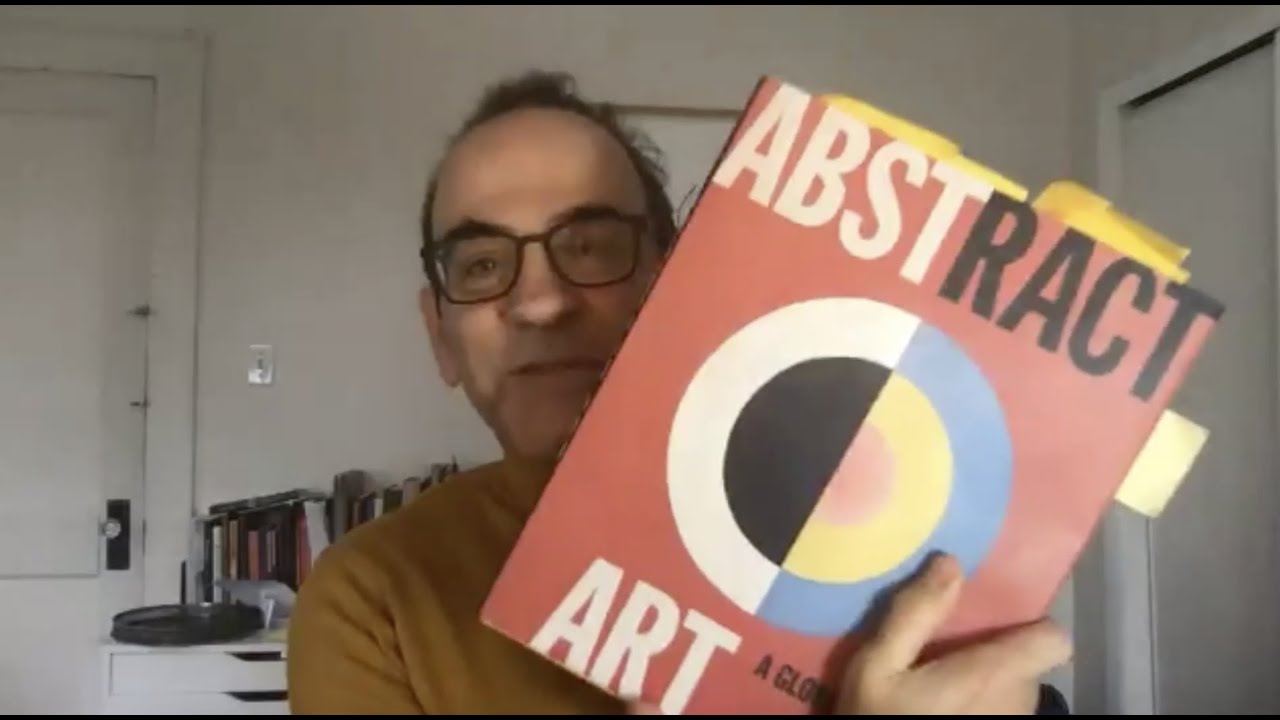

Abstraction in art represents a fundamental shift from representing the physical world to exploring emotion, spirituality, and pure form, emerging around 100 years ago as artists like Kandinsky, Picasso, and Mondrian broke away from traditional representation; this movement has evolved through diverse approaches including Fauvism, Cubism, Suprematism, and various 20th-century movements, ultimately proving to be a productive field that allows artists to explore complex ideas about reality, perception, and human experience beyond literal representation.
What Is Abstract Art? A Guide to Non-Representational Painting
Added:Understanding the concept of representational art, where artworks depict easily recognizable objects or scenes from the real world.
Familiarity with the fundamental elements of art—specifically color theory, line, shape, form, and texture—and how they can convey emotion independently of subject matter.
A basic overview of late 19th-century art history, particularly how the invention of photography shifted the purpose of painting away from mere documentation.
An introduction to Post-Impressionism and Expressionism, noting how artists like Vincent van Gogh and Edvard Munch began prioritizing emotional expression over realistic depiction.
In-depth exploration of specific 20th-century abstract movements, such as Cubism, Suprematism, Neoplasticism (De Stijl), and Abstract Expressionism.
An analysis of the spiritual and philosophical theories of early abstractionists, such as Wassily Kandinsky's essays on the spiritual in art and his connection to synesthesia.
Methods for performing a formal analysis on non-representational art, focusing on composition, scale, medium, and the physical process of creation.
Examination of contemporary abstract practices and how non-representational art has evolved in the digital age and across global, non-Western contexts.
1.2M views29.7Klikes9:18Original Release: 2016-07-28
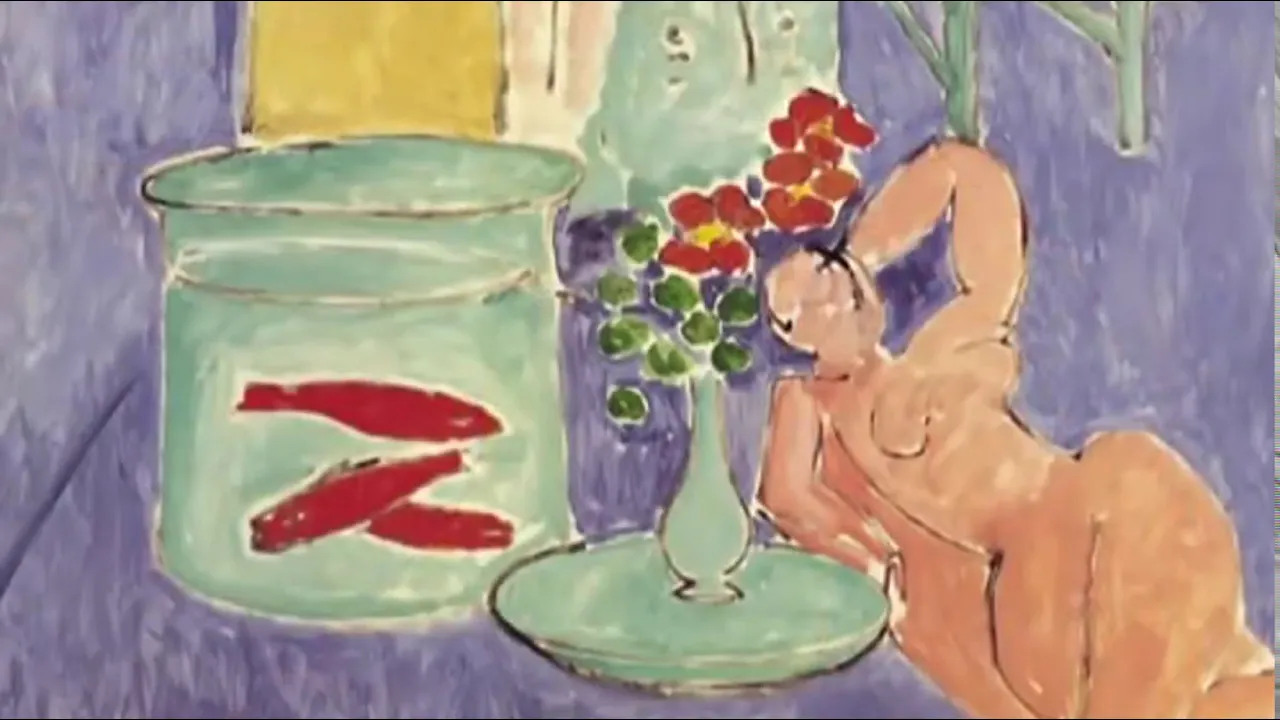
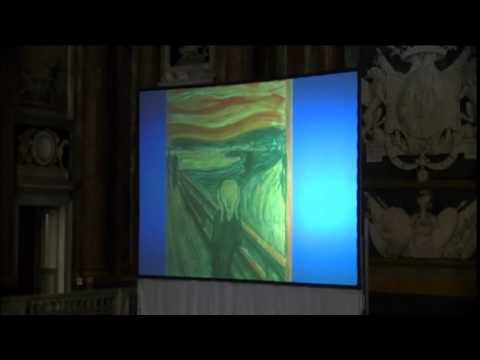
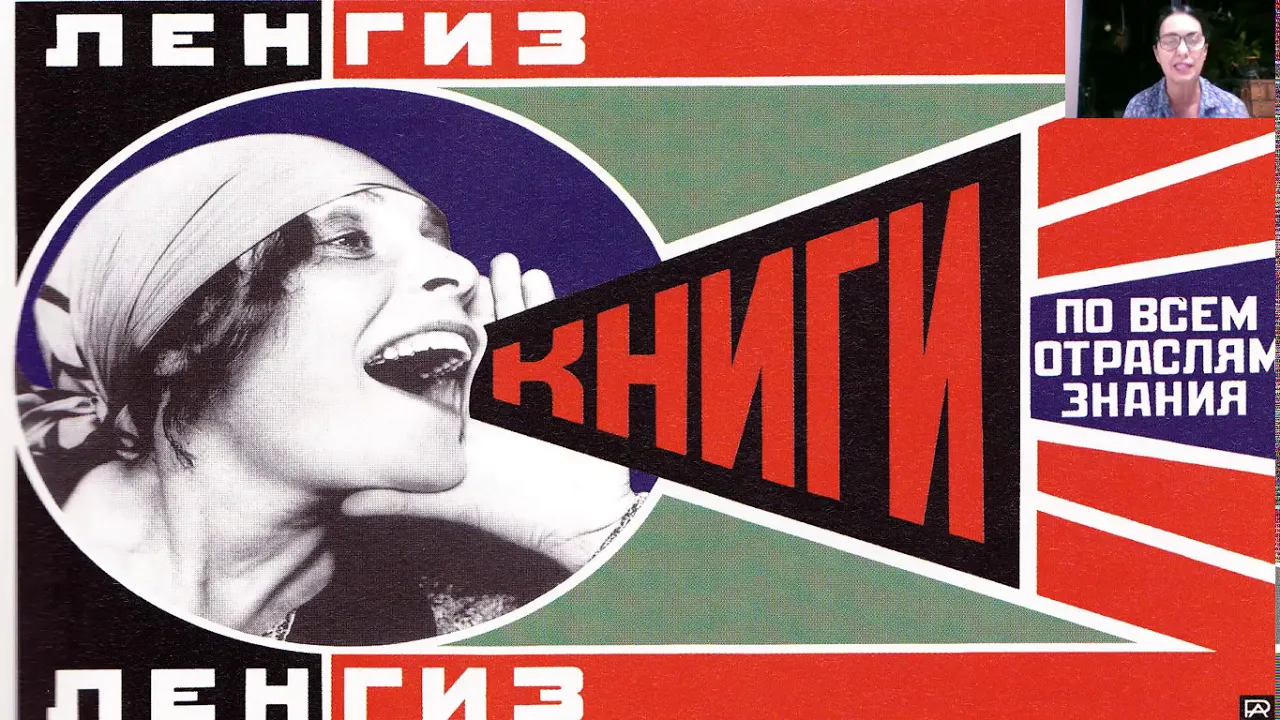
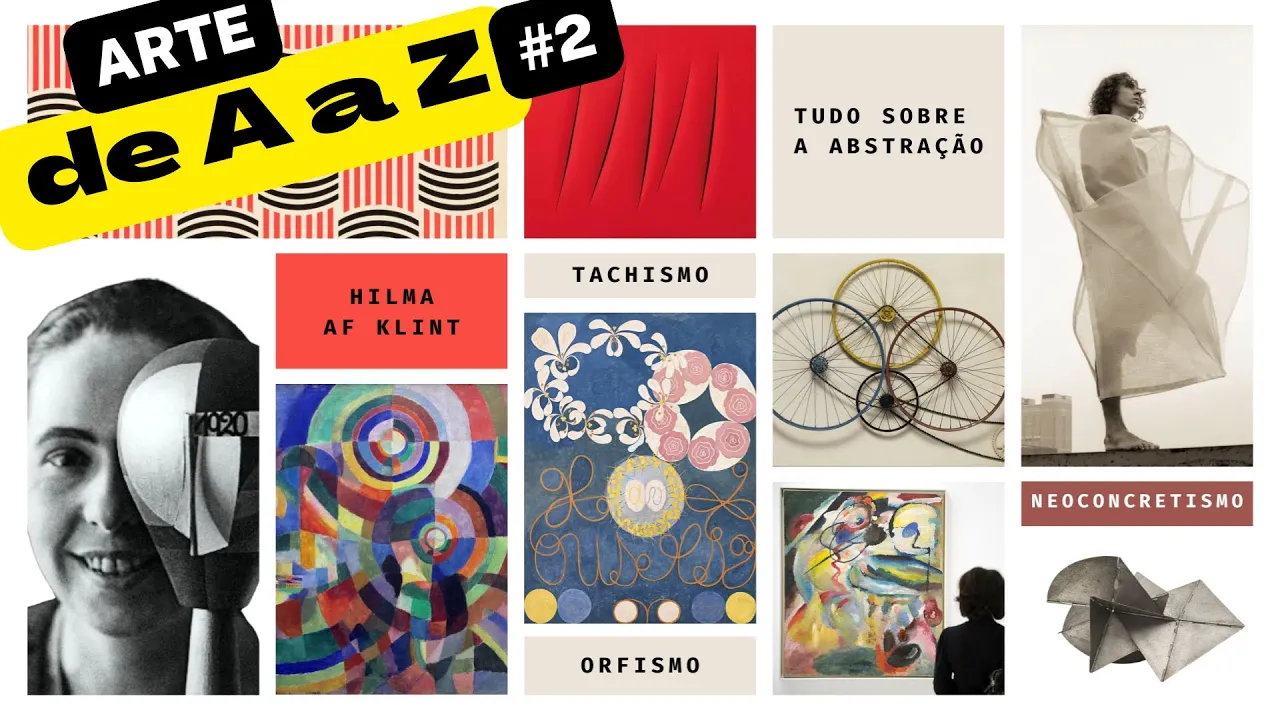
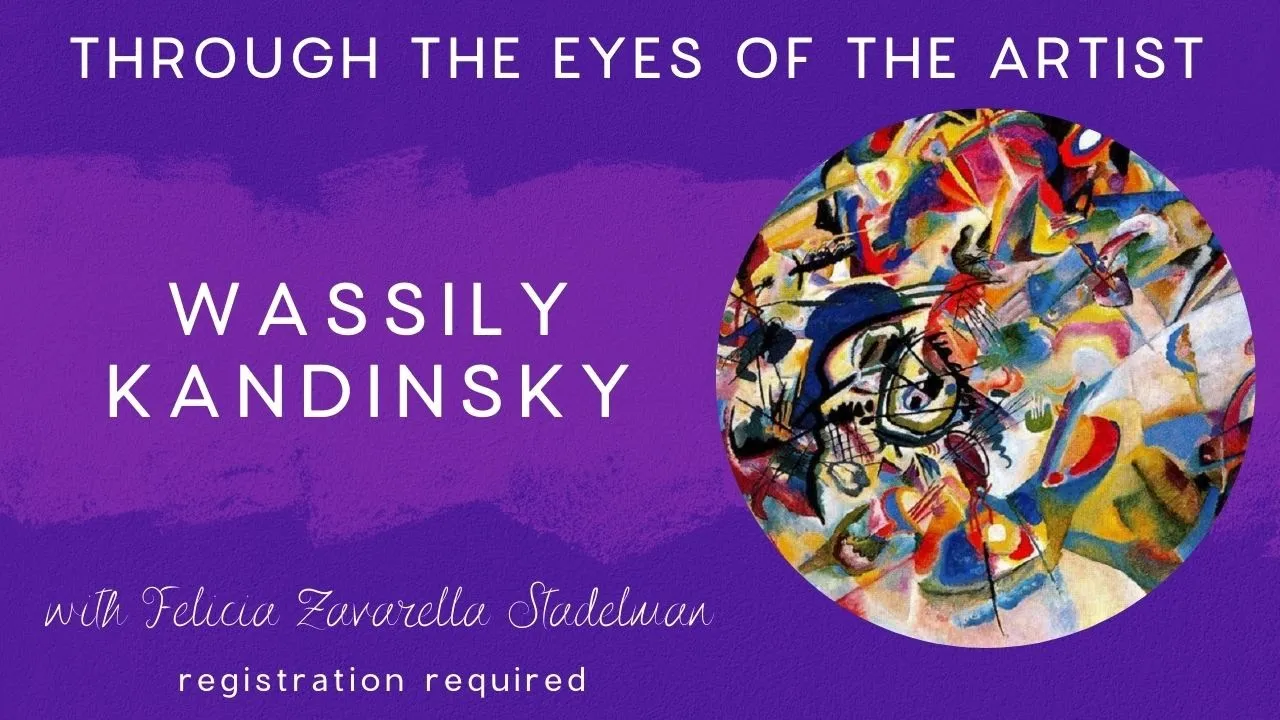
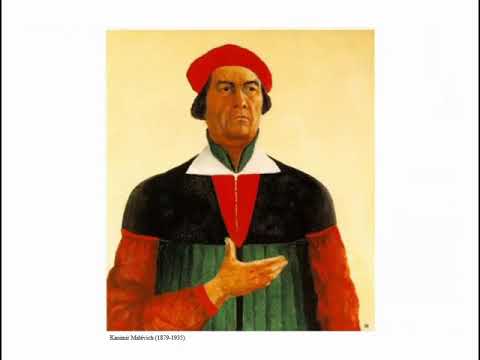
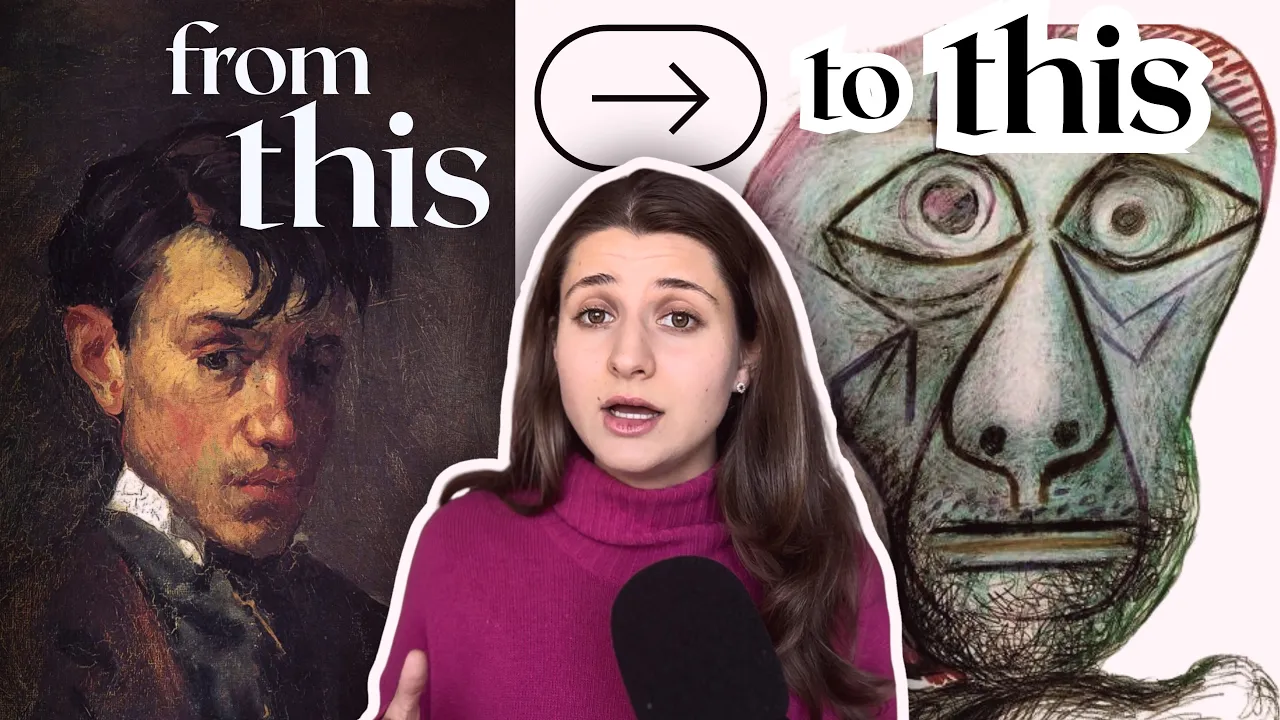
[Music] for much of human history when people set out to make art they did so by trying to represent things as they appeared in the world around them and then about a hundred years ago a bunch of artists stopped trying to do that it was shocking this is not what art was supposed to be or do and no one was given a compass really for navigating this new art terrain for interpreting it for appreciating it it's less shocking now but it's still upsets and confounds how are we supposed to deal with an art completely untethered from the world of recognizable objects and more importantly why should we this is the case for abstraction it's important to note that we didn't just dive headlong into complete abstraction in art jmw Turner seascapes for example demonstrate that things that exist in the world can often look abstract James mcneel whistler's no turns show this too as do Victor Hugo's ink drawings but as the 19th century unfolded with the Industrial Revolution and the invention of Photography life in European and American cities changed dramatically and it should come as no surprise that representations of that life changed too artists were increasingly interested in depicting things non-naturalistic setting about abstracting things I.E starting with worldly subject matter but stylizing it simplifying it flattening it by the 20th century matis and Andre dur were painting familiar things but in unfamiliar ways using such intense colors and Broad breaststrokes that a Critic dubbed them the faes or wild beasts Picasso and George Brock pioneered the cubis style painting much of the usual still life fodder but breaking it up into geometric shapes fragmenting the picture plane and showing multiple sides of a thing at once cubism simultaneously revealed more than what the eye could see fusing multiple perspectives and moments in time while also drawing attention to the flatness of the canvas itself the Italian futurists wanted to reflect the speed and overstimulation of Modern urban life also collapsing space and time into one image German expressionist erns ludvig kersner used abstraction and Rich unreal colors to depict the chaos and anxiety of the city street his contemporaries France Mark and vasel Kandinsky cited influences as diverse as tribal art from Africa medieval German woodcuts Russian folk art art Nuvo and art by children but while Mark pursued abstraction to connect with the natural world kandinsky's interest was to commune with the spiritual he claimed his art was quote what The Spectator lives or feels while under the effect of the form and color combinations of the picture for Kandinsky abstraction was not opposed to realism it was realism I mean there are real things that can't be seen after all emotion and Consciousness are realities and maybe they could be painted too Kazmir malich called his brand of abstraction suprematism saying his geometric elements alone and in Arrangements constituted the zero of form Beyond which laid the quote supremacy of pure artistic feeling in the Years leading up to World War I all these groups with names give the false impression that what was happening was cohesive or organized it wasn't abstraction did emerge through an international network of artists who followed what each other were doing but then again we now know that Swedish painter Hilma AF Clint was painting mostly abstract works as early as 1905 she was part of a group called The Five who conducted seances to communicate with Spirits through pictures Clint's abstractions came from this interest in the spiritual and occult as well as science and the depiction of invisible forces like recently discovered electromagnetic fields X-rays and infrared light theosophists Annie bassant and Charles leadbeater had published images in 1901 they called thought forms illustrating their belief that ideas emotions and sounds manifest as visual auras kinsky and many others read this work and also saw in music an important parallel an art form considered on its own terms and freed from the burden of representing things in the world Kandinsky liked Vagner and shanberg Paul clay loved Bach Fran kupka also drew a strong connection between music and painting believing that without the distraction of subject matter art could act directly on the soul but Robert Delan was quote horrified by music and noise and said I never speak of mathematics and never bother with Spirit he was more concerned with the immediacy and pictorial realities of color and contrast and his first disc was considered the purest abstraction at the time his wife Sona Delan Illustrated an influential book of poetry combining abstraction and typography a style she extended into painting and later into fashion pet mandrian found his own way to abstraction translating his favorite subjects like trees and architecture into gritted Arrangements spatial illusion is replaced by what mandrea termed Truth for him everything could be processed into to horizontal and vertical lines revealing the structure of the world through binary oppositions so abstraction was never monolithic in the traumatic years of World War I artists like Paul clay can be seen as consciously turning away from the material world serving in the German Army clay wrote in 1915 the more horrifying this world becomes the more art becomes abstract after the war clay and a number of abstract artists taught at the bow house School founded in 1919 in viar Germany it was organized around the principle that the crafts were on equal footing with art and they sought to elevate the quality of life through architecture and objects as well as art this focus on function as well as form was also adopted by Teo vosberg and members of the Dutch D style group theirs was quote a new plastic art a simplified geometric style that could serve as a universal aesthetic language for everyday life abstraction also found its way forward through explorations of chance with data artists like Hans ARP collaging squares he dropped arbitrarily onto paper it wasn't all just painting and drawing either abstract sculpture took hold for instance and Russia with the work of Vladimir tatlin and his professed truth to materials before the war and Alexander renko after it renko exhibited three monochromatic paintings in 1921 after which he wrote it's all over there is to be no more representation he then denounced painting and Fine Art Al together and with the productivist aimed to integrate art into life focusing on the design of posters and ads but of course the Enterprise of abstract painting would continue to go on and on and on and all with different motivations there was elit Marsden Hartley Juan Meo Alexander Calder archel gorki and many others in many parts of the world during World War II many European artists fled to the US and worked there including Joseph and Annie alur Fernand Le monrean Jac lipshitz Hans Hoffman Andre Mason and Max erst bringing new approaches to abstraction with them that influx of avantgard thinking is considered to be an important precondition for the success of the abstract expressionists in New York in the 1940s and 50s many of those guys looked to ancient myths and archaic cultures and search for Timeless subject matter and were influenced by yungan psychology as well as Jazz this largely improvisational approach imparted a kind of directness and immediacy meant to provoke strong emotional responses through large scale and either Dynamic gesture or expansive fields of color the gutai group in Japan also embraced the canvas as an arena for Action kazuo sharaga even painting with his feet there was post-painterly abstraction with Helen frankenthaler and Morris Lewis and hard Edge abstract painting which can be used to describe the work of Ellsworth Kelly Kenneth Nolan felrath Hines Agnes Martin and AD Reinhardt there was op art and of course minimalism which seemed to boil art down to its most basic materials and then post-minimalism which emphasized unconventional materials and the physical process of making there was neoexpressionism in the 1980s conceptual abstraction in the 9s we're skipping over scads of important and interesting work here but as we hurdle toward the present it becomes clear that abstraction has been deployed by a wide range of artists toward innumerable ends abstraction is no longer an iconic clastic choice but it has nonetheless proved itself to be a productive field For Those who commit themselves to it the most compelling abstract work being made today often builds upon the traditions of the medium Recycling and reinterpreting prior approaches toward the creation of something new abstraction can be used to think about technology its forms and functions and also the denial of Technology through an emphasis on tactility and physical presence it also continues to ask us what is the right and wrong way to make art in what ways can we still Intrigue the eye and mind there's a fair bit of grumbling today about how the current inflated Art Market unfairly privileges abstract painting but there's something important at play in that fact much can be contained in abstraction it's not just one thing it can be a mirror or a window and it can shift depending on who is looking at it and where and when it is done well and it is done poorly but the flexibility that makes it open to interpretation also makes it Market friendly and international when it's good it rewards longer of looking it changes as you change but that expansiveness can also be frustrating too wide but if we zoom out we can see that many of the core ways we have of interacting with the world are abstract religion markets currency and humans have always liked abstractions we see abstract patterns way early on in cave carvings and as marks on pottery and textiles geometric marks and forms have been with us all along often dismissed as decoration or relegated to the world of craft this whole narrative is a farce if we can consider how long abstraction has been with us that it was not invented so much as discovered or accepted when looked at a different way what strange may be the period when humans did not Embrace abstraction
Up Next

64:50
Dada and Surrealism: A Curator's Guide to Art History
@DaliMuseum
111.8K views•2013-03-20

114:18
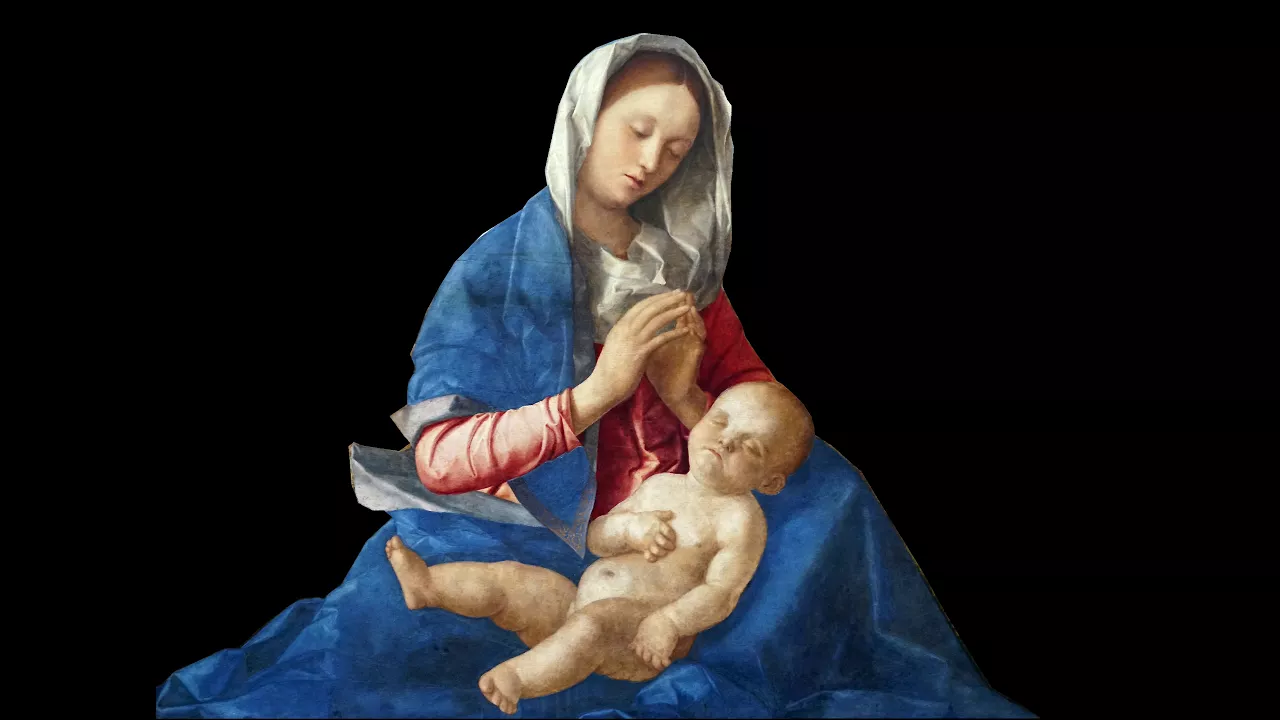
Christian Iconography: History, Theology, and Meaning | Fr. Panayiotis Papageorgiou
@Trisagionfilms
58.8K views•2020-02-21
8:35
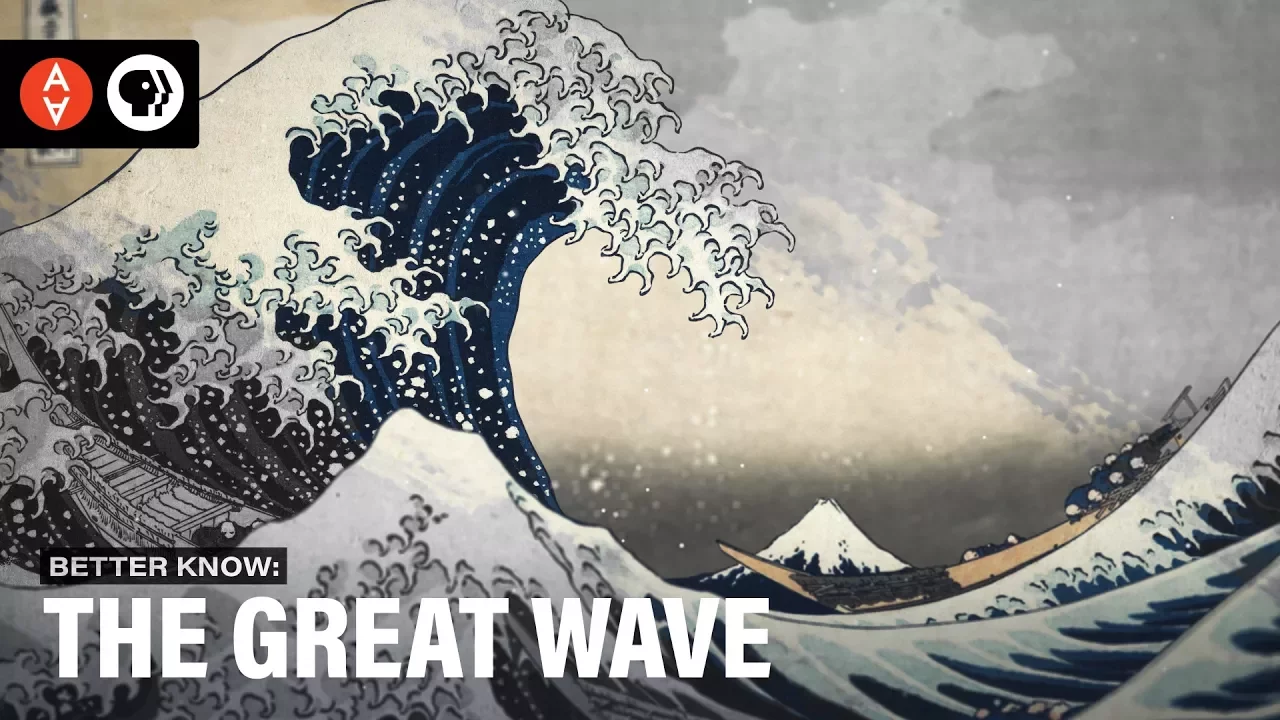
Hokusai's Great Wave: Art History and Symbolism Explained
@theartassignment
656.9K views•2017-05-19

16:34
Earliest Depictions of Jesus in Art: 10 Ancient Images Explained
@UsefulCharts
5.9M views•2022-06-03
Related Study Plans & Knowledge Roadmaps
Structured learning paths in Art History
art-history
Gothic Cathedrals: Engineering, Light & Society
01The Birth of the Gothic: Romanesque to Suger's Vision
02The Structural Triad: Pointed Arches, Ribbed Vaults, and Flying Buttresses
03Theology of Light: Lux Nova and Sacred Geometry
+ 2 more learning modules
14h5 modules
Explore Roadmap
art-history
Pre-Raphaelites: Realism, Symbolism & Critique
01The Victorian Art Establishment and Academic Formula
02The Founding of the PRB and Radical Realism
03Medieval Revivalism and Literary Symbolism
+ 1 more learning modules
8h4 modules
Explore Roadmap
art-history
Street Art: From Subways to Art Market
01Subcultural Origins in Philadelphia and New York (1970s)
02The Subway Era and Style Wars (Late 1970s - 1980s)
03The East Village Scene and Early Gallery Crossover
+ 2 more learning modules
10h5 modules
Explore Roadmap
art-history
Classic Maya Art: Iconography, Glyphs & Ritual
01Foundations of Classic Maya Visual Culture
02Deciphering Maya Hieroglyphs & Text-Image Integration
03Sacred Geography and Cosmological Architecture
+ 2 more learning modules
14h5 modules
Explore Roadmap