










![【解説】知っているともっと面白くなる!「国宝」の見どころをわかりやすくご紹介![美のるつぼ、日本国宝展、超国宝展開催記念]](https://i.ytimg.com/vi_webp/FlFo69OnjE0/maxresdefault.webp)



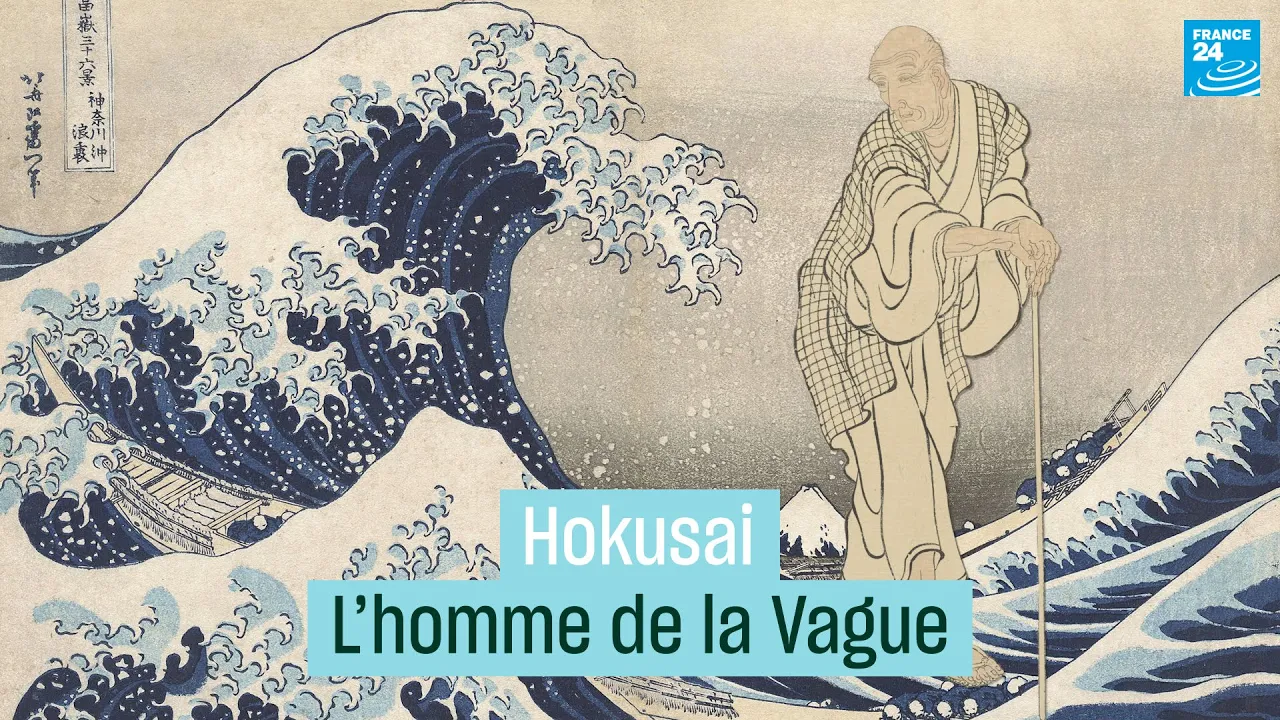
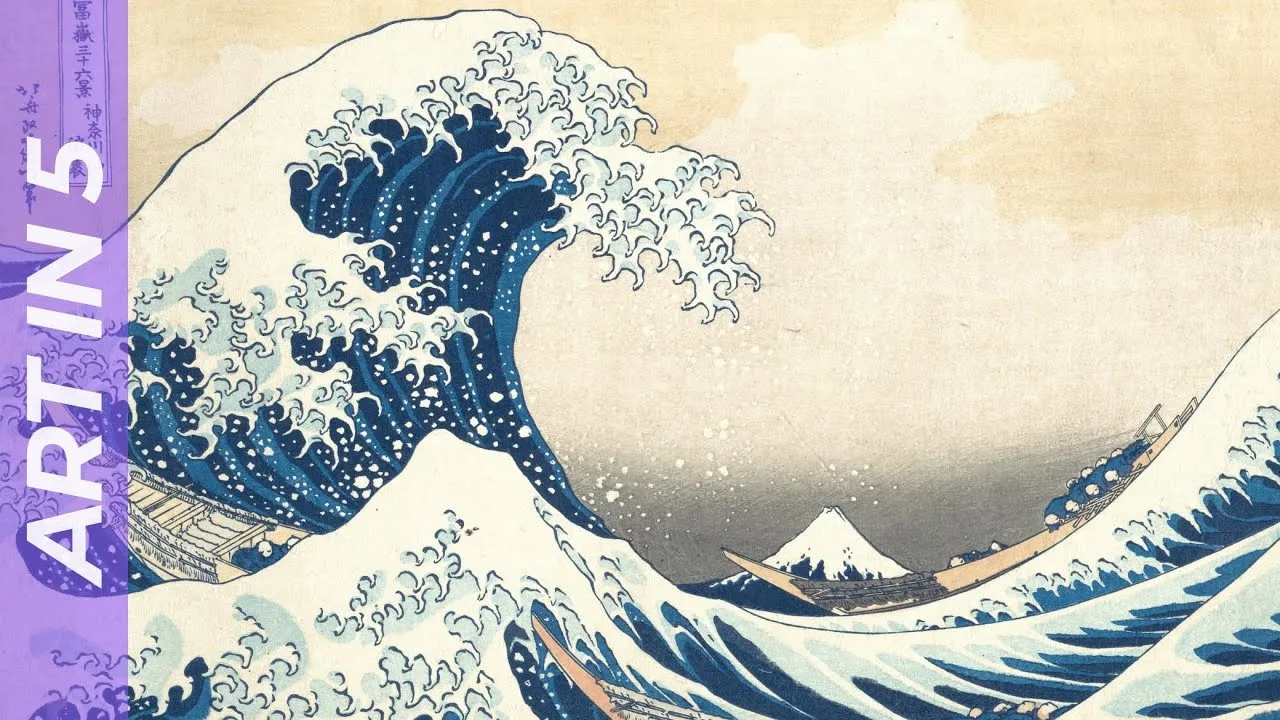

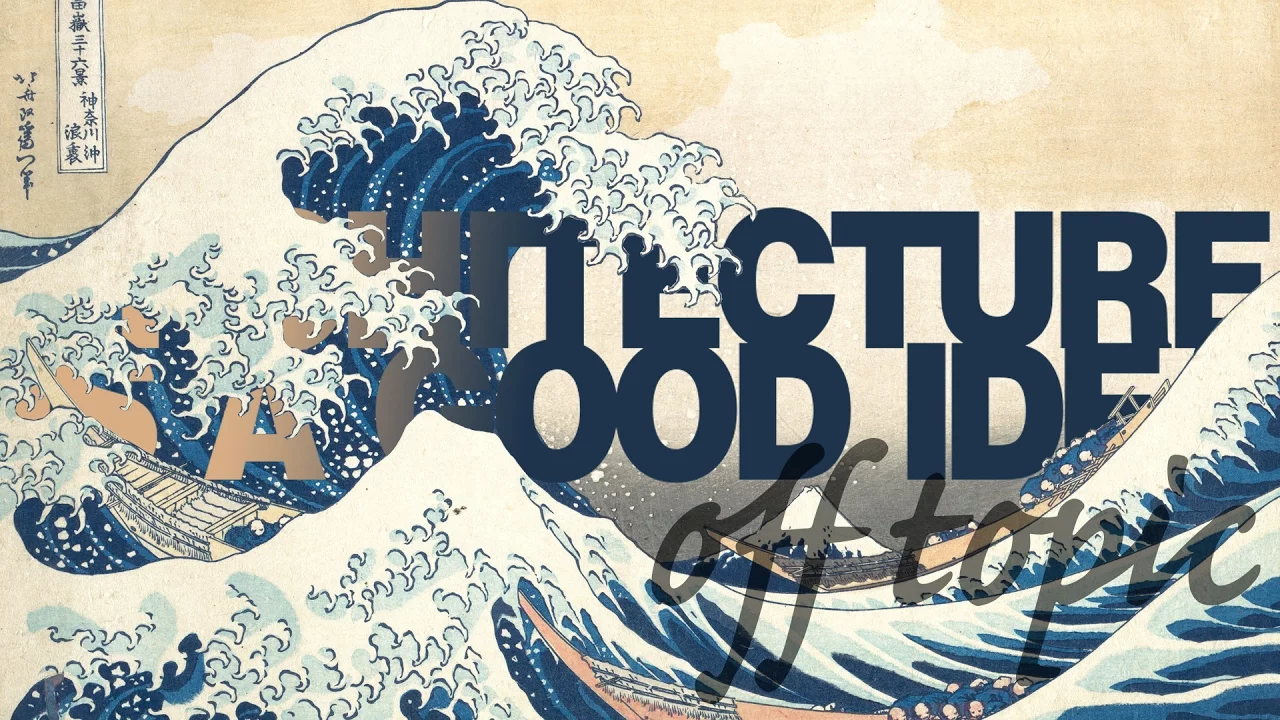
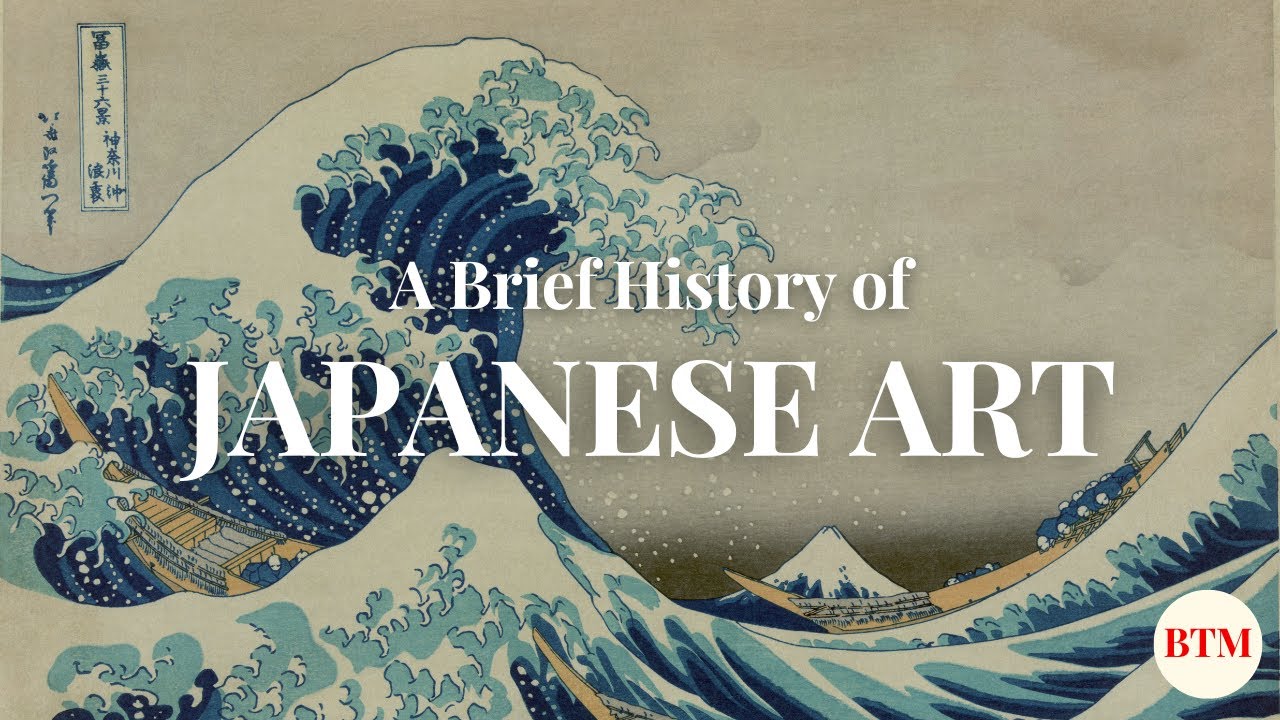
Katsushika Hokusai's 'The Great Wave off Kanagawa' (1831), originally titled 'Under the Wave off Kanagawa' as part of his 'Thirty-Six Views of Mount Fuji' series, is a woodblock print that masterfully captures humanity's smallness against nature's overwhelming power through its dramatic composition of fishermen battling a towering wave while Mount Fuji looms in the distance; this image exemplifies ukiyo-e art's accessibility to the middle class and demonstrates how Japanese artists incorporated Western influences like linear perspective and Prussian blue while maintaining distinctive artistic traditions, ultimately becoming an enduring global icon representing human vulnerability to natural forces.
Hokusai's Great Wave: Art History and Symbolism Explained
Added:The historical context of the Edo Period (1603–1867) in Japan, including the policy of national isolation (Sakoku).
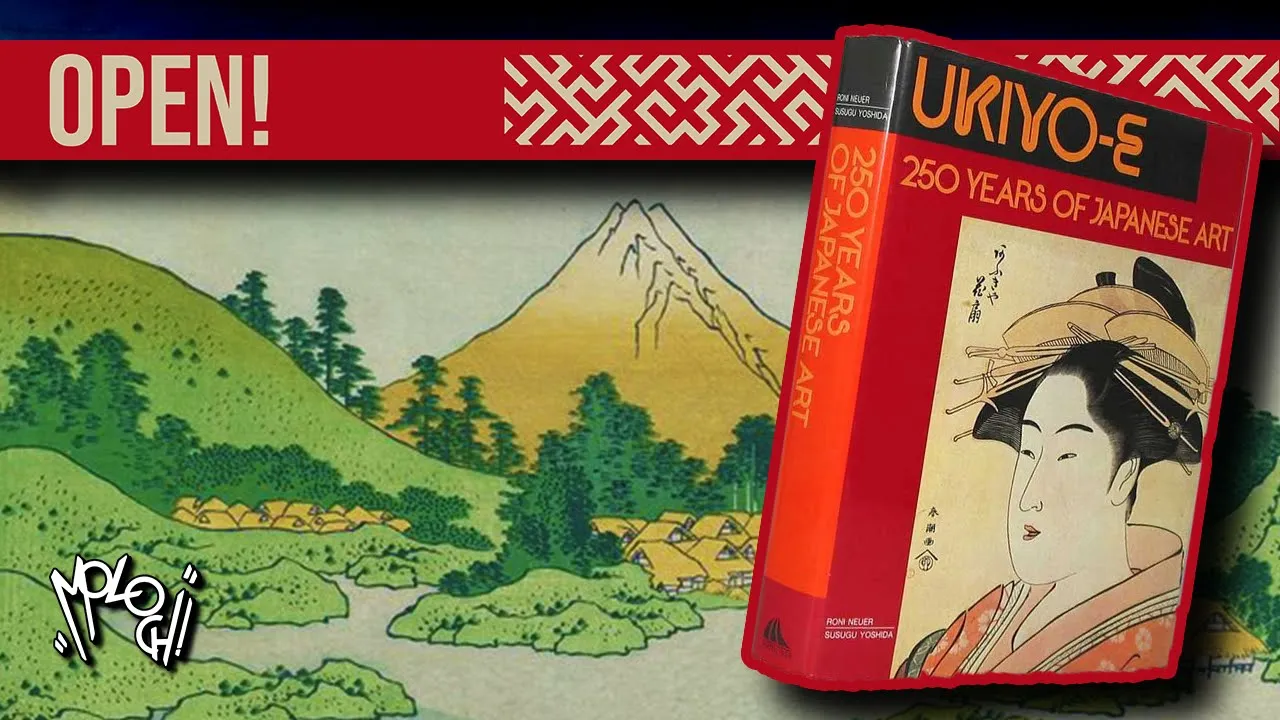
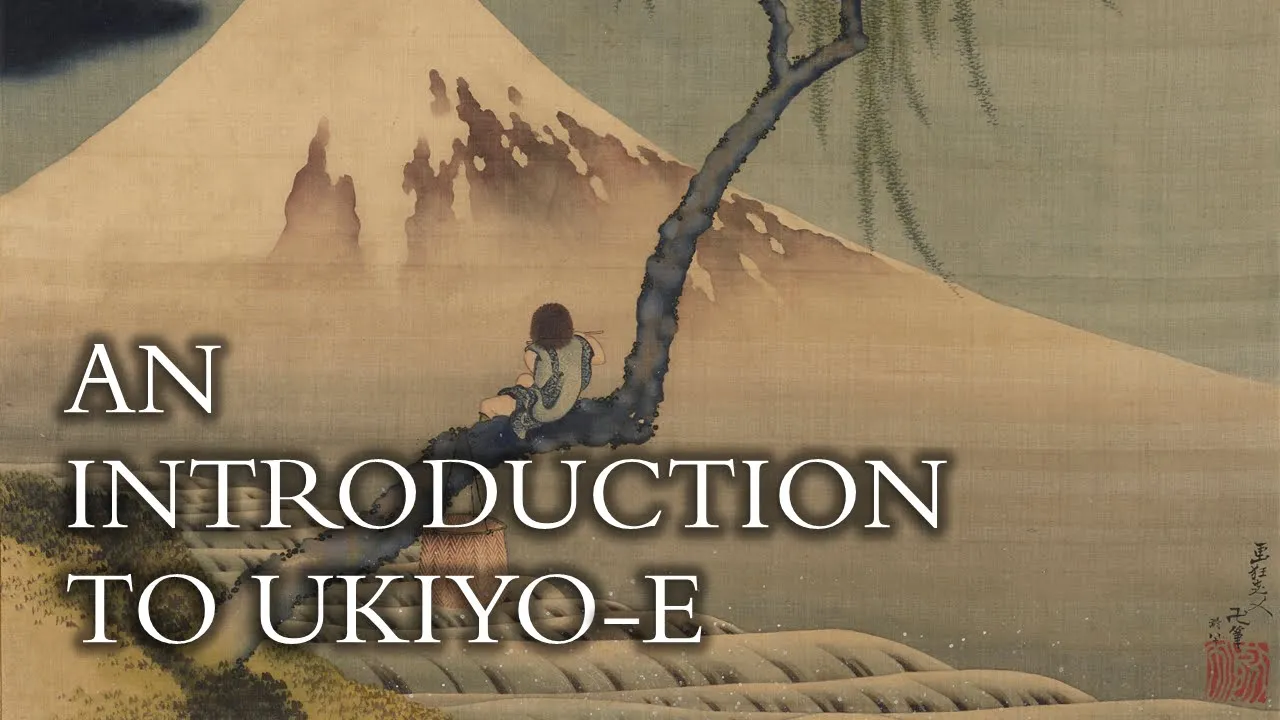
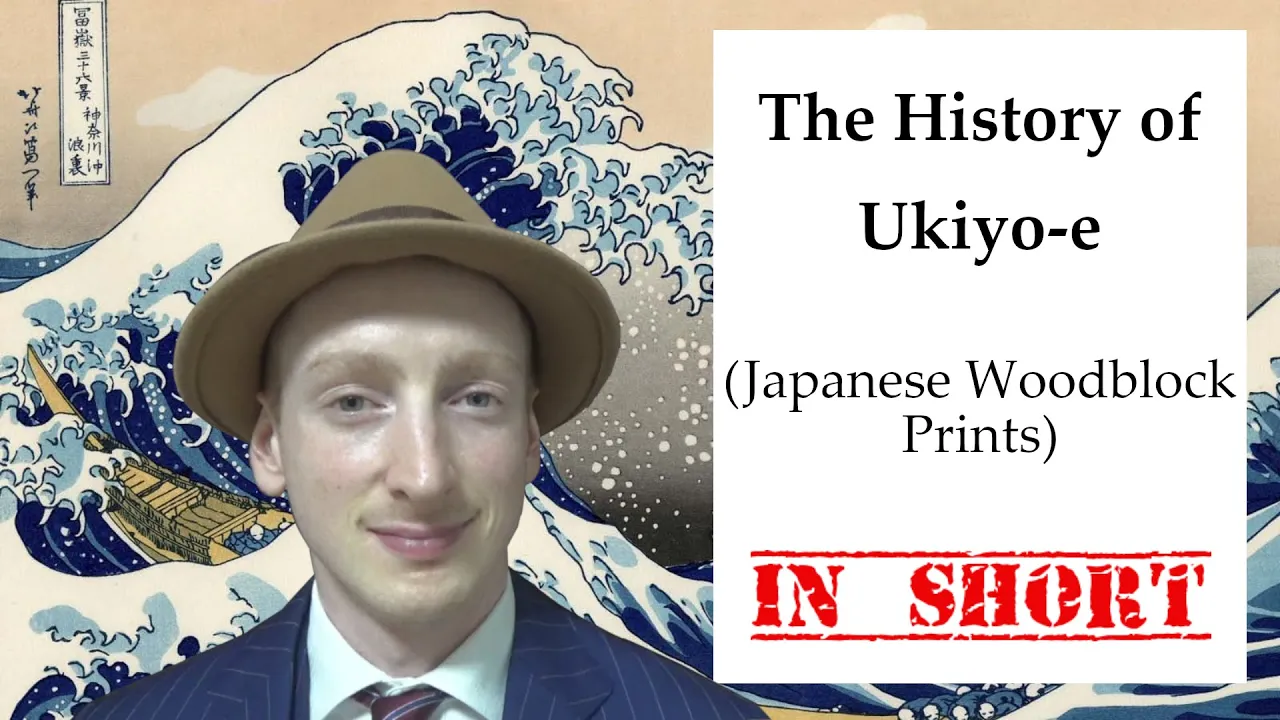
The definition and artistic themes of the Ukiyo-e genre ('pictures of the floating world').
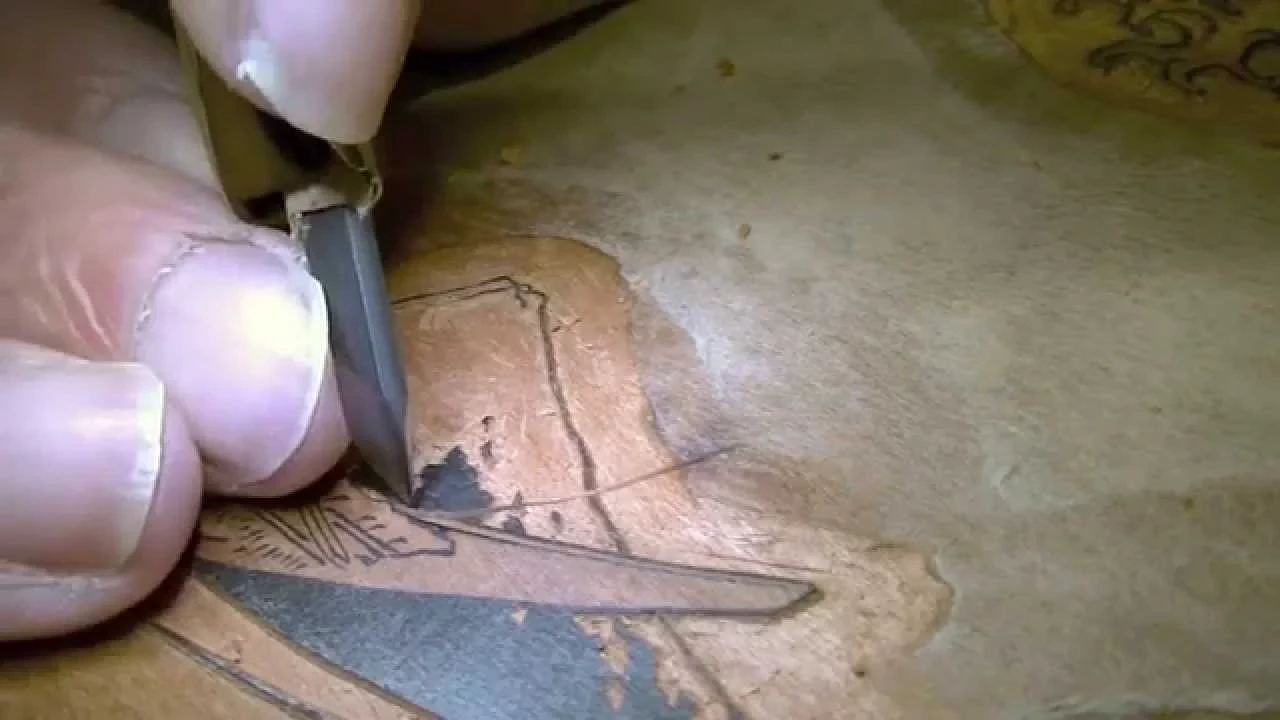
The collaborative process of traditional Japanese woodblock printing, involving the artist, carver, printer, and publisher.
Basic concepts of Japanese aesthetics and spirituality, particularly the representation of nature in Shinto and Buddhist traditions.
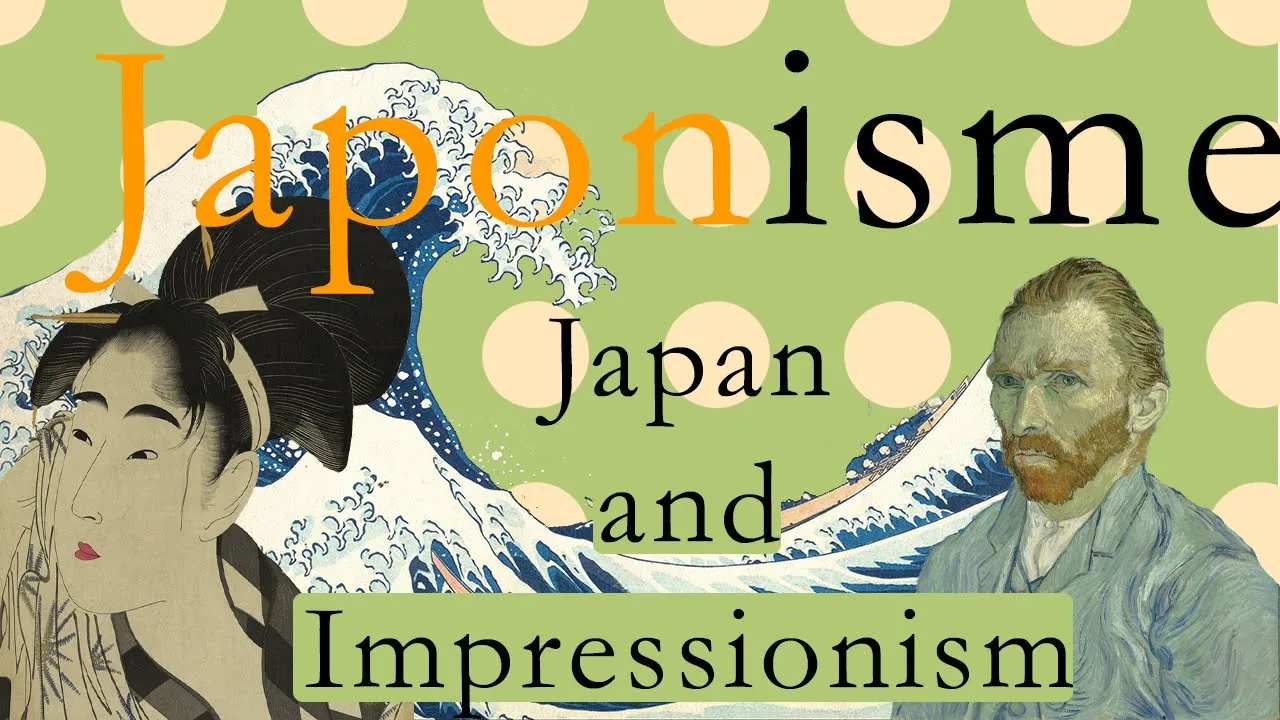
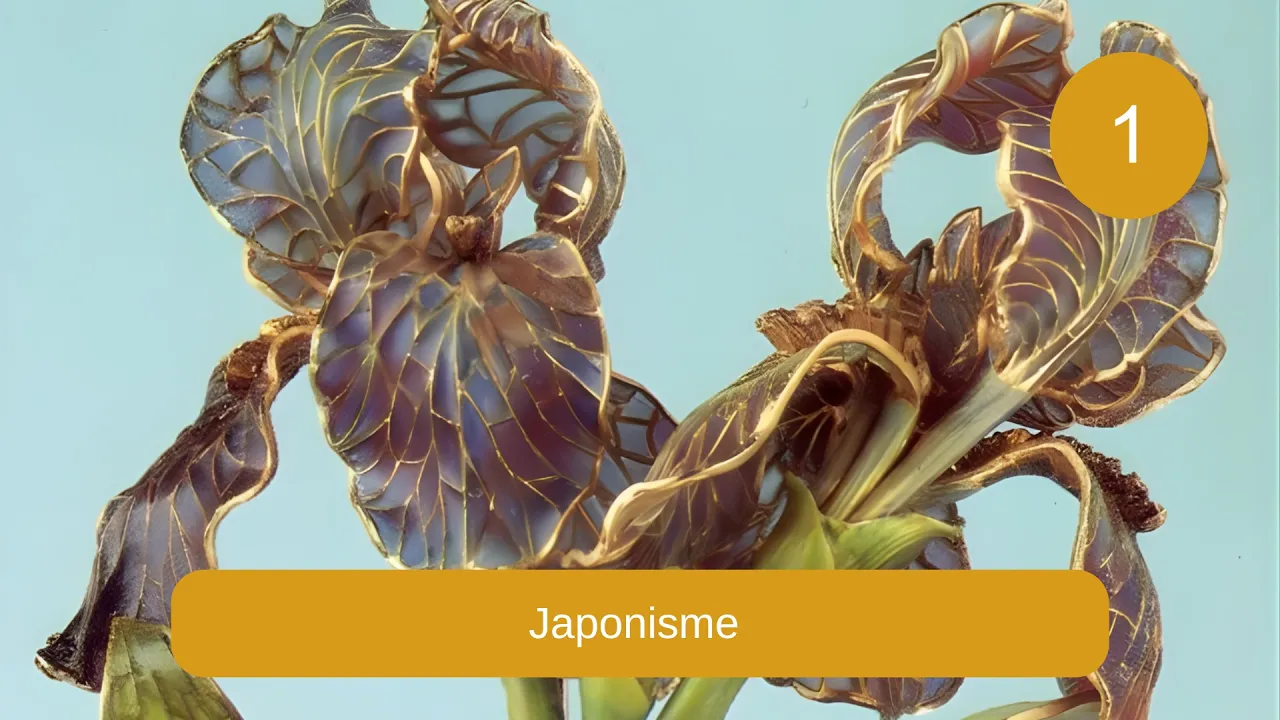
The phenomenon of Japonisme and its profound influence on Western art movements, such as Impressionism and Post-Impressionism.
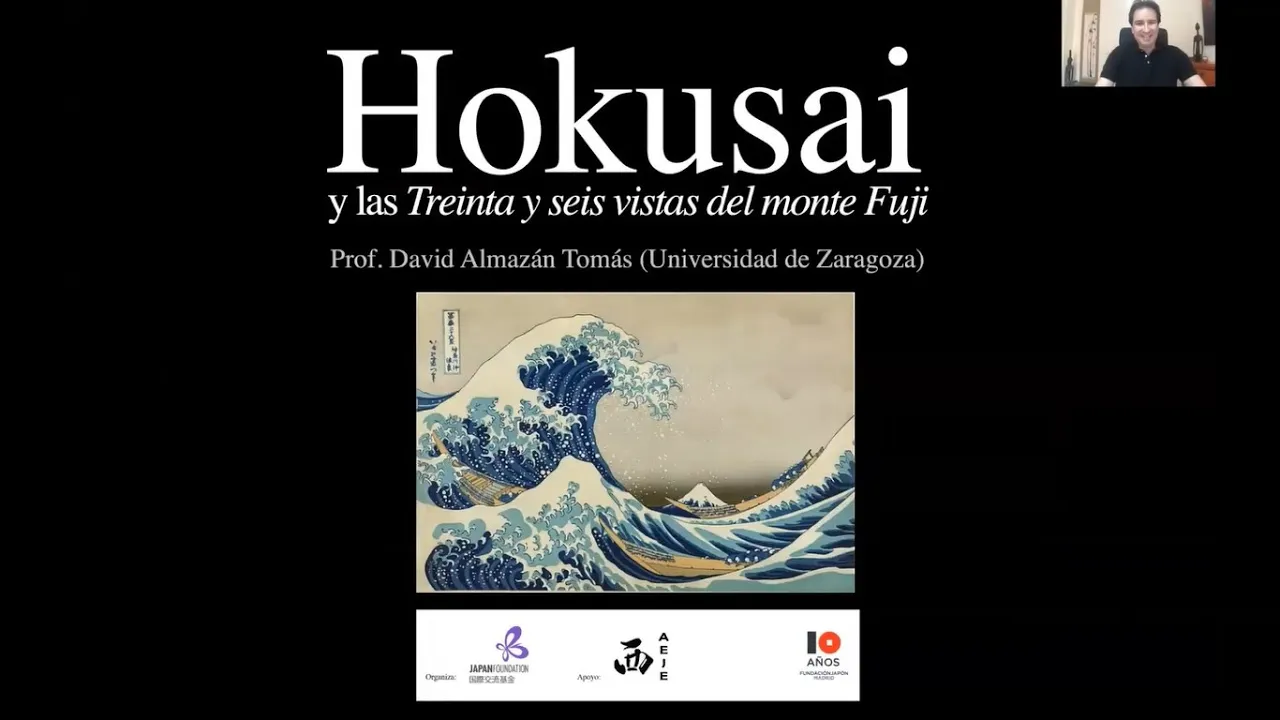
A comprehensive study of Hokusai's full landscape series, 'Thirty-Six Views of Mount Fuji,' and its visual narrative.
The work and style of Hokusai's contemporaries and successors, such as Utagawa Hiroshige, and the subsequent 'Shin-hanga' movement.
The modern adaptation and iconographic legacy of 'The Great Wave' in contemporary graphic design, pop culture, and ecological symbolism.
656.9K views16.2Klikes8:35Original Release: 2017-05-19
this episode is supported by Skillshare and our patrons especially Indianapolis Homes Realty you've seen this image before a giant wave its distinctive curly claws arched and ready to pounce its invoked when natural disaster strikes but also when it's time to sell beer jeans and sweatshirts it inspired Claude Debussy s orchestral work la Mer as well as a not insignificant number of tattoos it's an omnipresent image and one used towards a variety events good grief it's even an emoji what is it about this image that continues to enthrall us let's better know the great wave first off the title is not the great wave and it's subject isn't really a wave it's one of a series of woodblock prints called thirty-six views of Mount Fuji made by the Japanese print maker cut sushi kahoku Sai between 1830 and 1831 considered sacred by followers of Shintoism and Buddhism among others Mount Fuji is depicted from a variety of perspectives and our work in question is just one of them it's actual title translates to under the way of off Kanagawa because under is where Mount Fuji is nestled far in the distance also under the way of our fishermen just trying to get home after delivering fish to the city of Edo rowing for their lives to escape the wave but the Great Wave of course dominates the composition and has become an accepted title born near modern-day Tokyo in 1760 hokusai was a prominent lukio a artist the name for the mass-produced woodblock prints of the Edo period notable for their distillation of forms emphasis on line and pure color and depictions of hedonistic city life foo Kyo a means floating world referring to the ephemerality of the fads and fashions of the time this was not stuffy high art but images available to a growing middle class for about the cost of a bowl of noodle soup Bocuse I was fascinated by the movement of water exploring the subjects on many occasions throughout his career and not just rough seas but a few calmer moments too in the 1830s when the Great Wave was created Japan was largely shut off to the wider world due to the isolationist policies of the Tokugawa Shogunate been in power we can see hokusai borrowing from Japanese Rimba school artists like Agata Corrin especially in the tentacle-like projections from his ways so Western realism was creeping into Japanese art nevertheless largely due to European engravings smuggled in by Dutch traders the Great Wave betrays a clear Western influence the use of linear perspective a low horizon line and the appearance of Prussian blue a synthetic pigment then very new to Japan hailing from that's right Prussia thousands of copies of the Mount Fuji prints were released within Japan mostly bought as souvenirs by an emerging market of domestic tourists and those making pilgrimages to the mountain but in the 1850s after Hokusai's death trade began to open up and his work was shown at the 1867 International Exposition in Paris Japanese culture quickly became all the rage in Europe and ukyo a prints were admired and collected by many including Claude Monet Edgar Degas Mary Cassatt and a number of artists who were heavily influenced by their depictions of city life vivid colors and what for them was a flattening of space in 1896 a tsunami hit northern Japan and news of its destruction spread worldwide it's been hypothesized that this event coupled with the Japanese McRae's helped propel the Great Wave to international renown although the print does not depict a tsunami in 2009 researchers identified it as a 32 239 foot tall rogue wave or what they call a plunging breaker it would certainly still be deadly however and that's where we get to the real and obvious drama of the picture nature is large and we are small this juxtaposition can be seen in the art of many cultures at many different times but we have perhaps never seen it played out more clearly and more distinctly than here traditional Japanese landscapes of the time put the viewer at a remove from the action but here we are right up against this pending disaster Hokusai's contrast of near and far and man-made and natural heighten the tension and place us in the narrative when Debussy composed lemare in 1903 he drew on his own childhood experience of surviving a terrifying storm on a fishing boat as well as paintings by JMW Turner and Hokusai's print which he selected for the scores cover the image later Illustrated a 1948 Pearl Buck novel that tells the story of a young boy from a Japanese fishing village who loses his family to a tidal wave a post-world War two story of grief but also resilience [Music] it's an image mobilized when disaster strikes as it was after the devastating 2011 earthquake and tsunami off the eastern coast of Japan scientists and empirical evidence tell us that global average temperatures are rising with extreme weather events becoming more frequent and more intense while the sea has always been a formidable opponent for humankind and the Great Wave a useful illustration for that relationship its relevance is likely to become even stronger but of course the image can be interpreted in many different and less specific ways symbolizing a great many imbalance of power we don't know if our fishermen are gonna make it out of there alive it's a cliffhanger even if you don't register the boats or Mount Fuji and see the wave alone in its detached Emoji state it still holds us in and tells us quite forcefully the big things are happening or are about to happen unlike the GoPro views of surfers tunneling through barrel waves the great wave story is not one of mastery over nature it's notably called the great wave and not the heroic fishermen who survived the rogue wave other artists have capitalized on the power and theatricality of waves is subject matter but rarely in such a way that we marvel at the talents of the artist instead of the spectacular beauty of the wave itself what's more this image was meant to be reproduced not sequestered in one museum where only a few have the privilege of witnessing it well there are certainly numerous crimes against this image perpetrated across the Internet the crisp graphic quality of the original woodblock prints make it friendlier fodder for duplication and interpretation when most of us experience the ocean this is thankfully not how we usually see it's an incredibly improbable view it's a film still or screen capture in the most dynamic unstable and unpredictable of environments but it has nevertheless become our favorite stand-in for the ocean a way to isolate some fraction of the vastness that covers 70% of planet Earth it's an icon it's the ultimate most wave-like of all waves but it's also an entire story told simply and succinctly and masterfully whatever your great wave is made of you are undoubtedly under it and always will be until you're not I'd like to thank Skillshare for sponsoring this episode Gill share is an online learning community with classes in design business photography and more premium membership includes unlimited access to classes and is available starting at $10 a month and you'll be able to learn from anywhere by downloading the iPhone or Android app I've been really enjoying on a Victoria Kaldur owns modern watercolor techniques for beginners she's based in Mexico City is an amazing artist and she shares her expertise in an accessible way watercolor can be super intimidating but she makes it very doable and fun to get a two-month free trial and help support our show click the link in the description or go to Skillshare calm and use promo code art assignment at checkout while we're at it would you like to better know our patreon the art assignment is funded in part by viewers like you through patreon comm a subscription-based platform that allows you to support creators you like in the form of a monthly donation special thanks to our grand master of the Arts Indianapolis Holmes Realty if you'd like to support the show check out our page at patreon.com slash art assignment [Music]
Up Next
8:53
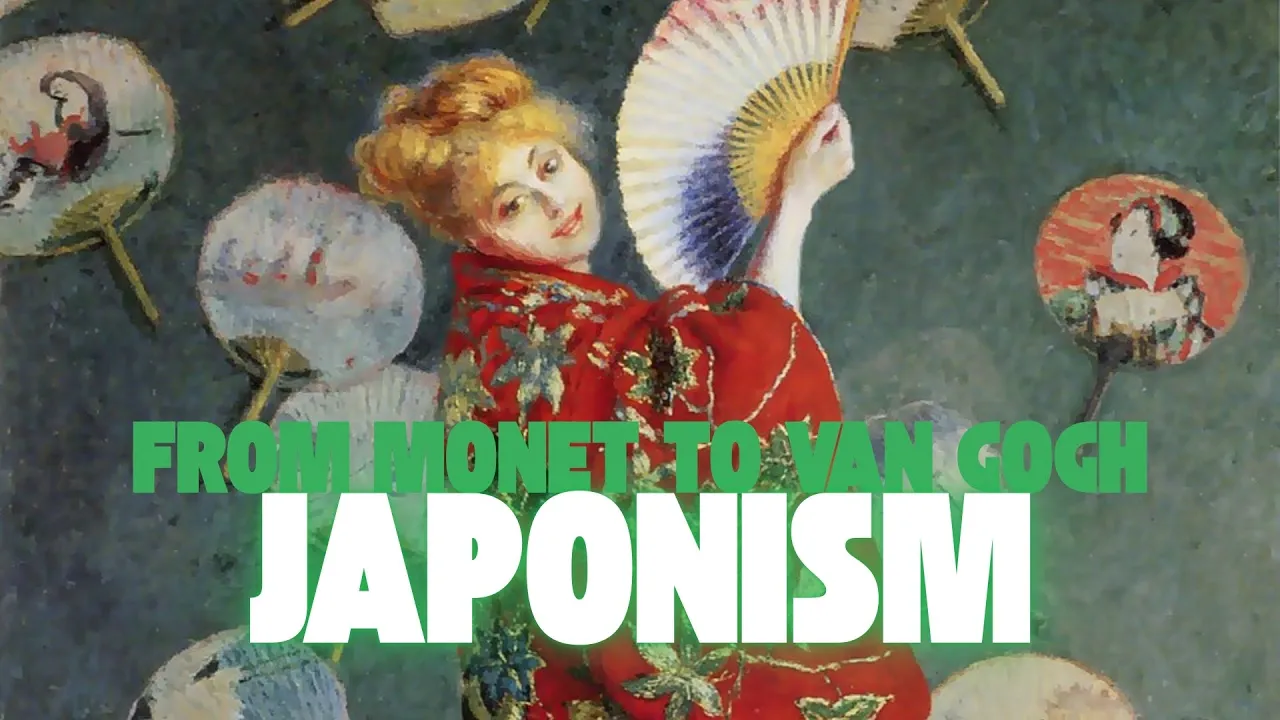
How Japonisme Transformed Western Art: Van Gogh, Monet, and Ukiyo-e Influence
@TheJapaneseArtRoom
616 views•2025-11-30

114:18
Christian Iconography: History, Theology, and Meaning | Fr. Panayiotis Papageorgiou
@Trisagionfilms
58.8K views•2020-02-21
9:18
What Is Abstract Art? A Guide to Non-Representational Painting
@theartassignment
1.2M views•2016-07-28

16:34
Earliest Depictions of Jesus in Art: 10 Ancient Images Explained
@UsefulCharts
5.9M views•2022-06-03
Related Study Plans & Knowledge Roadmaps
Structured learning paths in Art History
art-history
Gothic Cathedrals: Engineering, Light & Society
01The Birth of the Gothic: Romanesque to Suger's Vision
02The Structural Triad: Pointed Arches, Ribbed Vaults, and Flying Buttresses
03Theology of Light: Lux Nova and Sacred Geometry
+ 2 more learning modules
14h5 modules
Explore Roadmap
art-history
Pre-Raphaelites: Realism, Symbolism & Critique
01The Victorian Art Establishment and Academic Formula
02The Founding of the PRB and Radical Realism
03Medieval Revivalism and Literary Symbolism
+ 1 more learning modules
8h4 modules
Explore Roadmap
art-history
Street Art: From Subways to Art Market
01Subcultural Origins in Philadelphia and New York (1970s)
02The Subway Era and Style Wars (Late 1970s - 1980s)
03The East Village Scene and Early Gallery Crossover
+ 2 more learning modules
10h5 modules
Explore Roadmap
art-history
Classic Maya Art: Iconography, Glyphs & Ritual
01Foundations of Classic Maya Visual Culture
02Deciphering Maya Hieroglyphs & Text-Image Integration
03Sacred Geography and Cosmological Architecture
+ 2 more learning modules
14h5 modules
Explore Roadmap