


![19th Century ARTS & CULTURE [AP Euro Review—Unit 7 Topic 8]](https://i.ytimg.com/vi_webp/yUg78ogIv9c/maxresdefault.webp)












Dada and Surrealism emerged as artistic movements in response to the trauma of World War I, with Dada beginning as an anti-art protest movement in Zurich around 1916 and Surrealism evolving from it under the leadership of André Breton, who was influenced by Freud's theories of the unconscious to create a movement that sought to liberate the mind from rational constraints and explore dreams, automatism, and the irrational as pathways to a superior reality.
Dada and Surrealism: A Curator's Guide to Art History
Added:Understanding the geopolitical and cultural impact of World War I, which catalyzed the disillusionment and anti-rationalism of the Dada movement.
Familiarity with Sigmund Freud's psychoanalytic theories, particularly the concepts of the unconscious mind, dream analysis, and free association, which heavily influenced Surrealist philosophy.
Basic knowledge of late 19th and early 20th-century European art movements, such as Impressionism, Cubism, and Expressionism, to understand the artistic conventions these movements rebelled against.
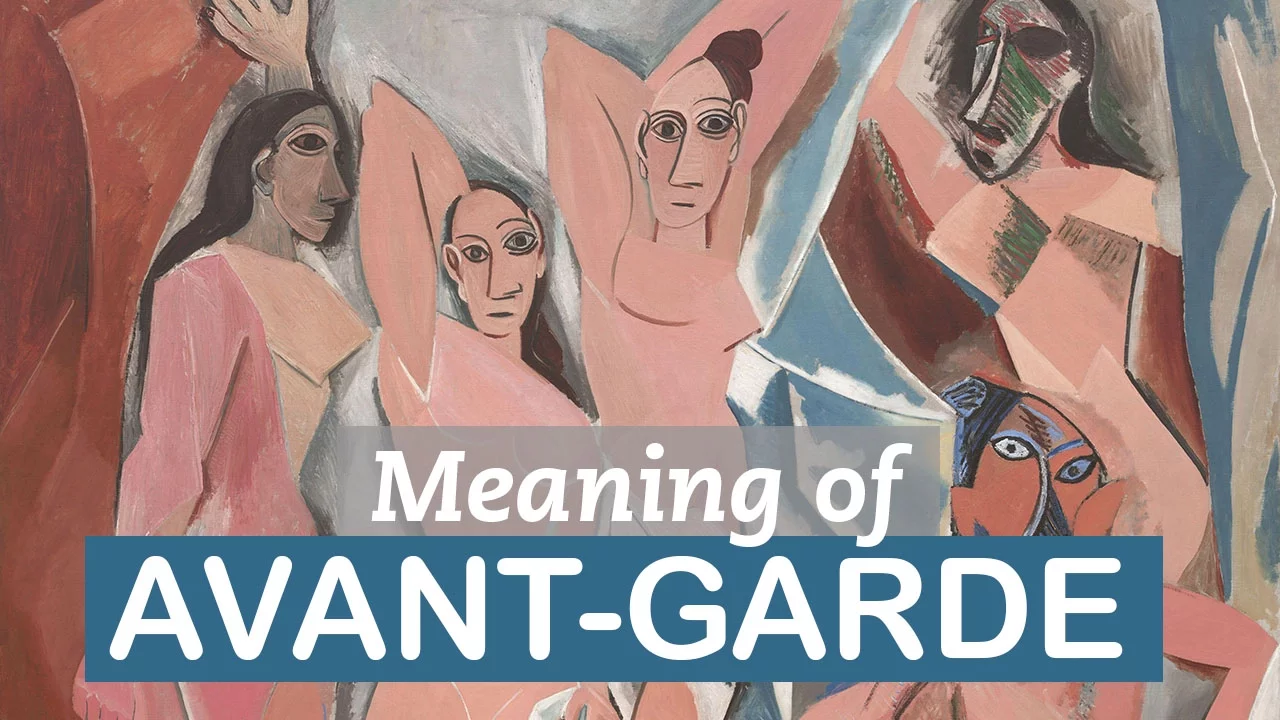
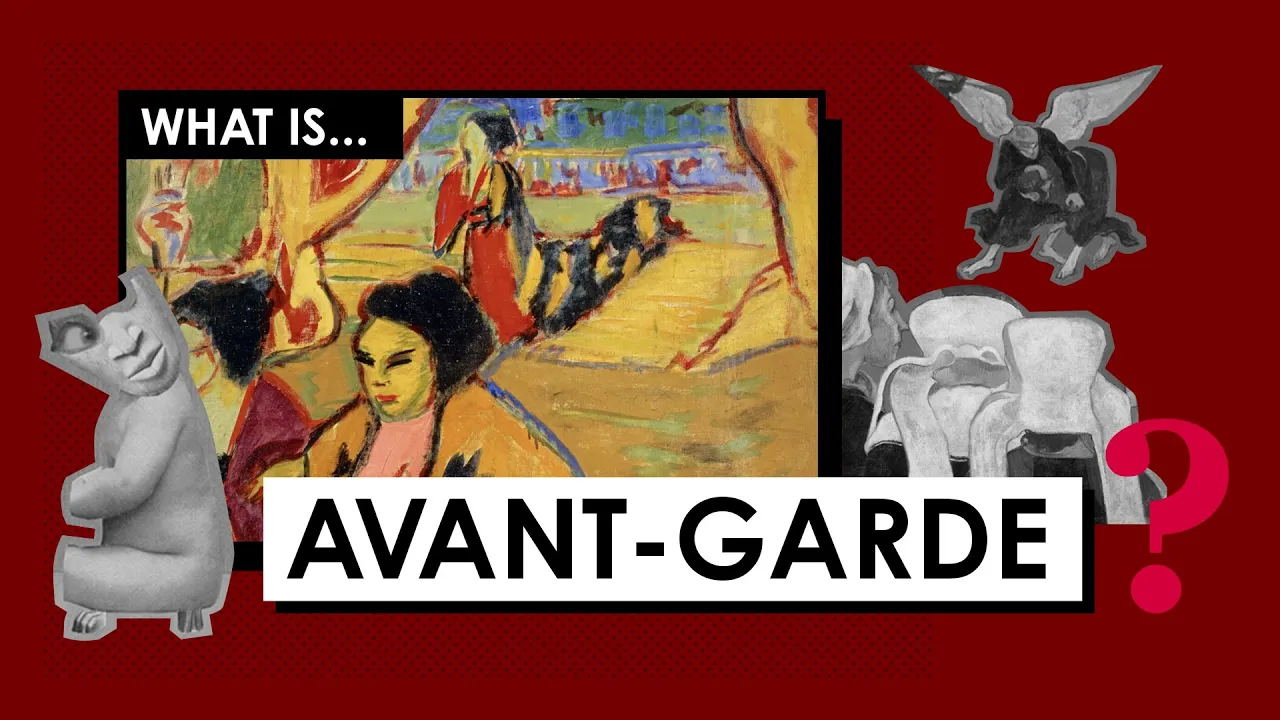
The definition and role of the 'avant-garde' in art history, representing radical, experimental, and unorthodox concepts that challenge status quo aesthetics.
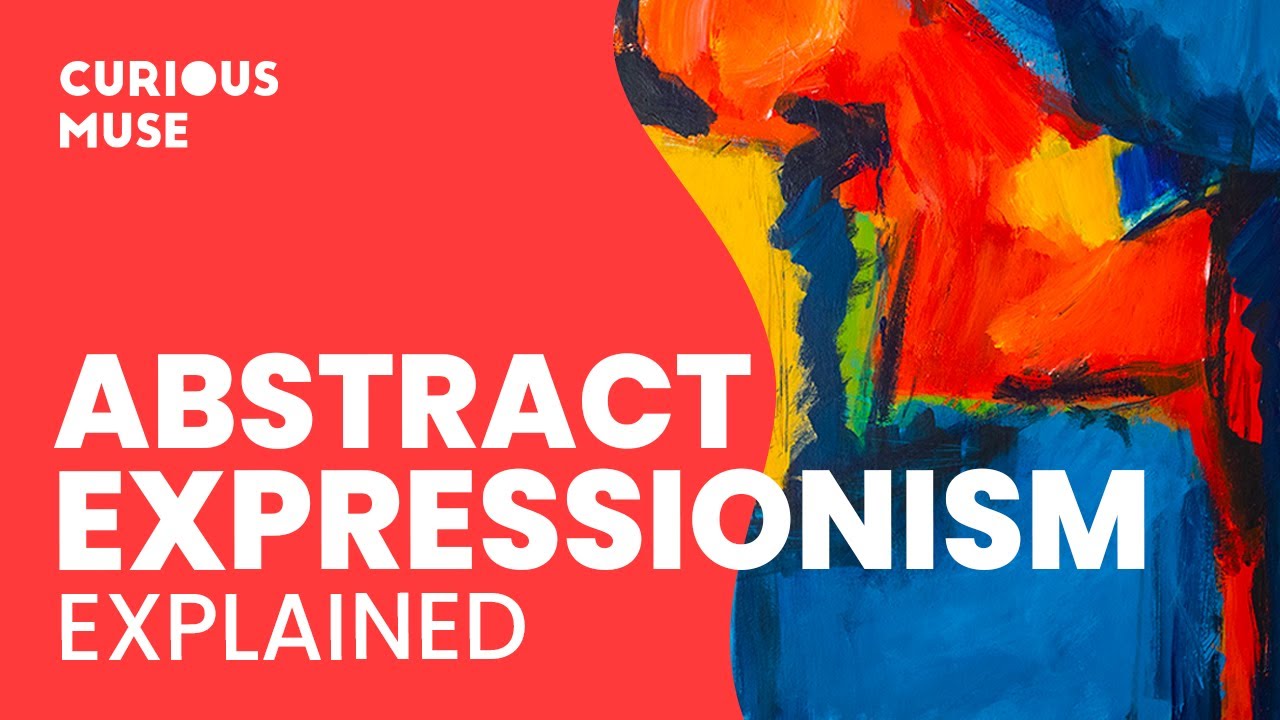
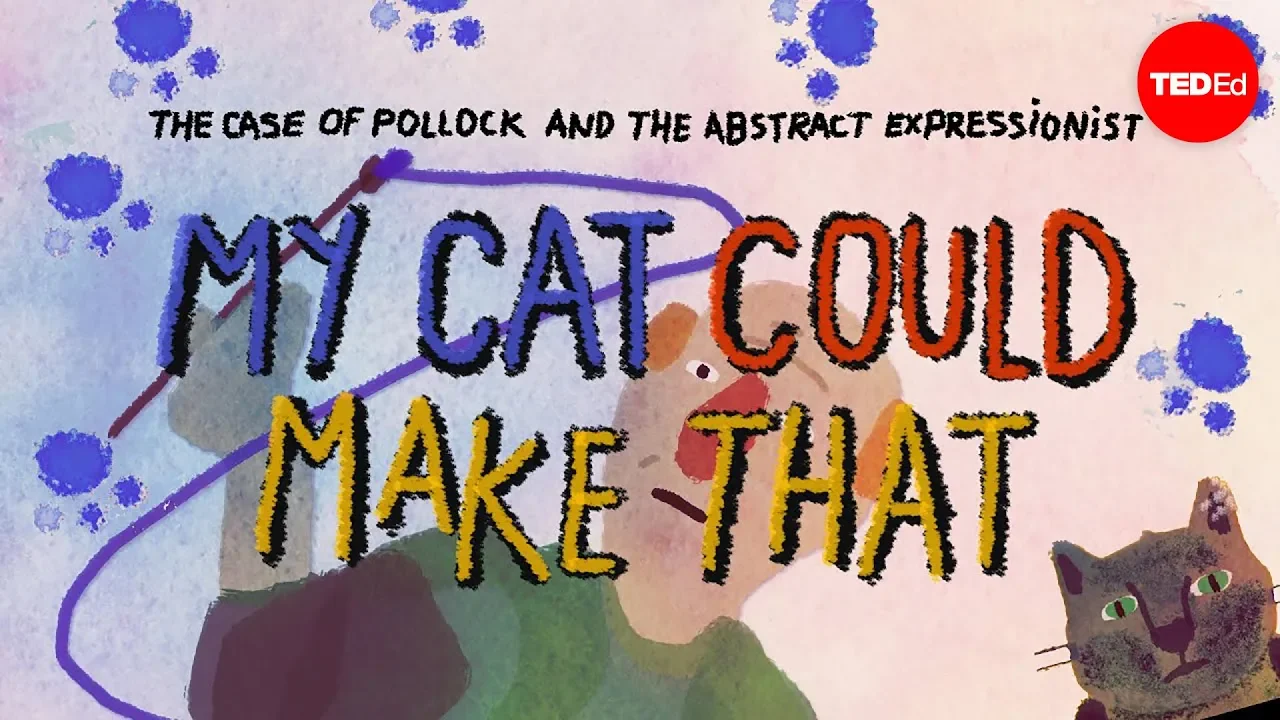
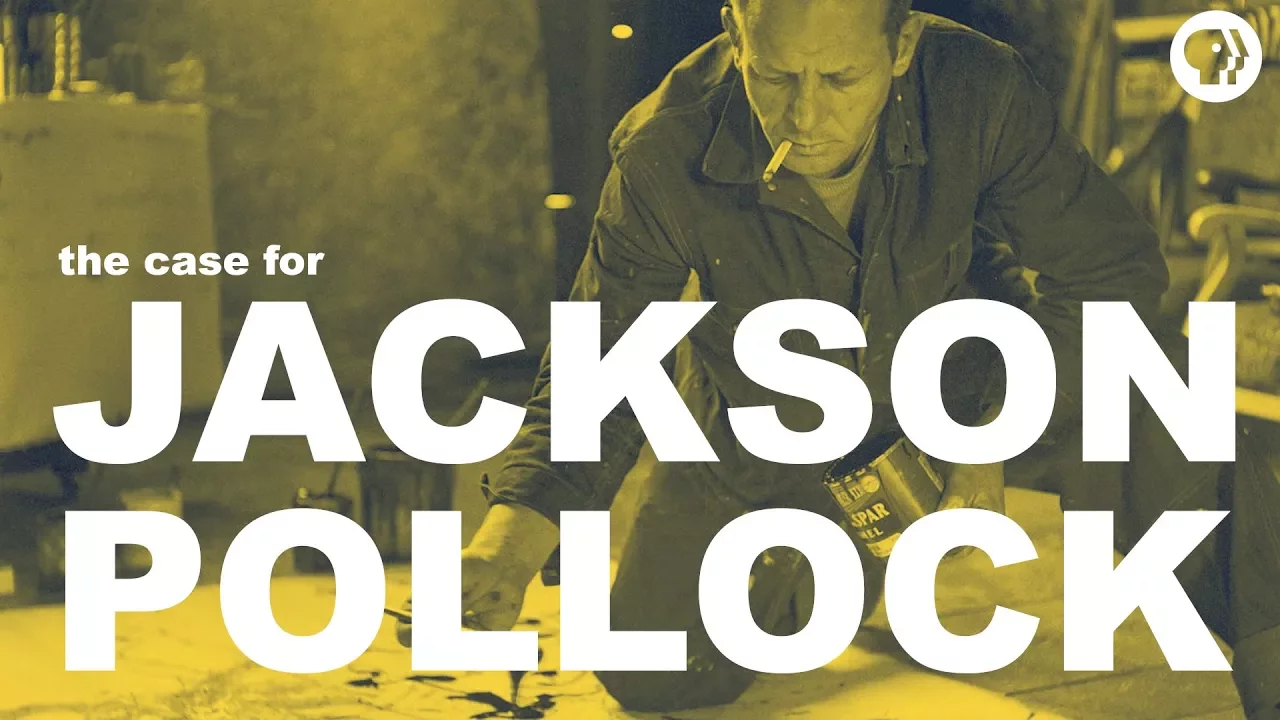
The development of Abstract Expressionism and the New York School, focusing on how Surrealist automatism influenced action painting (e.g., Jackson Pollock).
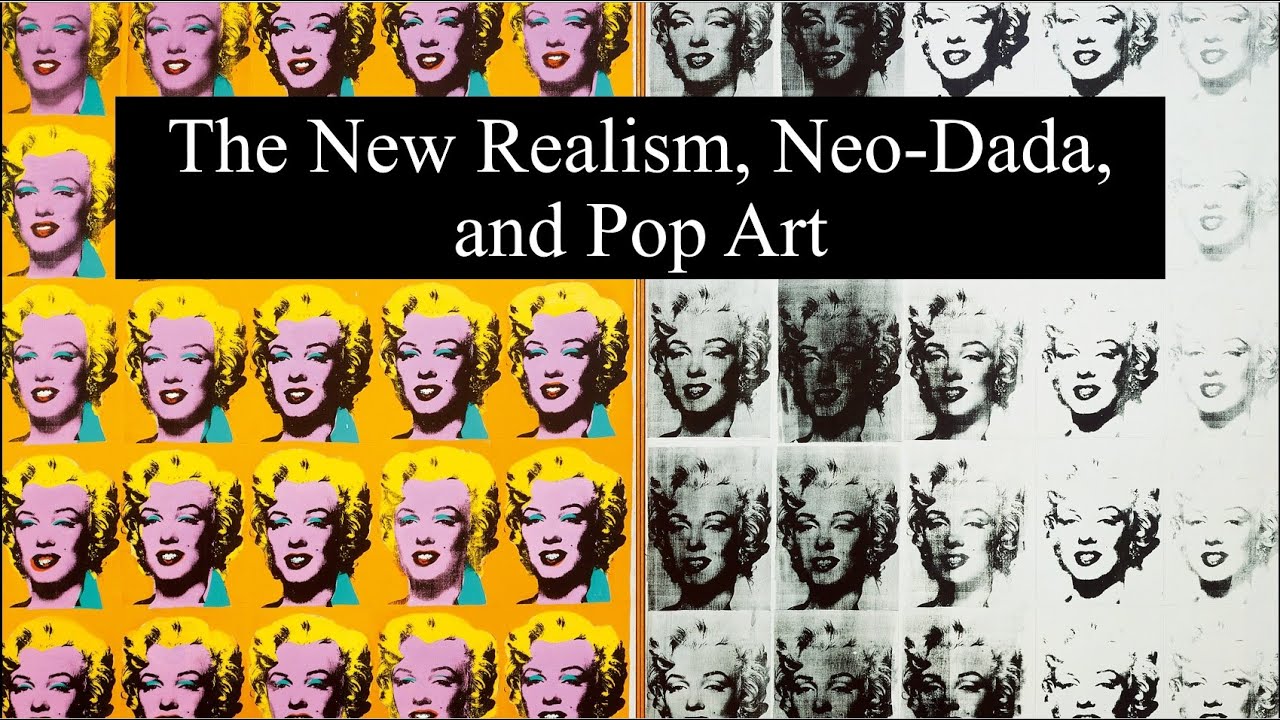
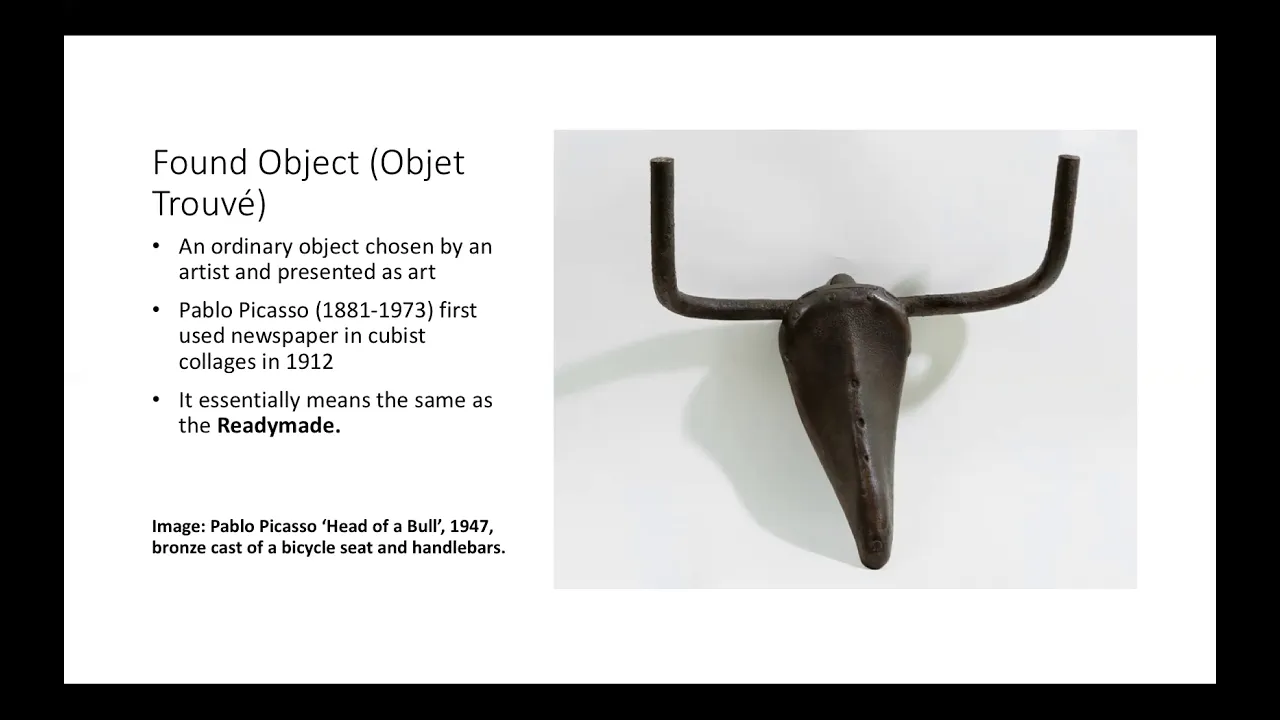
The emergence of Neo-Dada and Pop Art in the mid-20th century, exploring how artists like Robert Rauschenberg and Andy Warhol reinterpreted the concept of 'readymades'.
Conceptual Art and modern performance art, tracing their lineage directly back to Marcel Duchamp's rejection of 'retinal art' in favor of intellectual concepts.
The legacy of Surrealism in cinema, literature, and digital media, analyzing the works of filmmakers like Luis Buñuel and contemporary surrealist aesthetics.
111.8K views931likes1:04:50Original Release: 2013-03-20
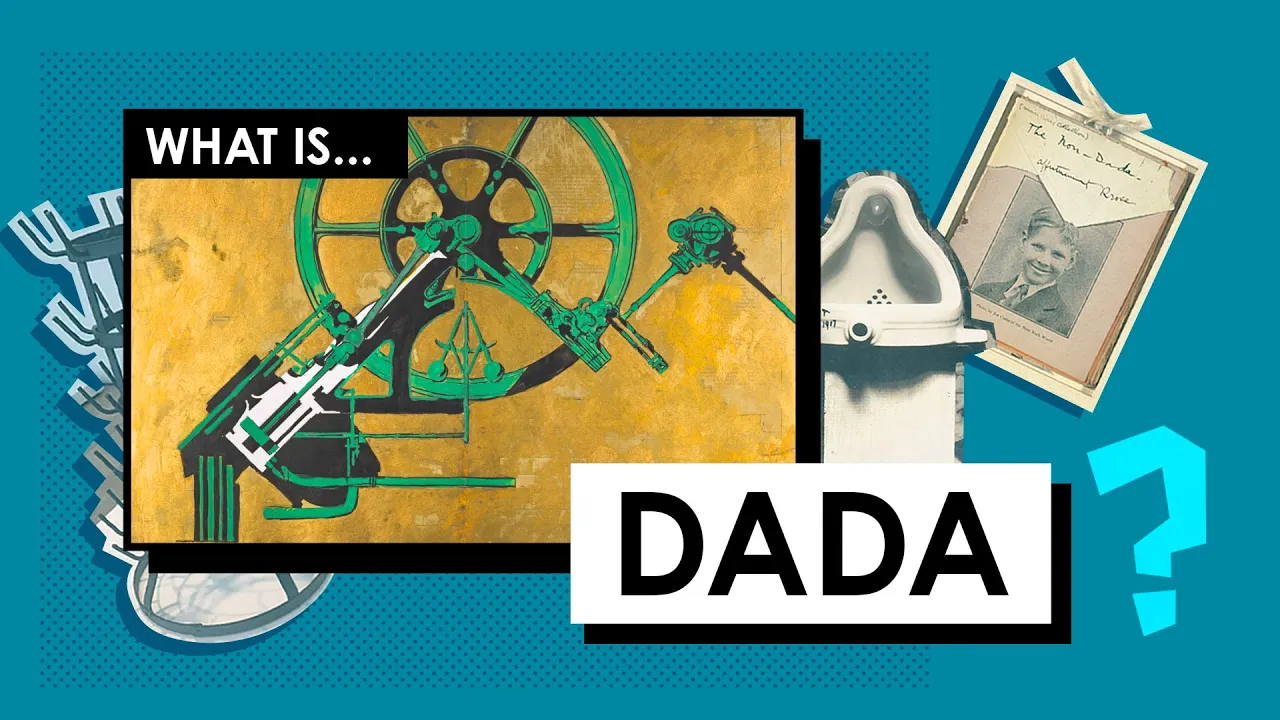
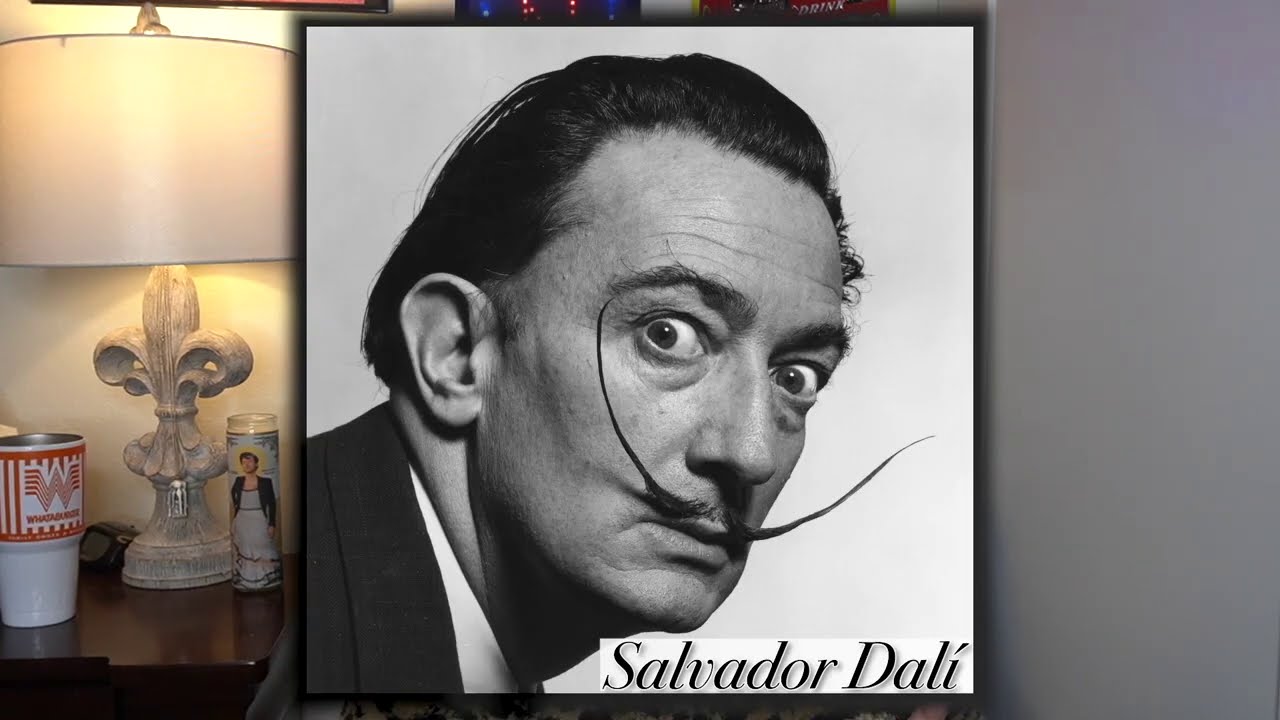
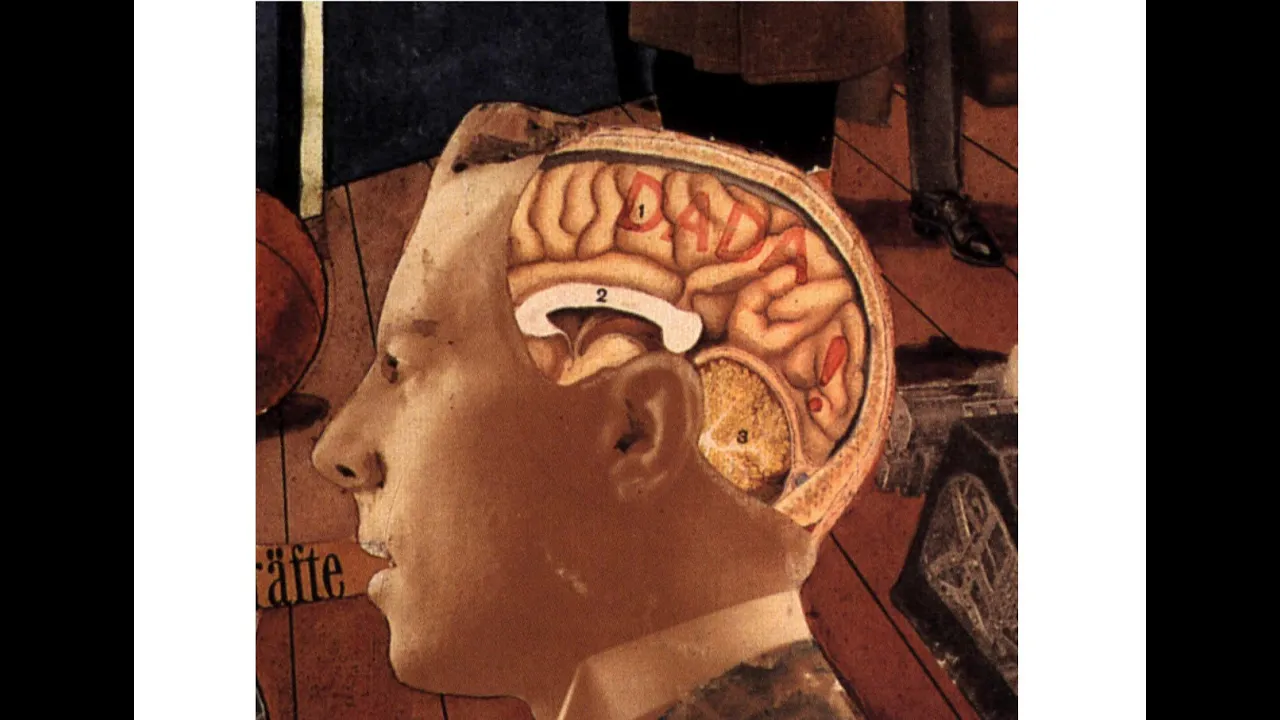
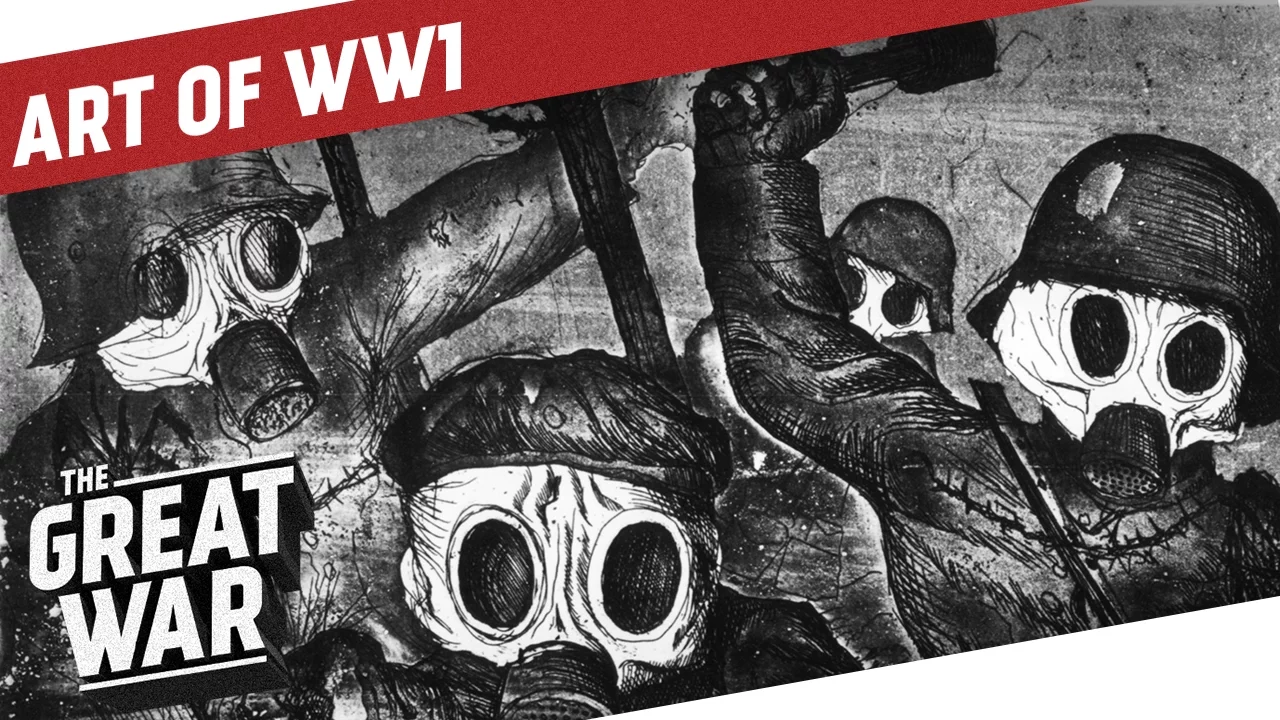
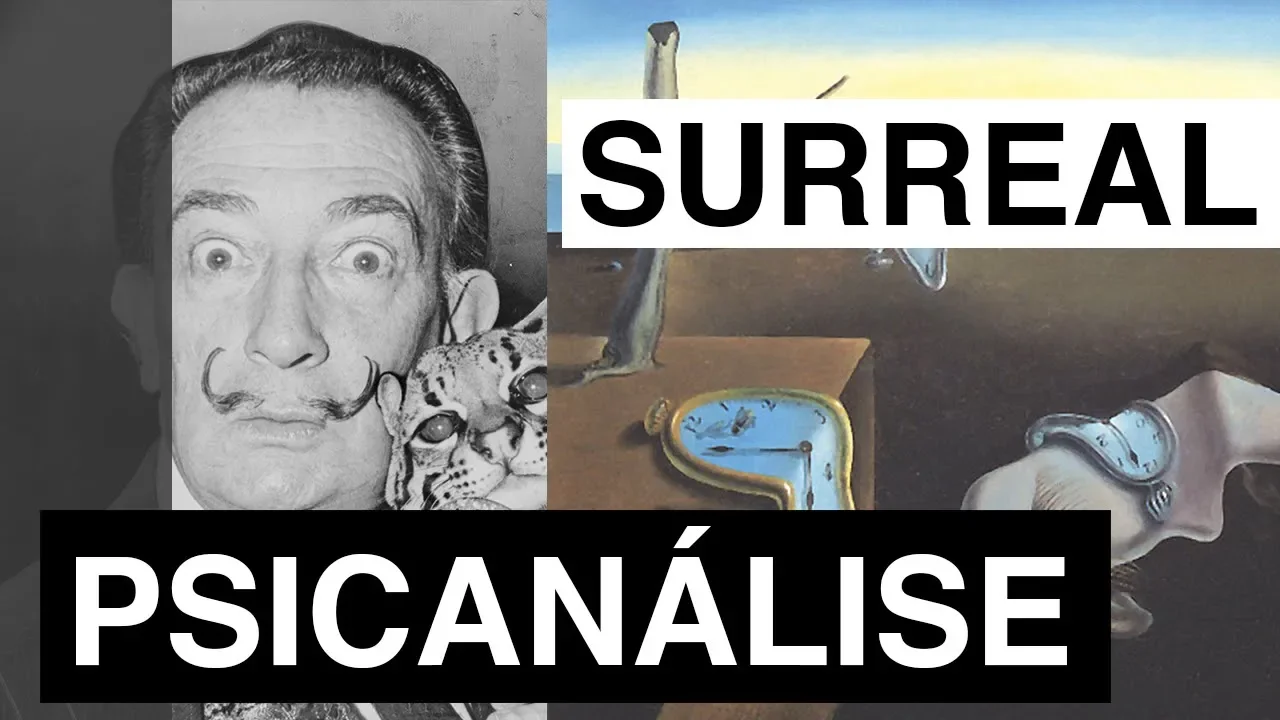
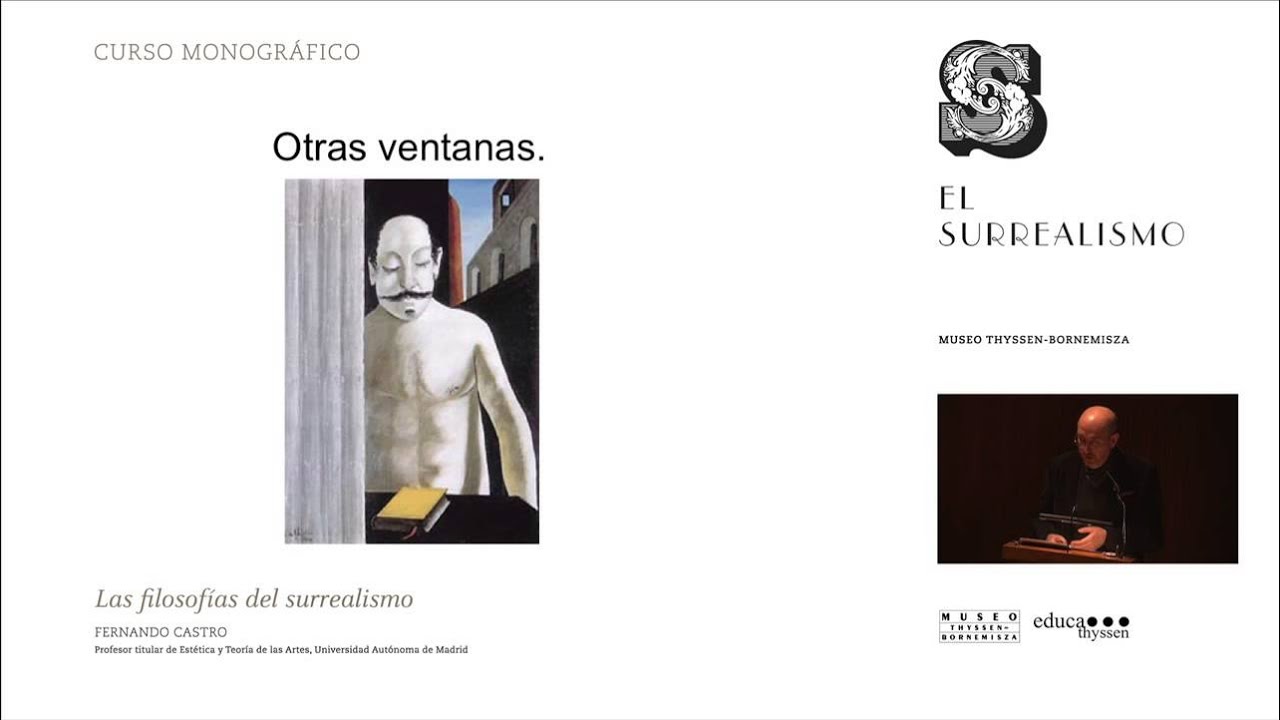
good morning everybody and welcome to the dolly Museum it's a great surprise to see so many people here I know it's cold outside hopefully this will be a nice alternative uh we will find out uh if you start leaving in droves I'll realize that it probably wasn't the right choice but um we do have a free Galler or we do have the galleries upstairs if you want to take advantage of that um we want to thank Cafe Gala who sponsors the uh the uh coffee with curator series and provides all the coffee for uh for this event and I just want to mention we have uh this happens on the first Wednesday morning of every month next month we have uh Kathy white our deputy director in charge of marketing who is going to be talking about dol's uh use of self-promotion throughout his career his capitalization on that and then uh on in May we have a guest speaker we have a Kent lier from the Museum of Fine Arts their director who has a special interest in postcards and is going to be sharing his interest and uh and knowledge about that so definitely want you to come back for both of those also I was asked to just mention if there's any volunteers here uh there is going to be a volunteer trip from the dolly Museum to the Frank Lloyd Wright architecture at the POA and the P Museum of Art so if you're interested there's some flyers on the back table by the check-in uh sheet so take advantage of that and um I this was a a talk that I'm actually invited to give this Friday for a I guess it's a Florida wide French teacher conference and uh we didn't actually have a speaker set up for uh for this month so I'm kind of sneaking it in hopefully it's going to be of interest it's perhaps a little more dry than perversion was but uh that said maybe we'll find a few interesting things but um what I'm doing is a brief history of surrealism which is like saying a brief history of the way man has developed over the last 300 years it's a it's a long and arduous um movement with many many uh different figures that were involved so I'm going to try to just blast us through all of this and just give you a taste of the sheer I guess um overwhelming topic that surrealism is and why it's such a wonderful thing that we have the DOI Museum here to uh to continue understanding and learning and uh and growing uh as we know about this uh this movement uh and the first thing that we're going to start with very briefly is just a mention of World War I uh surrealism certainly is was engendered by the first world war and as a response to it if a bit late uh 1914 1918 of course the world enters into a period of what you could say uh spiritual Darkness um it was sold the way every war had been prior to that uh you need to join it's a nationalistic thing it's good for the country good for you you will grow you must show your patriotism get out there and become a man and essentially what happened was um the soldiers found themselves being treated as you know just nothing they were they were just treated as in mass as pawns to be used in this incredibly ridiculous game of trying to gain several feet back and forth all the way in the U in the No Man's Land zone between Germany and and France uh mechanized Warfare of course was introduced gas Warfare um the use of Machinery which suddenly made man something like an automaton much less heroic than anybody had previously envisioned and the end result was either that they came back from war crippled in Mass numbers the next great generation came back into Europe both in Germany and France and uh Britain uh cripples missing arms legs amputees lots and lots of horrific visible signs of what just happened or they never made it back at all there were over 9 million casualties in the first world war so when we talk about surrealism we really need to briefly talk about data and data was the art movement that emerged prior to cism contained many of the individuals we associate with the group but really was a very different toned art movement entirely um up until this period of time the art movements that kept in quick succession were uh impressionism post-impressionism fism cubism pointalism all of these kinds of art movements that were about artists developing their talent putting things on the market developing careers that was not data data was a reaction to the war it just happened to be um involve a lot of individuals who are writers and artists but it was basically a shutting down group of people who were protesting what they saw as the horror of um and the annihilation of uh of the front so the remarkable thing about data is that not only is it an anti-art movement but it happens simultaneously in six different cities begins in Zurich quickly happens almost simultaneously in New York without any contact then it happens in Berlin hurg cologne and finally Paris and all these key players are sort of associated with these different uh areas and so just briefly to get the kind of tone and the tenor of data um we start with of course the most well-known perhaps um photograph which is this gentleman Hugo ball who created this um completely absurd um an anti- meaning poem there was no contact between this poem and any external outside world it was done just phonetically for the sound of the rhythms and this actually grew out of a kind of Cabaret tradition but it grew up in Zurich Switzerland because of course Zurich was neutral and so a number number of artists who had escaped from the war found themselves kind of together there and a place called uh the Cabaret voler became in a sense their Locust for Gathering and they would do sometimes folk songs sometimes there was regular poetry presentations but often it would turn onto this kind of violent um um absurdist type of a presentation they weren't looking for a new audience to enjoy them they were looking for an outlet to kind of create a kind of screen in a more articulate way than most of uh the soldiers had opportunities to uh to take advantage of some of the things they produced um would be a mask this is Marcel Jano um looks like something that's very artistic from RI it looks like something maybe out of cabinet um um U the cabinet of Dr kagari it has these kind of expressionistic qualities it was never in produced in any way shape or form as something that would be purchased or wind up in a museum that was not their goal in spite of that it has become a museum piece worth quite a bit of money um they were deeply inspired by the um what happened in Russia with the the Russian Revolution of 1917 and Lenin and the way that the um the inequities of social life that seem to be the basis of World War I seem to have been addressed in Russia and they and the sense of Anarchy was very palatable at that point they were very um um fascinated by how Anarchy could lead to Revolution and so even the language and the packaging of Anarchy as for example on the poster on the right became um influential to them and so for example um here's a design for the cover of their literary magazine which was basically um inspired by these kind of uh treatises and Broad sheets that were used by uh the Communists in order to uh spread their uh their Revolution so this is doed number three often it would contain lots and lots of writing often of a very nealis quality often self-disparaging um certainly not the kind of writing that's trying to uh Inspire young individuals it was rather uh a really deep critique of things seen around them in terms of artwork uh just coming back to that again here's a great piece by Francis picabia to capture the the flavor of the period of time this is the Amorous parade uh which is basically a machine of Love Making and this captures the sentiment that they emed in this uh this passionate embrace between the male and the female where basically it's nothing more than an automaton that you plug in and let go and it does its process and it's over uh so that I think really does in a nutshell capture their sense of the world and all of our uh individual activities in it George gross was one of the great great caricature artists uh associated with the movement he was in Berlin data very very political um uh wing of the the movement and this is his piece called voice of the people voice of God and he took certain articles right out of the newspaper in uh the Berlin newspaper that were espoused by all the different leaders that were just completely ridiculous redundant horrifyingly uh hypocritical and he placed them in the mouths of these beasts these monkeys and these um donkeys you know so his work was constantly and always pointed towards political satire of the deepest and in some ways most horrifying uh um variety he would often work between beasts and people who had lots of power often there were prostitutes in there times there were amputees he combined all of these dark sides of the world into a very uh powerful and resonant um uh protest through his art there was also a number of women involved with data and this is Hanah hook who was in the uh hurg version of data this is a piece called cut cut the cake with a cut with the cake knife through the last viar beerbelly cultural Epoch in Germany so a very boisterous kind of title but also the sense of violence that's implied and she has all of these it's it's a collage of all of these um aspects of German Society mixed with machinery and mixed with the word data which keeps appearing over and over again throughout the canvas this is R hman the mechanical head Spirit of our time if you've seen deo's work this is very much of the same spirit it's the idea that this is the great man of the moment which is basically a mannequin head with a couple rational tools or apparati just basically stuck taped or glued to parts of his head you know there's no Rhyme or Reason to how this uh this person could think or act or in any way reflect on the world and I believe um this is a figure who becomes very important in cism but this is a work done during the the do years this is Max Aron and he was from the colog doam um movement and the title alone is almost impossible for me to pronounce but I will give it my best because it does need to be heard it's the ginius bicycle garnished with bells the dappled fire damps and the in um andms bending the spine to look for caresses so what we have here is this combination of um of microscopic biological creatures that then he has placed in this sort of circus setting you can see the one woman I assume it's a woman in the center right here with her hands on either side of what appears to be like a tight rope that she's walking this figure over here appears to be riding some sort of bicycle it's sort of this absurd Carnival of disgust and you know we're like microbes there's no difference between us and microbes there's this looking for caress looking for some sort of uh uh sentimental um uh moment but being denied it seems to be the case the way that they would present the work also was a very important dimension of data this is um uh the first international data exhibition which I believe was in Berlin in 1920 and what you can see here is the way that they have placed these huge canvases and key points around the room but they also have a pig um dressed in a a solders outfit a German solders outfit nailed to to the ceiling so that's sort of the uh the benefactor or the angel of the moment who's come down to give the blessing and you can see that everywhere they have DOA slogans so it was very much um a kind of anarchic presentation this was not a show to Delight or a show to really change people other than to just completely overwhelm your senses and probably make you enraged they were probably looking for fights I think that's probably a very easy way to describe the uh the tenor of the moment and um and then we shift from Europe very briefly to go to America where um really sort of the Archangel of surrealism is engaged in uh in what becomes known as New York dada and that of course is Marcel duam um Marcel duam came from a a very artistic family they went back all the way to the post impressionist period he had two brothers who were great impressionist painters uh he had a sister who was a poet they were involved in a lot of artistic activities and he had been schooled as a very traditional painter but but at some point around 1910 to 1913 he decides that painting is dead it's over and he starts exploring what he calls non-retinal art um an art that is of the Mind an art that starts to erase boundaries between the real world and the world of Art and this is one example this is a piece that he calls um ere rectified readymade and essentially what he's done is he's taken two objects from The Real World um a bench and a bicycle wheel and a wheel is supposed to move us through space face a bench is supposed to be something we sit on by placing the bicycle wheel on top of the bench neither of them work anymore neither of them have the ability to perform the function that they were built for and in this one simple act he's created an object that basically denies denies us the very thing that the thing was intended to be produced for and by calling it a work of art he's arguing it becomes a work of art you know so this is one of those great debates that runs through the 20th century but it's that gesture it's a non-artistic anti-ar artistic gesture that really draws into the question what is it that we consider art shortly after that um he produces the very well-known um Fountain of 1917 he submits this piece of um Plumbing to an open Salon exhibition and basically the salon said that as long as you paid your dues anything you painted or created was allowed in the show well of course the panelists who were in charge of the show said oh my God there's no way that is getting placed in our show so arm mut as he signs it on the side 1917 um arm mut's object Fountain was not allowed into the show and this uh this led desum to write an article in defense of Mr mut and he says whether Mr mutt made the fountain or not has no importance he chose it he took an ordinary article of Life placed it so its useful significance disappeared under a new title and point of view and created a new thought for that object and essentially that becomes sort of the um the ideal espoused by the New York daa movement is this idea that as long as somebody chooses something it has suddenly become moved from the world of real real life to um the world of Art and vice versa and of course there's a lot of a lot has been written about this object the one just to point out which many of you have heard me say before is that the way he's placed the the fountain indeed it's a man's urinal but it's placed on its side so that if it were to work it would actually urinate on the viewer rather than the opposite so that's that's I think a very important part of the way that he's done this and then of of course the L HQ which was nothing more than a reproduction of the Mona Lisa which he wrote these few letters at the bottom and Drew a goatee on which suddenly becomes this sort of hermaphroditic transvestite image that if you pronounce in French the letters at the bottom it says she has a hot ass l l h o coup so it's uh it's a bit um out of character it's in poor taste it's a bad pun all of these things were very much part of what he was uh bringing to the world of Art and he's also talking about the idea of the proliferation of reproduction this is not the monal Lisa it's a reproduction of the Mona Lisa and it's the way the modern world understands artst through reproductions really rather than the genuine original article so it's also a commentary on on the state of modernism a good friend of his Man Ray who was an American one of the two Americans who wind up officially in the cillus group produces this very important data work called gift where all he did is he took a flat iron which would normally be hot to iron your clothing um put a few TXS on the bottom and suddenly it becomes a very hostile very uncomfortable object which we don't know quite what it's used for but we can be sure it's not going to you know start your clothing and make it look nice it's uh it's very threatening and it's very simple and then the title gift makes it all the more compelling and dark you know who is it a gift for is it a gift for us is it for somebody um that was once close to associated with ironing we really don't know but um also Man Ray created um something a revolutionary idea he and actually Lee Miller created this together but it was something that became known as the rayograph where you would put certain objects on top of an un um uh unexposed piece of film you would expose it and it created these kind of Shadow these ghostly Shadow shapes of whatever objects have been placed on there before had a very um mechanical quality to it and yet there's a sort of poetry to the way the objects are arranged and this later led him to get involved in film making and he produced a number of films along with fan Le that looked very much like this these kind of abstract patterns and shapes that would be turned into a kind of um a dance I suppose so this this really is um is the essence of New York dot it's a little more playful perhaps than uh than European data because those people were not involved in the first world war manre picabia and Duchamp had all fled the war before it really uh affected them but now we move to Paris daada this is the final point of uh of visiting before we mve to surrealism and here we have literature politics and nalism and the first thing to be said is that they are still very much um engaged as a writer movement a lot of the movements we've seen have visual artists there is really only Max cerns who comes later into the movement there's really no visual component that dominates in any way shape or form in Paris it's almost all writers and so what they actually do is they design um in addition to their writing which is a form of protest they also put on several um performances that are very negative very powerful very political and here you can see one of the sort of absurd um con that was worn to protest this particular figure um at this uh at this Gathering that they had but the gentleman that we see in both of these photos is really significant this is Andre Bretton and Bretton comes to be the leader of Paris dotism and then subsequently Paris surrealism he comes to be sort of The Thinker the organizer the pope so to speak is the way who is referred to with surrealism and he has an iron hand in who's allowed in and who's not allowed in and and one of the most important things is that in 1916 during the war he served as a nurse in um in Nan where he saw a number of soldiers who suffered from a shell shock and the result was that he started to work with them using ideas that came from Sigman Freud's writings so he was aware of Sigman Freud he was aware of some of the other psychologists and he encountered one soldier in particular that really deeply influenced him it was a soldier who was convinced that the entire war was a sham that everything he witness on the battlefield was just concocted as theater in order to make him feel that there was a war going on but he was completely convinced his mind had allowed him to think that everything was just smoke and um and um fake blood and so what this led Breton to conclude is that the mind has this incredible power to see alternative realities than what's really happening around us the consensual reality that we all agree to happening in front of us may not be the only reality so this starts the kind of his mind into thinking about other possibilities and the important thing about peristat which becomes also important for surrealism is that it's a collective it's a group of people engaged in activity it's not one individual it's not one style and it's really um at this point it's engaged against traditional art so they are still in in a sense protesting what they see as the hisor what history has left to them and this is a cover of one of their um their magazines it's called l literature which has the word litter in it and there's this reference of course to uh the sexual uh um deviancy of the woman who then has this kind of halo around her and this uh this donkey or horse right behind her so that there's all these uh questionable tabos that they start to touch upon at this point and one of the really important paintings associated with this movement which is primarily a group of liter uh literature um figures is this painting by Max CERN said that Max CERN had been a colog data artist he was just fascinated by what was happening in France and he found a way to get himself into Paris and when he got to Paris he joined them and he became really instrumental in sort of bridging this gap between Visual Arts and written arts and this is a piece called a Rendevous of friends it's in every way shape and form a Max are cist painting but it's done two years before surrealism exists so at this point this is just capturing the flavor of the moment it's almost all of the figures associated with surrealism including Gala over here who becomes doll's wife she's already on the scene married to Paul eloir and it contains also Doki who's right here sort of as a sort of Russian figure who just finds himself in the middle of all of this and it it also includes Raphael up there um so it's a little bit strange the gentleman with the red cape is uh Bretton who's already been seen as somebody who is the galvanizer of the movement and everyone has these very still strange sort of gestural um hand gestures that uh that they've captured it's been um written about several times wondering trying to ponder what those gestures mean apparently Max's father taught sign language to different people so this was something he always associated with his father but he also said that when he painted this he in no way shape or form wanted these hand gestures to mean anything specific so it's almost like this kind of strange reference back to his father who he had had a very bad falling out with while at the same time creating the sort of absurdist parody of language and communication so it's uh it really does set the stage for what happens two years later which is the founding of cism and with surrealism's birth it becomes really a writer's movement initially Sigman Freud's interpretation of Dreams cannot be overestimated as to its power and impact um as I said Bratton was familiar with uh with Freud and he was actually using ideas of hypnosis in the field to deal with some of the uh soldiers suffering from Shell shock but this particular book was really revolutionary because as a scientist Freud was starting to talk about things that were seemingly outside of the world of science whatsoever dreams slips of the tongue unusual circumstances strange meetings all of these kind of uncanny phenomena that are part of the world that we set aside in order to be rational functioning people Freud said this is the stuff that's really influencing us this is the stuff that comes from the unconscious and he proposed this idea of the unconscious this sort of Realm that we constantly have to repress in order to function rationally well of course the surrealists many of whom had been part of the first world war felt that that war was all about rationalism it was about rationalizing how you can eliminate so many young men in order to gain a little bit of land or a little bit of monetary currency you know it was just this incredibly absurd product of a rational Society so in order to move forward they felt that they had to move into the irrational go completely to the opposite side and Freud becomes sort of a um a guidepost for this the other person that becomes really important to this early ideas about surrealism is willhelm um Frederick Hegel and that's because he comes up he creates the idea of the dialectic and the dialectic is important because it allows you to take two opposite ideas and of course synthesize them into a more comprehensive new way of understanding the world so conscious unconscious leads to a new kind of superconscious understanding of reality so here's a photo montage of Bretton right at the beginning of surrealism where he sees himself as a kind of scientist of the Absurd a scientist of the irrational and one of the things that they had engaged in quite often while they were um moving towards the foundation of surrealism was these uh a series of seances where they would try to ask questions of uh different members who would go under a kind of hypnotic uh trance and what really delighted them was the strangeness of the answers that they would get from different members once they were under hypnosis and there was one gentleman who was really talented at this but at some point he pulled a knife and chased several of the members around the room leading to the discontinuation of the Seance so there are dangers to proving too deeply into the unconscious apparently but um it was very memorable and it led to uh the writing of the manifesto of cism so this is really the book that forms cism into a kind of movement but the important thing here is when you think of uh previous movements um cubism futurism all of these movements had groups of people and they sort of had ideals or tenants that related to their artwork this was much bigger than that there were two definitions of cism that pron writes um the first one he says it's a noun and it refers to a a a pure state of psychic automatism by which you use verbal written words or any other manner like painting to actually demonstrate the actual functioning of thought so this is this is a sense that by putting yourself into a kind of hypnotic trance you will have a more true voice coming out of you than if you're a rational artist thinking about what you're trying to write that you have to put yourself into this kind of uh hypnotic state in order to find the true voice within you um and it says here it's also uh thought dictated without any moral concerns so no censorship whatever comes out of that hypnotic trance that gets stated as content for the art but then he goes on and makes another um definition which is the more important one for us in instead of the encyclopedic uh definition locating it in art or literature it's located in philosophy and it says surrealism is based on the belief in a superior reality of certain forms of previously neglected associations in the omnipotence of the dream so dreams are very important and the disinterested play of thought and then it goes on to say it tends to ruin other forms of uh of psychic mechanisms but it solves all the principal problems of life so they said themselves up with this very ambitious utopian goal to not only be an artistic movement or a writer's movement but to be a kind of Phil Phil philosophical movement trying to find a way to Free Man from the constraints that led to the first world war that's really the bigger goal whether or not they even came close to that is another issue but that was what they that was what their ambition wanted to uh achieve and Breton goes on to say that I believe in the future Revol resolution of these two states dream and reality which seems so cond contradictory but we want to turn them into an absolute reality into a Sur reality so he feels that by bringing dreams and the unconscious into your Consciousness that people will be more whole they will be more functioning and capable and hopefully able to prevent Another War so 1924 one of the interesting things that the cist do is they actually open up a shop in middle of Paris called Cilla Central anybody could come in could go out they could talk about cism they could ask questions they could become involved and it becomes really this kind of open door policy that all people are welcome cism is of the people so in a way they represent themselves as somewhat proletariat and they want to talk to anyone they can see um about their ideas and some of the people who Inspire them there was Alfred jari who was the great absent Drinker who was the first one to use the word [ __ ] in a performance that led to a huge riot in this theater um he created the character per per ubu who became sort of the Absurd clown that preceded Hitler the leader of all people who was nothing more than a buffoon who saw the wreck of the world around him without any care or concern they were also influenced by Raymond rousell who was a writer very wealthy individual very Bon V who traveled the world was neighbors with PR and would write sentence would write books based on a kind of weird logic where he used what he called homonymic puns the first word billiard would rhyme with pilard and yet they have two different meanings and he would write these rhyming sentences where he would find um uh words that sounded the same that had different meanings he would form two different sentences that sounded almost exactly the same that had completely different meanings one would begin the story the other would end the story and then he would keep doing this all the way into the middle of the story so that it was sort of game playing at a very high level and he had a great deal of influence on Dolly on um Marcel Duchamp and a number of other figures but it's a sort of absurd way of approaching literature that really inspired the cists there was also Arthur Rambo the man who deranged the senses the man who called for us to change our lives wound up dying in the middle of the desert but um before that was very much involved in synesthesia and an O um an overwhelming amount of drug use his opposite is the the gentleman um to his right uh apollinaire who was very good friends with the cubis artist particularly Picasso was one of the great thinkers of modernism and one of the three really big enthusiasts of everything that was Modern and non-traditional and he had an incredibly powerful impact on uh on Britton this idea of um he kind of became the spirit that inspired Bon and he was the one who wrote a play on tesus which actually was the first play to ever use the word surrealism that was in 1917 and what he meant was something just bigger than realism it was surrealism so this uh is where the word comes from and the final writer that that also had a deep impact on surrealism the comp de Lal who was a young man died very young he born in 1846 died in 1870 he wrote one of the most powerful and disturbing uh books ever called the uh the the shance the malor the songs of malor which is really this kind of very curious violent um I want to say JUMP cut type of writing where he will put together sentences that seemingly don't don't make any sense until you read them and reflect on them he's the one who wrote the sentence that Dolly constantly comes back to and the cillis do as beautiful as the chance encounter on a dissecting table of a sewing machine and an um so this very violent kind of Freudian image written in the middle of the 1800s by a man who was read by nobody in his own lifetime it was only later after he died that his Works found their way into the hands of the cillus and several other key figures but very powerful very strange metaphors um very interested in vampires and uh and and death so now we come to the first wave of sterilis and visual uh sterilis you know who are the artists that have eventually become associated well we see Max ER but we know that surrealism already is dominated by writers and they're very much invested in this idea of automatism the kind of Freedom a free association of the Mind one of the problems that they always had theoretically is that in order to do visual art you have to come to it with a certain amount of uh finesse and knowledge and learning and they always felt that in the process of painting or creating a particular image you somehow undermine that ability to be actually in touch with some sort of unconscious principle or an inner voice or free association but there were a couple people who uh inspired them despite that uh one of the early figures that was very important was of course Georgio deiro an Italian who had painted this work that wound up in Bron's collection the child's brain and this figure here becomes the figure for every Father Figure in cism whenever Dolly paints about his father he paints a figure that looks like the not someone who looks like his dad when Max NS paints about his father he paints someone who looks like this for some reason Dio was able to create I guess the symbol for the father and this is the symbol right here um also they were inspired by Arnold ban the aisle of the Dead this kind of Haunting strange sense of the other and the the kind of for boing um idea of the the subconscious and the dream like they were also very inspired by this man who was um not trained in any way shape perform as an artist but felt compelled to create a palace this is the postman known as Ferdinand shial the faur shaval he created what was called the ideal Palace one day he was walking down um walking on his shift as a postman saw a very unusual and interesting Rock picked it up took it home and decided he had to make a palace and for the next 33 years he works on this Palace picking up rocks on his way home first he collects them in his pockets then he has a small sack that he uses finally he uses a wheelbarrow every day when he goes out on his rounds but over 33 years he creates this Palace which is now um a National Institution that you can visit um in France and the surus would organized trips to there they were just really inspired by that story so now uh the painters role the first person that really becomes without any question a cillus artist is Andre Masson and Masson was a very powerful figure very deep thinker but he was also really deeply um committed to this idea of automatic imagery automatic expression what he would do is he would sit in front of a blank sheet of paper with a pen go into a kind of trans-like state allow the pen to start moving on the canvas without seeing what he was producing and at some point he would stop he would look at it and he would start to Define certain passages and what happens is over and over again there's there's these violent images you'll see eyes you'll see hands you'll see knives you'll see things pulling themselves apart but it's like he's looking at um almost like a roar shock test and responding to the uh the organization of lines and so you'll see there's hands over here that are clasped uh let me see what are some of the other ones there's up here a person's body form starting to be suggested there's just a number of different um and over here of course two hands coming up but it's that idea that the the mind is suggesting things to him unconsciously that he's just simply defining and bringing forward so that we can share share them as well but they almost always have this violent nature to them they also participated in childlike games like the Exquisite corpse where you would have three or four people producing either the top the bottom or the middle part of a of a figure using not being able to see what the other person did creating these really inspiring and strange and bizarre sort of Creations that were not the the sole um property of any one artist so that was way around the uh the problem of being too conscious of what you were creating there's also people like e Toni a Frenchman who had no training in art saw a airo painting jumped off the bus became a cist you know it's that simple you can you too can become a stus just look at toiro and suddenly you have to paint so he created these really strange sort of underwater worlds that had a deep deep impact on uh Del when he was uh looking at reproductions and then of course the Catalin the one Spaniard that along with Picasso becomes doll's biggest influence early on is Jan Meo and moo was a person who had formal training but went away from it relearned retaught himself how to paint almost as a child and created something far more symbolic and strange and intuitive and this is a perfect example the Catalin landscape of the hunter where you have words can appear as well as gestural objects we have the uh the hair at the bottom that's being chased by the hunter whose heart is beating out of control as he tries to shoot his gun which has a little bit of fire up here they're almost symbolic suggestions of the thing that's happened rather than actually depicting it so this also was another form of cism that they felt really did have a place within the movement and then here's a really uh wonderful one from Max ER two children menaced by a night Andale and there's really it seems like there's one oops there's one child here seems to be some maybe a child that's being abducted up here there's something here that we're not sure what it is and then this doesn't really seem to be a night Gale as much as a little fly or a little bird the girl is actually running with a knife and all of this is placed within this what appears to be a combination of glued objects all of it suggesting something very menacing but we're not sure what happened it's almost like we're being invited to fill in the blank what just happened and how does this title uh what does it tell us about the painting so the evocative nature of the dream the fact that this could have come from a dream rather than a rational uh situation is what I think allows it to be seen in the context of surrealism and then he was also inspired one day one period of time when he became very ill he was looking at floorboards that started to suggest images to him and when he started to feel a little bit better when the the nausea passed he started to do rubbings and what happened is he started to see these kind of strange magical creatures appearing to him from the suggestion of the rubbing itself and so he created an entire group of 70 images that he called the uh the beastiary or the history natural and this one's a perfect example of that it's a rubbing of one sort of thing and then all of this is the rubbing of the wood grain in the floor and it leads to this kind of crazy creature that seems half fish half bird he calls it The Fugitive and then he collects it in here and this technique he refers to as Fage so it's the idea that the artist does not need to go into the world with a preconceived notion the world itself can suggest intuitively new forms that then are collected by the artist that he responds to and Andre Bon also introduced sand painting into his Works where glue and sand sort of a childlike approach to work uh went along with his um more autonomous drawings that would lead to a piece like Battle of the fifth fish where there's blood flowing freely in all different directions there's these strange sort of abstract shapes of fish and birds and then the sand itself almost creates another component to it so it's a little bit coming from cubis collage but leading to a very different uh outcome so that's really the first generation of cillus painting there's no technique none of them are painting like one another they're all going in different directions but it's because of their interest and the sort of unconscious void that they all find a place within the movement 1930 comes and the movement explodes um about 23ds of the group are expelled overnight Bretton writes the second Manifesto surrealism he denounces half of his friends he purges all these other people and he starts a new and this is right when Braton I mean when um bonwell and Del show up on the scene and the thing to remember is that um all of the first wave of cillus were involved in the first world war in one way or another by 1930 there's a new generation that's about 10 years younger none of them saw the war and they're all bringing in very new ideas and new voices so this becomes in a way the chessboard of 1930 surrealism it includes Bron at the upper upper left hand side but it also includes people like Jac kedi who is new uh Picasso who's in middle of the right hand side it includes Man Ray at the bottom right U moo is in at the bottom left um a new figure Renee mcgree is involved there's a lot of people here that are relatively new to the scene that are about to transform it it also includes Salvador do up here in the upper uh right hand side so lots of players lots of new ideas are coming to the group at the same time the group is trying to politically figure out how it can move to a more utopian State and so they try to start working with the French Communist party in order to find a way that surrealism can contribute to the transformation of man and what becomes very obvious is that surrealism is about the independent individual's um exploration of the unconscious which is exactly the opposite of course of the demands of Communism which is to completely you know there's no individual in communism it's all about the group so there's this incredible sort of tension back and forth for about four years which leads to more figures from cism abandoning ship and figures within the cist group becoming very frustrated one of them even commits suicide over the inability of the group to be able to find a place within the French Communist party so it's a really powerful thing and it it's important to remember this because DOI could care less about any of this and that becomes part of the tension with DOI within the group everyone in the group is very committed to this political goal but Dolly so 1930 um Andre Bron and Paul elard create one of the um I guess really fascinating examples of maybe failed surrealism um this book has received a lot of criticism but it's really fascinating the concept it's called the Immaculate Conception what they tried to do is write from the voice of people suffering from different types of mental illnesses what would that voice sound like what would that person be concerned with um they were basically trying to create different verbal impressions of these uh mental disorders and I guess subsequently they were criticized for play acting at these different movements you really can't become a um a hypochondriac or a person suffering from a uh schizophrenia when you just write playright it so there was uh some criticism about how they were trying to do it but it's the idea of their interest in Madness that um that really is the important concept here Salvador di brings his own concept of Madness to the group 1931 of course the Persistence of memory becomes the key icon for surrealism you know he is a younger man didn't see the war comes from a very different background but he understands Freud backwards and forwards and His Image the Persistence of memory becomes iconic and still to this day is the symbol of surrealism it's this idea of this Wasteland with this strange self-portrait of Dolly that's washed up on the beach like an embryo and there's melting watches and the idea supposedly at least on one level watches are the rational tools of time they allow us to perform and function uh through our day if they start to melt there's no way to actually understand what they're telling us and thus you know everything starts to become chaos and Anarchy the visible woman is the book that Dolly writes at the same period of time just a little before and it's the first time he starts talking about the paranoid critical method and the paranoid critical method for do is um a concept that whe no matter what kind of artwork you are involved in it allows you to be both subject to a particular mental disease paranoia but then step out of that and consciously analyze it as a clinical psychologist and write down associations and possible meanings for those strange VI visions and images that were that were received during that paranoic episode so for example Dolly becomes obsessed with the um angelist painting by Malay he has an opportunity to meet a friend of the cerillas jacqu lon who's also interested in paranoia and have this conversation leading to an article about paranoia where Dolly feels that everyone has access to this everyone can allow themselves to sink into this kind of state of paranoia but be able to then step back and critically analyze what that experience is it leads Dolly to the conclusion that the Angeles couple is actually um very similar to a prim mantis couple the female wants to cannibalize the male after she mates so the male is petrified and he's holding his hat over his uh his area of arousal in order to live a little bit longer you know it's a very unusual interpretation right um only arrived at by dol's obsession with a paranoia it actually becomes an obsession of his for two years and leads to a 120 page uh document and Dolly always said that this woman here Lydia was the mother of his Madness it was a woman that he knew in Port legot and she was a woman who she had a child who suffered from hydris water on the brain and she had another child who suffered from some form of Madness both of them were fishermen and she was the woman he bought the Hut in Port legot that led to the dolly Villa uh several years later but um she was in love with a gentleman who was in Barcelona um a man named Eugenio deor who was an art critic and she was convinced that he was constantly writing uh coded love letters in his art columns every week and so she would read them and she'd be able to show other people how this actually was a coded love letter to her uh specifically dolly was fascinated by this because of course eugeno dors had probably forgotten her years ago um had no idea about uh about this uh going on but she could so clearly articulated so that others could share the kind of Madness that she suffered from it was one of those moments where Dolly's convinced Madness can actually over override reality you can buy into another person's Madness and understand what they're talking about which leads to a very interesting article that Dolly writes he was looking for a particular postcard of um of of painting by Picasso one of the um women in the uh one of his early cubis paintings he saw a postcard of these Africans in front of a Hut and he thought he had found it and then only afterwards when he's walking out that he realized it wasn't Picasso at all it was just this Hut so he took the same postcard to his friend Bon he said what do you see in this postcard and he was holding it in the same way that he had seen it and Bon immediately sees the Marquee Dead who is one of his obsessions so both of them independently found the very thing they were looking for in this postcard that had nothing to do with either of them so this leads doaly to write an article about this about how our obsessions can lead to our rereading of reality and then a few years later he paints this uh small image which captures the uh Africans in front of the Hut but when turned on its side becomes the face that uh both of them had seen in different perspectives so this is the idea of Madness suddenly becoming much more um much closer to us I suppose through cism dolly also started a craze about cerist object making many of the cists engaged in this is of course our famous uh Lobster telephone upstairs the idea of putting a phone together with something that doesn't belong like a lobster it's also threatening you put it up to your face the the Pines might take your ear off there's there's always a sense of threat that's part of the uh artistic activity well this also leads to one of the most memorable cillis objects of all which is morray opheim furline teacup the idea of a very pleasant tea in the morning that might be a tradition of anybody suddenly you line it with fur and it becomes a little less Pleasant a little more uh hostile in some ways a little more animalistic so very powerful images these are part and parcel with Cilla this is exactly what we think of when we talk about surrealism it's the taking the domestic taking the familiar making it strange making it somehow threatening or other now the other thing about cism that's interesting is that it actually starts moving towards internationalism and there's a group in Belgium that started to come together in the 1930s called the Belgian cillus group this is the the rendevu of all of these people um their key thinker was a ETL or elt messens who uh thanks the thanks to the work of Sati he said that he was able to say goodbye to sentimental love to Flemish landscape goodbye to impressionist harmonies goodbye to schaly humanitarian poets for him the Eric sat had provided a complete sweep of his Consciousness he originally was a composer obviously then became involved in uh in art making and then eventually he became almost like a smaller version of Braton in Belgium he was a very instigating person who put together the uh London uh cerist exhibition of 1936 did a lot of work for the cillis group was very um powerful the reason that the Belgian cillus group is not so well known even though we all know mcre we don't always think of him as being a Belgian cist they had an aversion to the public they had a distaste for Success they strategically created anonymity so mcree's presentation looking like any businessman going to work and they had a refusal to publish any of their work so it's almost by Nature the absurdness of this creates the idea that this truly must be a cillus group for for no other reason their lack of ability to function um in 1934 Bon visits them and he says uh my sur's comrades in Belgium mcre massan n um are those are among those whose revolutionary will has been for us in Paris a constant reason for thinking that the sural project can contribute to the efficacious reunification of all those who do not despar the transformation and who wish this transformation to be as radical as possible so acknowledged by Braton it's really important this sort of international growing group of people one of the perhaps more um well enthusiastically collected books in surrealism is this one with mcree's cover on it this is the what is surrealism with uh the image of the rape which was one of mcree's most powerful images another powerful image by mcreed is the lovers where you have the the idea of a of a a truly romantic moment somehow undermined by the fact that both of these figures are completely wrapped up and Anonymous to one another and the fact that mcree's mother who committed suicide when she was found her negl had actually wrapped around her head very much like this and so it was part of what he knew of uh his own past mcreed has a great quote though that I wanted to share if a dream is a translation of waking life Waking Life is also a translation of the dream so it goes in both directions for mcgree uh he sees reality being no more no more substantial than the dream world and one of the most powerful images he created was this one called The Human Condition which really undermines our sense of what's inside and what's outside you know whenever you put a painting which is an interpretation of the world in front of the thing that you're painting it never lines or matches up completely it's not a mirror it's an interpretation but here curiously enough we have not only a mirror but we have a mirror that seems to undermine itself because it if you see where this uh opening seems to be it's almost like there's no canvas there whatsoever we're just looking outside until you realize that it overlaps the curtain and then the question is is there really a tree behind this painting or is that the illusion you know and there's no right answer there's no way it's conundrum and he's really drawing in question what we assume to be um the way painting Works another artist who you may or may not have seen before Paul delvo another Belgian this is his painting a man in the street where he constantly has these very voluptuous nude women who seem to be at one with nature being ignored and completely outside of the world of males who seem to always be going to work or doing business but never seem to be cognizant of the fact that there's this kind of central reality just uh within their grasp and there was actually a check so cillus movement as well these are some of the key people particularly toy and the woman over here the Czech cillus group was very powerful and did some incredible work I just have two images to show this is the Phantom object by toyan from 1937 incredibly provocative and strange and simple its Elegance is really in its Simplicity just this eyeball opening up in the middle of what appears to almost be like a a kind of ball made out of maybe Al ow feathers or something not quite sure what we're looking at but we're we haven't seen it before you know and then um there's a gentleman who's grown out of the Czech movement who is still alive amazingly and he creates films and he comes out of really the Czech puppetry tradition but he was part of the cillis movement there and his name is Jan spankme and we're going to be showing some of his shorts in May so um I believe it's the first or second Saturday in May we're going to be showing his work and this is one particular piece called uh dimensions and dialogue where he actually keeps Rec been re-exploring araldo uh double images these faces that are made out of other things they keep eating one another and vomiting out new versions of each other so it's uh it's really wonderful it's crazy it's very provocative and it's surreal and just kind of wrap this up uh 1936 Dolly actually goes to the international cillus exhibition in London dressed in a diver suit the idea was that uh he wanted to be showing people physically that he's like a deep sea diver diving into the unconscious and bringing up all the good stuff that uh that's there the story that always goes along with it is that the air hose went into the other room someone closed the door he started to suffocate flail about um people were delighted by this they started applauding and it was only realized afterwards that dolly was actually suffocating and so they save him it's like another surreal mishap but everything's good the next day he's the celebrated figure on the front page of the London uh the London tribunes so a lot of unusual things come out of this association with cism 2 years later is the international cerist exhibition which featured doll's rainy taxi for the first time and it also had a room where there was actually a um artwork placed in a dark room with a burning brazer in the middle of it so you would smell the Burning uh material and then there were all these coal sacks above on the ceiling and the whole and you were given a flashlight to find your way around to see the artwork so very unusual ideas about how to present art 1938 the same year Bretton actually leaves for Mexico and through Diego Rivera's help he meets with Leon trosky tries to once again reunite surrealism with a kind of communist view of where um individual surrealism can relate to the Communist cause of course very shortly after that trosky is executed assassinated everything just goes Ary but for one moment politics and art seem to be seen eye to eye this is when uh Braton meets Freda k comes completely enamored with her work calls her a surrealist she immediately denies it it's disgusted by Bon and you know says no I am not a surrealist I'm a a freethinker and she has nothing to do with the movement but her work in some ways can be seen or not seen as being part of the um suril spirit it's within the spirit of surrealism by now Brit Del has become kicked out of the movement he has moved on to other areas other um interests but there's people like doroth canning who eventually winds up marrying Max C she's doing incredible work this is her in Klein knock music which is just this powerful image about um adolescence female adolescence there's also remedios varo a woman who was schooled at the same school that Dolly went to um who also winds up down in uh Mexico doing these just very magical lyrical pieces that are not really surreal but she was very deeply involved with surrealism uh during the time prior to her painting and then of course the fall the World falls into war again John hartfeld who had been a dois constantly was devoted to creating anti-war images like this one out off the Superman swallowing all the gold and spouting crap basically I think is the interpretation of course the Nazis start confiscating artwork of the degenerate artists and many of the cillas are included in the confiscation if you were an artist in the area where the work was confiscated you were identified as a and you were subject to sanctions it was all very very political but suddenly art moved into a different realm at this point of course 1937 the bombing of gica leads to a completely new understanding about the horrors that are possible the things that surrealism were unable to protect the world from uh Picasso's guica is the incredibly powerful response to that um someone inspired by surrealism but somewhat by his own um understanding of classical mythology dolly responds very shortly after that with his soft construction with boiled beans which was finished 2 days after the Spanish Civil War erupts which he then turns into a title premonition of Civil War where basically you have Spain as a figure a monstrous figure ripping itself apart so tearing itself apart from the Flesh and a Gentleman down here who seems completely unaware of what's happening in front of him more or less the Spanish people themselves you have uh Jean moo created well basically going under cover during the war trying to hide out but living in Spain and creating some of the most magical and lyrical pieces of his entire career suggesting to Braton that despite the incredible sanctions that he was living through his imagination and his access to dreams allowed him to still create real Beauty in the midst of a very very Grim uh situation and so the constellations are absolutely the most incredible and beautiful lyrical pieces created in association with surrealism and finally to kind of draw close to it we come to America and the cist of course they had been pacifists their entire period of this movement so when the war erupts they really did not want to be soldiers on the front line again they were you know this is 20 years later they would not have been on the front line but they wanted nothing to do with their country or Germany or any place else and so it was really through the amazing efforts of Varan fry who was an American with the emergency rescue committee that they were able to wind up in the United States and very impr pry there's a lot of documentation about them if you're not familiar with him I highly recommend um reading about him or watching one of the um documentaries he saved over 2200 lives of artists associated with Europe artists and Jews who were basically left behind and it was just through this emergency rescue committee that he was able to constantly find new documents false documents get them through Lisbon get them through um St a and over to the United States so this is how M Bron and his wife Jac lamb come to the United States by 1942 they're part of the artist in Exile and this is an interesting photo because we think of the CIS is being such a closed group but suddenly they're forced to be amongst a lot of other artists that have nothing to do with surrealism and we're looking at ferand Le mandre petite mandre mark shagal jacqu lipet as well as all these cists gathered together in this particular picture and it's really where the world changes and suddenly we move from Paris as being the center of uh World art to New York becoming the center of world art they still are engaged in a lot of activities this is at py guggenheim's Museum they have bent walls they have really unusual um platforms and objects to show their art on this is uh one of the really memorable installations 1942 first papers of surrealism which was known as 16 miles of string Marcel Duchamp created an exhibition where you had to move through the string in order to get through the artwork not all the artists were happy about this by the way it was uh not something that was understood was going to happen by everybody but it was uh very powerful and then finally 1945 dropping of the atomic bomb and in a way that ends surrealism for all its sense of purposes and Abstract expressionism becomes the next movement the cerillas were suddenly in the United States they were rubbing shoulders with all of these Young Americans who had idolized them and suddenly the Young Americans were trying to find their own voice after the dropping of the atomic bomb what they did is they really turned to the idea of calist process this automatism rather than the representational side of of surrealism they turned against representational images they felt that there was no room for them anymore after the dropping of the bomb man had just moved into a very different period of time and they suddenly go to these Monumental canvases that are covered with abstract paint and paint application and it was surprisingly although not very well documented surprisingly inspired by the cillis they were given strength through the cillus but what they found is a very different type of uh of artwork that would have never been allowed within the Realms of sterilis so that was a rather kind of Shaggy Dog story of some of the key figures and associations with sterilis um it really continued off and on through the death of Braton in 1966 and there are those to debate even up to this day who is and isn't inspired by surrealism or could we consider them surrealism but for all sense of purposes when you look at the movement itself it really ends with America and this moment where the Torches passed on from the Parisian cillis to the American Abstract expressionist and with that I thank you all for coming this [Applause] morning for
Up Next
6:12
Duchamp's Readymades: How MoMA’s Curator Explains Art’s Big Shift
@themuseumofmodernart
239.9K views•2017-04-20

114:18
Christian Iconography: History, Theology, and Meaning | Fr. Panayiotis Papageorgiou
@Trisagionfilms
58.8K views•2020-02-21
7:48
Ukiyo-e Art: History, Woodblock Printing & Influence
@japanathand
6.3K views•2023-06-08

16:34
Earliest Depictions of Jesus in Art: 10 Ancient Images Explained
@UsefulCharts
5.9M views•2022-06-03
Related Study Plans & Knowledge Roadmaps
Structured learning paths in Art History
art-history
Gothic Cathedrals: Engineering, Light & Society
01The Birth of the Gothic: Romanesque to Suger's Vision
02The Structural Triad: Pointed Arches, Ribbed Vaults, and Flying Buttresses
03Theology of Light: Lux Nova and Sacred Geometry
+ 2 more learning modules
14h5 modules
Explore Roadmap
art-history
Pre-Raphaelites: Realism, Symbolism & Critique
01The Victorian Art Establishment and Academic Formula
02The Founding of the PRB and Radical Realism
03Medieval Revivalism and Literary Symbolism
+ 1 more learning modules
8h4 modules
Explore Roadmap
art-history
Street Art: From Subways to Art Market
01Subcultural Origins in Philadelphia and New York (1970s)
02The Subway Era and Style Wars (Late 1970s - 1980s)
03The East Village Scene and Early Gallery Crossover
+ 2 more learning modules
10h5 modules
Explore Roadmap
art-history
Classic Maya Art: Iconography, Glyphs & Ritual
01Foundations of Classic Maya Visual Culture
02Deciphering Maya Hieroglyphs & Text-Image Integration
03Sacred Geography and Cosmological Architecture
+ 2 more learning modules
14h5 modules
Explore Roadmap