
















![El Surrealismo en el Cine [Documental]](https://i.ytimg.com/vi/X9kVaMAhyzs/maxresdefault.jpg)



Sigmund Freud's psychoanalytic theory, which explored the unconscious mind, dreams, and childhood development (including the Oedipus complex), profoundly influenced the Surrealist movement. Artists like Salvador Dali and Andre Vuitton adopted Freud's ideas to create art that accessed the unconscious mind through dreams, automatism, and symbolic imagery, revolutionizing art by challenging rational society and embracing the irrational, dreamlike, and psychologically complex aspects of human experience.
Surrealism Art & Freud's Psychoanalysis Explained
Added:Introduction to Sigmund Freud's structural model of the psyche, specifically the concepts of the conscious, subconscious, and unconscious mind.
A basic understanding of the Dada art movement, which rejected logic and reason, setting the historical stage for the emergence of Surrealism.
Familiarity with Freud's theory of dreams, particularly the distinction between manifest content (the literal imagery) and latent content (the hidden psychological meaning).
An understanding of basic artistic terminology, such as symbolism, juxtaposition, and the difference between representational and abstract art.
In-depth analysis of specific Surrealist techniques, such as psychic automatism, decalcomania, and Salvador Dalí's paranoiac-critical method.
A comparative study of key Surrealist figures, examining how artists like René Magritte, Max Ernst, Leonora Carrington, and Joan Miró uniquely interpreted subconscious themes.
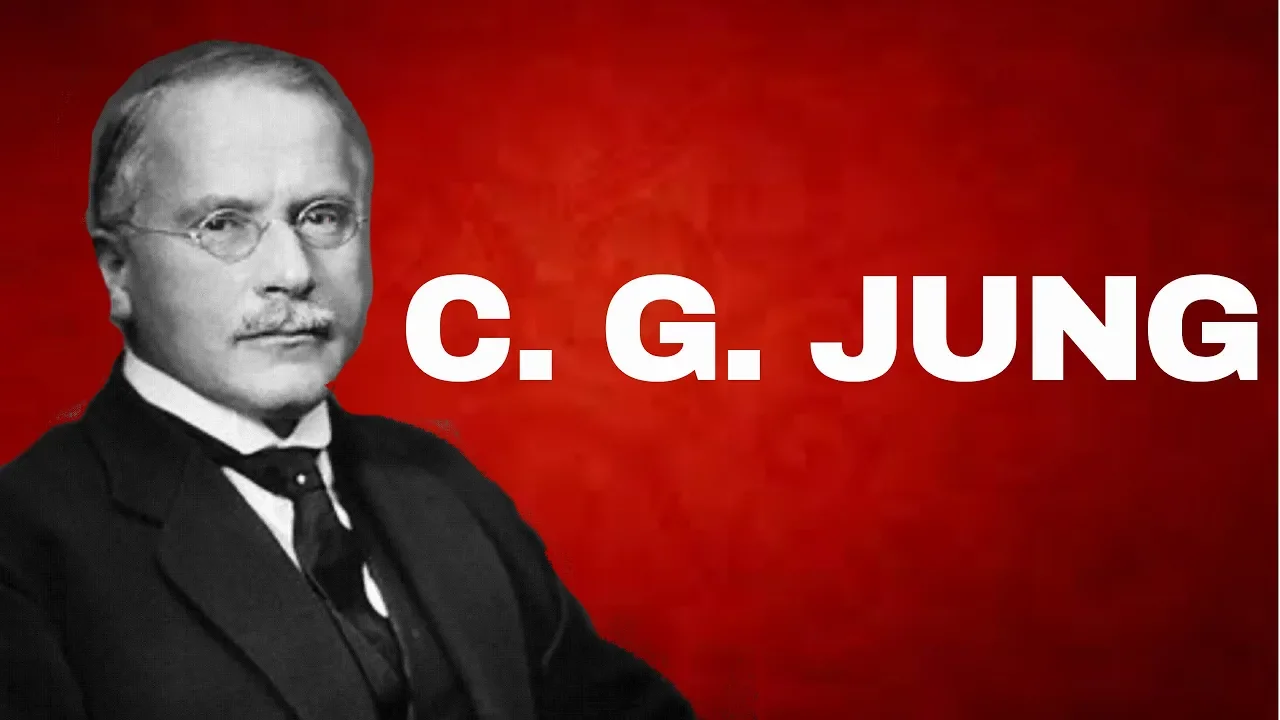
Exploration of Carl Jung's psychological theories, such as the collective unconscious and archetypes, and how they influenced later modern art movements.
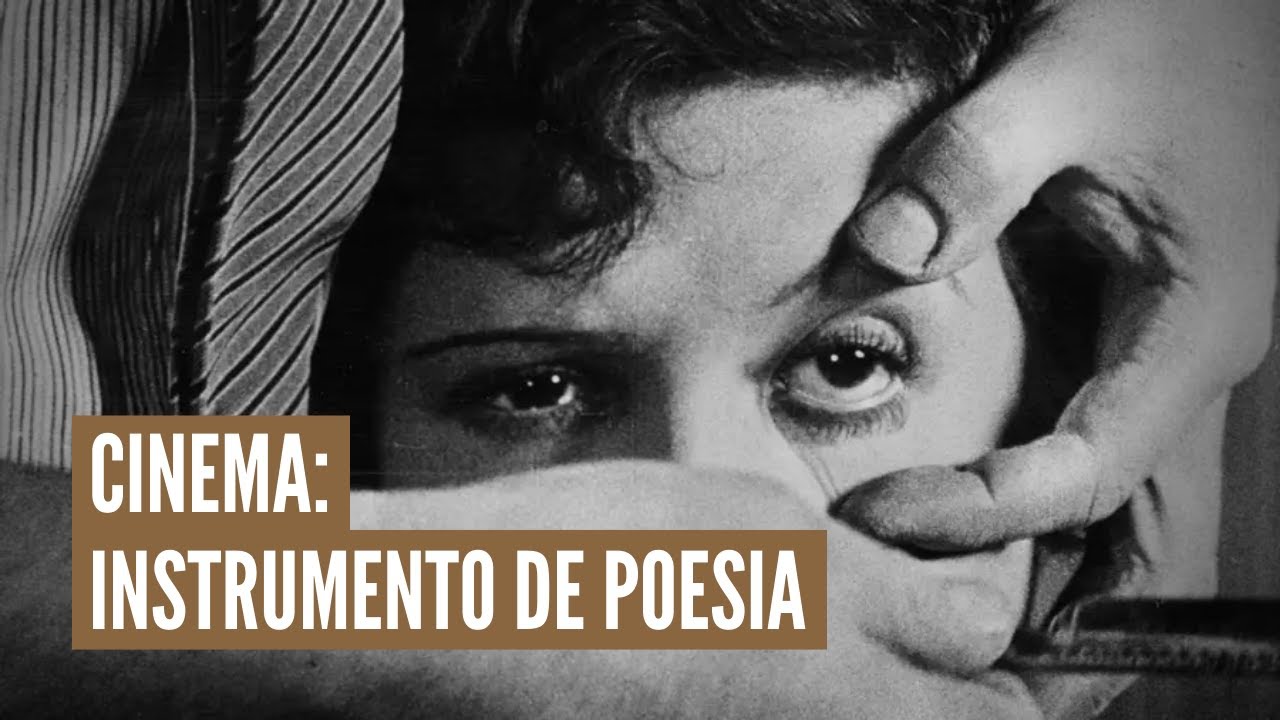
The application of Surrealist theory to other creative mediums, notably Surrealist cinema (e.g., the films of Luis Buñuel) and literature.
Practical execution of a dream-inspired art project using techniques like automatic drawing or unexpected collage to access and depict personal subconscious imagery.
148 views0likes21:57Original Release: 2026-07-02
[Music] hello once again and this is mr. G back another video for today we will be exploring the work of Sigmund Freud and how he influenced the artists in the surrealism period according to Freud he sums up dreams this way illusions commend themselves to us because they save us pain and allow us to enjoy pleasure instead we must therefore accept it without complaint when they sometimes collide with a bit of reality against which they are dashed to pieces to know more about dr. Freud let's check out the school of life's video on Freud's theory of psychoanalysis this is a thinker who helps us understand why our lives and relationships are full of so much confusion and pain he tells us why life is hard and how to cope his own life incurred a lot of anxieties Sigmund [ __ ] Freud was born to a middle-class Jewish family in 1856 his professional life was not an immediate success as a medical student he dissected hundreds of eels in an unsuccessful attempt to locate their reproductive organs he promoted cocaine as a medical drug but it turned out to be a dangerous and addictive idea a few years later he founded the discipline that would ultimately make his name a new psychological medicine he called psychoanalysis the landmark study was his 1900 book the interpretation of Dreams many others followed despite his success he was often unhappy during some particularly strenuous research he recorded the chief patient I am preoccupied with is myself he was convinced he would die between 61 and 62 and had great phobias about those numbers although he actually died much later at the age of 83 perhaps because of his frustrations Freud achieved a series of deep insights into the sources of human unhappiness he proposed that we are all driven by the pleasure principle which inclines us towards easy physical and emotional rewards and away from unpleasant things like drudgery and discipline as infants we are guided more or less solely according to the pleasure principle Freud argued but it will if adhere to without constraints lead us to dangerous reckless things like never doing any work or eating too much or most notoriously trying to sleep with members of our own family we need to adjust to what Freud called the reality principle though we all have to bow to this reality principle Freud believed that there were better or worse kinds of adaptations he called the Troublesome ones neuroses neuroses are the result of faulty negotiations with or in Freud's language repression of the pleasure principle Freud described a conflict between three parts of our minds the it'd driven by the pleasure principle and the super-ego driven by a desire to follow the rules and do the right thing according to society and the ego which has to somehow accommodate between the other two to understand more about these dynamics Freud urges to think back to the origins of our neuroses in childhood as we grow up we go through what Freud termed the oral phase where we deal with all the feelings around ingestion and eating if our parents aren't careful we might pick up all kinds of neuroses here we might take pleasure in refusing food or turn to food to calm ourselves down or hate the idea of depending on anyone else for food then comes the anal phase which is closely aligned with what we now call potty training during this period our parents tell us what to do and when to go at this phase we begin to learn about testing the limits of authority again if things go wrong here if we don't feel that authority is benign enough we might for example choose to withhold out of defiance then as adults we might become anally retentive in other words not able to give or to surrender next comes the phallic phase which goes on until about the age of six Freud shocked his contemporaries by insisting that little children have sexual feelings moreover in the phallic phase children direct their sexual impulses towards their parents the most immediately available and gratifying people around Freud famously described what he called the Oedipus complex where we are unconsciously predisposed towards being in love with a one parent and hating the other what is complex is that no matter how much our parents love us they cannot extend this to sexual life and will always have to have another life with a partner this makes our young selves feel dangerously jealous and angry and also ashamed and guilty about this anger the complex provides a huge amount of internalized worry for a small child ultimately most of us experience some form of confusion around our parents that later ties into our ideas of love mom and dad may both give us love but they often mix it with disturbed behavior yet because we love them we remain loyal to them and also to their bizarre destructive patterns for example if our mother is cold we will be out nevertheless too long for her and as a result however we may be prone to always associate love with a certain distance naturally the result is very difficult adult relationships often the kind of love we've learned from mom and dad means we can't fuse sex and love because the people we learnt about love from are also those we were blocked from having sex with we might find that the more in love with someone we are the harder it becomes to make love to them this can reach a pitch of crisis after a few years of marriage and some kids Freud compared the issues we so often have with intimacy to hedgehogs in the winter they need to cuddle for warmth but they also can't come too close because they're prickly there's no easy solution Freud says we can't make ourselves fully rational and we can't change society either in his 1930 book civilization and its discontents Freud wrote the Society provides us with many things but it does this by imposing heavy dictates upon us insisting that we sleep with only a few usually one other person imposing the incest taboo requiring us to put off all our immediate desires demanding that we follow Authority and work to make money society themselves are neurotic that is how they function and that's why there are constant Wars and other political troubles Freud attempted to invent a treatment for are many neuroses he called it psychoanalysis he thought that with a little proper analysis people could uncover what ails them and better adjust to the difficulties of reality in his sessions he analyzed a number of key things he looked at people's dreams which he saw as expressions of wish fulfillment he also looked at para praxis or slips of the tongue we now call these revealing mistakes Freudian slips like when we right thigh when we wanted to write though he also liked to think about jokes he believed that jokes often help us make fun of something symbolic like death or marriage and thus relieve some of our anxiety about these topics there's a temptation to say that Freud just made everything up and life isn't quite so hard as he makes it out to be but then one morning we find ourselves filled with inexplicable anger towards our partner or running high with unrelenting anxiety on the train to work and were reminded all over again just how elusive difficult and Freudian our mental workings actually are we could still reject his work of course but as Freud said no one who disdains the key will ever be able to unlock the door we could all use a bit more of Freud's ideas to help us unpick ourselves of course dr. Freud's theory of psychoanalysis impacted other areas for society beyond the field of medicine as we'll see in this next video his work is so influential that it essentially shifted the focus of the Surrealists from politics to sheer artistic expression [Music] this is Salvador Dali he's a famous artist with a famous mustache and this is Andre Vuitton he's also famous but you've probably never heard of him he did not have a mustache Burton and Dali both became known for their role in a group called the surrealist and when you look at what that group did you might think they were all crazy but they were actually quite serious and they ended up changing the course of history well art history anyway [Music] people use the word surreal afternoon to describe things that are crazy whoa or too strange to be real surreal but surrealism was about more than just melting clocks it was about philosophy politics art and revolution surrealism was a movement a group of people who focused on the world of dreams in order to create a new reality a reality that was beyond real or surreal to understand surrealism you have to understand Paris in the early nineteen hundred's it was stuffy proper full of rational well mannered people by mild decorative art and living life on their best behavior and then the world went to war world war one changed everything Andre Burton who was a 19 year old poet at the time was sent to war as a medic and that is a seriously traumatic way to grow up for four straight years Europe was violence disease and death soldiers watched whole cities crumble suffered gas attacks and rotted alive in the trenches nearly 60% of the men who went to war suffered casualties by the end of the war almost 38 million people were injured imprisoned missing or dead afterwards Europe was a disaster Britain and everyone else who made it out alive were scarred for life and the world as they knew it was basically ruined the war made people question their own society and start to look for a different way to live Burton and his friends figured that if the traditional rational approach to life had ended in war maybe it was time to try something new they began rebelling against Authority the government the church the well-to-do members of society and did everything they could to disrupt order they joined an aggressive group called Dada that used art to make political statements and they acted out against anyone telling them how to live their life this was a totally different type of art but Burton and his friends truly thought they could avoid another war by inspiring others to reject the reasonable rational way of thinking that Europe was used to they were looking for revolution they didn't find it in Dada but after months of experimental writing Burton had a breakthrough he had an inspiring dream about a man cut in half by a window when he woke up he realized we're not in control of everything that goes on in our mind there's a hidden part a disorderly imagination and this is called the unconscious [Music] Sigmund Freud the father of the unconscious first identified this hidden or unconscious part of our brain he said the conscious mind contains the thoughts were aware of but it only makes up a small part of what's going on in our head inside the unconscious mind is the stuff we're not aware of the deep hidden part of ourselves that drives our fears desires and strange ideas the unconscious mind creates our irrational thoughts or the thoughts that confuse scare and disgust us this was the revolutionary idea Burton had been looking for he believed that when people ignore or suppress their irrational thoughts they become imbalanced and that leads to an imbalance Society which then leads to horrible things like war to create more balance Burton wanted to access the unconscious mind and said the irrational thoughts free Ian a bunch of other radical writers got together to do just that they called themselves cyrillus as their leader Burton wrote and published a book called the manifesto of surrealism where he defined the word and officially established the group and their goals the unconscious mind communicates through symbols in our dreams so the surrealist focused on the dream world they rejected society's demand for everything to make sense instead embracing the things that don't make sense they said it's okay to be awed it's okay to be scared it's okay to shock or be shocked it's cool surrealist did everything as a group and develop new techniques by just messing around together they were really into automatism a process where they basically just wrote or drew everything that came into their minds no matter what it was literally whatever after writers painters joined the group and surrealist ideas started spreading throughout Europe involving the public through surrealist magazines books films and art shows cyrillus use a lot of the same artistic elements and recognizing these is a good way to spot a surrealist art piece look for the dreamlike effect that's often seen in surrealist art and writing elements like dislocation juxtaposition and transformation surrealist artwork doesn't follow just one style or look it's the thinking behind it that makes it surrealism it doesn't need to be pretty it doesn't have to make sense and it can shock and disgust people and still be art so long as it comes from the unconscious mind so back to Salvador Dali you know the mustache well Dali was just a child in Spain during World War one so he didn't share the traumatic experiences of the early Surrealists but later as an art student Dali followed the surrealist from afar he was a fan of Freud and was forever looking for the next big thing to be part of and the Surrealists were it but by the time Dali came to Paris surrealism was in crisis Burton's priorities were shifting and he wanted the group to be more political his vision was to use creativity and political action to change the world but not everyone agreed with him so he threw those people out then Dali and his friend Luis buñuel made a film called off Shan and Alou this one it was shocking violent and full of the dreamlike sequences surrealist were going nuts for the Parisian public was scandalized by it but they couldn't wait to see more one of the main goals of Surrealism was to shock and surprise and dolly had that covered Burton and the Surrealists loved the film and they latched on to dolly he was a never ending idea machine full of life and humor and he brought enthusiasm and fun back to the group surrealism soon spread to all types of media not just paintings there were drawings sculptures film collage and dolly was one of the only surrealist who created something in nearly every single one dolly used surrealism to express his deepest thoughts and struggles instead of hiding his fears and burying his issues he used art to fully express himself turning the uncomfortable parts of his life into unbelievable visions that audiences couldn't look away from Delhi had a good run with the surrealist but as another world war threatened Europe everyone in the group went back to being serious and political again Britain and sistah art be created for revolution not profit Dulli wasn't really into all that after just ten years with the group he moved on America offered Dali an escape from war plus endless opportunities for his talents so that became his next big thing Dali introduced surrealism to the general public and made it fun his work was everywhere in fashion magazines film America loved it and him they made only a celebrity embracing his personality humor and paintings an accepting surrealist imagery as a lasting part of everyday culture [Music] as the Second World War became a reality for taun in the remaining surrealist fled Europe and the group pretty much fell apart they couldn't stop the war but the surrealist forever changed the way we see the world they used art and philosophy to overthrow an established way of thinking and revolutionize how we express ourselves and that's pretty impressive surrealism encouraged us to take our dreams seriously made bean strange okay and showed us how art and thinking differently can be a powerful force for social and political change surrealism gave us the Salvador Dali we know and love by providing a group in which he could be his true self and realize his full potential as an artist in turn Dali meets surrealism accessible to all and because of that its effects are still felt today we are left with a legacy of surrealist techniques terms and images that inspire us to find our hidden thoughts and embrace our inner weirdness so do that trust in the uncertainty of life capture your unconscious and go make art with purpose revolutionary art that changes the way people view the world surrealist art begins with your big idea [Music] now that we've examined both dr. Freud and his surrealist contemporaries let's talk about how this movement impacts our CPT for your final work of the semester you will channel your inner surrealist as you will attempt to keep track of your dreams in a two-week period once you've recorded as much as you can remember you will need to recreate this dream digitally by creating a composite and affinity photo with the two tutorials that you've completed to date the swimmer on the road and the astronaut you must create an artwork with the following specifications the document must be 11 by 14 inches at 150 pixels per inch use at least five and a max of eight images in the composite only use images that are copyright free or image that you shot with your phone for example and the dream has to be as authentic as you can remember them so how do you get started well before you record your dreams there are a few things you need to remember and they are as follows getting plenty of sleep is the first step to good dream recall if you are rested it will be easier to focus on your goal or recalling dreams and you won't mind so much taking the time during the night to record your dreams another benefit getting plenty of sleep is that dream periods get longer and closer together as the night proceeds now that we agree to get plenty of sleep also remember this the first dream of the night is the shortest perhaps ten minutes in length while after eight hours of sleep dream periods can be 45 minutes to an hour long we all dream every night about one dream period every 90 minutes this means we should have at least one dream sequence per evening to help you get your dream juices flowing try and watch a scary movie before you go to bed sometimes dreams are more likely to happen if you have a late night snack go give that a try lastly your environment such as the room that you sleep in must be fairly dark any light seepage especially as you approach the morning may ruin your short-term dream recall so with that in mind get started with your dream recall get plenty of sleep start working on your practice composites and good luck [Music]
Up Next
76:40
Paris Is Burning (1990) | Ballroom Documentary Analysis
@stateofdress
1.5M views•2023-03-02

23:14
Visual Analysis Essay: How to Analyze Graphic Novels in College Writing
@nataliepleimann5941
1K views•2020-10-14
4:55
Film Blocking Techniques for Directors: Space, Shapes, Lines
@StudioBinder
1.9M views•2018-07-23

4:00
Evolution of Darth Vader: Anakin Skywalker's Animated Journey Across Star Wars Films
@TellItAnimated
13.4M views•2019-03-30
Related Study Plans & Knowledge Roadmaps
Structured learning paths in Film Analysis
film-analysis
Sensory Cinema: Foley, Haptic Sound & Texture
01Introduction to Film Sound and Foley Artistry
02Micro-Sounds, Textures, and Extreme Amplification
03Haptic Audition and Film Phenomenology
+ 1 more learning modules
12h4 modules
Explore Roadmap
film-analysis
Breaking the Fourth Wall: Mockumentary & Satire
01The Invisible Wall: Basics of Cinematic Illusion
02Looking at the Lens: Direct Address & Character Glances
03The Mockumentary: Satire, Realism, and Complicity
+ 2 more learning modules
12h5 modules
Explore Roadmap
film-analysis
Analyzing the Long Take: Cinema, Space & Ethics
01Foundations of Film Grammar: Montage vs. The Long Take
02Choreography and Mechanics of the Simulated One-Shot
03Phenomenology of Film: Real-Time Spatial Continuity
+ 1 more learning modules
14h4 modules
Explore Roadmap
film-analysis
Anachronistic Music: Period Drama & Subversion
01Foundations of Film Sound and the 'Needle Drop'
02Traditional Authenticity vs. Revisionist History
03The Rise of the Anachronistic Soundtrack
+ 2 more learning modules
12h5 modules
Explore Roadmap