




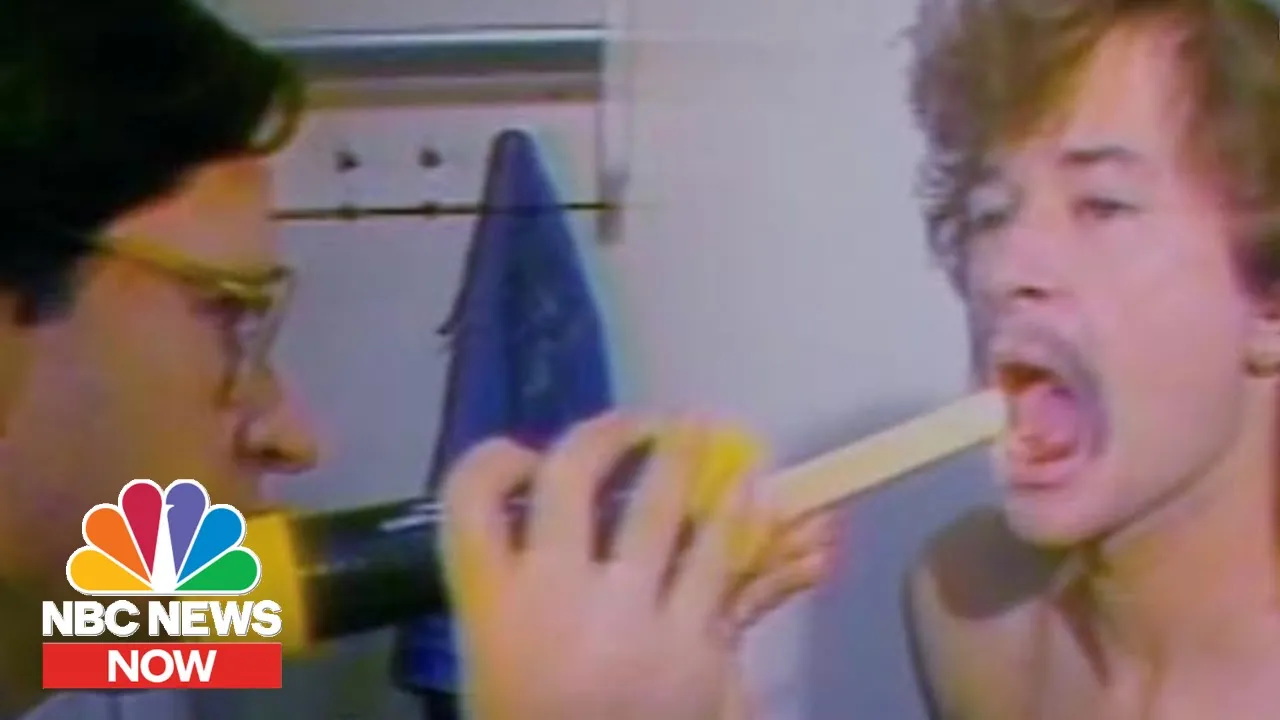













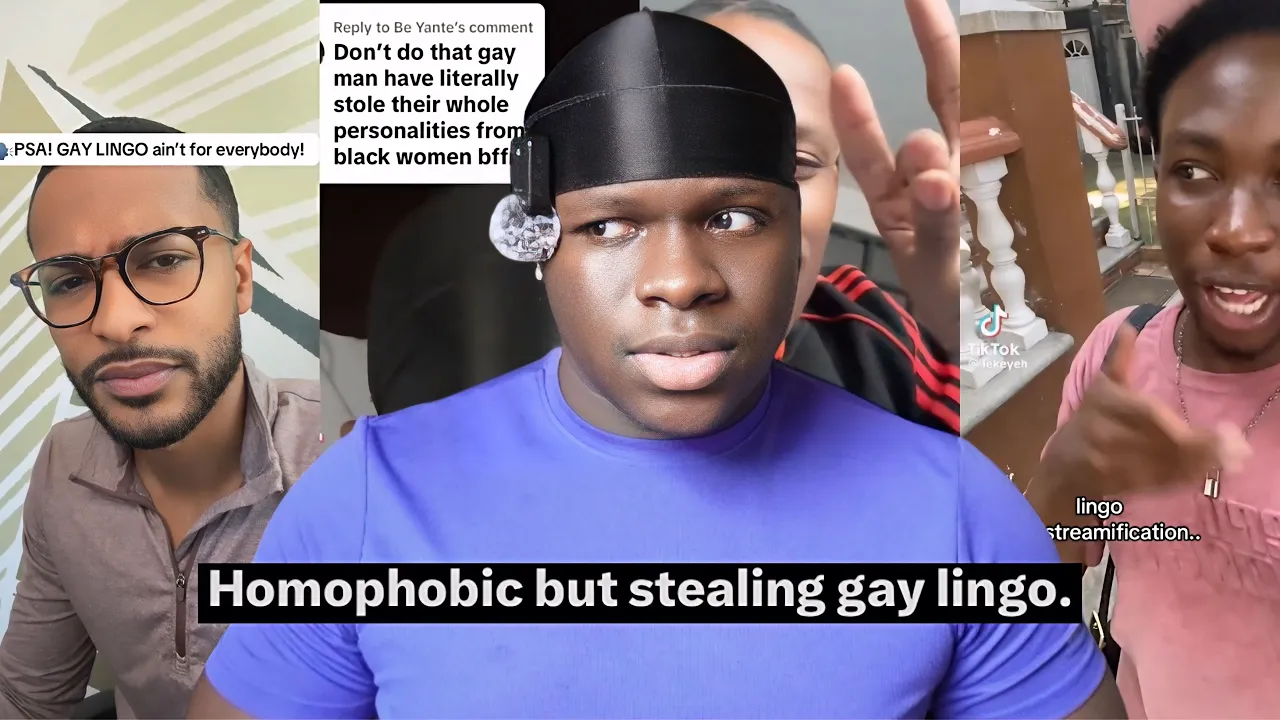






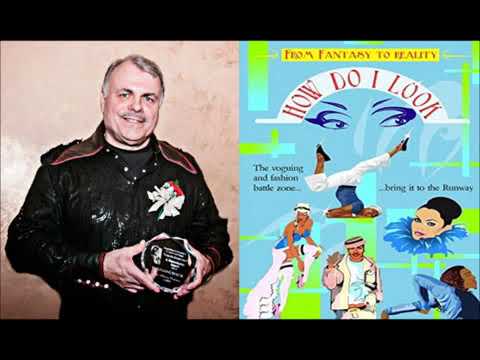
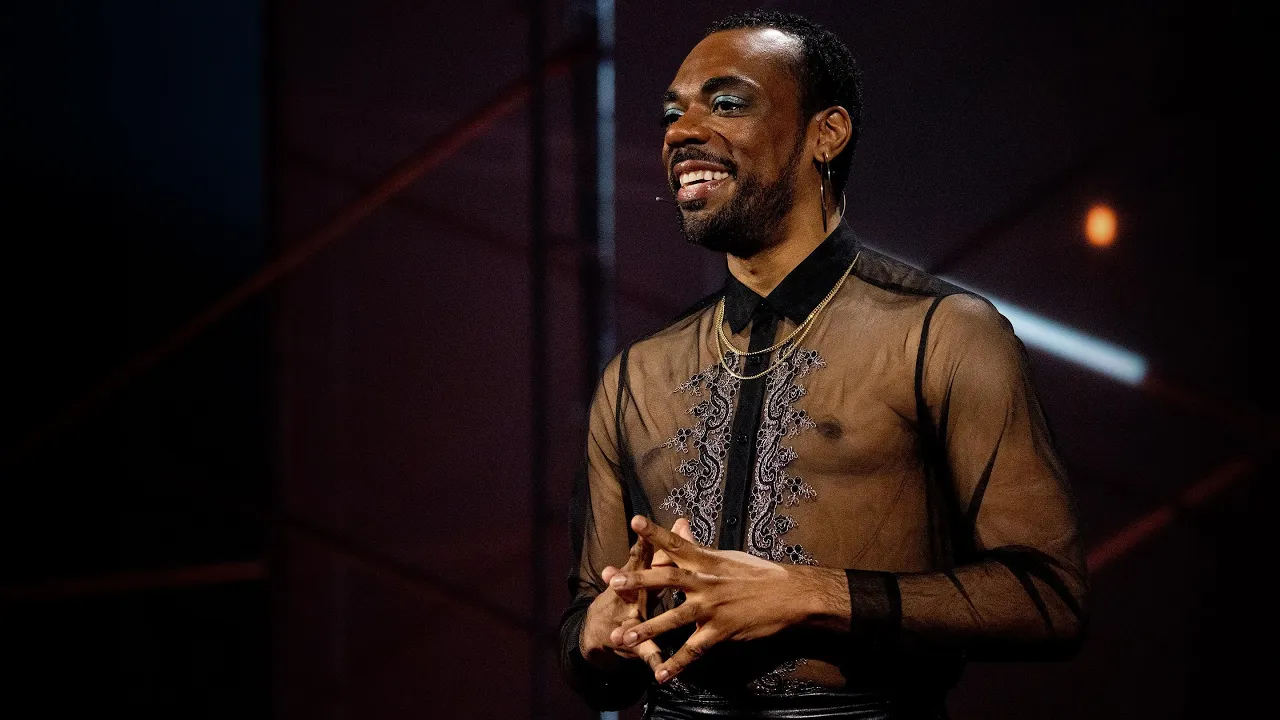

Ballroom culture in 1980s New York City served as a vital sanctuary for African American, Latino, gay, and transgender communities, providing a space where marginalized individuals could express their true identities, compete in categories like 'realness' and 'voguing,' and form supportive chosen families (houses) that functioned as surrogate families when biological families rejected them; this subculture offered participants a sense of belonging, artistic expression, and community solidarity that compensated for societal exclusion and discrimination.
Paris Is Burning (1990) | Ballroom Documentary Analysis
Added:Understanding of Intersectionality: The concept, coined by Kimberlé Crenshaw, of how overlapping social identities (such as race, gender, class, and sexuality) relate to systemic systems of oppression.
Historical Context of the LGBTQ+ Rights Movement and the AIDS Crisis: Basic knowledge of the Stonewall Riots of 1969 and the devastating impact of the HIV/AIDS epidemic on the LGBTQ+ community in 1980s New York City.
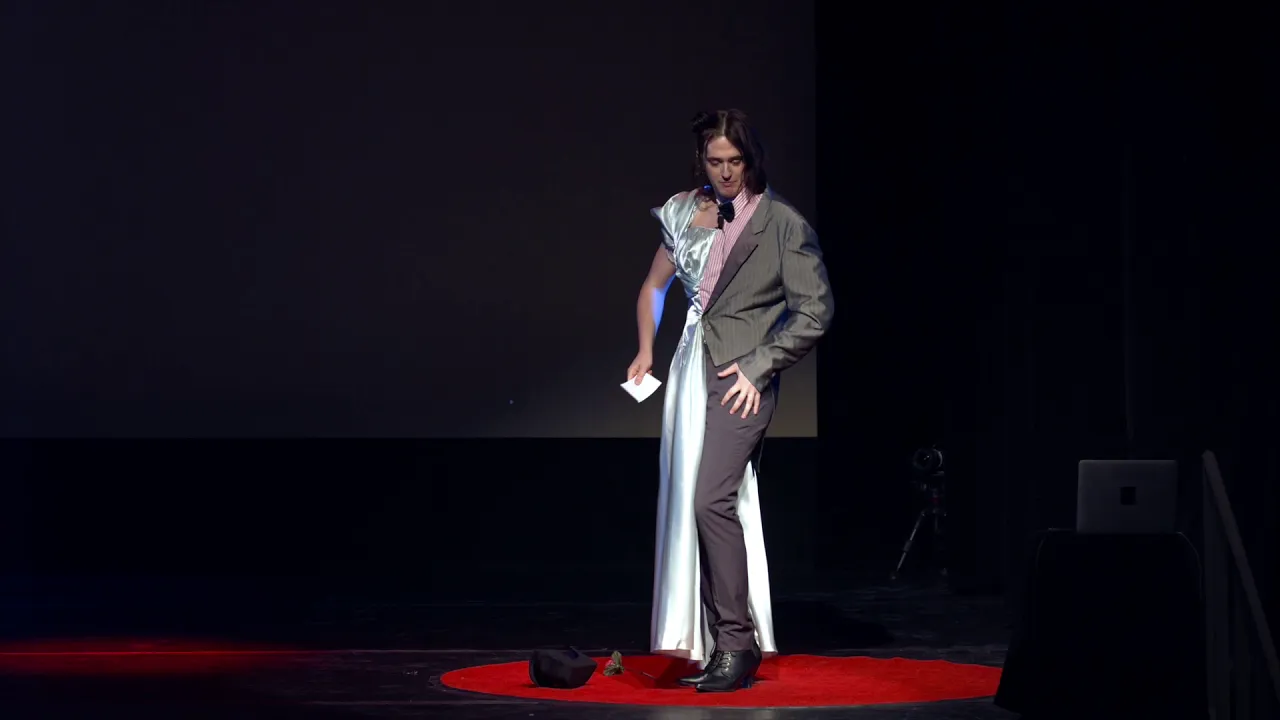
Introduction to Gender Performativity: Conceptual familiarity with Judith Butler's theory that gender is not an inherent biological fact, but a socially constructed performance repeated over time.
Socioeconomic Marginalization in 1980s America: Awareness of the economic disparities, homelessness, and systemic racism that disproportionately affected queer and transgender youth of color during this era.
Ethics of Documentary Filmmaking and Ethnography: Critically analyzing the controversies surrounding 'Paris Is Burning,' specifically regarding outsider filmmaker privilege, exploitation, and the compensation of marginalized subjects.
The Mainstream Appropriation of Queer Subcultures: Examining how elements of ballroom culture (e.g., vogueing, 'slang,' aesthetics) were co-opted by mainstream pop culture, often divorcing them from their radical roots.
Alternative Kinship and Queer Family Structures: Investigating the sociological significance of 'Houses' (e.g., House of LaBeija, House of Xtravaganza) as vital survival mechanisms and chosen families.
Modern Evolutions in Media and Ballroom: Analyzing contemporary representations of the ballroom scene in media, such as the FX series 'Pose' or the 2016 documentary 'Kiki,' to trace the evolution of trans and queer self-advocacy.
1.5M views43.6Klikes1:16:40Original Release: 2023-03-02
foreign [Music] [Music] foreign [Music] [Music] [Applause] learn it and learn it well [Applause] thank you [Applause] [Music] do you want me to say who I am and all of that I am pepperonopasia the legendary mother of the house of love Asia not the founder Crystal was the founder I'm I just rule it now but a soft glove and it's important to me to be the mother because there's so many little kids that I have to look out for although they don't listen to me and they Buck my authority I still think I ruled it pretty well they like me I'm one of the more popular ones and I've been around for two decades reigning that is you know I've got more grand prizes than all the rest [Music] gay people men gather together Under One Roof and decide to have a competition amongst themselves [Music] I went to a ball I got a trophy and now everybody wants to know me this movie is about the ball circuit and the gay people that's involved in it and how each person's life brought them to this circle it's like Crossing into the Looking Glass in Wonderland you go in there and you feel you feel a hundred percent right of being gay it's not what it's like in the world it's not what it's like in the world you know it should be like that in the world the society they flip going to a football game basketball that's their entertainment you know a ball is ours we prepare for a ball we may spend more time preparing for a ball than anybody will spend preparing for anything else exactly the ball is like our world you know Bulls to us is as close to reality as we're gonna get to all of that Fame and Fortune and stardom and spotlights so I'd always see the way the rich people lived and I feel it more you know it would slap me in the face I'd say I'd have to have that because I never felt comfortable being poor I just don't or even middle class doesn't suit me seeing the riches seeing the way people are dying is still lived these huge houses and I would think these people have 42 rooms in the house oh my God what kind of a house is that and we've got three it's why is it that they can have it and I didn't I always felt cheated I always thought she did other things like that you have space all that you intend to now the categories are Butch Queen one through 17 and for the girls 18 through 30.
as far as all of y'all are not walking please realize that we all at one time or another have lusted to walk a ballroom floor so give the patrons and the contestants you know a round of applause for nerve because with your vicious [ __ ] that do take nerves believe me we're not going to be Shady just fears those balls are more or less like our fantasy of being a superstar and I like the Oscars or whatever or being on a Runway as a model you know a lot of those kids are in the boards they don't have two of nothing some of them don't even eat they come to Boston and they sleep in under 21 or they sleep on the pier or wherever they don't have a home to go to but they'll make they'll go out and they'll steal something and get dressed up and come to a ball for that one night and live the fantasy a ball is the very word whatever you want to be you be so at a ball you have a chance to display your arrogance your seductiveness your beauty you're with your charm your knowledge you can become anything and do anything right here right now it won't be questioned I came I saw that's the boy nope give her what she wants and bring it to you every ball [Music] I guess I like the excitement you know some cheering and screaming if you look good and that's what got me I like the competition makes me stronger makes me think more makes me want to come back and get them it's not just the winning it's it's the giving to because I feel that I give a lot of enjoyment for a lot of people that go to school and they enjoy to see it and I enjoyed to work for them so that's my philosophy as I should say to be legendary is like their goals to be legendary you know let you know I'm legendary you're not that's like you know it feels good to them an Oscar right it's the same thing become a legend you have an Oscar the same thing I don't really consider myself a real legend I I've been I've been at the balls with the legendary children and I've stabbed myself with the legendary children but I'm really I'm one of the top upcoming children Legends you have legendary children and upcoming with the upcoming ones you know we've been out longer than the ones that are here now and we don't have we have our status in the ballroom how long did it take you to do the tank top an hour an hour yes today it usually doesn't take you an hour to do a shirt especially a tank top that's not your speed statement future Legend s Kim and me have we've been together and it's more or less than me I'm the one that's Kim's protege because I go with Kim my to the balls help him out help him iron because if I don't go to war with him and I I mean he'll be their wrinkles or he'd be the ironing but you know it helps out when somebody else is there in your corner at your side to say yeah you can do it you're gonna be fine just go out there and do what you usually do what do I get out of it just simple you know joy and satisfaction that's it not you know I don't really and then from time to time later on I can wear the outfit [Music] Ms Taylor is famous [Music] for me if I go to a premiere but it's still a Fame it's a small Fame but you absorb it you take it and you like it you like the adulation the Applause the people cheering you on the winning it's like a physical high it's not you know it's a good high it's an addictive high like all highs in the long run turn out to be but it's a high that won't hurt you if everybody went to balls and did less drugs it'd be a fun world wouldn't it I'm dressing of course to go do a show because I've always done this professionally and I was a dancer and I'm trying to remember when the first time I went to a ball that was the early type ball when you everybody just walked and the Gateway light four or five prizes and a very limited category and the children now most of them 75 percent of them of the children's hit the ball wouldn't know what a ball was if it knocked them in the head when I first started going to balls it was all about drag queens and they were interested in looking like Las Vegas showgirls back pieces tailpieces feathers beads and all that but as the 70s rolled around the things started changing it started coming down it just wanted to look like a gorgeous movie star like Marilyn Monroe Elizabeth Taylor and now they've went from that to trying to look like models like in me Iman and Christy Brinkley and Mort Adams and all those children everyone couldn't be a Las Vegas show girl everyone couldn't put on a stack of feathers with a big head so they made the categories where everybody that's what really made the balls change so there was more involvement everyone that goes to one of these Affairs now damn near participates eventually over the course of a Year's balls they've all walk the runway in some category or another either you've got a nice body or you are very fashionable or you're very pretty or you're very real looking but there's always something there for everyone and that's what keeps them all coming and it's like it's like in nature I'm such a nature fan the young ones are always bucking to move the the old Bulls out of the way that's why they change go through all these mad categories that I never can stay awake for coming pretty girl [Applause] [Music] the Poconos versus the Catskills is there anyone walking some children were asking me what I meant by Miss cheesecake that means you must not only have a body but you must be sexy a lot of people have bodies but are not sex [Applause] your body and down a body that says come up and see me sometimes big boy going to school elementary high school college not here School looking like a girl going to school do she look like a girl going to school [Music] Town and Country EX clusively done into this suit I said the well-dressed fan of the 80s get into the suits and get into the pumps in real life you can't get a job as an executive unless you have the educational background and the opportunity now the fact that you are not an executive is merely because of the social standing of life that is just pure thing black people have a hard time getting anywhere and those that do are usually straight in a ballroom you can be anything you want you're not really an executive but you're looking like an executive and therefore you're showing the straight world that I can be an executive if I had the opportunity I could be one because I can look like it and that is like a fulfillment your peers your friends are telling you oh you make a wonderful executive [Music] [Music] Finn streamline trim model the category is Butch Queen first time in drags you know what I mean you know where Paris means exactly Butch Queen what's Queen [Applause] foreign [Applause] foreign [Music] doesn't call for a bunch of flamboyant turkey boas and bugle bees rhinestone it's a basic category the more natural you are the more credit your outfit is given come on now it is a known fact that a woman do carry an evening bag at dinner time there's no kidding around that you see it on channel 7 between all my children and Jeopardy Another World Dallas and a whole bit an evening back is a must you have to carry something no lady is sure at night with the current children the children that are young they've gone to television you know I've been to several balls and they've actually had categories Dynasty you know want you to look like Alexis or Crystal and I guess that's just a statement of the times when I grew up you want to look like Mile in a Dietrich Betty Grable fortunately I didn't know that I really wanted to look like Lena Horne when I grew up of course you know black stars were stigmatized nobody wanted to look like it's real Benji looking like the boy that probably robbed you a few minutes before you came to paris's ball thank you the idea of realness is to look as much as possible like your straight counterpart Shake shake dice is still the deal to come on babies yes Daddy I got my food stamps and card waiting all right well really you look it means you look like a real woman or you look like a real man [Music] you're giving me a banshee girl effect this is banji you know the girls that be on the corner talking about young man when they can hang out with a robin a takeoff or a SAT time yeah we have that score please no it's actually being able to be this Brenda extravaganza [Music] Angie girl Banji Banji girl realness you know one that can take a little baby brother to school when they say you know like um hey I saw a bunch of those things walking down it's really a case of going back into the closet ten ten ten ten are there any more okay girls have we come to a decision they give the society if they live in what they want to see so they won't be questioned rather than have to go through prejudices about your life and your lifestyle you can walk around comfortably living again with everybody else UV rays all the mistakes all the flaws all the giveaways to make your illusion perfect [Music] I was telling her I wanted for basketball and I had one trophies for running track I was walking up 145th Street with my girlfriends I had on white hot pants a chiffon blouse a ponytail and my father was waiting for the light in his car and he saw me he recognized me and he went straight to my house before I could get there and told my mother your son is a woman she didn't press it then but like maybe a few months later when she noticed that I had breasts everything started coming together she really was devastated how could you have breasts bigger than mine you're growing Nails you're becoming a woman right before my very eyes I can't hold my head up I mean she still loved me but the nagging in the oh my God about this woman's clothes and when I had women's clothes stashed in my closet and she found them she would destroy them she burned up a main coat I'm devastated smelt the perfume in it that I like to wear which was Jungle gardenia at the time and she said this ain't no girls coat this is your coat took it downstairs in the backyard the building and burned it and I stood there and cried like a baby as long as I have a mustache and all that cute for me she don't want me to be in the girls clothes she can't take it when they're undetectable when they can walk out of that Ballroom into the sunlight and onto the Subway and get home and still have all their clothes and no blood running off their bodies those are the fam realness queens and usually it's a category for young Queens some of them say that we're sick more crazy and some of them think that we are the most gorgeous special things on earth I would like to be a spoiled with rich white girl they get what they want whenever they want it and they don't have to really struggle with finances and nice things and nice clothes and they don't have to have that as a problem I don't feel that there's anything Manish about me except maybe what I might have between me down there which is my little personal thing so I guess that's why I want my sex change to make myself complete I was about 13 14 years old and I used to do it behind my family's back just dressing up so far and they put on with it and I didn't want to embarrass them so that's when I moved away and I continue doing it when someone has rejection from their mother and father their family they when they get out in the world they search they search for someone to fill that void I know this for experience because because I've had kids come to me and latch holds me like I'm their mother or like I'm their father because they can talk to me and I'm gay and they're gay and that that's where a lot of that baldness and the mother business comes in because they're real parents and give them such a hard way to go they look up to me to fill that void how old are you I'm 15. what time is it damn boy look at the time over there how old are you and why are you down here where's your mother I don't have a mother everybody has a mother we wouldn't be here where's your mama she's she's your father he's so who you live with with a friend and you too I live with my mother in The Bronx and y'all just hanging out like this is hanging on right there but a lot of these kids that I meet now they come from such sad backgrounds you know broken homes or no home at all and then the few that do have family when the family finds that they're gay they X them completely they're families you can say that they're families don't have families this is a new meeting of family the hippies had families and no one thought nothing about it it wasn't a question of a man and a woman and children which we grew up knowing as a family it's a question of a group of human beings in a mutual bond now where street gangs get their rewards from Street Fighters a gay house street fights at a ball and your street fighting a ball by walking in the category [Music] how's it started because you wanted a name the people that the houses are named after were fall Walkers who became known for women [Applause] after the first few houses were started named after people who had won trophies they also would create houses like a new group of kids would just create a house then they'd work at building its name up which worked the house of extravaganza the house of Saint Laurent oven is pandavis Adonis set the Run of course Dupree they stole me and they won't like me on the rest of the extravagant says and they decided Well if you want to become an extravaganza you have to walk a ball first and if you snatch a trophy then he's become the extravaganza that's how it's supposed to work with any everyone but uh like that it wasn't with me I just became an extravaganza had to Extravaganza he's the one who started the house he was the first gay man I ever met the first time he took me to the Village which was my birthday I just turned 15 years old and he threw a party for me out there he bought me a cake I met a lot of drag queens transvestites that I didn't believe for because they were so beautiful and that kind of sunk into my head and I guess that's why it kind of made me want to even do it more they they treat each other like like old mothers or you know like I said oh that's my sister because she's gay too now I'm gay and she's a dragon you know whatever my mother is Angie extravagan so that my father is David extravaganza the house to extravagance that has done a lot it's made me feel like I have a family and we're always together we're always if we're not together we always speak on the phone my name is Angie Extravaganza and I am the mother of the House of extravaganza when there's a ball I'm always doing something for everybody in my house I do that once there the other one's makeup you know shoes their shoes their accessories I hope it's offered advice you know I mean as far as what I know and what I've been through in gay life you know I've ran away from my house when I was 14 and I've learned all sorts of things good and bad and how the surviving gay world you know it's kind of hard extra power I bought a hotel I paid for them shake them tits tits mama all she want for Christmas is that two front pits I do fronted I do fronted but we gave her them and we gave them good game on mother even nurses us she's a good woman she nourishes us my mommy is a drag queen look I said from the house [Music] keeping her children attack can we have energy [Applause] [Music] my birthday is coming I always get a birthday gift from Angie or get one for my real mother like when I got thrown out of my house Angie let me stay with her until I got myself together and I got working the show was fed me should be a pain in the ass sometimes but I wouldn't trade her for any other mother [Applause] you know you have to have something to offer in order to leave the mother usually becomes the mother because she's using the best one out of the group I'm Willy ninja the mother of the House of ninja I'm the mother of the House of ninja because they say I'm the best vlogger out to be the mother of the house you have to have the most power take a real family it's the mother that's the hardest worker and the mother gets the most respect as far as my naming my house the house of ninja ninjas hit hard they hit fast an invisible assassin and that's what we are we come out to assassinate the house of Asia is the legendary house above all of them I have the most members I'm the most popular New York City is wrapped up in being love Asia so it speaks for itself and I am the fiercest mother out of all of us La beija wouldn't be quite dead in that house I'm sorry I don't see that house only reason I see my house pinned off is because Kim and Avis because both of them walked and at the last ball Avis showed her goddamn ass off they call them competitions but believe me they're Wars and they often do lead the fights the emotions be very high they're very intense very intense affairs but I guess that's what makes them fun like a good movie if there's no emotion you don't enjoy it I don't talk too much about the bald kids because I want them to talk about me because I haven't walked yet and it's like well William says I want you to walk in my ball I want you to walk in my ball and I keep telling William I say I'll walk when I walk I'll walk when I want not when you want I walk when I want and so far I don't know when I'm on a walk I'm thinking somewhat around the time of the Legends Ball but don't quote me on that I mean it really causes hate actually between two individuals it's like a war on the on the floor like world war three but the only thing about the gay [Music] [Applause] I said men's garments he looked like he had on a man's box code now this child where are the men's garment [Music] s on the right side someone came up and told the MC are you a judge that it was a woman's coat I thought it was kind of silly to nitpick [Music] wait a minute wait a minute wait a minute now let's not get loud after they've laid down these little categories then they try to become a stickler for exact interpretation merely a point to just credits the contestant like in the Olympics where the Russian judge brought to the fact that the American coach has stepped onto the floor and that was a disqualification for the uh contestants just as picky as a ball for those little flaws like that that's because that's a part of Shade that's the idea knock them out if you can get them anyway you hit them below the belt went inside comes from reading reading came first reading is the real art form of insults now you want to talk about reading readings talk about reading what is wrong with your Pedro you're going through it you're going through some kind of psychological change in your life she went back to be a man uh you went back to being a man you touched his skin darling touch the skin honey touch all of this skin okay you just can't take it you're just an overgrown orangutan you're getting a smart crack and everyone laughs and key keys because you found a flaw and exaggerated it then you've got a good read going I person just between the gay world and the straight world it's not really a read it's more of an insult a vicious slur five see they go my sister right there but it's how they developed a sense of how to read they may call you a [ __ ] or a drag queen you find something to call them but then when you are all of the same thing then you have to go to the fine point in other words if I'm the black queen you're a black way we can't call each other black queens because we're both black queens that's not a read that's just a fact so then we talk about your ridiculous shape your saggy face your tacky clothes he wears more makeup than my mother is than reading became a developed form where it became shade shade is I don't tell you you're ugly but I don't have to tell you because you know you're ugly and that's shade [Applause] [Music] well I think it's the same thing as like taking two knives and cutting each other up but through a dance form [Applause] [Music] Bogan came from Shea because it was a dance that two people did because they didn't like each other instead of fighting you would dance it out on the dance floor and whoever did the better moves was throwing the best shade basically no touching you could take the pantomime form of the vote this is like generally sometimes I do as I make my hand into a form like a compact or makeup kit and I'm like beating my face with blush Shadows or whatever to the music then usually I'll turn the compact around to face that person meaning like almost like my hand is a mirror for them to get a look then I start doing their face because what they have on their face right now needs a Dramatic Makeup job so voting is like a safe form of throwing shade [Music] come on baby take your time bring it to the judges judges get into the forum in the style words the name was taken from the magazine Vogue because some of the movements of the dance are also the same as the poses inside the magazine the name is a statement in itself [Music] I mean you really wouldn't go to a ball to do the mademoiselle no way [Music] [Music] over there hours like praise dancing the dance takes from the hieroglyphics of ancient Egypt it also takes Farms some forms of gymnastics they both strive for perfect lines in the body awkward position but it goes one step further starting to make a name for itself but I want it to be known worldwide and I want to be on top of it when it hit I want to take voguing not to just paris's burning but I want to take it to the real Paris and make the real Paris burn that's what I want to do and not just there but to other countries as well my house name is Ninja and I would really like to take my whole house and go to Japan and really let loose and do it and have them accept it there I want to be a big star uh known generally every corner of the world you know maybe as a choreographer a famous dancer a singer all of them what the balls has to do with that as far as the dance field it's maybe perfect my craft a little better to learn new things new ideas and bring them to the real world it's been really unbelievable in my life if I was to die today tomorrow I could not say I've not had an excited life I have had a fabulous and I'm not rich mind you just imagine if I had the dollar that would be too much for the world if I had the riches that I had the fame trust me all of y'all in here would be rich for poins because I'm very generous you know I I can't I wouldn't enjoy having a whole lot of money like being a millionaire and hoarding it you know I share it with all my loved ones you know I'd want them to have it too we'd all have to go I'd want a charter plane and we all fly to Paris [Music] [Music] you own everything [Music] everything is yours [Music] not in the ballroom circuit it is so obvious that if you have captured the great white way of living or looking or dressing or speaking you is a Marvel I think if I could just be on TV or film or anything I do that instead of the money of course I do want the money because I want the luxury that goes with it but I want to be wealthy if not wealthy content comfortable you know I want to be somebody I mean I am somebody I just want to be a rich somebody [Music] um [Applause] go out of their way because they are women I went out my way because I wasn't and I felt that I wanted to be the best I can be this was not a game for me or fun this is something that I want to live hopefully God willing by 1988 I fully hope to become a full-pledged woman of the United States you look at all these models on the wall every one of them are gorgeous every one of them are beautiful but every one of them have their own look this is my idol Paulina seventh day I hope to be up there with her if that could be me I think I would be the happiest person in the world just knowing that I am that I can compare to Paulina to stand next to her and to take pictures with her and I look at her hair and I'd say she's seductive and she's alluring I look at her there and I say she's sexy and provocative I look at her here and I think that she's childish and little girl type you know and I look at her hair and it's the same and I look at her hair and I think of Wicked Beauty you know that's how I see her I I admire her you know the the red hot fire of hair and the whole bit you're not really trying hard enough then I become hard do not believe just because I'm a guy that I cannot do it in order to be a teacher to show Girls how to do it I have to know how to do it I've taught for various shows like for fit I've taught model girls that are from various agencies that come to me by Word of Mouth New York City women are a little bit harder than most women basically I'm trying to bring that femininity back and bring some Grace and Poise you know whether they become models or not it's nice to know because it's more attractive to men is basically to get more movement in your naturally don't exaggerate [Music] most likely should get what she wants you know especially if she's in a man's world she could still have her equal rights but be able to manipulate a man by using her feminine wall she can use it by using masculine are they soft looking from head to toe would you know it's just realness or not let it be [ __ ] hot Miss Octavia you don't feel this feeling this way are you at sister [Music] Candy Love Asia real this in the daytime darling she goes to school as a woman get into it get into both of them and see which one is realer feel the flesh or whatever it may be is it soft or not come come come score Miss Octavia first look forward grand prize Octavia birthplace to New York there's people who sit home all day they have potential okay I mean they go to the balls and they prove that they have potentials on actually selling a garment okay but they like being that I have this potential the ballroom tells me okay the ballroom tells me that I'm somebody but when the ballroom is over when you come home you have to convince yourself that you are somebody and that's where they get lost it was a time when you could have spent a great deal of time making outfits and preparing for something now they come very quickly and the moods change very quickly I come from the old school of big costumes of feathers and bees and they don't have it anymore now it's all about designers and it's not about what you create it's about what you can acquire what do you think it's not beautiful 559 how's that for a simple dress if you have on a label it means that you've uh you've got wealth when it doesn't really because any shoplifter can get a label you can come down the runway and something for 14.99 or 49.99 and say well I'm lovely and it's back to win okay to describe explain mopping mopping you go into a store and just look for look for whatever you want to see look for whatever mopping is stealing General stealing however it's done still if you're working every day you're struggling to buy this outfit when you walk you're like this is me and your facial expressions as well as your means of projection of your outfit it shows if you actually stole it or you purchased it you can actually tell you're gonna actually tell [ __ ] are stunt in themselves regardless make no mistake first it comes okay when it comes to a stunt there it goes in three it goes in order it goes [ __ ] then girls then boys because boys are the stupidest they don't know how to do a stunt right now [ __ ] will do a stunt and I mean you will never catch up with it until years later and then I mean you'll be like oh [ __ ] this [ __ ] pulled this stunt on me we went down there we had fun and we used to act stupid and came back but I think the best thing we did was Roy Rogers that was fun you would have had something to eat because how much did you pay for that for that sandwich I don't remember about five dollars make no mistake we got your five dollars back I had two double cheeseburgers two fries a Coke a Sprite and an orange chicken and chips let's go back and forth I lived on that line we got over around around say around 200 in food see they put cheese on the meat I hope after this Roy Rogers does not change how it has its food because if it does by this interview I will be so upset I will be so upset I'll be swollen I'll be hurt I'm telling you I really will be because I mean it where else can you go in get it done your way and go out without paying Carla Extravaganza said will you please return her black patent leather shoes size seven there is a reward she want her pumps she said it's not going to work taking her shoes give them back it's daytime if they go out is only going out to try to hustle up a quarter or two to get to things for the ball or go to a little job a lot of them have little jobs now they work don't think they're lazy in New York City you you work in your store you work or some kind of work legal or otherwise but you have to work to sustain yourself the legendary to Neo Dupree and the father of the House of ebony Max deputia presents a night of living hell and Punishment at the Imperial Elks Lodge 160 West 129th Street which is right here doors open at 5 00 a.m Grand March is at 7 00 A.M the balls are usually later because of the fact that we're waiting for the working girls to get there where they're making money for the balls are they making their costumes their outfits or you know getting getting it together like that show Girls usually they're you know Showgirls you know well it depends it depends I don't know a lot of their professions but usually they'll show Girls usually the thing that helped me make my most money through the escort service is being that I'm so little I'm so petite and Tiny um the blonde hair and the light skin the green eyes and the little features and that client's hands will be bigger than my hair while they would hold my hand or something you know they like feeling that they were something perfect and little and not someone that's bigger than them because I guess that kind of disturbs them most all the dragons that are involved in the ball say 90 of them are huskies I guess that's how they make their money to go to the balls and get whatever they need and stuff I used to hustle in New York to make my money I was with a guy and he was playing with my titties until he touched me down there he felt it and he seen it and he like totally flipped out said You [ __ ] [ __ ] you're a freak you're a victim of AIDS and you're trying to give me AIDS what are you crazy you're a homo I should kill you you know stuff like that and like I was really terrified so I just jumped out the window I grab my bag and just jumped out the window but see now I don't like to hustle anymore I don't and I'm afraid of what's going on the AIDS and I don't want to catch it like later on this evening I'm supposed to meet someone a friend of mine a very good old friend of mine he's a young very good attractive handsome young man and um he's taking me out to dinner later on this evening or for cocktails after midnight I know he'll give me some money maybe buy a pair of shoes and a nice dress so that the next time he sees me you'll see me looking more and more beautiful the way he wants to see me but I don't have to go to bed with them or anything like that at times they do expect sexual favors but that is between myself and them so I do not wish to further speak about that if they do but at most times 99 of the time they don't 95 of the time but I feel like if you're married a woman in a suburbs a regular woman it's married to our husband and she wants him to buy her a washer and dryer that in order for him to buy that I'm sure she'd have to go to bed with him anyway to give him what he wants for her to get what she wants so in the long run it all ends up the same way if money wasn't so important in the world today survive I guess I wouldn't want anything but what I have now but since money does I hope that the way I look puts money in my pocket really working hard I'm gonna work even harder yeah there we are that is lovely still great couldn't be better it's beautiful like that for the light when you kind of you know do this to the light I want people to look at me as there's the model Octavia there's the actress there's Miss supermodel of the world Octavia is this endlessly this this catalog of poses I could keep going or longer than you could please yeah just there I don't want to end up an old drag queen with nothing going for me but trying to win Grand Prize at a ball yeah I know back a little bit like you did yes to that twisting a little bit more to the light just coming around like yeah right couldn't be better I don't think the world has been fair to me not yet anyway yeah lovely lovely I've been a man and I've been a man who emulated a woman I've never been a woman I never had that service once a month I've never been pregnant you know I could never say how a woman feels I can only say how a man who acts like a woman who addresses like a woman feels I never wanted to have a sex change that's just taking it a little too far you know because if you decide later on in life to change your mind you can once it's gone it's gone a lot of kids that I know they got the sex change because they felt oh I've been treated so bad as a drag queen if I get a [ __ ] excuse expression I'll be treated fabulous but women get treated bad you know they get beat they get robbed they get dogged so having the vagina that doesn't mean that you're going to have a fabulous life it might in fact be words you know so I've never recommended it and I myself would have never ever got it and I'm so thankful that I was that small because right about now this next 40 or so years that I'm gonna be here I'm gonna live and for those children that can't take the fact that I still look youthful ah suffer no bags no lines lovely America's nice you can do what you want if you have the money you can be what you want certainly look at me in um 84. I've had a nose reconstructed job I've had my cheekbones risen I've had a chin implant and breast implants yes help them like it is the most important factor in my life that has been completed recently is that I've had a transsexualism operation that means I've had a sex change I'm no longer a man I am a woman I feel great I'm very happy and I feel like the part of my life that was the secret is now closed I can close the closet door there are no more skeletons in there and I'm as free as the wind that's blowing out on this beach [Laughter] oh except that voice is still there [Music] to do our counter sample Poison by Dior ladies the staff of the Elegance today why is it my deal can I sample it folks please keep moving we're trying to keep the aisles clear please keep moving forward [Music] is here with two of her top models and we're in we're engineering candidates who are supposed to become the supermodels of the lions like models who were helpful who never say the clothes are terrible even if they are because after all not everything is perfect they have to make the least perfect with clothes look like a Dior and so that they can't just say that's the worst thing I've ever seen you know they have to make it look good they have to be very very cooperative and they have to be cheerful nobody likes to go in and hear your troubles you know when people ask you how you feel don't tell them if you're sick because they don't really care the 80s stood on line the feet of the 80s did some waiting half an hour and round the block all the way to Third Avenue one of these young ladies could become the supermodel of the world exciting [Music] try again how does this type of thing where with women's live what about men do they take you seriously or when they hear you're a model just how does their reaction change to you what about like I asked before this is square with the women's live movement over here okay can I have a few more women nice to meet you too I'm sharing my name is [Music] actually I was in the sponsors that's how I started me I can't believe it yeah well you know go back to that's the average amount that we look at each contest what if girls become are they are they the same how are they different girls they're not different from yesterday or the day before everybody who's young has a hope and a dream and I don't think that it's ever been any different in the history of the world I believe that there's a big future out there with a lot of beautiful things a lot of handsome men a lot of luxury I want a car I want to be with the man I love I want a nice Home Away From New York up the peak skills or maybe in Florida somewhere far where no one knows me I want my sex change I want to live a normal happy life whether it's being married and adopting children whether it's being famous and Rich and want to get married in church in white sometimes I sit and I look at a magazine I try to imagine myself in the front cover or even inside I want to be a complete woman and I want to be a professional model behind cameras in a high fashion world I want so much more I want I want my name to be a household product I want everybody to look at me and say there goes Octavia I want this this is what I want and I'm gonna go for it [Music] [Music] previously I introduced rap music along with dancing to Japanese people and they really loved it this ladies and gentlemen is voguing a form of dance that has its roots in Harlem a takeoff on Runway modeling which they had plenty of last night as well [Applause] Vogue is an attitude a style it's it's kind of institutionalized showing off but not without his entertainment spectacular very important are from very important it's just so theatrical and the energy oh it's just terrific in addition to perhaps putting boguing in Vogue this love ball sponsored by the design Industries foundation for AIDS raised more than 350 thousand dollars for research and housing for the homeless who have AIDS and I had never seen anything quite like it I'm Connie Collins News 4 Manhattan two years ago I was working in a health food store still teaching and trying to perform on my own well now my foot is like in every little doorstep that you can think of um I'm doing a lot of Runway work um dancing performing for Malcolm McLaren various other people doing choreography and helping people put their shows together so it's going very good [Music] this earring that I have here is I bought this in Japan as you can see it says house Couture I can't read the rest of it it has a scissor and it has Junior goatee 89 on there of course it's a Gautier label emblem I bought it mind you I have the receipt still where I don't know but I bought it [Music] oh the balls have kind of gotten toned down compared to what it used to be now when I tell people what it is and they go and it's not what they expect you know it's like they feel like a little bit of a letdown you know they said well if it was long it was dragged out it was boring okay the balls are always long and dragged out but they were never boring I really do kind of miss the street element I mean but everything changes and and everything's been changing drastically you know um New York's not even the same anymore [Music] oh shut up [Music] now listen to how happiness you take too many chances you're too wild with people in the street something that's going to happen to you but that was Venus she always took a chance she always went into a stranger's cause she always did what she wanted to get what she wanted I had a booking for a Christmas show at Sally's and the deities came to me with a picture of her murdered and they were about to cremate her because nobody had came to verify the body and I was the one that had to give all this information down to her family actually they found her dead after four days strangled under a bed in a sleazy hotel in New York City I'm hungry we used to get dressed together call each other and say what we were gonna wear and you know she was like my right hand as far as I'm concerned I miss her every time I go anywhere I miss her that was my main the main daughter of my house in other words but that's part of life as far as being a transsexual in New York City and surviving I always had hopes of being a big star then I look as you get older you you aim a little lower and I just say well yeah you still might make an impression everybody wants to leave something behind them some impression some mark up on the world and then you think you left a mark on the world if you just get through it and a few people remember your name then you left them all you don't have to bend the whole world I think it's better to just enjoy it pay your dues and enjoy if you shoot an arrow and it goes real high hooray for you [Applause] [Music] [Applause] thank you they want to be with their kind s it's probably like just like just all right just like again just like the community you know religious community they want to pray together a lot right well this gay community might wanna oh [Music] foreign [Music] [Music] thank you [Music] thank you [Music] thank you
Up Next

10:32
Battleship Potemkin: Odessa Steps Scene Analysis
@anturism
204K views•2012-09-16

23:14
Visual Analysis Essay: How to Analyze Graphic Novels in College Writing
@nataliepleimann5941
1K views•2020-10-14
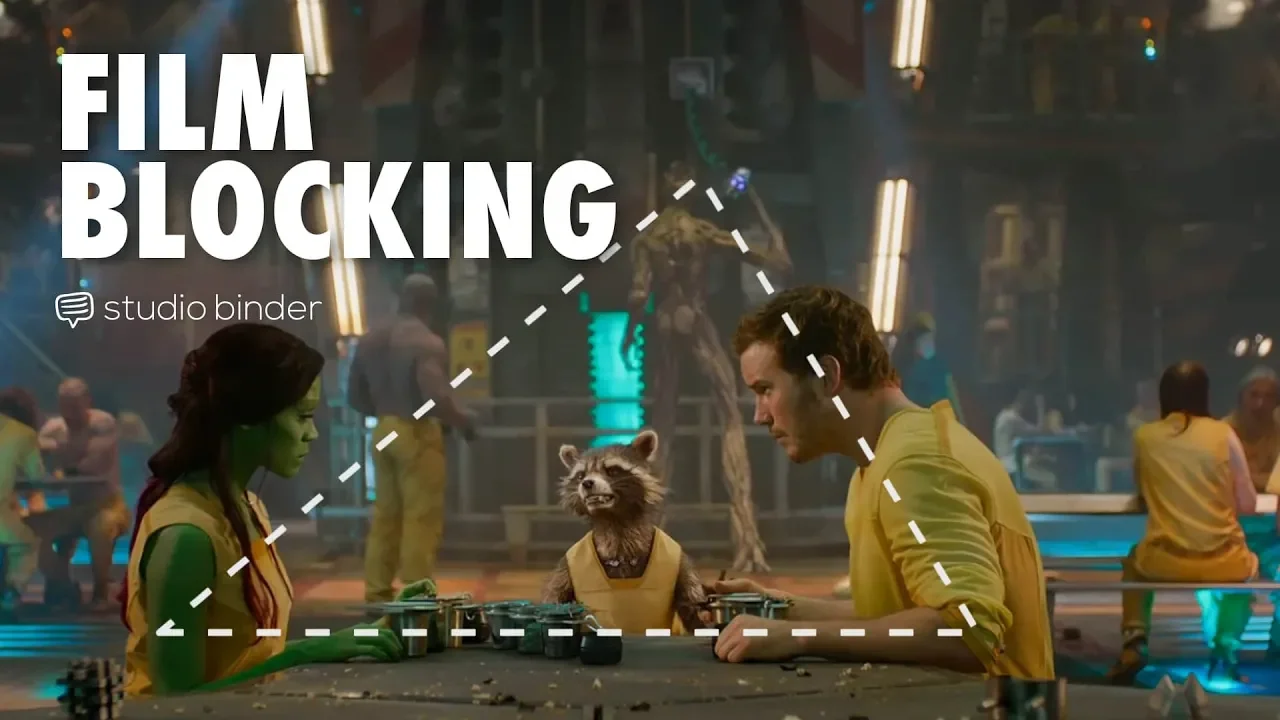
4:55
Film Blocking Techniques for Directors: Space, Shapes, Lines
@StudioBinder
1.9M views•2018-07-23

4:00
Evolution of Darth Vader: Anakin Skywalker's Animated Journey Across Star Wars Films
@TellItAnimated
13.4M views•2019-03-30
Related Study Plans & Knowledge Roadmaps
Structured learning paths in Film Analysis
film-analysis
Sensory Cinema: Foley, Haptic Sound & Texture
01Introduction to Film Sound and Foley Artistry
02Micro-Sounds, Textures, and Extreme Amplification
03Haptic Audition and Film Phenomenology
+ 1 more learning modules
12h4 modules
Explore Roadmap
film-analysis
Breaking the Fourth Wall: Mockumentary & Satire
01The Invisible Wall: Basics of Cinematic Illusion
02Looking at the Lens: Direct Address & Character Glances
03The Mockumentary: Satire, Realism, and Complicity
+ 2 more learning modules
12h5 modules
Explore Roadmap
film-analysis
Analyzing the Long Take: Cinema, Space & Ethics
01Foundations of Film Grammar: Montage vs. The Long Take
02Choreography and Mechanics of the Simulated One-Shot
03Phenomenology of Film: Real-Time Spatial Continuity
+ 1 more learning modules
14h4 modules
Explore Roadmap
film-analysis
Anachronistic Music: Period Drama & Subversion
01Foundations of Film Sound and the 'Needle Drop'
02Traditional Authenticity vs. Revisionist History
03The Rise of the Anachronistic Soundtrack
+ 2 more learning modules
12h5 modules
Explore Roadmap