
![논란 많은 예술가가 오스트리아 빈에 많은 이유 [아트 앤 더 시티_빈 2부] f.세종사이버대학교 전원경 교수](https://i.ytimg.com/vi_webp/Q46BpR0l71g/maxresdefault.webp)
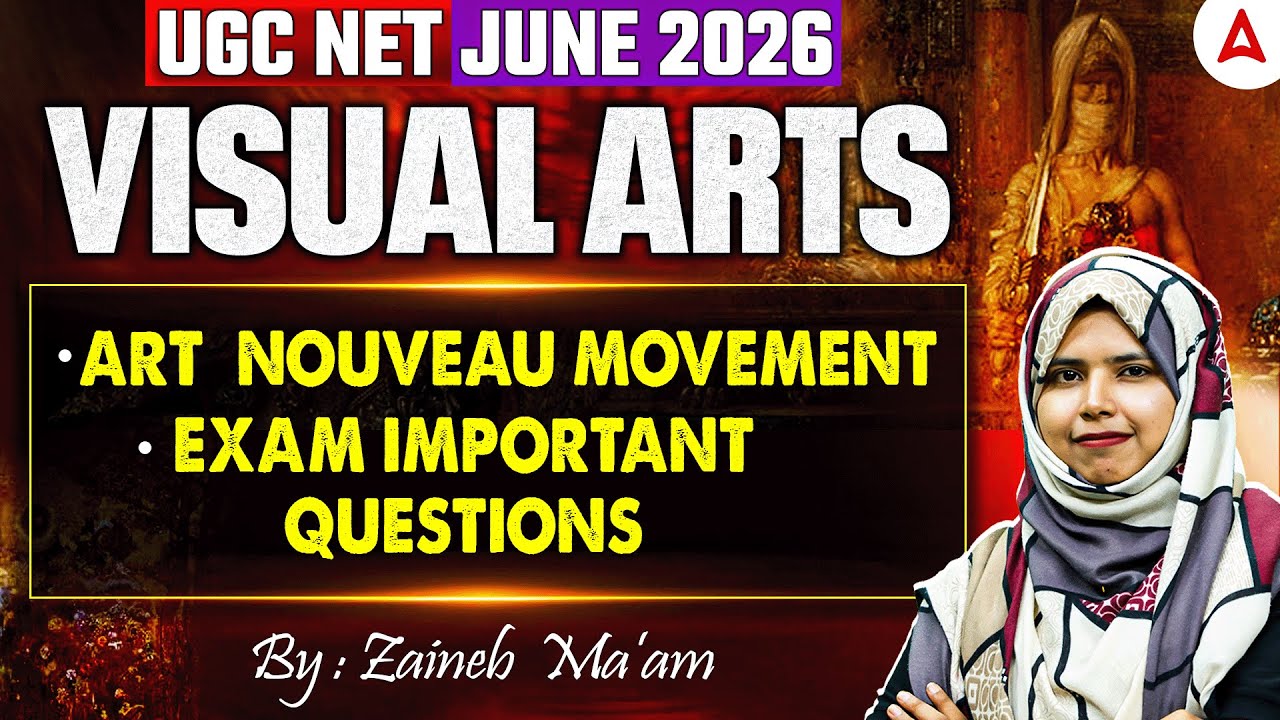
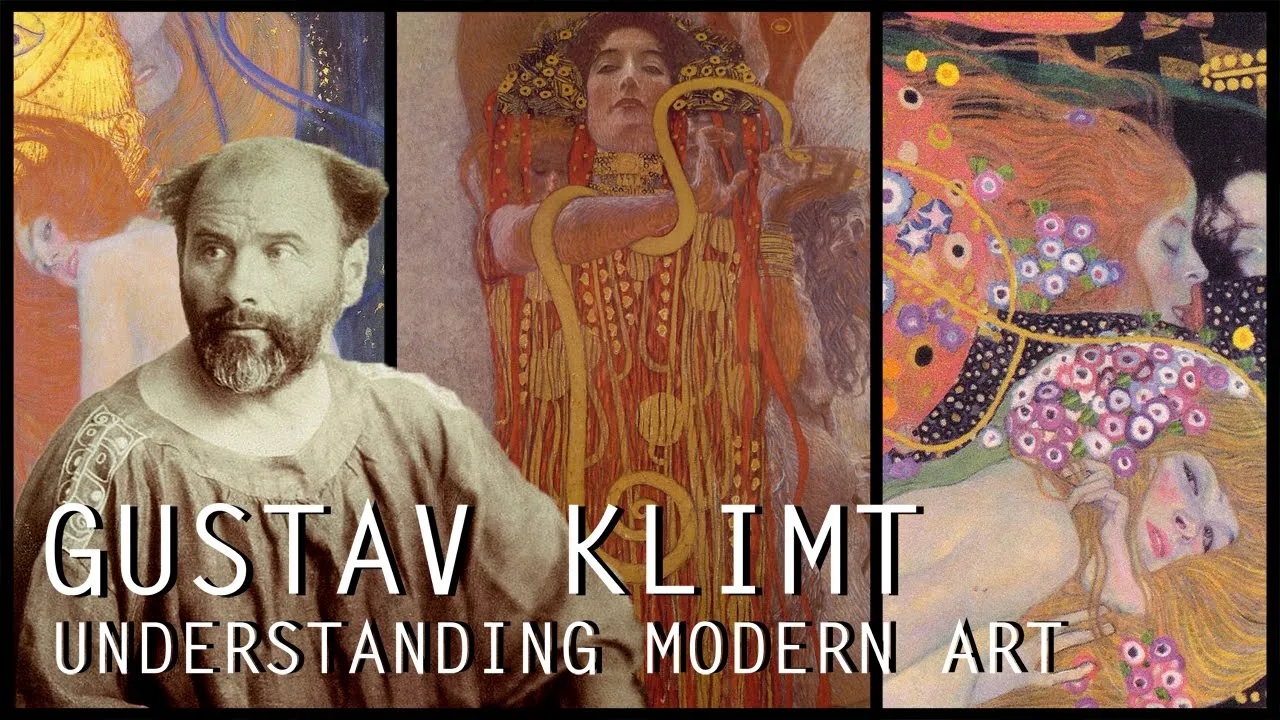



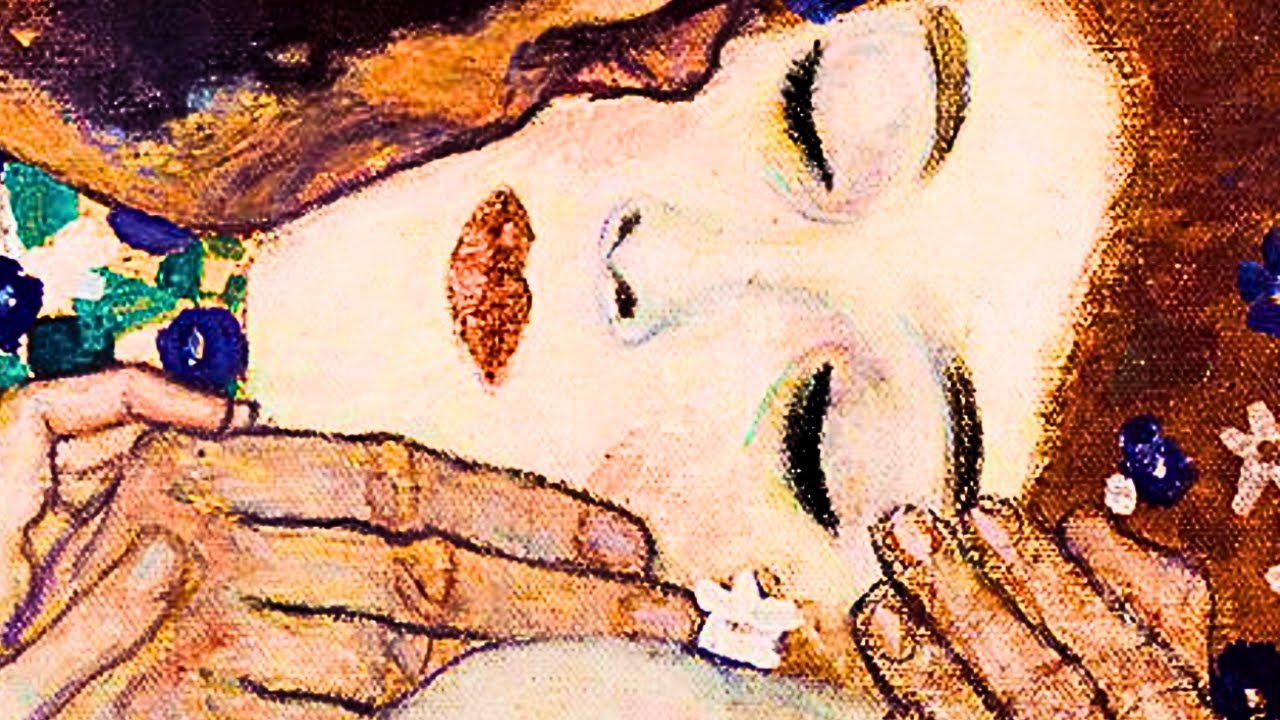





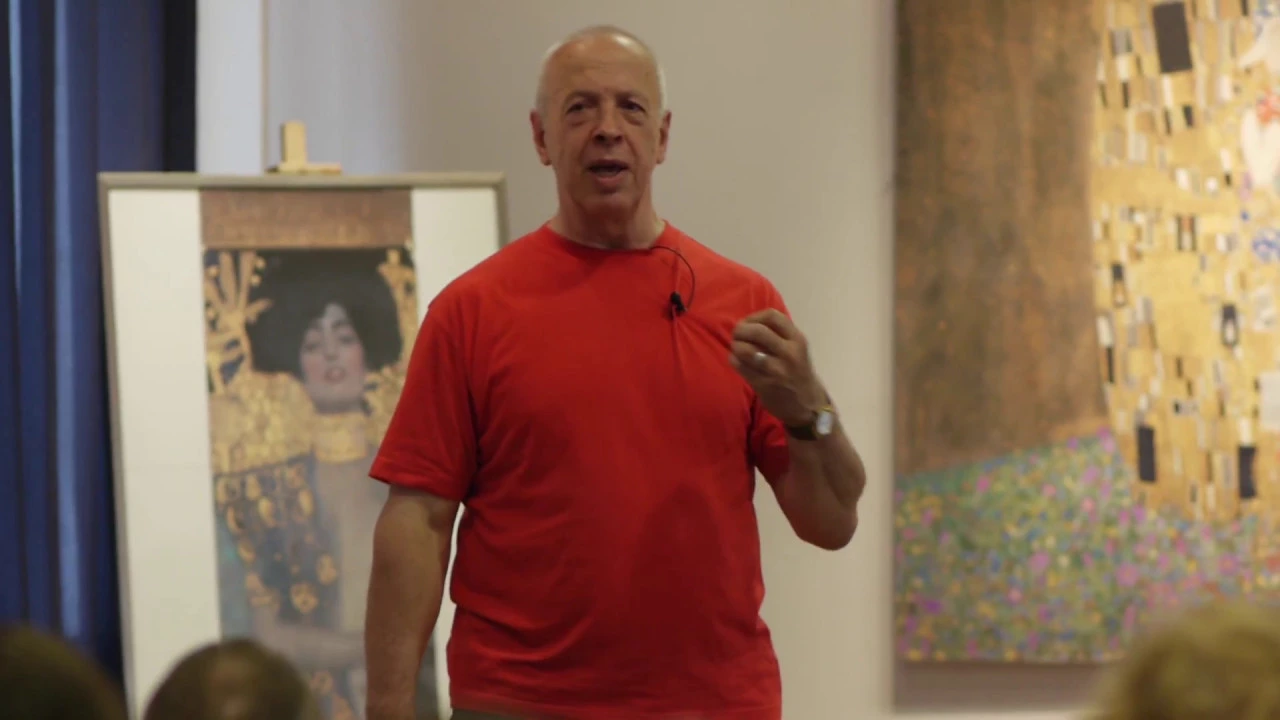



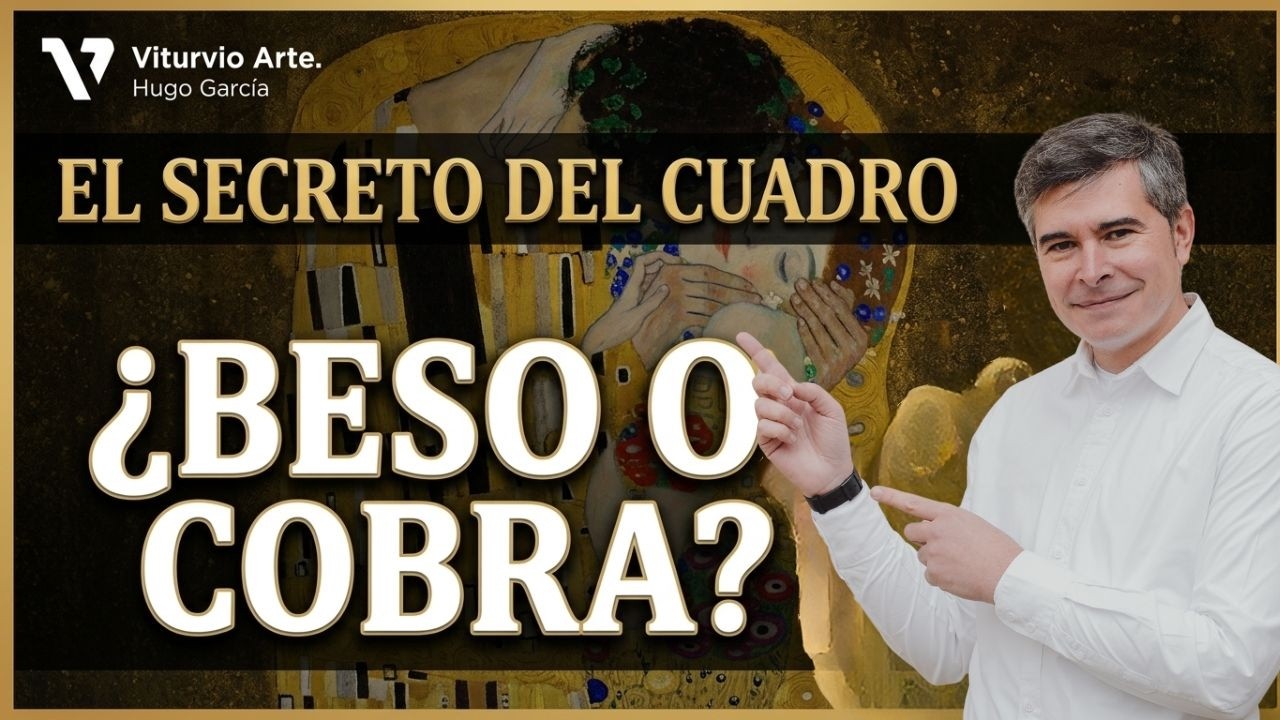

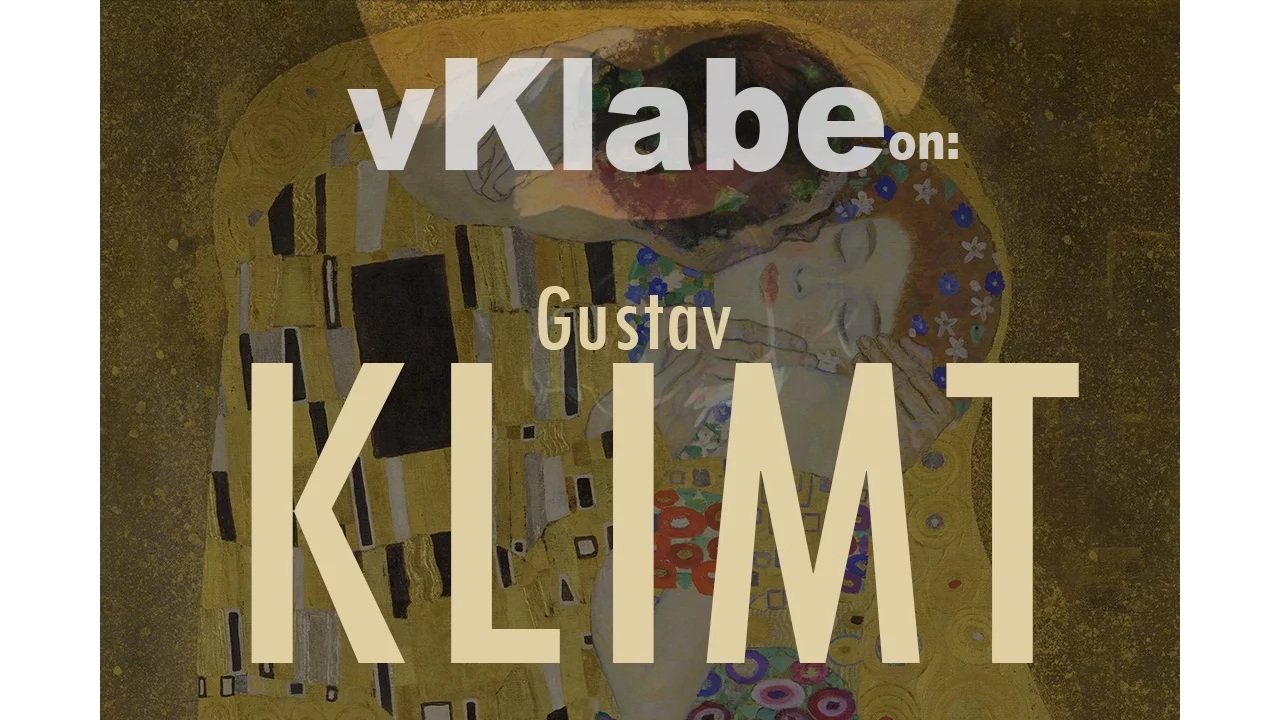


Gustav Klimt's 'The Kiss,' painted during his golden phase between 1908-1909 and inspired by Italian mosaics, uses contrasting geometric patterns (masculine) and floral motifs (feminine) to symbolize love and human connection, with the gold leaf background representing eternity and transcending earthly existence; the painting served as Klimt's response to critics who found his work too erotic, embodying both controversy and admiration that characterized his career.
The Kiss by Gustav Klimt: Art History & Symbolism Explained
Added:Understanding of the Vienna Secession movement and its break from traditional academic art institutions in late 19th-century Austria.
Familiarity with the Art Nouveau movement, specifically its emphasis on decorative arts, organic forms, and flowing lines.
Basic knowledge of Byzantine mosaics, particularly those in Ravenna, which served as a primary inspiration for Klimt's use of gold leaf.
An introduction to the concept of Symbolism in art, where artists used metaphorical imagery to express mystical or psychological ideas.
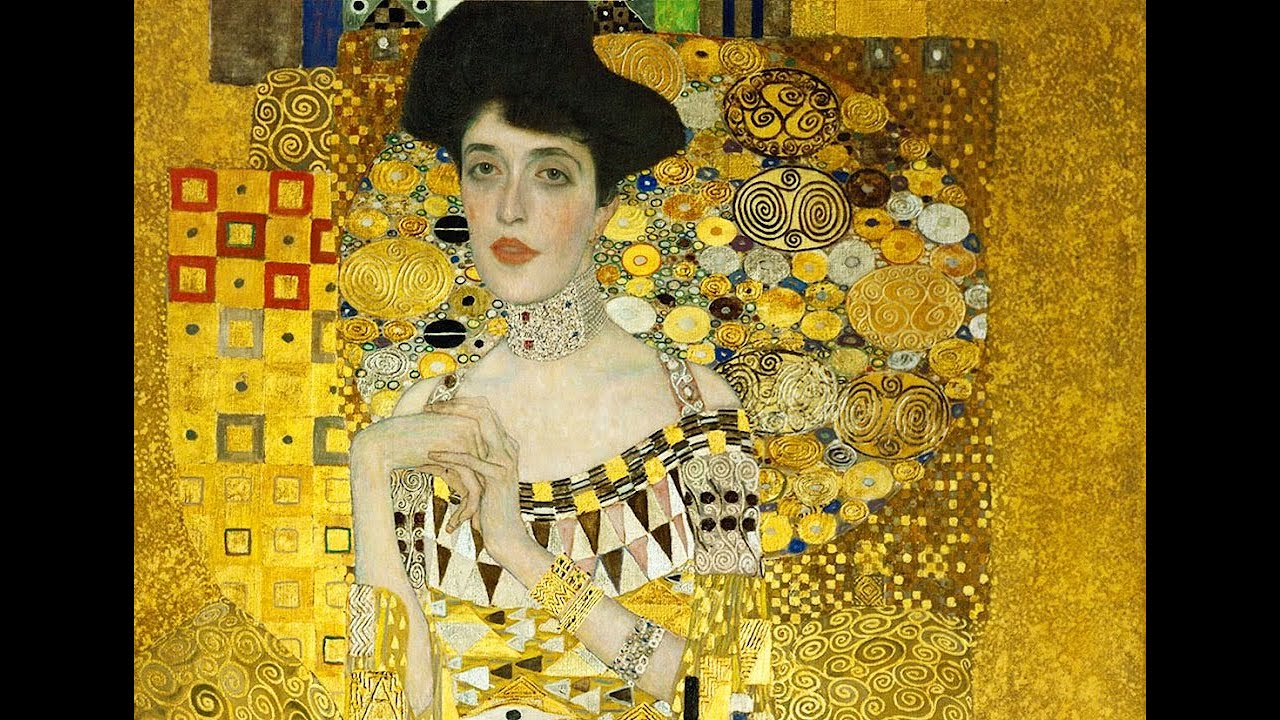
Exploration of other key works from Klimt's 'Golden Phase', such as the 'Portrait of Adele Bloch-Bauer I' and the 'Stoclet Frieze'.
Analysis of how Klimt's depiction of eroticism and intimacy was influenced by the contemporary psychoanalytic theories of Sigmund Freud in Vienna.
A study of Klimt's proteges and the subsequent shift in Austrian art, particularly the Expressionist works of Egon Schiele and Oskar Kokoschka.
Investigation into the provenance, Nazi plundering, and landmark restitution cases of Klimt's paintings in the late 20th and early 21st centuries.
1.1M views1.4Klikes5:24Original Release: 2021-08-10
hi i'm joey king and i'm going to talk to you about the power of one single kiss asmr style can one kiss really change your life well i don't know what it is about this painting if it's the gold the actual kiss or their embrace but every time i look at the kiss by gustav klimt i'm drawn in now creativity can come in many forms but what i see here is passion desire it's love like when elle and noah kissed in front of everyone in the kissing booth it's them in public but alone at the same time there's the height difference for one thing but it's the same ideal that connects us all as humans the desire to love and be loved so to understand this is to understand klimt who was both controversial and admired for wanting to push back on the traditional historical art that i guess people used to see in the museums back then so he created his own imaginary world and made art from the beauty of everyday life everyday moments and the nature all around us now i'm no art critic but i can get into that the kiss was painted during the end of klimp's golden phase between 1908 and 1909 which was inspired by his trip to rivena in italy where he saw the vibrant and luminous mosaic of theodora in the church of san vitale [Music] and in the early 1900s vienna klimt was praised for his genius but he was also criticized for some of his works that were thought to be too erotic these two really seem to be simply embracing one another in a field of flowers so nothing to be fussed about right well no in fact this piece was actually an answer from klimt to those critics think of it as a 19th century olive branch to those that thought his work was too daring let's dive a bit deeper into this now for a while people thought that these two bodies entwined were simply an allegory of love immortalized within this ablazing golden halo but actually some think that they represent the myth of apollo and daphne when she tried to escape apollo and metamorphist into a tree which would explain these triangle flowers climbing up her leg others believe that the lovers are none other than gustav klemt himself and his longtime companion emily fluga who was a stylist and a fashion designer the mystery is still incomplete as klimt never confirmed or denied any of it personally i think klimp just wanted to tease people he was having fun with them oh the joys of symbolism talking about fashion though let's have a closer look at the patterns that decorate their robes for the male figure klimt painted black gray and white cold rectangular patterns symbolizing masculinity while her robe is ornamented with rounded patterns and floral motifs symbolizing the idea of femininity and fertility yeah i know all this is pretty binary but let's not forget that it's the vision of a man from the early 20th century if you take a step back and just look at the composition as a whole it almost feels like their bodies are one living organism this feeling is emphasized by the gold leaves in the background that klimt worked in the manner of a goldsmith this gold actually represents eternity suggesting that we are no longer in the earthly plane but in a divine world i guess gustav klimt immortalized this kiss for eternity for our own benefit [Music]
Up Next
3:45
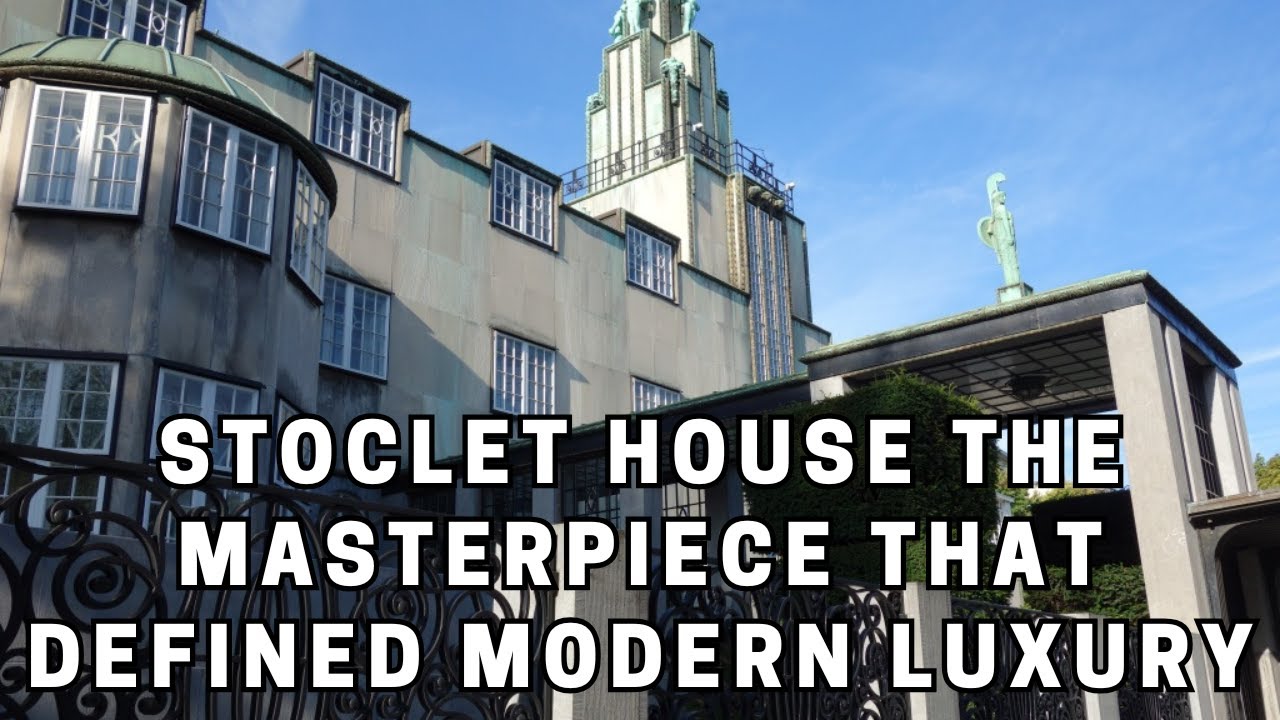
Stoclet House: A Masterpiece of Vienna Secession Architecture
@Factoids23
232 views•2025-08-18

18:06
The Lewis Collection: Modern Masters of the Human Figure
@sothebys
417 views•2026-06-10
7:48
Ukiyo-e Art: History, Woodblock Printing & Influence
@japanathand
6.3K views•2023-06-08

16:34
Earliest Depictions of Jesus in Art: 10 Ancient Images Explained
@UsefulCharts
5.9M views•2022-06-03
Related Study Plans & Knowledge Roadmaps
Structured learning paths in Art History
art-history
Vienna Secession: Rebellion, Klimt & Schiele
01Fin-de-Siècle Vienna & Academic Historicism
02The Secession Movement & Klimt's Decorative Symbolism
03Gesamtkunstwerk & the Wiener Werkstätte
+ 2 more learning modules
9h5 modules
Explore Roadmap
art-history
Gothic Cathedrals: Engineering, Light & Society
01The Birth of the Gothic: Romanesque to Suger's Vision
02The Structural Triad: Pointed Arches, Ribbed Vaults, and Flying Buttresses
03Theology of Light: Lux Nova and Sacred Geometry
+ 2 more learning modules
14h5 modules
Explore Roadmap
art-history
Pre-Raphaelites: Realism, Symbolism & Critique
01The Victorian Art Establishment and Academic Formula
02The Founding of the PRB and Radical Realism
03Medieval Revivalism and Literary Symbolism
+ 1 more learning modules
8h4 modules
Explore Roadmap
art-history
Street Art: From Subways to Art Market
01Subcultural Origins in Philadelphia and New York (1970s)
02The Subway Era and Style Wars (Late 1970s - 1980s)
03The East Village Scene and Early Gallery Crossover
+ 2 more learning modules
10h5 modules
Explore Roadmap