




















The Stoclet House in Brussels, completed in 1911 by Austrian architect Josef Hoffmann for Belgian art collector Adolf Stoclet, represents the pinnacle of the Vienna Secession movement's 'Gesamtkunstwerk' (total work of art) philosophy, where architecture, interior design, furniture, and fine art seamlessly fused into one unified aesthetic experience; this masterpiece features Gustav Klimt's iconic 'Tree of Life' mosaic in the dining room and was recognized as a UNESCO World Heritage Site in 2009 for its groundbreaking contribution to modern architecture and decorative arts.
Stoclet House: A Masterpiece of Vienna Secession Architecture
Added:The Vienna Secession Movement: The historical context of the late-19th-century artistic rebellion against academic historicism in Austria.
The Concept of Gesamtkunstwerk: The philosophical definition of a 'total work of art,' where architecture, interior design, and fine art harmonize into a singular aesthetic experience.
The Wiener Werkstätte (Vienna Workshops): The collaborative design cooperative co-founded by Josef Hoffmann that prioritized handcrafted, high-quality decorative arts.
Gustav Klimt's Stylistic Evolution: Klimt's transition from academic painting to decorative symbolism, particularly his pioneering use of gold leaf and mosaic.
The Transition to early Modernism: How the geometric purity of the Stoclet House paved the way for Adolf Loos's functionalism and the Bauhaus movement.
Analysis of the Stoclet Frieze: A deep-dive study into the symbolism, materials, and composition of Gustav Klimt's famous dining room mosaic murals.
The Rise of Art Deco: Tracing the line of influence from the Vienna Secession's luxurious geometry to the international Art Deco style of the 1920s and 1930s.
UNESCO World Heritage Conservation: Exploring the legal, political, and ethical challenges of preserving privately owned 20th-century architectural masterpieces.
232 views5likes3:45Original Release: 2025-08-18
Tucked away in the quiet suburbs of Brussels, Belgium, the Stocklet House stands not only as one of the most lavish private residences ever built, but also as a pioneering symbol of early modern architecture.
Completed in 1911, this extraordinary home is the ultimate collaboration between art and design and a crowning achievement of the Vienna secession movement. Designed by Austrian architect Yseph Hoffman for wealthy Belgian banker and art collector Adolf Stocklett, the house redefined what a private residence could be. An all-encompassing work of art where architecture, interior design, furniture, and fine art fused into one total aesthetic experience. Stocklet House or Pale Stokla was created during a time of radical change in European art and culture. Hoffman, a co-founder of the Weiner Verstetta Vienna Workshop, was tasked with creating not just a building, but a harmonious, luxurious environment for living. Every inch of the house was meticulously crafted, from the marbleclad exterior and geometric towers to the bronze detailing and mosaic lined interiors. It was meant to be both opulent and functional, an embodiment of total design, known in German as Gazamped Kunwork.
The sleek rectalinear facade of the Stokelet House broke sharply from the decorative overload of art noo. Instead, it embraced clean lines, minimal ornamentation, and geometric purity, a precursor to the international style that would dominate architecture decades later. This made it shockingly modern for its time and a critical transition between 19th century historicism and 20th century modernism.
Inside the house is a hidden world of artistic splendor.
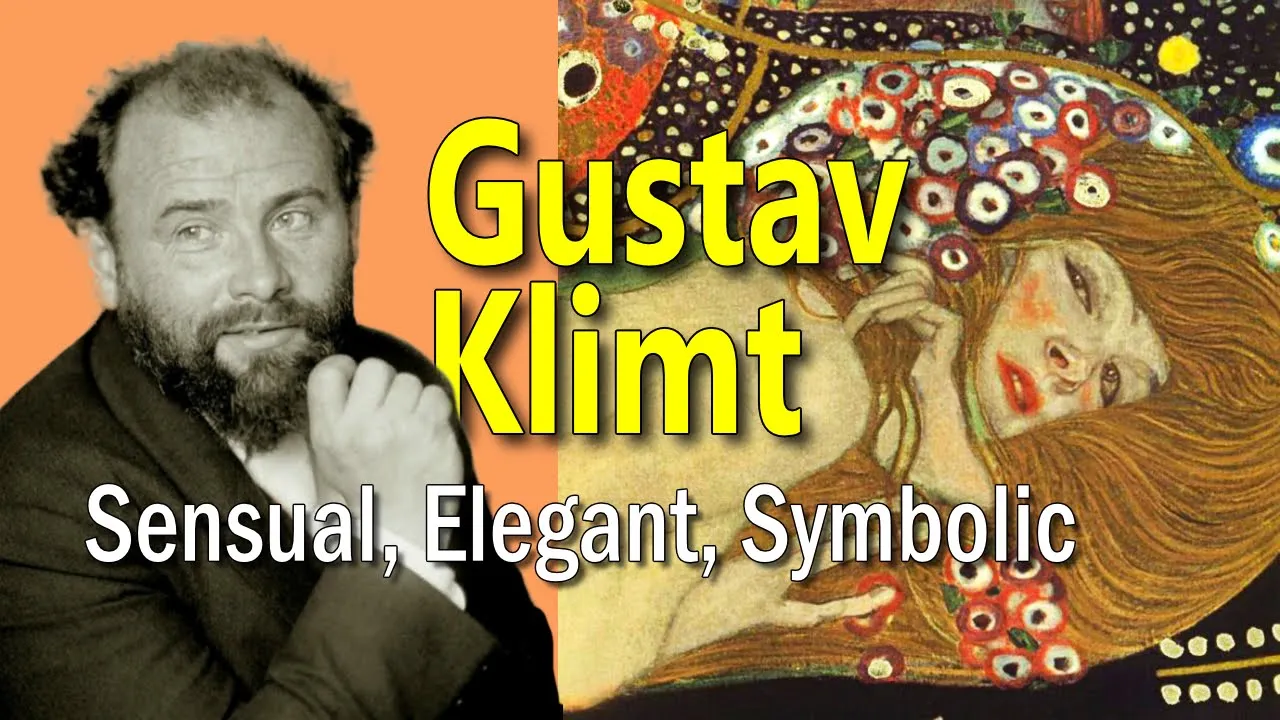
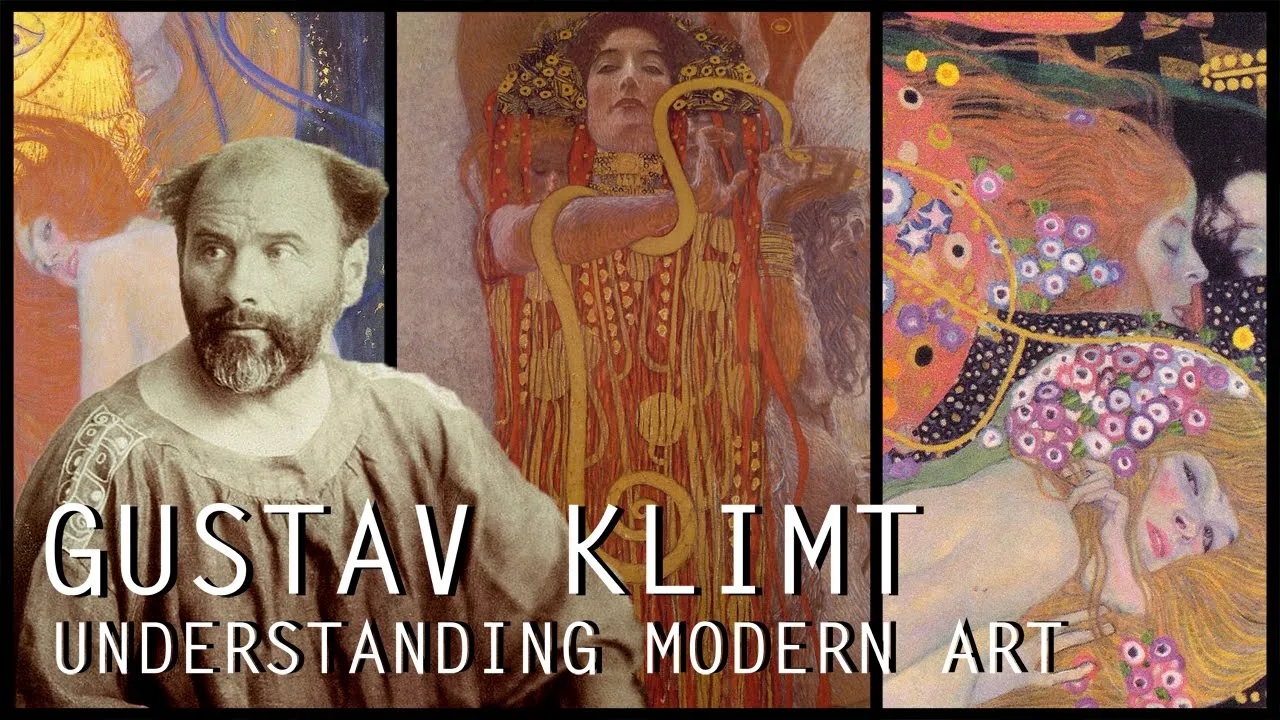
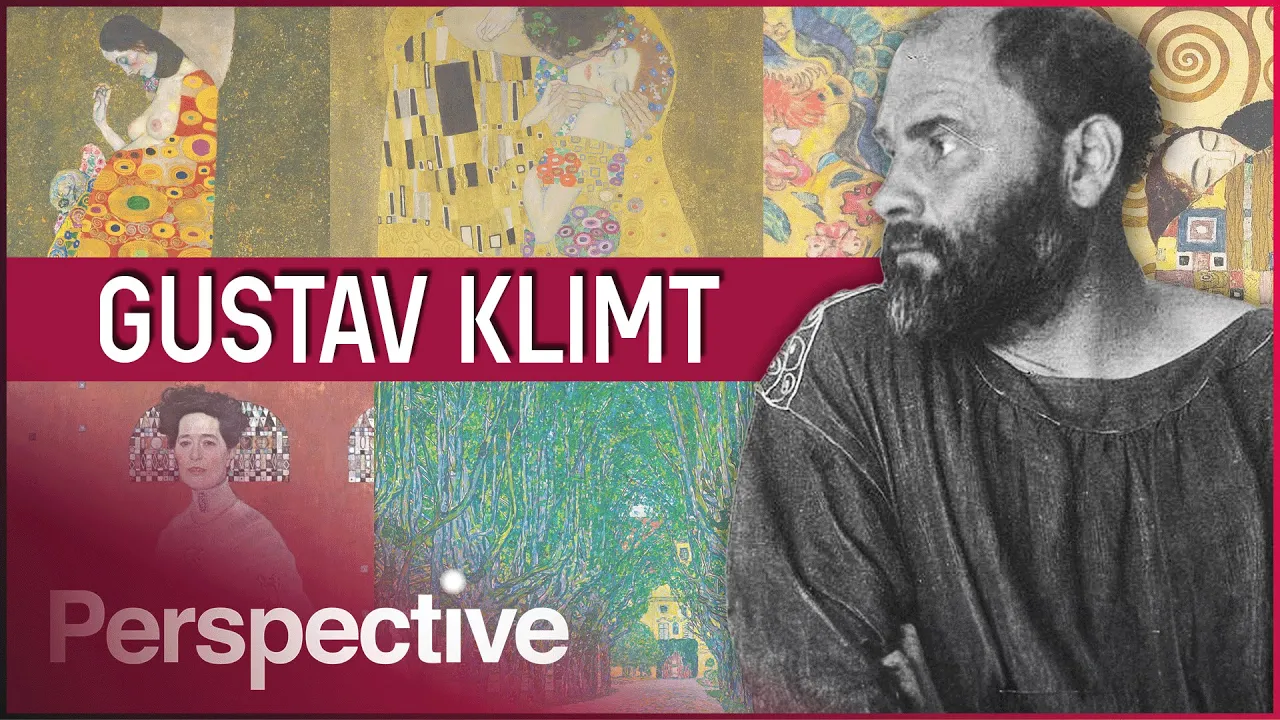
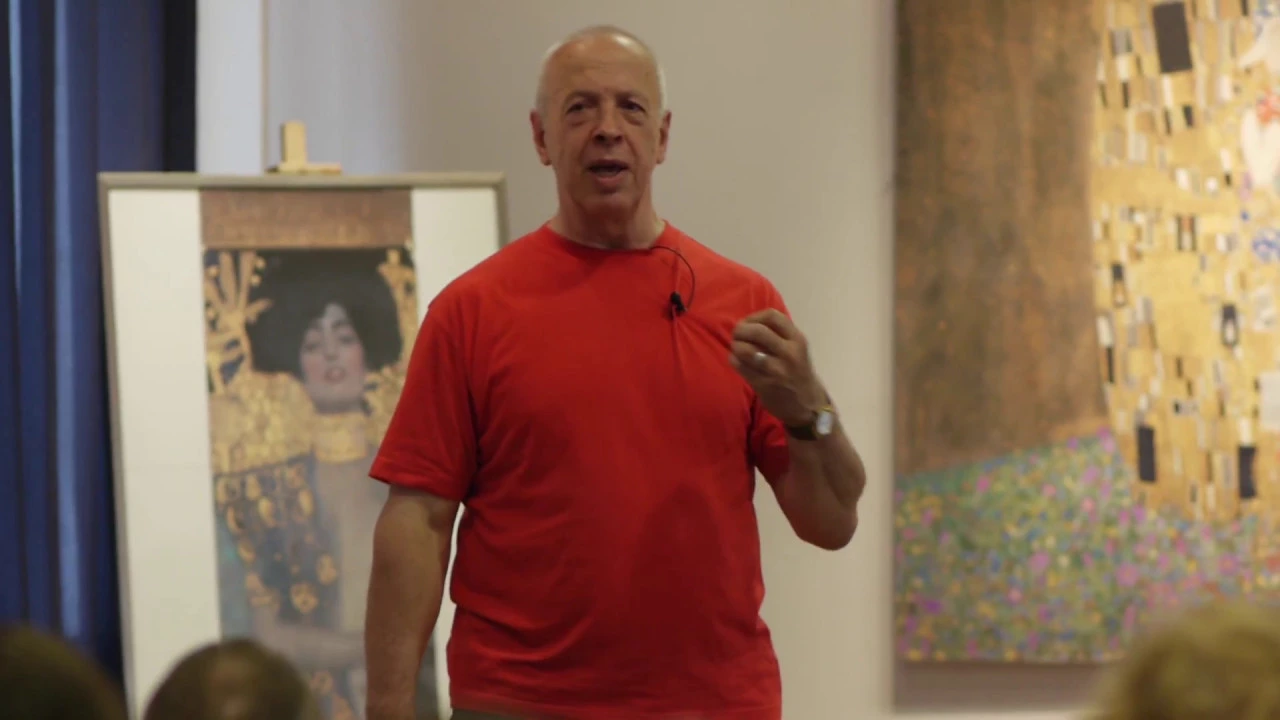
Perhaps its most famous feature is the dining room where Gustav Climpmpt, another leading figure of the Vienna Secession, designed a stunning mosaic freeze featuring stylized trees, women, and abstract forms. These panels, shimmering with gold leaf, and intricate detail, transform the space into a sacred temple of beauty and elegance.
The mosaic, known as the tree of life, remains one of Clint's most iconic works and underscores the house's role as a live-in gallery.
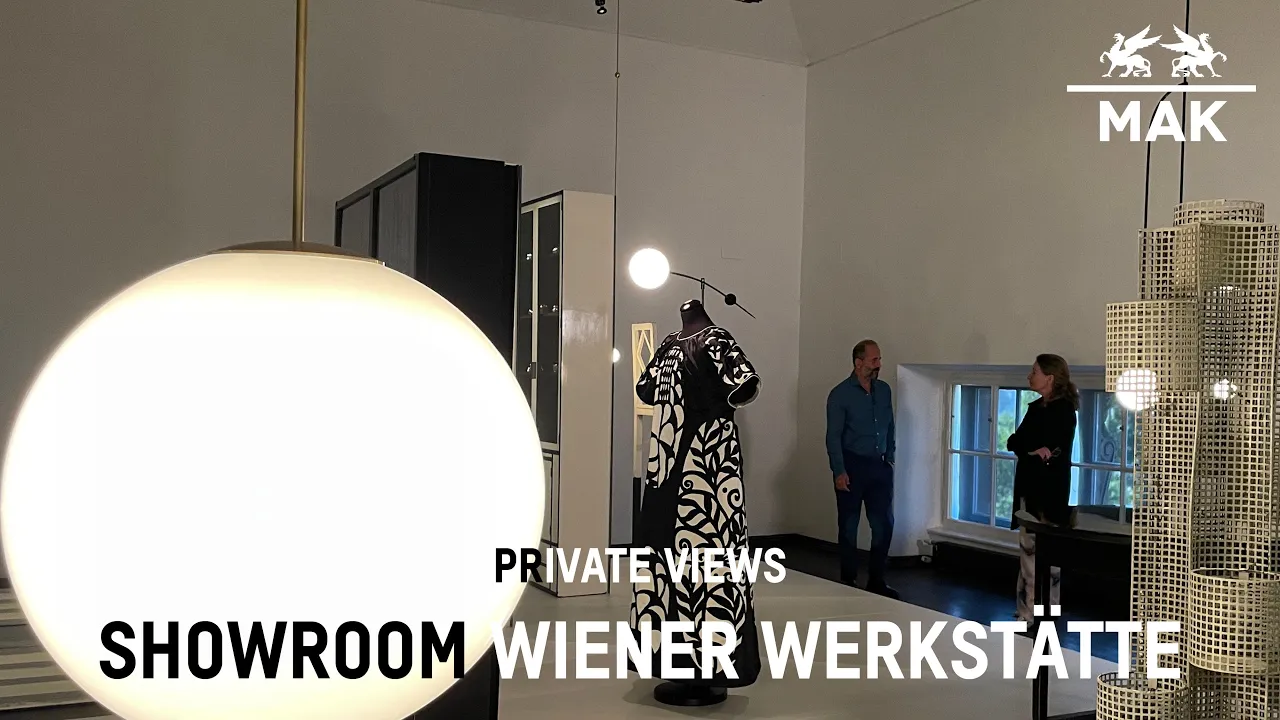
Everything in the home was customdesigned, including light fixtures, furniture, silverware, and even the door handles by Weiner Rrookstetta artists. The attention to detail elevated the entire structure from a residence to a manifesto of design philosophy. Stokelet House became a benchmark for architectural and artistic harmony, influencing generations of designers, architects, and collectors. Unlike many historic landmarks, Stokelet House remains privately owned and is rarely open to the public, adding an air of mystique to its legend. This exclusivity has preserved the home's integrity. And in 2009, it was rightfully inscribed as a UNESCO World Heritage site for its outstanding contribution to architecture and decorative arts.
Despite being over a century old, the Stocklet House still feels ahead of its time. It blends austerity with luxury, modernism with ornament, and structure with symbolism. It is more than just a building. It is a visionary creation that captured the spirit of an era daring to redefine beauty. From Climp's golden mosaics to Hoffman's architectural precision, Stocklet House remains one of the most important architectural achievements of the 20th century. A symbol of visionary taste, collaborative genius, and artistic ambition, it continues to whisper the future from the past.
Up Next
29:31
Egon Schiele: Redefining the Human Form in Modern Art
@theartshole311
91.4K views•2021-05-03

18:06
The Lewis Collection: Modern Masters of the Human Figure
@sothebys
417 views•2026-06-10

7:48
Ukiyo-e Art: History, Woodblock Printing & Influence
@japanathand
6.3K views•2023-06-08

16:34
Earliest Depictions of Jesus in Art: 10 Ancient Images Explained
@UsefulCharts
5.9M views•2022-06-03
Related Study Plans & Knowledge Roadmaps
Structured learning paths in Art History
art-history
Vienna Secession: Rebellion, Klimt & Schiele
01Fin-de-Siècle Vienna & Academic Historicism
02The Secession Movement & Klimt's Decorative Symbolism
03Gesamtkunstwerk & the Wiener Werkstätte
+ 2 more learning modules
9h5 modules
Explore Roadmap
art-history
Gothic Cathedrals: Engineering, Light & Society
01The Birth of the Gothic: Romanesque to Suger's Vision
02The Structural Triad: Pointed Arches, Ribbed Vaults, and Flying Buttresses
03Theology of Light: Lux Nova and Sacred Geometry
+ 2 more learning modules
14h5 modules
Explore Roadmap
art-history
Pre-Raphaelites: Realism, Symbolism & Critique
01The Victorian Art Establishment and Academic Formula
02The Founding of the PRB and Radical Realism
03Medieval Revivalism and Literary Symbolism
+ 1 more learning modules
8h4 modules
Explore Roadmap
art-history
Street Art: From Subways to Art Market
01Subcultural Origins in Philadelphia and New York (1970s)
02The Subway Era and Style Wars (Late 1970s - 1980s)
03The East Village Scene and Early Gallery Crossover
+ 2 more learning modules
10h5 modules
Explore Roadmap