









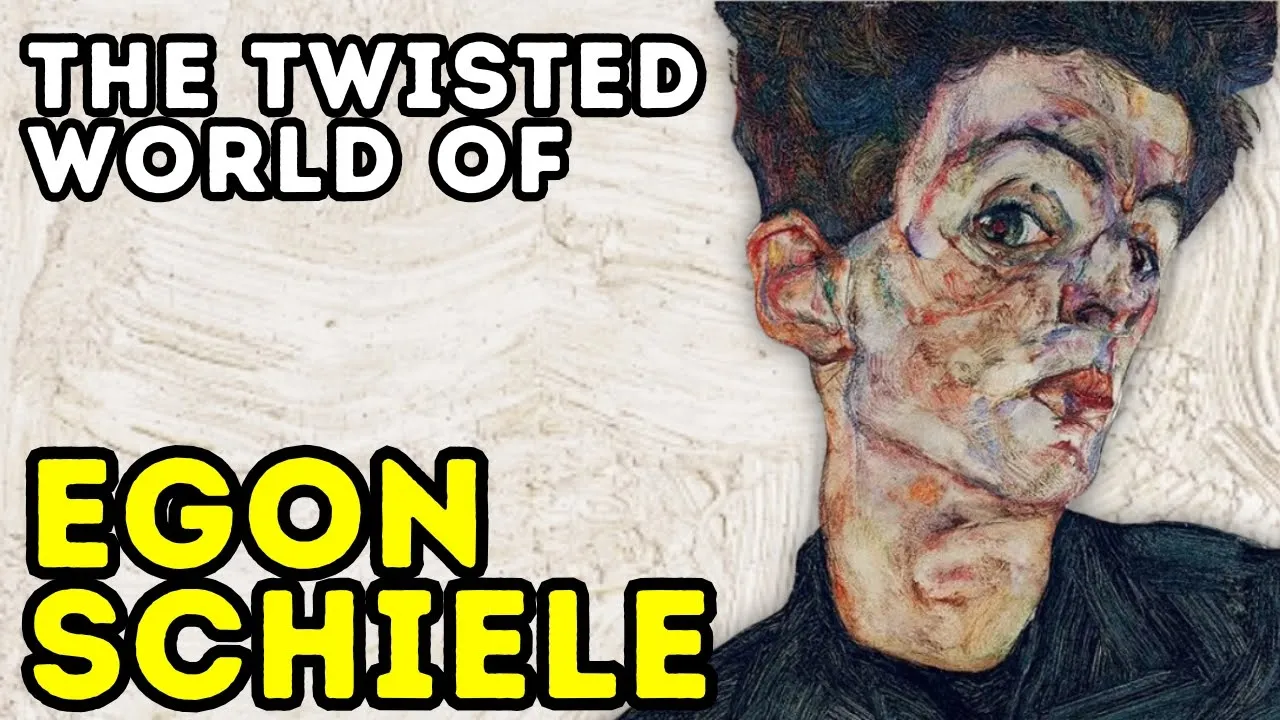







Egon Schiele (1890-1918), a protege of Gustav Klimt, pioneered Expressionist body art by using himself as his primary model to explore Freudian themes of sex and death through psychologically intense, anatomically distorted self-portraits and portraits of marginalized subjects, developing techniques like blind contour drawing and foreshortening that influenced modern figure depiction and paved the way for body and performance art.
Egon Schiele: Redefining the Human Form in Modern Art
Added:An understanding of the Vienna Secession movement and the decorative, symbolic style of its leader, Gustav Klimt.
The fundamental concepts of Expressionism, specifically how artists prioritized subjective emotional experience over objective representation.
The socio-cultural atmosphere of fin-de-siècle Vienna, including the rise of psychoanalysis pioneered by Sigmund Freud.
A basic familiarity with traditional academic figure drawing and anatomical standards to appreciate how Schiele's distortions broke from convention.
A comparative study of Austrian Expressionism and German Expressionist movements, such as Die Brücke and Der Blaue Reiter.
An exploration of Schiele's profound influence on 20th-century and contemporary figurative painters, such as Francis Bacon and Lucian Freud.
An examination of the history of censorship and legal battles surrounding eroticism in modern art, utilizing Schiele's 1912 obscenity trial as a case study.
An analysis of how themes of existential anxiety, mortality, and physical decay evolved in post-WWI modern art.
91.4K views2.6Klikes29:31Original Release: 2021-05-03
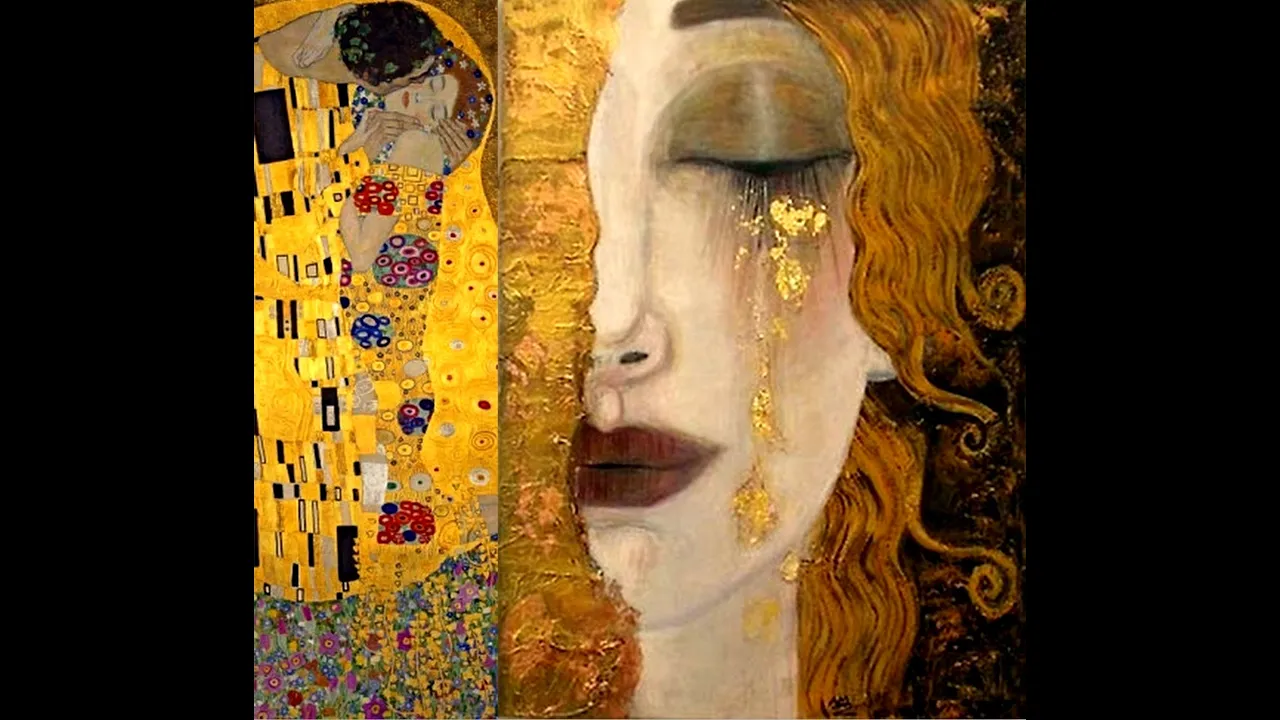
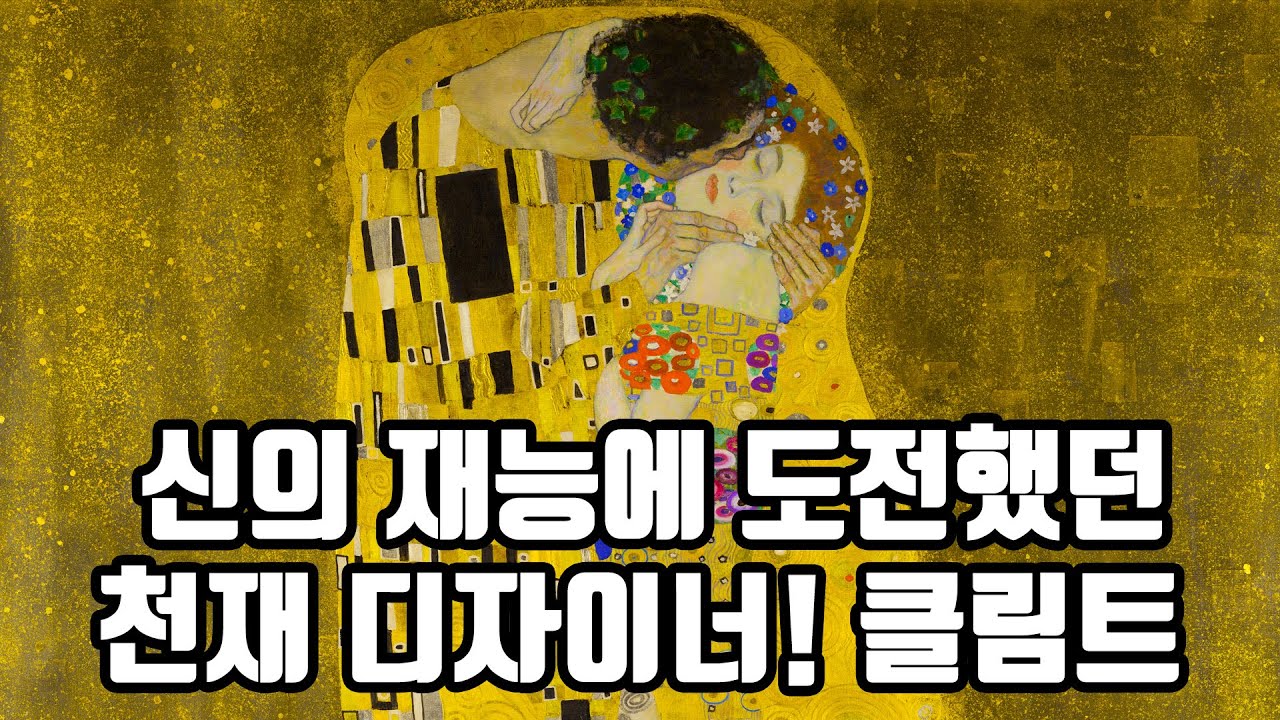
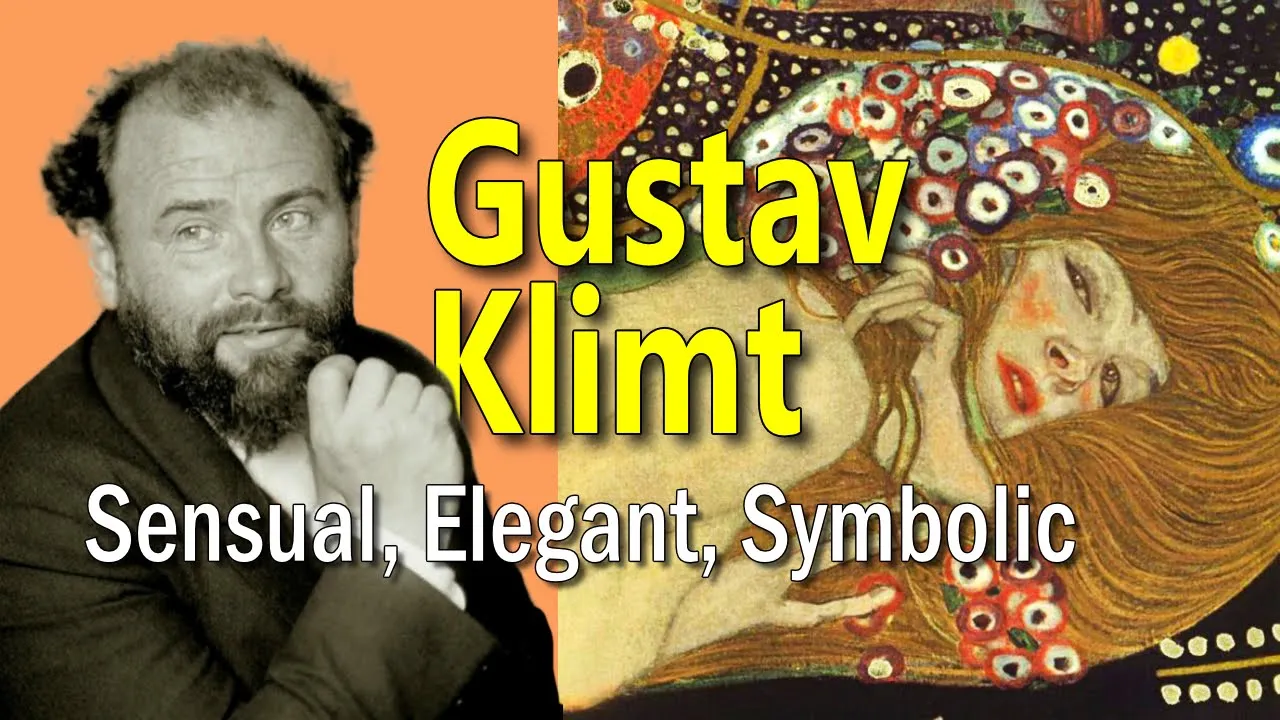
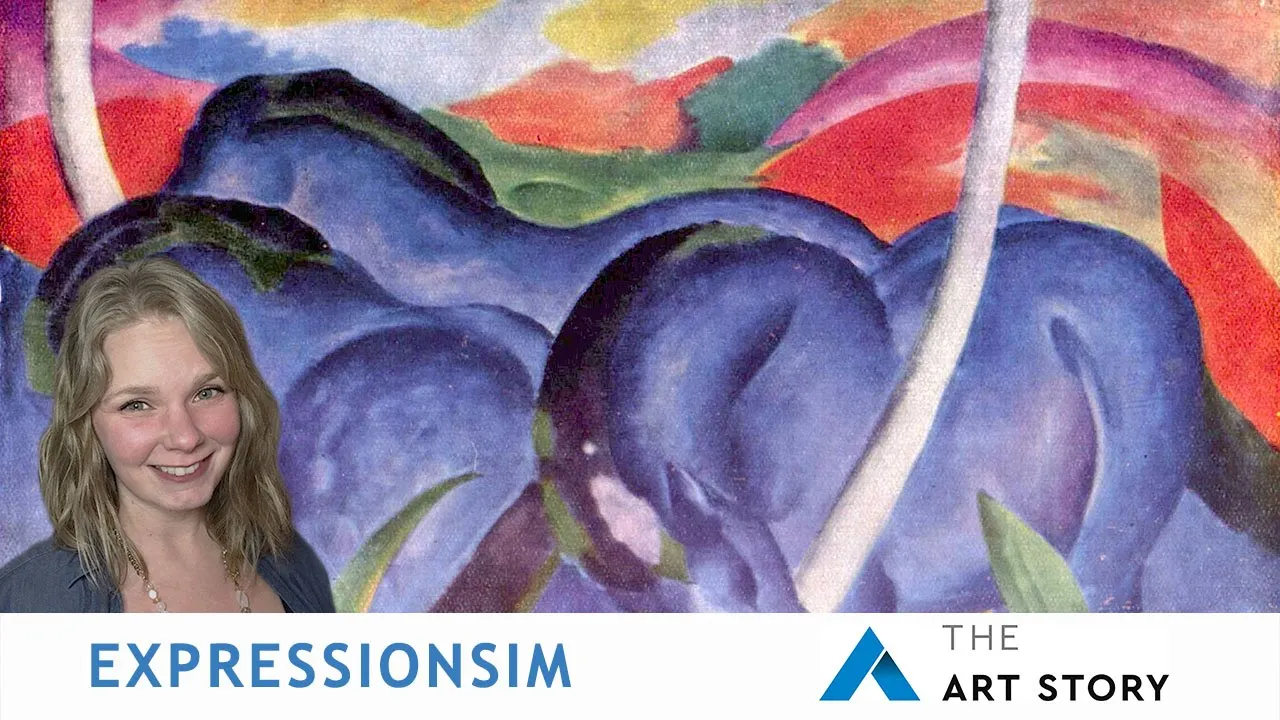
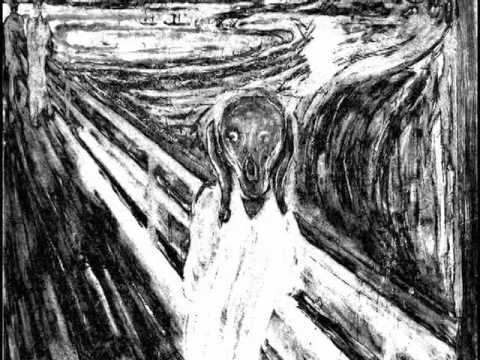
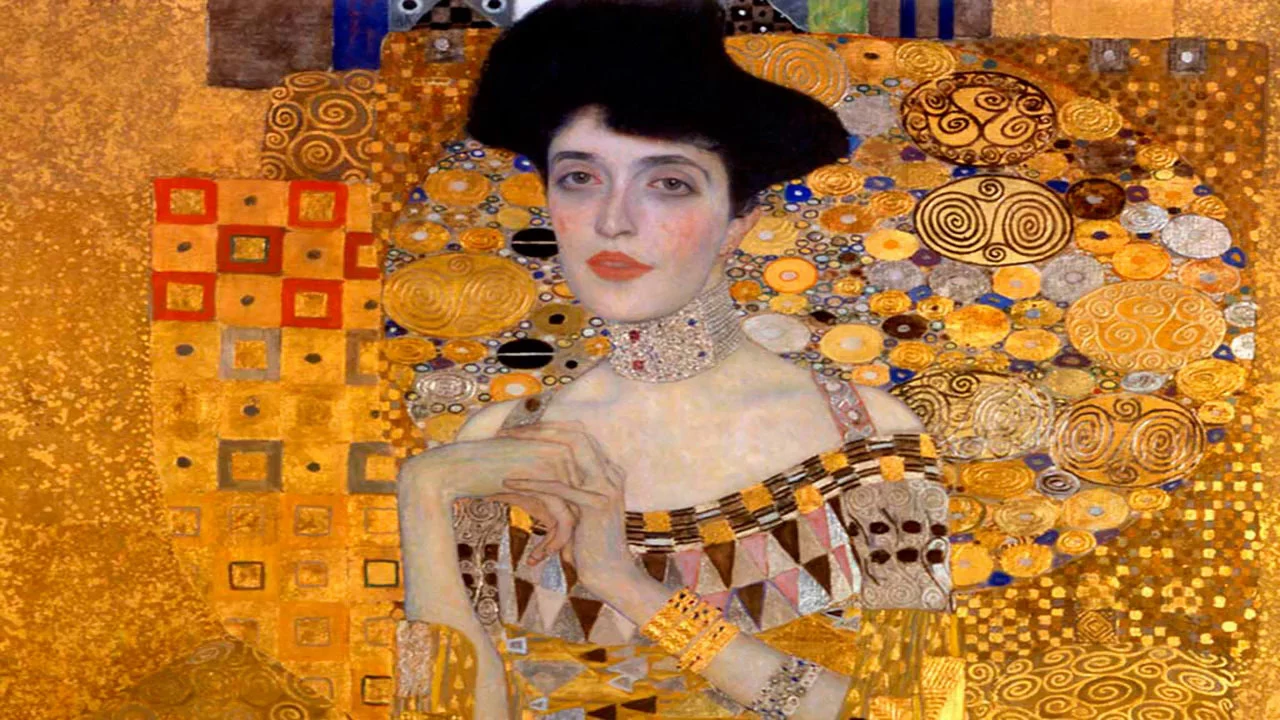
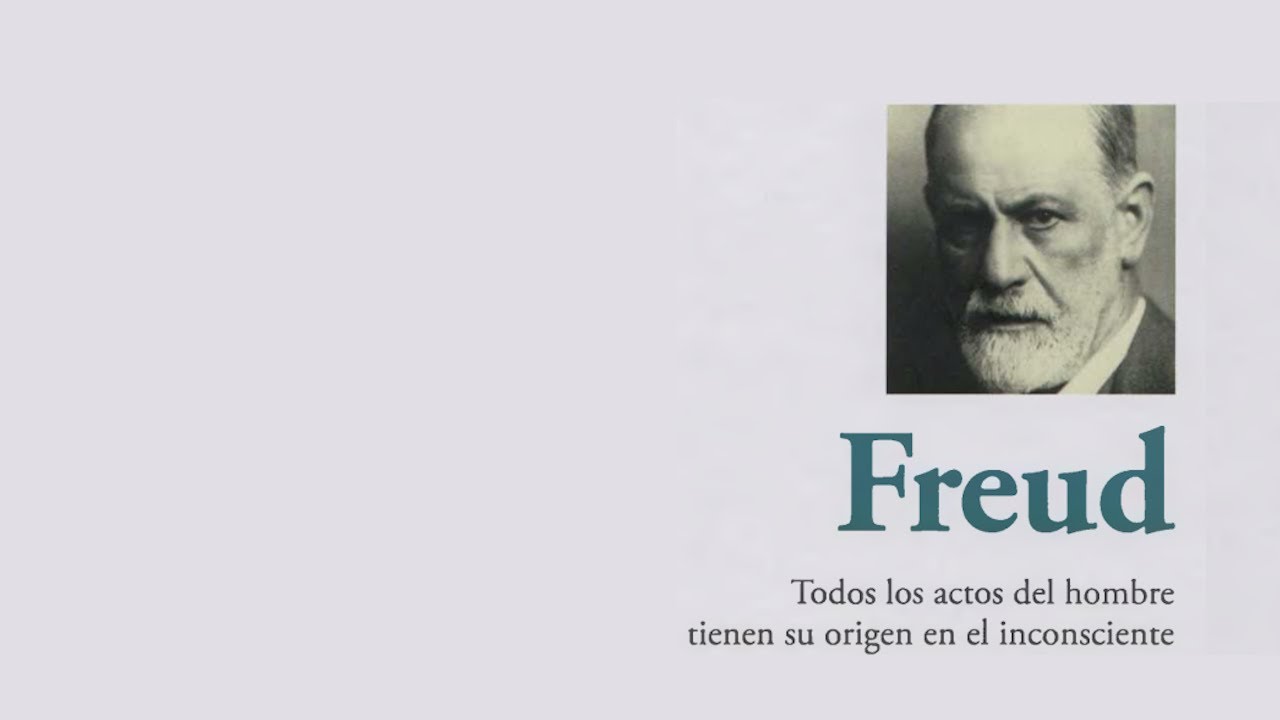
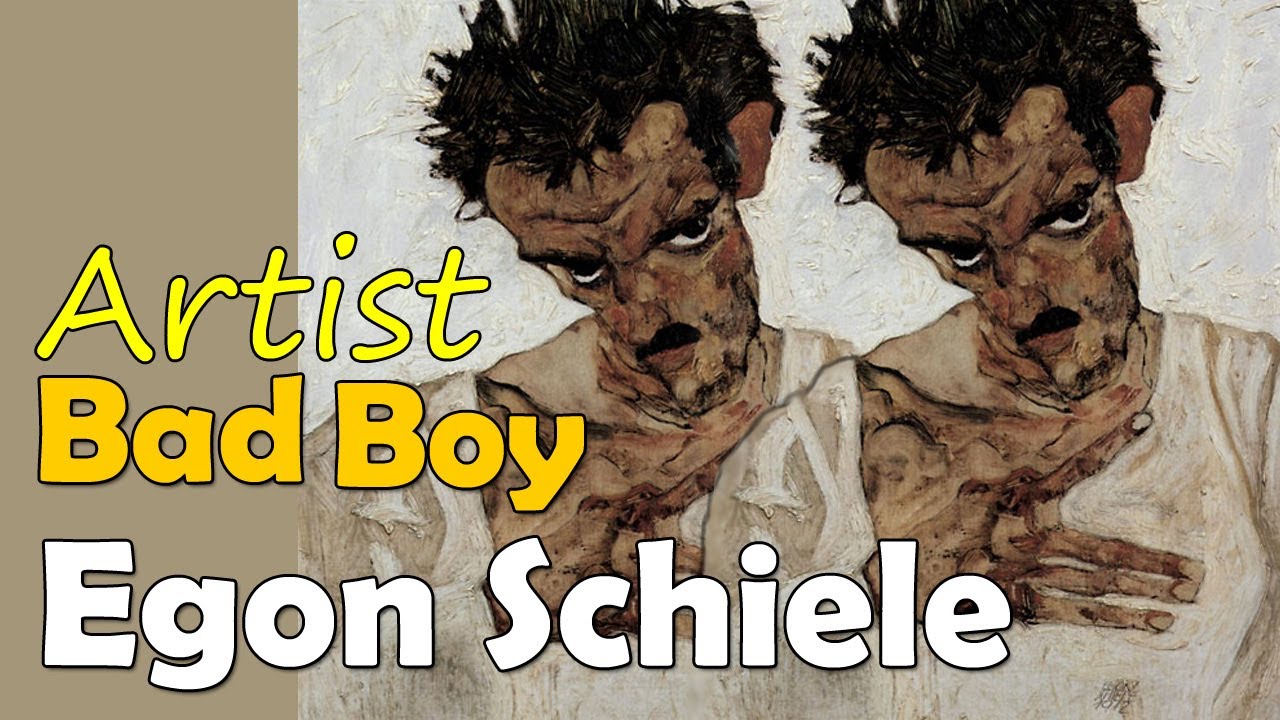
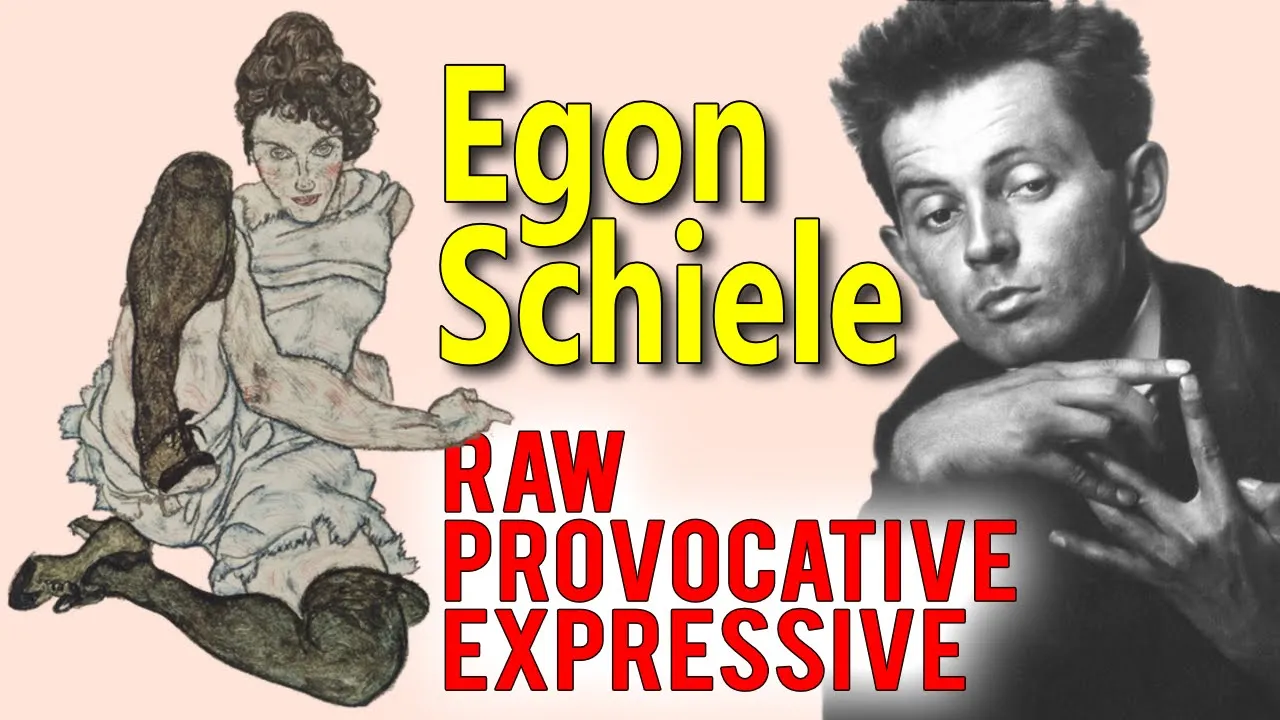
the avant-garde art scene of finis clay vienna had a pretty big impact on 20th century art between their openness to new ideas such as the psychology of freud and emerging styles like art nouveau and their county business aptitude that found new patrons for their modernist works when the old ones were having none of it viennese artists set the stage from much to come in modern art while gustav claimed had for a time occupied the tip of the spear of this modernist advance by the 1910s he was quite content to swat around in his admittedly very comfortable looking moomoo painting stylish golden portraits of vienna's socialites and little else his earlier works which had hinted at exciting new possibilities for depicting the human body and by proxy the human mind where as a result put indefinitely on hold thus it would fall to klimt's protege egon sheila to take up the challenge instead a task the unusual young man with the eraser head haircut was notably well suited to sheila you see held a deep fascination with the human body one that was fueled by his own personal anxieties regarding two of freud's favorite subjects sex and death this dicey subject matter coupled with his own occasional oddball behaviors would make him no stranger to controversy during his short career drawing the ire of many in ever conservative vienna but they would also lead him to create some of the most unique depictions of the human body in the history of art his figures which can range from horrifically ugly to insightfully beautiful explore concepts ranging from the fear of death and disease so rampant at the time the depictions of sexuality so explicit they'd make even klimt blush more than simple shock value however sheila's works display a psychological depth in their examination of the human body that paves the way for much to come in modern art from the expressionists of his own time to the body and performance art of today so let's take a look at sheila his terrifyingly short life and even shorter career his working methods and his influences to see how this odd young man's controversial works would shape the course of modern art born in 1890 to a family of railway officials in tulin near vienna the young sheila did not get on too well in school described as awkward by his classmates and lacking when it came to his studies he did however excel at drawing and a sketchbook full of his favorite subject trains was never far from his hands his middle class childhood while not uncomfortable was shaped by two incidents that would foreshadow his later interest in that freudian double act of sex and death in one he is said to have shared an intense even borderline incestuous relationship with his younger sister gertrude which concerned their father adolf enough to keep the pair separate the other formative event concerns adolf himself who died from syphilis when sheila was just 14 years old the experience of watching his father waste away from a disease that was so prevalent at the time had an immense impact on sheila and the knowledge that his father's demise had come from his habitual visits to brothels common for men of the era though impolite to mention openly indelibly linked to concepts of sex and death in the young man's mind to compound these early experiences which are admittedly starting to sound like the background of a serial killer sheila is also said to have not gotten on too well with his mother marie especially after adolf's death feeling she had not mourned him sufficiently as well as displaying great anxiety at being the man of the house as it were at such a young age as such he was sent to live with his maternal uncle leopold who upon realizing his nephew's nascent talents begrudgingly allowed him to pursue a career in the arts in 1906 he was admitted to the constitutional the academy of fine arts where clinton once studied and after a year there he transferred to the more traditional academy der bildenden kunst where he spent the next three years studying interestingly enough if during this time he had happened to glimpse the school's admission records he would have seen in the year after his own entry the name of another aspiring artist who was then jobbing around vienna and whose own application to the school had been rejected a young adolf hitler whose drawings were pronounced unsatisfactory by the highly traditional school that however is a bit of a side note this isn't the history channel and we're not here to talk about hitler all day sheila didn't get on too well with the academy himself constantly burning heads with his traditionally minded tutors his drawings at the time were described as perfunctory at best while there however he did make some formative connections such as his friendships with painter max oppenheimer seen here inventing the dab and complete and utter lunatic oscar kakoshka with whom he would form the collective new kunst group which exhibited together frequently and whose manifesto called an oracle-like fashion for more expressive art and less stifling arts education it was also during his time that he met gustav klimt under whose direction sheila's work was to come on in leaps and bounds mostly by aping klim's figurative style in those early days sheila's admiration of his master was so clear that he even took on the moniker of the silver klimt as a homage it wouldn't be long though before the two painters styles began to diverge whereas klimt had rendered his figures with a certain style and grace sheila assume found this was not for him his preference lay with a more expressive style one that was less decorative and equally inspired by painters like van gogh and edward munch who like sheila himself would eventually come to be seen as early proponents of a new style fittingly termed expressionism in expressionism subjective feelings and emotional expressions are given top billing with concerns of realism and various amilitude being pushed to the periphery this experimental new style was soon to become all the rage in europe with groups across the continent and beyond latching onto it as the next big thing and sheila as one of its rising stars his early efforts however were met with little success the few patrons he garnered through his connections with klimt were apprehensive about having their portraits painted in this new style the only distinctive feature of which seemed to be offering a rendering of oneself in corpse-like form an early scheme to gain recognition through a series of unsolicited portraits of viennese bigwigs fell short for obvious reasons in addition sheila was notorious for asking for advances from the few patrons that he had being as he was constantly broke and terrible with money as a result of these difficulties finding willing victims for him to practice on sheila would instead turn his gaze upon himself becoming his own best model in the process in the interrogation of his own features he found ways to express many aspects of himself visually from his sense of self and internal anxieties to his sexuality discussion of which was still taboo and the fear of death forever linked to it in his mind the results can vary from uncomfortable to astounding depending on your tolerance for the dirty hues and nyan non-euclidean geometries of his anatomical compositions but what is undeniable about them is the talent vision and expressive qualities they display to create these works sheila famously stood in front of a large mirror and sketched himself in a variety of poses and sporting various expressions in a manner often said to be reminiscent of an actor before an audience this must have saved him a fortune on models but besides this the decision holds deeper significance as it puts the emphasis on sheila himself who in these works frequently bears all to us as the audience expressing his own emotions anxieties and psychology in ways no artist had before a good example of this can be seen in this piece from 1910 seated male nude self-portrait in which sheila sits for us and opposed that at first glance looks like something that wandered out of silent hill despite its somewhat monstrous demeanor the contorted figure's pose with its exposed belly and genitals signifies a kind of vulnerability and even openness while the conspicuously amputated hands and feet contrast that vulnerability with ideas of punishment this may in some regards remind you of clint's central figure from his work juris prudence though sheila's version seems somehow more effective perhaps because unlike klim's crowded canvas sheila has tripped away all excessive detail there's no background not even a hint of space instead the figure floats in a void drawing all attention to the pose itself which expresses sheila's deeply held anxieties in a very candid way an effect which is heightened by those suspiciously absent limbs his missing feet signify uncertainness his absent hands evoke a loss of power and for an artist whose work depends on dexterity their loss holds special significance even the facial expression which normally tells us much about a figure is partially obscured this redacted information evokes his anxieties and crucially creates ambiguity which even extends to the figure's gender which in places seems to blend male and female anatomy perhaps hinting to shield his discomfort with his own masculinity and even evoking a kind of emasculation that rather than concealing he instead exhibits for all to see despite the ambiguity what anatomy is visible is delineated spectacularly sheila traces every contour of muscle and sinew and his emaciated skeletal structure is made palpably clear from taut ribs to exposed iliac crests this work and many of his other self-studies show that he is a master of the element of line which he uses to quickly and fluidly capture the nuances of the human form in charcoal and ink even using it to twist the figure in space and suggest depth and orientation without any other elements to do so finally there is the colour which doesn't look like a very healthy complexion to say the least dirty umbers siennas and ochres are common to sheila's figures usually laid on with similar speed to his lines using watercolors and inks their goal is of course not a naturalistic rendering of human flesh but instead to evoke discoloration disease and even death with brown green and yellow shades reminiscent of rot these concepts evoked chromatically are contrasted with sheila's other great interest sex which itself is signified in his muddy palette by punctuations of red the complement of green and a signifier of lust this interest in sexuality in his works is almost always evoked in tandem with this fear of death and disease which needless to say freud would have had a field day with as it makes it seem like sheila had more issues than rolling stone while that probably isn't too far from the truth it does show us however how sheila's approach to the figure differed vastly from that of his mentor klimt whereas klimt was content to produce works that featured themes of sexuality in a fairly indulgent even decadent fashion wallowing in hedonistic portrayals of the female form for what at times can seem like his own amusement more than anything else sheila by contrast goes a little deeper giving us works to unflinchingly depict the psychology of sexuality often using himself as a model and displaying a vulnerability and openness that klimt who never painted so much as a single self-portrait never did perhaps responsible for this approach although there's no direct evidence she'll ever read anything by him is freud himself whose ideas regarding topics from sexuality to the unconscious drive of death itself were prevalent at the time freud's writings were part of a rising wave of individualism that focused on the self to understand the complexities of the human mind his theories regarding the underlying mental structure of id ego and superego when considered in tandem with sheila as many self-portraits gives his play acting in front of the mirror new significance perhaps sheila was searching within for this new sense of self freud proposed his many works featuring double images of himself from throughout his career also seemed to point to this influence as well mirroring the bifurcation of the conscious and unconscious mind in freudianism shula's process for producing these works pretty much abandons all traditional approaches to the figure more of a fan of drawing than painting he is said by those who sat for him to have really taken his eyes off them while working well i can't be sure this sounds a whole lot to me like a method common to the practice of life drawing known as blind contour drawing wherein one draws the outward edges of the model without looking directly at the page this technique can be challenging and usually results in drawings that look more like tangled fishing wire than people but it is excellent for developing hand-eye coordination and learning to trace the minute topography of the human form something that sheila was obsessed with and notably good at this method if it is what he was doing was probably helpful with developing another common device in many of his works which is foreshortening a method of rendering forms as if they are facing towards us in space common to more illustrative art today such as comic books because of its impactful and dynamic appearance foreshortening does not appear much in traditional fine art figures this is mainly because of the distortion of the form it creates a big problem for academics who wish to paint their delegate figures clearly and to readily identifiable proportional scales for sheila however this was not so much of an issue many of his works display foreshortening which he uses expertly to create dynamic as well as intentionally distorted figures this distortion is another key aspect of how sheila handles the body and in works where they are present hands are usually the most extreme example of this the long finger is an undulating apology of knuckles and joints in many of his works are subject to some of his most extreme distortions of form but they also contain one of the few call backs to the art of old he hasn't quite jettisoned yet in their resemblance to religious iconography just as klimt recalls these powerful icons with his use of gold sheila recalls them with the placement of hands which often evokes the positions of saints in prayer or folk sigils for warding off evil in addition to these methods it seems likely he also used photographs as an aid as well in particular this cefo i was commissioned by the neurologist jean-marcel carco that depicted convulsive states and physical deformities as inspiration for his work the invention of photography is one of the key reasons why artists in general are moving away from realistic painting after all i spend 18 months painstakingly rendering each nostril hair on the portrait of some god forsaken habsburg air when you can get the same result with a proverbial push of a button photography was a game changer and painters like sheila are some of the earliest examples of artists who would seek to reincorporate it into their practices photos and drawing techniques no doubt helped sheila to perfect his expressive lines but those in his self-studies could only take him so far he needed more models for his work to really develop and he found them in pretty much the exact opposite social circumstances to where klimt had found his whereas klimt had painted the well-to-do women of the city's high society sheila found his subjects in the street urchins and prostitutes of vienna's tenements and slumps many of these images of young people from the outer ring of vienna can be a bit unsettling not least because of sheila's renderings of their doll-like eyes which sometimes makes these works look like props from a horror movie but also because images of such people were usually absent from the hour of the period as well obsessed as it was with glorifying depictions of the past and the glittering finery of the upper classes sheila turned to these subjects out of a lack of funds for more professional models but in them he found something more evocative than even he may have expected expressions of unseen emotions in people who were themselves unseen by society another reason some of these works may be described as disquieting is the way some of them see sheila's interest in sex once again returned to the fore particularly in regard to the many portraits of girls with black hair these figures origins are somewhat unknown though it seems likely they may have been prostitutes that sheila hired as models they are usually drawn in reclining positions from a raised vantage point sheila had constructed a special setup just for this view and they frequently featured their subject reclining in some sort of state of undress and invariably arousal which is once again signified with the colour red they are as usual quickly execute in charcoal's inks and watercolors in keeping with his fluid drawing style and at the very least show us people who are very much socially marginalized yet a huge part of viennese life they are however representations of people who are quite young and considering their circumstances definitely vulnerable a fact that for all his insight sheila seemed oblivious to demonstrating a behavior that would get him in trouble down the road this makes many of these works some of the most controversial pieces he ever produced and elicited accusations both then and now that he was simply producing pornography and not works of art such accusations are perhaps not without their merit but as sheila himself said in a letter to his uncle the erotic work of art is sacred too well that's not a great justification if you ask me these images are still more than just mere pornography their subjects wherever status considered lesser or even embarrassing by the more well to do of society similarly nudity and the exposure of the body was also seen as a disgraceful embarrassment meaning there was often a very fine line between the artist's model and the sex worker provocative as these works may be they do draw our attention to these underlying social currents and do so in a way that is explicitly focused on the individual and the personal during this period sheila also spent some time drawing some other unusual subjects such as the patients in one of vienna's hospitals he was granted access to by a friend of his the doctor erwin van graff these models included the sick and infirm as well as pregnant women and newborn babies which widened sheila's approach to the human form considerably he continued this practice of painting van graff's patience until his friendship with a good doctor soured when he discovered van graff was passing his own drawings off as sheilas or so i hear i haven't been able to find any example of this but if they exist i would dearly love to see them unconventional subjects aside these works certainly brought sheila some more recognition as they became quite popular with the private patrons who by now funded most avant-garde works in vienna they even brought him enough attention to paint some of the same upper-class women that klimt had such as frederick maria beer whom in this famous example sheila paints in a manner many have said and i have to agree looks like a particularly colourful insect mounted on board for study needless to say he didn't get many more of these commissions maria and her mates by far preferred klim's more sensual style he did as it happens find one woman who was all too happy to sit for him valerie wally nuzell a former model and possible mistress of klimts who will go on to become sheila's muse model and companion sheila's pictures of wally comprised some of his most sensitive and wildly maintained the charged eroticism of much of his earlier works they also demonstrate that the better he knew his subject the more insightful his drawings would be his portrait of wally from 1912 demonstrates this in its careful capturing of her dough-like expression with eyes so huge they'd be at home in an anime and a flowing tilt to her head to give the composition a pleasing flow the thick and pastel paint gives us a good look at sheila's preferred painting techniques too while the restrained colour palette he so often used is now punctuated by her blue eyes orange locks and traces of that vibrant red as sheila goes on he gradually introduces more pleasing colors into his monkey palette though it is interesting to note that it seems to be wally that is the first to bring these out wally was to prove to be an invaluable companion to sheila during some of the darkest times of his life particularly during the period when the pair left vienna to escape the city's stifling social climate all those drawings of prostitutes and pregnancies having drawn him as much higher as they had to claim as he quickly became known as the anfontorib of the secession artists where sheila got the idea that rural austria in the 1910s would somehow be more tolerant of him and his unwed partner than the city was we may never know but the pair initially traveled to krumau the birthplace of sheila's mother there he painted landscapes and images of the town but rather than finding acceptance and solitude the young unmarried couple who refused to go to church were soon run out of town they then traveled to newlingbach some 20 kilometers outside of vienna where sheila painted some interesting works such as this van gogh style picture of his bedroom and almost immediately ran into trouble once again when he was accused of seducing a minor this charge as serious as it was seems unlikely to be true in newlenbach sheila had continued his practice from his time in vienna of seeking out younger models and it seems that his studio had become a bit of a meeting place for local youths curious about the blowing urst this led to an incident where a young girl fleeing her abusive father had turned to the young couple for help sheila and wally tried their best it seems but for their troubles they were repaid by a visit from the local police who upon searching the house and finding sheila's drawings promptly marched him to the cell of the local jailhouse where he would spend the next 21 days awaiting trial tellingly when it came to court the initial charge was dropped due to a lack of any actual evidence though he wasn't to get off the hook that easy as the judge instead brought charges of public indecency for the stacks of elissa artwork found in his studio in a rather overly dramatic display the judge even went so far as to burn one of sheila's drawings in public and then sentenced the beleaguer painter to 24 days in prison though mercifully with time served leaving him only three days before he was released despite the indignity of it all sheila got off easy in some respects the charge of producing pornography at the time carried a six-month sentence to hired labour and if he'd been convicted of those initial spurious charges he could have been looking at 20 years by contrast 24 days doesn't seem all that bad but the indignity of the allegations and the sanctimonious demonstration by the unwilling judge were heavy psychological burdens for him during his time in confinement he of course continued to work producing drawings of his cell the only splash of colour in them being in orange while he had brought him and for the first time in his life making self-portraits without the aid of a mirror these interesting works dispense with the anatomical depth of his earlier self-portraits instead concealing the form beneath falls of fabric that imply constraint and imprisonment his face in these works also looks strikingly older as if he feels himself aged by the ordeal and mostly don't bear much resemblance to the artist at all who by this time was only 22 years old the titles he gives to many of the works produced during his internment are also telling of how the experience is formative to shield his idea of what an artist was namely a murderer who had to suffer for their creative freedom these titles include such verbose statements as hindering the artist is a crime it is murdering life in the bud and for art and for my loved ones i will gladly endure to the end these are some pretty unambiguous statements that reflect some typically 19th century romantic ideals about the role of the artist ideas which were at the time reaching new heights of popularity with the various avant-garde artists of europe who were often all too happy to think of themselves as heroic figures struggling for their art upon his release sheila and wally left nullingbok to return to vienna which must have seemed a lot more welcoming after this ordeal the story of his imprisonment and the judge's ill-conceived public burning however had begun to spread and back in the city many had already heard the rumors of the nulembak affair as it became known these rumors would give sheila his first real taste of notoriety and begin to form the basis of his later fame as a misunderstood persecuted genius while in some regards that genius was indeed evident in others it seems less so particularly in regard to his love life and relationship to wally who had stuck with him throughout the ordeal upon their return to vienna sheila found his attention drawn to a pair of sisters who lived across the street from his studio edith and adelaide herms after a brief courtship which involved him hanging his self-portraits out the window to catch their attention sheila decided that he would marry edith as her social standing offered more benefits to his chosen career as to poor al wali who had stuck with him through thick and thin he informed her of his decision and told her not to worry as he intended to keep her as a mistress an offer to which while he responded by leaving him with his new wife sheila's work entered a new phase unlike wally edith prim and proper to a fault was uncomfortable posing nude and so forced sheila to paint her in the most radical way he had approached any figure thus far with clothes on in this portrait of edith we can see a lot of very non-shielded traits at play for one thing she's standing up and we're looking at her face on not from above us before for another there's some colour in the vibrant stripes of her dress her face and her hands also look quite clean and proportional showing that he's clearly making an effort to rein himself in trying to make an image that will please his new wife and in that regard he seems successful while his preoccupation with death seems rather subdued and works from this time the theme of sexuality is far from forgotten as we can see in pieces like this one from 1915 entitled two girls lying entwined the two figures one nude and the other clothes represent wally and edith respectively the entangled pose of the two invites comparisons between them and is telling of sheila's view of the two women central to his life wally's dour expression and unconcealed nudity evoke the sexuality of his early works and perhaps alludes to her animosity towards him she seems as distant to us the viewer as she was to sheila himself the other figure clothed and with a doll-like face stands for edith and doesn't seem to be a very charitable interpretation of her unlike the complexity and show on wally edith is portrayed as more simple or naive perhaps this was sheila's expression of anxiety regarding married life he idolizes wally as a symbol of his past freedoms and belittles the less worldly edith as a result while edith appears this way in some of his works over time this will change and there are some more tender depictions of her that are much nicer than the one in two girls lying entwined such as this one titled the embrace a piece from near the end of both of their lives which demonstrates some real tenderness and affection between the couple and may well be sheila's answer to klimt's famous kiss the two figures implied to be sheila and edith lie in a white blanket trimmed in blue and set against a golden yellow backdrop instantly there is something different from the earlier works here in the presence of colour and contrast while monkey browns and ochres are still present there is at least a little bit of saturation that evokes light and life even the skin tones and the figures look more lively more akin to a living person than the pallid corpses of before the male figure even seems to have put on a few pounds no longer looking like he was on hunger strike the female figure for her part is rather tastefully done by sheila's standards with some convenient concealing of certain parts and careful elucidation of others to create an elegant flowing figure that contrasts with the male's more angular form both figures fit together quite naturally in the composition and are linked visually by their hair which flows together joining both them and the background itself to create harmony in all elements of the image there are of course still many elements in this work that were present in the early ones from the looking down perspective and the foreshortening of its leg to the distinctive poses of our hands these previously distorting inclusions seem no more tempered adding dynamism without descending into body horror overall this work is much more refined showing us just how much sheila has developed as a painter in such a relatively short space of time and perhaps how both eat its influence and his own growing maturity had led him to this point the promise of this work and others from the time would however go unfulfilled as both sheila and edith were not long for this world while they survived the first world war sheila being given a somewhat cushy job far from the front lines doing clerical work in a russian pow camp it was what followed that undid them the spanish flew which ravaged europe in the closing years of the war due to wartime censorship it's hard to say exactly how many people died from the disease but among the dead in vienna was edith who was six months pregnant at the time and three days later sheila was to follow aged only 28.
sheila's unfortunate end was a fake share by many of his day a whole generation including its established and would-be artists poets writers and musicians were marched off to die in the trenches and if they somehow managed to survive that meat grinder they had the flu to contend with when they got home the mechanized slaughter of world war one and the pan global movement of troops that exacerbated the 1918 pandemic are two examples of the dark side of the modernism we're always going on about on this channel while the modern era had brought with it advances in medicine arts culture and infrastructure it had also created the apocalyptic circumstances of the first world war and given nations the means to engage in warfare on a previously unimaginable scale in the aftermath the modernist artists writers and poets who had somehow managed to survive would have to reassess just what was so good about this whole modernism thing and if any of it even made sense at all as for sheila his legacy today is complex his art has had a lasting impact influencing not only the burgeoning expressionist movement of his own day but also the way we depict human figures altogether the foreshortened distorted and linear qualities of his style are now commonplace in figure drawing from fine arts to illustration and to say he was a forerunner of our culture's current obsession with selfies would be an understatement his unabashed focus on the body including his own is also crucial paving the way for artists to see the body itself as an instrument of expression in its own right eventually leading to entire genres of body and performance art today on the other hand there is the matter of the controversy that still surrounds some of his work quite an uncommon occurrence for artworks that are now over a century old but somehow sheila has managed to do it fueled by a mix of his at times inappropriate behaviors his obsession with the female form and his habit of using models so young the resulting works would discourage all buyers but jeffrey epstein this controversy shows no signs of going away as adverts for a recent show marking the centenary of his death riley observed while there's definitely some questionable stuff in sheila's back catalogue and he was of course by no means a feminist for what it's worth his depictions of his subjects frequently render them with more nuance and care for their internal sense of self than any who came before him if we compare sheila's depictions of women to those of his mentor klimt we can see that his versions are much more interrogative of their subjects than clint's more glossy approach ever was sheila's figures freed from decoration and artifice are presented rough unpolished and as they are they stand for themselves and demand our attention on their own terms rather than as supplicants for the visual pleasure of the audience it's all baby steps really away from the air of before with its grand narratives and adoration of power in the past towards a new art that was much more focused on the individual the self and the now sheila's rough ugly insightful and beautiful renderings of the human form are excellent examples of this they show us how previously repressed parts of society and our collective psychology were making their way to the fore how new ideas like those of freud were placing the emphasis inherently on the individual and how artists swear in response redefining themselves as cultural murders for a new goal of individual expressive freedom sheila's works anticipate these trends but there is one final aspect of them which should perhaps make us skeptical of this newfound sense of self that the modern era had supposedly brought with it which is just how hollow some of his self-portraits can feel at times as if sheila's play acting in front of his famous mirror was really just that a kind of theatrical depiction of the modern self he performs for our benefit whether or not this was actually the case is impossible to say and should perhaps be left up to each of us to decide for ourselves but the implication is striking for it implies that when this supremely gifted and insightful renderer of the human form looked deep within for this new sense of self the modern era had proposed he may have found there was nothing there at all
Up Next

3:55
Egon Schiele's The Hermits, 1912: Expressionism & Inner Vision
@smarthistory-art-history
25.6K views•2012-04-02

18:06
The Lewis Collection: Modern Masters of the Human Figure
@sothebys
417 views•2026-06-10
7:48
Ukiyo-e Art: History, Woodblock Printing & Influence
@japanathand
6.3K views•2023-06-08

16:34
Earliest Depictions of Jesus in Art: 10 Ancient Images Explained
@UsefulCharts
5.9M views•2022-06-03
Related Study Plans & Knowledge Roadmaps
Structured learning paths in Art History
art-history
Vienna Secession: Rebellion, Klimt & Schiele
01Fin-de-Siècle Vienna & Academic Historicism
02The Secession Movement & Klimt's Decorative Symbolism
03Gesamtkunstwerk & the Wiener Werkstätte
+ 2 more learning modules
9h5 modules
Explore Roadmap
art-history
Gothic Cathedrals: Engineering, Light & Society
01The Birth of the Gothic: Romanesque to Suger's Vision
02The Structural Triad: Pointed Arches, Ribbed Vaults, and Flying Buttresses
03Theology of Light: Lux Nova and Sacred Geometry
+ 2 more learning modules
14h5 modules
Explore Roadmap
art-history
Pre-Raphaelites: Realism, Symbolism & Critique
01The Victorian Art Establishment and Academic Formula
02The Founding of the PRB and Radical Realism
03Medieval Revivalism and Literary Symbolism
+ 1 more learning modules
8h4 modules
Explore Roadmap
art-history
Street Art: From Subways to Art Market
01Subcultural Origins in Philadelphia and New York (1970s)
02The Subway Era and Style Wars (Late 1970s - 1980s)
03The East Village Scene and Early Gallery Crossover
+ 2 more learning modules
10h5 modules
Explore Roadmap