


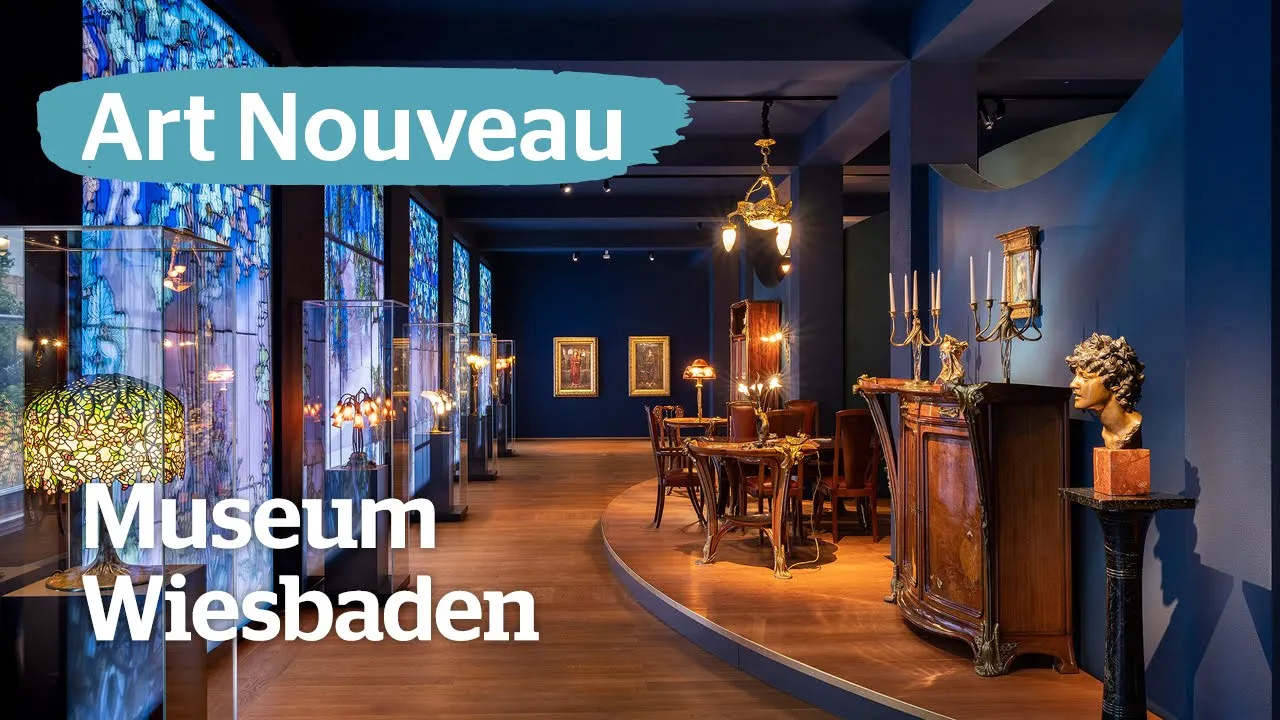

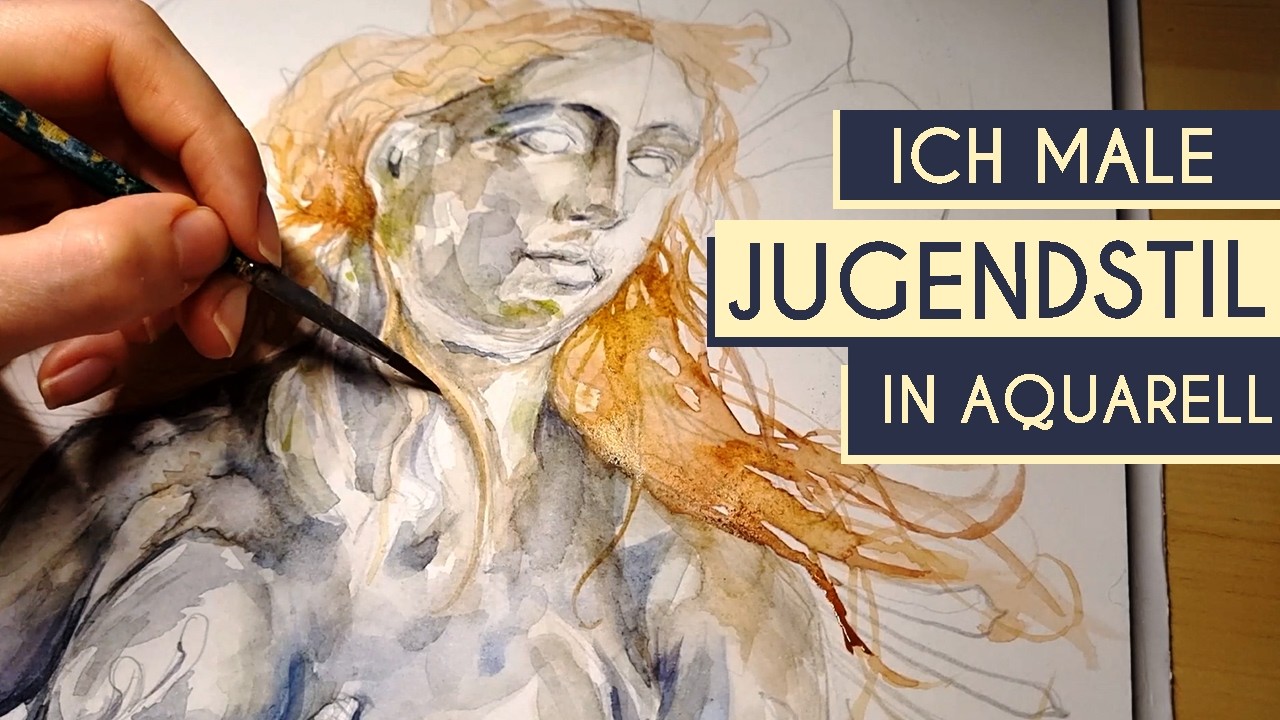



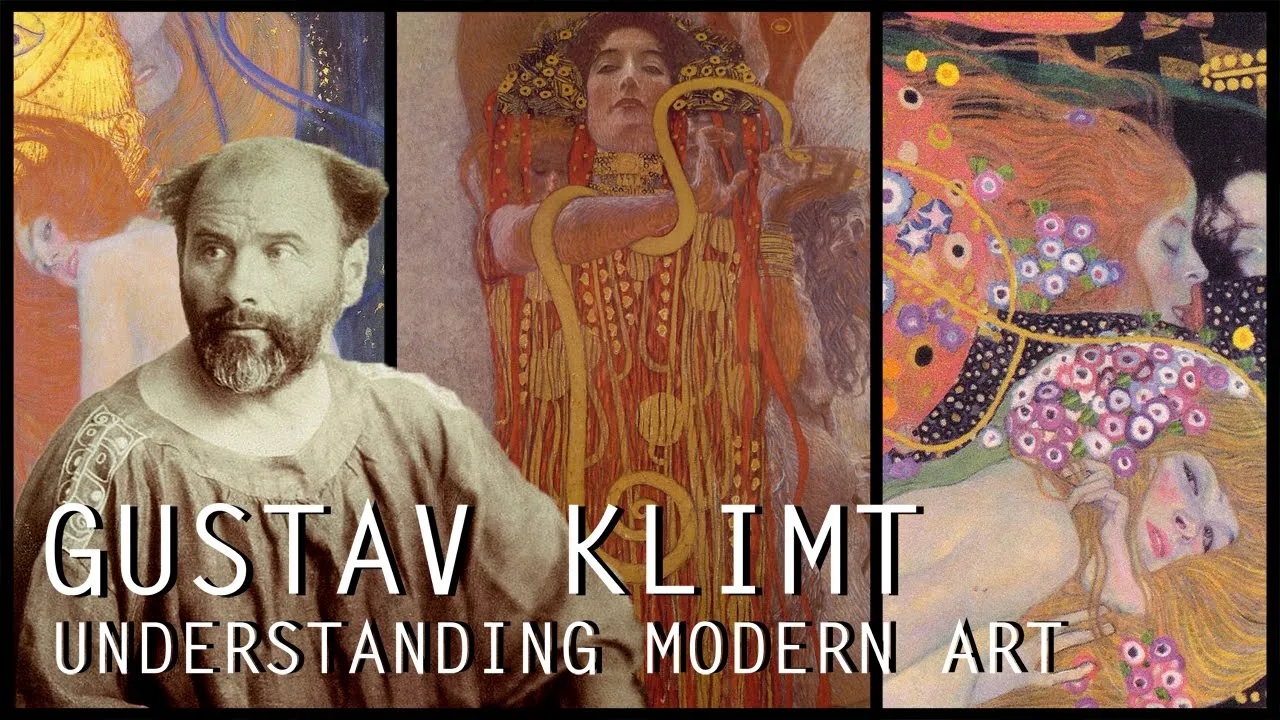






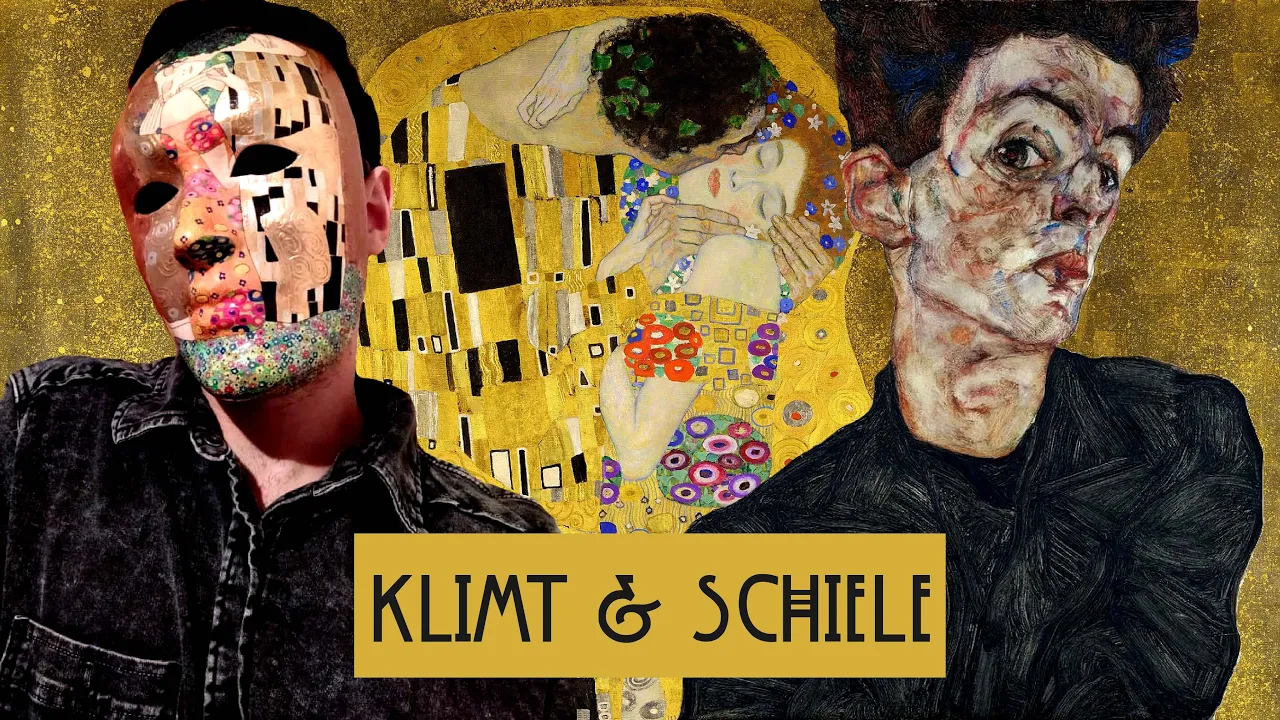



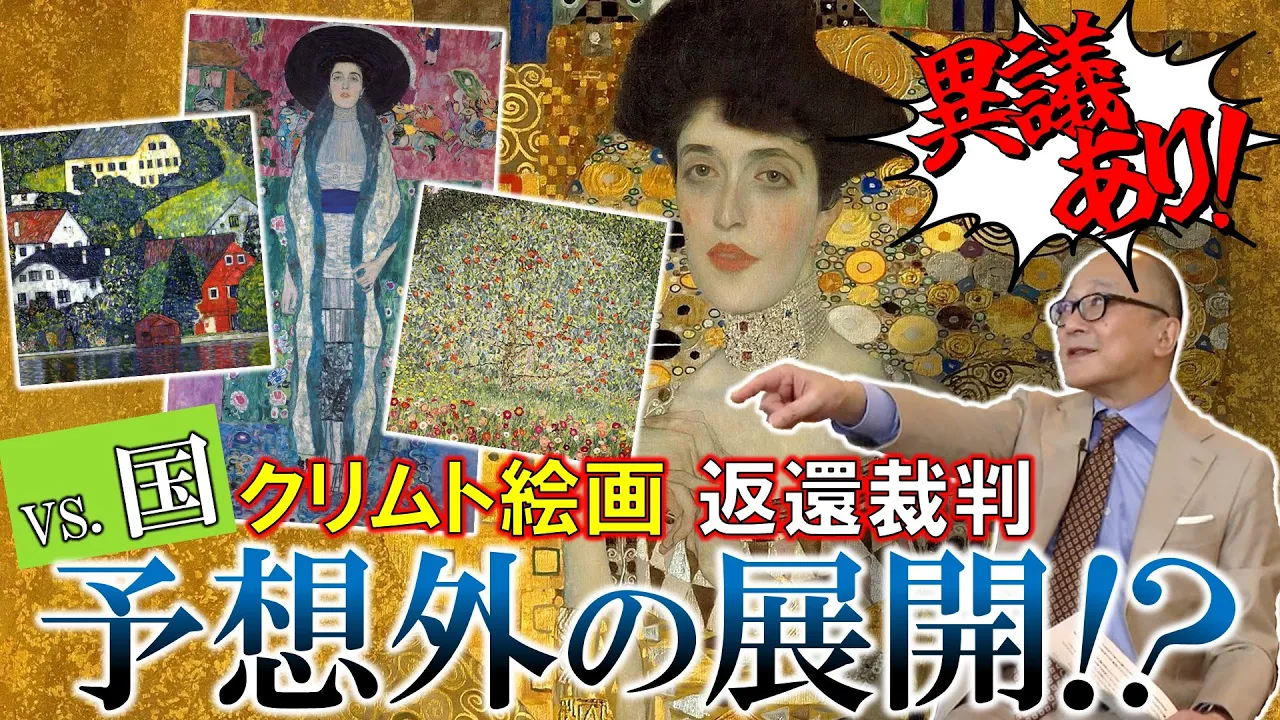


Gustav Klimt's career exemplifies the tension between historicism and Art Nouveau in Viennese art, where his innovative use of gold leaf and ornamentation—inspired by his family's goldsmithing tradition—became a focal point in debates about artistic originality and cultural identity; these aesthetic discussions were deeply intertwined with political dynamics, particularly anti-Semitism, as critics accused Klimt of Jewish conspiracy despite his non-Jewish identity, revealing how artistic innovation could be weaponized in ethnic conflicts within the multi-ethnic Austro-Hungarian Empire.
Klimt, Ornament, and Viennese Modernism: Art History Analysis
Added:Understanding of 19th-century Historicism and Academic Art, which prioritized classical traditions, symmetry, and historical revival styles.
Familiarity with the Art Nouveau (or Jugendstil) movement, characterized by organic motifs, sinuous lines, and the unification of fine and applied arts.
The cultural and political climate of Fin-de-Siècle Vienna, including the socio-political tensions during the decline of the Austro-Hungarian Empire.
The origin and purpose of the Vienna Secession, founded in 1897 by Gustav Klimt and other progressive artists to protest conservative exhibition policies.
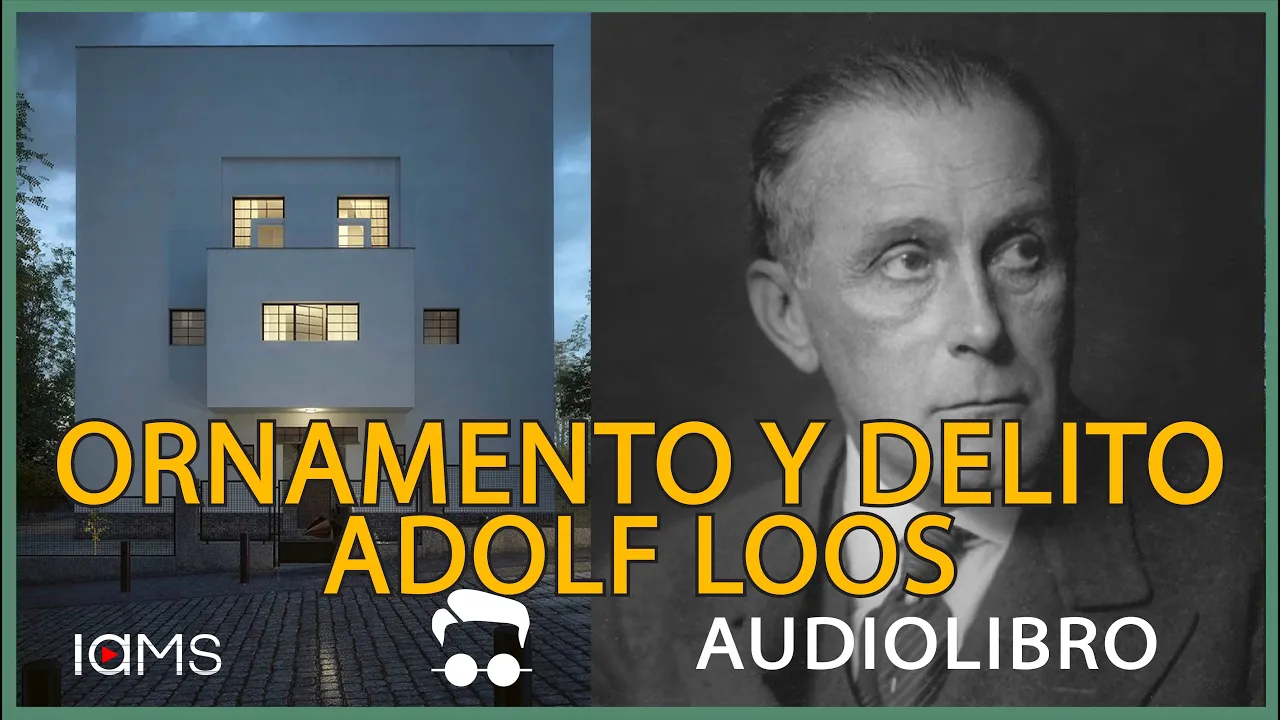
Analysis of Adolf Loos’s influential essay 'Ornament and Crime' (1908) and how the ornament debate directly shaped modern architecture and functionalism.
The evolution of Viennese Modernism into Austrian Expressionism, specifically through the raw, psychological portraiture of Klimt's protégés, Egon Schiele and Oskar Kokoschka.
The concept of 'Gesamtkunstwerk' (Total Work of Art) and its practical execution by the Wiener Werkstätte (Vienna Workshops) in design and decorative arts.
The complex political legacy of Klimt’s work, including the public outrage over his University of Vienna 'Faculty Paintings' and the modern legal battles over Nazi-looted art restitution.
47.5K views918likes1:16:05Original Release: 2018-03-20
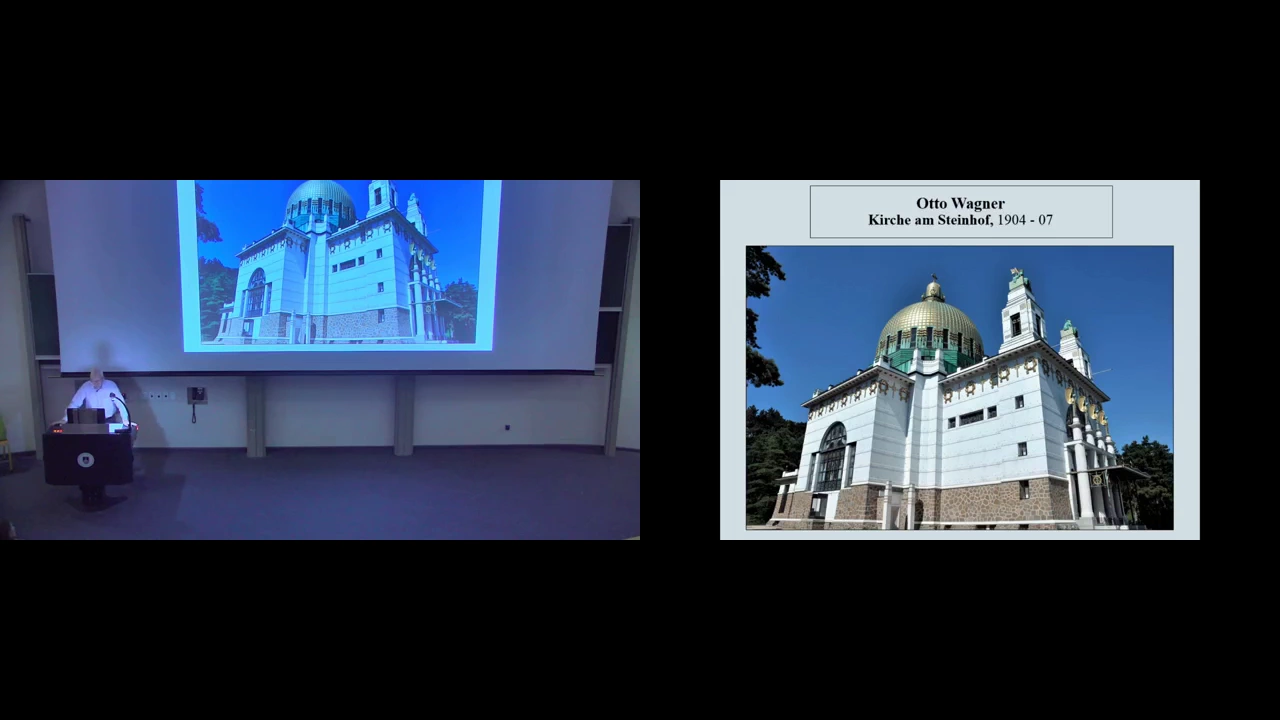
thank you so much for joining us today and please join me in welcoming our speaker Claude your new ski thank you so much for this kind introduction thank you for the invitation and thank you everyone for coming when one thinks about the issues that are raised by Viennese painting at the turn of the century it is remarkable how integral and how connected they are to architecture and in many respects architecture provides the testing ground for many of the contested questions that painting is going to raise in this period this is a map of Vienna in the middle of the nineteenth century and what is unusual about this metropolis is that among all of the large cities of Europe it was the last to eliminate its medieval ramparts if the Viennese finally figured out that those large walls were no defense against cannons and decided that it was about time to do away with them but the question is what do you put in its place and Viennese architects and urban planners then thought of perhaps putting an entire Boulevard a large Street that would surround the city and would allow a connection between its different parts and would also allow if there were any political subversives in the town to be directly connected to military barracks that were surrounding the city nearby so what we will do when we will look at certain structures of Vienna in the late 19th century we're going to look at this giant street called the hinge Casa and a few buildings right here all connected together the City Hall the theatre and the Parliament after that will come down here and we'll look at the subway antrem place accounts plots and the Secession building so looking at the first three buildings this is the vienna city hall 1883 and what is remarkable about this building is that it looks remarkably medieval and in fact it's a attempt to recycle the notion of medieval guilds of structures through which a particular city and its municipality would be connected to the different economic basis of the city and the artisans of different classes that represented different professions would all in a sense have a say in the communal government so this building in a sense is attempting to signal to its observers to its spectators that these ideals of the medieval guilds were still present were still active in the middle of the 19th century right next door is the Parliament and now we have a building that not revives medieval styles but revives ancient classical antiquity and in particular the Parthenon in classical Greece this is important because if you are going to construct the Parliament what you want is signal now the meaning you want to communicate is of course that your form of government is a democracy even if it's not you put the symbols of democracy people say aha this connects to the Parthenon in classical Athens and Athens and Greece is the source of democracy and therefore our government has something connected with that as well another stone's throw away from that building is the theatre by Gottfried semper and now we have a neo baroque building so again if you look at these three buildings one of the things that is immediately striking is that the 19th century has no original style what you have is a amalgamation a stratification of revivals Greek Revival medieval revived Baroque Revival each of these different styles is managed to provide the spectator with a certain sense of the meaning of the building itself but people began to complain that the 19th century has no original style the 19th century has contributed nothing to the history of architecture some people began to also worry about how these buildings so close to one another are not connected to their urban settings as some critics called them cakes on a platter and people also decried the fact that they were disconnected completely from the life of the city so what happens against this Strada of historical revivals becomes a de novo of Nouveau in French means a new style borrowed also or has a German manifestation you can steal the art of youth and a primary example is Otto Wagner this is the tram station at cows Platz and now immediately you can see the introduction of a new material metal which is made possible by the new technology of cast-iron which also made the Eiffel Tower possible and now you also see a grammar of ornament the use of gilding the use of gold the use of abstract patterning and even if you try and locate this particular structure within a set of precedents it's obvious that there is no direct correlation to Greek to medieval or to Baroque architecture the style is completely original the style is completely new and to make that point even further or to make it more emphatic Joseph Maria Albrecht designed this particular structure to house the Secession this was a group of artists who decided to break away from the Academy the artistic establishment of the time and create a set of independent exhibitions this was an imitation of certain things and developments that occurred in Berlin and in Munich because they all have their secessions all of which was also an imitation of what the impression is did by breaking away from the Stalin structure and deciding to exhibit independently so the topic basically is or the meaning is this art breaks from the past it breaks from tradition it creates something new there is the feeling and many spectators mentioned this at the time that this almost looks like a temple we can't locate its style within a certain body of previous material or body of precedents but yet it has that connotation of being a kind of temple for art that there is something mystical something religious almost communicating the idea that art is redemptive and on the facade of this particular building the artists write to each art or to each period its art to the art its freedom and we have again the use of metal and gold ornament and basically this very famous topping for the building was nicknamed the cabbage dome for obvious reasons by some people it was decried for others it was celebrated as in new and original style so this dichotomy between historicism the connection and revival of the past and the development of a new style new materials the love of ornament the love of abstract the detail and decoration this kind of dichotomy is repeated again in painting this is one of the master historicists of Viennese nineteenth century art Hans Marquardt the triumph of Ariadne 1874 and any individual knowledgeable about the history of art would might put this in the 17th century and connected to Rubens or to baroque painting in Flanders in that period and Gustav Klimt comes also out of this tradition and he was commissioned among other artists to decorate the theatre that I showed you just a few moments ago and in order to celebrate the theater and to look at it from a historical perspective and vantage point well the obvious topic to explore is the history of the theatre and just as the Parliament building in a sense resurrected classical style here a Klimt is trying to resurrect what classical theatre might have been and this is called the theater in Taormina 1888 it's the ceiling of the Baroque theater and it is meant to represent what theater may have been like in classical times I have to confess I think this is one of the weirdest paintings I have ever seen I've been to Greece I know what classical theaters were like they don't look anything like this I can't imagine people lying down and women parading in the nude and playing the flutes in this way well perhaps Klimt is a little bit more accurate when he represents Shakespearean theatre and so here it is his attempt to give us an impression of what it may have been like at a performance of Romeo and Juliet if you look at the exhibition of the drawings on display just a little bit down the hall there are actually several studies for this painting so I encourage you to look at them very carefully and to think about the overall image for which these served as sketches and preliminary studies immediately you can see the closeness of the audience to the stage the breaking down of the distinction between art and the external world the profound emotions that are evoked here by the death of Romeo and Juliet and in terms of that particular a point I was just making the breaking down of the barriers between what's on stage and what surrounds it I'd like to draw attention to this area where you have individuals obviously who seem to be participating even from a spectators vantage point with the tragedy as it is unfolding this represents Klimt and his brother so Clem and weena seed we know this because we have photographs of him we see him as a strong participant as an individual who involves himself in this theatrical performance even in the form of a spectator his involvement almost equals that of a participant so if Klimt early work is firmly in the historicist camp in an attempt again to reconnect with the legacy of the past he moves very rapidly into hewn steel the style of the Secession or a form of Avenue vu what is intriguing about Klimt is he comes from a family a long-standing family of Goldsmith's and Gould engravers and that is significant to the extent that the distinction between fine art and applied art is one that is remarkably blurred in his mind he does not make that distinction as firmly as many individuals do and as you can see the frame for this work was modeled by him and executed probably in his workshop and it is laden with gold which is also applied very very heavily within certain parts of this image now this is significant because gold leaf which probably as many of you know and the audience which is familiar with our history understands that it was very typical in the medieval period precisely to give religious images the impression that it stood or that they stood outside of the here and now into some mystical highly religious supernatural atmosphere the point was to make religious figures holy figures seem to stand outside the boundaries of our everyday experience for this reason the Renaissance there are always exceptions of course it's very difficult to do art history without committing gross and over generalizations but in general the Renaissance and its stress on humanism wanted to make religious figures more approachable wanted to make art more realistic and as a result goldleaf went out of style here is an artist in the modern period that brings it back in and as a result you can see that this image is remarkably dichotomous to the extent that the gold as you walk in front of the image sometimes absorbs light sometimes reflects light and therefore neutralizes the illusion of space and the illusion of three dimensionality which is very clearly articulated in the drawing in the painting the representation of the figure so she looks both flat and three-dimensional at the same time just as we have honey art fine art and applied art decorative art also fusing together now the other interesting element is that claimed is fascinated with sensuality and one may not necessarily think of it in these terms but the figure of Athena here is holding a sculpture or perhaps a living figure of Nike the goddess of victory if you think back to your visits at the Louvre in Paris the Nike of Samothrace bless you is one of the most famous examples of that particular winged victory but Klimt depicts her not as an ancient goddess but rather as a typical late 19th century Viennese woman at the time and not so much nude as naked all decked out with pubic hair which caused a scandal and of course this is Vienna this is the city of Freud and the interest in the sexual and the sensual is going to be very strong but at every point Clint is going to push the envelope not only collapsing flatness and three-dimensionality fine art and applied art but the severity the gravity of Athena the Virgin goddess with this blatant emphasis on sexuality I also love of course the way the Gorgon is applied on the breastplate of Athena she killed the Gorgon and the Gorgon would petrify anyone who would cast their eyes on her as so Athena put her on her breastplate but again there's that wonderful contrast between the severity of the Virgin goddess and the Gorgon unceremoniously pulled sticking out it's sung at the spectator in this manner so we find that now Klimt is moving very rapidly from historicism to a canoe ville and going back to this particular building he was very active in the Secession was one of its a major forces and participated in one of its most important exhibitions and that exhibition was devoted to Beethoven so at the center of this building there was a sculpture by max klinger and a sense of architectural structuring which would guide the spectator from one part of the building to the other to this culmination point and this sculpture here is a better view it's clearer than the historical photograph I was showing you a moment ago and Beethoven seems as if resurrected after death a kind of Olympian God a kind of Zeus with its eagle next to him resurrected in such way as to create a context for the cultivation and the celebration of art it so happens by the way that the Museum of Fine Arts has another version of the Beethoven not a sketch but another form another version of this particular image which would have been perfect to place in the context of our exhibition but for some reason to my dismay it is in storage if you have any clout in this museum and would like to complain I would encourage you to do so but back to the subject at hand so I was speaking about this structure as a temple as a temple devoted not to a god but to the activity of art and the spectator as I insinuated earlier was led from part to part almost as a pilgrim looking at relic yet another relic and yet another relic before you come to the center of some sacred place and the frieze above was also devoted to Beethoven so we have architecture we have music we have sculpture and we have painting and the frieze was executed by Klimt it's very very long and I can't show it to you in its entirety I'm just going to show you the highlights and at the very left of the frieze we have suffering humanity here at night ambition which holds the wreath of Fame and pity the idea is that suffering humanity needs to be secured needs to be defended by this night and again you can see that there is a great deal of empty space and a great deal of ornament and this decoration is highlighted with gold it has the same characteristics that we notice in the figure of Athena that I showed you a moment ago some scholars speculate that this night was actually model after the person of gustav mahler who was the director a very controversial director of the Vienna Opera at this time and in fact for the opening of this exhibition devoted to Beethoven he created a transcription of the ninth symphony for brass instruments which was performed at the opening so we have sculpture architecture painting poetry music sculpture everything brought together speaking of poetry here is the representation of poetry with the spirits of humanity floating as if they were completely disembodied again gaining sustenance from art from poetry from music and in this particular slide you can see how the gold again reacts very very differently depending on your vantage point how it can absorb light how it can reflect light and it is so thickly applied that it again becomes like relief so the question is is it paining is it relief is it architecture or not sure because all of the arts are meant to blend together so the night and poetry confront the hostile powers the three Gorgons and again you can see claims love and predilection for pubic hair which was extremely shocking at the time we have sickness madness and death all right this is sickness this is madness and this is death this King Kong figure is a Typhon again a great monster from classical antiquity and here we have in case you don't can't notice lewdness lust and excess now what did I say about that other painting being the weirdest I don't know I don't know what I was thinking I think this is probably the weirdest so these negative powers confront suffering humanity the forces of art and poetry and they are of course reconciled in this last image the choir of angels and the kiss so we have again this choir and the way in which human beings in a sense embrace each other as a form of amorous involvement again with sexuality as we indicated before that some people think is basically claims visualization of Beethoven's 9th now I'm not quite sure if I'm entirely convinced by this because as we were saying earlier this embrace is remarkably sexual and if you read the text for Beethoven's ninth Schiller's Ode to Joy it is not about sexual love it is about brotherly love but Klimt is probably reinterpreting Schiller and the classical texts according to his own interests and basically giving us a view through which positive forces have to conflict with negative ones all of which are resolved in this particular manner what is significant for our purposes is the way in which all of the arts interrelate and the philosophical underpinnings for this particular attitude were laid by hiccuped vogner who coined the term gazaam khan's Varick or total work of art and he wrote quite extensively about his ideas and I called a critical passage here for your enjoyment the arts of dance of tone of poetry are each confined within their several bounds in contact with these bounds each feels herself unfree across their common boundary she reaches out her hand to her neighboring art in unrestrained acknowledgement of love the very grasping of this hand lifts her above the barrier and cast down the fence itself and when every barrier has thus fallen then are there no more arts and no more boundaries but only art the universal undivided so vogner thought of this in terms of his operas for which he wrote both the music and the libretti and for which he designed the sets himself he wanted a single art form that would encapsulate all of these different idioms into a single total work of art and if you think about what Klimt is doing if you think also about what the Secession is doing it is precisely this attempt to break down barriers between different idioms and to create a universal total work of art that would function as a kind of analog for or even replacement for religion speaking of religion it is perhaps no surprise that Klimt also was profoundly inspired not that he needed this inspiration because of the long tradition in his family of working with gold but he went to Ravenna he saw the mosaics there and it is undeniable in fact although most artists deny their sources he was completely unapologetic about this that this had a remarkable impact upon his own style this is a painting of 1908 called the kiss and legend has it that when people visited his studio after his death they found some 20 or 30 different kinds of gold in his studio so he wasn't just working with ornament as something which is created exclusively for the background of a work of art here it is an integral structural element and again the tendency towards polarity that we had seen before the representation of drawing in a very accurate manner the avocation of three dimensionality in connection with juxtapose with this tendency towards flat decoration an ornament is remarkable in the way these opposites come together just as fine art and applied art come together in the spirit of the total work of art as was a stipulated and/or an argued for by vogner so I'll show you a few details from this image because it is so remarkably striking if you were to take any part of this image out of context it would be nearly impossible to determine what it represents it is only when it is juxtaposed with these very accurate renditions of human anatomy that we can understand what the painting symbolizes but if you look at this or if you look at this you can see the remarkable variety of these goals of the decoration and ornament by the way this is the reason why I wore a gold tie today I I hope you all appreciate this so we have set up this structure of historicism versus at Nouveau an attempt to revive historical styles versus an attempt to create something new without precedents completely original but this dichotomy was not the only setting through which we can see the art of the time in many ways people say all good things come in threes so there was another element another factor kind of tripartite debate launched by this van called adult floors and he was also an architect and you can see an example of his house or one of his architectural structures the Miller house of 1927 and we also know that Louis wrote an essay called ornament and crime from that very title from the very appearance of losses bill things one can imagine how he felt about clips and in fact I will read a few excerpts from this wonderful essay in our modern age he writes we have outgrown ornaments we have struggle through to a state without ornament behold the time is at hand fulfilment awaits us soon the streets of cities will glow like white walls the evolution of culture is synonymous with the removal of ornament but then he adds but they are hobgoblins who will not allow it to happen humanity is still to grown under the slavery of ornament from this particular citation you might think that this is simply a distinction in taste you like ornament or you don't it's simply a question of aesthetic preference but the title ornament and crime suggests that the stakes are a little higher for loss here is another excerpt from this wonderful essay in the room the human embryo passes through all the development stages of the animal kingdom at the moment of birth human sensations are equal to those of a newborn dog in childhood he passes through all the transformations which correspond to the history of mankind at the age of two he sees he sees like a tattooin at four like a Teuton at six like Socrates at eight like Voltaire and then he says although Apatow and tattoos his skin his boat is or in short everything that is within his reach he cannot be considered a criminal but if a modern man tattoos himself he is a criminal or a degenerate their prisons were eighty percent of the inmates bear tattoos those who are tattooed but are not imprisoned are latent criminals or degenerate aristocrats if a tattooed person dies at Liberty it is only that he a few years before he committed a murder so maybe you think that ornament and crime should be required reading for all teenagers but I'll let that pass this suggests that by connecting ornament to evolution by connecting ornament to criminality this is not just a question of taste for loss in a sense things evolve things progress and to go counter to that progression is criminal why is ornament criminal its criminal not only because it's unmodern its criminal because it hides the reality of things behind the facade therefore it distorts the reality of things it's an epistemological question as much as an aesthetic question and because it distorts reality because it advocates some form of deceit it is amoral this is why loss in effect designates ornament is crime when he looked at this he not only saw ornament he not only saw the fictive the seat of the reality the truth to materials behind this facade of ornament he also quite disliked the fact that all of the arts were being brought together and confused one with the other it was very famous amongst the individuals at the time it was very very much the view that the Secession and the architects who worked for it designed every facet of life this is Joseph Hoffman the stock lay palace he designed the architecture he designed things for the kitchen he designed bracelets he designed jewelry everything basically was brought together under the aegis of the architect and in effect the table the chairs the rugs the implement the utensils everything was brought together under the guiding hand and principle of a single person if you bought a house by oh you're safe Hofmann you couldn't bring anything personal you couldn't bring your rugs you couldn't bring your furniture everything was designed entirely for you and Louis wrote an essay satirizing this where a poor person visible rich person but poor fellow brings in a rug and the architects say absolutely not I designed all the rugs throw the rug out and then the rich person comes back and he is wearing slippers and the architect says what are those slippers doing and the person is panicking looks at the slippers and realizes oh that's not a problem it's the architect who designed those slippers but the architects yes but I designed those slippers for that room not for this room so basically this total work of art was getting out of hand for Low's in this same palais we find the dining room with murals by Klimt again the total work of art the idea of Agner is being fully implemented by the Vienna secession well what did law say about this we are grateful to the 19th century for the Magnificent accomplishment of having separated the arts and crafts once and for all so nothing could be more antithetical to loss than what we see Klimt doing the collapsing of different art forms the introduction of art into architecture the use of ornament the hiding of materials behind the facade this for him was unethical this for him was not just a question of bad taste this was criminal yeah it's pretty funny but there is another aspect to this debate that many scholars have really not highlighted at least not to my satisfaction and this came into full force or it emerged in sharper relief when Clint was asked to paint the ceiling for Vienna University and he created a cycle after different branches of knowledge in academic disciplines philosophy on the left and medicine on the right I'm showing them to you in black and white photographs because they were destroyed in World War 2 this series of paintings caused the scandal the professors at the university all banded together they signed a petition to have the paintings removed because they were considered ugly what did the individuals the professors at the University expect from philosophy or from medicine probably not these towers of human beings floating defying the laws of gravity and again representing something that was remarkably unclear something extremely disturbing something Tessa mystic and nihilistic they're probably expecting something like Raphael rottens which of course is not what claim provided and so as a result a Klimt was so distraught by what had happened that he actually gave the money back and took the paintings away and felt extremely distraught about what had occurred this is medicine you can get a sense of what it may have looked like because this is the only color photograph that was taken at the time that shows you a detail of this figure this is the figure of hai Jaya the mythical figure that of course is responsible for our word medicine and she's ours her attributes were snakes so if you're wondering why and BlueShield you have this is the that's neither here nor there I just started in case you wanted to know but this is intriguing because it provides an alternative view of what these academic disciplines would be but to go back to our discussion about the criticisms against Klimt the hostility that he received and some of the reasons why ornament triggered such a powerful debate at the time one of the things that he merges from the diatribes against him is that some people accused him of being part of a Jewish conspiracy and I thought to myself this is very bizarre because Klimt was not Jewish so why use that particular term and how can Jewish function as a term of invective independently of its ethnicity how is it that Klimt became associated with things Jewish if you start looking at his entire body of work and if you start examining the historical cultural and political context in which these debates were being waged then a certain pattern begins to emerge most of the women who posed for his portraits the baroness ba - act Marguerite Istanbul Federico Mejia Barre and of course Adela bloch-bauer were all Jewish and so we begin to see a pattern where if claimed was not Jewish himself many of his patrons were and that may have resulted in his association in the minds of his critics with things Jewish turns out that the Secession building was also sponsored and financed by the father of the philosopher Ludwig Wittgenstein who was also Jewish so we're beginning again to trace a particular thread and despite the fact that Klimt and the secessionists were extremely controversial they were also sponsored by the government this is the opening of an exhibition at the Secession and we find Klimt right here we know what he looks like by now these are all dignitaries from this artistic movement receiving none other than Franz Josef the Emperor of the austro-hungarian Empire now why would Franz Josef bother to open a exhibition at the Secession why would he do something like this especially given how controversial this particular art and this particular movement was at the time so I started pondering these questions and if you think about the Hofstra Hungarian Empire you have a number of different ethnic groups different populations you have Germans you have Hungarians Romanians Croat Bohemians Czechs Slovaks Paul Slovenes and Italians how do you hold together an empire that is so diverse so divided by culture by language by ethnicity in a sense all of these ethnic movements all of these nationalities wanted independence they wanted to break apart and use nationalism in a very very virulent way to establish their independence and as we know many nationalistic movements use the fear of the other to cement their the loyalty of their adherents and in order to break particular boundaries so in this particular case most of these sent most of these nationalities most of these national hermits were profoundly anti-semitic and Francie aasif knew that he also knew as the Jews themselves did that if the empire broke apart unlike the Hungarians unlike the Czechs unlike the Romanians unlike the Slovaks they would have no territory so the Jews in a sense connected to the culture of the Empire and provided a kind of glue Franz Josef realized that anti-semitism was breaking the Empire apart and the contributions of the Jews which wanted to maintain the Empire together was something that solidified it and so therefore he found his way towards celebrating the secession precisely because it's Jewish element and its tendency to towards the total work of art was a kind of metaphor for what he wanted to preserve in his mind the total work of art was basically the Empire the austro-hungarian Empire that needed to stay together rather than split apart by the way Franz Josef himself lived in a very historic sis building this is the Hofburg the imperial palace and guess what was on the other side when he left the palace let's call a building by adult floors which he hated terribly he would tell his coachman oh no I don't want to go out by this exit I'm not going I'm not leaving the palace from any exit from which I can see losses building so the poor coachman had to turn around and go in a different direction so this begins to set the kind of pattern within the Secession and even this celebration of multiple art forms and multiple ethnicities could be seen as a metaphor for the Empire itself for the anti-semites for Clem's critics on the other hand labeling this kind of art Jewish meant to say that this is a kind of art that is degenerate it is a kind of art that is corna mental because it reflects the values of the Jews which are of course always materialistic now of course there is a certain point to be made about how popular are quickly Klimt became popular and how much his art became commercial I often quote that there is no dorm room in the United States which doesn't have at least three or four versions of the kiss but if you look at the way a Klimt has been commercialized in this and my favorite here the other kiss socks which of course speaks to the way in which his art could very easily be labeled materialistic connected with money connected with individuals who want to rise above their station and in fact this idea of the reason Koons work the total work of art which brings together all of these elements and so much ornament became seen as a way through which people wanted to rise above their station they wanted to gain prestige by means of their wealth and if you think about what Louis himself said and this is not in the essay ornamented crime but it is another of his writings he says Jews who have long since given up the kaftan are now happy to take it up again because these secessionist apartment furnishings are nothing but disguise caftans no less than the names of gold zilberstein or mojits so in a sense my argument is that this debate on ornament isn't purely about aesthetics it's not even about or only about questions of epistemology questions of philosophy questions of morality it's also about politics it's also a way through which particular individuals use art and use style to create very divisive forms of rhetoric and of course the Jews had had a very hard time in Vienna Franz Josef's own a grandmother Maria Teresa was a devout Catholic and profoundly anti-semitic so his movements towards the Jews his greater tolerance earned him the name that human Kaiser the impure of the Jews in a very very negative form and the Jews in a sense wanted to establish a particular foothold in the culture and many of them remained poor but some became very successful and many a first generation salt success in business in particular professions that were close to them under normal circumstances but a second generation after that almost veered against success in business and sought success in culture and indeed in the intellectual professions and the number of individuals in late 19th century early 20th century Vienna who have become now among its most celebrated individuals and culture lights a remarkable proportion of them are Jewish Freud Vidkun Stein the writer Arthur Schnitzler Gustav Mahler whom we've mentioned before Hugo von hoffmanstal count cows Stephane schwag Otto Weininger Ricardo Arnold Schoenberg Peter Altenburg all of these individuals were responsible for this phenomenal flowering of intellect that is plays Vienna as one of the centres of modernity and this of course caused a great deal of resentment among the populace at the time they saw this insertion or this invasion of Jewish figures and culture as something to react against but of course Franz Josef thought the opposite Franz Josef in fact refused to ratify the election of car Luger a rabidly anti-semitic politician who became mayor of Vienna so we find that these dynamics this kind of debate on ornament stands very very differently against the backdrop of the history in the politics of the time of course Herzl was sent as a writer as a journalist to France where he wrote about the Dreyfus case and many historians attribute this particular episode to his articulation of the ideals of the design and the belief that somehow assimilation in Europe was impossible for Jews now I think that's probably accurate but I think as much can be attributed imputed to the rabid anti-semitism of Viennese culture at the time it is the same culture after all that produce adult Hitler a photograph as a world war one soldier I show you on the screen I have a wonderful colleague at Boston College who studies the Holocaust and he goes to Berlin all the time and I tell him Ronnie Berlin is perfectly fine but if you want to understand the Holocaust you must also go to Vienna and I think it's very much against this backdrop that these particular paintings and the the support that they receive from the government and the hostility that they receive from certain critics has to be seen as I intimated a moment ago this is not simply a question of aesthetic preference it's not even a question of of ethics or epistemology it's a question of politics as well when people attack these particular paintings they had a very very distinct very very specific agenda in mind now if my argument is at all persuasive if attacks on ornament have this political subtext then the opposite should also be the case in other words if defenses of ornament can be construed as more than aesthetic they may have political implications as well and I'd like to now turn to the ideas of a man called a Lewis regal who was curator at the decorative arts Museum in Vienna and he wrote a book called a steel coggan which translates basically as problems of style and I have to admit that the book is very dry and very boring but it says something profound and extremely interesting everyone knows that the sculpture of Mesopotamia the sculpture of Egypt influence Greek sculpture Greek sculpture influenced Roman sculpture and Roman sculpture influenced Italian Renaissance sculpture there is a lineage in the history of art for decoration and ornament people thought it's just stuff people put in the background but Rigo studied ornaments from these different locations and saw that there was a grammar to ornament that one could employ a very specific language that would distinguish one particular form of ornament from another and on that basis one could trace lineage ha's and influences from Mesopotamia to Greece from Greece to Italy etc and as a result by tracing this history he made the argument that ornament can also be described in historical terms that ornament in effect could be equated to representational art that one should not establish a hierarchy by which one establishes one particular art form as superior to the other I thought this is extremely interesting let's think about what are the intellectual sources for Regals of potential argument and I found out that regal was profoundly influenced by the German philosopher Lightning's and in the mana dalla ji lightness writes the following all matter is connected not only is every body effect by those which are in contact with it and responds in some way to whatever happens to them but also by means of them the body responds to those bodies are joining them and in their inter communication reaches to any distance whatsoever consequently everybody responds to all that happens in the universe all of these elements fit together in a pre-established harmony between all substances since they are all representations of one and the same universe this harmony moreover functions like the perfect government under Sue's aegis no noble action goes unrewarded and no evil action unpunished everything was turnout for the well-being of the good so what live nate's is proposing is that there is a harmony in the universe that all things are connected that we shouldn't segregate and separate things and I thought to myself doesn't this make sense in establishing the intellectual background for Regas argument his argument that ornament also deserves respect that ornament follows some of the same rules some of the same transpositions and influences that govern representational art if we go back to Luis and his writings like toad steam which means nevertheless we find that they are dedicated to Nietzsche and in fact the favorite philosophers of los were Nietzsche and Schopenhauer the implication is if regal who stresses harmony is influenced by Leibniz and he wants to establish connections between different elements and break down the hierarchies between high art and low art Louis is influenced by philosophers who think that life is driven not by harmony but by strife and by the will to power so when we look at images such as this I'm not quite sure how cognizant Klimt must have been of all of these complicated twists and turns but we can't think of his paintings as being simply independent governing or moving autonomously from the debate that in a sense moves from one eye extreme to the other where the embrace of ornament tries to establish harmony in order and we're in a sense the condemnation of ornament is a reflection of strife of division of anti-semitism racism etc again as I've said we're Klimt himself stood is difficult to know he did create this painting and was going to call it - my critics huh until a friend said Gustav don't do that please so he simply called it goldfish I think this is as good a point as any on which to end thank you very much [Music] [Applause] I'll be happy to answer any questions no absolutely this in oh yes the the question was the establishment of an architectural style where every element is is basically articulated in advance by the architect this happening in Vienna and it's connection with Frank Lloyd Wright and one of the things that happens is that Avenue vu Hugin steel becomes an international style and the idea that the architect has to design everything from beginning to end from A to Z is something that happens very very frequently in this period also it's almost I hope I'm not gonna offend anyone in the audience it's also very well known that the architects have very large egos and therefore wants to impose their view their philosophy on their clients and that their clients have no autonomy they have no freedom they must submit to the will of the architects so you have a kind of perfect storm I hate to use that term given what we've lived through the past day or so or the past two weeks but there is a conjunction on the one hand of this dictatorial attitude and predilection among architects and this idea that the architect has to design everything so it does occur across many many different countries and different cultures and I think Frank Lloyd Wright was very much in that same vein apparently we didn't think very much of painting he used to walk across and on top of some of them at the Guggenheim Museum as he was designing that wonderful struck I mean I love the building but it was still created by an individual who has architecture foremost in his mind rather than the exhibition of two-dimensional works of art but that's a very good question thank you yes well I I think you're absolutely right no one was more anti-semitic than Wagner he wrote an essay called Jews in music which he attacked where he attacks among many people Felix Mendelssohn and if you listen to Mendelssohn's musics gee that sounds familiar and you realize that vogner ripped him off and so it is very possible that his anti-semitic comments on Mendelssohn had something to do with the way in which he borrowed much from Mendelssohn and was as was not as original as many people think oddly enough he attacked Mendelssohn of being an original which is profoundly ironic so that being said you're absolutely right that the idea of the gazaam khan's work for vogner function in a very nationalistic sense and you can see that being recuperated by the Viennese but what we have to work what we have to remember is that not every art form of function the same way in each context so if the gazaam condensate functioned as a German nationalistic symbol for vogner it also functioned as a nationalistic symbol for Franz Josef and so in essence in this very local and specific Viennese context it did not have the piggybacking of anti-semitism it was it was very specifically anti anti-semitism now if we go back to what Hitler did with Wagner and the cult of of the Germanic arts then we go back to that same earlier original vagon Aryan element so what I'm trying to say is that the gazaam Kunstler KO function differently in different contexts it'll have one meaning in the German context it'll have a different meaning in the Austrian context and the reason is that at least ethnically speaking Germany was much more uniform and homogeneous than it was than the austro-hungarian Empire basically the the Gizem Koons fair played a a more tolerant anti anti-semitic function in the austro-hungarian Empire precisely because that was divided on so many cultural ethnic and linguistic lines so the same element the same structure the same idiom couldn't function politically in exactly the same way into such diverse and remarkably different geographical and social context does that answer your question any other yes I'm sorry I can't hear you could you wait and repeat your question until you have the microphone please I heard courage and insight that I heard nothing else in today's Canon of painters it's clipped considered a great painter well when it comes to art of course they're they're different opinions but yes I think he's very much considered a great painter I think he is really the first Austrian modernist and he was greatly admired by Oskar Kokoschka and Egon Sheila the subject of my lecture next week if you care to attend you will see the link between the two artists and how in many respects Klimt also provided a sounding board as well as a a source against which Sheila reacted in order to create his own art but without that initial impetus of Klimt much of Western of Austrian modernism would not have taken the form it has and I can't think of anyone painting in Vienna at this point at this time other or Klim excuse me Kokoschka and Sheila exempted who rises to this particular level of achievement well as a university professor myself I could usually comment on the lack of power that faculty have these are the university administration's but in this respect I think there was a consensus that these kinds of images contradicted the ideals of the late 19th century the ideals that academic disciplines rested on science on the positivity Lassa fee of Auguste account namely that philosophy was another form of scientific investigation so was medicine and therefore as a result the negative nebulous extremely pessimistic view of claim completely contradicted this so to the extent that they had enough power I think it probably was less to do with the power that the faculty have but the fact that the university administration and the individuals who basically governed it were in perfect harmony with the professors that they also disliked this kind of art and as a result they thought it wasn't what they wanted and so this was never resolved to claim satisfaction just to repeat what I said in the lecture he returned the money took the paintings back to his own studio and this is why they were never in any place that was protected and were destroyed during the Second World War so the if you go to the Vienna University now and which I did and I looked up almost hoping that I would see the Klimt paintings but know there are other things that are very very insipid and uninteresting in comparison and of course I'm sure that the the people who run the university now are kicking themselves wide in our forbearers our ancestors accept these paintings they would have been the pride of our university and of course these mistakes are made all the time going back to some of the individuals that I showed you like like cars rouse and Freud and and Vidkun Stein it was pretty much understood that the Viennese did not appreciate their own cultural figures there was only until much later that they began to see the validity of the contributions of this explosion of creativity across so many disciplines so their their hostility their lack of appreciation towards their own cultural protagonists is something for which the Viennese are almost famous for soccer torta and the Venetian it so that's another thing altogether they appreciated that very very rapidly but these cultural figures had a very very difficult time of it and this is why of course I was so perplexed with the fact that Klimt was given state patronage it couldn't have been perfectly by Acts it could have been by accident and when I began to piece together all of these different elements of the puzzle that somehow the Empire was being torn apart by these different factions a political cultural ethnic linguistic that's when I understood that the gazaam Kunstler could've functioned as a kind of appeasement tool a symbolic of the connection and unity of the culture as opposed to its particular schisms yes the first book on your bibliography is utopian feminism okay that's a very interesting question I did not treat this in the lecture but because I thought it would take the discussion a bit further afield but if this culture is profoundly anti-semitic it is also profound the anti feminine as well we have to remember that these are times when women are asking for the vote they're asking for greater autonomy they're asking for greater political power and whenever a establishment culture is being threatened in that regard it creates symbols that will say that the individuals who are requesting these rights are not worthy to receive them and therefore a particular image a particular symbol emerges in the spirits the femme fatale the femme fatale is essentially a woman that does not conform to the role the Society prescribes for her and so as a result the woman is represented as overly sexual aggressive the woman is mortal as its name from fatale appears and what happens if you listen to opera I'm an addict of course but if you listen to Carmen to Electra all of the strong female protagonists who make waves who violate the socially ordered sanction a place of women get it in the end they're killed they're represented as overly sexual they're represented as evil etc this is how a male culture projects everything it fears onto women in order to say that these women are not ready are not worthy of the rights they're requesting there is in the anti-semitic literature and criticism of the time a strong connection between Jews and women in fact it is said that Jews are effeminate that Jews are not masculine that just as Jews are materialistic and like gold so do women and when you look at that painting of a daily bloch-bauer with all the gold she's Jewish she's a woman all of these stereotypes all of these prejudices collapse together again I did not breach this topic in my lecture he was taking me far afield but all of these questions are connected and this is a fascinating book actually because it stipulates that there are very they were very very strong very very powerful feminist movements in Vienna at the time all of which of course got squashed think about Freud who was considered very radical very revolutionary but his view of female sexuality you know is downright antiquated he thinks that women have penis envy that all of the emotional qualities that one sees in women pettiness envy jealousy all can be attributed to their lack of a certain member of their Anatomy which men have and what could be more anti feminine than to say Anatomy is destiny which Freud says in no uncertain terms it was profoundly ironic for me to learn that many feminists in the 1960s and 70s actually employed Freud to further some of their own theories I can't see anything more anti feminine than Freudian psychoanalysis so these are all issues that are well worth elaborating further what's the second book on the bibliography Alfred oh there's another book in the bibliography written by his name escapes me right now Clojure new ski yeah yeah it's not bad it's not bad there's a chapter on anti-semitism in Vienna where all of these ideas are articulated in detail and the connection between anti feminism and anti-semitism if you're very interested in I strongly recommend that book yes thank you I didn't know that um Klimt came from a family of Goldsmith's with the critics the critics note that they very um that this is so plebeian of his style to have all that gold in his pictures I think some of them did yes and and the the defenders of the Secession the the apologists for the total work of art would see this in a very positive sense as we saw loss was diametrically opposed to the gazaam Koons ferric and and said that the 19th century if we can praise it for anything it's the separation of the of the Fine Arts from the applied arts he hated that so it depended on whether you stood or where you stood I mean on this particular idea so the ones who noted it approvingly were of course defenders of the Secession and the ghazan cons fair those who noted it disapprovingly fell on the other side of the fence hi you mentioned that Klimt had high potential for consumerism and that we had socks and glasses and now but in the early 1900s what would that have looked like in the early 1900's it there was nowhere near that I think the fact that he was patronized by the state the fact that he was accepted as a major part of the Viennese School that pretty much is as far as it went but if anything I hope what my lecture showed is how controversial the art is still remain and so the question as to whether something is commercial or not commercial whether something is acceptable or not acceptable depends on the eye of the beholder that is the artist that I will talk about next time Coco sky and Sheela first sort of grew up under claims ages and saw his art as extremely revolutionary and radical and then they turned against it and they turned against it in a very low Sein way they turned eight or they turned against it precisely by condemning ornament and seeing ornament as something extremely commercial superficial and deceptive so there is never a single way of looking at anything and if you look at the literature unclaimed on Kokoschka on Sheila even today it is permeated by low Seon rhetoric even people who write about Kokoschka said finally he discovered the reality of the self underneath all of this superficial ornament I thought gee they bought losses rhetoric lock stock and barrel it's very easy to say all right this is ornament this is decorative this is superficial but this is representative of the reality of the self the psychology of the human personality but that also has its own rhetorical ploys and I'll talk about that next week if you care to come of course [Applause]
Up Next
1:36
Art Deco vs Art Nouveau: Design Movement Comparison Explained
@kylewilliamdesign
518K views•2025-12-12

114:18
Christian Iconography: History, Theology, and Meaning | Fr. Panayiotis Papageorgiou
@Trisagionfilms
58.8K views•2020-02-21
58:09
The Dutch Golden Age: Contemporaries of Rembrandt and Vermeer
@mfaboston
45.5K views•2020-01-28

16:34
Earliest Depictions of Jesus in Art: 10 Ancient Images Explained
@UsefulCharts
5.9M views•2022-06-03
Related Study Plans & Knowledge Roadmaps
Structured learning paths in Art History
art-history
Gothic Cathedrals: Engineering, Light & Society
01The Birth of the Gothic: Romanesque to Suger's Vision
02The Structural Triad: Pointed Arches, Ribbed Vaults, and Flying Buttresses
03Theology of Light: Lux Nova and Sacred Geometry
+ 2 more learning modules
14h5 modules
Explore Roadmap
art-history
Pre-Raphaelites: Realism, Symbolism & Critique
01The Victorian Art Establishment and Academic Formula
02The Founding of the PRB and Radical Realism
03Medieval Revivalism and Literary Symbolism
+ 1 more learning modules
8h4 modules
Explore Roadmap
art-history
Street Art: From Subways to Art Market
01Subcultural Origins in Philadelphia and New York (1970s)
02The Subway Era and Style Wars (Late 1970s - 1980s)
03The East Village Scene and Early Gallery Crossover
+ 2 more learning modules
10h5 modules
Explore Roadmap
art-history
Classic Maya Art: Iconography, Glyphs & Ritual
01Foundations of Classic Maya Visual Culture
02Deciphering Maya Hieroglyphs & Text-Image Integration
03Sacred Geography and Cosmological Architecture
+ 2 more learning modules
14h5 modules
Explore Roadmap