



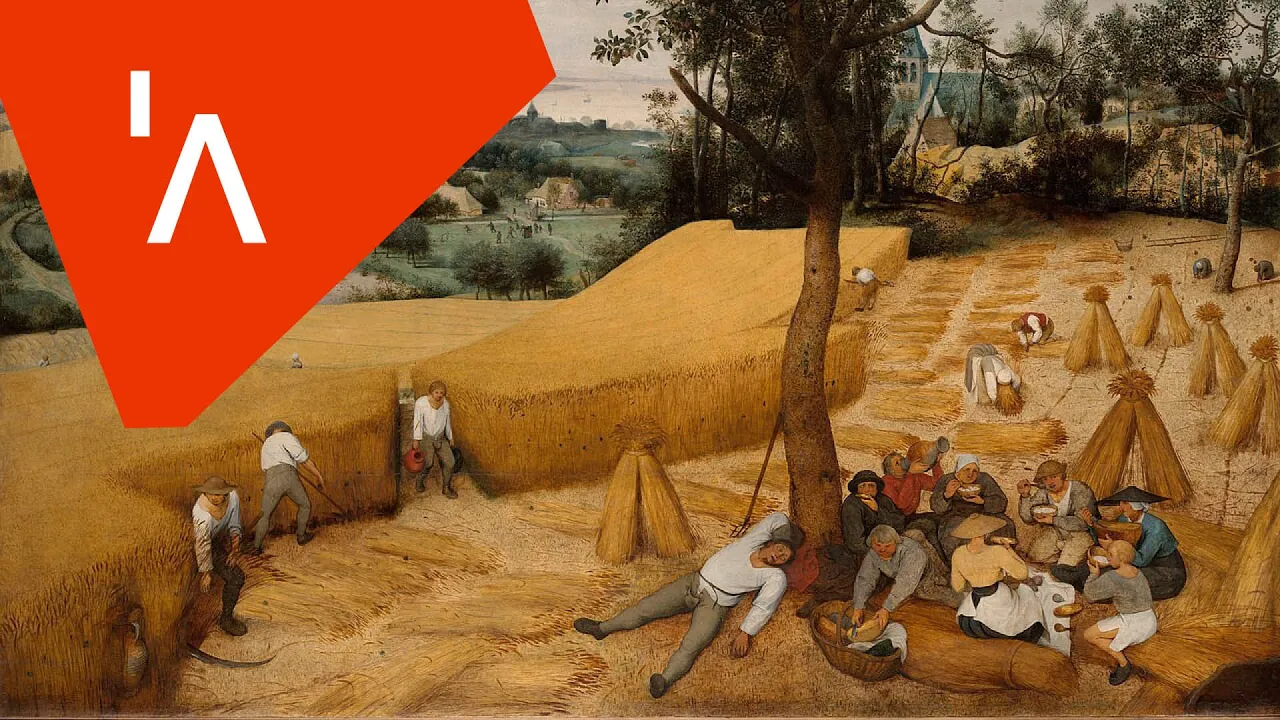








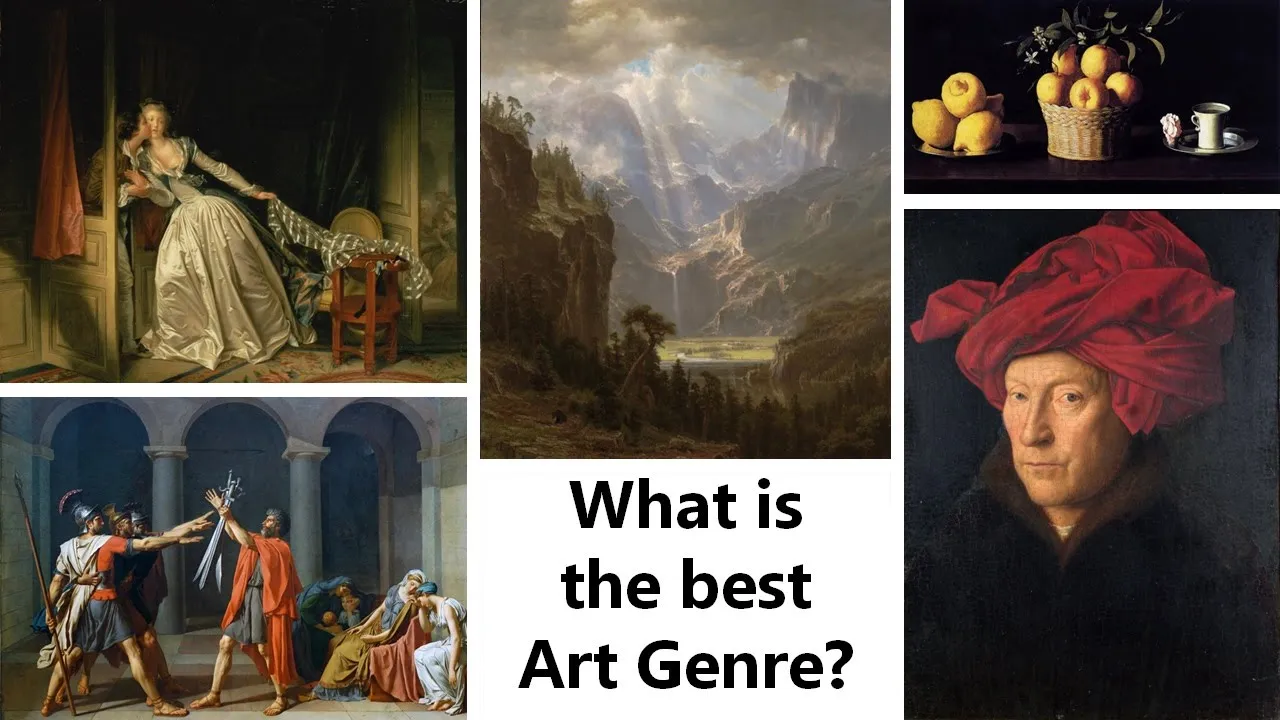


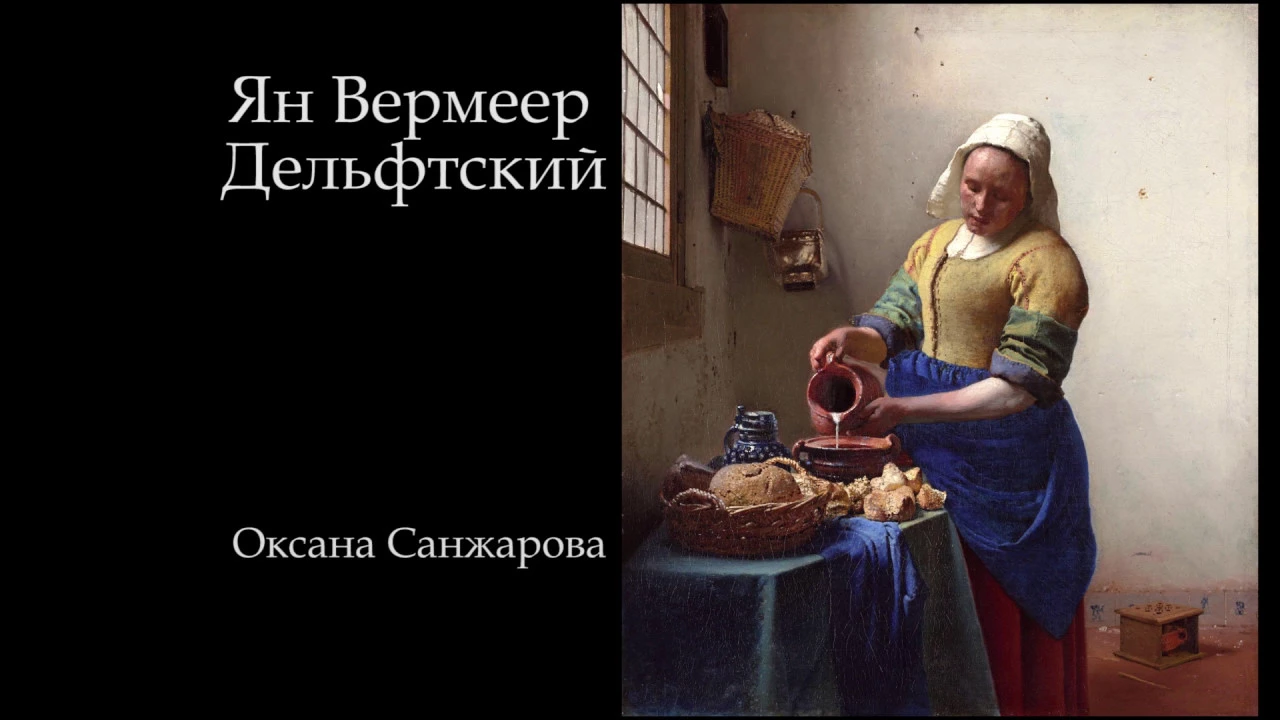

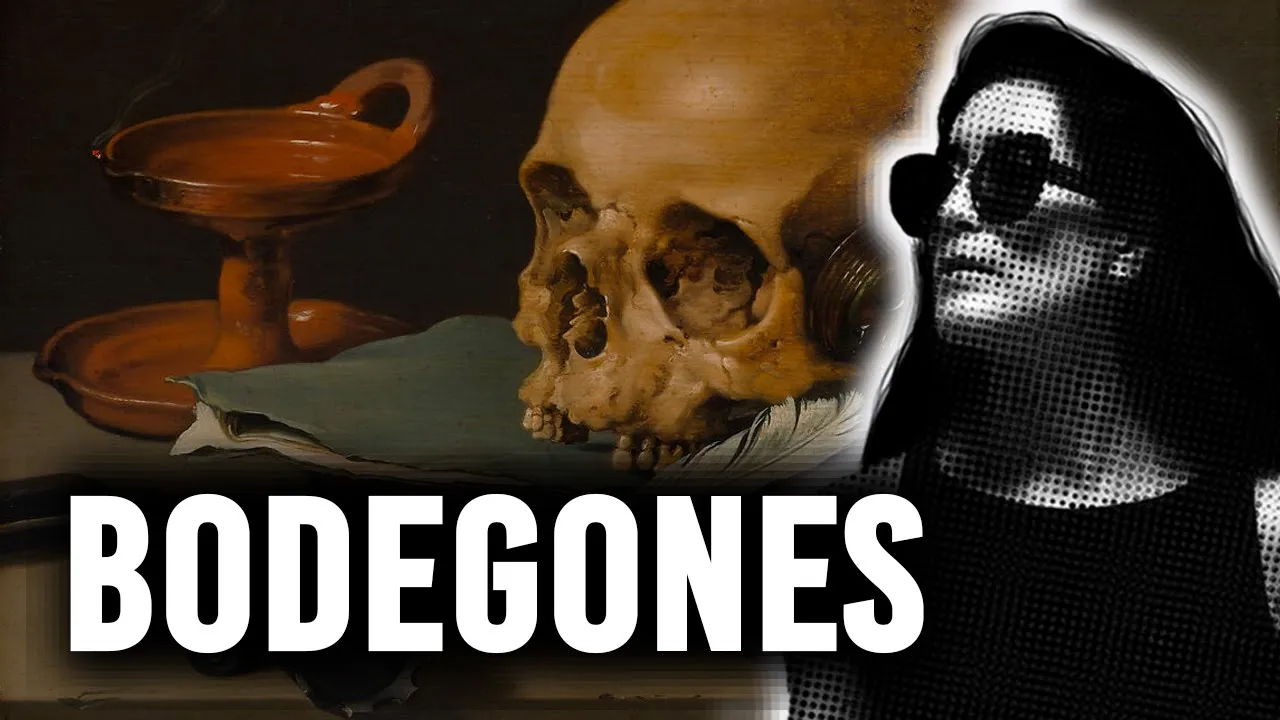
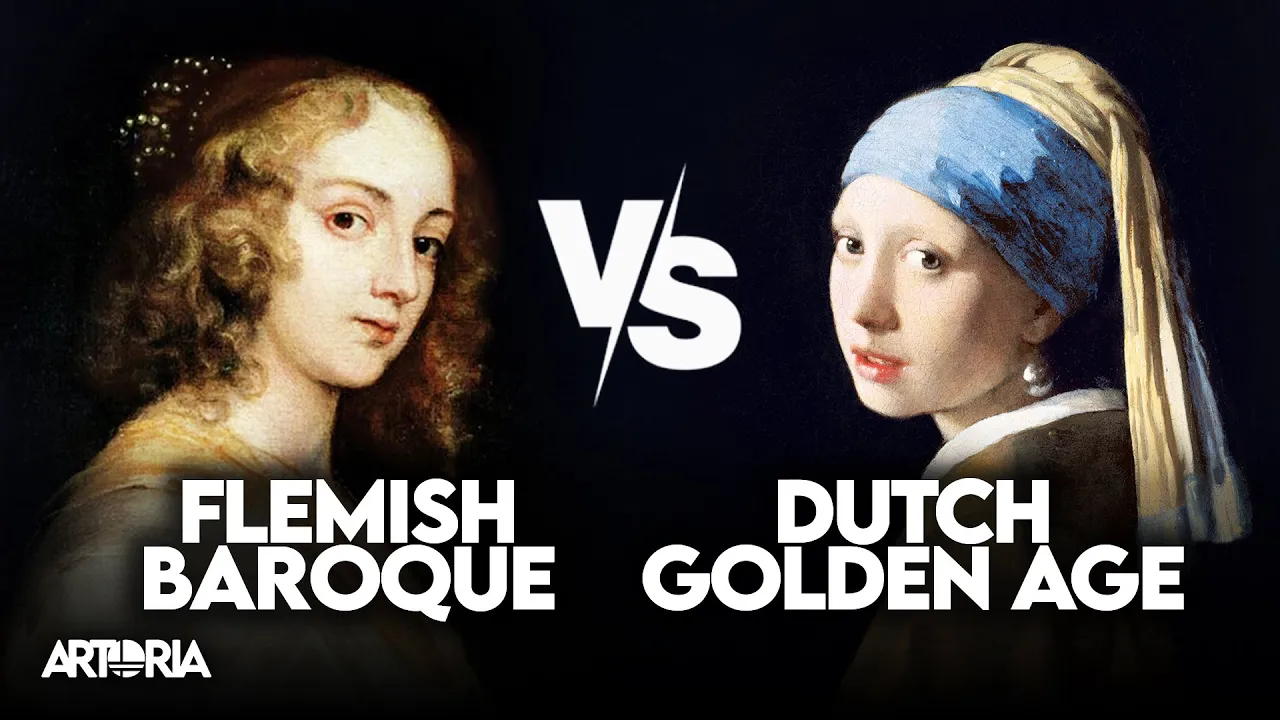

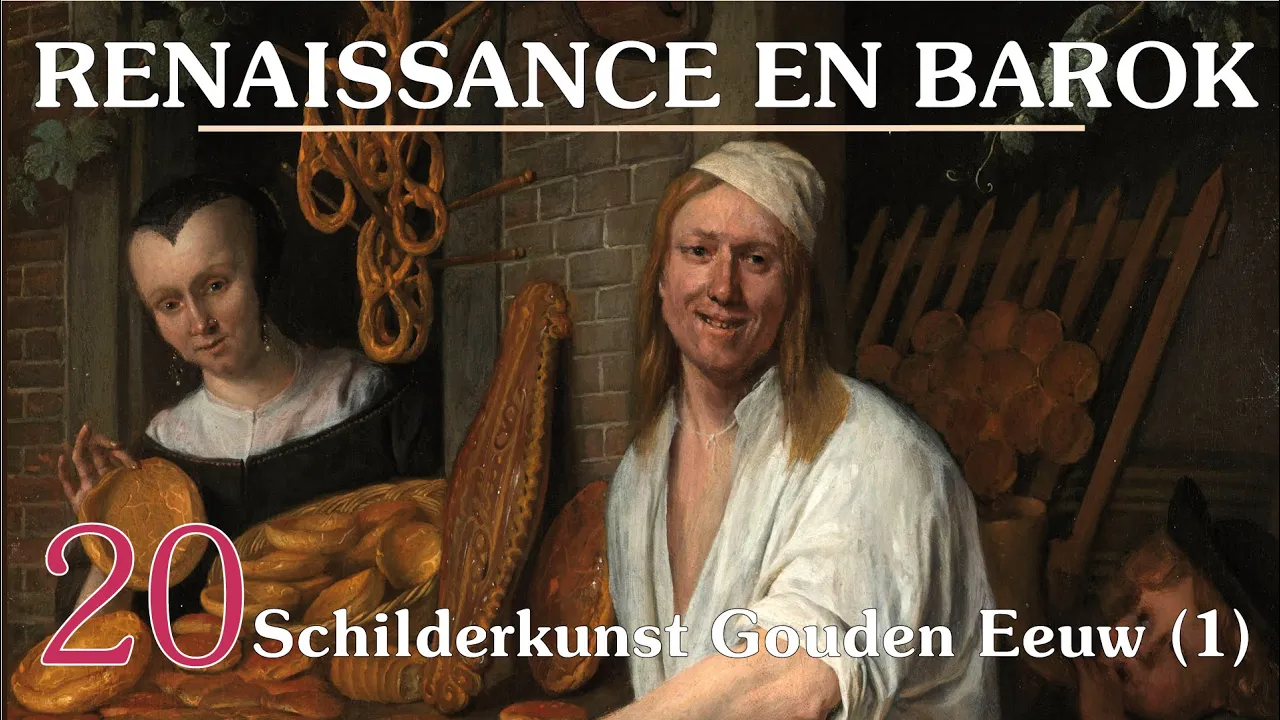
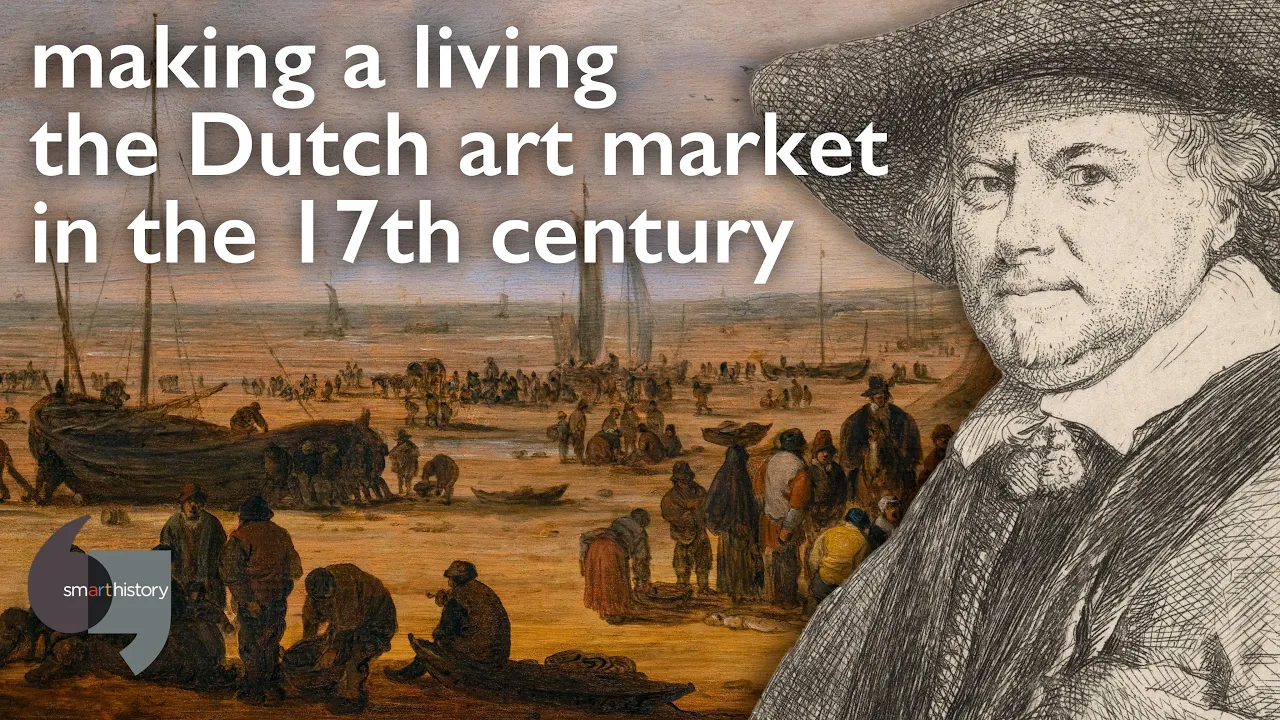


The Dutch Golden Age (17th century) produced distinctive northern paintings characterized by secular genre scenes depicting everyday life, meticulous attention to detail, and innovative use of light, contrasting sharply with the dramatic religious Baroque style of Catholic Italy; this period coincided with the Dutch Republic's economic prosperity following the Twelve Years' Truce (1609-1621) and the Peace of Westphalia (1648), enabling artists like Rembrandt, Vermeer, and Frans Hals to create works that emphasized domestic interiors, still lifes, and landscapes with remarkable technical mastery and psychological depth, establishing conventions that would influence European art for centuries.
The Dutch Golden Age: Contemporaries of Rembrandt and Vermeer
Added:Understanding the historical and economic context of the 17th-century Dutch Republic, including its transition to a sovereign merchant-led nation and its global trade dominance.
Familiarity with the Protestant Reformation's impact on art, specifically how it led to a decline in religious commissions and a rise in secular art patronage by the middle class.
Basic knowledge of the artistic styles of Rembrandt van Rijn and Johannes Vermeer, which provides a standard of comparison for their lesser-known contemporaries.
An introductory understanding of the hierarchy of genres in art history, particularly how Dutch artists elevated lower-ranked genres like landscape, portraiture, genre painting, and still life.
An advanced iconographical analysis of 'vanitas' and moralistic symbolism hidden within Dutch still life and genre paintings, particularly the works of Willem Kalf and Pieter de Hooch.
A comparative study of the Dutch Golden Age style versus the dramatic Catholic Counter-Reformation Baroque style found in Italy, Spain, and Flanders.
Researching the socio-economic factors of the 17th-century Dutch art market, including the saturation of the market, the role of open art fairs, and the functioning of the Guilds of Saint Luke.
Tracing the legacy of Frans Hals's expressive, loose brushwork on the development of 19th-century modern art movements, specifically Realism and Impressionism.
45.5K views664likes58:09Original Release: 2020-01-28
please join me in welcoming our speaker Jonathan Ritter Thank You jasmine and thanks for coming on this dreary day at the door of a Dutch townhouse two street musicians are welcomed by a servant and a delighted child the class distinctions that you see here are as sharp as the monotone drab monotone of the monochrome of the street musicians and that lovely blue satin that the child is wearing now this moment of social encounter is one example among many that you can see in the wonderful show the class distinctions and what we're dealing with here is distinctively northern painting and I want to make that point by comparing it to one of its ancestors and that of course I'm sure most of you know is the great Saint Luke drawing the Virgin by Roger fonder Weiden from here in the Museum of Fine Arts now both of these paintings show a voracious appetite for description that you can see from everything from the floor tiles to the drapery they also have these magical box spaces in which you're looking into an outside view and at the same time of course the painting on the Left which I didn't tell you is by Jakob Bach travels is a secular painting as opposed to the religious painting that you see on the right and I wanted to set in relief both the northern and the secular quality of this painting by octave alt by comparing it to a baroque painting by Caravaggio from the early 17th century this is called the Madonna of the pilgrims now in this painting rather than looking through the doorway at these street musicians out in the street here and the threshold we are in the position of these poor pilgrims looking into the doorway where you see the virgin and the naked Christ child now the the whole setup here is completely different than the emotional Packt if this is very different this is really just the normally lit room whereas this is a magical divine light a kind of a static and mysterious light of sharp contrasts and what we have here is something where we have you know as I mentioned before a box space we're looking into the space here here it's an aggressively arranged kind of Baroque space where these pilgrims are thrust into our own space and that aspect is even emphasized by the dirty feet of this pilgrim that you can see right at your face level now in this case we're really dealing with an entertaining and delightful subject this one on the right is a religious painting it's an aggressive counter-reformation image which is really designed to it's excite your piety now the difference between the two cultures that we're dealing here with here the Catholic culture of Baroque Italy and the Protestant culture of Baroque Netherlands really comes out if you think about what you have in their churches this is a a particularly explosive baroque ceiling by an artist whose name was Gally he was also known as by Chicho like little kiss and it's an extraordinary image in the church the Church of the Gesu in Rome it's called the triumph of the name of Jesus and what you see here is this explosion around the the monogram of Jesus where the figures that are flying that you see over your heads as if the ceiling is blown away and you see these figures flying in the space they are continued by the three-dimensional sculptural figures that you see surrounding them the whole thing is really intended to give you a sense of transported experience of the divine now think about that as an italian baroque church here i'm sorry here is the dutch equivalent thinking about something that's Calvinist something that's whitewashed as in this painting by Sandra dumb and it's actually a painting in the collection of this museum very very different kind of situation and even if we look in a more sort of upscale decorative decorated Church like this one from the current exhibition that Gudda Kirk and Delft when we see a very ornate part of this church here it's not an altarpiece with Christ and the saints or the Madonna it's rather a tomb of an illustrious valiant Admiral Admiral Trump and of course you also see all of these people doing things of you know walking about there's a dog here there apparently were special people whose job it was to shoo the dogs out of the church with all of the smells of you know freshly dug graves and things like that it's really a scene it's not a religious painting it's a scene from contemporary life and it's really what we would call a genre painting genre is something that's very common in the Dutch 17th century you know scenes of everyday life they generally are not recognizable people but the the Dutch loved these kinds of scenes and here is another one this one is by Hendrick a ver Kampf called winter scene on a frozen canal from around 1620 and it really is just a delightful day on the ice of course this period was one that sometimes called the Little Ice Age so they had this kind of freezing at one point the Thames froze and Queen Elizabeth came out to see the festivities there were people who set up little food booths and also little makeshift brothels that came out on the ice but one of the things that I love about this painting apart from this all over a white tonality that gives you a sense of the the coldness it's in the air is the way that these figures just happen to be standing in a way that makes a perfect perspective going into the space sort of like a vanishing point that you might not have suspected now all kinds of situations are right for genre heisting for making into genre scenes like this one for example by jakob duc of these soldiers getting dressed and of course one of the reasons that you find this in the exhibition is that it shows these class distinctions you know the distinctions between these much better dressed officers and this rather ragtag bag of soldiers over here and this it's a comic relief a bit of comic relief in a moment of war with these soldiers teasing this sleeping man sort of tickling his nose and you can see other soldiers mustering outside when I said it's comic relief in a time of war the period that we're dealing with with the Dutch Republic is a time of war at least for the first half of the century you have what's called the eighties year the eighty years war and at the same time it was a period we're starting around in around 1609 there's a truce that goes from 1609 to 1621 this they're fighting the Spanish they're fighting for their independence and of course it's a religious war the Spanish being Catholic the Dutch being Protestant from this time of the truce you really have an extraordinary building up of prosperity and Holland the opposite of Spain Spain is on a downhill slope in terms of the economy during this period and it's a kind of a wonderful thing to think about because on the one hand the Dutch Republic which is this really this time of prosperity is also this time of magnificent art the Golden Age and in Spain which is every bit as you know it the equal in terms of the greatness of the art is a time of decline which is really quite different and so you really can't predict whether a time is going to be great for art depending on you you know you can't really depend on the the prosperity for that the painting that I have on the screen right now is a magnificent work by Velazquez that some of you may know it's called the surrender of Breda and it's a sea from that war that it's a moment in fact of course it's painted by the great Court painter Velazquez it's a moment when the Spanish have the upper hand you can see that this commander is nameless Spinola here is very graciously receiving the keys of the city from this Dutch commander here and of course there is a contrast between the sort of raggle taggle Dutch Army over here with their Spears and partisans sort of going at different angles and this extraordinary phalanx of lances you know it really gives you a sense of strength and power on the Spanish side but of course this is all baroque show the Spanish lost Breda again in the when they're finally a treaty was signed and that was what really brought an end to the hostilities in 1648 you have something called the Treaty of Munster which was part of a much larger piece of Westphalia and the Peace of Westphalia into the 30 Years War which coincided with what we're talking about here and by the time that the well as I said is by the time if that 1609 truce you began to have this increasing prosperity by the time of the peace in at mid-century you have the Dutch Republic really emerging it's unparalleled unrivaled in terms of prosperity commercial might and here is a scene from the exhibition of Amsterdam Harbor you can see with these ships proudly waving their Dutch pennants so we're really talking about a time of great bounty and prosperity and that's the kind of thing that comes across in this painting by Pieter Pater to who of it's an interior with women beside a limit linen cupboard and of course linen was a very expensive and prized commodity in the Dutch Republic and you can see that that is being as carefully painted here by the artist as the the linen you factures would have created this beautiful commodity or we have a wonderful group of images in the exhibition of these very wealthy people from the merchant class like this one my Bartolome is founder health of abraham dell cord and his wife maria de deux cask eater and from 1654 and it really is a kind of affluent bower of bliss and with these wonderful statins and of course the the man here on the left was in a good position to appreciate satin because he was one of the syndics of the cloth guild and so he really you know this was part of what he did there also is in the exhibition this wonderful very vital lively painting by a France halls of another one of these merchants and the way that he has and this is characteristic of halls the way that he has the man looking over the back of the chair really gives it a touch of dynamism and the conifers that you see here are have to do with his trade which was associated with the Baltic and with with Russia then of course there is this the extraordinary swaggering pomp of this painting by France halls of Willem von hey cousin from 1625 and as is pointed out in the exhibition catalog that really is an unusual image the the level of self display that we have in this with the sword and the thing that's kind of fun is that it makes an interesting comparison with this painting this court painting by Velasquez of the count Duke of olivarez and all of our A's was the absolute arch enemy of the Dutch I mean he was the Royal favorite and it's it's also interesting to think about somebody like Oh Lavar A's in comparison to the person who had great influence perhaps you could compare them in terms of influence in the the Dutch Republic and that's constant in huijin's and shown here with what's probably his clerk in this painting by Thomas de Kaiser from 1627 this man was an enormous li learnin man he knew all about will he was a gifted musician he knew all about art and also about the Natural Sciences he was interested in things like microscopes really very much a Renaissance man and it's it's great to have this portrait in the exhibition also this one which is really a remarkable thing all together it's by Yann stain and it's a portrait of Yacouba maria von wass an hour and it's known as the poultry yard for good reason because she's surrounded by all of this really very exotic and of prized poultry and apparently the turkey was really considered very exotic sort of from north america you can see there's also a peacock up in the tree this is a young aristocrat and this is kind of an interesting thing that in the Dutch Republic they did have a nobility and she's shown a seated here before the castle of her family she's attended by this servant another one over here is a dwarf and the thing that's so interesting about this is that it's a portrait but it's done by a genre painter it's done by Yann stain and he really brings his gifts as a genre painter to this as a genre painter who's especially gifted when it comes to children and the sweetness of this little girl who you can see I'm sorry who you can see is giving milk to a lamb and in the catalog it makes a wonderful point that there is he was a Catholic artist and this was a Catholic noble family that the the point of you know feeding the lamb and the the the Dove that's flying above have you know Catholic against but you can really get a sense of how he really got the nail on the head in terms of showing a sweet little girl if you compare her to the little Infante ax in the Velasquez's of magnificent Las Meninas which is of course a court painting it's also an awful lot bigger in size but you know this little girl who seems to have been caught in a moment of a sort of a casual moment if it were possible to have a casual moment in the Habsburg Court where for example you know she is with her maids of honor there's a another dwarf over here and then this what looks like a child being rather unkind to this very docile dog you know there's a sense of majesty about this little girl that's heightened by the fact that the king and the queen have entered the room you can see that they are reflected in the mirror very very different from what we have in the yawn stained now this was a society also of great charity and these men buy halls these Regents of the st. Elizabeth Hospital in in Harlem really give you a sense of this Calvinist probity and this association with charity of these figures and one of the things that Hollis does that's so wonderful I mean none of them are actually speaking no one really seems to have their mouths open and yet they look like they're in conversation they have this sense of you know a speaking likeness for all of these men and if you think about the kind of activities that were encouraged in the society like this the sort of wholesome activities you have things like for example you could have somebody in a grocery store like this one this wonderful Garret Dow where you have all of these little details you know things like the little scale where it looks like she's weighing a coin the carrots and and onions here on this windowsill the windowsill of course heightens the illusionistic effect it's sort of you know when you have a picture this it's a window into space but then that window is doubled by having an actual window and a parapet here so you could have a a very wholesome activity like this or this painting by Jakob duck of a woman ironing with a child playing with a little windmill whirligig thing here nearby you know all very wholesome the classes that know their place you know that are all doing what they're supposed to be doing or think about this wonderful painting by Nicolas maze of a woman making lace in the sort of sort of quiet studious setting now the other side of the coin is represented by a prostitute who you can see as holding a large coin and in this in this painting by Jakob Baker and if you've been to Amsterdam you know that this is still very much a thriving business now there was also a more serious side to things and that really is represented by this still life which I've brought in which is by Peter Clay's work from 1656 and it's called vani toss and a vani toss is a type of still life they're very common in both seventeenth century Spain and in 17th century Netherlands and they have to do with the vanity of life the vanity of worldly things that's what Vanitas means so that there are a few stock images that you find are sort of symbols that you find in these works for example the skull the the guttering lamp the clock things like that and they often are juxtaposed there's also a rather lugubrious here there's a bone here as well they're often just opposed with things that have to do with worldly accomplishments so you have a it looks like a book with music on it this very finely wrought glass which is of course tipped over this is something that was part of that culture as well now here is our Baker who I showed you at the very beginning of the of the lecture and this is what you would really call a tour de force still life at least in the front I mean it's also a genre painting because it has the Baker and the the fact that he's blowing the horn to show that the bread has been prepared the bread is ready really adds hearing to four other senses so this really gives you the five senses I mean of course you have sight because it's a picture but you also have taste you have aroma and you have feel you have touch because this bread is so extraordinarily crispy and crusty I mean it really wants you to it makes you want to run over to the clear flour and get your fill but this kind of virtuoso thing also reminds us that this was a time of great bounty and visitors to 17th century Netherlands talked about how the Dutch love to eat they love to feasts themselves to have banquets now that one of the things that's very interesting is that that tour de force kind of still life has a parallel in 17th century Spain I mean this is one of the interesting things these are two absolutely rival countries you know who a very long time you know for 80 years at war with each other and yet some of their traditions are similar what I'm showing you here in comparison to the to the Baker is this magnificent water cellar of Seville by Velazquez and early work by Velazquez where you have these just sort of drop dead water containers you know that are just so incredibly persuasive in terms of not only the the texture of the material of the the the the ceramics but also even the the condensation on the on the sides so you also have this tradition in 17th century Spain now coming back to this this theme of eating here is this fishwife by Adrienne Yvonne us than a stat from 1672 and you know one of the things that's so interesting is and this is something that Simon Schama made the point about in his wonderful book called an embarrassment of riches is this idea that on the one hand the Dutch love to indulge their taste for good food and you know good drink and things like that and on the other hand it's a Calvinist Society so there's this sense of you know maybe we should back away from this kind of thing so it's it's a really interesting sort of tension and sometimes the indulgence gets taken a little too far like in this Adrienne Brauer where it's sort of the ultimate frat party here where everyone is just guzzling themselves this poor fellow's has had way too much to drink and it's interesting that there are seven figures here because this is one of the seven deadly sins this is the sin of gluttony now in terms of the this kind of image the idea of having what looked like peasants indulging in their appetites that's something that has a long tradition in the north and what I'm showing you is a very famous I'm sure many of you know this wonderful painting by Pieter Bruegel the elder of a peasants wedding so this is from the 16th century this is you know from the century before what we're talking about with all of these people indulging themselves and this kind of plenty there also is in accord with this tension between indulgence and abstaining and temperance there is the old theme and this is again a Pieter Bruegel I don't know the date exactly of this but it's actually in the collection of the Museum of Fine Arts it's the old theme of the battle between Carnaval who you see over here and Lance over here now Lent is proffering some fish a carnival has some spitted poultry and they're going at each other carnival has an its train some mascar as one of them is decorated with sausages and Lent has flagellants so they're sort of going at each other and there's a marvelous pair of prints by Pieter Bruegel also by Pieter Bruegel from 1563 of first the first one is the lean kitchen so here you have everyone who's been on Weight Watchers and they are trying desperately to pull this fatso into the kitchen and you can see that this woman is even offering some poor fare but he's struggling to get away he doesn't want to come in and the opposite is the fat kitchen where they are kicking out this poor man with his sort of shrunken bagpipe and you know if the the door here when you have this wonderful porcine dog you know who's biting him on the ankle here's another one over here sort of reminds me of my dog and of course there are these wonderful breakfast pieces as they're often called this one is that it's not in the exhibition but it is in the Museum of Fine Arts collection this is a painting by Pater clays he's the one who did that vaneeta still-life that I showed you before and this one's from 1642 it doesn't have exactly the same kind of vani toss emblems it does look like the the the meal has been in progress just a simple meal it has a kind of a monochrome aspect to it wonderful sense of different textures being caught it really is also a tour-de-force kind of thing the knife balanced on the edge which both gives you a sense of something that you could reach out and grab and also increases the sense of space in the picture that light going through the liquid which is really very enchanting and the star of the scene is the herring and herring as Simon Schama points out is a very patriotic fish for the Dutch they take great pride in their herring so you see it here now one of the things that's really fascinating as I've told you that in terms of the the history of war and peace that the first half of the century they still are at war I mean there was this truce in 1609 where things start getting better but they really you know the the truce ends in 1621 they still really are at war but when peace finally comes in 1648 there is this extraordinary kind of abundance and one of the things that's fascinating is that if you look at different things from the different genres that I'm talking to you about talking to you about for example still life if you look at them before and after this piece there is an enormous difference so this is you could say from that period this is really from that period before the pieces of 1642 this is from afterwards and it is just this extraordinary rich banquet here this is a painting by Willem Cal which is in the Cleveland Museum called wine glass on a gilded silver foot and a bowl of fruit from 1653 so it's a little bit after as if it's a few years after that piece and it's just the most extraordinary thing I mean you have that same motif of the handle of the knife but now it looks like it's made of some kind of exquisite a mineral or something like that the the ball is this gorgeous blue ball the fruit is the kind of stuff that you won't even find in whole foods you know it's this kind of really exquisite stuff the you know the different colors of wine in these vessels and of course you have this magnificent a carpet here which might remind you very much of the sort of thing that you see in works by Vermeer now Vermeer's works like this woman writing this wonderful prize in the exhibition is one of these paintings that really shows a very rich interior this woman who is beautifully dressed with this fur-lined jacket all of the beautiful things around her like her silver inkwell all of these things really make us think of a society which has really attained a high level of affluence and at the same time the thing that really is precious here or that makes all of these precious things stand out is the light and that could even be precious in a very humble setting like this one this is of course one of the great paintings in the Museum of Fine Arts this is a small just magical painting by Rembrandt of an artist in a studio and here light is captivating even in a very humble studio with cracked walls in these rough floorboards and it looks like the light must be coming in from this side striking this canvas on an easel and radiating outward as if the you know becoming something that makes the the artist look very small in comparison to his wonderful work here on the on the canvas so this is a this is really done with this magic of light and in this painting by Adrian court from 1697 it could even make something like asparagus seem captivating with this kind of illumination or you could have a painting like this one from the exhibition called clearing the table by Garrett do from 1655 to 1660 where you have three different varieties of illumination you have a lantern you have a candle and then you have the fireplace as well which are all sort of working together to make this kind of warm very captivating interior you also have something like the little foot warmer here on the side or there if there is this scene by Pater de haut which has this sense of the plain light of day out here in this courtyard and which can make all of these very ordinary things the brickwork the paved ground here the broom the bucket all of these things take on a a really individual character it's that sort of thing that I talked about when I was showing you the still life the still lives of the bit you know the the baker's bread and then also that Spanish still-life by velázquez it's this emphasis on the particularity of individual thing so it's not a broom in general it is a very specific broom that we're seeing here in this painting shown by this kind of captivating light now a similar kind of change takes place in landscape that is similar to what we saw in still life that is things that tend to be from before the piece and this one I don't know that the date on it but it's from an artist a very fine artist whose name is Yun Van Gogh and it's another painting from the museum of fine arts called Ford on a river of yon van Gogh Ian was really from a generation before the piece and in this kind of painting I mean it's very very sensitive in terms of light it looks like it's I mean this is typical of his paintings they always look like it's overcast outside it's like he would be really great at painting today in this kind of a light now that's so different from a painting from what we could call the classical phase of Dutch landscape which really comes more after this piece for example this painting by willem van de Velde oh the younger called a state's yacht and a fresh breeze running toward a group of Dutch ships from 1673 and you can see there's a great dramatic contrast of light and shade the the Whitecaps of the water the light that's hitting the the sail and one of the things that this artist was a great master at was giving you a sense of the fineness of rigging not only in terms of the accuracy of the rigging something that would really delight someone who you know loves boats but also really giving you this rigging as it is effected by the atmosphere that it's seen in and of course the greatest of all of the landscape painters from this period is jakob von Rosedale and what I'm showing you here is a painting from around sixteen 6263 called as a view of the plane of Harlem with bleaching ground so what they're doing here is they're bleaching linen and apparently that was done with buttermilk but anyway it's a an extraordinary painting very typically from a very high point of view and an enormous amount of this painting is given to the sky the this the sense here not only of bold contrast of light and shade but also these wonderful clouds which really have this great character and presence this kind of painting makes a fascinating comparison with a French classical landscape these two couldn't be more unalike I'm really showing you this not for similarity but for difference so we have a 17th century French classical landscape here we have a 17th century Dutch classical landscape here but the French one for one thing it's not a vernacular scene the Dutch scenes that you could say that they're vernacular they are Holland or they are you know they are the Dutch Republic this is not this is ancient Rome and this is a scene called it's called landscape with the gathering of the ashes of phocion from 1648 and so what's going on here is that you have a scene from classical antiquity and that was typical of that tradition that's represented by Pusa if you go up into the broke the great Baroque gallery here you can see some other paintings by Pusa in other words they're not set in in 17th century italy or even 17th century france I mean he was French but he spent most of his career in in Rome they're set rather in either classical antiquity or the time of the Bible you know the and so that's very different but of course for one thing that probably immediately strikes you is the difference in color there is a kind of tawny a dry quality and the color here that's completely unlike this moist air that we have here it's very much an idealized sort of setting you can see that it has these classical buildings which are echoed by the rocks here the trees setting the whole thing off the main action the gathering of the ash is taking place in the foreground it has a very neat division between the foreground the middle ground the distant rear ground in other words it has an ideal pictorial arrangement it's the visual equivalent of the high-mindedness of the subject in other words it has a kind of crystal clarity which goes along with this very elevated this lofty subject of the gathering of the ashes now that's completely unlike what we have here which just seems so much more fresh and so much more so much more free and that was one of the reasons why it was beloved by John this kind of art this Dutch art was beloved by the great romantic 19th century artist John Constable and what I'm showing you here this is of course a painting that you can see up upstairs in the nineteenth-century galleries that is constables Weymouth bay from the Downs above Oz Beaton Mills from around 1816 now constable said that he really admired the Dutch because they were stay-at-home people they didn't travel very much and this represents a really unusual incident of travel where he actually traveled to another part of England but generally constable stayed at home but he loved the way that they the Dutch showed so much of the sky constable said that the sky is the chief is the chief instrument of sentiment in a painting and the other thing that's so interesting is that constable although he's British he comes from a part of he came from a part of England that called East Anglia that had a very long tradition of trade with the Dutch and his forebear there who was also very influenced by the Dutch was Gainsborough and who also did some wonderful Dutch landscape so this is a kind of tradition you know going from from from the Dutch Republic here too 19th century Britain you also have a fascinating echo of Dutch 17th century art in a work like this one over here now this is a 19th century painting from its from the early 19th century it's by an artist named Margherita Hogg and it's called bad news it was shown in the salon of 1804 and what I'm comparing it with is the Gerard ter bork a lady at our toilet from around 1660 which is in the exhibition this is exactly the kind of pain you could see down to the dogs that Marguerite Gerard was trying to imitate in this painting from the early Napoleonic period and I have to point out that at that time in the early years of the 19th century these small what we call the Dutch little masters people like Metsu and tier bork these were absolutely the rage in France to the point where it was getting to be difficult to find room among the copyists there were so many people who are copying these things in the Louvre and they were also reprised in the aristocratic collections of the time and you can see that like the 17th century prototype this is a kind of lacquered enameled precious space here with the chose every little fold in this these silks and satins now of course it's from a different time they have these empire bus lines and what of course what's going on here is that she has received bad news perhaps about a love affair or something like that and she has fainted in this be giving aromatics by her servant the dog looks very concerned and so this is a kind of it's a kind of you know repeat or a sort of echo of the Dutch here in the 19th century in France and that tradition of still life also is something that has an enduring life this is another still life by a Peter clays which is also in the Museum of Fine Arts it's called still life with silver brandy ball wineglass herring and bread from 1642 so it's it's again it's from that earlier phase you know it has that mano sort of monochrome look to it and there's a wonderful passage here where it looks like this this bread here has been eaten here's your herring again but what I'm showing it to you on the width on the right that's a painting of a really famous painting by Chardin a great 18th century the greatest still-life painter of 18th century France who is showing you a gutted ray and you know Chardin was such a good painter that he could even make a gutted ray look appetizing I mean of course if you've ever had if a oboe you know that it really is a wonderful thing to eat but you know down to the knife you know that is protruding I mean this is and of course you know this is a somewhat different kind of fair you know you have oysters you have this this fine fish this is really a much more humble kind of still life and at the same time you can see the continuity of these traditions you can also see it in the work the still life of MANET and this is his still life with salmon from 1866 69 where again you have that motif of the knife and one of the things about the painting like this one by MANET and I think this is something that you also find in the Dutch like for example well the still life that I'm showing you or that the still life in the front of the painting of the Baker is that sense that the the beauty of the handling of the paint is an equivalent to the deliciousness of what you're looking at and so that's something that you get in this with sorry with this with this silver look of a salmon here and this beautiful bowl and lemon which is also very much a Dutch motif while I'm getting ahead of myself here I just wanted to say that there is a kind of continuity between something like this Edward Hopper which is of course upstairs in the American collection of a room in Brooklyn and this magnificent painting by Vermeer they both have this sense of serenity and that kind of light which is something that we see in both of these really coming to the fore and all of these comparisons that I've been making the debts to Dutch art by Marguerite Girard by Constable by short down by MANET those and the analogy that you can make between two painting paintings like this really tell us that the magic of art of the Dutch Golden Age still indoors thank you [Applause] [Music] and I'd be happy to take questions sure they right you know I actually I don't know that's a really good point i it does anyone know the oh here TV did you know or okay oh okay the the the question let's see maybe we can get some microphones in here that would be great if we could get some mics the question had to do with why do you have the period after some of the names like Jan's or Peter clays and this gentleman has kindly told us because I really didn't know the answer to that it really has to do with showing whether someone is a son or a daughter it's it's differentiated between the male and the female so and sure go ahead I see it right so it's sort of like what you have in Russian with a nova and vich at the end of the right right let's see do we have a microphone yes on either side now and raise your hand we'll bring one of the microphones to you yep oh here's a question here I think oh okay oh I'm sorry I haven't come to all the lectures but I'm curious about the Jewish community of the Netherlands because I haven't heard it mentioned here and you know it's my understanding that the Jew the Jewish community of Spain was driven out in the Inquisition and a lot of talent scattered throughout Europe but particularly to to the Netherlands and their contribution was huge in terms of organizational skills and trade routes a knowledge of trade routes etc so I'm just asking why I haven't heard any mention of the Jewish community there's a beautiful Museum and in Amsterdam and of course the community was decimated by the second absolutely yeah well that's that's a really good point and I would refer you to my colleague at BU Michael Zell who's going to be giving one of the lectures here is an expert on that top that can wrote a book about Rembrandt and the Jews the Dutch Republic really had this tradition of being welcoming to you know to other people you know persecuted people of course that's where the pilgrims originally went you know they were enlightened before they came to to America and there is a kind of a sort of cosmopolitan aspect about you know in this this sense of you know a kind of you know freedom there that you really didn't find another in other places I mean of course like you said the you know it was the the population was decimated of course we all know about Anne Frank you know during the during the Holocaust but the Netherlands really did have this kind of tradition and it really is one of the things and of course this is a great way of contrasting it with Spain you know because of course with you know the Inquisition and you know it really is a it is a remarkable aspect of the civilization the right the religious toleration and right so next we'll go up in the back and the centre please wait for the microphone would you please go further and with your analysis of the comparison between these two paintings that are on exhibit that are up on the screen right now oh okay well what I'm thinking about is the well for one thing the the quality of the light there's a certain sense of stillness that you see in the two paintings of course you know they come from very different cultures but it's quite possible that you know I mean this is this one is from the Metropolitan Museum it's quite possible that Hopper was thinking about that but even if he wasn't thinking about this particular painting he certainly knew Dutch interiors and you know one of the things about Hopper that is really magical is the way that he tends to bring all of his values like the value or they're the two words mean the same thing they have to do with lightness and darkness and the way that he tends to bring all the values are the tones together in a way that they have a relatively sort of narrow bandwidth so that you you tend to get things very close to each other like these shades and the light that's coming through them they tend to be a very similar lightness and darkness there's that and there's also the way that he tends to soften the edges of the figures it gives it a sense of a kind of quietness there's a poetic quality to it and that really reminded me of what you get in Invermere now you know of course that sort of lavishness that we have in terms of the a lot of the you know the the upholstery and things like that the the decorations the furniture that we have in Vermeer's that's really very different from the kind of plain American sort of thing that you have here but there is also there's a whole tradition of open window paintings which is kind of fascinating it really is something that is especially big in the in the Romantic period in the nineteenth century in Germany but also you know it ultimately comes from this kind of a thing but in the Vermeer you have the window just as something to let in the light with the hopper which in a way is more like one of those early open window paintings there's this a certain sense of you know contrast between the inside and the outside almost a kind of a longing to travel to to get out from the interior if if that helps [Music] is the color of the Vermeer that's up on the screen accurate because I'm intrigued by the fact that the girl with the Pearl Earring which is probably his best-known painting because of the book the color is so vibrant but the pictures in the exhibit and that seemed very pale to me hmm that's a that's a good question I think it's fairly accurate in terms of you know I think it's a fairly good slide of the image I mean Vermeer varies a lot I mean I was really surprised when I went to last spring break I like to go to museums on my spring break and take a busman's holiday and I went to well I went to Amsterdam and saw the late Rembrandt show and you know other things there but I also went to I was in Dresden and I saw this early rent Vermeer it's of a brothel and it just was it just really surprised me it's a very large painting or I mean compared to those others and you know he really had a certain you know he had different manners at different times you know that can look quite quite different I mean that I did get to see that the the girl with the Pearl Earring and that really is it is just captivating painting hi I'm always interested in the hairstyles of the women that there was one where the woman had kind of like a V oh yes that was the the Nicholas Mays and the other one is where the hair is you know way back is that a style of different class or style of different tongue limbs yeah that's that's a really interesting question I suspect that there were different you know the there could have been a class difference with different kinds of hair have not having much hair I I'm not an expert in this area but but one thing that you I think that you can assume is that when you see a one of these paintings they really do have a true-to-life quality so that the the artist is going to really take it upon themselves to try to make it look as much like you know the way someone really would have worn their hair at the time I understand that maybe the luminosity of the paintings and the Dutch exhibit is due to the fact that they discovered they applied oil painting for the first time and my question is when and when they did the other artists adopt that and was it linseed oil that they were basing their paintings on that's a really good point yes the oil was first developed in the north but it was quite a bit before these it really goes back even before the Roger fond of item that I showed you there was an artist named Melchior Broder LOM who I think was one of the first who actually used oil I don't really know I you know linseed oil is a good guess I I'm not a constant conservator when I was a student a graduate student they had a program in that and I never I didn't take any courses in it so I I don't know but it was a very elite program you had to both you had to know art history you had to have chemistry and you had to know how to draw so it was it was pretty special but that's the kind of thing that they study I mean it's a fascinating thing the whole history of different kinds of media that you put pigment in and of course the discovery of oil in the North in the 15th century was something that really revolutionized painting because you could get these incredible glazes and you know things like the what you have in the Vermeer you know with those you know things like a Pearl Earring you could never get that you know without the oil effect and of course in Italy eventually oil comes I mean there's a Antonella da Messina is one of the artists who seems to even though he was from you know his name says he's from the very far south like Sicily he actually seems to have had contact with the north and brought it to to Italy and so you begin in the in the later part of the 15th century you begin to get it in people like the Bellinis in but before that you know especially among the florentine painters they used egg you know instead of oil and you know you can use just about it you know they're all different kinds of I mean in the what in the 1950s they discovered you could use plastic you know like acrylic or latex you know and and people especially going into the 60s began to use that a lot but each one of these things has a very different of course there's water for you know watercolor but each one of them has very different kinds of qualities that jewel like quality really is extraordinary I mean I remember when I and on that same trip that I mentioned I was in Berlin and I saw this little painting by Yann fun Ike it had to be about this big of a Madonna in a church and it was just you know it was the sort of jewel like thing it was just extraordinary that you know was unthinkable without oil did anyone else have any questions well take one in the back here were there any women painters at this time yes there well there's certainly when there's Judith leister is one that I can think of I mean it's not a you know I don't think there was a huge number at least that have come down in history from this particular culture when now when you get to the late 18th century in the early 19th century I'm not talking about the Netherlands but when I showed you the margarita fog there were actually quite a few women now they were kept out of the Academy in France but there really that was a that you know that was a time where you actually do get a fair number of women artists just a quick one I'm wondering in the hopper there's a phase of white flowers I can't tell what they are but do you think that is symbolic of something or is it just to have another color I kind of doubt it it's yeah I mean the thing about some symbol that's a really good question I mean the thing about symbolic things is that you have to sort of see if it's a culture where that is common so that in 17th century Netherlands it really is not at all unusual to have something that you know something especially in a still life that symbolizes something in the that earlier culture of the Netherlands the at the time of say Roger Fonda Biden and yon phonic they really did that a lot in you know we call it hidden symbolism but you know the thing about that is that you you sort of it within our history you have to sort of if you study an artist and you really get a sense of who I remember one of my professors used expression what washes with them you know in terms of you know whether something is likely or not and I suspect with hopper I you know I mean it's possible but I sort of doubt it in that case well thank you all for coming today thank you very much [Applause] [Music]
Up Next
94:03
Johannes Vermeer: The Sphinx of Delft - A Master of Light
@SLICE_Who
240.8K views•2024-06-20

114:18
Christian Iconography: History, Theology, and Meaning | Fr. Panayiotis Papageorgiou
@Trisagionfilms
58.8K views•2020-02-21

76:05
Klimt, Ornament, and Viennese Modernism: Art History Analysis
@mfaboston
47.5K views•2018-03-20

16:34
Earliest Depictions of Jesus in Art: 10 Ancient Images Explained
@UsefulCharts
5.9M views•2022-06-03
Related Study Plans & Knowledge Roadmaps
Structured learning paths in Art History
art-history
Gothic Cathedrals: Engineering, Light & Society
01The Birth of the Gothic: Romanesque to Suger's Vision
02The Structural Triad: Pointed Arches, Ribbed Vaults, and Flying Buttresses
03Theology of Light: Lux Nova and Sacred Geometry
+ 2 more learning modules
14h5 modules
Explore Roadmap
art-history
Pre-Raphaelites: Realism, Symbolism & Critique
01The Victorian Art Establishment and Academic Formula
02The Founding of the PRB and Radical Realism
03Medieval Revivalism and Literary Symbolism
+ 1 more learning modules
8h4 modules
Explore Roadmap
art-history
Street Art: From Subways to Art Market
01Subcultural Origins in Philadelphia and New York (1970s)
02The Subway Era and Style Wars (Late 1970s - 1980s)
03The East Village Scene and Early Gallery Crossover
+ 2 more learning modules
10h5 modules
Explore Roadmap
art-history
Classic Maya Art: Iconography, Glyphs & Ritual
01Foundations of Classic Maya Visual Culture
02Deciphering Maya Hieroglyphs & Text-Image Integration
03Sacred Geography and Cosmological Architecture
+ 2 more learning modules
14h5 modules
Explore Roadmap