











![140강: 네덜란드 바로크 미술 (2) 램브란트 [가톨릭 교회사]](https://i.ytimg.com/vi/v9TN-7RZZF8/maxresdefault.jpg)





In 17th century Holland, the rise of a wealthy Protestant merchant class created an unprecedented open art market where artists competed by developing distinctive stylistic brands, such as using reduced palettes and innovative brushwork techniques, enabling them to sell paintings quickly and achieve financial success even at relatively low prices.
17th Century Dutch Art Market: How Artists Made a Living
Added:The historical context of the Dutch Golden Age, specifically the rise of the Dutch Republic, its wealthy merchant class, and the shift from Catholic Church patronage to Protestant secular tastes.
Basic economic principles of a free or open market, including supply, demand, competition, and commodity pricing.
The traditional role of European artist guilds, such as the Guild of Saint Luke, in regulating art production, training, and sales.
Familiarity with standard art history genres (e.g., still life, landscape, portraiture, and genre painting) and how they differed from traditional history painting.
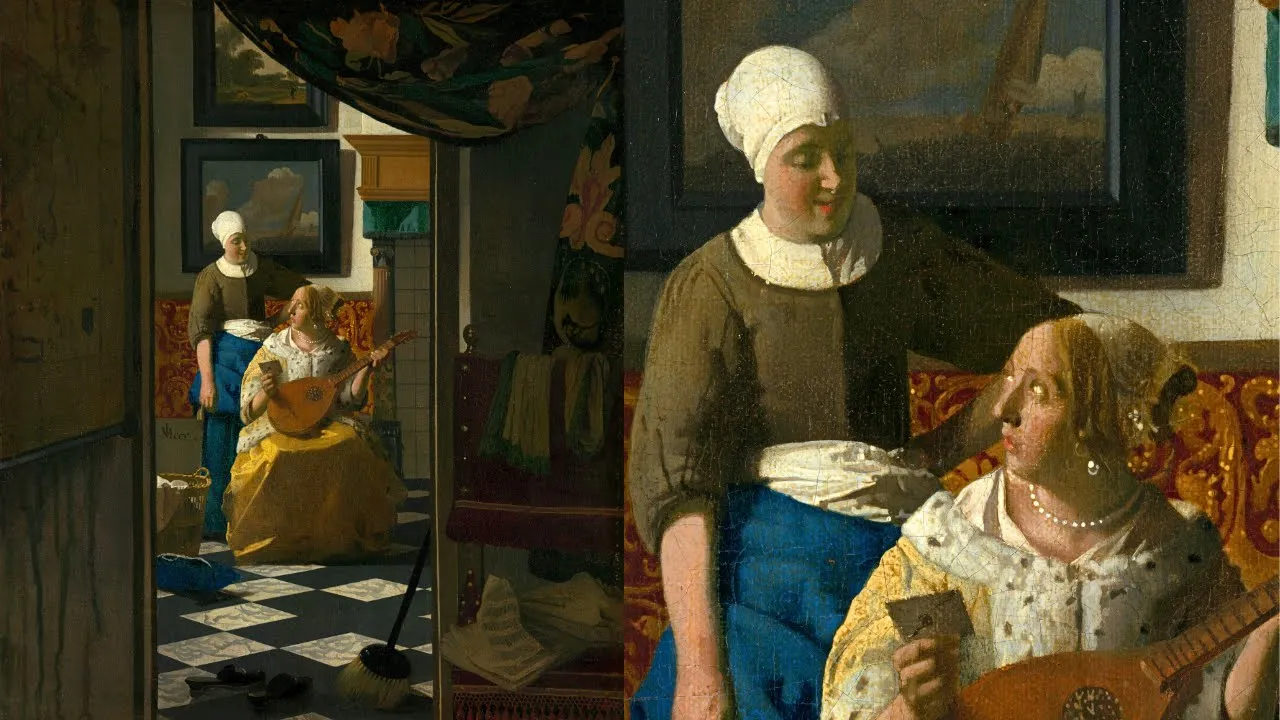
In-depth case studies of specific Dutch masters (e.g., Rembrandt's financial challenges and studio system, or Vermeer's limited production for a select patronage).
The evolution of the modern commercial art market, analyzing how the 17th-century Dutch model laid the groundwork for today's galleries, dealers, and auctions.
The correlation between the Dutch 'Tulip Mania' speculative bubble and the market value of floral still life paintings during the same era.
A comparative study of 'visual branding' in 17th-century Dutch art versus contemporary artist branding and self-promotion in the digital age.
17.4K views471likes4:27Original Release: 2023-01-19
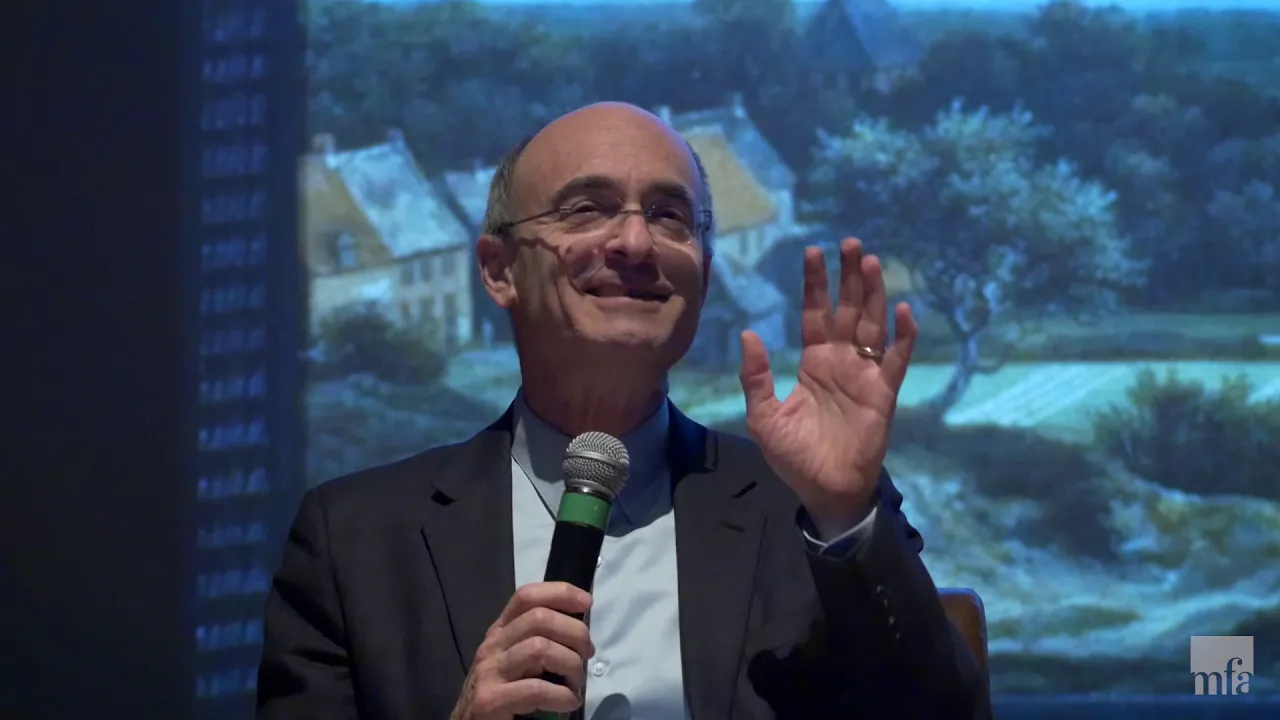
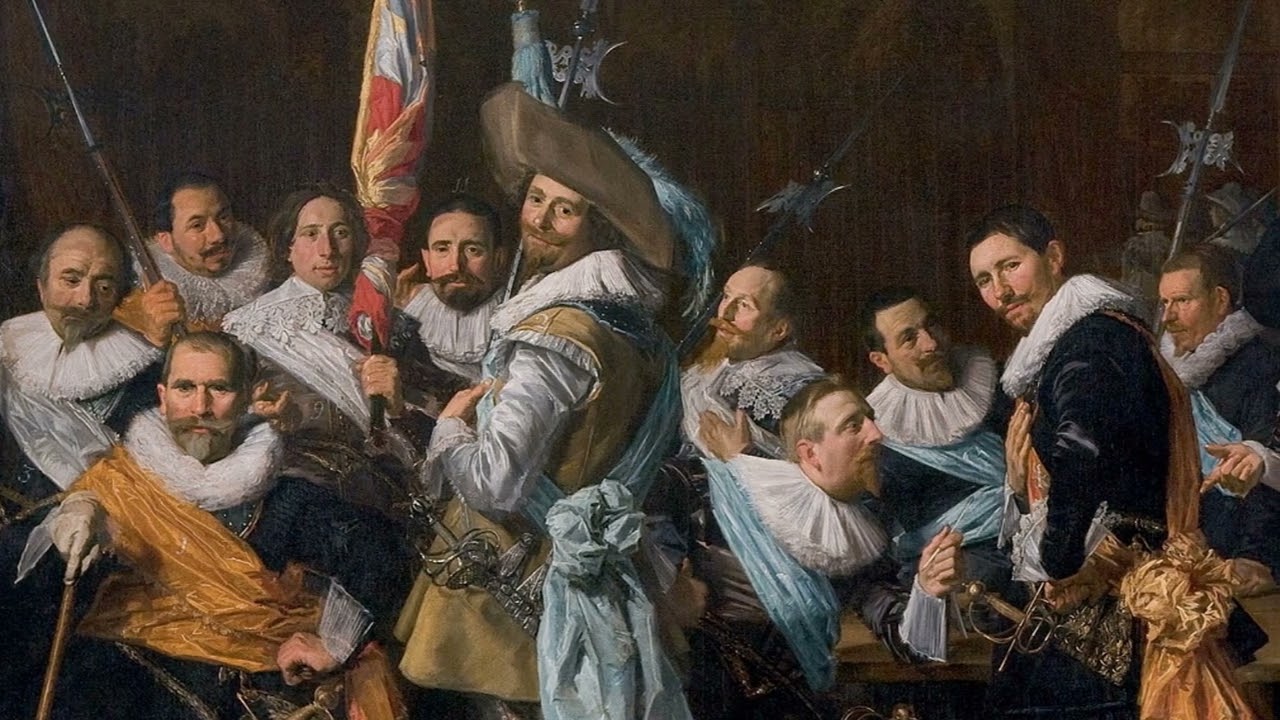
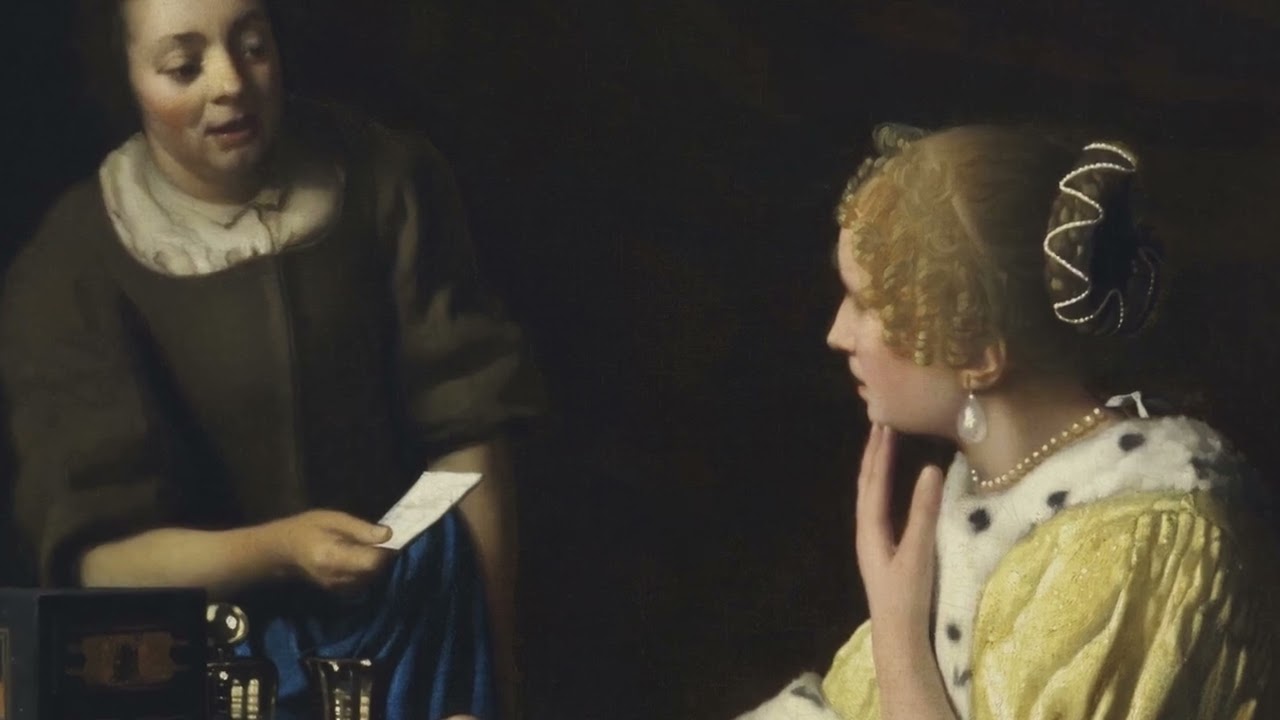
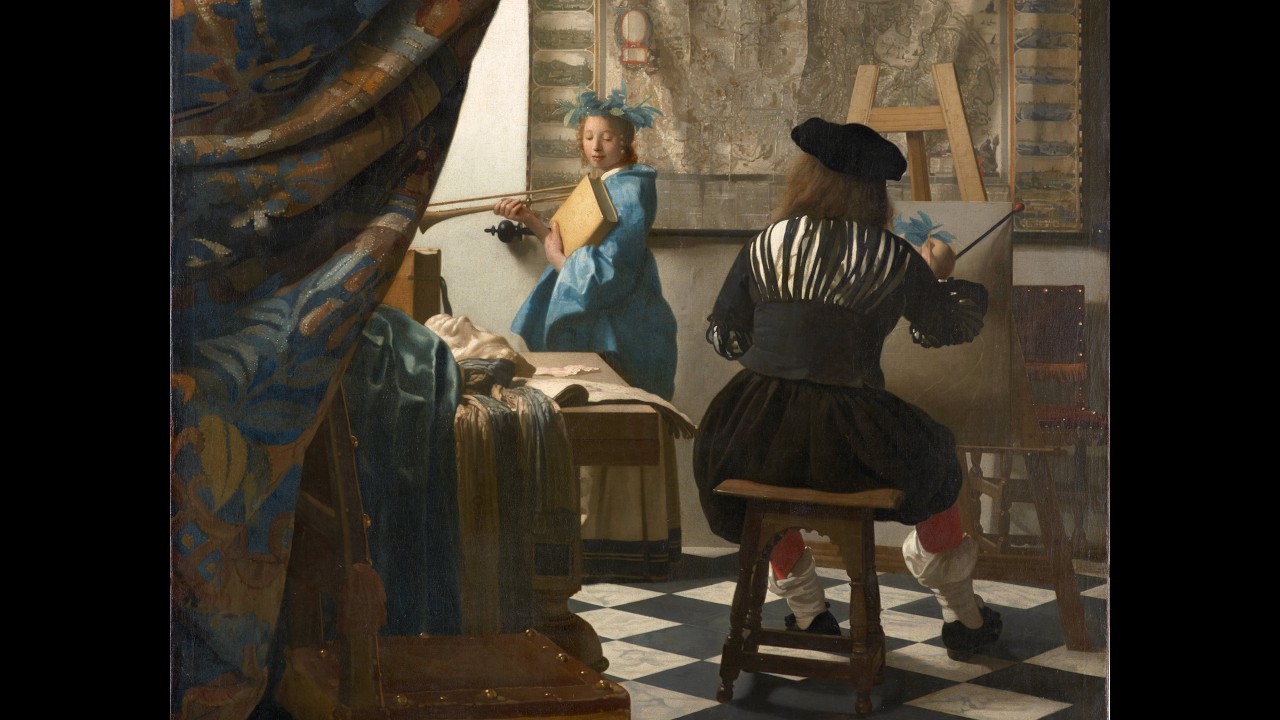
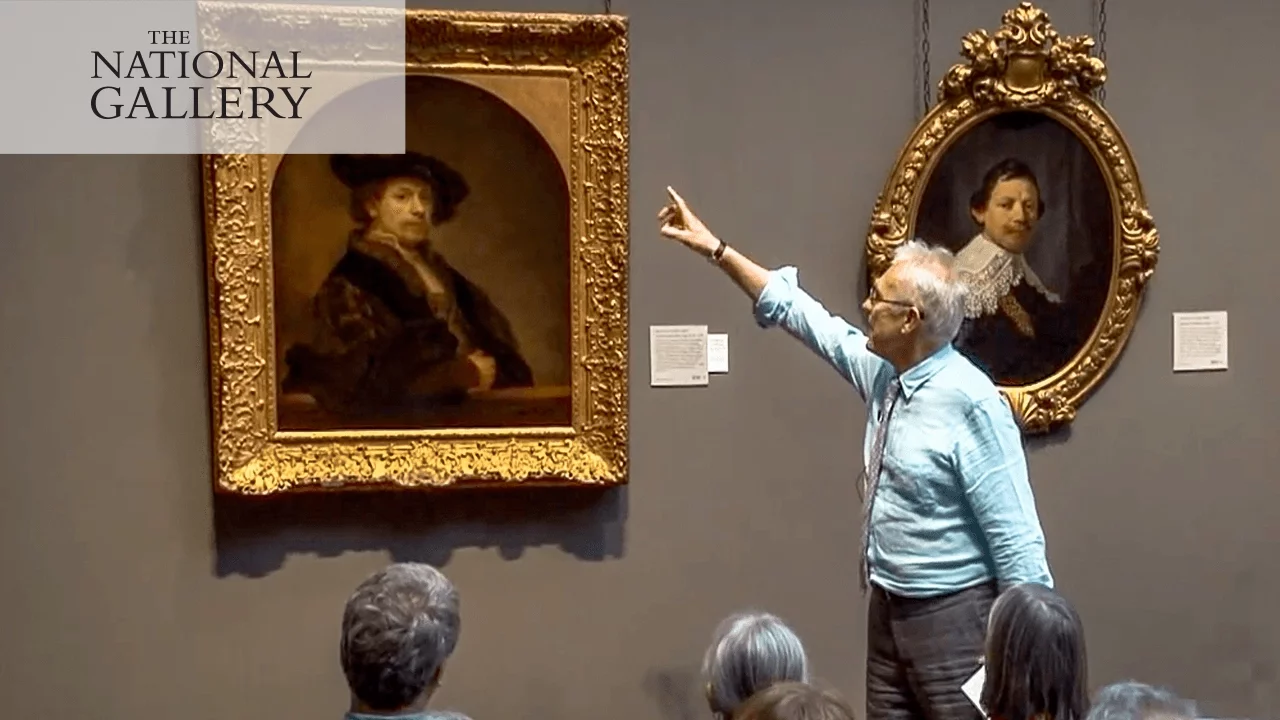
[Music] we're standing in The Gallery at the Museum of Fine Arts Boston that's filled with paintings from Holland in the 17th century and there's a whole wall filled with landscape paintings Each of which looks different Dutch artists went out and looked at the world around them but they painted that world in highly individualized ways an extremely large market and to be competitive one had to differentiate one's products from those of another and we are talking about an enormous market for paintings people acquired paintings just like they acquired textiles and Furniture Rich goods and spices from all over they also bought paintings in large numbers for their homes and it was remarked upon by foreigners when they visited we have accounts of Travelers of walking into homes of Bakers and seeing a hundred paintings on the wall it's really astounding in the history of art we generally think about painting things that are made for an elite the church the nobility Kings but in Holland we have an enormous class of merchants the merchant Elite was enormously wealthy in large part due to its global trade and Enterprises they had excess money which they could use for fineries including paintings to decorate their homes Holland is a Protestant country and so the church is no longer a primary Patron for art so we have artists who are working for the market they're painting and then they're selling instead of being commissioned to paint a work of art that then goes to the patron this was the first period in time where the majority of the works of art were exchanged on an open market rather than in a patronage system but when you're an artist working for the open market there's much more uncertainty artists didn't know who the buyer of a picture was going to be or even if their picture was going to sell and Not only was it an open market but the artist would sell or work to a gallery or a dealer who would then sell it to someone else and so the artist often had no contact whatsoever with the eventual purchaser so we have increased demand for paintings we have more people becoming artists stunned but also artists who have to differentiate themselves from one another and this painting is a great example of how an artist adapted to the Art Market hyper-specialized he was a landscapist he painted scenes of the local Countryside but did it in a way that looked completely different from the Landscapes of his fellow painters when you look at this wall it's clear that his palette is reduced to these Browns and pale blues and what's Innovative here too is the use of the Browns that most of the Browns peeking through in the foreground are actually exposed under layers in the painting process and we can get a sense of the textures if we look for example at the hill we get a sense of the brushwork going back and forth and so he's able to show off his brush work through that wet and wet passage while presenting this scene of the everyday he's also showing us that he's a really good painter so he's not applying many layers of paint he wants to paint quickly from an economic perspective he's reducing the amount of time required to produce an individual picture and he's also reducing the amount of materials needed to produce a picture lowering his costs in two ways artists essentially created a brand a brand based on a recognizable stylistic approach to picture making this was Art but it was also their business and so if you have a reduced pallet maybe you don't have to buy as many different pigments and if you create a formula for a work of art that's popular you can keep repeating it and selling it he created a large number of paintings with this approach and he was able to achieve financial success even while selling them for relatively low sums I read somewhere that Dutch artists often produced two paintings a week some artists produced a high volume at a low price point there were others who also found ways to succeed in the market by creating a lower number of pictures and selling them for higher prices both strategies were successful and we have to remember the overall size of the market we're talking in the span about a hundred years as many as 5 million things may have been produced in a geographic area that's the size of the state of Maine [Music]
Up Next

32:57
Tulip Mania: Myths vs. Reality | Dutch Economic History
@extrahistory
59.5K views•2022-06-18

33:02
The Great Schism of 1054: Causes and Consequences
@SacredCathedrals
113.5K views•2026-02-19

91:57
The Geopolitics of the Ukraine War and the Rise of Global Autocracy
@JordanHarbingerShow
468K views•2025-04-19
17:05
Understanding the Cold War: Superpower Conflicts and the Road to Détente
@OverSimplified
46.1M views•2019-01-24
Related Study Plans & Knowledge Roadmaps
Structured learning paths in History
history
Byzantine Iconoclasm: Theology, Art & Politics
01Foundations of Byzantium and Early Christian Images
02The First Iconoclasm: Leo III and the Crisis of Images
03Empress Irene, Nicaea II, and the Second Iconoclasm
+ 2 more learning modules
9h5 modules
Explore Roadmap
history
Iranian Revolution (Causes, Events & Legacy)
01The Pahlavi Dynasty and the Roots of Discontent
02The Spark of Rebellion and the Rise of Khomeini
031979: The Fall of the Shah and the Climax of the Revolution
+ 2 more learning modules
8h5 modules
Explore Roadmap
history
Mali Empire: Mansa Musa, Trade & Timbuktu
01Foundations of the Mali Empire
02The Trans-Saharan Gold and Salt Trade
03The Reign and Pilgrimage of Mansa Musa
+ 1 more learning modules
6h4 modules
Explore Roadmap
history
1947 Partition: Politics, Borders & Legacies
01Foundations of British India and the Divide
02The Political Negotiations and the Mountbatten Plan
03Drawing the Boundary: The Radcliffe Line
+ 2 more learning modules
8h5 modules
Explore Roadmap