













![Rembrandt van Rijn - The Real Rembrandt [COMPLETE DOCU] (Part 2) Reaction!](https://i.ytimg.com/vi/jso5y-_twv0/maxresdefault.jpg)




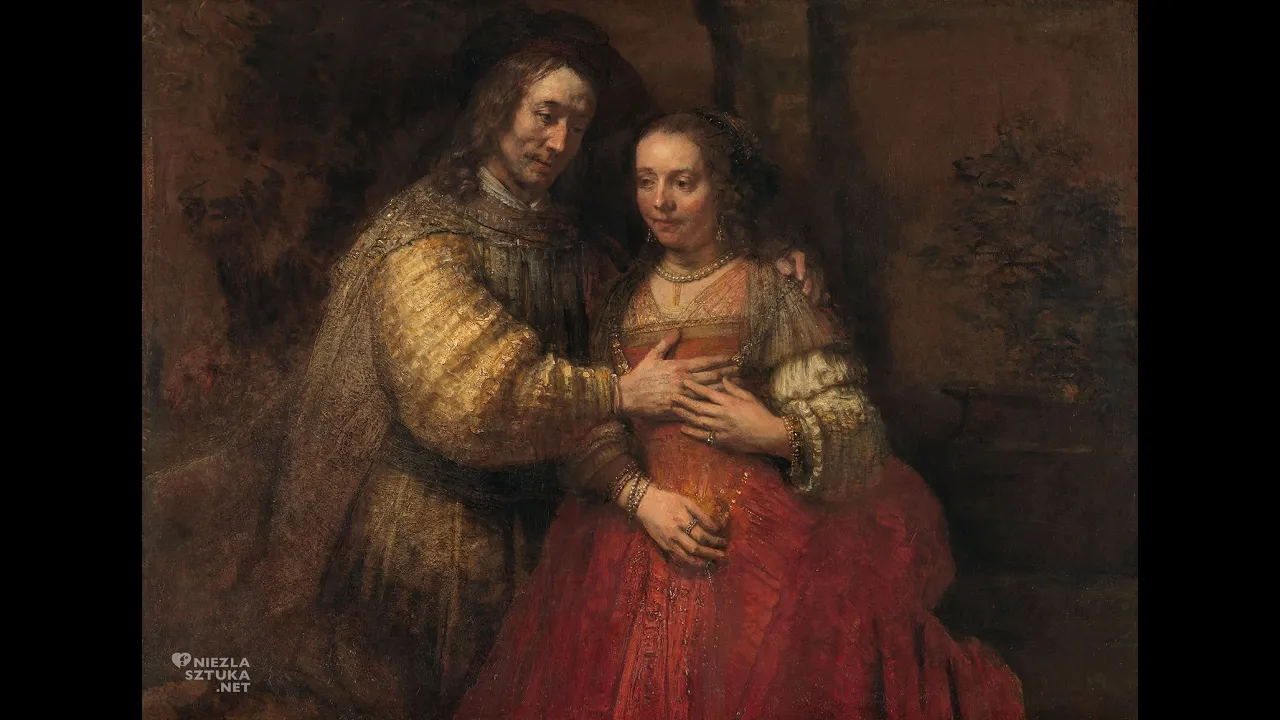
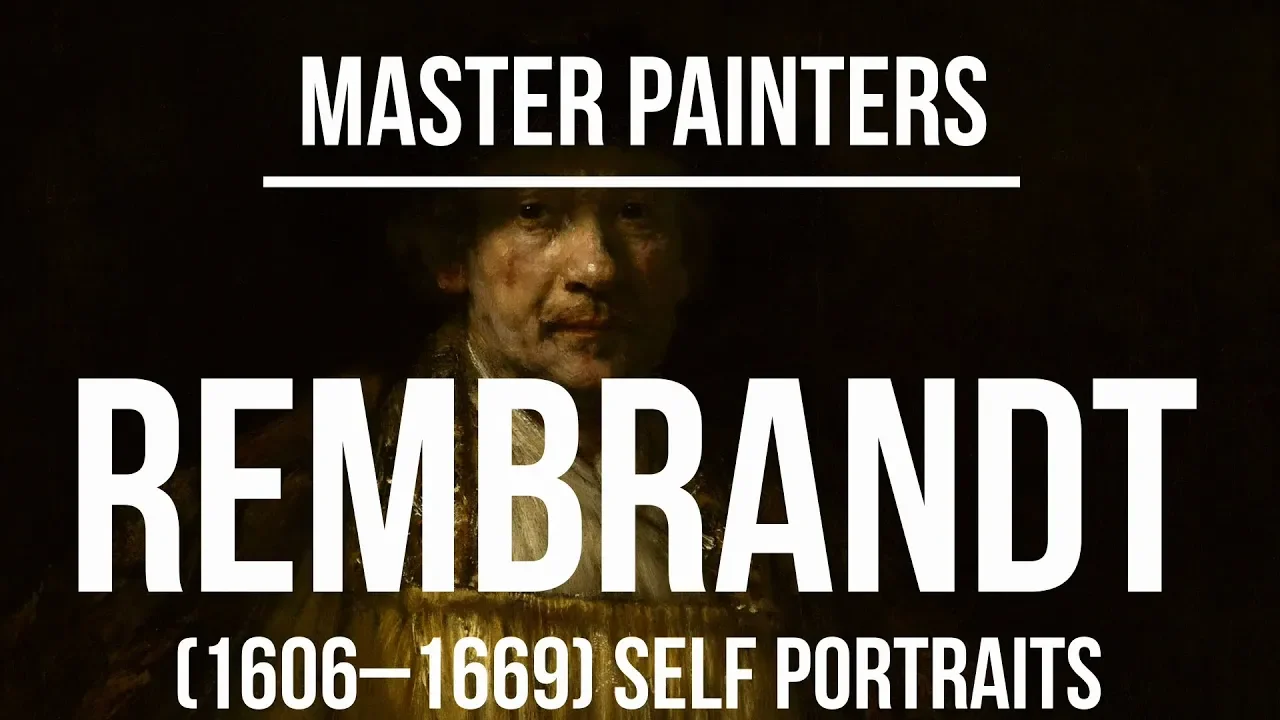
Rembrandt van Rijn (1606-1669) emerged as the greatest Dutch artist of the 17th century through his innovative use of chiaroscuro, biblical themes, and self-portraiture, despite facing personal tragedies including the deaths of his wife Saskia and two children, financial ruin leading to bankruptcy in 1656, and declining commissions; his artistic journey demonstrates how personal hardship and financial struggles can paradoxically fuel creative innovation, as his later works reveal profound psychological depth and mastery of light and shadow that distinguish him as a towering figure in Baroque art.
Rembrandt Biography: The Life and Art of a Dutch Master
Added:Understanding of the Dutch Golden Age, specifically the historical and economic context of the 17th-century Netherlands.
Familiarity with the Baroque art movement, including its emphasis on drama, tension, and emotional intensity.
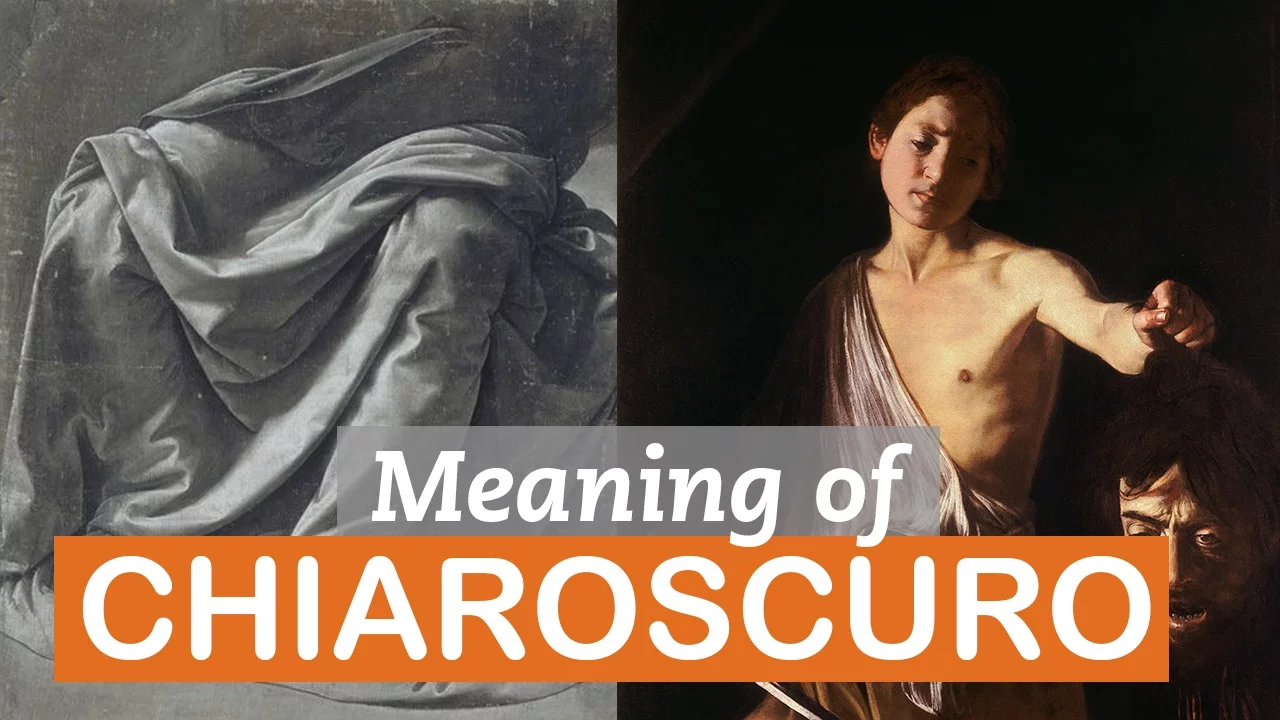
An introductory concept of 'chiaroscuro'—the artistic technique of using strong contrasts between light and dark.
Basic knowledge of traditional artistic mediums of the era, particularly oil painting and printmaking (etching).
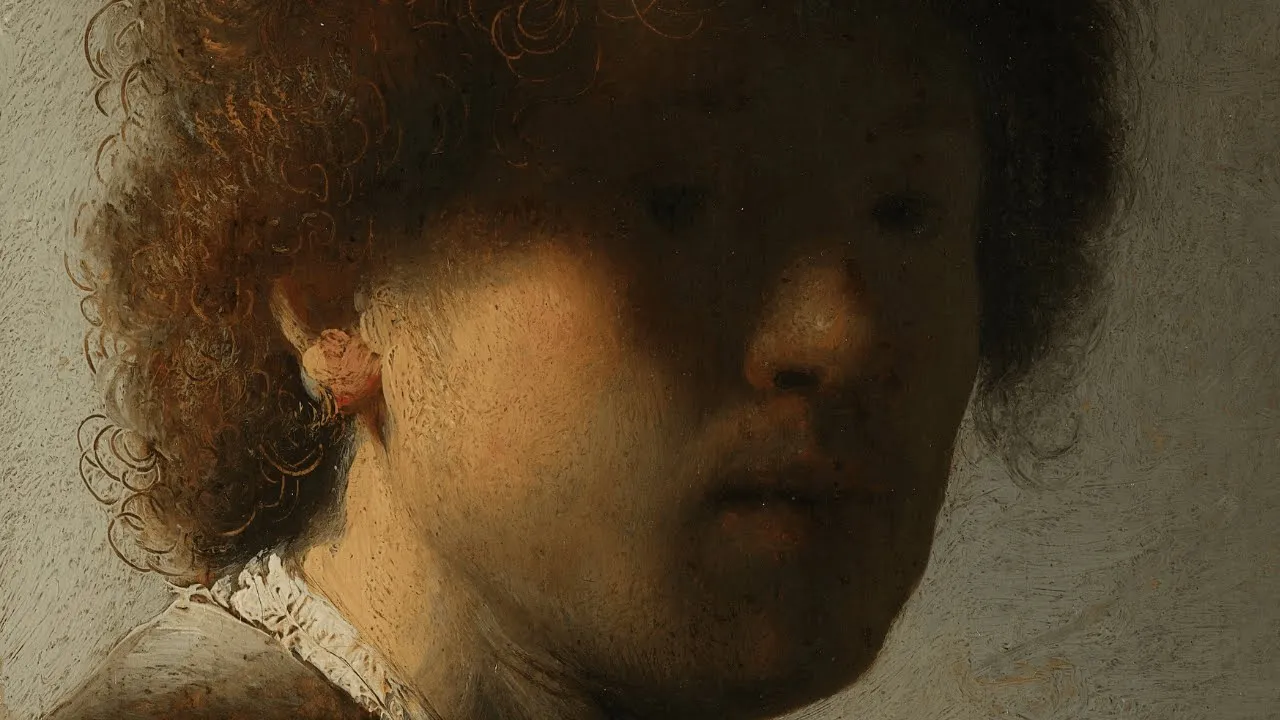
A deep-dive analysis of Rembrandt's self-portraits as a chronological study of human aging and psychological depth.
Comparative study of Rembrandt's techniques with other Dutch Masters, such as Johannes Vermeer and Frans Hals.
Investigation into the 'Rembrandt Research Project' to understand modern art attribution, conservation science, and art forgery.
Exploring the influence of Rembrandt's loose brushwork and dramatic lighting on later movements like Romanticism and Impressionism.
140.2K views2.1Klikes49:33Original Release: 2023-07-25
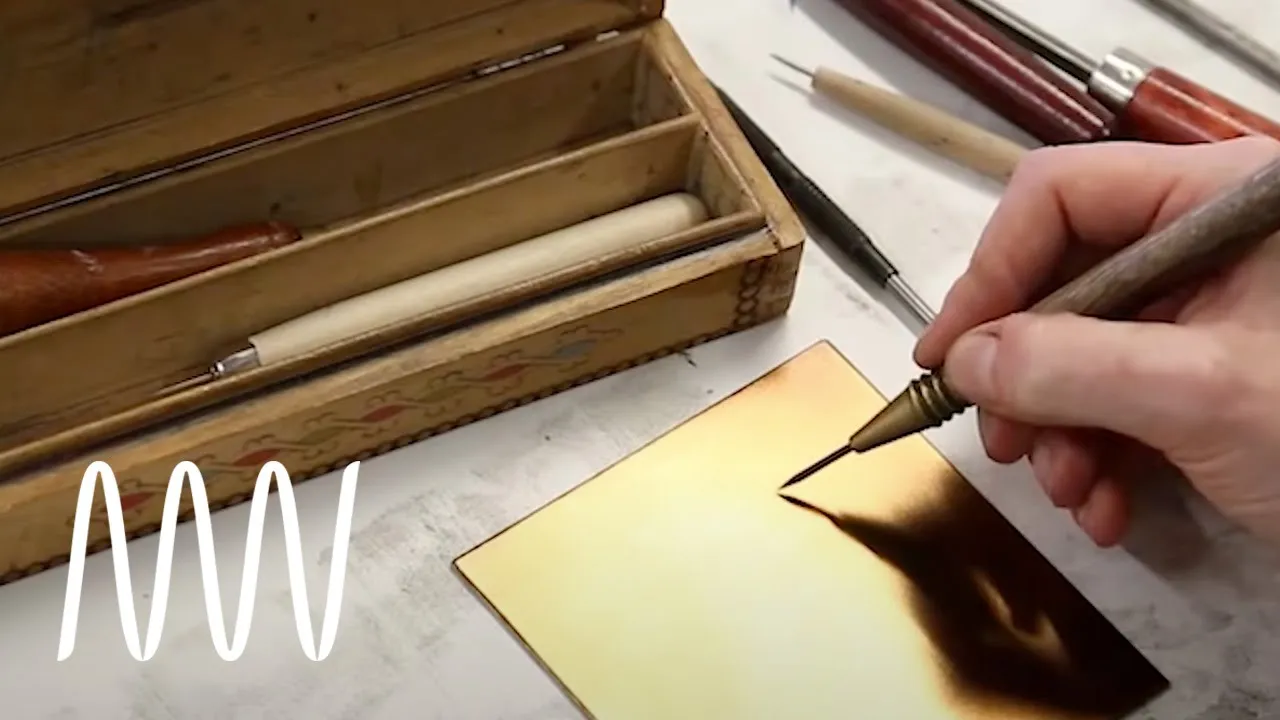
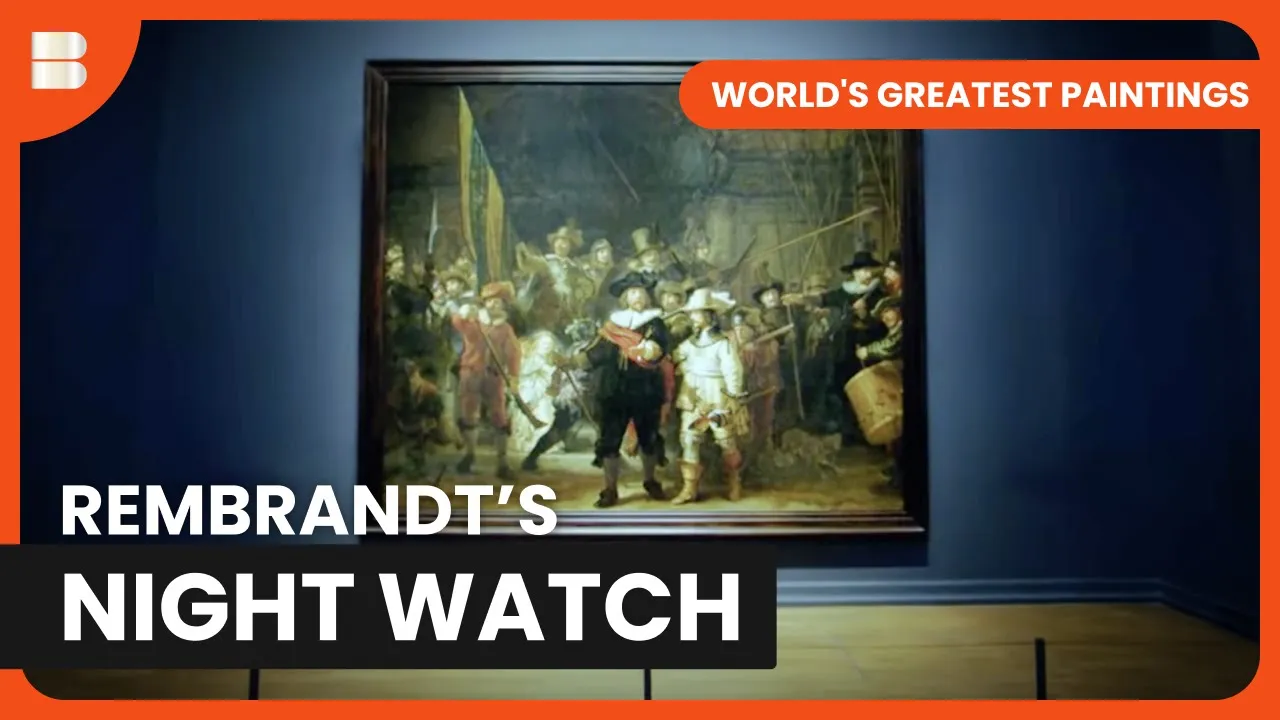
[Music] during the 17th century the city of Amsterdam basked in a golden age the Royal Palace built in 1648 as the city's town hall is an enduring physical reminder of those heady days in 1631 a 25-year-old Dutch artist arrived here from his home city of Leiden his sole intention was to take advantage of Amsterdam's thriving Art Market and build a career as a famous artist his name was Rembrandt van ring he must have a great impact on the self-esteem of artists you could say in a certain sense he was one of the early modern artists in the sense that one get the feeling from his work that he was very much himself he is a genius he is an absolutely um outstanding towering person who thinks and um expresses and articulates through Visual images somebody with an enormous capacity for innovation [Music] Rembrandt became by far the greatest Dutch artist of the 17th century a giant of the Baroque era he was influenced by the artistic development of his day but from the very beginning of his working life Rembrandt pursued his own agenda his prodigious output of Biblical images was unusual in a Protestant country like Holland he was also a pioneer of the new technique of etching while his lifelong series of self-portraits remain unrivaled [Music] Rembrandt Harmons vandereen was born on the 15th of July 1606 in the University City of Leiden the son of a Miller he was the eight of nine children details of his early life are sketchy but his parents must have been impressed with his young intellect at the age of seven he was sent to lyden's Latin School seven years later he enrolled at the famous university there with the intention of studying classics but already he knew that a life of books was not for him he had begun to feel his real calling in life art though no paintings of Rembrandt's youth have survived at the age of just 14 he withdrew from university to begin his training as an artist his first master was a local painter Jacob Von swannenberg [Music] he then journeyed to Amsterdam for a six-month period in the studio of Peter lustman a painter of historical scenes lastman had visited Italy to experience firsthand the great paintings of the Renaissance but the young Rembrandt chose not to visit Rome Florence OR Venice already he was making his own decisions and determining his own influences he was an article why did you go to Italy and he said why should I because there are prints available of all Italians after the works of all great Italian Masters and Amsterdam is such an important city in the world in the training of art the most important works of art come here to the market and I can see them my own so why should I bother and travel to Italy remember I decided not to go to Italy I think the main reason was that he was confident of himself he wanted to set up by himself in many ways Rembrandt's desire to get on mimicked the kind of attitude that was present in the new nation of the United provinces of Holland at the same time the influences a young artist is subject to our very hard to reconstruct I think one of the most important teachers is not the word but the influence is massive being his friend Jan leavens who was younger than REM Bond but who was a child prodigy actually he must have have a great self-confidence and one gets the feeling that he must have inspired in the first few years Rembrandt strongly and that they then came into uh sort of artistic combat so to say and so his presence and they may have even shared a studio must have been of great importance for Remnant Levin's was seen as having greater Ambitions wanting to paint on a larger scale than remembering to this point is painting on quite a small scale and that's a huge difference if One Compares his early work with the work of his middle life in 1625 the 19 year old artist was sufficiently talented to set up his own studio in his home City the oldest known Rembrandt painting dates from that year for its subject matter the artist turned to the one book that filled him with enthusiasm the Bible this is the martyrdom of Saint Stephen a vibrant dramatic canvas depicting the execution by stoning of the first Christian martyr it is known as a history painting which at the time was the highly regarded style of painting with this canvas the young Rembrandt proved his ability in the genre history painting is painting that illustrates the dramatic climactic if you like moment in a meaningful story and it depicts significant Human Action that can teach you it has an exemplary function it can teach you how to behave so it has moral significance and moral worth in in itself to be an history painter you would you had to be able to paint anything you know you had to you had to be a good still life painter because there were objects in the history you had to be able to paint a human flesh and the human proportions and human emotions and you had to paint be able to paint a landscape if the history is playing in a landscape Center so only on the basis of that history painting had a very high Prestige the work of Alzheimer he he took as a starting point and it is amazing how he develops his own stage direction for this for this scene and is a very clever painting and in certain details it is it's absolutely already a masterpiece history hit is a streaming platform that is just for history fans with fantastic documentaries covering fascinating figures and moments in history from all over the world we aim to bring you only the most dramatic and fascinating stories of the past through our award-winning documentaries find out about the rise of leaders such as Cleopatra and Napoleon in our latest offering of exclusive documentaries sign up now for a free trial and prospective fans get 50 off their first three months just be sure to use the code perspective at checkout around a third of Rembrandt's entire life's work would be inspired by the Bible and his finest religious paintings are filled with scenes depicting Christ at the center of the action in this 1626 panel Rembrandt depicted the moment when Jesus drove out the money changers from the Temple of Jerusalem [Music] Rembrandt was not only inspired by the New Testament in this 1636 canvas Rembrandt brought to life a terrible event described in the Book of Judges the blinding of the Hebrew Legend Samson by Philistine Warriors in the background we see the Philistine woman Delilah clutching the hair that was the source of Samson's strength in the foreground the artist spares the viewer nothing in climactic drama Samson's facial contortions are exactly what we would expect from anyone undergoing such a fate Rembrandt also proved his ability to incorporate further narrative elements into the image not just the actual moment of blinding it is an image corresponding to the artistic Spirit of the times the spirit of the Baroque the composition as a whole is is built in such a way that you can can grasp the painting with one glance and then start reading the details the way to do that is basically by handling the light properly by sort of fusing certain elements in the painting into one large lit area the other thing which broke art was was special for is a very subtle play with asymmetry so the the the the you guide the eye through the use of light and the use of asymmetry and and in that way you bring in a certain motion into the to into the image instead of a sum of of parts in fact he he improved on certain ideas which you must have known from Rubens by the the Rubens ideas uh I think he was a great thinker in these pictorial issues another example of Rembrandt's Old Testament paintings can be seen in London's National Gallery this 1635 canvas depicts the Feast of the Babylonian Prince belshazzar and reveals the enthusiasm for exotic jewelry and fabrics that would stay with Rembrandt throughout his working life this can be seen also in a painting from four years earlier a depiction of Rembrandt's mother as the biblical prophetess Hannah Rembrandt's craving for expensive exotic objects led him to purchase large quantities of them a habit that would eventually cause his financial downfall but when Rembrandt's mother sat down to be painted her son's career was just taking off [Music] by 1631 Rembrandt had established himself in Leiden at 25 he had already taken in his first pupils including Garrett Dew an artist who would later become famous for his intricately detailed canvases word of Rembrandt's Talent spread Beyond Lyden in 1628 the Statesman Constantine Hagans secretary to Prince Hendrick Frederick visited Rembrandt pagans was immediately impressed that his influence led to valuable commissions including this dramatic scene from the new testament which depicts Christ raising Lazarus from the dead after four days Rembrandt liked painting for the Bible which of course was unusual in a Protestant country because there's this prohibitional images in Protestant churches he liked the Bible as a source material for drama rhetoric and action the whole of human emotion is contained in the Bible and Rembrandt was a great student of human emotion so it gave him the opportunities to demonstrate what he could do there's a long long tradition in in Rich's painting of depicting themes from the Bible is more or less in another way involved he is doing other things and not artists mainly in making a sort of study of the tradition iconography in graphic art and transferring the themes he found into the art of painting and doing it of course in its unsurpassed technical way but also introducing a new way of telling the stories to the people in such a way that you always is very keen in choosing a moment in which the core of the of the story is very brought to its Essence when you had the intention to make history paintings um these history paintings do not deal with the kind of History we are calling history but with the histories of the Bible but also the histories from classical Antiquity and he also painted histories of classical Antiquity so I don't think it was a very special uh fixation on religion which expresses itself in his work although religious paintings made Rembrandt wealthy portrait commissions also began to arrive especially from the rich Burgers of Amsterdam by 1631 Rembrandt had decided that he should relocate to the great City at his early years in Amsterdam would be the most successful of his working life whilst still in Leiden Rembrandt decided to use himself as the subject matter for his canvases this self-portrait from 1629 is just one of 20 created by Rembrandt before his departure for Amsterdam he managed to create a light and dark structure in his work which gives you the feeling that the light is you could say not not spotlighting on the things the light more and more starts roaming in space and he he was more than any other painter able to to combine the use of light with creating a sense of atmosphere in which the the the figures are acting he probably learned about keroscuro from Dutch followers of Caravaggio the city of Utrecht was a hotbed for followers of Caravaggio so that's where I think Rembrandt got the clue how to use keroscura to dramatize his paintings what we get with Rembrandt is that he uses in Pasto so he pastes the paint on so the highlights in white are very often very thick where as for the darks he used very thin down oil paint in 1631 Rembrandt arrives in Amsterdam at the time Amsterdam was an expanding City built on International Commerce there was huge demand amongst its wealthier citizens for self-portraits Franz Hulse showed how a portraitist could capture the personality of the sitter at an instant in time this portrait of the merchant Nicholas Ratz proved that Rembrandt also possessed an uncanny ability to depict his fellow man started only in 1631 to make Porters and the the innovation of Remeron air supported paint was that what he had learned from history painting he applied in portrait that is that he tried to make his figures Act um even if they were were depicted by themselves he sometimes manages this them to to give you the feeling that that that they act instead of just stand and sit but the the great strength of a Remnant above France house is that he he deals with light in such a way that light really becomes light whereas in France house you have lit sides in the painting and Shadow sides but the light hardly ever gets that that amazing strength which you have with with a Rembrandt Rembrandt seemed to have a very penetrating portrait style we get not only the likeness of the person but we get some sense of their character and a deeper understanding of them compared to other artists of the day for instance France house France house was the master of the passing moment the kind of immediate sensation of portraiture Rembrandt is a much more investigative process he digs deeper into the soul 17th century Holland saw the creation of some of the greatest portraiture of all time but it was not only individuals who sat for artists like Hulse and Rembrandt Dutch artists were often called upon to create group portraits a form of painting which was virtually unknown outside Holland Franz Hulse was the first artist to fully Master the technical difficulties of portraying a group while still maintaining the individual personality of the component figures [Music] once in Amsterdam Rembrandt also turned to this specifically Dutch Branch of painting this is Dr Nicholas tulip Amsterdam's most famous surgeon of the day in 1632 this eminent man of science commissioned Rembrandt to paint him at work dissecting a Corpse's arm while seven of his fellow doctors looked on [Music] the result was one of Rembrandt's most enduring images the anatomy lesson of Dr tulp the difficulties of group portraiture is how to arrange the figures and we know from the few group reporters that have survived by Rembrandt he really if you take X-rays of these paintings uh you see in some of these paintings at least that he has been searching quite uh intensely for the right organization of of the group The First group portrait that he Paints in Amsterdam is the anatomy lesson of Dr talk so Dr talk was a member of the surgeon's Guild he was also a burger master and we see the anatomy lesson going on it's quite likely that this was a private lesson rather than a public dissection because Dr talk is showing how to dissect an arm he's showing the muscles and the tendons of an arm usually in a public dissection you would start at the abdomen it's interesting that all of these members of the surgeon Guild are watching intently at what's going on they're not blandly staring out at us and of course the corpse itself plays a role in this painting it's almost certainly an executed criminal criminals bodies were used for dissection so what Rembrandt gives us is not simply a group portrait he actually animates the event into a history painting Rembrandt returned to the genre of group portraiture for some of the best known paintings of his career but whilst biblical paintings and portraits would comprise the bulk of his life's work he also painted nudes and a small body of landscape paintings many believe that the finest of these is this small canvas the mill admirers of this romantic scene have included the great English landscapists Turner and constable it also provides a striking illustration of an ongoing feature of Rembrandt's approach a restricted palette remerant had a limited palette so we do get blacks Browns and Grays but he also animated those by quite Vivid Reds as well and he was always very keen to build up the surfaces of his paintings there is an old anecdote that he put so much highlight on the nose of one portrait that you could actually pick his up by the nose itself by the time Rembrandt was 30 his talent was renowned in Amsterdam Rembrandt's social status was propelled by his marriage in 1634 to the wealthy saskia fan ulenbach a relative of the art dealer with whom Rembrandt had lived two years previously despite marrying into wealth Rembrandt was financially Reckless he loaned large sums of money to friends and spent substantial sums on Ancient sculptures Renaissance artworks and exotic objects from the East he adopted an unusual Approach at auctions making opening bids so high that all other potential buyers would immediately lose interest this would eventually lead to real financial difficulties for Rembrandt but in the early years of his marriage Rembrandt's main priority would not be money in 1635 saskia gave birth to a son rumbertos [Applause] tragically he died just a few months later two daughters followed who also died in early infancy by 1641 saskia bore a healthy boy Titus unsurprisingly both son and mother would be popular subjects for Rembrandt's brush his portraits of saskia and Titus reveal not only the artist's trademark palette and his Mastery of chiaroscuro but his sheer love of his family if the loss of his infant children affected Rembrandt the man it fails to reveal itself in images like this by the end of the 1630s Rembrandt was not only a great artist in his own right but was also renowned as a teacher pupils came from all over Holland to study in his studio and many would become significant artists including Nikolai smice and Govert Flink the prodigious output of paintings from this studio has created a problem for the modern student because many works that were once thought to be Rembrandt Originals have proved to be the work of his students in 1968 the Rembrandt research project was set up in Amsterdam with money from the Dutch government their brief if you'd like was to try to sort out what was a genuine and what was a student painting and of course they're also fakes as well at the start of the century there were probably a thousand so-called Rembrandts by the 60s that had gone down to 600 and nowadays we probably think there's something between 4 and 500. to begin with it took quite long before we we had to admit that most non-remron servicing must have been from the studio and from from students but then there are groups of works by students which sort of run parallel and are dependent on the works of Remeron so once you have these pairs of work by the master and a copy you develop an eye for what is Remnant and what is the students the uncertainty that surrounded some of the paintings produced in Rembrandt studio is matched by details of the artist himself there are long periods of time when there are virtually no surviving documents mentioning his existence and actual quotes from Rembrandt himself are almost non-existent we do know that in 1639 he purchased this house number four Jordan breistrat in the Jewish quarter of the city the price was thirteen thousand florins despite Rembrandt's apparent financial success he borrowed the money to buy number four yurden breistrat Rembrandt's marriage to saskia had brought with it a diary of 20 000 Florence his individual portraits sold for 500 Florence each and his many students each paid 100 florins a year for the privilege of working alongside him in 1640 the death of Rembrandt's mother meant a financial inheritance but despite all this wealth he chose not to use it to pay off his mortgage preferring instead to indulge his passion for possessions we know from several painters that they had a collection but it more or less was only paintings and well some sculpture and maybe some cloth but that was it and the way Rembrandt collected almost every part collectors could collect Antiquities paperwork things from nature and also ethnographic objects which were the four main areas they collected Raymond had all of them and that's rather unusual [Music] Rembrandt's Financial recklessness took years to catch up with him by the early 1640s he was still a wealthy man but in 1642 his fortunes began to change in his personal life it was a tragic year on the 14th of June his beloved wife saskia died the deaths of three children had affected her own health Rembrandt's only consolation was that Sasuke's final child Titus would survive into adulthood before his wife's death Rembrandt had completed the group portrait commissioned by a militia company one of many groups of Civic guards that emerged in the larger Dutch towns and cities following the withdrawal of the Spanish their leaders were often men of the highest status in Dutch Society here we can see the high status of Captain France Banning alongside his Lieutenant he dominates the foreground with the Rembrandt Mastery of light contributing strongly to this effect all are involved in what appears to be more a narrative action scene than a group portrait this is a very different image from the anatomy lesson of the years before and it is possibly the most famous painting of Rembrandt's career the Night Watch the night watch is very important and what's new about it is that before remnant of course these paintings were made but all the compass the compositions were very dull uh one had next to each other and Raymond made a new composition out of it which is very difficult to arrange such an enormous group of people and also using his very famous clear obscure in defining and structuring the painting that's what it make the night watch to turn into a masterpiece in the anatomy lesson of Dr tilp he managed to uh sort of organize a group of people in a in a very direct telling way but in the case of the Night Watch he had this intention to depict the moment in which the chaos of people running around and peering from a an archway into a well-organized grouping and that is the gesture of the man in the foreground burning to his left handed Etc so there is there is a chaos which is about to to brought into order and he thought he must have thought that that was the best way to introduce really life itself instead of a sort of a military parade the night watch was one of the most remarkable paintings of the Dutch century and it also marks a significant turning point in Rembrandt's life Rembrandt was receiving fewer valuable portrait commissions it has been suggested that the night watch itself was to blame for this according to this opinion Rembrandt's work was simply too original and Wealthy patrons now grew reluctant to trust such a virtuoso artist with their commissions a more likely explanation is that a fashion for intricately detailed paintings now began to emerge in the tradition of earlier Dutch painters such as Jan van Ike Rembrandt's work developed differently with his brushwork in particular defying the trends of his time Rembrandt's brushwork was used as a kind of personal statement you could recognize a Rembrandt by the brushwork some people have actually gone as far to say that he used this very heavily Laden brush work to actually disguise the amount of effort that went into it by looking at a Rembrandt you couldn't actually tell how long it had taken him to paint brush work never is a a separate thing so to say brush work is always in the service of Illusion and you have from earlier on on areas where the brush work is rough but it's true that in saying somewhere in the late 40s 50s he must have deliberately mirrored himself to to Titian who the late tissue became famous for his rough brush work um and chosen for a rougher brush work but not rough as in as a means in itself it had it had a function at the same time after 1642 Rembrandt's commissions were dwindling and this caused him to default on his payments for his home and by the end of the decade Rembrandt's creditors were beginning to grow Restless his finances also suffered as a result of a tempestuous affair with his son's nurse which ended with Rembrandt paying for her committal to an asylum but Rembrandt's work was still widely known increasingly through his work in an entirely different medium a medium which he may not have invented but which he brought to an unsurpassed level of artistic achievement etching to make an etching the artist first coats a copper plate with wax before etching in His image using a needle he then immerses the plate and wax within a basin of acid the acid bites through the etching into the plate below from which prints can then be taken [Music] the copper plate was Inked and then cleaned so that the ink was only to stay could only stay in the lines then a piece of paper a little bit wet paper was add to it was later on top of it and then you could turn the wheel and then the the copper plate and the paper was transported under this cylinder here and it was pressed out of the copper plate onto the piece of paper and what you have then is a mirror image of of the image on the cover plate compared with wood cutting the etching technique allows for greater expressive detail than the wood cut technique that had preceded it from early in his career Rembrandt exploited etching as a medium in its own right and the results were a Timeless collection of images many of these images can be seen in Rembrandt's old house on the bray Strat early in the 20th century the Rembrandt house foundation was formed and it has been its responsibility to collect and maintain this Priceless collection of Rembrandt's graphic work [Music] this is believed to be Rembrandt's father who died when his son was just 23.
his mother can also be seen in several portraits but perhaps it is this 1647 image that fully reveals what a master portraitis could achieve with the etching technique [Music] this is Yan six an influential figure in Amsterdam some years later six was the subject for one of Rembrandt's finest portraits in paint Rembrandt a a very skilled and and uh extraordinary draftsman and it may well be that making etchings was a way to bring this this quality of his out into the open because drawings usually didn't get to the public it made him a lot of money it allows for the reproduction of his ideas and the dissemination of his ideas and almost not infinitely but um you can you can make a lot of copies of etchings and so that it was profitable for him Rembrandt chose the same subject matter for his etchings as he did for his work in paint this is especially true with his religious images here Rembrandt has again derived his inspiration from the story of the raising of Lazarus to create an image full of light and drama the moment when Christ drove the money changers from the temples can also be seen here but of all Rembrandt's religious etchings it is this image of Christ preaching that best expresses his genius with the needle completed in 1649 this is a visual representation of events described in chapter 19 of the book of Saint Matthew a narrative image that became known as the hundred Gilder print it is one of Raymond's most ambitious and at the same time sensitive works the art lovers must have been intrigued by it that it is half finished the whole idea of Finnish with remnant's work was something which fascinated the art lovers the whole idea of Finnish was not only in the case of Raymond also Titian and even painters from classical Antiquity and that remount stopped at a certain point after having very finely elaborated on certain areas in the etching and left other areas in its sketchy must have fascinated the the print lovers the hundred Gilder print otherwise Christ Healing The Sick was so called because it fetched the price of 100 guilders at auction it's an enormous fee there's another old story that says it's called The Hundred gilders print because that's how much Rembrandt paid to get his own work back as Rembrandt entered middle age his etchings were amongst his most popular works and they sold for good sums of money but by the middle of that decade the Rembrandt's financial situation had come to a head and in 1656 he was declared bankrupt over the next two years his house and possessions were sold to pay his creditors the inventory of his objects revealed a diverse collection of sculptures jewelry weapons and armor but not even the sale of all his worldly Goods was enough to clear Rembrandt's debts completely at a certain point in the late 50s there were Wars with England which had a very bad effect on the Dutch economy and income incomes fell and Raymond also stopped not stopped really but did not pay so much support anymore which seems to be quite deliberate action choice and these portraits for which you received often 100 girls or something or a steady source of income so on one side we see a negative effect on this income but the honest other hand he kept on buying precious things and objects and it doesn't go together I guess and that's what gave rise to his bankruptcy remarkably Rembrandt's perilous financial situation failed to diminish the quality of his work as bankruptcy loomed he painted the portrait of yan six which shows his unique approach to brushwork after being declared insolvent and despite having no settled Amsterdam residents his art continued to develop and the images he created in the last 10 years of his life are among his greatest Rembrandt's art flourished partly due to the support of his son Titus and his mistress henrikia stoffels these two people provided the subject matter for many paintings and etchings London's National Gallery is home to this fine panel of hendrikia bathing in a river in 1660 Enrique and Titus set up an arrangement whereby Rembrandt formally became an employee of their Art Shop with an advance of 1750 florins despite the generosity of his son and mistress Rembrandt's days of celebrity were now in the past at this time commissions to paint the interior of Amsterdam's New Town Hall were being given to the artists of the day and they represented a gold rush of opportunity but Rembrandt was not amongst these artists only the death of his former pupil Gilbert Flink meant that Rembrandt received one commission the conspiracy of Claudius civilius a depiction of a Netherlands tribe's Rebellion against the Romans in ad70 it was a suitable subject for a confident Nation it had only shaken off Spanish domination decades earlier but the canvas was not well received and it was removed from the town hall shortly after its completion but Rembrandt still possessed enough influence to secure a commission for a final group portrait a painting of six members of The clothmakers Guild completed in 1662 it is the third of the artist's great group portraits following the anatomy lesson and the Night Watch at first glance this image seems to have more in common with Rembrandt's first group Masterpiece it is an uncomplicated image with no great sense of Baroque drama but it does reveal the older Rembrandt's total Mastery of painting human beings as real living individuals with their own lives and concerns an ability shared by Francis it is absolutely fascinating painting partly from the way he deals with the subject and partly the way he deals with with paint and with with the means he used I mean there is these this group of faces is absolutely superb in in its in its presence but that is not only through uh his his genius as a painter he must have thought very much about how to arrange them and when you read the X-ray you can see that they keep moving and changing positions Etc and in the end they all look in the same direction it is as if the people are from the um from the anatomy lessons of Dr tube sort of switch their their glance to the viewer and suddenly all of them look at at the viewer and that is that brings in unity into the painting and there is a whole literature about what he meant by that but but I think it's still a way to make a group portrait in a history painting by 1662 the painter of this remarkable canvas was approaching old age sadly these final years would be marked by still more personal tragedy for Rembrandt in 1663 henrikia stoffels died in 1668 his beloved Son Titus died at the age of 27.
Rembrandt was now a lonely man of 62 with only months to live but he never stopped painting until the day of his death and in the final year of his life Rembrandt painted the Last installment in what had been a lifelong Enterprise self-portraiture this is Rembrandt's final great canvas depicting himself in 1669.
this is the highly Kiara skuro painting of himself from 40 years previously in the interim Rembrandt continually used himself as subject matter for his paintings this self-portrait of 1640 shows a confident and Wealthy artist at the height of his Fame [Music] taken together these images have been seen as a visual autobiography without parallel in the history of Art a succession of paintings where Rembrandt never hides his own physical flaws for many it is this final canvas that is the greatest of them all here Rembrandt's physical depiction of the face reveals the psychological signs of a checkered life and career [Music] however this painting from the previous year shows the artist laughing we know that Rembrandt was experiencing the final sadness and loss at this time yet this is hardly a tragic image to an extent the self-portraits are autobiographical in the sense that they do Trace his changing image but I think they're more than that as well they also give us indications about his own Ambitions as an artist because there are numerous occasions when Rembrandt seems to be testing himself against past artists there's a self-portrait in the style of Raphael there's a self-portrait in the style of Titian as well so Rembrandt with this sense of what had happened in the past was emulating past artists I think they are a very sustained meditation on the artistic Persona of Rembrandt this idea of what is it to be an artist in Holland in the 17th century to claim um the position of the Artist as being alongside that of the writer and they are enormously inventive and um articulate about various dimensions of of the artistic persona but I'd like to separate that from from from a sense of somehow getting at his true emotions or his angst about something because I don't think that's what they are about Rembrandt's Mastery of self-portraiture in paint was matched by a similar ability with the needle although for reasons unknown he virtually stopped itching self-portraits whilst still in his early 30s many of these images were effectively used as sketches for figures that would appear in full-scale etchings and canvases Rembrandt like all great artists needed hard preliminary work to fully bring out his genius when Rembrandt fan Reen died on the 4th of October 1669 he was a lonely and dead-stricken man it is said that at the time of his death he possessed nothing but his clothes and his painting materials [Music] four days later he was buried in Amsterdam's vestakirk Church such a contrast between worldly wealth and artistic greatness Is Not Unusual in the history of Art but in the case of Rembrandt it is difficult not to be astonished such was the sheer size of his life's achievement only posterity has given him his desert status as the greatest of the Dutch Masters without any doubtremlin is a milestone in the history of Art and what you often see in in the history of artists at the beginning of some development have such an uh enormous creative ability that everything which happens after them uh seems more or less related to it this is they throw a shadow which only the only the biggest artists can escape Rembrandt was obviously I think the most influential important artist of the 17th century he's given us some of the most Supreme insights into the workings of the human soul the German painter Max Lieberman realized the greatness of Rembrandt he said that when he looked at France house it encouraged him to paint when he saw a Rembrandt he felt like giving up certain works like the the Jewish bride or so are really painter's paintings I mean he he is really an artist for artists his work conveys the feeling to everybody that he can project his own feelings in in his work and and in that sense his work like with every great artist is truly modern and timeless oh
Up Next
58:09
The Dutch Golden Age: Contemporaries of Rembrandt and Vermeer
@mfaboston
45.5K views•2020-01-28

114:18
Christian Iconography: History, Theology, and Meaning | Fr. Panayiotis Papageorgiou
@Trisagionfilms
58.8K views•2020-02-21
48:03
Rococo to Neoclassicism: Western Art Landmarks
@PerspectiveArts
29.2K views•2023-07-08

16:34
Earliest Depictions of Jesus in Art: 10 Ancient Images Explained
@UsefulCharts
5.9M views•2022-06-03
Related Study Plans & Knowledge Roadmaps
Structured learning paths in Art History
art-history
Gothic Cathedrals: Engineering, Light & Society
01The Birth of the Gothic: Romanesque to Suger's Vision
02The Structural Triad: Pointed Arches, Ribbed Vaults, and Flying Buttresses
03Theology of Light: Lux Nova and Sacred Geometry
+ 2 more learning modules
14h5 modules
Explore Roadmap
art-history
Pre-Raphaelites: Realism, Symbolism & Critique
01The Victorian Art Establishment and Academic Formula
02The Founding of the PRB and Radical Realism
03Medieval Revivalism and Literary Symbolism
+ 1 more learning modules
8h4 modules
Explore Roadmap
art-history
Street Art: From Subways to Art Market
01Subcultural Origins in Philadelphia and New York (1970s)
02The Subway Era and Style Wars (Late 1970s - 1980s)
03The East Village Scene and Early Gallery Crossover
+ 2 more learning modules
10h5 modules
Explore Roadmap
art-history
Classic Maya Art: Iconography, Glyphs & Ritual
01Foundations of Classic Maya Visual Culture
02Deciphering Maya Hieroglyphs & Text-Image Integration
03Sacred Geography and Cosmological Architecture
+ 2 more learning modules
14h5 modules
Explore Roadmap