
![[24' 월간 미술사] 카라바조의 추종자들, 렘브란트, 베르메르 / 양진호 소장](https://i.ytimg.com/vi_webp/o6zIUl8S7RA/maxresdefault.webp)






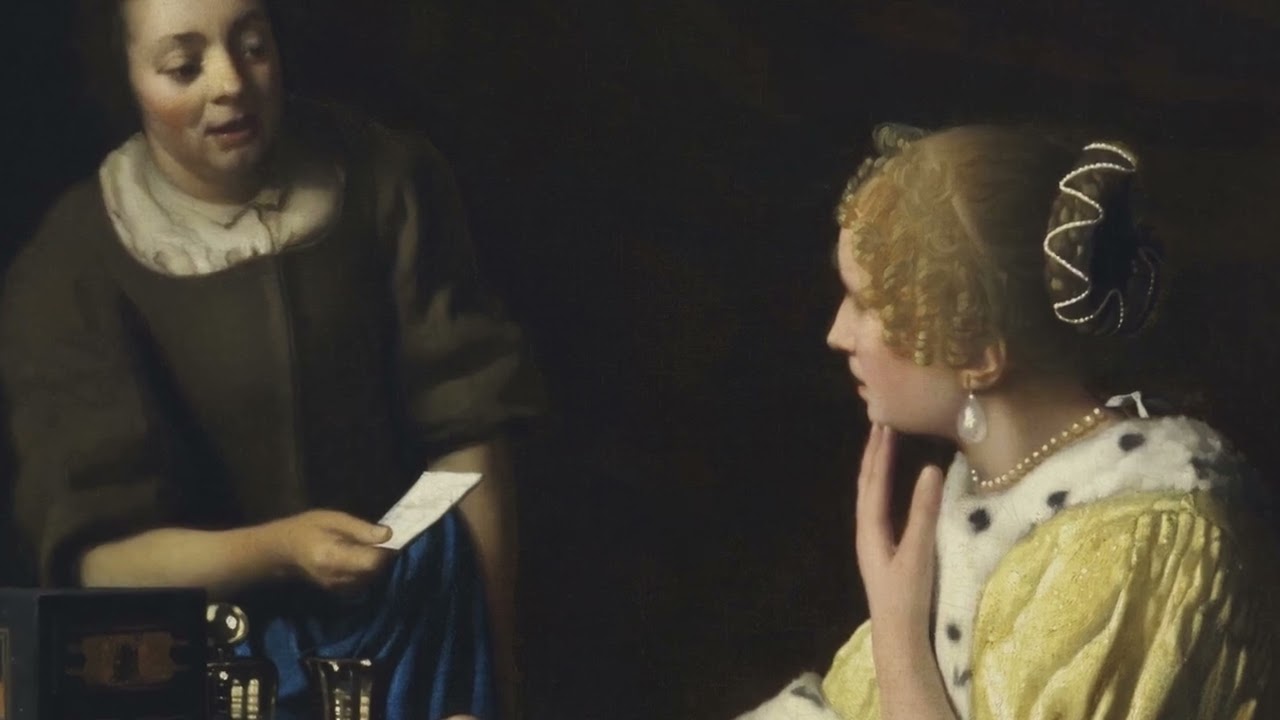











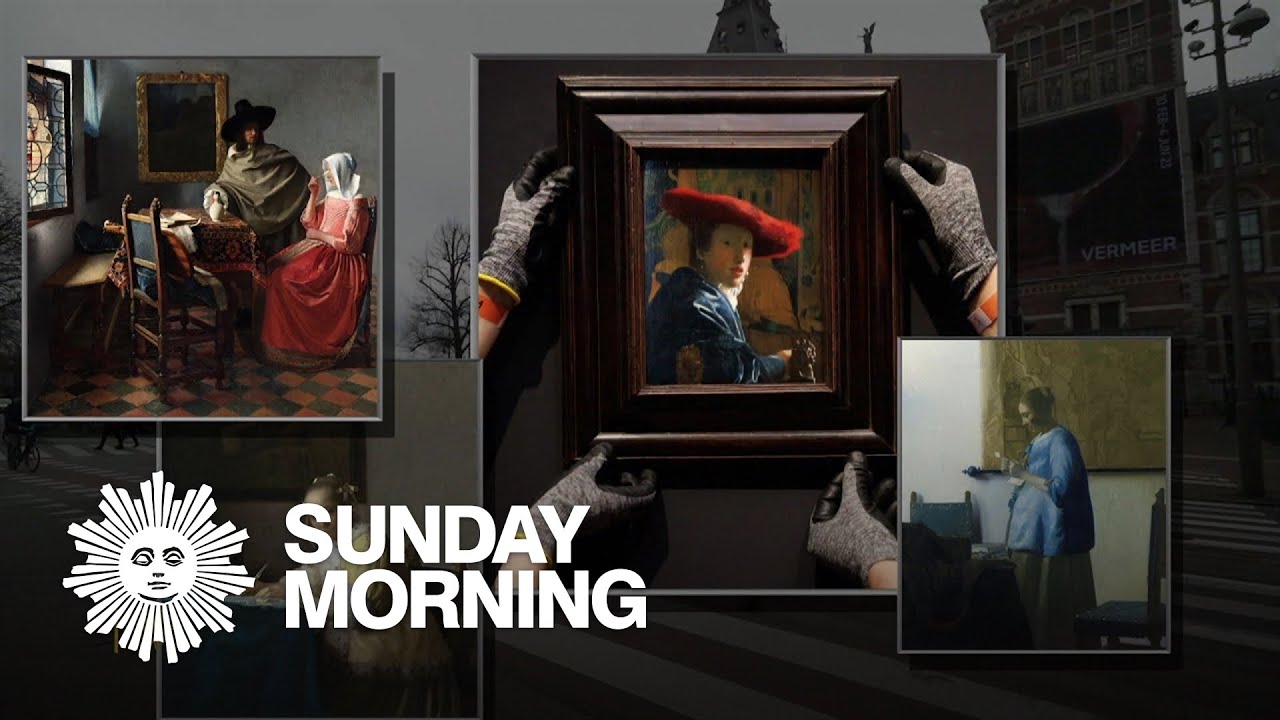
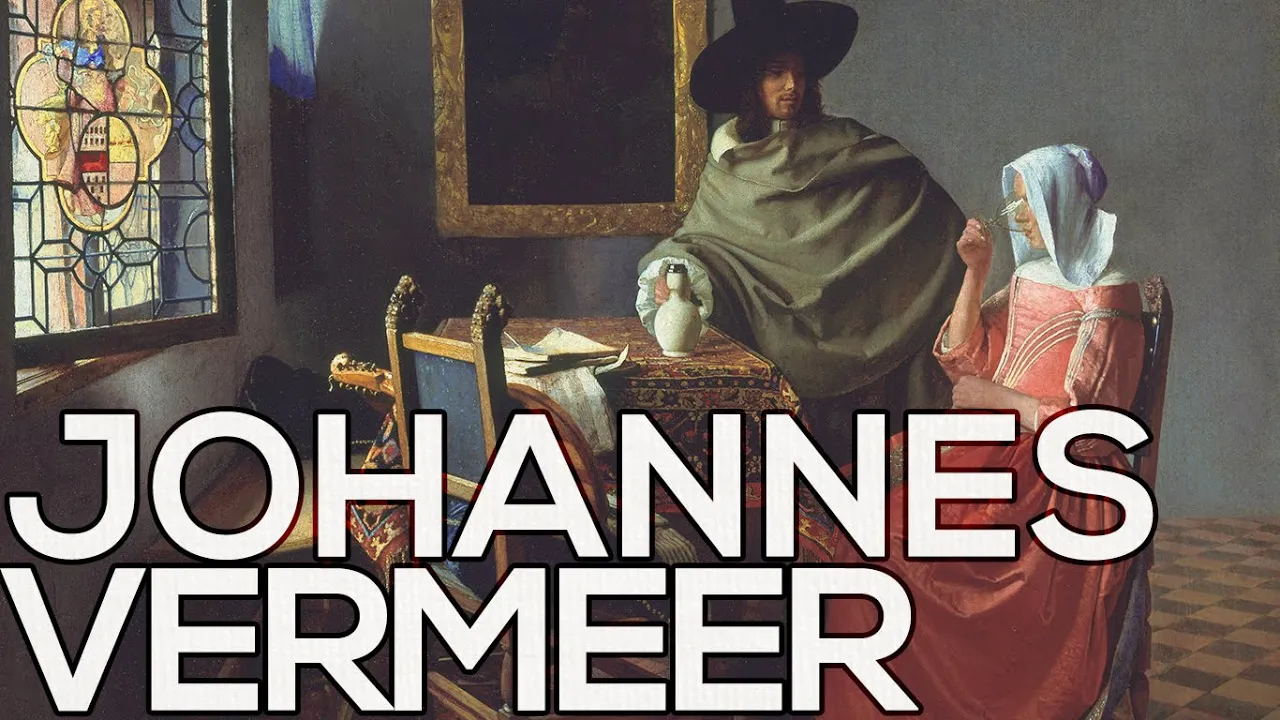


Johannes Vermeer (1632-1675), a Dutch painter from Delft, created only 37 paintings during his lifetime yet achieved posthumous fame centuries later; his works vanished into obscurity after his death due to few canvases, unflattering style for the next century, exclusion from standard art references, and unscrupulous dealers who overpainted his signature; his rediscovery in the 19th century by Théophile Thoré-Bürger transformed him into a global icon, demonstrating how historical figures can be forgotten and then celebrated through cultural memory and scholarly rediscovery.
Johannes Vermeer: The Sphinx of Delft - A Master of Light
Added:Historical context of the Dutch Golden Age, including the rise of the wealthy merchant class and the impact of the Protestant Reformation on artistic subject matter.
An understanding of basic art terminology, particularly 'genre painting' (scenes of everyday life) and 'chiaroscuro' (the treatment of light and shade in painting).
An introduction to 17th-century optical tools, specifically the camera obscura, and how artists of the period used lenses and mirrors to study perspective and light.
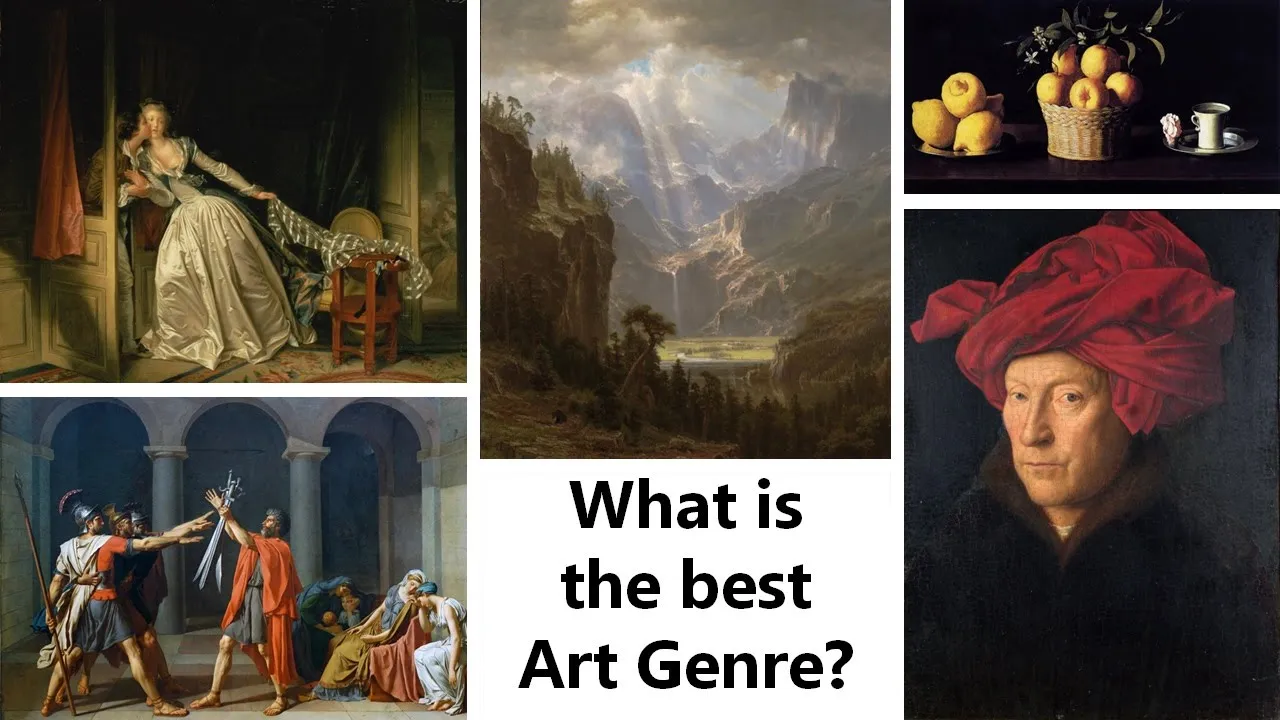
The traditional hierarchy of genres in art history, which ranked historical, mythological, and religious paintings above portraiture, landscape, and daily life scenes.
The scientific and historical debate surrounding Vermeer's precise methods, including the Hockney-Falco thesis on his potential use of optical aids.
Comparative studies of Vermeer's contemporaries, such as Rembrandt van Rijn, Pieter de Hooch, and Gerard ter Borch, to analyze differing approaches to light, shadow, and domestic spaces.
The history of art forgery and conservation, focusing on the famous 20th-century Vermeer forgeries by Han van Meegeren and modern chemical analysis of historical pigments like natural ultramarine.
The historiography of Vermeer's 'rediscovery' in the 19th century by art critic Théophile Thoré-Bürger, exploring how art historical canons and artist reputations are constructed over time.
240.8K views2.8Klikes1:34:03Original Release: 2024-06-20
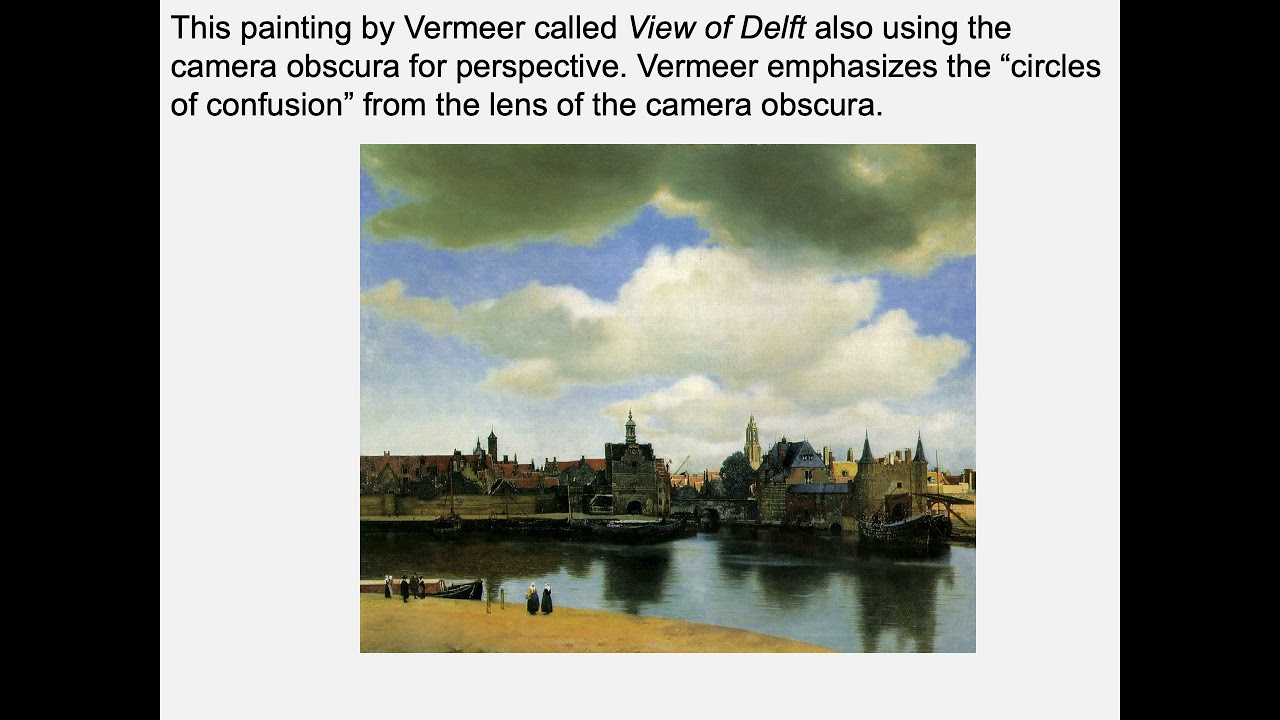
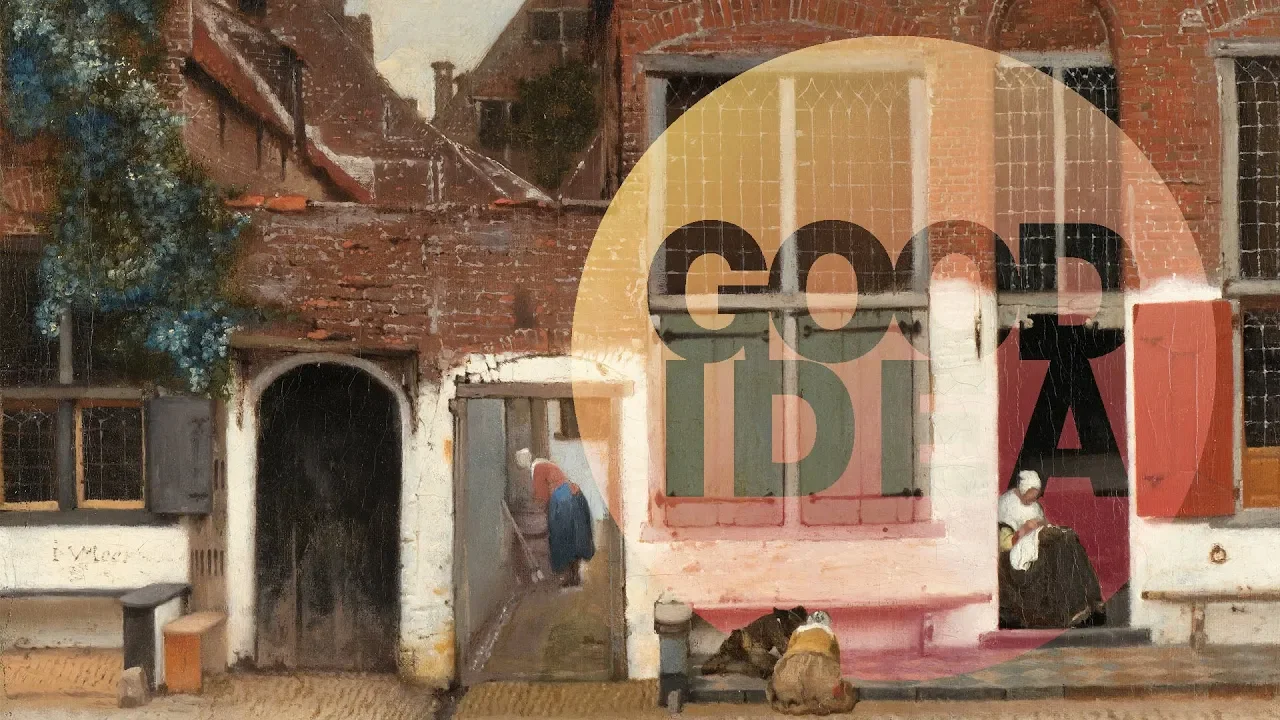
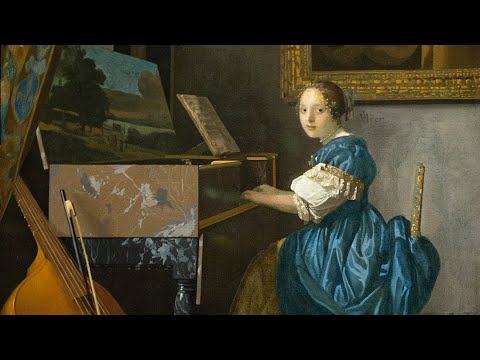
[Music] December 15th 1675 the man walking through the dark narrow streets of Del is Johannes verir aged 43 a well-known [Music] artist his sudden unexplained death consigns him to the depths of Oblivion over the course of time he'll be dispossessed of his works and his name will progressively fade from me more than 300 years later the White House disappears like part of a phantom stage set people in Washington talk about the Storm of the Century in the freezing cold hundreds of thousands of people Mark time in line outside the National Gallery waiting to see the greatest Johannes vmir exhibition ever assembled for the first time 21 paintings by the painter from Del are on show after Washington the exhibition moves to the Netherlands at the [Music] ha 11 European cities are custodians of paintings by the m and in America New York Washington and Boston hold his Works around the world the shows go on ever more exhibitions especially in Japan it's unusual for more than 10 verir to be gathered together yet the presence of any one attracts tens of thousands of visitors impatient to share a moment of Genius an odd Journey the passage of the painter from Del from Fame to obscurity and back centuries later into the spotlight over recent decades the's faces have become part of our Collective imagination Girl With a Pearl Earring the milkid have become characters in everyday life appearing on walls in Bristol in England on the steps of a stairway in Rio on an Amsterdam facade chalked on a Paris pavement and in the byways of the internet the iconic images of the master are the stuff of inspiration lending themselves to every flight of [Music] fancy for some an interest in the works turns to Obsession like Salvador Dary who installed a reproduction of the lace maker in the Paris Zoo intending thereby to bring together his twin passions of the moment the work of vmir and the rhinoceros adopting a baguette as a hat a Dales defense mechanism the artist paints a picture best understood by the critics while the roseros is nonplused by the Dutch Master's work while Dary painted creating a particularly personal version of amir's painting the rhinoceros declined to attack the canvas with its horn leaving Dary to Spirit it himself The Works of the painter from Del have become a cult written about in The Press as verir Mania researchers writers and filmmakers have seized upon the man and his paintings to Fashion a global Legend advertising a brand helping itself to the milkmaid but how and why could this artist admired in his own lifetime vanish Into The Mists of time The Disappearance came about through a series of circumstances his name faded from sight because he painted few canvases and thus had few clients his style was not in the taste of the century following his death and then he didn't feature in the catalog listing Dutch painters which for a long time Serv as the standard reference work for art historians he was also the victim of unscrupulous dealers who overpainted his signature by that of other more prominent artists Peter deou Gabriel metsu or even [Music] rembrand today it's unlikely that further verir canvases remain hidden beneath the signature of a rival or in the shadows of an attic [Music] Johannes vmir remains an indistinct figure who apart from his Works left little trace and large parts of his life are shrouded in obscurity even today unanswered questions abound why did he paint so few pictures when at that time in Holland most painters were prolific like rembrand who painted several hundred Works whereas but 37 verir canvases survive the output of a lifetime might therefore fill just one solitary Museum wall we'll probably never even know what the painter looked like some experts have suggested Ed that in the procus the young man smiling at the viewer is a self-portrait of the artist in the art of painting he may be the man with his back turned to us some writers have suggested that his features may be discerned in the faces of the astronomer and the geographer the houses in which he lived in Del have gone we know nothing of any Master nor any pupil he left no writings did he marry For Love or for the sake of advancement and was his conversion to the Catholic faith truly sincere we know more about his forebears than about the man himself research shows his family tree features some colorful characters his mother's father was a watch maker but also a counterfeit his father's mother dealt in secondhand goods and set up fraudulent lotteries R Jansen the's father was an ambitious man and a man of violence quick to resort to the knife in 1615 the register of marriages of the town of Del shows that he married digna belon for Mia's mother to be she's illiterate and signs her name with a [Music] cross Johannes vmir was born on the 31st of October 1632 in Del like all his family he was baptized a Protestant in the new church this extended family of a low order hardly foreshadows the young man destined to become an artist of such standing as to become the subject of a worldwide Millennial craze but why do people feel so passionate about his work V's paintings like all major works of art are not merely pictorial images capably expressed on canvas they're also icons of our civilization the Mythic objects which tell our stories enshrine our values and represent the symbols of our society and then in V's case the mysteries of his life the scarcity of his canvases and the stormy history of his Nation all go to reinforce the legend that is verir and to further on our fascination with his works but the passion for verir arises mainly in the intensity of Engagement experienced between the viewer and his paintings he speaks softly he expresses an admiration for women which resonates with the values of our time the feminine world of vmir expresses a restrained sensuality all the more troubling because it's constrained the painter from Del sets up obstacles between the seeker and the object of desire he arouses desire and creates [Music] frustration this Counterpoint of impulse and restraint is a reflection of a society and a culture in which the rigors of Calvinism are set against the exuberant of a new freewheeling economy because verir country was truly at an extraordinary moment in its history Holland was in its golden age her people created their own culture verir was a citizen of Del and that City nurtured his sensibility but if the roots are to be found in the city his canvases look out to a wider World whereas most painters of his time were content to reproduce reality the's work oddly gives one a sense of a solitary life lived in a parallel world separate and apart from his surroundings to explain his difference we need to look at the turmoil of 17th century Holland whereas elsewhere countries were ruled by the nobility power in the united provinces was in the hands of the Protestant bourgeois the country was born in the course of an 80-year war of Liberation against the Spanish occupying power the Revolt starts in 1568 when heavy taxation by Spain oppresses the inhabitants of the low countries famine fans the Flames but religion is the main cause of the war the Dutch Protestants rising up against the violence and Crimes of the Spanish Catholic Inquisition the Calvinists also show their own intolerance they believe representations of Christ and the characters of the Bible to be idolatry they hurl themselves about the church's destroying impire images Protestant iconoclasts smash Windows overturn statues slash and burn paintings and Destroy places of Catholic Worship henceforth artists will no longer work for the church [Music] what seemed at the outset to be a Revolt became a long War lasting over 80 years vermier was 16 when hostilities came to an end in 1648 when King Philip IV of Spain signed the peace treaty of Monster by that treaty Spain retains the South and recognizes the United provinces in the north the people of this new nation created a republic uniting seven provinces their representatives sat in a general assembly and civil power was exercised by a political leader known as the grand pensionary nonetheless Nostalgia for the monarchy and for the house of orange endured Republicans and orang Men frequently engaged in stormy encounters nothing in that country was anything like its neighboring countries the Dutch are pragmatic people who knew how to tame the winds across their flat country filling the sails of their vast Fleet and turning the sails of the windmills that crushed Limestone ground corn and channeled the water from the sea whilst other countries indulged in murderous Wars to conquer territory the Dutch fought the waves as 15% of the land surface of the United provinces was reclaimed from the sea in the constant struggle to channel water and develop new arable land everywhere huge water Mills endlessly shifted millions of cubic feet of the Waters of the North Sea Holland was forever threatened by floods as in Del which is 6 ft below sea level if the dkes gave way or the windmills ceased their unflagging turn upon turn the city would have drowned this victory over the waters convinces the Dutch that they're a chosen people they compare themselves to the Hebrews Guided by Moses for whom God parted the Waters of the Red Sea in 1650 a Gazette the giden clunk publishes a poem invoking The Covenant between God and his people oh Lord the waters retreated before us and you led us dry underfoot to a safe harbor just as your people in ancient times led by Moses and Joshua reached the promised land an army of Aer burgers dressed in black invents economic Warfare because in this the struggle to become rich is compatible with faith in prosperity the Calvinists see a sign of divine predestination their wealth is willed by God they single-mindedly develop an entire system of Commerce they invent foreign exchanges and lending Banks the stock exchange and speculation in short they were the first movers to come up with the tools and regulation of [Music] capitalism their principal weapon consists of an immense Fleet of sturdy ships trading around the world they create the VOC the East India Company one of the pillars of Dutch imperialism the VOC is the progenitor of capitalism and the stock exchange the boats that set sail are financed by private funds Ventures are successful when boats return Laden with treasure but if a boat is Shipwrecked All Is Lost so Maritime Adventures are the forerunners of Stock Exchange speculation and the Dutch plying the world's oceans laying the foundations of globalization a fellow citizen of verir Hugo grus from Del whose statue now stands in the Grand Market Square drafts the first rules of Maritime Commerce but the pursuit of profit in no way conflicts with the teachings of morality they make money out of everything consistently war is as profitable for them as peace they have learned how to speculate like the price of cereals which they sell on to other countries at inflated prices in times of food shortages the slave trade is a major source of Revenue they create a world upon where everything may be bought and sold where everything is a commodity this also applies to works of art and to painting in particular in other places the commission of paintings depends on the whim of the nobility or the needs of the clergy here Market forces determine the creative process painting flourishes because the Bourgeois class is Rich and they appreciate painting pain ings which basically show themselves their families their fellow citizens and their country the walls of their homes are covered in these [Music] depictions the explosion in demand spawns thousands of painters their output is staggering it is said that a million pictures were painted in just a few decades so this tiny nation of less than 2 million people becomes a fertile nursery for artists but the calling is a hard one as many are called and the competition is fierce painters influence each other even copy each other often painting the same scenes the same subjects the Abundant Supply on offer tends to depress prices whilst many May paint few make a good living besides you can't just set yourself up as a painter artists must belong to guilds like a trade Union which underwrite the quality of training six years study with a master are required before being allowed to practice independently the young Johannes is put through the riggers of this regime and then the painter is up against a host of a Rivals some talented some [Music] Geniuses amid the power of Rembrandt's works the expressiveness of France Hull's portraits the humor of yan Steen the refinement of Gabriel metsu the Elegance of Peter deos the genre paintings of France van miris the intimacy of Gerard TBO pastural scenes of Adrian Van ostad the Finesse of herit du and the names and works of so many others verir will have to chart his own [Music] course at the time verir was starting out the Art Market is divided into three first and foremost are the historical paintings and depictions of Mythology whose creators enjoy the greatest Prestige because their Works give an account of great civilization then come the portraits of notables still life paintings and Landscapes and lastly the genre paintings which depict scenes of daily life these many paintings add up to a wealth of observation subjective moving sometimes shot through with humor by the poetic or even [Music] mysterious the artists show us the detail of daily life even in its most commonplace and most intimate [Music] moments the upper classes are very fond of pictures which promote the virtues of Hearth and Home they pay great attention to the cleanliness of their homes the Dutch believe their home to be a sanctuary which must be absolutely protected from the dirt outside to indulge their clients obsessions the painters depict a host of women doing the housework the broom even becomes a national symbol Legend has it that the admiral of the Dutch Fleet nailed a broom to the m of his ship before sweeping away the English the world of childhood is equally appealing to connoisseurs artists paint scenes of children's education of the battle against headlice and the struggle with illness painters find a wealth of material in the medical world their Works reproduce scene upon scene the power and weakness of a listless patient the same medical procedures Dutch towns are cleaner than towns anywhere else and Del has the reputation of being the cleanest of all calvinist preachers exhort their flock to keep their souls as clean as their houses but the painters reveal the peoples of the United provinces torn between orderliness and disorder between virtue and wantonness [Music] the Dutch are Pleasure Seekers genre painting disguised as morality play offers up pleasure in excess judging by the sheer abundance of paintings the inhabitants of the Netherlands spend their lives binge eating and drinking drunken stuper is a favorite theme sex is everywhere often symbolically like the suggestive inuendo of the pipe the oysters featuring in scenes of Seduction animals are reminders of pleasures of the flesh sometimes in crude display painters intentions are often clearly expressed brothel scenes abound and physical acts of Love are sometimes explicit these crude scenes of genre painting which flood the market are the antithesis of V's gracious World these canvases is portraying men and women solely engaged in the pursuit of profit of fornication brawling or stuffing themselves conjure up elsewhere in Europe an image of a loutish peasant people Aristocrats in other countries turn up their noses and think ill of the Dutch for preferring quantity to [Music] Quality a French scholar Claude sues writes in the year 1650 Holland is a country where the demon gold is seated crowned by Tobacco on a throne of cheese this Behavior provokes angry condemnation by Dutch Calvinists whose doctrinal beliefs encourage a literal reading of the Bible to no effect although Dutch men and women do learn to read and write more so than people abroad the wealth of books and journals tends to promote new ideas and the the writing of letters furthers The Pursuit Of Love foreign authors come here to have their work printed and published writings travel Way Beyond the borders of the United provinces the Jewish philosopher Spinosa was born in Amsterdam in the same year as vmir he frees up Philosophy from the Yoke of religious Dogma Spinosa asserts the difference between belief and knowledge the Jewish religious community denounce him as a heretic whilst Spinoza looks at life through fresh eyes he makes his living grinding lenses a consequence of advances in the science of Optics a Del man Anton van Len hook invents the simple microscope thus enabling the start of cellular biology he and verir both well known living in Del share parallel [Music] lives verir is a child of the golden age in which Holland a rich country a world apart has no concern for the future Del is a Day's Journey from Amsterdam which at this time is the richest city in Europe with a population of 200,000 people the expansion of the city is managed by a succession of development plans involving the digging of canals alongside the narrow facades of the beautiful houses of the middle classes royalty and aristocracy in other European nations especially France and England cannot understand how this tiny people has managed with no king with outlandish customs and their vulgar taste in dress to raise themselves to the first order of the commercial Powers their freedom is an irritant their wealth provokes jealousy and above all the insolence of the Dutch provokes the anger of their powerful Neighbors in this vein the French King Louis the 14th feels humiliated by some Engravings attacking that of which he's proudest his military glory and mocking His Image as the Sun King initially French aggression takes the form of a campaign of propaganda and insults in 1666 a certain Pier LOL in the pay of loua a minister of the king of France publishes a description of the city of Amsterdam which he dedicates to the very ugly very dirty very overweight very unsanitary and very ignorant messes muck rakers and Canal dredgers of Amsterdam this outpouring of scorn accompanied by threats doesn't worry the Dutch believing themselves impregnable their defense comprises a less than serious Army reinforced by a dandified militia in whose lives banqueting is a high point it's IND deled at the heart of this effervescent expansive Society oblivious to the dark clouds of War rolling in that the young verir boyed up by this Spirit of optimism comes up with his own particular Harmony verir and Del Inseparable the Dutch city is one of the major influences in the painters background there's a sense of royalist nostalgia in Del because during the Spanish War William the silent Prince of orange who led the Revolt established his headquarters the prinsenhof in a former Convent 12 years later it's here that he's assassinated by a French Catholic the king of Spain having promised a reward of 25,000 eus to anybody who would rid him of his enemy an immense marble mosum is erected in the new church of Del to house his remains it becomes a place of pilgrimage for the Dutch this presence of the princes of orange May well have imbued verir with an aristocratic sensibility which suffuses his work the city is surrounded by ramparts and crisscrossed by canals in V's time it comprised some 25,000 or 30,000 people Del is an economic and cultural Hub and an exceptionally active City It's A Feast for the eyes of landscape painters [Music] the city's monuments Stand Out imposing themselves in works by the painters living there and celebrating its [Music] Glory today pedestrians strolling in the quiet of the narrow streets have no Inkling of the bustle of the [Music] times we know very little about V's childhood except for the fact that he grew up in the hustle and D of his father's taverns before taking up inke keeping renier Janssen was a weaver and it's perhaps this former craft that gave verir his taste for the superb fabrics and carpets which feature in his [Music] paintings his Weaver's income however is meager and ren Janssen quickly becomes an inkeeper and a dealer in paintings he's an ambitious man and takes on substantial debt to acquire the me Tavern an imposing property situated in the large Market Square the place is elegant The Tavern does a lively trade artists and art lovers rub shoulders there on the walls the inkeeper hangs paintings he's trying to sell introducing his son to the world of Art and of painting in particular as frequently happened Ren jansson changes his name several times going from Jansen to Vos and then to verir this was the surname he favors when Johannes is born verir is 20 years old when his father dies in October 1652 at the age of 61 renier vamir is interred as a notable in the new church a Stones Throw from his Tavern he's given his son an education in art and left him both ambition and sizable death at the time of his father's death verir is still too young to be recognized as a painter by The Guild he needed to spend a six-year apprenticeship to one or more Masters art historians have come up with five possible [Music] names first there's Leonard Brahma a master born in Del and a family friend Brahma traveled mainly in Italy he paints dark scenes of heightened contrast he has a hand in arranging the marriage of the young painter but there's little in common between the two artists works and their canvases show no sign of a shared artistic [Music] Heritage ever van a has also been suggested a regular customer in the family Tavern this artist is very well known for his Still Life paintings but here again Van's work has nothing in common with that of vmir there's been research of Gerard Tabor he did visit Del he was in touch with verir two days after the latter's marriage there's a powerful residence between Tor works and vm's later paintings but there's no evidence of any earlier connection and to boy lived a long way away from Del the name of Carol fabrizius who painted the famous goldfinch and the sleeping Sentinel has also been suggested verir admires fabus and is influenced by him indeed owning three of his canvases however fabrizius arrives in Del later when verir is already 18 years of age the register of the Guild of St Luke Bears this out the relationship between the two men is brief because on the 12th of October 1654 an explosion at a gunpowder Depot devastates the northeast of the city causing many casualties among them Carol fabrizius his studio is also destroyed in the conflagration other inquir lead us to a Tres it's possible that verir may have completed his apprenticeship there in the studio of the Catholic painter Abraham blumont a friend of his in-laws perhaps he was the man who convinced Maria tins to give her daughter's hand in marriage to yannas verir however bemat is 82 years of age when verir would have begun studying with him and he dies a year before his pupil graduates not a convincing [Music] Theory so Brahma vanest tabos fabrizius Blart or someone else Mighty have had several Masters the questions remain [Music] unanswered in April 1653 6 months after his father's death B's life goes into a spin he's not yet 21 in the space of 4 days having become engaged to Katarina buness at the Town Hall in Del then rapidly converted to Catholicism he gets married a few kilometers away in a church tucked away in skipe a village with a sizable Catholic population there the Protestants allow them to practice their religion provided that they do so discreetly this marriage radically changes the course of V's life it's an unexpected turn of events as on the face of it the young couple seem IL matched Katarina's forbears are upper class she's from guda older than the groom Catholic and Wealthy whilst Johannes a native of Del is of humble birth just starting out in his career penniless and calvinist this marriage is a great step up for the young painter however surprising his Hasty conversion besides which the marriage allows verir to benefit by a guild rule affording him the rank of painter despite his youth as for Maria tins the Mother-in-law she will play a major role in the life and career of her son-in-law she's a woman to be reckoned with in the course of her marriage she suffered abuse at the hands of her husband the town magistrates granted her a divorce and half of her husband's estate she's in possession of a small fortune which she manages astutely she also owns some arable land which brings in a regular farm income and affords the family Financial Security she has some paintings on the walls of her house in Del from which the painter will draw inspiration and sometimes introduce into his own works the first paintings by the very young artist are mythological or religious for these are considered the most worthy of subjects only three of these early canvases survive and are often overlooked an unfortunate oversight because they revealed the true vmir that sensibility which he will bring to his genre paintings raising the profane to an act of devotion these early Works date from between 1653 and 16 55 and we don't know where they were painted because Johannes and Katarina first went to live in The mechin Tavern by 1659 they're living with Maria Tins in an area known as the papist quarter a death certificate establishes that their baby died there in 1659 V's First painting St praxedis is signed and dated 1655 it's a faithful copy of a painting by a t Artist fichi ficarelli as if to affirm his new religious beliefs verir has added a crucifix in the hand of the saint wiping away the blood of martyred Christians its attribution to verir was long contested an analysis of the pigments however establishes Beyond doubt that this picture was produced in the Netherlands during the's lifetime [Music] with Christ in the house of Martha and Mary the Mir continues to draw inspiration from religious subject matter this story is from the New Testament while Martha fusses over household chores Mary is seated at the feet of Christ listening to his word Martha and Mary illustrates the fundamental difference between Catholic and Protestant Doctrine between God's saving action as opposed to predestination between those who seek salvation through good works and those who believe that faith alone delivers salvation in Diana and her companions the young verir Taps a mythological Source he Paints the Roman goddess of the hunt having her feet Washed by a nymph a recent restoration of the painting has revealed significant alterations the canvas has been cut along the left Edge the discoloration of the pigments over the course of centuries has toned down the greens and then a 19th century repainting has changed what was a nocturnal scene today one of Diana's companions turns his semico back to us the only nudity in any of amir's works although signed the picture was for long attributed to a little known artist from utr called Yan verir F's life is contained within a tiny area of a few hundred square yards in the heart of Del between the tavern where he was born the pub where he grew up the Guild of St Luke and the home where he lived after spending 20 years with his father receiving a Protestant upbringing verir changes worlds henceforth he's a Catholic and settles into the circle of women among whom he spends the following 20 years he lives in the bosom of Maria tin's family which Embraces his mother digna his eldest sister gatu his wife Katarina the servant tanak and the Seven Daughters among his 11 surviving children both his life and work are going to be imbued with their presence the painter Pierre Augusto Rona is reported to have said one fine morning I took a train to Dresden where I had long wanted to see the corisan that great picture by verir of Del the painting despite its title features a woman who appears to be the most wholesome of creatures in fact verir soon moves on from venerable historical subjects and paints a brothel scene a subject very much in fashion the corisan referred to by Ren is now called the procuress verir must have been inspired by painting by Dirk Van baraban owned by his mother-in-law but as Renoir observes the young girl lowering her gaze is passive and has refined graceful features she Bears little resemblance to the coarse grimacing vulgar face of the prostitute painted by Van baburin whatever the setting verir makes women appear graceful in the procuress verir begins his work on the effects of light and the first glimmers of light appear on the water jug which the girl holds in her hand in its construction he has yet to apply the rigor in his later works this man with his knowing smile may be verir himself possibly the only existing image of air he wears a dublet with slashed sleeves evocative of time's past oddly the painting draws upon religious inspiration verir is looking to the parable told by Jesus about the Prodigal Son returning home after a life of debauchery in Vere's 20s and early 30s a creative surge turns deled into one of the great centers of Dutch painting enlivened by a movement of artists profoundly interested in the treatment of architectural volumes and the interplay between light and perspective some of them paint elegant worlds whilst others devote themselves to more traditional portraiture or still life in this flourishing time verir quickly becomes one of the emblematic figures of the school of Del he's elected head of the Guild of St Luke [Music] at the start of his professional life the order of his family allows him to immerse himself completely in his painting but this comfortable situation won't last because Katarina will bear him 15 children 11 survive the years of V's family life will be marked by pregnancies and births the financial burden of such a large family will grow and despite a little dealing in paintings supplementing his income the's means are slight the lodging and financial support afforded by his mother-in-law become increasingly essential after the years of the hubub of Tavern life from now on vermier will have to Brave a household filled with the sounds of children crying and shouting the painter inhabits Two Worlds which are both parallel and opposite living at the heart of a family surrounded by noise and activity he reveals to us another world that is calm and [Music] Silent a maid asleep which hangs in the Metropolitan Museum of Art in New York was painted between 1656 and 1657 [Music] verir is laying down the fundamentals of his style space is rigorously managed to create a barrier between picture and viewer time is suspended the Essential Elements of his scenes are present an oriental rug a white ceramic water jug a a porcelain [Music] dish the corner of a painting on the wall a Spanish chair decorated with Lion's heads hanging to the right a [Music] map it's the start of a [Music] ritual the slight redness of the girl's cheeks and the overturn glass suggest that this could be a warning against the consequences of taking drink to to excess could she be a servant the young woman is richly dressed and is wearing pearl earrings it's hard to imagine that a servant would be sleeping so peacefully if she' just borrowed her mistress's things to wear an x-ray of the canvas shows that the painter made some corrections some revisions there was previously a plate near the sleeping girl's finger the picture hanging above her head was smaller verir had painted the figure of a man in the other room and a dog seated at the door opening Now hidden by the corner of the [Music] chair these changes describe the development of the painter's thinking and his deter determination to say less he favors subtle suggestion over rigid cometary verir creates spaces to make way for our imagination and as we work out our own interpretation we make the work our own to whom is this woman writing is it a passionate note to a Distant Lover the crumpled letter tossed aside did it come from him it must have provoked the reader's anger she's irritated but perhaps this is only a first draft or inadequate response as she seeks Perfection and has trouble finding the words the servant appears unconcerned by the trials of her mistress lost in her own thoughts a small smile on her lips a pensive look is directed towards the window ornamented with a Crest which emphasizes the rank of the household why has the artist hung a painting of Moses saved from the waters on the wall is this about the fear of a country forever threatened by flooding or on the contrary is it asserting the pride of a people that has conquered the waves the painter draws no absolute conclusion but leaves it to our imagination also around 1657 he paints a girl reading a letter by an open window for long attributed to rembrand if the procuress and a maid asleep have a moral to tell a girl reading a letter by an open window offers none it's the first time a letter features in V's work according to the established code of genre painting it must be assumed to be from a sutor the woman seen in profile her eyes lowered is absorbed in her reading she shows no interest in what may be going on around [Music] her natural light delineates her face small luminous specks set off the styling of her hair the shadow of her locks rendered by gradations of color verir highlights the objects in the foreground and his key light plays on the golden reflections of the blouse and a theatrical curtain oddly shortened to the height of the table it's been drawn back to allow us the privilege of observing the reader without being able to go near her the young woman is beautiful her identity unknown her face is reflected in the window panes [Music] an x-ray of the picture shows that the positioning of the subject has been slightly altered it took a long time to develop the setting the painter decided to add the silk curtain a kind of trlo designed to hide both a large bowl he had previously placed on the table and the back of a second [Music] chair verir also dispensed with a portrait of Cupid on The Wall he removed M characters or objects which either serve no purpose or are overladen with meaning thanks to rigorous editing he makes us believe we're just surreptitiously stealing a glance into everyday life apart from the letter are there other symbols does the fruit in the bowl suggest Beauty love or the fleeting nature of Youth but why look for hidden meanings V's image are poetic he's not appealing to our reason or logic he's not making explicit statements like his contemporaries he chisels his works just as the poet fashion words and phrases to enhance meaning informed by emotion and intuition other Dutch painters generally refer to iconologia a lexicon of symbols developed a century earlier by ch ARA with the exception of his two allegorical Works verir appears not to burden himself with this rigid and outdated codification he has his own syntax and his symbolism leaves open the doors of our imagination with a girl reading a letter by an open window he introduces The Familiar window to the left and starts to develop that interplay of lines and perspective which has been called the verir [Music] structure the year vmir finishes this painting he's 25 years old Louis the 14th of France is 19 the young Monarch was crowned King 3 years earlier Lou's belief in the divine right of kings is summed up in the words one king one f a one law he promulgates the papal bull of Alexander iith officially condemning jansenist teachings France gets tough on dissident religions and non-conformist opinion the people of the United provinces have no inkling of the growing might and the new policies that will have disastrous consequences for their country verir least of all the first few years reveal how slowly he works creating scarcely two or three canvases per year does this slow pace come about by way of melancholy or simply through inactivity or is it actually the result of a deliberate decision to increase the value of his output by reason of its scarcity there's a third and more attractive Theory verir begins to immerse himself in another world his own parallel world obsessed with his research and determined to outdo all other artists the progression of his Works makes it clear that for the painter time is no longer relevant the observation and reconstruction of the effects of light on matter require thousands of hours of work the blends of color which irradiate The Contours of faces and objects the Shadows Alive with subtle tints the play of transparency describe the slow elaboration of a technique of infinite Precision moreover there's no sign of preliminary drawings patiently verir paints and corrects the revisions are many xrays reveal constant alteration of scenes meaning the artist will have to wait for different layers of paint to dry the man thus able to freeze time in his canvases must himself have been outside of time wrapped in the self-absorbed Ecstasy of the artist totally immersed in his work and and oblivious to the existence of other people and to the passage of time the lace maker which attracts huge crowds to the lou is an homage to concentration verir shows us a woman absorbed in her task her attitude betrays no sense of the future nor any recall of the past she's neither ahead of nor behind the present moment she is in the present an absolute Limitless present V's subjects are suspended in contemplation in the pursuit of the precise gesture the search for the right word the Quest for the relevant idea verir portrays the activity of the mind he extols silence Solitude and thought itself the only Force which can take control of time and make it disappear the man who has confined his daily life within the narrow boundary of a square now locks his subjects into ever repeating structures around that time Spinosa writes I will analyze the actions and the appetites of men as though these were a matter of lines of PLS and of solid matter the philosopher and the painter set out to apply the same geometric rigor to their work but whatever the consequences or the reason for his slow work and thus for the scarcity of his canvases verir has few clients a wealthy Patrician from Del called van Ren is his principal buyer he pays for mere advances and over the years he buys a about 20 paintings so vm's work is not in wide circulation and he's less well known because he has so few canvases to show in August 1663 balazar de monis a French diplomat decides to go to Del to meet verir and has this to say of the encounter in Del I saw the painter verir who had none of his own works but we saw one at a baker which was said to have fetched £600 even though there was only one figure and which I would have thought overpriced at 60 in subsequent work verir Narrows his Focus he doesn't paint family children old age nor does he depict illness or animals instead the paintings are about a Holland inhabited by refined and cultivated women respectful or Troublesome servants Charming young people and learned men there's wine drinking and games of Seduction and music playing it's a paradox that the artist known as the painter of Silence frequently introduces musical instruments into his Works in contrast to the portrayals in many genre paintings often describing a noisy country populated by UNC and loutish pumpkins to the flood of images not infrequently degrading to women to the repeated representation of Housewives forever sweeping and to the stack of portraits of a smug Bourgeois verir offers us an altogether different perception of an ordered Society it's a patriotic and elitist proposition showing us elegant women of the upper classes and Men of learning [Music] like the geographer and the astronomer in the 17th century these two branches of science were complimentary disciplines leading to the discovery of new continents and Maritime exploration the globe on the geographer desk is turned towards the Indian Ocean painted a year apart these are the only two verir canvases in which the subject is a man alone the model for the man in both paintings is clearly the same there's been speculation that it's either the painter himself or possibly the deled scientist van Len hook but there's not the slightest evidence for either proposition the pictures are remarkably alike verir creates settings and decors which are identical as is the spatial Arrangement the tables are partly covered by a carpet the geographer holds a compass whilst the astronomer has placed his on the table the astrolab is the Counterpoint to the geographers Globe The two scientists are wearing silk dressing guns a sort of kimono which are identical but for a few details they're caught up in the same silence and intense [Music] concentration were the two paintings intended to be shown side by side despite their numerous similarities the difference in size would seem to indicate otherwise [Music] but the works do illustrate the point that repetition is part of V's mindset in each picture verir shows us what PR calls the fragments of one and the same world in his pursuit of virtuosity verir doesn't attempt to be inventive he repeats his theme endlessly like a Pianist seeking Perfection who might practice the same peace until his dying breath he pursues his research into technique the representation of light the interplay of color and the effects of perspective across the same themes places and objects forever in an enclosed Universe a space with small leaded windows to the left the same water jug the chairs with Lion's heads the musical instruments the picture within a picture the yellow her trim jacket the jewels occasionally some attentive gentlemen a soldier with his chest puffed out and some wine to add a note of intoxication and [Music] sociability all of which has led some critics to say that the artist lacks imagination quite the contrary this repetition demonstrates the complete freedom of the painter his Detachment from the confines of the Art Market he's breaking with custom and the rules verir treats the same Obsession in each of his paintings in structural continuity his subjects display little emotion in settings that are infinitely decorous although occasionally he crosses the line and teases us the moist lips of his girl with a Pearl Earring and girl with a red hat and their direct gaze are a departure from an aloofness which might otherwise become wearisome verir allows us to come nearer he invites our curiosity and sometimes lures us to the very edge of subtle eroticism the appeal of girl with a Pearl Earring has moved millions of viewers and contributed hugely to themir celebr [Music] Amsterdam's reich's Museum houses one of the jewels in V's Crown the artist Paints the little street at the beginning of his golden age between 1657 and 1658 researchers now claim to have identified this little Street in Del but we may well go on thinking that it's imagined that it's one of those fragments PR talks about it was Leonardo Da Vinci who said painting is an exercise of the Mind the artist reinvents reality that gives him his freedom that's the difference between the artist and the Craftsman verir shows us a peaceful little Street which highlights the virtues of Domesticity the house is the center Cal [Music] character a seated woman diligently attends to her needle work a servant girl cleans the yard while a small boy and girl are quietly at play this is the only time verir portrays children he's a ra the image of a man seated in the passageway here he's portraying a society given to modesty worthy of the greatest respect he's displaying the quiet Dignity of his people verir must have been familiar with the townscapes of Peter deou he Rivals him in technique to paint the brick work he applies a more or less uniform layer of reddish brown with a thick brush with a small Speck of gray added here and there then he Paints the mortar between the bricks with a thin line of gray lastly he highlights some of the bricks with touches of orange while he tones down in ages others with notes of brown and then observe the splashes of Pure Color which give rise to his reputation as the master of light at the time artists or their pupils made their paints as needed it's a meticulous task requiring dexterity in crushing the raw materials finding the pigments and diluting them with various oils according to the desired effects [Music] the mixture is made for immediate use because it's not until the middle of the 19th century that the industrial manufacturer of paint in tubes enables painters to work outside their [Music] studios in verir time exterior scenes are either observed through the window or imagined or perhaps both his colors are characteristic of vm's work he likes the daring jux toos of lead tin yellow and the blue he gets from crushing lapis lazuli his palette is made up of cinal red green gray ochre lead white Azurite and indigo sometimes he layers Shades like in the girl with a glass of wine in which the undercoat creating the shadows in the red satin dress are achieved by the the use of ultramarine Blue Van go admired V's pallet in the woman in blue reading a letter he described the arrangement of lemon yellow pale blue and pearl gray it's a particularly harmonious painting the soft Shades the woman quietly reading are calming verir succeeded in making time stand still some critics have suggested that the reader is pregnant admittedly the multiple pregnanes of Katarina buness give Credence to this view but the dress of the period the generous Morning Jacket and the padded skirt create a misleading impression woman in blue reading a letter and woman holding a balance emanate the same sense of abundance and spiritual strength both pictures are painted between 1663 and 1664 when verir is 30 years of age the lighting geometric rigor of the composition and the subtlety of the allegorical subtext make woman holding a balance one of the's Major Works the dialogue between the scales the woman is holding and the painting depicting the last judgment gives the decidedly Catholic scene a religious meaning in fact there's a clear contradiction between the last judgment and the calvinist doctrine of predestination if there was any doubt about the sincerity of V's conversion to Catholicism woman holding a balance would seem evidence of the depth of his commitment as an example of how V's Works disappeared this picture was sold to the king of Bavaria in 1826 as the work of Gabriel metsu view of Del is Vere's second townscape the painting is one of the iconic masterpieces which has aroused passionate responses and contributed to the verir legend the sky over deled as depicted by verir never existed he's collated a series of changes of light to render the extraordinary interplay between light and shade the sun's Rays shine upon the new church housing the mosum of William the silent father of the nation as well as the tomb of V's own father as in all of V's work the picture reflects absolute calm the port would certainly have been less peaceful than depicted here at the time the Herring boats and water coaches which provided Canal transport from town to town must have created a great to-do on the key side by playing with the volume of the buildings the artist creates a compact harmonious alignment so that he's able to divide up the scene into horizontal planes in which the Sun delineates the spaces the little section of yellow wall will Fascinate Marcel PR the French writer considers view of Del the most beautiful picture in the world in his book La pronier he has his character begot say this is how I should have written my recent books are too dry they could have done with several layers of color to give my sentence its own value like this small section of yellow wall upon which bagot will be stricken by a seizure and die in front of the painting verir has the courage to experiment with his materials he mixes lead White with larger particles of pigments mixed in with sand the intense Luminosity of the canvas led pisaro to say that this picture is a Dutch Masterpiece which comes close to the Impressionists to construct view of Del and other Works verir May well have used the so-called camera obscura the optical effect created by the camera obscurer is a phenomenon known since ancient times an inverted image of a scene at the other side of a screen is projected through a pinhole it's the precursor of the modern camera the device became available to painters in the second half of the 16th century the image produced by the camera obscurer allows the artist to emphasize lines of perspective it increases the depth of field the areas in which the image is sharp and those where it's blurred in those blurred zones the light breaks up into a patchwork of spots all these Optical effects may be seen in vm's work and it's possible that he viewed the world through the medium of the camera obscurer analyzing the deconstruction of light into particles those particles which will come to infuse his paintings with luminous color [Music] the camera obscura would thus have allowed him to refine his perception and enter a world in which sensibility takes over from sense where the painter is not reproducing the shape of objects but expressing the visual sensation of their being like the tip of the nose of The Girl With a Pearl Earring which becomes indistinguishable from her cheek verir painting becomes increasingly fuzzy like the bread in the milkmaid or the chair in girl with a red hand hat he's reproducing a circle of confusion outside the depth of the field an effect that a photographic lens would highlight and the disproportion between the soldier and the girl he's speaking to in officer and laughing girl also resembles the distortions produced by a lens this use of the camera obscura is further evidence of a mere single-mindedness using every device and material in the service of his quest for perfection whether or not he used the camera obscurer is simply a debate about technique it casts no doubt on the painter's genius similarly Carol fabrizius uses a distorting mirror to produce a strange panoramic view of the streets of Del to construct the lines of perspective in a painting the painter sticks a needle into the so-called vanishing point then draws through a powdered thread which traces a line on the canvas adjusting the vanishing point the subject of the painting is magnified so that the viewer will see the protagonist as the dominant feature of the painting we see this effect with the painter in the art of painting and with the figure of the milkmaid on some canvases one can still see the hole left by the pin above the hand of the milkmaid and on the map of Holland the vanishing point deter determines the focal point of the [Music] picture Buckingham Palace in London houses the music lesson it's among the most beautiful of Air's [Music] paintings a masterpiece of construction and intellectual Endeavor its lines of perspective and its vanishing point create a profound aesthetic that's not unlike the works of some 20th century artists the rigorous alternation of horizontal and vertical lines prompted Arthur Wok a leading verir expert to say that the structure of the painting anticipates the work of Pete mandrian the 20th century Dutch artist verir has altered the original position of the music teacher and the keyboard player the reflection of the young woman in the mirror tells us that originally she was turned more towards the man that mirror also reflects the foot of the artist's easel which gets into frame and reminds us that he's the creator of this picture at the end of the 1660s verir enjoys an enviable reputation Peter tedding van beout a Del notable visits verir and writes in his diary I went to see a famous painter called verir who showed me a few examples of his work in which the most extraordinary and noteworthy feature is the perspective in 1667 Louis the 14th who had married the Spanish infant Maria Teresa takes the view that on the death of his father-in-law Philip IV of Spain his wife should inherit part of the Spanish Netherlands he engages in the war of the Spanish succession to seize the territory the conflict lasts scarcely a year France triumphs over a weakened Spain this victory of the French King will wet his appetite for war and strengthen his desire to subjugate the Dutch in that same year the painter from Del far removed from the den of battle begins to paint a kind of poetic Testament the art of painting now to be seen in the kores Museum in Vienna plays a major part in the life and work of verir the painting is one of the largest in size and most complex in meaning it's one of the two allegories he painted rather than writing a classic treaties on painting vmir expresses the painter's vision and his own Ambitions by an array of objects set in a visual composition he rejects the status of an artisan and asserts the paint painters claim to be accorded the status of an artist the painter seated at his easel turns his back Riley to the [Music] viewer the significance of the map of the seven provinces on the wall gives rise to comment for some it's Nostalgia for a country that should never have been split up the subtle play of light on the folds of the paper is much admired verir is the only painter to use maps as such a major pictorial element the painter's dublet which dates back to an earlier period and the chandelier surmounted by a two-headed eagle the Imperial emblem of the House of Habsburg perhaps reveal his own search for timelessness the absence of candles in the chandelier has led to suggestions that he was thereby expressing his sorrow at the death of culture among a Mercantile people whilst others see in it The Disappearance of the Catholic faith he paints a young woman dressed in an oversized garment representing Cleo the Muse of History she's also the personification of honors the Laurel Crown symbolizes Glory the trumpet evokes Fame sometimes fleeting in her left hand she holds a book possibly iconologia on the table there's a mask symbolizing drama or perhaps death the other Arts are all subordinated to the highest form of art which is painting the artist's ambition is to achieve Glory through the Perfection of his art he has to scale the Heights Beauty will make him Immortal in This Magnificent painting which is both puzzle and premonition verir declares his ambition and makes an appointment with history could he possibly have guessed that he would fall victim to the vanity of a king that he would be forgotten but that in the end he would find Glory V's Destiny and that of this painting are the stuff of some fantastic story for the rest of his life verir refuses to be parted from the art of painting the struggle for ownership of the picture will continue after his death his mother-in-law and his widow going to Great Lengths to keep the work but Anthony van Len hook the appointed executor of the painter's estate will remain unmoved and the painting is sold at auction in Del in 1677 much later it will be sold as a work by Peter dush to an Austrian count whose family will let it go for the sum of 1 and a half million marks in 1940 to Adolf Hitler after the war American GIS will recover the painting from a salt mine where the Nazis had hidden their treasure in 1946 The Art of painting will eventually become the property of the Austrian state which puts the painting on public display in Vienna still delivering V's messages [Music] verir death is brought on by extreme poverty in the early 1670s money is scarce these archival records show that verir is spending time managing his mother-in-law's affairs he paints allegory of Faith its Catholic message the devotional if somewhat awkward pose of the sitter the surprising snake crushed by St Peter's Rock on the black Square tiled floor typical of Dutch middle class Interiors all lead one to conjecture that this must have been commissioned by the Jesuits it's a clumsy subject to which verir nevertheless brings all the subtlety of his technique the years 1670 to 1975 are a rapid descent into hell marked among other things by a succession of deaths and other misfortunes his mother digna dies as do his sister geru his friend the painter Brahma and his Patron Peter class Von [Music] Ren these bereavements deeply affect the painter in 1672 verir is 40 years old this is the worst year of all called the rampar by the Dutch the year of all disasters it sounds the death nail for the Golden Age following lengthy and detailed preparation both diplomatic and Military Louis the 14th and his army of 280,000 men with their English allies declare war on the United provinces the attack is met with practically no resistance in a matter of 3 months the attackers have occupied most of the Dutch strongholds this war is a matter of such Pride to the absolute monarch that he commissions the painting of a fresco by Charles lean on the ceiling of the Hall of Mirrors in his Palace at versailes each scene depicts one of the decisive moments of the war with Holland as seen by a painter anxious to please his King we see the moment of decision to attack King Louis in his glory at Sea flanked by Neptune hailed by Mars and minurva the King giving orders for a simultanous attack on four of the Dutch [Music] fortresses picture by picture Charles Lan relates the story of the sun King's War concluding with peace plenty and the figure of mercury holding out an olive branch the reality is very [Music] different the French armies engage in wholesale looting and even massacres voler writes in the century of Louis the 14th of all the conquerors who have invaded any part of the world there is not one who began his Conquest with as many troops and as much money as Louis the 14th deployed to conquer the little state of the United provinces the Dutch are on their knees they send negotiators to seed to the French most of the occupied territories at the King's Command his emissaries ADD further demands looking to humiliate his [Music] foe driven by despair the Dutch then react as no French strategist had foreseen they opened the sloes of the dykes in the area of muden near Amsterdam so flooding a large part of their country the sea returns to vast areas of reclaimed land swallowing up man and Beast alike the waters lay everything to waste French military strategists had foreen everything but this heroic act the war which was supposed to be short will last six long years the people of the United provinces are torn apart the orangists blame the Republic and thewit the grand pensionary for the weakness of the Dutch in the face of Louis the 14th and for having trusted the French on the 20th of August an enraged mob egged on by the orangists massacres the grand pensionary along with his brother cornelis and puts their bodies on public display the economic situation of the country is dire the verir fam is hit harder than most especially by the loss of income from their Farmland which disappears under the flood whilst with no buyers they lose their additional income from the sale of paintings verir must provide for 11 children of whom one girl is the only adult he borrows th000 florens on questionable terms war and death assail him he's overwhelmed by poverty physically weakened humiliated it's no overstatement to say that there was no greater dishonor in Holland than to be in debt and unable to feed one's [Music] children verir dies on the 15th of December [Music] 1675 the following year his widow appears before The Supreme Court of Holland and Zealand to seek forgiveness of the family debt she says he was unable to sell not only his own canvases but also the those works of other Masters in which he traded as a result and because of the heavy responsibility of his children he was no longer able to provide for them from his own means he sank into a m of Despair that took such a toll that he fell into delirium and in a day or a day and a half he passed from life to death no one knows the cause of 's death he's buried in the old church in deled beside four of his children his motherin-law will join them a few years later there being no space in the Tomb Katarina amir's wife will be buried far from her family in 1696 20 years after the painter's death yakob deus's collection of 21 of amir's works is sold off many of these paintings had been bought by Van Ren DS's [Music] father-in-law known only to a few experts and a handful of collectors verir then disappears into Oblivion A disappearance that's to last for 150 [Music] years in the middle of the 19th century one man rediscovers verir and embarks on a passionate crusade to bring him to light theoi to is a lawyer a militant revolutionary an art critic and collector his taste in painting is informed by his political beliefs France in the 1800s is in turmoil in the midst of revolutionary fervor Tor is a very active militant he serves a year in prison for writing a pamphlet he's sentenced to 10 years exile for publishing a newspaper he changes his name to William Burger he particularly admires Dutch painting which seems to him to be inspired by the free spirit of that people before his Exile he had visited the museum at the ha in 1842 and there discovered view of Del his first encounter with the work of verir it wasn't love at first sight 16 years later he expresses his ambiguous response to Vere's painting one might say he set out to build his city with a TR and that he built its walls to last forever too much too much but he does conclude despite this masonry the view of Del is nonetheless a masterly work later he develops a real passion for the painter from Del he sets out to find all the scattered verir paintings as well as those wrongly attributed to other artists Tori Burger publishes a series of eulogies in the influential Gazette de bzar in which he describes the discovery of the man he calls the Sphinx of Del he organizes the first vermier exhibition in Paris but Carried Away by his enthusiasm Tori burer goes on to identify no less than 70 verir paintings and of the 11 paintings exhibited to the parisians only four are actually by [Music] verir The Spark kindled by T D bursts into flame and from then on verir is known as a famous artist but claims and uncertainties about real verir and false verir will drag on for over a [Music] century in the confusion forgers take advantage of the Dutch Master's Renown like Han van mearan the most Charming hoaxer of the 20th century who's a Accused at the end of the war of having sold a verir to the Nazi Herman guring he's found guilty of this unpatriotic act facing Public Disgrace and the threat of a long prison sentence he confesses to having painted fake vermier the judges don't believe him to convince them he has to take to his paint and brushes to demonstrate his talent as a forger to their amazement the Dutch discover that van merran managed to sell his fakes including 11 verir for $30 million but because he'd succeeded in making a fool of guring he wins the support of his fellow countrymen and his own paintings signed van megran become valuable sadly worn out by long legal battles the painter forger dies of a heart attack during his short spell in [Music] prison in the decades following V's return to the Limelight analytical techniques have made great advances and new methods have enabled his work to be ordered and authenticated but it was a long road for verir and his masterpieces to be restored to their rightful place as a fable this story might have been entitled The King and the painter because its epilog has a moral about verir of course but also about Louis the 14th the King Louis the 14th who compared himself to the son the man who so loved making War for fame and for his own Amusement history remembers him of course because he built Versa and provided a livelihood for some artists but his thirst for Glory caused the loss of countless lives among them the life of the little painter from [Music] Del in his picture the artist of painting verir the man of Silence in the shadows also aspired to Glory but he chose a worthier path in the knowledge that only an artist may endure through his work he could hardly have imagined though the passions he would arouse his Renown throughout the world and in the end that his Vindication would be so complete [Music]
Up Next

13:39
Maya Maize God Statue: History of the World in 100 Objects
@csp7441
5.5K views•2018-07-12

114:18
Christian Iconography: History, Theology, and Meaning | Fr. Panayiotis Papageorgiou
@Trisagionfilms
58.8K views•2020-02-21

7:48
Ukiyo-e Art: History, Woodblock Printing & Influence
@japanathand
6.3K views•2023-06-08

16:34
Earliest Depictions of Jesus in Art: 10 Ancient Images Explained
@UsefulCharts
5.9M views•2022-06-03
Related Study Plans & Knowledge Roadmaps
Structured learning paths in Art History
art-history
Gothic Cathedrals: Engineering, Light & Society
01The Birth of the Gothic: Romanesque to Suger's Vision
02The Structural Triad: Pointed Arches, Ribbed Vaults, and Flying Buttresses
03Theology of Light: Lux Nova and Sacred Geometry
+ 2 more learning modules
14h5 modules
Explore Roadmap
art-history
Pre-Raphaelites: Realism, Symbolism & Critique
01The Victorian Art Establishment and Academic Formula
02The Founding of the PRB and Radical Realism
03Medieval Revivalism and Literary Symbolism
+ 1 more learning modules
8h4 modules
Explore Roadmap
art-history
Street Art: From Subways to Art Market
01Subcultural Origins in Philadelphia and New York (1970s)
02The Subway Era and Style Wars (Late 1970s - 1980s)
03The East Village Scene and Early Gallery Crossover
+ 2 more learning modules
10h5 modules
Explore Roadmap
art-history
Classic Maya Art: Iconography, Glyphs & Ritual
01Foundations of Classic Maya Visual Culture
02Deciphering Maya Hieroglyphs & Text-Image Integration
03Sacred Geography and Cosmological Architecture
+ 2 more learning modules
14h5 modules
Explore Roadmap