








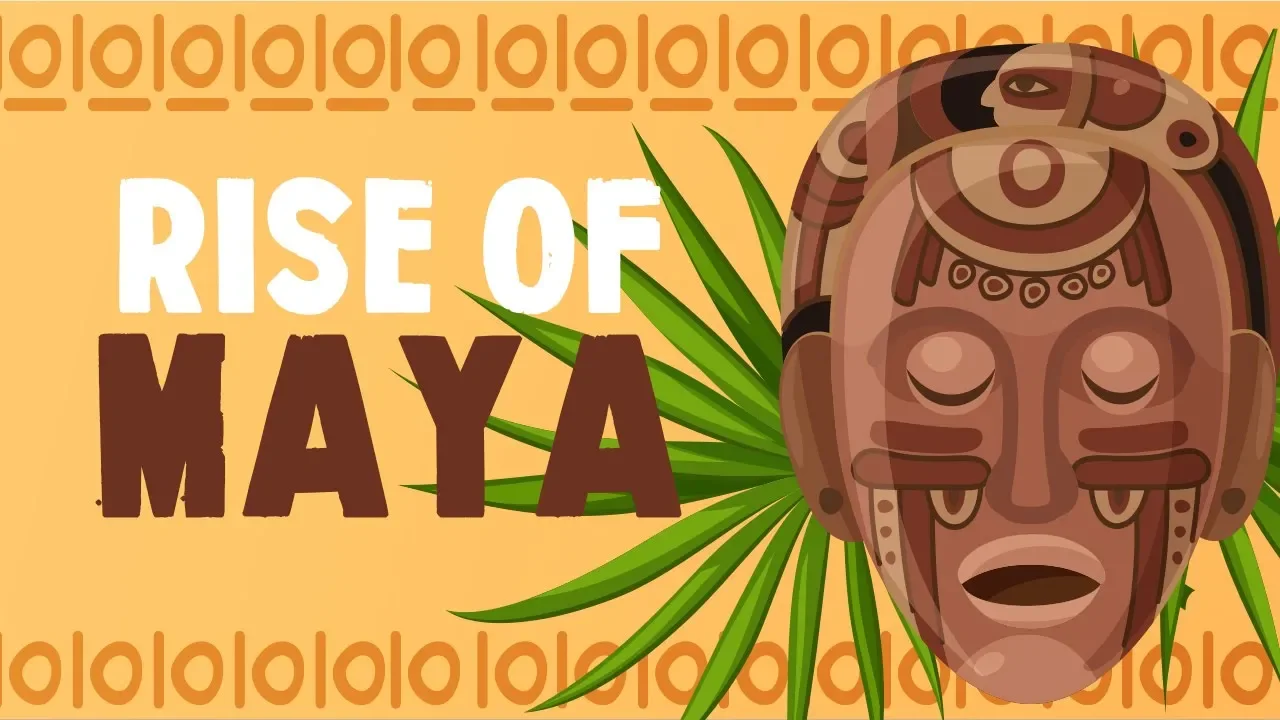









The Maya Maize God statue, discovered in Honduras and dating to approximately 700 AD, exemplifies how ancient civilizations revered staple crops as divine entities, with maize serving as the central symbol of life, death, and rebirth in Mesoamerican culture, reflecting the agricultural cycles that sustained these societies for thousands of years.
Maya Maize God Statue: History of the World in 100 Objects
Added:Overview of the Maya civilization, including their geographical location in Mesoamerica and historical timeline.
The fundamental role of maize (corn) as the agricultural and dietary foundation of Mesoamerican societies.
Basic concepts of polytheism and how ancient civilizations personified natural elements and crops as deities.
An introduction to how art and material culture, such as stone sculptures, were used by ancient elites to project power and religious devotion.
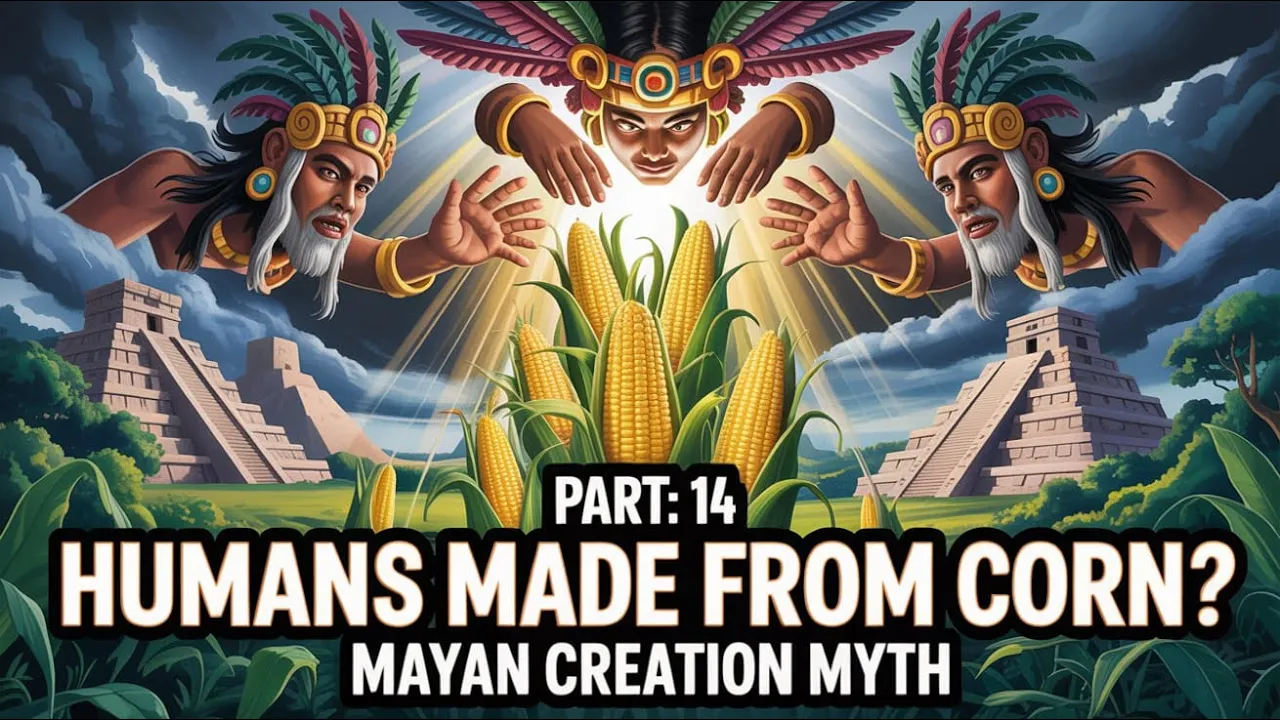
In-depth study of the Popol Vuh, the sacred Maya text detailing the creation myth of humans being fashioned from maize.
Analysis of Classic Maya artistic styles, iconography, and the specific physical aesthetics associated with royalty and the divine.
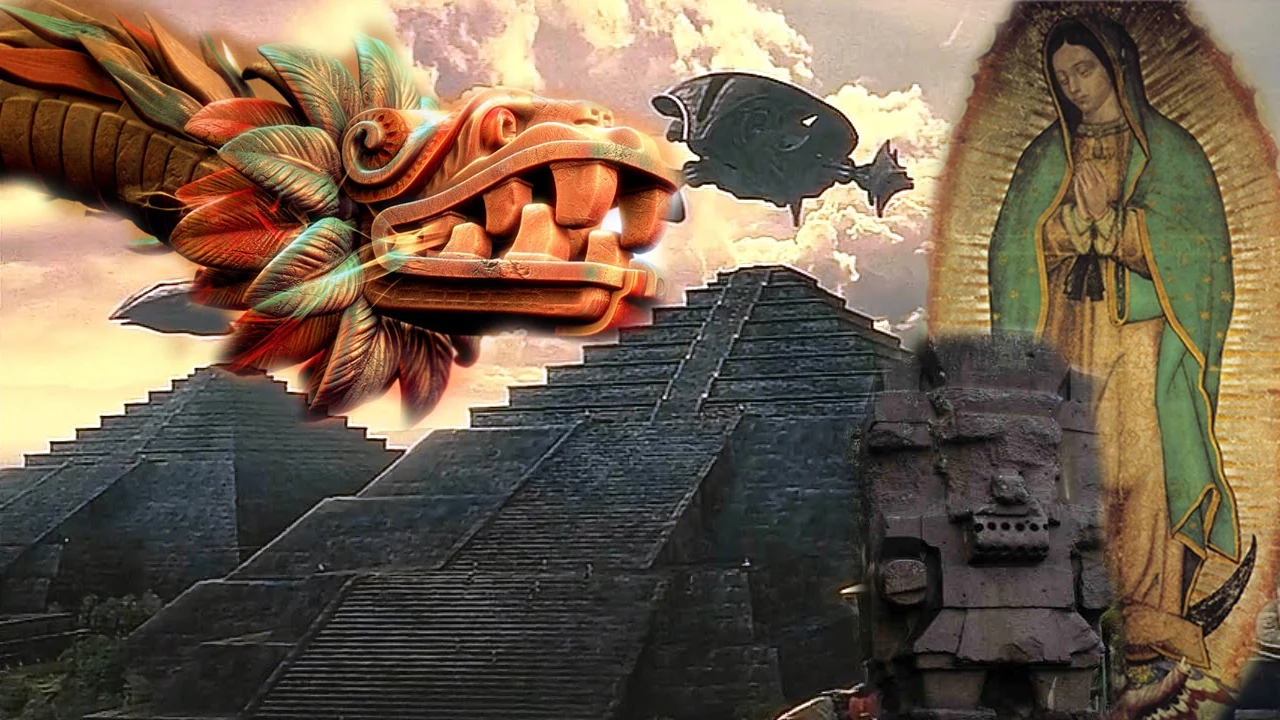
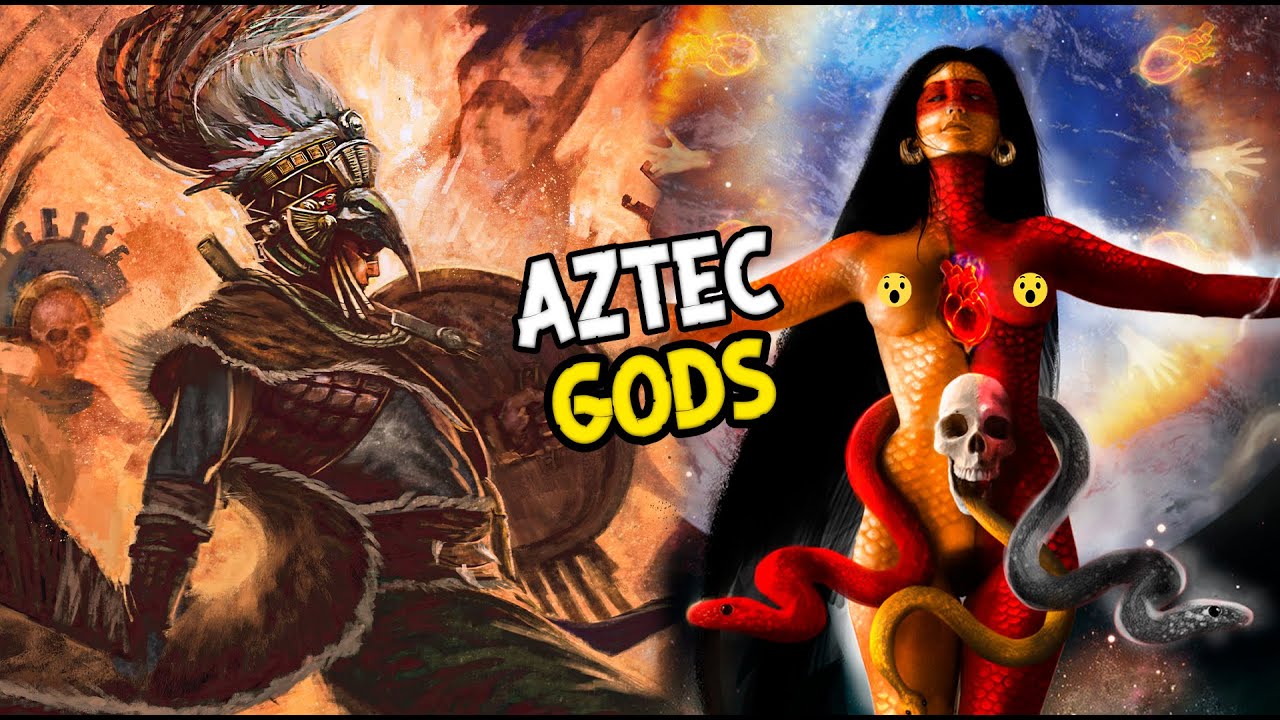
Comparative analysis of agricultural deities and creation myths across other Mesoamerican civilizations, such as the Aztecs.
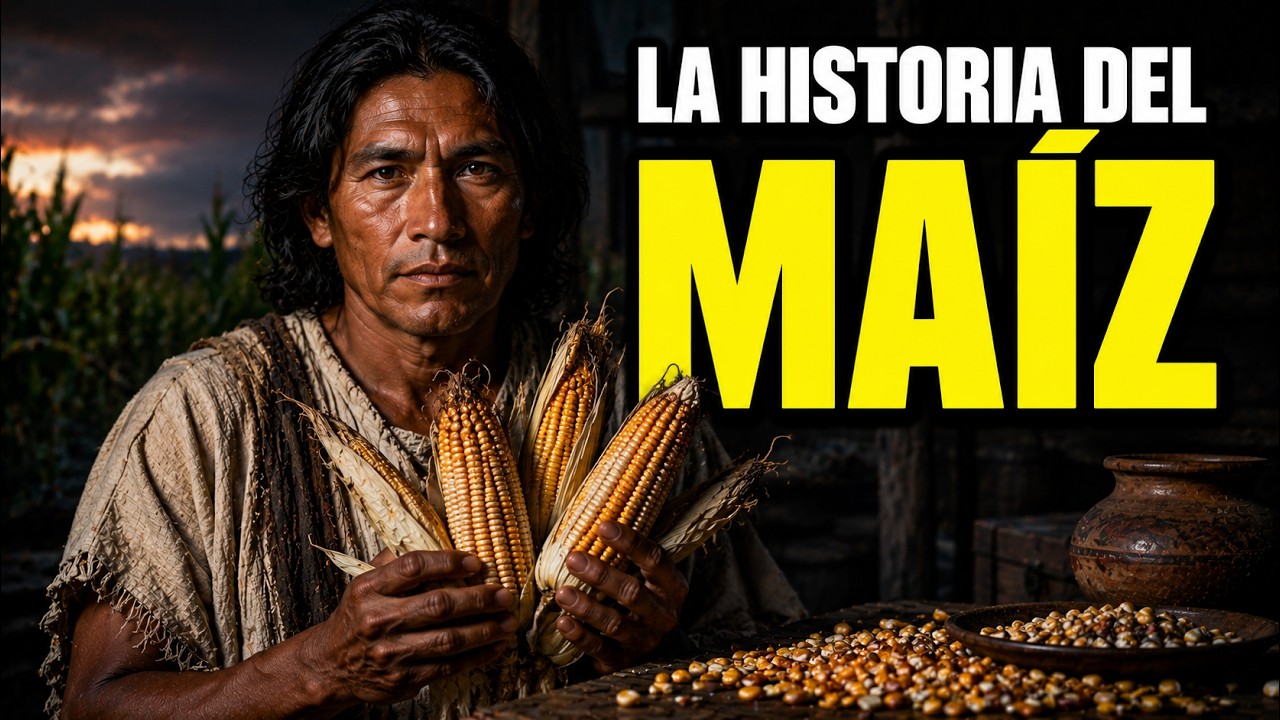
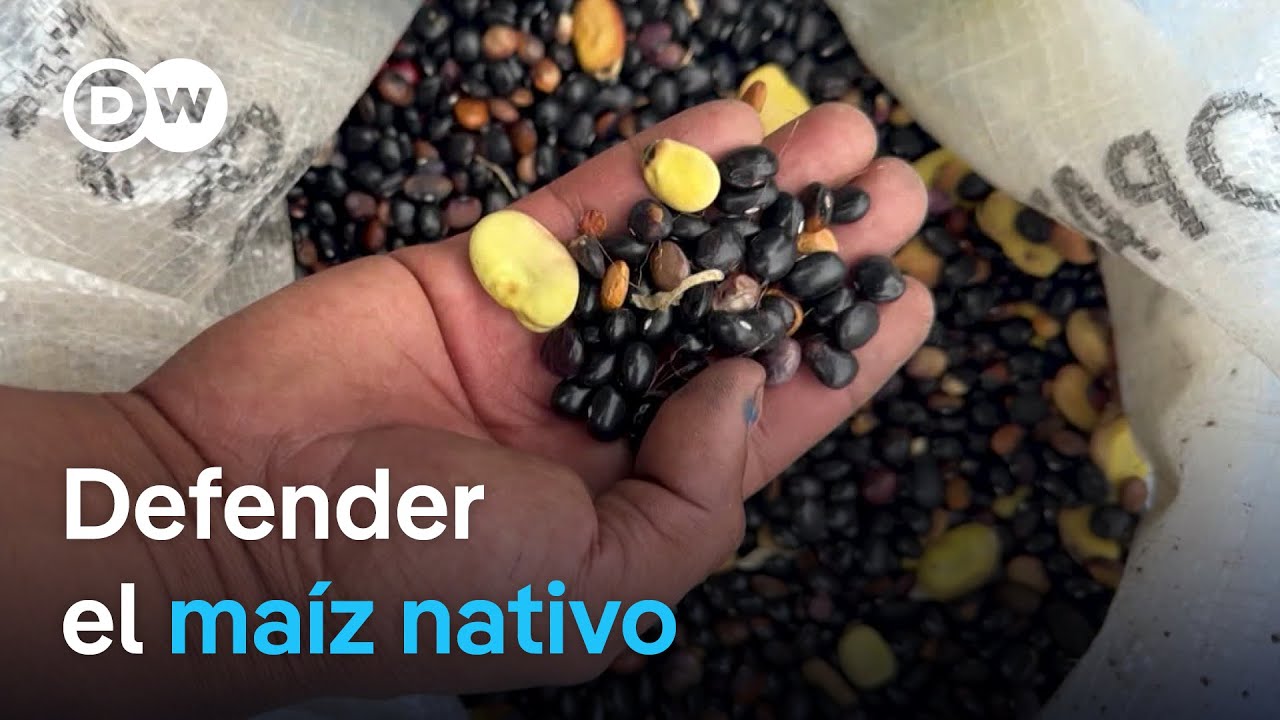
Exploration of the 'Milpa' agricultural system and the enduring cultural significance of maize in modern Mesoamerican indigenous communities.
The methodology of history through material culture, focusing on how museums curate global history using singular representative artifacts.
5.5K views50likes13:39Original Release: 2018-07-12
this is the sound of worship it's coming from a Christian Church in chapas the southernmost state of Mexico where the local Indian population are offering their God not just their devotion but also their food it's a practice that've been following for thousands of years nowadays we like to say we are what we eat but for Generations amongst the faithful it's been equally true to say we worship what we eat [Music] this willingness to venerate the food on our plate seems to arrive at a particular moment in human development and it tells us much more about a society than its favorite supper dish is always present in one way or another either to be eaten or to be looked at or to be worshiped it is part of the cultural identity a history of the world in a 100 [Music] [Applause] objects Maya may God a stone statue discovered in Honduras approxim o imately 1300 years [Music] old some archaeologists argue that food must always have had a Divine role even for our earliest ancestors just think of the cow Goddess of Egypt or bakus and series of classical mythology or Anapa the Hindu goddess of food but there's a particular time after the end of the Ice Age so between 10 and 5,000 years ago roughly when a range of new Foods seems to be accompanied by a range of New Gods across the world people began to identify particular plants that would provide them with food in the Middle East as we saw in the last program it was wheat and barley in China Millet and rice in papia new guine Taro and in Africa sorghum and as they did so everywhere stories about Gods emerged gods of death and of rebirth Gods who would guarantee the cycle of the seasons and in Ure the return of the crops and gods more importantly that represent food itself today's object is myth made material a food God from Central [Music] America and here in the heart of the British museum we have a god of maze he's a bust carved of limestone using a stone Stone chisel and a Bassel hammer and the features are large symmetrical the eyes closed the lips parted as though this God is in communion with a different world quietly meditating the arms are bent the palms of the hands face outwards one raised one lower giving an impression of serene power the head of the god is covered with an enormous headdress in the shape of a stylized corn cob and his hair is like the silky strands that line the inside of uh copc corn inside the wrapping leaves originally this statue would have sat with many other similar Gods high up on a stepped pyramid style temple in Western Honduras he was found in Copan a major Mayan city and religious Center whose Monumental ruins you can still visit today all of the temple statues were commissioned by the Mayan ruler of the day to Adorn the Magnificent Temple that he built at around 700 [Music] AD between the head and the body you can very clearly see the join and indeed the head looks rather too big for the body because in the temple in Copan now in Western Honduras from which this came all the statues fell and heads and bodies were pieced together but whether this head and this body precisely belong together is actually not the key thing because all these gods are about the central power the central role of ma to the local people our statue of the ma God is obviously a comparative new boy he's made as late as 700 AD but he comes at the end of a very long tradition Central Americans had been worshiping him and his predecessors for thousands of years and his Mythic story mirrors the annual planting and harvesting of the Corn on which all Central American civilization depended like the ma plant the ma God is decapitated at Harvest Time and is then reborn fresh young and beautiful at the beginning of each new growing season John staller Anthropologist and author of the book histories of maize explains why the ma God was a common choice for Rich powerful patrons the elite from ancient societies focused upon corn as having sacred kind of properties which they then associated with themselves and this is pretty obvious in the young maze God the sculpture was apparently a manifestation of mythological beings resulting from the third Maya creation there were eight mythological beings Four Women and four men who are the ancestors of all the Maya people the Maya believed that their an ancestors essentially came from corn and they were formed of yellow and white maze dough maze was certainly a primary focus of ritual and religious veneration by ancient meso American people going back all the way before the Maya and even into the OMC civilization so our maze God is not just a hauntingly beautiful statue he gives us a real insight into the way ancient American society thought about itself and its environment the maze God represents both the fact of the Agricultural cycle of planting harvesting and replanting and the faith in a parallel human cycle of birth death and rebirth but more he is the very stuff of which the central Americans are made where the Hebrew God made Adam out of dust the Mayan Gods use maze to make their humans the mythical story is told in the most famous epic in the whole of the Americas the popul Vu for Generations this was passed on through oral Traditions before finally being written down in the 17th century here's a taste of it and here is the beginning of the conception of humans and of the search for the ingredients of the human body so they spoke the bear begetter the makers modelers named Sovereign plumed serpent they sought and discovered what was needed for human flesh it was only a short while before the sun moon and stars were to appear above the makers and modelers split Place Bitter Water Place is the name the yellow corn white corn came from there and this was when they found the staple foods and then the yellow corn and white corn were Ground after that they put into words the making the modeling of our first mother father with yellow corn white corn alone for the flesh food alone for the human legs and arms for our first Fathers the four human [Music] works but why did maze become the f laed food and the revered grain of the Americas why not wheat or a certain type of meat the answer lies not in Ma's Divine connections but in the environment that Central America offered in this part of the world at this time around 9,000 years ago other food resources were very thin on the ground there were no easily domesticated animals as you would find pigs sheep or cattle elsewhere and the Staples were a trinity of plants that were slowly cultivated and tamed squashes beans and Mae but beans and squashes don't become Gods why does Mae well the plant from which Mae derives the teos cinti is wonderfully adaptable it's able to grow in both the Lush wet lowlands and the dry mountainous regions which means that farmers can plant crops in any of their seasonal dwellings on top of that constant harvesting of the grain encourages the plants to grow larger and more abundantly so Mae quickly became plentiful Farmers got a healthy return for investing their labor but crucially Ma is a rich carbohydrate that gives you a rapid energy hit but it is let's face it pretty stodgy and so from very early on Farmers also cultivated an ingenious and tasty accompaniment the indigenous chili Chile has virtually no nutritional value but as we all know it's uniquely able to liven up dull carbohy hydrates and it shows that we've been Foodies for as long as we've been [Music] Farmers by a th000 ad ma had spread North and South virtually through the whole length of the Americas which is perhaps surprising because in its earliest form not only did ma have little taste it was practically inedible it couldn't just be boiled and eaten straight away as it is today 9,000 years ago the maze cob was very hard and eating it raw would have made you very ill it needed to be cooked in a mixture of water and white lime this elaborate process of boiling the raw kernel in lime and water was essential without it the two key nutrients in the vegetable the amino acids and the vitamin B would not be released after all that it had to be grounded into a paste and then made into an unleavened dough the god of Mae expected his disciples to work hard for their supper even today Mae still dominates much of Mexican Cuisine and it still carries a surprisingly powerful religious and metaphorical charge as restorator Santiago calva knows only too well the continuous spin-offs of maze into the daily life is vast and complex at some stage there will always be maze around and it jumps any class barrier or identity Everybody Eats it and drinks it from the richest to the poorest to the most indigenous to the least indigenous and that's one thing that unites more than anything else mace culture faces two new problems one being the use of maze as a biofuel and the increment of prices where it directly affects the Mexican population the other problem being the genetically modified maze it's almost personally offensive and religiously that you're playing God as if it were it's just very sensitive and especially when you take corn to be used for other purposes other than to be eaten or be worshiped but rather to be put into a car it becomes a highly controversial [Music] issue so even today for some people it's Unthinkable that maze the divine food should end up in a petrol tank well beyond Mexico the idea of genetic modification of crops still causes deep unease as much religious as scientific a sense that the natural order is being disturbed that humans are trespassing on territory that's properly reserved to the Gods in a very real sense the Mexican mazee God is still alive and he's not to be trifled [Music] with in the next program will be turning from the food of the gods to the vessels that it's cooked in will be in Japan with some of the oldest Pottery in the world and the birth of the [Music] stew e
Up Next

10:34
Divine Food: Maize, Cacao & Maguey in Mesoamerican Art
@israelmuseumjerusale
442 views•2022-06-08

114:18
Christian Iconography: History, Theology, and Meaning | Fr. Panayiotis Papageorgiou
@Trisagionfilms
58.8K views•2020-02-21
7:48
Ukiyo-e Art: History, Woodblock Printing & Influence
@japanathand
6.3K views•2023-06-08

16:34
Earliest Depictions of Jesus in Art: 10 Ancient Images Explained
@UsefulCharts
5.9M views•2022-06-03
Related Study Plans & Knowledge Roadmaps
Structured learning paths in Art History
art-history
Gothic Cathedrals: Engineering, Light & Society
01The Birth of the Gothic: Romanesque to Suger's Vision
02The Structural Triad: Pointed Arches, Ribbed Vaults, and Flying Buttresses
03Theology of Light: Lux Nova and Sacred Geometry
+ 2 more learning modules
14h5 modules
Explore Roadmap
art-history
Pre-Raphaelites: Realism, Symbolism & Critique
01The Victorian Art Establishment and Academic Formula
02The Founding of the PRB and Radical Realism
03Medieval Revivalism and Literary Symbolism
+ 1 more learning modules
8h4 modules
Explore Roadmap
art-history
Street Art: From Subways to Art Market
01Subcultural Origins in Philadelphia and New York (1970s)
02The Subway Era and Style Wars (Late 1970s - 1980s)
03The East Village Scene and Early Gallery Crossover
+ 2 more learning modules
10h5 modules
Explore Roadmap
art-history
Classic Maya Art: Iconography, Glyphs & Ritual
01Foundations of Classic Maya Visual Culture
02Deciphering Maya Hieroglyphs & Text-Image Integration
03Sacred Geography and Cosmological Architecture
+ 2 more learning modules
14h5 modules
Explore Roadmap