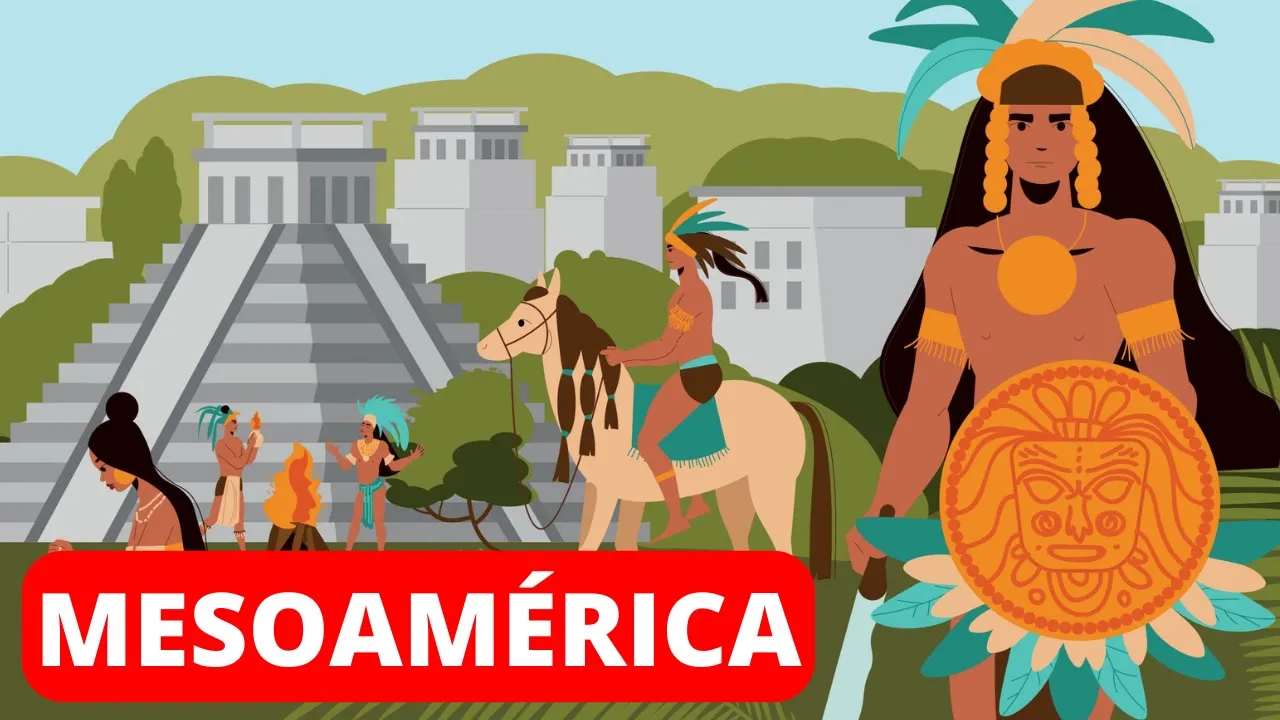

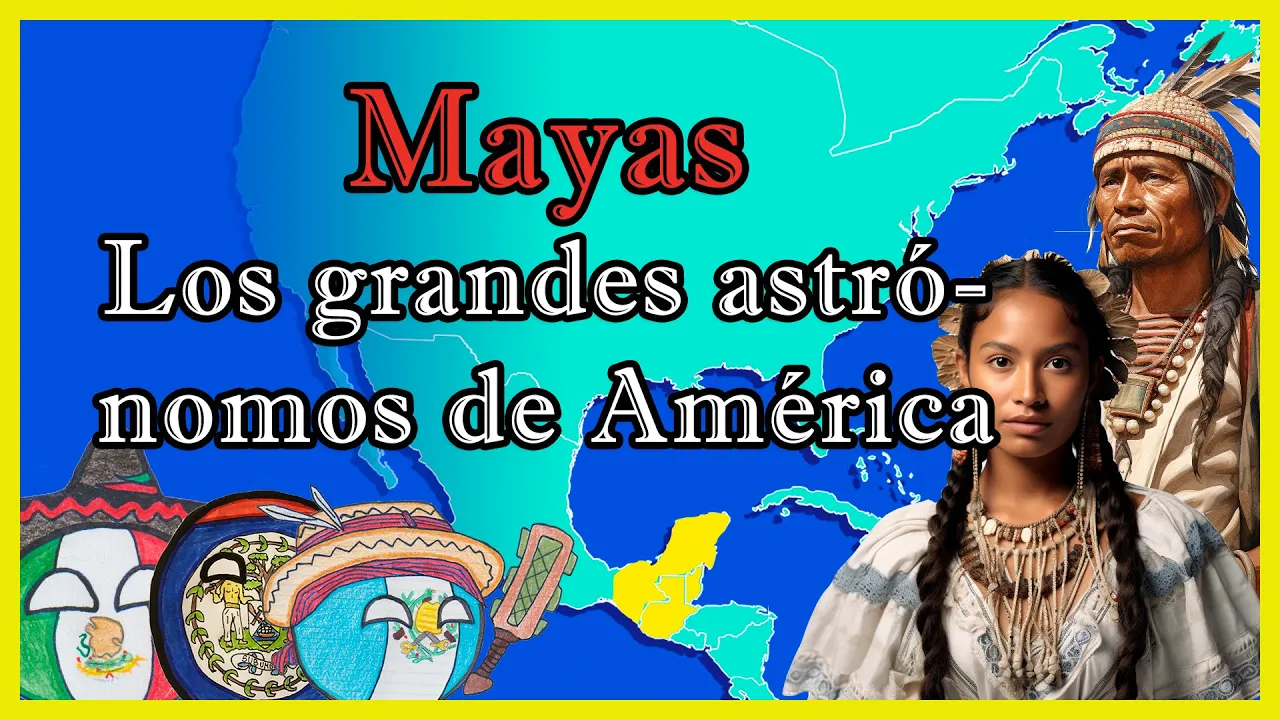


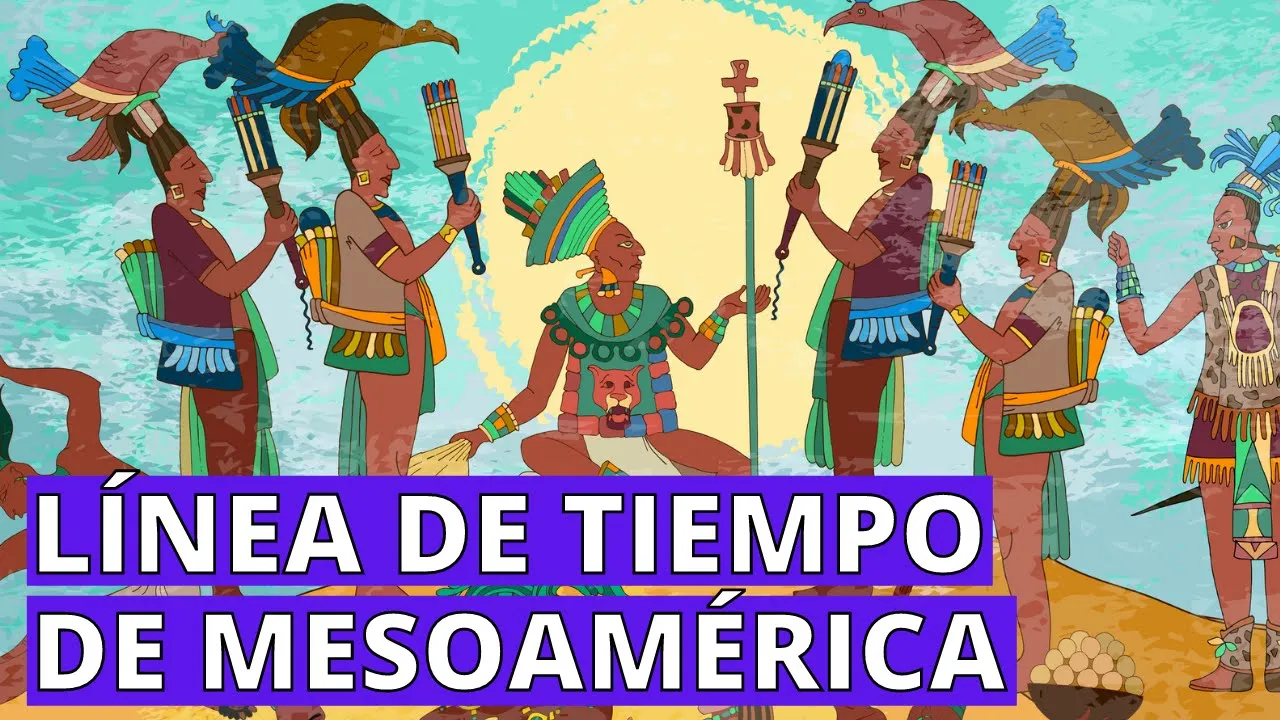










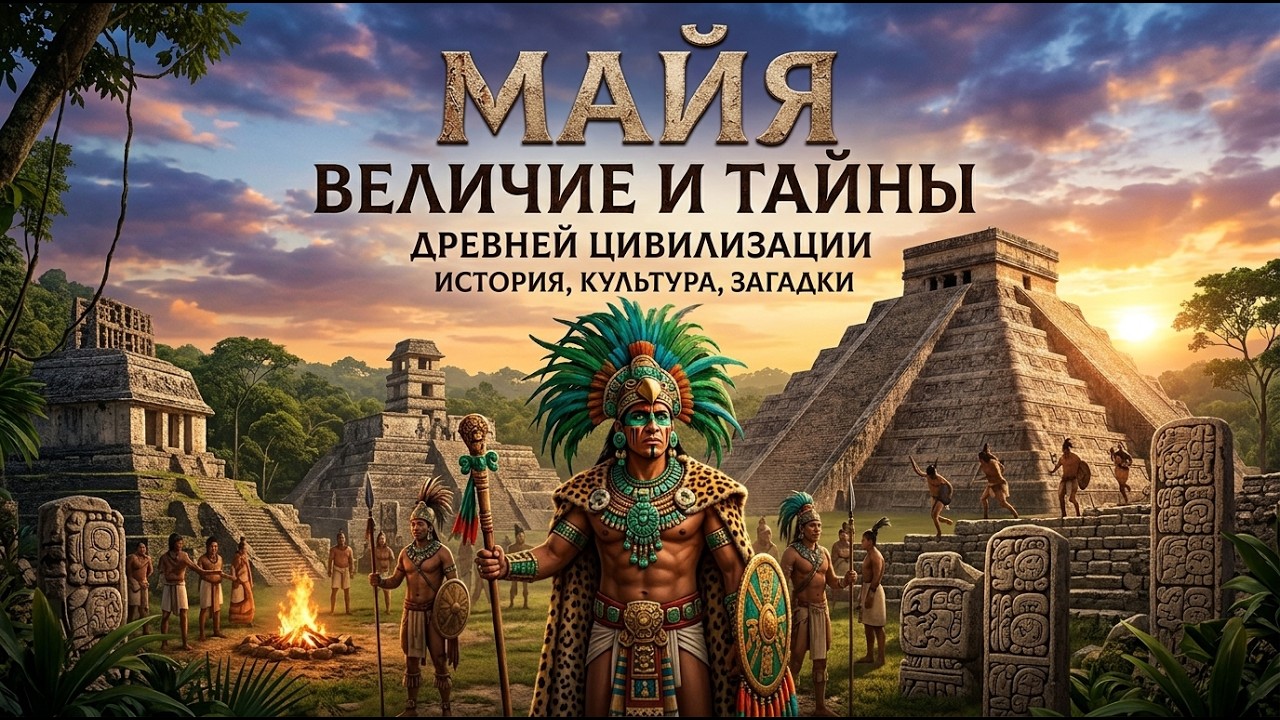
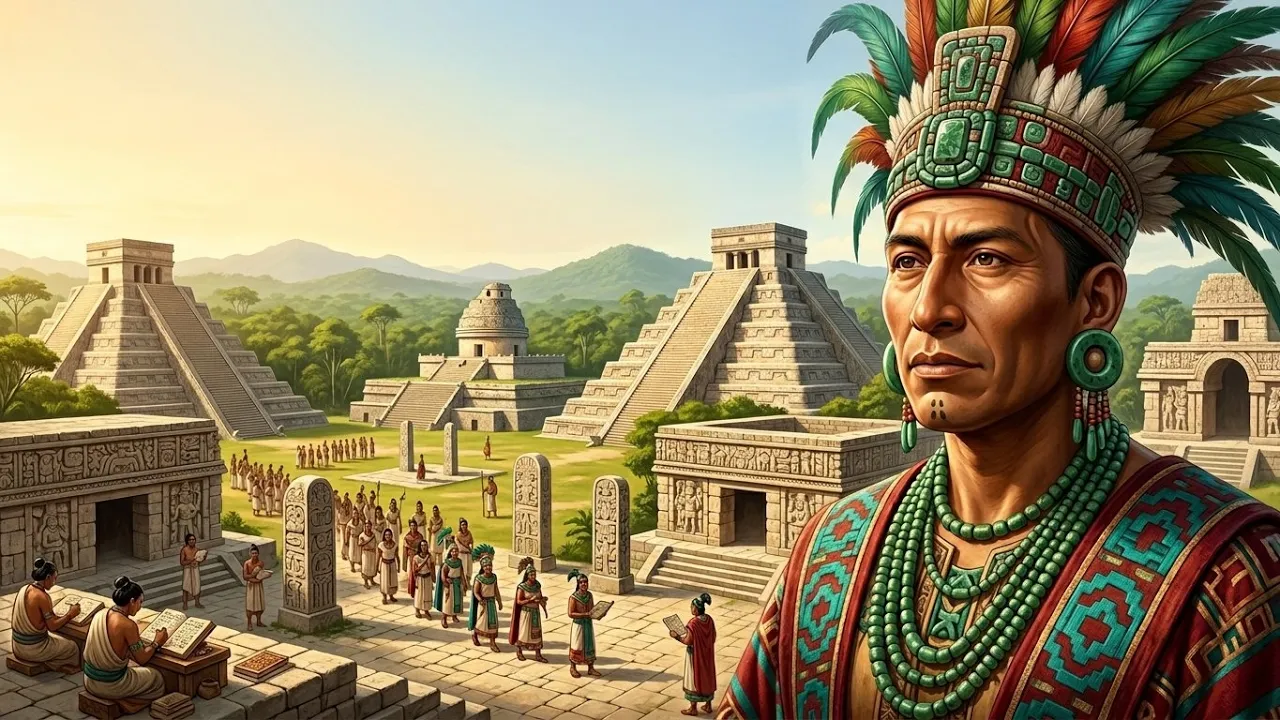

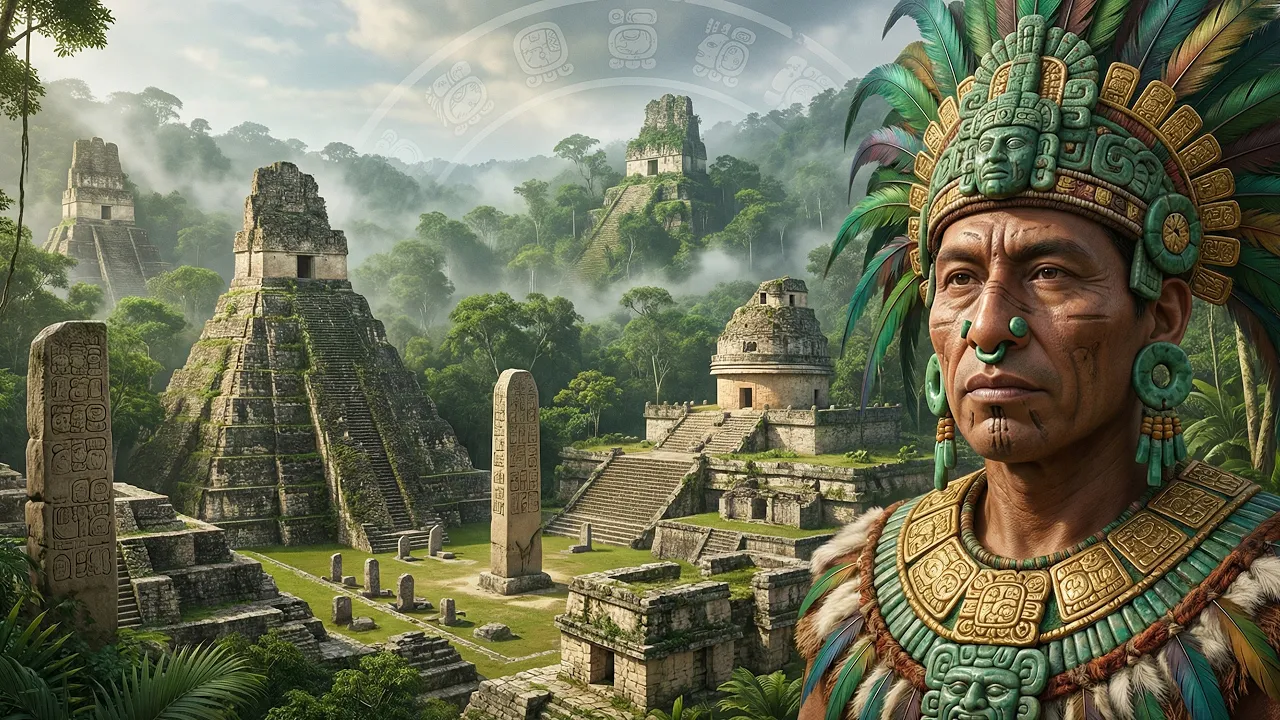
The Classic Maya period (250-900 CE) represents the golden age of ancient Maya civilization, characterized by sophisticated city-states governed by divine kings who maintained complex political networks, thriving urban centers with populations reaching 100,000+, advanced agricultural systems including swidden farming and sophisticated water management, and remarkable achievements in astronomy, mathematics, and art that rivaled contemporary civilizations in the ancient world.
Life in the Classic Maya Period: Majesty and Beauty
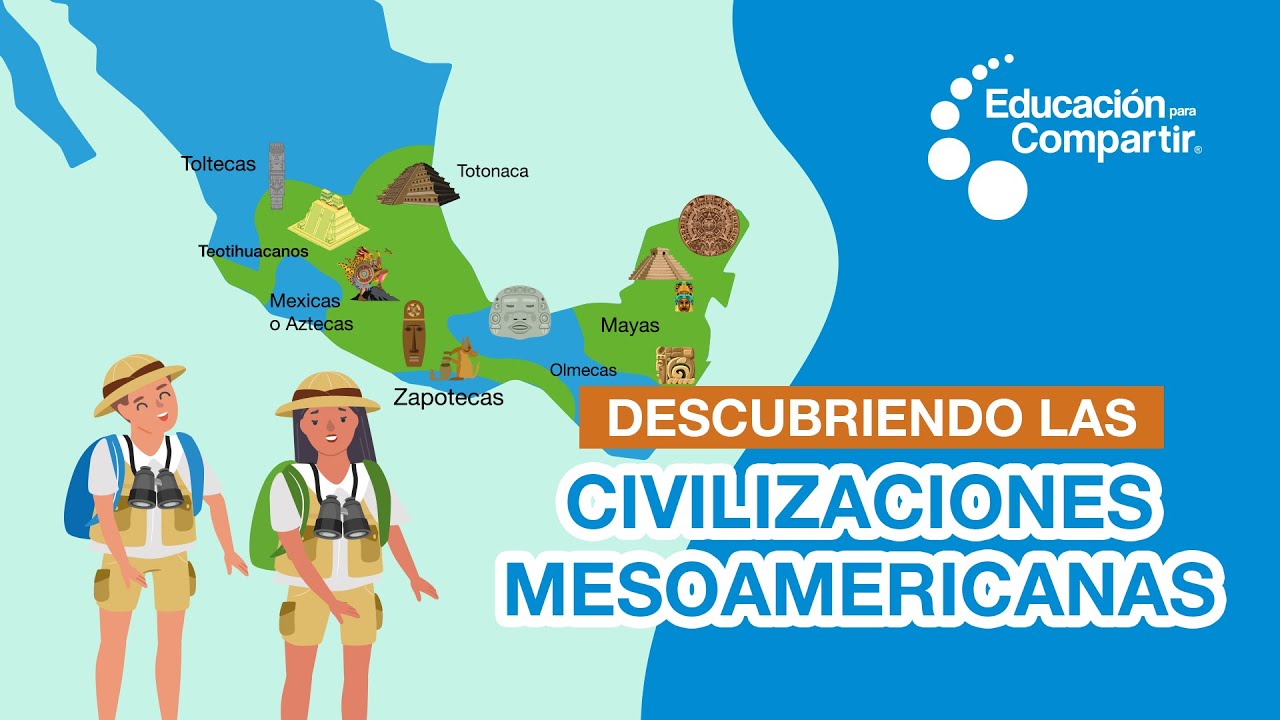
Added:Basic geography of Mesoamerica, specifically identifying the regions of modern-day southern Mexico, Guatemala, Belize, and western Honduras.
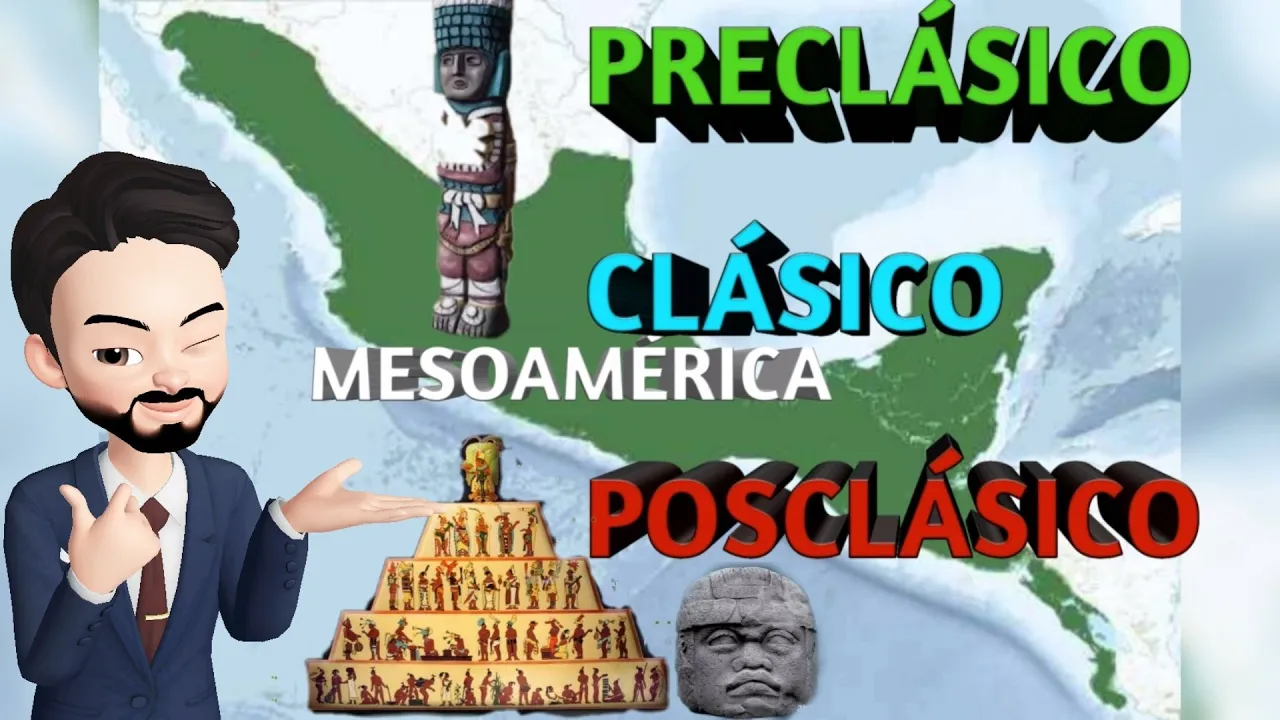
An understanding of the chronological divisions of Mesoamerican history, particularly distinguishing the Preclassic period from the Classic period.
General concepts of ancient state-level societies, including social stratification, divine kingship, and the political structure of independent city-states.
Fundamental agricultural practices of early civilizations, such as Mesoamerican 'milpa' farming and how it sustained large urban populations.
The theories surrounding the 'Classic Maya Collapse,' analyzing the ecological, political, and social factors that led to the abandonment of major southern lowland cities.
The rise of the Postclassic Maya period, focusing on northern Yucatan cities like Chichen Itza and Mayapan, and their eventual contact with Spanish conquistadors.
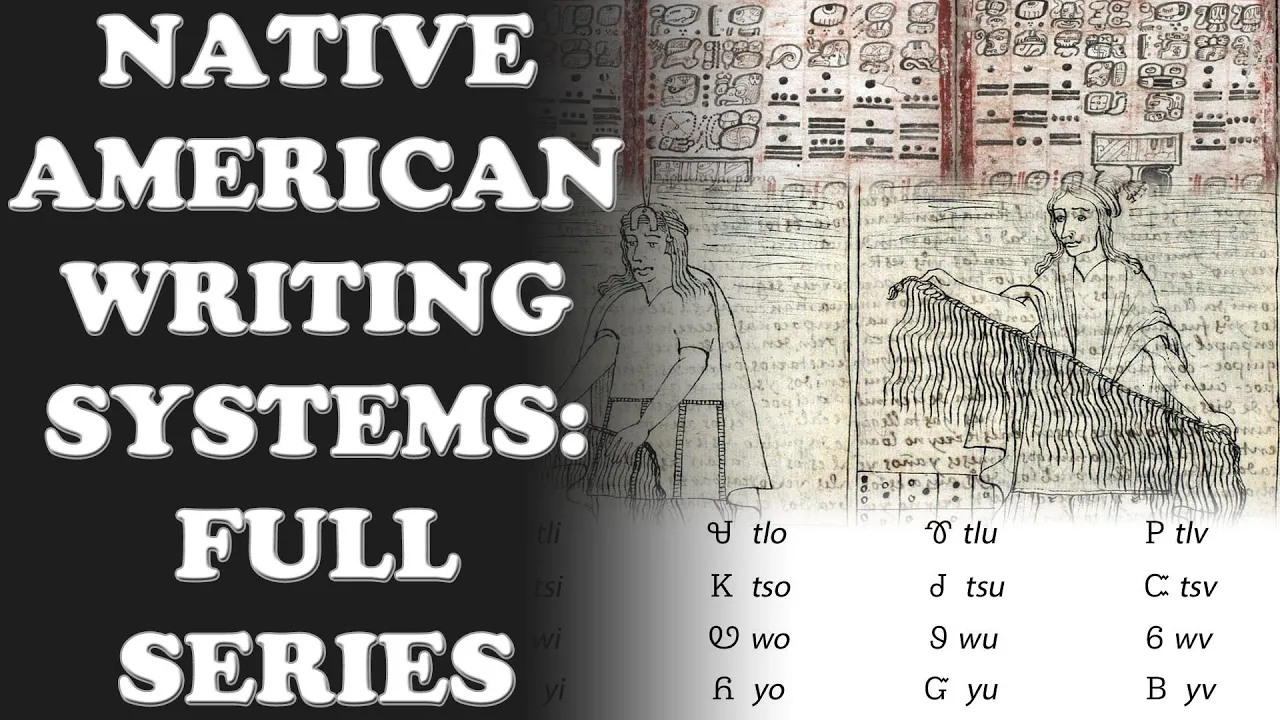
Advanced study of Maya epigraphy, exploring how researchers deciphered their complex logosyllabic hieroglyphic writing system.
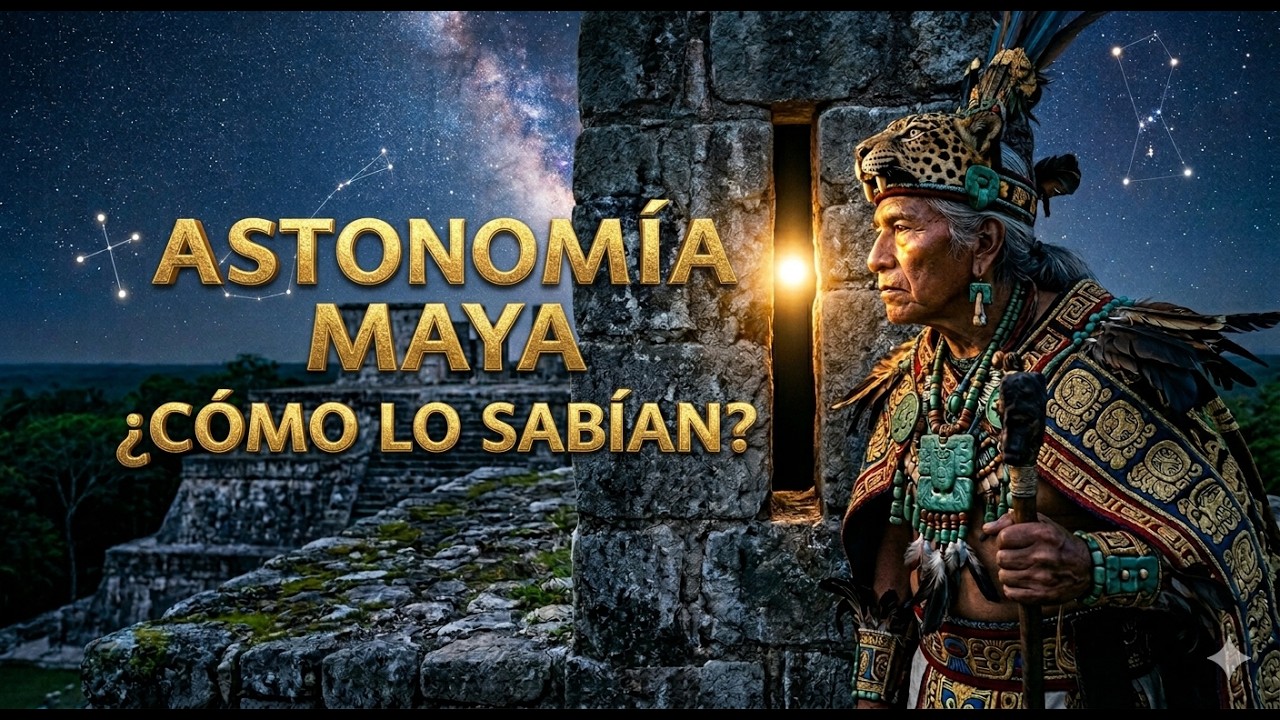
The mathematical and astronomical systems of the Maya, including the Long Count calendar, the concept of zero, and their tracking of celestial bodies.
276.3K views7.3Klikes44:17Original Release: 2023-04-21
the years between 250 and 900 CE were golden age for the Maya and this period the classic period as it's called has fascinated Scholars and the public alike for over a century in the forests of Guatemala and Mexico and Honduras great cities like Tikal, Palenque and Copán and their towering buildings and monuments remain a powerful Testament to the Splendor of this age while the sun may have been setting on the great empires of Rome Sassanid Persia and Han China, the Maya world was experiencing an incredible artistic and cultural flowering considered by many to represent the Pinnacle of ancient Maya culture whenever you hear or see something about the ancient Maya as a whole it's usually centered around this time period this is what most people think when you say the ancient Maya and it's really easy to see why these cities figures and art are iconic in this episode we're going to dive into the culture of the classic period and see why it was such an incredible period not just in Mesoamerican history but world history [Music] [Music] as with all our episodes before we get started we have to clarify and Define a few things I can hear your groan but bear with me here first the term classic period is a bit of an unfortunate term because it implies that by being classic the preclassic and postclassic periods are somehow inferior the reason that term exists is because that's what mayanists in the early 20th century named it hoping to evoke comparisons to classical Antiquity back in Europe in my opinion the pre-classic and postclassic periods don't get quite the attention they deserve even though they're just as interesting in fact as I already mentioned in my preclassic episode a lot of quote unquote classic Hallmarks such as large cities Monumental art and writing were already being practiced in the pre-classic period heck one of the biggest Maya cities ever constructed dates to the preclassic second we need to discuss the scope of the episode a full and satisfying treatment of the classic period would take hours so to preserve my sanity I'm breaking this up into multiple Parts today's episode is mainly focused on the time period as a whole where we can delve into cultural aspects part two will cover the history of the classic the Kings the Queens the wars and the conquests all very exciting but not our Focus today now I don't want you thinking that this episode is a complete and totally thorough treatment of the classic Maya not that any of my episodes are complete and total treatments of a given culture anyway there are entire studies dedicated to Classic Maya art architecture politics Warfare religion and so on this was one of those episodes where I had to choose what to leave out rather than struggle to find things to include everything I'm going to talk about could be treated in much finer detail and perhaps we'll explore those topics in Greater detail in the future for today we'll be looking at Maya life in the classic period by examining politics beliefs art and more I should caution you that classic maya culture usually refers to the culture of the elite but will also try to highlight life for the every man and every woman as well finally I don't speak any Mayan languages so apologies in advance for butchering the language okay let's begin by looking at the Maya political world contrary to what some people or Maps might say the Maya were never and actually have never been United in a single Maya state or Empire Maya political power during the classic period was concentrated in city states that were always competing against each other a single large city would have other smaller nearby cities as vassals or Allies and these shifted constantly as the political landscape evolved likewise a single Maya ruler might be an Overlord to several lesser Maya rulers thus it's useful to think of Maya political power and influence not in terms of territorial boundaries but rather as a network of other Lords that they controlled this makes ancient myia politics from this time very complicated and intricate to give you an idea of how complex and dynamic these diplomatic networks were mayanists have crafted this gnarly looking chart that will immediately make you dizzy as complicated as that looks that list is by no means total there are a lot of of other city states and kingdoms over a hundred of them total these are just the big names don't worry we aren't going to get into it now alliances between cities and rulers could be made by dynastic marriages Oaths of Allegiance intimidation and even by military force anyone who's familiar with their ancient Mesopotamian ancient Greek or Renaissance Italian History knows that city states do not get along well with each other and the ancient Maya were no exception to this trend Warfare and conflict were the realities of politics but we'll get into war shortly let's take a look at these cities during the first half of the 20th century it was believed that Maya cities were largely empty ceremonial centers where people would occasionally gather and Priests would conduct special rituals centered around the sacred calendar the idea that these were dense urban communities with a developed Hinterland was inconceivable well those people got a rude awakening with the Advent of modern archaeology and thanks to that we know that Maya City were thriving Urban centers populations could range in size from several thousand to more than a 100,000 inhabitants Maya cities were not formally organized and were built up organically all cities would have had precincts which would have had large plazas surrounded by colorful temples palaces ball courts and other monuments these would have represented the core of the city and back when those early mayanists began investigating Maya cities this is where they focused all their attention as compelling as those great monuments and buildings are they are really only a tiny part of the city what we often fail to appreciate is that Mesoamerican cities like nearly all cities throughout history and the present have sprawl when you see a recreation of an ancient Maya City you usually see a picture that looks like this now don't get me wrong there's a lot of good details in such images but there's almost always something that isn't quite right and that's the scale of the sprawl if you were to take a trip to Guatemala or lowland Yucatan today and hit up an ancient Maya City you would find yourself in stately ruins surrounded by thick cavernous jungle but that would not have been the case back in the Heyday of these cities these were not islands of urban civilization in a hostile jungle the jungle would have been thinned considerably although a lot of trees would have been kept for shade and fruit but we'll discuss that in more detail later the sprawl and outer settlements could span hundreds of square kilometers had you stood on top top of a temple back then you would have seen houses and Fields for Miles LIDAR scans of Maya cities and the surrounding landscape reveal what the jungle has long obscured from Outsiders causeways reservoirs Terraces houses and Boundary walls various cities were also connected by raised roads called sacbés or to use the proper plural sacbeob these cities weren't just centers of political power but were also important centers of trade and exchange and they were integrated into a thriving Mesoamerican economy Maya Goods like quetzal feathers Jade obsidian Jaguar pelts and cacao were prized Commodities abroad for those who have seen our Teotihuacán episode you'll recall that Teotihuacán had extensive trade and diplomatic relations with the Maya world and we'll explore that relationship in further detail in our next episode from the outside came Marine Goods like shells and coral local trade was facilitated by local entrepreneurs pedalers and farmers who could bring their goods to local markets many cities such as tikal had permanent marketplaces for people to exchange goods long-distance trade was dominated by wealthy Nobles and Merchants who used exotic Goods to enhance their wealth and Prestige all political Authority in the city state was vested in the king or to use the proper Maya term the ajaw or Lord great rulers could a grandis themselves further and also distinguish them from lesser rulers by using the title kahul ajaw holy Lord and this title and its Associated glyph appear in inscriptions at many Maya sites rarely used was the term Kaloomte’ and it was only used by the strongest dynasties of the classic period think of aKaloomte’ as an Overlord or a great Lord the reason I bring these titles up is that again we need to keep in mind that not all monarchs were equal remember what I said earlier Maya Kings could be vassals to Greater Kings in this inscription from the site of Cancuén this part of the inscription notes 19 years 14 months and 2 days later on seven 7 Imix 9 K'ayab', Pawahtuun Chan Ahk Wi' Taak Kay was seated as Lord by Yuknoom Ch'een king of Calakmul that glyph for seeded denotes that this Lord was installed under the offices of another greater Lord in this case by Yuknoom Ch'een of Calkmul we know a lot about these Lords because they commissioned a lot of Art and descriptions to celebrate their accomplishments and to record important Milestones such as the closure of a katún or baktún in many of these Works Maya rulers styled themselves in the image of the young maize God for those who have seen my popul Vuh episode you'll know that the maize God was a potent symbol of fertility and abundance maize itself was seen as the source of all life in many of these depictions they wore elaborate Jade headresses often containing beautiful plumes of quetzal feathers maya Kings also impersonated gods and holy ancestors as well in many scenes in other depictions they showcase their Authority by holding scepter likee serpent bars that bear the symbols of the great God K'awiil and His lightning bolt every ruler would have maintained a court in a reserved Palace where the royal family high-ranking Nobles courtiers priests and entertainers all came together Maya courts differed from City to City each Court was ultimately a product of the ruler at any given time but we have many depictions of courtly life during the classic period that at least show us an idealized presentation of the Royal Court like courts anywhere else in the world they were undoubtedly full of competition and Intrigue as various factions jockey for favor and power and since Maya kings were polygamous we can only assume that there was no shortage of options for dynastic succession don't worry there will be plenty of Juicy dynastic drama in the next episode Nobles could also wield considerable influence at court acting as advisers military leaders region for young rulers and even as artists and scribes texts from the classic period show that titles such as sajal and usajal denoted Nobles that held high positions or had a close connection to the ruler another duty of rulers was to lead their City into battle I think it's worth taking a quick detour here because Warfare is going to feature heavily in the next episode as I mentioned earlier Maya city states were almost in constant conflict with each other and War was endemic it was even common for Maya cities to be fortified with Palisades and walls for protection Wars could be waged with different goals in mind such as extending influence Gathering victims for sacrifice and establishing or reinforcing lordship over cities that sounds pretty normal but Warfare in the Maya world had some unusual characteristics first Maya Warfare was highly ritualized augues and astrology were consulted before a king led his army into battle in particular the position and trajectory of the planet Venus was seen as having an important impact on the outcome of a war thus ambitious Wars to completely defeat and subjugate an enemy were referred to as Star Wars after the patron of War Venus I'll let you make your own Star Wars references I'm saving mine for later now my armies do not appear to have been particularly large and it is widely speculated that war was an elite Affair conducted by Nobles and some professional soldiers unlike what we would expect the goal of battle was not to kill as many people as possible but but instead to also capture enemy soldiers and high-ranking Nobles in fact if you look at Ancient Maya depictions of battle you'll see that many enemies are not being killed but incapacitated and captured in a best case scenario a king and his forces would capture an enemy Lord he could then be taken back to the city humiliatingly paraded around and sacrificed as was the case with K’ahk’ Tiliw Chan Yopaat's capture and subsequent execution of the king of Copan axaclajuun Ub'aah K'awiil Kings commemorated their Victory showing themselves towering or even standing on Twisted contorted captives now being a king wasn't just about being a great warrior maya Kings weren't just the boss men but were seen as divinely ordained rulers who acted as conduits between the gods and the people and this was taken very seriously remember that great Kings used to refer to themselves as k'uhul ahau holy Lord as such they took a central role in the ceremonial and religious events of the city important anniversaries and calendrical dates survive on monuments that the rulers commissioned to celebrate their achievements as well as those of their ancestors when the king passed away he was laid in a well-prepared tomb adorned with jewelry pots containing food and drink exotic Goods like shells clay Effigies and occasionally human sacrifices these would prepare him for his descent into the underworld and his rebirth just as the maize God had done in the mythological past now before we leave rulership I do want to note that I've been using the term King a lot and I don't want you to get the impression that only men could rule Queens also existed in the Maya world and a few even became very powerful and successful in their own right but the Maya seem to have preferred male rulers over female rulers usually when you see a queen as the a how of a city it's usually because there's a problem with succession and no other male was available to rule at that time more often women were depicted as Queen wives or dowagers don't worry we'll see some amazing women in the next episode also I should clarify the kingship was not an invention of the classic period we know the Kings and rulers existed back in the preclassic but they tend to be associated with the classic period because there are so many more records okay we spent enough time discussing the elites and the big wigs let's look at the average Maya person during this period how did they live the average Maya would have been a farmer living in a small Community cultivating their own plot of land commonly referred to as a Milpa the Maya had several agricultural methods in their repertoire the most prevalent method they practiced was Sweden agriculture more commonly known as slash and burn agriculture which was very common across the ancient world this only allowed them to farm a certain spot for a few years before the soil was exhausted which forced them to clear land for a new Milpa so that the previously used land could recover in fact it's been suggested that this Mobility contributed to the instability of cities when we think of Sweden agriculture we think of vast tracks of forest being indiscriminately burned but the Maya were much more careful with their Burns and they used them as part of a broader strategy of forced management they appreciated the fact that the forest was a very productive resource and to that end they consciously Managed IT to take advantage of productive trees when clearing the forest they would have left productive trees untouched like many Maya communities do today this would have ensured easy access to certain fruits fibers latexes and woods while also providing shade to Residents these would have been a fixture of home gardens even in more urban areas in more recent history some Maya have even walled off areas of forest to preserve Groves of desirable trees however the Maya also had other means at their disposal with the right conditions across the Maya lowlands archaeological investigations have recovered remains of terraces and evidence of wetland agriculture both of which were far more productive and sustainable models of Agriculture as cool as those are it would be incorrect to tell you that those models of Agriculture were practiced everywhere the evidence for such practices is inconsistent some areas Embrace terracing in Wetland agriculture While others made very little use of it because the land didn't really allow for it in such areas Swidden agriculture was the most practical option Maya commoners would have lived in houses that were built using water and do walls around a wood frame and roofed with thatch in some cases even stone masonry was used in houses if you're curious about what these ancient communities would have looked like then you are in luck because there's actually a wonderful site that gives us a rare glimpse into everyday Village Life and that's the site of Joya de Cerén sometimes called the Pompei of the new world like its more famous counterpart in Italy Joya de Cerén was buried by an eruption of the Loma Caldera around 600 CE now this site isn't a city but a simple Village and because of the quality and sheer volume of the volcanic ash it was preserved stunningly archaeologists that have excavated the site know exactly what this community was growing and eating and how they were living many buildings with surviving waddle and dob have been excavated two structures at the site even appear to have been used for religious purposes remains of manioc chilies and even cacao were recovered in case anyone is morbid curiosity no bodies were recovered at the site everyone skipped town before the village got buried what's also interesting about Joya de Cerén is that it shows that commoners had a higher than expected standard of living fine pottery and cacao show that these were not reserved for the upper classes alone we also know from archaeology at other places that beans squash Tomatoes sweet potatoes and fruits like guava avocado and papaya would have been consumed as well stews and porridges would have been very common meals the Maya would have also hunted and fish to supply their diet with meat although dogs and turkeys were domesticated and could also be used as sources of meat at the heart of all Maya life was religion the Maya perceived their world as a mix of physical and spiritual forces now a full treatment of Maya religion is beyond this episode because it's a rich topic with a ton of nuance if you're interested in Maya mythology I'd recommend checking out our episode on the Maya creation myth the popul Vuh the Maya Pantheon included gods and Supernatural entities such as Chahk the powerful God of rain and storms K’inich the god of the sun K’awiil the god of serpents and fertility the maize God and the goddess of the moon cities often had local Patron deities that were housed in special structures and inscriptions and art can show us specific patrons of specific sites although these gods did not always possess discreet identities and could be combined with other gods this made for a deceptively diverse religious landscape where worship and veneration could manifest in different ways a good example comes from the site of Yaxchilán where K’awiil is shown as a frequently intreated and summoned deity while at nearby Piedras Negras he's barely mentioned instead the dynasty there focused their attention on Chahk a central theme in Maya religion was K’uh this word is often translated as God but it has a much broader meaning and could also refer to the Vitality or Essence That animated all living things kind of like the force and there's the Star Wars reference I was saving hope you're all impressed this Vitality could be channeled by specific ceremonies and actions in such ceremonies a God or venerated ancestor could be conjured by the offering of incense flowers plants and blood the best known example of this is bloodletting in which Elites would offer their blood in exchange for a God's blessing perhaps to bring rain ensure a Kingdom's continued Prosperity or for victory in war several scenes of this practice survive in Maya art so we know that this was a very important aspect of rulership in one of the most famous depictions of this we see the queen and wife of Itzaamnaj Bahlam III, Lady K’abal Xook piercing her tongue with a studded Vine or rope to produce blood and conjure a Warrior from the Butz’ Chan looks pretty painful but heavy is the head that wears the crown I guess the ultimate offering would have been human life itself and while the Maya didn't show shy away from Human Sacrifice it's worth noting that it was not practiced on the brutal scale that you see in the movie Apocalypto but there were other methods of communing with the Divine as well Gods could also be contacted by ritual impersonation and this accounts for why some rulers would depict themselves as gods in such instances by dressing as a god they could Channel his or her power in rare instances paraphernalia for these purposes have been recovered from sights one final and important aspect of Meer religion was the veneration of ancestors ancestors particularly Royal ancestors still had contact with the living and could exercise influence in the present world like the dead in the physical world they could nourish and empower the Next Generation but the dead still had to be cared for by their descendants many Maya rulers took names of their ancestors not only as a gesture of Honor but possibly as a way to tap into their Vitality that had exited them when they died as you can tell from all this the evidence that we have on Maya spirituality is skewed towards the elite practice of religion commoners likely practice their spiritual beliefs in their own ways sparse evidence like small figurines left over in home shrines likely the products of dedication or termination rituals give us a glimpse into popular religion but our understanding of this is very poor now no episode on the classic period would be complete without a special treatment of Maya art again this topic could have easily been its own episode but we're going to move through it at a Brisk Pace like many things in the classic perod this art has defined Ancient Maya art as a whole the Maya produced works of exceptional Beauty and sophistication a word that I've seen used to describe a lot of this is Baroque and while it's not a perfect term it does draw nice attention to the ornate nature of Maya art one of the most famous 20th century mayanist Tatiana Proskouriakoff wrote that Maya art had order in complexity a good example of this complexity can be seen in the sarcophagus lid of Kʼinich Janaabʼ Pakal to give you a rushed and coarse examination of this renowned work pakal is portrayed here as the maize God and he is sinking into the underworld after death below him are the skeletal jaws of the Underworld the cross-like design behind him is the world tree pointing to the four corners of the world perched on top of the tree is the principal bird deity perhaps even seven macaw from the popol vug and coiling around the branches is the vision serpent this piece is full of mythological and cosmological symbolism and before any Ancient Aliens fans rush to the comments section no this is not a picture of an ancient astronaut the inscriptions on the Tomb make it very clear who this belongs to and what it's for however one of the most celebrated ways that Maya rulers were depicted was in relief on Limestone steelae hundreds of these have been documented at many Maya sites the largest of which is over 7 m high and weighs around 30 tons these usually depict Maya rulers in their full Splendor while such works in the early Classics show people in rigid formal poses by the late classic artists were beginning to experiment with more natural styles in many of these cases people are shown with individual characteristics these artists weren't just copying and pasting the same faces over and over again they are wonderfully detailed these are some of my favorite examples but there are a lot more thre dimension stone sculpture is rare but is still well represented especially from art made at the sites of copon and ton na now Stone was not the only medium that the Maya sculpted in they also used wood although sadly very little of this survives due to the tropical environment and the small issue of wood being combustible however the few examples we have like these lentils from tikal show incredible detail my favorite piece of Maya woodwork has to be this statue of a seated dwarf just look at this lifelike Masterpiece that is detailed down to the very braids on his clothing if you're curious about this dwarfs were regarded as spiritually touched beings and so they pop up again and again in art by the way if you live in New York or find yourself in the Big Apple you could see this guy at the Met he's well worth it tell him I said hi another material that was used in sculpture that we actually mentioned in our pre-classic episode was stucco stucco was most often used to decorate buildings like these large masks and relief works the advantage to using stucco rather than Stone carving was that stucco was much easier to sculpt with and paint in some cases that paint is even still visible today there are also examples of Stucco being used as a portraiture medium in of itself a good example of this is this portrait of Pakal right here before we depart from sculpture we should not forget the most accessible type of sculpture out there Ceramics the most notable examples of ceramic sculpture made by the Maya are what are called the Jaina figurines named after Jaina island off the coast of campeche these small Clay figurines recovered from an necropolis on the island show us examples of ordinary Maya people from various walks of life from Nobles to ball players matrons Warriors and perhaps even certain mythological figures although many of these were made using molds artists were still able to create intricate details other examples come from pots that have sculpture incorporated into the pot itself like this pot lid that depicts a bird or this fine incense support inzing is also a common technique employed in the decoration of these pots now while we're on the subject of Maya pottery and Ceramics we should note that the most common way of decorating Pottery was through painting late pre-classic Ceramics are often characterized by monochrome decoration but by the classic the Maya had developed techniques for achieving brilliant polychromes and these are typically what you'll see when you see examples of maya pottery many polychromes also show Telltale signs of Teotihuacan influence remember those distinct colors and tripod design those should look familiar to viewers of our teoton episode to achieve these colors they had to fire their Pottery at low temperatures to preserve the color at the cost of durability like many other cultures we've examined on this channel these painted vessels are extremely important for studying the ancient Maya because they present us with an incredible array of information so let's take a pleasant little detour shall we one common subject that is depicted on Maya Pottery is mythological scenes and these can give us a glimpse into Maya mythology a good example is this small pot which shows chock the rain god with a Jaguar confronting a lord of death in this instance we can't identify this scene with any surviving Maya mythology but we know that it is significant because it is depicted elsewhere in Maya art mythical animals are also shown occasionally too Nobles are also frequently depicted on Maya Pottery sometimes s in formal poses and other times posed as Gods scenes of courtly life that show musicians artists and ball players are also plentiful even more incredible is that many of these pots are accompanied by caligraphic text such pots are referred to as codex style vessels these codex pots can inform us about the scenes depicted and the patrons that commission the pot itself for example the text on this vessel can be read here is dedicated his writing on a vessel for fresh CA the precious lady of mutal bab fancy in some cases the only texts for certain rulers are found on pottery that names them these prized vessels would not just have been symbols of wealth and Prestige but would also have held ceremonial importance too by the way if anyone is interested in these codec style Ceramics and you want to see more I highly recommend checking out the Kerr database on the FAMSI website it is an amazing database of more than a thousand photographed Maya pots and it's been an instrumental tool for me painting was not simply confined to Pottery but was also used to create murals and frescos the ancient Maya figured out how to make a brilliant blue pigment by mixing Indigo and a special clay that is only found in sakalom in the Yucatan this Maya blue as it's called was not just brilliant but incredibly stable and resistant to the effects of deterioration a quality that is very uncommon in ancient blue pigments interestingly the formula for this was only recently rediscovered in Mexico now we saw examples of maya mural painting in our pre-classic episode when we discussed the site of San Bartolo and this tradition continued into the classic period the finest example of classic maya mural painting comes from the small site of Bonampak although it's not much to look at from the outside the Interiors look like this to do them Justice let's look at a modern Recreation to get a better sense of how they would have looked when they were made that's better these incredible murals depict a royal court scene a battle and a Victory celebration not only do these tell us a lot about Maya war and Court ceremonies but they are also a testament to the incredible Talent of these ancient artists Once Upon a Time many palaces and temples may have been decorated with such work but sadly almost none of them survive however the most enigmatic and famous products of Maya painters were their Codicies these were done by scribes called in classic Maya ah ts’ib who performs writing and painting each ah ts’ib was an artist in their own right and treated with great respect many of them appear to have even been Nobles these codices were made from alamark coated in lime and then bonded together with adhesive so that they could be folded out and read now if you're curious how much of Maya Society was literate that's a tough question to answer and Scholars have debated it for a long time I've seen people argue that a substantial portion of the Maya population was literate but I've seen others argue that due to the complexity of the script that literacy was probably pretty restricted there are actually pots with real glyphs but arranged in ways that can't be read which some Scholars have interpreted as being Elite looking goods for lower illiterate classes regardless of how restricted it was it didn't stop scribes from applying these skills to a variety of fields later Spanish sources tell us that these ones contained histories songs genealogies Maps prophecies and tribute accounts prior to the conquest there were probably thousands of such Cotes but sadly only four survive today what Codicies, do survive though inform us a great deal about Maya thought as it turns out the Maya had a lot on their minds as much as the Maya get credit for their history and artistic tradition the Maya were Keen observers of the world around them and they were First Rate mathematicians and astronomers who could easily go toe-to-toe with their colleagues from ancient Egypt and ancient Greece let's shift our attention there for a moment and collectively nerd out because this never ceases to amaze me in the Dresden Codex for example Maya scribes counted lunar cycles and arrived at a formula of 46 time 260 days which allowed them to calculate lunar eclipses and tie these events into the ceremonial and sacred calendar other records in the Maya region show that the Maya calculated the time of alumination to be 29,53020 days when you consider that the modern number is 29,53059 days that's accurate down to a few minutes very impressive The Dresden Codex also contains information about Venus Cycles the Maya were very devoted observers of the planet Venus and figured out that Venus was both the morning star and the evening star something that many ancient cultures failed to recognize the reason for this is that Venus disappears as the Morning Star at its Superior conjunction and then reappears as the evening star until its inferior conjunction the Maya figured that out on their own they also calculated that Venus had a regular cycle of 584 days meaning that the planet will take 584 days to reach the same position in the sky but wait there's more as it turns out that Venus cycle actually lines up with the 365 day solar cycle every 2,920 days put a more mathematical way 584 * 5 is the same as 8 * 365 the only other ancient astronomers that also observed and recorded that connection were the ancient Sumerians calculating these Cycles required a very sophisticated understanding of mathematics we also see this Astronomy knowledge applied to their architecture many Maya buildings have precise alignments to celestial events a good example comes from the Temple of the Sun at Palenque which was built by Kan B’ahlam in 692 if we look at the plan of the temple on the top we can see that specific solar events are captured these phenomenons are referred to as hierophanies for example at dawn on the summer solstice a sliver of light will hit the very back corner of the temple and illuminate it this happens because the door ways and corridors are perfectly designed to capture this another instance of this occurs during the Equinox where the adjacent chamber is illuminated by another sliver of light that hits the back wall at dawn the purpose of these hierophanies is debated but it's safe to say that they were important times that would have been connected to special ceremonies and rituals another way that we see some ingenious mathematics and Engineering is in Maya Water Management now you might think that this is where we talk about irrigation and canals but the story is actually much more interesting the Maya region has many different water regimes and these dictated different responses at some cities like Palenque where excess rain could be devastating water management was about diverting excess rain water through channels causeways and paved areas to avoid flooding and soil erosion in other areas water was scarce during the dry season and so efforts had to be made to make sure that everyone had water to this end the Maya devised ingenious hydraulic systems to meet these demands many cities had large reservoirs to capture water during the wet season other cities made use of Chun for underground water storage and in the drier northern areas cenotes would have been used as important sources of water in some cases plazas were caned to a slight degree to allow runoff to be captured and stored now to give you a sense of just how large some of these reservoirs could be let's let's take a look at tial calculations have shown that the reservoirs at tal could hold more than 900,000 cubic M of water based on 1500 mm of annual rainfall if we assume that between drinking washing cooking and other uses the average tall resident consumed 4.8 L A Day tall could have easily supported 45,000 to 62,000 people with clean water keep in mind that this is a very hot and humid environment where people need to consume a lot of water to stay hydrated and if you're shrugging your shoulders and muttering so they dug a big pond for water big deal we haven't even discussed how you keep such a massive volume of water clean and safe just ask your neighbor whose rain barrel turns into a mosquito breeding ground at the height of the summer so how did the Maya do it glad you asked by observing natural Wetland environments around them the Maya figured out that certain aquatic plants help keep water clean and potable I mean if you go to a stinky bog and a clean Pond you can take notes on which organisms inhabit each in a real sense they were recreating wetlands in an urban environment take water lies for example not only are they beautiful they provide cover in shade that prevent the buildup of algae and limit evaporation that shade is also used by fish frogs and dragonflies as cover which provides a natural defense to small insects like mosquitoes these aquatic animals also participate in a symbiotic relationship by fertilizing the soil and keeping the soil healthy for the plants it should be no wonder that lies appear in Maya art and iconography many of these plants can also act as gauges for the water Health if water becomes too acidic or has too much nitrogen the plants will fail to flourish and this can alarm the management that the water is in danger recent work at tikal has also found evidence of crystalline quartz gravel and zeolite being used to filter harmful microbes heavy metals and other pollutants zey is used in modern filters and prior to this discovery it was thought to be a modern invention but in this case the Maya were a full Millennium ahead of their time speaking of engineering let's look at Maya architecture with a wider lens for a moment as we saw in our Maya pre-classic episode the Maya already had a well-developed and refined repertoire of architecture and building Style such as triadic groups e groups sock bays and large temples and pyramids if you want to know more about those pre-classic elements you can go watch our preclassic episode it's a lot to cover and I'm not going to rehash it here these continued into the classic but developed further taking a look at pyramids the Maya referred to these as Witz the same word for mountain they were constructed using Earth and Rubble before being covered and faced with cut stone it's also easy to forget that these temples buildings and monuments would have also been stuccoed and painted the downtowns of these cities would not have been the bleached color pallets we see now but vibrant and colorful each pyramid had a temple at its Summit which was used for public ceremonies and religious rituals many of these temples are topped by elaborate roof Combs with intricate designs many have speculated that these temples represented caves in Ancient Maya beliefs caves were seen as lional spaces that connected the Earth to the underworld in the Maya World many pyramids also served as tombs for the nobility the late classic saw a change in pyramid style that is best represented by the temples of Tikal these pyramids emphasize height rather than the mass of their base which is typical of other pyramids in the Yucatan the Rio Bec style would take this even further and create pyramids that could not be climbed at all but still preserve the trappings of a classic Maya pyramid another common building in the classic are palaces which is a slight misnomer because they weren't just Royal residences they also acted as administrative centers and places of public ceremony palaces housed nobility and royalty alike and sometimes housed Elite Craftsmen and artists that were in the patronage of the aristocracy Palace Chambers were usually arranged around one or multiple Courtyards in the structure Maya palaces tend to be more open rather than reserved which makes them pretty distinct from other palaces in the ancient world in all of these buildings roofs could be either thatched or done with masonry the Maya could create Stone roofs by using coral arches unlike a traditional Arch that is curved and held in place with a keystone the coral Arch is created by overlapping stone blocks to create a stable Archway this enabled the Maya to build tall structures while still allowing vaed interior spaces although Coral arches are the most common type of arch seen in Maya architecture there are instances at the site of Calakmul and La Muñeca where the Maya built a true arch with a keystone why this was not more common throughout the Maya world isn't understood but some Scholars have speculated that Coral arches are more resistant to seismic activity As Cities grew they expanded outward but in the case of the city center where lateral space was limited new construction had to be built on top of previous structures as I mentioned earlier this is very common with pyramid construction over time these expansions could begin linking buildings together into an interconnected compound and this would form an artificial Acropolis when archaeologists excavate these acropoli they can find the earlier structures buried far beneath and this helps us understand the growth and development of these cities the best examples can be seen in copan piedras negras and Tonina but there are plenty of others this is where you really need aerial footage or a good site map to really appreciate the scale of these acropoli they are gigantic and represent centuries of expansion and they are spectacular to see now let's step back and look at the classic Maya period as a whole this was a time of incredible efflorescence in the Maya world as I said earlier many consider this the Golden Age of the Ancient Maya throughout the classic period the Maya population grew rapidly especially in the late classic period estimates of the Maya population at this time range from about 5 million to as high as 10 to 15 million that's amazing and it speaks to the success of Maya culture that it could support such a huge population while this was an incredible time of growth there was also another side to this period which was the constant conflict and dynastic struggles within and between cities these struggles had a profound impact on the history of the classic period and it makes these accomplishments and art architecture mathematics and science all the more incredible in a lot of ways it conjures up a very similar picture to that of the Italian Renaissance where several flourishing independent city states provided the perfect setting for the patronage of great artists musicians engineers and philosophers if only more history survived from this period perhaps we could speak of Maya Michelangelo's and brunais alas in our next episode however we'll get a chance to see exactly who those histories speak of consider this episode The backdrop to what's coming you won't be disappointed and that's going to wrap us up for today special thanks to my patrons listed here you guys are the best if you would like to join the ranks of These Fine individuals and support the show you can do so on patreon the link will be in the description don't forget to subscribe and follow us on Facebook take care and we'll see you in our next episode
Up Next
11:30
The Maya Civilization: Rise & Fall Explained
@CaptivatingHistory
759.8K views•2020-06-02

33:02
The Great Schism of 1054: Causes and Consequences
@SacredCathedrals
113.5K views•2026-02-19

47:44
Pacific Northwest Coast Peoples: Evolution of Complex Societies
@AncientAmericas
796.3K views•2023-01-30
17:05
Understanding the Cold War: Superpower Conflicts and the Road to Détente
@OverSimplified
46.1M views•2019-01-24
Related Study Plans & Knowledge Roadmaps
Structured learning paths in History
history
Byzantine Iconoclasm: Theology, Art & Politics
01Foundations of Byzantium and Early Christian Images
02The First Iconoclasm: Leo III and the Crisis of Images
03Empress Irene, Nicaea II, and the Second Iconoclasm
+ 2 more learning modules
9h5 modules
Explore Roadmap
history
Iranian Revolution (Causes, Events & Legacy)
01The Pahlavi Dynasty and the Roots of Discontent
02The Spark of Rebellion and the Rise of Khomeini
031979: The Fall of the Shah and the Climax of the Revolution
+ 2 more learning modules
8h5 modules
Explore Roadmap
history
Mali Empire: Mansa Musa, Trade & Timbuktu
01Foundations of the Mali Empire
02The Trans-Saharan Gold and Salt Trade
03The Reign and Pilgrimage of Mansa Musa
+ 1 more learning modules
6h4 modules
Explore Roadmap
history
1947 Partition: Politics, Borders & Legacies
01Foundations of British India and the Divide
02The Political Negotiations and the Mountbatten Plan
03Drawing the Boundary: The Radcliffe Line
+ 2 more learning modules
8h5 modules
Explore Roadmap