


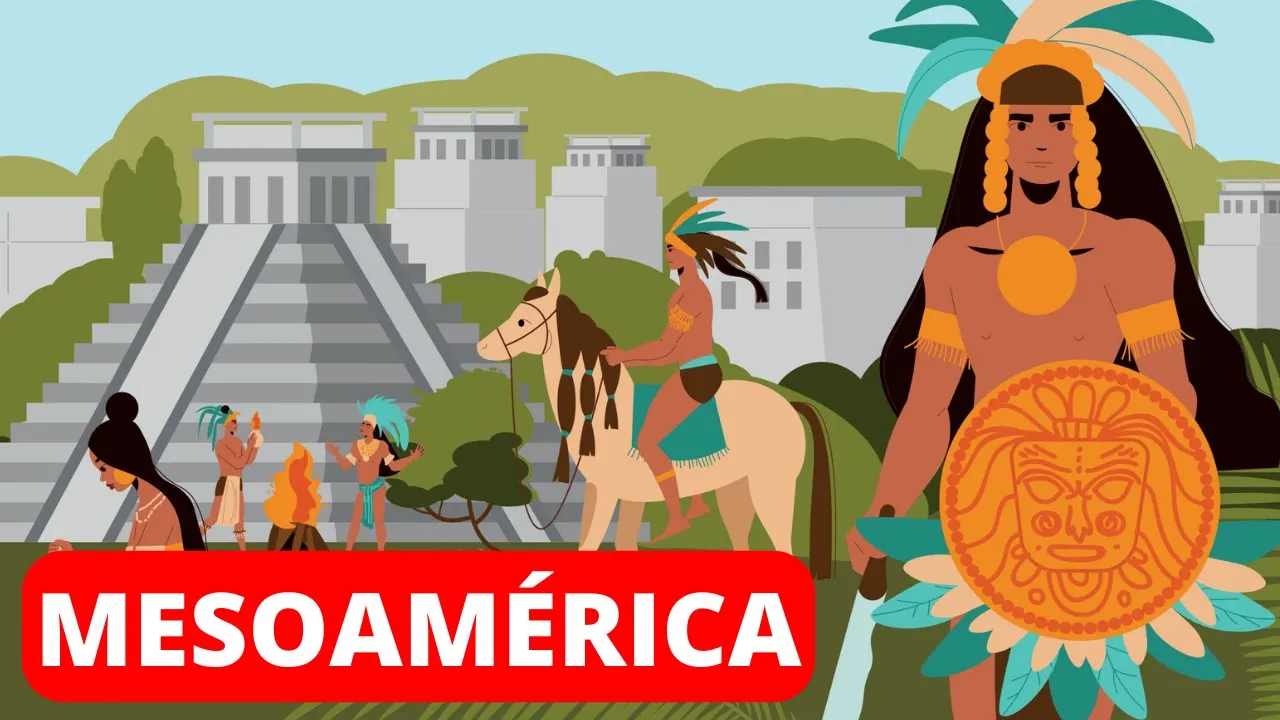





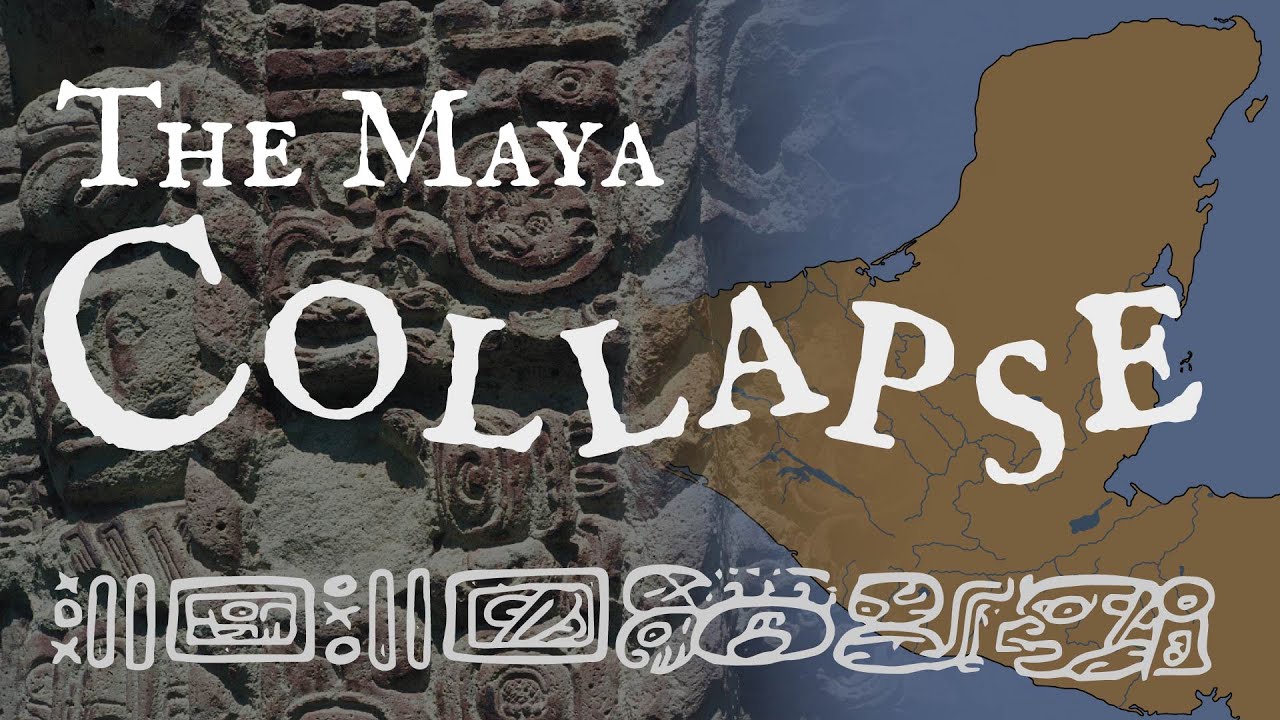

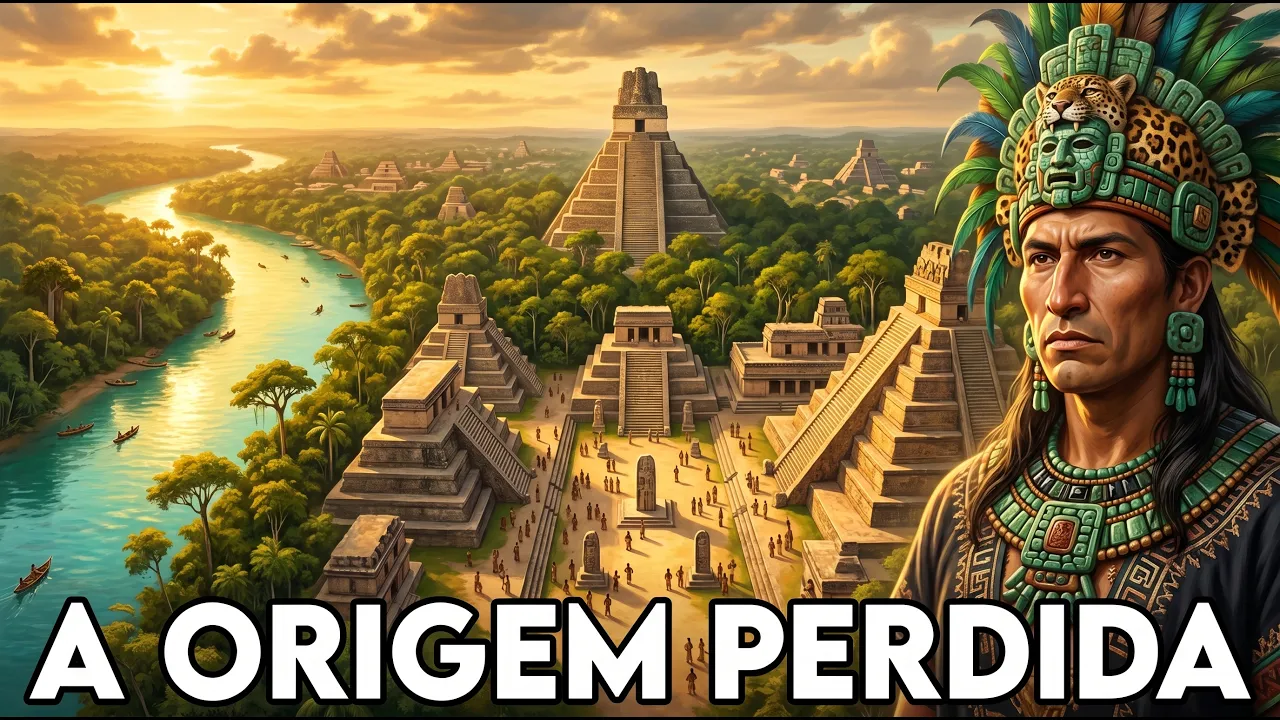

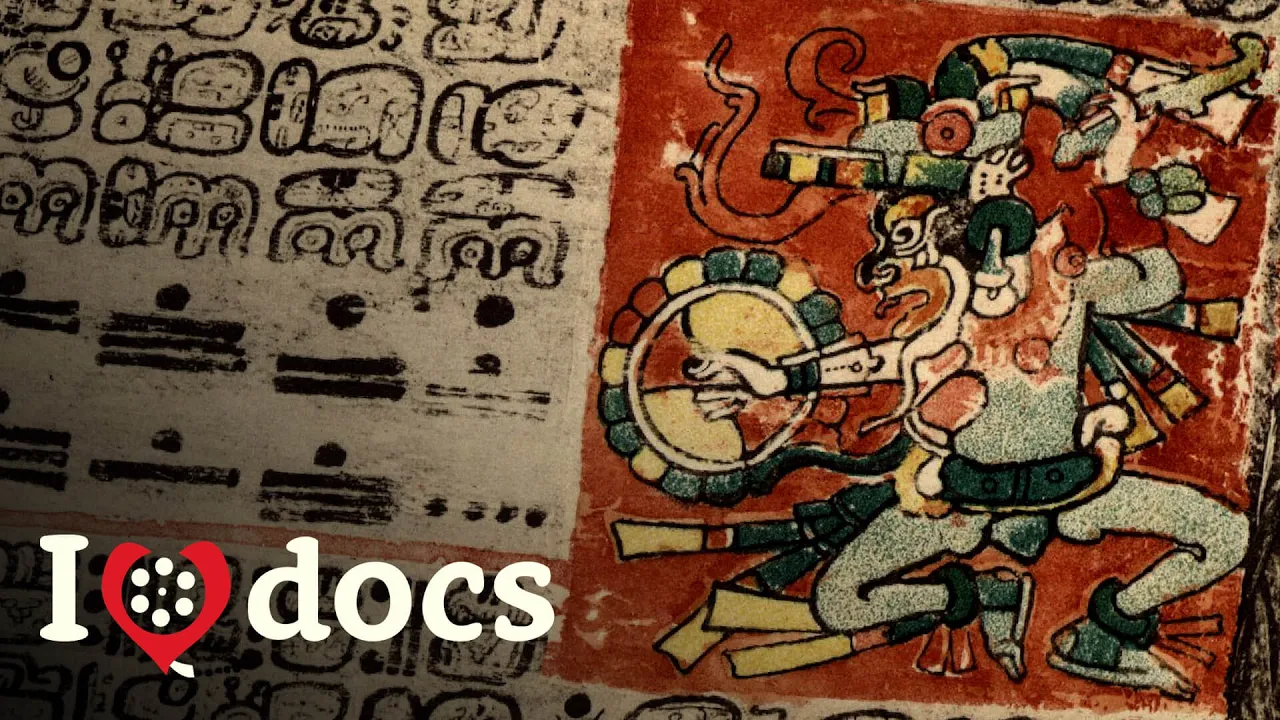

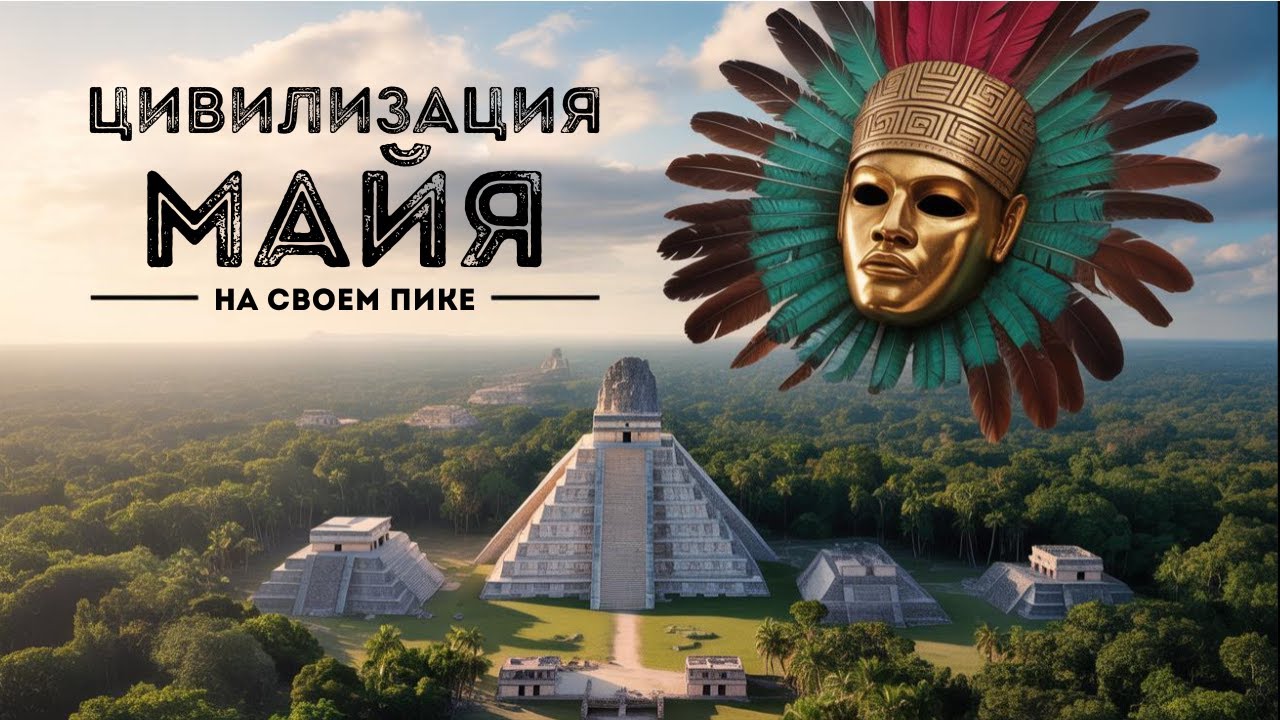


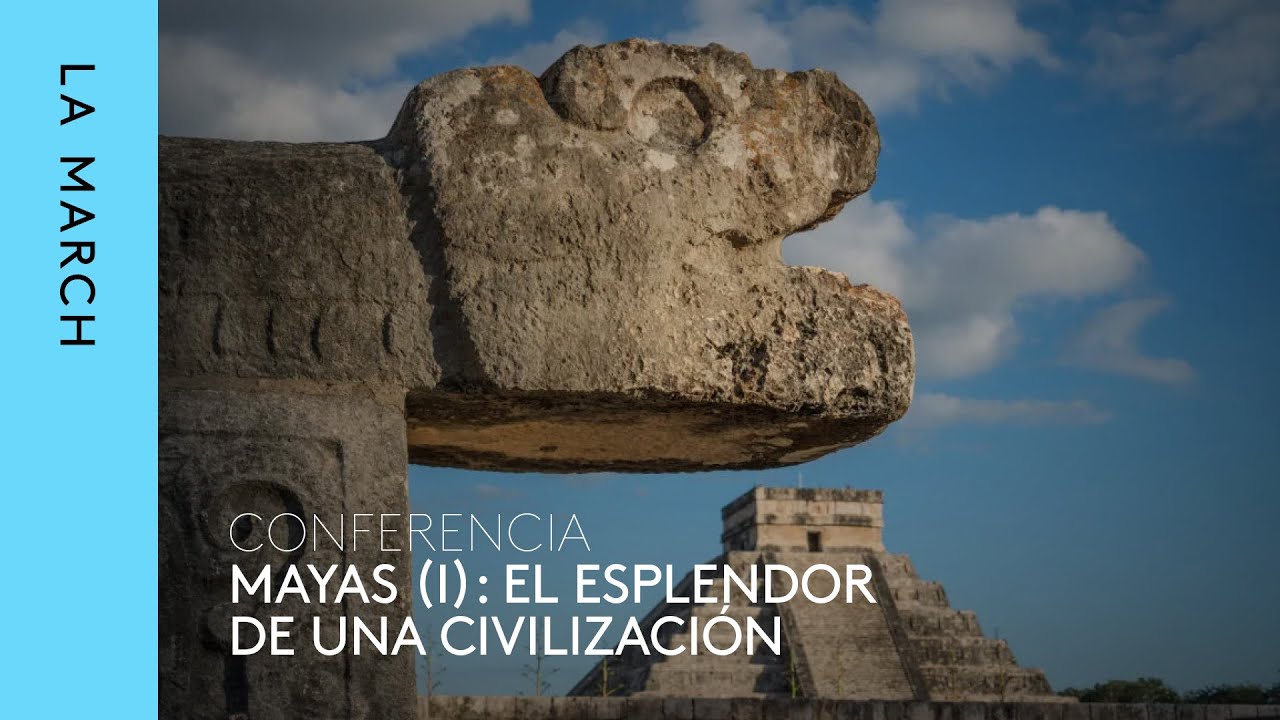
The Maya civilization, which emerged around 10,000 BCE in present-day Mexico and Central America, experienced a remarkable rise from small agricultural villages to powerful city-states through innovations in agriculture, trade, and urban development, reaching its Golden Age between 250-900 CE with cities like Tikal and Calakmul dominating the region; however, this civilization ultimately collapsed around the 9th century CE due to a combination of environmental factors (volcanic eruptions, overpopulation, soil exhaustion), constant warfare between competing city-states, and ecological pressures, before being conquered by the Spanish in the 16th century, though aspects of Maya culture and language persist among the descendants of this once-great Mesoamerican civilization.
The Maya Civilization: Rise & Fall Explained
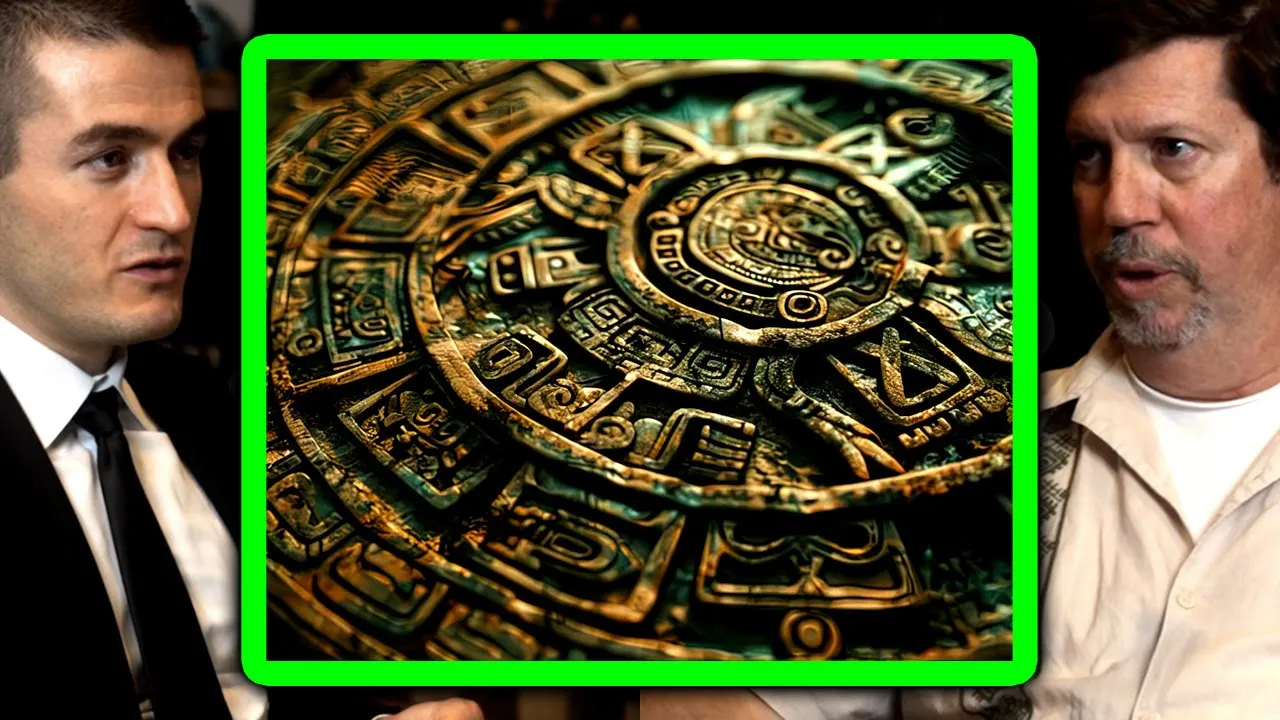
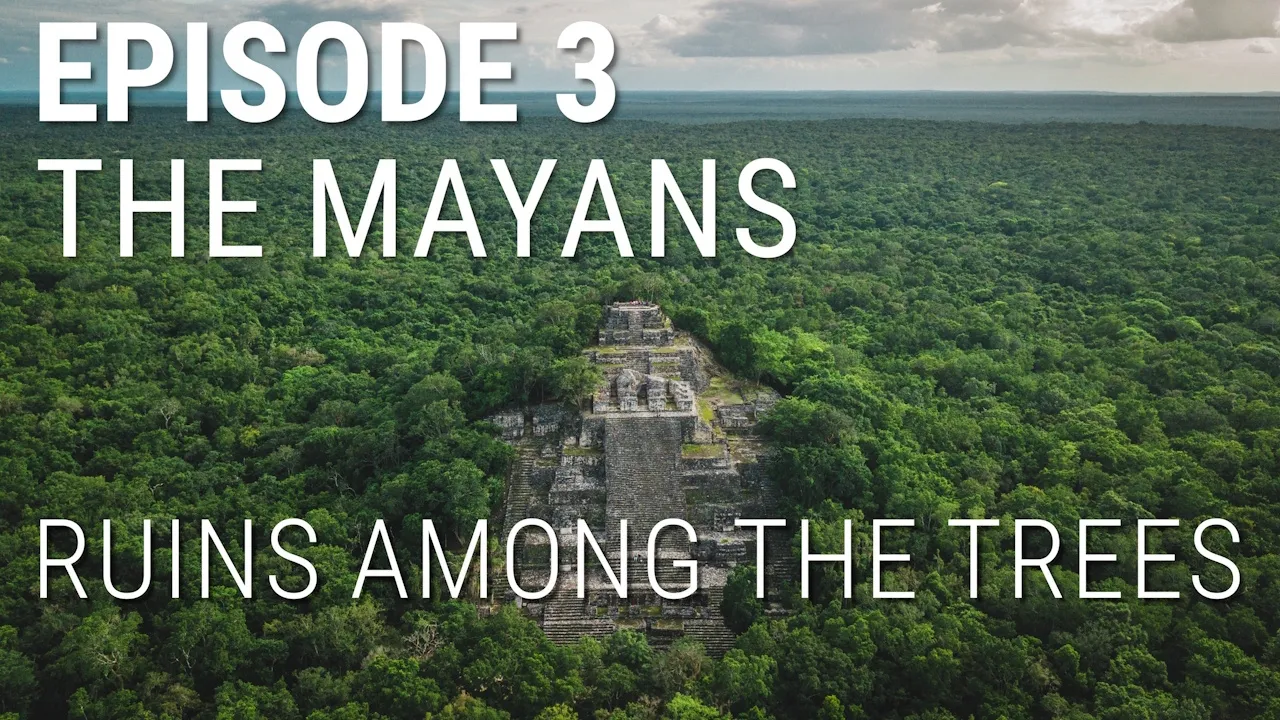
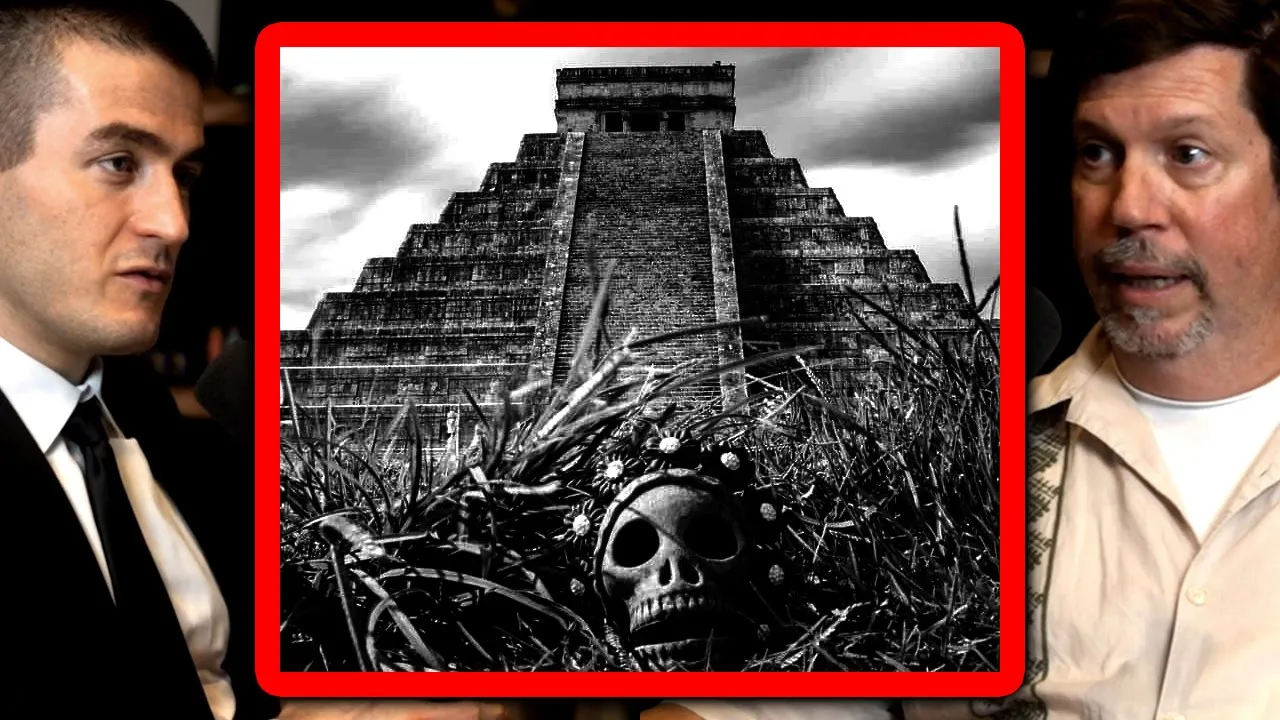
Added:This video is brought to you by Captivating History. Early Maya Civilization Of late, there has been renewed interest in the Mayan civilization, much of it coming in 2012 when many thought the end of the Mayan calendar would coincide with the end of civilization. What did the Mayans know when they created their calendar? Why and how did this captivating ancient civilization rise and fall? Join us as we take a concise look at the most influential civilization in Mesoamerica: the Maya. From around 40,000 to 20,000 BCE, people crossed over from the land bridge between modern-day Alaska and Siberia into North America. They moved south in search of a warmer climate, better hunting grounds, and more bountiful plant life. They settled in modern-day Mexico’s Yucatan Peninsula from around 10,000 to 8,000 BCE, also inhabiting southeastern Mexico, the Yucatan, and northwest Central America. The Mayan highlands, lowlands, and coastal areas were plentiful in natural and mineral resources, such as obsidian, jade, and fish. Agriculture took root around 6,000 BCE, leading to a massive food surplus, which, in turn, led to population growth. The early Maya civilization formed around these resources, and their culture blossomed. 1500 BCE to 250 CE was known as the Pre-classic period. Tribal villages evolved into tribal chiefdoms and then into the early Mayan states. This began in 1700 BCE when pottery developed, which made trade much easier. This trade, between groups in Mexico and Central America, led to the birth of an elite class, a ruling class that would exert control over the lower classes, and characterized society’s structure for many civilizations to come. This hierarchy trickled down, leading to the formation of petty chiefdoms, in which a central village would hold power over smaller hamlets. Around the 1200s BCE, the advanced Mayan villages became involved in regional trade, putting them in contact with other societies, including the Olmecs. The Mayans then adopted aspects of Olmec society, including their gods, urbanism, rituals, and art. As wealth and power accumulated, strong cities evolved from chiefdoms to proto-states, and with proto-states came warfare. Mayan rulers found they could raid other groups to gain wealth, labour, and eliminate challengers. Around this time, the lowlands Maya expanded from riversides and lakes to the interior, and central Mayan influence then expanded to the Highlands area around 800 BCE. The early Mayan states formed around 400 BCE in Kaminaljuyu, El Ujuxte, and El Mirador, owing to their increased status to warfare and trade. The evolution of the Mayan state took place, for the most part, within the formation of these regions, evident in the prestigious and grand buildings built during this time period. For example, the La Danta pyramid was the largest pyramid in early Mayan civilization—and in all ancient Mesoamerica—built in the lost city of Mirador and standing at 236 feet. Warfare abounded within these states, uprisings were commonplace, and no state was immune from it. Additionally, volcanic eruptions, overpopulation, and overuse of the soil are believed to have led to the decline of early Maya civilizations, around 150 CE. The Golden Age As the prominence of the Pacific Coast Maya decreased, that of the Lowlands Maya increased. With El Mirador’s fall, art, writing, and the Mayan population advanced in the lowlands, and the city of Tikal (in present-day Guatemala) rose in influence and power. With an estimated population of 100,000, Tikal expanded its influence in the surrounding areas to become a powerful state. The major political and economic question during this time concerned the rivalry between the states of Tikal and Calakmul. Tikal’s loss of prominence, after a long war with Calakmul, left a power vacuum in which many states asserted their independence; Calakmul emerged as the most powerful Mayan state of its day. It was a time of great cultural and intellectual growth, mostly in astronomy and developing the famous Mayan calendar. However, few empires last forever. The major cities of Tikal and Calakmul collapsed around the 9th century CE, due to near-constant warfare and ecological factors; cities were abandoned, reverting to small villages, and ending the Mayan Golden Age. From the Golden Age to the Age of Disaster The collapse of the southern lowland cities resulted in a power shift to the Mayans of the Yucatan peninsula. During this period, known as the Terminal Classic era, older pre-classical cities took power, and Mayan civilization became more Pan-Mesoamerican. During this era, the world-famous Chichen Itza (meaning, "At the mouth of the well of the Itza") came to prominence. Its location in the northern Yucatan peninsula, and the resulting reliance on maritime trade, led to its increased prominence in this period. As Chichen Itza gained prominence, it became the center of a Mesoamerican trade network. Simultaneously, the ruling hierarchy eroded, and society became more democratic. With these changes, the Terminal Classic era ended, and the Post-Classic era began. Chichen Itza was not to last as a power center, declining in the mid-11th century owing to devastating wars; by 1100 CE, its position as a great power was gone. As Mayan influence declined, the Aztecs to the north became more influential. When the Spanish conquistadors arrived at Montezuma, the leader of the Aztecs tried to convince all Maya to unite against the Spanish, but by 1530, the failure to unite against a common threat led to the Highlands and Pacific Coast Mayans being conquered by the Spanish. Throughout 1527 to 1530, the Yucatan Mayans fought bravely against the Spanish, defeating them in 1535. Yet, reinforcements kept arriving from Spain, and by 1546, following a last-ditch resistance effort, the Spanish had conquered all Mayan territory. The conquest proved disastrous to the pre-Columbia Mayans; ninety percent of their population died from European diseases, war, and slavery, and by 1697, the civilization fell, finally lost to history. Mayan Government There were varying political systems in different Mayan societies. In Chichen Itza, in the Late Post-Classic era, a “multepal” joint rule system was in effect, in which the royal family jointly governed. The elites made up ten percent of the population, and the middle class consisted of mostly low-level priests, soldiers, and merchants. Below the middle class, commoners were both farmers or laborers. All scholars agree that the monarchs were the ultimate rulers of Mayan states. They came from royal dynasties, basing their power on control of resources, such as obsidian. The fates of rulers were shakier than what they led their people to believe; bad omens, such as drought, could threaten their reign. Capturing or sacrificing a Mayan king could mean disaster for a Mayan city, yet, despite their eventual decline, these rulers had unquestionable power. Mayan Warfare Warfare served an important function and was a constant way of life for the Mayans. Mayan kings were fierce war captains, depicted as wearing trophy heads on their belts to symbolize sacrificed prisoners. One of the most important figures in warfare was the “nacom,” a chief military strategist responsible for gathering and organizing armies. Only the elite could be officers; soldiers were always the commoners or middle class. A common weapon used by the Mayans was the “atlatl,” or spear, and could effectively hit a target from 150 feet away. Spiked or bladed spears, axes, and clubs were also used. Ax or club-armed soldiers supported spearmen or were used for raids. Research suggests Mayan soldiers fought out of formation due to jungle terrain. The order of battle involved an initial volley from spears and arrows followed by hand-to-hand combat. The Maya engaged in warfare to expand their territory, control trade routes, and acquire prisoners for sacrifices to the gods.
Mayan Society Religion was prevalent in Mayan life, affecting everything from trade to agriculture. The ruler was the chief priest, who would make sacrifices and perform rituals to appease the gods. Human blood was the most potent offering; however, human sacrifices were only reserved for special occasions such as coronations of rulers or when a new temple was blessed. These sacrifices often took place in challenging times, such as disease outbreaks and famines. The religion of the Mayans was polytheistic, and—not surprisingly—there were 250 names for Mayan deities, the most important being the Mayan god, Itzamna—the supreme deity. The gods existed in the Upperworld (known as the “sky realm”), and in the Underworld. The Mayan religious life was a rich and varied part of their ancient culture.
The Lasting Influence of the Mayans The Spanish invasion did not totally eradicate the Mayans, as is commonly believed. After the Spanish conquest, the remaining 10 percent of the Maya were gathered up and put in Spanish style settlements where they were expected to convert to Catholicism. Aspects of Mayan culture survived and were mixed with Catholic practices. The Maya survive to this day, yet they face challenging conditions. Rainforests have been destroyed, and the Maya no longer have control of their farms. Mayan areas are now world-famous tourist destinations, ensuring the survival of Mayan culture, providing a means of earning a living for many Mayans. The complex and intricate Mayan history stands to this day as a testament to one of the greatest Central American civilizations to ever exist. To discover more about the history of the Maya, then check out our book, Maya History: A Captivating Guide to the Maya Civilization, Culture, Mythology, and the Maya Peoples’ Impact on Mesoamerican History. It’s available as an e-book, paperback, and audiobook. Also, grab your free mythology bundle e-book for free while it is still available. All links are in the description. If you enjoyed the video, please hit the like button and subscribe for more videos like this.
Up Next
Why Civilizations Collapse: A Historical Analysis for Sleepy Minds
@historybeforesleep88
11K views•2025-09-09

Zola, Baudelaire, Maupassant & the Transformation of Paris, 1852-1900
@SylviaSagona
5.6K views•2015-05-31
The Hellenistic Age: A Fascinating Historical Overview
@CaptivatingHistory
95.2K views•2021-02-09
Understanding the Cold War: Superpower Conflicts and the Road to Détente
@OverSimplified
46.1M views•2019-01-24
Related Study Plans & Knowledge Roadmaps
Structured learning paths in History