![GUÍA UNAM - HISTORIA DE MÉXICO [TEMA 1. LA NUEVA ESPAÑA (SIGLOS XVI A XIX)]](https://i.ytimg.com/vi_webp/5m9X-wwWb0c/maxresdefault.webp)






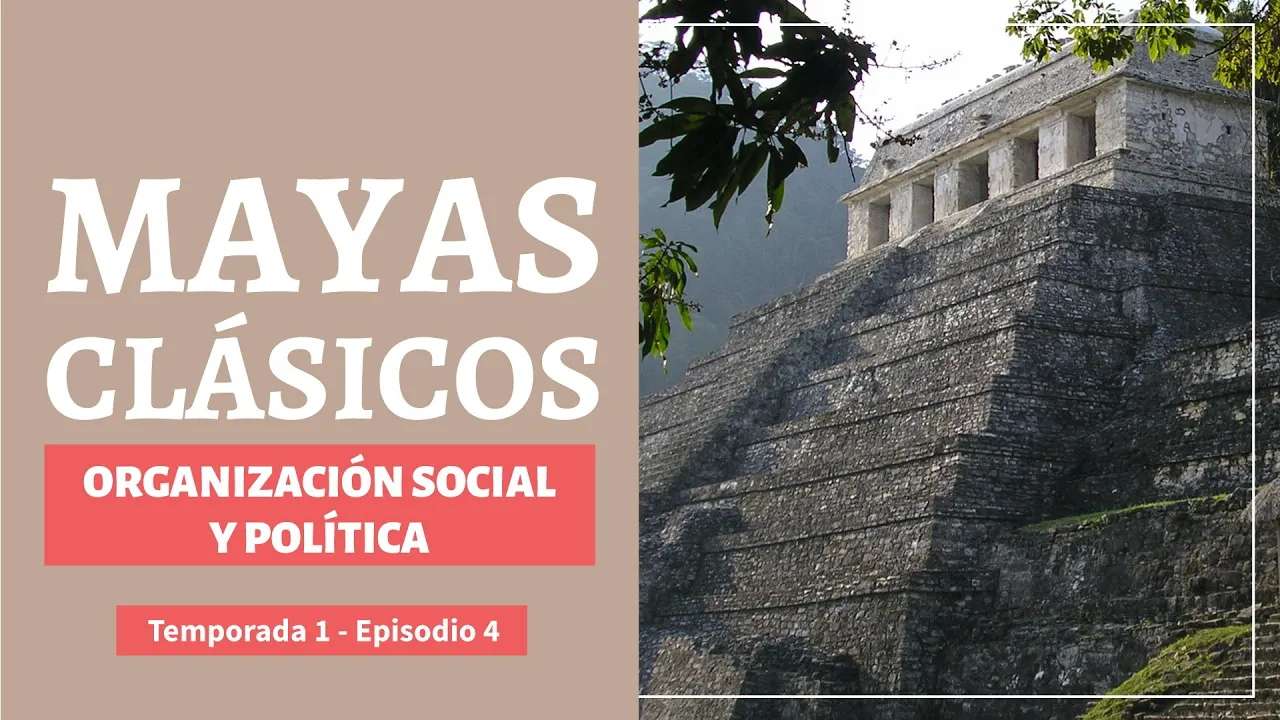








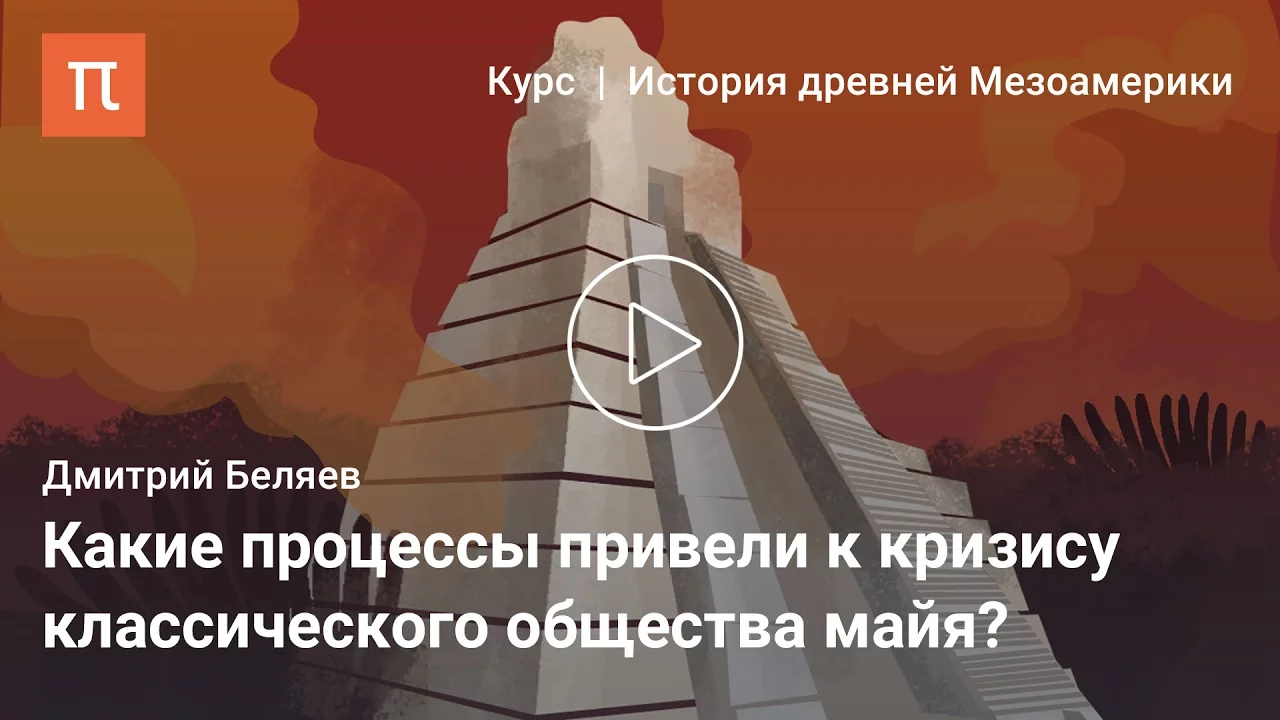
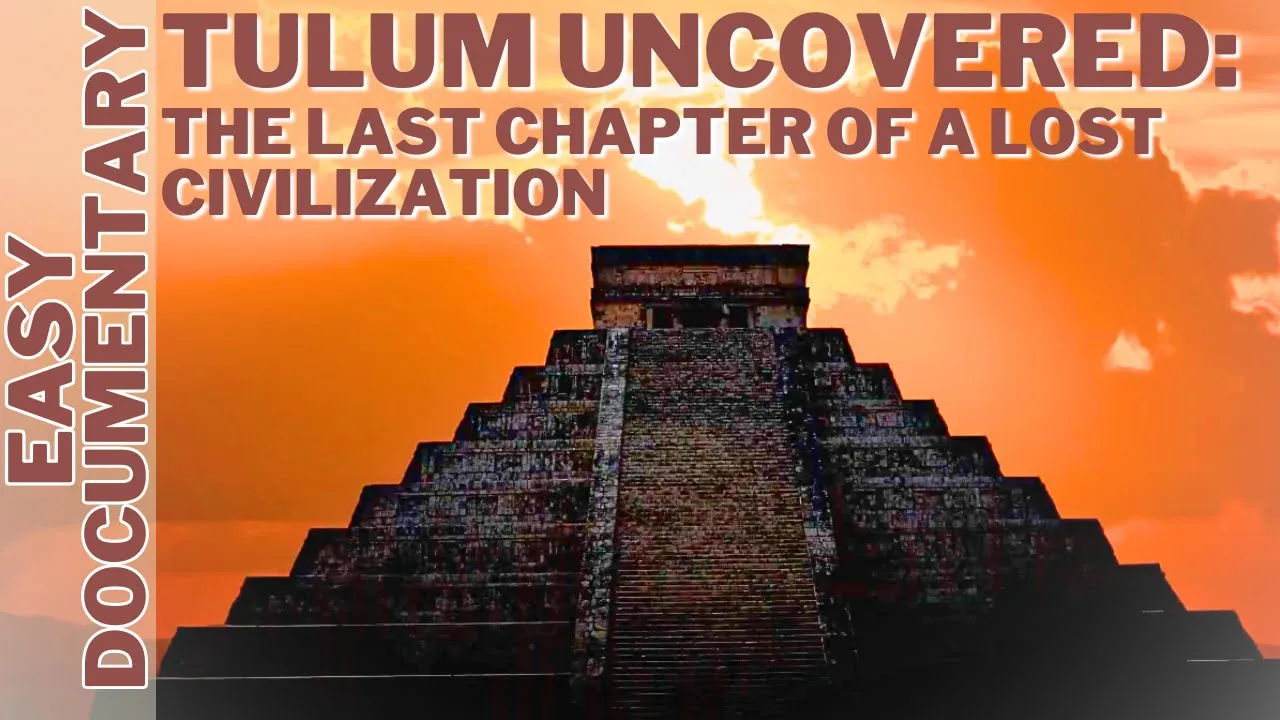





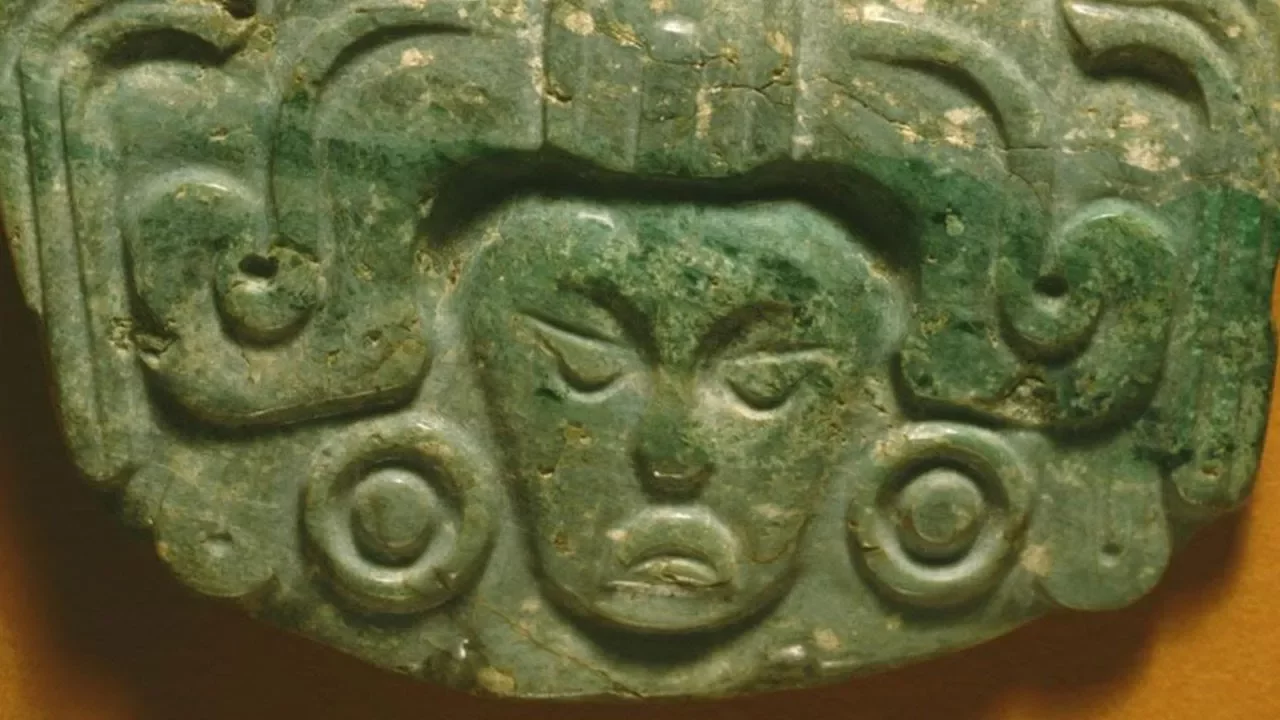
The Maya civilization evolved from hereditary kingship (Classic period, 250-900 CE) to democratic council systems (Postclassic period), with the Classic collapse resulting from overpopulation, resource strain, civil conflict, and elite corruption, demonstrating how complex societies can transform political structures in response to environmental and social pressures.
Maya Civilization: Democracy, Collapse, and Calendar Cycles Explained
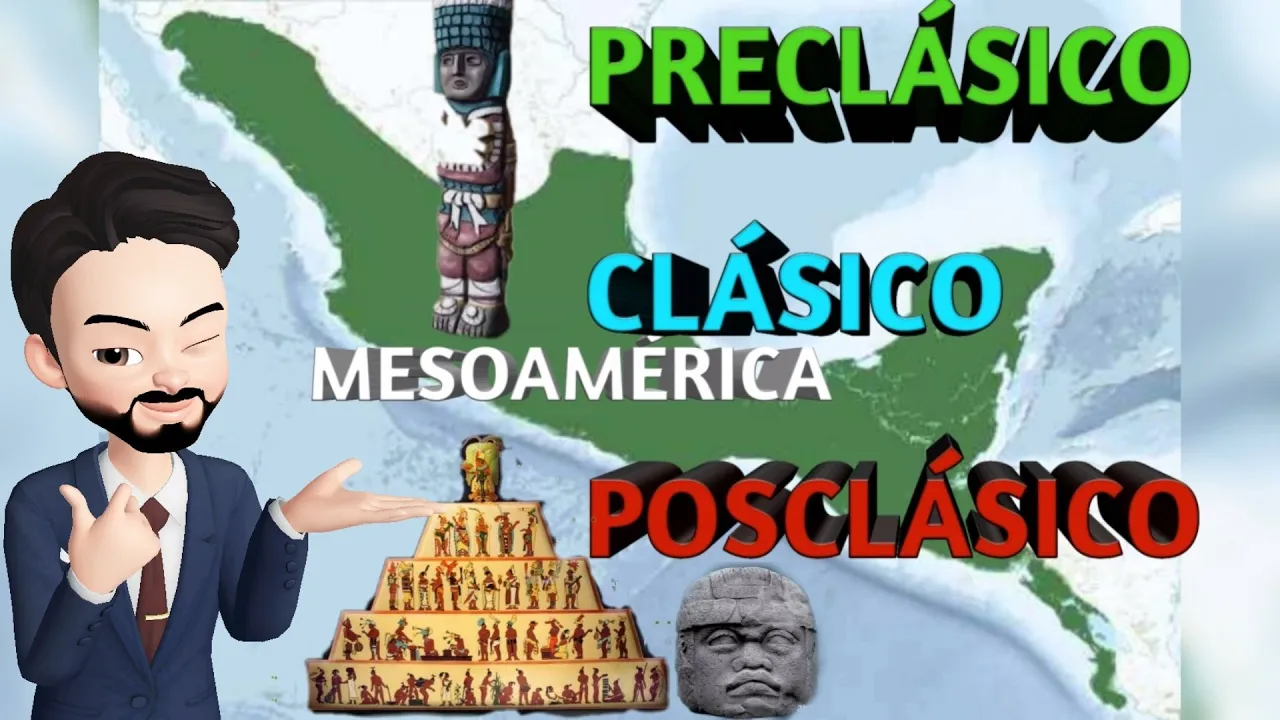
Added:Familiarity with the geography of Mesoamerica and the general chronological division of Maya history (Preclassic, Classic, and Postclassic periods).
Understanding the political structure of the Maya civilization, specifically its organization into independent city-states rather than a single unified empire.
Basic knowledge of the divine kingship model (K'uhul Ajaw) that dominated Classic Maya politics before the transition to council-based systems.
An introductory concept of historical 'collapse' as a political and urban reorganization rather than the complete physical extinction of a population.
An in-depth mathematical and astronomical study of the Maya calendar systems, including the integration of the Tzolk'in, Haab', and Long Count cycles.
Comparative analysis of the Classic Maya Collapse with other historical societal collapses, evaluating theories of environmental degradation, prolonged drought, and endemic warfare.
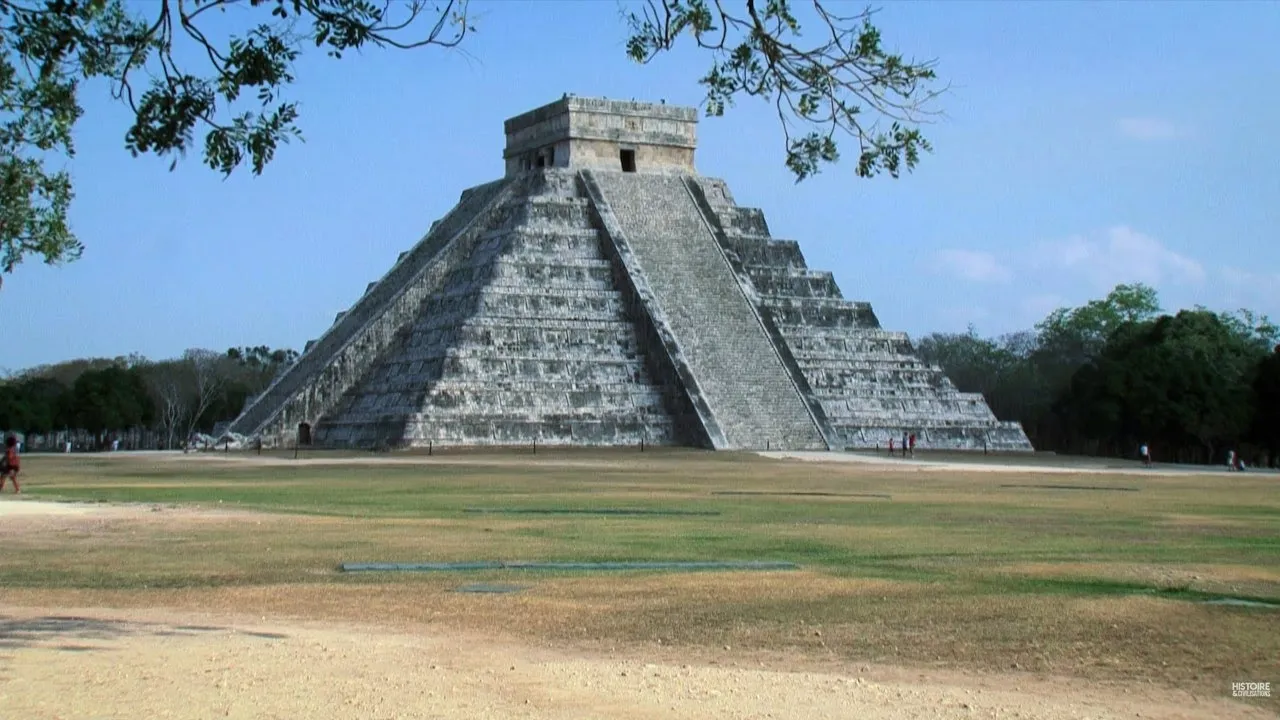
Exploration of the Postclassic Maya period, focusing on the rise of council-based governance (multepal) in northern Yucatan cities like Chichen Itza and Mayapan.
Investigation of modern archaeological methodologies, particularly LiDAR technology, and how it is reshaping theories of Maya agricultural capacity and urban planning.
186K views2.5Klikes13:43Original Release: 2024-10-01
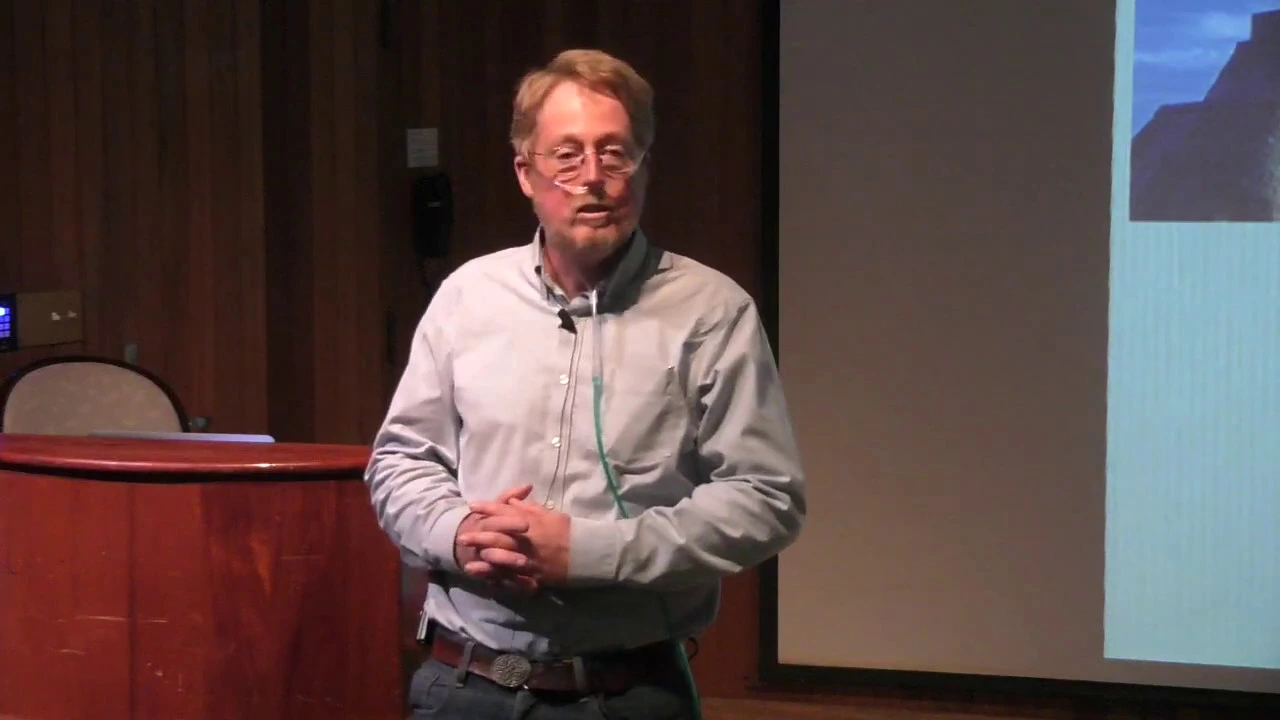
is it possible through archaeology to know what you know the social organization of the Maya was like what uh maybe if there was a hierarchy maybe what the political structure was if there was a leader different roles you know priests or like who had the power who was powerless who had certain kinds of roles is it possible to know that actually because of hieroglyphs yeah we know a whole lot there's you know basic things that archaeology which is a very blunt tool can figure out like this guy lives in a rich house this guy lives in a poor house but um the hieroglyphs tell us specific stuff about uh who can rule that it was hereditary that uh that hereditary rule was based on Royal Blood that could be burned and connect to the ancestors that lived up in the sky versus the one that's lived in the Underworld it also told us things about hierarchy like that there were councils of Lords underneath the king who each represented Clans who had their own neighborhoods and that there were revolving positions of uh Authority there was uh the the site that I mapped for my dissertation and spent years in the jungle there uh pelen had uh Lord's title named Fire Lord that was one of the like generals of their army and we could tell that position changed over time so there was one guy named chak zutz who was the fire lord uh for the early part of a reign of a king called the konob and then by the time he carves this other panel there's another guy in the position of AAL which was the fire lord and so he had got promoted it was well he could have been killed I mean in the case of that but then have the interesting case of uh in the post classic they shed the idea of Kings they don't like kings anymore that's probably a big part of why the classic disappearance and the abandonment of all those cities happened people just got sick of kings and so they turn into this more Council system at chich chinita but then when chich chinita Falls there's a new city that's uh that's architecture looks a lot like chinita it's called mayapan but it has uh what it's called the league of myap and it has a council of representatives from the communities from all around the ucatan and it is basically a democracy it's a it is a Maya democracy that happens that individuals from all around the Yucatan are there they each each family has their own Council house at mapon though they live back at their place it's kind of like a Maya Congress representative democracy it it really was I mean and this happens in uh I guess 1250 ADH that this this Maya democracy happens and we know the names of them we know the families and of course they were humans So eventually they screwed it all up one family murdered another family and the whole the whole city burned yeah and of course it's probably some fascinating corruption which is hard to discover uh part of it was the Aztec screwing things up the Aztec came down with all sorts of like we'll buy everything you're making and then eventually they were like could we maybe buy some humans yeah and then one family was like no and the other family was like I don't know they're making us a lot of money so then you know they they murdered each other and the water supply got polluted and then the city burned seems like slavery murder and disease is a large component of the story of humans um you mentioned different periods of the Maya the classic the postclassic the preclassic the archaic can you just speak to that so archaic is before there was really a civilization that was uh archaics pretty much went everybody's hunter gatherers so the classic period was the Golden Age and then the preclassic is the interesting uh time that we were talking about in the postclassic is when the Democracy came about well Midway through it yeah reverted back to count Council systems the Maya love to be part of councils so yeah we have preclassic is like the origins of civilization they're starting to build cities they're starting to create their calendar they're starting to create these wonderful works of art and the classic period I if you look at at 10 different textbooks for the Maya you'll get 10 different dates that wiggle around in there but basically that's the that's the age of Kings to me that's when these cities decide that they're going to organize themselves around uh Elite royal families that have this magical blood that can contact their ancestors that are directly in contact with the gods the Maya never contact their gods directly they contact their ancestors who were up there who act like Liaisons to the gods and so the Maya Age of Kings has these dynasties sprouting up where these people have you know basically snowed the rest of the people that they've got a special quality of their blood and only their offspring can do the same trick and talk to the gods where everybody every joah can let their blood and burn it and contact their ancestor but joia's Dad is just a corn farmer who lives down below and he's got no influence over the gods but the rulers their their Spirits go down briefly but then they go up into the heav heavens and reside where the gods are and can act as Liaisons so that's the validation for this kingship that happens for about 400 years I know we we say 250 to 900 which is kind of the the encompassing edges of it but it's interesting that it's actually specifically the ninth Bok tune of their history the ninth Bak tune begins in like 426 and it ends in like 829 so it's a 400e period of time and before that there were no Kings and after that there really aren't Kings they're heads of councils so it's I I call it the age of Kings where everybody's following the directives of basically a despot and for a while that's great I mean cities built up populations happening uh that's it's I I see it as kind of a cult of personality moment too strong charismatic leaders inspire people to do great things together but eventually like happens all the time with power too much power corrupts all of a sudden there's this unwieldy huge Elite Class that has to be treated Special by everybody else and uh and they start saying well I think we should fight with those guys and you guys should go take these things and people eventually get sick of it and they walk away from these cities and that's how we get the mysterious Maya collapse where all these cities are just gone that's one of the great mysteries of uh the Maya civilization is that over a very short period of time what like a 100 years it seems to have declined very rapidly it collapsed what do you think explains that what happened what I think it's a failing of archaeology to properly see what was happening I think that most of those cities populations moved you know no more than 20 to 40 kilometers out and started their own farm and they lived in perishable houses and all archaeology signature sees is that nobody lives in the city center anymore we don't see a bunch of mass bodies there was no there's no evidence of people getting sick there are certain cities that fought with each other at the end and we see that signature plain as day we see we know when a city was attacked and burned mostly that didn't happen people moved and migrated and it seems like right there around like between 800 and 900 a lot of the elites that were on top in the most of it was in the rainforests of northern Guatemala they move they move in two directions some of them move into the highlands of Guatemala and some of them move up into the ucatan the city of chichin becomes the next big capital in yuk an but the word ITA is actually a word describing the people who lived around Lake P10 Itza in northern Guatemala and all of the Maya are super clear about that that the ITA came in as immigrants with these new ideas and created chich chinita so the the elites who were no longer welcome in their cities just moved and set up shop somewhere else so why was there a decline what was maybe the Catalyst was there specific kind of events that started this was this an idea that kind of transform the society we are still debating that we I don't think there is a single reason I think humans are complicated I think a lot of things led to this one thing we can see archaeologically is that every one of the Cities became overpopulated they were too popular and we think that they pushed the limits of their capacity to feed and House people mhm we see it in lots of the Cities at the end of the classic period that people are seasonally starving I remember uh really Stark evidence in Copan Honduras copon was this beautiful city lineage of 17 Kings but the last kings and the last Elite burials that we dig from the city center uh the teeth are the telling part they get this thing when you when you're growing up and you're not getting enough food seasonally it shows up in the enamel of your teeth it's called a dental hypoplasia and if somebody's seasonally starving it gets these lines in their teeth and that last generation of Maya before they left copon even the rich people are seasonally starving so there's a problem there for sure but I also think it's a it's a weird thing it was not an Empire it was a group of independent city states like Greece some of them were Allied some of them were enemies there was a huge Civil War that settled out about the end of the classic period so if it was Europe you know the victors would have taken over the losers would have beat it and gone wherever they went but when they abandoned these cities that were independent still they all left both the guys that won and the guys that lost the war so it couldn't be just as simple as spoils go to the Victor um it's such a wide area not everybody was starving like the people in the copon valley so I I personally think it was kendric timed it is interesting to note that that ninth period that ninth 400-year period ends right then and I think a lot of people I you know I can't prove it archaeologically but I think a lot of people said we're coming to the end of a great cycle and we need to renew we need to change what we're doing when you talk to the Maya today like at the end of this uh 2012 thing if you actually talk to Maya say you know what happens at the end of a big cycle here they say Cycles are a time of renewal and transformation that it is all of our obligation to change our lives at the end of cycles that change is coming we can either be part of it or we can get steamrolled by it the Aztecs did this neat thing called the new fire ceremony every 52 years which was the biggest their calendar would go they'd burn down perfectly good temples and theyd burn down their houses sometimes and they would just everybody in in society would Perform This what they call the new fire ceremony and they would renew the world so I think my personal theory is that the Maya decided at the end of the ninth Bok tune that it was time to renew the world I think this Theory makes sense because they really internalized the calendar I mean it was a really big part of their culture the sense of the cyclical nature of civilization that's what I think I think that uh that they created that calendar to P perceive the cycle and to harmonize with it for
Up Next

44:17
Life in the Classic Maya Period: Majesty and Beauty
@AncientAmericas
276.3K views•2023-04-21

33:02
The Great Schism of 1054: Causes and Consequences
@SacredCathedrals
113.5K views•2026-02-19
18:15
Aztec Empire Rise: Origins, Military, and Sacrifice
@LexClips
636K views•2024-10-03
17:05
Understanding the Cold War: Superpower Conflicts and the Road to Détente
@OverSimplified
46.1M views•2019-01-24
Related Study Plans & Knowledge Roadmaps
Structured learning paths in History
history
Byzantine Iconoclasm: Theology, Art & Politics
01Foundations of Byzantium and Early Christian Images
02The First Iconoclasm: Leo III and the Crisis of Images
03Empress Irene, Nicaea II, and the Second Iconoclasm
+ 2 more learning modules
9h5 modules
Explore Roadmap
history
Iranian Revolution (Causes, Events & Legacy)
01The Pahlavi Dynasty and the Roots of Discontent
02The Spark of Rebellion and the Rise of Khomeini
031979: The Fall of the Shah and the Climax of the Revolution
+ 2 more learning modules
8h5 modules
Explore Roadmap
history
Mali Empire: Mansa Musa, Trade & Timbuktu
01Foundations of the Mali Empire
02The Trans-Saharan Gold and Salt Trade
03The Reign and Pilgrimage of Mansa Musa
+ 1 more learning modules
6h4 modules
Explore Roadmap
history
1947 Partition: Politics, Borders & Legacies
01Foundations of British India and the Divide
02The Political Negotiations and the Mountbatten Plan
03Drawing the Boundary: The Radcliffe Line
+ 2 more learning modules
8h5 modules
Explore Roadmap