










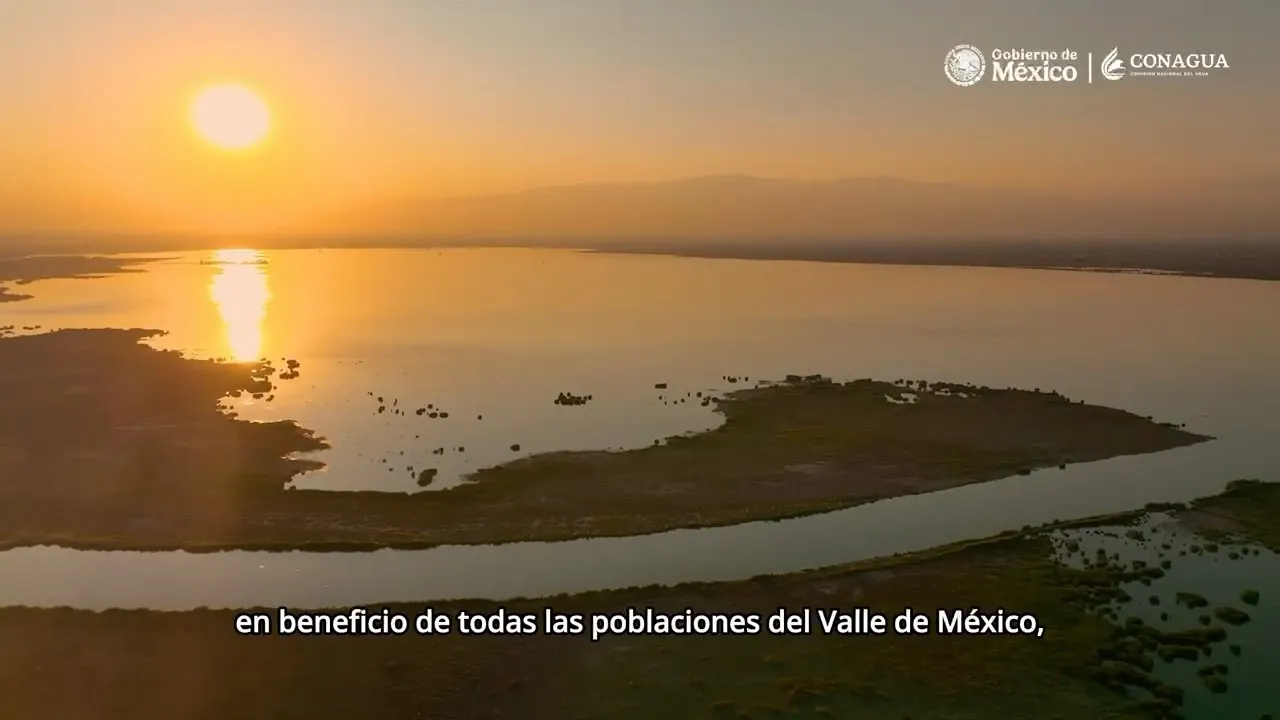

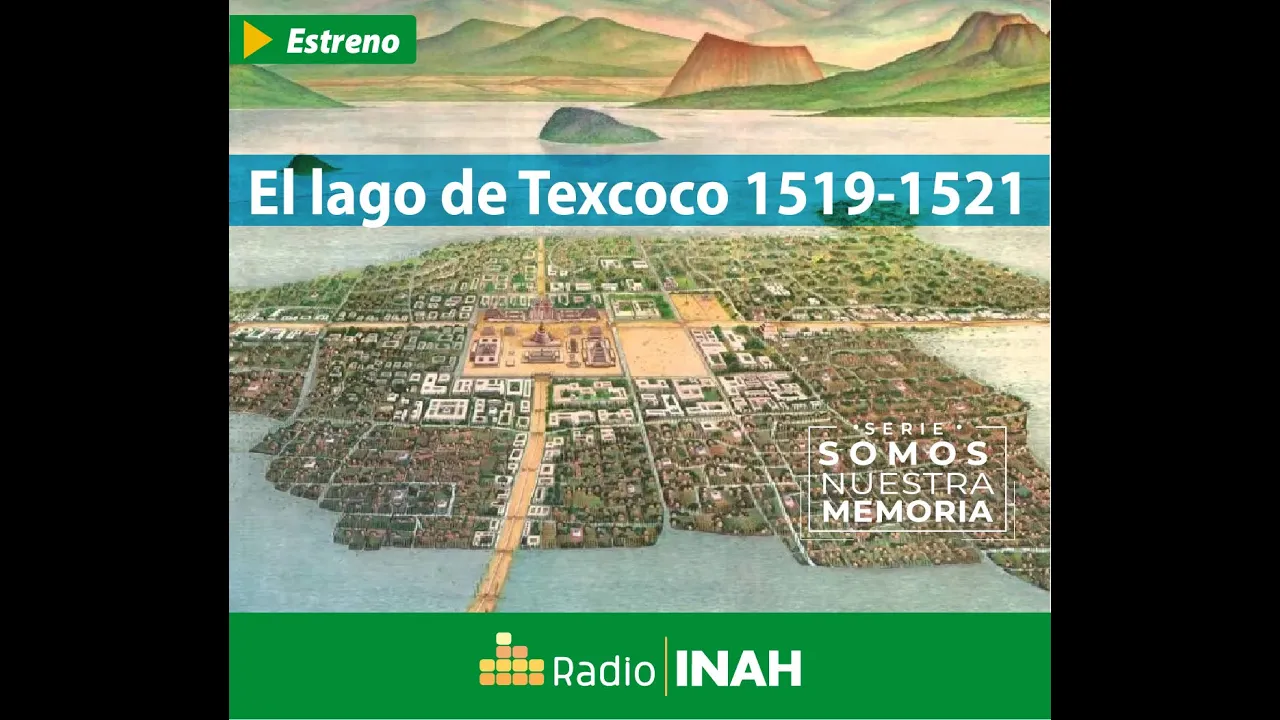


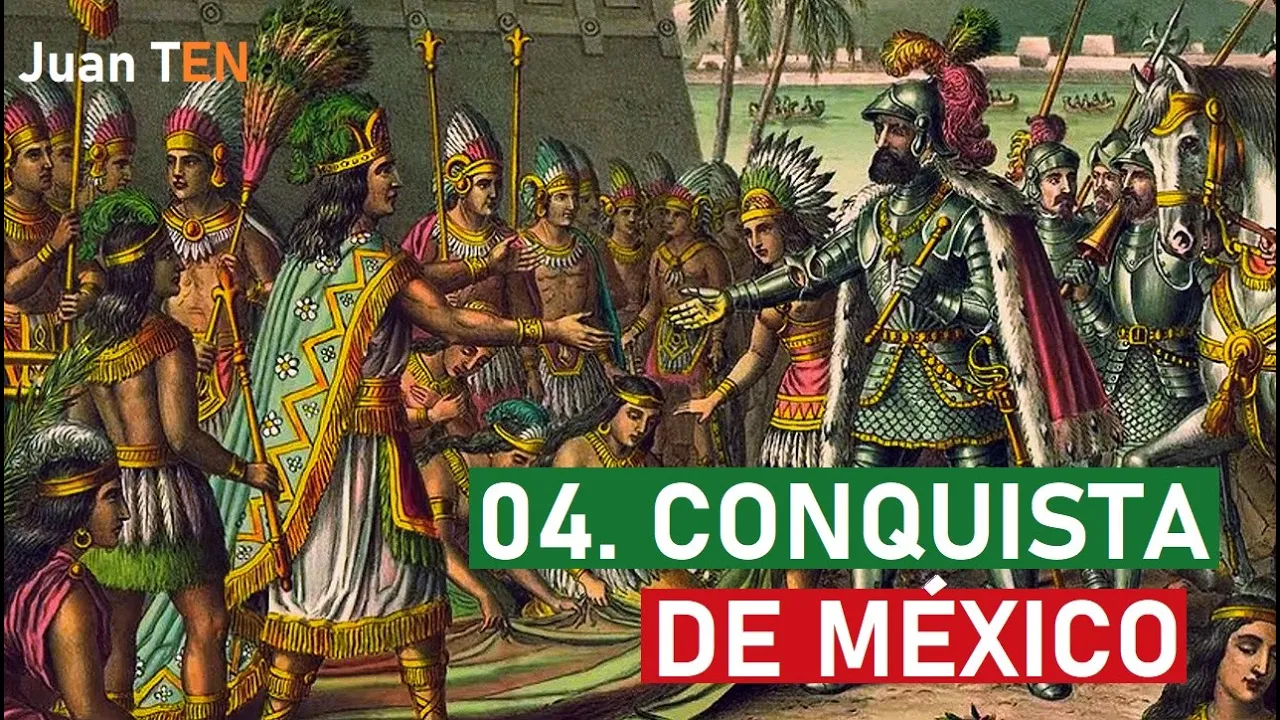


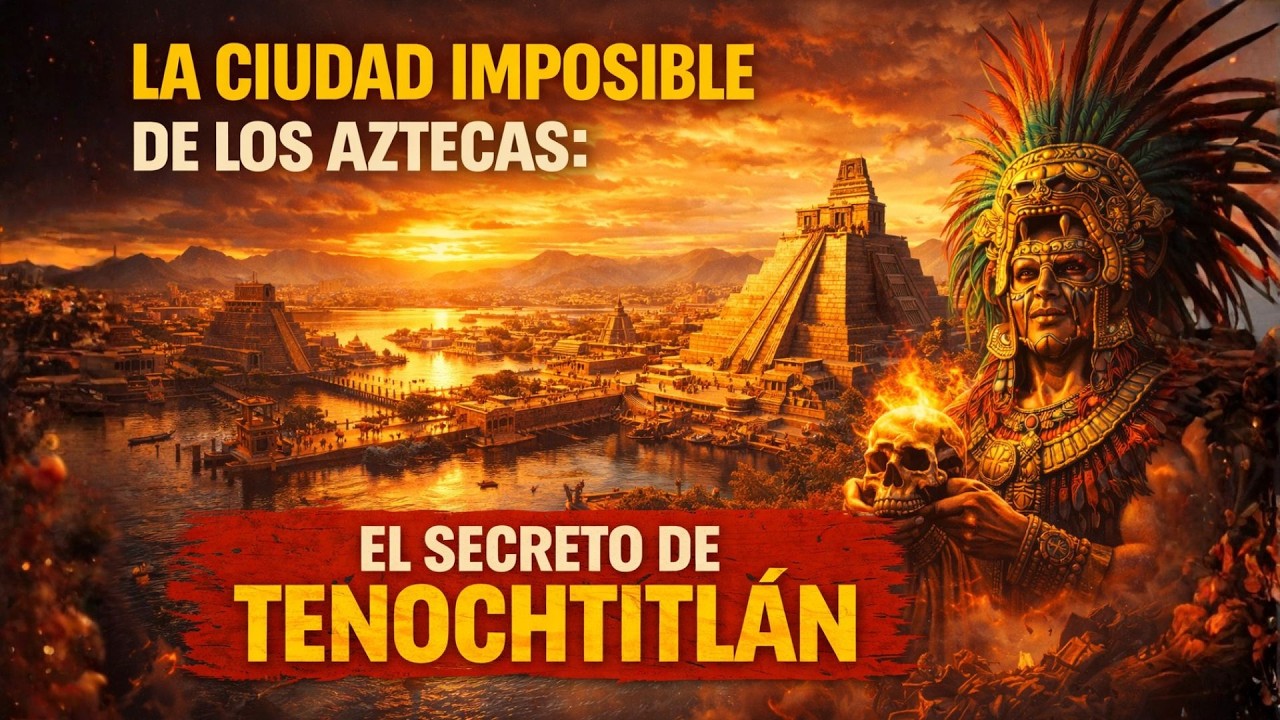



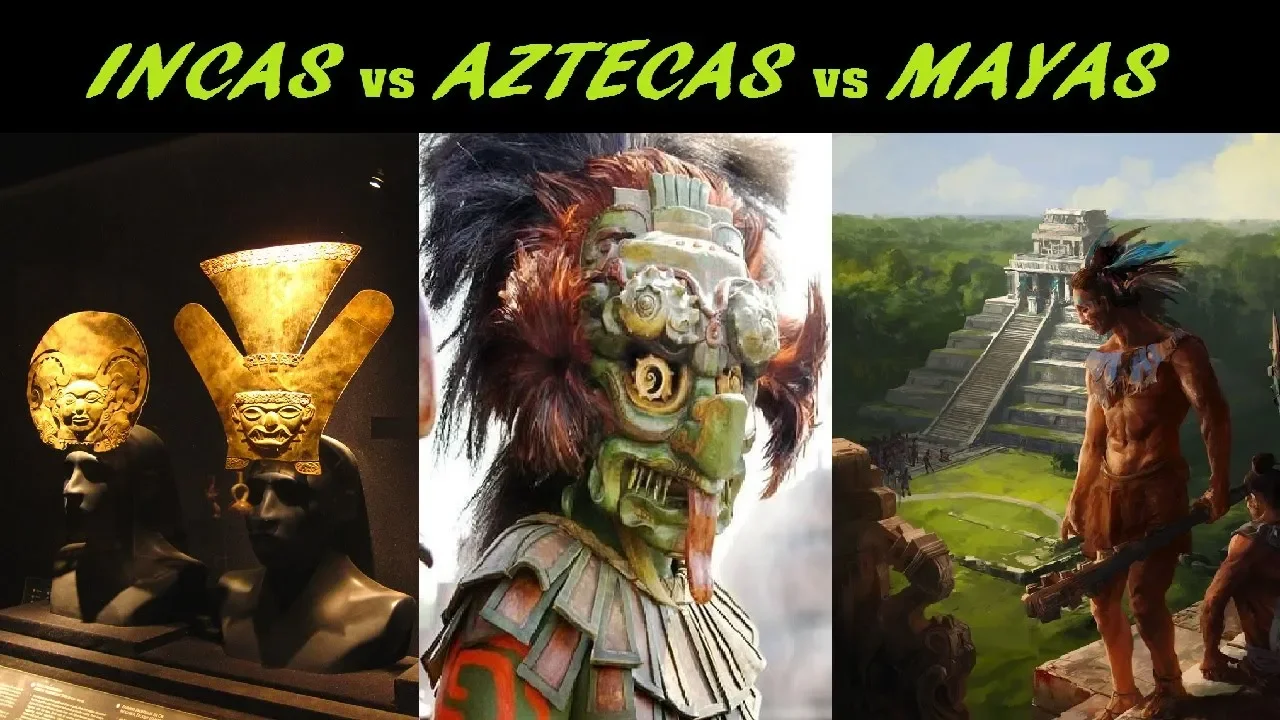
The Aztec Empire rose to power in the 1300s when the Aztecs, originally migrants from the north who arrived as mercenaries in the Valley of Mexico, established Tenochtitlan on an island in Lake Texcoco after receiving a prophetic vision of an eagle on a cactus with a snake. They expanded rapidly through a combination of military conquest, psychological intimidation, and religious devotion to their war god Huitzilopochtli, requiring extensive human sacrifices to maintain cosmic balance. Their empire featured sophisticated cultural achievements including gardens, museums, zoos, and performing arts alongside brutal practices like heart extraction and cannibalism. The empire's reliance on fear and force rather than legitimate governance meant it could not sustain itself indefinitely, and it fell to Hernán Cortés in 1519, partly triggered by the Spanish massacre of Aztec civilians during a sacrificial feast.
Aztec Empire Rise: Origins, Military, and Sacrifice
Added:you mentioned the Aztec what was the origin of the Aztec where did these where do these people come from at what time and how you know almost every one of the cultures we're talking about now we have two different versions of the answer to that question we have the archaeology version and we have the AZ text themselves the Aztecs have this wonderful migration story where they say that they came from a place well to the north called ason and that they had this migration that went through kind of a hero's journey where they go to this Snake Mountain place and they encounter uh the birth of the war god that they'll worship after this and how they stepped into the valley of Mexico as the last the Lost Brothers of everyone in the valley of Mexico they said that they all came from the North near Aon as a place a cave with seven different passages called uh chikim mostak and that all the people who spoke the language naad came from the cave and most of them went early to the valley of Mexico and in the Aztec uh story they were just the Lost tribe they were the last Brothers to come in and but then they show up late game and they become mercenaries they just start working for communities in the valley of Mexico and this takes place in the 1300s so about 200 years before Cortez shows up the Aztec show up to the valley of Mexico and they make themselves this uh indispensable group of mercenaries they do the Dirty Work the all the all the Civilized uh community is around Lake Tes coko which is in the middle of the which is now Mexico City it's all dried up but uh those guys were too civilized to fight with each other but they could hire the Aztecs to do their dirty stuff so the Aztecs did that and really changed the politics in the game of the valley of Mexico the dirty stuff there the muscle yeah they'd go in and and they they'd kill whoever you wanted killed and take you now you're the king of this area so one of these kings that they were working for really liked them and decided I'm going to make the Aztecs part of our ancestry I'm going to give them my daughter to marry the head of the Aztec and the Aztec sacrificed her and that really pissed that guy off so he took like his whole Army and ran the Aztecs out for a while they say they live in this horrible desert section eating lizards but then one of their priests say we're going to walk around the lake and my Visions say that where we see an eagle sitting on a cactus with a snake in its mouth is where we will build our capital and they see that but it's out on an island in the lake and they he said well I don't know that's that's the place so they build up an island they go to that Island and then they just start piling up Lake mug until they make a whole city there in the middle of the island they make or the lake they make an Island City MH and all of this occurs in about a hundred years so they show up about 1300 the capital of os Tian as they called it uh is really established and from there they quickly take over the entire Valley they make uh what they call the Triple Alliance which is the two other big communities of the lake are now allies but they're not really allies the the Aztecs were brutal they were just those guys agreed to shut up and let the Aztecs run the show and then the Aztecs spread like a wildfire all the way down into the Maya area everywhere they go they rename everybody's towns and make them pay tribute pretty shortl lasting civilization uh spread extremely quickly uh famous what what what what are some defining qualities that explain that I think think they were very much like they they had an attitude like a till of the Hun they just had no problem ripping your skin off everybody else had become too comfortable and too civilized and the Aztecs were just mercenary they told everybody you know we can either rip your heart out or you can work for us and if you work for us you'll be just fine they'd go to every town they'd go to the first thing they do is they'd show up with a bunch of uh merch there was a merchant class who were also military they were really the the the people who assessed where they were going to attack next they'd go in with a bunch of Aztec products and say we'd like to trade with you but all the time they were assessing their military prowess what uh what products they had that they could take and then soon after the poach tekka were there would come the military with the reconnaissance so the the ASC had a huge Warrior class as you're saying so what what was there just can you uh Linger on their whole relationship with war and violence they they worshiped a war deity their main Temple was uh the temple myor it had two temples up on top one was to tck the Rain God who liked a lot of sacrifice himself but then the other one was Weil laosi he was that translates the hummingbird on the left but he's the war God I love that he's a hummingbird maybe you know he's fast and he comes from the magical side or something but uh then then right next to the temple on either side were the two temples of the Warriors one was the eagle Warrior Clan the other one was the Jaguar Warrior Clan and they they were symbolically in competition with each other though a unified Force I guess you know probably an analogy between like the Navy and the Air Force you know they were had a good-natured competition of who was better but they were the same Force so those were their symbolic Warriors dressed up in all of their finery and they would they they would come at people uh with these two forces and it was very unlike anything that had happened before in meso America again I think I could draw a parallel to what happened in Europe you know the famous uh Henry V moment in azun core where you know his kind of uh rag tag Army wipes out half of France's aristocracy with the Longbow like up until that moment Europe had a very uh Wars for the elite classes kind of attitude and then after France lost half their aristocracy then it was like maybe we should be hiring from The Villages the same sort of thing happened with the Aztec that there was a meso America really didn't have huge standing armies but the Aztec put this Army together and they intimidated people they didn't actually have to use it a lot it was very it was used to great effect in the in the valley of Mexico and for the rest of meso America it was mostly The Fear Factor but there also seemed to be um you know a celebration of um of violence I think you said uh that beauty and blood went hand inand for the Aztec maybe like the Roman Empire was it they just had maybe a different relationship with what violence where that stood in uh the purpose of life purpose of existence is that fair to say I would hypothesize so I mean that you know I think it's one of the wonderful things about studying these ancient cultures you know knowing what our human capacity is and the Aztecs when when I said that statement I what I what I meant by that is they were absolutely comfortable with human sacrifice and you know ripping people's hearts out this they had this this just you know grotesque violent bent but in the same way they also absolutely loved flower gardens and poetry and music and dance the same Aztec King who would order the hearts of a thousand people extracted also would stand up at dinner parties to recite his own poetry or the Poetry of famous Statesmen that had come before him and they spent money on things like flower gardens there all of the causeways leading to the Aztec capital had beautiful flower gardens and they had a museum and they had an aquarium and a zoo and they had had an opera and they had a ballet yeah and and these things existed together there was not in the Aztec mind any conflict between witnessing someone's heart getting ripped out one moment in the evening we'd go to the ballet um how does that contrast the relationship with war and violence with uh with the other civilizations of meso America and South America maybe the Maya what was their relationship like with war the Maya were certainly influenced by the Aztec at the end so we get a we get a skewed perspective from the contact period accounts because the Maya were much more violent and sacrifice oriented in their post classic rendition but in the classic period it was mostly the priests and the king who were doing the sacrificing of themselves that we know that the Maya Kings will would cut their penises and then bleed that blood onto paper and uh the paper would burn and become the smoke through which they they'd uh commune with their ancestors but they'd actually tie this paper onto their penis cut it and then danc so the blood splattered uh but it was them cutting themselves it was different than killing a bunch of other people for it it was a auto sacrifice we call it still very maob but very different than deciding a whole bunch of other people should die it was a self sacrifice thing can you speak to sacrifice a bit more animal sacrifice Human Sacrifice what what role did that play in um for the Maya for the Aztec for the different cultures here was that religious in nature it was absolutely religious in nature and the Aztecs were of the opinion that uh that the war god demanded people were captured and sacrificed and it had to be valuable people there was a lot of uh before they made that big standing army they had just ritual battles that they would have and they' take captives uh in fact all around meso America they wanted captives so that they could bring them back and sacrifice them for the gods and the Aztecs deciding to specifically follow the war god did this more than anybody they did it so much and so successfully that they didn't have any ene enemies nearby so they decided this one poor sucker group uh not that far away called the Tash Collins that they were never going to uh make peace with them so that they could go close by every year and just have a little symbolic war with the Tash Collins and haul them back for sacrifice Cortez met those guys and he was like here are people who hate their Cuts I'll just use these guys so you know we say oh Cortez took over the Aztec world it was it was Cortez in 20,000 super pissed off tles Collins and they actually sacrifice what so there would be kind of these ritual battles or is it chopping off people's heads and uh like is there is there some interesting rituals around the sacrifice it's mostly heart extraction sometimes heads but they bring them up on top of the temple so everybody can see it and they had a specific Stone where they would bend them over so their rib cage would come out and they they'd use uh like a thick obsidian knife and they had a really just uh like tried andrue way to do it they'd stab it in in a certain place close and then they pushed down on the sternum as they ripped up on the rib cage and they just so they just make a place where they could just rip it right out with their hand yeah with their hand but they were really just surgical about it they'd use a thick obsidian knife where they could just break the ribs right along the sternum and then push the sternum down Pull up and just while the person was alive yep while the person was alive and the Aztecs had this idea like there was a there was a horrible drought that went on that almost ruined the entire Valley and they came to this conclusion that it's because we haven't been killing enough people right we've got to bump this up and then when they did and they decided they they really took it out on The Clash Collin it rained again so it was proof positive that they should just keep doing that and they ate people as well they really did as part of the sacrifice or is this after the sacrifice then they would eat them and this was part of the drought and the famine thing that started but then it was just kind of the thing to do when uh when Cortez got there they were still having certain special feasts that involved humans and and it really upset the Spanish that they would be like uh tricked into eating human like hey you likeing dinner that was a human so the idea was it actually uh having having a taste for human flesh or is it just you know these kinds of ideas of like if you eat a person's heart that you can get their spirit and their strength and in the case of the Aztecs it seemed like they just liked it this guy sahagun who was a very responsible uh chronicler that was pretty specific that like uh there was a distribution thing yeah like the uh the the elites got butts the butts were the best part so the the butt cheeks those are the best parts to eat and then like it went down the chain until some people just got like fingers and toes literally bought taste for the Aztec yeah boy all right they really they really did they really did in fact that's what caused the uh have you heard of the no Tre day the sad night m the night that the Aztecs really go nuts on the Spanish and kick them out it's all triggered by this this one guy um Pedro de Alvarado who's left in charge by Cortez as Cortez goes to the coast and tries to uh talk to the new Force talk them into being for him which he does but Pedro Alvarado's left back in town in charge and they're doing another one of these huge azte buffets and uh parties to honor them and it happens the guy says you know hey do you like dinner like oh yeah it's a nice dinner well it's humans you're eating humans see I told you they were good and Alvarado just freaks out and he has the the guards Clos the doors and he murders everyone in the in the party women children nobody has weapons he just murders everyone and that's what spazzes the the azte Tex out to eventually murder monuma who was their captive and then try to murder all of them and it was all it was all Pedro Alvarado's fault for freaking out about eating humans just a little practical joke yeah it was just they thought it was funny he did not that's fascinating I didn't realize so I kind of assume that some level of cannibalism would have to do with you know eating the heart to um to gain the spirit of the person or something like this but in in certain like you know deer hunting rituals things for sure but the Aztecs no they just liked eating humans it was part of the Fear Factor too I mean they could walk into a new town and be like you guys could either send us you know a number of ketol feathers every month or we could eat you so that psychological warfare and actual Warfare it worked and that's how they spread quickly and they were just about to take over the Maya when the Spanish came and messed everything up they they were they had the Maya surrounded and they were about to take over the whole Yucatan so you think without the Spanish there would be this Aztec empire that would last for a very long time well I think there would have been an Aztec empire I think they would have finished dominating everybody but they did it through hate and everybody hated the Aztecs did uh they so it wouldn't have lasted forever they did not they were not ruling justly they were ruling by force and that that can only go on so long before Revolution happens
Up Next
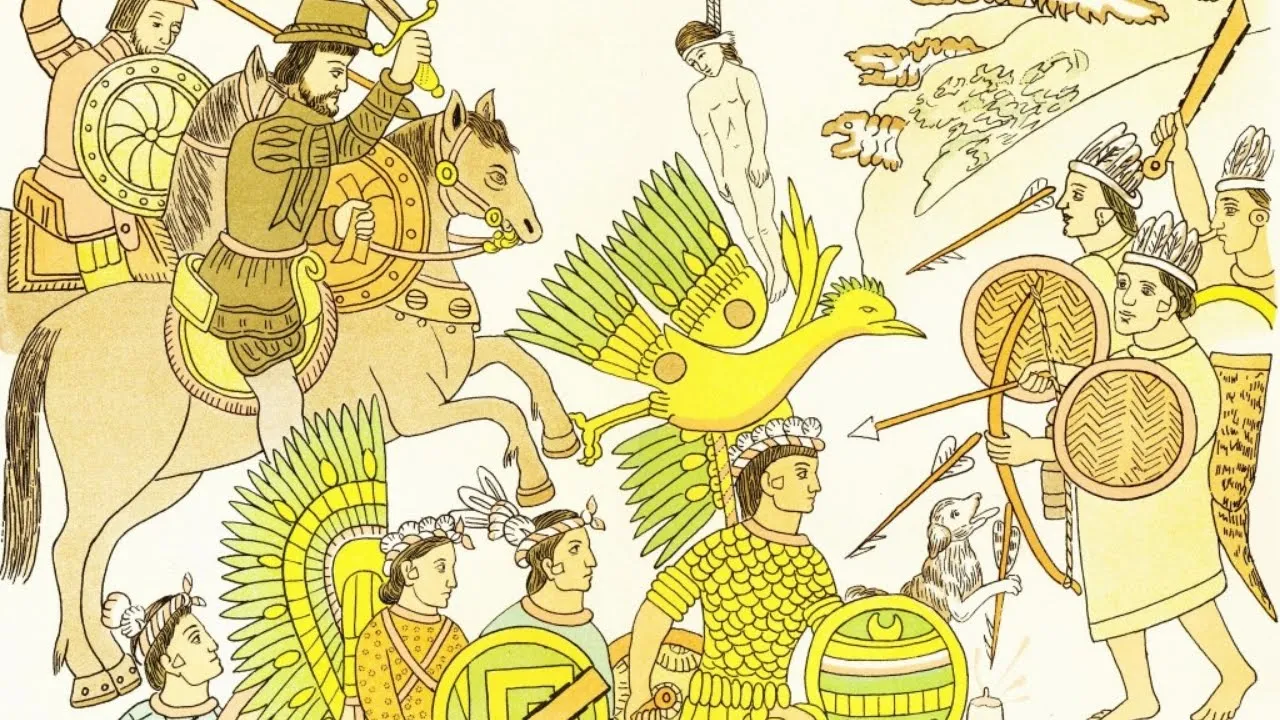
The Tlaxcala-Spanish Alliance: A Case Study in Colonial Cooperation
@Argent7771
5.5K views•2019-02-26

The Great Schism of 1054: Causes and Consequences
@SacredCathedrals
113.5K views•2026-02-19
Gladiators in Ancient Rome: History with Gregory Aldrete
@LexClips
403.1K views•2024-09-14

Understanding the Cold War: Superpower Conflicts and the Road to Détente
@OverSimplified
46.1M views•2019-01-24
Related Study Plans & Knowledge Roadmaps
Structured learning paths in History