





![The History of Mexico in 16 Minutes [Old Video]](https://i.ytimg.com/vi/SRKkik4QYkU/maxresdefault.jpg)



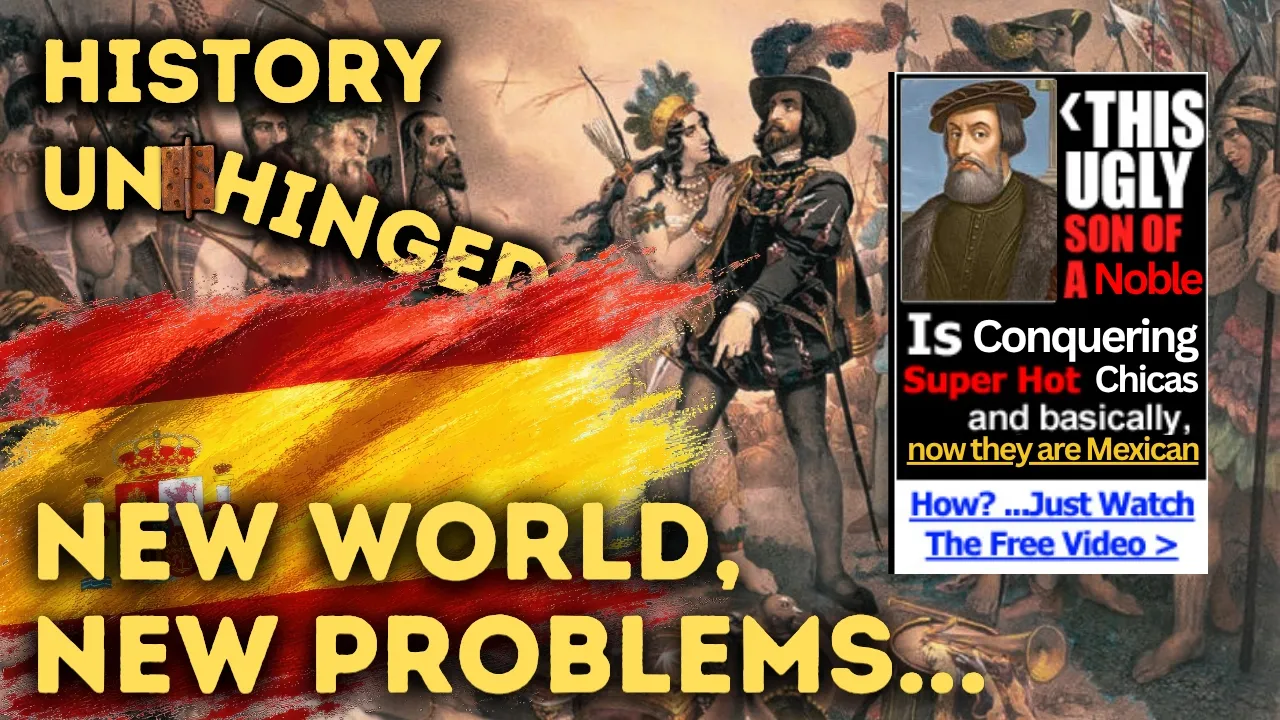

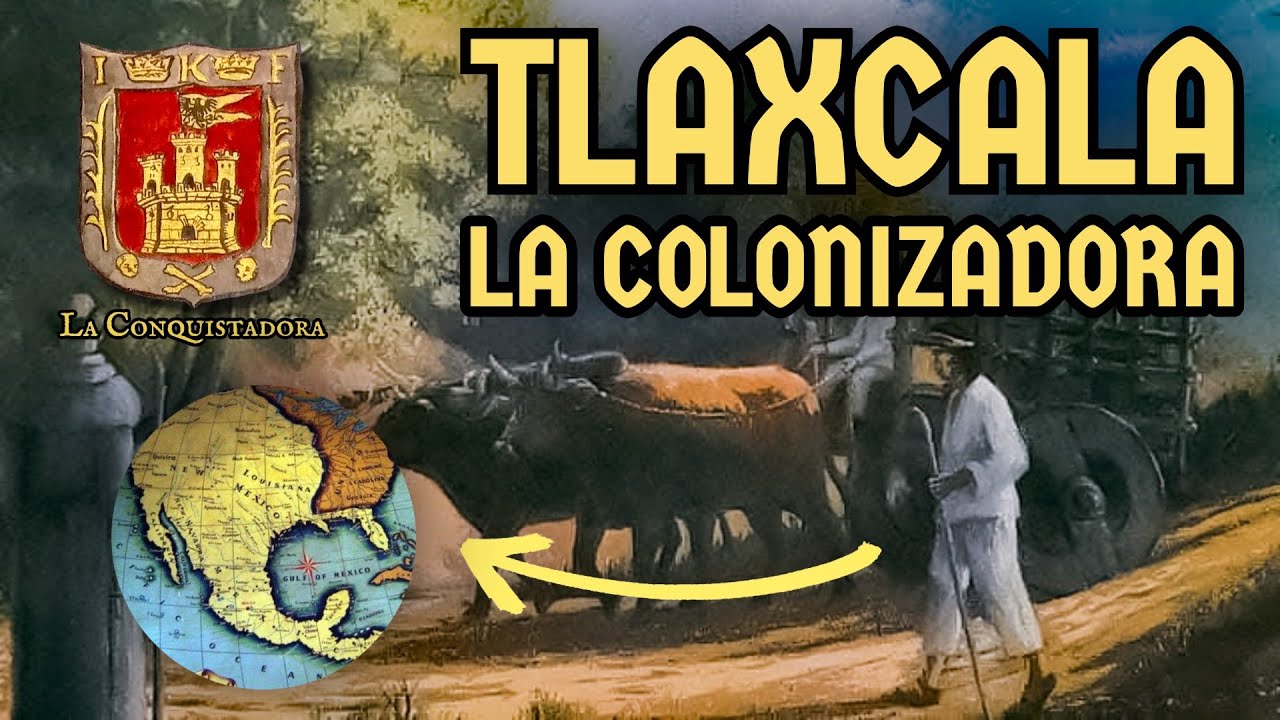













The Spanish conquest of Mexico was not solely a story of Spanish brutality but also included strategic alliances with indigenous peoples like the Tlaxcalans, who provided crucial military support (approximately 80,000 troops, constituting 99% of the Spanish army), logistical supplies, and safe havens that enabled Cortés's success. In exchange, the Tlaxcalans received significant privileges including autonomy, exemption from taxes and tribute, noble status (hidalgo), and the right to settle in the best lands throughout New Spain, establishing a 300-year partnership that benefited both parties.
The Tlaxcala-Spanish Alliance: A Case Study in Colonial Cooperation
Added:The geopolitical landscape of Mesoamerica in the early 16th century, specifically the expansionist and tributary nature of the Aztec Empire (Triple Alliance).
The basic timeline of Hernán Cortés's expedition to Mexico and the fundamental military objectives of the Spanish conquistadors.
The concept of the 'altepetl' (Mesoamerican city-state) and how indigenous political entities navigated sovereignty, diplomacy, and warfare prior to European contact.
The long-term legal and socioeconomic status of Tlaxcalans under Spanish rule, including their unique exemptions from tribute and right to bear European arms.
The 'Lienzo de Tlaxcala' and other indigenous codices as primary sources illustrating how Tlaxcalans self-identified as co-conquistadors rather than conquered subjects.
Comparative analysis of other Spanish-indigenous military alliances in the Americas, such as the Huanca alliance during the conquest of the Inca Empire.
The modern historiographical debate and cultural memory in Mexico regarding the Tlaxcalans, transitioning from narratives of 'treason' to recognition of strategic agency.
5.5K views213likes12:10Original Release: 2019-02-26
the Spanish conquest of Mexico is probably not where anybody would look first a tale of loyalty of friendship of things working out of people improving their situation in life we've got have been told the whole thing was just a genocide and then it was the Spanish just massacring the innocent Mexico it was just them destroying this ancient noble indios culture but is that really what happened and I talked about this a bit in my video about the Aztecs but there's a particular part I'd like to focus on and that's the relationship of flex kala I'm sure I'm mispronouncing that but whatever with the Spanish because it's a very interesting case in which an indigenous people basically got everything they could have wanted and it worked out really well with the colonizers it's kind of a fascinating thing that people don't really talk about so just a bit of context as I said in the past the Aztec empire was to a large extent a theocracy that is the the governing principle of the Empire was that they had to keep sacrificing to the sun-god and if they didn't keep sacrificing the sun-god then the Sun wouldn't come up so they had this very apocalyptic version of the world and and even more so than just power or expansion there is a religious motivation so if we look at a map of the Aztec empire you'll notice something kind of odd there's all these little places that haven't been occupied and there's a lot of historical debate about this in particular clicks call up it's believed if the Mexica would have wanted to they probably could have overrun them very easily but they didn't want to because they use these little independent kingdoms as breeding colonies you had these things called the flower wars where the goal was not so much conquest or treasure but to get captives so they leave flecks khalwa to regenerate for a couple generations then they come in with overwhelming force take all the men and women away Massacre them for their Sun God and then wait a couple generations so they would deliberately leave these Kingdom independent or does not take the effort to destroy them and needless to say that that made a lot of people angry people didn't really like that sort of situation shockingly enough and so when Cortez showed up people who had kind of mixed feelings about him they didn't know who this guy was sure he was a foreigner he did strange religion he had strange weapons but he wasn't the Aztecs and who could be worse than the Aztecs was what a lot of people thought so when when Cortez came he was marching westward and he came to the flex kala and very quickly he got into a couple scrimmages with them I think he burned a couple villages he fought their army a couple times and as with most cases when it's about these a similar number I think they have numbered him maybe three to one but against people with guns and steel armor that's nothing so he just beat the crap out of the Flex Collins and the flux Collins were like wow this guy is really strong and he doesn't really he wants to conquer this area so maybe we finally found a way to take down the Aztecs so it clicks Collins after Cortes had kind of beat them a couple times invited him to the capital and they went to the capital and took the Flex calling for like sure we'll join you so they started to give him food troops they provided him with information etc and an alliance was forged between the two peoples here I'm just gonna read a little bit from this as to their relationship in the next battle Cortez claimed that he phased the Flex call an army of well over a hundred thousand warriors I think population flex Colo is only like 150,000 in this battle some 60 Spaniards and several horses were killed and wounded by the enemy but on the following day Cortes led a punitive expedition burning some 10 Plex : towns the total population of over 3,000 many Indians were killed yada-yada watching the Spaniards prove themselves in battle that's Lux : King said was very impressed and decided to allow Cortes to pass through the confederation to the capital once they reach the capital they were welcomed into the town as if they are heroes for 20 days Cortes and his army stayed in pluck Scala has been recovered from their wounds Cortez forged a relationship with the Plex called leaders metalic Scala I believe it was a noble Republic I think they had a king but they also had nobility who were some were hereditary and some were like generals or other people who had served the state and they would actually retain this form of government well into the Spanish Spanish Mexico so let's see here so the change from hostility to alliance Cortes said I'm only against the Aztecs those guys are join us and we'll take them down so yeah I think without the flux Collins Cortes never could have done it because they provided him with soldiers which was good of course but more importantly they provided him with logistical support so they agreed basically for the duration his campaign will bring you food will bring you fresh water will provide you with medicine clothing all these kind of things that had to be either plundered or brought in from Cuba and it's this was a massive massive advantage it also gave him a safe haven to retreat to if he ever lost which would be very important later on as Cortes traveled westward through mountains towns and villages many of the India living along this path told him of their cruel treatment at the heads of the Mexico overlords through these meetings Cortes began to understand the depth of this hatred and fear so kind of when he showed up he was the first person with really the balls to stand up and fight the Aztecs and since he was a foreigner he wasn't involved in any of the traditional blood feuds or other kind of infighting between the various indios groups and they were all like okay we can unite behind this guy we don't really know who he is but he's not the Flex Collins he's not these other random people so so the whole debacle of the siege of Tenochtitlan holding Montezuma hostage all that sort of thing fell apart and the Spaniards and the remaining allies fled the city so what was nice though is once again because they had a place to retreat to they could retreat back to plucks column just because they had lost that didn't mean the flux columns were gonna throw them under the bus they had lost numerous times and this was still their best chance so they got more reinforcements they were able to beat off an Aztec army that came and they made it back so the Indian allies granted them refuge and here a deal was struck that would remain in effect for the next 300 years and this is really cool and this is a really interesting fascinating thing so a lot of the flex call ones immediately converted to Catholicism so the deal was once Spain conquered the Aztec empire flex cola would be autonomous the people would become Hill dago's which we'll talk about in a second they would not have to pay taxes or tribute and they'd be given control of a couple neighboring provinces and Court has agreed to this and this this agreement was capped once the war was over flex Cola was able to keep their traditional form of government the people became hill dago's they didn't have to pay tribute I think that includes taxes they didn't have to pay taxes and they had all kinds of other rights and privileges that weren't enjoyed by the other the other Aztecs by the other indios within the the colonies it's interesting because when the Spanish were trying to settle the other parts of Mexico like northern Mexico southern Mexico etc because the flex colons were loyal and civilized they would get first dibs at the best land so they got to go in migrate to like the nicest parts of the rest of the country and get land there and so this turned out to be a really good deal for them because okay so how the hell doggone thing works is Spain is really weird when it comes to nobility because in some places like Basque Country the vast majority of the population where Hildago Zhou run landed nobility I think in Basque Country was something like 85 to 90% in Spain proper it was 25% and I think all the flux colons are at least all that what's calling Nobles were granted titles of nobility and you actually had like feudal lords within Mexico of indios descent they just what they decided to do was they very quickly developed us in synthesis culture they adopted Catholicism they adopted some aspects of Spain but they also kept a lot of their own traditions so very interesting so if we look at the the two factions we have the Spanish Empire and Kleck Scala versus the Aztec Triple Alliance so if we look at the totals flux Cola brought in like 80,000 troops like 99% of the Spanish army was made up of flux : and their other allies so it brought them from a case where they were outnumbered like a hundred to one or like four hundred to one to where if they didn't quite have parity they at least had a very it was much better fight they were able to put up and like I said they were able to keep it let's see I think they have the terms of the treaty here okay so here's what the one of the first viceroys said let's see here so this is where they were sending the flux Collins to go settle other parts of the country which I mean you can see how's a good or bad thing it wound up devastate like really lowering the population the core province but it meant they got the best land and that's kind of what happened a bit with the Scots is the Scots were very eager to leave the UK and that I guess kind of lowered the population of Scotland or made it grow slower but they got some of the best land in the new world they got to settle in America they got to settle in Nova Scotia in Canada and Australia they got all this like good land out of it so here are some privileges that were confirmed on to them their descendants shall all be Hill dago's and perpetuity free from tributes taxes and personal service meaning labor in the mines they are not to be compelled to settle with Spaniards but will be allowed to settle apart from them and have their own distinct districts meaning self-government nor expand nor can a Spaniard taker buy any building house lot within flex call in districts the tux Collins are to be at all time settled apart from the other in India's and this distinction is to apply to all of their Lots pastures wooded land etc the lands are granted to as personal property and can never be alienated because of non occupation so the government just can't take them away all their markets are free from sales tax all their descendants shall retain the other privileges et cetera and they will be permitted to carry arms and ride saddled horses without penalty so they basically had the same rights more or less as to Spanish and like I said this is very fascinating because this kind of goes against the narrative a bit well the Spanish were in many ways very brutal and I'm not going to pretend they weren't at least in this case they kept their promises and plucks Kahlo was a loyal part of Mexico up until the revolution I'm not sure what rule it played in the revolution I think by that point they had kind of just spread out around the country but it's an interesting episode in history and I hope you enjoyed the video and all
Up Next
93:02
Aztec Empire's Fall: Cortés, Smallpox & Genocide | Historical Analysis Part 2 of 2
@DrRoyCasagranda
585.7K views•2023-04-08

33:02
The Great Schism of 1054: Causes and Consequences
@SacredCathedrals
113.5K views•2026-02-19
91:57
The Geopolitics of the Ukraine War and the Rise of Global Autocracy
@JordanHarbingerShow
468K views•2025-04-19

17:05
Understanding the Cold War: Superpower Conflicts and the Road to Détente
@OverSimplified
46.1M views•2019-01-24
Related Study Plans & Knowledge Roadmaps
Structured learning paths in History
history
Byzantine Iconoclasm: Theology, Art & Politics
01Foundations of Byzantium and Early Christian Images
02The First Iconoclasm: Leo III and the Crisis of Images
03Empress Irene, Nicaea II, and the Second Iconoclasm
+ 2 more learning modules
9h5 modules
Explore Roadmap
history
Iranian Revolution (Causes, Events & Legacy)
01The Pahlavi Dynasty and the Roots of Discontent
02The Spark of Rebellion and the Rise of Khomeini
031979: The Fall of the Shah and the Climax of the Revolution
+ 2 more learning modules
8h5 modules
Explore Roadmap
history
Mali Empire: Mansa Musa, Trade & Timbuktu
01Foundations of the Mali Empire
02The Trans-Saharan Gold and Salt Trade
03The Reign and Pilgrimage of Mansa Musa
+ 1 more learning modules
6h4 modules
Explore Roadmap
history
1947 Partition: Politics, Borders & Legacies
01Foundations of British India and the Divide
02The Political Negotiations and the Mountbatten Plan
03Drawing the Boundary: The Radcliffe Line
+ 2 more learning modules
8h5 modules
Explore Roadmap