





![APUSH Unit 1 REVIEW [Period 1: 1491-1607]—Everything You NEED to Know](https://i.ytimg.com/vi_webp/fTv4S1q7p_c/maxresdefault.webp)


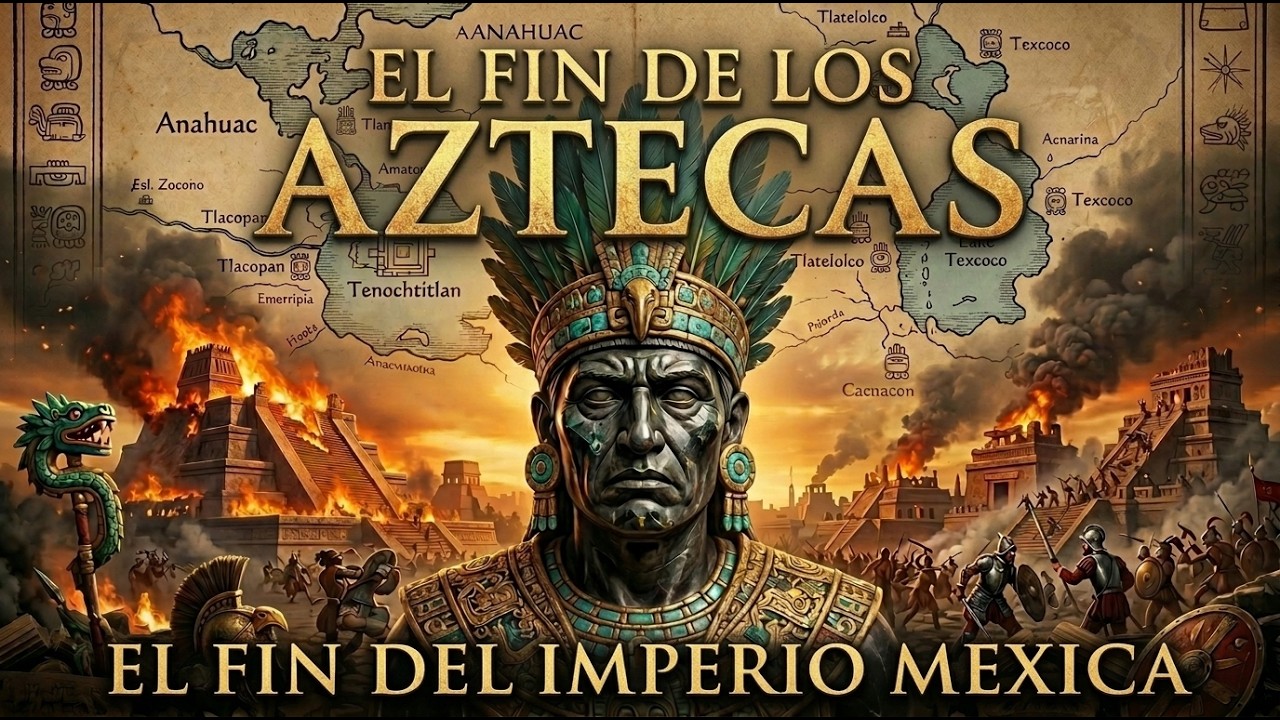








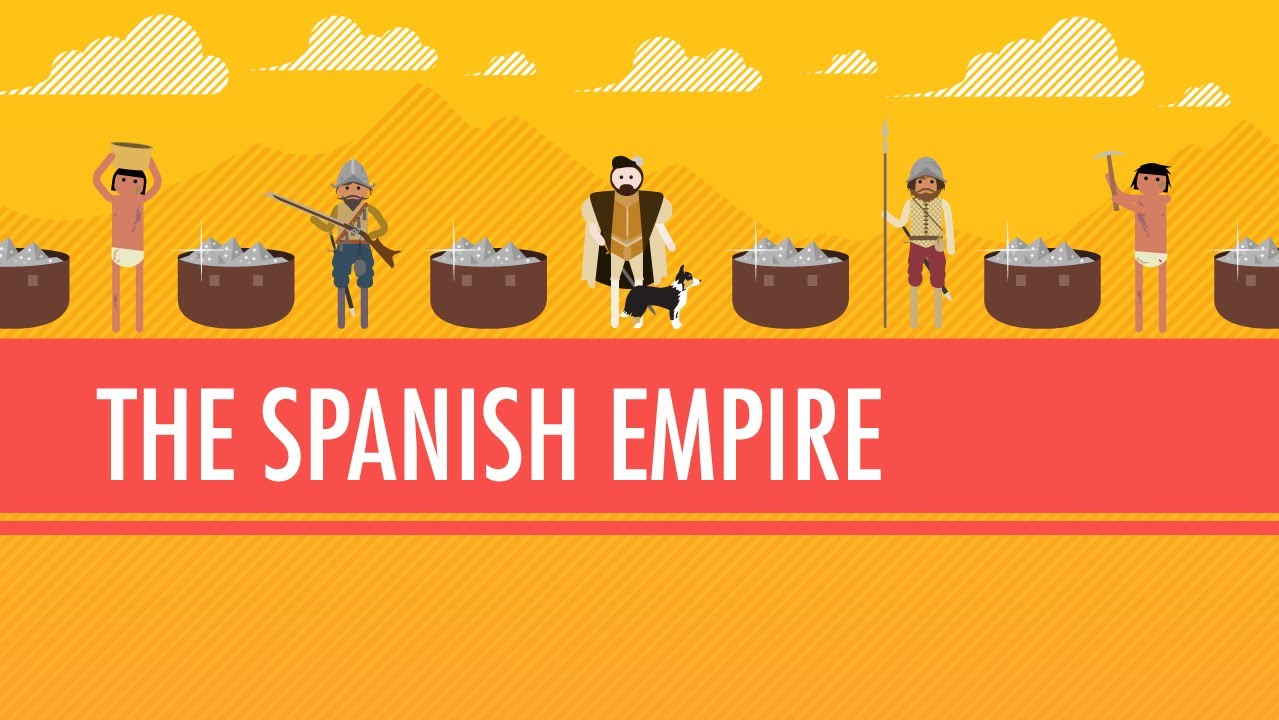



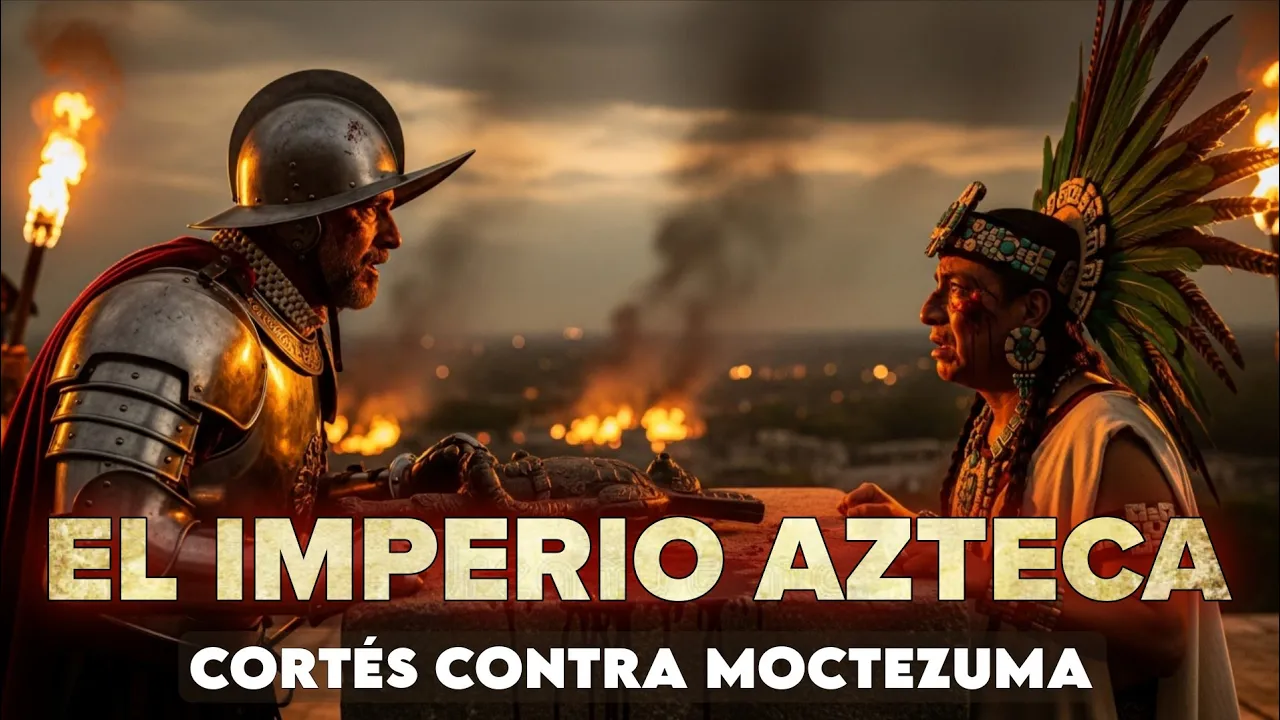
The Spanish conquest of the Aztec Empire in 1519-1521 was enabled by multiple interconnected factors: the Aztecs' lack of domesticated animals made human sacrifice economically necessary for protein acquisition; the Spanish exploited existing rivalries with the Tlaxcalans and other neighboring states; and diseases like smallpox devastated the indigenous population. While often attributed solely to disease, the conquest succeeded primarily because Spanish forces systematically destroyed the Aztec agricultural infrastructure, broke their irrigation systems, and used terror tactics that undermined indigenous resistance. The conquest ultimately resulted in the deaths of approximately 90% of the indigenous population within a century, transforming the Americas through colonial exploitation and cultural destruction.
Aztec Empire's Fall: Cortés, Smallpox & Genocide | Historical Analysis Part 2 of 2
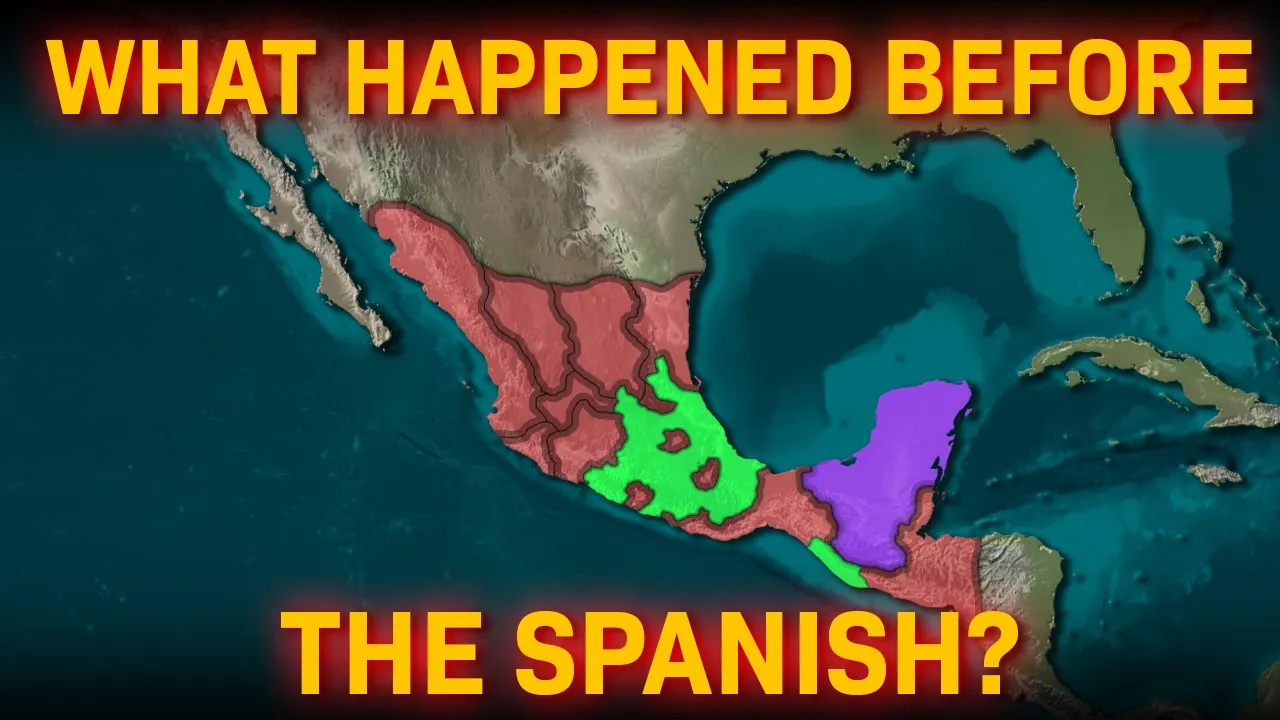
Added:[Music] all right so today's lecture is uh part two of my Aztec talk and so at the end of the Aztec talk when I ran out of time because I you know just too much information scaming into two hours I ended up uh lamenting that I couldn't get to this part so that's why we're doing this part um I got us roughly to 1518 ad with the Aztec conquering chilula I'm going to cover just a little bit of part one just because I want to make sure we're on the same page because I started to get into 1519 but also I want to wrap up two little points that uh my nitpicky brain wanted to bring up last time and I didn't so one of those points was so I wore a red shirt last talk I said I wouldn't do it because of hippie totek who's the god of uh basically human sacrifice and his color was red and he's he's really an intense God and so I I'm wearing it though today because I'm going to talk about the Spaniards and so I figure compared toot you know what I mean like Hipp toch is the good guy in this story um but I wanted to point something out that I think is worthwhile pointing out so the priesthood in the Aztec religious system they believed that um W Watson the god of the son the Aztec priesthood believe that the the the god of the sun Juan Watson can't stay in the sky and move that it'll get stuck in a fixed position and it'll basically burn the Earth so the only way to keep it moving is to give it human blood sacrifice so that's one of the reasons why the Aztecs do human sacrifice but another but but another way in which they Manifest this is the priesthood would take obsidian and they would jam it into their skin and they would intentionally cause themselves to bleed so that there was constantly this source of blood to keep the sun in orbit moving around the sky so the the priesthood at some level showed itself and demonstrated its actual belief in the system having said that there're Al also the guys doing the sacrificing not the guys being sacrificed so there's there's a limit to this another thing I wanted to talk about before we jump into uh contact with Spanish Isa so if you look the atic Empire is the grain um you can see it only occupies uh what probably 20% of the the United Mexican states right the state of Mexico today but um it occupies the most densely populated part so um where there's there's three dots three red dots in the middle there's a lake there that's where tlon is that's the capital of the Aztecs just to the east of that it says tala Confederacy so the Aztecs fought pretty much everybody who was a neighbor and they usually conquered but they didn't always conquer fala they did conquer but they did something really weird with FL so tala had a really good obsidian deposit so they conquer it they Annex the obsidian deposit and then they let the pl Collins go and they and then periodically they would attack them and they would conquer them again and then they would let the tanos go they didn't hold on to them they would let them go so see where it says tunan Kingdom that actually was where the T asano lived and they never were conquered by the Aztecs they fought multiple battles the Aztecs never beat them uh yinko Kingdom that's that's today the state of Guerero in Mexico uh see where it says plapon that was part of their Kingdom the Aztec successfully chopped off the eastern part of their Kingdom and annexed it but they never successfully fully conquered yopu Singo like they it just it stayed out of their range but in the case of plala they did fully conquer them in other words they didn't need to let them remain independent like they did with the other states the and here's why what happened was the Aztecs at some point realized that Warfare was necessary for the way that their economy ran and part of the reason for this was the fact that human sacrifice played this diet role in their society so today you can be vegan you can you can have a diet where you don't have any animal protein coming in and that's because we've got all these alternative sources to get protein from but also because we right we can just you can process the food in a different way to get the results that you want they didn't have this option they had corn squash and beans the fish in the lakes and the big lake in the center they were wiped out because they overfished them the deer were wiped out locally and the rabbits were wiped out locally because they were over hunted so there and there were no domesticated animals so they don't have cows they don't have sheep they don't have chickens so they have a serious dietary need a serious dietary problem because you have to remember our species is is inherently or primates primates are herbivores our species evolved from a from a bunch of vegetarians to eat meat we are now no longer herbivores and as a result we require a certain amount of meat and the reason we evolved that was because that's a way to grow a big brain now obviously the average person doesn't use very much of their brain so this isn't probably a problem for the average person but back when we had to think to survive as opposed to now well you can just literally be a zombie and you're fine when we had to think to survive the brain consumed 50% of your calories in other words we grew the big brain because it allowed us to adapt to our environment but it then required us to change the way we lived including our diet and we needed to do two things to adapt to that one was use fire if you cook your food you get to the calories faster so if I eat raw carrots I'm going to have fewer calories from it than I if I eat cooked carrots it's just that simple so if so if I cook my carrots I do part of the digestion for me so that I'm spending less energy digesting the carrots so I'll get a better caloric return the other thing we did was we switched over to consuming meat because meat is also a fast weight of calories and then over time we became dependent on that meat it's it's the same thing with like vitamin D most animals produce their own vitamin D we dumped fur and went to being a naked primate so that we would generate the vitamin D in our skin so we don't produce our own vitamin D unless we have direct contact with sunlight right in other words we we we changed the way we operate and one of the ways we changed the way we operate was we we now are required to have some amount of animal protein it's probably pretty close to the Aztec or e about one pound of human flesh per year that's not much when you think about it that's four trips to your favorite hamburger joint if you're eating a quarter pounder which by the way has anybody ever been satisfied eating a quarter pounder feels like that's not very satisfying so here's the twist though and this is where people have to be careful it's not like one day somebody sat down and said boy you know I really feel like my diet could be supplemented with a little bit of human flesh I feel like my health issues could be fixed by this I know let's create a religion that has at at at the center this Human Sacrifice component there's no way anybody could have made that leap it's too absurd it's too it's too huge of a leap what probably happened was there were multiple religions because there are there were multiple religions that's that's not in doubt and some of those religions ended up with human sacrifice as a component of it the Greeks the ancient Greeks used to do human sacrifice it's not a big leap to think of it you're like no no they didn't they were white white people didn't do that no no the Greeks did they totally did human sacrifice Plato talks about it Homer talks about it um we have the archaeological evidence right there's a Temple of Zeus with a 12-year-old boy skeleton underneath it they Zapped the 12-year-old dropped them in built the temple on top of them to make Zeus happy there's there's no two ways about it they did it so it's it's not hard to imagine that there would have been a culture or religion that did this but because it has this economic value this introduction of animal protein into people's diets in a place where they didn't have any it made it so that that religion was more likely to succeed in that location than the religion that didn't do that so there's sort of an evolutionary value to it once your estate is sophisticated as the atic Empire then you could quickly make the real Iz ation after a few Decades of running this thing that oh we really need to have pretty constant Warfare for this to work and that's what they did with fala they made it into their happy Hunting Ground anytime they needed a war and there was nothing on the horizon they just go to war with tala tear the place up capture the obsidian mind and then and then leave that's what they did you know you know remember 2003 in Bagdad when the US military protected the ministry of oil and the banks and the hotels and the museums got looted like that because clearly we we need occasional War otherwise why do we keep doing these we keep losing like surely we could just learn not to keep doing them how many times you need to be humiliated in a in a 50-year span of time so there must be some other reason that we're being pushed to do these wars I mean other than just the desired genocide which obviously is also a thing so all right now that I covered those two things what I want to do is introduce the Spaniards so when I was a kid hopefully this isn't happening anymore but I know it is when I was a kid I was taught a bunch of nonsensical things like for example that everybody thought the world was flat Columbus was a super genius he figured out it was a spear he went West discovered the Americans like at every level that's just wrong first of all the ancient Egyptians discovered the Earth was a sphere 2,600 years ago 2,100 years before Columbus actually let me rephrase what I said I said they discovered the Earth was a spere they proved the Earth was a sphere pretty much everybody knew the Earth was a sphere before that it's just nobody could prove it until the ancient Egyptians said sent a fleet of ships around Africa and they they they completely circumnavigated Africa and what they noticed 2600 years ago is as they were traveling south the sun's position moved from being in the southern Sky directly overhead to the northern sky and the constellations changed to constellations they had never seen before and then as they came around the southern tip of Africa and started heading north the sun slowly moved from the northern sky or direct overhead back to the southern sky and their old constellations returned and they went there's literally only one shape that that that could accommodate that experience the Earth is clearly a sphere done so then that begs the question why are we having this silly conversation about a guy figuring this out 2,100 years later now obviously one of the problems is Egyptians are are brown and we just delete everything that brown people do right I mean that's obviously one of the things on the table but there's also something else that's weird about this story so about 5 centuries after the Egyptians prove the Earth is a sphere there's a guy named aristes who's at the Great Library and he's re reading random stuff the great libraries in Alexandria Egypt he's reading random stuff and one of the things he comes across is um an account of a guy in a swan a swan is the southernmost Egyptian City not Village there are Villages further south but it's this last major city and the guy in a swan says I happen to be there on the longest day of the year and I happen to look into a well and I noticed it cast no shadow the the wall of the well cast no Shadow and that's all that's all I did he just made the observation aristes goes this is insane this is incredible because he realizes he now has an angle and he's read uid all he needs is angle side angle he's now got the triangle once he has angle side angle he can do two things effectively one calculate the size of the Earth or if you wanted to calculate the distance to the Sun and so he hires a guy to walk from Alexandria to a swan and then he waits until the longest day of the year he runs over to to a well looks into it and he sees a shadow he measures the angle on the shadow he's now got Angle now he just needs the length to a swan the guy walks to a swan he pays him for the trip he the guy tells him how many steps it was and he's got a problem right it's not a straight road and the Earth is curved because it's a sphere and he he figures out a way to weed out all that error and then he makes his calculation what he thinks the length going through the planet would be from a swan to Alexandria and he nailed the earth size with 1% error he was 99% right can you imagine 21 centuries ago somebody being able to make a calculation that was that accurate having a guy walk from one city to the other like aristos was a genius there's no two ways about it they they later on tried to apply this to the distance the sun they got a giant number and they went there it's obviously wrong and they dismissed it but it wasn't wrong it really is a giant number they just couldn't compreh in that it could possibly be that far but that's what they did they figured out the size of the Earth what Columbus does is he rejects the size of the Earth think about it when he goes to Isabella to sell her on this the scheme of going west to get to Japan and China the scheme means that Japan and China would be where North America is the only way that could be true is if the East West distance of North America was missing and the East West distance of the Pacific Ocean was missing right for Japan and China to be where North America is there can't be a Pacific Ocean or a North America in other words Columbus believed the Earth was roughly half the surface area that is in other words he was wrong about the Earth not right about the Earth and just to make things funnier he also thought the Earth was pearshaped he believed that the Garden of Eden would be by its nature very close to heaven so as a result where God put the garden of e Eden the Earth would bulge up so it was more of a pair shape than a sphere in other words it wasn't that Columbus was a genius and he got it right he was an idiot and he got it wrong and that's what the Portuguese were telling every when he he went to the Portuguese first he said if we go west we'll be there the Portuguese are like you're an idiot the distance is too great you'll never make it we don't have a ship that could cross the East West distance of the Atlantic the East West distance of North America and the East West distance of the Pacific you'll get a third of the way you'll run out of fresh water and food your your men will Mutiny a six of the way cuz they won't want to go the trip cuz they'll realize it's a suicide mission and so they tell him no he goes to Isabella Isabella does the math she's like if he's right I'm going to be Filthy Rich if he's wrong I lose three ships big deal so she sends him on a su everybody believes is a suicide mission because everybody knows the size of the Earth we've known the size of the Earth by that point for 1600 years when Columbus arrives long story short ah yeah because I I don't want to focus on him I just want to give you an idea he actually the Santa Maria the flagship hits a coral reef the side of the Santa Maria is gashed open it's sinking the other two ships we anchor and then they watch as Columbus and the men on the Santa Maria are going to drown but the tyo the Arawak Indians living on Haiti see the ship sinking they get in canoes and they row out and they save Columbus and his men when they bring him ashore then the the other two ships send rowboats to shore they're hanging out on the shore trying to figure out what to do Columbus decides to take a couple of weeks re-calibrate figure out what's going on the tyo are incredibly hospitable they're very kind and eventually Columbus decides you know what we're going to do we're going to go out to the coral reef at low Thai disassemble the Santa Maria bring it back to the mainland to the island and then reconstruct it as a fort and then I'm going to leave part of that crew behind to man the fort so we have a permanent Spanish fort in the island of Haiti hati Hispanola right it's had multiple names Santo Domingo so so today it has all the names because Hispanola is what Columbus named it the Native Americans called it hati so Haiti and then Dominican Republic is Santo Domingo so all three names are on the island and so what happens is columus sets sail with the other two ships they head back to Spain when he gets to Sevilla as he's getting to Silla he knows it's going to take him a while to unload the ships and get everything in order and and start preparing for the next Journey hopefully so he decides to write a letter to Isabella to send it ahead so that she can read the letter she'll have basically been debriefed before he arrives to make contact with her and in the letter he says the tyo the Native Americans on hati were the kindest most gentle people I had ever met their generosity was not exceeded by any people I've ever encountered they shared their food their shelter they even shared their women a few men with swords could make slaves of them all Isabella goes this is amazing and she sends him on another Journey a second voyage the very next year 1493 this time it isn't three ships it's a fleet and this time it isn't just a bunch of sailors they're sending Carpenters and Masons and Marines and Priests and they send animals because their goal in 1493 is not exploration it's Conquest Columbus wasn't an Explorer he was the first Conquistador he is going to set the pattern for what the Spanish do after that moment he's not a Spaniard right he's geneves he's Italian but all the all the great ship captains at the time were were were Italians with some Portuguese for good measure so even even John Kat the famous English Captain his name was jaavan kabot even he was in ital that's just how it was Columbus lands finds the fort that they you that they made out of the Santa Maria burnt so you know any good investigator would now go ask all the witnesses find out what the tyo in the area of thought he can talk to him now because he talked a group of tyo into going with him Spain so he'd have something to show the queen and in the process those tyo learned Spanish so he now has translators so when he comes back he could talk to the tyo and go dude what happened to the the fort over there do you see something like somebody drop a lantern and caught on fire what happened where are the sailors did they die were they burnt to death did you kill them he doesn't what he does instead is he just starts slaughtering the villages in the area he rounds up the Marines they get off the ship and they just go on a murder spree because he wants to set a tone I don't even care what happen to those Spanish Sailors I set behind if something happens to them y'all are going to die and then he goes to the tyo and he goes see this so the reason why Columbus went liked Haiti so much that he wanted to go back to it to set up the first Spanish colony there was because when he C when the Santa Maria sank right and the tyo rescue him when he gets to the beach he's like what is this there were literally nuggets of silver on the beach and he thinks God has given me hati so that I can enslave the Native Americans and have them collect the silver for me so that I can become filthy rich and so he goes to the tyo and he says I need you every day to go to the beach and collect silver nuggets and bring them to me and the tyo don't have a concept of being conquered they don't have a concept of a fixed leadership the tyo were this entirely egalitarian Democratic Society so they had a concept of leadership but not fixed leadership so for example they're going on a fishing Expedition before they go they they want a leader because you want somebody to make those decisions especially if something goes wrong being able to make quick decisions is good and so what they would do is they would elect a guy but the next time they're going on on a fishing Expedition they might elect a different person in other words they didn't they had the concept of leadership they just didn't believe that one person should be the leader always and so to have Columbus show up and say I need you go to a beach and pick up the Nuggets of silver they're like why why would I do that and one of the things that tyo had was they had silver jewelry like they were wearing little necklaces and stuff and he's like where is all the silver coming from and he realizes this is the beach cuz he he encountered Native Americans in Cuba and they had silver jewelry so when the tyo don't bring him the silver nuggets he grabs a group of them he has them walk up to a table and put their hands on the table he has the Marines chop their hands off and then cut the tips of their noses off some of the tyo get the message right cuz they watch their friend slowly bleed to death as blood is pulsing out of their their wrists some of the time you go okay I get it I think I'm a slave now and they begin going and collecting the silver they had no concept of slavery but you know what I mean like they understood I collect the silver or I get my hands chopped off got it collect the silver another group of them like I'm out of here and they run away they run into the mountains and that's how Columbus introduces the Spanish to North America that it that's what first Contact looks like so fast forward now the Columbus story is fascinating at one point he thinks he's God's son he thinks he's the second coming of Jesus Christoper means crossbearer so he thought he he was named that because he was a any it's long story we're not here for that I just needed to set the tone he sets so the Spanish start Conquering the the the Caribbean and they get on to Cuba which is just barely off this map that way right off the Yucatan Peninsula it's not far um they conquer Cuba and they also conquer Panama which is this way and the that that's important because they're they're starting to missionized Panama and long term their goal is that Panama will be their linkage to the west coast of South America because they're thinking this is the beginning so they're on the mainland in Panama they've got a bunch of islands including Cuba and Haiti and an expedition in 1511 so we're talking 19 years after 1492 right it's it's the early years goes from Cuba to Panama and then on the way back there's a hurricane and it never makes it to Cuba but they don't know that they just all they know is it never makes it back to Cuba so they they're missing a ship so the governor of Cuba decides okay we should probably send a a rescue Expedition but he also has another idea so they don't know the shape of the the Gulf of Mexico they they're pretty sure it's a dead end like you're not going to get to the Pacific through there but they don't know how it's shaped really so they want to map it so the governor figures I can send a rescue Expedition and I can map the Gulf of Mexico at the same time and so what he does is see where bailees and Guatemala come together it's like the the Caribbean kind of points in towards where it says Southern right there so he he orders them to go to that point which would be the southern tip of the Yucatan Peninsula then follow the Yucatan Peninsula up follow the Mexican Coast until you get to What would what is today the United States Coast and then you know coming down through Florida you drop down into Cuba that's that's what he orders them to do and one of the reasons why he wants them to go to the Bott bottom of the Yucatan Peninsula is he's hoping to find the 1511 ship that disappeared he sends the expedition in 1517 I'm feeling like if they had found the guys they'd be like dude it's been six years like you're this is the rescue that's timely you know what I mean like I died of old age what are you talking about I'm not do you see what I'm seeing like six years really you couldn't make it go a little sooner I know I'm being ungrateful but I'm just trying to put myself in the shoes of one of the survivors thinking this isn't great actually but anyway that's what he does the ships are coming along the coast see how it says may West South North that's because that's the Mayan territory and they're coming along the coast and they see Maya warriors on the beach now I haven't described the Maya in really any meaningful detail but here's a chance to at least give you a visualization so the Maya uh did tattoos so they were probably from Austin and uh they also did they would take a a blade an obsidian blade and they would put scars into and so they would do art through scarring and tattooing and what they like to do swirly scars so they're covered in tattoos and scarves and then they would wear grass skirts and then the officers would have these big katol feathers sticking out from the the waistband of their grass skirt in the back the kol feather can get to about 6 feet in length it's a bird that looks like a flying snake because it's got this six foot long tail and the body is like this big so it's this bird with this insane tail but the best thing about the tail is the feathers are iridescent so as you change the angle that the sun is hitting the feathers the feathers change color is that cool and so the the Maya thought these feathers were sacred so they would the officers and high ranked people people of privilege could wear them so there these guys with these six foot tall iridescent feathers sticking up and they go to the beach and the Spanish ship is pulled up it sees them they're d ing on the beach they're dancing and the Spaniards go look a reception committee so they get in the rowboat and they Rod ashore and just as they're pulling their boats up on the shore the Maya come charging down with their swords and Spears and Massacre them the Spaniards are falling over each other trying to get back into the rowboats they do and you not not many of them but some of them do like 10% of them get back into the row boo they roll back to the ship and they're screaming never again will I go sure and that that was first contact with the Maya as they're going up the coast they see another group of Maya dancing so they they pull up they get in they get into Rob boats but they stop where the waves are starting to break they don't go to shore this time and they get a guy to stand up and they're holding him by the feet right because the robot is doing like this but he's a sailor he doesn't care you know what I mean like he just actually when he gets on land that's when he starts puking because it's not it's not moving and so he's standing there on the rowboat and he he shouts hey did you see people like us like six years ago in this area somewhere it it's first Contact they've literally never heard Spanish before and he does he gets a response he's like I don't know what they said did you guys hear it and the Spaniards are like I don't know sounded like gibberish so then he thinks okay this isn't working let's try a different approach what do you call this land and he hears something that sounds like Yucatan and that's how the Yucatan Peninsula got named they decide that there's no point in hanging out with part of their crew M dad and so they go back to Han Havana they go back to Cuba and the governor is like you mapped it already did you find the survivors and and they're like no no we didn't map anything really and we didn't find any survivors it's just half of our crew got massacred on a beach and we figured we needed to get more Sailors to replace them before so the governor's like all right he waits two years to send another Expedition but this time he's not going to send one ship he's going to send a group of ships and this time he's sending a force of about 500 men including Sailors Sailors and Marines so now it's not just like one little itty bitty Expedition it's a big thing and it's going to be commanded by a guy named Eran Cortez they do the same thing they start at the sou that southern point there and they follow up the coast because they're still looking for the 1511 ship and when they get to KL which is of course a fantastic tourist Resort when they get to KL they go ashore and they find an abandoned Village well almost abandoned there's an old man there and somehow they communicate to the old man because he he obviously doesn't know any Spanish if you don't come out if you don't bring your the rest of the village out right now we're going to kill you so he talks the rest of his village he shouts to them they come out and Cortez notices that there's a rock covered in God statues it's clear that these are religious statues and so he gets a guy to go back onto the ship and get a statue of the Virgin Mary and he hands the statute of the Virgin Mary of the Virgin Mary to the go the Maya living in kosel he says all right I want you to put this on that rack and so the the guy goes over and he puts the Virgin Mary on the rack but he misunderstood what Cortez meant so Cortez goes over and pulls the Virgin Mary over knocks all the other gods off puts the Virgin Mary back and go this is your one God no more having multiple gods anymore and they're like whoa these guys worship a woman that's super cool we we had those we had men and women and they're just terrified because he looks like a crazy guy attacking their gods and it wasn't even their gods because here's here's what KML was kosl was the Switzerland for the Maya so it says West Maya South Maya North Maya that's that's absurd obviously there's no such thing what happened was there were all these Maya city states that were in constant Warfare with each other they're constantly battling for this or battling for that and they're they're amazing if you get a chance to tour the yukatan peninsula you just go from you can go from ruins to ruins to ruins uh last summer we went toal ebam uh I'm try to remember you can't remember them all and we went to like five different ruins and each one was more amazing than the next Koba is another one we went to um they're they're incredible and each one is different so it's not like you're looking at the same you know there's similar architecture but they not the same architecture and each one has a different story so and of course in the middle of all of this is kulan which is a Chichen and it's this it's this Mass massive gorgeous pyramid in the middle of the Yucatan Peninsula when you're at war with each other it's really hard to trade so that's where kosel came in it was the neutral place so no matter where you were in the Maya area you could always go to kosl and trade your goods and you could trade with your enemy which was really helpful because you don't want to get into a situation where you can't trade with your enemy so that's what Kel did so every group would bring a God to represent them to put on the rack and that's what that rack was after this Cortez gets back on the ship he explains y'all are now Christian and they're like we don't know what you're saying we're just going to nod a lot and hope you don't kill any of us and then he he goes around the yukatan peninsula and so if you look there's a big river that divides Maya West from Maya South that's the usam masint it's actually got multiple names I don't remember any other names usam masint is such a beautiful name it doesn't need any other names and they actually start sailing up the usam cinta they just decide it's this really cool Big River let's check it out so they're sailing up the usam cinta and they come up on a village so they decide let's just check the this Village out maybe it'll be like KL and they pull up and they start trying to talk to the Maya and the Maya are like you know like they're trying to Signal them wait here the Spanish figure it out the Maya run off they come back and they've got a guy with them who has a beard and a mustache Native American men don't grow facial hair so Cortez and his men are looking at bearded guy going what the heck and he go are you sp a Spaniard and he go goes yeah I'm a I'm a Spaniard my name is arono De Aguilar and they're like wow how did you end up here the guy goes all right so I was in Panama in 1511 and we were sailing to Cuba and our ship got smacked by this nasty hurricane it went down and I swam to Shore and here I am on the other side of the Yucatan Peninsula and Cortez goes oh wow I'm your arest and Aguilar is like dude it's 8 years later what kind of rescue is this anyway so agular goes wow you're my rescue this is great so Cortez goes get on the ship and agular goes I can't I can't get on the ship see that guy over there he owns me I'm his slave he bought me and Cortez goes how much and so Aguilar starts negotiating with the his master and Cortez comes up with a price and buys Aguilar Cortez can now talk to the Maya because Aguilar spoke multiple Maya languages in part because he kept getting sold and he's been sold all the way west right like he's moved across the peninsula every time he gets sold he has to learn a new mile language because there are like 30 mile languages in that area and so Cortez is like how many May languages did you speak I I don't remember the number was something like four and Cortez is like oh that's really cool you're going to be really useful thank God we left you here for eight years to learn all these these languages so Cortez then says hey were you the only Survivor he goes no there was one other guy his name is Guerero Gonzalo Guerero and so Cortez goes okay let's get him where is he ailar goes oh he's up the usint we have to basically sail until it's not navig bow anymore so Cortez goes okay that's what we'll do so they're sailing up the usam cinta and as they're sailing Cortez decides it's a great chance to get some Intel on these Maya so he goes all right so what was life like in the yukatan peninsula and AAR goes the what he goes you know the yukatan the the place you've been living in and aular goes I don't know what yukatan is he goes you know the the the piece of lanet sticks up and I goes mayab the land named after the Maya who live there and Cortez goes is that its name and agular goes how did you get yukatan and Cortez go tells him the story and IA goes oh that's really funny and Cortez goes why well in one Maya language something similar to yukatan not exactly the same but similar means I don't know your words and so of course at that point the Spaniards are just laughing because this is too hilarious and then agil goes but in another language and it's almost certainly what it actually meant it means hey look there's your wife and you know that's what they actually were saying because right there are a bunch of Warriors looking at these bearded men on a ship you know for sure one of them bumped the other one dude look it's your wife and so the the Spaniards are gut laughing at this point and decide that they can't now change the name to myab now that they know the real name because the joke would be lost for all eternity and that's why it's still the Yucatan Peninsula anyway they sail up the menta until they reach the pedmont and they can't sail any further and then Aguilar gets off the ship goes and makes contact with a nearby Maya Village and says that they're looking for Guero they're waiting an army shows up a whole Maya Army shows up thousands of mayia Warriors the grass skirts the big katol feathers the swirly scars the tattoos they're they're clearly Ready for War and one Maya at the front walks up and he's covered in tattoos and scars and he's got more ketol feathers than anybody else and he goes you wanted to see me in Spanish and Cortez goes are are you Gano and Gonzalo Guerrero goes I was Guerrero and Cortez goes okay uh we're your rescue and he goes do I look like I need rescuing and Cortez goes well okay how much to buy you and Guerrero goes buy me do I look like a slave to you and Cortez goes well well I mean we had to buy ailar and girl looks at him he goes yeah he's a religious dude I'm a soldier I'm not a slave and so Cortez goes okay well we're here to bring you back to Christendom and Guerrero goes why would I want that I want nothing to do with Christians here's what I propose you get back on your ship you turn around and you go back down the usumacinta and I never see you again and you get to live otherwise I'm a general and that's my Army and by the way I'm married to aaya princess and I will kill all you Spaniards and Cortez goes okay that seems fair and he turns the ships around and they sail out the usumacinta back into the Gulf of Mexico they sail along the coast I okay so see where it says qua touchco uh here see this longitude right here that I'm pointing at right down the middle so where it hits the North Coast there's a little divot in the okay where the longitude hits the divot where it hits the shore Cortez takes his ships and stops them right there so they didn't quite map the Gulf of Mexico they're like you know 30% of the way close enough government employee can't have high expectations so he stops his ships they he orders everybody to go ashore they go ashore they found a city and they name it Veracruz that's where Veracruz Mexico is they found it right there boom done now every city has to have a mayor so they elect the mayor the mayor they elect happened to be one of the ship's Cooks that's the guy they picked to be the mayor the reason they did this is because of Spanish law Spanish law put civilian leaders over military leaders so the instant that they make the cook the mayor he now has the authority to order Cortez so they've just made it so that Cortez is no longer the highest ranked person there now here's the twist this law wasn't actually made by the Spaniards it was made by Arabs when the Arabs ruled Spain it just when when the Christians took Spain from the Muslims they didn't go through and weed out their their law books so that law was still on the books and so they just invoked this Arab law and they made the The Cook the mayor the reason they do this is because Cortez has decided he doesn't want to map the Gulf of Mexico that's boring what he wants to do is he wants to March Inland and see if he can find something worth killing people to take and so he turns to the Cook and goes do you need to change my orders by any chance and the mayor of verac Cruz a city of only men goes with no buildings it's just got ships goes yes as a matter of fact I am ordering you to abandon mapping the Gulf of Mexico I am ordering you to March Westward Inland and Cortez goes very well you're the mayor I I don't have any option here but to follow your orders so he then orders men to go back out to the ships they pull all the supplies off that they can all the weapons horses anything they had on the ships that was of value that they could move and then he orders the ship set on fire and he burns them to the sea level so that they're well they're no longer useful cuz they sink at that point and he destroys his ships which sends a very clear signal to his men this we either succeed in whatever we're going to pull off we're done because there's no going home there's no retreat I have just made this basically a a one-way trip and they begin marching Inland they're marching through Aztec territory but they don't know what the Aztecs are they don't have any idea where they even are they're just marching along and the Aztecs are just making a path for them they're staying out of their way so there's no real military interaction until they get to plala the talano they're Fighters that's what they do there's they've been fighting the Aztecs for nine decades now not quite nine five decades now and they keep getting punked and so as the as the Spanish are moving into talano territory the talano decide let's fight them so they field an army they attack Cortez he defeats them I I don't remember the exact numbers of that first Army it was like 7,000 and like 500 Spaniards and the Spaniards defeat him and then they field another Army and they fight him again it's again a few thousand versus the 500 and they get defeated they get defeated again and then the talano approached Cortez and Cortez goes you ready to negotiate and they go yeah and here's what's really weird they can talk to Cortez and here's how they owned aaya slave her name was L that Maya slave can talk to agilar cuz Aguilar speaks multiple Maya languages so she can take noat the dominant language in the area and can and that the flano or speaking she can turn it into Maya speak it to Aguilar agilar turns it into Spanish and now they can have a conversation so Cortez goes is talking through Aguilar and L he goes so you're ready to surrender and the flano go oh no we're ready to join you and Cortez goes what do you mean you're ready to join me you just fought me in two battles and I whooped you think go that's not our army we just sent skirmishing expeditions to see how you fought and Cortez goes what do you what do you mean Theo go there is a group of people very nearby that we hate with every cell in our body and we decided we were going to test you to see if you're if you had good fighting ability and we decided after you beat us twice that you did but now we're going to go get the rest of our army it's a 100,000 men and Cortez goes what yeah we want you to help us overthrow the Aztecs put them down and Cortez goes what you mean my Army just went from 500 men to 100,500 men and they go that's that's what we're trying to tell you and then he goes how much and they go how much what how much from M ly I want to buy her and they're like you want to buy her yeah cuz then I could talk to people this is amazing and and in my spare time I'll rape her it's perfect and they're like they work out a deal and he buys her and they start working the way across clala so when I ended the lecture last time the Aztec had just captured a city from tala chalula so it's this the Red Dot underneath where it says tala Confederacy that's chilula when the Aztecs had captured chilula the in 1518 it they had taken it they had annexed it this time they didn't just leave it inala like they normally did they would go in conquer the place and then pull out this time they don't this time they're like you you know what we're keeping this one so when the tanos and Cortez arrive there's an Aztec unit there ready to defend the city and they fight and when they're done fighting the the Spanish don't stop they defeat the Aztecs the Aztecs did terrible one of the reasons why the Aztecs performed so poorly was they were seriously outnumbered I think the number in my head is probably wrong but the number in my head was there was 20,000 so they're outnumber like five to one but also the Aztecs fought unarmed they thought it was immoral to kill people in combat because human life was too sacred to just spill somebody's blood like that on the battlefield so the Aztecs were wrestlers well the flak Gano weren't they came with they came with Spears and swords and bows and arrows and the Spaniard have arabus and swords and horses and Cannon and so this unarmed Army of wrestlers that's catastrophically outnumbered heroically fights to hold on to chilula and destroyed but then now that they've captured the city the Spanish don't stop killing and they go ahead and Massacre the whole city they kill everybody and the Native American Allies the talano are like what are you doing but they don't know what else to do other than watch and so they just watch the Spaniards Slaughter everybody and then they just keep marching and as they're marching West they come up over the mountain and the mountains there reveal the valley of Mexico below which has this giant saltwater lake well not entirely saltwater because the the Aztecs damned it and they cut the the western and southern part from the northern eastern part and then as as a result that's where most of the fresh water was going in they actually turned the southwestern part of the lake fresh and then as a freshwater lake they then put floating gardens in it and and in the process they could maximize food production so when Cortez comes up over the mountains and he's looking down in the valley of Mexico it had a population of about 8 million people today the valley of Mexico has a population about 25 million people because it's the fifth largest metropolitan area on the planet it's 7,000 ft in elevation so to higher than Denver for those of you are obsessed with the mile high City Mexico City is way higher and it has kind of a rough climate for growing food but with the way the Aztecs rigged this thing they can support a population of 8 million people it was literally the most densely populated piece of property on planet Earth it was more densely populated than any place in India China Egypt anywhere that has traditionally high density populations and that was because Aztec agriculture was that amazing that they could support this massive population in other words it was Superior to anything the Spanish could do the Spanish didn't have a population like that in the whole country of Spain let alone one city let alone one Valley so as the Spanish are coming down this mountain they're approached by mot kusom mot kusoma is the 10th platani the 10th Aztec Emperor at this point the Aztec empire is 91 years old it is it has not been around for long it is a brand 92 92 years old it's a brand new Empire and the Lani comes to Cortez but he knows what's happened in chalula word is already arrived and he starts talking to him to try to figure out what he's about and one of the things that mot kosa says to Cortez and by the way the Spanish hear monuma so that's that's who that is that's monuma but I'm not going to call him that because it's just terrible mum one of the things that he's trying to figure out is why did you Slaughter chalula like done and so he calls him strange in the process of talking to him well melin has a problem because if she tells Cortez that Mo KAS is calling him a weirdo she knows Cortez is going to be more violent with her later on that evening but she also has another interesting situation the Maya word that she's going to that she wants to used in this particular situation to tell to Aguilar means strange and God and so she picks that word on purpose to avoid the punishment that's coming later when he's raging because he's been called a weirdo knowing that agilar is going to be in the same problem like is he gonna don't punish the messenger Cortez is that guy he will punish the messenger so so what he does Aguilar does when he gets the word is he tells Cortez oh Mota thinks you're a God so then they ask which God and in the confusion of the Translating going back and forth they tell him Ketel katle the Aztecs never believed Cortez was ketzel quatle but Cortez is a narcissist he thinks he's Alexander the Great he thinks he's Alexander the Great come to conquer the Aztec empire now in the to bring them God and Jesus he's just going to kill them all but they'll now know Jesus when he's done and so in his narc in this narcissistic moment he can't he he's so excited that they think he's a God because he thinks he's a God and so he Embraces the myth and so he writes it into his diary and he talks about oh they thought I was Ketel mooma does something unbelievable he surrenders just like that he's like youan I'm not going to fight you boom Cortez can't can't believe it he's just conquered the Aztec empire an Empire of 35 million people with 500 men and all he did was Massacre chilula it shook MO up so badly he couldn't comprehend fighting anymore and he just surrendered Cortez and his men move right into tanach dlon they're in the capital of the Aztec empire they're hanging out happy go lucky things are great when word arrives that the governor of Cuba I don't know how has figured out what Cortez is doing and has sent an expedition to go defeat him and bring him back in chains for violating orders he sent 800 men so Cortez turns to his Lieutenant a guy named Alvarado he goes you hold on to the capital because we desperately don't want to lose it now that we took it so easily I'm going to take 400 men and I'm going to go fight these 800 Spaniards I'll be right back so he goes and Cortez defeats the 800 Spaniards now according to Cortez according to the Spaniards they never use Native American Allies well we know that's not true not only because well they did but also because we've done the archaeology on the battlefields and so we've got the skeletal remains of the combatants and the weapons they were using we know for a fact they were using Native American Allies so it wasn't that he defeated a force that was twice his size he had some talano with him and he used them to defeat the larger Force the larger Force surrenders they're like you know what we we're done and then Cortez goes to him and says hey I have just captured the Aztec empire they have so much gold it's unbelievable how much gold they have do you want to join me or should I just imprison you or execute or something and the Spaniards are like yeah gold that's great maybe we can even get some slaves out of this or something right they think it big and so they join him so basically the governor accidentally sent reinforcements he turns around and is heading back to tanach chlon and when he gets to the causeway at the southern end of the lake he sees before he gets the causeway he's still a ways off but he can see what's happening he sees that alverado and the hundred or so Spaniards he left behind are trapped on the causeway and there's an Aztec force on either side fighting their way towards him and Cortez realizes that the Spaniards have been evicted from the capital while he's been gone there was a couet and uh two Aztec Emperors in fact are dead now mot Kasa and his replacement who only lasted like 80 days he gets replaced by qua tamok qua tamok is the name you need to know qua tamok decides the Aztecs are going to fight and he decides the only way the Aztecs can fight such an immoral evil force is is with weapons and it's appropriate and so the Aztecs have armed up they're no longer they're no longer treating this as sacred life they're treating this as we've got to stop this unbelievable evil here's why here's what happened so it was the one-year anniversary of the conquest of chalula and when that when the one-year anniversary of the conquest of a city takes place the prisoners who have been living in platco have to now be sacrificed and so they go to the Temple of the sun and the the prisoners are starting to run up the stairs and they're starting to get sacrificed and when the Alvarado and his men see this they they can't believe it it's so horrific they snap and they draw their weapons and they begin butchering the Aztec priests and when that happens the Aztecs go you know what all bets are off we're no longer surrendering we're going to fight you and in the process of fighting them at one point uh they the Aztecs managed to capture a group of Spaniards so the the way the Aztec saw it was once you were sacrificed at the pyramid the fight was over so they thought okay we've got like a dozen of these guys let's run them up the pyramid and sacrifice them one of the things that one of the Spaniards they captured was a horse so they got the horse to run up the pyramid they somehow flipped it on its back they St stuck a blade in it and they opened it up and pulled out its heart sacrificed it they sacrificed the Spaniards and they're like you ready surrender now and and Al verado and his men are like oh we're all going to get killed so they decide they're gonna fight tooth the nail because right it's a it's a Lost in Translation moment they don't realize that they can now surrender and they'll be spared it's over the sacrifice was done the war could be over in this moment but also they want the gold in the slaves so it wasn't probably occurring to them so Cortez takes his talano allies and they charge the causeway they defeat the Aztec force that was in between them and Alvarado letting Alvarado escape the Aztecs had a 200,000 man army they're coming at them outnumbering them two to one Cortez doesn't math one of the things we've all been taught is the Spaniards defeated the Native Americans because of their technological superiority I don't care how amazing you think an archbus was and a cannon was and a horse was 200,000 to 100,000 the odds are good that the 500 or at that point uh probably like 1,200 Spaniards with their cannons aren't going to be able to withstand that many Aztec warriors attacking at the same time and so Cortez pulls back the reason Cortez is had any victories thus far is because the pl Alano are fighting alongside him if it was just the Spaniards versus the Aztecs this thing would have been resolved quickly it's the Aztec fighting the talano and the Spaniards that's why it's not resolved Cortez decides that from this point on he's not going to attempt to attack tach chitlan directly what he's going to do is he's going to focus on getting the other Native Americans in the area that hate the Aztec together and band them into an alliance against the Aztecs and so for a year that's what he does he's just going around the countryside recruiting Native Americans building his army building his army building his army and then he starts building a fleet to put on the lake the way that the Aztecs were moving food and water around once once that army that he has comes into the valley is by by by water they're going through the lake so Cortez knows the only way he can shut the Aztecs down is he's got to take out their Fleet so he builds a fleet and they actually have Naval battles and eventually Cortez's Fleet defeats the Aztec Fleet and they take command of the lake at that point now the Aztecs are in real trouble because their freshwater supply has been cut off so they're drinking straight from the lake which isn't great and now their food supply has been cut off except for the food that they can grow in the immediate area because they had floating gardens around the city but they have another problem in 1519 at the moment of first Contact the Spaniards had small pox with them and now the small pox is burning through the Aztec population small pox is nasty it's about a 25% morbidity rate so think about what we just did with covid it was probably a 1% morbidity rate in other words small pox is literally about 25 times worse than Co I mean think about it let's say we all got small pox I'm going to go first so one two three dead one two three dead one two three dead got it I mean like you don't that's that's awful that's worse than Russian rouette they in small pox people play Russian Roulette a stress relief so the Aztecs are sick they're dying they're running out of food they've got they don't have really fresh water anymore they're having problems in TW in 1521 Cortez decides they're ripe for finishing them off and they begin marching down the causeways with their allies the Aztecs decide there is no greater evil imaginable than the Spaniards because they have no regard for human life and so they need to fight they need to fight as hard as they can qua teok tells them look if we all die here it'll be better than becoming these guys as slaves so let's be willing to Die the women announc that they're going to fight as soon as the men have died they're going to pick up their weapons and they're going to fight and so that's what they do the Spanish line up their cannons so the Aztecs had Grid City everything was lined up in grids so as the as they're fighting the can they would just fire the cannon down the street and it was like bowling plow through the the Aztec Army and the Aztecs fought as hard as they could and in the end they were destroyed so most of the Aztec survivors because most of the adults fought to the death ended up being children so later on when we when the Spanish have this moment of ooh did we do the right thing that was maybe not great there's a group of monks mostly Dominican monks who decided they were going to find out as much as they could about Aztec civilization they don't have many adults as eyewitnesses so they they mostly are interviewing the kids who had survived This Disaster so some of the information in those codes maybe isn't completely right but even if it is it's not whole because right when you're 13 and your civilization is destroyed and then you're being interviewed 20 30 years later hey tell me all you know about that Civilization it's Pro you're probably not enough of an expert to reconstruct That civilization but that that does happen a bunch of monks decide this is a disaster and they needed to preserve as much as they could of Aztec civilization uh the Florentine codex is one of them the bruan Codex there's a group of these Cotes that they put together uh there is a copy of uh one of the Cotes at the Santa Fe the museum in downtown Santa Fe and I have gone in there and asked if they will bring it out for me that you have to ask permission and they make you wear gloves and they'll let you go through it and it's it's it's amazing because the monks didn't just write down everything they Illustrated it so it's this it's a gorgeous piece of artwork it's not it's not just a bunch of words and just flipping through the pages in and of itself is just amazing um so the Aztecs are conquered Cortez is sitting on top of a pile of gold he can't believe his luck there are hundreds of thousands of Native Americans dead in this moment and it's going to get worse because the Spanish now want to switch the agriculture system to the one they're familiar with and the Spanish or cattle ranchers they're not Farmers it's where we get Rancher culture in the United States it's from it's from the Spanish Empire cattle ranchers means they're going to bring cows onto the land if I have a plott of land and it can produce x amount of calories we'll just do a thousand for Grins and Giggles then if I bring a cow onto the land and I eat the meat or drink the milk or make into cheese I will lose 90% of my calories producing grain is 10 times more efficient than using an animal for caloric purposes in other words your goal in life isn't to have a meat diet your goal in life is to have a vegetable diet with some grain and some meat you want balance but you want a lot of vegetable what we've done in the United States of course is we're just like carnivores we hardly have any vegetable we have a bunch of grain and we have a bunch of meat and we're slowly eating ourselves to death and we can't figure out why our cancer rate and our diabetes rate is through the roof I have an idea I bet it has a lot to do with all the high fructose corn syrup you're eating and all the meat and all the protein right in other words if you were to have more balanced diet you'd probably eat about 5% the meat you're eating and youd probably eat about 5% the grain you're eating and you probably eat about 5 % the sugar you're eating just just throw that out there it's hard to do I don't have that diet but I'm just saying that's what we should be doing well the Aztecs didn't have a balanced diet because they didn't have any domesticated animals but that also meant that the irrigation systems that they set up weren't designed to have cows walking on them they didn't anticipate large animals trampling irrigation system so as the Spaniards are bringing their cattle into the valley of Mexico the cows are literally breaking the irrigation system and it and the Aztecs effectively had a fragile irrigation system so they broke the Aztec agriculture system the number of calories being produced in the Aztec empire plunges and the Native Americans are literally facing starvation and the Spanish the Spanish don't know how to fix it it's not like their they're they they're pure evil they're just 90% evil because they want these guys to live because they're going to enslave them right they don't want to completely exterminate them they just wanted to conquer them so they could they could enslave them and they're watching them die in front of them they're like wow this sucks and then and then they're thinking oh well but they do enslave the survivors now um one of the things that does happen is the Spanish count the skulls the Aztec had a massive skull case the Aztec skull case they decided to count the skulls to see how many Native Americans had been ma had been sacrificed over the years one of the interesting things about Aztec society was they had two calendars running simultaneously I don't remember if they said it in part a part one but it'll be redundant if I did one of those calendars was 18 20day months so that works out to 360 days so in other words they were missing 5.24 days so it meant that their years didn't weren't exactly right the the other calendar they had was 13 20day months well that's 260 days talk about epic fail they're missing 105 days and 10 15.24 days that's they missed this badly but it's because they didn't that wasn't what that calendar was for it was for a completely different reason but the two calendars intersected and had the same for new years's once every 52 years so every 52 years the Aztecs would have this insane New Year celebration because they thought it was this incredibly religious sacred moment and they didn't just party hard they literally tore their City down they would raise tanot shlon to the ground everything they broke everything and then they would shove it into the lake and then they would build a brand new city on top of the island and they had done this twice now at that point because it only had two new because they were only like 90 something years old and every both times they did it they dramatically expanded the size of their Island in fact they connected to nearby islands in the process and so they merged two cities together tan and Alco so the real name at the end was tan Alco so one of the interesting things is we could count the number of skulls in the case and then divide by the number of years since the last time they had had that super crazy sacred New Year and then you would know how many people they were sacrificing for here I actually did all the math at one point like three decades ago I can't I couldn't tell you what it is anymore but that's how I came up with the one pound per year of of human flesh um so the Spanish are sitting there they're looking at the skull case they're looking at their piles of gold they're looking at their starving to death slaves and they start trying to figure out how they're going to make a lot of money off of the slavery in the Caribbean what they had beening doing was sugar and then eventually they'll expand it and they'll start to bring in other things like for example tobacco but at this point they haven't gotten there yet they're just doing sugar so I'm going to introduce another Spaniard his name is bom deas Casas deas Casas his uncle owned a plantation in Cuba and deas casas's Uncle dies and passes the plantation on to deasus so deasus gets on a ship he sails to Cuba he takes over the plantation so the the plantation with that has these arak Indian slaves on it producing sugar deasus is running it and he can't do it he runs it for a few years he he he goes to the Native Americans he goes I'm freeing all of you and I'm deeding you the land so this is now your Plantation you guys do the best you can with what you've got I can't I can't be your master anymore and I can't leave you in a state of slavery anymore he gets on a ship he sails to Italy he becomes a Dominican monk he gets back on a ship he sails to Mexico and he dedicates the rest of his life to ending Native American slavery and he fights tooth and na every step of the way trying to stop Native American slavery in Mexico he writes a book the history of the Americas and he Chronicles and documents a bunch of this he participated in one of the codes I don't remember which codex he worked on but he was one of the monks working on chronicling all this stuff he translated Columbus's journals into Spanish because Columbus wrote them in genoves so he's the guy who flips them into Spanish unfortunately we've lost the originals so all we have is deas casas's Spanish translation so if you've ever read the Spanish translation I read the English of the Spanish so it's a translation of a translation I'm sure it's fine it says the captain it doesn't say I because deasus felt since it was a translation he would be inauthentic he would be deceptive saying I so he switched it to the captain so if you're reading it it seems weird that Columbus keeps referring to himself as the captain it's not it's deas Casas referring to him as the captain deas Casas manages to pull off something that I I would have thought was impossible he convinces the Spanish Crown to allow a debate to determine what's going to happen to the Native Americans going forward the debate will take place in 1550 in viit in Spain so deasus grabs a bunch of monks and a bunch of Native Americans and they get on a ship and they go to Spain to do this debate the guy they're against is a guy named inz Desa Des PVA is going to argue that Native American slavery makes sense and then deasus is going to argue it doesn't the judges are going to be members of the merchant class members of the clergy members of the nobility members of the royal family well it's the Spanish Empire which in 1550 is a massive Empire it's its size is incomparable it's the largest Empire to that date on the planet it owns North and South America and the Philippines and Germany and Italy and the Netherlands and and Austria and they're working their way towards a marriage with the Queen of England and Philip II is going to become the king of Portugal which then gives them all those colonies in Africa and India and China that the Portuguese have set up in other words this is a Pang Global Empire that's run by a bunch of guys who are mostly German and the King's like yeah let's have a debate let's figure out what we're going to do with the Native Americans that's a good idea but they're all the king's also making crazy money off of the slavery the merchant class is making crazy money off of the slavery the church is making crazy money off of the slavery in other words deas casus is going in debate knowing the judges are biased against him he's in trouble DEA is going to try three times to convince the jury that we should continue doing Native American slavery one of his arguments is that man was given dominion over the animals in the Old Testament and that the Native Americans are animals therefore since the Spaniards are men they should have dominion over the Native Americans and so deasus brings up a group of Native Americans he has one of the Native Americans tell his life story and then he has another Native American tell jokes and he has another Native American tell lies and after afterwards he turns to the jurors and goes when was the last time you heard an animal tell their life story tell a joke tell a lie and that's how he wins round one round two the invokes natural slavery from Aristotle so what Aristotle says is there are natural slaves and natural Masters just as the Mind should be in charge of the body not the stomach in other words you should have the mind in charge not the impulse you should have the person who's best suited to make the best decisions in charge not dumb people obviously the United States didn't know that when it made itself into a democracy but anyway that the idea is is that everywhere on the planet there are people who are natural Masters and natural slaves and then Aristotle says the worst way on Earth to get your slaves is by conquering another country because when you do you're going to enslave natural Masters and some of you will be natural slaves so some of this will be injust because you should not have enslaved natural Masters that's wrong and so that's all deasus does is he points out you didn't keep reading you didn't read far enough and then the last thing that that theola tries to do is might makes right we conquer them that's how it is I'm sorry I mean if God had wanted it to be otherwise he would have given the Native Americans some advantages and of course deas kasas has no problem destroying Mike makes right it's it's a dumb argument I mean Plato's The Republic destroys it so you just invoke Plato and you're finished the conversation's over deas kasus knows he's one and he knows the judges are going to vote to keep Native American slavery so it's the closing argument and deas kasas goes all right let's talk this through so when we conquered Cuba sorry Haiti because he does Haiti when we conquered hati the tyo the tyo who saved Columbus's life in 1493 there were 500,000 of them in 1525 33 years later there were none left we exterminated half a million tyo okay so for the record he's wrong just I have to stop here for a moment point this out because he was wrong there there are tyo some tyo made it there's actually a tyo community in New York New York City strangely enough there's a tyo community in Puerto Rico some tyo made it and by the way they did not only did they claim to be tyo but we've genetically tested them they really are tyo some tyo made it but get the idea even if it wasn't 100% it was still 98% it was pretty close to 100% also for the record uh we don't think archaeologists don't think that there were 500,000 tyo the archaeologists have done dug the layer and done a population analysis to try to figure out what they think that the population was before Columbus is about 200,000 is the guest but that's still a big number and it's not that different from 500,000 so you have an eyewitnesses saying 500,000 you have the archaeology saying 200,000 that makes me think the 200,000 number is probably really reliable so deasa says we Mass exterminated the population on that island through enslavement and that's what's happening in Mexico and he says at the rate we're going by the year 1600 there will be no Native Americans left this is Raw Pure unadulterated Massacre genocide and it's not because of the diseases the way we've been taught so the diseases play a role for sure but it's worth pointing out those same diseases hit the old world and didn't Mass exterminate the old world we eventually developed either some immunity or enough of the population had been hit that as small pox rolled through it was just sort of this constant background death rate until we got rid of it don't worry it's coming back but it's temporarily got rid of there's nothing that humans do that's ever right right we'll screw this up somehow but at least now we don't have to deal with small pox we could just leave it for our grandchildren or something that'll be fun they'll like that they'll they'll remember us so fondly oh wow wait let's see you broke the economy you destroyed our democracies you did global warming and you brought small pox back they oh and then there was the CI the second American Civil War in World War III they're going to love us like they're going to this is going to be remembered as the stupid period when Humanity just absolutely lost its brains anyway so he says look at the rate we're going there will be no Native Americans left by 1600 the diseases play a massive role in this 25% to small pox but by 1600 it's not 25% it's 90 the population of Native Americans in 1492 was 140 million people in 1600 it was 15 million people that's 125 million directly dead but it's not because it's five generations it's 108 years five generations that's 20 years for a generation that means there's all these women making babies during that time period to to to drop the population by 125 million you probably have to kill 175 million people cuz you got to kill the babies too so it's 90% fatality well how does how does a disease that causes 25% fatality kill 90% of the population here's the answer and the answer deasa pointed to and we've known it ever sense if I do Warfare destroy your agriculture system enslave you work you to the brink of death which breaks your immune system and then hit you with a disease that has a morbidity rate of 25% and you don't have an immune system because you've been worked so hard and you don't have proper nutrition yeah you're going to die in really large numbers in other words had the Spanish not Enslaved the Native Americans and done the Warfare and broken their agriculture system the diseases would have killed 50 million people or 40 million people it wouldn't have been 75 million people so to to say it's the diseases is is a mistake it's wrong the majority of the deaths that happen are because of Spain directly and that's what deas cus is arguing in 1550 so he says but I know that you don't care about the future you don't care that there's going to be no Native Americans in 50 years you don't care how your children are going to make money off of slavery because there's going to be no cuz you're going to be dead I know who you are I know the only thing you care about is making money right here right now and you don't care that we've massacred millions of people already you don't care that we've brought nothing to them dasas kasus the Dominican monk says the worst thing to happen to the Native Americans was Christianity they already had a religion they already had God what we've done is we've reduced them at every level and then he said says but since I know you're going to vote to keep slavery I have no choice but to save the Native Americans the North Atlantic current is clockwise so when our ships leave Sevilla they pass the West African Coast on their way to the Caribbean why not free the Native Americans let's send missionaries to turn them into Catholic subjects of the Spanish Empire and teach them Spanish but have our ships stop in Africa and pick up African slaves who have already been exposed to the old world diseases and then we'll bring over African slaves that way your grandchildren can have slaves in 1600 but will save the Native Americans we'll hurt the Africans we'll kill Millions we we'll reduce the economy of Africa to Rubble will damage Africa permanently maybe but in the process will save the Native Americans and so we'll have two three wrecked continents instead of two empty continents and that's how barol deasus won the debates of biod the lead in 1550 and it's a terrible place to end this lecture but but that's how it is all my stories and terrible so I'm going to have to I'll do I'll do a part three what I'll do is I'll do like a a Native American thing focusing on Native American nations like the Apaches and the and the Sue but you know this is this is where this one ends so sorry you know the guilt that I have the guilt that you should have yeah that embrace there's no way around that I mean even if your ancestors I didn't end it did I even if your ancestors just got here so like your second generation or your first generation and you're the one who just got here you're still a beneficiary of all this Blood you're still a beneficiary of all this genocide your space was occupied by somebody else who had dreams in a life and love and children so to think that somehow you're immune to this because you weren't the guy that did it that's wrong that's very wrong if there's reincarnation you're coming back as a cockroach don't do that don't do that all right now I'm ending it so thanks so much actually does anybody have a question all right good we're done [Music]
Up Next
Montezuma II Biography: Aztec Empire's Final Emperor
@Biographics
461.5K views•2020-05-28

The Great Schism of 1054: Causes and Consequences
@SacredCathedrals
113.5K views•2026-02-19
Toussaint Louverture: Grace and Leadership in the Haitian Revolution
@DrRoyCasagranda
154.2K views•2025-11-06

Understanding the Cold War: Superpower Conflicts and the Road to Détente
@OverSimplified
46.1M views•2019-01-24
Related Study Plans & Knowledge Roadmaps
Structured learning paths in History