




![#11 - APUSH 2.4 Transatlantic Trade [UPDATED]](https://i.ytimg.com/vi/OQ-7Sq48xmU/maxresdefault.jpg)
![Trans-Atlantic TRADE [APUSH Unit 2 Topic 4] 2.4](https://i.ytimg.com/vi_webp/yPyzIqfzx8M/maxresdefault.webp)
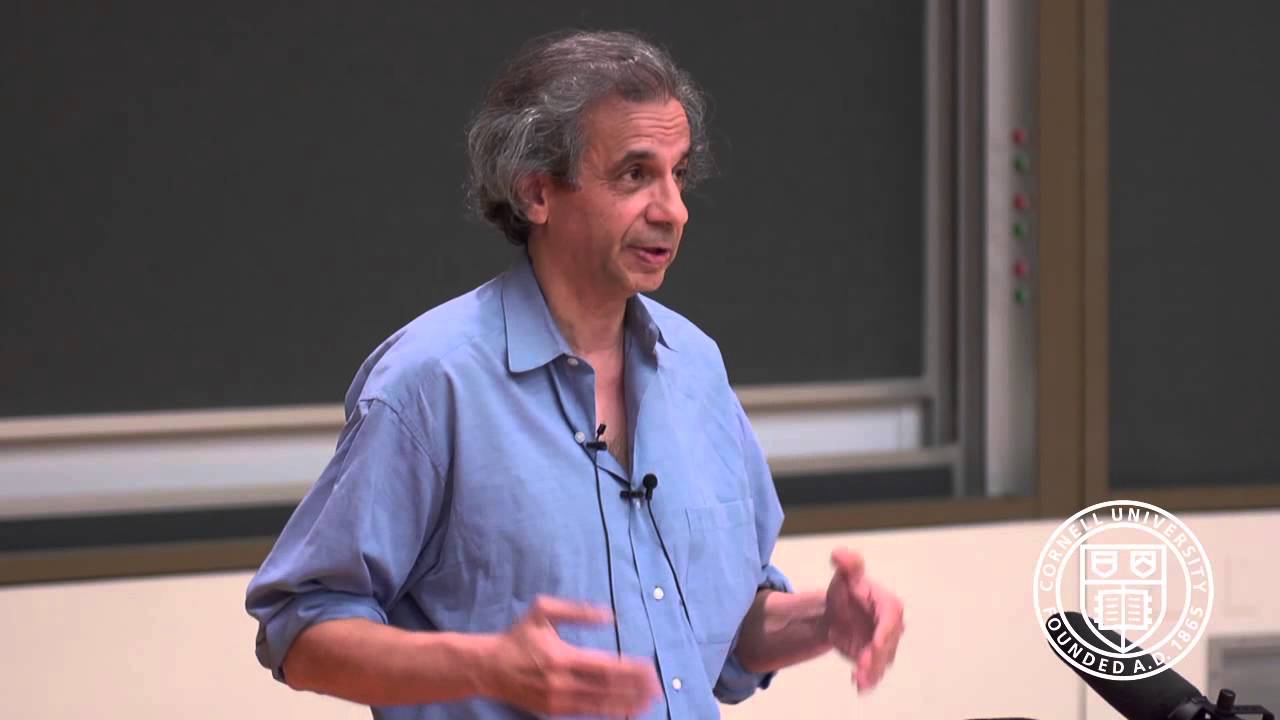






![[Full Session] Cannon's Class with KRS ONE | Nick Cannon](https://i.ytimg.com/vi_webp/wcxroujFPN0/maxresdefault.webp)
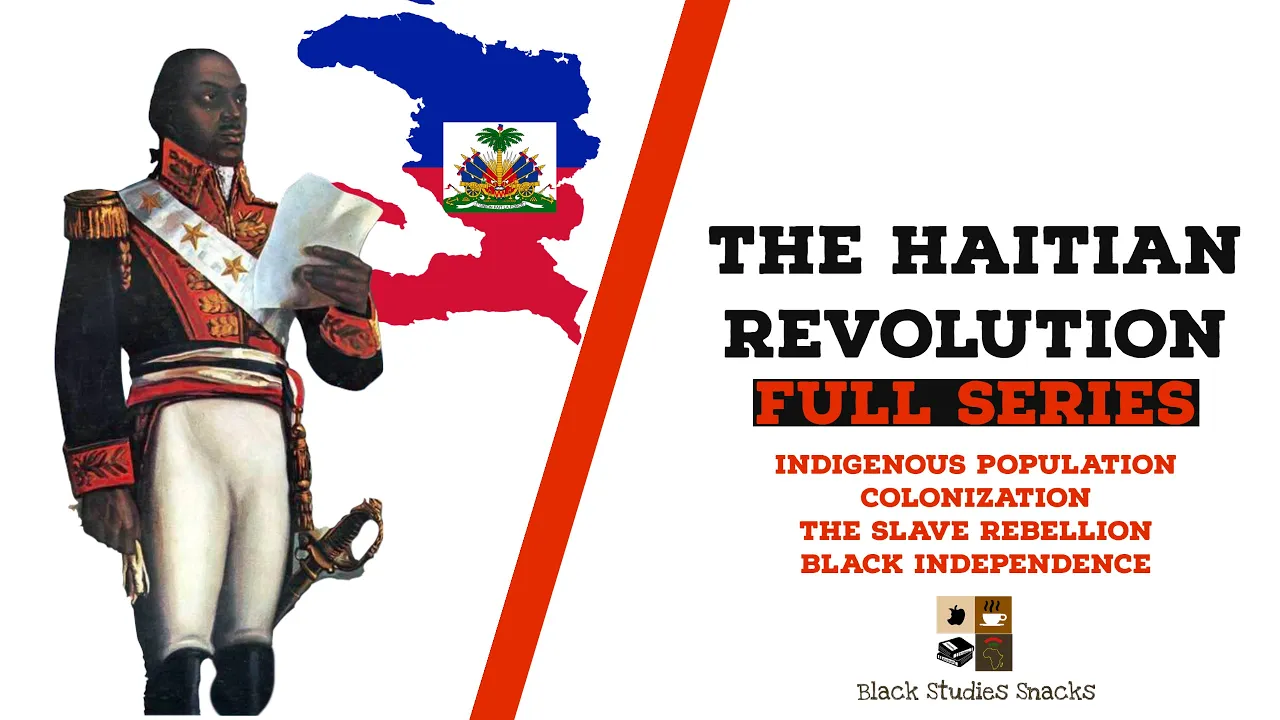




True leadership under impossible circumstances requires balancing mercy and forgiveness with strategic action; Toussaint Louverture's approach of preserving white lives and economic infrastructure during the Haitian Revolution, despite having the power to exact vengeance, ultimately proved more sustainable than radical approaches that destroyed Haiti's economic foundation and led to long-term national decline.
Toussaint Louverture: Grace and Leadership in the Haitian Revolution
Added:The social hierarchy and brutal plantation economy of Saint-Domingue (colonial Haiti) under French rule.
The ideals and global impact of the French Revolution (1789), specifically regarding human rights and colonial governance.
The basic concepts of the Transatlantic Slave Trade and the mercantilist system of European empires.
Enlightenment philosophy and its inherent contradictions regarding liberty, equality, and the institution of slavery.
The rise of Jean-Jacques Dessalines and the final, violent phase of the Haitian Revolution leading to official independence in 1804.
The economic and diplomatic isolation of early Haiti, including the crippling indemnity demanded by France in 1825.
The geopolitical repercussions of the Haitian Revolution, such as the Louisiana Purchase and its impact on abolitionist movements globally.
A comparative analysis of the Haitian, American, and French Revolutions regarding citizenship, race, and freedom.
154.2K views3.6Klikes1:21:31Original Release: 2025-11-06
[music] [applause] [music] Hi.
All right, we're in the auditorium.
That's cool. Um, all right. So, today's talk is uh grace and tolerance. And it's actually meant to be a series but a really short one. Um because well actually as I as this year has sort of unfolded I realized there was a theme.
Uh when Salomon and I were talking about this and the other people that were involved I don't think we knew there was a theme but there is. I figured it out.
It's what does great leadership look like? Now obviously it's just a snapshot and it was kind of random and it wasn't put together uh with enough intention to get like this uh comprehensive examination of great leadership but it's a it's a shot at understanding at least some examples of it. Um, and I wanted to do a talk on what it looks like when there's a really terrible situation, uh, a violent situation, and then the response is forgiveness and kindness and mercy. And so that's actually what this series is supposed to be about. It'll be short because most of the leadership in in the human experience has been awful, just terrible. It's easy to say when you live in a place that has fantastic leadership like the UAE, right? Because well, we're we're lucky.
But that's not the history of humanity.
It's not it's not a we're a species that's really complicated in part because we are capable of extraordinary things and at the same time we're really dumb and like we've put the two together. We can go to the moon but then we make really awful decisions. And of course part of that is the impulse to greed. And and that's actually one of the things that I'm going to talk about today is how the talk today is an example of a person who does something extraordinary under horrible circumstances, but it's also a warning. It's a reminder of bad policies and what they look like and how they can turn really wrong. So I'm I'm hoping to kind of straddle that and I don't know make something coherent out of this. Um, so the person I want to talk about is a man named Tusan Leveture. He was a rebel. He was a governor. He was a general uh for Haiti. Hyiti Ayiti. Uh, I'm going to probably mess it up and say it different ways each time. Haiti in English. The original population of the island called [clears throat] the island Hayiti. Today, uh, the people living there say Aayiti. Um, [clears throat] it's where Columbus, it's the third place Columbus went to in his first voyage.
He went to the island. It was populated by natives, native Americans called Tyino. They were a type of Arowak Indian. Uh, [clears throat] and then um he goes back to Spain. He wrote a letter to the queen because he knew it was going to take him a little bit of time to get to her before, you know, for the debrief purpose. And he said, "The Tyeno are the kindest, gentlest, most hospitable people I've ever met in my life. A few men with swords could make slaves of them all."
And so, for those of you who are confused, was Columbus an explorer? No, he was a concistador. Don't be confused.
There's no confusion here. He came back the next year, 1493, and he established the first permanent European outpost in the Americas. And that triggers, right, one of the greatest genocides in human history. Um, you're going to see different numbers on this, but probably in 1492, there was about 140 million people living in the Americas. So this sort of ridiculous notion that there was two empty continents and we got really lucky is truthfully the exact opposite of what happened. There were two totally occupied continents and then Europeans proceeded to genocide them. Having said that, they then some of them began to shift policy because initially Columbus enslaved the Tyino. Um I keep hearing the tyino are gone. They're not gone.
there's still a community of Tyino left, but they were uh nearly wiped out. Uh 90 plus percent were destroyed. And as the Europeans were crushing the native populations through slavery, they then began to shift to African slavery.
So, uh Columbus renamed the island Hayeti. He renamed it Hispanola, right?
Because he's like Adam in the Garden of Eden. He can just rename things. And [clears throat] uh and then when the Spanish kind of reconsider how they're going to run the island, they rename it Sto Domingo.
And then the French come along and they they took an island just north of it's part of Haiti today. It's just north of the island called Tortuga. And they were actually using it as like a brigand outpost. They were doing piracy and lots of illegal activities. But then as time went by, they sort of normalized their activities. And eventually they talked the Spanish into giving them the western edge of the of the island, the western 25% of it, really just the coastline.
And then they they called it uh Santomang, St. Dominic, Santo Domingo, Sandang.
Um, interestingly enough, today on that island, it's still called Hispanola.
Columbus's name was revived and so he won in the end. But the western end is the Republic of Haiti. So, Hyiti survived. And on the eastern end is the Dominican Republic as in Sto. Domingo.
So, all three names are still there in some way.
So, uh, [clears throat] the reason why this story ends up being an important story, I can tell some of you are like really tense like where is this going is because the colony became a fabulously wealthy. By the 17 by 1780, uh, Sandang was the wealthiest colony that the Europeans had in terms of, uh, not in terms of GDP size, but in terms of profit. the profitability from the the colony was through the roof even though it's a really tiny colony. And the way they did it, of course, was through slavery and the production of products like coffee and sugar. And to do this talk right, what I really need to do is have two like preliminary talks. One about the French Revolution and one about slavery. Uh this isn't the forum to do the slavery one. mostly because the museum of the future has such an optimistic view of the future.
It's I don't I have a very negative view of the future. I think this is going to end very awful for all of us. Um but I like being here because it helps get me out of that space and I feel like I get more dopamine when I'm here than when I'm actually thinking about what I think's going to happen. So I want to keep it that way. So, um, but but I I have to say probably whatever you think happened in modern slavery, so slavery since 1492, it's probably about a thousand times worse than what's in your head. It was one of the most cruel institutions ever, ever devised by humanity. It's not the same as ancient and medieval slavery. ancient and medieval slavery.
The goal there was to own a person who would then take up some of the mundane tasks in life, right? The goal was to just sort of I'll have somebody cook and clean for me. I'll the you know, I'll have somebody do the the labor that I want to be freed from. Modern slavery was capitalism set ablaze where my goal is to extract as much labor as I can from this person to the point where their death means nothing to me. I'll just buy another slave to replace them.
And it was a system of deliberate terrorism and cruelty. So we we actually need two words like we have a word hill and then we have a word mountain. We really need two words for slavery. One for medieval and ancient slavery and then one for what we did in the modern period.
Having said that, uh, Santomang by, uh, the 1780s ended up with a population about half a million slaves and about 40,000 mixed race people and then about 30,000 whites. I'm going to use the term mixed race because I just don't want to run into the uh like, oh, he used the term that offends me thing that people do. Um, so we're just going to go with mixed race. Um, that population actually had multiple classes. So I want to talk about the classes real quick because it's there it's complicated, but it's a little bit necessary so you have a little bit of sense of what what's going on. So there were free blacks on the island. There probably 10,000 people were free blacks. Those free blacks, as a general rule, tended to be welloff.
There were two types of free blacks.
There were the ones born on the island and then there were the ones who came as slaves and then earned their freedom later. Um, and they didn't always see eye to eye, but as a general rule, they were willing to work together because they saw themselves as different from everybody else, including the slaves.
They they were in their own category.
Some of them even owned plantations.
Some of them even owned slaves. In fact, we're going to talk about one of those guys at some point. [snorts] Then there were the mixed race guys. The mixed race guys, as a general, by the way, it didn't matter how much black you had. Any black made you mixed race in in franchise. There were two basic groups because it was up to, let's be honest, 90 plus% of the mixed race uh people living there were the product of a slave master and a slave.
So it was really at that point then up to your dad what happens to you. And some were enslaved, some peop some put their children into slavery and some freed their children. There wasn't a fixed rule on that. [clears throat] Um, by the way, just just for the record, it's no different in the United States.
So when Thomas Jefferson when Thomas Jefferson's wife passed away, he picked up a relationship with Sally Hemings, a slave on his plantation. Um, [clears throat] Sally Hemings was the halfsister of his wife, because they had the same dad, and her mother was uh also the product of a slave master relationship. So Sally Hammings was actually only one quarter black. And so Thomas Jefferson's children were 1/8 black, which right, they probably didn't present as black. They probably presented as white. In other words, if you walked onto the plantation, you would have seen folk that looked white but were slaves and were in fact Thomas Jefferson's own children. How how weird is that? I just like what the heck is that? I just can't push some of this through. Like racism is really a powerful force. It it motivates the weirdest stuff in people. I I'm I'm always bewildered and baffled by it.
It's profound and it everybody has it because I know some of you are in here are thinking, "Oh, I'm not a racist."
Nope. Sorry. That's not how this works.
Everyone has it. And it's in part because of the way we've done implicit bias.
So it's it's built into us. I don't care if you're brown, white, or black. It's built into us to see white supremacy everywhere. And as a result, there's aspiring to whiteness and there's sort of just sort of this implicit bias thing that we do when we interact with white people. As a white person, I get white privilege all the time. And I notice it and sometimes I use it to my advantage.
Uh my wife will on occasion go, "Roy, I need you to white man this." and I I will jump in there and I will manipulate the situation in a really gross obscene way and feel bad later.
[clears throat] It's terrible, but that's the reality of the world we live in. And you should try it sometime. Uh get nursing shoe polish, right? Nursing shoes are white and uh lather up and walk out into the public and check it out. It's It's amazing. It really is skin color. It's bewildering, but clearly it's also not because here are these people who don't present.
So, it's complicated. All right. So, um then there's the whites and they're basically split up into two groups. The Oh, the the mixed race. I almost use the term that I know I'll get hell for online if I that's my preferred term. But anyway, uh the mixed race guys as a general rule tended to be quite wealthy. They owned plantations. They frequently owned slaves. Many of them had gone to school in France and had French educations. So they they they represent a wealthy strange kind of category on the island.
And then there's the whites. There's the Gromb Blanc, the big whites. The Gromb Blanc are the plantation owners. They're the government bureaucrats. They're the guys in charge. They're the ones running the show. They're filthy rich. Um they send their kids back to France for school.
They're operating on a different level from everybody else. The petite blanc, the small whites. Aren't Aren't the terms amazing? What are you? I'm I'm a small white.
>> [clears throat] >> They are as a general rule what we would think of today is the lower class and the middle class. Um, and I don't want you thinking like middle class 1970s US where there was actual wealth in the middle class. I mean like the middle class today where people can't can't function anymore. That middle class where everything's just falling apart and they're like what do I do? Uh, start voting for better leaders would be my first suggestion.
But that would require an education system that functioned. Um, so [clears throat] those are the main major classes. That's actually more complicated. Okay, there's one more group. There's the maroons, the browns, but I like maroon as like I like the English like the the red. It's better.
That's what I envision. I don't envision brown. The maroons were a mix of Native Americans, blacks, mixed race, and whites. And for whatever reason, they had sort of grouped together and were like a brigand force on the island. Uh they tended to do a lot of outlaw stuff.
[snorts] Frequently it was, you know, whites trying to just get away from dead or uh they're sick of civil society or whatever escape slaves.
Um and then what was left of the tyino population fighting it out. I think the I I'm probably totally wrong about this, but I think the largest tyino population left in in the world is actually in New York City for some reason.
I I'm probably just totally off. It's probably in Puerto Rico or Dominican Republic, but I I know there's still an existing teno population, which also gives me hope. Like they're ground zero.
They The reason Columbus wanted to enslave them is he gets off the boat.
So there's three ships. Columbus has three ships. The flagship is the Santa Maria. It's named after Jesus's mother.
It hits a coral reef, gashes open, and sinks. They they don't teach you that in the history in the history classes, do they? That the Santa Maria sank.
How's that not like a Oh, right. The mother of Jesus, the ship named after her just sank. Like why didn't that set off the religious fundamentalist alarm bells of I'm find symbols in everything and meaning in everything? I I would think that would have been a real freak, but anyway, they were like, "Oh, okay." Anyway, uh they they get to shore cuz the tyino saved them. It's like, "No, you get into a time machine, you run over to Tino. I know this sounds terrible. I know you hear their screams and it's freaking you out. It's okay.
Let them drown.
[clears throat] Trust me, it'll work out better. Um, anyway, they they row out and save the crew. And you're like, "What about the other two Spanish ships?" They were waiting for Columbus to die because if he dies, they get credit for the expedition. So, they just parked their boats and watched. They're like, "Oh, listen to their screams."
Anyway, the tyino rescue them. They get ashore and Columbus is looking at the ground and he reaches down and he picks up a rock and he goes, "This silver."
And then he picks another. It's silver.
There's just silver all over the shore.
He just pick it up. Isn't that crazy?
And then he looked at the tyino and they're all like wearing silver jewelry and he's thinking, "Oh, I'm coming back here with some musketss and some swords."
Anyway, so 1789, it's July 14.
something goes sideways in France, there is a revolution.
Now the reason the revolution started was be it was a bourgeoa revolution. The the French economy was stalling out and the bourgeoisi decided they were done.
One of the things they were done with was corrupt bureaucrats. Another thing they were done with was the tax system.
Each province had its own tax code. So if you were taking goods from Shabuk to Ma, you had to go through all these different provinces along the way.
you're you're having to pay taxes to nobles who were doing a bunch of nothing. And the bourgeoisi is like we can't make a profit. So they launch a rebellion.
Before they know it, the this rebellion creates uh [clears throat] uh a new government, right? The general assembly. And in the general assembly, there happens to be two mixed race, two mixed I almost did it. I'm gonna do it before the night's out. Two mixed race Haitians who are uh o gay and Raymon, you don't really know, but since I mentioned [snorts] them, they're like, "Oh, isn't this something? Why don't we work really hard to see if we can get the mixed race guys real rights, like rights as white people?" One of the reasons both men want this is they had these fantastic educations. They presented as white. They were like 1/8 black, 1/16th black. And so in their minds, they don't understand why they're being discriminated against just because they have this one black ancestor. And so they get in there and they start rallying for this.
And there's a little bit of support, but not enough. And they end up going home.
But what without anything but what they did was they planted the seeds for the radical left in the general assembly and the French Revolution because they start to ask that question, yeah, why are we so racist? What is this about? What makes that person different from me?
They look like they're just another laborer. They look like they're just another rich person. I don't understand why I would treat them differently. And before you know it, there's not just a conversation about them. there's now also a conversation about the slaves.
Now, for the record, those two guys didn't want there to be a conversation about the slaves. They they were happy with slavery and they wanted slavery to go on.
And so, in a really weird way, they accidentally opened up a bigger, broader conversation that they never intended to have happen.
They get back to uh [snorts] Sandang and they're they start working with of all people a mixed race guy from the United States who had participated in the American Revolution and they actually launch a rebellion in 1790 with a [sighs and gasps] milah is what the Haitians use. That's the term they use for mixed race people.
It's just so much more elegant than mixed race. So, I'm I'm going to try and do Mila as the the compromise and please forgive me. [snorts] Um, so they do [clears throat] this rebellion and it's put down. It doesn't go anywhere in 1790, but it expands the conversation back in France because now people are like, "Oh, did you hear about this this Mila uprising that took place in Sandang? What are we doing there?
We're making all this money at the expense of these people that that are being brought in and cruy work to death so that we can have pastries with sugar in it.
Right? Think about what what we're talking about here. We're destroying people's lives, bringing them across the Atlantic so they can grow sugar so you can have a sweet later.
And people start to go, "What are we doing? Why are we doing this? this isn't right. H how does this make sense?
And as that conversation takes place, word gets back to San Dang that the peasants in France have jumped into the re revolution. By 1791, they've realized that okay, there's something going on here. This is a chance for us to expand our rights. And they joined the bourgeoisi and they became allies because they felt they had common cause.
When that word gets back to Santa Mang, a group of men get together. One of those men is a guy named Duty Bookman.
Bman was from Senagambia. He was a Muslim. He had been brought over to the British West Indies, but then eventually sold into slavery in Sandmag.
And he becomes the leader.
There's another guy named Jano, another guy Jean Fron Francois, another guy named Basu. And those become sort of his his lieutenants. They're the they're going to be the three leaders underneath Bookman. And then there's a fifth guy.
His name is Tuson. Tus Brada.
Tusome Brada is trying to avoid leadership at this point because Tuson is trying to figure out where this is going. He's nervous this is another 1790 okay gay and then it you know this is going to lead to just some deaths and nothing will turn out turn out to come from it. But there's something else that he's really worried about and this is why I want to talk about him. He's worried about what happens to the whites.
If we do a slave uprising and we have half a million slaves, what happens to the 30,000 whites?
That's to me an extraordinary moment.
So, we need to talk about Tucson's life just a little bit. His parents were brought over from West Africa.
Uh they were enslaved. Uh when he was born, he actually didn't learn French initially. He learned fun and then he learned Creole and then he started to learn French. He could read, but he he didn't learn to write until much later in life. So he usually dictated his letters. Um, and when he did write, he wrote like he was like he was writing Creel. He just sounded it out. And anybody who knows anything about French knows you can't sound it out, right?
That doesn't make sense. You [snorts] will not spell anything anywhere close to being correct. Um, so he said in 1796, which is quite a few years later, right?
We're we're talking about 1791. So in 1796, 5 years later, he said, "I had been free." He's telling another person this, "For more than 20 years." So for years, people told his story saying that he was a slave up until the moment up until 1791.
But we've gotten a hold of government documents from the colony. And then with his statement that he had been free for 20 years, it looks like it's pretty clear he was actually freed sometime between 1771 and 1776.
So by this point, he's been a free man for 20 to 25 years. He's like 48 years old in 1791.
[snorts] And uh he's actually on his second marriage. His first marriage ended because he ended up financially ruined.
So what Tucson did when he got his freedom was he actually went and rented a plantation and then went and bought slaves.
Interesting. And put them on the plantation, began working them. The slaves he bought included his wife and her family members, his family members, because this is a way to free them, right?
If he buys them and puts them on the plantation, he can just treat them like human beings. They'll work for him, so he'll get labor from them, but now it's like a commune, right? He's not really the master anymore. He is legally, but he's treating them like human beings.
And they're working together in a cooperative. And he'll end up with uh a guy named Deseline. And anybody who knows anything about Haitian history will go, "Oh, that guy." And there's another guy named Kristoff. He ends up with these really big names that are going to really matter later on in he owns them. He's their master, but he's trying to work the system. And at some point, his plantation falls apart financially and his wife leaves him. He had I think he had three kids from her.
He then goes back to his old plantation and he starts working for them as a paid worker, but he brings his slaves with him. He doesn't abandon them and so they work for him on the plantation.
Is that amazing?
and he's trying his best to make the best of the situation that he's in, which is a really terrible situation by all accounts because of the kind of cruelty and suffering, right? Desoline uh his back was riddled with whip marks.
He was canankerous and not very obedient slave. So, he tended to get in trouble a lot.
So in 1791, as this revolution is starting to happen, Don sits back for a whole month, what is he doing? He takes the overseer for the plantation and his family and hides them in a cave and feeds them and takes care of them and brings them the supplies.
And then when it becomes too dangerous for them to stay, he helps them get to the United States and he actually sends them money the overseer, the guy who was running the plantation when he was a slave, his priority is to take care of that family.
I I can't comprehend that. Like, why wasn't his priority ah now's my chance for vengeance? Remember that time you whipped me? Somehow Tuson sees the humanity in the other side and cares about them.
So um as the revolution is going on, one of the the four leaders, Jeano, turns out to be really cruel. He's doing the vengeance and he's indiscriminately killing white people. They kill him. The slave leader like, "Nope, that's not us.
That's them. We're not going to do that." And they kill Jano and they stop him from exacting vengeance. And then his troops just join the other units.
And then Tucson jumps into the revolution and becomes one of the leaders. Bookman dies just three months into the revolution. The French are thrilled. They're like, "Ah, we got him." And they cut off his head and they put it on a steak and advertise the death of Bookman.
And at that point, the three leaders are trying to figure out what to do. Tusan Basu technically Tuson works for Basu uh and uh Jean Francois and they're trying to figure out what to do and they start asking themselves a series of questions for example do we care about the revolution going on in France and they conclude they don't care about the revolution going on in France which is an interesting conclusion to come to decide they're royalists and they're on the other side they're on Louis the 16th side.
They also decide that they're not necessarily loyal to France. So they go over to Santa Domingo and they join the Spanish army.
Tus has 400 men by this point. It's 1792 and it's all three races, mixed race, whites, and blacks working for him. He's got free blacks. He himself was a free blackhead. Former slaves.
Same with the mulattoos. I said it. I knew I would.
Anyway, whatever. You can give me your hate later. Same for the milah. That's what I meant to say. Um, and [snorts] and then of course there's whites who are fighting for him, which is extraordinary because it means that the whites who have now jumped in and are fighting for him are also seeing something in Tucson that's different because he's somehow not letting this turn into a race war. Even though he's not the commander, he's not the guy in charge. At one point there's a group of prisoners. They're negotiating with the French trying to work out a deal and there it doesn't work. And BSU is like, "That's it. I'm killing all our white prisoners." And Tuson runs to him and begs him not to do it. He goes, "No, no, no. We can still use those white prisoners. We'll exchange them. Please don't kill them. We shouldn't do this.
We shouldn't become those guys."
So that's 1792.
In 1793, the there's a group of commissioners, three commissioners who come from the uh France becomes a republic in 1792. In 1793, they send three commissioners to take over the island. And one of the guys is a guy named Sonax.
And besides having a really cool name, Sthanax is a radical. He's married to a black woman and he hates white people even though he's white. and he thinks that the source of all evil in the world are white [laughter] people.
And he comes over and he's filled with revolutionary fervor. And he's like, we I whatever I have to do to free black people, that's all I want to do. That's my entire objective. And Tucson's like, okay.
Uh you're a little radical for me, but we can work together.
Maybe he's Tucson's still working for the Spanish, and he's skeptical. Sthanox declares in 1793 without the authority to do it that he's freeing all the slaves.
And so at that point the French the Republic of France is starting to draw the attention of of Tuson. He's not sure but he's thinking about it. The next year early on in April, Tusan actually attacks the Spanish position. What this what Tusan had done was he had cut a hole through the French colony to the water. He just cut the French colony into for Spain and he's running it and then he brought Spanish soldiers and garrisoned up the towns in April 1794. He attacks one of the Spanish garrisons, takes it out and of course the Spanish are like who did that? And they start to think it it looked like Tucson's men and it was Tucson's tactics, but he wasn't there.
And he denies it. He's like, "No, of course I Why would I do that? I'm loyal to Spain. I'm working for you." And then uh on May 18, he admits it. He did it.
He's like, "Yeah, that was me."
In July, he switches sides. He comes over to the French because the French now um the national convention, right?
because now we're on uh the [clears throat] general estates, the national assembly, now we're on the national convention, we're on the third the third government.
So 89, it's 93 by the time we get to the third government. So in four years, that's that's not great stability. They have declared that slavery is done in 1794. So Tusant comes over. Basu and Jean Francois refuse to come over. they stay with the Spanish and and Tusan's going to end up fighting them. Um, Tusan actually had been fighting a French general named Lavo. And after he comes over and he goes up to Lavo, not only do they make up, Lavo actually makes him one of the commanders in the French army. So Lavo sees in Tusan talent and he realizes that he's operating in a different level. And so now Tusan is actually actively working for the French. And it's a really complicated situation, not just because of the Spanish, but because of the British.
Okay, so you have probably been taught that the British after they lose the colonies, the 13 colonies, they go, "Why are we doing this slavery thing? It's awful." Oh, and they found their humanity in this great moment and they jettisoned slavery and became the champions of abolition. Yay. [sighs] Anyway, so I'll tell you the real story.
The British lose the 13 colonies and now they're like, "Oh, well, we'll still make a bunch of money selling them slaves because, [clears throat] right, they're the British were the number one slave traders." And then they noticed something shocking. How much money the French were making making out of sand domain. And they began to realize if they ended slavery and slave trade, they would destroy France's ability to make money in Sandang. And you got to remember just a few years earlier in the Seven Years War, which lasted nine years, 1754 to 1763. It makes you wish they had phones back then. Um, in the Seven Years War, after nine years of fighting, the French lost new New France and Canada. They lost a huge chunk of North America. The British thought that was it. And now all of a sudden there's San Danga and they're like, "Wait, what? No, we thought we already took the French out. How do we take them out?" And then they go, "Oh, let's get rid of slave trade. It'll that colony." So they become fierce.
You know, there's a whole section in England that's fiercely proposing abolition. And in fact, they're even coming over to France and talking to the revolutionaries and going, "Well, while you're doing this, why don't you do abolition?" And that's one of the one of the reasons why it it happened so quickly. 1794 is really quick when you think about it, right? The French dumped dumped slavery at five years after the revolution started. [snorts] So, um, [clears throat] the English decide they want Santomang.
They're going to try and take it from the French. So, they're trying to figure out what their leverage is. So, here's what they think their leverage is. A bunch of people left. A bunch of white people left. Uh, probably half the white population just simply left. They decided there's no point. They were the So, they're the immigr. Some of them, most of them went to the United States.
Some of them went to France. Some of them went to Jamaica. Some of them went to the British West Indies. Well, the Brits go to them and they go, "We're going to try and take Sandang.
We'll reinstitute slavery."
All of a sudden, Pit the Prime Minister and the Secretary of State of War Dundas are anti-abolitionists because the English didn't care. That was never their issue.
Now their goal is Sand and they they invade and they conquer the coastline.
So the Spanish have a little chunk of the east, the British now have the coastline and the French are basically trapped, right? They can't send reinforcements. The British Navy will try to intercept those reinforcements.
And Tusan is now fighting for the French, fighting for Leavonne. He's slowly creating stability. He's slowly defeating British outposts. He's driving the Spanish out. Finally, in 1795, the Spanish quit and a peace treaty is signed with them. The [clears throat] British aren't interested in giving up.
Not yet.
They keep they keep working on it and struggling and uh by 1798 it becomes clear that they're not going to win the island. And so in 1798 the British general Maitelland comes and signs a a deal with Tuson and ends it. The deal is that even though Britain and France are at war with each other that Sandang will trade with the British. So even though it'll stay in the French the Republic of France, it will be an open trading place for the British and by the way for also US traders. And Tucson's like yes because Tucson understands something really interesting.
He believes the only way that Sandang can have a future is if it has a strong economy. He believes in trade.
So during this time period, he's actually enforcing the plantation system, but there's no slavery. So what he's done is he told the white plantation owners, you guys understand economics.
You know how to make this work. You're you have the training, the knowledge.
You know the people in France we need to trade with. You know the Americans we need to trade with. You know the British we need to you you have the information.
We don't know this. we don't have that information. We need you to make this work. And by the way, the same for the the mixed race people as well. He's telling them the same thing. We need you to stay where you are running the plantations in the bureaucracy parts of the government. Don't leave.
But there's no more slavery. There's no more whips. And the laborers get 25% of what they generate. So if they make 100 Franks, they keep 25 Franks, but think about it. The plantation owner gets 75.
It still feels like a capitalist dream.
And then he makes you ask the question, wait a minute, if if they're keeping 75%, actually they were keeping 50% because 25% went to the States. If they're keeping 50%, what what did they want prior?
They wanted 90. like what was why is slavery so much better in that circumstance?
It seems like a really dangerous thing to try to hold on to. It seems like they just got lucky because of Touson that a normal population of people who are a normal leader would have just murdered them all. Like they weren't just messing with the lives of the slaves, they were risking their own lives to make candy.
Talk about loss of perspective to put sugar on a in a cookie or something.
[clears throat] So, Don wants to create the stable system and he pulls it off. By the way, Sonax leaves, he goes back to France and then he comes back.
Um, Lavoa eventually makes Tusan his lieutenant governor. And of course, because of Santanox's radical position on whites, uh, Tusan's like, I need I need to work with him because he's workable. Tusant said that Lavo was actually a friend of his that they they actually became friends. Um, but he doesn't trust Santak, so he's always keeping him at arms length. Um, he's keeping him at arms length. He's sort of controlling him, but he's useful because he he's such an ally of Tuson and the two get along great until an incident. So, and we don't really know if the incident is true or not. According to Tong, so one person Sonox went to him and said, "Look, there's and it's totally believable knowing Sonox's personality, but there's no evidence to prove this.
Look, the only way we're going to ever get it so that Stomang is truly free is you needed to declare independence and break away from the French Republic.
And when you do, murder all the whites.
And Ton went, "No, that's nuts. We're not doing that." And so he actually decides to take Sonax out politically.
uh Sonax got elected uh to be a representative for Sandang and Tuson goes to war with him politically until he drives him out of the country and sends him back to France. Tuson isn't just capable of running a military unit.
He plays politics and he's ruthless. Once he sets his mind on something, it's going to happen. Once he decided something had to go, he took him out and there was nothing anybody could do to stop it. [snorts] Unfortunately, the the wind is blowing in a different direction in France and things are starting to go in a reactionary way. Um, you know, just to put things in perspective, there was about a month where Jeano was doing the vengeance killing and he probably killed a few hundred people in his vengeance.
From 1793 to 94, it's the reign of terror where the French have pulled out the guillotine and they're just mass executing people with the guillotine.
They they killed I think it was like 2600 people that were tried and found guilty, but then another 10,000 weren't even tried. They just guillotined.
So one of the things I think we tend to do is when we see the people who are oppressed, the people who are fighting for their liberation, when they do something horrible, the Jeano is a terrible person getting vengeance, we get more offended than when we see white people do it. So I want to just sort of bring that to your attention. what the what the French are doing to themselves makes what the free blacks did look like a picnic. It looks like a a nothing event. And then when you consider the century and a half of cruelty that the French inflicted on that slave population, then you realize, oh my god, who are these slaves that they're responding so gently to the white population?
And then you realize this really is a special moment. It's an extraordinary moment.
In my imagination, after 150 years of unmititigated non-stop cruelty, you would have expected just an outpouring of blood and vengeance, and it's not there. Instead, they're trying to figure out how to run the economy. They're having a really sophisticated conversation with each other. Should we stay in the Republic of France or go independent? Are the British to be trusted? No. Under no circumstances. We have to fight them and dig them out of here. France is a better bet is what they conclude. And of course they conclude that the Spanish aren't any good either. It's it's gonna have to be France. That's their best chance. But in part because of the rhetoric of the republic fraternity.
What is it? Fraternity. Libert. I screwed it up, didn't I? It's Liberte's first. Well, anyway, it's beautiful language. And of course, France is the first country on earth to switch to metric. And they changed the names of the months and they were really cool names. Unfortunately, they switched back and now they have lame names. But the months did have cool names at one point. And the art changes and the religion changes. The French went secular. They dumped the Catholic church. They said, "We're not doing this religious stuff anymore." Like two song I said he had two marriages. He never got divorced. They were Catholic.
There's no divorce. to just bye and I'll do a wedding ceremony and be married to a second person at the same time. I don't know.
[clears throat] Anyway, so 1799 rolls along.
At that point, Napoleon Bonapart, the Italian from Corsica, has secured his position in the French Republic.
And I don't know about y'all, but I'm not his biggest fan ever. [laughter] I get that there's something really attractive about a narcissist who goes on a rampage.
uh his rampage lasted 17 years.
And you know, there's also something remarkable about an a guy who does own Madrid and owns Moscow at the same time and pretty much everything in between.
Like that's not nothing. But having said that, the Russians then burnt Moscow and he got 5% of his army back. 95% was destroyed. And then he went to the French people and said, "Can I have another?" And they went, "Sure."
And they gave him a new army and he continued a rampage.
And then he gets sent to Elba.
And then he escapes because they send him with 2,000 of his best men. And they capture a ship and go back to France.
And he rampages for another year.
And then they send him to St. Helena to die. And they did poison him. His his body has been exumed. He said over and over again, "I know the British are poisoning me. I know they're poisoning me. Please stop poisoning me. I can't do anything. I'm in St. Helena. And they killed him slowly through poisoning.
Anyway, that guy in 1799 declares there will be special laws for Sandang.
Special laws.
Of course, nobody knows what those special laws are. Every black person heard slaveryy's coming back.
That's what they are. Special law. What is that?
Uh he's going to bring slavery back.
He's the the commissioner that comes is a guy named Aduvil. Aduvil is his goal is to bring slavery back.
End the story. Napoleon is writing Adavil orders. The orders are to mass arrest the entire leadership of the black army. So, Tusan, Deselene, Kristoff, Moyes, the whole top of the armies to be mass arrested and sent to France where they will be put in a prison and slowly killed in the prison.
That's his goal.
Advil realizes there's a break inside Sandmag. There's a there's a weak point.
And the weak weak point was so in the north there was um mixed race guy stopped it uh named uh Villet and Villet didn't like to song and Villet was not a fan of black people either which is a lot of self-hate and so he he wasn't sure he wanted to support this you know slave emancipation and he controlled the north Tusan didn't like him. There was another guy named Riod who was also mixed race, but he and Tusan got along great and Riod didn't have those racist feelings. And so Tusan had actually leveraged Reod into that position and they took Vlet out. But Aduil realizes that that's actually the weak spot for for um Sandang. It's the relationship between the black population and the mixed race population. So he starts working it and he's playing this tough political game and eventually he peels rio off of the revolution and it creates an event called uh the war in the south or the civil war and Tusan ends up having to fight this guy and fight his army. He defeats him and he unifies Santa in that moment. So think about that point where the where they finally unified Santa.
There's not two leaders, you know, a mixed race and a black. There's just one leader now. He's the governor.
So he he starts a revolution fighting the French or the Spanish. He then defeats the Spanish. He then defeats the British. He then fights a civil war.
He's won every step of the way. And every step of the way on the other end, he shows mercy. BSU and Jean Francois who stayed with the Spanish when the when the Spanish surrender, they they've lost their commissions. They move to Florida.
The soldiers that were fighting for him go to Tus and they're like, "What do we do?" And he goes, "You join me." and he brings them on board, officers and soldiers alike. He forgives all of them instantly. There's no punishment.
There's no purging of the ranks. He just goes, "Yeah, yeah, everything's forgiven."
His overseer, his name is Liberta, who ends up in in the United States. He tells him, "Come back. The French government had said, "If you're white and you left Sandang, you're a traitor. Don't come back." And it's It actually pits Tucson off against Sonax because Sanax discovers that Tucson's trying to bring this immigr back and he's like, "No, he's a traitor." And it's probably one of the reasons Tusant took him out because he wants those guys back because he forgives everybody. He's like a habitual forgiver. He doesn't care what you did in the past. It's gone. Now is the time to build the future. That's his his attitude. That's all he thinks about is where is Sandang going to be in a few years? That's all he thinks about.
[snorts] So Napoleon announces he's going to give Sandang a new constitution.
It's 1801. Tonkos. Oh, that ain't good.
Okay. So he brings his leadership together and he creates a commission of six guys and he says, "Write a write a constitution." And they go, "Okay." And then he dictates it to them.
>> [laughter] >> Oh, let me tell you what the first line is going to be. Oh, and the second and the third. And when he's done, he's created a monarchy.
He he creates a constitution that will have one leader who has absolute power and it will be hereditary. Well, it doesn't have to be.
He gets to pick his successor.
And the commission is actually really freaked out at the end. They're like, "Wait a minute. where how do the French how is this still a French colony? What where's the French officials who are going to be part of your government? And he goes, they will be here to advise me.
And they're like, "No, the French will never accept this. They need they want you to be the governor. They'll want to have three commissioners, you know, like Aduil and Senax and R and Lavo, these guys." And he's like, "Yeah, they'll be here and they can give me advice and I will listen to it because I listen to everybody."
And so then at that point there is a white general who was working for Tuson.
Loved Tuson. His name is Vansong.
And he tells Vansaw, "What I want you to do is I want you to take this constitution to France and pitch it to the French and show them what an amazing constitution this is. I want you to really sell it." And Von's like, "I can't sell this thing." He goes, "You're my man. You're going to do this. Go."
And while and he said, "I I promise I won't implement the constitution until the French government says yes." And while Vanson is heading to the port, he implements the constitution.
Vanson gets to the port and discovers the Constitution's been implemented.
He's furious, but he's loyal and he loves Tus. He gets on the ship and he goes to France and he he presents it to Napoleon. Napoleon's furious and ironically sends him to the island of Elba to punish him, which will then happen in Napoleon 13 years later. [snorts] Von gets off the island, goes back to Sandang, and tells Tusan, "It wasn't well received. [laughter] I was literally imprisoned because of you." And Tusan's like, "It's all right.
hugs him and they carry on [clears throat] and then word reaches to song that Napoleon is sending an army.
So up until now I think I've painted a portrait of a guy who's pretty amazing like I think one of the most brilliant leaders the world has ever seen. His relentless non-stop mercy and forgiveness is in a category that just he deserves a some kind [snorts] of a war.
But he's about to make a catastrophic mistake. Instead, he's he has been preparing the island to defend it. In fact, here's what he does. Um, in 1801, he asked Napoleon for permission to invade Santa. the Domingo, the Spanish threequarters of the island, because you know it'll it'll make France more powerful. And Napoleon goes absolutely not because if he owns the whole island, it makes it that much harder for Napoleon to send an army to conquer it.
So then Tusan goes to the commissioner room and he says, "I'm going to invade Santa Domingo. You need to just figure out how to make it make sense with with the French Republic because it's happening." And Room's like, "Please don't do this. I'm begging you. This is nonsense. You're just going to make Napoleon mad." And Tucson's like, "No, no, it's already I've already made up my mind. You saw the Constitution, right? I'm I'm an absolute monarch. This is already happening. This is a done deal. I just need you to make it right." And so Room's like, "Okay." And he packs up and he gets on a ship and he heads to France. And he when he gets to France after trying so hard to convince Tusan that this was an awful idea he spends his whole time trying to convince the French this was a genius idea and of course Napoleons liv it can't believe this by the way Santa Domingo goes down instantly like the Tucson shows up and they surrender.
Tusan puts his brother Paul Lovaturure in charge. Oh I I think I introduced him as uh Tusan Brada. He changes his name to Lovaturure. The opening.
Uh there's lots of speculation why. I just I'm not sure. I I there's something beautiful about the name like the opening. The only thing I can say is I I think he thinks that he's doing a new start for a new thing and so he sees this as an opportunity. So he took the name, but we really don't know. Um, one one of the hypotheses is that whenever he would go into battle, he would make a hole in the other side's army. And so there's an opening. Um, that seems silly, but it's true. It's what he would do.
Napoleon is going to send this army.
It's going to be led by a guy named Cler.
Uh, Llair's right-hand man is a guy named Roshambo.
And it's 20,000 men. This is a big force.
And the reason why they can cross the Atlantic is the French and the British have just signed a peace treaty a few years earlier. So the British aren't going to stop it. They're going to let this this expedition go.
And Tusan did. He had a professional trained brilliant army. There's no two ways about it. And he had his commanders set up in forts.
But he didn't expect the full level of treachery that Napoleon was capable of.
I he just couldn't comprehend that the Republic of France would backstab the revolution and would try to bring back slavery. He couldn't comprehend that Napoleon w was ready to completely abandon and betray the revolution, which of course he did, right? I think people were shocked. I mean, Beethoven was shocked. He wrote a symphony for Napoleon and when he discovered who Napoleon was, he renamed it.
[clears throat] So disappointing.
That's narcissists will break your heart every time. And we fall for them every time. What is wrong with us? Like geez, come on. Read some history. [laughter] [snorts] Anyway, because of Tucson's trust, he's messed up a couple of things. One of the things he didn't do properly was set up an internal communication network. So, the the lines of communication aren't well established. He should have spent more time thinking about that kind of infrastructure because as long as the French have a navy and as long as the French are invading the island, it's the interior communication lines that really matter and everything is going to fall apart because of this.
But also instead of fighting the French as they're reaching the island, he's going to let them on because he wants to talk because he's convinced he can convince them that he is still loyal to the Republic of France. He is their servant. He's a devout Catholic. He's profoundly pro- French. And he he feels like I can convince them if they just land and we just talk it out. So the the the capital of Stomang was for a while uh Cap Franc. It's in the north on the shore. In 1771, I think that's the year they move the capital to Porto France where it is today. Um but Camp Franc was you know the they called it the Paris of the Caribbean. It was it was the cultural and financial center for the island. And so that's where the French fleet shows up. It doesn't go to Porto France. It goes to Comp Franc. And uh the French commander who's there is told, you know, the French commander, he's French commander, that they're running around with a French flag, right? This is going to be a really confusing battle because the French are getting off the ship with a French flag and the the sand army that Tusan is in command of has a French flag because they think they're French. Like they can't comprehend that the French go, "No, you're black. You can't be French."
until the World Cup.
[clears throat] Every World Cup I root for the African teams, Morocco, South Africa, Nigeria, Cameroon, France, every every World Cup, Panaffrican team, France. They're amazing. [snorts] They're amazing.
>> [cough and clears throat] >> Ah, see it's good to be an empire because even after your empire is gone, you'll have a decent football team.
[snorts] [clears throat] So the clerk shows up at cop cop frontone, the Tucson's general on the field. He's he's been given orders to hold on to cop frontont if they try to take it and if you can't take it, set it on fire and run away.
And as they're trying to figure that out, they're negotiating. They're talking back and forth. Roshambo attacks another town just down the road and lands and the word gets to Morpa, the Tucson's general, and he sets Cap Franc on fire and takes off. And so the fight is on. So I don't want to turn this into a uh a big battle, strategy, war event.
Uh but I I I want to do one one battle because it just to give you kind of a sense of the desperation of it all. So uh in the middle in the west. So it's weird to think of this, but the way the uh Haiti is is it it's got a like a peninsula on the north and then a really long peninsula in the south and then there's the area in between. And actually there's the island has I think it's five mountain ranges and they basically go east to west. Uh the the the long peninsula on in the south is actually a giant mountain range. So it's a really strange terrain to fight in because there's always the mountains to run into if you get in trouble running into the mountains. And obviously that's going to help the people who are locals because they're going to know the mountains and then the people showing up aren't going to know the mountains. And so the interior is the safe place for Tucson and his meta in this situation.
But anyway, so they're in the west and there's a a fort that Desoline has set up. It's Cretapro and at Cretapro 12,000 French soldiers show up. There's 1,200 Haitians. I'm just going to call them Haitians because I don't have a better term for them. [snorts] who are going to defend Creta Pierro. So they're outnumbered 10 to one and uh La Martineier Lou Martin is there with his wife uh Jean Marie and she dressed like a Mamluke. That's what the history books tell us. For some reason, she liked Maml Luke style clothing and she fought. She fought right next to her husband. And when she wasn't firing at the French, she was uh bringing weapons and supplies to the man. Whenever the French would do an attack, she would jump up under the ramparts and she would shoot. And uh they do this unbelievable three assaults. The French would charge in at the fort and they would get repulsed and they would charge in again. This is the French army.
This is the same army that took Moscow.
You know, the city nobody ever takes.
And it's true. The Russians still won.
But they did lose Moscow first.
You know how you're not supposed to attack Russia because you can't capture Moscow? Well, Napoleon did with these troops.
They're they're possibly the best army on Earth, man. And they can't capture this thing. Desoline escapes the fort because he's trying to uh create a raiding force outside to attack the French from the other side and bring in reinforcements and and they're they're fighting tooth and nail like it's brutal savage fighting.
After three assaults, Desoline pulls off his ring, sends it with a messenger who sneaks into the fort. He gives it to La Martineier and that's the signal to escape. 700 of the 1,200 defenders break out. They realize there was a weak spot in Roshambo's lines and they punch a hole through them and they escape to the other side. Tan had actually found out about the fight, but because his communication lines were so messed up, it was too late. So by the time he shows up with reinforcements, they've already broken out. They've already escaped.
Tons wanted his brother to fight. So he sent a message, but he was really worried that uh L. Cler would would capture the message and he didn't want L. Clerk to know the plan. So he wrote another message saying surrender and work with L. Clerk.
And he sent both messages.
L. clerk's men capture the messenger, find both messages, and then deliver the one that was meant to be the decoy message to Paul Lovich. And so Paul Lovich surrenders to the French because of this communication error. And then uh shortly afterwards, Kristoff surrenders mostly because of communication error.
Desolene is making a calculation in his head.
Desolene is a soldier. He's not a politician. He's not a bureaucrat. He doesn't think about those things. And he's going, I think my former master Tong is the problem. His love of white people, his desire to keep the colony going as a part of France is the problem. And he's starting to think, I'm going to get rid of Taul and then I'm going to get rid of every single white person here.
I might even get rid of the milah.
And he switches and goes over to the clerk. Moripa had the ninth brigade. It was the elite crack unit. Tucson's best men. Moria Pa was this highly educated free black like his family had been free for decades.
Yeah. Decades. And he had gotten like this high fluting French education. And he spoke French like a native French person. He he everybody thought really high of him. And all of a sudden Mora realizes he's completely surrounded because all these generals have defected over to the cleric. And so he goes I don't know what else to do. And so he defects.
And then of course Tusan goes and signs and in 1802 right as Tusan was on the verge of defeating the French they surrender and this really weird like wait what moment and Tusan is allowed to go back to his plantation at NE and he's running his plantation and the whole population is like what are you guys doing? You have to fight them.
They're coming here to redo slavery. And you surrendered.
And the answer that the generals like Kristoff and Moes and Moes is dead. Um, sorry I screwed this story up a little bit. Uh, Moyes was actually killed by Tusan uh in 1799 because an uprising broke out where they were shouting his name.
Moyes was Tusan's nephew. He adopted him and raised him as his son.
There's a rebellion that shouts his name. And Tusan is so worried that the white population will think that they're the blacks are planning to murder them.
He has Moise shot to appease the white population.
That's tough.
I couldn't have done it. I I just I can't even comprehend what like Ton was willing to sacrifice his adopted son to make this work. That's how dedicated he is. But by this point in 1802, the population is thinking he he's sold out or something. Why isn't he fighting?
And they start to rebel. And before you know it, there's rebellions popping up all over the place. And so Llair goes to the black generals and he's like, "I need you to put these rebellions down."
And they do. They start putting them down. Desoline is at the front putting them down.
We know Desoline had no loyalty to the clerk or France. He's doing this because he's buying time. He's planning to do his own revolution. He just needs to get rid of Tuson and he needs to take over the army and then he's going to rebel.
But he to do this he's actually attacking black people and murdering them to show L. Clerk how loyal he is.
And he's constantly going to Ll going, "I love you. I love France. I love you.
You're such a great general." And the whole time he's like, "I'm going to kill you so much more than usual.
[snorts] And then word comes to arrest Tucson. And so Tusan is actually brought to a trusted French person's home. That French person says that he wants to buy a plantation and he wants to know how to run it. And Tucson shows up to give advice on plantation operations.
and he sits down at the table. They eat dinner and then armed soldiers walk in to arrest Tuson and uh Brunell, I think Brunell is his name. The guy the guy leaves, the white guy who's buying land leaves. Ton is arrested. He's put on a ship and he's sent to France. And as he's getting on the ship, he says, "All you have done is cut the trunk of the tree of liberty. It has many roots. It will sprout again."
He gets to France and Napoleon has one goal and that is to make sure he dies as quickly as possible. And so he puts him in a at 3,000 ft in elevation in a castle without enough wood. So he can't stay warm and without enough food. And he through exposure to the elements and malnutrition kills Tucson. It takes about a year. Tusome was, you know, 57 and he was tough, but he wasn't tough enough to survive that.
In the meantime, the clerk's panicking his because his army is dying. Part of the strategy that the Haitians had was to let yellow fever take out the army.
By the time it's 1803, L. Clerk dies from the yellow fever and so did most of his army. Um, of the 20,000 men, 8,000 were left, but 6,000 were sick. There were 2,000. They had many of them had died in combat, but yellow fever took the majority.
And so, at that point, Roshambo is in charge. In 1803, Roshambo decides he's going to go ahead and implement slavery.
He declares it. He says, "We're going to do this." And then he decides genocide is his only option going forward. And he begins murdering everybody.
If you're a white soldier in the black army, he'll kill you. If you're a mixed race, he'll kill you. If you're black, he'll kill you. He goes, "Full genocide."
Desine goes, "Okay, it's on." And he goes to war. He decides, "I'm going to do full genocide, too." He's also killing the mixed race. So, the mixed race are getting caught in both directions. Um Kristoff is trying not to. He's like, "No, what are we doing?
Let's do T D T D T D T D T D T D T D T D T D T Don's Dream. That was a great idea." And it becomes clear that's not going to happen because think about it.
Napoleon's greed and his racism was so over the top. He wasn't willing to accept the functioning colony. What Tusan had done by 1801 is he had an operating functioning colony. It was making about 2/3 what it made before the revolution, but he'd only been really running it in a in a time of peace for one year. Like 2/3 is actually shocking. How did he get it to 2/3 in one year? Who was this guy?
Like he must have been a administrative genius to take this colony through all this war and then to get it back to twothirds of operational function. How? And Napoleon's like, "No, can't [snorts] can't have this."
Long story short, and I don't want to get into the carnage of it all, but by the time we get to 1804, Roshambo is defeated. The French army is destroyed.
1803, Roshambo is destroyed. In 1804, uh, Desoline declares that Santoang is its own separate state. He's the emperor. He has himself called emperor and uh he then invites [snorts] um white well he starts massacring the white population what's left of it and then white people run away and then he says look I'm sorry and he says I I'll give everybody amnesty just come back they come back and he murders them for a second round and uh he kept some whites like he kept the priests he kept the the guys who really understood the way to run the economy me and he just murdered everybody else.
And then he's assassinated in 1806.
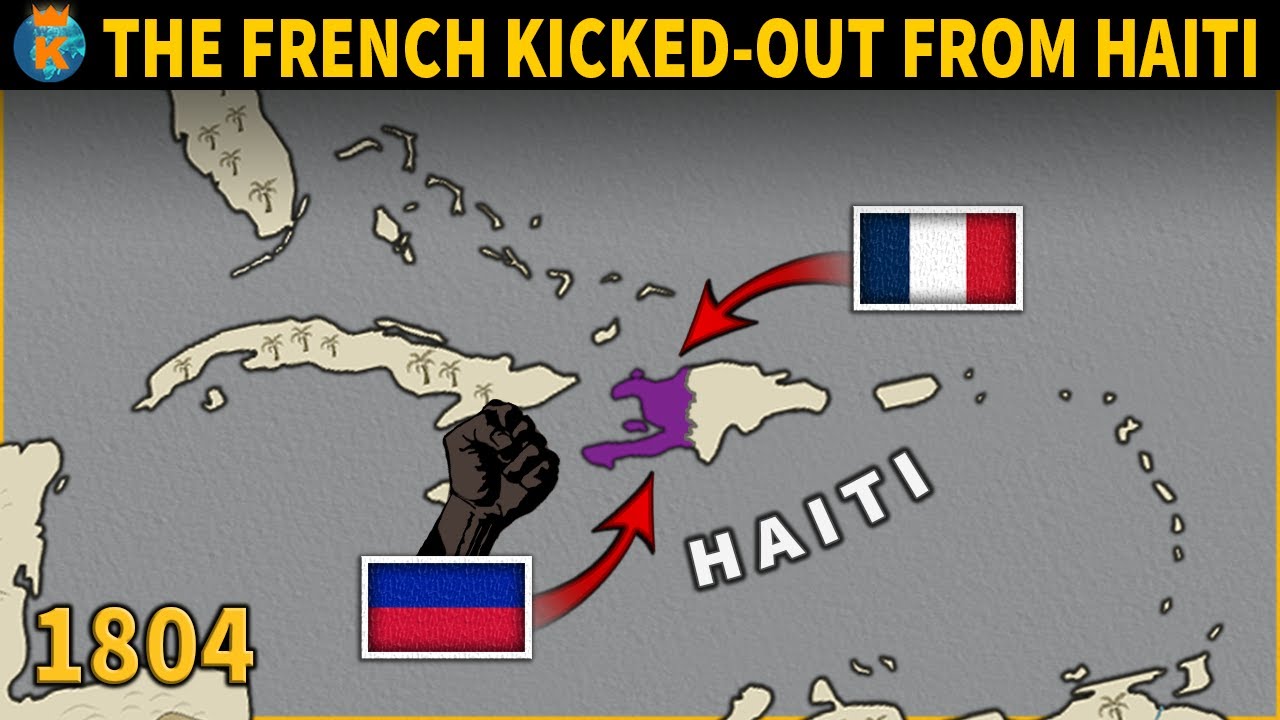
Sandang splits into two and uh Kristoff ends up running the north and he creates the state of Haiti and in the south it's the Republic of Haiti. And he uh will run as an absolute monarch. He will run the north until 1820. By that point, his health is failing and he realizes that there it's very unlikely that he will be able he thinks there's a plot to take him out. So he shoots himself and takes himself out and then at that point Haiti is reunited and becomes the state that it is. Uh in 1804 when they decide to declare independence on January 1st when Desalin does this they take the French flag and they pull out the white bar in the middle and that's how they got the Haitian flag. They just got rid of the white.
So that's I think the lesson here.
It doesn't have to be everything.
Compromise is a darn good thing. And what Tucson created was really quite amazing.
You would have thought greed would have been enough to motivate you to go and say, "Yeah, let's keep doing that." You did. You got us back to 2/3 so quickly.
What are you going to do in 10 years?
You know what I mean? Like this is the moment where you go ideology, racism, uh, narcissism kicked in and then destroyed this thing that could have been amazing. The loss of the white population for Haiti was a catastrophe because they really did understand how to run the economy in a way that the black population just didn't know. They just didn't have that information. And it's one of the reasons why Haiti ends up being as undeveloped as it ended up being. Another reason it ends up that way is it's seen as this beacon of fear for the white population because they think, "Oh my god, what if there's a slave uprising here?"
My thought would be, "Why don't you just free your slaves when there won't be?"
Oh, wouldn't that be genius?
Uh, and so Haiti actually ends up eventually becoming isolated. So even though the British and the Americans went out of their way to set up trade deals, later on they'll actually put a blockade on the island because they come to fear what it actually means. And so instead of Haiti becoming this brilliant thing that Tucson had set it up to become, it ends up becoming this mark of like, oh, that's what you shouldn't have done. and it becomes an example of lost opportunity.
[clears throat] Anyway, I hate leaving you on a dark note like that, but I think if you can remember, right, that actually this is a brilliant moment. What Tucson built was really remarkable. He his mistakes he he made plenty of them. Shooting that was dumb.
He should have he pardoned everybody else. Why couldn't he figure out a way to I think he thought if I kill my stepson, my adopted son, people will know how serious I am. So later on he said it was the dumbest thing I ever did. I actually think he's the second dumbest. The first was trusting the French. Um but you know what I mean?
Like there here's this crazy moment where like so many others he makes these mistakes but they're always makes he's always making the mistake in favor of mercy, forgiveness.
He was always consistent in that way. He kept writing Napoleon letters even after he was imprisoned. Like, look what I created. I want to work for you. Why are you doing this to me? He He just couldn't believe that Napoleon was that guy.
Anyway, I I don't know what to do. I feel like I should give you something to make you laugh or something.
Get you out of the the mood. But that's it. That's all I can do. I can I Ah, I got you the last speaker.
[applause] >> Thank you.
>> Thank you everyone for attending today's session and hopefully we'll see you in the next session and the last one which will be in December. Thank you so much.
Thank you. [applause]
Up Next
61:31
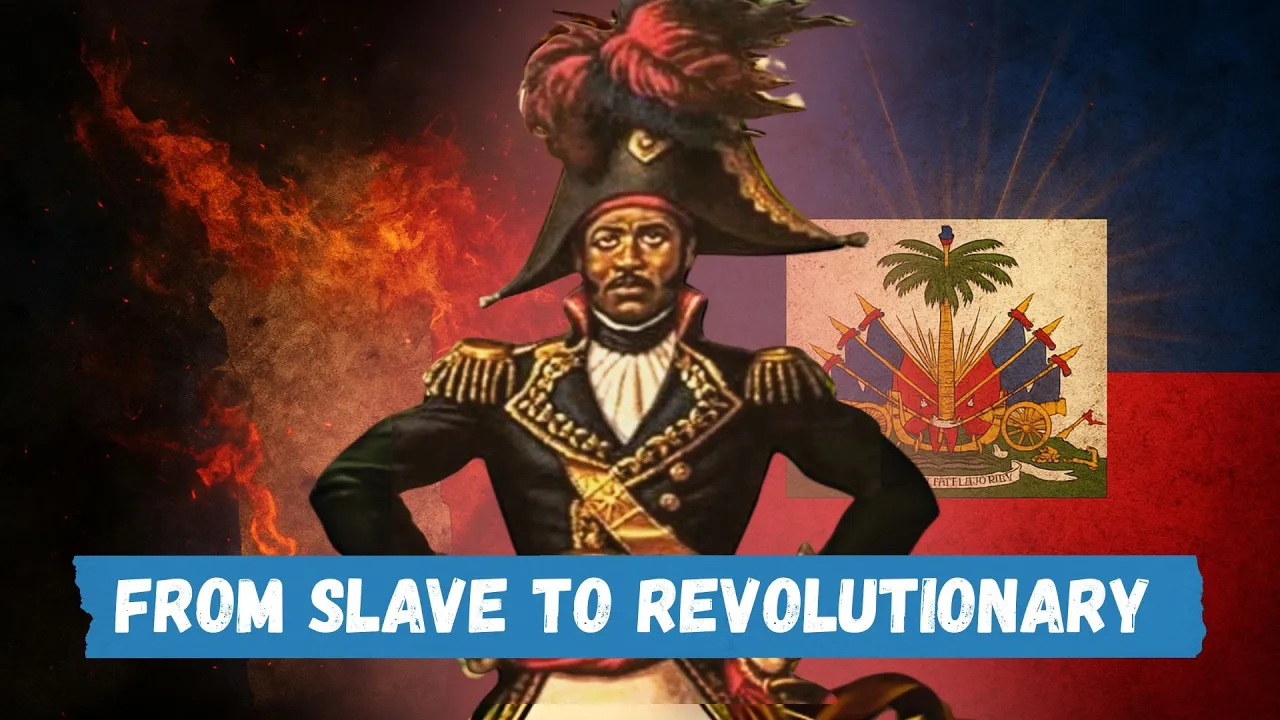
Jean-Jacques Dessalines: The Leader Who Defeated Napoleon
@primarysourcemedia
4.5K views•2025-09-03

33:02
The Great Schism of 1054: Causes and Consequences
@SacredCathedrals
113.5K views•2026-02-19
93:02
Aztec Empire's Fall: Cortés, Smallpox & Genocide | Historical Analysis Part 2 of 2
@DrRoyCasagranda
585.7K views•2023-04-08
17:05
Understanding the Cold War: Superpower Conflicts and the Road to Détente
@OverSimplified
46.1M views•2019-01-24
Related Study Plans & Knowledge Roadmaps
Structured learning paths in History
history
Byzantine Iconoclasm: Theology, Art & Politics
01Foundations of Byzantium and Early Christian Images
02The First Iconoclasm: Leo III and the Crisis of Images
03Empress Irene, Nicaea II, and the Second Iconoclasm
+ 2 more learning modules
9h5 modules
Explore Roadmap
history
Iranian Revolution (Causes, Events & Legacy)
01The Pahlavi Dynasty and the Roots of Discontent
02The Spark of Rebellion and the Rise of Khomeini
031979: The Fall of the Shah and the Climax of the Revolution
+ 2 more learning modules
8h5 modules
Explore Roadmap
history
Mali Empire: Mansa Musa, Trade & Timbuktu
01Foundations of the Mali Empire
02The Trans-Saharan Gold and Salt Trade
03The Reign and Pilgrimage of Mansa Musa
+ 1 more learning modules
6h4 modules
Explore Roadmap
history
1947 Partition: Politics, Borders & Legacies
01Foundations of British India and the Divide
02The Political Negotiations and the Mountbatten Plan
03Drawing the Boundary: The Radcliffe Line
+ 2 more learning modules
8h5 modules
Explore Roadmap