






![[1] Revolución haitiana. REVOLUCIONES](https://i.ytimg.com/vi_webp/ycYgb2-X2oI/maxresdefault.webp)
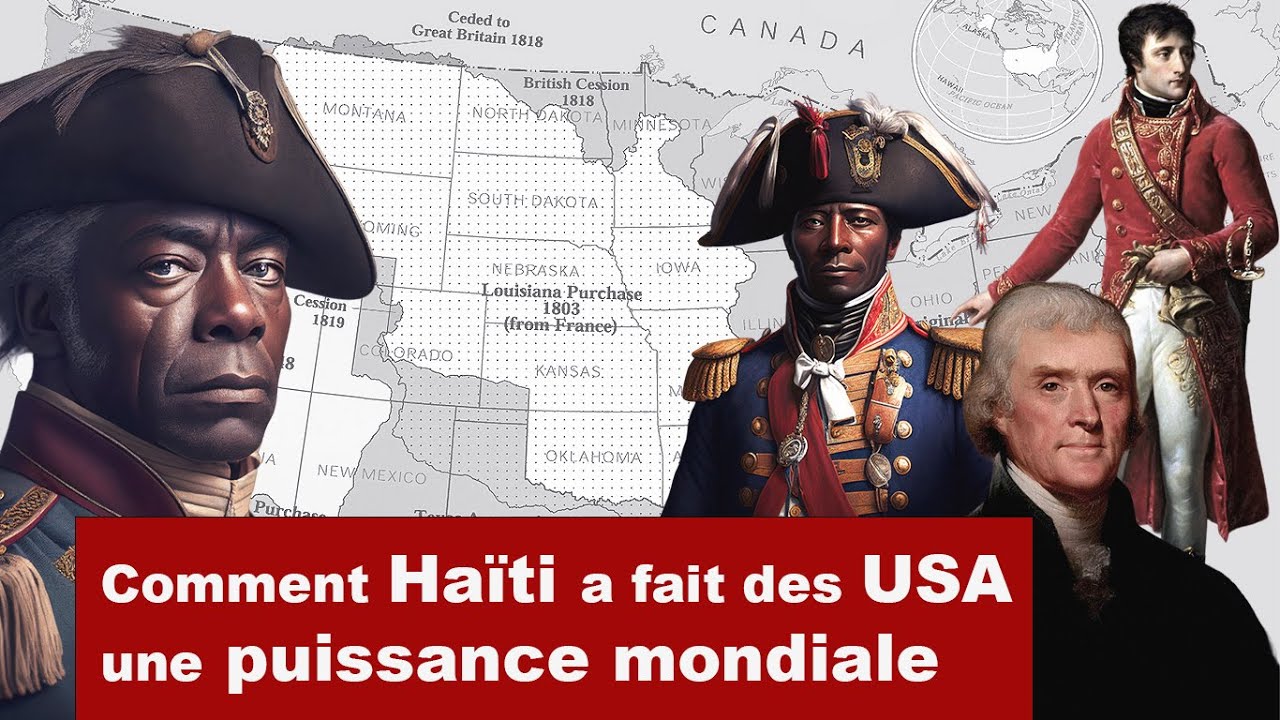




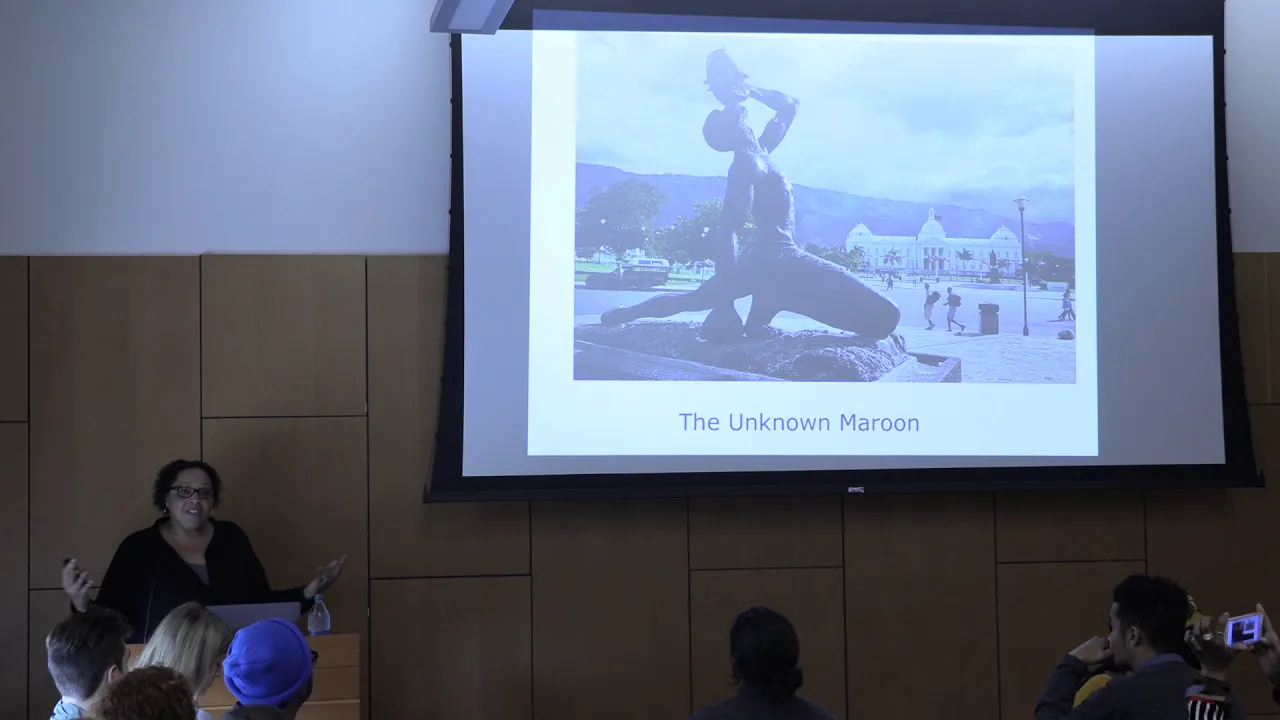

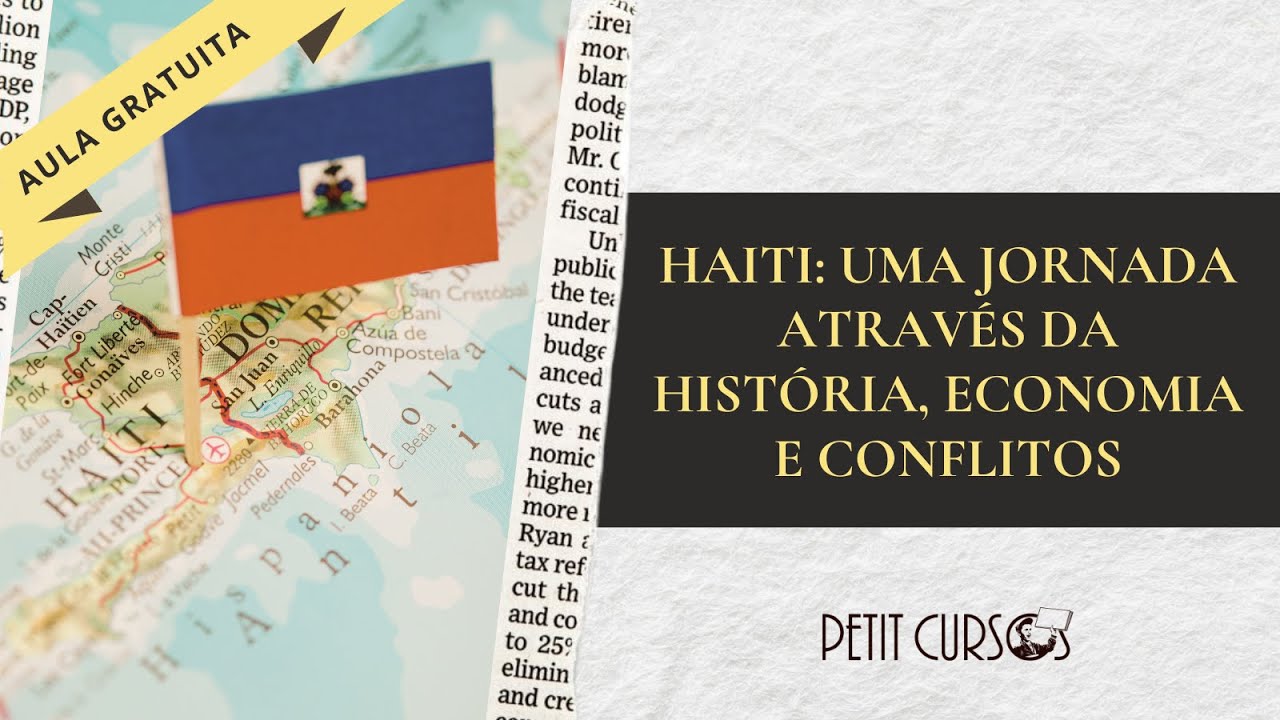


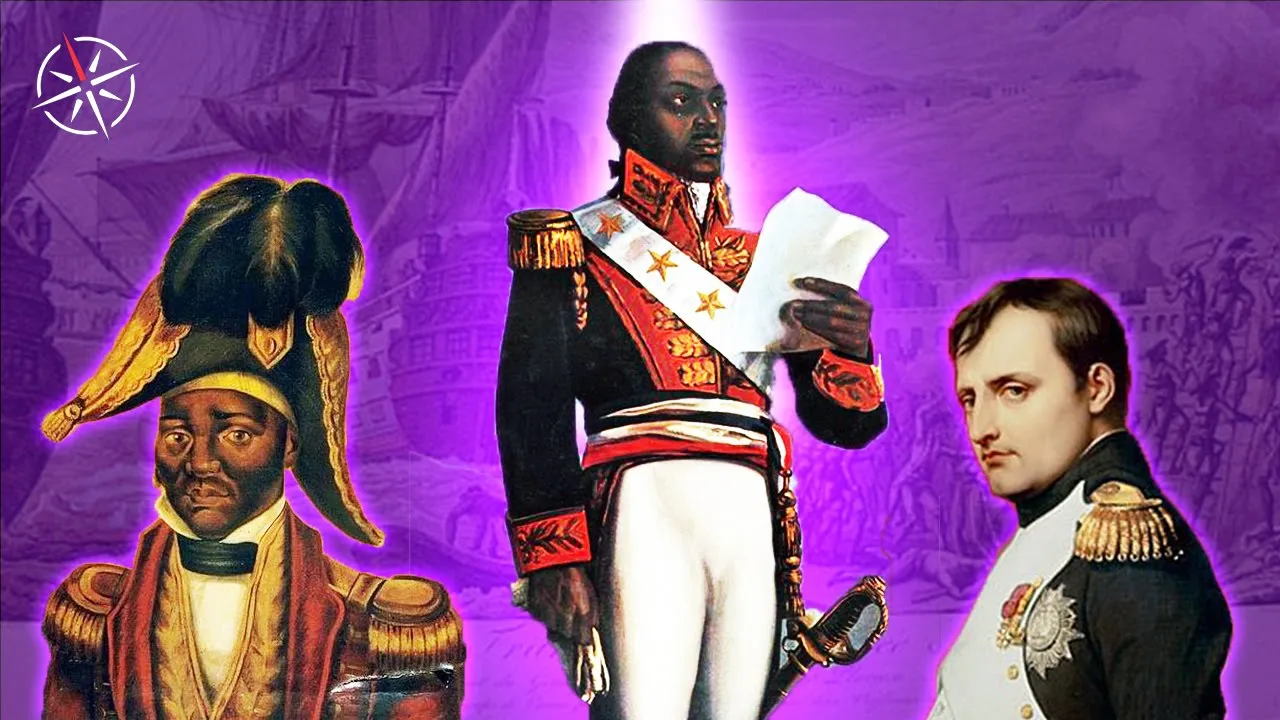




Jean-Jacques Dessalines, born enslaved around 1758 in Saint-Domingue (now Haiti), rose from bondage to become the revolutionary leader who defeated Napoleon's armies and declared Haiti's independence on January 1, 1804, making it the first nation in history to permanently outlaw slavery. Despite his monumental achievements, Dessalines has been historically marginalized and vilified compared to Toussaint Louverture, with critics depicting him as violent and barbaric to undermine Haiti's legitimacy. His reputation for violence was partly exaggerated and partly strategic, as he used it to survive during the French Leclerc Expedition. The title 'I Have Avenged America' comes from his 1804 proclamation, framing Haiti's revolution as part of a broader struggle against colonialism and slavery throughout the Americas.
Jean-Jacques Dessalines: The Leader Who Defeated Napoleon
Added:[Music] Every revolution has its hero. Every empire has its nightmare. For France, that nightmare was Jeanjac Deselene.
Born enslaved, forged into a general, the man who beat Napoleon's armies. He created the first nation in history to outlaw slavery forever. Today, historian Julia Gaffel takes us inside her new book, I have avenged America, to uncover the real Desoline, the visionary who demanded liberty and equality at any cost. This is Too Complicated for History.
Welcome to Too Complicated for History.
I am Isaac S. Loftess, joined as always by my co-host, Dr. Lynn Price Robbins.
>> Hey, everyone. and we come to you twice a month to bring you the history that has fallen through the cracks of your curriculum. And we have an awesome guest with us today.
>> Yes, we are very excited today to welcome Dr. Julia Gaffield, associate professor of history at William and Mary to talk about her new fantastic book, I have avenged America, Jeanjac Deselene and Hades Fight for Freedom. Thanks so much for being here with us today.
>> Thank you so much for having me.
>> I absolutely love your book. I was very thankful to get to read it before we did this interview. And so my first question for you is how did this become your topic? And if you could just give us a brief overview of who Jeanjac Deselene is before we sort of get into the weeds of the book.
>> Um sure. So thank you very much for having me um and uh for reading the book in advance. Um, Deselene was a leader of the Haitian Revolution. Um, he was the man who declared Haitian independence and he was um Hades first head of state.
And I really started uh kind of studying Dolene when I was uh in undergrad. Uh this was like the first time I I learned about the Haitian Revolution. I hadn't learned about it in high school. and I took a a a kind of general history of the Caribbean class um at the University of Toronto with Melanie Newton. Um and basically I was like, "Oh my gosh, this is so cool. I want to learn more." Um but I was always like really uh interested in uh learning more about what happened after the revolution. I had kind of noticed that in a lot of the narratives uh it was like and then they declared independence and they won the end. And I was like, well, what happens next? You know, u and so dissolene is a key part of that story. Um so the first book I wrote, uh Haitian connections in the Atlantic world focused on Dissolene and other other leaders, um their kind of diplomatic negotiations and their efforts to maintain independence um and their kind of fight against uh diplomatic non-recognition.
So I've been studying Deseline for a while. I was struck by like how many people wanted to write biographies of Tusan Leurro, which is great. There should be so many biographies of Tusi Belchure. Um, but like nobody wanted to write a biography of Desalin. And I thought that there was a real need uh for a biography of Desalin uh for for a variety of reasons. Um, and so it was kind of I saw, you know, this this nice meeting of like I think there's a need for this, but also this has been my interest uh for a fairly long time.
>> Do you have any ideas to why people weren't, you know, focused on him before?
>> Yeah.
>> I have I have uh many thoughts about this, >> theories.
>> Theories about this, you know, like I can't obviously I can't uh get into everybody's brains and be like, well, why didn't you?
>> Sure. Um but I think it has to do with um that he was that he was kind of a like a very radical revolutionary. He was the one who declared independence.
Um but then there's this like you know 200 plus year tradition of really criticizing him and it started during his life. Um and it was a way for people to kind of criticize and undermine Haiti as a country. Um and so his like identity and character became tied up with those portrayals, right? And so um you know depicting Desalen as violent and as like a you know savage and barbaric person was a way to undermine Haiti as a country. And so he's got this like really negative image that starts during his life but then gets like repeated up until very recently. Uh, and so I think he's just kind of um been made out to be like this, you know, much more controversial figure, much more radical than Tusville, which is like, you know, the contrast between the two I don't think is as great as people make it out to be.
>> But, um, there's a way that I think scholars have, you know, made Louvel into like much more of like a French revolutionary than a Haitian revolutionary.
>> Gotcha. This is an inaccurate comparison, but it reminds me a little bit of like the dynamic between like MLK and Malcolm X where you know you have like someone that's slightly more radical >> that gets vilified and the other one that sort of gets the opposite stuff happens to them.
>> It is a fair analogy.
>> Okay. And what what I love so much about your book is you're able to talk about his childhood. And I know that that's just tough in general with a lot of people from 18th century earlier, but you make him appear more human perhaps than most people have thought about him as a person versus a revolutionary. So he was born into slavery and he was born on Sandoming which was the name of the part of the island prior to the creation of Haiti. So can you talk a little bit about his experiences as an enslaved person and uh I kind of enjoyed some of your stories about him.
though.
>> Yeah. I mean, we it's it's hard to learn a whole lot about his early life because his early life was very poorly documented, >> but he was born uh probably in the year 1758 um in the northern region of um Santoang in a in a parish called Rivier.
Um and he was enslaved on um probably two different coffee plantations in the mountains. Um and so you know Sandang is very well known as a colony that produced a whole lot of sugar um or exported a whole lot of sugar and that sugar was produced by enslaved people but he um lived on coffee plantations in a in a slightly different um region. The first person who enslaved him was um a man named Juklo who was a white a poor white person um and was kind of uh said to be like a very cruel person. But then he was at some point sold um to uh a free black man uh named Philip Jasme who sometimes went by the last name Dier.
And then over the course of uh the next decades he uh was likely enslaved by two other people. a woman named Mari M who was the wife of um Philip Jasme um and then a man named Jevier de Salim uh whose last name uh he ended up uh keeping for the rest of his life on these coffee plantations. He was uh enslaved with uh extended family members kind of different uh in different ways on on each of the plantations. Um but he also kind of developed a community uh within the region of like friends and kind of people who later became like more colleagues or other officers in his in his unit. And so I see this as a time where he like kind of developed really long-standing relationships um that would you know he would carry with him the rest of his life. But it was also a place where I think you see the like beginning of um you know his fight against slavery. And I have a chapter um called Emilisclav and this was how it means a a bad slave. Um and this was how he was described uh kind of after the fact by this French console that he was like known to be a bad slave, you know, somebody who kind of resisted being told what to do and >> uh you know didn't take orders under slavery. And so he I kind of sense the beginning of this like fight against slavery, but in that in that capacity it was more, you know, against his own enslavement.
>> I think our listeners are relatively familiar with um North American slave societies at some level. Um are there any significant differences between like what we would be familiar with uh you know in the United States as far as that history versus what like a French colony would have been at the time? Yeah, >> the institution of slavery in Sand domain kind of shaped like every aspect of life. um even those who were not enslaved or enslavers um were their their entire lives were still kind of um fundamentally uh shaped by the institution that was in in a way like the whole point of the colony um was for export crops um and those export crops were produced by enslaved laborers. So there's um you know institutional centrality but then there's also this like demographic difference um and the vast majority of people in the colony um were enslaved and it's I think it's the statistics right about uh right before the Haitian Revolution I think it's almost half a million people were enslaved and about 40,000 uh were free and and the free population was composed of both white people and um free people of color. So, it's a drastically different um kind of demographic uh situation in Sandang than in many of the the colonies in North America.
>> Oh, wow. I didn't realize it was that lopsided. That's that's pretty incredible, >> right? But I mean that shapes like and because of that demographic difference, right? It it means that that slavery you know slavery is violent everywhere but you know that institution is upheld in this specific context through the use of extreme violence the threat of violence and um actual violence. So for our listeners who don't really know this area very well, it's in the Caribbean and of course it's currently Haiti, but it's also part of it Sento Domingo and then the part that the French are on is called Sandoing. So can you give us just a quick history of how that happened?
>> Right. So the island as a whole um as referred to as Hispanola um and it was identified as such um you know by Christopher Columbus um but its name uh before the arrival of Columbus was Iet um which obviously you can see the connection with later um the as a colony it was called Sto Domingo and uh both the colony and the the kind of primary city on the eastern side of the island.
Um but beginning in the late 17th century, the French colonize the western side of the island um and eventually gain kind of full control over it, although the Spanish don't concede that till much later, but that's another story. And so the the colony of Sandang comprises kind of the western third or so of the island, but the border between the two colonies on the island is kind of uh very porous, poorly defined. Um, and there's some kind of cool maps from from the 18th century that are like, well, and this is kind of the border, but this is like the proposed new border. And but it's important for Desalin's life because the region where he lived, Conjun, was in this kind of mountainous region that was just north of the border between or the, you know, fake border, what imagined border between the two uh colonies. And this becomes very important um in the early revolution as there's, you know, fighting between the two sides. But it's a it's a an island that is uh colonized by both uh the Spanish and the French.
Um and this this kind of really shapes a lot of the revolution but also um shapes deseline's life.
>> Right. And you do mention that Deselene is a creole and that seems very important to the story. Can you explain what that means?
>> It a creole is somebody um born in the colony. Um okay both uh enslaved people but also uh colonizers. you know, it's significant to kind of discuss uh his place of birth, even though we don't have a whole lot of information about it, but um you know, this was one of the things that during his life he was like accused of being an African um as a way to like undermine his leadership and you know, these very like racist descriptions that are like, oh well, he's a barbarous African. And sometimes the people writing this would would specify that they meant yes, he was born in Africa, but but other times it's unclear and maybe they just meant like oh he had you know he acted like an African, whatever that means. And so, uh, you know, the the kind of enslaved population, um, on the island was divided between, um, people born in the colony and people who were, um, born in Africa and who had, um, suffered the transatlantic slave trade. Um, who were referred to as Bosal.
Um and these kind of two different social groups um within the enslaved community had kind of you know different like politics uh different ver you know ideas about what freedom meant and there's conflict between these groups you know before the revolution but throughout the revolution and and after >> interesting that's a I imagining all the different mixes of things is something that we don't often >> it's one of those things that it's really difficult to get into in a nuanced way >> I think like if you think about okay you know if you can't if you want to do like a brief overview of the Haitian Revolution >> there was like so many different groups and people involved um that it's really difficult to do a simplistic like okay and here are the players and you know here's what they're fighting for and who's who they're fighting against.
Um so it is like very complicated and there's overlap between the groups.
There's alliances and changing alliances. Um so it is like a very complicated um you know lay lay of the land in terms of the population.
>> Sure. So in that in this Denine's growing up in this environment um and he when does he so he was born into enslavement. Did he was he enslaved all the way up until the point of the revolution?
>> Yes he um was enslaved for uh just over you know three decades. I think it I think he it was around 33 uh when the revolution started and he likely sec and he secured his freedom um while fighting for the Spanish at in the first uh couple years of of the revolution right so you know they revolutionaries kind of secure their own freedom in a sense of you know abandoning the plantations um becoming fugitives but has uh he's he has his freedom kind of legally recognized by a colonial power um while fighting uh for the Spanish under the black auxiliaries of King Carlos IV.
>> So I think because the revolution is so complicated which I was realizing while reading your book, you had mentioned the what we call the French and Indian War, but worldwide is known as the Seven Years War. And this was a major turning point in race and slavery on the island.
And so can you talk about that because it seemed like that was also a really important moment in the coming of this revolution that creates Haiti.
>> It is uh you know if you think about the kind of the long-term uh right the seven years war is important everywhere. Um but in um in San Dang it's uh this moment where uh France tries to kind of regain uh tighter control over the colony to make more money. And the one of the ways that they do this is you know with racism um that they're trying to create an alliance among white people bringing the white colonists um into a kind of tighter alliance with the with the metropole less less colonial independence. And so they initiate a bunch of policies that restrict the rights um and kind of social freedoms of free people of color um which com and the free people of color composed about half of the free population which is significant right and so this is a kind of >> a very strat again a very stratified group right there's poor free people of color there are wealthy free people of color there are plantation owners and enslavers within this population as well but they have um their rights and freedoms restricted by a lot of these these new laws. And so there's a kind of, you know, you see like a a bigger divide. Um, and it's not to say that racism didn't exist before these policies, but they're much more kind of stringent um and enforced um after the Seven Years War. And so this starts to divide um the free population.
>> Yeah. I mean, it's one thing for racism to be sort of a cultural norm and another thing for it to be codified, you know? Well, but but then even further, it's like even even if it is codified, then having those laws enforced, >> right? Yeah. And enforced. Yeah. Those are Yeah. three different things really.
Um but but yeah, that's um horrific but fascinating.
>> Yes.
>> Um and I guess that makes sense in that, you know, the the French didn't import white colonists the same way that England did, right? Right? Like there were even in you know the there the way that you know the middle of the North American continent and then you can correct me if I'm wrong like the French controlled Louisiana territory but there weren't a lot of people there. They didn't have a lot of French Europeans sort of on the continent >> and I think it's just a different sense of you know like what the colony was for.
>> Right.
>> Right. Right. Um, interesting.
>> And I imagine that would be quite offensive to, for example, the free people of color who have who are wealthy because they're really being, you know, kicked in the teeth because they're they're sort of they're of the elite classes and now all of a sudden their rights are being taken away because of the idea of race and economics no longer matter.
>> I mean, which is, you know, again, it's it's not hard and fast, right? and they and many of them have family members.
Um, >> but there are restrictions and they're they're constantly um identified in documents in the second half of the 18th century as being people of color which they um kind of they take offense to.
They're limited in terms of what kind of jobs they can they can hold um particularly in the colonial militias, right? This is like the the milit the kind of local military um that keeps the order of the plantations and they can they are certainly enlisted to serve in the militias but they uh can't be officers um and so you know they're they're constantly being having their rights limited but then also being insulted.
>> Sure.
>> Right. Right. And um given the population numbers that you had stated, there was no one in court that was like, "Hey, maybe this isn't a good idea.
Like, we yeah, we're trying to like, you know, build a coalition over here, but we may be alienating a good portion of the folks over there." Um they didn't see it coming at all.
>> I mean, like maybe there were a few people, but uh they were not, you know, particularly vocal about it. Um, but it's also like they I think there's, you know, you see this at the start of the revolution that there's like an inabil inability to take responsibility for what's happening. Um, right. And there's a whole lot of fingerpointing of like why did this revolution start? It couldn't couldn't be us. It was definitely everybody else's fault. um you know and they they blame free people of color for agitating for equal rights um rather than kind of seeing their own role in taking away rights and you know enslaving people for example.
>> Right.
>> One of those those true and tested stories that continue >> throughout history to today. Yes.
>> So what sets off this whole you know the actual revolution itself? um like obviously it's it the tension's built and obviously people are are are um animosity is growing towards the colonial power at this point but what sort of um you know pushes the boulder over the top of the hill >> I mean it's hard to exactly pinpoint like a lot of the organizing of the the revolution was uh done in secret um but I think there is like an aspect of a kind of divided uh ruling class um in terms of uh right providing an opportunity um for this kind of this kind of resistance. Um but it's also right like you know what sets it off? The violence of of you know plantation slavery sets it off. That is the kind of inspiration for this fight is is fighting against um this system. And so there's um a series of meetings in August of 1791 uh done obviously covertly um one of which was um likely a religious ceremony and it was kind of primarily organized by enslaved people who had some degree of um kind of mobility, right? Enslavers attempted to limit where enslaved people went, who they had communication with.
But there were certain people who had certain jobs um who were able to communicate and to travel between um plantations. Um and so they are the kind of prime organiz or primary organizers um of the initial uprising. Um and they had a very kind of coordinated plan that um kind of started uh near the primary uh economic hub port city of the north uh Cap Franc. and it's in the kind of sugar region right below Cap Franc um where the revolution starts. Their plan had been to attack the city of Cap Franc, but the colonists were able to kind of rally defense. Um and so they end up moving into the mountains, you know, within weeks uh you know, probably September of 1791. And I argue that while we don't know exactly um you know where Desalen was uh at the start of the revolution that he likely joined uh the revolution in probably September of 1791 as it moved into the mountains and it's possible he was there beforehand but >> the kind of you know the geography of it doesn't necessarily suggest that.
>> So how does the French Revolution play a role in this? sort of what years of the French Revolution where does it start to impact what's going on in Sento?
>> It's a complicated relationship between the two revolutions, right? And a lot of people like, you know, kind of an older historioggraphy would be like and then the French Revolution inspired the Haitian Revolution >> as if you know enslaved people didn't have their own ideas of freedom and equality, right?
>> Yeah. And I think you know what I try to emphasize in the book is that for the first years of the French Revolution uh you know the French Revolution was very much pro-slavery um and insistent that uh slavery would not be affected by the French Revolution. Uh there was no plans to abolish slavery. It was absolutely necessary for the colonies and like that's that. But you do see uh kind of some relationship um between the two revolutions in the sense that um free people of color in the colony certainly um used the French Revolution to advocate for their own rights. And what is I find very interesting is that a lot of this advocacy um for racial equality among free people not uh not advocating for the abolition of slavery but a lot of this advocacy happened in Kel Juno where Dalene was living and so you know while there's no uh concrete evidence to show this I suspect that he at least knew what was happening right he knew that free people of color were advocating for equal rights and he knew knew that the colonial state was very intent or kind of very sure that they were not going to give them equal rights, right? And that they would violently um punish any attempt to secure equal rights. So there's a there's a kind of, you know, two-part relationship, right? That there's this clear um fight for equality, these statements of universalism, but then a kind of, you know, a doubling down on racism and slavery at the same time. Um and this is very clear to people in the colony. It's only you know the the revolutionaries in San Dang who end up pushing uh first the colonial state but then the French empire more broadly pushing them to abolish slavery and it's only after that that the French revolution the French republic is like and we have always been you know for the abolition of slavery and they kind of they like come in dear that narrative and they're like yes this was always our goal definitely whereas before they were like definitely slavery is still happening There's nothing like a few um uses of the guillotine to get people to be like whatever's in vogue I'm on board. I was always I will deny it for the rest of my life that I said anything different.
Um okay that's that that's actually fas I mean it doesn't surprise me. I I used to have when I was younger, I think I had a little bit more um confusion about the you know saying calling for freedom while also like you know suppressing people's rights at the same time. But I you know that um cognitive dissonance for whatever reason doesn't seem so crazy anymore and I'll leave that at that.
>> I mean I think you know there's this like geographic argument. Yeah. Um, but there's also just like a total uh, you know, commitment to racism that was like, you know, we meant universal, but like obviously we meant only for white people. Like, >> it didn't need to be said because it was so kind of deeply embedded um, right in in the society. I'd love to talk about the two individuals that you use as examples that that I don't want to say light a spark, but they helped explain to me some of the issues that are quite complicated. And it was uh Jean Batist Chave and Vincent O >> sort of what happened with them, what they were trying to do, and what the outcome was because I think they're good examples of what's going on at this time period.
>> Yeah. So, Jean Baptist Shioan and Vincent O um were free men of color um who were from the region around where Delene lived. Shyan was from Rivier and O was from the neighboring parish of Dondon. I was um I note uh that Vincent O always gets like the most attention because he had been in France advocating for the rights of free people of color.
Um whereas I kind of try and shape my narrative around Chevan who stays um in the colony and stays in contrib um while he's advocating for equal rights. And I think that his story is much more significant um for Desalin even though >> OJ gets all the attention.
>> Um and if you read like American newspapers at the time they only ever mention OJ and so I talk about this with my student. I'm like what about Siobhan?
>> Yeah. Um but they're so they're you know plantation owners um and uh enslavers but uh Vincent OJ was much wealthier um than Chevan >> and they um were advocating for their uh for their own rights. Um Siobhan was in the colonial militia. Um and one of the things that they did where they were like you know you need us right we maintain order during in in this colonial society and they're referring to their role in the militia not notably Siobhan uh fought in the battle of Savannah uh along with many other um free men of color from the colony and they they make the case using eventually you know they start before the declaration of the rights of man citizen but they eventually use the document to say like hey listen this is what you're saying but They insist um that they should be treated as um free people and not kind of free people of color. And they say with a little asterisk, you know, and this as a reference to whenever their names are written in notary documents or the parish records, they're like they say what their race is. And so they're like, "No, we just want to be free people." And they're not advocating for the abolition of slavery or the rights of enslaved people. and their, you know, resistance, their their rebellion is met with violence. They're kind of very publicly and, you know, it's like a gruesome execution and they're, you know, uh, as is kind of consistent with the colonial state, their heads are displayed on pikes as like warnings of what's to come. But then an interesting, you know, like I referred to this kind of moment of remembering in a different way. Um, but their memory ends up getting co-opted by the the Haitian revolutionaries. um even though they had not been advocating for the rights of enslaved people, the Haitian revolutionaries end up kind of, you know, adopting their fight, you know, subsuming it into their own partially, I think, because of the resistance by the colonial state um to their kind of demands um for for equal treatment, right? So then they see them as like okay you know we we are in some ways part of the same fight but very much they are a warning not necessarily like a warning against resistance or or advocating for equal rights but a warning of of like how brutal the colonial state is going to be right and it's not that enslaved people didn't already know this but that this kind of very specific you know fight for rights um would be met with this with the same kind of violence >> and I guess it puts in context that like if these Yeah, if this is how they're responding to those guys for us, it'll be even worse, >> right? And I and I think that that's, you know, important because they still do it, right? That that their situation was that bad that they're like, that's what happened to them and yet the risk is worth it because, you know, living in this colony is just that bad.
>> Yeah. Lynn, there's because that was a known thing. Even the treatment of enslaved people in on sugar plantations in the Caribbean was like a known >> for its brutality, right?
>> Oh, yeah. You didn't want to be sent down to the to the West Indies. That was a threat. I mean, South Carolina was pretty bad in of itself, but a bigger threat was to go to the West Indies to be sold down. Yeah.
>> Yeah.
>> And of course, you know, there's there's violence in slavery everywhere. Um but the the kind of work um on sugar plantations um was known to be kind of extremely difficult. Um and one of the interesting ways that you see this is that after the revolution is over sugar production really drops off. Mhm.
>> Um, you know, coffee production continues to a certain degree, cotton production, um, but the the sugar economy in in or in Haiti, sorry.
>> Um, never ever gets close to um, what it was in Sento and that's because people are like, "No, we're not doing that kind of work."
>> Right. Understandable. It's very, very dangerous.
>> Yep.
>> work in sugar production. So, can we talk a little bit about what Desoline did sort of militarily or in that kind of realm during the revolution? And this is probably the time to ask about I'm not going to say his name as beautifully as you said it. Lovature if you can say to talk about who he is and why his name is so important and continued on positively whereas Desoline sort of had the opposite legacy, >> right? And I, you know, this is one of the reasons why I'm like, yeah, there should be so many biographies of two Sandville children because their stories are kind of very much intertwined, >> right?
>> And that that uh relationship started before the revolution began. Um they knew each other when Deseline was enslaved. And that is because the the third person who enslaved Iselen, Marim M, uh she was um the daughter of Tusan Leure. Um so it's unclear exactly when they first met but um when Desalene was enslaved by the second guy Philip Jazme Jasme leased his plantation his coffee plantation and the labor of the uh I think 13 enslaved people who lived there to his father-in-law Tusan lever who at the time was going by Tusen dea >> and so there was a period of about two and a half years when Desalene was enslaved where he was under the uh kind kind of authority under the control of Tusan Luvel. So their relationship begins in this like hierarchical uh situation >> in which Luvel is able to give orders and Deseline is expected to obey them.
You know it's unclear kind of what exactly that relationship looked like but it was definitely you know not one of a kind of you know equals um and that kind of you know hierarchical relationship remains throughout their life. I don't know if you know they stayed in touch um after uh the end of that two and a half year uh lease until the revolution but very soon after the revolution begins um Deselene you know fights in a unit under Louvelt's control right and so it's possible that they did in fact stay in touch but I think what that also signals is you know like a level of of respect you know, eventually I think it becomes friendship um in which uh you know, Deselene is kind of willing to follow Luvelt to battle. And so, you know, he rises through the ranks in in Luvelt's unit. He eventually becomes an officer and he primarily kind of gains uh his military reputation um as he is fighting um against the British >> who we haven't we haven't gotten into this yet, but the British uh from Jamaica >> uh occupy parts of the south and west of the colony during the revolution >> because they see an opportunity. They were like, "Well, that place is in chaos. Let's go take it." And that's, you know, the Spanish do that a little bit, too. And that's why that's how Desolene ends up securing his legal freedom.
>> But uh after the abolition of slavery um in the entire French Empire in 1794, Luvelur and his unit join kind of join the French Republic, right? They become like uh colonial uh officers uh fighting for the French Republic. And in this capacity, they're fighting against the British. Uh they fight against the Spanish. Um, and so he kind of like rises through the ranks and is very effective on the battlefield. Um, and then there's a civil war within uh the colony after the British get kicked out and which pits um Tan Leur in the north against Entrego in the south. And that's also an area or a kind of an area a moment um where Deselene really um kind of shines on the battlefield and helps Luvelt secure victory. And so he's you know by 1800 um he's kind of considered second in command or kind of debatably second in command um to to Luvel. Um and so he's really yeah he's successful on the battlefield but he's always loyal to Luvelur um >> and up until a point right and then they're they have this kind of break in their relationship that is you know in some ways like forced by um the uh expedition which is like a a reinvasion of the colony um by the French directed by Napoleon Bonapart. Do you think that's at the point with the break the falling out of them when Deseline is that why they're a why Desoline was able to have such a negative legacy even though he was so close to Novature who had such a sort of hero legacy because it seems like they were so close. Why would one be so revered and one is called, you know, violent and all these horrible things and that we're not going to honor what he did?
>> It's possible. And I think that, you know, there's a couple moments in Desen's life where he um he is kind of seen to betray people um of the revolution. Lu is one of them.
uh you know he's got um I think so a after uh >> Charles the cleric >> in you know the cleric expedition invades the colony um eventually uh a bunch of the generals kind of concede and ally with the cleric expedition and uh Tusan Level ends up being one of them and then convinces uh Desalene and this other guy Charles Bair to submit as Well, but I think that's a moment where, you know, there's like a big split in their relationship and I think Desoline ends up losing respect for Luveliro, >> right, >> after that is, I think, complicit in his arrest >> um and deportation, right? And so there's this kind of uh you know it's a moment where he he betrays Luvelt but I think that that betrayal stems from this kind of previous conversation that they had in which Luvel convinced um Deselene to surrender and then there's another moment uh when Charles Belair uh revolts um but Deselene does not revolt with him and and he gets arrested and and again Deselene is kind of complicit in in his arrest there. So there there are these kind of moments where he's seen to uh you know to betray uh friends and colleagues.
>> Um and I should note that that Belair was um in rebellion with his wife Senite.
>> Um and he Deselene kind of betrays them both there.
um you know but there is this kind of infighting uh within the revolution and it's unclear exactly whether Deselene and Belair ever got along whether they had the same kind of vision for what was going to happen >> right >> but I also think that like the the kind of the real departure in terms of how they're portrayed is independence and that that Louchio can always be part of this narrative of the French Revolution whereas desalin's narrative is much more um of Haiti and I sorry and I or it isn't it it like can be framed that way right like Lio's narrative can be framed much more as the French Revolution um I disagree that it should be >> um but that's how it gets kind of co-opted >> and so there's much more of the focus like if you're trying to make Haiti fail as a country >> then you slander Dalene um and and that's I think a lot of it H >> makes a lot of sense. So is the ungenerous version of the interpretation of those things like him he did those things to his own benefit like he was you know complicit in those the arrest of those colleagues because you know he was consolidating sort of his controlling hey now they're they're out of the way and I'm the guy >> yes that he was power hungry >> um and yeah climbing to the top um whatever which I don't >> I don't think is is really the case.
>> Sure. Sure. I think it's much more complicated than >> always.
>> Oh, >> is there any um as far as the reputation for barbarism, is there any is there any sort of like kernel of like truth in under that like in terms of how he approached the military action or in how he you know approached governing? Is that is it is it rooted in something true or and sort of exaggerated to the point of of um slander or >> I I mean I think it again is uh is complicated.
>> Yeah.
>> Too complicated. Criticizing military leaders for being violent um is >> I was going to follow up with that about like how do you criticize a revolutionary like violence during re what does that actually mean in terms of Yeah.
>> Right. and they're you know they're fighting against a very violent system and they are fighting against uh in the case of like this cleric expedition a very violent uh French expedition and so yes he met violence with violence but I think what is significant about how he gets portrayed is that he is made out to be like uniquely violent or um extraordinarily violent. Um, which I don't think is true.
>> However, there's like a there's like another side to this.
>> The the generals in the cleric expedition see him as being extremely violent, extraordinarily violent, and that's why they think he's useful.
>> Okay?
>> Right? So, they're like, "Oh, we can use him because he is uniquely violent." And so that's why he doesn't get executed or deport either executed or arrested and deported like blueuro, right? So they're like, "Okay, we need him around. We can use him."
>> He knows this, right? And so in this there's like a four-month period during the cleric expedition where Deselene is allied um with the expedition and this is after the surrender that he kind of was unhappy with.
>> Sure. And so they're like, we we can use him as like an enforcer. And uh you know, there's a bunch of revolutionaries who refuse to ally with the LLC expedition. And so they're trying to kind of subdue those, they call them rebels.
And so he's being used in that capacity.
He's also being used um to like force formerly enslaved people to return to the plantations to work as um they're called cultivators, coutiv this is why I'm still alive. this is why I'm still in the colony, >> right?
>> And a lot of the descriptions that you end up getting, if you kind of trace through the archival record, they're like, "Wow, he's so violent." But then you look at like the chain of of how that gets passed down, and it's all coming from him.
>> He's like, "I am so violent." In fact, right? It's it's it is very hard to tell exactly what happened during this time period. But if you look, he's like, "And I did all of this and I subdued these people and I, you know, and he's like repeating all of this like and I did and I did all this violence just like you told me to."
>> And then his superiors are like, "And wow, isn't he violent and wow is you know, like and they kind of pass on the message." Mhm.
>> So, you know, I think there's a way that this violence is like attributed to him, but then he sees this as a kind of, you know, strategically he's like, "Okay, I'm going to use this to kind of better situate myself to save my life." It's a combination of of various factors, but >> yeah, the reputation was an asset at the time, right?
>> And then, you know, those same words later were used against him for >> Exactly. Okay. That's interesting. And it's really hard to pull out fact from fiction in all of these descriptions, right?
>> But I do think it's something that he wielded.
>> Yeah. I don't know why this it reminded me of um I've read some analysis of people talking about Caesar's descriptions of the campaign in Gaul during the things and like all the descriptions of what those what the um the uh Celtic warriors were coming from Caesar. like they were all seven feet tall, fought naked and had all the you know what I mean? Look and we were able to conquer them all and these guys were you know they had beastial fury of like and all those like sort of like ridiculous descriptions were set because Caesar won and he wanted his victory to seem even more amazing >> but it was all pro probably 99% fictitious um because he was trying it was a political move at the time which seems like this is very similar like it may have been somewhat true but you know >> he was exaggerating >> he may have been exaggerating himself.
Yeah. Um >> for good reason.
>> I think there's also like an aspect of um you know in descriptions of what's going on at this time that Deseline because he was black >> gets kind of held to different standards in terms of of his actions, right? And and they're like >> he is acting barbaric. He is not kind of following the rules of you know civilized warfare.
>> Sure. um whatever that means. Um when like the French people themselves felt no need to follow the rules of civilized warfare because they were like, "Oh, we're fighting against black people, right?" And so there's this like disconnect that it's like, "Well, you should be >> or we can criticize you for not, you know, measuring up to this standard that we're setting, but like we're also not going to do it because, you know, we're fighting against you, >> right?"
>> Yeah. You just mentioned heads on pikes like not that long ago.
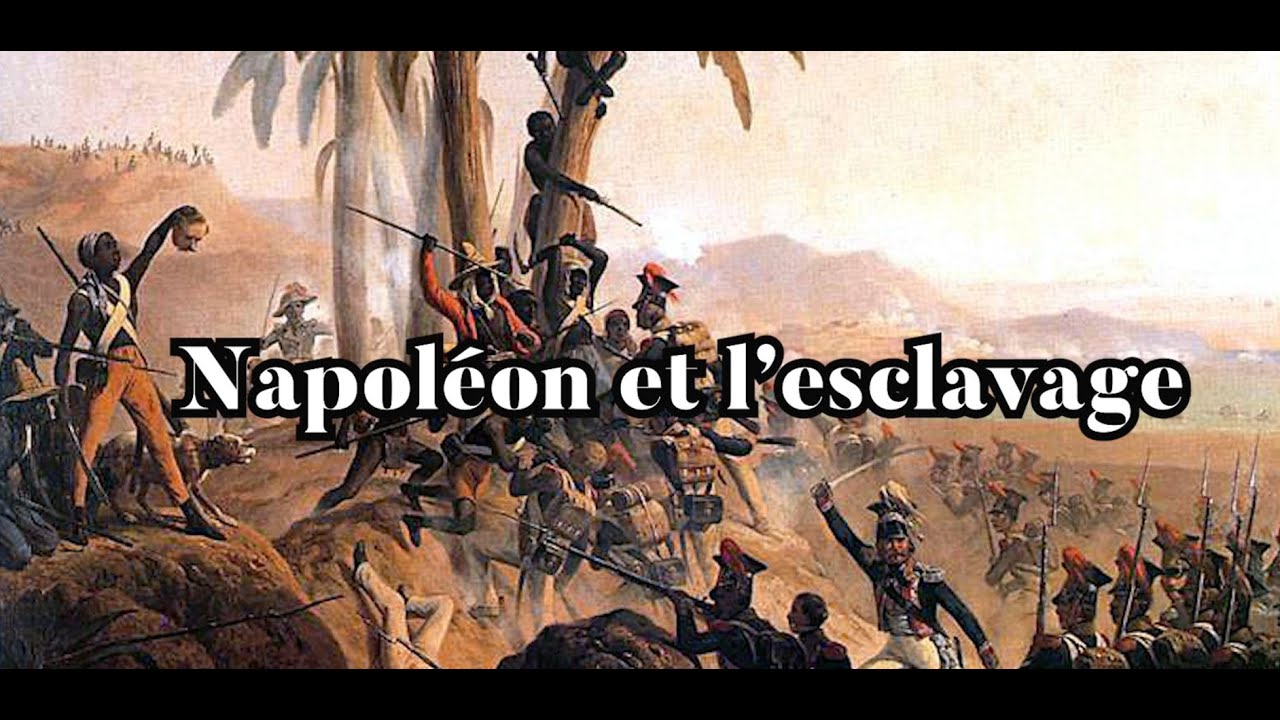
>> Exactly. Right. And you know like during the cleric expedition this is um you know that he's kind of ordering mass murder. Um they are um putting people on ships um and suffocating them and you know like there are all of these like absolute atrocities happening and they're like actually but you know he's the violent one >> right? Listen, he didn't give up his sword when he like did give me his sword and his glove at the end of the, you know, our combatants.
>> How rude.
>> But that that makes total sense. Um because there is I mean, >> pun not intended, but there's I mean a whitewashing of of you know, revolutionary leaders in all sorts of sense, even just even on like a personality basis.
>> Absolutely. Um, like we've talked on on the podcast before about, you know, George Washington's cruelty being something that's totally really forgotten in by a lot of people. It's just not mentioned. Um, you know, but there's a to bring it up to provide some context to it. like quickly. And there was one moment where he was at Mount Vernon and um he had at one point allowed the enslaved um uh uh meant to keep dogs, hunting dogs um and one of them had stolen some either killed an animal in or was stolen some food.
>> Either cattle or sheep.
>> Yeah. Killed something. And then he had everyone's dogs slaughtered.
>> Hung specifically hung. Um, so you know that's hundreds of dogs and and animals uh because one person couldn't keep their dog on the leash. Um, and that is just mindbogglingly cruel and insensitive in a way that is we just don't ever talk about because he won and he was, you know, the white guy and is the the hero of the story, >> right?
>> Um, but yeah, he doesn't obviously Dene doesn't get that same generosity.
>> No. And I mean, notably, the French imported dogs from Cuba >> uh to use them to try to um attack uh Haitian revolutionaries.
>> Right.
>> Well, that's interesting.
>> There there's like >> I mean, it's not it's not the same, but there's >> Yeah, it's >> it's another one of their tactics.
>> Yeah.
>> Right. Um >> so, to make sure we get sort of to the end of >> Yeah.
>> the revolution, obviously.
>> Yeah. I want to make sure we talk about that part.
>> There's there's more content here than is capable of us covering these conversations with like I was interested in After the Revolution, >> right?
>> And now we're not even there yet.
>> Well, now you definitely got to buy the book listeners.
>> Exactly. So can you explain in I it's hard to do in brief but can you tell us how this revolution ended in the abolishment of slavery and sanding becoming the independent nation of Haiti?
>> You know between 1793 and 94 kind of there's like a slash because of the different abolitions of slavery. um you know but for about 10 years uh Sandroang exists as a French colony where slavery is abolished. You know at the end of that that decade the cleric expedition happens. Uh Napoleon comes to power in France and says we need to regain control over the colony.
Um, this is in response to a colonial constitution issued by Tusan Level Churro that was intended to preserve the abolition of slavery because you know there was like pro-slavery forces gaining power in France and he was like ah we're a little worried. So many uh including Napoleon see this 1801 constitution as basically a declaration of independence even though Luio was like it it wasn't I promise and that's why I sent it to you for ratification.
Napoleon sends the LLC cleric expedition. There's this kind of fourmonth period where um Deselene uh you know allies surreners and allies with the lcleric expedition. But then very critically uh news arrives in the colony that the French are going to allow slavery in places where it had never been abolished because those places had been occupied by the British.
M >> and so you know slavery was was once again legal in parts of the French Empire which kind of opens the door for slavery everywhere >> right >> and this is when um a lot of other a lot of the generals including Deselene kind of flip and they start fighting a war for independence so up until um you know the fall of 1802 it hadn't been a war for independence after that time it becomes a war for independence they're like we can't trust these people our future is never secure under French colonialism, you know, and and it's unclear exactly when um during that time, but pretty quickly Deselene becomes the primary leader of that war for independence.
>> Um and eventually they're fighting uh under the their military is called the Ame and Dhen, the indigenous army, >> which could be a reference to the indigenous population uh of the island before before French colonialism. Um, but it could also just be a reference to um kind of, you know, their uh claims to the territory because they were they were born there and most of the leaders of the Haitian Revolution were Creole.
>> Okay.
>> And so, you know, by mid uh 1803, they're really planning for independence. Uh, and this is one of the this was this is like my my gateway into studying Desalen was like his diplomatic negotiations. And mid1803 is where that story really starts. and he sends a letter to Thomas Jefferson. He sends a letter to the governor of Jamaica trying to establish trade relations with each of them. Obviously, Thomas Jefferson never responds, but the governor of Jamaica eventually does.
>> Um, and there's this kind of um, you know, alliance through hatred of France relationship between the two, which is which is not perfect and >> whatever it takes.
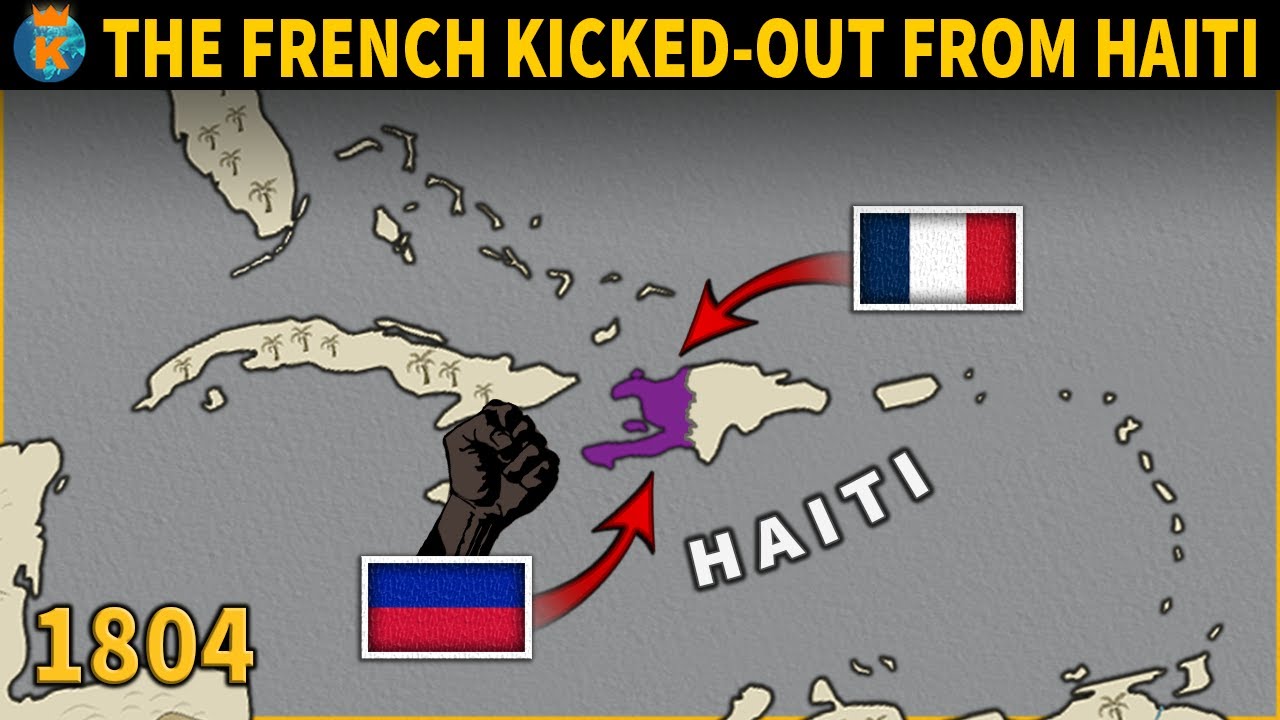
>> The British are not really willing to treat Deselene or Haiti as equals and so that relationship breaks down. But by November of 1803, the French have uh kind of lost the war. However, very importantly, they do not concede that they have lost the war. Um, and so the the remainder of the French uh troops evacuate from the western side of the island in November of 1803. And then on January 1st, 1804, they declare Haitian independence. And they rename in that document, they rename uh the country Haiti or IET.
um which was the name uh if your listeners will remember we already talked about this the name uh that the island was called before the arrival of Columbus and I think that this is like a really interesting uh you know symbolic gesture that it's that it's erasing French colonialism we're not taking sand or Domingo >> right >> but then very importantly the word I meant uh mountainous and uh the kind of interior region of of the colony and country um was kind very mountainous and that had been a place where they were very successful in the battlefield. It had been a place of refuge and you know during the colonial period it had been a place of refuge um for fugitive slaves.
And so I think that there's a there's an interesting way that IT kind of symbolizes the eraser of colonialism but then also symbolizes um freedom.
Um, so to wrap up some of this, Lyn, do you have any great overview?
>> Yeah, that was a great overview.
>> We went very quickly through a very >> Yeah. Well, if you want more details, again, buy the book. There's a link in the description.
>> You have to read the book. Um I'm curious to know um how you came to pick your title and what the significance of it is and as well the um cover because I thought that the picture was it was uh an interesting a very striking choice.
>> It is a very striking. Yes. Um I'll start with that one. Um it's a painting by the Haitian American artist Olrich Jean Pierre. One of the things that is noteworthy about Desalen's life is that there are no um images, woodcuts, paintings, whatever of him um that were done by anybody who had ever seen him.
>> Oh jeez.
>> Um and so from from his life, all we have are like very racist descriptions of what he looked like.
Um, and so, you know, people have been uh kind of willing to free to imagine what Deselene looked like um in a variety of ways. And I and I like um John Pel's painting because it is this kind of powerful version of of Deseline that is not um you know centered on violence even though he does look powerful. Um, and then, uh, and I, anyway, I'm very grateful that he was able to that he kind of let me use it.
Um, and like everybody who sees the cover is like, "Wow." And I'm like, "I know. I love that painting, too."
>> Um, and then the title, I have avenged America, is um, unsurprisingly a quotation from Des Salen. Um, and this is from uh probably his like second most famous uh proclamation uh the Declaration of Independence being the the most famous. Um and it's from April of 1804 and it's after this kind of other you know complicated four months of his life in which um because the French were still waging war um against the country he had executed um uh remaining some not all of them but uh several hundred at least um remaining French colonists um on the island >> and uh these people were uh people who had participated in the cleric in the Lcler expedition. They were people who were threatening the new c the country.
Um and they were people who had participated in the the crimes uh committed during the colonial period, the crime of slavery.
>> Um and this is obviously one of the reasons why Desolene is remembered as being uh uh kind of extraordinarily violent is that you know the the argument is that um you know after the revolution was over after the war was over he killed all these people. And the term that gets used uh that got used at the time and that often still gets used in scholarship today is massacres.
>> That he massacred all these French people. Um and I think that that description really downplays the ongoing threat um that the French posed and you know and they were like very explicitly saying this like we are going to reinvade. That is still our colony like that is it's not an independent country.
A new expedition is coming like we are invading. And so these executions were a response to that continued threat. But after um these executions happened, he issued this proclamation that is kind of referred to as like the I have avenged America speech.
um and he's kind of describing I think both both the the very recent um executions but I think the the revolution more generally in terms of their their like fight um against colonialism and slavery and his kind of success um in in leading this fight um that he had avenged America and I like the reference to America in the kind of hemispheric sense right that even though you know he was fighting for his own freedom, for his people's freedom, for his country's freedom. Um that there's a sense that, you know, their fight is part of this broader struggle throughout the Americas um against slavery, colonialism, and and racism. So, I I I really liked that um as a kind of situating uh of what he was doing.
>> Yeah. Sounds like the perfect title.
>> Yeah.
>> I think it has even more meaning in in that context that you were just talking.
knowing that I like Haiti is named after the original name of the island, right?
Or like there or the pre-Colombian name of the island, which is that it makes a lot more. It makes a lot of sense and has a ton of meaning to it.
>> Um that's awesome. Those are those are great um choices.
>> Thank you.
>> And there's um and like I had almost nothing to do with um the the cover design, so I can just like I'm like I love the font. I love everything about it. Um, and there's like a little like printers ornament that I that I kind of helped uh contribute to the design that's taken from the Haitian Declaration of Independence.
>> Oh, nice.
>> And it appears on the spine and kind of at the start of every chapter.
>> Oh, that's fantastic.
>> Overall, I like I love what they did with the book.
>> And and people can buy it anywhere. It's we always try to recommend people go to, you know, independent bookstores.
>> Yeah. Your local bookstore. If you don't see it, ask them to buy it. Yes. will more than likely purchase a few copies so that you can buy one from your local bookstore.
>> Yeah, absolutely. It's a great book.
Really, really good.
>> Thank you so much.
>> And I think it was definitely needed.
Um, prior to the interview, I did glance at Delen's Wikipedia page and it is a pitiful four paragraphs long.
>> Um, like >> well I I mean I actually I talk about Wikipedia in my epilogue. um and the the like the slander on Wikipedia about Dolene and there's like various pages.
There's like the Haitian Revolution page and there's like >> a you know there there are series of pages um >> I can't remember what one's called but there's one that talks about the the 1804 executions >> um but I think you know says also referred to as the 1804 genocide which um I argue against in the book. So, you know that I have like a complicated relationship with Wikipedia in terms of like people know about >> Dell. Once your book gets out there, once some of these Wikipedia editors start see like reading it that this gets fleshed out and corrected. I've never seen a page with more red links before my in my life where and red links on Wikipedia are ones that >> don't have a page reference. Like they look like they're referencing a page, but they're they're not actually.
There's nothing there. Um the 1804 Haitian genocide, quote unquote, is one of those dead links. It doesn't link to anything. Yeah. Well, we we can only hope that those fixed >> and the narrative gets fixed.
>> Well, thank you for undertaking the difficult, you know, >> absolutely >> story and um and writing such a wonderful book about it.
>> Thank you so much. I'm glad you guys liked it.
>> Yeah. And for taking your time to come on here and try to make it less complicated for those of us who are a little less expert in the field.
>> I was uh glad to be here. Thank you for inviting me and thank you guys for listening.
Up Next
The Haitian Revolution: Roots of Liberty, Part 6 | Extra History
@extrahistory
583.5K views•2020-02-22

The Great Schism of 1054: Causes and Consequences
@SacredCathedrals
113.5K views•2026-02-19
The Geopolitics of the Ukraine War and the Rise of Global Autocracy
@JordanHarbingerShow
468K views•2025-04-19
Understanding the Cold War: Superpower Conflicts and the Road to Détente
@OverSimplified
46.1M views•2019-01-24
Related Study Plans & Knowledge Roadmaps
Structured learning paths in History