



























Gladiators in Roman society exemplified 'status dissonance'—individuals who held high social status through fame and celebrity while formally occupying the lowest position as slaves or prisoners of war; despite popular depictions of constant death, historical evidence shows gladiatorial fights were more like boxing matches with only about 10% ending in death, and the Romans demonstrated remarkable engineering prowess through structures like the Flavian Amphitheater (Colosseum), which featured sophisticated concrete construction, retractable awnings, and efficient crowd management systems that continue to influence modern stadium design.
Gladiators in Ancient Rome: History with Gregory Aldrete
Added:The social hierarchy of Ancient Rome, particularly the distinct legal and social classes ranging from patricians and plebeians to slaves and freedmen.
The concept of Roman slavery and how prisoners of war, criminals, and enslaved individuals were integrated into the Roman economy and society.
The historical transition from the Roman Republic to the Roman Empire, including the political utility of public games and the concept of 'bread and circuses' (panem et circenses).
A basic understanding of Roman religion and the origins of munera (funeral games) which evolved into gladiatorial combat.
The architectural and engineering marvels of the Colosseum and other Roman amphitheaters, focusing on how crowd control and subterranean mechanisms worked.
The legal concept of 'infamia' in Roman law, exploring how individuals like gladiators, actors, and prostitutes were socially marginalized yet culturally celebrated.
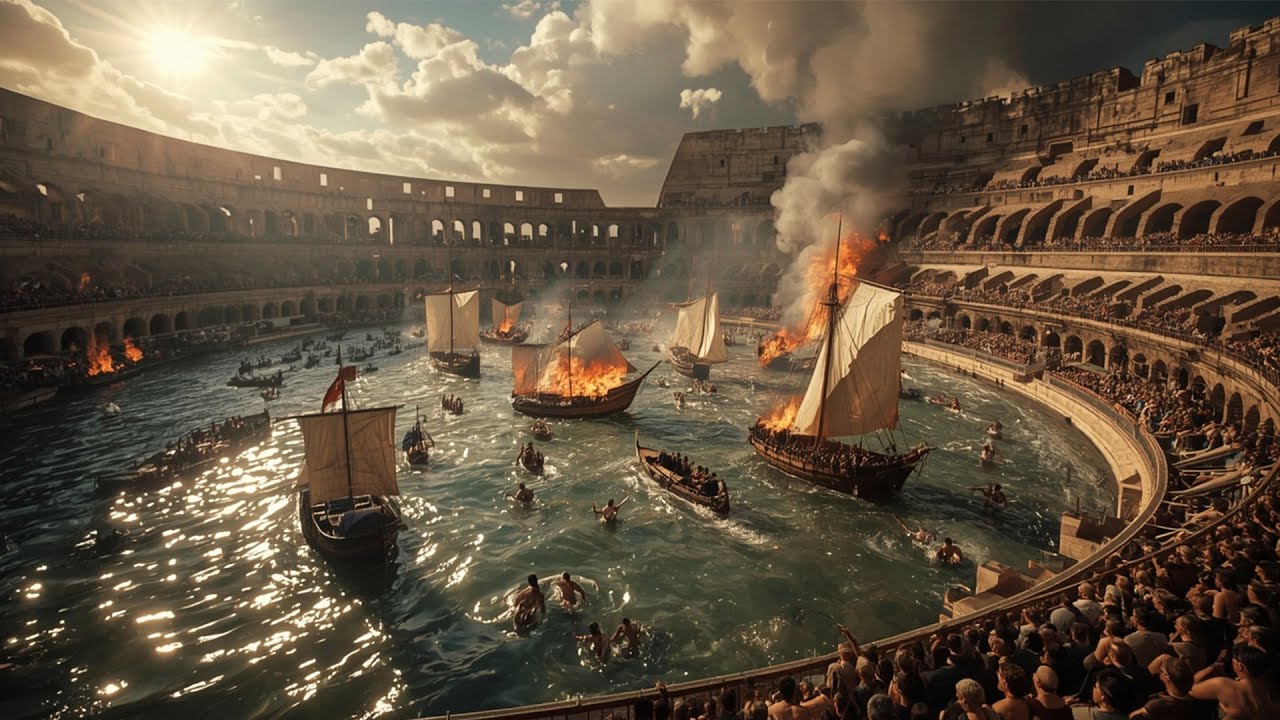
A comparative study of other Roman public spectacles, such as chariot racing in the Circus Maximus, theatrical performances, and naumachiae (staged naval battles).
The decline and eventual abolition of gladiatorial contests in late antiquity, examining the roles of economic strain and the rise of Christianity.
Historiography and reception studies: analyzing how modern media, cinema, and literature have constructed popular myths about gladiatorial combat versus historical evidence.
403.1K views5.5Klikes12:56Original Release: 2024-09-14
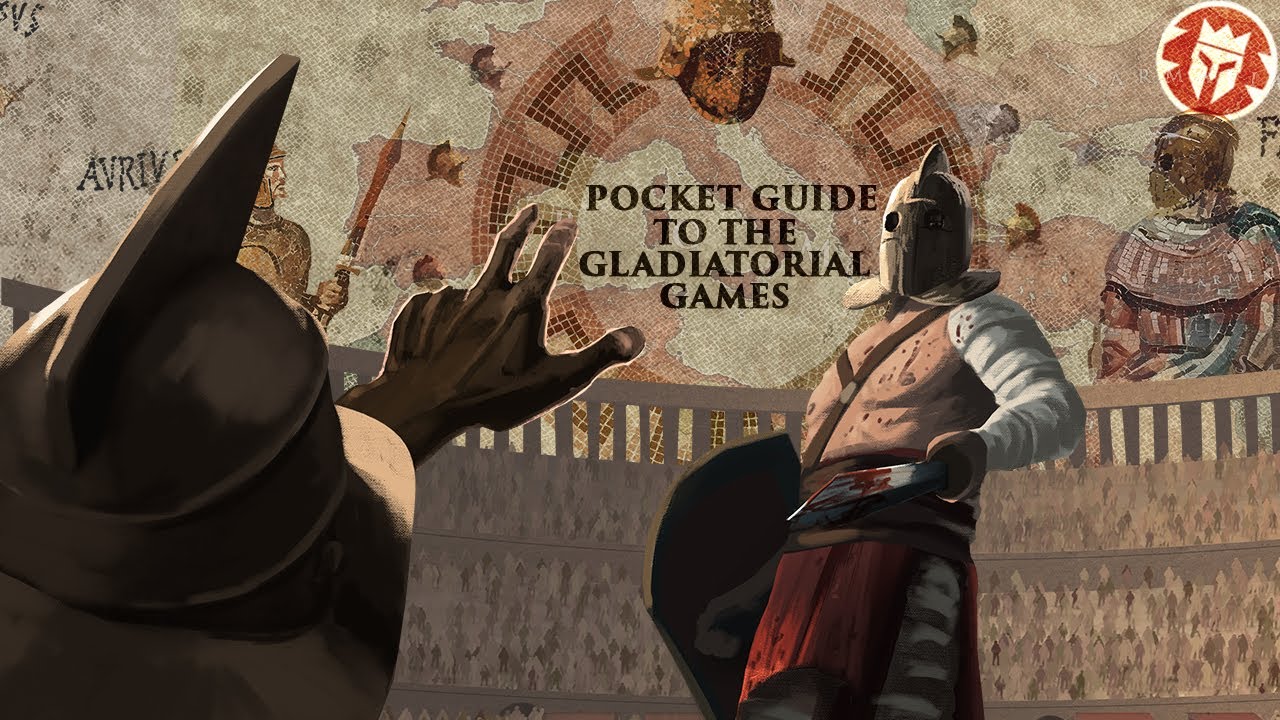
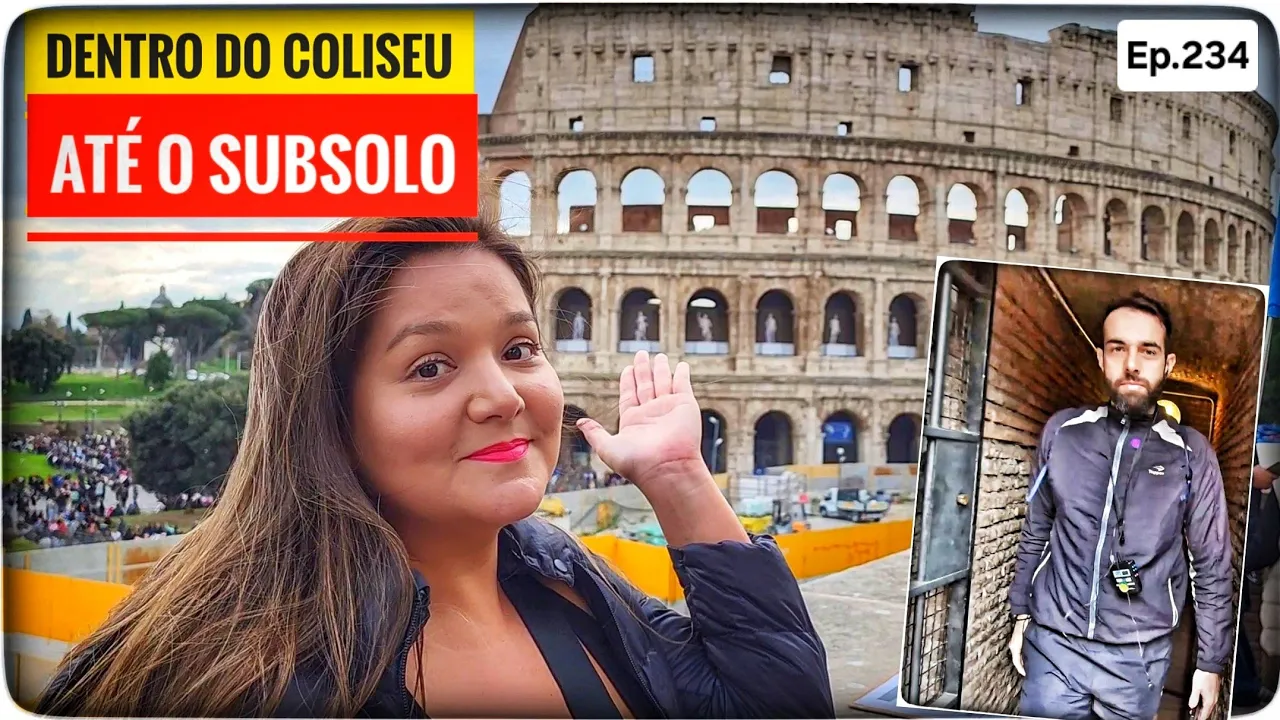
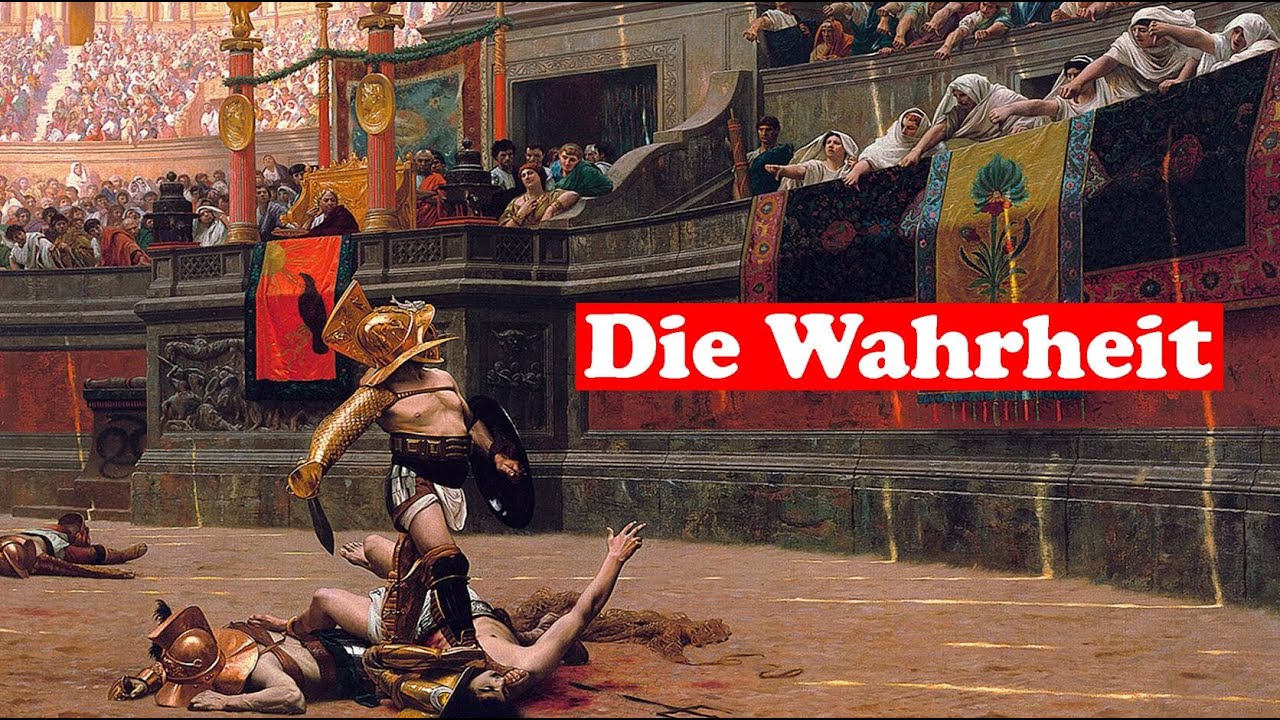
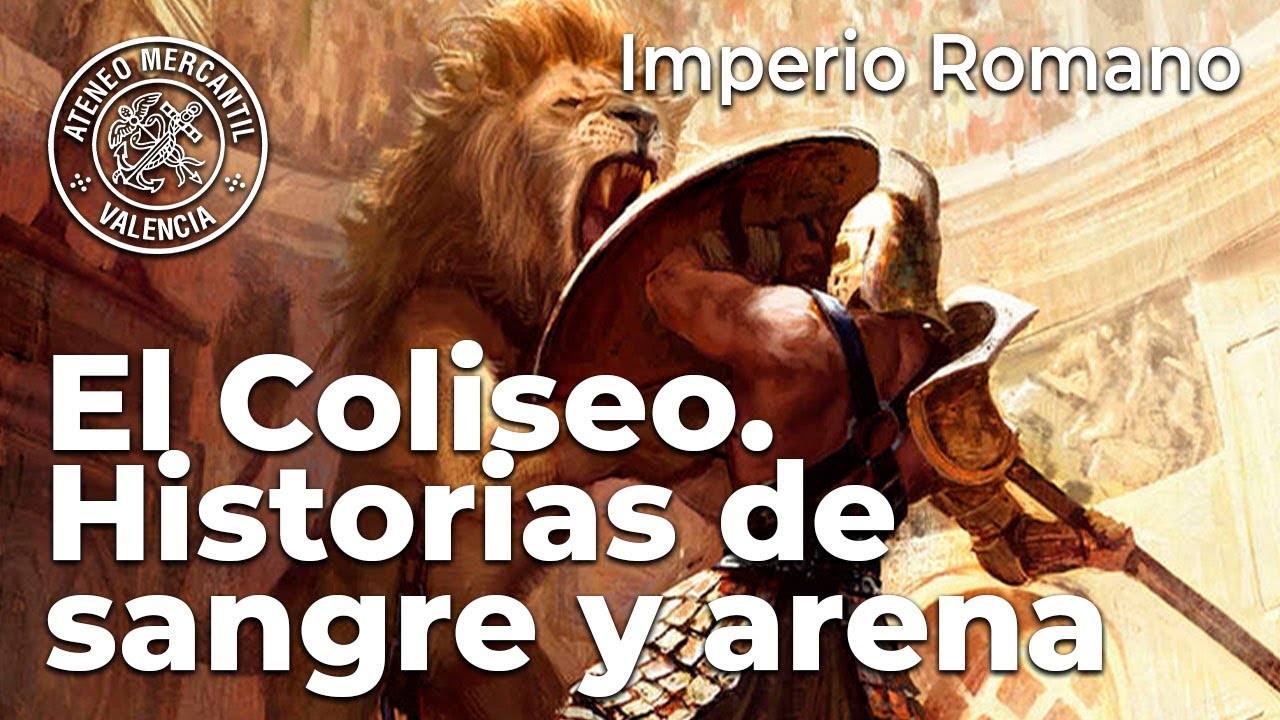
let me ask you about gladiators switch a pace here what role did they play in uh Roman society I mean okay Gladiator games obviously become a popular form of entertainment and they're one of the ones that's captured people's imaginations for all sorts of reasons I mean it's dramatic but also I think it's that apparent contradiction that in so many ways Roman society seems familiar to us uh in so many ways it's seems sophisticated and appealing uh law is wonderful all this but yet for fun they watched people fight to the death so how do you reconcile these things um Gladiators I find very interesting because they're an example of what historians call status dissonance so it's someone who in society has high status in some ways and very low or despised status in another so Gladiators most of them were slaves the lowest of the low in Roman society right also they're fighting for other people's pleasure and dying sometimes for other people's pleasure and the Romans had a real thing about this like your body being used for others pleasure uh even a humble working person who hired thems out for labor the Romans thought that was innately demeaning because you're you're you're using your body for someone else's benefit or pleasure so that they didn't have this notion of you know the Dignity of hard labor or something they thought the only Noble profession was farming okay cuz there you generate something and you're producing it for yourself but if you work for someone else you're demeaning yourself and Gladiators the worst of the worst right you're performing for someone else's pleasure so on the one hand they're very low status but on the other hand successful Gladiators get famous people admire them uh women find them attractive uh you know they're celebrities and so this this is the status dissonance right you have these people who on the one hand formally are very low status in society but yet are very popular on the other hand another kind of myth about gladiators is that they were just dying all the time I mean you watch you know movies and again they'll always throw a bunch of Gladiators and they all die uh I think some scholar did a study of there's like a hundred fights we know of um where we know some details and I think % of those ended in the death of one of the people so Gladiators are a lot more like boxing matches where you're watching a display of skill between two people who are more or less evenly matched in terms of their abilities and probably they'll survive though there's a chance that one of them might get injured in fact one might die um having said all that in the end you really are having people fight and potentially die for the pleasure of an audience and anthropologists and Roman historians like to speculate why did the Romans do this um the Romans address it I mean there's a a famous uh thing where Roman says we Romans are a violent people we're a warlike people and so it's fitting that we should be accustomed to the site of death and violence kind of works um there's a more symbolic interpretation that says the amphitheater is an expression of Roman dominance it's a symbolic expression because what you have are all segments of Roman society gathered together to control the fate of others so you have foreigners you have wild animals you have criminals uh you have other people and we are symbolically asserting our dominance over those groups by determining do you live or do you die and that kind of works too and the cynical one is humans like violence I mean when people watch AE game what gets the most excited the fight when people watch car racing there's a crash what's going to be shown on the news it's the crash so there's something dark in human nature sometimes that that likes violence and maybe the Romans are just being more honest about it uh than we are I think Dan Carlin has a really great episode called painful tainment MH and uh I think in that episode He suggests the hypothetical that if we did something like a Gladiator games today to the death that like the whole world would tune in yeah if as especially if it was Anonymous right we have a kind of like thin veil of Civility underneath which we probably would still be something deep within us would be attracted to that violence yeah I mean yeah there always is is it human nature um you know why do people slow down when there's a car wreck and try and see what's happening on the other hand to be fair I mean there were Romans at the time who morally objected to them and said this this is you know morally degenerate to to take pleasure in this and that's wrong so I think at all in all eras you have a diversity of opinions there's no unanimous you know take on on what this is or what this means so what who usually wore the Gladiators was it slaves was it well the most common source again is prisoners of waron so uh if you conquer some people and they seem to be warlike uh you might well consign some of them to fight in the arena and the other thing about gladiators is they were highly trained professionals MH so you know you're the the Gladiator schools who trained them were spending a lot of money to train these people and it wasn't just we take some guy and throw them into the arena like you see in movies all the time uh these were people that You' invested a lot of money in that's why you don't really want to see them killed um but yeah mostly they're they're prisoners of War I mean in very rare instances you might have a free person volunteering or even selling thems uh to fight as gladiators but um much more common was that and what's interesting is some people um wouldn't do it I mean there's a lot of instances of Gladiators refusing to fight and committing suicide which you don't hear um so like there was one uh German who was supposed to fight as a gladiator and instead he stuck his head between the spokes of a wagon that was spinning and snapped his own neck um there were a group of 29 Germans who all sort of said we're not going to fight for the Romans pleasure and they strangled one another the night before they were supposed to fight um so I mean you have people sort of objecting to being uh complicit in this kind of performance as well and they also had interest in animals yes so humans fought animals exotic animals and animals fought animals um anim the Romans were a little weird with their animal thing they loved exotic animals but mostly they like to see the exotic animals die so I mean they there was an enormous industry collecting wild beasts transporting them to Rome which is no easy matter to transport elephants and giraffes and rhinos particularly in you know this era of Technology but they they were like draining Africa and bringing lions and all these things and sacrificing them and what about the different venues I mean there's the legendary Coliseum what uh what is the importance of this place uh well the Coliseum it's real name is the flavan Ampitheater uh is interesting because for a long time Rome Rome always had a chariot racing Arena the circus Ma Maximus but it didn't have a permanent gladiatorial venue until relatively late till about 80 ad so during the reign of the emperor of theasian and he built this thing um so he built the flavian amphitheater he was from the flavian family of Emperors and he did it as a deliberate um Act of propaganda so uh before him had been Nero who was uh sort of seen as a crazy or bad Emperor and one of Nero's uh indulgences is he had built this enormous Palace for himself called the golden house so it was kind of this pleasure palace with 50 dining rooms and all this stuff and it was basically wasting a ton of money on him right so right on the site where Nero had his Golden House Vespasian says I'm going to erect a new building on top of it that's going to be for the pleasure of the people so it was very much a political statement that my Dynasty is going to be about serving Romans not serving ourselves and so that's why he uh builds the the flavian amphitheater and he the funds he uses from it is basically from uh looting Jerusalem because the other thing he had done just before this is he had sacked Jerusalem and destroyed the temple there in fact um he and his son Titus and so this is what he uh now builds in Rome is his gift to the people of Rome but it's interesting to think about that place to think about their relationship with violence um across centuries for spectacle watching people fight and you like you said you know only like 10% of the time it led to the death but I read that still a lot of a lot of people died a lot of gladi AES were killed oh yeah there's numbers are just crazy mean I I read uh 400,000 dead so this includes Gladiators slaves convicts prisoners and and so on that's a lot of people the the Flaming amphithe is really interesting too just as a piece of technology and as influence on later world I mean almost every sporting Arena today owes something to the flavy amphitheater the coliseum in terms of construction and it was amazingly sophisticated building I mean it had you know retractable awnings and elevators and ramps that things could just pop up into the arena from below and um you know it had very welld design passages where everybody could file in and file out very efficiently and they were all numbered so I mean it's it's one of I think the most influential buildings in history uh just because of the way that you know all these buildings we go to today they're all kind of variant on it and using some of the ideas from it and the Romans took their construction seriously oh yeah they were good at that so they were excellent Engineers um and and the Romans were excellent Engineers especially when it came to what you might think of as humble stuff I mean today we tend to think of oh a Roman building is shining White marble right well the core of that building was probably concrete and the marble is just a superficial facade and if you think about the Coliseum in Rome today all the marble has been stripped off that building and what you see is the concrete core the structural core that's left and the Romans I mean they didn't invent concrete but they just used it more creatively than anyone had before and if you look at buildings like the Greeks built they're all rect linear they're all rectangles or squares and they always have a lot of columns because you need to hold the roof up the Romans because of their use of concrete could build wooden frames they could have curves they could have domes they could have all kinds of stuff and it just explodes the architectural possibilities they also made a lot of use of the The Vault so if you cut rocks and arrange them so they form a curve you can have big vaed spaces um and they were just brilliant with their mix of things I mean the pantheon is the best preserved Roman building and it's another brilliant building incredibly influential I mean every every capital building in the world or museum is is an imitation of the pantheon you know the capital in Washington DC uh the capital in Madison right I'm from Wisconsin Austin where we are now they're all pantheons um you know it's a big dome with a triangular pediment and some columns on the front um so it's just amazingly influential building but it's brilliant because the way it's constructed is you know the the concrete at the bottom of the Dome is both thicker and has a denser formulation so it's heavier where it needs to Bear the weight and then as you get further up the Dome it gets narrower and narrower and they mix in different types of rock so at the top you're using pumis that very light volcanic Stone so where you want it to be light it's light and it's here 2,000 years later I mean look around you how many buildings that we're building now do you think are going to be here in 2,000 years um I suspect not many and it's not only that they lasted but they were beautiful or at least in our current conception of beauty yeah I mean you know vitrus you know his principles are things should be functional and they should be aesthetically pleasing so that that that's a winning combination I think yeah they pulled that off pretty well
Up Next

5:43
The Strangest Scenes on Trajan's Column Explained
@toldinstonefootnotes
1.6M views•2023-10-13

33:02
The Great Schism of 1054: Causes and Consequences
@SacredCathedrals
113.5K views•2026-02-19

18:15
Aztec Empire Rise: Origins, Military, and Sacrifice
@LexClips
636K views•2024-10-03

17:05
Understanding the Cold War: Superpower Conflicts and the Road to Détente
@OverSimplified
46.1M views•2019-01-24
Related Study Plans & Knowledge Roadmaps
Structured learning paths in History
history
Byzantine Iconoclasm: Theology, Art & Politics
01Foundations of Byzantium and Early Christian Images
02The First Iconoclasm: Leo III and the Crisis of Images
03Empress Irene, Nicaea II, and the Second Iconoclasm
+ 2 more learning modules
9h5 modules
Explore Roadmap
history
Iranian Revolution (Causes, Events & Legacy)
01The Pahlavi Dynasty and the Roots of Discontent
02The Spark of Rebellion and the Rise of Khomeini
031979: The Fall of the Shah and the Climax of the Revolution
+ 2 more learning modules
8h5 modules
Explore Roadmap
history
Mali Empire: Mansa Musa, Trade & Timbuktu
01Foundations of the Mali Empire
02The Trans-Saharan Gold and Salt Trade
03The Reign and Pilgrimage of Mansa Musa
+ 1 more learning modules
6h4 modules
Explore Roadmap
history
1947 Partition: Politics, Borders & Legacies
01Foundations of British India and the Divide
02The Political Negotiations and the Mountbatten Plan
03Drawing the Boundary: The Radcliffe Line
+ 2 more learning modules
8h5 modules
Explore Roadmap