





![[Imperial Roman Army] Organization & Structure](https://i.ytimg.com/vi_webp/davyHtCSa_E/maxresdefault.webp)

![Construindo um Império - Roma [Documentário]](https://i.ytimg.com/vi/YDLmb6UaZxg/hqdefault.jpg)









![[Talk Gnosis] The Rape of Eve](https://i.ytimg.com/vi/N_gNB9aJ2NU/maxresdefault.jpg)
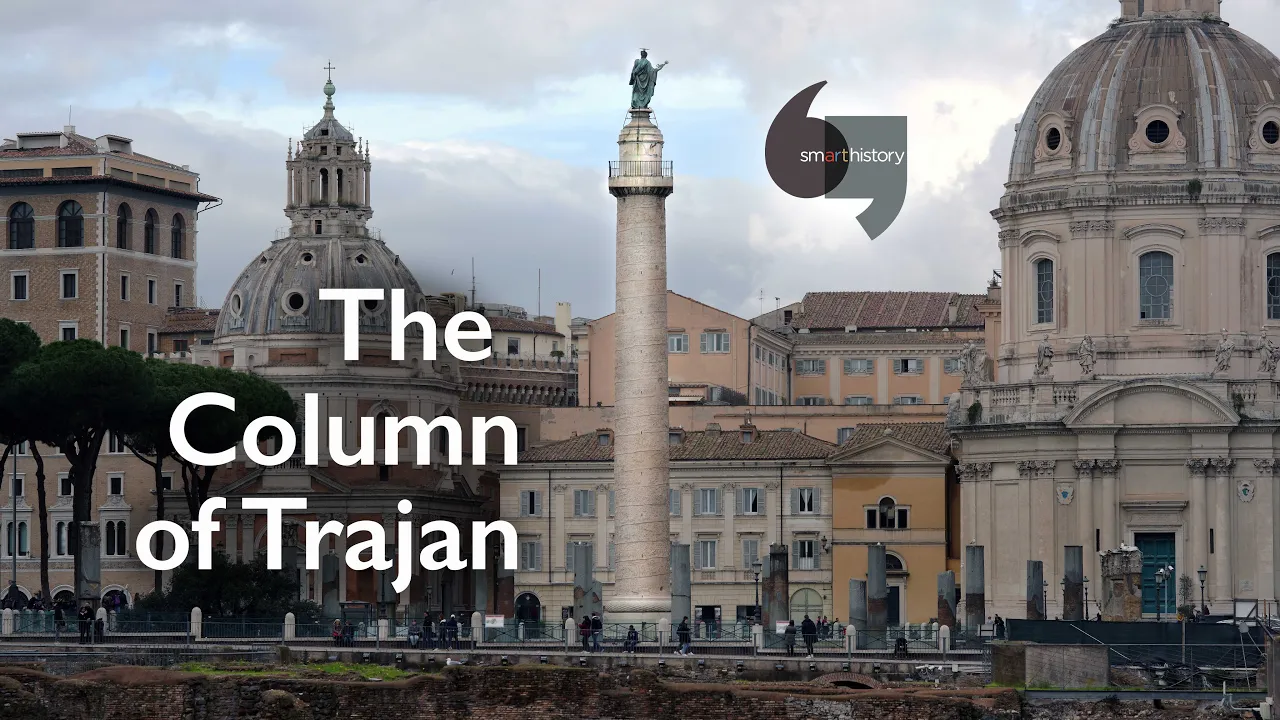
Trajan's Column in Rome serves as an extraordinary visual historical document depicting Emperor Trajan's victories over the Dacians in two wars during the early 2nd century CE, showcasing not only major battles and sieges but also mundane aspects of Roman military life including camp construction, road building, supply logistics (such as daily wine rations), and diverse auxiliary units from various regions like Germans and Syrians, while revealing the brutal realities of war through depictions of torture, enemy casualties, and the sophisticated engineering of military infrastructure like the famous 2/3-mile-long bridge over the Danube.
The Strangest Scenes on Trajan's Column Explained
Added:The historical context of the Dacian Wars (101-106 AD) and the geopolitical motivations behind Emperor Trajan's campaigns in Eastern Europe.
The artistic concept of continuous narrative relief sculpture and how ancient civilisations used public monuments for state propaganda.
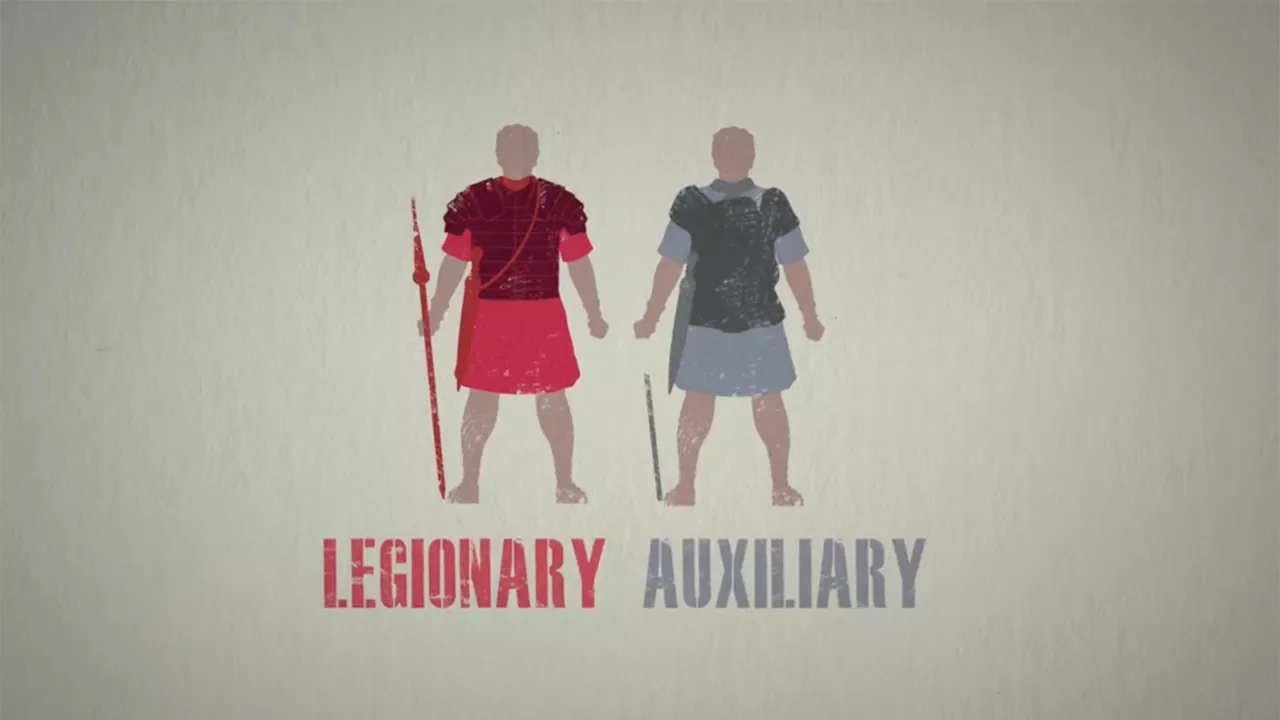
The basic organization and division of the Roman imperial army, specifically the distinct roles of heavy infantry legionaries and specialist auxiliary forces.
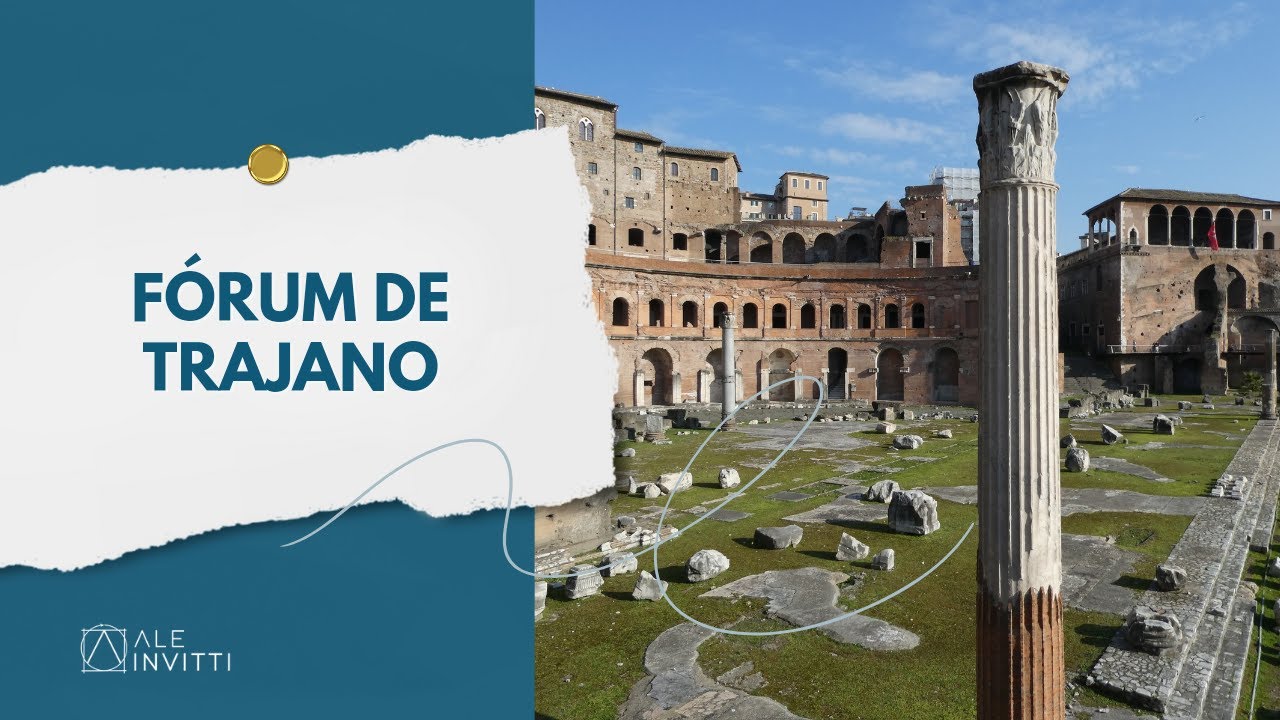
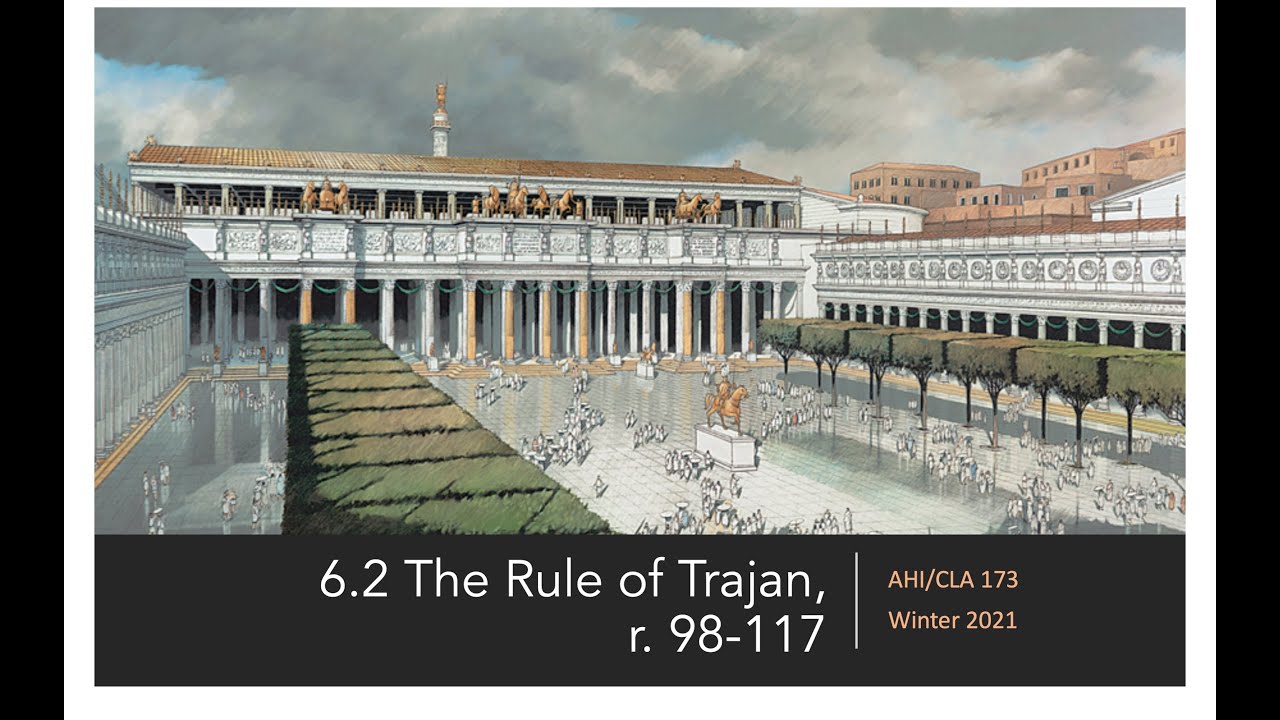
The geographic and cultural layout of ancient Rome's Forum of Trajan, where the column was originally erected as a centerpiece of civic pride.
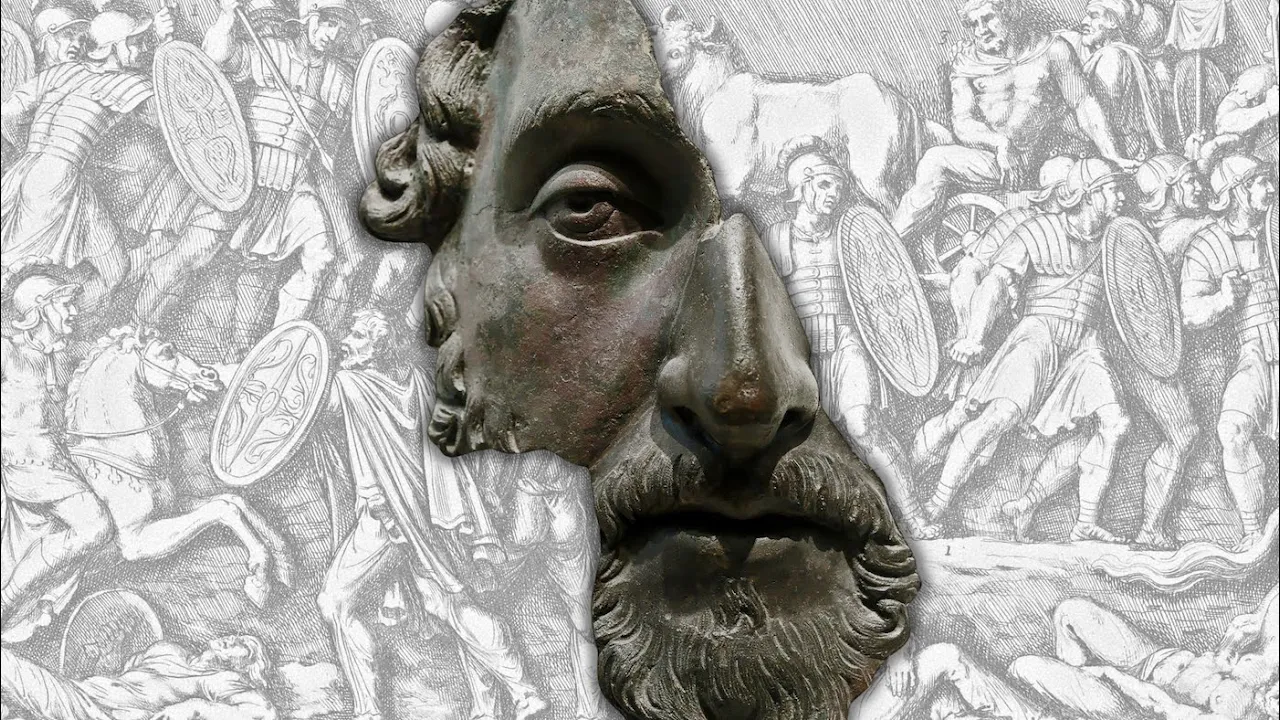
A comparative analysis between Trajan's Column and the Column of Marcus Aurelius, focusing on the evolution of Roman artistic style and changing attitudes toward the brutality of war.
The archaeological study of Roman military engineering, using the column's construction scenes to research ancient Roman logistics, tool use, and rapid fortification building.
Historiographical debates surrounding the accuracy of the column's depictions versus modern archaeological excavations of Dacian battle sites and weapons.
The depiction of the 'other' in Roman art, analyzing how conquered peoples and captive women were portrayed to justify imperial expansion and reinforce Roman cultural superiority.
1.6M views24.9Klikes5:43Original Release: 2023-10-13
here in the national museum of Romanian history at Bucharest is a fullscale cast of the column of Tran there are other casts like the one the Museum of Roman civilization at Rome or the Victorian Albert at London but this is the most accessible at the moment and since I'm here I thought I might as well give a brief tour of some often overlooked details on this Most Fascinating of Roman Victory monuments the column shows tra's victory over the dacians in two wars fought during the first decade of the 2 Century although all of the major battles and sieges appear on the column they're accompanied by quite a bit of more mundane stuff like the building of camps and Roads I've always enjoyed these construction scenes because they show details we don't have elsewhere so here besides seeing the men at work with axes and madx we have a depiction of their tents you can see them here as I come a little closer they're made of leather and supported by ropes and each sized for eight men this frenzied battle scene May depict the Second Battle of topy fought in a strategic pass that led to the dean Capital at sarusa I wanted to focus however on the accompanying scene which shows Roman soldiers setting fire to aan settlement here we have one of those famous that is Dragon banners the Nations brought to war they were hollow tubes and made a hissing as they were carried and the wind ran through them also you can see a row of skulls on spikes probably belonging to captured Roman soldiers here the Roman Cavalry are pursuing a band of sarmatians a step people allied with the dacians see how the Sans are shooting their slings as they flee both San Warriors and their horses are fully covered in scale armor and in fact even the horse's eyes are protected the column is never shy about the horrors of War here beside a scene of traion handing out military awards we see dacian women torturing captured Roman soldiers with torches several pontoon bridges are shown on the column but this one is nice and clear you can see how it's a series of boats with a wooden deck laid over it above as the troops assemble we have a nice shot of the legionary Insignia in this scene as the Romans prepare a camp before an assault on the Das in a mountainous area a shipment of supplies arrives including here on muack a series of casks holding wine a nice reminder that Roman troops received a wine ration every day the moish Cavalry Rome's finest light Cavalry unit charges to the rescue in this scene notice how unlike the sarmatians they're very lightly armored with just a shield and a tunic in several scenes Roman soldiers present heads to traan perhaps in return for some sort of bounty in this scene showing the General headquarters we have a lumber yard with two men hard at work sewing wood amid vast stacks of logs in this scene which shows the emperor and his men setting out on the danu in their Fleet you can see the prows of the Roman ships which are ornamented in this case like the beaks of dolphins traent is often shown offering sacrifice in his role as pontifex Maximus I like how in this particular scene the sculptor took the time to show the protruding tongue of this newly sacrificed bull one of the most famous scenes in the column is this one which shows the dedication of apors of damascus's great bridge over the danu carried on 20 vast masonry peers over the current it was about 2/3 of a mile long if we go closer you can see above those m peers elaborate trusses that carried the roaded here we have two very different units of Roman auxiliaries in the center of the screen now are Germans probably from the Ry Frontier region in their leather trousers beside them are Syrian archers in their conical caps and flowing robes this part of the column appears to show the Roman Siege of the Dian capital at samusa but nobody's any idea what this thing is it's probably a sieg engine of some sort or other and someone thought it might have been a sort of portable barrier pushed forward to protect the men as they worked toward the walls but the jury is still very much out these are random details but I think the representative of how much a closer look at a famous monument can reveal for
Up Next
3:19
Indus Valley Civilization: Town Planning and Drainage System
@Belfastbee
130.1K views•2020-06-30

33:02
The Great Schism of 1054: Causes and Consequences
@SacredCathedrals
113.5K views•2026-02-19

91:57
The Geopolitics of the Ukraine War and the Rise of Global Autocracy
@JordanHarbingerShow
468K views•2025-04-19

17:05
Understanding the Cold War: Superpower Conflicts and the Road to Détente
@OverSimplified
46.1M views•2019-01-24
Related Study Plans & Knowledge Roadmaps
Structured learning paths in History
history
Byzantine Iconoclasm: Theology, Art & Politics
01Foundations of Byzantium and Early Christian Images
02The First Iconoclasm: Leo III and the Crisis of Images
03Empress Irene, Nicaea II, and the Second Iconoclasm
+ 2 more learning modules
9h5 modules
Explore Roadmap
history
Iranian Revolution (Causes, Events & Legacy)
01The Pahlavi Dynasty and the Roots of Discontent
02The Spark of Rebellion and the Rise of Khomeini
031979: The Fall of the Shah and the Climax of the Revolution
+ 2 more learning modules
8h5 modules
Explore Roadmap
history
Mali Empire: Mansa Musa, Trade & Timbuktu
01Foundations of the Mali Empire
02The Trans-Saharan Gold and Salt Trade
03The Reign and Pilgrimage of Mansa Musa
+ 1 more learning modules
6h4 modules
Explore Roadmap
history
1947 Partition: Politics, Borders & Legacies
01Foundations of British India and the Divide
02The Political Negotiations and the Mountbatten Plan
03Drawing the Boundary: The Radcliffe Line
+ 2 more learning modules
8h5 modules
Explore Roadmap