



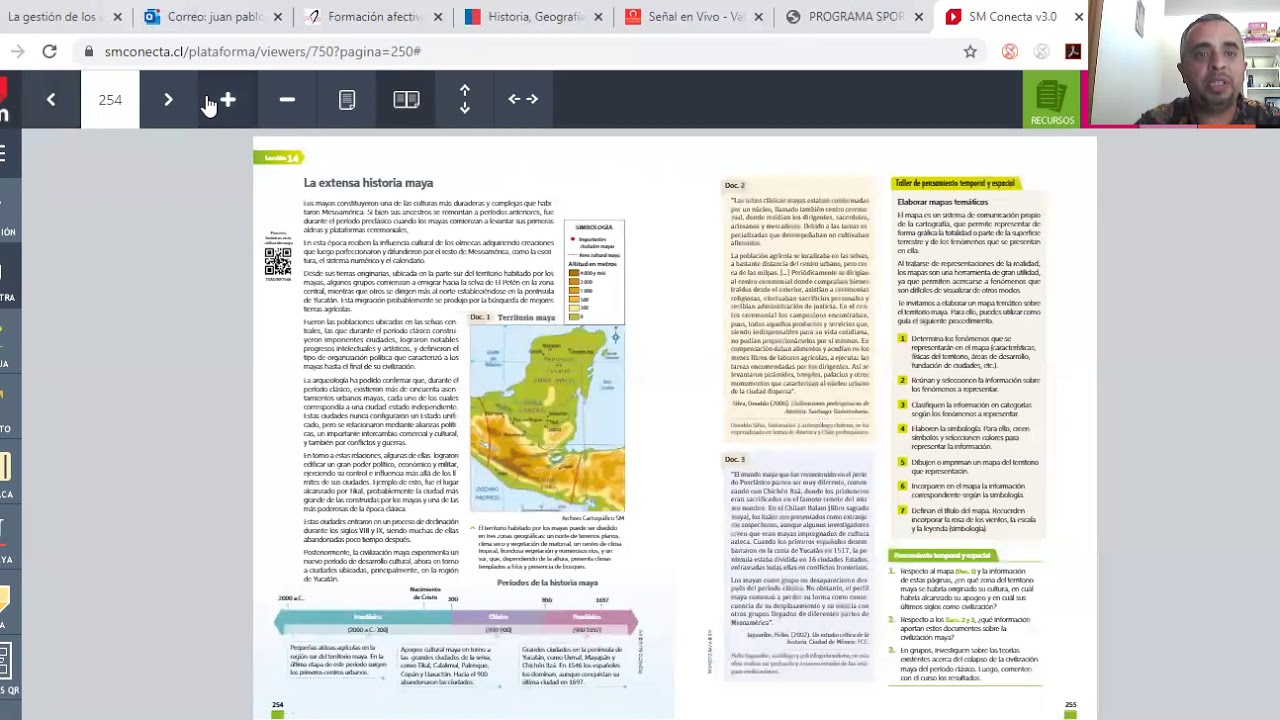




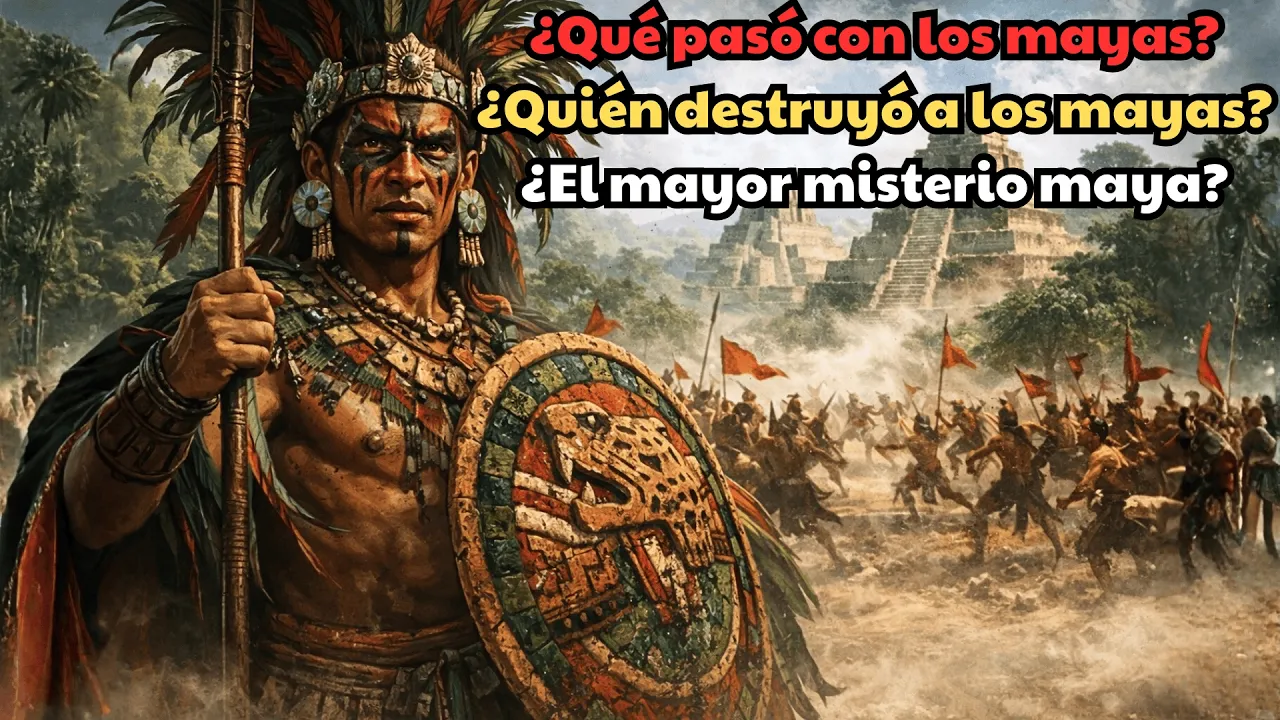
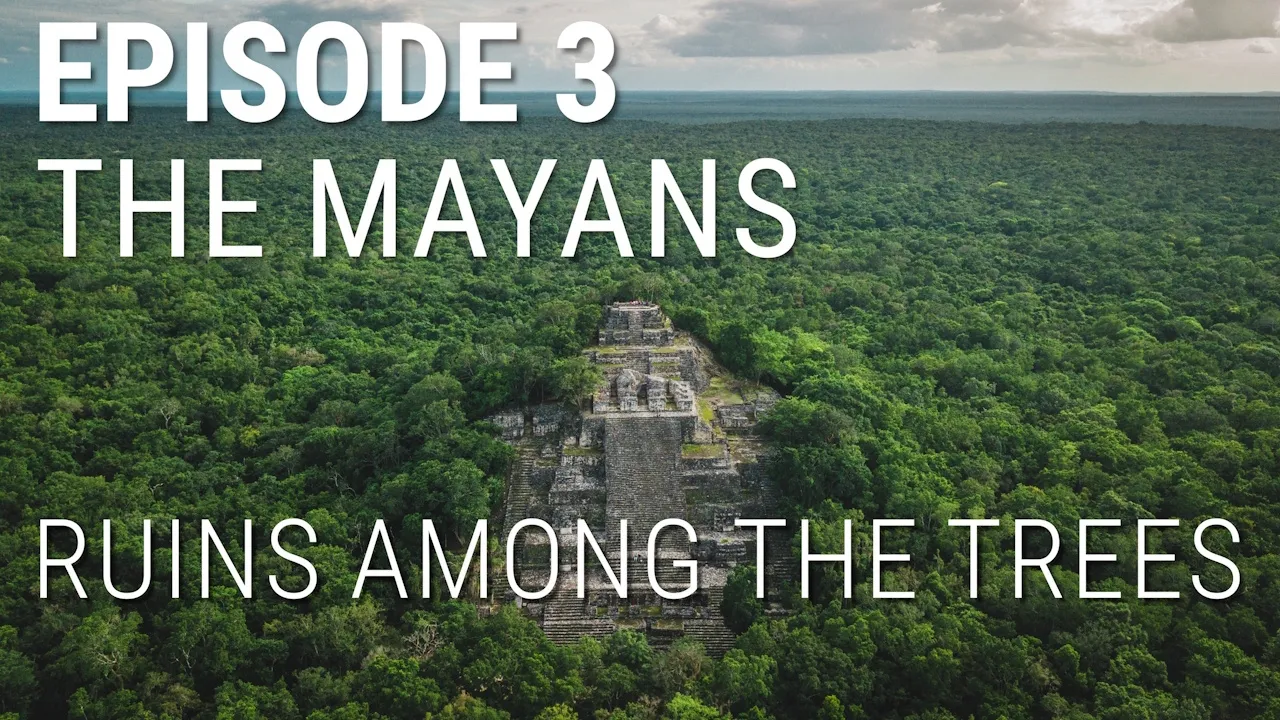



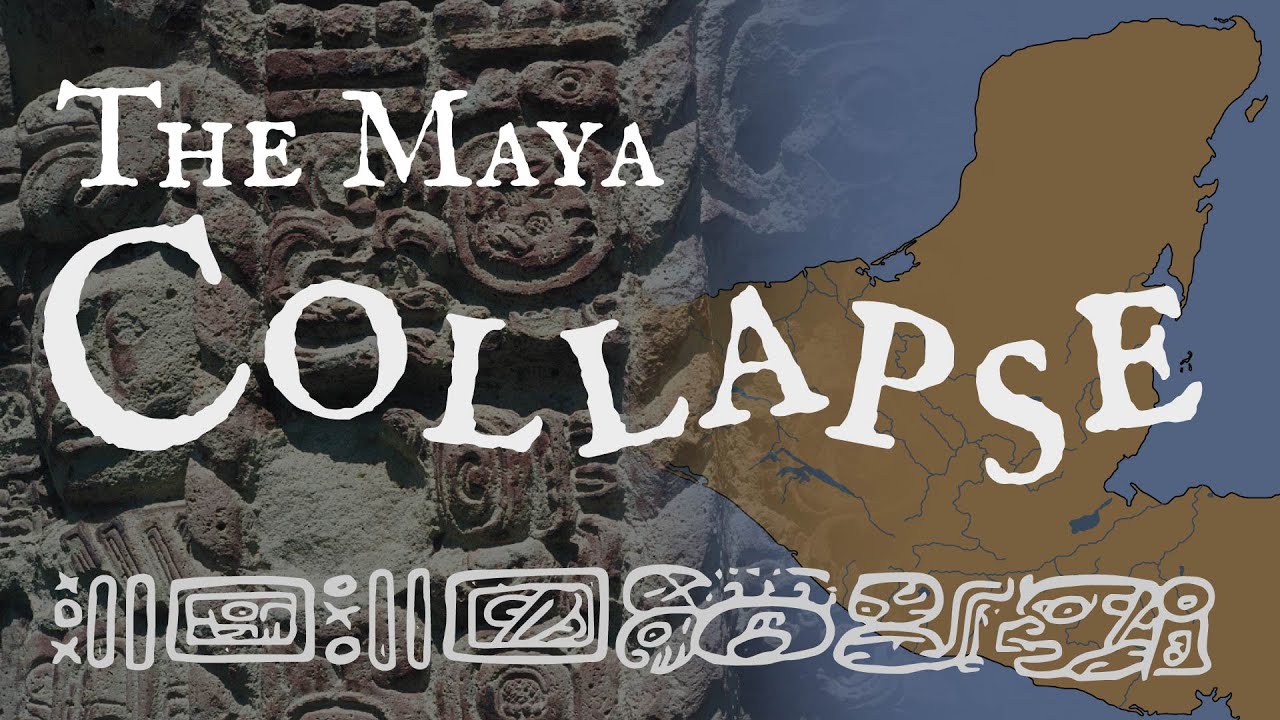











The Classic Maya civilization collapsed around 900 AD due to a combination of factors including intensified warfare between city-states, environmental degradation from deforestation that caused soil erosion, and severe droughts lasting 40-100 years; while the southern lowlands declined, survivors migrated north and established new centers like Chichen Itza and Mayapan, which adapted politically by replacing divine kingship with ruling councils and dominating trade routes, ultimately surviving Spanish conquest until the late 17th century when the last Maya stronghold fell in 1697.
Why Did the Maya Civilization Collapse? | Historical Analysis
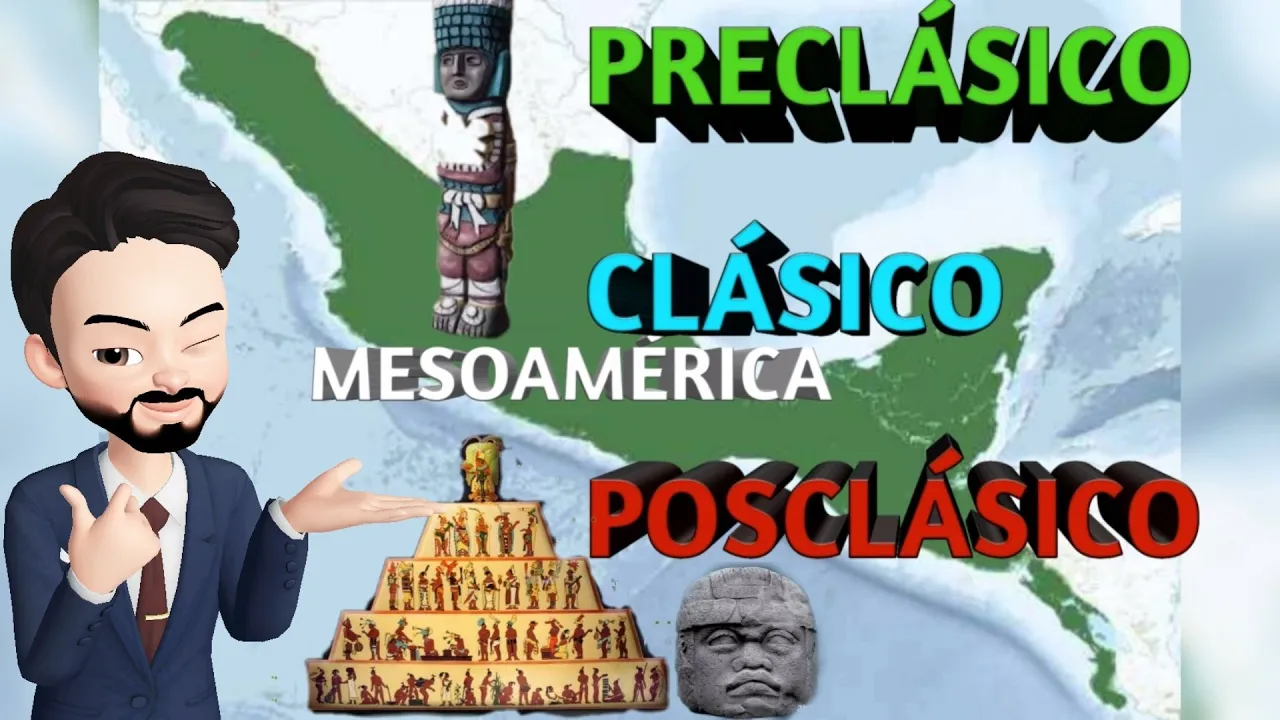
Added:Understanding of the Mesoamerican geography and the chronological distinction between the Preclassic, Classic, and Postclassic periods of Maya history.
The political structure of the Classic Maya, characterized by independent, competing city-states ruled by divine kings (K'uhul Ajaw) rather than a single unified empire.
Basic Maya agricultural systems, such as slash-and-burn (milpa) and terracing, and how they adapted to the tropical rainforest ecosystem.
The conceptual distinction between the 'Classic Maya Collapse' (around 900 CE) in the southern lowlands and the final Spanish Conquest of the region centuries later.
Investigation of the Postclassic Maya period, focusing on resilient northern cities like Chichen Itza, Mayapan, and Tulum that flourished after the southern collapse.
Comparative study of societal collapse theories in world history, analyzing frameworks by scholars like Jared Diamond or Joseph Tainter regarding resource depletion and complexity.
Examination of modern archaeological methodologies, particularly LiDAR technology and paleoclimatological analysis (such as lake sediment core samples) used to detect ancient environmental changes.
Exploration of the contemporary Maya population today, focusing on their cultural preservation, ongoing traditions, and linguistic survival in modern Mexico and Central America.
798.9K views17.7Klikes13:18Original Release: 2018-08-30
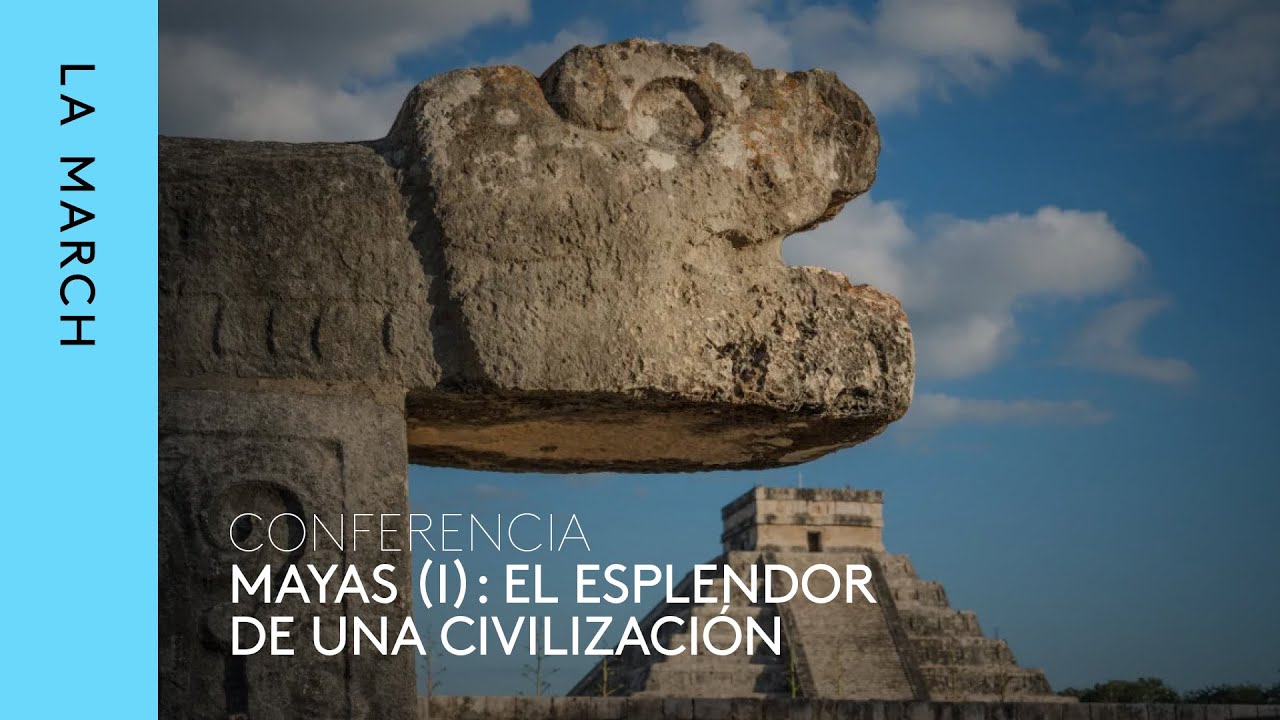
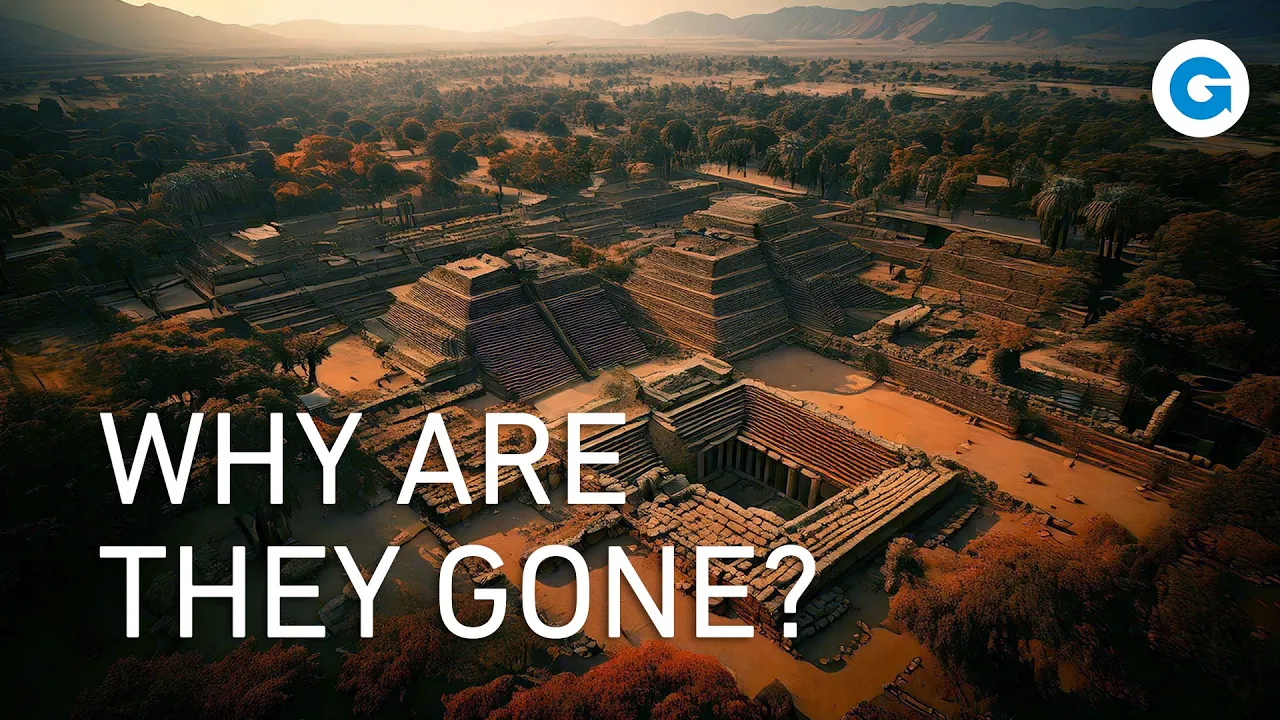
[Music] by the early 8th century the Maya civilization was at its zenith building and maintaining cities of such scale that future explorers hypothesized that they must have been built by Lost Tribes of Israel or the Phoenicians but only 150 years later the flourishing Classic Maya civilization had crumbled undergoing one of the most devastating social and demographic upheavals in human history yet the Maya wouldn't succumbed to Spanish control until 1697 nearly 200 years after the Aztecs and Inca the great collapse and fall of the Maya is a story of change triumph and tragedy where ancient Thrones will be shattered but from them new powers will emerge there is no disputing that the Maya civilization in the southern lowlands underwent some sort of collapse the prevailing question is one and fortunately we do not have any records of the collapse from the Maya themselves the stilly that we rely upon usually focus on the lives of God kings rather than agricultural yields and the books that may have contained these records have been reduced to ash what we do know is that in the eighth and ninth centuries alliances began breaking down trade declined and intense conflicts spiraled out of control the greatest example of this is the Tikal collect more Wars we saw in the previous video by 830 ad the large scale constructions that we associate with the Maya had mostly stopped and at its IMTA we see the final date carved on a still e the 16th of January 9 10 which marked that one of humanity's brightest lights the classic urban civilization of the Maya was at an end similar to the fall of Rome or the Hittites we know that there is more than one single reason for the collapse most - agree that three major factors led to the Classic Maya collapse warfare environmental collapse and drought will start with warfare first because it seems to have been the earliest arriving course as these increasingly frequent Wars continued to plague the southern lowlands the level of violence and destruction they brought increased the Maya Kings had been warring since the pre-classic period but things had escalated and warfare was now interrupting the daily lives of the common people the gorgeous temples and palaces that once glorified Maya cities were turned to rubble some even torn down in order to build fortifications which began to spring up around once unwalled Maya cities some cities even had defensive walls that passed right through the middle of them settlements began to regress pyramids lay unfinished and Kings unburied hundreds of thousands of refugees poured into the cities from the countryside swelling their populations Tikal which had a population between 60 to 80 thousand for most of its history may have skyrocketed to 200 thousand during this period this was compounded by environmental issues as we discussed in the first video in this series the Yucatan is quite a hostile environment and the Maya needed to develop ingenious and costly methods to thrive within it in order to fuel their ever-growing cities and to make the plaster that covered them massive swaths of forests had to be cleared this deforestation increased soil erosion in an environment in which soils were already quite thin the success of the Maya city-states was sowing the seeds of their destruction the final fatal factor was drought the Maya were one of the most adept civilizations when it came to drought management their aqueducts and cisterns still dot the jungles that have consumed their cities however the sheer length of the drought that struck them between 800 and 1100 AD were apocalyptic there was a 40 year drought between 822 860 another around nine-30 and then from 1000 to 1100 there was another a 100 year long drought the area was already suffering from incessant warfare soils were less productive than ever Kings were embroiled in centuries long rivalries and now farmers had to plant seeds of corn into the dry dirt year after year only to see nothing sprout all that was left to do was curse the gods or the person who was supposed to maintain their favor which in Maya culture was the king now that the Maya Kings had failed to please the gods and bring down the rains the people may have risen up against them bloody revolutions could have been the tragic final act for these cities and the position of divine kingship in Maya society dwindled or was cut away any of these factors individually could probably have been easily overcome by the Maya the destruction from endless wars could have been healed droughts could be managed new farming methods can be developed and new political systems implemented but all of these together spelled disaster complex and compounding factors are what brought it about but what happened to the survivors of this collapse not everyone died the southern lowlands had a population in the millions it is a great mystery of archaeology but we do have some records of them migrating north during this period the terminal' classic the northern cities such as chichen itza and Ishmael began to soar so while the southern lowlands ceased to create monuments or house giant cities the northern lowlands actually flourished the Maya did not disappear after their collapse which is an extremely popular misconception rather their civilization underwent massive shift chichen-itza rose to become a major regional power by adapting to the political changes brought about by the collapse by abandoning god-kings and replacing them with ruling councils and by dominating the trade routes in the region especially salt it became the political center of the northern lowlands from the 10th to the 13th centuries they built famous structures like el castilo which during the spring and autumn equinoxes creates an awe-inspiring effect of a serpent wriggling down its staircase mayapan took over the title of regional power after chichen itza declined in the 11th century but it itself would be abandoned in 1448 for reasons similar to the collapse earlier this period for a series of natural disasters and increased warfare that would only end around 1511 at which point the Spanish arrived this is the beginning of the end for independent Maya civilization to understand this conflict we need to understand what the Spanish brought first were diseases previously unknown on the continent smallpox influenza and measles wreaked havoc on native populations in what is probably the most unparalleled destruction of life in human history within a hundred years 90% of the native population was gone while the Maya were the first of the Mesoamerican civilizations to have contact with the Spanish they were spared for a few years as the goldrich Aztecs in Mexico drew their attention instead the Spanish conquest of the Maya only truly began in 1528 spearheaded by Pedro de Alvarado and his brothers veterans of the conquest of the Aztecs taking down the Maya would not be a short affair unlike the Aztecs or Inca the Maya did not have a central authority that could be kidnapped the Maya themselves also fought in a different fashion to the Aztecs they attacked Spanish camps at night lay traps for them in the jungle and deployed rapid hit-and-run tactics the fighting in those jungles was unlike anything the Spanish had dealt with before small parks had reached some heights of the Maya area even before the conquistadors began their invasion when the Alvarado brothers entered those jungles and cities they were walking through an already post-apocalyptic landscape as the germs had initiated a deadly blitzkrieg assault before they could resistance were still fierce however it wasn't until 1542 that the Spaniards could even establish a capital in the region Merida the Spanish had to invade and conquer each Maya city or group separately when they finally established control over one region as soon as they moved to the next it would repel as the conquistadors underwent their incredible conquest they were accompanied by thousands of natives from both Mexico and the Maya area some of them already veterans from previous conquests certain powerful Maya families rulers and cities saw the short-term benefit that siding with the Spanish could bring we have a cloth painting from the era showing these allies assisting conquistador Jorge De Alvarado in his campaign of 1527 to 1529 in 1541 the Maya were granted a brief respite when Pedro del Verado died but the most powerful Maya kingdoms such as the and Kaqchikel were also at an end without them large-scale resistance would be impossible and the chance of a unified Maya resistance to the conquistadors was on the final hold out against the Spanish was the City of North Bay 10 which was controlled by the itza people it was located in the middle of a lake in northern Guatemala and surrounded by defensive walls this city couldn't be taken until 1697 when Martin de ursua assaulted the city with a large attack boat outfitted with Cannon and mortars the population of the city attempted a last stand they swarmed the boat with canoes but were beaten back and shot in the water as they tried to swim away the city was bombarded and taken on the 10th of March 1697 but the resistance never truly halted for the Maya rebellions by the Yucatec Maya in 1847 and 1860 came close to retaking the entire Yucatan in 1910 came another rebellion against the dictatorial regime of Porfirio Diaz and these uppity stir National Liberation Army has challenged the Mexican authorities since the initial uprising of 1994 today there are 7 million maya living in guatemala southern Mexico and the Yucatan Peninsula Belize El Salvador and Western Honduras some have integrated into the Hispanic mestizo culture while others continue to live a more traditional life still speaking one of the over 30 - and Counting the passing days on ancient calendars the Maya are an odd example of a civilization in that they have been a part of human history for an incredibly long time they have risen and fallen and risen and fallen a number of times they have been invaded by foreign powers and dealt with apocalyptic disease yet they still have never truly been conquered as their culture and spirit has seemingly continued unbroken until this day [Music] thank you for watching the last episode in our series on the Maya we will soon conclude our series on pre-columbian America and move on to other regions so make sure you are subscribed to our Channel we would like to express our gratitude to our patreon supporters who make the creation of our videos possible now you can also support us by buying our merchandise via the link in the description this is the kings and Generals channel and we will catch you on the next one [Music]
Up Next

89:15
Parallel Civilizations: Ancient Angkor and the Maya | Yale Lecture
@BerkeleyGraduateDivisionVideos
310.5K views•2012-07-30

33:02
The Great Schism of 1054: Causes and Consequences
@SacredCathedrals
113.5K views•2026-02-19
19:41
The Great Schism: Catholic-Orthodox Rivalry in Medieval Christianity
@KingsandGenerals
2.6M views•2020-02-06
17:05
Understanding the Cold War: Superpower Conflicts and the Road to Détente
@OverSimplified
46.1M views•2019-01-24
Related Study Plans & Knowledge Roadmaps
Structured learning paths in History
history
Byzantine Iconoclasm: Theology, Art & Politics
01Foundations of Byzantium and Early Christian Images
02The First Iconoclasm: Leo III and the Crisis of Images
03Empress Irene, Nicaea II, and the Second Iconoclasm
+ 2 more learning modules
9h5 modules
Explore Roadmap
history
Iranian Revolution (Causes, Events & Legacy)
01The Pahlavi Dynasty and the Roots of Discontent
02The Spark of Rebellion and the Rise of Khomeini
031979: The Fall of the Shah and the Climax of the Revolution
+ 2 more learning modules
8h5 modules
Explore Roadmap
history
Mali Empire: Mansa Musa, Trade & Timbuktu
01Foundations of the Mali Empire
02The Trans-Saharan Gold and Salt Trade
03The Reign and Pilgrimage of Mansa Musa
+ 1 more learning modules
6h4 modules
Explore Roadmap
history
1947 Partition: Politics, Borders & Legacies
01Foundations of British India and the Divide
02The Political Negotiations and the Mountbatten Plan
03Drawing the Boundary: The Radcliffe Line
+ 2 more learning modules
8h5 modules
Explore Roadmap