













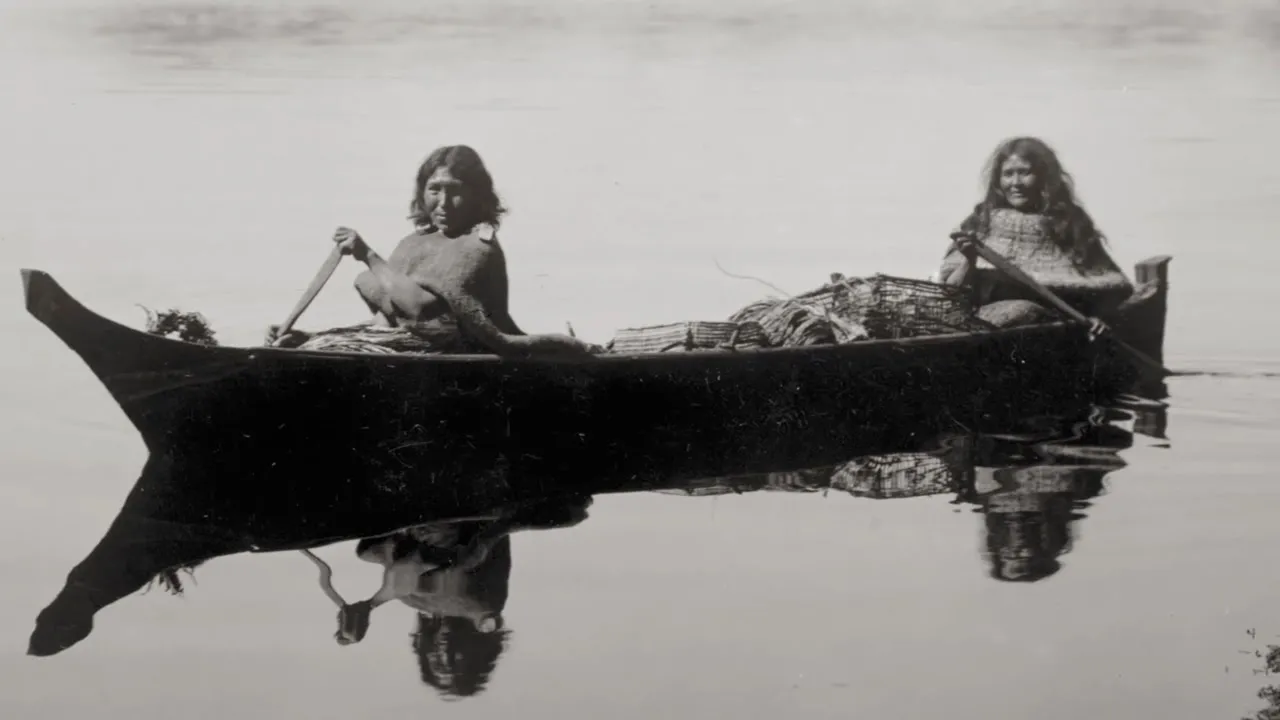





The Pacific Northwest Coast developed one of North America's most complex hunter-gatherer societies without agriculture, demonstrating that prosperous, stratified communities with distinct classes could emerge from marine-based economies; this region, stretching from Alaska to Northern California, featured abundant resources including salmon, shellfish, and timber that supported high population densities (estimated at over one million people before contact), sophisticated woodworking technologies, and elaborate social hierarchies including slavery, all facilitated by the temperate rainforest environment and productive coastal ecosystems.
Pacific Northwest Coast Peoples: Evolution of Complex Societies
Added:Understanding the traditional anthropological model of the Neolithic Revolution, which links the rise of agriculture directly to the development of sedentary, socially stratified societies.
Basic knowledge of the geography and ecology of the Pacific Northwest, specifically its temperate rainforests and rich marine ecosystems.
The conceptual distinction between mobile hunter-gatherers (typically egalitarian) and sedentary, food-producing societies.
Fundamental sociological concepts of social stratification, hierarchy, and division of labor.
In-depth study of the Potlatch system as a complex socioeconomic institution for wealth redistribution, status affirmation, and legal transactions.
Analysis of indigenous resource management techniques, such as clam gardens and tidal fish weirs, which challenge traditional Western definitions of 'agriculture'.
Exploration of Pacific Northwest artistic traditions, material culture, and the socio-political role of totem poles and plank houses.
Examination of the impacts of European colonization, cultural suppression (such as the potlatch bans), and modern efforts toward sovereignty and cultural reclamation.
796.3K views17.7Klikes47:44Original Release: 2023-01-30
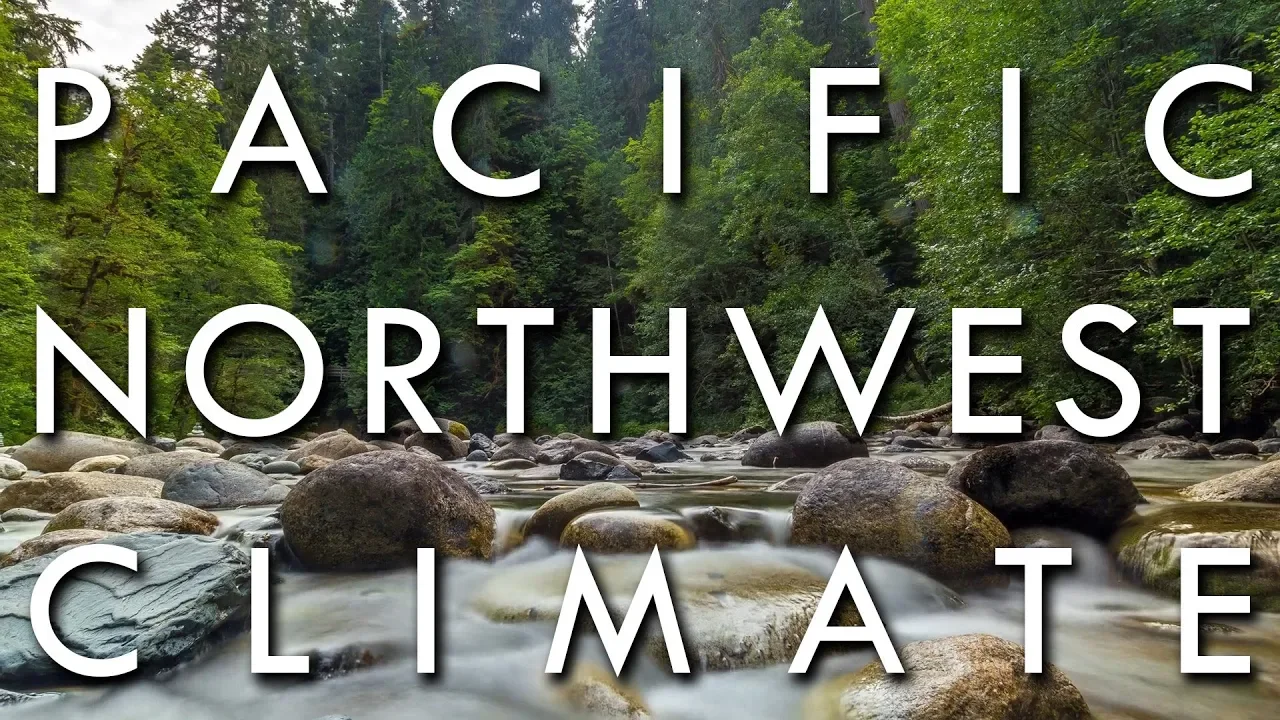
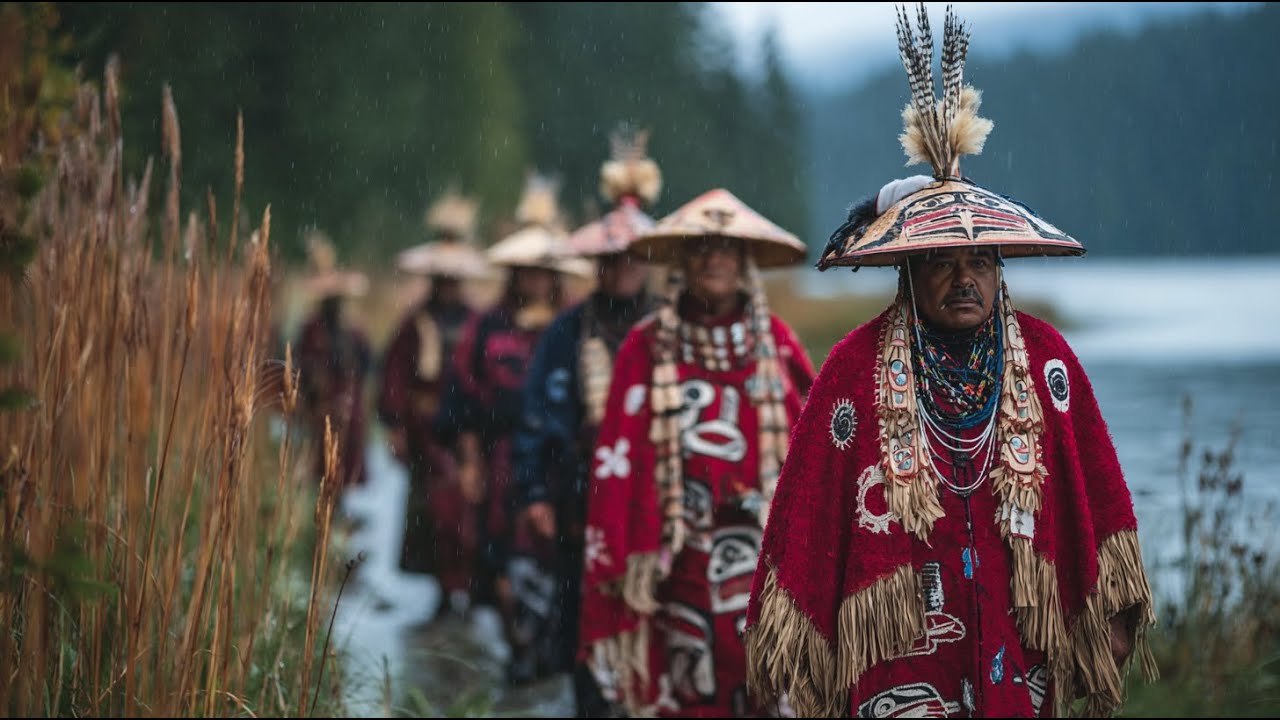
this video is sponsored by one dream stick around at the end of the episode to learn more the cultures of the Pacific northwest coast are among the most well-known and distinct indigenous cultures of North America you've probably seen their iconic artwork even if you didn't know that it comes from their cultures Northwestern Mainstays such as totem poles have come to Define indigenous peoples of North America as a whole prior to European contact the northwest coast was the second most densely settled area of North America thanks to the highly productive environment they inhabited these local people lived in very prosperous and stratified societies with distinct classes this may not sound very unusual at first until you consider that none of these cultures practiced agriculture they were hunter-gatherers for a long time anthropologists assumed that hunter-gatherers lived in very mobile simple egalitarian societies only with the Advent of Agriculture what economic inequality and hereditary class distinctions develop so it was claimed today if you ever read something like this in a textbook these statements get qualified with words like usually typically or the ever popular in most cases the northwest coast is one of the big reasons those qualifiers exist because they break all those old assumptions about how complex societies develop so let's explore the fascinating development of one of North America's most interesting culture regions [Music] okay so this is going to be an interesting episode because we are basically covering over 10 000 years of history in one video hope you brought a snack I also want to acknowledge what this episode is and what it is not the culture of the northwest coast is very well documented and survives among many First Nations still living today and it's honestly too much to do justice in just one episode So today we're going to focus primarily on the social and economic development of the coast the cultural aspects such as art beliefs and mythology we'll save for another episode they might get some brief mentions but on the whole they won't really feature in this episode and now that I've disappointed all of you let's talk about the geography of the northwest coast the northwest coast as a culture area stretches from the yakitot bay in Alaska to the Klamath Basin in Northern California experts usually subdivide the coast further into Northern Central and Southern coasts and I'll be occasionally using these terms in the video as well this long Coastal strip is bounded by the coast itself and the mountains which act as a barrier for the cool wet air masses coming in from the Pacific which means that most of the rain and moisture are trapped in this Coastal strip these forces have created a lush temperate rainforest full of towering Furs spruces Cedars Oaks and even Sequoias on the very Southern Edge cutting through these fourths are rivers that are extremely important not just as Transportation routes but as sources of fish in other animals these were the sites of seasonal salmon runs that brought communities together the coastal waters are also very productive as well full of fish sea mammals and whales terrestrial resources generally decline the further you move up the coast due to lower average temperatures which means that there are fewer types of edible plants and animals on the northwest coast however aquatic resources are remarkably consistent across the entire Coast with such a diverse array of resources this was Prime real estate for humans okay so forget everything I just said about the environment for a moment because we are going to wind back the clock to the arrival of the first humans in the Americas at that time the landscape looked nothing like what I just described because that was during the last glacial maximum this meant that most of modern day Canada was under ice north of the Strait of Juan de Fuca the northwest coast was covered by the cordillerin ice sheet those who have seen my first Americans video or anything on human migration into the Americas will know that the Northwest is of special interest because any migration into North America from beringia had to go either through the ice-free corridor in Northern Canada or down the coast just as a reminder the coastal migration theory proposes that humans sailed down the Pacific coast making use of small unglaciated Refugee and Marine Resources to make their way South into the continent if this is the case it means that human occupation on the Pacific coast might be among the earliest in the Americas with the coast being such a tantalizing route into North America what kind of early evidence do we see for people on the coast unfortunately there is currently no hard evidence that Paleo Indians were on the coast at this time although this is due in part to the fact that as glaciers melted the sea levels Rose over a hundred meters so any occupied Coastal sites have been underwater for Millennia in the immediate aftermath of the Isis Retreat almost all of the area would have been Barren before slowly being populated by flora and fauna and that took time the forest and Coastline that we recognized today would not appear until thousands of years later so it's worth keeping in mind that for most of human history on the northwest coast the landscape would have looked far different than it does now that said the earliest archaeological sites with evidence of humans in the northwest coast such as groundhog Bay namu and on your knees cave date back to about 9000 BC during the Archaic Period however most early archaic sites on the coast tend to be younger dating to around 6 500 BCE a few Clovis sites have been identified further Inland away from the coast and this has led archaeologists to speculate that Clovis culture was once present on the coast at some point so occupation may go back an additional 2 000 years or so now just a word of warning before we go deeper into the archeology the northwest coast is a challenging place for archeology being a temperate rainforest and all and that means that the avail available archaeological information is very uneven some areas especially along the Strait of Georgia and the Strait of Juan de Fuca are much better investigated than other areas particularly in the northern part of the coast finally before we go into more detail on the subsequent development of the cultures of the northwest coast we need to know some basic traits and commonalities that we'll be looking for now we'll discuss these all in more detail later in the episode but they're still worth keeping in mind as we move along also these lists are typically a little longer and more detailed in the academic literature but I've taken the liberty of condensing it down to six basic points for our convenience they are 1. marine and riverine orientation and adapted technology 2. sedentary life in villages three highly developed woodworking technology 4. high population density 5. strict social stratification including slavery 6. no Inter-Community organization or political offices these are very well documented from historical accounts as well as huge amounts of ethnographic work done in the late 19th and early 20th Centuries by Western Scholars and Indigenous people themselves it's also worth noting that these indigenous Nations still survive today and have preserved much of their culture in oral history and they are the best resources to understanding their own past with that said keep this in the back of your head as we investigate how these cultures arose the earliest cultures along the coast date back to the Archaic Period which span from roughly 10 000 to 4400 BCE what did these early archaic people in the Pacific Northwest look like contrary to the later similarities that Define the area the earliest evidence of human occupation in the northwest coast shows striking differences between different parts of the coast on the North Coast the lithics and tools that archaeologists find are dominated by microblades this should ring a bell for those who watched our episode on the Dorset culture because microblades are a Hallmark of the Arctic small tool tradition which has its roots in Northeast Asia and Alaska and First shows up in the archaeological record about ten thousand to nine thousand years ago these microblades show a strong connection with a Denali complex of central Alaska and their presence on the coast suggests a migration of people from Alaska into the northern coast possibly a migration of not Dene or athabascan speakers but archaeologists can't be certain funnel remains from this period on the North Coast are rare but what little evidence there is suggests that these groups were already making good use of marine mammals and fish meanwhile in large sections of the Central and Southern coasts tool kits are defined by the presence of leaf-shaped bi-faces and Cobble tools this tradition called the old cordillerin culture isn't actually limited to the coast but extends into the Cascades and the Northwest interior people of the old cordilleran culture relied heavily on the hunting of land mammals especially deer and Elk however Coastal sites like bear Cove namu and the Glen Rose Cannery site show that people on the coast were already beginning to make important adaptations at this site there are fish remains as one would expect but the most plentiful bone fragments actually belong to sea mammals such as fur seals harbor seals and sea lions the bear Cove site is particularly unique for the high proportion of dolphin and porpoise remains that have been identified which means that these inhabitants had the ability to hunt these animals namu is also well known for the huge amounts of salmon remains that have been excavated at the site currently it's believed that these sites represent seasonal occupations although archaeologist Aubry Cannon has argued that the site of namu was permanently inhabited year-round at approximately 6000 BCE due to the especially high amount of salmon remains if this is the case it suggests that lifeways on the coast may have been more diverse than previously thought but even if true it would be an exception to the pattern that we see however others have proposed that this was instead a site where several distinct communities came together seasonally to enjoy the immense salmon runs together despite the limited evidence available about these different cultures archaeologists are confident about a few things about these inhabitants despite their different Technologies they likely would have lived in small sparse mobile hunter-gatherer groups seasonally moving around to exploit available resources fish sea mammals and other Aquatic resources were proving to be very important to their diet the main sustenance trend is that these archaic people were seasonally hunting and foraging a wide variety of animals and plants despite these populations being small and mobile they were clearly in contact with other people around them because we find evidence of trade in exchange the best example of this is with obsidian that has been recovered all over the coast obsidian only occurs in the Pacific Northwest at specific sources so for it to be widespread trade had to be occurring to facilitate such trade and communication and to exploit Marine Resources archaeologists can infer that these people had boats that could travel up and down the coast and rivers most of what we know about these early inhabitants really comes from Tool and sustenance remains any personal adornment or art is almost always long gone which makes it difficult to say much about their beliefs and values as far as we can tell given the available evidence these initial cultures had little in common with the later and more modern cultures of the northwest coast these ways of life persisted for thousands of years and slowly the population increased however it's not until about 4400 BCE that we start to see some important changes underway part of the reason for that timing is due to changes in the environment remember 14 000 years ago the coast was still largely glaciated and the deglaciation that followed wreaked havoc on the landscape as the ice melted this caused sea levels to rise in some cases fairly rapidly it also left a coastline in the throes of isostatic rebound for those unfamiliar with that term isostatic rebound is the phenomenon that occurs when a glacier Retreats and the newly exposed land that is no longer being pushed down by the mind-boggling weight of the glaciers Rises up not unlike how your mattress rebounds when you get off it if this wasn't enough remember that this is a very seismically active area and earthquakes volcanic eruptions and tidal waves would have been occurring throughout this time some of them with profound consequences interestingly several oral Traditions from the northwest coast recount instances of environmental catastrophe one new channels account describes such an event they had practically no way or time to try and save themselves I think it was at the night time when the land shook I think a big wave smashed into the beach the pachina bay people were lost but they who lived at maaltas house up against the hill the wave did not reach them because they were on High Ground because of that they came out alive they did not drift out to sea like the others at any rate after Millennia of rising and falling sea levels by about 4000 BCE give or take these geological forces had calmed down and the sea levels were getting close to their present position with a few exceptions this newfound stability may have also had an impact on the development of salmon runs which are going to become very important from here on out filling the void left by the glaciers forests began to move in pollen records indicate that these early forests were dominated by Lodgepole Pine Willows and soapberry as time went on and the coastal climate became wetter the forced composition became characterized by larger amounts of Western and Mountain Hemlock and Sitka spruce red and yellow cedar which are going to be very important resources down the road didn't reach their current distribution until about five thousand to three thousand years ago with all that environmental and geological turbulence finally slowing down there are going to be some very important adaptations the emergence of these new adaptations and traditions is why the Archaic Period ends and the early Pacific period begins at 4400 BCE so let's dive into these new developments this is when we begin to see the first signs of some of those common cultural traits in the Pacific Northwest as Coastal populations begin to slowly develop and adopt the coastal culture making this uniformity even more interesting is that this area was very linguistically diverse and remains so today on the North Coast those microblades that had characterized the earlier cultures had disappeared in their place appear several Regional cultural Traditions which utilize more antler and Bone tools than earlier this transition is poorly understood since archeology on the North Coast has been modest compared to the work done on the Southern and Central coasts on the Southern and Central coasts old cordillerin and other local archaic cultures gave way to multiple tool Traditions living along the coast which could suggest different ethnic groups like the North Coast bone and antler tools become much more common in the record although this is in part because most of the bone and antler tools of the archaic periods likely disintegrated long ago these tools along with recovered funnel assemblages show us that people on the northwest coast were exploiting a diverse resource space terrestrial mammals such as deer were still being hunted but in fewer numbers unfortunately very little plant remains have survived but we can assume that several plant species would have been used for various purposes the real change was on the water sea mammal hunting intensified as did salmon and Herring fishing many of these would have required sophisticated techniques and tools shellfish were also still harvested regularly and we'll see why that's important shortly analysis of human bone chemistry suggests that people were getting more than 90 percent of their protein from Marine sources all of these successes resulted in an increase in population and with this growth came additional changes one important new development over much of the coast during this time was the construction of shell mittens these can be found across much of the coast and persisted until roughly a thousand CE El mittens are deposits of discarded mollusk shells usually appearing as a mound these can be quite large and can be several meters thick shell mittens and shell Mounds are not unique to the northwest or even the Americas for that matter you can find them all over the world wherever people are eating lots of shellfish the presence of these middens also indicates that people were slowly becoming more sedentary and returning to the same places regularly shell mittens are archaeological gold mines because these deposits are alkaline which counteracts the acidity of the soil and slows the decay of organic materials thus organic remains that would normally disappear in the soil can be preserved in Shell mittens shell middens also serve as a location for burials and this gives archaeologists a much clearer picture of these people we can also see the first signs of differing social status in burials during this time certain people were buried with burial Goods While others were buried with none excavations at the Blue Jackets Creek and Pender Canal site show that certain people were also getting buried in cemeteries although the namu site has a possible Cemetery that dates all the way back to 3400 BCE perhaps the best indication of this emerging social status however is the presence of labrets on certain individuals suggesting that this was a status symbol in these cases labrets appear on men although in the historical period they are more commonly associated with high status women particularly among the clingit few pieces of any ancestral art exist from this time we also begin to see signs of warfare and violence in the archaeological record due to analysis of human remains 21 of human remains from the early Pacific period show evidence of trauma another important development was the increasing sophistication of woodworking even though almost no woodwork from this time survives archaeologists can tell that wood was being increasingly utilized in more sophisticated ways because woodworking tools such as adses chisels and hammers begin to appear in the record at this time ground tools as opposed to chip tools also appear in the record which indicate that people were putting more time into fashioning more durable tools this was almost certainly in response to the emerging rainforests and the new abundance of red cedar which could be used for building houses boats and more Cedar is a robust yet Easy Wood to work with and so it was a welcome arrival to the coastal forests the earliest structures on the coast date back to between 3 600 and 3300 BCE there's speculation that some of the first houses on the coast may have been pit houses these are very common shelters not just in North America but across the world because they only require a pit to be dug and roofed they were very popular and remained in use on the northwest interior for centuries these may have been the basis for larger plank houses that we'll see later however more substantial structures do begin to appear in these cases all archaeologists can really go on our post holes and reconstructing the form and functions of these early structures is very speculative but it's agreed that generally none of these buildings were occupied year round 1800 BCE we arrive at what archaeologists call the middle Pacific period And this is where we see some very dramatic changes just a word of warning there are some Pacific Northwest chronologies that push some of these developments further back into the early Pacific period if anyone's curious I'm using Kenneth Ames chronology so if you use other sources you may find slightly different periods for these developments but back to the show first exploitation of Marine Resources continued to intensify toggling harpoons also became more sophisticated and composite designed for a greater variety of prey in different habitats in some cases these were even used to hunt small whales net weights and fishing Weirs also appear in larger numbers which show an intensification of fishing however the big change came with salmon and to really give this the attention it deserves let's take a quick detour salmon spawn in rivers make their way to the ocean where they mature until they swim back up the rivers to lay eggs and spawn the Next Generation this cycle produces predictable salmon runs that bring huge amounts of salmon into the rivers returning to spawn and for the inhabitants this meant that they had a very abundant and dare I say tasty food source for a good month or two of the Year assuming that nothing caused the run to fail which was a very real possibility okay so salmon was important but so what even if you catch a lot of salmon they're only good for a short time before they begin to stink and rot well during the middle Pacific period that problem got solved because people figured out how to store salmon for the long term when Salmon are caught if they can be dried or smoked right away the meat can be preserved and stored for long periods of time from about six months to a year depending on the techniques used this provided people with a surplus of food that could be consumed later a good example of this development appearing in the archaeological record it comes from the locarno beach site on the mouth of the Fraser River in British Columbia at this site huge amounts of salmon remains were recovered but what's interesting is that almost no salmon cranial bones were among the remains which strongly suggests that these salmon were caught processed dried and then brought back to the site to be stored and consumed another way which we can see evidence of fish storage is in the increased presence of uluchon the candlefish so named because it's so oily you can supposedly stick a wick in it and light it never tried this though somebody in the comments let me know if that actually works uluchon and other fish oils were necessary for people dependent on dry food try living on a diet of dried fish for a winter and you'll develop some nasty and potentially fatal constipation fish oil prevented these digestive Problems by giving them a source of fat before we leave salmon I do want to acknowledge that there's a bit of a debate among archaeologists about how vital salmon storage was for the development of the northwest coast culture some have pinned the culture's development solely on this practice While others have claimed that there are other causes which we aren't going to get into today this episode's already too long regardless of where you fall on this debate it's safe to say that this was a very important development nonetheless that contributed to a surge in population speaking of storage another new feature was the presence of wooden boxes which are an important Hallmark of Northwest woodworking these boxes first appear in the archaeological record as coffins but later took on many of the storage uses that would have normally been fulfilled by pottery by the way if you're wondering why there's been zero mention of pottery during this entire episode it's because the people of the coast never used it instead they used watertight boxes and baskets for the same purposes these boxes show that people were beginning to store things on a larger scale and it's also a testament to The Woodworking specialization that was occurring although archaeologists are doubtful that there were any full-time specialists however another important change was the development of plank houses and Villages these first appear in the archaeological record at the Paul Mason site in Northern British Columbia and date between 1450 to 950 BCE now in the previous period we saw simple structures appearing in the archaeological record but plank houses are a huge upgrade and indicate that people were becoming increasingly sedentary these houses were built using a post and beam construction and each plank house would have housed family units unlike the structures of earlier times these houses were built to a strict Village planned by being lined up in rows facing the water to provide easy access to water and transportation there's very strong evidence that many of these houses and Villages were maintained and rebuilt for centuries which is another Hallmark of sedentism as a side note a less obvious development that aided sedentism was the invention of larger cargo canoes to carry large amounts of food from up River and the ocean to the Village so that it could be processed and stored for winter these houses represented huge expenditures of Labor Not only would they have provided shelter from the wet Coastal climate but they would have been the centers of Social and economic activity here tools boxes and baskets would be crafted repaired and exotic materials like copper would be fashioned into Prestige Goods houses can also give us a clue about status when archaeologists anywhere excavate a settlement they typically see who is in charge by looking at the largest house or the house built in the most prominent place like the top of a mound for instance the largest houses in later periods could be double the size of a regular house and require more than twenty thousand board feet of lumber to put that in perspective a typical single-family home in North America today requires about 10 to 12 000 board feet that's a lot of lumber and keep in mind that the chainsaw had not yet been invented housing size could also be affected by family size and labor considerations but these typically accompany a higher status anyway so when larger houses appeared in villages it's a sign that status and Prestige were becoming more and more pronounced speaking of status let's look at Mortuary practices in the early period we mentioned that labrets were likely status markers and while they continue on the northern coast they're replaced in much of the southern coast by cranial deformation cranial deformation is important because in order to elongate the Head it must be bound during infancy before the skull has fused thus this can be interpreted as a sign of ascribed or hereditary status as opposed to achieved status some people were being born into high status rather than having to earn it these were the trust fund Children of the ancient world it's worth noting that in some later societies cranial deformation was done to all Freeborn people to distinguish them from their slaves increased Prestige and wealth also meant that Warfare continued and particularly in the north there's more evidence of trauma in human remains there's also some speculation that slavery and slave raids may have begun during this time slaves would have been important to fulfill ever increasing labor obligations after all the more people you have the more foods you can gather in store by about 200 to 500 CE the northwest coast had reached its Final Phase the late Pacific period This is where archaeologists start seeing evidence of historical cultures like the Haida klinget or Quake walk Coast Salish and Chinook to name but a few there is a general consensus that the cultures of the Pacific coast differed little if at all from the cultures first encountered by Europeans during first Contact and so to discuss this phase we don't need to rely so heavily on archeology and can use more ethnographic and Indigenous accounts however there is one incredible archaeological site that really brings this period into focus and that's the ozet site on the Olympic Peninsula in Washington state ozette was originally a Coastal Village around 1700 CE but it was tragically buried in a landslide as a result of a massive earthquake the landslide preserved the site so well that archaeologists can positively identify it as a macaw whaling Village organic materials that typically don't survive in moist environments like baskets cordage and wood were incredibly well preserved here this gives Scholars a wonderful look at a Coastal Community before contact and it matches later ethnographic and oral accounts even though it is a late sight archaeologists can see that all the Hallmarks of the northwest coast had been in place for centuries before we continue on our survey of the late Pacific period I do want to make a disclaimer here and just say that I'm doing this a bit of a disservice because the truth is that these cultures are insanely complex and interesting and I will probably not do them Justice here there are very important similarities between all of them and that's what I'm going to focus on but you dear viewers should be aware that there are notable Regional differences that exist between them these cultures can be treated with much more depth but we're just going to be hitting the highlights if there are any First Nations or indigenous viewers out there who care to comment and elaborate on your own Traditions by all means share them in the comments and let the non-native viewers know what they're missing also if you want to watch a far more in-depth treatment of the northwest coast I highly recommend checking out indigenous history now's episode on the Pacific northwest coast it's a real good watch the link will be in the description now let's get back to the late Pacific period starting with Pacific Coast Society the basis of society was the household and so it's useful to think of the typical northwest coast society as comprising of various households that formed a village these societies were also ranked and stratified now what do I mean by those terms in ranked societies certain people have preferential access to prestige Authority and in some cases power there are only a limited number of high ranked statuses and these can be either achieved or attained by birth people are ranked by how close they are to those of high status stratification on the other hand describes the socioeconomic divisions of a society in a stratified Society certain people will have preferential access to basic resources While others may have none also in a stratified Society some individuals will have power over others so what does this mean in practice and why do they apply here northwest coast societies were divided into two classes free and slave slaves were at the bottom of of the proverbial totem pole and lived at the mercy of Chiefs and other esteemed members of the free class who held power of life and death over them literally slaves were acquired by raiding other communities and taking back hostages they were free sources of Labor and their presence in a household allowed more food to be produced and also freed up other people for more specialized tasks slaves were often given what was considered demeaning work tasks that might disparagingly be called women's work they were also not allowed to participate in the community and had no rights within the free class membership was ranked according to how close they were to the Chief and how much wealth they had thus at the top of the hierarchy were the chiefly Elite they were the people in the community who had the most Authority and Prestige due to their access to specific resources as we've seen in previous archeology members of the elite could be distinguished by labrets as well as cranial deformation the authority of a chief never extended Beyond his household and Community there's no evidence for tribal confederations or larger polities below the chiefly Elite would have been individuals who held some status and wealth and were probably related to the elite below them were commoners who were free but had no special rights within a household don't get the idea that these people were servants or serfs or anything like that they were under no legal obligation to act against their own wishes and obey the chief wait what yeah that may sound a bit odd at first but allow me to elaborate by explaining how the Chiefs and other Elites accumulated their wealth and influence as it turns out people of the northwest coast had strong concepts of property rights and certain families maintained exclusive access to certain areas of the rivers and ocean which they could exploit at their Leisure a section of river might belong to the community but certain fishing platforms might be owned by one specific family any lifelong fishermen out there knows that a good fishing spot is worth keeping obviously some areas were more productive than others and this produced discrepancies in wealth so for example a certain family and household might hold a right to a plot of water off the coast that was particularly rich in Herring during the winter this would give them the ability to catch and store huge amounts of Herring and Herring oil that they could trade with other households such wealth in the form of stored food tools clothing canoes and artistic items imparted Prestige and authority to the individual but did not give them power as I mentioned earlier a chief under normal circumstances could not command a free individual to do something that they didn't want to do this is actually fairly typical among hunter-gatherer societies and it creates an incentive for leaders to buy loyalty and favors from their followers commoners would have to be weedled cajoled or persuaded by the chief to do something for them this isn't to say the Chiefs didn't have great influence or couldn't be authoritarian but rather that this came with limits and costs which brings us nicely to what is perhaps the most famous aspect of northwest coast culture the potlatch honestly with how much the pot latch has been studied and how much ink has been spilled on it you could probably make an entire episode just on pot latches but I'm going to keep this brief pot latches were public ceremonies in which a chief would give away his wealth to other people in the community in exchange for Prestige gifts could include preserved food fish oil fine clothing copper ornaments canoes and slaves during the occasion theatrical performances might be performed new agreements made and titles bestowed pot latches could be held for a variety of occasions such as births weddings funerals and other major events again there are many Regional differences between pot latches so different accounts you read will have different nuances now Chiefs just didn't do this out of the kindness of their hearts this was part of the cost of doing business and getting things done also it wasn't really optional either you couldn't just make your fortune and sit on it they were fully expected to share their wealth with the community and failing to do do so would severely damage their reputation and influence free people could and did register complaints if they felt that Potlatch hosts were not sufficiently generous remember kids that being in charge is never as easy or fun as it looks while we're on the topic of Elites let's take a quick look at the mortuary Customs that were practiced on the coast when an Elite member of society died they were usually wrapped and buried often in a container with Prestige Goods sadly those that are not in Shell middens are usually not preserved speaking of shell mittens they inexplicably disappear from the archaeological record around a thousand CE for reasons that are uncertain in a few cases chiefs were buried in Mounds similar to the burial mounds in the eastern United States the best known example of this comes from the skullit site in British Columbia the largest Mound at the site which dates to about 500 CE contained the body of a lavishly adorned male with over seven thousand shell beads copper discs and shell pendants making it the richest burial recovered in the Northwest these rare instances of large burial mounds are very intriguing because they indicate that these Chiefs or their immediate heirs must have been exceptionally successful at amassing enough labor to construct such a tomb I'm willing to bet that many a good pot latch was had as impressive as all this was there was a dark side to life on the northwest coast and that was war the people of the northwest coast have a historic reputation for being a bellicose bunch and unlike a lot of stereotypes there's actually a good amount of Truth here during the late Pacific period Villages began to be fortified with walls and ditches or built on Bluff tops which suggests that war was becoming more and more endemic and defense was becoming a priority aiding this emphasis on fortification was the adoption of the Bowen Arrow which would have had a huge impact on how war was conducted if you want to get an idea of the weapons and gear used by Warriors Russian naval officer KIRO klebnikov recorded a description of a klinget war party in 1792 which reads consisting of wooden armor tightly wound about with whale gut their faces were covered with masks made to resemble the faces of beers seals and other mammals striking their fearsome appearance on their heads they had tall thick wooden hats joined to their outer closing with straps their weapons consisted of Spears arrows and two-ended daggers so why did people go to war Brian Ferguson a cultural Anthropologist has argued that given the inherent risks of War it must have only been conducted to acquire resources in times of need this could certainly be the case of many conflicts but historical sources also note several other causes such as Revenge Wars conflicts over resources and territory and finally slave rating such Wars could be fought over huge distances last for years and in some cases even be exterminatory in goal Revenge wars fought to avenge a perceived wrong or aggressive act while preserving a community's Prestige are well documented among many cultures access to resources was also closely guarded and Europeans got to experience this firsthand when they tried to establish fourths and trading posts on the coast which would become the target of raids oral histories record that highly productive fish runs were also sources of conflicts between different peoples slave rating was not only a source of cheap labor but a source of prestige for those conducting them someone who could lead a raid and return with several slaves could greatly increase their status and wealth overnight now let's shift gears what was everyday life like for the average person life in a Coastal Village would have been prosperous but a lot of work different resources were available at different times or perhaps during overlapping times of the year and managing harvesting and processing took a lot of skill by the late Pacific period these people had become extremely experienced in exploiting a wide array of resources very productively so how exactly were they making a living glad you asked by this point Coastal populations had Millennia of experience and expertise in Maritime and River sustenance I already spoke about salmon earlier and I don't want to leave you with the idea that salmon was all that people were eating even though salmon were an extremely prodigious and productive resource they couldn't be relied on alone salmon runs are easily impacted by environmental factors and salmon runs could and did fail on occasion in fact the site of namu that we mentioned earlier is believed to have been abandoned because the salmon run eventually failed due to the mouth of the river silting up with that in mind there needed to be a diverse base of food also while some areas of the coast were very salmon Rich others were very salmon poor by comparison so what else were people taking from the ocean and rivers flat fish such as halibut flounder and soul were regularly caught and preserved Herring and cod were also important fish particularly in the salmon poor areas and some have suggested that herring in particular are underrepresented in archaeological data because of their small bones which were very likely missed by older excavation techniques fishing techniques varied widely depending on where the fish were being caught fish traps Weirs Nets and hooks were all employed you know how they say that there's more than one way to skin a cat well you'd better believe that these people figured out a hundred ways to catch a fish Beyond fish sea mammals such as sea lions seals and otters were hunted and among some people even whales another rich source of food was shellfish shellfish like butter clams cockles little necks and horse clams are not only nutritious but can also be gathered by anyone even children and the elderly which makes them an important resource that could be exploited by anyone in the community I'm sure many of Grandma spun this to their grandkids as a family fun activity anyone out there who's ever gone GUI duck hunting knows how much fun getting clams can be now just because anyone can harvest clams doesn't mean that shellfish were some afterthought and didn't get special attention on the contrary they got very special treatment let me tell you about clam Gardens these people may have issued agriculture but in this instance they embraced aquaculture clam Gardens were walled enclosures on the coast where the beach slope had been smoothed into a tidal pan doing this was very precise work that required intimate knowledge of the environment the enclosures had to be just high enough to let water in it high tide but also to keep the undesired aquatic animals out within this pan an ideal environment for specific clam species could be prepared and then the clams could be grown in abundance and harvested modern clam Gardens have been shown to grow clams four times as fast and generate larger clam sizes there's some controversy on when clam Gardens enter the picture but we can safely say that they were definitely being constructed during the late Pacific period like other fish many of these mollusks can be smoked and stored for later consumption as important as the waters were they were not the only source of food terrestrial fauna still played a role in Northwestern diet and sustenance deer elk mountain sheep and small game were hunted wherever and whenever possible as were birds and waterfowl roots and corns like Camus and Wapato were important plant Staples of the Northwestern diets berries particularly huckleberries and salmon berries were prized for their flavor and locals went to Great Lengths to make sure that they thrived by conducting regular Burns to open up areas of the forest to encourage their growth the best documented case of this is in the Willamette Valley by the kalapuya where they could encourage the growth of oak trees for acorns and the growth of blue Camis bulbs tobacco was also grown for ritual purposes but perhaps the most important plant of the Pacific northwest coast wasn't used for food or consumption but was used for just about everything else and that plant was the cedar tree ancient people in the Northwest figured out that cedar trees are extremely useful as I mentioned earlier their wood has great tensile strength and yet is very easy to split this made it ideal for waterproof boxes houses canoes ceremonial objects art and a variety of tools we know from woodworking tools recovered in excavations that these people were very experienced and Adept at working with wood and one only needs to look at all the breathtaking art they created with it as I mentioned earlier Cedar and other wood use likely went back thousands of years but very little of it is preserved in the archaeological record as incredible as that is Cedar's utility didn't end with Lumber cedar bark has very unique properties that make it particularly useful the bark has two layers an outer layer and a soft Downy inner layer that inner layer could produce fibers that could take the place of cotton or wool this had to be harvested with care so that the tree was not killed in the process once complete women would fashion these into mats cordage baskets pillows clothing you name it Cedar was so useful that certain Nations even called themselves the people of Cedar if that isn't the highest compliment a tree can get I don't know what is all of this produced a highly successful and prosperous way of life as a result population boomed and archaeologists believed that the coastal population peaked around 1100 CE before beginning to slowly decline but even with that decline the population density remained very high it's estimated that prior to contact over a million people lived on the northwest coast although I should temper that by saying that pre-contact population estimates are never without controversy and highly debated sadly however that pre-contact population would be decimated by diseases and colonization but that's outside the purview of this Channel and this episode is already really long the culture of the northwest coast is unique and it's easy to see why it is fascinated outside Scholars for over a century it's a culture that defies Expectations by its wonderful intricacy and complexity all without any agriculture or Urban culture which stunned early Scholars when they first encountered it before I sign off this is a good time to remind all the good viewers out there that these people are not gone or extinct they're still around today still living in their communities and passing their Traditions from generation to generation even though I focus on ancient history this isn't a history that ever ended and it's still alive today also I do want to acknowledge that I've left out many incredible features of the northwest coast particularly their Rich art and mythology those are topics I'd like to explore in another episode so don't worry we'll get to them another day but hey if you want to keep on learning I'd encourage you to check out this video sponsor onedream formerly the Great Courses as a lifelong learner I have been a one dream subscriber for many years now wondering takes pride in getting renowned and respected experts from every field to create comprehensive and engaging lecture courses on every topic imaginable from history to science religion philosophy and art they've been making their content for over two decades now and their catalog is really impressive there are plenty of subjects for everyone if ancient history in North America is something you are interested in which I assume you all are if you're watching this channel then I'd recommend checking out Dr Edwin barnhart's course ancient civilizations of North America Dr Barnhart takes you through many cultures of North America from the Eastern Woodlands to the plains to the southwest and to the West Coast last summer I took a trip to Central Ohio to visit several Hopewell sites and because I'd watched Dr barnhart's lecture the Hopewell and their Earthworks I could really appreciate the beauty and intricacy of those monuments oh Andy's even got an episode on the Pacific coast as well so if you enjoyed this give it a watch and now is the best time to do that because if you go to onedream.com ancient Americas you can begin a free trial today the link will be in the description below thank you one dream for sponsoring this episode and that's going to wrap us up for today special thanks to my patrons listed here you guys are the best if you would like to join the ranks of These Fine individuals and support the show you can do so on patreon the link will be in the description also a special thanks to the channel indigenous history now for helping me with the research for this episode don't forget to subscribe and follow us on Facebook take care and we'll see you in our next episode [Music] thank you [Music]
Up Next
3:50
Separate Spheres in the 19th Century: Ideology vs Reality
@HistoryHub
30.5K views•2020-09-20

33:02
The Great Schism of 1054: Causes and Consequences
@SacredCathedrals
113.5K views•2026-02-19
55:54
The Maya Collapse: Causes and Consequences Explained
@AncientAmericas
367.3K views•2025-01-03

17:05
Understanding the Cold War: Superpower Conflicts and the Road to Détente
@OverSimplified
46.1M views•2019-01-24
Related Study Plans & Knowledge Roadmaps
Structured learning paths in History
history
Byzantine Iconoclasm: Theology, Art & Politics
01Foundations of Byzantium and Early Christian Images
02The First Iconoclasm: Leo III and the Crisis of Images
03Empress Irene, Nicaea II, and the Second Iconoclasm
+ 2 more learning modules
9h5 modules
Explore Roadmap
history
Iranian Revolution (Causes, Events & Legacy)
01The Pahlavi Dynasty and the Roots of Discontent
02The Spark of Rebellion and the Rise of Khomeini
031979: The Fall of the Shah and the Climax of the Revolution
+ 2 more learning modules
8h5 modules
Explore Roadmap
history
Mali Empire: Mansa Musa, Trade & Timbuktu
01Foundations of the Mali Empire
02The Trans-Saharan Gold and Salt Trade
03The Reign and Pilgrimage of Mansa Musa
+ 1 more learning modules
6h4 modules
Explore Roadmap
history
1947 Partition: Politics, Borders & Legacies
01Foundations of British India and the Divide
02The Political Negotiations and the Mountbatten Plan
03Drawing the Boundary: The Radcliffe Line
+ 2 more learning modules
8h5 modules
Explore Roadmap