![GUÍA UNAM - HISTORIA DE MÉXICO [TEMA 1. LA NUEVA ESPAÑA (SIGLOS XVI A XIX)]](https://i.ytimg.com/vi_webp/5m9X-wwWb0c/maxresdefault.webp)










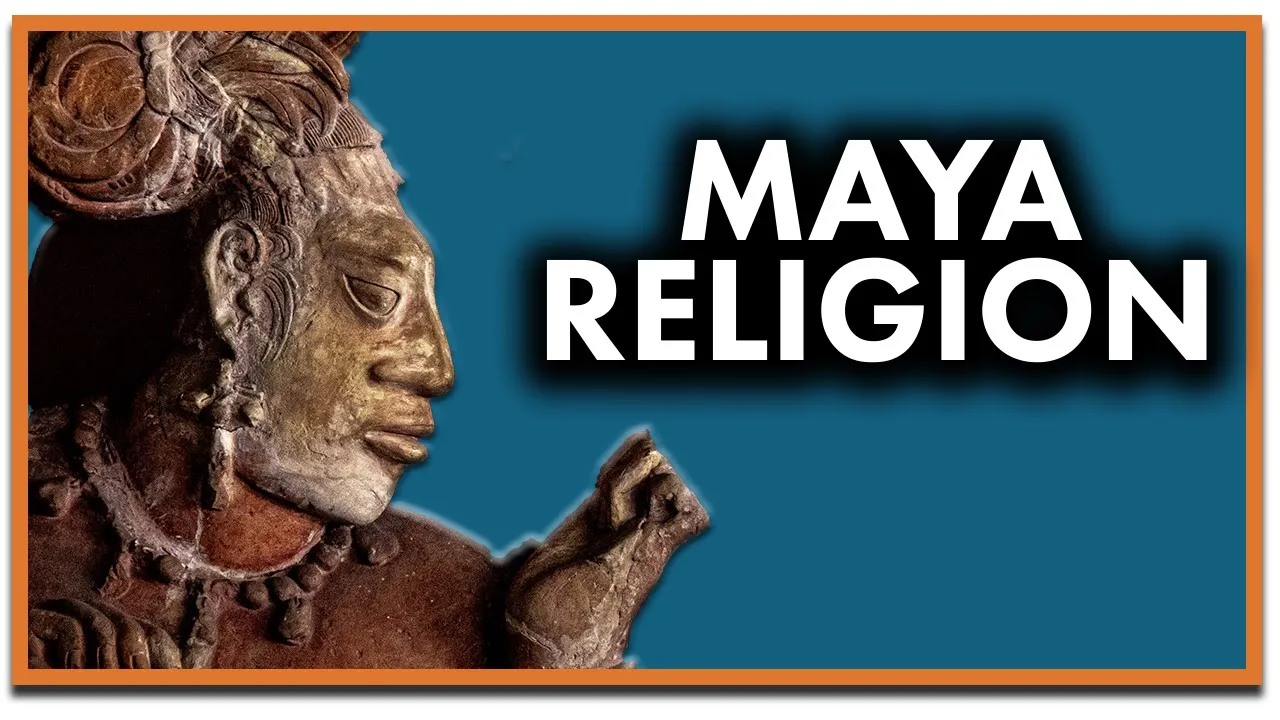
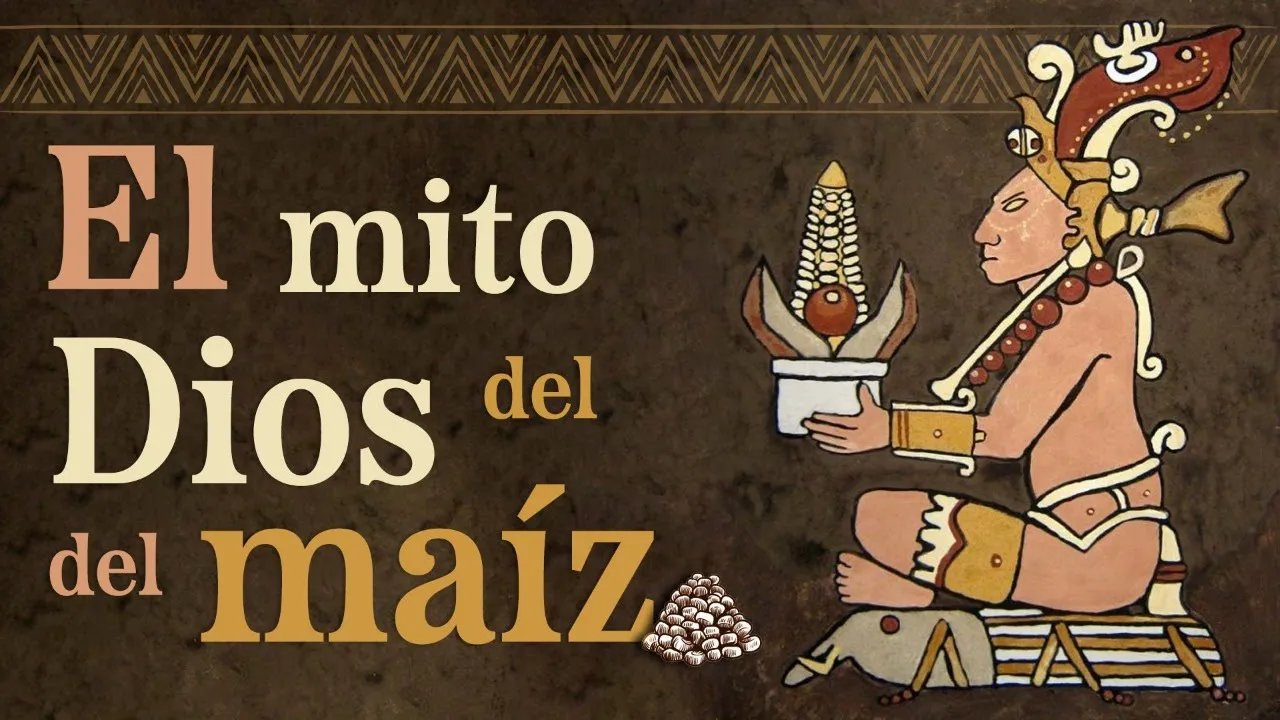


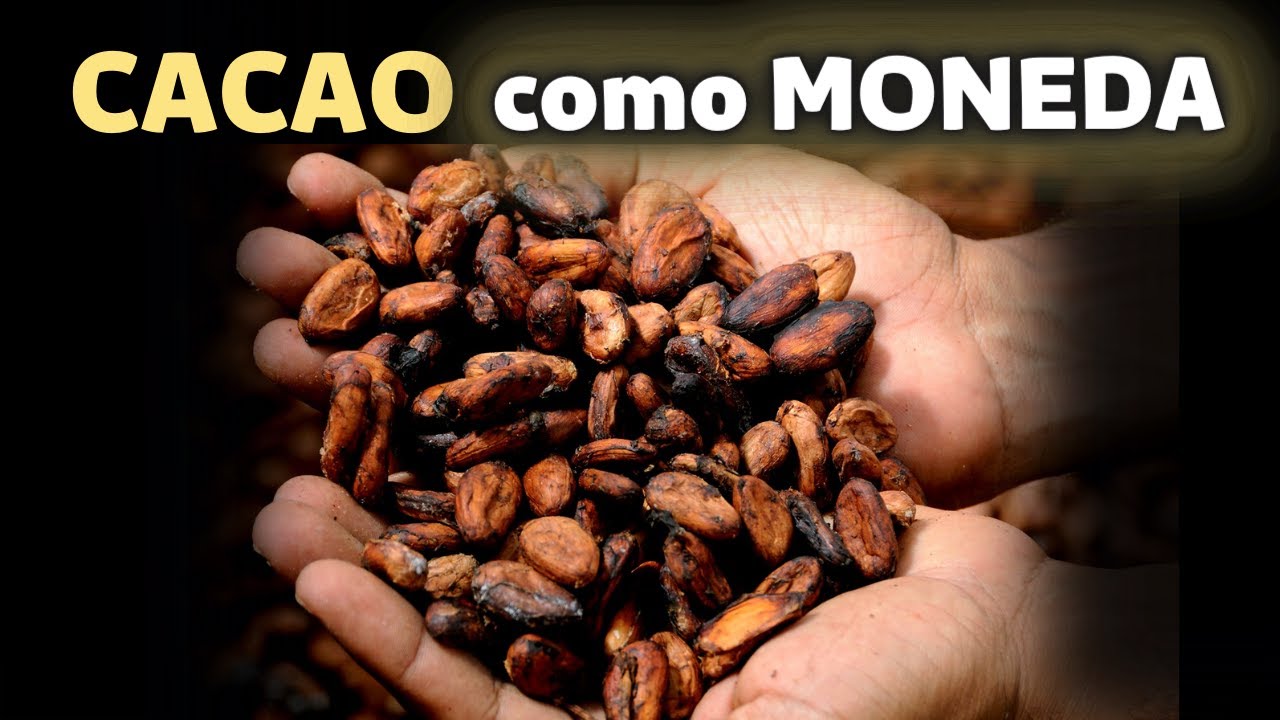
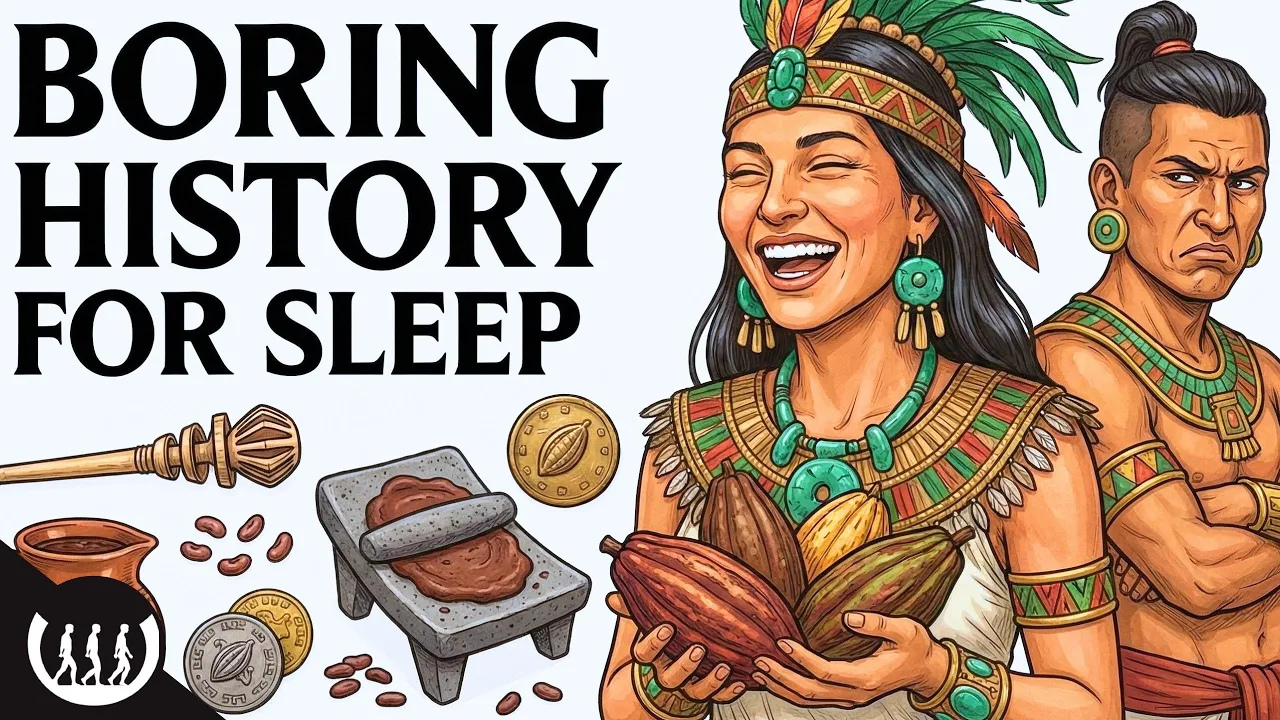
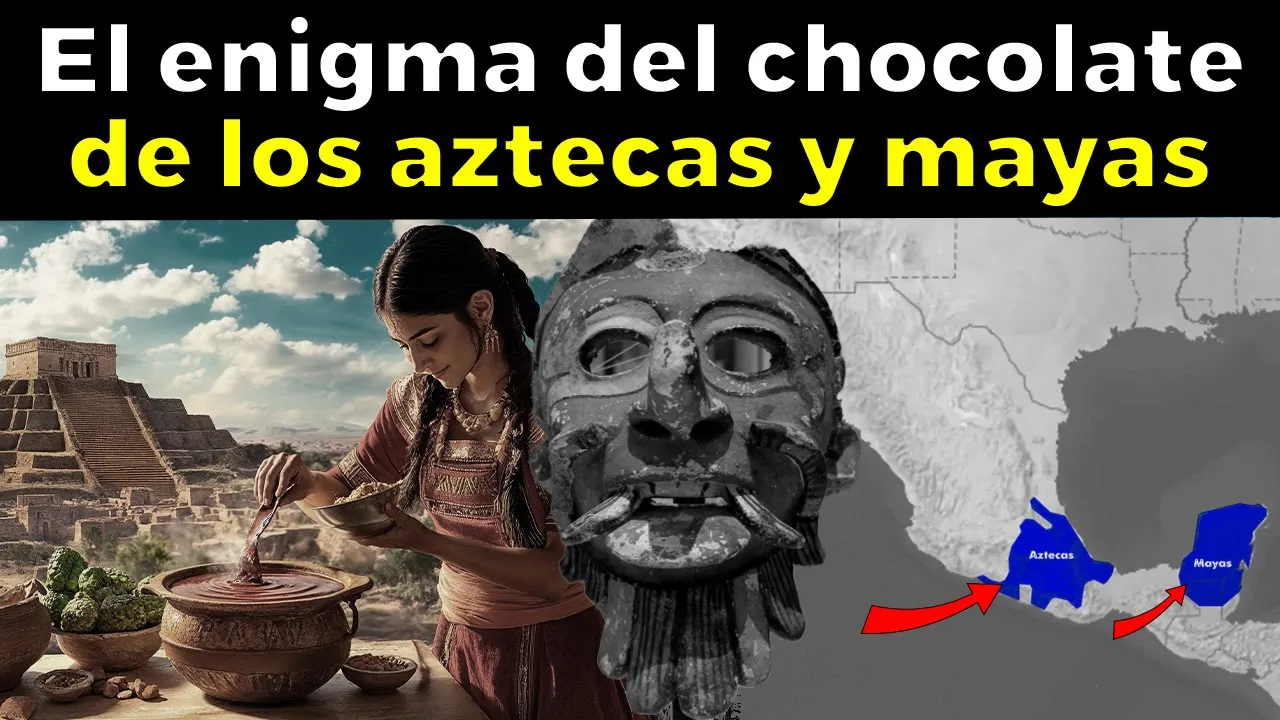








Maize, domesticated in Mesoamerica approximately 10,000 years ago from teosinte grasses, served as the cornerstone of ancient Mesoamerican civilization, functioning not merely as sustenance but as a powerful symbol that shaped religious beliefs, political authority, and cultural identity. The maize god was central to the Olmec, Maya, and Aztec cosmologies, representing the connection between the earth and heavens through the world tree, and was invoked to legitimize rulership and explain creation. This sacred relationship persisted through Spanish conquest, where indigenous peoples syncretized maize symbolism with Christian imagery, and continues to influence contemporary Mexican art and cultural identity, demonstrating how agricultural practices can become deeply embedded in a civilization's spiritual and social fabric.
Divine Food: Maize, Cacao & Maguey in Mesoamerican Art
Added:[Music] food aside from being the source of human sustenance it often underlies the very core of belief mythology and ritual in mesoamerica comprised of modern-day mexico guatemala belize el salvador and northern honduras domesticated crops have always been powerful symbols shaping every aspect of social religious and political life [Laughter] [Music] [Music] aristocracy and the most important component of any feast or festive meal mcgay the source for pulque and many years later for mescal and tequila its durable fibers were used for producing ropes and textiles [Music] but paramount among domesticated crops was maize the staple food that has grown to be the most widely cultivated grain in the world maze was first domesticated in mesoamerica ten thousand years ago originating from two types of grasses trypsakum and teosinte encased [Music] [Music] [Music] beyond feeding the masses maize served as the basis for a theological world view the mesoamerican cosmos was envisioned as a square the olmecs represented it as the four cardinal directions surrounding a sacred center a vertical axis mundi believed to connect the heavens the earth's surface and the underworld depicted as a world tree of maize cacao or margay these cardinal directions appear in many aspects of mesoamerican art from the architecture of the pyramids to imperial jewelry maze and its related deities were the subject of countless artistic expressions throughout history [Music] the earliest known depictions of the olmec maze god often show him with the trifoliate sprout motif representing the growing plant or with a corn cob rising from his head as early as 900 bce olmec rulers took on the maze god's physical appearance acquiring political validation and authority by presenting themselves as possessing the gods qualities as givers of life in early maya architecture dating as far back as 300 ce monumental masks of the king as the maze guard were placed on the facades of pyramids and temples [Music] [Music] the mayan story of creation the maze god was resurrected from the underworld after drinking cacao as maya mythology tells us in his final act he created man out of maize dough the aztec emperor mark tezuma ii held agricultural religious festivals especially in the spring the aztec pantheon included prominent goddesses and guards of maize life water and vegetation [Music] in 1521 after the spanish conquest of the aztec capital tenochtitlan modern-day mexico city the indigenous population was brutally forced to convert to christianity and all forms of indigenous architecture and imagery were banned the indigenous peoples of mesoamerica the holy cross resembled the four cardinal directions familiar from their own scheme of the cosmos the image of the crucified jesus was identified with the maze god both descended to the afterlife only to be resurrected this syncretic belief explains the use of cornstarch paste and dry maize leaves to make figures of jesus and the virgin mary of guadalupe mary's miraculous revelation to an indigenous peasant and the emblazoning of her image onto his mega fiber cloak turned the virgin into the patron saint of the americas the world tree the cross and the holy trinity converged into a unified icon and a syncretic blending of pre-columbian and roman catholic beliefs in mexico particularly under mexican dictator porfirio diaz wheat was grown at the expense of corn this and other decrees led to mass starvation among the oppressed and underprivileged masses which fueled the rise of the mexican revolution in 1910 revolutionary icons francisco pancho villa and emiliano zapata succeeded in uniting farmers across the land with a rallying cry land and freedom land to grow maize and liberty for all [Music] me lopez america modern mexican artists such as diego rivera and jose clemente orozco created pictorial masterpieces that exalted patriotism and fostered a revival of pre-columbian indigenous roots in rivera's 1927 mural a field of maize is depicted growing from the blood of emiliano zapata and other revolutionaries [Music] in a parallel to the ancient myth of the maze god and the purple vuh the revolutionaries die only to revive social equality [Music] flor garduna a contemporary mexican artist often uses pre-columbian myths and symbols in her works such as the resurrection of the maya maze guard after drinking cacao [Music] belief in the four cardinal directions is represented in the ancient ritual of applying veracruz dancers in 2018 a vast christmas display in the sokolo mexico city's main plaza featured instead of the traditional christmas tree the four cardinal points and the axis mundi a tribute to the indigenous mythologies that predated christianity in the maya highlands of guatemala when a boy is born the midwife cuts the umbilical cord on a corn cob the newborn's blood stains the kernels which are then planted by the baby's parents to begin a new field of maze for him with which he can nourish his family after he marries [Music] [Music] [Music] globalization [Music] you
Up Next
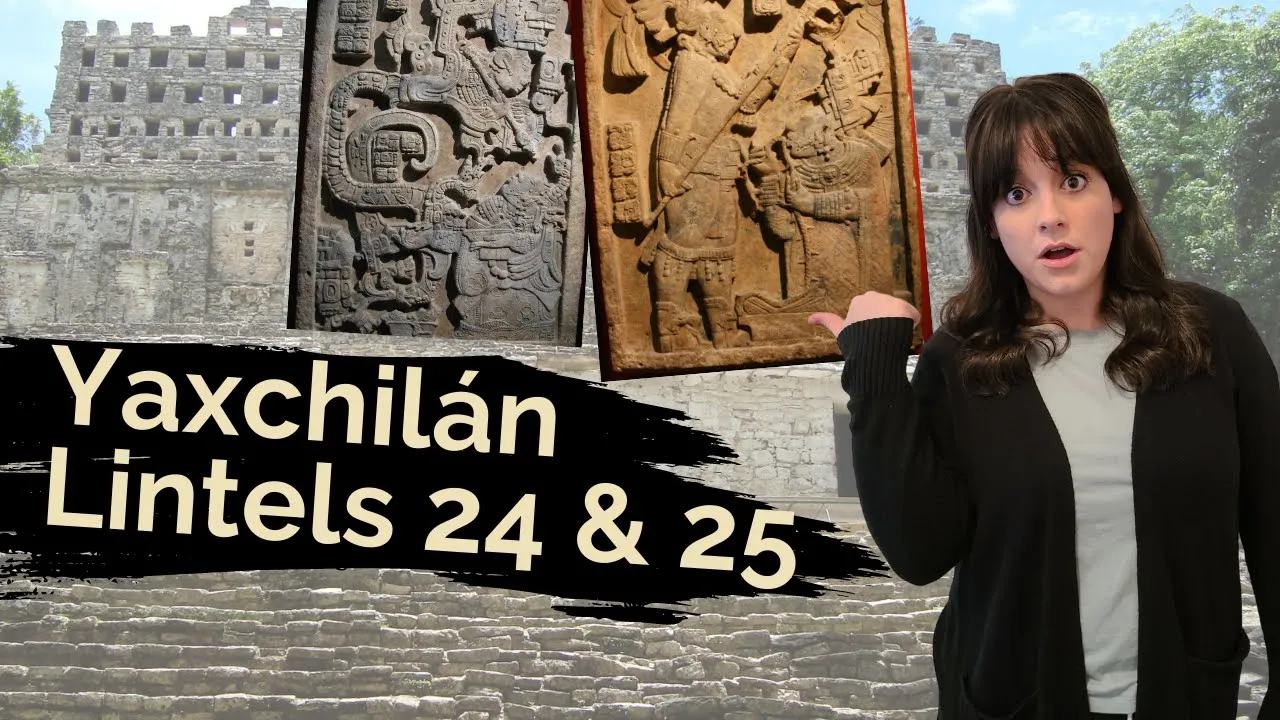
Maya Bloodletting Rituals: Lintels 24 & 25 from Structure 23, Yaxchilan
@ArtHistorywithAlder
6.2K views•2021-03-18

Christian Iconography: History, Theology, and Meaning | Fr. Panayiotis Papageorgiou
@Trisagionfilms
58.8K views•2020-02-21
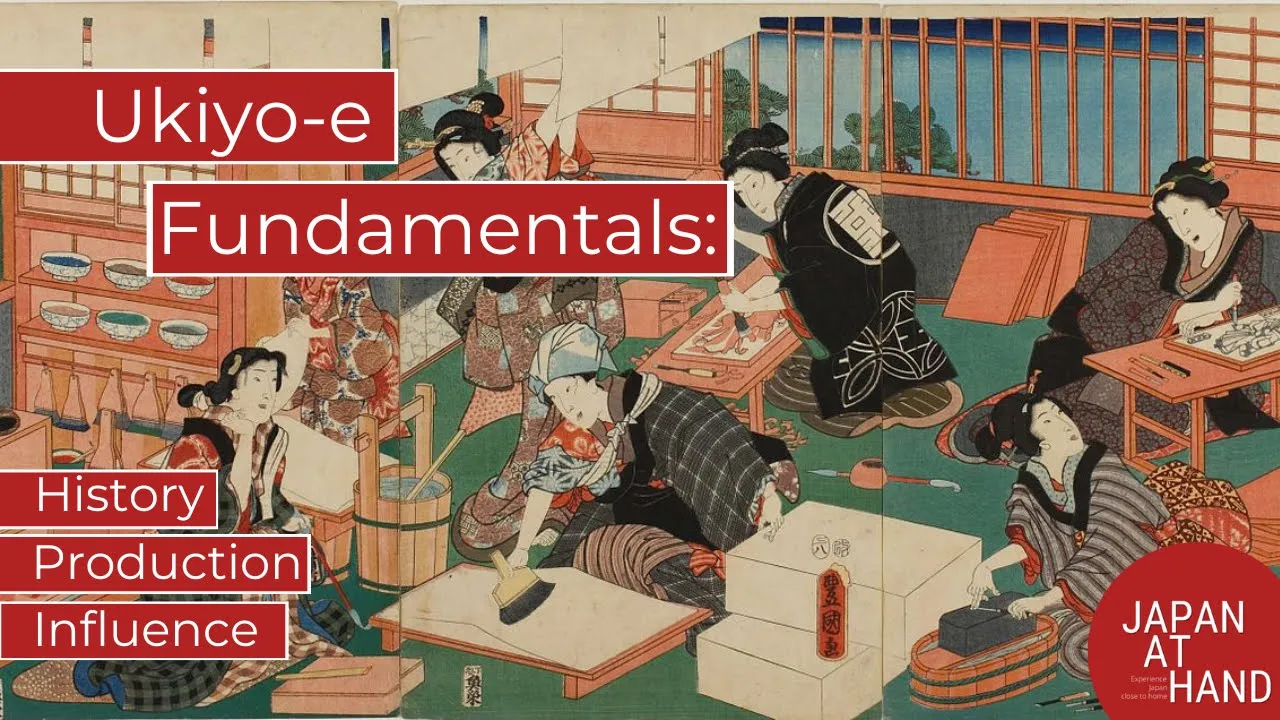
Ukiyo-e Art: History, Woodblock Printing & Influence
@japanathand
6.3K views•2023-06-08

Earliest Depictions of Jesus in Art: 10 Ancient Images Explained
@UsefulCharts
5.9M views•2022-06-03
Related Study Plans & Knowledge Roadmaps
Structured learning paths in Art History