Art Deco and Art Nouveau are fundamentally different design movements: Art Nouveau (late 19th century) rejected industrialization with organic forms, whiplash lines, and handmade details, serving as escapism for wealthy homes, while Art Deco (post-WWI) embraced modernity with geometric lines, symmetry, and chrome, reflecting the machine age and urban glamour. Both movements contain contradictions—Art Nouveau relied on industrial production despite rejecting industry, and Art Deco celebrated modernity while glossing over working-class realities. This pattern of aesthetic tension between organic/handmade and technological/sleek design continues today in our own industrial revolution.
Art Deco vs Art Nouveau: Design Movement Comparison Explained
Added:Deep Dive
Familiarity with the Industrial Revolution's impact on manufacturing and the subsequent Arts and Crafts Movement reaction.

Arts and Crafts Movement
244.6K
The Arts and Crafts Movement emerged as a reaction against the poor quality design during the Industrial Revolution. Advocates criticized factory production where machines replaced workers, believing that industrial growth had destroyed traditional skills and removed the pride of craftsmen confined in their work. This movement sought to preserve and promote handcraftsmanship as an alternative to mass-produced goods.
Click to watch →

I Made Yarn, and Other Arts & Crafts // Casual Friday #23
5.8K
The Industrial Revolution transformed society through textile mills, transportation, and manufacturing machinery, creating mass-produced goods that were often seen as inferior to handmade craftsmanship. The Arts and Crafts movement arose as a deliberate pushback against factory-made goods, seeking to preserve medieval guild ideals of skilled craftsmanship while making quality items affordable to the rising middle class through simple, functional designs.
Click to watch →

Design that Combines Technology and Hand-crafts | Deepti Zachariah | TEDxChennai
2K
The Arts and Crafts movement emerged as a response to the Industrial Revolution's machines like the jacquard loom and spinning jenny, which displaced artists and craftsmen. This movement was suspicious of machine-produced goods, viewing them as soulless and repetitive. The movement sought to put craftsmen back at the core of production, which ultimately led to the creation of the modern designer role that facilitates ideas, machines, and products.
Click to watch →
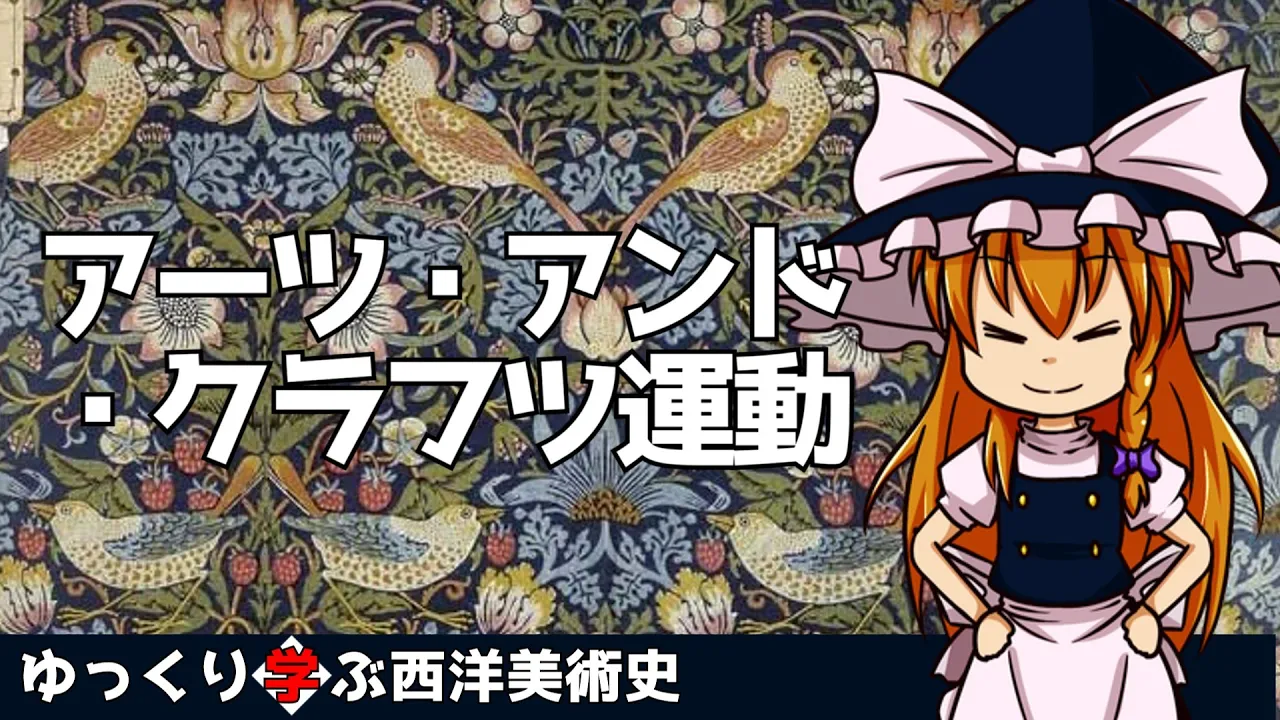
【ゆっくり解説】ゆっくり学ぶ西洋美術史~アーツ・アンド・クラフツ運動~
6.4K
The Arts and Crafts Movement emerged in Britain around 1860 as a response to the Industrial Revolution. The movement was named in 1887 by Cobden-Sanderson, though activities began in the 1860s. Influenced by John Ruskin and William Morris, it rebelled against mass production and machine-made goods. The Industrial Revolution had created cheap products but also terrible working conditions, forcing traditional craftsmen into wage labor. This led to the loss of craftsmanship and the decline of hand-made goods. The movement was connected to the Pre-Raphaelite Movement, which also looked to medieval and early Renaissance art for inspiration.
Click to watch →

3- Endüstri Devrimi Sonrası Sanat Hareketleri; Viktorya Dönemi, Arts & Crafts, Art Nouveau
1.3K
The Arts and Crafts movement, developing in England for nearly 20 years, was first proposed by William Morris at the Arts and Crafts Exhibition Society meetings in 1887. The movement's intellectual foundation was prepared by Augustus Pugin, writer John Ruskin, and designer William Morris. By the late 19th century, there was a need to resist the artistic chaos brought by the Industrial Revolution. The Arts and Crafts movement was the first criticism of the Industrial Revolution's concrete results, opposing mechanical choices distant from personal selection and attempting to make human handwork valuable. The movement, first appearing in England in the 1860s, advocated that material quality would affect design. As an aesthetic rebellion, it spread from the Atlantic to America by the 1890s, changing many artists' design techniques. Unlike American followers, English artists representing the movement showed inconsistent approaches to mechanization. They defended handwork as free, creative, and human-made results. They considered machines soulless, constantly repeating, and non-organic. This distrust of mechanization led to turning away from industrialization and inability to adequately calculate handwork production costs. After the 1851 Great Exhibition, art historians like Nicholas Pevsner criticized the exhibition, arguing that basic requirements should be better considered when creating designs and that surface integration was important. Ruskin believed scientific development and industry's nature would corrupt humanity, believing people could structure schools, libraries, and art education based on agriculture and animal husbandry without steam machines. William Morris, influenced by Ruskin's new society vision, founded a production company in London in 1862 based on master-apprentice relationships. The company's products helped establish the movement's recognition in Europe and America. After abandoning painting, William Morris turned to Gothic ornamentation techniques, aiming to revive craft techniques and unite them with art through advanced decorative techniques. They worked on chair coverings, wallpapers, curtains, and tiles with incredibly detailed handwork, trying to remain as close to traditional techniques as possible. They formed a group called 'Piranesi' and gathered all artists working with these techniques. Notable painters Dante Gabriel Rossetti and Edward Burne-Jones transferred their paintings to lithography, reviving craft in architecture. Morris founded a press and reprinted medieval printed books for collectors, including Gothic typefaces and engravings as special copies. Many art and artist communities influenced by Ruskin and Morris's ideas emerged. The most important were the Art Workers' Guild founded in 1884 and the Arts and Crafts Exhibition Society founded in 1887. These groups initially provided intellectual support but later implemented production ideas. The Arts and Crafts movement's ideological foundations were completely abandoned, finding correspondence with Art Nouveau, a new art style addressing the European continent. Art Nouveau, considered an innovative art style, reached diverse audiences from cheap to expensive products.
Click to watch →
Deep Dive
Basic design vocabulary, particularly the difference between organic/biomorphic forms and geometric/abstract structures.
![‘Form’ Visual element of Graphic Design / Design theory Ep7/45 [Beginners guide to Graphic Design]](https://i.ytimg.com/vi_webp/N0F4O6gP3VA/maxresdefault.webp)
‘Form’ Visual element of Graphic Design / Design theory Ep7/45 [Beginners guide to Graphic Design]
271.8K
In graphic design, there are two main types of form: geometric and organic. Geometric forms appear manmade and produce feelings of control, order, and cleanliness, often appearing sterile. Organic forms appear more natural and produce a natural feel regardless of their complexity. Understanding these two categories helps designers choose appropriate forms based on the desired emotional impact and message of their design work.
Click to watch →
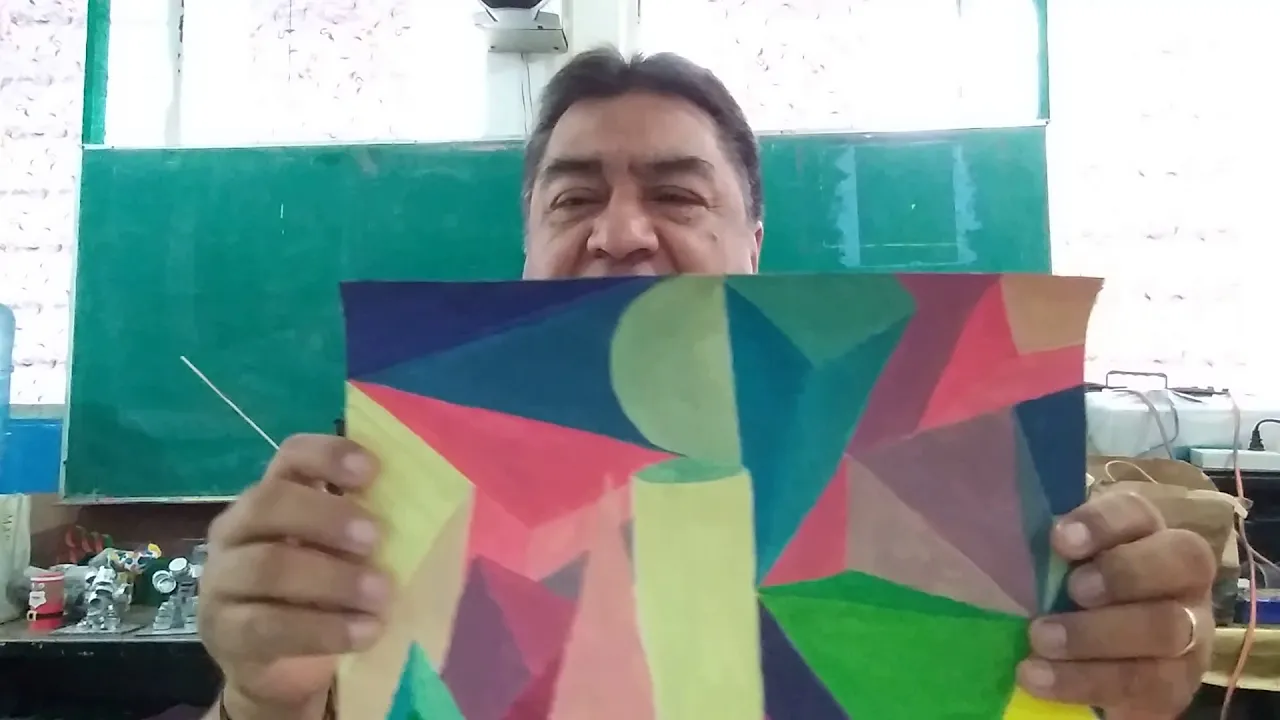
4to. Grado Organiza formas geométricas y orgánicas.
21.1K
Organic forms have irregular, capricious contours and are typically found in nature, while geometric forms have defined, regular shapes with straight edges and predictable patterns. Organic forms are characterized by their unpredictable, natural appearance, whereas geometric forms follow mathematical rules and symmetry.
Click to watch →

Design Cinema - Episode 112 - Targeting Your Portfolio
52.4K
Geometric structures are inherently easier to design than organic structures due to their mathematical precision and alignment with perspective grids. Organic structures require careful attention to natural curves, surface continuity, and biological accuracy that does not conform to geometric rules. This distinction impacts everything from building architecture to creature design—geometric forms can be plotted systematically while organic forms demand intuitive understanding of natural growth patterns and anatomical correctness. Students often gravitate toward geometric subjects initially because they offer more predictable outcomes and forgiving tolerances for minor errors.
Click to watch →

Staxel - Let's Play Ep 196 - TREASURE
235
Buildings can be designed in two distinct styles: organic/free-form structures that follow natural shapes and irregular patterns, and structured/prescribed structures that follow specific architectural requirements and standardized designs. The speaker discusses the difference between organic cave structures and structured buildings like houses and stadiums, noting that organic designs offer more creative freedom while structured designs provide functional requirements.
Click to watch →
Marta Smolińska (University of Fine Arts, Poznań): Polish Neo Avant-Garde and Hans Arp”
115
Organic and biomorphic art represents an artistic approach emphasizing nature's processes over external appearances. Key characteristics include organic/biomorphic form, haptic tactile qualities, and process-like qualities resembling natural Naturals. This approach was influenced by Hans Arp and developed among Polish artists in the 1920s-30s who lived in Paris. The term 'biomorphic' was first used in art reference in 1935 by Geoffrey Grigson, borrowed from natural sciences to differentiate from geometrical abstraction. Rudolf Belling introduced 'organic' in sculpture in 1921 to stress motion and life effects.
Click to watch →
Deep Dive
A general understanding of late 19th and early 20th-century Western history, including the Belle Époque era.

РОКОВОЕ ПРЕДУПРЕЖДЕНИЕ | Титаник 1912: МИНУТЫ ДО БЕЗДНЫ
110.8K
The early 20th century, known as the Belle Époque, was characterized by peace after Napoleon's exile, technological advancement including electric lighting and railways connecting continents, and a growing confidence that the world could be calculated, organized, and insured. Scientists reduced reality to formulas and tables, while engineers transformed these into bridges, tunnels, and machines.
Click to watch →
BELLE ÉPOQUE | Ep. 01 | TÁS NA HISTÓRIA
8.5K
The Belle Époque (Beautiful Era) was a 43-year period from 1871 to 1914, beginning after the Franco-Prussian War and ending with World War I. This era was characterized by euforia, progress, and technological advancement in Western civilization. It witnessed a brilliant development of art in Europe, marked by optimism and prosperity. The period featured a revolutionary cultural transformation where all artistic expressions—music, dance, and literature—developed in unprecedented ways. Sigmund Freud referred to this as the 'era of the unconscious.' Scientific and technological progress made daily life easier, reinforcing belief in prosperity. Despite political stability, territorial tensions existed, particularly France's loss of Lorraine to Germany in 1871, generating military tensions and an arms race among European powers. The Second Industrial Revolution caused rural exodus and fostered urban cosmopolitan culture. France emerged as the global center of educational, scientific, medical, and artistic influence following the Third Republic's establishment in 1870, with Paris serving as the world cultural hub. Major cultural cities included London, Berlin, Vienna, and Moscow.
Click to watch →

SHOCKING Parallels: Western Societies on the Brink of World War AGAIN | Profs. D. Riches & J. Eddebo
64.7K
The Belle Époque (Beautiful Epoch) refers to the period from 1870 to 1914, beginning with the fall of the Paris Commune and the end of the Franco-Prussian War, and ending with the outbreak of World War I. This era witnessed significant cultural developments including the first great world exhibition in London, the first Japan boom around 1905, and the creation of the Federal Reserve in the United States. The period was characterized by optimism among governing classes, significant technological expansion, and the emergence of propaganda institutions, all predicated on a narrative of progress that would guide society toward utopia.
Click to watch →

La vida de Doña Lucilia: Un CAMINO de LUZ🎙️ PODCAST María Reina - Episodio 64
43.4K
The Belle Époque (1871-1914) was a period of European prosperity and cultural flourishing between the Franco-Prussian War and World War I. Despite material progress and technological advances like trains, telephones, and photography, this era also saw many saints canonized, including Saint Therese of Lisieux, Saint Elizabeth of the Trinity, and Saint John Bosco. This demonstrates that material progress and spiritual holiness can coexist, as God sent many saints during this period of apparent prosperity.
Click to watch →

The Entire History of Paris in 37 Minutes
82.1K
After the Franco-Prussian War, Parisians refused to accept defeat quietly. In March 1871, radical workers, revolutionaries, and citizens established the Paris Commune—a short-lived revolutionary government lasting just two months. The Communards wanted social reforms, workers' rights, and direct democracy. They were idealistic, disorganized, and doomed. The French government based in Versailles sent in troops, leading to the Bloody Week in May 1871, where government forces killed between 10,000-20,000 communards. Paris was traumatized again, but from the ashes came renewal. The Belle Époque (1870s-1914) was Paris's golden age of culture—the Impressionists painted light itself, the Moulin Rouge opened in 1889, the Eiffel Tower was built for the 1889 World's Fair (initially hated but later beloved), the Paris Metro opened in 1900, and Paris became the world capital of art, literature, and innovation, demonstrating how periods of violence can give way to cultural flourishing.
Click to watch →
Deep Dive
The concept of 'total work of art' (Gesamtkunstwerk), where art, architecture, and design are integrated.
Gustav Klimt- Understanding Modern Art
87.6K
The Secessionists aimed for a Gesamtkunstwerk, or total work of art, attempting to break down barriers between higher and lower arts through the combination of art forms working in tandem—from architecture to painting to furniture design. Their motto inscribed on the Secession Hall was 'To every age its art, to every art its freedom,' succinctly describing their goals and opposition to the art of the past that they rejected.
Click to watch →

art analysis: Klimt’s Beethoven Frieze
491.2K
Gesamtkunstwerk is a German term meaning 'total work of art.' It encompasses all different forms of art including sculpture, painting, music composition, and poetry, where all elements come together and work together as an integrated whole. This concept was central to the Beethoven Frieze, which was created for the 14th exhibition of the Viennese Secession dedicated to Ludwig von Beethoven's genius.
Click to watch →

Gesamtkunstwerk
12.9K
A Gesamtkunstwerk (German for 'total work of art') is a concept that integrates multiple art forms into a unified whole, originally coined by German writer Karl Friedrich Eusebius Trahndorff in 1827 and later championed by composer Richard Wagner in his 1849 essays 'Art and Revolution' and 'The Artwork of the Future'; Wagner envisioned this synthesis as the clearest expression of folk legends transformed into universal humanist fables, where individual arts like music, drama, and theatrical effects are subordinated to a common purpose, exemplified in his opera cycle Der Ring des Nibelungen, while the concept later extended to architecture, particularly through the Bauhaus school's holistic design approach.
Click to watch →
The Only Solution to Culture
71.5K
The concept of the 'total work of art' (Gesamtkunstwerk) originated with Richard Wagner in the 19th century. This notion proposes that the perfect work of art should join together all different arts into one unified thing. Wagner developed his Ring cycle of operas based on this idea, believing that opera was the perfect medium to combine narrative, music, dance, and visual representation into one massive total artwork. This concept has influenced modern cinema, where films like Marvel movies and End Game demonstrate similar integration of narrative structure, musical scores, and visual composition.
Click to watch →

Nathalie Du Pasquier, Gesamtkunstwerk
466
A Gesamtkunstwerk (German for 'total work of art') is an artistic concept that integrates multiple disciplines and media into a unified whole, where different elements—such as visual art, music, architecture, and performance—work together harmoniously to create a comprehensive artistic experience rather than existing as separate entities.
Click to watch →
Prerequisite Knowledge
- Concept 01Familiarity with the Industrial Revolution's impact on manufacturing and the subsequent Arts and Crafts Movement reaction.
- Concept 02Basic design vocabulary, particularly the difference between organic/biomorphic forms and geometric/abstract structures.
- Concept 03A general understanding of late 19th and early 20th-century Western history, including the Belle Époque era.
- Concept 04The concept of 'total work of art' (Gesamtkunstwerk), where art, architecture, and design are integrated.
Subsequent Learning
- Step 01The rise of the Bauhaus school and the transition of design towards functionalism and Mid-Century Modernism.
- Step 02The sociopolitical influences on design, comparing the pre-WWI optimism of Art Nouveau to the post-WWI industrial speed and luxury of Art Deco.
- Step 03Architectural preservation and field identification of these styles in global hubs like Brussels, Paris, Miami, and New York.
- Step 04How Art Nouveau and Art Deco continue to influence contemporary graphic design, typography, and fashion.
Deco vs. Nuvo
Deco vs. Nuvo
0:00Playing Section
- 1
Art Nouveau: organic, handmade, anti-industrial.
- 2
Art Deco: geometric, machine-age, public glamour.
- 3
Modern parallels: tech sleekness vs. organic craft.
The Continuity Theory: Challenging the Binary of Nouveau and Deco
The rigid division of Art Nouveau and Art Deco into opposing 'organic' versus 'geometric' categories is a common oversimplification challenged by design historians. Rather than representing a clean break, Art Deco evolved directly out of late Art Nouveau. Movements like the Vienna Secession (Wiener Werkstätte) and German Jugendstil had already begun transitioning from fluid, organic curves to abstracted, geometric, and functionalist forms long before the 1925 Paris Exposition popularized Art Deco. Furthermore, both movements shared the fundamental objective of creating a unified 'total work of art' (Gesamtkunstwerk) to define the modern, industrialized era, rejecting traditional historicism. Viewing them as a continuous spectrum of modernist evolution, rather than strictly opposed and distinct styles, offers a more accurate understanding of how design adapts to technological and social transitions.
Deep Dive
The rise of the Bauhaus school and the transition of design towards functionalism and Mid-Century Modernism.

My 2023 Bullet Journal Setup
477.7K
The Bauhaus movement served as the foundation for the mid-century modern movement in America, which emerged later. Many people have interacted with Bauhaus or mid-century modern designs without realizing it, as evidenced by common furniture pieces like chairs, tables, and lamps that trace their design lineage back to Bauhaus principles.
Click to watch →

Bauhaus vs. Brutalism: What's The Difference? Architecture + Art History 101
566.1K
The Bauhaus closed in 1933 under Nazi pressure, with many alumni fleeing to the United States. There, it influenced modern, mid-century modern, and international style movements, all valuing straight lines, raw materials, many windows, and modular construction. IKEA embodies the Bauhaus ethos through self-assembled furniture that makes consumers part of the design process. The movement's dream of functional, affordable housing for workers evolved into brutalism after WWII, when more working-class people needed housing. The Bauhaus's emphasis on efficiency, function, and material honesty became foundational to 20th-century design.
Click to watch →
Modern vs. Midcentury Modern: What's the difference? Architecture & Design 101
277.8K
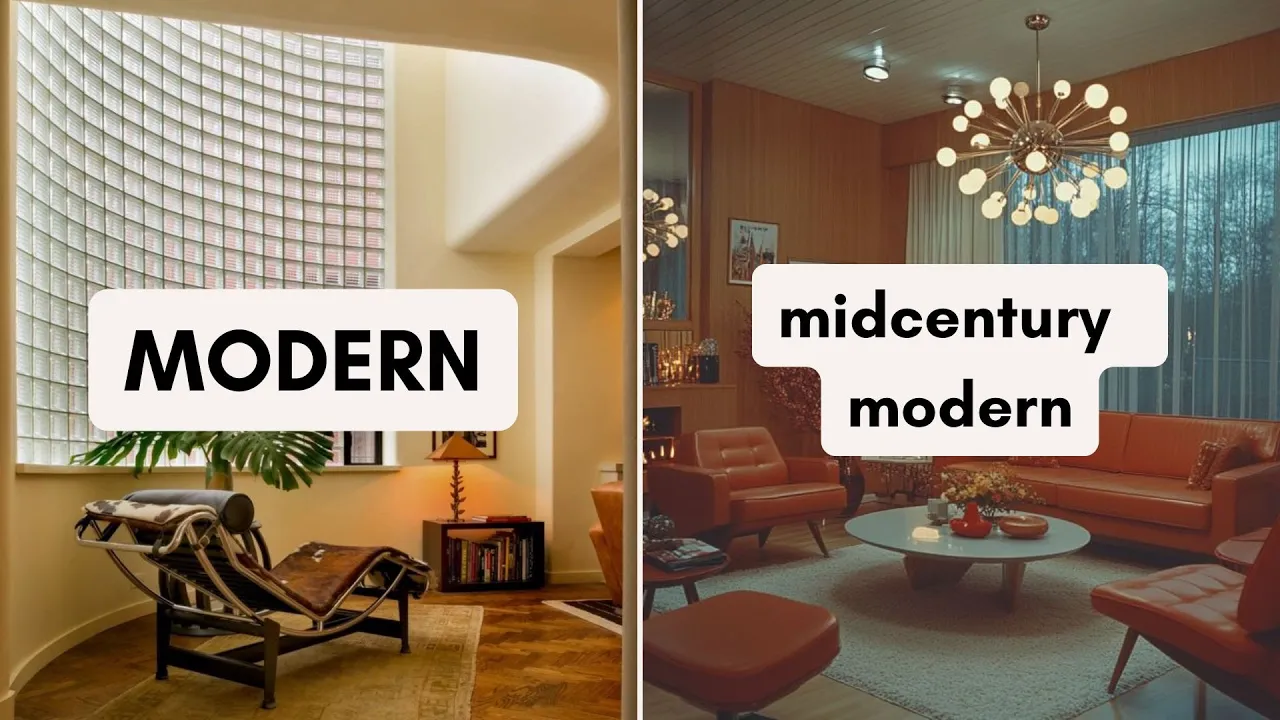
Modern design emerged in the 1920s-1980s as a minimalist movement using straight lines, neutral colors, and raw materials, originating at Germany's Bauhaus school after WWI economic depression. This revolutionary approach aimed to create affordable, materials-efficient housing and furniture for all, influencing International Style, Scandinavian design, Brutalism, and mid-century modern. The term 'modern' evolved over time—Art Deco was once modern but is no longer classified as such. Post-WWII technological advancement meant 'modern' specifically referred to mid-20th century design, while 'contemporary' describes current work. Mid-century modern (1950s-1960s) evolved through playful experimentation with curved shapes, pops of color, and new materials like plastic. Eero Saarinen's Tulip Chair exemplifies this innovation—his philosophy of eliminating furniture legs required solving structural challenges through plastic reinforcement. This optimism permeated American culture, evident in Disneyland's Tomorrowland (dedicated 1955) featuring Tulip chairs, circular Expo Centers, and Space Mountain's curvilinear forms. Modern design principles extended beyond individual buildings to entire urban planning, exemplified by Brasília, Brazil's planned capital since 1956, where architect Oscar Niemeyer embraced curves representing harmony with nature. In 1987, Brasília received UNESCO World Heritage status for its modern architecture and urban planning. Both modern and mid-century modern represent experimental movements dreaming of brighter futures—modern being sleek and simple, mid-century playful and innovative.
Click to watch →
Architecture, art and design - 100 years of the Bauhaus (2/3) | DW Documentary
307.9K
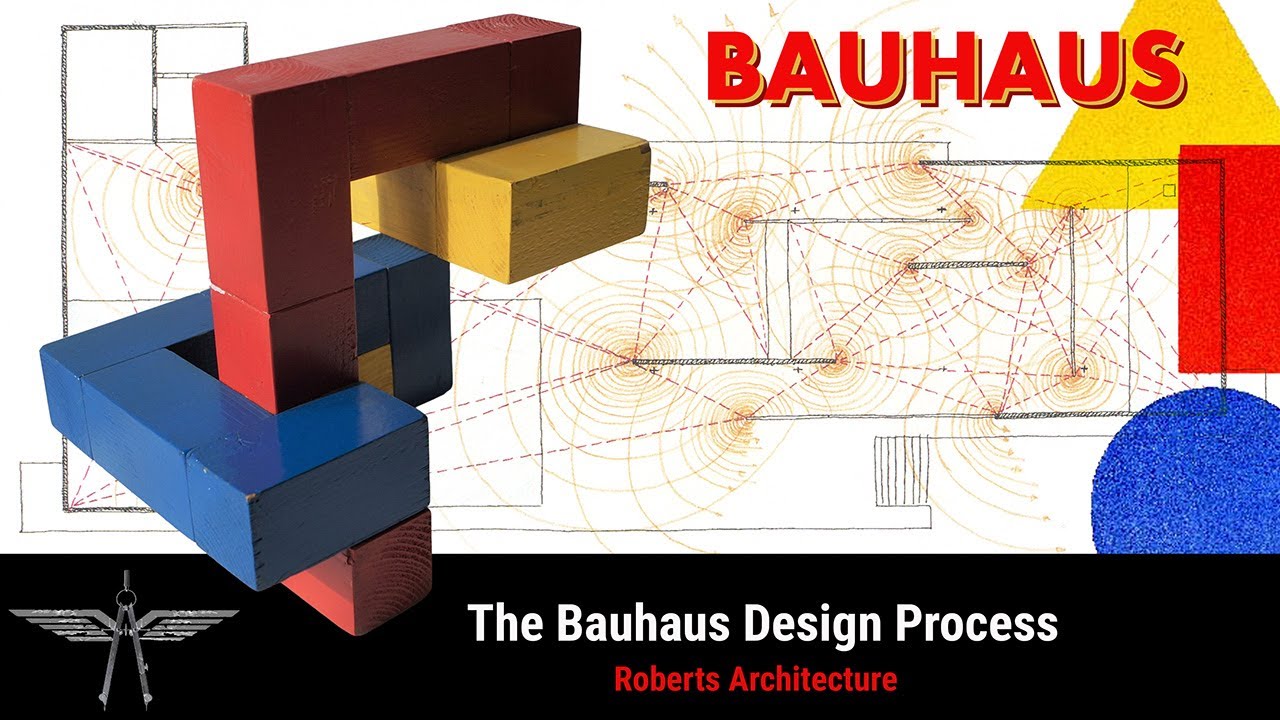
Founded in Weimar in 1919, the Bauhaus school sought to reimagine the future through a universal language of design where everything has an ideal height and size that optimizes utility. Walter Gropius envisioned art, craft, and industry collaborating to make consumer products available to the common man. This democratic design philosophy holds that well-made products should be accessible to everyone, not just the wealthy. The five pillars include form following function, quality craftsmanship, sustainability, and affordability through mass production. When the school moved to Dessau in 1925, it found a favorable industrial environment similar to Silicon Valley, partnering with thousands of firms. Under Hannes Meyer's leadership (1928-1930), the school took a more socialist direction with 'form follows need.' After Hitler closed the school, emigrated figures spread Bauhaus globally. In 1938, MoMA's Alfred Barr introduced Americans to Bauhaus through exhibitions, establishing generations of artists. Ludwig Mies van der Rohe transformed architecture education at Illinois Institute of Technology, while Josef and Anni Albers taught at Black Mountain College, nurturing figures like Robert Rauschenberg, Jasper Johns, and Merce Cunningham. Oskar Schlemmer's stage workshop concepts directly influenced Cunningham's radical abstract dance, which abandoned plot and character to focus purely on movement.
Click to watch →
The Bauhaus Design Process
92K
The Bauhaus, founded by Walter Gropius in Germany between the World Wars, revolutionized art and design education by establishing a scientific, systematic approach that fused fine art with industrial production, creating disciplines like industrial design, graphic design, and architecture; its core methodology—based on geometric abstraction, functionalism, and Gestalt psychology principles—became the foundational design process for 20th-century modern design, influencing everything from Apple's product design to corporate branding worldwide.
Click to watch →
Deep Dive
The sociopolitical influences on design, comparing the pre-WWI optimism of Art Nouveau to the post-WWI industrial speed and luxury of Art Deco.
How the Art Style of Arcane Tells A Secret Story
85K
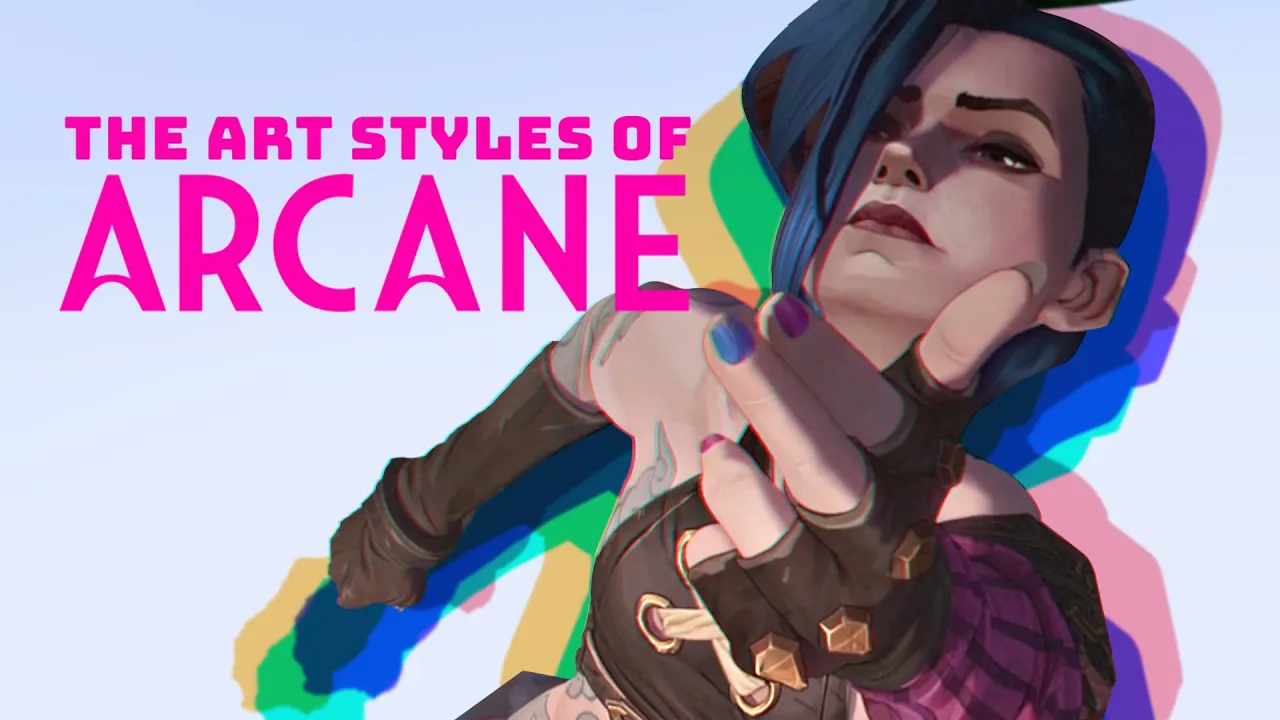
Arcane uses Art Deco for Piltover and Art Nouveau for Zaun to visually represent their contrasting societies. Art Deco features geometric shapes, straight lines, sharp angles, and luxurious materials like gold and silver, reflecting Piltover's rigid council structures and comfortable lifestyle. Art Nouveau features soft, fluid curves and organic forms inspired by Japanese wood block prints and medieval folklore, reflecting Zaun's flexible society. Despite appearing as opposites, both styles share similarities: they emerged from post-war optimism, championed industry and capitalism, and were enabled by technological innovations. Art Nouveau was accessible through mass-produced posters, while Art Deco focused on expensive materials and technological progress. Both movements were short-lived—Art Nouveau lasted about 15 years, Art Deco about 20-30 years—cut short by war.
Click to watch →

Art Deco vs. Art Nouveau: What’s The Difference? Art History 101
595.7K
Art Nouveau (1890-1914) and Art Deco (1920s-1930s) are two distinct 20th-century design movements; Art Nouveau is characterized by organic, flowing forms inspired by nature with floral motifs and fluid curves, representing the optimistic Belle Époque era; Art Deco, emerging after World War I, features sharp angles, geometric shapes, and clean lines, symbolizing modernity, luxury, and faith in technological progress, with influences from international sources like China, Egypt, and the American Southwest.
Click to watch →

History of Industrial Design Week 5: Art Deco
482.4K
The Art Deco period emerged from the complex aftermath of World War I, characterized by a desperate need for escape as people sought to imagine brighter futures. This era was defined by the reality of travel and emotional release following the horrors of war. Unlike Art Nouveau which had no historical references, Art Deco represented the first modern style celebrating arrival at a new world and new ways of doing things, with references to older cultures but creating objects that stood on their own. The Great Depression (1929-1939) created economic hardship with 25% unemployment in America and 33% globally, further intensifying the desire for escapism through design.
Click to watch →
Art Deco
20K
Art Deco represents sleek, tailored, and chic designs with straight lines and elegant geometry, while Art Nouveau features curvaceous, soft, voluptuous shapes popular in the Naughty 90s. Art Deco emerged after WWI as a rebellious style designed to shock the older generation and reject the previous era's failures. It drew inspiration from neoclassicism's emphasis on proportion, balance, and serenity, creating a reliable stylish framework. The style was named 'Deco' following the 1925 Paris exposition, becoming an instantly recognizable brand for modern design.
Click to watch →

I Made a Villainous Vintage Suit using 1920s Women's Tailoring Instructions
80.2K
Art Deco represents a dramatic departure from Art Nouveau design principles. While Art Nouveau was based on natural elements like plants, flowers, vines, and leaves—characterized by soft, unpredictable, emotional qualities—Art Deco embraces geometric shapes inspired by rocks, mountains, and hardscapes. This creates a more logical, precise, mathematical feel to design. The cold, hard, logical nature of Art Deco makes it particularly effective for evoking non-emotional, calculating atmospheres commonly associated with villains, gothic settings, and classic murder mysteries.
Click to watch →
Deep Dive
Architectural preservation and field identification of these styles in global hubs like Brussels, Paris, Miami, and New York.
ARCHITEKTUR DES 19. JAHRHUNDERTS: WANN ENTSTANDEN DIESE STÄDTE WIRKLICH?
2.4K
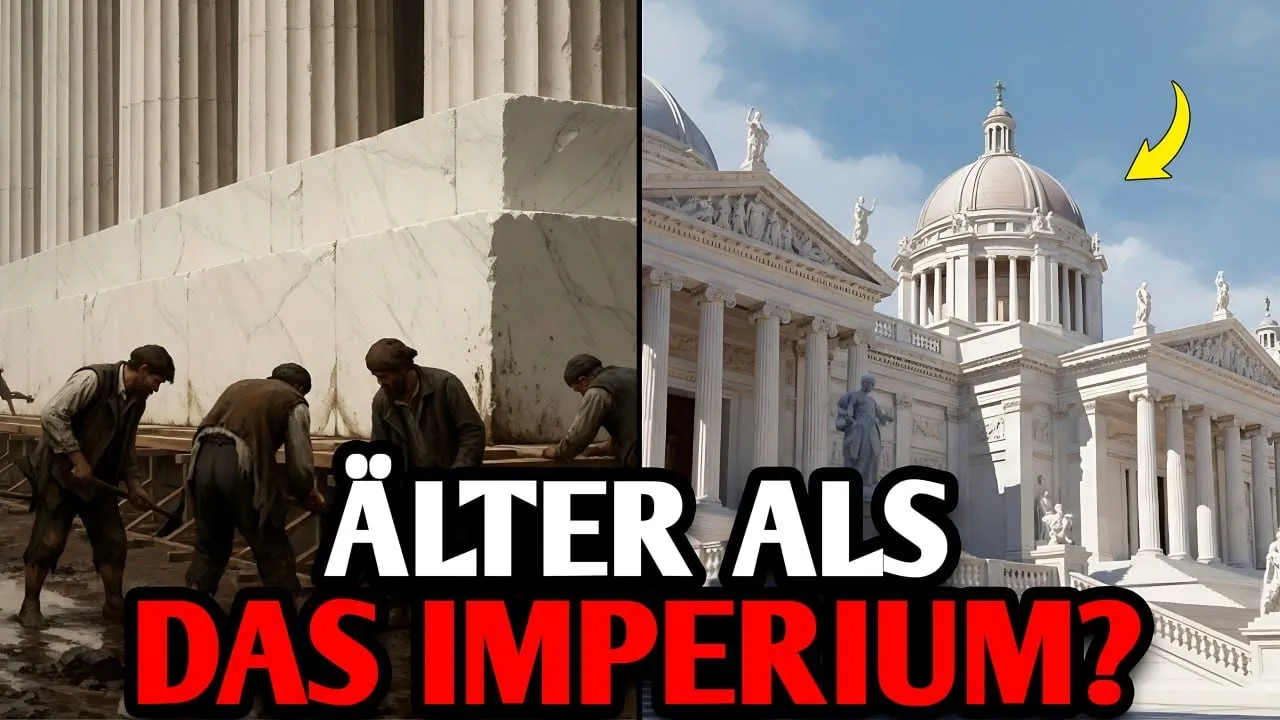
Identical neoclassical columns, baroque ornaments, and proportions appear across Brüssel, Wien, Budapest, St. Petersburg, and Paris within 50 years (1820-1870). Westminster Palace foundations are 3 meters thick yet support only a few floors. Brussels' Justice Palace foundations could support an entire city. The video argues this homogeneity indicates a master plan or templates were used, suggesting buildings were copied from pre-existing ruins rather than independently designed.
Click to watch →
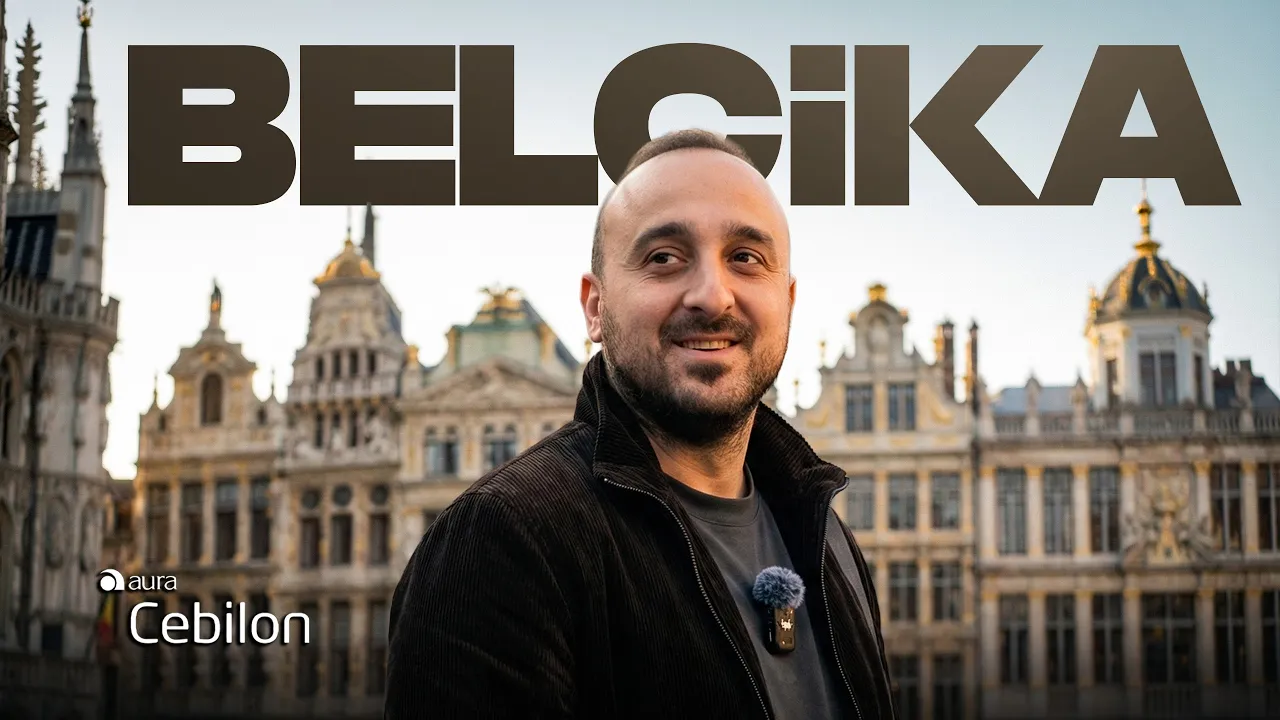
Yeni Ülke: Belçika | Bu Ülke Sizi Şaşırtacak 🇧🇪
129K
Brussels features buildings with a medieval atmosphere, particularly in the city center. The architecture consists of 8-9 story buildings, giving the city a historic feel. This architectural style is more pronounced in Bruges and Ghent, where the medieval character is even more evident. The city has been well-preserved, maintaining its historical charm.
Click to watch →
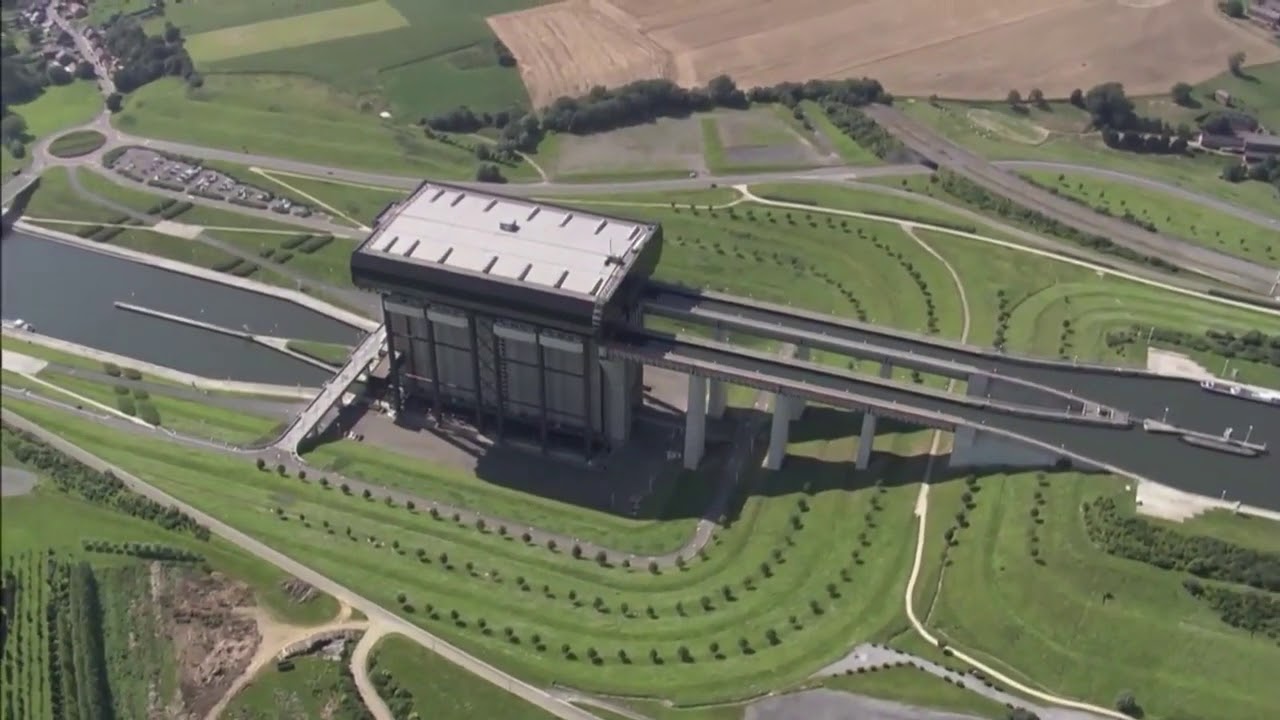
O Mundo Visto de Cima T02 EP14 Bélgica
8.8K
Brussels' urban landscape combines medieval heritage with modern architectural achievements. The Grand Place, one of Europe's most preserved Gothic-Baroque squares, was once the central market for meat, bread, and textiles, and today attracts crowds of locals and tourists. In 1998, it received UNESCO World Heritage status. Every two years, an enormous flower carpet is mounted on the Grand Place for several days, with a million flowers forming patterns across the square. The Grand Place is dominated by the magnificent 15th-century Town Hall, with its spire rising nearly 100 meters high, featuring a statue of Saint Michael slaying a demon. The Basilica of the Sacred Heart, built under King Leopold II, has a dome 90 meters high and was only completed in 1969 with significant changes to the original design. The Atomium, created for Expo 58, is a 102-meter-tall monument with nine steel spheres connected to form an enlarged iron crystal, magnified 165 billion times, becoming a permanent symbol of modern architecture in Brussels.
Click to watch →
Why Is Brussels The Capital Of Europe? | Curious Traveler | Absolute History
67.6K
Brussels architecture reflects centuries of cultural fusion—Dutch influences appear in narrow peaked-roof buildings, while French styles emerge in baroque and art nouveau elements. Building width determined taxation, making narrow structures common among ordinary citizens while wider buildings signaled wealth. The Royal Galleries of Saint Hubert transformed a dilapidated 19th-century neighborhood into an elegant shopping arcade inspired by Florence, connecting upper and lower cities. The glass-domed roof provided indoor-outdoor ambiance despite Belgium's rainy climate. Curved sections between gallery wings served purely aesthetic purposes. This architectural evolution—from medieval guild halls to 19th-century arcades—demonstrates how urban design responds to economic, social, and aesthetic priorities across different historical periods.
Click to watch →
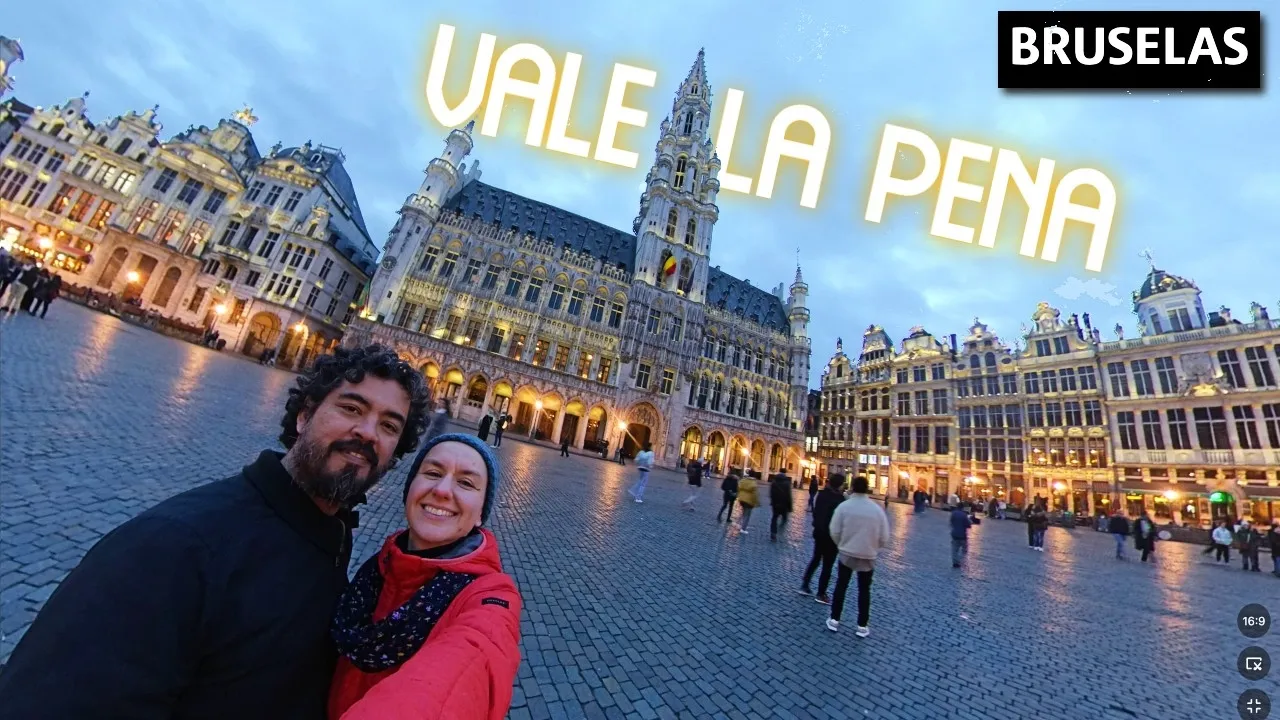
Bruselas BÉLGICA 🇧🇪 | Qué hacer | Historias que no conocías (1/2)
78.4K
Brussels showcases remarkable architectural heritage spanning centuries. St. Michael and St. Gudula Cathedral, constructed in the Gothic style beginning in 1226, has witnessed royal coronations and funerals. The Galeries Royales Saint-Hubert, designed in 1847, were Europe's first commercial shopping arcades with innovative glass roofing. The Palace of Justice, completed in 1883, represents Roman, Egyptian, and Babylonian influences but has remained largely unchanged for nearly 40 years due to structural issues. The city's most iconic symbols include Manneken Pis, the urinating boy statue dressed in nearly 900 costumes throughout the year, and the Atomium, constructed for the 1958 World's Fair as a representation of atomic structure.
Click to watch →
Deep Dive
How Art Nouveau and Art Deco continue to influence contemporary graphic design, typography, and fashion.
Art Nouveau ศิลปะคนสวยขา ที่ใช้ความคราฟต์มาสู้ความแมส | GC EXPLAIN
18.3K
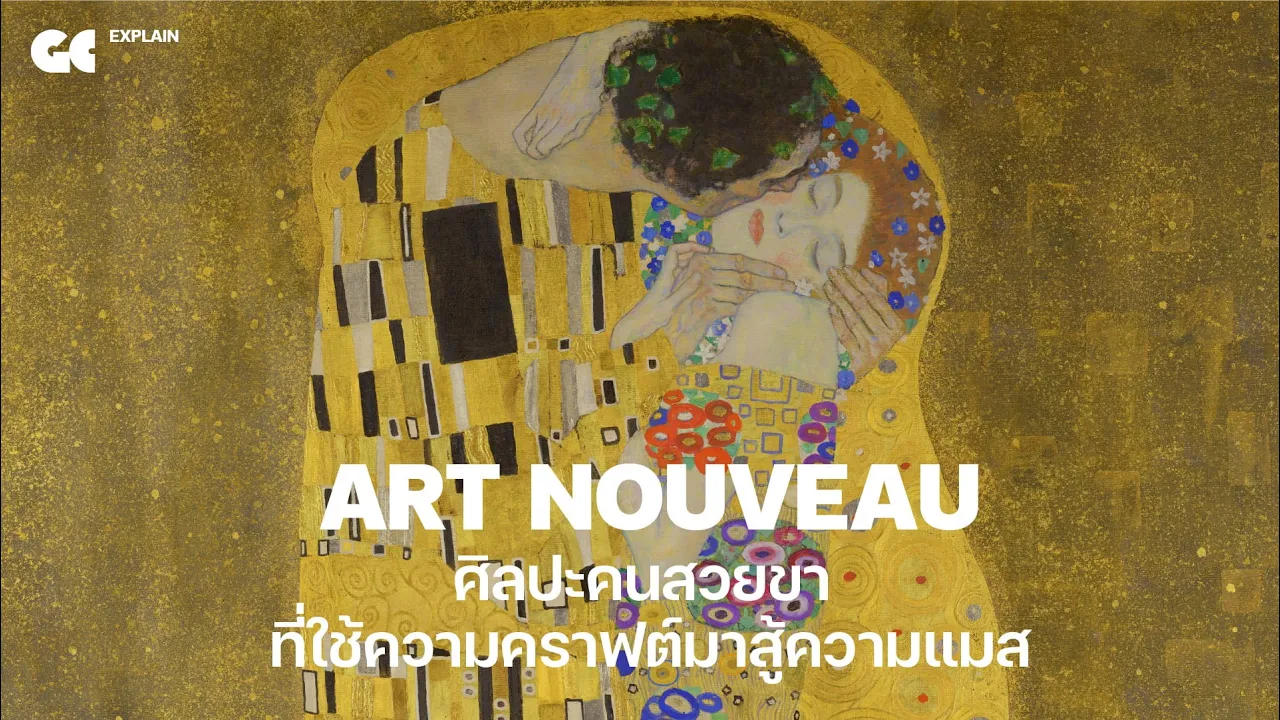
Art Nouveau flourished briefly between 1890-1910, approximately 20 years, before declining due to high costs and being replaced by Art Deco's geometric modernity. Key figures included Victor Horta, who created the first Art Nouveau building with Hotel Tassel, and Alphonse Mucha, whose commercial posters demonstrated that fine art and commercial art could merge seamlessly. Gustav Klimt led the Vienna Secession with its slogan 'To every time it art, to art it freedom.' Despite its decline, Art Nouveau experienced a revival during the 1960s hippie era and continues influencing contemporary fashion, such as Gucci's Winter 2025 collection. Art Nouveau is not merely a single style but a shared artistic language where individual artists expressed the same fundamental message—opposition to the harsh industrial world through soft beauty, craftsmanship, and nature—through their unique voices.
Click to watch →
40 Design Style Names You've Been Looking For (Find References Faster)
198.2K
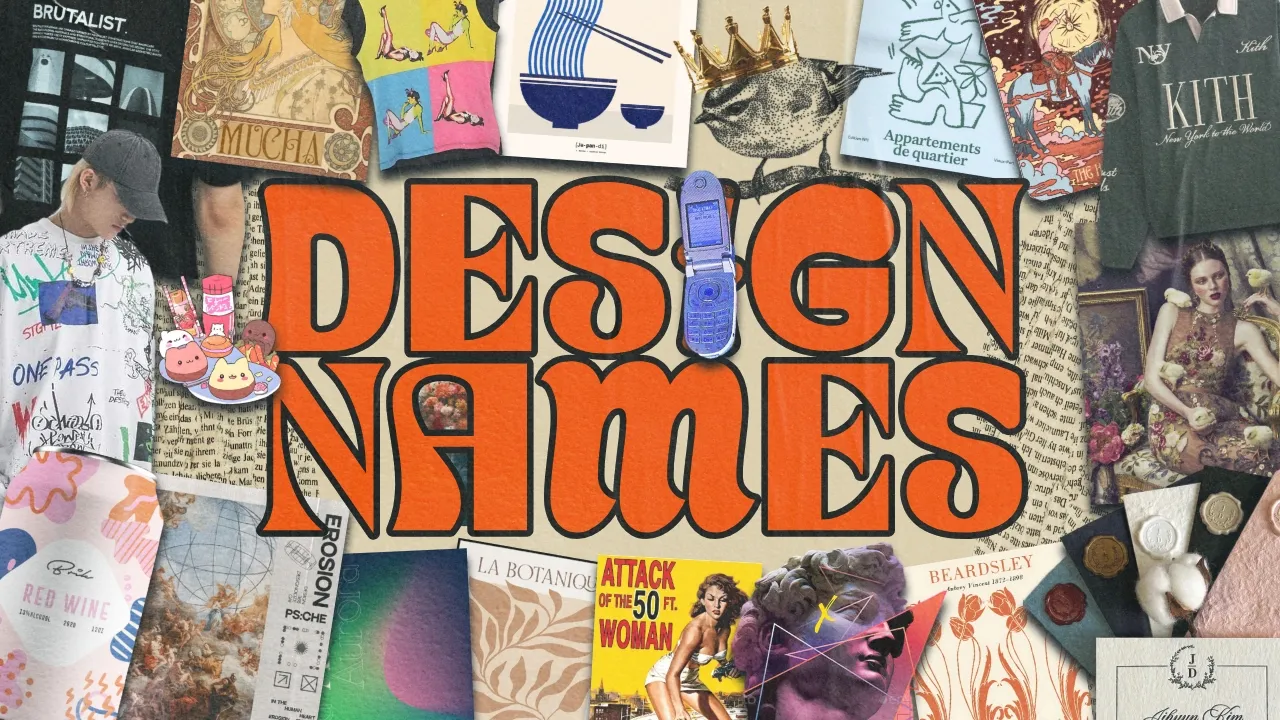
Art Nouveau embraces flowy lines, organic shapes, floral motifs, and elegant rounded typography, heavily inspired by nature and merging illustration seamlessly with type. Originating in the late 19th century with influential artist Alphonse Mucha, this movement lasted into the 20th century partly as response against industrial mass production. Contemporary applications include poster designs, book covers, and branding seeking handcrafted, romantic organic feel.
Click to watch →

Je fais du graphisme comme en 1920 ! (Art déco)
109.4K
Art Deco typography featured distinctive characteristics including small caps with crossbars that were either very tall or very short. When used, these fonts immediately evoked an old-school aesthetic reminiscent of the period. The style also employed highly contrasted typography with significant differences in stroke weight between thick and thin elements. A key innovation was the use of letters as graphical elements within compositions, rather than merely for informational purposes. Notable Art Deco designers included Cassandre, who created iconic posters featuring ocean liners, and Charles Lupo, a French graphic design pioneer. Cassandre's typographic innovations influenced modern branding, including Yves Saint Laurent's monogram.
Click to watch →

ART DÉCO explicado: o estilo que moldou o design gráfico
953
Art Deco was a design movement that emerged in the 1920s-1940s as a response to Art Nouveau, characterized by geometric forms, sharp angles, vibrant colors, and streamlined aesthetics that reflected the industrial age and modernity. This style profoundly influenced graphic design through its emphasis on geometric typography (such as the Bifur and Broadway fonts), which replaced traditional serif fonts with sans-serif designs to convey sophistication, luxury, and technological progress. Art Deco's legacy persists today in contemporary design, where its principles of elegance, geometry, and visual balance continue to inspire modern branding, packaging, and architectural typography.
Click to watch →
Art Deco Graphic Design: Let's Talk About This Trend
74.8K
Art Deco is an early 20th-century design style characterized by clean lines, bold geometric shapes, vibrant colors, and streamlined elegance, emerging in 1920s Paris as a celebration of modernity and glamour after World War I, featuring elements like zigzags, chevrons, and symmetrical trapezoid shapes.
Click to watch →
Deco vs. Nuvo
Deco vs. Nuvo
0:00- 1
Art Nouveau: organic, handmade, anti-industrial.
- 2
Art Deco: geometric, machine-age, public glamour.
- 3
Modern parallels: tech sleekness vs. organic craft.
The Continuity Theory: Challenging the Binary of Nouveau and Deco
The rigid division of Art Nouveau and Art Deco into opposing 'organic' versus 'geometric' categories is a common oversimplification challenged by design historians. Rather than representing a clean break, Art Deco evolved directly out of late Art Nouveau. Movements like the Vienna Secession (Wiener Werkstätte) and German Jugendstil had already begun transitioning from fluid, organic curves to abstracted, geometric, and functionalist forms long before the 1925 Paris Exposition popularized Art Deco. Furthermore, both movements shared the fundamental objective of creating a unified 'total work of art' (Gesamtkunstwerk) to define the modern, industrialized era, rejecting traditional historicism. Viewing them as a continuous spectrum of modernist evolution, rather than strictly opposed and distinct styles, offers a more accurate understanding of how design adapts to technological and social transitions.
Familiarity with the Industrial Revolution's impact on manufacturing and the subsequent Arts and Crafts Movement reaction.
Basic design vocabulary, particularly the difference between organic/biomorphic forms and geometric/abstract structures.
A general understanding of late 19th and early 20th-century Western history, including the Belle Époque era.
The concept of 'total work of art' (Gesamtkunstwerk), where art, architecture, and design are integrated.
The rise of the Bauhaus school and the transition of design towards functionalism and Mid-Century Modernism.
The sociopolitical influences on design, comparing the pre-WWI optimism of Art Nouveau to the post-WWI industrial speed and luxury of Art Deco.
Architectural preservation and field identification of these styles in global hubs like Brussels, Paris, Miami, and New York.
How Art Nouveau and Art Deco continue to influence contemporary graphic design, typography, and fashion.
518K views31.2Klikes1:36@kylewilliamdesignOriginal Release: 2025-12-12
Let's talk about art deco and art nuvo.
Two styles that get mixed up, but they're very different. Art nuvo came first in the late 19th century, and it was partly a rejection of the industrial revolution. It featured whiplash lines, animal motifs, handmade detail, and organic forms. Aside from a few public examples like the Paris Metro entrances, it was mostly an interior style for wealthy homes. Critics called it escapism. A few lived in these beautiful fantasy spaces because many people lived in close quarters and worked in hazardous conditions. After World War I, everything shifted. Art Deco didn't resist the machine age. It embraced it.
Geometric lines, symmetry, chrome, glass. It romanticized excess and glamour of city life. It was modern, but it also appropriated ancient Egyptian and Mesoamerican motifs. Deco was also very public. skyscrapers, libraries, theaters, train stations, and back then, wealthy patrons were still funding public spaces, which is partly why Deco flourished. But like Nuvo, it had contradictions. Nuvo rejected industry, but it relied on industrial production.
Deco celebrated modernity, but often glossed over the realities of the working class. And now with AI and the internet, we're in our own industrial revolution and our own version of a guilded age. And you can already see the aesthetic split. Sleek, hyperymmetrical tech design versus handmade, organic, and imperfect interiors. One imitates the past, the other cosplays the future.
We're having the same cultural argument all over
Up Next

55:44
Art Nouveau Master Alphonse Mucha | Artist Biography Lecture
@HudsonLibraryHistoricalSociety
56.5K views•2016-03-24

114:18
Christian Iconography: History, Theology, and Meaning | Fr. Panayiotis Papageorgiou
@Trisagionfilms
58.8K views•2020-02-21
7:48
Ukiyo-e Art: History, Woodblock Printing & Influence
@japanathand
6.3K views•2023-06-08

16:34
Earliest Depictions of Jesus in Art: 10 Ancient Images Explained
@UsefulCharts
5.9M views•2022-06-03
Related Study Plans & Knowledge Roadmaps
Structured learning paths in Art History
art-history
Gothic Cathedrals: Engineering, Light & Society
01The Birth of the Gothic: Romanesque to Suger's Vision
02The Structural Triad: Pointed Arches, Ribbed Vaults, and Flying Buttresses
03Theology of Light: Lux Nova and Sacred Geometry
+ 2 more learning modules
14h5 modules
Explore Roadmap
art-history
Pre-Raphaelites: Realism, Symbolism & Critique
01The Victorian Art Establishment and Academic Formula
02The Founding of the PRB and Radical Realism
03Medieval Revivalism and Literary Symbolism
+ 1 more learning modules
8h4 modules
Explore Roadmap
art-history
Street Art: From Subways to Art Market
01Subcultural Origins in Philadelphia and New York (1970s)
02The Subway Era and Style Wars (Late 1970s - 1980s)
03The East Village Scene and Early Gallery Crossover
+ 2 more learning modules
10h5 modules
Explore Roadmap
art-history
Classic Maya Art: Iconography, Glyphs & Ritual
01Foundations of Classic Maya Visual Culture
02Deciphering Maya Hieroglyphs & Text-Image Integration
03Sacred Geography and Cosmological Architecture
+ 2 more learning modules
14h5 modules
Explore Roadmap