
















![[AULA] Linha do Tempo da História da Arte](https://i.ytimg.com/vi_webp/SEyhdqLQ6lA/maxresdefault.webp)


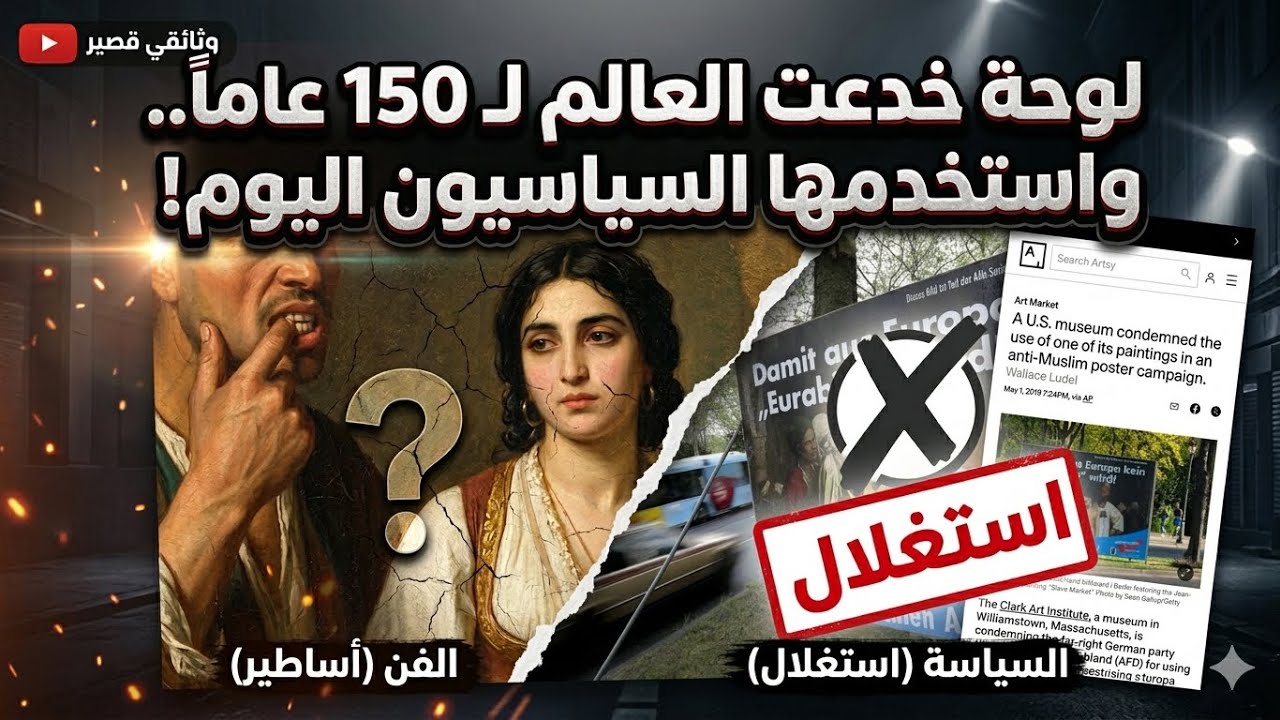
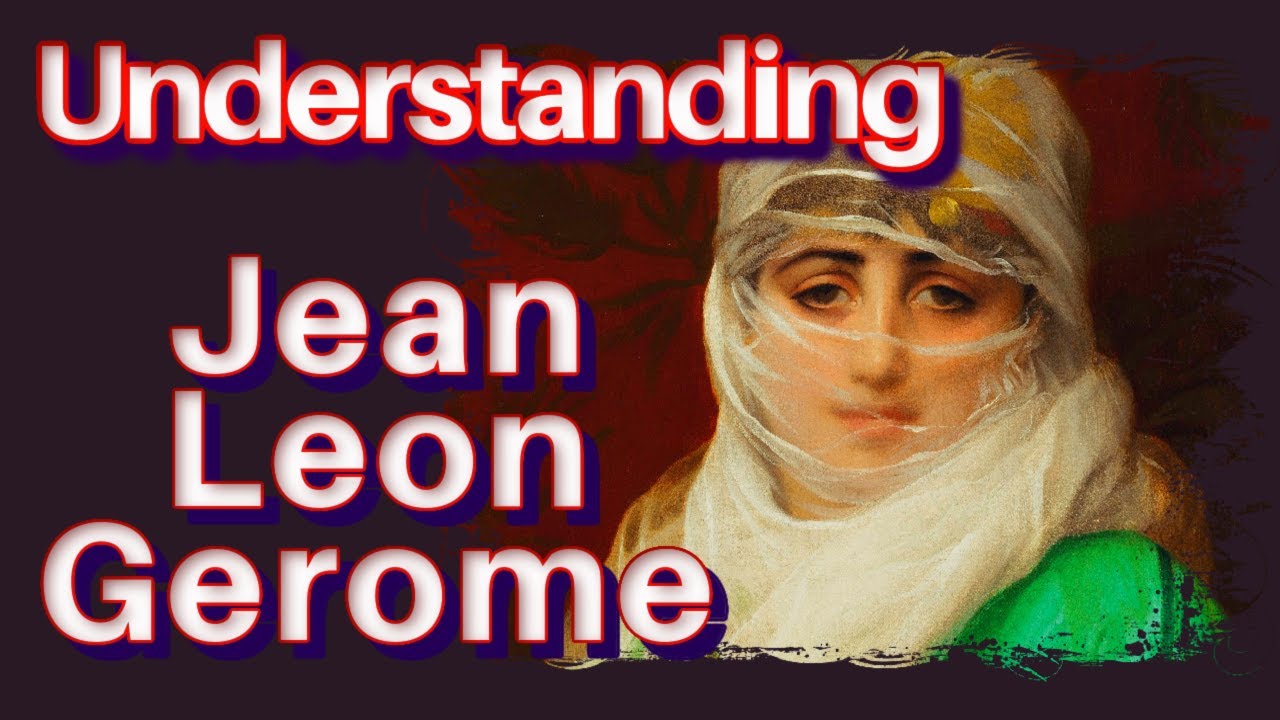




Jean-Léon Gérôme's detailed historical paintings, such as 'Ave Caesar! Morituri te salutant' (Hail Caesar! We Who Are About to Die Salute You), exemplify 19th-century academic art's commitment to archaeological accuracy and theatrical composition, yet ultimately failed to anticipate the rise of photography, Impressionism, and modernist movements that prioritized contemporary experience and subjective perception over historical narrative, marking the decline of history painting as the dominant artistic category.
Gerome's Ave Caesar: History Painting & Empire Critique in 19th Century France
Added:Understanding the traditional hierarchy of genres in Western art, where 'History Painting' was positioned as the highest and most prestigious form.
Familiarity with the political landscape of 19th-century France, specifically the transition from the French Republic to the Second French Empire under Napoleon III.
A basic knowledge of Roman gladiatorial combat and the cultural significance of the spectacles held in the Colosseum.
An introduction to Academic Art and the French Academy of Fine Arts (Académie des Beaux-Arts), noting their emphasis on draftsmanship, historical accuracy, and classical themes.
Analyzing the direct influence of Jean-Léon Gérôme's Roman paintings on 20th and 21st-century cinema, particularly the 'sword-and-sandal' film genre (e.g., Ridley Scott's Gladiator).
Comparing Gérôme's meticulous archaeological realism with other mid-to-late 19th-century art movements, such as the rise of Realism and early Impressionism which challenged Academic conventions.
Exploring Gérôme's broader body of work, specifically his Orientalist paintings, to examine how European artists represented non-Western cultures through an imperialist lens.
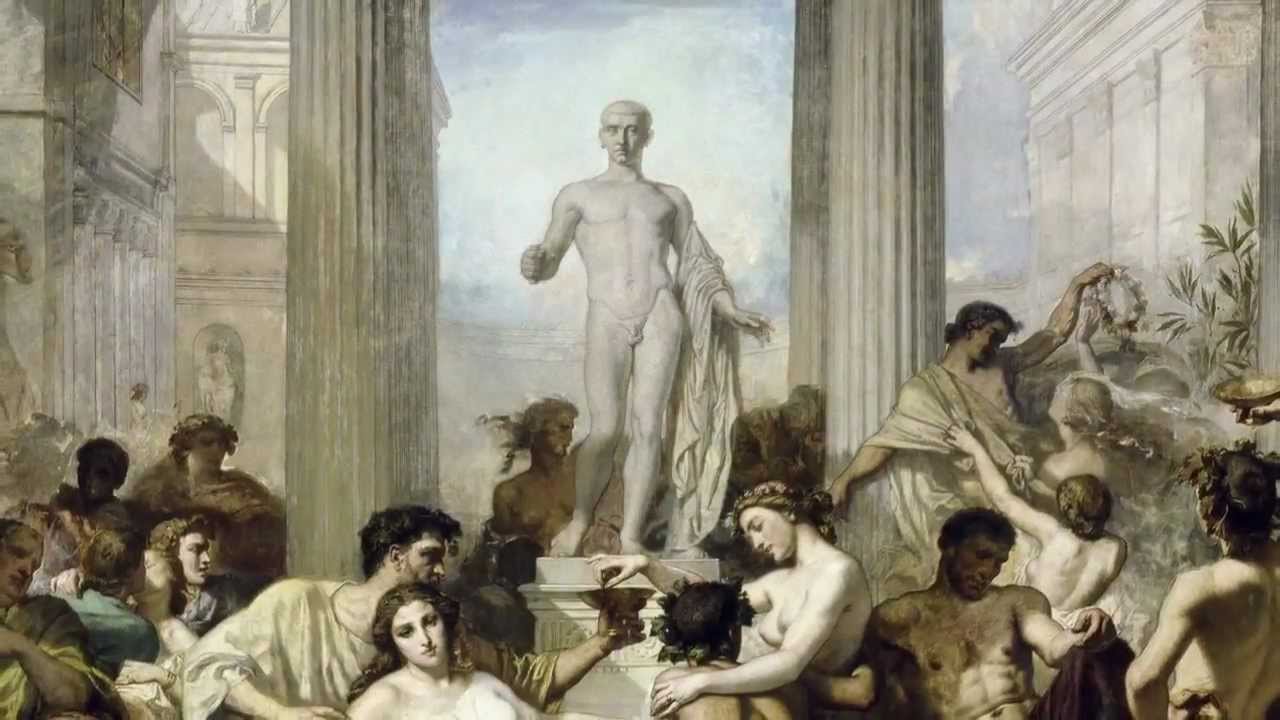
Investigating other major allegorical artworks of the period that critiqued or celebrated the French Empire, such as Thomas Couture's 'Romans during the Decadence'.
35.1K views350likes1:03:29Original Release: 2013-12-09
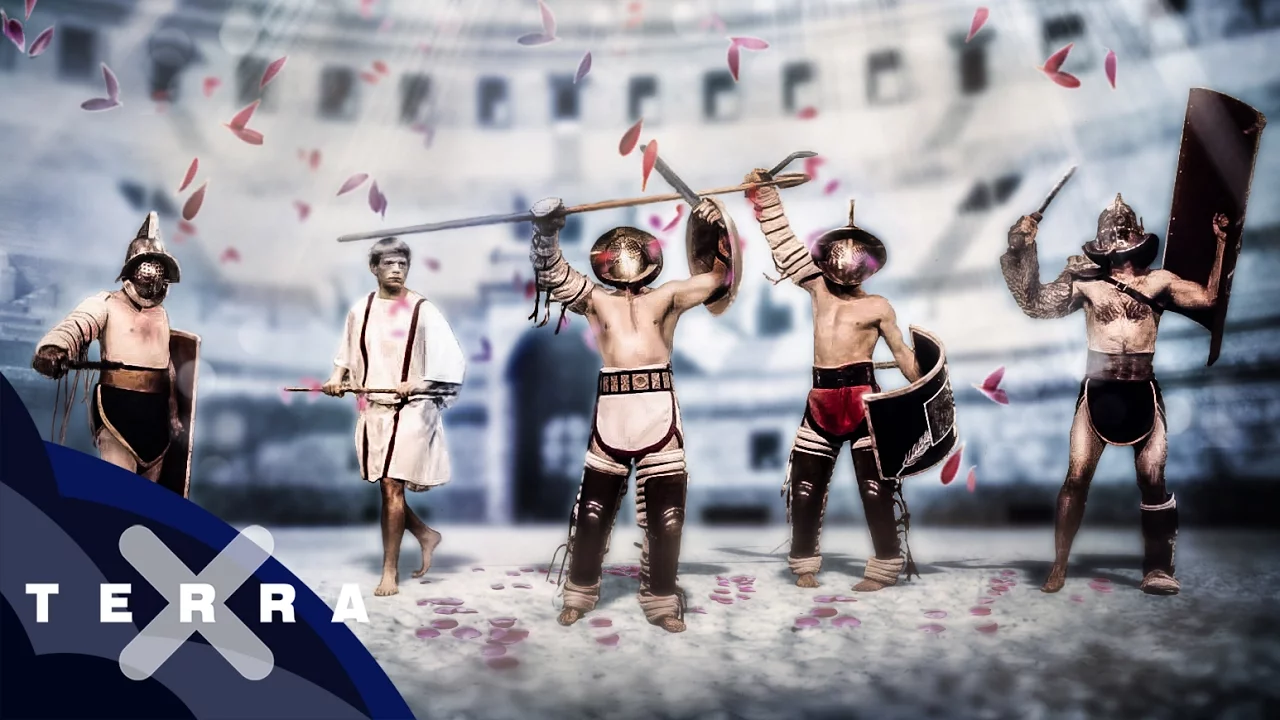
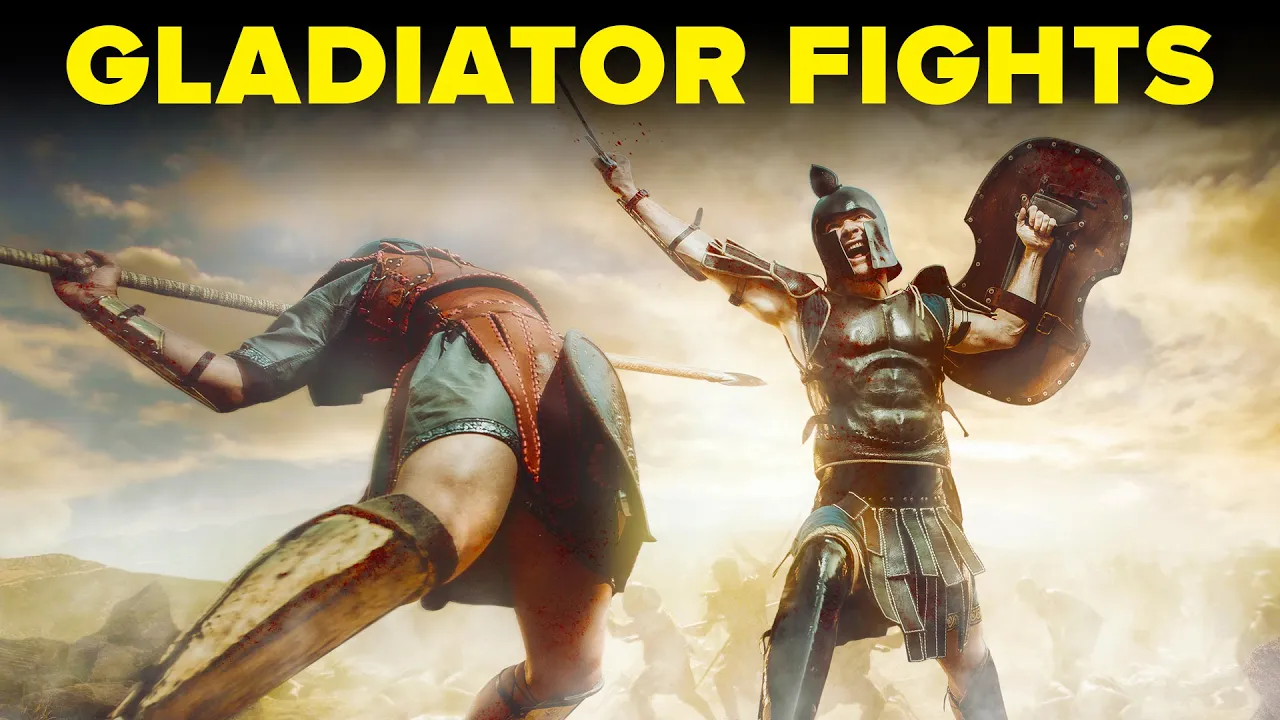
[Music] the last lecture was about this uh astonishing picture uh of the Blasphemous King belshazzar uh whose imminent death and the fall of the Assyrian Empire was announced in blazing letters warning against pride and the abuse of power it was one of the most famous images of its day today we're going to look at another picture that became famous uh we're going to look at it starting now and I'm going to be quiet for just a little while as you just observe it there's a great sweep of space uh a wall curving away from the high seats up on the right and coming down around to the left where it's interrupted at the End by a portal and at the top is a colonade the audience is partly shaded by a vast canopy an awning suspended by a web of ropes Gladiators are on the sand some Dead uh some alive the live ones in the exact center are raising their arms facing the man in red at the top and now and we have to imagine shouting the words of the title hail Caesar we who are about to die salute you there's a lot to take in and although you get the gist pretty quickly it takes quite some time to observe what the artist has put there well taking it from the top U presiding over the gladiatorial games uh is an emperor uh whose name we can read down at the bottom vitellius carved in stone uh the man that the biographer suetonius describes as a fat lazy Glutton there was a bust in the Lou here that was thought to be vitellus which Jerome used for The Tubby board character that he Paints the privileged females in white over on the left here are the six celebrated priestesses of Vesta the Vestal virgins the band of Gladiators is being presented to the emperor by the man on the right whose business was to bring bring the best talent to the sponsor of the day's show he was a kind of producer there are eight men in this Bunch four each of the type most familiar to the fans in the stands the the merillo and the retiarius these types fought against each other there are two miril in the front row on the right they each have a huge helmet a shield and a short sword the gladious the tool that gave its name to the entire profession at the left holding up a trident is a retiarius uh who's got his name from his R his net which he slings over his shoulder like a fisherman and which he used to trip up or even catch his opponents then he would use the Trident on him just as if he were a fish the entire group saluting is evidently the next up but we can tell they aren't the first to fight this afternoon on the sand there is blood and debris from the previous fight and at the left closest to us uh there's a dead or a dying retiarius and lying next to him in the same pose like twin lies a merillo with his shield mortally Tangled in his enemy's net these to have done each other in further back on the left there's a man spreading sand over the bloody spots and the light in the background falls on three men who are dragging off more bodies of unsuccessful contestants each one hooked by the rib cage like dead animals leading them off farther back is a pair of ceremonial characters a man with a with winged sandals and a caduceus he's paid to play the role of mercury who in Roman myth leads the souls of the Dead down to the underworld and a bearded man with a Greek robe I he an actor who's playing the role of Pluto god of the underworld jome did his homework from the time the painting was first exhibited at the salon of 1859 critics and the public were astonished at thoroughly the picture seems to reports the facts of the Coliseum in Rome which actually wasn't begun until 11 years after this Emperor vitellius was in the office jom shows the tremendous three- tiered Coliseum as it had been constructed on paper by French Architects and archaeologists including the valarium that canopy uh that gave shade to the better seats jrome did research on gladiator costumes and weapons too and on the bits of ritual that he paints all to satisfy antiquarian curiosity and to make it look real uh here's a preliminary drawing here at Yale for the central Group which is quite exact in the props and the Wardrobe Department uh and which he changed in many details for the painting for the sake evidently of variety and coherence well in these lectures we're particularly interested in narrative so we might ask if this is an actual story from Roman history or from literature about Roman history the answer turns out to be no the action is actually generic and Gerome made it all up he got his title hail Caesar and so forth from an episode in the life of Emperor Emperor Claudius by suetonius the sequence of events implied in the picture is one that we have to construct for ourselves from the clues that jome provides a dozen year L years later jeram felt that he could do even better and so he painted a sequel using another bit of gladiatorial lore this time the question that winners were supposed to have asked of the audience do I kill him or do I let him go it seems seems that the netman um on the sand who's begging for mercy has killed one Millo lying on his left but has been downed in turn by another mimo the Victor who plants his foot on the loser's neck and looks up to the box seats of the Vestal virgins their verdict again the title of the picture is po Vero thumbs down Jerome puts the Vantage Point much closer to the action and the focus is on the question and the answer both made by body language as clearly as possible the pious priestesses of Vesta who were actually pretty demure in the ale picture have become the jury from Hell jome said that he'd learned a lot more archaeology which you can see in the even greater exactness of the Fantastic helmet which he'd actually studied and the colored marble front of the wall instead of showing the awning uh he simply shows the streaks of golden light that leak through the gaps jome was proud of this painting and being a sculptor as well as a painter he used the central pair uh for a piece to show at the Paris World's Fair of 1878 after his death his son-in-law was a sculptor made a monument to jom showing the artist at work on the sculpture uh that was based on his painting it's this is all a bit dizzy but we've entered an age of seemingly infinite reproduction that as you'll see jome and his dealer helped to create the Gladiator pictures have a contemporary political application and I'll return to say something about this vices of Empire as seen in jom's time in the French Empire but first uh I'm going to speak for a moment about the artist and his career jrom was a great popular success from the time of his debut in 1849 um and he remained a celebrity for nearly 50 years then his reputation declined for a long time when I was a student jum was acknowledged as a skillful academ mic but completely irrelevant to our main interest in the 19th century which was artistic progress progress toward the Triumph of impressionism and post-impressionism J ROM in fact had the distinction of being the bitterest opponent of Modern Art in the history of the period I was taught he was the bad guy but as contemporary art has taken so many different directions for the past 40 years or so and there are so many different ideas about what constitutes progress in art in fact even whether we can talk about progress at all uh 19th century conservatives like jome have become a lot more interesting in the early 1840s jome studied with Paul dear Ro uh history painting with a large studio and many pupils he had just finished a 90 foot long painting for the hemicycle uh of the E de Bazar the official art school which is about as prestigious a commission as you could possibly get he revived Raphael's School of Athens uh to produce a group portrait uh of the 77 most important artists and architects of antiquity and modern times this picture has been restored recently and it's unnervingly Vivid and really gorgeous delash made his reputation by reconstructing unfamiliar scenes from medieval and Renaissance history and painting them with quite a theatrical flare um on the left um this was the so-called genre hisor that jome would learn from De from delar Rush and and and Excel at story here on the left is from Thomas Moore the two sons of Edward IV are in the Tower of London put there supposedly for their protection by their evil Uncle who um gets two steps closer that night to becoming Richard III their little dog here on the left alerts the boys to visitors outside the door and we in the audience know that they are the murderers arriving for work jrome also studied with charl glair uh who taught him how to paint mildly erotic subjects from Antiquity with brighter colors and a higher key jum's debut uh came in 1849 at the annual Salon the the official jured art fair where he submitted this scene from Greek life no historical characters no story but a very strange imaginary composition of an adolescent boy and girl and fighting chickens all painted very suavely with Mediterranean vegetation and a bit of the aan in the background a pinch of archaeology teil goer wrote great talent and resources are required to elevate such a minor SE to the rank of a noble composition that no master would un disown nobody wrote anything about the kinky overtones I've been using the word Salon I need to say a little bit more about the salon and the term academic the salon was a large annual exhibition of Contemporary Art in Paris sponsored by The Academy of Fine Arts it began uh in the 18th century in the salon carare at the Lou which gave the show its nickname and uh later moved on to bigger quarters in the Palace of industry in the world's Fairgrounds it was the model for similar official exp exhibitions in most countries including England it was open to anybody but there was a jury of officials including artists and favoritism was not exactly unknown the criteria for selection were never specified and they shifted as taste evolved over the years history painting was always is the most prestigious category but there were a lot of works in the Lesser categories of landscape portraiture genre and still life getting a picture or several of them accepted was a very big commercial advantage to painters and getting one of the many prizes was even better since it pushed up the prices you could ask the jury determined where pictures hung high or low in good light or bad light so being accepted did not necessarily mean being be didn't necessarily mean being seen which is what Do's artist here at the top uh is in the upper left here is complaining about these shows got obviously more commercial as the century went on in Paris in 1848 there were more than 5,000 pictures and the number went up from there in the two weeks that the salon was open there would eventually be half a million visitors the French Academy sponsored the cellos andies did the same in other European countries but they had more important functions theems did as the successors to a guild or trade organizationmy had become clubs with elected memberships and they remained um enforcers you'd say of academic Professional Standards and lobbyists for government commissions their exhibitions were showcases for those kinds of commissions they were also schools for artists with curricula based mainly on drawing as a fundamental skill underlying every other form of art academic training culminated in competition and in France it was the annual competition for the Rome prize where you could win a five-year residency at the Academy's outstation in Rome which put backbone into the careers of many young history painters one by one other countries set up similar outposts in Rome and later in Athens there Salon painting and academic painting are often used interchangeably and in jom's time the system was less rigid the academy had loosened its grip and in jom's training and the private Studios of dear Ro and glair was really decisive still it was the salon where you made your reputation and in effect where you made your money just to show you a handful of pictures by jome that relate in some way to the Gladiator paintings we've seen but they only begin to suggest the amazing variety of jom subjects jom's way of picturing the death of Julius Caesar is to show its aftermath not the climax we we don't see what's in Shakespeare's play we don't see the conspiracy the passionate speeches or the assassination we see a grand hall uh the Kua of the theater of Pompei where the Senate met we see it emptying out after the deed is done the body is there on the floor and at the far right there's one old Senator left snoozing in his seat and if this were an opera the orchestra would be winding down with a long diminuendo as everybody leaves the stage except the old senator who would then wake up and sing about the fickle fortunes of Julius Caesar and his enemy in the Civil War pompy the great who's built this building uh Caesar lies actually at the foot of the statue uh of pompe and near the near him his um Golden Throne has been overturned it's empty the throne that suetonius says Caesar should never have accepted when it was offered since it suggested kingship and Rome had fought itself free from Kings centuries earlier to become a republic and some of you heard me talk about this picture by Gavin Hamilton of the sacrifice and the oath that led to the establishment of the RO Roman Republic Hamilton's subject here is the sacred origin of the Republic jums is the homicidal origin of the emperor empire as Jerome's supporter guier wrote criticism has has been leveled at this way of presenting the subject but it deserves the highest praise the Dreadful summing up is sufficient we all know enough Roman history to picture ourselves what is left unsaid the disorder that preceded and the tumult that followed the tumult of course was more Civil War the prescription of political enemies judicial murder and the final extinction of the Republic and its high ideals by the elevation of Augustus to the all powerful Emperor who had himself declared a god this prompts me to say a little more about the Roman Empire as seen by French liberals the most famous image of the time was this one the enormous painting of 1847 by Thomas C called the Romans during the decadence and prompted by two lines of the Roman poet juvenile crueler than War Vice fell upon Rome and Avenged the conquered world that was a familiar theme that Gibbon had elaborated that Rome crumbled in part because its population had become self-indulgent weak and vulnerable to aggressors who were tougher and more disciplined than they were here coutur spells it out in a drunken party in a vast Palace the golden youth of enjoying themselves wasting themselves watched over by white marble statues that in effect the shades of their ancestors reminders of the virtues of the Republic that they had abandoned two men at the right have arrived from somewhere else and there's also a Melancholy young poet at the far left surrogates for us you could say and they witness all this Vice and learn from it coutur was a radical republican himself uh and the picture was painted at a time of political turmoil and frustration with Louis Philipe and the scandals of the upper classes that dominated the feeble government the critics saw this picture for what it was an indictment of the decline of France in one sense Rome's the uh Gladiator pictures by jrome were kind of guilty pleasure entertaining pictures of Romans being entertained but they were more than that for French audiences the sins of Imperial Romans were there to make them think about official barbarity and the parallels in their own time there was even more awful entertainment in the circus Maximus there under the emperor Nero you could see Christian Martyrs die by crucifixion and burning or by being torn to bits by wild animals scenes like this had already been described in the literature like chat Bon's novel The Martyrs where the hero a Christian convert is FedEd in an arena to a tiger and a crocodile we're still watching these scenes for entertainment our elves of course um on TV there's Spartacus blood and Sand based on Stanley Kubrick's movie of 1960 a few years later on the bottom Gladiator with Russell Crow and before that Demetrius and the Gladiators and still others going back to the first movie of the type on the right the silent film made in 1912 by enrio guaton from from the novel quovadis and in all three you can see where Gatson got his ideas for scenery and costumes and even the staging of key scenes all he needed was some photographs of Gerome paintings which were cheap and easy to get the whole genre uh if movies are called swords and sandals in the movie trade the French call it peplum uh owes its decor and costumes and some of its action to the Yale painting and a few others with his painting and the hugely popular print made after it jome launched himself into the age of mechanical reproduction the name given to our time by the German critic wder Benjamin he made a deal with his father-in-law the publisher Adolf Gil here in the middle at the uh whose company was publishing photographs and prints of some 3,000 paintings including very popular images by Ari Shafer a man we've already met in this series and Paul dear Ro Jerome's teacher Gil had a large Factory with upto-date uh photo printers and Engraving presses he also had the bright idea of buying original paintings directly from the artists or buying options to buy them uh at the salon or beforehand so he profited from the resale of the paintings to Rich collectors and from selling the reproductions and from selling reproduction rights to other Publishers as jom's dealer uh gpel eventually sold 337 of his paintings and thousands of his reproductions in various sizes of 122 different subjects by jro these ranged from playing card sized photographs for 50 sanim uh two large Engravings made from photographs for 25 Franks and there were also Sumptuous albums with whole collections of images gpel licensed reproduction rights to book publishers and even to makers of gift shop merchandise Calenders candy boxes ashtrays everything but refrigerator magnets and mouse pads cpia photographs Engravings color Engravings of J ROM's paintings went all over the world by the thousand where they were framed and hung in houses of people who would never see a painting in the original never mind by one some people worried that this business model was fine for Commerce but not so good for paintings in 1891 the great critic Amil zolah put his finger on it he said Miss jome works for the Meson Gil and therefore makes a painting so that the painting can be reproduced by photography and Engraving and thus sold in thousands of copies here the subject matter is everything the painting nothing the reproduction is worth more than the work another of Jerome's best sellers was this the most famous of his pictures one reproduction or another of this made its way into countless middle class houses The Duel after the ball shows very recent history painted soon after the event uh not a world shaking important event but just two two well-known Parisian men who quarreled at a masquerade and met at dawn in the buad buan the eventual loser came dressed as the clown Piro the winter walking away came as an American Indian just as in the Yale Gladiator picture Clues to the action are strewn all around feathers blood cloak sword so you can reconstruct what went on jom had a kind of free range imagination where historical subjects was concerned uh this for example is the big big moment in the life of fr the most celebrated Greek corisan uh who supposed to have been a model for appelles and praxides according to one version finina was accused of a capital crime and brought to trial at the AR areopagus in Athens the Supreme Court after her lawyer who was also one of her clients gave an eloquent speech in her defense he could tell that the verdict was likely to go against her so he whipped off her robe her beauty struck the judges it said as almost Divine and they acquitted her Gil's reproductions made this one of jom's most popular works it was so well known even in the United States that a political cartoonists could use it to to to Lampoon the Republican candidate for president James G Blaine who was revealed to be covered with tattoos that refer to graft and all the other scandals that he'd been involved in It's let's face it a kind of pornography too respectable French men get to run their eyes over the picture of a delectable professional who's pretending to be modest and they get to watch the amusing spectacle of the venerable judges getting the same treat and unable to hide their lecherous reactions jom's admirers would say it's all part of ancient Greek history so how could you call it salacious two years later man showed this picture of a young woman posing as a kind of Latter-day FR he called her Olympia but she's no Greek it's life size the woman is a well-known artist model the setting is contemporary and one of her male friends has sent flowers she's posed like several venuses by Old Masters but that provided no cover so to speak as far as the Sal Salon jury was concerned and it was refused on the subject of erotica voyerism and their thin disguises I should add that jum produced many pictures of Herms and slave markets that pushed quite profitably at the bounds of propriety the disguises here are pseudo ethnology and archaeology and for the audience I guess the experience was like what I had as a kid turning the pages of the National Geographic looking for Bare chests the local of the picture on the left is probably Cairo where jome visited and which like the rest of the Middle East was was for French writers at this time a place of beauty squalor sensuality and brutality now here a man displays his merchandise on the street attractive women of different types different ethnicities all as jum says uh in the title A for sale something for every taste or on the right a Distance by time um fitting the general theme of the depravity of the ancient Romans this auction of a girl who appears to be the oldest child of a mother uh on the right who has other children perhaps upcoming Lots again there's no narrative just the material for an audience to devise one when Edward s's influential study of Middle Eastern stereotypes uh in the west came out his publisher chose a Gerome painting for the cover and when the Metropolitan Museum wanted a cover for its new guide book recently uh something eye-catching and beautiful and I assume appealing to people of all colors they chose this painting by jom that I find pretty astonishing since it shows Bashi bazook one of those mercenaries who fought for the Turks and did some raping and pillaging on the side and whose lack of discipline and swashbuckling brutality struck Europeans as colorful so jom has officially reemerged as a major figure you could say even if the Met hasn't completely emerged from its orientalist phase Gerome painted more than 300 pictures and kept going until the mid 1890s showing at the salons and at the Royal Academy in London selling at high prices to Americans in particular and earning every possible honor he became became more and more intolerant of Modern Art and his particular Target was mané jom was against holding an exhibition of paintings by man at the E de Bazar saying that mané has been an apostle of the decadent manner Jerome's intransigence reflects the reality that his highly finished academic style and his historical subjects had diminished in importance now here you see domier spoofing the pretentions of History painting other ideas were pushing it to the margins domier gave those ideas the simplest expression he said that for an artist you need to be of your own time you at this point I'm going to move away from jome to artists for whom being of one's time meant representing contemporary people and actual events not those of an it or the Middle Ages and doing so without the traditional disguises of allegory or and rhetoric and we've seen that shift coming in this series um Trumble had painted the Battle of Bunker Hill as a moral victory for the colonists who were ill equipped but ready to make any sacrifice to gain Liberty for others on the other hand Ari Shafer's picture uh here on the bottom of the Grand Army of Napoleon freezing and Starving in Russia during the terrible winter of 1812 shows no heroism it's all suffering Napoleon got them into this disaster and he's safe back in Paris the nearest thing to a hero is this man Marshall NY who ends up shot as a traitor this is a bleak view of the world and at mid-century it had become far more common in France younger artists felt increasingly free to look skeptically at the ideals of the state ancient ideals of heroism civilization Empire loyalty sacrifice and also be doubtful of the Catholic Church's claim to moral Authority war came to look more senseless and more senseless and the Second Empire more incompetent or repressive painters watched the failure of the revolution of 1848 with increasing pessimism and artists particularly Jean franois Mier submitted pictures like this to the salons representing the brutalized peasantry at work the most explicit challenge to history Painting came from Gustaf kurb in the 1850s kurb said I hold the artists of one century basically incapable of producing the aspect of a past or future centur centy I deny the possibility of historical art applied to the Past historical Art Is by its nature contemporary each epic must have its artists who express it and produce it for the future so KU saw himself writing history for the future by painting what he could see for himself in the present and only that in the salon of 1850 uh Corbet offered a life-size alternative to the heroes of past history for example the labors of Hercules it's two Anonymous men the older breaking rocks the younger toing them away there's no narrative there's no event just work we don't see the purpose of the work we don't even see outside their immediate surroundings we don't see exhaustion we just see the simplest lowest kind of daily work to which these men are bound in the here and now as a permanent condition of their lives now painting this kind of subject on this scale reserved formerly for history paintings was a subversive act but work was a subject whose time had come a few years after the stone Breakers the English painter Ford Maddox Brown exhibited a kind of modern allegory of work life-sized almost hyperreal in its color and its sharp outline lines it shows street workers in the middle a woman giving out Temperance hand bills uh in the upper left at the top a HUD carrier swigging beer a flower seller at the left and a harassed babysitter uh in the right foreground and a lot more too looking on from the very right edge here are the Socialist or well actually two intellectuals also at work thinking uh the Socialist Churchman FD Morris who advocated higher education for all and the sort of celebrity polymath Thomas Carlile who wrote a man perfects himself by working even the meanest sorts of Labor even in the meanest sorts of Labor of the whole soul of man is composed into a kind of real Harmony Ford's painting exalts work as a source of health and moral Improvement in Germany under bismar the imagery was less cheerful and idealistic this is the famous painting by of an iron Rolling Mill 9 ft wide by the brilliant Berlin painter adol Fon menel portrays the conditions of the place the whole sensory experience the heat the concentration teamwork the terrific complexity and urgency of the work on the factory floor where rails were being manufactured for the expanding German railroads the picture was bought by the state bought for the new National Gallery because that suited exactly what the government wanted to say to its citizens about the true strength of the nation I can't resist showing this um how should we say pre-ind industrial image of the same time Ilia rapin's Unforgettable image of Russian labor which I think isn't a boast about solidarity or a protest about brutalization but I think it's what it seems just the Eternal fact of serfdom and a kind of fatalistic admission of it among the painters of the impressionist generation the search for subjects of their own time l painters to Humble labor in the city women ironing um in the case of dugga who was attracted obviously to contrasting and expressive poses and in the case of kibot uh here on the right workers whose distinctive poses he kind of aestheticizes by the silvery light that reflected by the floor back to Corbet just as subversive as the stone Breakers was this painting of called the what he called the debut of my principles it showed the burial of an ordinary citizen of corbet's Hometown in the rural east of France remote from Cosmopolitan Paris in every possible way the painting is 22 ft wide a size fit for Heroic Deeds but not only is there no great deed here not even a glimpse of heaven or a show of grief at this funeral but you just see the clergy and the town officials and the citizens all with extremely ordinary faces it's a seemingly artless lineup of plain-faced people attending a completely ordinary event that briefly draws the town's people together in an act of Duty and reminds them of their own mortality each of them is thickly painted in a s tonality as heavy and dull uh as the Leen atmosphere the traditionalist Gustav jefa wrote the funeral of a peasant is not less touching to us than the Convoy of fion he was talking here about a picture in the Lou by Pusa the greatest French history painter showing the corpse of a virtuous Athenian being carried through the landscape that gives the event a deeper more General significance but jeffar went on to set conditions he said the important thing is to avoid localizing the subject and in addition important to emphasize the interesting portions of such a scene this is exactly what K Corb would not do other critics like Lou Eno uh reveal their social biases he called The Picture People in the picture common trivial and grotesque manon's way of being of his own time was not to throw out history painting but to you could say co-opt it to adapt its form to contemporary subjects like his Olympia we saw earlier this picture was rejected by the salon jury in 1863 because it showed a contemporary artist's model having a picnic with two fully dressed men this offended proprieties even though the jurors knew perfectly well that several great and famous painters of centuries before had done exactly that such as Geon uh in the painting at the Lou and besides man's Trio of figures were a paraphrase uh of Raphael the greatest Saint in the academic heaven but there was a brazenness in this nude that was aggravated by the way Manet painted her without much modeling and shade with thick fluid Strokes that by academic standards of technique were expected in a preliminary sketch but not in a finished picture where they looked incomprehensible to some or like shoddy workmanship to others it's easy to imagine Gerome looking at this picture and feeling repelled by the technique and the Louch scene man's one performance as a history painter was inspired by outrage after one of the more Amazing imperialist Adventures of the century the invasion of Mexico by France a few years before the liberal government of Bonito harez had annoyed Europe by refusing to pay its for foreign debts the Emperor Napoleon III saw opportunity backed by Spain and England he sent an army which marched across the country sending harez and the government into Retreat conservative Mexicans established a puppet state and to lead it Napoleon III produced Maximillion of Austria an underemployed hsbor arch Duke who was crowned Emperor Don maximiano of Mexico and moved into a just finished Castle you can still visit it in Mexico City um after 2 years of counterinsurgency by harez and with pressure from the United States Napoleon withdrew his army and left Don maximiliano unprotected harez returned to power and Maximillion was tried with his two generals and shot maximilian's betrayal was an international Scandal that mané and his liberal anti-imperial imperialist friends felt deeply about man made a series of paintings and a lithograph based on newspaper reports of the execution but he was prevented from issuing prints and advised not to submit the painting to the salon jury since they would reject it what's so striking here I think is that the picture doesn't look like a protest the other hand goya's painting of bonapart troops shooting Spanish Patriots is a real Cry of outrage manise seems a more factual thing with none of goya's passion and Terror none of his Ric of Despair the victims stand there stoically as the soldiers fire at the first general a few Spectators look on that's all at the right one soldier loads his rifle the kind of chilling Detachment that says something about the cold-bloodedness of The Emperor's betrayal of maximilan in the same year 1868 and In The Same Spirit jome painted the most surprising of all his pictures the execution of Marshall nay 50 years earlier the victim here had been bonapart bravest most loyal General but after waterl he was convicted of treason by the new government and shot by a firing squad hastily in a squalled corner of Paris which Gerome painted as he had Caesar as the killing Squad leaves the scene nay was a martyr in the minds of Frenchmen who still had hopes of restoring a republic Man shows the result um of the Folly and faithlessness of Napoleon third in his government man's purpose was actually close to jom's most of them wanted to remind a French audience about Imperial treachery by presenting raw historical truth as they conceived it and both stirred up trouble Man knew that in reality there could be poetry deception even mystery in reality he painted a view of the bar at the FI beer that looks closely observed the still life of bottles and oranges and flowers and the Fantastic Welter of people uh in the audience behind he shows a barid called suzon who worked at the fly berer and which was famous partly for its staff of good-looking easy young women close behind suzon is a large mirror that fills the picture and reflects the bar and the girl and the male customer to make all this possible man has moved our Viewpoint a little to the right so that the customer would actually be standing just out of the picture on our left that little shift and the little turn by the model lets us think that she's looking directly at us so we must be the customer what's pictured directly not reflected that is what's pictured directly is the barid and what she has to offer which may include herself everything else is reflection literally mirror image and the implication is I think that the world that we see the world we live in is not just fleeting it can't be trusted out of reality Manet constructs a kind of visual Wonderland that makes us aware of the complexities of our vision and the artist's power over our minds jome was at the height of his popularity when this picture was painted and he saw it as dangerous he was right to feel threat threatened man's focus on perception represents a modernity far beyond the realism of kurb and zolah it leaves history and narrative behind I've been talking about the forces that pushed history painting off its pedestal during the later 19th century the growing belief that gods and Saints and heroes of the past should make way for the people and the places and situations of the present time and for new ways of seeing and picturing the present photography only 20 years since its invention was documenting historical events very well like the construction of the biggest ship ever built on the left or Lincoln meeting uh at antium showing them with Eerie accuracy even a few photographers were invading the creative territory of History paintings uh like railander as in this amazing Tableau of a moral allegory photography relieved painters of the burden of getting the visual facts straight left them free free ER anyway to interpret the visual world to convey their subjective experience of it we saw mané exploring the Poetry of distortion which was at least interesting to him as the subject itself seison moved further in that direction his card players are totally ordinary as a subject but painted life-size with a grave seriousness and a classically stable composition that gives them importance the paint surface is something new not at all like corbes or mayonnaise it's a pattern of parallel hatchings that doesn't conform to the shapes and leaves the canvas visible in places in other words the painters manip populations aren't disguised they're meant to be seen as artifice in these Landscapes you often can't get into the picture space through the trees and branches you're not sure what those floating ples of green and yellow belong to seisan was interfering with the Renaissance Convention that has us seeming to look through a window frame to a view outside he wants to make a truer View by creating some visual confusion and letting you see that the that he's inventing a code and letting disclosing it this points to even more arbitrary ways of constructing views where the viewer has to work actively to reassemble them almost every painter in the post-impressionist generation made some kind of major statement about his art in a very large sort of Salon sized picture this is surra grandest demonstration of his beliefs that Not only was City Life the material of serious art that appearances could be rendered scientifically for him this meant a new systematic technique to exploit the interaction of colors in order to produce a surface Dazzle and a shimmer that corresponds to what our eyes and Minds experience in nature for sirat that meant simple forms and clear outlines or all this imposes an arbitrary nature uh order on nature and produces an extreme effect of strangeness the Belgian painter James ensor embraced strangeness the society he lived in was already so strange the mob was so stupid and gullible he thought and the officials so so hypocritical that he needed a big subject and a big canvas he would paint a history painting but for the first time ever he'd show an event that had occurred yet he imagined that if Christ instead of riding a donkey into Jerusalem were to show up next year in Brussels everything awful and ridiculous in Belgian society would reveal itself the politicians uh and the churchmen would co-opt Christ and there'd be a parade with bands and Banners and meaningless slogans and stupid speeches and everybody would join in he set all this down in crude caricatures roughly painted exuberant grotesque and amazingly modern looking for 1888 this painting stayed in his house and enzor himself hardly went anywhere Paul Goan is a different story in middle age he left France and his wife and five children to search for f fulfillment new subjects and artistic success and sailed to remote French island colonies eventually to Tahiti where he found what he wanted there were hospitable women a life of primitive ease and subjects to paint that he thought more vital and authentic than the aat worn out wants of Europe This is a 12-ft wide painting with the grandiose title where do we come from who are we where are we going it's Go's major statement a kind of personal history painting embodied a mashup of polit Polynesian myths and prints photographs of various Asian deities around changed in a stylized fantasy landscape fantasy and strangeness were the stock in trade of Gustav morau and a few other contemporaries who chose to be both history painters and members of the avangard to pull that off they needed to stretch the idea of a modern sensibility Beyond merely being of One's Own time Morrow's edus and the Sphinx on the left got a rapturous reception at the salon of 1864 especially by critics not committed to the realism of kurb and man but looking for life in the academic tradition everybody could see the allegory uh odyss is every man gripped by an enigma the Sphinx who's alluringly beautiful but is a mankiller who grasps you in her claws look at the dead feet at the bottom uh the question will you be steadfast fast and soft the riddle the riddle of Life Morrow's symbolism both weird and seemingly deep gave New Life to classical subjects for those who cared to exercise their imagination font lur uh made Fame exhibiting portraits and flower pieces with the Impressionists but he had a late life fling at historical subjects were drawn especially from Wagner's operas which he loved and went to byro to see for himself these are based on the pl the operas are based on recent literature after all these are Wagner's own liberetto and in that sense they reflect modern thought if not daily life the pictures have a wonderful fluent filmy translucent quality which is exactly what this subject needs the scene at the beginning of D reinold where the rhin maidens swim around and sing history painting continued in full force in many European countries outside France in Vienna for example hunt mckart worked on a huge scale painting stories of Hobs Borg victories uh and history in a style um compounded of verene and rubben uh he lived and worked Down Below in this Sumptuous Studio full of pictures and showy artifacts from around the world and he was a charismatic personality so much that he organized and designed a parades entertainments and led them personally his name is still attached to a kind form of artistic extravagance the vienes still call it Ma uh here's here's another kind of Baroque um Eugene isa's huge temptation of St Anthony in the desert the elderly Church Father escaped to the Egyptian desert is solicited by beautiful women and presented with a bank and wine and Untold riches and he's praying at the altar for help held up by Angels so isab treats the picture not as a portrayal of an imagined event with humans and Angels but as a kind of mystical Vision in itself these artists Mard and isabe were flamboyant traditionalists and they had their place but history painting uh was kept Alive by something else by something more modern in look and spirit it had to breed with realism and also with impressionism to produce interesting hybrids a couple of examples here's another take on the temptation of St Anthony by the Neapolitan domanico Morelli the saint sits in a shallow cave high above the desert soort of shoved to the Edge by his fear of the girls who are snuggling under Matt and not giving up on him it's as though Morelli were asking what would it really be like to be St Anthony what what would it really look like if he were in the desert the famous picture by crem Sky on the left of Christ shows him in the desert without any attributes no sign of divine Powers No Angels no Halo no vision of his coming death he looks purely human and dejected at that his face lined his eyes sunken there's no story no explanation this is an imaginary aspect of Christ in spiritual distress we could say psychological distress that is the painter's invention and it has the flavor of ky's friend dooi it's as meticulous as jome but life-sized and entirely any enigmatic jom's son-in-law M moo painted the Good Samaritan using ordinary men's models and no historical props for an event that could be happening today the message seems to be compassion is timeless the par Parable comes directly through seemingly unmediated by history or by style my favorite exercise in this genre is a picture that was once popular Luke Olivier meron's flight into Egypt by the by the Holy Family imagined by the artist not only on location U but with a great prop um also a vast moonlit desert this often this subject often includes Angels who look after the family but here it's the pro the proverbially uh enigmatic Sphinx who for all her Hospitality adds mystery and uncertainty to their plight I promised a hybrid impressionist historical picture and I just have to remind you of this one in the metap by Bastian Lage showing Joon of Arc home in her Village hearing voices from the ghostly floating figures she stands in a landscape full of New Tricks uh particularly the broken green and blue Strokes for the leaves and grasses and generally the higher key that he derived from Landscapes by Monae and pizaro of the 1870s finally another novelty that history painters brought to the salons and the Royal Academy and helped retain the attention of the audience and that was depicting even earlier periods of History than previously this astonishing picture by Holman hunt shows an imaginary scene from very early Britain when Christian missionaries were at work there a family of converts is hiding a priest in their brush house while in the background uh you can see a crowd of angry Pagan Britain and their Druids have caught another priest and they're leading him away in the distance uh the standing stones of the Stonehenge variety this is all pure invention without a text and the story more or less tells itself from the body language of the actors and the very many vividly painted Clues I'll end with these which reach reach back even farther than prehistoric Britain this was an age of paleontology when Darwin's ideas about human ancestors had reinforced the evidence coming from European caves and an image was emerging of hunter gatherers and cave dwellers the salon of several salons in the 1880s had a number of pictures like these of prehistoric events fero cormon on the left here imagines that Adam and Eve's children once they were out of Eden must have lived as Nomads Cain the murderer of his brother is forced to move on and we see the tribe of Cain on the March cormon shows him as an old man leading his people who carry everything with them including the old and the very young as well as their supplies of fresh meat in great torn chunks Leon fev on the right imagines a struggle at the mouth of a cave where a woman and child are cowering it's not clear which man belongs to the cave and which is the Intruder but the younger one looks like he's going to win in fact he's a kind of Hercules in skins but about 10,000 years earlier and he appears to be using the most primitive weapon of all his teeth novelty however was not enough to keep history painting going into the 20th century but novelty did help to prolong its life you're going to see next week that history painting could be revived in the 20th century when it was needed and that it mutates again and again conceding its narrative function to other media but that in other forms like as in the works of anzam kefir it still has the power to recall our history and ask us to consider our moral dilemmas I hope to see you then thank you
Up Next
29:57
Arts & Crafts Movement: Industrial Design History
@HistoryofID
24K views•2020-10-05

31:27
History of Candles & Medieval Lighting: From Oil Lamps to Rushlights
@LynneFairchild
5.5K views•2021-02-11

46:32
Dutch and British Exceptionalism: Why They Rejected Absolutism | European Civilization (HIST 202) (56 chars)
@YaleCourses
183.7K views•2009-09-02
17:05
Understanding the Cold War: Superpower Conflicts and the Road to Détente
@OverSimplified
46.1M views•2019-01-24
Related Study Plans & Knowledge Roadmaps
Structured learning paths in History
history
Byzantine Iconoclasm: Theology, Art & Politics
01Foundations of Byzantium and Early Christian Images
02The First Iconoclasm: Leo III and the Crisis of Images
03Empress Irene, Nicaea II, and the Second Iconoclasm
+ 2 more learning modules
9h5 modules
Explore Roadmap
history
Iranian Revolution (Causes, Events & Legacy)
01The Pahlavi Dynasty and the Roots of Discontent
02The Spark of Rebellion and the Rise of Khomeini
031979: The Fall of the Shah and the Climax of the Revolution
+ 2 more learning modules
8h5 modules
Explore Roadmap
history
Mali Empire: Mansa Musa, Trade & Timbuktu
01Foundations of the Mali Empire
02The Trans-Saharan Gold and Salt Trade
03The Reign and Pilgrimage of Mansa Musa
+ 1 more learning modules
6h4 modules
Explore Roadmap
history
1947 Partition: Politics, Borders & Legacies
01Foundations of British India and the Divide
02The Political Negotiations and the Mountbatten Plan
03Drawing the Boundary: The Radcliffe Line
+ 2 more learning modules
8h5 modules
Explore Roadmap