










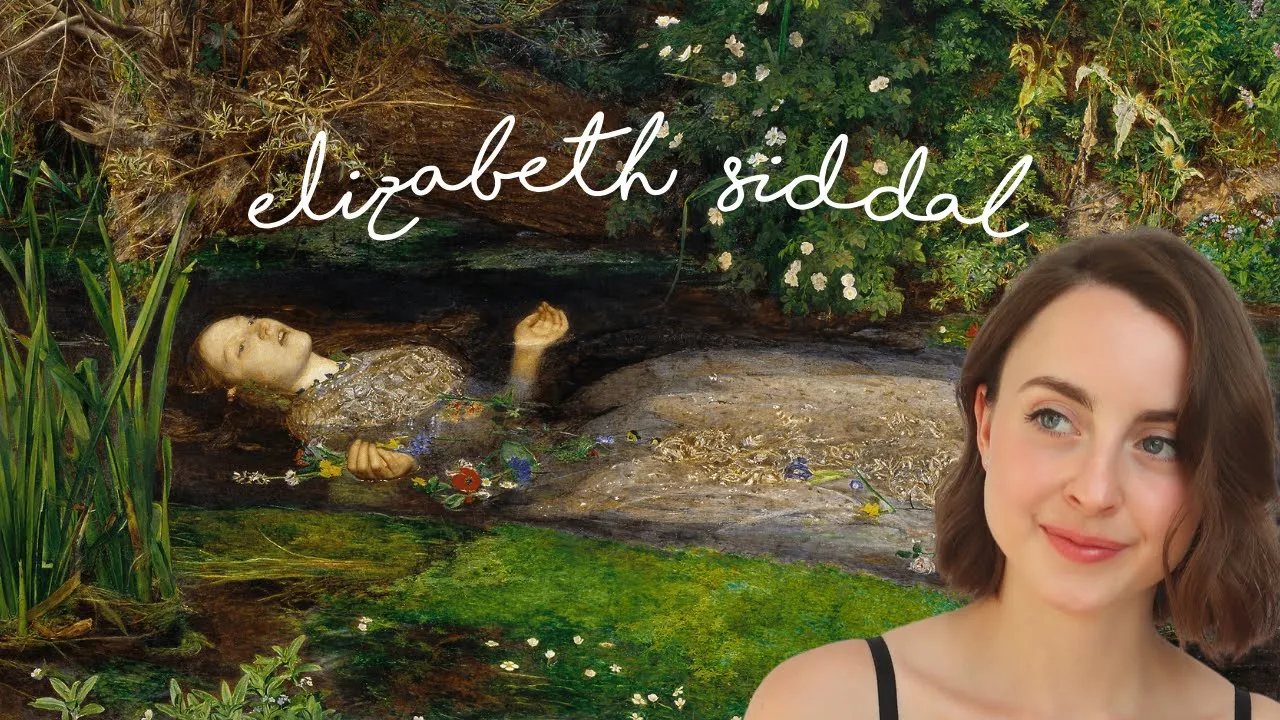

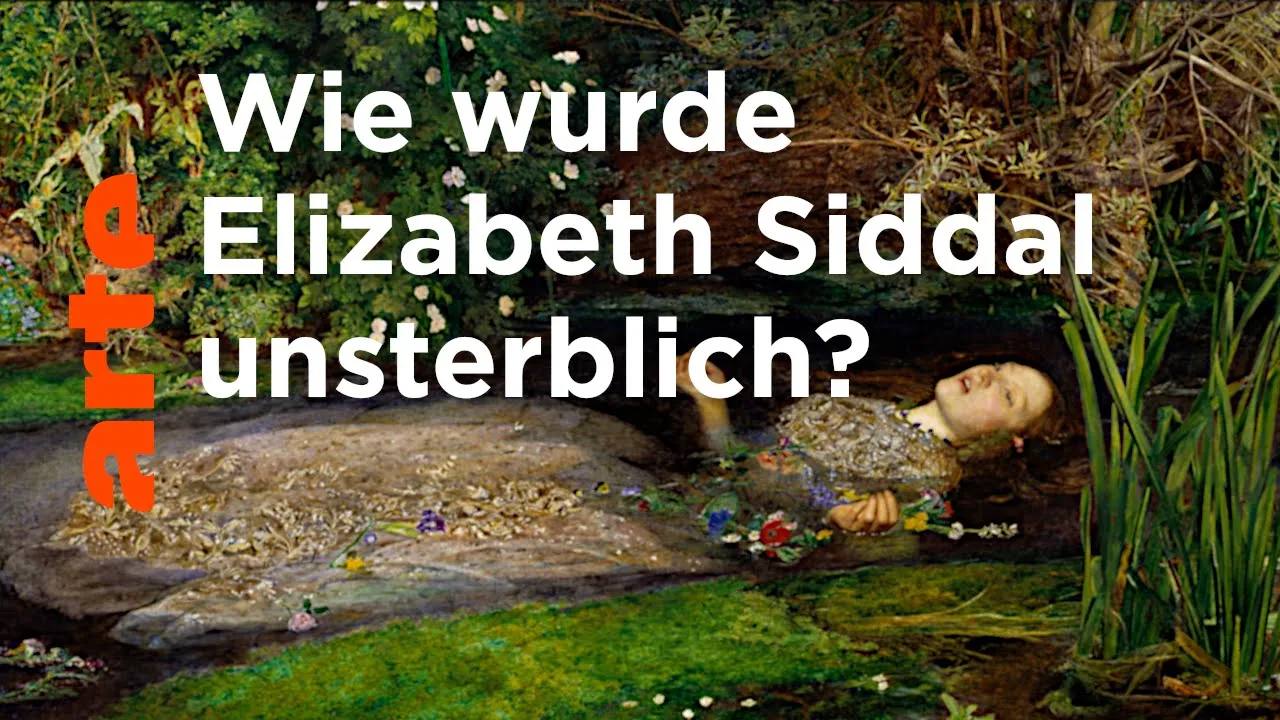





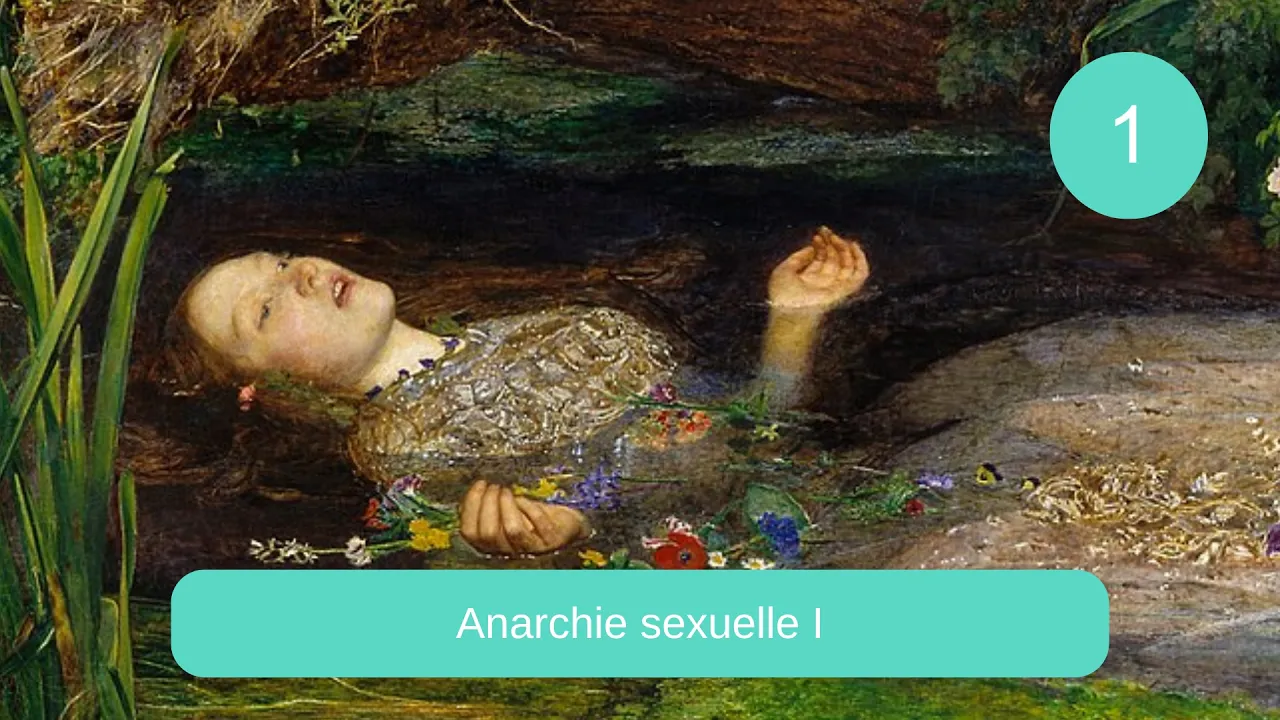
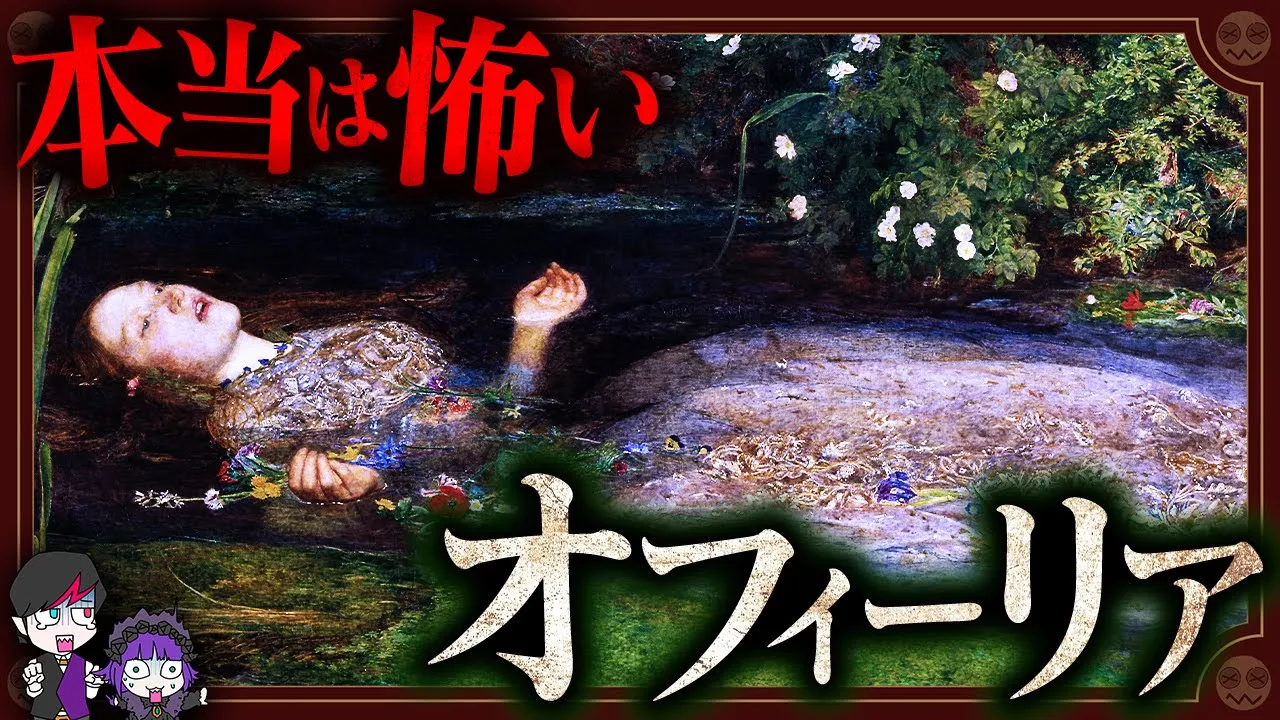

John Everett Millais, a leading Pre-Raphaelite painter, demonstrated extraordinary dedication to artistic realism by having his model Elizabeth Siddal pose in a bathtub filled with freezing water to accurately recreate Shakespeare's Ophelia scene, despite the severe health risks this posed to his model.
Ophelia by Millais: Symbolism and Pre-Raphaelite Art Explained
Added:Familiarity with Shakespeare's 'Hamlet', particularly the character arc, tragic descent, and death of Ophelia in Act IV.
An understanding of the Pre-Raphaelite Brotherhood's founding principles, specifically their rejection of Raphael's influence and academic art conventions.
Basic knowledge of Victorian botanical symbolism ('the language of flowers') and its use in 19th-century literature and art.
An awareness of the social and artistic status of female models ('muses') in Victorian England.
In-depth study of Elizabeth Siddal's independent career as an artist and poet, examining her legacy beyond being a tragic muse.
Analysis of 'Plein Air' painting techniques and the Pre-Raphaelite commitment to scientific botanical accuracy, comparing it with later French Impressionism.
Investigation into the transition from Pre-Raphaelitism to the Aesthetic Movement, focusing on the later works of Dante Gabriel Rossetti and Edward Burne-Jones.
An exploration of how Ophelia's iconography influenced late 19th-century photography, fashion, and modern cinematic depictions of female tragedy.
287.5K views11.4Klikes8:02Original Release: 2025-09-07
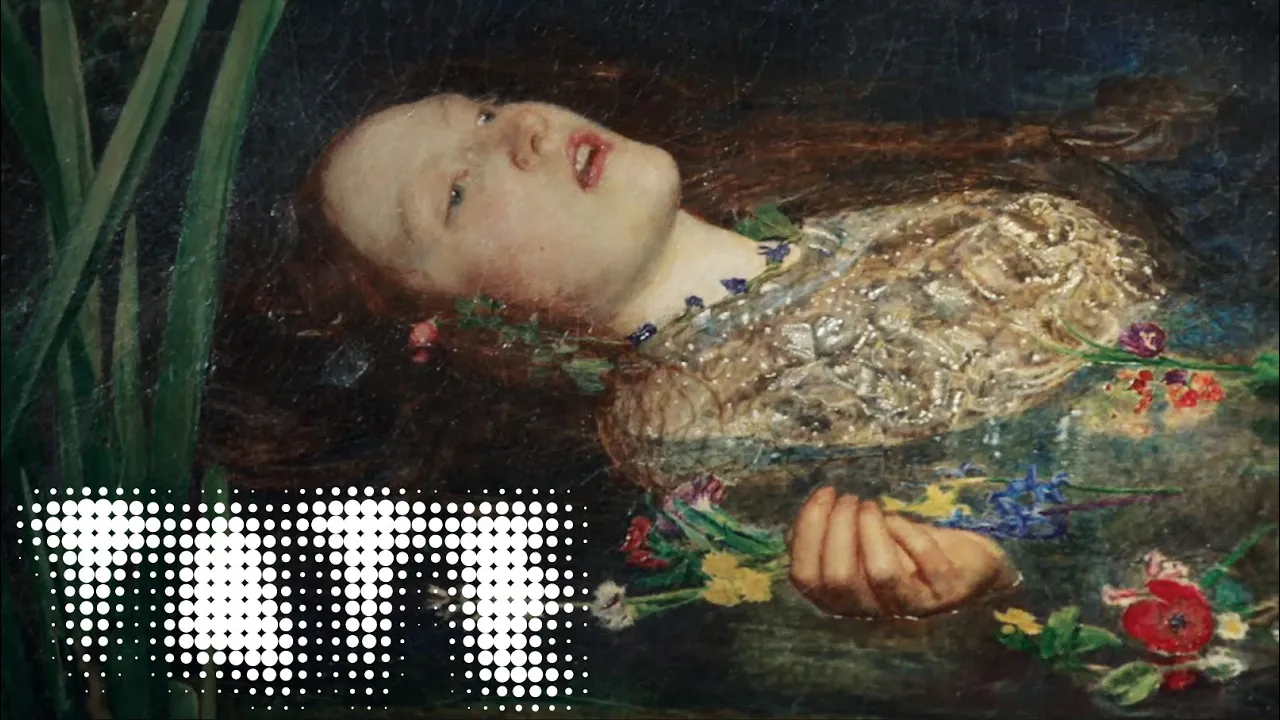
The story behind this painting has become almost as famous as the painting itself. To represent the scene of Oilia floating in the water, John Everett Mille asked his model Elizabeth Siddle to pose inside a bathtub filled with water dressed in the same attire that appears in the artwork. The problem was that it was winter. To prevent the water from being too cold, the painter placed oil lamps beneath the tub, but they only managed to warm it slightly. Sidel catching a severe cold and developed pneumonia that nearly cost her life. Her father, furious about the situation, threatened to sue Mle and demand £50 in damages. In the end, the artist covered the medical expenses and the model eventually recovered. This story shows just how determined Mille was to achieve the utmost accuracy in his work. The painting shows a young noble woman lying in a stream surrounded by water flowers and other plants filled with symbolism that we will explore later. The young woman depicted is Oilia, the ill- fated character from William Shakespeare's Hamlet. Her tragic end comes after she loses her mind upon discovering that her father Pelonius has been killed by the man she loves, Hamlet. What strikes us first about this work is how Malay managed to give visual form to a literary episode with such imagination and realism. Oilia's face, motionless and serene, reflects that mixture of resignation and paralysis in the face of destiny. Her embroidered dress spreads out in the water which seems to hold her for a moment before slowly carrying her downstream. The feeling is unsettling.
As Oilia sinks, you can almost imagine the current flowing over her body. One very significant detail lies in the position of her hands. They are raised and open, reminiscent of the prayerful posture of early Christianity. This gesture common in catacombs and sarcophagy symbolized the openness of the soul to divine will and was used in depictions of saints interceding for the dead. In this way, Malay may have intended to show that Ailia in her final moments surreners in submission to an inevitable fate. Ailia's death takes place in act four of Hamlet.
Interestingly, it is not a scene that Shakespeare shows directly on stage.
Instead, it is Queen Gertrude who recounts the event in verses filled with poetry. According to her, Ailia had been gathering flowers, crow flowers, nettles, daisies, and long purples when she decided to climb the branches of a willow tree that grew over a brook.
Suddenly, a branch broke and the young woman fell into the water along with her garlands. Although it all began as an accident, it is believed that the grief consuming Ailia kept her from fighting for her life and the weight of her dress once soaked eventually dragged her to the bottom of the stream. Malaysia's painting places us right at that moment.
Aphilia appears with her lips slightly parted as if singing fragments of ancient melodies while she surrenders without resistance to the water that slowly carries her to her end. Another fascinating aspect of the work is the abundance of details that bring it to life. Just imagine a walk through the English countryside at the end of spring. The same variety of flowers and plants found there is what Mille incorporated into his canvas, giving the scene an unusual intensity. The painter began working on the landscape in the summer of 1851. After a meticulous search, he chose a corner of the Hogsmill River in Surrey that most faithfully reproduced Shakespeare's description, a setting where wild flowers grew in abundance and a broken branch hung over the water. In a letter to his friend, Mrs. Comb, he confessed how exhausting the task was under the sun. I sit tailor fashion under an umbrella throwing a shadow scarcely larger than a half penny for 11 hours with a child's mug within reach to satisfy my thirst from the running stream beside me. The work is a balance between realism and symbolism. Every flower surrounding Ailia carries meaning. The red poppy near her hand evokes eternal sleep and death. The daisies express innocence while the weeping willow bending over the water reflects lost love. In the upper left corner, there is also a detail that can easily go unnoticed. A robin perched on a branch. This bird, common in British gardens, holds a special place in folklore. Considered friendly and familiar, it is also surrounded by superstitions. It was said that harming a robin brought bad luck and certain death. Its presence therefore reinforces the ominous tone that permeates the scene. The background of the painting was completed in sorry, but the work with the model resumed in London during the following winter. There, Elizabeth Siddle posed wearing an old silver dress Mille had bought for £4 in a secondhand shop. It was then that the famous bathtub episode occurred. The model remained for hours in icy water, fell seriously ill, and nearly lost her life.
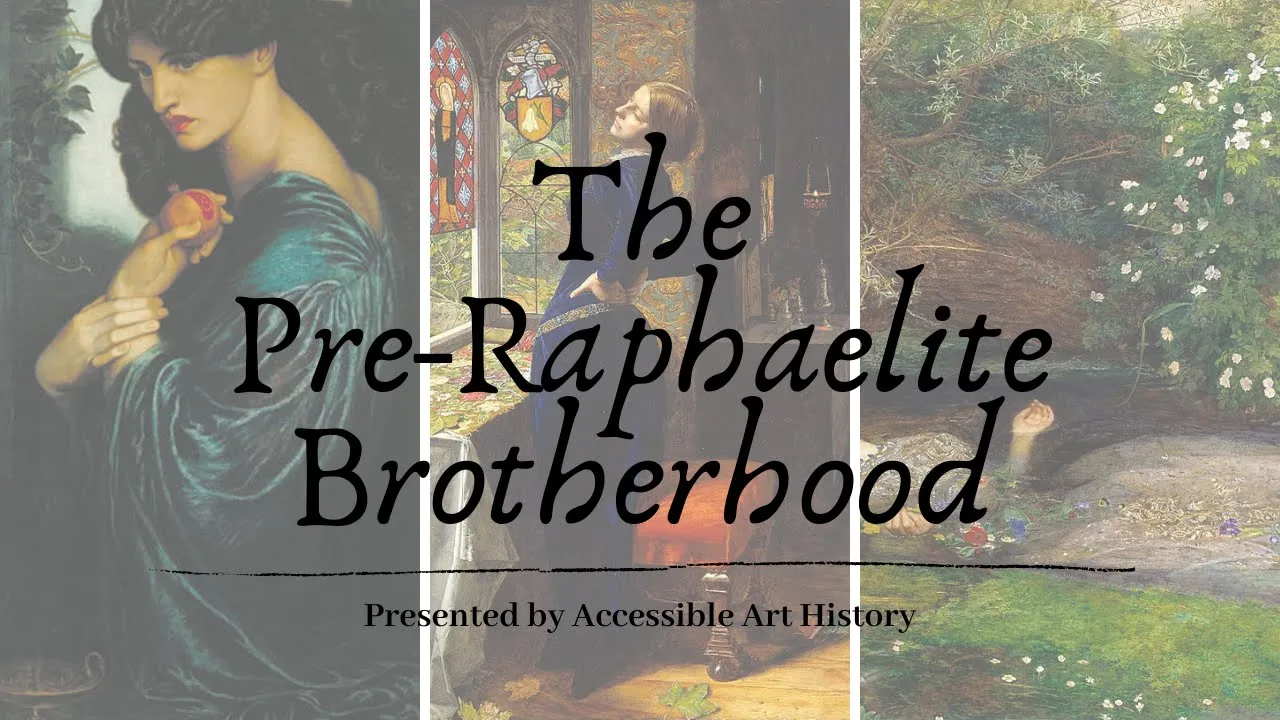
Malaya's obsession with precision in every detail led him to risk everything, even the health of the woman who embodied Oilia. Although we have already spoken about him on the channel, Mle was part of the pre- Rafaelite Brotherhood, a group of Victorian painters who sought direct inspiration from nature. Their purpose was to move away from artifice and exaggeration and to depict the world with the greatest possible honesty. They believed that in the Italian artists of the 15th century lay the purity and sincerity that painting of their own time lacked. The brotherhood knew these works through engravings. Yet they became convinced that such frankness needed to be revived. John Ruskin, the great art critic and defender of the movement, expressed it clearly. The function of the artist in the world is to be a creature who sees and feels.
With that principle in mind, MLE's obsession with finding the perfect corner of the Hogsmill River and reproducing it with such painstaking detail becomes easier to understand.
More than a whim, it was an attempt to remain faithful to the pre- rafflite spirit to observe, to feel, and to transfer nature onto the canvas without filters. The result is paradoxical.
Although the painting portrays Aphilia's death, the canvas overflows with vitality. The vegetation, the flowers, the flowing water. Everything seems to vibrate with energy. Millie transformed a tragic scene from Shakespeare into a poetic vision where the heroine's pain is wrapped in the abundance of nature.
The canvas is filled with organic life precisely at the moment when Oilia's own life is extinguished. That contradiction perhaps is what makes this work so powerful.
And now I want to leave you with a question. Do you think it is morally acceptable for an artist to put their model in a dangerous situation in order to capture realism? Or do you believe it is better to work from imagination? We know this case was an accident and that Malay did not expect his model to fall ill, but if she had lost her life because of it, how would this painting be considered today? I'd love to read your thoughts in the comments. And on another note, if you'd like to have this painting in your home, it is now available on our website. In our catalog, you'll find more than 700 historical artworks to choose from, so you can collect your favorite and hang it in your home. The video you're watching is just one example of how you can turn your house into your own museum and decorate it with a true work of art.
Worldwide shipping is free, and by purchasing, you'll also be helping me continue creating videos like this one.
Thank you so much for staying until the end, and I'll see you in the next video.
[Music]
Up Next

4:49
Hunt's The Awakening Conscience: Pre-Raphaelite Symbolism
@smarthistory-art-history
47.6K views•2012-04-02

114:18
Christian Iconography: History, Theology, and Meaning | Fr. Panayiotis Papageorgiou
@Trisagionfilms
58.8K views•2020-02-21
13:02
Hans Holbein's The Ambassadors: Hidden Symbolism
@inspiraggio
1.8M views•2025-04-06

16:34
Earliest Depictions of Jesus in Art: 10 Ancient Images Explained
@UsefulCharts
5.9M views•2022-06-03
Related Study Plans & Knowledge Roadmaps
Structured learning paths in Art History
art-history
Gothic Cathedrals: Engineering, Light & Society
01The Birth of the Gothic: Romanesque to Suger's Vision
02The Structural Triad: Pointed Arches, Ribbed Vaults, and Flying Buttresses
03Theology of Light: Lux Nova and Sacred Geometry
+ 2 more learning modules
14h5 modules
Explore Roadmap
art-history
Pre-Raphaelites: Realism, Symbolism & Critique
01The Victorian Art Establishment and Academic Formula
02The Founding of the PRB and Radical Realism
03Medieval Revivalism and Literary Symbolism
+ 1 more learning modules
8h4 modules
Explore Roadmap
art-history
Street Art: From Subways to Art Market
01Subcultural Origins in Philadelphia and New York (1970s)
02The Subway Era and Style Wars (Late 1970s - 1980s)
03The East Village Scene and Early Gallery Crossover
+ 2 more learning modules
10h5 modules
Explore Roadmap
art-history
Classic Maya Art: Iconography, Glyphs & Ritual
01Foundations of Classic Maya Visual Culture
02Deciphering Maya Hieroglyphs & Text-Image Integration
03Sacred Geography and Cosmological Architecture
+ 2 more learning modules
14h5 modules
Explore Roadmap