








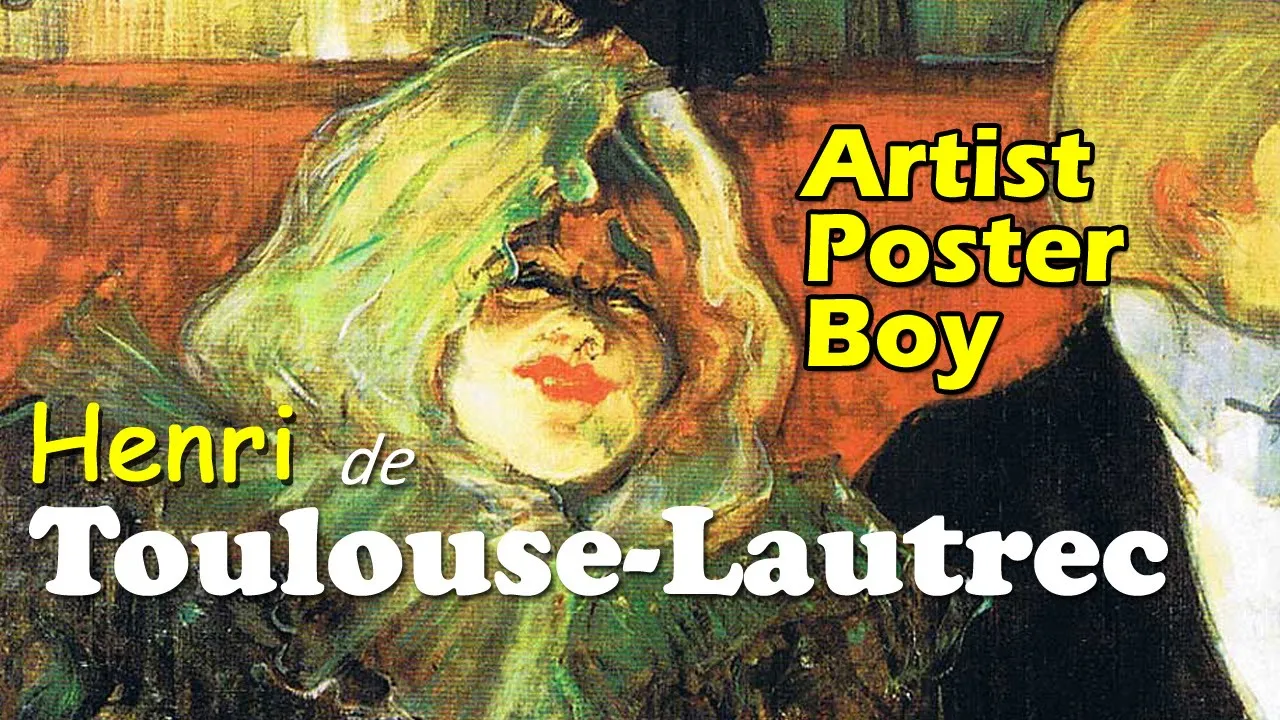




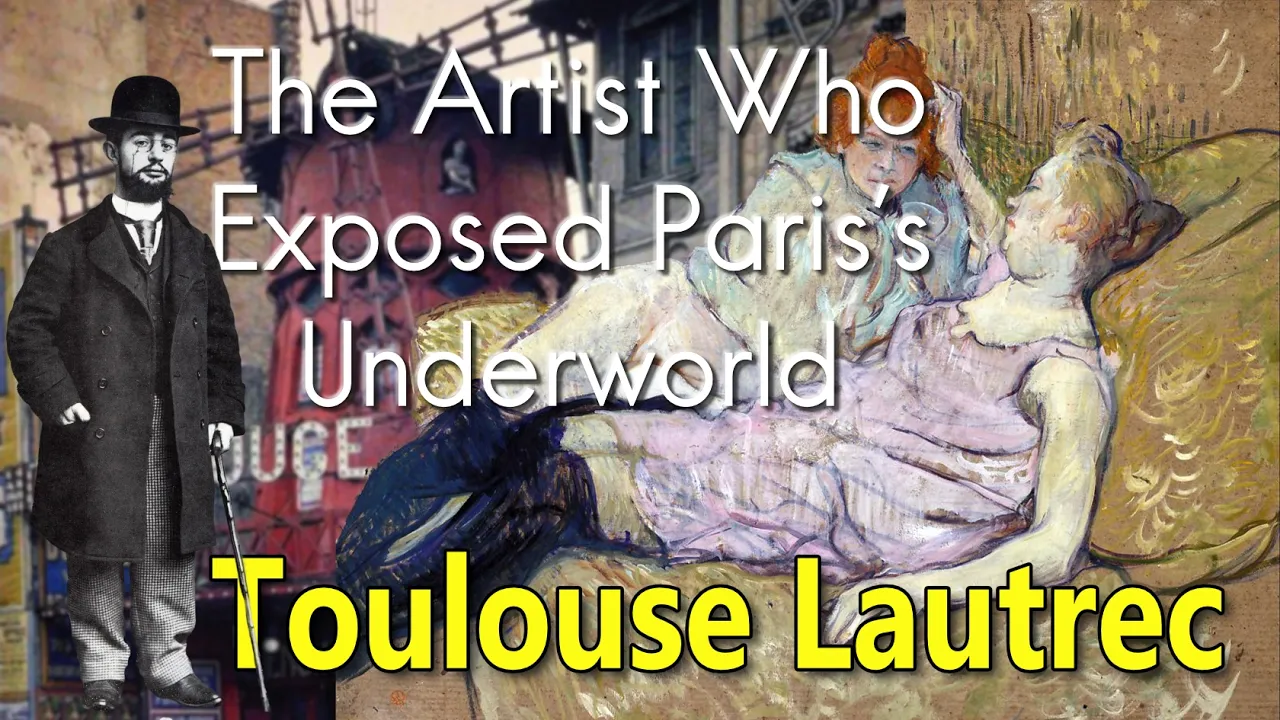










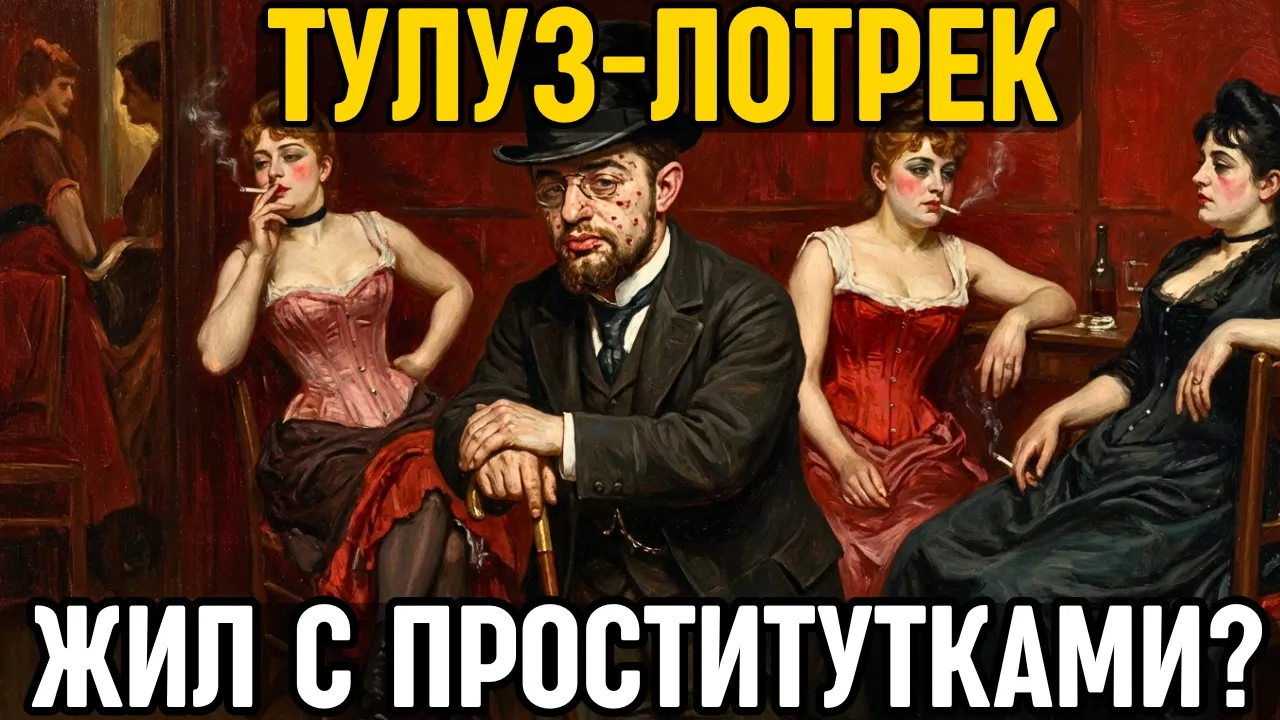


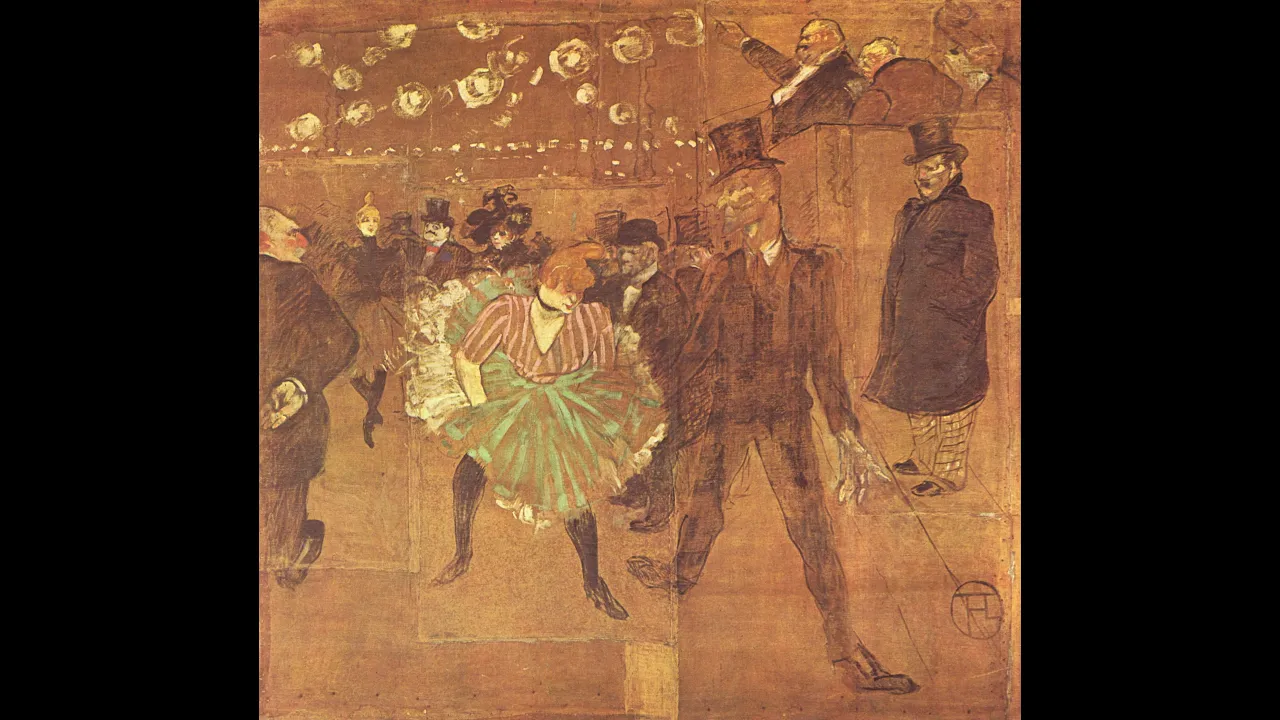
Henri Toulouse-Lautrec (1864-1901) was a French post-impressionist artist whose physical disabilities and tragic personal circumstances profoundly shaped his artistic vision; despite being physically stunted from childhood leg injuries and battling alcohol addiction and syphilis, he became renowned for his vivid portrayals of Montmartre's Moulin Rouge and cabaret nightlife, revolutionizing lithographic poster design and creating a distinctive linear style that captured both the joy and melancholy of human experience.
Toulouse-Lautrec: The Art of Parisian Nightlife | Documentary
Added:The core tenets of Post-Impressionism and how it diverged from Impressionism's focus on natural light and objective observation.
The historical context of the Belle Époque in France, specifically the cultural and artistic rise of the Montmartre district in Paris.
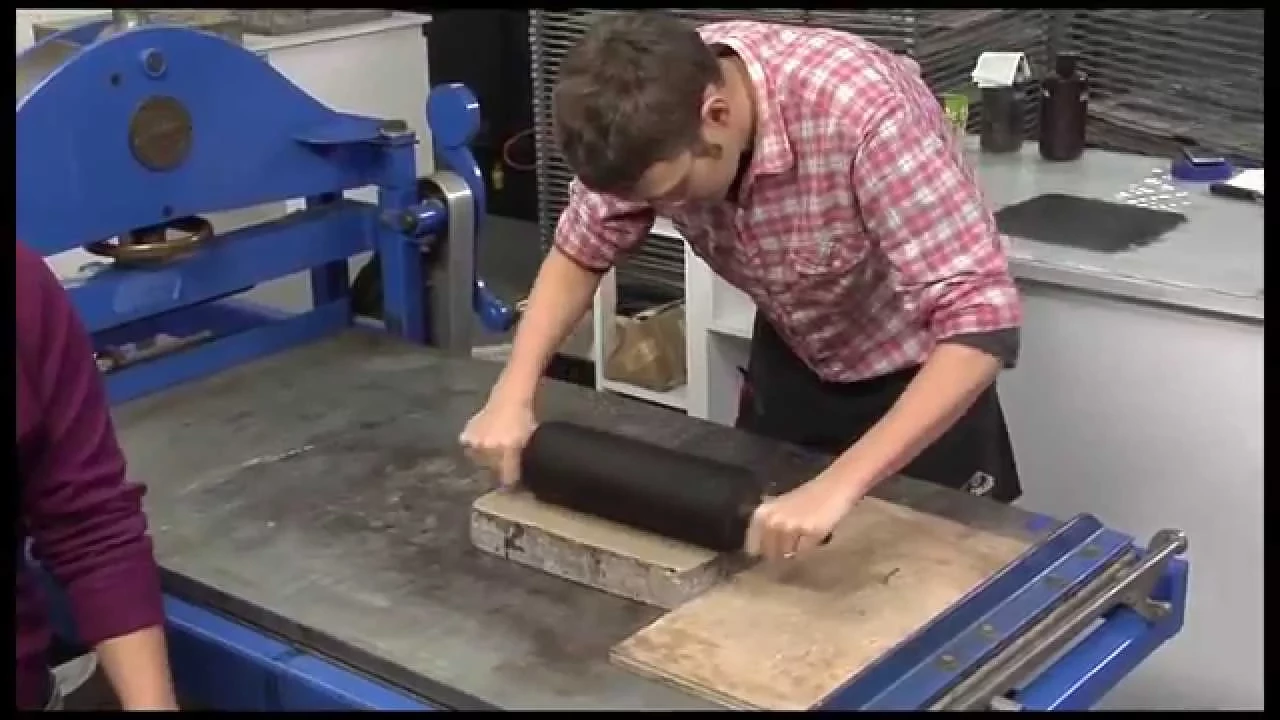
The fundamentals of lithography and printmaking as a medium for both mass advertisement and fine art.
The socio-economic divides of late 19th-century Paris, including the co-existence of bourgeois society and the bohemian underworld of cabaret dancers and sex workers.
The legacy of Toulouse-Lautrec on the evolution of modern graphic design, brand marketing, and commercial poster art.
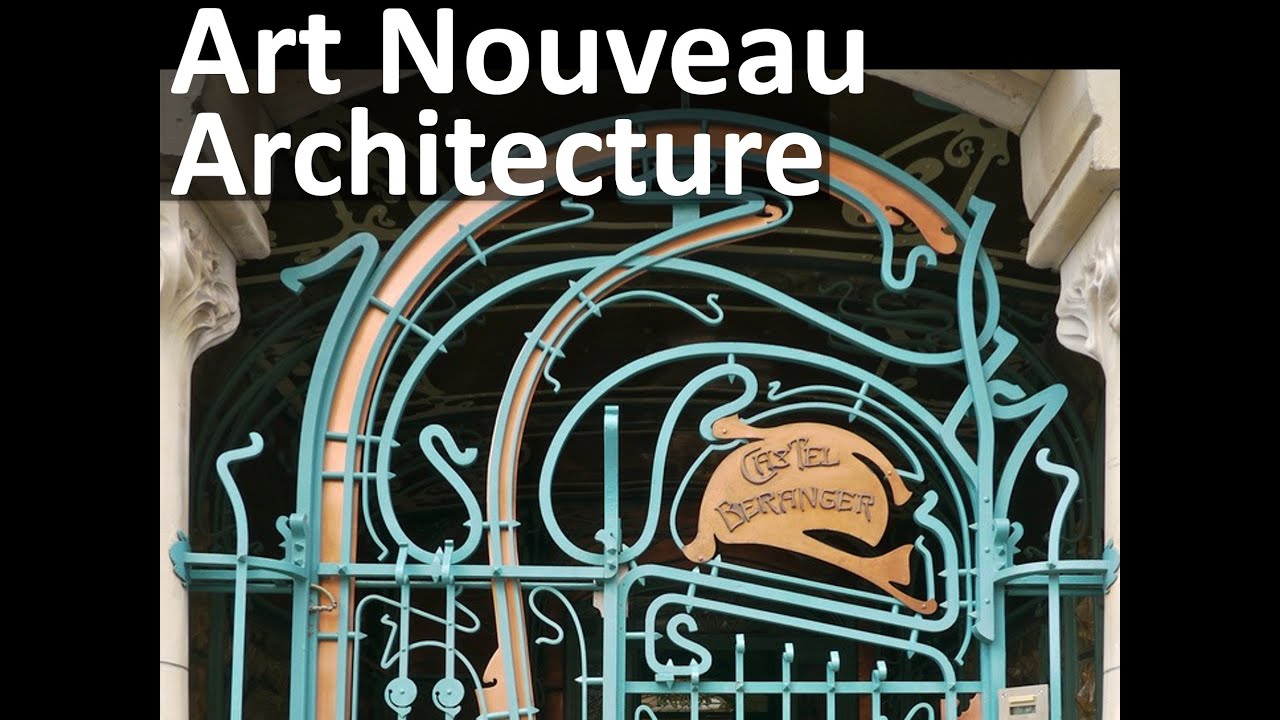
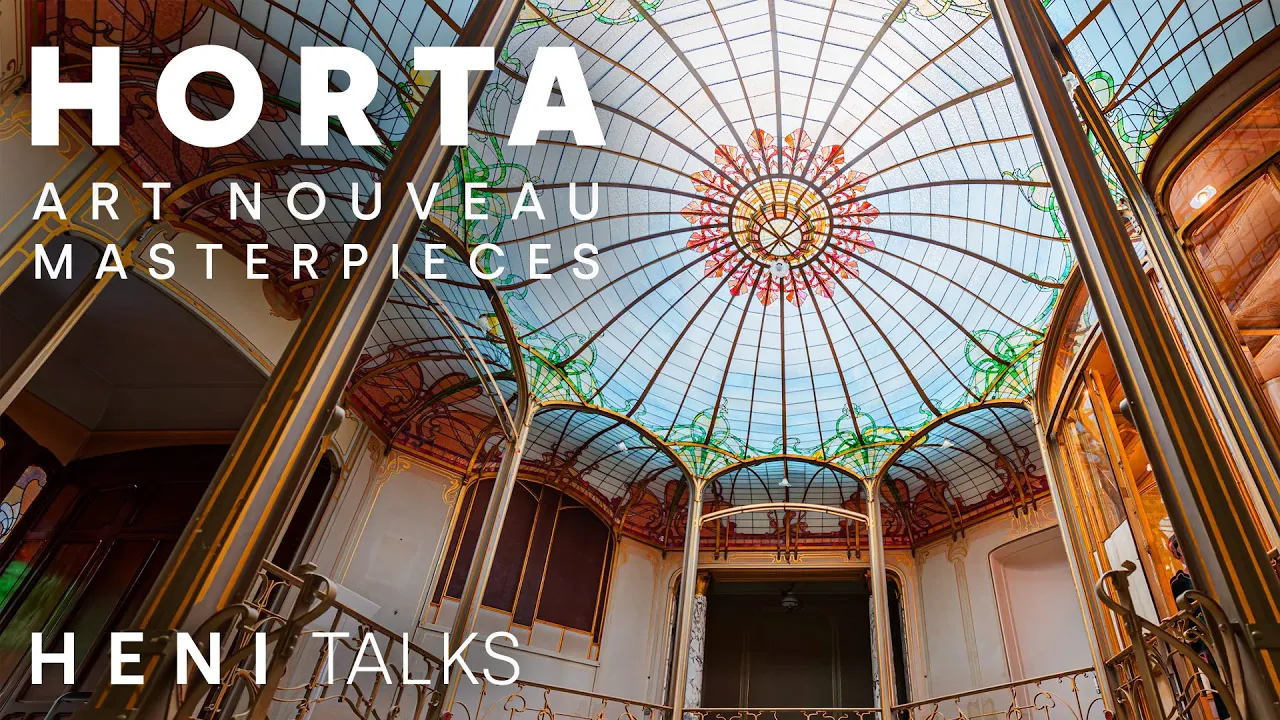
The principles of the Art Nouveau movement and how it integrated decorative arts with the flowing, organic lines seen in Lautrec's work.
The sociological concept of the 'Flâneur' (the passionate spectator of urban life) and its role in modern art history.
An analysis of how physical disability and societal marginalization shaped Toulouse-Lautrec's artistic identity and choice of subjects.
The developmental link between Lautrec's distorted, expressive figures and the rise of early 20th-century Expressionism.
98.9K views1.7Klikes47:58Original Release: 2023-10-21
foreign [Music] thank you [Music] at the end of the 19th century the District of Mo March in the city of Paris was a whirlwind of entertainment and high living it was bustling with cafes bars and Cabaret venues such as the legendary Moulin Rouge it was this Twilight world that inspired one of the greatest artists of the age Henri toulouse-lautrec [Music] toulouse-lotrek adored the hedonistic Monarch lifestyle every night he could be found drinking in the bars and clubs there but this decadent lifestyle cut short a life that was already blighted by tragedy as a child his legs were crippled leaving him physically stunted as an adult his love of alcohol spiraled into addiction contributing to his death at just 36 but his great artistic achievements lived on his paintings and his graphic works are now recognized as the work of a true Master of the post-impressionist age to lose a trek was the illustrator of the ballet pot really his lithographs and prints just recalled the period particularly of course around Walmart on the outskirts of Paris the demi-morning and The Nightlife there he was very instrumental in in popularizing and developing lithographic process of print making and therefore the production of of posters according to lithographic process which provided a freedom much Freer than that which was available under the old etching and Engraving methods and which was in in many respects has remained intact up to the present time Henry toulouse-lotrek was born on Christmas Eve 1864 at Albi in the southwest of France the toulouse-lotrex were long-established Aristocrats and Henry spent his childhood in one of the many substantial family homes his father was count Alphonse to lose lotrec an eccentric character who loved nothing more than going out riding and hunting his son might have developed similarly aristocratic tastes but when Henry was 14 he suffered the first of two accidents that would profoundly affect his life at the family home in Albi he fell on a slippery floor and broke his right leg a year later his left leg was also badly fractured in a fall these were minor accidents in themselves but the teenage ornery suffered from poorly developed Bones the injuries failed to heal properly and the implications for his body were severe his stunted legs became disproportionately small compared with his fully developed upper body the injuries were crippling and he could no longer walk unsupported an outdoor lifestyle like his father's was out of the question but lortrek had shown signs of his real life's passion even before his misfortune within his family there was already an artistic tradition both his father and his grandfather were skilled draftsman and the young Henry had learned how to draw his childhood notebooks are filled with speedily executed images many of them depicting horses after his injuries he devoted himself more and more to his art his father appointed a family friend as his tutor a man who also painted equestrian subjects Rene prosto a with this background it's not surprising that horses should feature in this very early low Trek painting created when the artist was just 16.
here we see Alphonse to lose low Trek driving a coach in four though technically flawed this is a significant work since it reveals the young artist's passion for a compositional feature that would characterize his more mature masterpieces a strong sense of movement I think it's true to say that when you look at his work it is most of it isn't all of it is concerned with the human figure in movement or in Repose but nevertheless the human figure how far this was interest was fueled by his own lack of ability whether that was part of his interest one doesn't know yes one suspects that yes it was uh but whether in Envy or pity or what we don't know it is certainly that he was able to convey human beings Repose and in movement in a brilliant way he certainly was able to capture movement in his pictures of the dancers and in his paintings of the horses the jockeys and Riders and he did this mainly through his linear abilities very very energetic early paintings such as this helped La Trek to persuade his parents that he was serious about a career as an artist so in 1882 he moved to Paris to begin his formal training he was already a more than capable portraitist the artists of that period the late 19th century of which the first Impressionists of people like to look like existed was moving away from the formal art school training The Academy training for many people if you look at his work it is based upon a thorough knowledge and understanding of the human form as understood through a really a rather academic study through art school training and that is fundamental to his work I believe it gives a strength to his work so that whatever manipulation he gives it is not so out of proportionate it's impossible in March 1882 he became a pupil of the history painter Leon Bonner shortly afterwards a fellow student painted this portrait of the young Le Trek at work hard at his studies firstly with bonnar and then with Fernand komal another painter of formal historical scenes although the young latrek did not share his tutor's enthusiasm for historical subject matter his time with them certainly benefited his art here he learned how to the discipline his very Lively line his very Lively approach and to observe accurately and put this down on paper rather than Couture everything he had a tendency to caricaturing and that was modified by his training in Paris and also in Coleman's Atelier he met Van Gogh and the Bernard during his time in Paris at the beginning and continually after that he was very very impressed by Duggar and learned a lot from Duggar and continually wanted dugare's approval of his work no Trek greatly admired the work of Edgar dega and he was Keen to use the same contemporary subject matter as the older artist [Music] derived from Japanese painting where there's a lot of use of the diagonal and empty spaces and solid color surrounded by quite severe outline he also took this from Bernard and Goga this small portrait also reveals the influence of another impressionist master painted in 1886 this is an image of the young artist Emil Bernard painted by lotreck in the unmistakable manner of Auguste Renoir for any artist coming to Paris during the second part of the 19th century the Left Bank of the river sand was a magnet for artists from all over it was a great Maelstrom of creative ideas of visual awareness ad hoc exhibitions [Music] I think lack of formality enthusiasm and above all I believe a freedom of color and the form and the line Paris was home to artists whose work was even more radical than that of the impressionist in 1886 lotrek was introduced to one of them a 33 year old Dutch painter then in Residence at fernan common Studio his name was Vincent van Gogh the two men got on well and this 1887 portrait of Vincent shows clearly how toulouse-lautrec responded to the artistic thinking of his fellow painter what do lucidcheck liked about van Gogh was his honesty his directness and his subject matter of the cafe basically he also maybe took from Van Gogh the cross hatching that van Gogh used in his paint Julius latrek used this in his Prince as well as his pictures and his color to some degree as well two loose latrex color was quite unusual yellows acid yellows and pinks and strange combinations which she could have derived inspiration for from Van Gogh Van Gogh's influence upon lotrec was fleeting however the two men were very different characters and very different artists shortly after sitting for this portrait Vincent left to pursue his solitary artistic Vision in the south of France by contrast lotreck had already established himself in the very heart of Parisian social life it was here that he would live and work and it was this small District that would provide the principal subject matter for that work more March in the late 19th century momat was the location for an overwhelming number of cabarets nightclubs cafes and bars [Music] this was the so-called Bell Epoch the beautiful age a time of prosperity entertainment and Indulgence it was this nocturnal society that inspired the greatest work of toulouse-lotrek Rich gentleman from Russia from America from England from Germany would all come to pass other business meetings during the day and then pop off of my Mantra have a good time at night so there's plenty of money flying around it was the end the fantasy eclair the decadent Society all of this is perfectly applicable to that part of Paris at that time although to apply to the rest of Paris I think will be wrong but yes but it was a rich human seed bed for for artists for one thing things were cheap there you've got cheap accommodation which was very useful there was a lack of formality and it was simply vivaciousness and the love of life and I think that was what was there yes it was plenty on offer by 1886 toulouse-lotrek had established himself in momat he rented a flat and a studio in the district and immersed himself into the Bohemian lifestyle every night he took advantage of the Cabaret clubs on offer one such Club was la merlito an establishment whose proprietor was the singer aristid bruel in the 1890s Brewer posed for some of lautrec's greatest graphic works prior to this he helped the artists by allowing him space within LA merlito to exhibit his early professional paintings many of them were depictions of scenes from inside momatra clubs in the mid-1880s the most famous of all these establishments was the Mulan de la Gillette the venue which had already inspired one of the greatest of all paintings by Renoir in 1889 lotrec also adopted the subject but this is clearly a very different kind of painting the artists mature artistic identity was now revealing itself [Music] we have a sense of the objectivity and the slight distance which Trudeau slotek had from his subject matter like Daga in fact on the right hand side at the front there is a die strong diagonal of empty space and those people themselves are observers looking into the picture at the dancers and on the left of them there is another empty space so we're sort of doubly removed from what's going on and the figures who are closest to us typically don't have any contact with each other then they don't have eye contact they seem sad isolated and this too is typical of some of toulouse-lotrex later work the things that came true be a particular concern to him at the beginning seemed also to be a dick concerned to him at the end and it was a concern with the human being not The Human Condition like a monk or Van Gogh but it really the the um the ethos are settling uh and it was life seems to me that most of his stuff was in essence a celebration of life perhaps he was trying to make up for his own problems because he did sort of abuse his body through alcohol and all sorts of things and died comparatively Young but nevertheless there is this Joy Of Life which comes through there is also a Melancholy and this is echoed in other artists like Duggar for instance create a painting such as this the artist typically Drew sketches as he drank into the night he would then produce the final canvas in his Studio during the day at this stage latrek's lifestyle did not affect his ability to work prodigiously hard as well as scenes of Monmouth nightlife he also painted a wonderful series of portraits including an 1889 canvas red-haired woman with a white jacket it is a deeply touching image a study in reflective femininity and the model's Beauty only adds to the emotional quality of the work there is a similar quality in this earlier painting one of four lautech portraits that depict the model Rosa larouche a memorable work in itself it is also an image that has unfortunate significance when considering the artist's fate it was from this young woman that latrek contracted syphilis an ailment that would plague him for the rest of his life and that would contribute to his early death never married and he was unable to form a long-lasting relationship with anyone many women did find him attractive including the stunningly beautiful artist Suzanne vallador a passionate Affair took place between them and lotreck painted his lover but perhaps it is this 1889 drawing of Suzanne that is more noteworthy the work is entitled The Drinker or the morning after which shows the artist's enthusiasm for line drawing throughout his career a strong linear element characterized lortrek's work to the extent that in many of his paintings he literally Drew with his brush [Music] the linear dimension in low tracks work is very important it's almost his trademark he was an extraordinary draftsman his interest was first aroused by illustrations black and white so he learned early on the importance of the line and his line is very vivacious Lively and very evocative the use of the outline the use of the if you like the cartographic stroke flowing line the flowing back line for that matter in many cases and a line which stands on its own is not dependent upon anything else or an area of color which is almost a line and it fluctuates and flows it's a very kind of graphic very linear approach and that is extremely important yes and it transposed very easily onto printmaking techniques like lithography which is free print making techniques you can make those flowing lines by the age of 25 Lord Trek was a well-known figure in Walmart a regular at many Cabaret clubs including one which opened in 1889 and which quickly became the most famous of them all the red windmill the Moulin Rouge this was quite simply a pleasure Palace an enormous establishment featuring all kinds of entertainment there was music and singing and dancing but the real attractions were prostitutes and strong liquor the Moulin Rouge became the most famous night spot in the world and lotrep loved it it was this one venue that also contributed most to the artist's own Fame which was confirmed in 1891.
he had already enjoyed some professional success though his family wealth meant that he did not have to concern himself too much with selling his work in 1888 he exhibited with the brussels-based avant-garde artist known as the 20. the following year works by lotreck featured for the first time in the so-called salon Des independon in artistic circles his paintings were increasingly well known but what eventually secured a wider Fame was not a painting at all it was this an 1891 work intended to promote the venue that the artist appreciated so much this is lagaluru a lithographic poster it was the lagulu poster of in 91 that and it shows how his technique was revolutionary in that he simplified his subject matter and made it very decorative at the same time in the foreground of lagulu you have the shape of a man a silhouette in dark gray of her companion of lagulu's companion and this although it's not the main subject matter leads us into because just beyond him you have lagulu herself in her cream dress and Knickerbockers doing the can can and it's a very um bright light area as contrasted with the gray of the man and also her actions are very contrasting to his he's just smoking a cigarette she's doing the can can Beyond her there are the Silhouettes of people watching her men in top hats mostly and a few women and then beyond that there are the lights and then there's the writing so the whole thing is actually very simple forms quite clearly outlined and often in solid color meaning Glutton was the stage name of Louis Weber one of the most popular professional dancers at the Moulin Rouge here we see her in high kicking action as the dramatically silhouetted figure of her fellow dancer Valentine ledesase looks on one great boost to places the cab race like proved to be the posters of Tallulah Trek there seemed to be a mix which came through which was to be able to convey in very simple terms and very cheaply the excitement and enthusiasm Delights that were in store for you if you went to the mulanda Leggett or wherever else he was advertising the glue which was one of the dancers seemed to embody at the time it seems to us to embody it because it's a brilliant piece of work the spirit which is so exciting there it is visually color and this linear quality and that is what exciting this is you know oh my goodness me this is a place to go to so I think these importance is quite simple but behind it is this complete Mastery of this new technique of lithography and the whole business of the poster he really went into printmaking and he worked night and day and he didn't hand it over to a printmaker he actually went into the printmaker Studios worked on the stones and worked there until his prints were produced [Music] of over two dozen latrek posters the following year he created this image showing William Warren an English friend of the artist enjoying himself at the Moulin Rouge here we again see the graphic artist's powerful handling of line but we also see an expanded color scheme and a totally new technique whose effects we can see on the young woman's dress by splattering paint onto the lithographic stone with a toothbrush lotrek was able to produce this Innovative speckled effect just one feature of his revolutionary poster work the term poster as we understand it in this Century 20th century is entirely dependent on the work of toulouse-lotrek in the late 19th century posters of an earlier period and they continued of course but first of an area period had been printed typefaces a varying sorts the typical Victorian one was a variety of different types of typeface large small ornate and so here we get something which was a picture in other words the information is conveyed by a picture the minimum of lettering it is in other words a work of art it is the whole approach is that of a work of art this image features The Cabaret star Jane Avril enjoying a performance by another leading performer of the day Yvette Gilbert a woman who is identifiable by her long black gloves although images like this appear simple they were in no way hurried lotrek was painstaking about his graphic work an expert draftsman he impressed his printers by arriving in the morning to supervise the production process while still in his evening dress from the night before early 1890s that night before would normally have involved a visit to the Mulan Rouge but we should not imagine that this was entirely hedonistic as we have seen latrex Preparatory drawings were often made on the premises as he drank the final image was created during the day this 1890 painting of a dance at the Moulin Rouge is a typical low Trek creation of the time with an image like this we can see the Artist as the visual documenter of his age these are all real individuals well known to latrek the dancers themselves are Valentine Des Jose and La Gulu between them in the background is the performer Jane Avril while nearby is the artist's own aging father sense of visual documentary was entirely deliberate latrek sought to capture the immediacy of a given moment but this was the result of detailed preliminary work the distribution of the component figures here is especially well balanced a Mastery of composition that we also see in the most famous of all lotrex Moulin Rouge images simply entitled at the Mulan Rouge the figures are a music critic a Spanish dancer a photographer and his friend Maurice Gilbert Beyond this first group that we can see is tulus himself with his cousin his tall cousin and then beyond them to the right there is lagulu with her female partner and friend it's like a family scene really in a way for Toulouse La Trek again latrek presents the viewer with a snapshot of Moulin rouge's life [Music] but this painting is more than just a documentary image it is a virtuoso work whose Arrangement and coloring in particular reveal an artist at the peak of his powers it remains one of the greatest works of the post-impressionist age one of the strange things about this picture is hot off which is an idea he could have got from Dugout from photography and the dramatic lighting of her face is extraordinary and reflects the effects of gaslighting in fact on the stage but she's quite a dramatic figure and leads us into the painting the most prominent feature is the face on the right hand side which actually wasn't there in the original painting it was a stripper canvas added later and that painted arm which means that your visual reading of the work changes dramatically if you if you cut out that right hand side then you look at the painting as it was originally you are if you like moving around within and around when you look at the the later one with the added piece of canvas and then then immediately your eye swings to that as your first primary point of interest and everything else is seen as in relation to that at the Moulin Rouge was painted in the middle of an extraordinarily productive period of the artist's life his poster commissions included a memorable 1892 image promoting the singer aristide brewon lotrec also maintained a formidable output of paintings depicting the more mature performers he knew so well here we see Jane Avril leaving the Moulin Rouge with a pensive off-stage expression similar to the expression on La golu's face as she arrives at the same famous establishment we can also appreciate the artist's bold use of cropping to the left of the painting by cutting off half This Woman's face Le Trek Reveals His admiration for the Japanese Prince that were popular amongst French artists of the day the technique adds to the immediacy of this captured instant of momatra Life in 1892.
[Music] low Trek saw an exhibition of Japanese prince in 1883 and he began collecting them so from an early stage he was fascinated by them what he particularly liked about them was the flat areas of color outlined quite clearly in black and the decorative effect that these had he also enjoyed the sense of space introduced Often by diagonals and he was aware of the very carefully chosen point of view that would present the subject as clearly and dramatically as possible to the onlooker and this was something that he used in his own works as well often a high point of view for example in the Moulin Rouge where we have a very high Viewpoint looking down on the scene the influence of Japanese prints had an effect upon a number of artists to luster Trek was interested partly because it was printmaking therefore you're working on the Block on a flat surface which meant that that restricted the type of image that you could produce both in color WISE field color but also in the linear quantity but it was this precisely this ability to to use the Restriction of the media which encouraged to check and he did that with lithography he so understood that Medium that he made it move to what he wanted to do which is exactly what a Japanese print makers had done they're block Printing and it was that areas of plain color of a non-european non-renaissance approach to depth and space it is nightlife pictures such as this that we most associate with lotrec today he has been rightly referred to as the documenter of momat but by the time he painted this portrait he was spending far less time in the more madra District he was now displaying signs of full-blown alcoholism and his syphilis was also an increasing source of concern though not yet 30 years old his health was beginning to fail perhaps in response to this he spent increasingly long periods in the company of women but not in the context of romantic relationships instead he sought out the pleasures of the Paris brothel status of the so-called dancers who worked in the momach Cabaret clubs was dubious then the status of the girls in the brothels of central Paris was beyond any Shadow of Doubt these were professional prostitutes and during the mid-1890s toulouse-lotrek increasingly sought out their services at Famous establishments such as the one on the Rue de Mulan he went as far as to actually live on the premises as though residing at a gentleman's club we might consider this to be Reckless Behavior for a man already sick with venereal disease but there could be no doubting the artistic Legacy of lotrex brothel years the paintings that he created were remarkable latrek was deeply concerned about his unfortunate physical appearance it's true that he was often able to laugh his disability off and his fine self caricatures can be seen as part of this process but he did feel different from other members of his own wealthy social class his immersion in the dubious nightlife of momach was almost certainly a reaction to this and it was perhaps this awareness of life on the fringes of society that made his portraits a Parisian working girls so full of sensitivity and sympathy these paintings capture the remarkably mundane existence that lay behind the Exotic public face of the Paris brothel the girls themselves can be seen engaged in routine ordinary activity such as preparing their hair eating or playing cards the technical methods which were used by artists were beginning to change quite dramatically during the 19th century as the introduction of new materials I suppose the obvious one is Introduction of new paints and of course the fact that the the paint tube was invented so you could buy already mixed paints it was not unusual for academic painters to use cardboard for their sketches and they used a very turpentiney oil wash in fact Toulouse La Trek used cardboard for his sketches but he also used it for very small some of his small finished works there might be another reason why he used the cardboard and it could be because it's the same sort of color as Stone so if he was designing something later to be as a lithograph he might have found it useful to be using the same color background as the stone itself what happens when you paint upon that sort of surface is if it soaks in becomes matte and in and very much like a print so you can create a what is almost a sort of print like quantity but it isn't it's a painting he was not the only one that used that I mean after all Constable used at the beginning of the century but people like the guy also used it was the absorbent quality which was helpful it gave a shortness in the dryness to the pain and a flatness which to birthday they found useful and exciting this is the cello at the Rue de mulong painting that opens the door to one of the best known of all Parisian brothels this painting of 1894 is the culmination of his series of brothel paintings he actually took a room in this brothel and lived there so it was easy for him to catch the women relaxing and behaving perfectly normally and in fact the woman in the front of the painting with her leg bent was apparently one of his favorite women one of his friends perhaps who actually went to Argentina presumably as a prostitute again this painting is his usual format of diagonal leading the eye in we're not isolated quite so much from the figures as we are in some of the other works color is very striking of course in this painting reflecting the Moroccan theme of this particular room where the prostitutes waited for their clients the strong linear element is again apparent but this is a far more painterly image than much of latrex 1890s work it is executed on canvas and richly colored conveying an impression of plush velvety Elegance but this was nothing more than an illusion the creator of this painting once said that his artistic aim was to depict the true and not the ideal but this one painting he achieved his aim triumphantly if we look at some of the later works like the sanar we are entering first was a world in which illusotech was was part of he was part of the furniture sounds a strange thing to say but one of his aims was to become so part of not not the clientele so much as the everyday objects within the club the brothel whatever it might be catching them off guard just as the guard was doing with some of his dances so in that sense it's I think it's very important but it goes a little bit further than that because it is a natural study you feel it's a study in individuals but as ordinary human beings not as a facade or it's a customers will the clients will be faced with this single 1894 image is now recognized as one of the greatest achievements of the post-impressionist age but at the time there were few who fully appreciated the value of lotrek's formal painting he was known primarily as a graphic artist and his posters could be seen all over Paris a public status that the artist found deeply satisfying this is an example of lotrex graphic work dating from 1895 an advertisement for a stylish Arts Magazine with which the artist had long been associated foreign this is also a poster advertisement printed the following year promoting a brand of English bicycle chain this was the age when cycling was establishing itself as a popular Leisure activity just seven years after this image was created the first ever Tour de France took place latrek was also keen on the new Pastime and the late 1890s saw him associating with the Pioneer racing cyclists of the day he also developed a passion for the theater and Opera and he had always loved the circus as we can detect in this image created when the artist was just 23.
at the circus Fernando was probably latrek's first truly successful attempt at conveying a strong sense of movement in a full-blown painting eleven years later in 1899 he returned to the theme in a powerful series of drawings these are impressive achievements in themselves but the creation of this series of 50 or so images was the direct result of his tragic final decline by the beginning of 1899 the artist was a shadow of his former self he was now hardly working at all he lived the life of a hard aggressive syphilitic drunk eyewitness accounts describe how he spent entire days alone in a wine merchant shop drinking himself into a stupor it couldn't last in February 1899 he was struck down by the condition that the alcoholic fears most delirium tremens that the insistence of his mother he was immediately committed to a secure mental hospital and it was behind locked doors that the famous circus drawings were created he looked down previously at the circus and he created about 40 pictures of the circus so they were imaginative reinterpretations in fact of previous work and they're quite formalized and traditional in some ways unusual for Lou Trek they were part of his Rehabilitation once he'd sobered up he sought to prove to the hospital authorities that he was of sound mind to do this he decided to show them that his artistic skills were still intact the circus drawings were the result they were inspired by a memory that was obviously still functioning and so in May 1899 lotrec was released from hospital I bought my freedom with these drawings was what the artist said afterwards I think they tell us more about his own frame of mind unsettled I don't think in a sense they lead on to as much as for instance his posters at the Orlando Lynette and so forth there they seemed to me to be harking backward a bit throwing a sense of unease following his release from hospital lotrek seemed to make a recovery his mother employed a family friend to act as his minder and to keep him away from alcohol for a while it seemed to work he returned to his painting and in the summer of 1899 he produced this Vivid cheerful portrait of an English woman in lehave it seemed as if the artist had recovered from his illness sadly it was not to be this portrait created the following year is far more significant known as the milliner it is an unmistakably gloomy image entirely out of keeping for a lit track painting and in this canvas the faculty of medicine examination we see an even stronger sense of somberness perhaps the most significant feature of this image is its date this is the last painting of the artist's life and its Darkness suggests that lotreck knew the end was near in summer 1901 lotrex suffered a stroke to convalesce he was taken to his mother's home on the coast near Bordeaux for a time he seemed to recover and he was able to work on this final painting of his cousin Gabrielle presenting an examination paper but there would be no escape from the consequences of a lifetime of drinking and wild living [Music] well I'm not sure he pursued it um intentionally it just so happened that the subject matter he was interested in was on show mainly at night and he actually worked on it during the day so he was burning the candle at both ends from that point of view he also maintained a perfectly normal lifestyle he stayed in touch with his cousins with his family he wasn't totally absorbed in the nightlife of Monmouth toulouse-lotrek died on the 9th of September 1901 aged just 36. to this day admirers of his work wonder were an artist of such genius could consciously pursue such a self-destructive lifestyle some have gone so far as to describe his entire life as a kind of protracted living suicide one of the uh like the tragedies of tulus Henry's life was in a sense he was doomed from as soon as he broke his legs but on the island before that because he had inherited this weakness and I think he foresaw the end and he decided he would live life as madly and as richly as he could and he and he got into it and that was it he was he his frame couldn't eventually take it he just overwhelmed it [Music] tell how the art of toulouse-lotrek might have evolved had he lived into middle age we might think of his early death as yet another example of the great artist dead before his time but perhaps we should instead appreciate what he was able to achieve with his mom Mantra works his portraits his brothel scenes and his graphic work he created a body of remarkable artistic achievement a century after his death the sheer size of that achievement is Undisputed [Music] with the originator of the modern poster and the modern means of communication for instance Cinema advertising and if we think of our posters during the last hundred years they owe it to to this little track a too low slow track today is regarded primarily as a poster painter of great veracity and summing up the ballet pork but if you look at his other works they show an enormous sensitivity foreign public Works he's done a lot of private Works which are very sensitive and true and and completely honest [Music] thank you
Up Next
4:39
How Japan Inspired Monet, Van Gogh, and Western Art
@AsianArtMuseum
46.3K views•2015-09-29
60:59
The Mathematics of Perspective in Renaissance Art and Modern Applications with Sarah Hart
@GreshamCollege
29.8K views•2021-10-25
48:03
Rococo to Neoclassicism: Western Art Landmarks
@PerspectiveArts
29.2K views•2023-07-08

16:34
Earliest Depictions of Jesus in Art: 10 Ancient Images Explained
@UsefulCharts
5.9M views•2022-06-03
Related Study Plans & Knowledge Roadmaps
Structured learning paths in Art History
art-history
Vienna Secession: Rebellion, Klimt & Schiele
01Fin-de-Siècle Vienna & Academic Historicism
02The Secession Movement & Klimt's Decorative Symbolism
03Gesamtkunstwerk & the Wiener Werkstätte
+ 2 more learning modules
9h5 modules
Explore Roadmap
art-history
Gothic Cathedrals: Engineering, Light & Society
01The Birth of the Gothic: Romanesque to Suger's Vision
02The Structural Triad: Pointed Arches, Ribbed Vaults, and Flying Buttresses
03Theology of Light: Lux Nova and Sacred Geometry
+ 2 more learning modules
14h5 modules
Explore Roadmap
art-history
Pre-Raphaelites: Realism, Symbolism & Critique
01The Victorian Art Establishment and Academic Formula
02The Founding of the PRB and Radical Realism
03Medieval Revivalism and Literary Symbolism
+ 1 more learning modules
8h4 modules
Explore Roadmap
art-history
Street Art: From Subways to Art Market
01Subcultural Origins in Philadelphia and New York (1970s)
02The Subway Era and Style Wars (Late 1970s - 1980s)
03The East Village Scene and Early Gallery Crossover
+ 2 more learning modules
10h5 modules
Explore Roadmap