When Japan opened to international trade in the 1850s after centuries of isolation, Japanese prints, albums, and objects flooded Europe and North America, inspiring Western artists like Monet and Van Gogh to adopt Japanese artistic devices including flattened compositions, bold colors, asymmetrical layouts, and rhythmic patterns, transforming Western art practices.
How Japan Inspired Monet, Van Gogh, and Western Art
Added:Deep Dive
Understanding of the core tenets of Impressionism and Post-Impressionism, particularly the works and styles of Claude Monet and Vincent van Gogh.
Ce vrea să spună Van Gogh cu tabloul „Noapte Înstelată”
87.9K
Impressionism was an artistic movement that manifested in painting and later in music, appearing in France at the end of the 19th century. It refers to art produced between 1867 and 1886 by artists including Claude Monet, Pierre-Auguste Renoir, Alfred Sisley, Camille Pissarro, Berthe Morisot, Armand Guillaumin, and Frédéric Bazille. These artists were tired of academic painting techniques and outdated themes like historical or mythological scenes, and they began to focus more on emotion. The main subject was the ephemeral nature of life, painting scenes from the real world with ordinary people doing ordinary things. Impressionists abandoned the Renaissance composition structure where the subject's body formed a triangular shape. In impressionism, there was no harmony in placement—people and objects were arranged deliberately. Colors lost their variety, inspired by Japanese woodblock prints. Post-Impressionism represented the years after 1886 through the 1960s, characterized by artists who were very experimental, each taking something from Impressionism and transforming it into something exaggerated and personal. Among the most important Post-Impressionist artists were Paul Cézanne, Georges Seurat, and Vincent van Gogh. Van Gogh's main technique was impasto, where he applied paint directly onto the canvas, mixing it on the canvas and leaving a thick layer of material. This gave him more control over light and created a three-dimensional effect.
Click to watch →
CENA DE VERANO CON LOS IMPRESIONISTAS | De Monet a Van Gogh
165.4K
Post-Impressionism emerged as a response to Impressionism, featuring artists like Paul Gauguin, who left civilization for Tahiti, and Vincent van Gogh, the passionate autodidact whose anguished works were initially rejected but later acclaimed. Van Gogh's 'The Potato Eaters' inspired a simple potato dish. Georges Seurat, the meticulous Pointillist, created remarkable large-format works using color as an emotion generator. Like van Gogh, he died young without achieving success in life, though his influence extended to Picasso.
Click to watch →

El Impresionismo y el Romanticismo (1999)
16.9K
Vincent van Gogh (1853-1890), considered the best Dutch painter after Rembrandt, was ignored in life but revered subsequently. His 1880s transition from Dutch tonalities to Parisian Impressionism culminated in Arles, where he included light and saturated colors unseen in Western art. He applied thick brushstrokes and dots directly from tubes, believing color meant something in itself and that the result was more beautiful than simple imitation. Certain colors had specific meanings—yellow meant paradise, fear, and love. During his last years, he produced a prodigious quantity of paintings despite continuous attacks of madness. It was during one of these attacks that he launched himself with a knife at Paul Gauguin, his great admirer who had come to stay with him in Provence. Full of remorse that night, van Gogh cut off his own ear. However, during lucid periods, he created some of his most famous paintings. 'Wheat Field with Cypresses' and 'Sunflowers' are only two of the many memorable works created by a man whose time was running out. He shot himself on July 27, 1890, having lived in absolute poverty without knowing of the success his works would have in the following century. More than any of the great artists of Impressionism and Post-Impressionism, Vincent van Gogh paid the highest price for his commitment to innovation and experimentation.
Click to watch →
CLAUDE MONET 🌸 failure or success story? 🎨 + watercolor & color pencils painting process
63.8K
Claude Monet was a leading figure of the Impressionist movement, known for his innovative approach to capturing light and color. The video introduces his journey to becoming one of the greatest masters in art history, highlighting his significant contributions to mainstream fashion and artistic movements. Monet's work represents a pivotal shift in how artists perceived and represented reality, emphasizing fleeting moments and sensory experiences over detailed realism.
Click to watch →

Claude Monet: Inventing Impressionism
167.1K
Claude Monet (1840-1926) revolutionized art by breaking traditional rules to paint everyday scenes with light and color, co-founding Impressionism with friends Renoir, Basil, and Sicily; he created famous series paintings like haystacks and water lilies, transforming a meadow into a water garden at Giverny, and changed art history by painting impressions of nature rather than historical subjects.
Click to watch →
Deep Dive
Familiarity with traditional Western academic art standards of the 19th century, such as linear perspective, chiaroscuro, and realistic anatomical proportions.
Concepts and Problems in the Visual Arts, Lecture H20: E.H. Gombrich's textbook
4.3K
Western art academies from the 17th through 19th centuries systematically taught several naturalistic skills: linear perspective (invented/discovered in the 15th century), chiaroscuro (science of light and shadow), anatomy (studied beginning in the Renaissance), contrapposto (balancing figures with weight-bearing and free-standing legs), and color theory (systematized after the Renaissance with scales of chroma, value, and hue). Physiognomy—the study of facial expressions—was another required field in the 18th century for conveying different moods and passions in narrative compositions. These skills formed the core curriculum of Western art education, representing the empirical approach that Gombrich valued.
Click to watch →
Léda et le cygne (FEAT. COPAIN DU WEB) - Tu vois le tableau #8
87.4K
Academic painting from the late 19th century, which Dalí initially trained in, was characterized by classical techniques including proper perspective, realistic anatomy, and credible use of light and shadow. This style was sometimes criticized as overly conventional or 'art pompier' (art for art's sake).
Click to watch →

【海外の反応】「ただのゴミが…」ゴッホの人生を狂わせた日本からの『包装紙』のヤバすぎる正体
789
In 19th century Europe, the art establishment was governed by strict academic rules that dominated artistic creation. These rules, inherited from the Renaissance, required artists to create photorealistic representations of reality. Key techniques included linear perspective (distant objects appear smaller, closer objects larger) and chiaroscuro (light and shadow to create depth). Artists were expected to perfectly master these techniques to create three-dimensional, realistic worlds on flat canvases. The Academy highly valued paintings with mythological, historical, or religious themes that were idealized and beautiful. Artists who deviated from these rules were excluded, and the competition focused solely on technical skill in creating realistic copies of reality.
Click to watch →
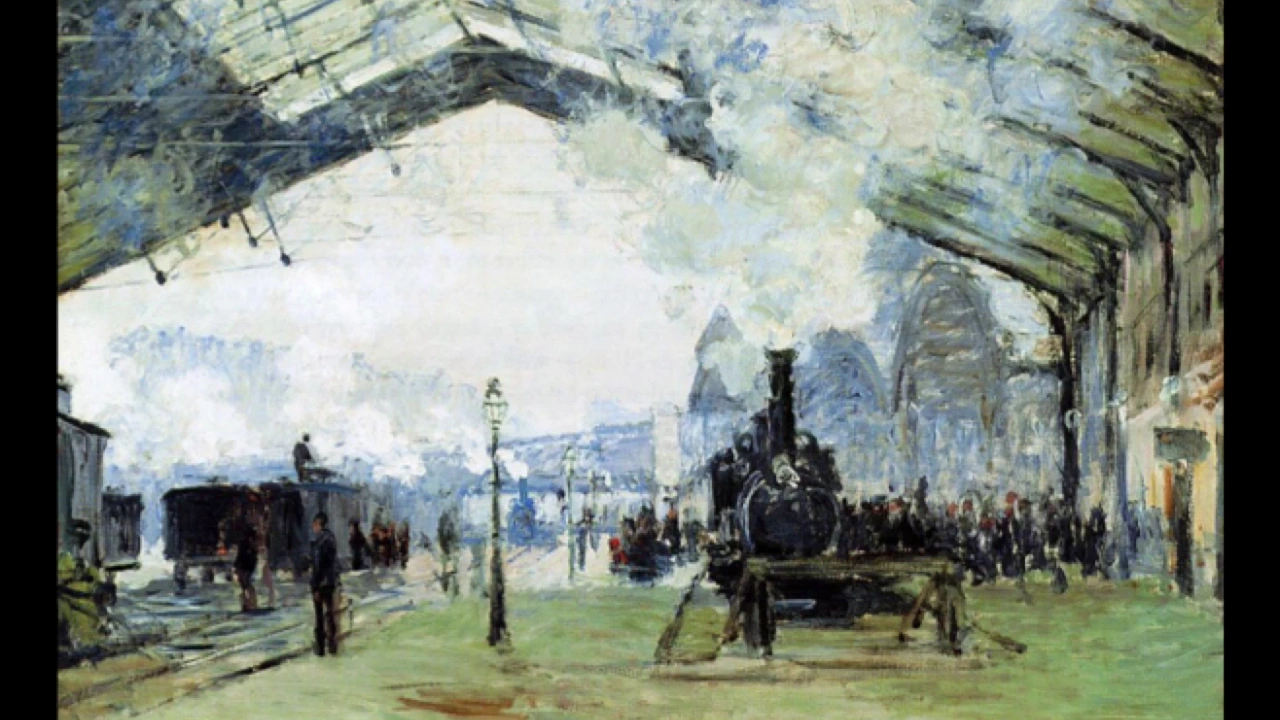
ArtHistory1200ImpressionismPostImpressionismOL
1.7K
The French academic tradition dominated 19th century painting and required artists to choose classical subject matter, paint naturalistically, ensure correct proportions and perspective, and hide brushstrokes to achieve a naturalistic appearance. This tradition established the standards against which later movements would rebel.
Click to watch →

Alexandre Cabanel: Fallen Angel and Academicism
767.5K
Academicism was a dominant artistic movement in 19th century Europe, primarily governed by the French Academy. It established rigid artistic standards requiring perfect proportions, invisible brushstrokes, and appropriate subjects. Academic art demanded extensive formal training and craftsmanship, with the academy holding absolute authority over artistic recognition through exhibitions like the Paris Salon.
Click to watch →
Deep Dive
An introduction to Ukiyo-e, the traditional Japanese genre of woodblock prints and paintings depicting the 'floating world' (landscapes, theater, and pleasure quarters).
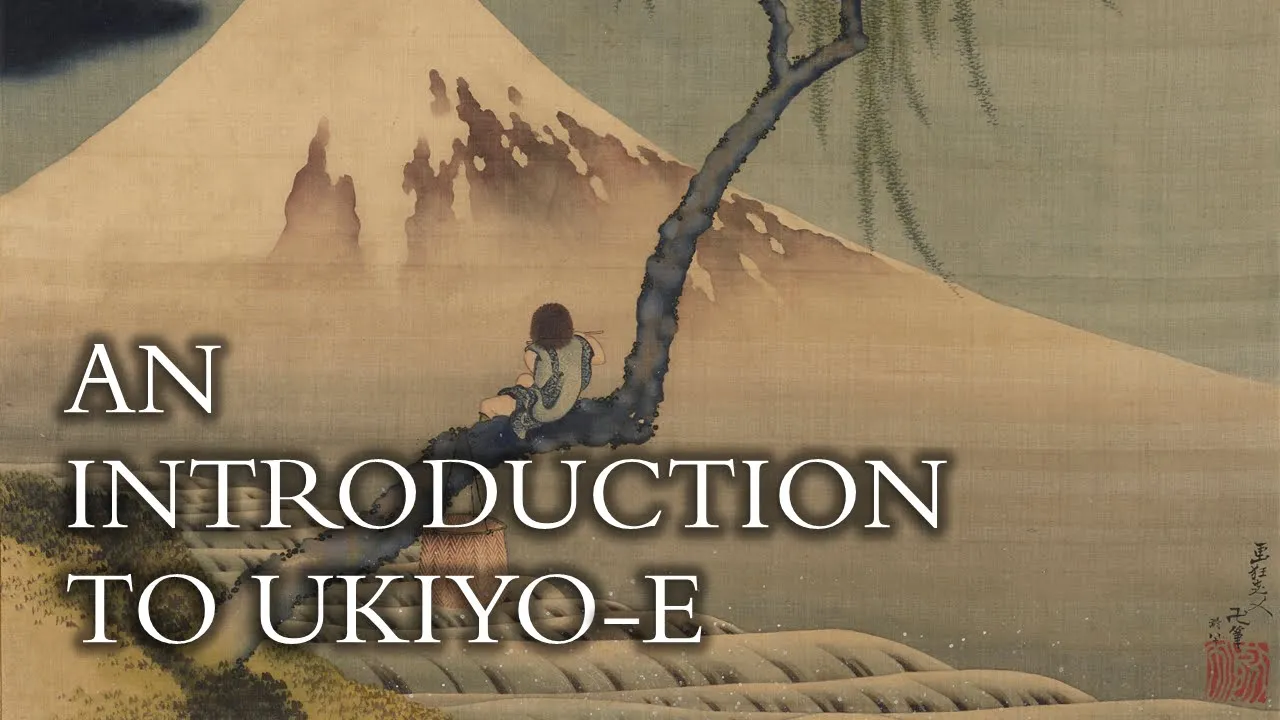
Ukiyo-e: An Introduction to Japanese Prints
144K
Ukiyo-e (pictures of the floating world) is a Japanese woodblock printmaking tradition that emerged in the 17th century during the Tokugawa Shogunate, flourishing from the 18th to 19th centuries; it developed from illustrated books for merchants into standalone artworks through a collaborative process involving publishers, artists, wood carvers, and printers, where artists designed compositions, carvers meticulously carved wooden blocks (sometimes achieving lines as fine as one millimeter), and printers applied ink to create vibrant, multi-colored prints that captured the transient pleasures of Edo-period Japan.
Click to watch →

Images of the Floating World | practice English with Spotlight
4.4K
Ukiyo-e is a traditional Japanese art style meaning 'pictures of the floating world' that emerged during the Edo period (1603-1868), when wealthy merchants in Edo (later Tokyo) commissioned artists to create woodblock prints depicting scenes from entertainment districts. This art form, pioneered by artists like Hishikawa Moronobu and Katsushika Hokusai, used a woodblock printing technique where artists painted images, which were then cut into wood blocks and printed onto paper. The style influenced Western artists including Van Gogh, Monet, and Toulouse-Lautrec, contributing to the Art-Nouveau movement, and continues to be practiced today through organizations like the Adachi Institute for Woodblock Prints.
Click to watch →
Qing China, Tokugawa Japan, and Joseon Korea - A Complete Overview
590.3K
Ukiyo-e, commonly referred to as yūkai-e, is a genre of Japanese art that flourished from the 17th through the 19th centuries. The term ukiyo translates to 'pictures of the floating world,' with ukiyo symbolizing the fleeting nature of everyday life and pleasures in urban Edo. During the Edo period, the floating world referred to the evanescent world of pleasure and entertainment—the kabuki theaters, tea houses, and other urban pleasures popular among the growing middle class in the city. Ukiyo-e prints were most famously associated with woodblock printing: artists designed images which craftsmen carved onto wooden blocks, with each block representing a different color. The image was printed on paper by pressing the paper onto the ink block sequentially. Ukiyo-e often depicted scenes from entertainment districts, portraits of beautiful women (often courtesans), portraits of kabuki actors in their theatrical roles, portraits of sumo wrestlers, pictures of birds and flowers, and erotic prints. It was especially popular in the 19th century with series like 'Thirty-Six Views of Mount Fuji' by Hokusai being among the most famous. Ukiyo-e had a significant influence on Western Art, especially during the late 19th century, inspiring many impressionist and post-impressionist artists like Vincent van Gogh and Claude Monet.
Click to watch →
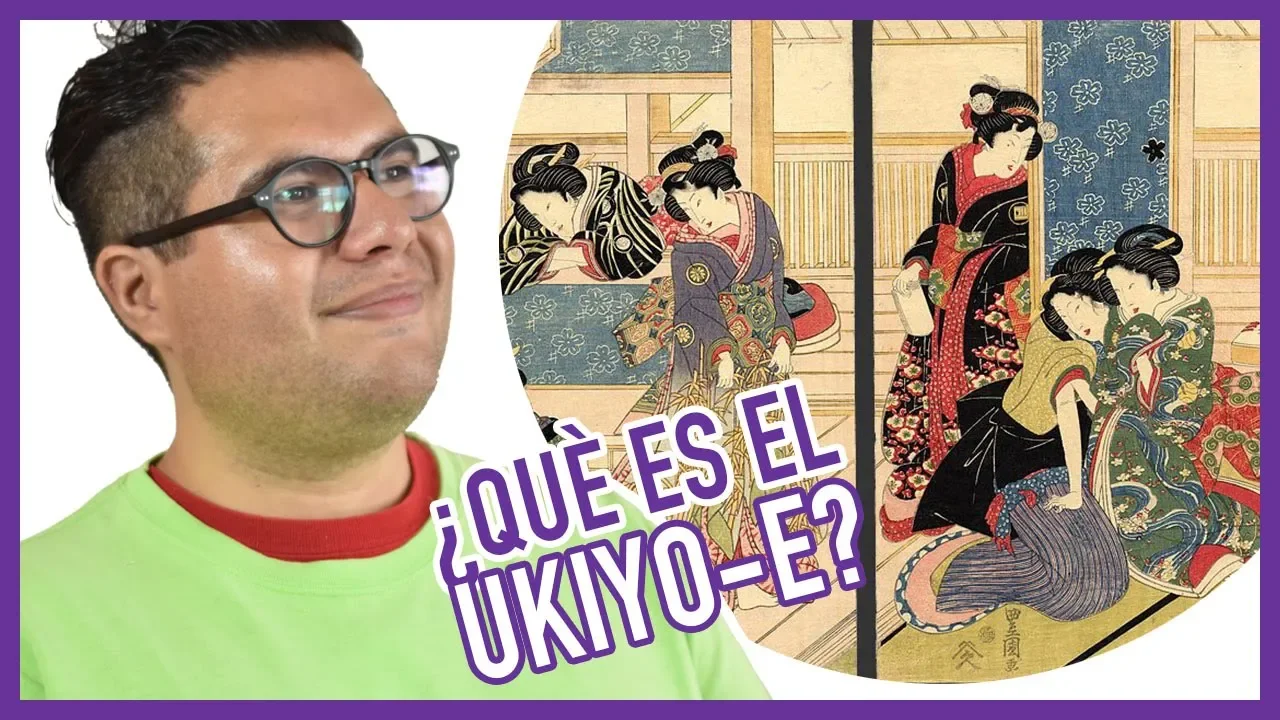
¿Qué es el Ukiyo-e? | #FactJapan
5.5K
Ukiyo-e is a Japanese woodblock print art form whose name means 'image of the floating world.' The 'floating world' represents the world of pleasures, created in contrast to the Buddhist concept of the 'world of pain' (suffering from desire). Originating from picture books rented by lower classes in the 16th century, ukiyo-e emerged in the 17th century when publishers sold larger sheets of paper. The art depicts daily life of common people, tea houses with geisha, and brothels, with 'The Great Wave off Kanagawa' by Hokusai being its most famous work. In its later years, it focused on kabuki and political themes. Ukiyo-e democratized art by making it affordable for the masses, inspiring Western artists like van Gogh and Goya, and continuing to influence contemporary anime and video game character designs.
Click to watch →
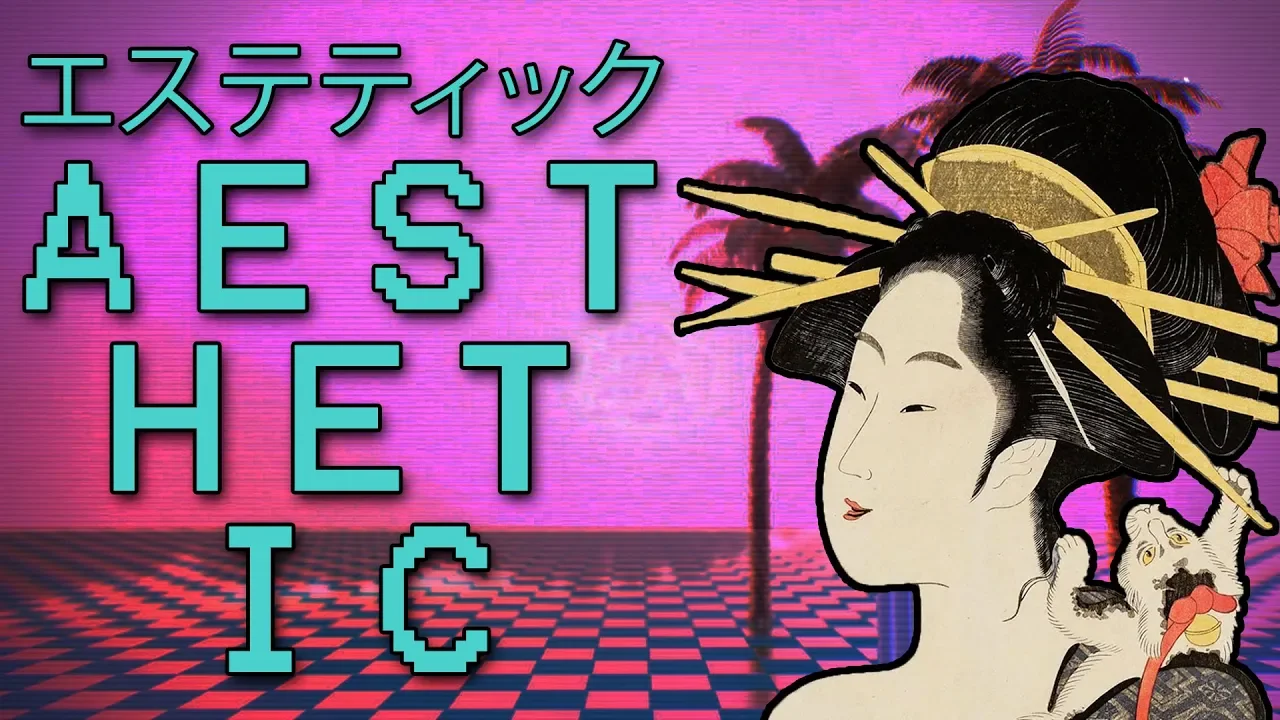
Philosophy of AESTHETICS: The Floating World of Ukiyo-e
123.1K
Ukiyo-e emerged in 17th century Japan during the Edo period, following the Tokugawa Shogunate's conquest and relocation of the capital from Kyoto to Edo (modern Tokyo). Rapid economic growth fueled pleasure districts where Kabuki theater, gambling, and entertainment thrived. The term 'ukiyo-e' describes scenes of pleasure, hedonism, and escape from reality. The art features flat, two-dimensional style with bold outlines, watercolors, and intricate patterns, typically asymmetrical compositions. Recurring themes include bodies of water bisected by bridges with solitary figures—a floating motif representing imagined futures. Beyond aesthetic pleasure, ukiyo-e contained implicit critique of hedonism and materialism, warning that indulgence in ephemeral things leads to suffering. This reflects Buddhist concept of dukkha (suffering from attachment to material world), making ukiyo-e both celebration and cautionary tale about impermanence.
Click to watch →
Deep Dive
Historical context of the opening of Japan's borders during the Meiji Restoration, which led to a surge of Japanese goods and art entering European markets.

Filme Educação é Amor - Vida e Obra de Shinichi Suzuki (Parte 1)
1.6K
In 1853, Japan's 250 years of isolation was shattered by American warships in Tokyo Bay under the orders of U.S. President Millard Fillmore. Commodore Matthew Perry forcibly opened Japan's doors to worldwide navigation and trade, closing the era of Japan's feudal social and political system. In 1868, a new leadership emerged under the young Emperor Meiji, beginning the modernization of Japan politically, intellectually, culturally, and militarily. Art became one of the most compelling imports to Japan during the Meiji era. European artists who had long been influenced by Japanese wood block prints reciprocated by bringing to Japan western recording technology. For the first time, the Japanese were able to hear the works of Europe's master composers: Bach, Mozart, Beethoven, Verdi, and Wagner. These powerful new sounds stirred great new emotions.
Click to watch →

Лекция Армена Апресяна «Леонар Фужита. Невероятные приключения японца в Париже"
249
In the mid-19th century (around 1854-1858), Japan ended its centuries-long isolation policy and began diplomatic and trade relations with Western nations. This historical event opened the door for Western merchants, artists, and travelers to enter Japan, while simultaneously allowing Japanese goods and cultural artifacts to flow into Western markets. The term 'Japandemia' describes the intense craze for Japanese goods and art that swept through France, with French merchants opening numerous shops in Paris selling Japanese items including ukiyo-e prints, ceramics, textiles, and curiosities. This phenomenon was so widespread that even ordinary passersby were eager to sell their Japanese possessions.
Click to watch →
【43曲収録!】ドキリ・ソング★コレクション【歴史にドキリ】
2.1M
The arrival of Commodore Perry and his American fleet in 1853 forced Japan to open its doors to foreign influence, ending the isolationist policy of the Tokugawa Shogunate. This event exposed Japan to Western technology, ideas, and political systems, creating both opportunities and challenges for Japan as it faced the need to modernize. The Dutch learning (Rangaku) movement had already begun studying Western knowledge and science during the Edo period, with Japanese scholars traveling to the Dutch trading post in Nagasaki to learn about Western medicine, science, and technology. The Meiji Restoration marked the end of the Tokugawa Shogunate and the restoration of imperial rule, driven by samurai from Satsuma and Choshu domains who opposed the shogunate's policies.
Click to watch →

Arthur Negus valued it 40 years ago / Discovered at an Antiques Talk in Harrogate
2.5K
The Japanese Meiji period (1868-1912) marked Japan's dramatic opening to Western trade after centuries of isolation. Prior to this, during the Edo period, Japan had closed itself off, viewing Western influence as destructive to Japanese culture. American pressure in 1868 forced Japan to open its markets, triggering an economic boom as Western buyers flooded Japan with purchases of Japanese goods like Satsuma ware—distinctively raised porcelain that feels almost like braille. Unlike the Chinese market's strong interest in repatriating cultural artifacts, Japanese buyers show less enthusiasm for Western-made objects. Historical restoration methods, such as using staples instead of modern adhesives, provide additional provenance clues about an object's history and value.
Click to watch →

Als die Impressionisten Japan entdecken Doku (2017)
2.1K
In 1853, four American ships entered Tokyo Bay, ending 200 years of isolation. The United States forced Japan to sign a trade treaty, followed by European powers. This opened Japan to Western trade, with lacquerware, porcelain, and woodblock prints flowing to Paris. In the 1860s, Parisian society gathered at photographer Félix Nadar's studio, where early collectors like Alexandre Dumas and Sarah Bernhardt acquired Japanese art. The Concourt brothers maintained an extensive collection including ivory sculptures and rare bronze pieces. In 1867, at the Paris World's Fair, visitors encountered Japanese art for the first time, with 'Japonnaiseries' achieving great success across Europe as symbols of Orientalism.
Click to watch →
Prerequisite Knowledge
- Concept 01Understanding of the core tenets of Impressionism and Post-Impressionism, particularly the works and styles of Claude Monet and Vincent van Gogh.
- Concept 02Familiarity with traditional Western academic art standards of the 19th century, such as linear perspective, chiaroscuro, and realistic anatomical proportions.
- Concept 03An introduction to Ukiyo-e, the traditional Japanese genre of woodblock prints and paintings depicting the 'floating world' (landscapes, theater, and pleasure quarters).
- Concept 04Historical context of the opening of Japan's borders during the Meiji Restoration, which led to a surge of Japanese goods and art entering European markets.
Subsequent Learning
- Step 01The study of 'Japonisme' as a broader cultural phenomenon and its influence on decorative arts, fashion, and architecture, such as the Art Nouveau movement.
- Step 02An in-depth analysis of reciprocal artistic influence, specifically how Western oil painting techniques later influenced Japanese artists (the 'Yōga' style).
- Step 03Critical evaluation of cultural appropriation versus artistic synthesis in the context of global art history.
- Step 04A comparative analysis of specific masterpieces, tracing direct visual references (e.g., Van Gogh's copies of Hiroshige prints or Monet's design of his Giverny water garden).
Japonisme Impact
Stylistic Exchange
Japonisme Impact
0:09Playing Section
- 1
Western artists adopted Japanese motifs and formats.
- 2
Decorative arts blended Japanese designs with European objects.
- 3
Paintings incorporated Japanese props and flat color techniques.
Japonisme as Orientalist Appropriation and Eurocentric Framing
While the traditional narrative of Japonisme celebrates cross-cultural inspiration, critical art historians offer a counterpoint: this exchange was deeply entangled with 19th-century imperialism, Orientalism, and cultural appropriation. Critics argue that Western artists often engaged in a superficial consumption of Japanese ukiyo-e prints, stripping them of their socio-political contexts to serve as exotic novelties or formal tools to revitalize Western art. This perspective challenges the idealized 'mutual exchange' narrative, pointing out that Western art history frequently frames Japanese art merely as a catalyst for Western innovation rather than recognizing Japanese printmakers as autonomous, modern masters on equal footing. By centering Western genius as the ultimate destination of these techniques, traditional art history can perpetuate a Eurocentric bias that marginalizes the agency and depth of the source culture.
Deep Dive
The study of 'Japonisme' as a broader cultural phenomenon and its influence on decorative arts, fashion, and architecture, such as the Art Nouveau movement.
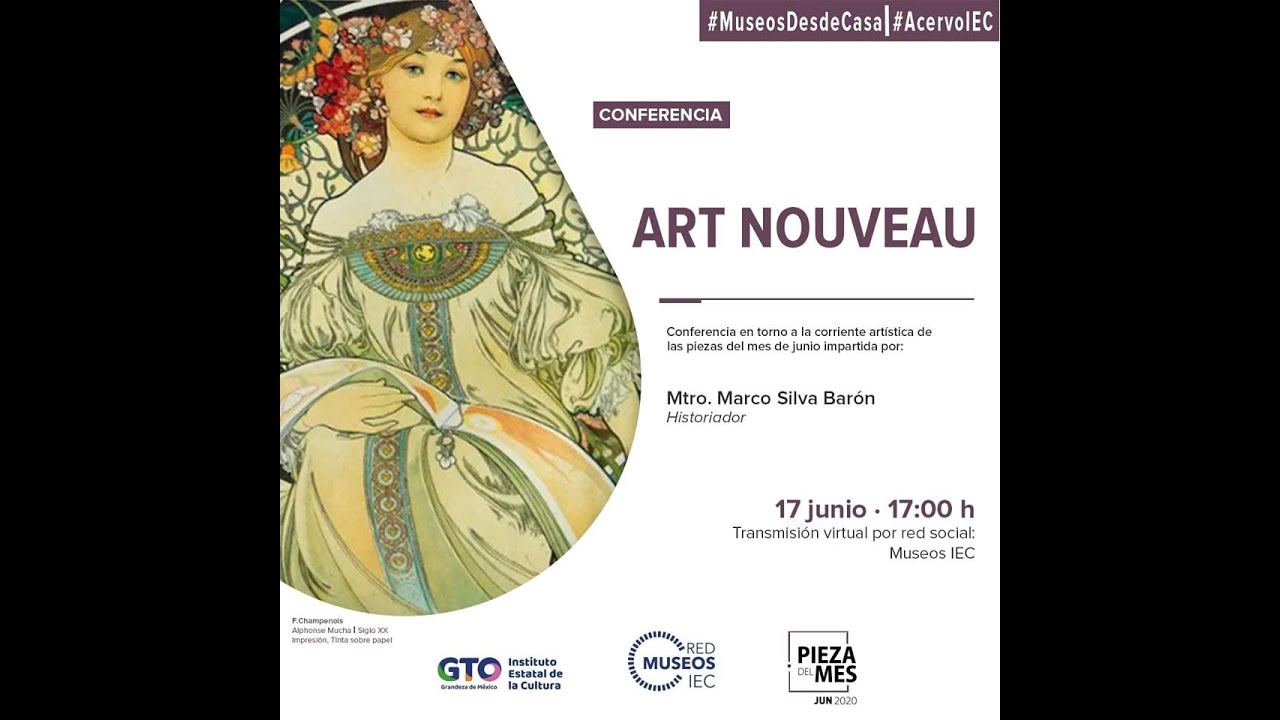
CONFERENCIA ART NOUVEAU
5.1K
Art Nouveau drew from multiple artistic traditions. William Morris's Arts and Crafts movement emphasized synthesis between art and craft, calling for the 'total work of art' that was both beautiful and spiritually edifying. Historicist fashion revived past styles like Rococo, while European colonialism appropriated Middle Eastern and Islamic forms. The 1850s forced Japan to open borders, causing fascination with Japanese objects including prints, furniture, and clothing. This Japanese influence, called Japonisme, was fully integrated into Art Nouveau, particularly in jewelry. The movement also drew from scientific publications of the late 19th century that disseminated natural forms, including previously unseen creatures like deep-sea organisms, which inspired Art Nouveau artists.
Click to watch →

Japonisme 2 : les arts décoratifs
1.6K
Japonisme, the influence of Japanese art and culture on Western artistic production, transformed French decorative arts in the late 19th century by introducing new subjects, forms, and aesthetics that artists used to renew their creative practice; industrialists responded to the popularity of Japanese imports by commissioning artists to create Japanese-inspired objects, leading to a distinctive aesthetic characterized by asymmetry, diagonal compositions, and flat color planes, while the Second Industrial Revolution's labor challenges and the rediscovery of Japanese art coincided to shape this artistic movement.
Click to watch →

Chefs-d'œuvre Art Nouveau
1.1K
Japonisme, which began in Europe and the United States around 1860, served as the catalyst for the Art Nouveau movement, as demonstrated by the Garden Museum's collection featuring works by Emile Gallé, Louis Majorelle, and René Lalique that incorporate Japanese-inspired elements such as orchids, natural motifs, and symbolic contrasts, while showcasing technical innovations like the vase parlant technique and intricate enamel work that transformed jewelry into works of art.
Click to watch →
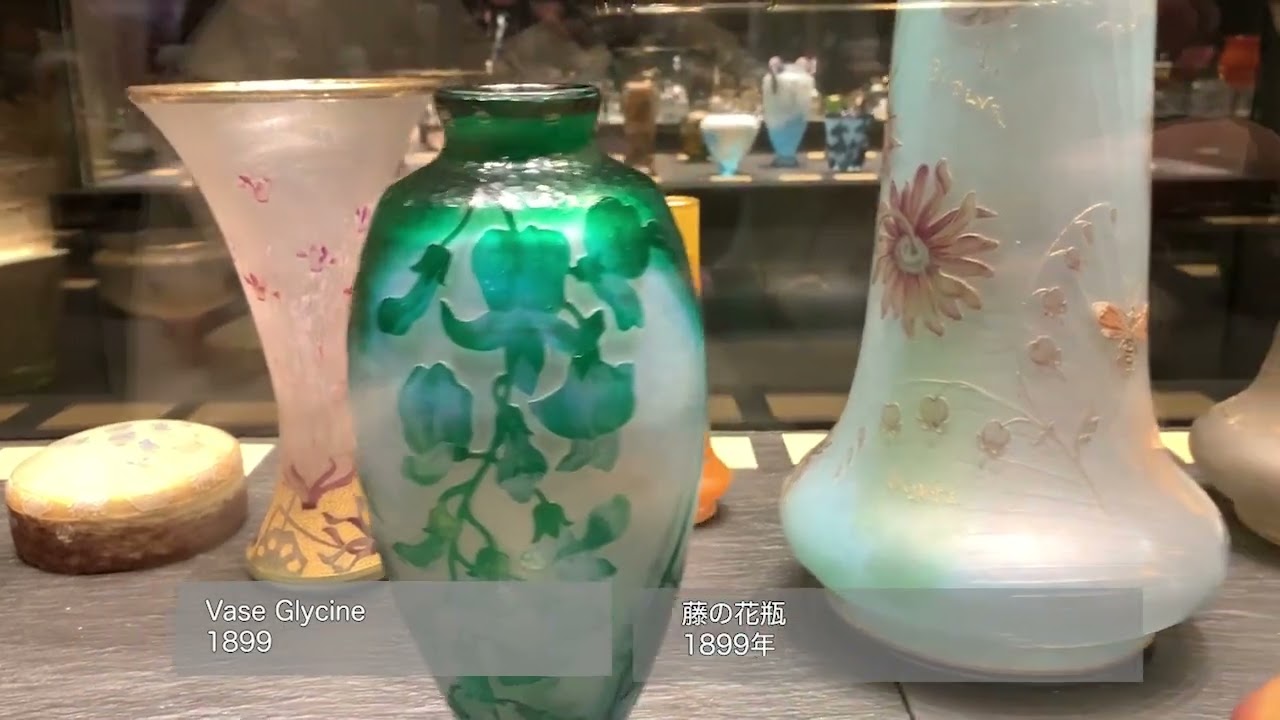
ドーム兄弟(ドームナンシー)の歴史と魅力をナンシー美術館の作品を見ながらお届け
2.7K
The Art Nouveau movement was significantly influenced by Japonism, which emerged when Japanese art and design became popular in Europe following Japan's opening to the West. The initial phase, called Japonism (ジャポネズリ), represented a superficial understanding of Japanese aesthetics, often mixing elements from China and Arab cultures. The more sophisticated phase, called Japonism (ジャポニズム), involved deeper understanding of Japanese artistic principles. The artist Takahashi Hokkei, who visited Nancy, helped transmit authentic Japanese artistic concepts to local craftsmen, influencing Emile Gallé's early works featuring insects and natural forms.
Click to watch →

Conférence de Sophie Basch / Christophe Marquet (Quarante ans d’études japonaises, et maintenant ?)
194
Japonisme, the 19th-century artistic and cultural fascination with Japan, represents a fundamental movement of modernity rather than a superficial exoticism or colonial appropriation. It emerged as a transformative force that challenged Western artistic conventions by introducing new aesthetic principles, particularly through the discovery of Japanese art forms like ukiyo-e prints. This movement created a significant 'decentration' in Western art history, comparable to the Renaissance's rediscovery of classical antiquity, and influenced not only visual arts but also architecture, fashion, and design. The phenomenon demonstrates how cross-cultural artistic exchange can fundamentally reshape artistic traditions and aesthetic paradigms.
Click to watch →
Deep Dive
An in-depth analysis of reciprocal artistic influence, specifically how Western oil painting techniques later influenced Japanese artists (the 'Yōga' style).
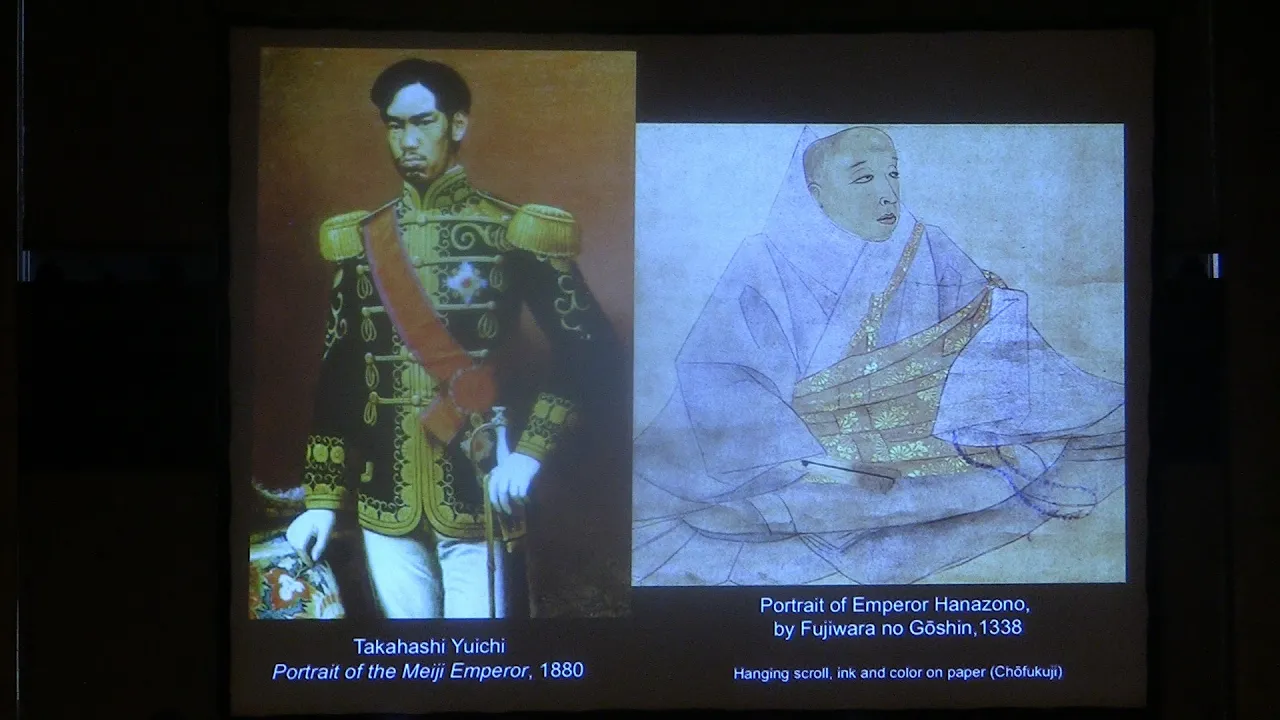
Looking West: Visual Culture in Japan Since 1850 with Dr. Karen Fraser
2.5K
Oil painting was virtually unknown in Japan before the 1860s. Early pioneers like Takahashi Yuichi experimented independently in the 1860s, later studying under British artist Charles Wirgman in Yokohama. Oil allowed unprecedented realism through shading and perspective, introducing Western portraiture to Japanese visual culture. In the 1870s, the government formally invited foreign instructors, bringing three Italian artists including Antonio Fontanesi to teach academic Western techniques. Kuroda Kiyoshi studied law in Paris before switching to painting under French artist Raphael Colin, absorbing impressionistic plain air techniques emphasizing outdoor sketching and natural light. His return in 1893 with life-size nudes caused outrage, yet he became head of Japan's Western Painting Department, spreading lighter palettes and looser brushwork that transformed Japanese art education.
Click to watch →

How Did French Impressionism Impact Japanese Art? I Behind the Masterpiece
3.2K
The Meiji Restoration of 1868 ended centuries of isolation and initiated rapid modernization under the 'Civilization and Enlightenment' slogan. The government established the School of Arts and Technology in 1876, hiring Italian instructors like Antonio Fontanesi who emphasized Plein-Air painting and tonal variation. State-sponsored artist exchanges sent painters to Europe, where they encountered French Impressionism. Takahashi Yuichi became the father of Yōga (Western-style painting), introducing realism, Chiaroscuro, and oil techniques despite lacking formal training. His 1877 'Salmon' demonstrates early Western technique adoption while maintaining Japanese sensibility, marking the deliberate beginning of Japan's engagement with Western painting.
Click to watch →
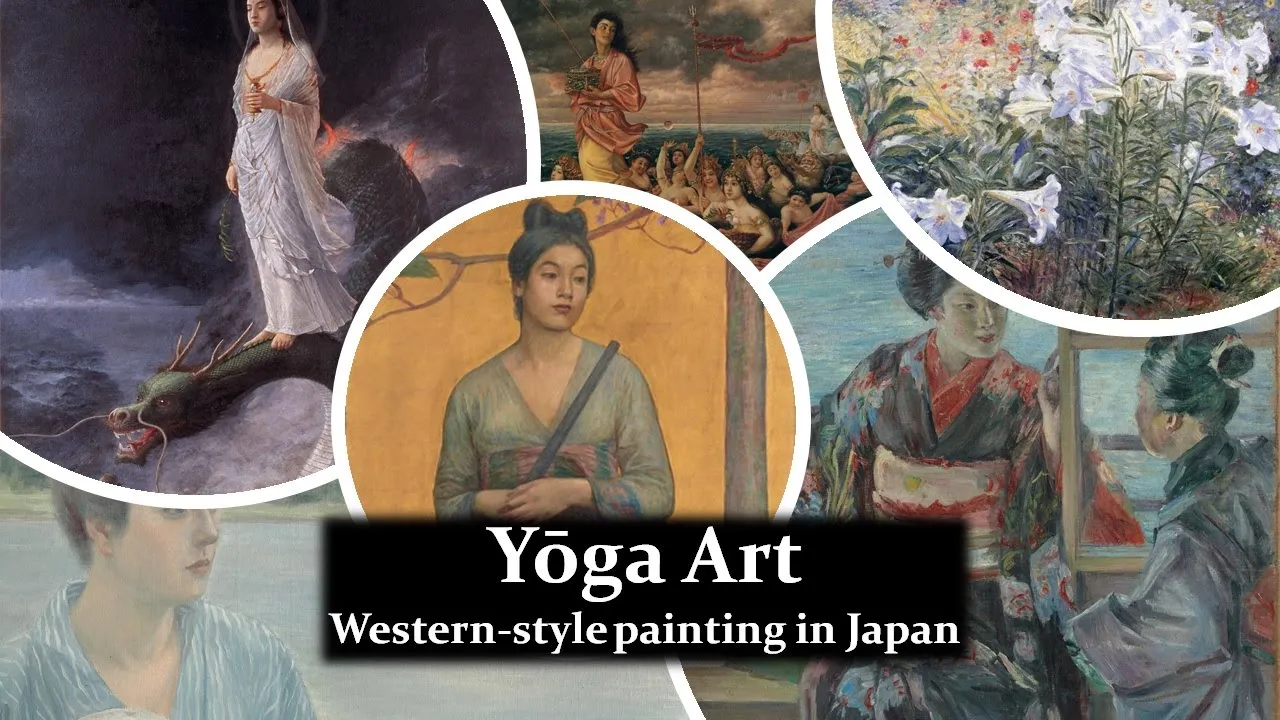
The Yōga art style explained - Western Style art by Japanese artists
2.3K
Yōga (ヨガ) is a Japanese art term meaning 'Western painting,' referring to works from the late 19th and early 20th centuries when Japanese artists adopted Western artistic techniques and themes; this movement emerged after Japan ended its isolationist policy around 1860, with artists like Kuroda Seiki studying in Paris and combining Western methods with Japanese artistic traditions, though it faced criticism for lacking originality despite producing unique hybrid artworks.
Click to watch →
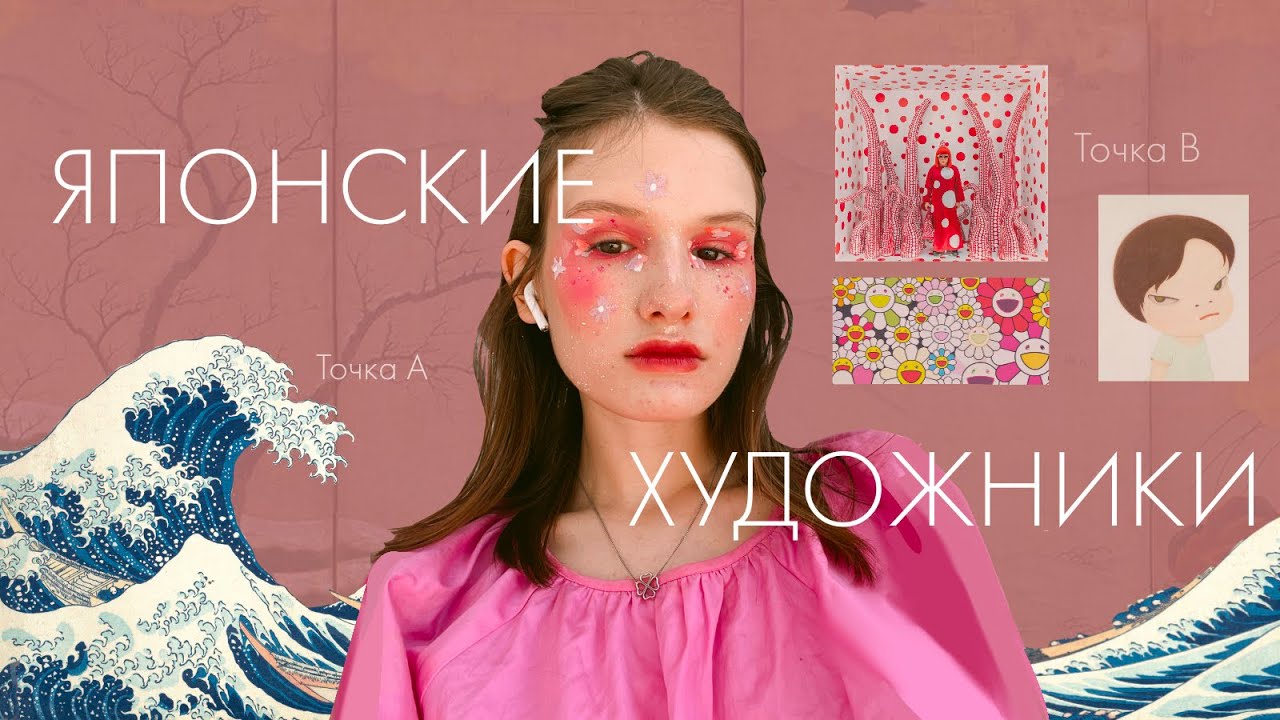
Японские художники (от укиё-э до поп-арта)
3.5K
Japanese art is fundamentally shaped by two core principles: the concept of 'void' (ma) where empty space creates spiritual presence, and pervasive symbolism where everyday objects carry hidden meanings. In the 19th century, Japan opened trade with the West, sparking cultural exchange where Western impressionists admired Japanese line work while Japanese artists adopted Western perspective and oil painting. This led to two distinct artistic approaches: Yōga (Western-style painting) and Nihonga (Japanese-style painting). After World War II, the Gutai Art Association pioneered performance art, radically departing from Japan's traditional calligraphic aesthetics through unconventional physical actions and material experimentation.
Click to watch →

マジで何もわからない人も絶対にアガる闘争と誇りの近代日本画史!〜村上隆、太田梨紗子と語る「日本画」創生物語・幕末〜戦前編【山田玲司-472】
129.9K
Western painting (Yōga) was introduced to Japan during the Edo period (1603-1868), with early research beginning around the mid-Edo period. The first significant introduction occurred during the Sengoku period (1467-1615), particularly during the reign of Toyotomi Hideyoshi. The Dutch traders (Rangaku) played a crucial role in introducing Western artistic techniques to Japan.
Click to watch →
Deep Dive
Critical evaluation of cultural appropriation versus artistic synthesis in the context of global art history.
Gerardo Mosquera @ GLOBAL ART SYMPOSIUM 2011
1.7K
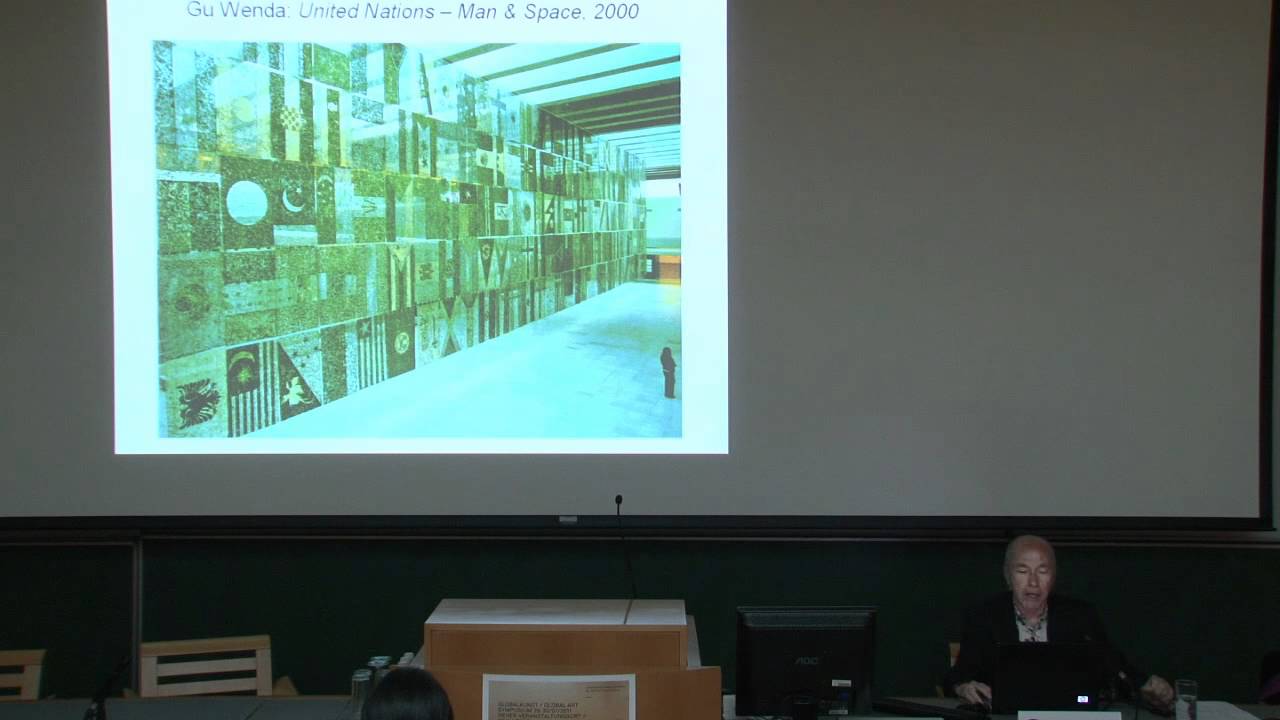
Cultural appropriation involves receivers remodeling elements according to their own patterns, transforming imposed models for their own ends. This process constitutes originality through new meaning creation. However, peripheries develop cultures responding to symbolic power maps from centers. Co-optation threatens world cultural action based on syncretism. Despite various theoretical approaches, cultural flux continues following north-south directions dictated by power structures. Even transcultural studies employing rebound effects reproduce the same hierarchical structures they contest. The current must be reversed—not to repeat but to contribute to genuine international cultural circulation, revealing that globalization's promises mask persistent structural inequalities in cultural exchange.
Click to watch →

Cultura Gaúcha e Apropriação Cultural
9.7K
The debate over whether gaúcho culture appropriates indigenous Kaingang grafismos misunderstands the fundamental nature of cultural development; gaúcho identity was historically constructed through the natural synthesis of multiple cultures including indigenous peoples, Spanish, Portuguese, German, Italian, African, and other immigrant groups, making it impossible to separate gaúcho culture from its diverse origins, and any claim of cultural appropriation fails to recognize that all human cultures continuously borrow and integrate elements from one another throughout history.
Click to watch →

Kulturelle Aneigung und Aneignung von Bildern | Vortrag mit Diskussion
186
This comprehensive section explores cultural appropriation as both a social issue and an artistic practice. The speaker distinguishes between cultural appropriation (controversial social issue involving adoption of intellectual property and cultural expressions) and artistic appropriation (historical practice in art education where artists copied masters to develop styles). The section presents a structural analysis, arguing that cultural appropriation must be understood through systemic power dynamics rather than individual moralizing. The speaker establishes a critical distinction between cultural exchange (equal footing, mutual benefit, voluntary participation) and cultural appropriation (power imbalance, distortion of meaning, opposition from affected groups). The section critiques the theoretical foundations of cultural appropriation discourse, particularly the concept of distinct, bounded cultures, introducing 'strategic essentialism' as a tool for making visible inequality and exploitation mechanisms. The section then explores the relationship between cultural appropriation discourse and art history, using Chimamanda Ngozi Adichie's concept of 'the danger of a single story' to argue that traditional art history obscures contributions of marginalized groups whose work was appropriated by dominant artists.
Click to watch →
Sanford Biggers: Subjective Cosmology
536
Cultural appropriation occurs when elements from one culture are adopted by another without proper acknowledgment of origin. The artist discovered plastic Buddhas with embedded good luck items made in Mexico, representing a snapshot of globalism and cultural appropriation. The artist then cast other Buddhas from these and wrapped them in shoelaces, connecting to b-boy culture. Mandalas, Buddhist diagrams representing the heavens or psyche, become vehicles for synthesizing multiple cultural elements. The artist creates mandalas with clear Buddhas spinning around the outside and one cloaked figure in the center wrapped in shoelaces, engaging with the concept of the figure through cultural synthesis.
Click to watch →

JB Peterson and Akira the Don: Meaningwave/Lofi
157.4K
Cultural appropriation is fundamentally about artistic imagination and the ability to deeply understand others by projecting oneself into their experiences. Forgetting this denies people the ability to deeply imagine each other. True art requires creators to project themselves into the landscape of other people and attempt to live out their experiences to the best of their imaginative ability, even if not perfectly accurate.
Click to watch →
Deep Dive
A comparative analysis of specific masterpieces, tracing direct visual references (e.g., Van Gogh's copies of Hiroshige prints or Monet's design of his Giverny water garden).

Robert Desnos / Rrose Sélavy - Écrits sur les peintres - Artracaille 09-10-2012
592
Hiroshige (1797-1858) was a Japanese ukiyo-e artist whose work became a major influence on Vincent van Gogh. The Pinacothèque de Paris is hosting simultaneous exhibitions of both artists' works to demonstrate this connection. Van Gogh's landscapes painted from 1887 onward are direct or indirect references to Hiroshige's art. The exhibition aims to show how Van Gogh's references to Japanese art were not limited to a few famous works but were systematic, with Hiroshige's compositions appearing repeatedly in Van Gogh's paintings. This demonstrates how cross-cultural artistic influence can be profound and systematic, transcending national boundaries and contributing to the development of modern art.
Click to watch →
Le falesie di Etretat... AL MOMENTO SBAGLIATO! Normandia on the road pt.1
63.7K
Claude Monet purchased a house in Giverny in 1833 and lived there for 43 years. The house features separate sleeping quarters upstairs, including Monet's room decorated with copies of paintings by artists he admired, his wife's room, and his daughter-in-law's room. The ground floor contains common living spaces decorated with Monet's extensive collection of Japanese prints. The yellow dining room, where the family of ten gathered daily, was inspired by Norwegian architecture rather than traditional French interiors. Monet cultivated his garden with the help of his children and gardeners, carefully selecting and positioning flowers to ensure continuous blooming. He created his water garden modeled after Eastern gardens, followed by planting rare water lilies, creating what he called his 'garden of water and fire.' This garden became the subject of approximately 250 paintings.
Click to watch →

Avant-Première - Van Gogh et Hiroshige
2.3K
Vincent Van Gogh was profoundly influenced by Japanese woodblock prints, particularly those of Utagawa Hiroshige, which transformed his artistic style from austere Dutch realism to luminous, colorful compositions; this influence is evidenced by Van Gogh's extensive correspondence with his brother Theo about acquiring Japanese prints from dealer Bing, his creation of direct copies of Hiroshige's works, and the striking iconographic similarities between their paintings including shared perspectives, character depictions, and landscape compositions.
Click to watch →
Van Gogh was a Weeb
65.9K
Van Gogh and his art dealer brother Theo began buying lots of Japanese woodblock prints (Ukiyo-e) in Paris shops. Van Gogh was obsessively into these prints, purchasing literally hundreds in a single winter. He hung them around his studio and used them as background props in his paintings. He even made his own copies of well-known prints by Hiroshige, documenting this obsession in letters to his brother and friends.
Click to watch →

MONET | El Genio que Pintó la Luz… Cuando Ya No Podía Ver
153
In 1883, Monet moved to Giverny, a village in Normandy, bringing his two children and Alice Hoschedé's family. They married in 1902 after her husband died. The garden was not simply the subject of his paintings but a work in itself, designed with the same visual sensitivity he applied to painting. He documented himself on botany and horticulture with the seriousness of someone learning a new technique. The pond was constructed by diverting a branch of the River Epte, with permission from local authorities who initially opposed it. He painted the pond for the first time in 1895 and continued until 1926. The idea of painting the same object under different lighting conditions came from Japanese woodblock prints—Hokusai's 'Thirty-Six Views of Mount Fuji' and Hiroshige's Tokaido series—which Monet collected obsessively.
Click to watch →
Japonisme Impact
Stylistic Exchange
Japonisme Impact
0:09- 1
Western artists adopted Japanese motifs and formats.
- 2
Decorative arts blended Japanese designs with European objects.
- 3
Paintings incorporated Japanese props and flat color techniques.
Japonisme as Orientalist Appropriation and Eurocentric Framing
While the traditional narrative of Japonisme celebrates cross-cultural inspiration, critical art historians offer a counterpoint: this exchange was deeply entangled with 19th-century imperialism, Orientalism, and cultural appropriation. Critics argue that Western artists often engaged in a superficial consumption of Japanese ukiyo-e prints, stripping them of their socio-political contexts to serve as exotic novelties or formal tools to revitalize Western art. This perspective challenges the idealized 'mutual exchange' narrative, pointing out that Western art history frequently frames Japanese art merely as a catalyst for Western innovation rather than recognizing Japanese printmakers as autonomous, modern masters on equal footing. By centering Western genius as the ultimate destination of these techniques, traditional art history can perpetuate a Eurocentric bias that marginalizes the agency and depth of the source culture.
Understanding of the core tenets of Impressionism and Post-Impressionism, particularly the works and styles of Claude Monet and Vincent van Gogh.
Familiarity with traditional Western academic art standards of the 19th century, such as linear perspective, chiaroscuro, and realistic anatomical proportions.
An introduction to Ukiyo-e, the traditional Japanese genre of woodblock prints and paintings depicting the 'floating world' (landscapes, theater, and pleasure quarters).
Historical context of the opening of Japan's borders during the Meiji Restoration, which led to a surge of Japanese goods and art entering European markets.
The study of 'Japonisme' as a broader cultural phenomenon and its influence on decorative arts, fashion, and architecture, such as the Art Nouveau movement.
An in-depth analysis of reciprocal artistic influence, specifically how Western oil painting techniques later influenced Japanese artists (the 'Yōga' style).
Critical evaluation of cultural appropriation versus artistic synthesis in the context of global art history.
A comparative analysis of specific masterpieces, tracing direct visual references (e.g., Van Gogh's copies of Hiroshige prints or Monet's design of his Giverny water garden).
46.3K views390likes4:39@AsianArtMuseumOriginal Release: 2015-09-29
the introduction of Japanese Aesthetics in the 19th century radically transformed the practices and techniques of Western artists in the 1850s Western Powers compelled Japan to open to International Trade following more than two centuries of self imposed isolation thereafter Japan sent delegates to the west to shape its image abroad and ship porcelain bronzes and other works of art for display at World's fairs Western artists seeking alternatives to the dominant Artistic Styles of the time took fresh inspiration from Japanese art imports from the region sparked a popular fashion for things Japanese a phenomenon dubbed japanesa by French writers the most direct impact was in the decorative Arts where Japanese designs were often copied or imaginatively recombined in this French ink stand the artist added a depiction of Japan's Mount Fuji in addition to other motifs [Music] here Japanese style designs of butterflies and flowers were used to Adorn a European metal tea set many Western painters Incorporated Japanese art and clothing in their works as fashionable props such as this folding screen and this silk kimono American artist Charles Carol Coleman included a Japanese bronze vase and pattern silk fabric into the still life painting painting formats also changed in response to Japanese models here Coleman used the narrow vertical format of a Japanese hanging scroll instead of the shading and realistic modeling typical of traditional Western paintings and prints Japanese prints relied on solid areas of color and pattern as in this print by kikukawa ason a similar flattening effect can be seen in this work by Mary Cassat patterns of rhythmically arranged feathers or pedals in Japanese prints had an impact on print design in Europe and North America as well repeated motifs like the trees in this print by katsushika hookuai inspired similar experiments by Western painters utagawa Hiro shig radically enlarged compositional elements pressing them flat against the picture plane here a large Red Lantern and gate post frame a view into space poster designers in France and America use similar techniques to create bold graphic emblems of Modern urban life the bright colors strong diagonals and a symmetry of Japanese prints were among the other elements admired in the [Music] West in fact the borrowing flowed both ways Japanese artists also had a history of experimenting with Western practices looking East examines how motifs and techniques from Japan sparked new creative expression in the west as you explore the galleries look for the shared artistic devices in the Japanese and Western artworks on view
Up Next
90:02
Kirk Varnedoe on the Invention of Modern Art (1988) | Beatty Lecture
@mcgillu
2K views•2019-09-09

114:18
Christian Iconography: History, Theology, and Meaning | Fr. Panayiotis Papageorgiou
@Trisagionfilms
58.8K views•2020-02-21
7:48
Ukiyo-e Art: History, Woodblock Printing & Influence
@japanathand
6.3K views•2023-06-08

16:34
Earliest Depictions of Jesus in Art: 10 Ancient Images Explained
@UsefulCharts
5.9M views•2022-06-03
Related Study Plans & Knowledge Roadmaps
Structured learning paths in Art History
art-history
Gothic Cathedrals: Engineering, Light & Society
01The Birth of the Gothic: Romanesque to Suger's Vision
02The Structural Triad: Pointed Arches, Ribbed Vaults, and Flying Buttresses
03Theology of Light: Lux Nova and Sacred Geometry
+ 2 more learning modules
14h5 modules
Explore Roadmap
art-history
Pre-Raphaelites: Realism, Symbolism & Critique
01The Victorian Art Establishment and Academic Formula
02The Founding of the PRB and Radical Realism
03Medieval Revivalism and Literary Symbolism
+ 1 more learning modules
8h4 modules
Explore Roadmap
art-history
Street Art: From Subways to Art Market
01Subcultural Origins in Philadelphia and New York (1970s)
02The Subway Era and Style Wars (Late 1970s - 1980s)
03The East Village Scene and Early Gallery Crossover
+ 2 more learning modules
10h5 modules
Explore Roadmap
art-history
Classic Maya Art: Iconography, Glyphs & Ritual
01Foundations of Classic Maya Visual Culture
02Deciphering Maya Hieroglyphs & Text-Image Integration
03Sacred Geography and Cosmological Architecture
+ 2 more learning modules
14h5 modules
Explore Roadmap