





![[AULA] Linha do Tempo da História da Arte](https://i.ytimg.com/vi_webp/SEyhdqLQ6lA/maxresdefault.webp)













Artistic innovation emerges not from external influences like photography or non-Western art, but from internal resources and individual creativity—artists combine existing elements and conventions in novel ways rather than simply adopting foreign techniques; this process of recombination and reinterpretation allows for new visions of reality that expand rather than close off our understanding of the world.
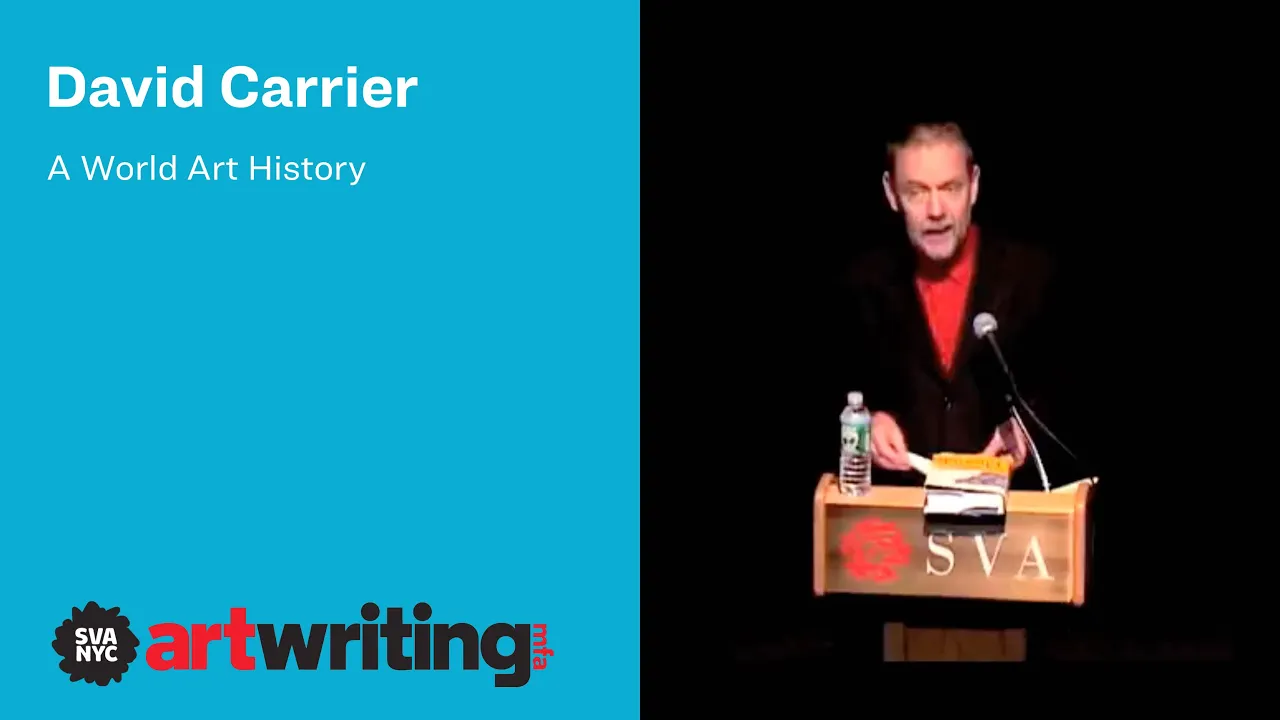
Kirk Varnedoe on the Invention of Modern Art (1988) | Beatty Lecture
Added:Familiarity with the traditional narrative of modern art's origins, particularly the perceived impact of the invention of photography and the influx of Japanese woodblock prints (Japonisme).
An understanding of late 19th-century academic art traditions in Europe, which served as the established framework early modernists sought to challenge.
Basic knowledge of the transition from representational realism to early modernist movements, such as Impressionism and Post-Impressionism.
The conceptual distinction between revolutionary 'rupture' (completely discarding the past) and creative 'repurposing' (transforming existing rules and traditions from within).
An in-depth study of Kirk Varnedoe's seminal book 'A Fine Disregard: What Makes Modern Art Modern', which expands on the William Webb Ellis rugby analogy introduced in this lecture.
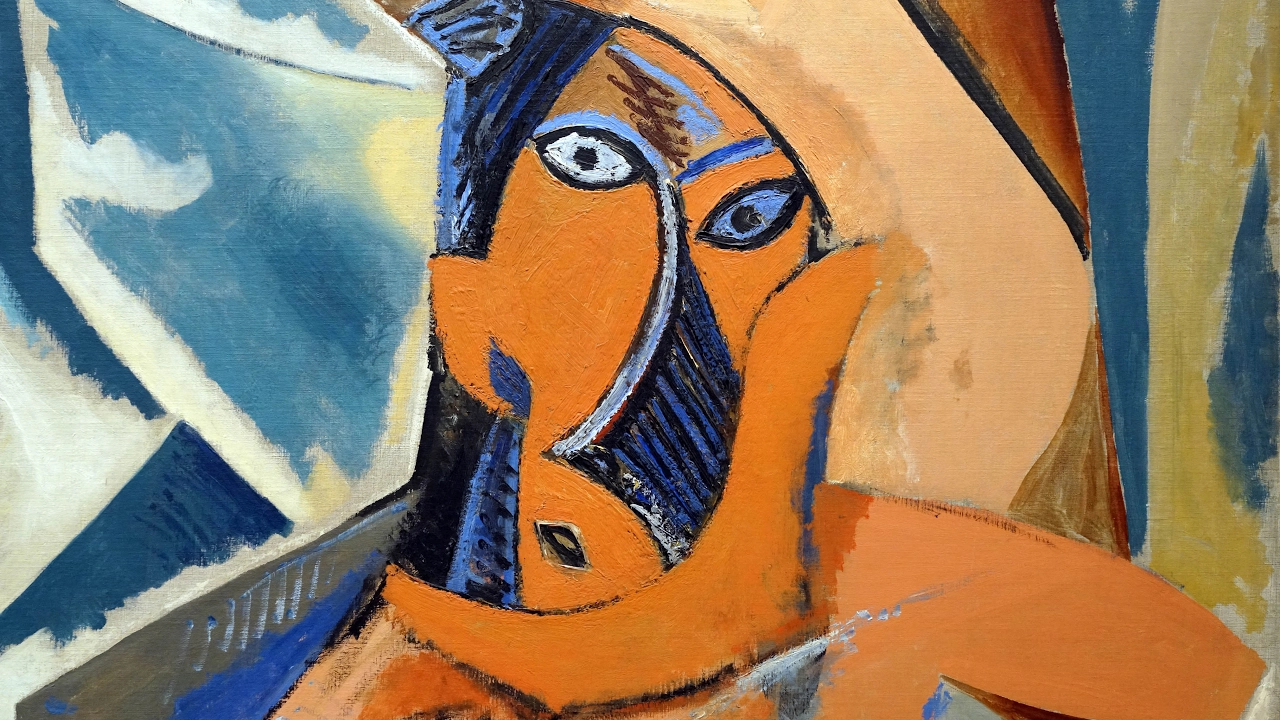
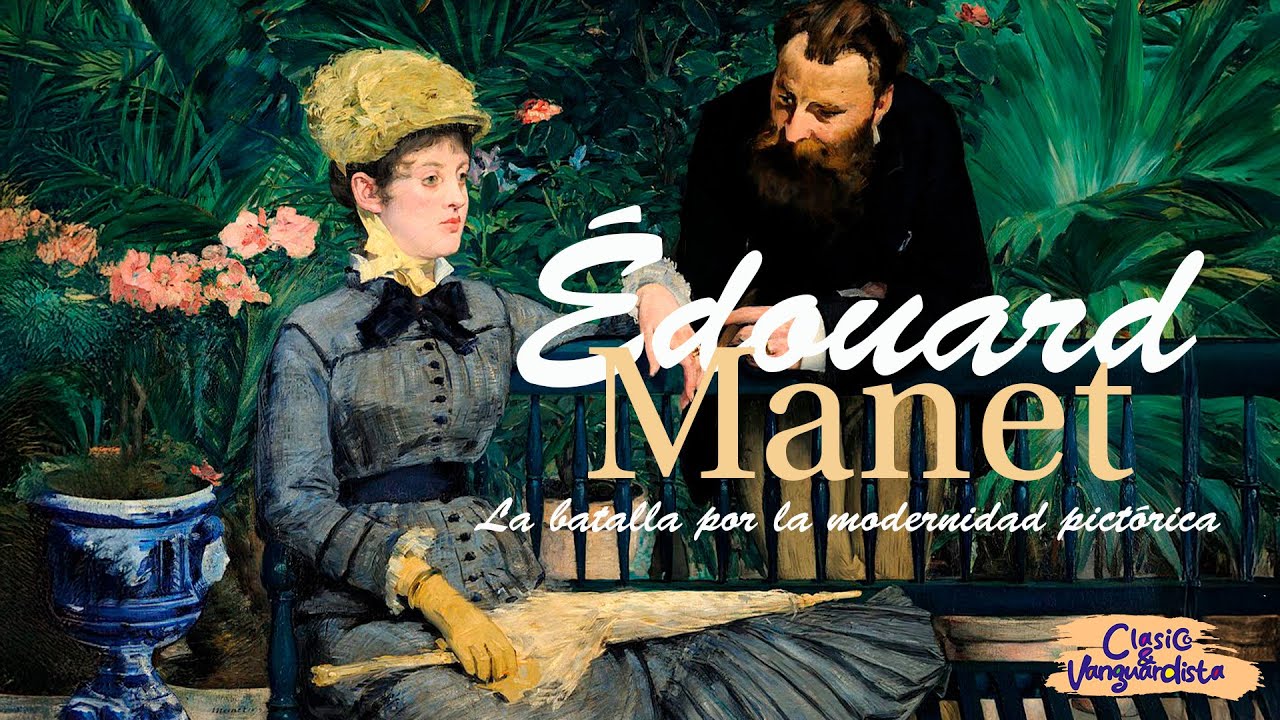
Critical visual analysis of key modernist works (e.g., by Édouard Manet or Pablo Picasso) to identify specific elements of traditional artistic syntax being subverted rather than abandoned.
Exploration of art historiography, specifically analyzing how art historians construct, debate, and revise the developmental timelines and causal influences of major art movements.
Application of the 'repurposing within a system' model of innovation to other creative and technical disciplines, such as architecture, literature, or music.
2K views50likes1:30:02Original Release: 2019-09-09
what is a pleasure to me every year to welcome you to what is probably our most distinguished lecture series it is certainly the oldest lecture series it has been going since 1952 when dr. H abt the brother of Sir Edward established a foundation for the support of these lectures Sir Edward Beatty was the Chancellor of McGill University for 22 years in the 20s and 30s an uncommonly long time he was a very strong personality he was a private benefactor of the University he used to lock the Board of Governors once a year in the boardroom until they paid off the deficit he was an invaluable chairman of the board his brother though in his memory left a major benefaction which benefits us to this day to bring in a public speaker who is at the same time a world figure in his or her discipline it can be in any discipline and we've had at some splendid speakers over the years of a Francis Crick you recall recently I have stone summer scientists summer journalists um our playwrights John Mortimer quite recently Jane Goodall the scientist who worked on gorillas in Africa carrots like that maitre Arnold Toynbee the historian and so on it was an extremely distinguished group today we have an absolutely outstanding art historian who has just received a major promotion to what has been referred to as the most influential curatorial position in the field of modern art today I'd like to ask my colleague who's associate dean of the Graduate Faculty John galati to introduce our speaker who is well I better let him do the introductions John I am delighted to welcome to McGill University as the 1988 bt lecturer an old friend and a new light in the field of Fine Arts dr. Kirk Varnado very recently appointed his curator of painting and sculpture at the Museum of Modern Art in New York during the current decade has taught at the Institute of Fine Arts at New York University and for years has now served as adjunct curator at what is affectionately known as MoMA many of us were thrilled to hear a few weeks ago about his appointment to what the New York Times has called the most influential position in modern art in the world or something of that sort Kirk comes not only as the man of the hour the subject of articles speculate he was speculating about what his impact his tenure will have on Modern Art but as an old friend of several of us here at McGill born and raised in Savannah Georgia Kirk Varnado attended Williams College where he was known as much for his prowess in football as art if he's become the quarterback at MoMA he began as an all New England lineman pursuing his doctorate in art history at Stanford University Kirk gained unique access to the collection of Auguste Rodin's drawings in the archives of the Rodin Museum in Paris where in the early 1970s he lived around the corner from my wife Barbara and I just off who do Bach on the left bank facing across the river sand the long line of Paris's finest art museums he balanced during this period a concern with Paris's artistic life with cross-country motorcycle jeonse visiting the regional museums churches and collections at the same time he investigated the life and work of Gustav kya baat both patron and peer of the Impressionists Kirk sought out the scenes painted by kya baat welding scene and Sensibility together in vivid images the the artistic experience of that day kirk Varnado has become known for a number of extraordinary exhibitions mounted in New York and elsewhere often accompanied by incisive and creative books a retrospective exhibit exhibition on kya baat an exhibition on kya and broadens drawings on Scandinavian painting to mention a few a very special note is the exhibition mounted at MoMA on primitivism which treated the affinities which I think we all feel and and find engaging affinities between tribal and modern art and the very famous recent exhibition on Vienna 1900 on the turn-of-the-century convergence ins convergences in Vienna in art architecture and design this week it is our distinct privilege to hear a series of three presentations and title fine disregard inventions in early modern art the first being new space near and far based on Kurt's forthcoming book let me present to you now a man of this season and many seasons to come dr. Kirk Varnado I'm exceptionally pleased to be here I'm enormous ly honored to be in the company of the previous BD lecturers and also in a funny sense I feel I've I'm home in an odd way because for a lot of my adult life I've been given the honor of being thought Canadian every time I lecture it appears that the last residual diphthongs of my Georgia accent are those in house out and about the oh you diphthong and people approached me afterwards and say you sure talk funny are you Canadian and I'm reminded that when Jimmy Carter was elected the folks at home said now isn't it nice for once to have a president without an accent and I'm happy for once to have an audience who won't think I talk funny what I want to talk about in the course of this week is the connection between the sense we make out of where we thought modern art started and where we think it is or what we think it's meant and to go back and forth across a series of investigations from the late 19th century up into the 20th century and look at the broad picture of modern art as far as pictures go the one that you see on the poster is a strategic device and that it will only appear in the last lecture so you know you must hang around but as for the title itself that seems to me as good a place as any to begin now somewhere back could we lower the lights please somewhere back in a rainy summer in the 1970s I made a pilgrimage of sort to a place in north of England that had always fascinated me it's a large playing field attached do we have lights here somewhere these are booking signs this slides yeah it was on earlier let's go away I will let's let's do this by moonlight and III I think we can go ahead it's a playing field that's attached to the rugby school and on a wall next to that to that field is a plaque and that's the plaque I came to see and it reads this stone commemorates the exploit of William Webb Ellis who with a fine disregard for the rules of football is played in his time first took the ball in his arms and ran with it thus originating the distinctive feature of the rugby game really it's ok John it's ok ad 1823 now most of you probably know how rugby spread from rugby school through all the English colonies and then became developed into 11 man football and then got TV and instant replay in the Superbowl and absorbed thousands and thousands of TV hours and zillions and zillions of dollars between August and January every year and got to be an enormous industry but from time in the 1960s a lot of American collegians didn't know rugby got fed up with the football industry and found it sort of semi corporate and semi military and decided to regress against the grain and go back to original 15-man rugby back to a game that had no coaches no substitutions no timeouts where there were usually fewer spectators than there were players and where the budget for equipment was dwarfed by the budget for beer I was among these primitive Asst went back to rugby and as the closer I got to the oranges in the game the more I got fascinated with William Webb Ellis and his exploit what possessed a man in the middle of the game that we would call soccer kicking the ball along the ground to first reach down and pick it up and decide to run with it more interestingly white they throw him out of the game why did they why were they interested in this now I since understand that the origins of rugby are a lot more complicated they're French revisionist historians for example that will tell you that their Gallic ball games that go back to Roman times that are the true origins of this game and I know all that but I still find Ellis's exploit about is sharply chiseled out of Cornel as I think it's possible to get of what cultural innovation is really all about that is someone playing in the context of one set of rules suddenly sees that there's a better way to get it done if you'll just change things and he takes things into his own hands and then somebody else or a lot of somebody else's decide that that gesture is it a foul isn't simply a failure is it a violation but it's the beginning of another kind of game is the seed of something else and the rest as we say is history and when we say the rest is history I think that we mean that the consequences of that like the football industry for example lend themselves to fairly banal chronicling day by day but that there's something about that moment of fine disregard at the beginning that isn't history and doesn't lend itself to that kind of chronicling in the same way some kind of charmed moment between a gesture that might otherwise have fallen fallow and a climate of receptivity that might otherwise have passed Baron but instead come together to start something new that kind of innovation is what interests me and for as long as I played rugby and even longer I also studied at the same time history of modern art from images like Matisse's harmony and red on the Left two images like Frank Stella Zambezi of 1959 on the right now I always like to argue that there wasn't any need for conflict that you could love these two things together that the love of sport and the interest in Matisse and Stella didn't conflict but I have to admit that when it comes to origin stories to finding out how the game got going there's a difference between these two fields and rugby has the edge that's a better story about innovation I've found that over the years when I think about the stories of how modern art got started when I think about where it began and what it means I wind up being dissatisfied because it doesn't sound like a game at all it sounds like a lot of Drudge work then we are asked to learn a story for example about the transition from Matisse in nineteen eight to Stella in 1959 which is a story of increasing distance from the concerns of the real world increasing rare ofin it becomes a culture that only the elite can play instead of opening up it tends to close down that the stories tend to be about renunciation and denial about all this excluded between the abundance of the mattiece and the ascetic almost monk-like blackness of the Stella and it's this kind of consideration or this trajectory of modern art but I want to think again about in this lecture and in the next to one of the classic for example stories about what had to happen in order to get modern art going is that it had to say no to and get rid of pictorial space and the illusion of reception and the depth that had been a prime part of pictures before and the way this tale runs is the what you look at in Matisse is the exclusion of deep space and the insistence on the flat plane of that wall is setting a pace in a tempo that leads to the ever more rigorous exclusion thank you thank you very much ever more rigorous exclusion of space in Stella this is supported by a theory of modern art which you may be familiar with which I'll try to caricature in a nutshell and that is that the history of modern art is a history of learning to do what it does best that is concentrating on only what it does best so that the Matisse for example would be a move away from literary narration because literature does that better towards the simple presentation of shapes and ever more refine thing that the destiny of being modern is the destiny of excluding everything that is not essential to the medium involved so that eventually we get to a state of refinement where we have the absolute particulars of a material surface on a flat plane as being the essence of being pictorial this is what we used to call in graduate school the road to flatness as the motif in modern art now that's never seemed to me a terribly satisfactory story if the one great scorer eventually comes to right against this civilization and he sees that Grecian philosophy and Mount Olympus gave us the Parthenon and that medieval scholasticism gave us Chartres and that Renaissance humanism left behind the Sistine ceiling is he going to say that the century that split the atom and put a man on the moon less tough left us a series of ODEs to the inviolate integrity of the picture plane that it's all been in fact a great homage to flatness I don't find this satisfactory both because it doesn't seem to me to be an adequate account of what modern art is been doing and you don't have to care about that you're not a specialist in modern art but because it has implications much broader implications about the cultural life of this century that we if we accept that what our claim to fame is that the thing which is most distinguished the inventions in the visual arts of this century are a system of systematic exclusions and reductions systematic series of refusals to participate in a broader communication with the life of the world then it seems to me we've accepted something quite damning there must be a better way to think about this and the way that I would like to think about it is to go back to the origins of that story to the rejection of the window of illusory space and the so called beginnings thank you yeah okay great thank you so let's take let's take the tale from the top here let's go back and look at a basic movement that's supposed to have taken place in the night late 19th century in a kind of a prologue in two movements the prologue goes back to the Renaissance to the kind of perspectival space that depended on the inventions of Albert II and Brunelleschi in perspective in pictures like para Gino's giving of the keys in Sistine Chapel on the right or Piero della Francesca's view of an ideal city on the left the idea is that Brunelleschi and Alberti's vision of the world in devising a scientific system of producing the illusion of depth was the core of a whole worldview that's inherent in these pictures a worldview that had to do with harmony with balance with measure with proportion with stability and with placing the eye and mind of man firmly at the center of the operation as looking on to this world of order and harmony and that with the coming of the modern age with the speeding up of time with the pace of industry with changes in commercial economic structures with the new sense of the interior life of man and Romanticism this worldview of perspective and deep space seemed called into question seemed thrown into crisis seemed no longer adequate to a representation of modernity and in its place we got pictures sorry we got pictures like dougas + de la concorde of 1875 where suddenly the world that had been stable balanced and measured in perigee no became chaotic slanting in several different directions running in and out of the frame with the horizon pitched up at the back sudden leap sin to space things thrusting forward in front of us so that the decomposition of the spatial integrity of the picture seemed a symptom of the speeded up pace of urban life of the ephemeral nature of fleeting encounters in the street of all the collisions and shocks and dynamism of modern life that this kind of disrupted in this unstable destabilized world was the appropriate world of modernity and that one of its major signs was the encroachment on our space of this obtrusive foreground that in responding to Modern Life Doug I had sort of silted up the frontal plane that had been kept at a respectful distance by perigee no with these enormous looming shapes which especially as they were cut by the edge of the canvas and as they pressed from top to bottom began to declare the obtrusive artificiality of the painted surface and put us even at a further removed from the sense of illusion of calming entry into the picture and instead to assert its role as an abstract object now there's sort of two explanations about how this came to be one of them is a zeitgeist explanation and the other one is an influence explanation the zeitgeist or spirit of the time I've just outlined in terms of the demands and pressures of a changing world view for a new set of forms that would express it the influence comes in two parts and more or less than two stages the first one is evident with Digga and that is the influence of photography the argument goes that with the development in the 1860s of fast shutter sensitive photography like that used in stereoscopic views of Paris like the one on the right from the eighteen 60s suddenly one began to see a world that was full of odd spaces where the pilch picture plane tilted up the horizon disappeared things began to be oddly cropped at the sides the pictures and the whole Renaissance perspectival system was called into question in favor of something that seemed more attuned to the reality of the helter-skelter pace of the Parisian Boulevard and that it's this the set of croppings at the edges and odd perspectives that Digga responded to and that the impressionist responded to in their generation and then in a second step the generation that followed behind Duga right afterwards that of Goga for example in the vision after the sermon of 1888 not only picked up these obtrusive foregrounds these asserted forward spaces but even more aggressively denied recession flattened out and made the world unnatural made it colored differently made it turned into schematic shapes whose broad outlines around them that ever more aggressively declared the artificiality of the picture and that they responded not only to the innovations of Duga and thus threw him to photography but also to an invasion from abroad from the outside that is if photography is the termites in renaissance perspective Japanese prints are the killer bees they come in from outside and invade the system Japanese prints arriving to declare this radical unrest turn an irrational sense of graphic design with enormous ly enlarged foregrounds an artist's like Goga in search of an art not so much attuned to vision but to the visionary to an art that was about the mind and invention rather than copying nature found this non-western look found this aggressively alien sense of space to be absolutely in tune with what they were after and the coalescence of the termites and the killer bees destroyed the sense of renaissance perspective and set the tune for the road to flatness now you may recognize a familiar trope in this it's Saoirse n-- that is that it's somehow the discoveries of technology on the one hand and non-western thought on the other that form at the end and come together this is the Tao of physics all over again it's that the folk for true progress in the West is based on getting outside of all of our familiar Western conventions and that in order to be true to the right the real world revealed to us by our technologies in this case high-speed photography we have to look outside for their consonants with systems of thought that have never been tainted by Western rationalization and that the to photography and Japanese prints just like Zen Buddhism and particle physics come together to give us a glimpse of the new dispensation well it seems to me that these explanations don't work and they don't work for all sorts of reasons both historical and logical and what I want to do tonight is first look at the explanation by photography and then look at the explanation by Japanese prints and then suggest another kind of version of how we got where we got in the origins of modern painting and what that might mean let's take up first of all the whole question of the influence of photography the crucial thing to remember at the outset is that it's hard to see photography as the enemy of perspective because in essence photography is perspective that the system by which the Rue de Rivoli is represented on the right is basically the codified optical system that was consonant with the geometric system invented by Brunelleschi and Albert II in the 15th century the triumph of Brunelleschi and Albert II was to invent a mathematical and geometric system that worked with the way light raised bent in optical physics and the two worked together so that a camera is an encoding of the basic system that Albert II and Brunelleschi worked with it is the assertion and reaffirmation of perspective rather than its defeat or set-to wrote in the 19th century and as such it goes back into a whole history of perspective which is not the neat packaged one suggested by Piero and and Perugino that is the world view that perspective lays out in fact does not look like a rational globe laid out in a grid instead it looks like one of those medieval maps with strong contours around the known world and outside little marks that say here lie monsters do go not out here that is perspective is a system of norms and margins a system of rules that gets you one place if you stay inside and another place if you violate the rules and it had always been known from the beginning of perspective that if you moved your station point too close if you put things too far to the edge of your perspectival feel that this perfectly consistent rational system was perfectly capable of producing immensely weird things things in which the foreground got enormous in which the background whistled away into diminution in which odd proportions asserted themselves and the world looked twisted and deformed in an extremely unrecognizable world so all manuals of perspective put a governor on this machine and said stay within these limits unless you want to explore weird and unformed unknown things out on the margins even if you chose not however to explore these things you could from midway in the fifth in the sixteenth century at least onward have seen such odd optical effects in cameras not film cameras but cameras worked through pinhole diffraction of light or through lenses like the camera obscura on the left literally the dark room in which the man stands and by pinhole projection the scene outside is projected onto a linen that he looks at as a model for drawing or in a more compact fashion where the projection of the world through the lens was put on a ground glass the artist at the right stands looking out over the rooftops with a camera this uncovered optical refraction showed people obviously all of the weird things that were outside are a lot of the weird things that were outside of the limits of normal perspective the question is did they want to use them did they in any sense find them meaningful did they find that they were forms that determined a world that made sense to them and the evidence is by and large No so that we know for example that Canaletto the 18th century Venetian artist used a camera obscura there are notes about it in his one of these portable ground-glass devices in his notebooks you find sketches done from it and constant references to it and we may think that this camera this proto photographic effect accounts for some of the crispness and casual composition and something like his view of the Thames or for the intrusive foreground element in the arch in his view of the Piazza San Marco on the right but what you have to look at again is all that canaletto left out and intentionally how for example he tricked up the perspective in the picture at the right so that the foreground people would not loom up and obtrude and obscure the Piazza San Marco in the way that the arches set their picturesque enlargement in the foreground you have to understand that every time canaletto set up his camera obscura in the piazza san marco Dugas l'épée walked by many times many Lupita's walked by he didn't paint them he didn't choose to paint them this is the point the point is not what is available weird things have been available since the beginning of perspective and every time that anybody looks through one of these cameras it's a question of what they meant and who chose to do what with them so that for example there is no indication that the painterly otar in the 18th century needed or had recourse to a camera at all in order to crop that servant girl at the left in this unusual 18th century pastel from Munich of breakfast being served or in order to construct this extraordinary self-portrait on the right where the window jamb at the right of the picture of trude's the parapet and the foreground and then he sticks his own figure into the lower left with tencel and Han looking out over the Swiss landscape these are constructions made not by optics not by the lens but by an artist because he's so desired and in more famous instances that is the 17th century Dutch and their concern for optics the big four grounds and enlarged enormous frontal plains in something like Vermeer's officer with the Laughing girl and the Frick on your left or on your right the fabritius view of Delft in the National Gallery in London there is constant argument between scholars as to whether these are the products of the camera obscura or simply of clever mathematical and geometric constructions because there is nothing in them nothing in the obtrusive foreground that can differentiate they are equally possible through willful perspectival construction or through using the shortcut of looking through a camera the point is not the means the point is the end the goal the desire to do it and what's important to look at here is not the appearance for example of these structures in these two artists but all the 17th century dutch and 16th century Italians and 18th century French who chose not to do this who stove chose to stay within the governing norms and middle ranges of perspective if we think that way about the history of perspective as a history with the main line running down the middle and a set of sports or possibilities intermittently explored on the side then you get a different view of what photography inherited when it came into being in 1839 and that's the announcement of de Jerez invention and I show you here the little so-called mouse trap cameras devised by fox talbot one of the early pioneers of photography and on your right thought to be the first photograph by yep's the french photographer probably taken in the late 20s early 30s of the rooftops outside his house you see that yep's was now confronted with a different problem the film doesn't look through the lens and decide what it wants to see the film takes what the lens will record and thus the EPS is faced with enormous can you make sense out of this an enormous looming roof rooftop on the right in sharp perspective right outside his window blocking up a full half of the picture but Neapolis problem is not a new problem it's a problem that comes whenever you are trying to do a topographic survey of something in which you want to record the view from where you stand in which you want to make a statement about the world that includes your position as part of the accuracy of your view and so thus you can go back before photography and before it in the Epsilon's picture to something like garrett nur's panorama of Berlin for example done in 1834 before he had any notion of photographic views in which in order to record accurately the scene from the top of the church the roof of the church occupies an enormous proportion of the foreground of the picture or go back even further to the 17th century in Rome to this architectural drawing by a man named Silvestre from the Dome of the of st. Peter's and you can see that the right foreground of the picture is taken up with a roof filiol and the tiles and the looming dome of st. Peter's as the foreground positioning below which Rome stretches out that is that sense of crowding that sense of enlarged foreground comes as much from a attitude of topographic insistence on accuracy as it does from any willful subjectivity and comes above all from the decision to admit it as a possibility within what is what is doing rather than to exclude it photographers had these same options it is true that photography as the medium was prone to making mistakes possible so that you see cartoons for example like this one on the left which detail all the possible errors one can make as a novice photo photographer they're pretty funny you can see people sliding out of the frame and amongst them in the detail on the right you see the idea that if you put something too close to the picture plane it gets enormous and things behind it get small so that one does not for example shove one's hand close to the lens and this was recognized as well in other cartoons at the same time here is Jed who has obtrude 'red his hand way too far forward the point is that these are in caricatures of how not to these are the mistakes to avoid these are things one should stay away from in photography but they are not new to photography if you look at Parma Jenny knows self-portrait from the 16th century in the consistory Museum in Vienna his self-portrait in a convex mirror takes an aggressive interest in precisely the deformity that the photographers choose to regard to choose to disregard and leave out that is parmigianino is interested in the declaration of his hand for example as an artist in the assertion of the enormity of the hand of his role as a maker in the foreground of his presentation of himself it makes sense it has a meaning for him and thus he finds that the weirdness and oddity of the convex mirror is a vehicle for something he wants to do whereas the photographer on the right trying only that this is noise or intrusion in what he wants to do it's important to remember that the early years of photography are dominated by professionalism and when you send people out to photograph the streets of Paris their role by and large is to make pictures that look like what people think pictures look like that is not to surprise people and not to disrupt the history of normative representation but try to force the camera to stay within it so that a typical trope for example to avoid the big looming foreground and the incidence of all those 'la Peaks that can cross in front of your is to get up and eliminate the foreground and look over the Boulevard as the slide on the left does or when you're placed on the ground to make sure everybody gets a good distance so that you only occasionally in rare instances get something like the man who intrudes into the lens on the left-hand edge of the slide on the right as the kind of static as a kind of random noise in the middle of what people are trying to do as an organized conventional representation of the world this is the kind of photography that Duga would have seen an output of thousands and thousands of photographs the potentially most interesting of which to him might have been these stereo views because they were taken rapidly because they were produced with less care and thus one thinks this might be a fertile breeding ground for those kinds of accidents that would have interested him but when we look at the real evidence of photography of de gAHS de next to the viola peak it seems to me that the difference is enormous and a difference in degree so intense has to be a difference in kind if you want to argue this first of all realize that there's a historical argument here and that has to do with accidental or snapshot photography and the crucial date is a decade or so that is the introduction of the Kodak and the widespread availability of amateur cameras cameras that were out of the control of professionals dates from the mid to late 1880s picture on the right remember was painted in 1875 and there are in fact I'm convinced of this and I've looked hard no pictures at all no photograph from this date that looked like the peak that looked like the plasti la concorde no matter how convincingly that picture suggests to us there's something photographic about it in fact views of the Place de la Concorde looked like the one on the left which is in fact a stereo of the plasti la Concorde from probably the 1860s and an artist so primed and so interested as to be able to make the picture on the right from the kind clue provided by that jet propped at the knees that the lower left is an artist so prepared to do what he's doing that he hardly needs a stimulus that my nude to get going what you have in the Duga is a very sophisticated orchestration of a set of devices it isn't just that that figures cropped at the knees it said he's cropped at the knees and placed off-center and it isn't just that he's cropped at the knees and placed off-center it said he's cropped at the knees and placed off-center and placed with a high horizon and cropped at the knees and placed off-center and placed with a high horizon and placed with a big void to the left it's a whole orchestration of a series of things into a coherent sense of a different worldview and there's none of that kind of coherence the picture of on the right is about accident it makes accident meaningful it takes accident to be a truth the picture on the left has only elements of the accidental it is not about that and the gap is enormous because it's precisely the gap of will and the gap of invention and once the will and invention is there in sufficient quantity then the clues on the left it seemed to me shrivel into insignificance now I bother you with this little story about perspective and photography as a little narrative both because it rates to a sort of interdisciplinary argument a professionals argument about the influence of photography on Impressionism and because it relates to the kinds of concerns I have as a professional art historian but it also seems to me it goes out through another range through the whole notion of influence between the passive was the idea that innovation occurs by the passive reception of a kind of I'm through the pressure from the outside that generates something it seems to me that this doesn't work that influence in this case as an explanation doesn't work it also strikes to a larger issue about the nature of the kind of vision that Duggar represents which is not just about the flatness of the picture plane dougas picture is not just a step on the way to Matisse on the way to Stella it is the codification of a whole kind of worldview that you continue to find a hundred years later in something like Gary winter grande for example and here's a winner grand photograph from 1975 the point that's clear in dissociating dig off from the influence of photography in 1875 is that this sense of reality that is the world that you find in winter Gran's picture a world of the odd and contingent they are the world of the accident and the ephemeral of the discombobulated of the tilt of the strange sense of the crazy street is an invention and that it has its roots in the late 19th century not in the nature of a medium for one thing and not in the nature of reality that this is not a captured reality that this is not the world as it is reveal to us by a technical medium it is at its outset a world invented by an artist that Dugas reality is the composition of a set of conventions that it is a world that is made not found that there's an important lesson to be learned here at the outset about the influence of invention and generation of new forms in their capacity to reform our sense of reality to reform our sense of what modernity is not to respond to a modernity picking up speed or a modernity falling into chaos but to give us a vision of speed and contingency which is adequate to our understanding or sense about the world that we live in and it seems to me for those reasons is extremely important to rethink exactly what role photography might have played and didn't play I think in dougas invention of the part of the viola peak on the right okay so much for photography let's leave for the moment that notion what about the other explanation what about Japanese prints certainly when you compare the Duga at the races in the mid 1870s on your left and here Isshiki mag and wheel on the right you've answered all the objections I have this is a coherent worldview after all the here ishiki is not just random static or noise if anything it's even bolder and it's segmentations and large foregrounds than is the do guy it's more organized it has a more impressive powerful graphic punch certainly this must represent the kind of alien vision the jolt outside of the standards of Western rationalism outside of Western perspective that was necessary to dislodge painting and set it on the road to modernity and we don't just have this kind of comparison to force that conclusion on to us we have the hard evidence that these pictures were known quite well as for example in Van Gogh's copy here from the 1888 of a hero she be plum branch print on the right so that we know that these prints were enormous ly popular and that they were copied and we see again and again in book after book prints like the one on the right put next to things like the go guy things like the Duga all the van Gogh's in order to prove the influence of these Far Eastern non-western structures on Western vision but there's something interesting about all those books if you look at all those books and you look at all those comparisons what you'll find is you keep coming back to the same artist and the same set of prints in fact every print Japanese print I've showed you tonight of this plum branch and the wagon wheel before it they all come from one artist here Aashiqui and they all come from one series of prints a hundred views of a dough the hundred views of famous places in Edo of 1858 and if you go through the books consistently you find again and again that all of the pictures that you have in your mental repertoire of Japanese prints some familiar like the lantern at a sock saw on the on their left or some less familiar but even more striking perhaps like the moon pine and away no on the right all of these represent the core of this one print series by this one artist in 1858 if we took aside only the twenty boldest four grounds and here ishita's hundred views Vado the whole case for Japanese influence on Western art would be immeasurably weakened most of the prime exhibits would fall away now that strikes me as extremely curious and one should think real hard I think about who he Rashidi was and what the hundred views of a doe were and what they therefore might have meant to Western artists and when you do think about that and you think about where the hundred views of a doe came from you find yourself circling back curiously enough on Western perspective itself because the tradition in which the hundreds of years of a doe is made is a tradition of Japanese engagement precisely with Western perspective they're sort of couple of waves of Japanese engagement with the West and I should thank publicly the author and historian of Edo Henry Smith to whom I owe a great deal by his virtue of his wonderful book on here is Shiva's hundred views and also many personal discussions about this phenomenon the first wave of Japanese take on the West involved mostly religious painting and sort of flourished and died but then a second wave came in the 18th a part of me in the 1770s seventeen 50s to 70s in the middle of the 18th century when the Japanese got probably via China Dutch copperplate engravings and Dutch books and these books were amongst other things anatomical charts and perspectival diagrams and without being able to read the texts the Japanese artists understood that here was Western science that here was a new way of looking at the world that was wrapped up with the whole ability to conquer nature and their amazement comparing the anatomical drawings for example to actual dissected bodies and seeing the superior accuracy of them gave perspective a special fascination in consonance with their embrace of Western science so they began to copy without understanding the principles the perspectival convergence of these copper plates in images like the one on the left which were called Yuki a floating images because they were often made to be seen precisely with optical devices which would emphasize their spatial recession they were taken to be somewhere between magic and science and artists like Shiba cook on on the right for example made copper plate etchings like this one this is an etching made in Japan of 1787 of the ryo goku bridge by sheba cocon as advanced in its way or more so as anything by Canaletto at the same date in its understanding of the demands of optical space in the enlargement of the foreground and recession but beyond venerating Western perspective the Japanese artists understood something else about it they had a kind of freedom from understanding at a freedom from knowing all the rules and they thought of it as something they might try to splice and put together with local virtues so Sheba cocon for example wedges on to a woman in the style of Hara Nobu in fact this is probably a forged print by sheba coco hun which has tried to be sold as a Hara Nobu the Hara noblewoman incomplete flatness and non sculptural representation graphed her on to a Western perspective these kinds of splices in the 18th century in Japan are extremely interesting and for our purposes the most interesting of them are pictures like these the now taki Edano on the left of peonies from before 1780 or the shows on sat decay on the right of a pine tree with a bird from about 1785 both of these take a more or less Chinese tradition of close up their istic naturalistic treatment of detail things like flowers and the textures of bark and birds things that had formerly since seen against empty neutral grounds and web them to the kinds of horizons and deep space that they had seen in the Dutch copperplate engravings they simply overlay the still life in the foreground over the sense of deep space from the West now as they experiment more and more with perspective artists like Hokusai for example begin to understand how difficult it is to make the thing systemic so in this view for example from about 1800 by hokusai woodblock print of Mount Fuji seen from Takahashi he has the large foreground down fine but then when you look at the bridge in the background at the lower part of the picture and the convergence of the riverbank and try to make sense of that in relation to Fuji you see that he just doesn't quite get it he doesn't understand how the system works that he's fumbling towards a kind of grafting of what he wants out of it in terms of a certain graphic strength and what the system wants to do the solution as Hokusai discovers and others discovered is to leave out the consistency to find that there are things about Western perspective that are peculiar and weird and Japanese aesthetic that is the idea for example that little things in the foreground of no importance are enormous whereas big and monumental things that are distant like Fuji get very small that suggests all sorts of odd possibilities about juxtaposition and that's the interesting part so the way to get the interesting part and leave out the awkward part is in fact to go back to something like the overlay that you found in the O da nose here is a later Hokusai of the hundred views of Fuji from 1830s where he's going back to something very much like the pine branch and the deep horizon and that he simply overlays this phallus directly on top of the distant Fuji in order to play a kind of peekaboo that he finds visually interesting and which is witty and what he begins to find is that the oddities of one point perspective the idea that things get obscured instead of just simply raising them up above something so the picture becomes intelligible you leave it behind that thing because that's what it looks like from there that those sort of obscurantism x' that the weird change of proportions that all of these things can be made to do something that there's something useful or interesting here and what you find in Hokusai's development is him doing all sorts of things with them some of them humorous like the Fuji under the legs of the Aurel maker for example on the left from that same series of the hundred views of Fuji in the 1830s or perhaps more subtle and interesting in something like the mountains of wealth on the right which show these heaped up rice packages of the like grain stacks the whole abundance of the harvest as mountains in the foreground set to rhyming and echoing with Fuji so that you get a play or a dialogue immediately one-to-one between the senses of riches stored up here on earth and that which is natural or truly monumental beyond and it's that kind of play between the near ground as the zone of the human and the temporary and the ephemeral and the deep space is something which is enduring and in time which is the source of one of polka sighs I think greatest and most familiar prints and that's the Great Wave off Kanagawa which is from the 36 views of Fuji in the early 1830s what's at issue here is not simply the visual pun of the mountains of foam for example in the foreground and the snow-covered cap of Fuji in the background what's at play is the idea of storm-tossed humanities of the dangers of life of the boats under the prey of nature in the foreground and the sense of eternity in the background Fuji the word Fuji and I'm not an expert in Japanese and someone is going to correct me but it has the implication as a two-syllable construct of eternal life that it stands for the idea of eternity and enduring metaphor for that which indoors and the idea of the transitory and storm-tossed and pitched and ephemeral concerns of human life near to us and the consolation of the distant sense of eternity is certainly part of what the great wave at Kanagawa is like what Hokusai had discovered then was that by leaving out the middle by leaving out the consistency of perspective and simply montaging what he liked best about it which was big foregrounds and little backgrounds and playing with that notion he could do all sorts of things which had amongst other things extreme novelty value simply as a demonstration of his virtuosity as a printmaker in an extremely competitive market so that within the hundred views of Fuji in the 1830s for example you get things like this Fuji seen through the fishnet on the left or Fuji seen through a spiderweb on the right where you not only have the microcosm macrocosm opposition the working life versus nature opposition but also sheer show-off ness that is this this is about demonstrating a kind of perverse mannerism that appeal to the clientele of these prints who are precisely looking for novelty it's in that context and I think in fact specifically that particular context that you have to see here as XI G's hundred views of a doe of 1858 and here's another plate from that series certainly here a she G then nearing the end of his life more than a decade and a half after the death of Hokusai who had been his real rival must have felt in some sense this rivalry continuing just as Hokusai's hundred years of fuji in the 30s were pushed to their extremes in part by the success of the young heroes she gives views of the Tokaido so the extreme statements of the hundred views of a doe by here ishiki in the 1850s must in some sense have been pushed by the lingering memory of the old Hokusai's boldness and the desire of kira she G both to pay homage to this and better it and much of what you see in the hundred views of a doe in the 50s I think is a reflection of this kind of dialogue with the dead Hokusai so that one of the Hokusai's of the hundred views of fuji for example from the 1830s on the left is certainly the stimulus our lives behind here a she G's view of a doe on the right with the banners in the foreground in which he or she G's put the chop marks by the way of himself and the printer as a declaration of his presence in the foreground of the view or even more extreme for example the hokusai from the 30s on the left of this window no doubt is the kind of stimulus that leads to something from the hundred views of a doe by her a she e on the right which is this view out of a well-known restaurant on to a river near a doe or present day Tokyo important to see here then that what you're what you're looking at in the hundred views of a doe that so intrigued Vango that so seemed to resemble do God that have these impressive large for grounds is first of all intimately involved with Western perspective it has to do with a specific lineage of Western perspective and that furthermore it is not just a general Japanese aesthetic both in the sense that it is a hybrid from the West and furthermore that is a torch carried by specific men that involves a kind of dialogue and competition between particular artists of genius who find something to do with the system that it is not a collective anonymous expression of a general national aesthetic but the result of a specific series and inventions by two people acutely conscious of each other so when we look back through this tradition we can see that we step from something like the early optical view by Sheba coke on the left on the left of the a dobashi in Tokyo looking out onto the canal through something like the hokusai on the right from the 1830s of the nihon boshy the nihon boshy bridge in the same area and that it's that tradition of experiment and play with Western perspective which lies behind here a shige's view of the nihon baa sheep in the hundred views of a doe in 58 so that a print like this is anything but wholly non-western wholly foreign it involves an extremely sophisticated understanding of Western perspective to the point that he or she can play with it for example so that you see that the two bottom rungs on the bridge are set in the depth whereas the top one is totally flat a game is played and the depth is left off of it and the two systems set into dialogue with each other or he uses the strings hold this bucket with the carp swimming in it to set up a triangulation so the relation of surface geometry to depth is again brought into play and the whole boldness of it lies in part by representing the nihon Bashi bridge not as an entity in deep space but by a chunk of it that is these particular filial posts at the left which were the sign of that bridge and the carp of a particular kind was sold there a kind of slice which gives you a new feeling or a new look at a familiar thing you have to see the hundred views of a doe as being an attempt to render subjects so cliched and so worked over there like the things you see on postcard racks and airports that he Rashidi came to this series not only with the weight of hokusai behind him not only with a tradition of Western perspective in his hand but with an imperative to do the new to make a dough to make pretty then Tokyo look fresh to give a new look to subjects that were by definition quote famous places places that had been seen again and again and again and it's that pressure for innovation pressure for competition that in part produces the extreme statement but it's here a she G's genius that does with these four grounds and with these spatial structures something more subtle here are two of the most wonderful examples from this same series of the hundred years of a dough in 1858 a view of Shinjuku when you're left with the horses and a view of the Monon bridge on the right what's important here is not just the graphic invention its what he or she is doing with it again what he chooses to make meaningful about the world and what he's doing with the horses but on the print on the left is not just a funny visual pun you see that the legs of the groom sorry the legs of the groom are concealed in with the legs the horses is a funny little game being played there this was a particular kind of outpost just outside the gates of Edo on the way to a highway and there was a Bravo quarter to the left and since pack horses stopped here often before setting out on the highway all descriptions of this area in poetry going back for decades before he or she he depicted the area dealt with the odd coincidence between the perfume of the courtesans and the sense of erotic life and the smell of the horse droppings an organic ground cover all over shinjuku by putting the horse droppings and the horse's butts in the foreground here ishiki immediately sets off a set of associations in his audience about the smell and the identity of the place that he has encapsulate that whole sense of contradiction a whole sense of juxtaposition that is Shinjuku and defines it poetically by the systems of croppings advancements and recessions just as in the manon bridge for example he's not only playing an extremely sophisticated game with perspective what you see at the lower edge is the edge of a bucket with its handle going up and then coming back across and then the pillars of the bridge beyond it and you can figure this out it's like one of those perspective games where everything seems in front of everything else and you can never settle down as you go around it also has to do with that turtle which was the specific kind of turtle you could buy at that bridge and you released it into the river in order to help your karma in the world by setting the turtle free because the turtle was a sign of longevity and the bridges name the manon bridge Menon meant 10,000 years so the coincidence between the turtle is the sign of longevity as an are we looking at here this isn't an invasion like the killer bees this is not an invasion like the barbarians at the gates of Rome this is something more like the British rock invasion of the early 1960s that is it's a cultural boomerang you send out a few forty-fives of muddy waters and John Lee Hooker and Bo Diddley and six years later you get back Mick Jagger and John Lennon it has to do with the idea of export and import and sending out a tradition that then comes back to you and slightly misunderstood but extremely alive and vigorous five what van Gogh was looking at in here ishita's plum branch was not a criticism of the impoverishment of his own tradition it was a criticism of the narrowness of its use it was a revelation of the unexplored potentials lying within that system of the richness that lay within Van Gogh's own heritage it was that kind of insistence Pissarro when he saw Hiroshige ease prints at a during well show in 1893 rode his son and said you know the Japanese artists here Isshiki is a marvelous impressionist he was right he was right there was a deep parallel and interest going on here and the effect I think of this invasion of this appearance of the Japanese prints on Van Gogh for example is not simply to give him a new device like this diagonal branch or tree trunk to overlay over other borrowings so that he can plunk it down in front of a me a sower for example as an aggressively flat decorative declaration of the picture plane it's not just that it gives him something foreign to import it's a catalyst that allows him to Rio and what he has at home that he might use it gives him a way to reenter stand how his ordinary daily experience not just the history of Renaissance perspective might become the vehicle for a new set of meanings so that the impact of the plum branch can be seen for example in this view painted very shortly after when Van Gogh has first arrived at oral and sits in a cafe looking across the street at the charcuterie on the other side and finds that a view he's seen a thousand times in life that every painter who's ever sat in a cafe and looked out as seen a million times if accepted if used if placed can become a kind of metaphor for loneliness for closure for enclosure outside of the active world for the foreground welling up and screening one in against the world thus is a poetic device or a statement of Van Gogh's own feelings as a newcomer to ro and as a sense as a kind of stranger in the world it becomes something deeply personal or that same plum branch can lead him to look at the harvest in oral in that spring in this picture in Munich of 1888 and find that by including the trees in the foreground which have been standing there before which anyone could see which could have been part of any perspectival representation by accepting them and putting them in the picture he can suddenly set up a kind of near-far dialogue in which the central subject of the rebirth of life of the blooming of these flowering orchards can be placed between the distant spire of the church as a symbol of transcendence of renewal of life in a religious sense and a foreground of these gnarled a blue-green cold winter trees yielding up their sprouts of new verdant spring life that those gnarled weathered trimmed back things associated with Van Gogh's personal space are his feeling for in a microcosmic and personal identification way a hope for renewal that blooms with or goes with the man tilling the soil a lonely man cultivating the flowers so that the whole picture becomes a statement about human systems of involvement in natural systems of regeneration from the church to the man who cultivates the flowers and the foreground - then go whose rhythmic brushstroke as he moves across the canvas is in a way like his tilling or gleaning of the world in front of him and in the way that the sower works the field to give new life to bring new life to things which are dead revitalize it's in some sense all what this picture is about it's about the idea of this kind of revitalization in all senses it's about bringing back possibilities that have been laying dormant in what was to hand now it seems to me that you've arrived at a point here where you have to rethink just as we rethought the influence situation REE think what you mean by a zeitgeist explanation in this case because in the dugout case the photograph is so far away from the Digga that influence doesn't work but in this case it seems to me what Hiroshima is doing is so close to what van Gogh is doing structurally that not only does influence doesn't doesn't work van Gogh couldn't have understood anything about the man and bridge in the turtle and Shinjuku and the horses but it couldn't have understood that language in a way that it allowed him to do something so close and so parallel on the right but it's also true that these pictures are appreciated at the same time for totally different reasons in different societies that in the Meiji era in the 1880s in Japan they are being venerated the here ishita's as being arch examples of western style and the whole outreach to the West they're seen as prime examples at the very moment that van Gogh sees them as something quintessentially Japanese it says something interesting so you get the idea that if cultures determine are that if in fact it is a social situation of new industry of new Commerce the dynamism of modern life that calls forth this set of structures what do you do with the fact that the same set of structures are called forth in extremely structural similarity in the ways that are extremely parallel at virtually the same time and so received in the same way in a culture that is radically and completely different from the West as it seems to me that these kinds of determinist explanations both influence and zeitgeist explanations leave something crucially at it they leave something out about the resources that are close to hand about what can be generated internally and what the role of individual innovation is in starting a tradition and that is the subject of sort of the last passage of what I want to do what I've done so far I think is just be negative I just said no it's not photography I won't buy that it doesn't work I said no it's not site-geist it's not Japanese prints it doesn't work now I'd like to go back and start a little reprise of where we started and run from the Duga back through the pictures we started with and think about where it might come from another way of looking at it that I think reads out a very different lesson at the end and this was let's go on back to Duga Andrey stress again what I said when I talked about the do God versus the winter grin that dougas view of reality is built from conventions it is an invented fiction and what you see very clearly when you look at these pictures is what that precisely means that means that this beautiful dancehall with the light flooding in Kent on the Left have a column in a staircase whereas on the right suddenly the staircase and the column is whisked away and it's an empty rehearsal room and that the figures like chess pieces can be moved around that this is done in do God's mind and constantly reinvented with every picture that it's not merely the optic recording of something it's the postulations of something and that means that all the traditions have to come to bear every time in a practical and working way that perspective and the construction of space is something that do God deals with not as an abstract tradition but as a laying down of rulers is a calculation of space every time he puts one of these pictures together and every time it could come out different so for example the dance hall on your left that has the floorboards running towards the windows a Canon another view suddenly have the floorboards running completely the other way and when he puts together a group like a violinist and a group of dancers he can on the let on the right for example decide to pull back and stress a little the openness of the room or simply by drawing a line around that composition move in closer and isolate one group of it in closer perspective or again he can move in even closer as in this picture and the Frick and crop it in it's all there when he makes the first picture all he has to do is draw the line around it he doesn't need any outside aid and it seemed to me that one of the proofs that the outside aid is not where it's coming from is what you look at the way that he composes perspective in his most striking pictures we know that there are big compositions like this which are complex in depth pictures where all the chess pieces are lined up in a row this is like the early hokusai all the perspective is calculated out in terms of definite recession notice that the door on the right becomes a mirror on the left he's fiddling around with the picture but the more interesting things are when he does less in pictures like this the ballet of rubella diabla from 1870 to 73 or this picture of an orchestra in Frankfurt and these are the whole picture not details what he does here is to take the parts that are lying on the drafting table the drawings of the heads the drawings of the backgrounds and see that he doesn't need to calculate the middle ground he doesn't made to make these things that if he puts them together that's enough and suddenly he's made a world which corresponds to experience that it's what it's like to be there in the theatre is like the loss of that middle ground and the juxtaposition or montage of things montage I think is the operative word because the curious thing about these compositions which are dougas calling card which are supposed to be his great triumphs innovations the things that are the most new about what do God did is in fact they're not composed in any normal sense there are no drawings for these pictures what we have instead is only a series of drawings for the parts little sketches like the heads for example in the Roberto Diablo or little sketches of the architecture in the background but no pre ordaining of how these parts fit together but you have to imagine here is that you're looking at a master working with a kind of jazz that is he has a series of things and he's involved in an improvisational set of decisions what he's learned about perspective and space is the same thing that Hokusai learned that you don't have to construct it as a deep stage and then gauge everything to fit right in it that if you put the parts together and leave out the middle ground the space itself is made generated as long as one cannot measure or see the recession between the two parts then the interval of space the speed the feeling for space depends solely on the decision of how big to make the foreground and how little to make the background and then the space is created he's discovered that he can do something new do something powerful by in fact doing less by short cutting the process of construction and working instead with a process of assemblage and it seems to me that that's confirmed again and again in his work if you look at a cafe concert lithograph of the 1870s for example on your left and then look at the right on a pastel that he made in the early 1880s you can see that what he's done is take a pre-existing composition of the singer and simply draw over it as if it were a cartoonist gel overlaid and a transparency draw over at a set of spectators which now determine a completely different sense of the space within the picture or similarly the dancer with the bouquet on the left simply has added to her a load in the foreground and a woman with a fan and suddenly the whole sense of viewpoint and distance has changed nothing exists as a control nothing is there to measure the space is generated and dependent on solely on the decision of how much of this woman to show how big to make her in overlaying or over the pre-existent dancer or finally a drawing of a woman with a fan by adding a dancer composition behind it becomes the stunning a ballet scene from a box in Philadelphia but I'm trying to argue here then is that what's what's needed to do what do guys doing is lying on his drafting table not only in the history of perspective and the possibilities that it provides not only in the long heritage of marginal possibilities of enlarged foreground of things that might inform him but more particularly in the simple elements that everyday he works with those drawings a decision to reconsider these elements differently print juices or can produce is all that is necessary to produce a totally different world view in the pictures and in that sense what we need to compare the Plus de la Concorde with is not so much Japanese prints or photographs but with an earlier picture by Doug ah like this portrait of the woman with chrysanthemums from the Metropolitan these pictures to are about montage in a conceptual sense what's important about them is that is the wedding and fusing the welding together of disparate genres the picture at the right was painted as a still life and then the woman was at it so what became a still life what for first was a still life then became a sort of portrait sort of still life and the two things bumped into each other he began like he began with a cafe concert litho was something perfectly normative and then he looked at it and said I had a little of this and see what we get and what we get is a whole different sense of personality where the representation of that woman doesn't depend on her physiognomies but on a dialogue between her sense of inwardness and the explosive beauty of the still life so that the two things play against each other and you get an entirely different sense of what a portrait might be and what personality is and how to how to capture it same thing with the plaster la concorde it isn't that Lupita's cropped at the knees zillion portraits are cropped at the knees we always see people up close in portraits what's odd is he's not looking at us it's a portrait intimacy with the genre narrative turn to it and then what's even odder is it's set in the middle of a cityscape the cityscape is a nod the portrait isn't odd the genre scene is an odd what's new and crucial is a portrait cityscape genre scene which is the form of something unknown which is a new sense of the engagement of a private personality with the public space a new sense of how one might define a singular personal identity in modern Paris a new sense of the interaction between clothes and and the formation of inner life and family for example that montage that violation of the margins of standardly defined genres is the crucial breakthrough it seems to me once he makes that the devices all the elements all the parts light a hand now if we think again about Duga that way if we think about that crucial so-called break with perspective in that fashion where does it get us with the rest of modern art where does it get us precisely and particularly for example with Gogan and the vision after the sermon well one obvious little art historical thing that he gets us is that the go gasps clearly based on dug up that if you look at that enlargement of the heads in the go gap of these peasant women looking over at the hallucinatory vision of the aim Jacob wrestling with the angel the vision after the sermon it's clearly a transcription of dougas cafe concerts and theater pieces in fact it's a lot more than that there's several different influences in the go gap what the go get asked to be how the way the go get asked to be rethought in light of what we said is in terms of a split between what we're seeing in this picture and what we're saying about it this picture of the vision after the sermon has two sorts of explanations and they're often uttered out of two sides of the mouth of the same art historian on the one side we run down a detailed little list in which it says the heads are taken from Douga the line quality probably owes a lot to domi a the branch comes out of here a she G's palm branch the wrestling couple comes out of Hokusai's manga a sketchbook and all of these things can be traced to their definite source and then on the other side of the page you say that what Gaga's doing here is looking to peasant vision to the irrational fantasies of peasant people as a model for what he wants to do as a creative modern artist that he's looking at the idea of hallucination a forms generated within the pure centers of the brain independent of retinal stimulation as the basis for what he wants to do in denying space in making a new form of art that's true to the deeper centers of thought these two things can't be true together it's not true that what Gauguin is doing is to be ascribed to the the purity of some internal resource of thought it's like peasants it's not like the innovation here is some kind of seamless thing born from deep within imagination like peasants and non rational Western people have the innovation here is precisely that this is borrowed from Hokusai and that's borrowed from durga and that's borrowed from domi a and they're all put together in a way that makes something new innovation doesn't look like a spaceship it doesn't look like something from Mars that seamless and has a form you've never seen before innovation looks like what the Wright brothers did it's something cobbled together from the pieces that you have lying around your studio it's something put together from the spare scraps of a bicycle mechanic and that's how it flies it's the idea of the composition of this picture out of existing elements of the making of new marriages of the valorisation of things previously considered low like domi a-and wedding and with things previously considered high like Duga and putting all that together with things previously considered foreign like here ashita that's where the novelty of this picture comes from and when you think that way then you think we think what googan was actually saying when he thought he was acting like he Rashidi he thought he was like here Isshiki and that he's getting he claimed his rhetoric was I am like a non-western artist in that uncorrupted by tradition and free from the shackles of convention I am touching at some universal nature of innovation in the human brain yes he was like here Isshiki yes he was touching it something fundamental about innovation but in a completely different way here as she B put his stuff together like the Wright Flyer to here ishiki x' was a cobbling together of local things and imported things leaving out and putting up of small things into big things a cobbling together of something new out of a whole disparate grab-bag of things close to han and in that sense at the core of innovation there is something interesting about the connection between Gogan here ishiki but then what does that leave us with on the road to flatness and thinking about mattiece if we think about the go gas for example as a model for mattiece are we simply to read this declarative flat plane in the Gogan as a triumph of renouncing Western conventions of getting away from the naturalistic depiction of the world in a way that makes the Matisse yet another declaration of artificiality a closing of the window onto nature where the pattern of true tting in the foreground that large looming foreground that we've seen coming and a guy and he rashidi and Gauguin now begins to envelop and consume and not allow us to enter into space is this a picture about exclusion about suffocation about closure or isn't this in fact a celebration of the pleasure of the near isn't the picture's theme in fact a theme about the joy of arranging fruit about the organization of interior life about the pleasures of the home isn't the ecstatic celebrating energy of this picture in the artificial rhythm and pulse of this pattern over and against the rather thin and spindly image and imagery of nature something about expansion and celebration rather than closure and negation in fact it has something to do with something very particular and close to hand in Matisse and that is the simple fabric that he had been carrying around for years and using as a backdrop to his still lifes he looked again at this fabric in making the harmony in red and he saw that it's condensed schematized way of working like go gas saw about domi a for example he saw that this condensed spaceless stylization had a kind of energy that people hadn't been ignoring and that this commonplace lying around fabric could be the very structure that would lead him to the power of innovation that he wanted this is a picture not about pushing away it's about embracing it's not a picture about closing down it's a picture about opening up and if you think where that leads when you go on to somebody like frank stella look not at those black paintings that we started with which are youthful statements of a kind of setting a baseline but look where Stella's career went look at picture like Wake Island rail of 1979 which is built on the colors of discotheques on the kind of energy of Las Vegas signs which is at one time deeply within the tradition say of cubist space within the whole tradition of modern attention to non illusionistic surface and yet which takes as its basic shapes simple drafting tools the French curves and bedding rails that lie on every architect and engineer's desk suddenly become for him new notes of music in which he can construct a different kind of constellation of things where the tools of rationality and engineering and design can be brought together with the colors and graffiti stroke of popular culture to make a whole different kind of statement about the world of the 1970s for example it seems to me that the lesson in fact going from do got to go Gantt to Matisse to go get that part me to a to Stella is something very different from what we set out with that this isn't a history that starts with exhaustion and ends up in impoverishment it's a history that has something to do with more like a Midas touch or alchemy it has to do with making new things out of base matter about giving new life to things that seemed inert it's not a window closing on nature this is a window opening up onto a set of human potentials if this is about the 20th century if it has a lesson to teach us it's not about the idea of refinement and narrow pointing down until we arrive at a hermetic nut that no one can crack of an in violet picture plane it's about a closure and study and focus that has more the feeling of what breaking me out on his life that is you go go go down you exclude and when you get to the focus then universe opens up in a different way something expansive happens which alerts you to a whole different set of possibilities in the world around you in a completely different way of understanding it it seems to me that one of the basic messages is the same message that William Webb Ellis understood that the rules of the game here aren't something you play by there's something you play with thank you [Applause] I have to confess that I was the one who two years ago had the bright idea to bring Kirk Varnado to McGill it's run from my hearing him speak on many occasions always being bowled over by the way he could take something which I which seems to be obviously true and show me that it was obviously false and obviously too simplistic I think it's it's really important to see the shift from thinking it from the simplistic notion that all the artists have to do is connect their hand with their eye in a more in a more careful way and see that what they have to do is connect their hand to their minds in new and interesting ways tomorrow we'll hear more of the story and Wednesday even more I hope you'll all join us then and I'll see you here tomorrow [Applause]
Up Next

6:54
Italian vs Northern Renaissance Art: Key Differences
@AccessibleArtHistory
17.3K views•2021-05-30

114:18
Christian Iconography: History, Theology, and Meaning | Fr. Panayiotis Papageorgiou
@Trisagionfilms
58.8K views•2020-02-21
7:48
Ukiyo-e Art: History, Woodblock Printing & Influence
@japanathand
6.3K views•2023-06-08

16:34
Earliest Depictions of Jesus in Art: 10 Ancient Images Explained
@UsefulCharts
5.9M views•2022-06-03
Related Study Plans & Knowledge Roadmaps
Structured learning paths in Art History
art-history
Gothic Cathedrals: Engineering, Light & Society
01The Birth of the Gothic: Romanesque to Suger's Vision
02The Structural Triad: Pointed Arches, Ribbed Vaults, and Flying Buttresses
03Theology of Light: Lux Nova and Sacred Geometry
+ 2 more learning modules
14h5 modules
Explore Roadmap
art-history
Pre-Raphaelites: Realism, Symbolism & Critique
01The Victorian Art Establishment and Academic Formula
02The Founding of the PRB and Radical Realism
03Medieval Revivalism and Literary Symbolism
+ 1 more learning modules
8h4 modules
Explore Roadmap
art-history
Street Art: From Subways to Art Market
01Subcultural Origins in Philadelphia and New York (1970s)
02The Subway Era and Style Wars (Late 1970s - 1980s)
03The East Village Scene and Early Gallery Crossover
+ 2 more learning modules
10h5 modules
Explore Roadmap
art-history
Classic Maya Art: Iconography, Glyphs & Ritual
01Foundations of Classic Maya Visual Culture
02Deciphering Maya Hieroglyphs & Text-Image Integration
03Sacred Geography and Cosmological Architecture
+ 2 more learning modules
14h5 modules
Explore Roadmap