














![[AULA] Linha do Tempo da História da Arte](https://i.ytimg.com/vi_webp/SEyhdqLQ6lA/maxresdefault.webp)




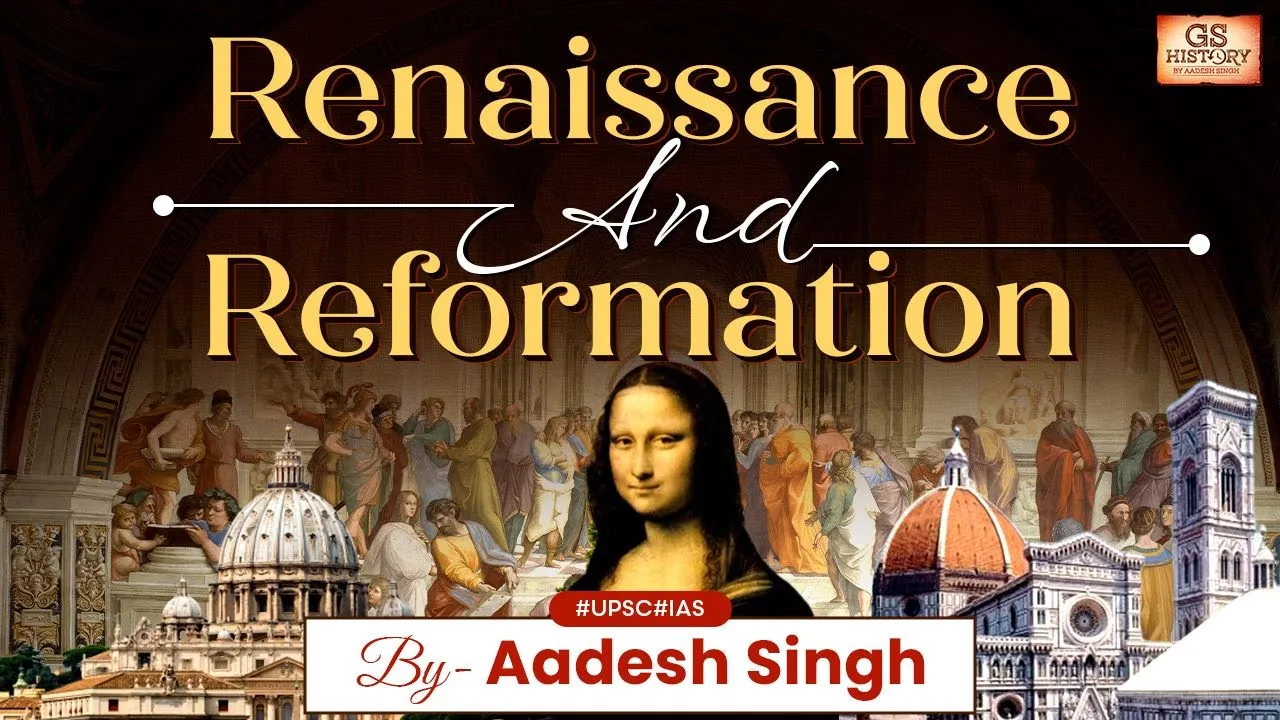
The Italian Renaissance (late 14th to late 16th century) centered on humanism and classical ideals, with artists like Raphael, Michelangelo, and Leonardo da Vinci creating works emphasizing human potential and individuality, while the Northern Renaissance (across Western Europe including Germany, France, Low Countries, and Poland) focused more on religious themes due to the Protestant Reformation, with artists like Hans Holbein and Albrecht Dürer utilizing printmaking and depicting peasant life alongside religious subjects; additionally, the Italian Renaissance favored sculpture and oil painting, whereas the Northern Renaissance embraced printmaking technology and genre paintings of everyday scenes.
Italian vs Northern Renaissance Art: Key Differences
Added:Familiarity with the historical context of the Late Middle Ages in Europe and the concept of a cultural 'rebirth'.
Understanding the core philosophy of Humanism and how it shifted the focus of art and education toward human experience and classical antiquity.
Basic knowledge of the geography and political structures of 15th-century Europe, particularly the distinction between Italian city-states and Northern European territories like Flanders.
Awareness of fundamental artistic mediums of the era, such as fresco, tempera, and the emergence of oil paint.
In-depth analysis of specific master artists from both regions, such as Michelangelo and Da Vinci (Italy) versus Van Eyck and Dürer (North).
Exploration of how the Protestant Reformation and the Catholic Counter-Reformation structurally altered art production and patronage in Northern and Southern Europe.
Study of Mannerism and the Baroque period as the logical stylistic successions to the High Renaissance.
Investigation of the history of printmaking, woodcuts, and engraving, which played a pivotal role in spreading Northern artistic innovations.
17.3K views258likes6:54Original Release: 2021-05-30
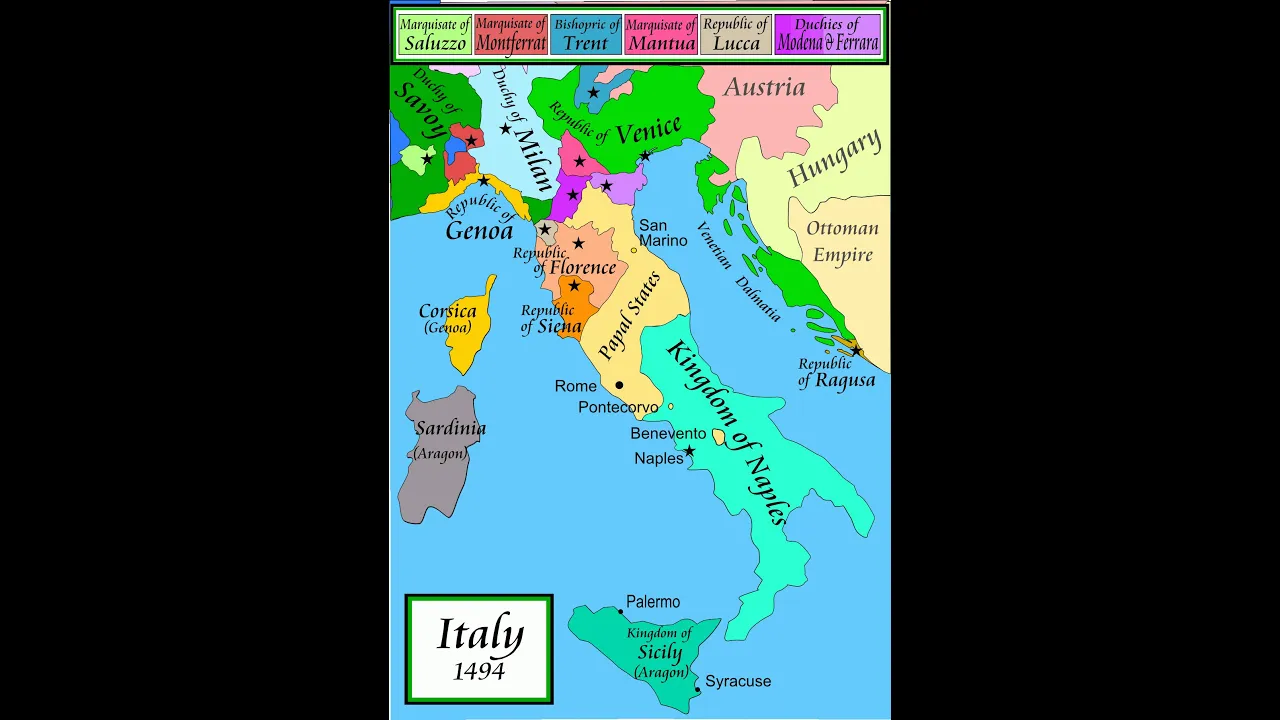
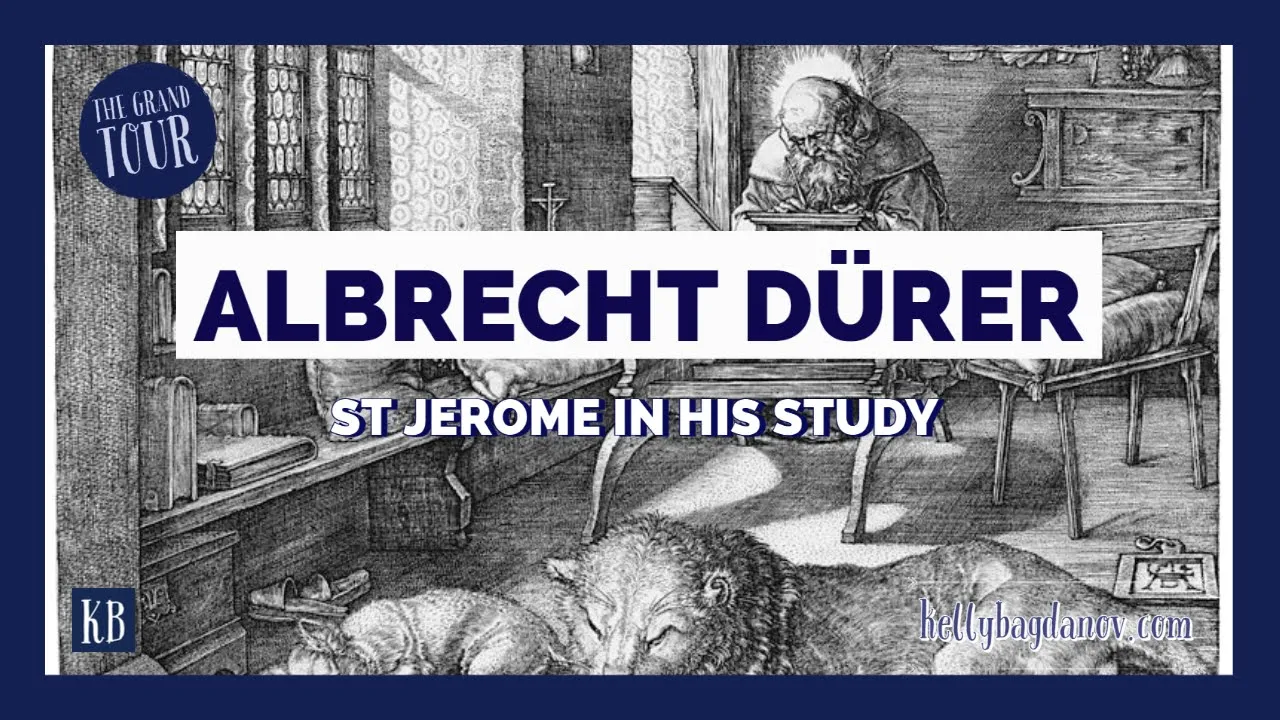
welcome back to the accessible art history youtube channel for this week's video i have another addition to my differences series and i'm going to be discussing the northern and italian renaissances oftentimes in art history the italian renaissance gets much of the attention however the northern renaissance is equally as fascinating both periods show the human desire to create and understand the world around them one isn't better than the other so to learn more keep on watching before we get into the differences themselves i think it's important to understand the historical backgrounds of each of these periods let's start with the italian renaissance dating from roughly the end of the 14th century through the end of the 16th word renaissance comes from the italian word renaissamento it means a rebirth this primarily refers to the rediscovery of greek and roman classical culture a dramatic shift from the previous medieval period the italian renaissance started in florence at the time it was the third largest city in western europe the economy of the city state was prosperous due to trade particularly of wool this made it the perfect setting for a rebirth to occur beside the return to classical ideals the renaissance is also murked by advances in science and technology through the biggest names of the period were raphael michelangelo and leonardo da vinci next up we have the northern renaissance as the name suggests this rebirth took place across western europe in german french english low countries and polish controlled territories trade and commerce brought the ideas from the italian peninsula where they gave him a northern spin it was more forgiving than tempera which allowed artists more freedom to experiment with color and textures in their paintings it's hard to pin down exact styles from this period because each culture added its own elements the main themes include portraiture scenes from everyday life and religion some of the most famous names from this period include hans holbein albrecht's door and peter boigel the elder alright now that we've established a historical background let's dive into the first major difference between these two styles the difference has to do with the most common theme in art during the italian renaissance we see a focus on humanism and the classics humanism is a school of thought that emphasized the potential of humanity individuality and inquiry developed of the rediscovery of classical philosophies that made their way to the italian peninsula one brilliant example of this is raphael school of athens painted between 1509 and 11 it shows a gathering of the greatest thinkers in human history composition is balanced making it a pleasing piece of the eye it's a celebration of what humanity is and what it was capable of however in the north there's more of an emphasis on religion this is because the north was the center of the protestant reformation by the time of the renaissance the population has grown tired of the continued corruption of the catholic church things were officially kicked off by martin luther in 1517 when he nailed his 95 thesis to the door of a church and the landscape of the western church was forever changed by this the goal was to get back to basics without the trappings and the quote man-made elements of the church an example of how this is permeated art is noli mitan jere by hans holbein it was painted in 1526 and shows us the scene shortly after christ was resurrected he has appeared to bear magdalene but cautions her against touching him but unlike earlier works christ and mary are barely marked as holy figures christ has a slight halo and mary has her iconographic jar but other than that it's a simple scene that gets down to the roots of the story another difference between the italian and northern renaissances is in medium of course both styles utilize painting but there are other ones in italy sculpture became increasingly popular as archaeological digs occurred especially in rome rediscovery of the classical canon changed perspective of art and the human form one excellent example of this is david by michelangelo although it tells the story of the biblical king during his battle with goliath the statue is clearly classically inspired from his contempos opposed to the heroic nude style and even to the marble medium this statue could have been made in ancient rome peace is quite beloved even from its unveiling in fact giorgio vasari the father of art history wrote when all was finished it cannot be denied that this work has carried off of the palm from all other statues modern or agent greek or latin no other artwork is equal to it in any respect with such just proportion beauty and excellence did michelangelo finish it in the north print making became a popular medium the advent of the printing press by johannes gutenberg in 1453 prints were easily accessible forms of art engravings and woodcuts could be easily distributed across territories this also helped fuel the reformation as texts such as the vernacular bible could be printed and read by the lay people for the first time i love this connection because it shows how art permeates everything one of the masters of print work was albert door this work is one of his most famous the knight death and the devil was created in 1513 and has a deep moral and spiritual meaning the good and just knight must face many hardships on his journey through life his kinds of messages were popular as prince because it helped to reinforce religious and artistic ideals to the general population the final difference of this video is about the common subject shown in works again there is some overlap but we see the differences more often than not the italian renaissance the noble class were typically the only class that could afford to have their likenesses painted it was used as a status symbol because only the wealthy could afford it for example leonardo da vinci painted this portrait of geneva de benshi around 1475 shows a beautiful young woman making eye contact with the viewer it's highly realistic especially compared to portraiture from the medieval period and cheeky as ever leonardo included a pun on her name behind her is a juniper bush which in italian is jonerva however in the northern renaissance we see more of an emphasis on depictions of peasant life these weren't necessarily commissioned portraits but instead precursors to later genre paintings it was all about showing the pleasures of a simple life but also a way to incorporate moral lessons one example of this is the peasant wedding by peter bruegel the elder was painted in 1567 and shows exactly what the title would suggest it's a jolly chaotic scene that celebrates one of the greatest elements of life love however there's also a moral element if you look closely it's almost impossible to distinguish who the groom is the bride is clearly marked under the green canopy but she's alone this could be a nod to the flemish proverb it is a poor man who is not able to be at his own wedding although these renaissances were separated by many many miles both the italian and northern renaissances are remarkable parts of our history they show us a new way of thinking about what art could be and how humans understand the world around them these periods also highlight the desires that we have to create beauty as a form of expression [Music] you
Up Next

13:29
Erwin Panofsky: Art Historian & Iconology Pioneer
@jeffreygrubbs2719
408 views•2024-12-13

114:18
Christian Iconography: History, Theology, and Meaning | Fr. Panayiotis Papageorgiou
@Trisagionfilms
58.8K views•2020-02-21

8:02
Romanesque vs. Gothic: Key Differences in Medieval Architecture
@AccessibleArtHistory
49.1K views•2022-09-11

16:34
Earliest Depictions of Jesus in Art: 10 Ancient Images Explained
@UsefulCharts
5.9M views•2022-06-03
Related Study Plans & Knowledge Roadmaps
Structured learning paths in Art History
art-history
Gothic Cathedrals: Engineering, Light & Society
01The Birth of the Gothic: Romanesque to Suger's Vision
02The Structural Triad: Pointed Arches, Ribbed Vaults, and Flying Buttresses
03Theology of Light: Lux Nova and Sacred Geometry
+ 2 more learning modules
14h5 modules
Explore Roadmap
art-history
Pre-Raphaelites: Realism, Symbolism & Critique
01The Victorian Art Establishment and Academic Formula
02The Founding of the PRB and Radical Realism
03Medieval Revivalism and Literary Symbolism
+ 1 more learning modules
8h4 modules
Explore Roadmap
art-history
Street Art: From Subways to Art Market
01Subcultural Origins in Philadelphia and New York (1970s)
02The Subway Era and Style Wars (Late 1970s - 1980s)
03The East Village Scene and Early Gallery Crossover
+ 2 more learning modules
10h5 modules
Explore Roadmap
art-history
Classic Maya Art: Iconography, Glyphs & Ritual
01Foundations of Classic Maya Visual Culture
02Deciphering Maya Hieroglyphs & Text-Image Integration
03Sacred Geography and Cosmological Architecture
+ 2 more learning modules
14h5 modules
Explore Roadmap