





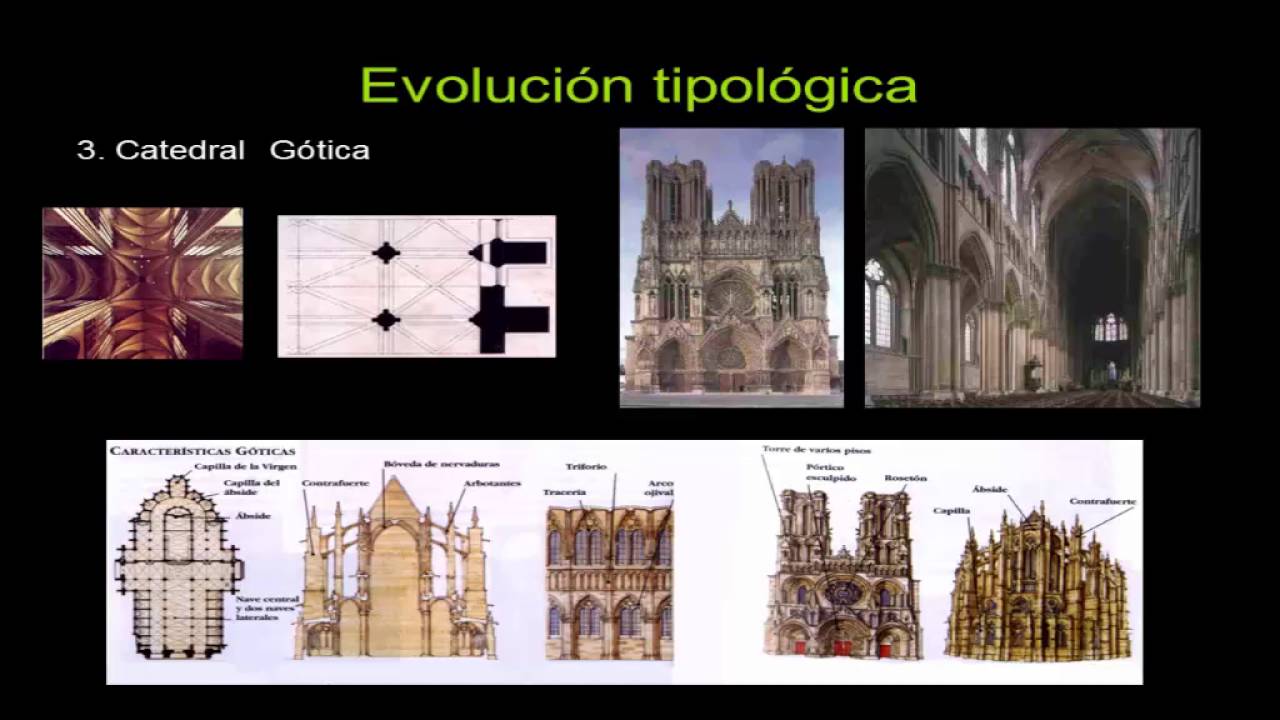
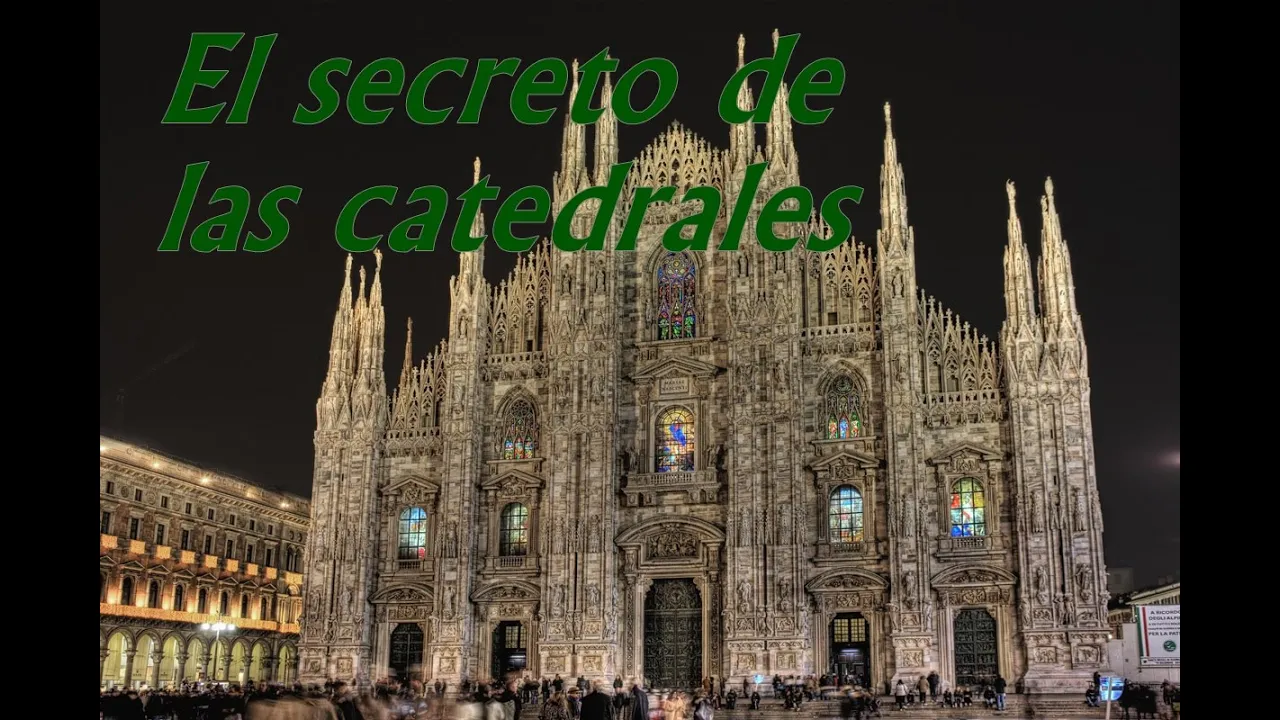


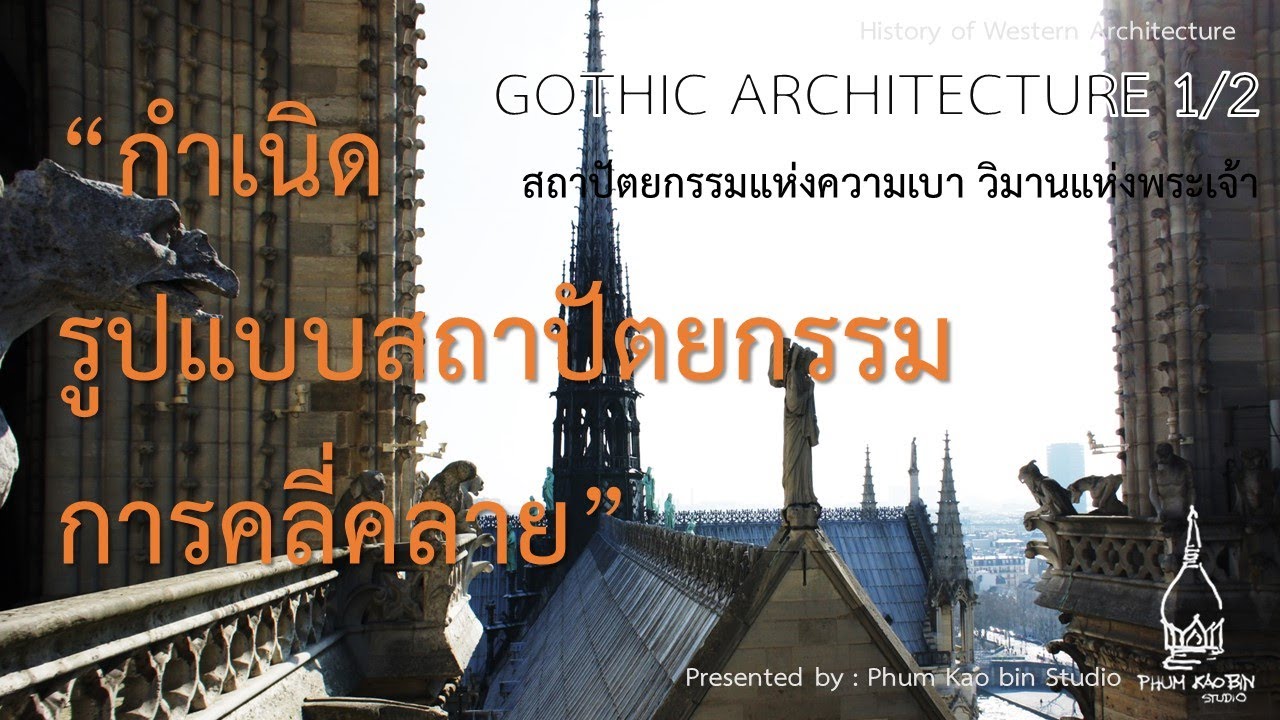
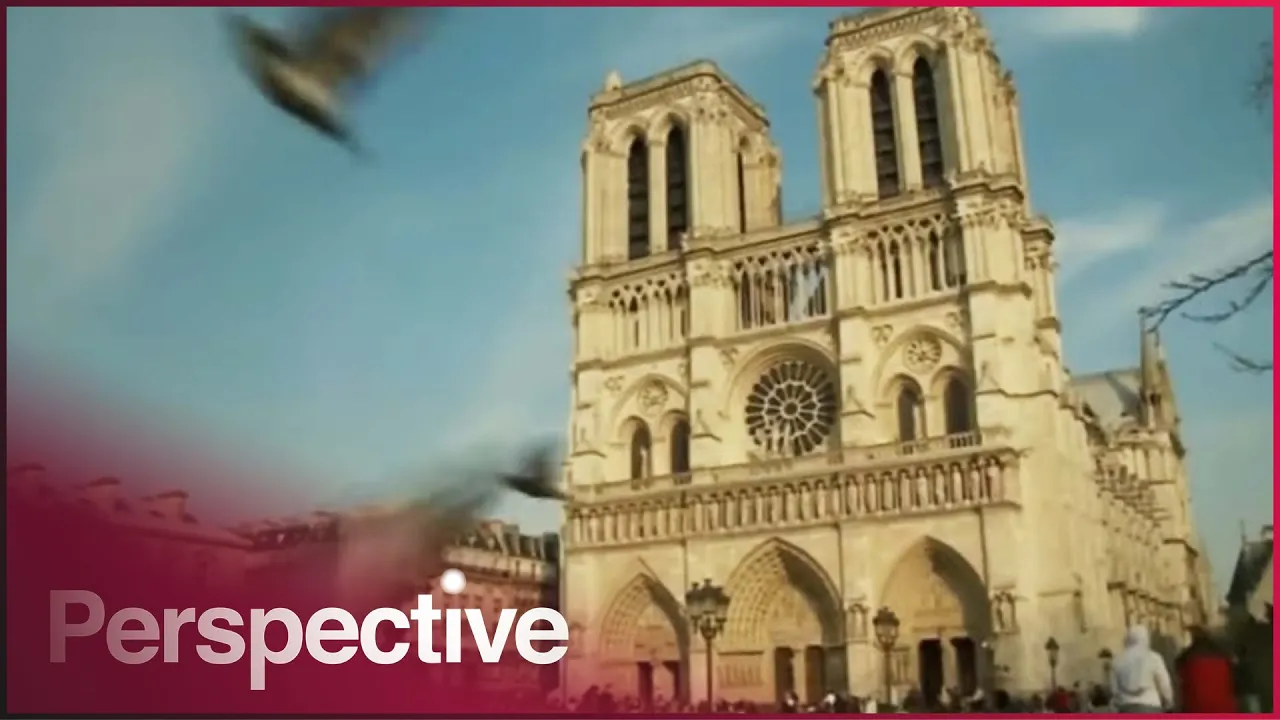








Romanesque and Gothic architecture represent two distinct medieval styles that emerged in Western Europe; Romanesque architecture (5th-12th century) is characterized by heavy, geometric, rounded forms with thick walls, small rounded windows, and minimal decoration, while Gothic architecture (12th-16th century) evolved from Romanesque with pointed arches, flying buttresses, and elaborate stained glass windows that created lighter, more vertical spaces filled with intricate sculptural decoration.
Romanesque vs. Gothic: Key Differences in Medieval Architecture
Added:Understanding of basic architectural terminology, such as vaulting (barrel and groin), piers, columns, and portals.
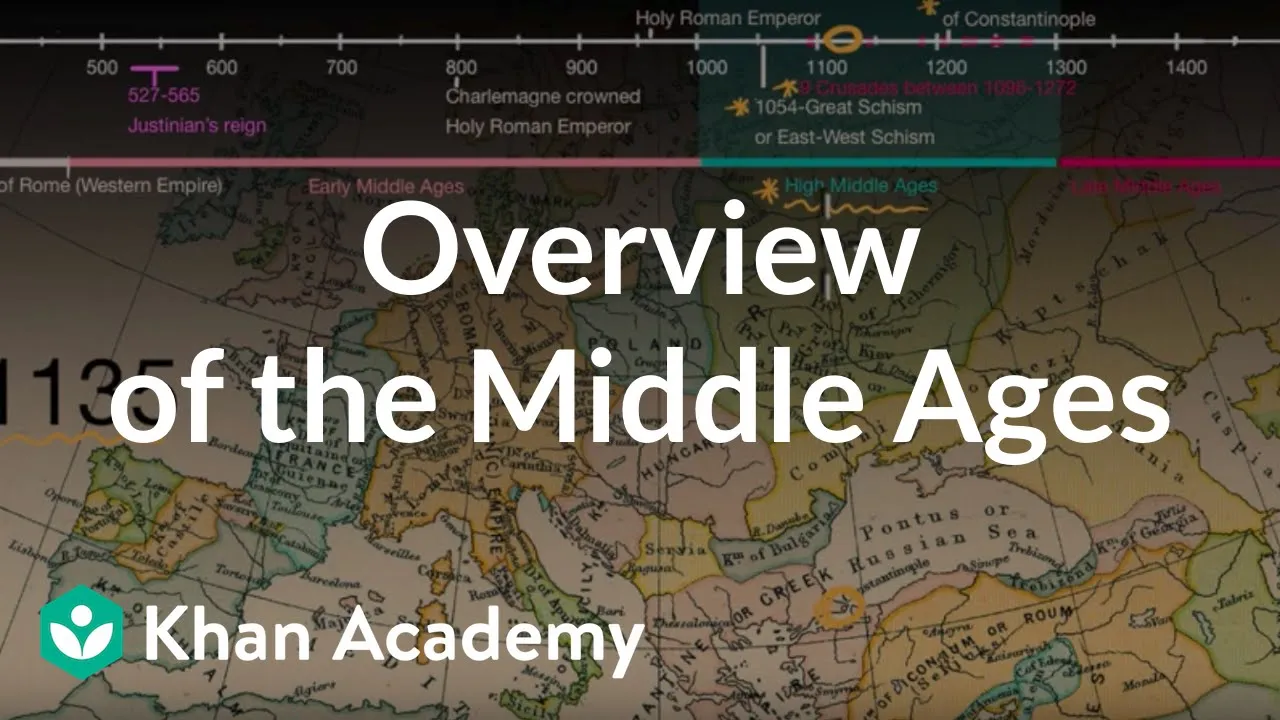
A general timeline of the European Middle Ages, specifically the transition from the Early Medieval period to the High Middle Ages.
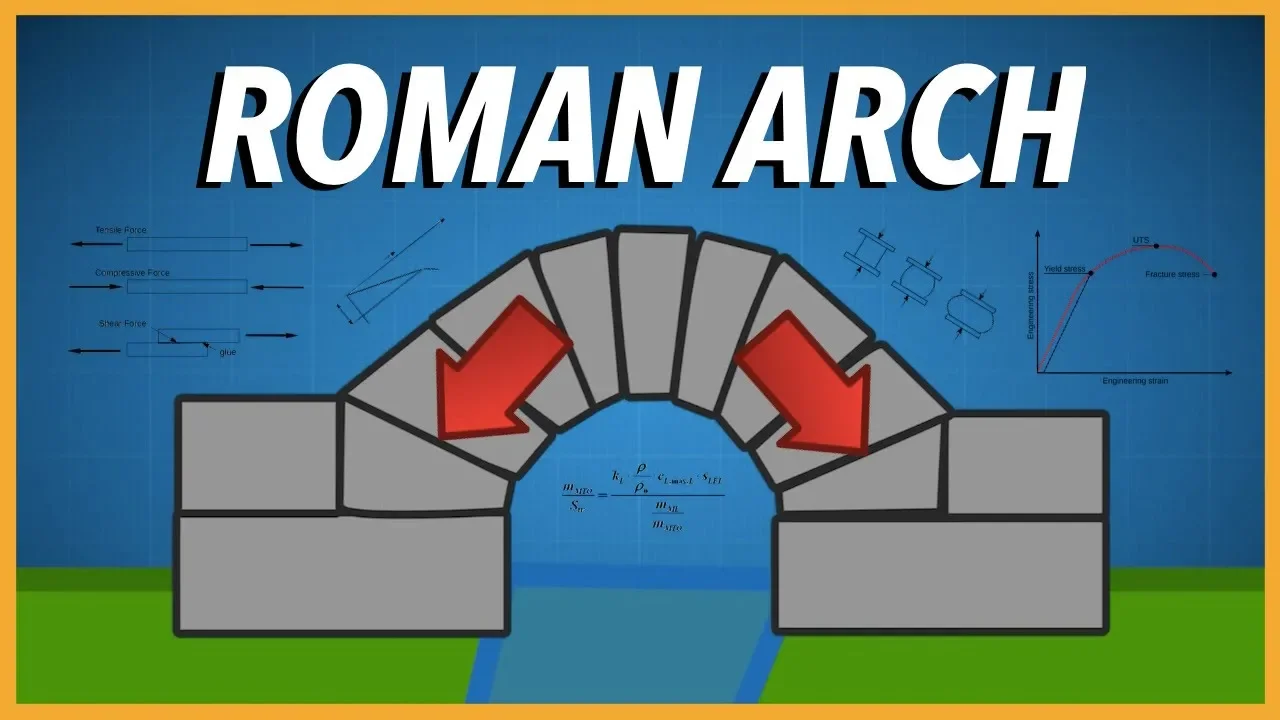
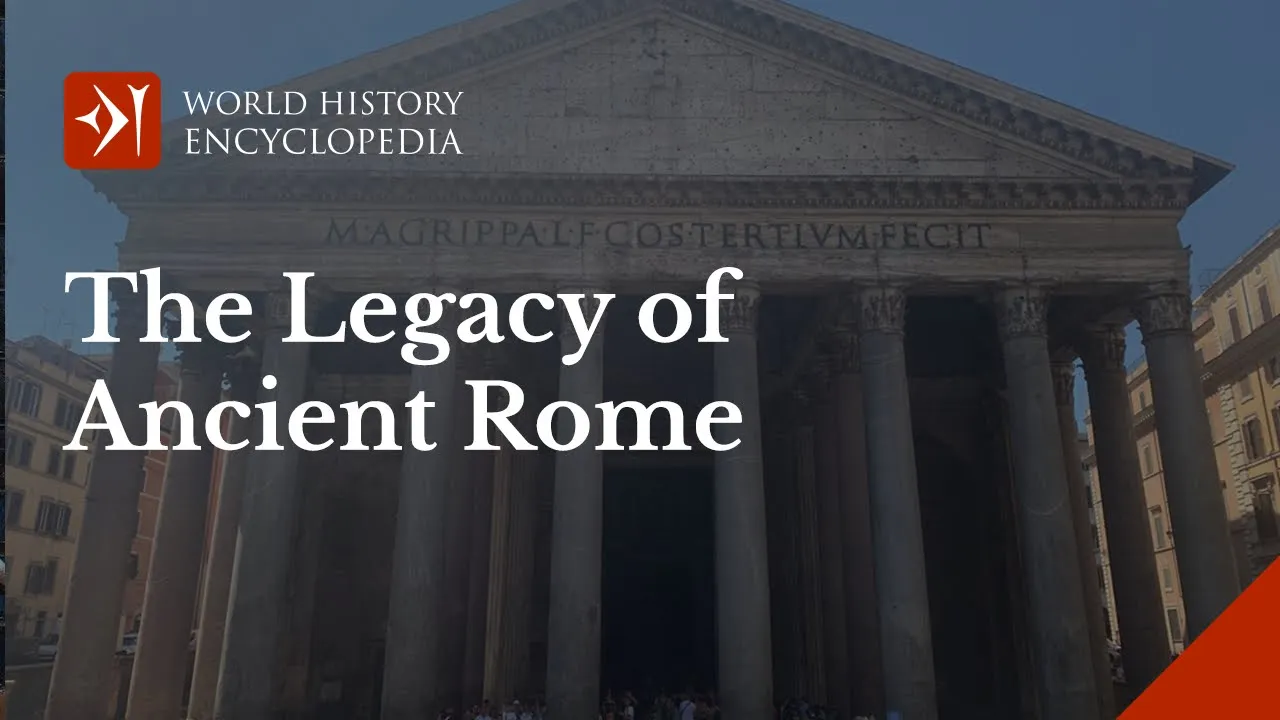
The historical influence of Roman engineering, particularly how Roman rounded arches and massive masonry construction inspired later builders.
The socio-religious role of the Christian Church in medieval European society, defining why cathedrals were the focal points of community life.
A deeper exploration of the structural engineering and physics behind flying buttresses and pointed arches.
Analysis of regional variations in Gothic architecture, comparing French, English, German, and Italian styles.
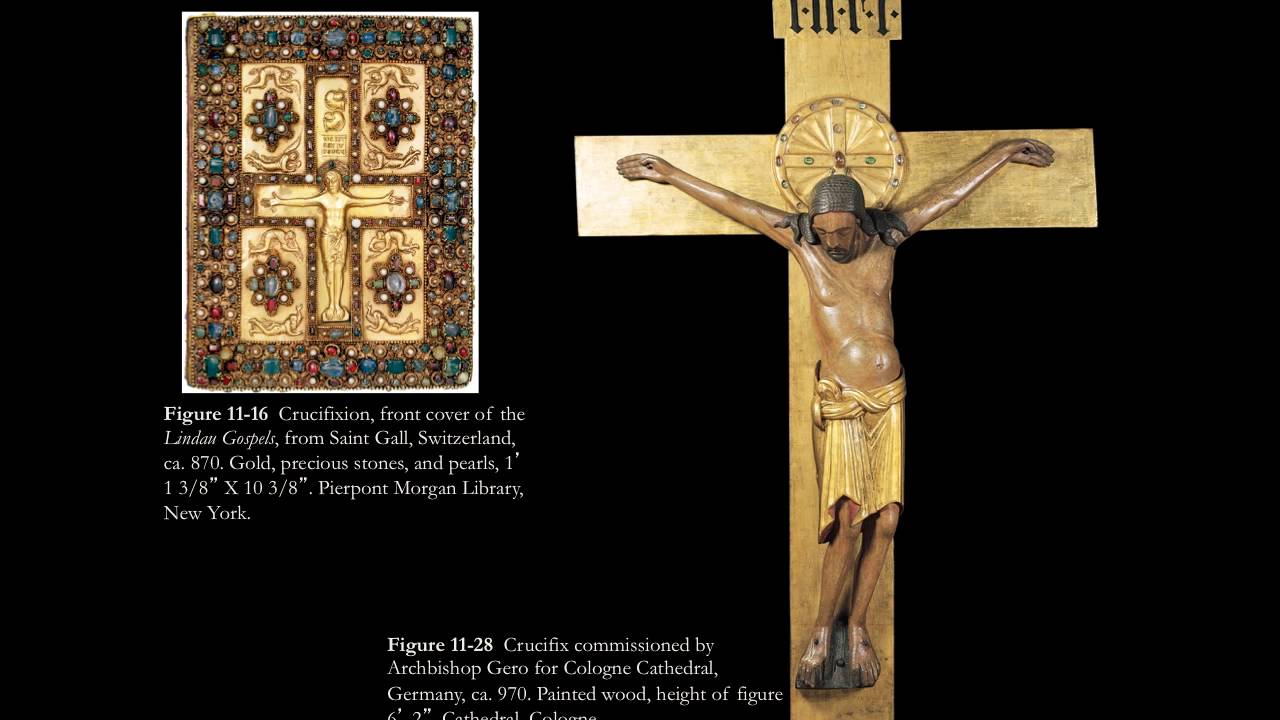
The iconographic and theological significance of medieval art, focusing on narrative stained glass and portal sculptures (such as the Last Judgment).
The architectural transition from Late Gothic to the Renaissance, which revived classical Greek and Roman symmetry and proportion.
The 19th-century Gothic Revival movement (Neogothic) and its impact on modern academic and civic architecture.
49.1K views1.1Klikes8:02Original Release: 2022-09-11
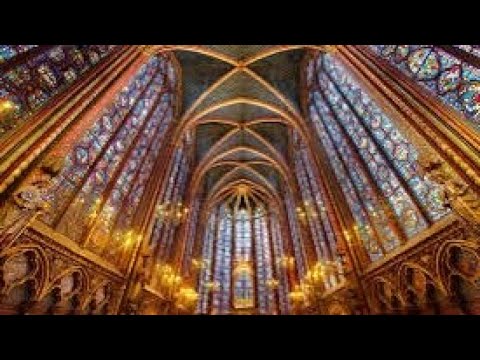
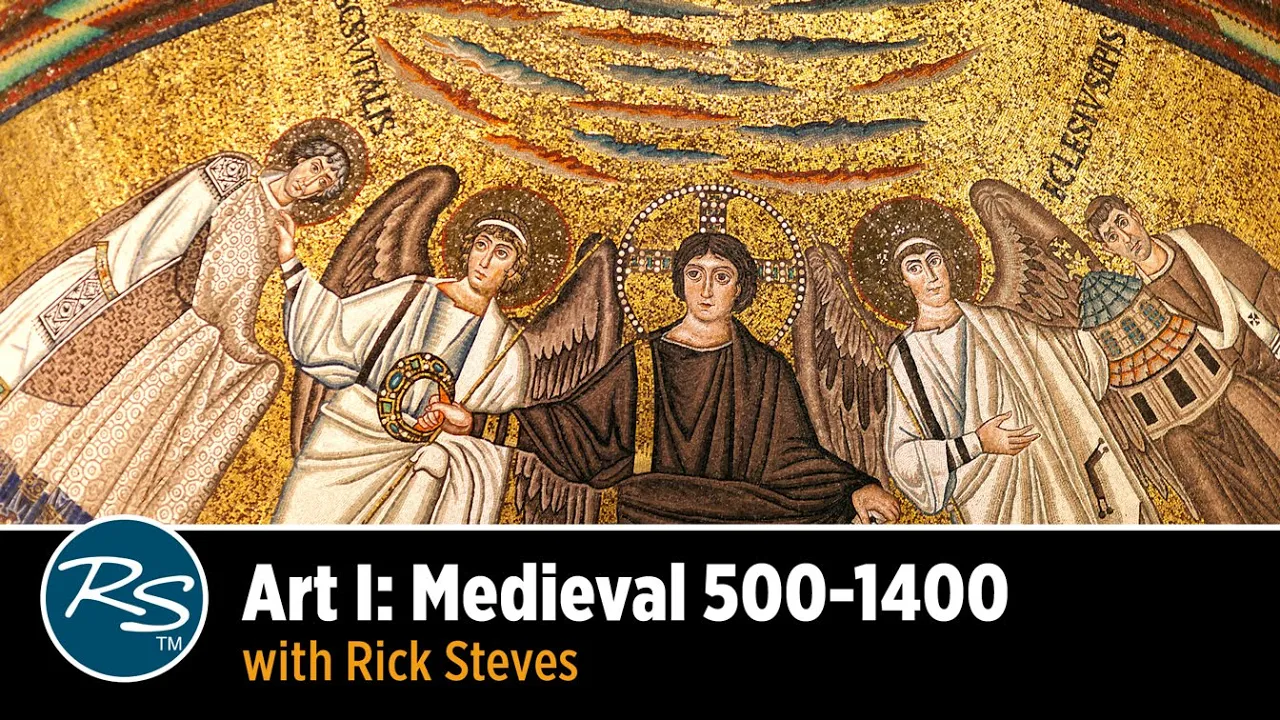
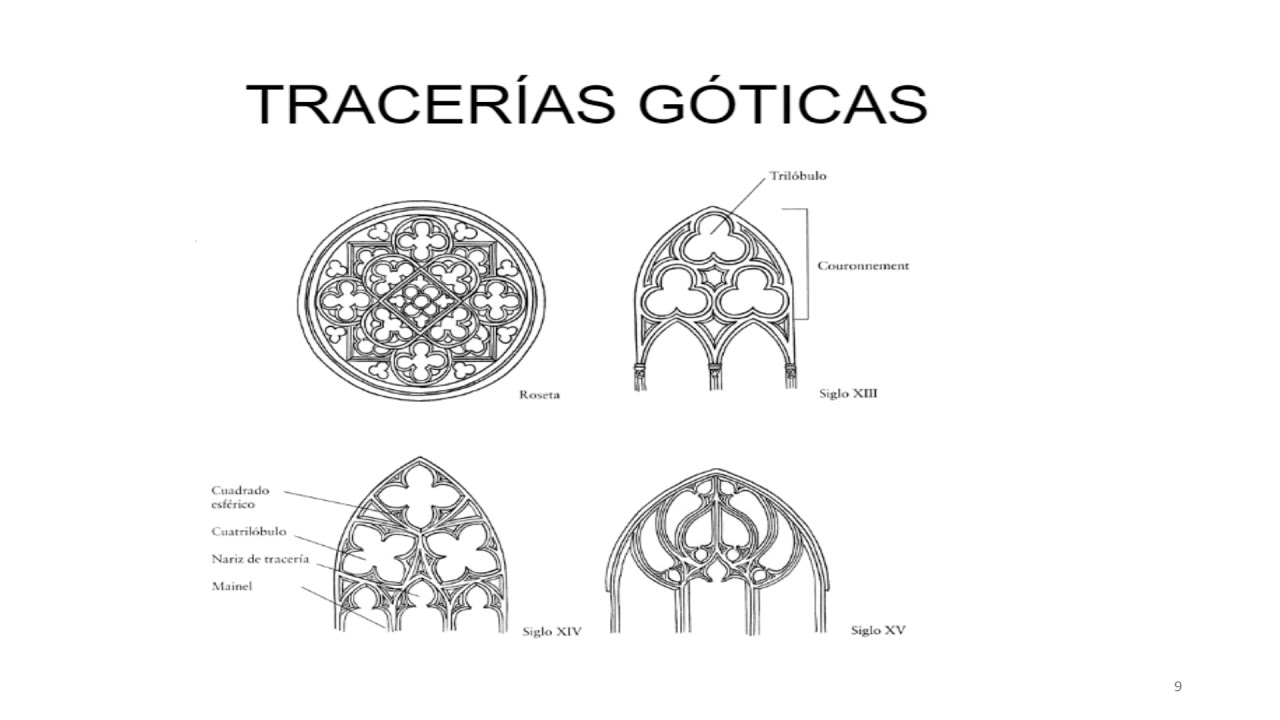
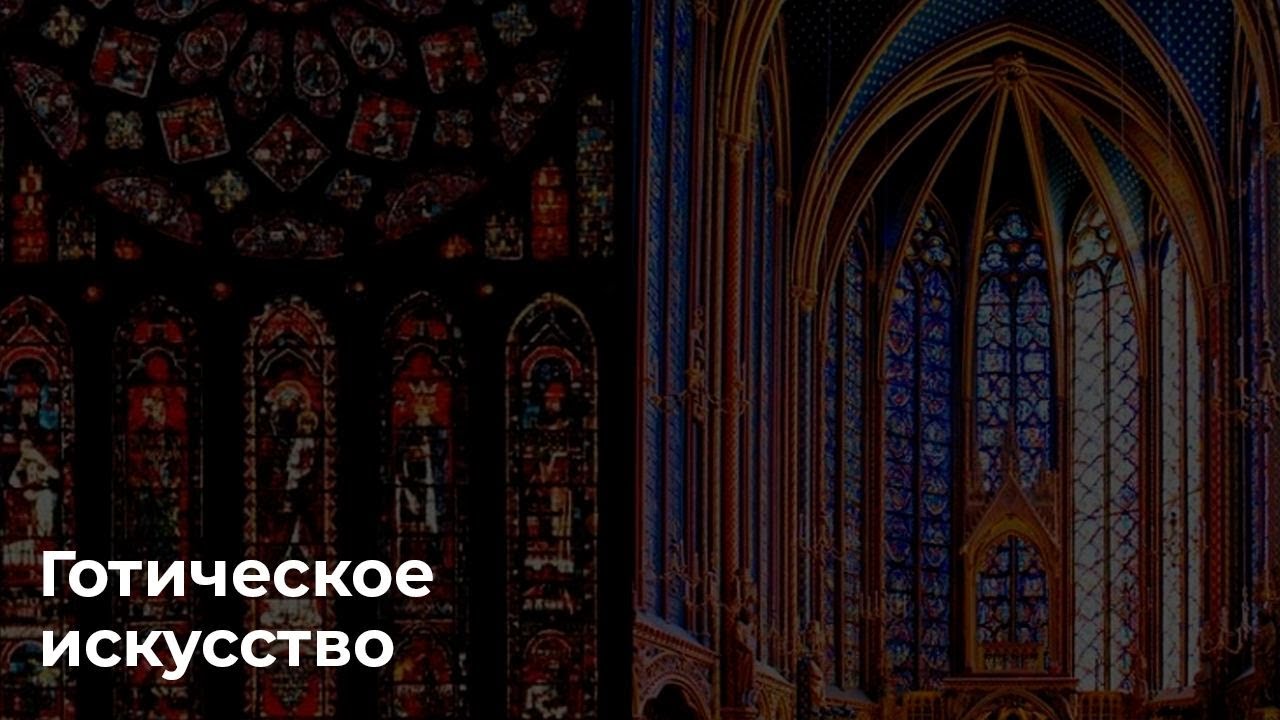
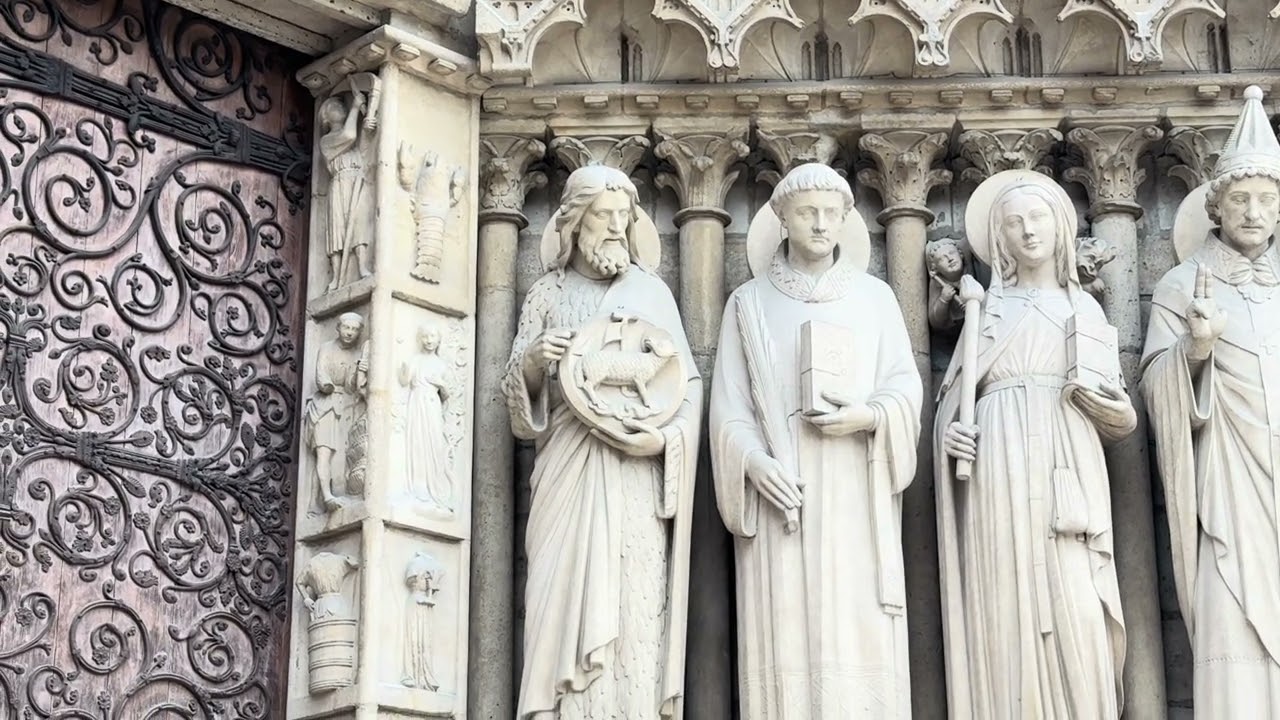
welcome back to the accessible art history youtube channel for this week's video i'm continuing my popular differences between series by focusing on romanesque and gothic architecture these two medieval styles shaped the period and gave us some of the most recognizable buildings in western european history so to learn more keep on watching before i dive into the differences i want to make sure i cover some important background information first let's take a look at the romanesque style based on designs made popular by roman architects this style started to sweep through western europe with the fall of the roman empire in the 5th century ce just because the governmental structure was gone didn't mean that the actual physical structures disappeared with it unfortunately however only some of the knowledge on how to build certain elements like vaulting large spaces and building large domes was lost along with the empire's power things really picked up with the ascension of charlemagne in the year 800 he wanted to live up to his title of holy roman emperor and help perpetuate the image that he was the continuation of a once mighty empire his architects took idea from constantine's new christian rome with its grand basilicas though it is important to note that their function was changed from secular meaning places to religious spaces they also took inspiration from the more rounded styles of the byzantine ravenna such as justinian's church of san vitale the romanesque style spread outwards from italy and germany throughout western europe in england it is known as the quote norman style because it arrived with william the conqueror on his quest to claim the throne as you'll see in this video romanesque architecture is geometric heavy and stark it should be an interesting exploration all right now that we covered romanesque let's tackle gothic it evolved from romanesque architecture as builders started to experiment with ways to make the walls of the space higher and lighter in weight originating in france it wasn't actually known as gothic architecture when it was first used in fact it was called the quote french style the term gothic was used as a near insult by giorgio vasare the rome the renaissance artist and art historian he saw it as a lesser style and used the term gothic to allude to the quote barbarous germans the most common feature throughout gothic architecture is its use of the pointed arch as you will see throughout this video it was quite the dramatic shift from the romanesque this time period which ranged roughly from the 12th century to the 16th century is also going to see the development and use of elaborate stained glass windows in fact these windows have become synonymous with the period and style alright now that we have the background information out of the way let's take a look at our first difference this one is definitely the most noticeable when comparing romanesque and gothic buildings first let's take a look at the church of santa maria in cosmoden in rome we look at the interior we see the large sections of walls that remain unbroken in the center they are supported by recycled roman columns and light attempts to flow in through small rounded windows this gives the interior a heavy almost oppressive feel now let's compare this with the church of the basilica of santani in paris this is considered one of the first gothic cathedrals in the world compared with santa maria and cosmetic it's absolutely illuminated instead of swaths of blank walls the space is filled with multiple levels of beautiful stained glass windows this innovation quite literally makes the space look lighter both in terms of brightness and the appearance of the space itself so in conclusion when you think of romanesque think of heavier architecture when you think of gothic think of lighter the next difference i want to highlight between romanesque and gothic styles is their use of shape within the architecture let's take a look at charlemagne's palatine chapel consecrated in 805 it served as the coronation space for the holy roman emperors for the next 700 years to give it an air of legitimacy charlemagne had it based on roman and byzantine architecture it has a rounded appearance from 16-sided room and an octagonal dome this is quite similar to but not an exact copy of the basilica of sanvitale in ravenna charlemagne and his architect odo of mens were clearly trying to make a connection to the imperial past of western europe however as the centuries moved forward architects started to experiment with new shapes and styles instead of hearkening back to the past they wanted to enter a quote futuristic era shark's cathedral is a great example of this instead of the round shapes of the romanesque period this cathedral is rather pointy the arches and the windows all come to sharp points at the top pushing the space up the vaulting on top of the space also crisscrosses making a point in the center as well the final difference of this video has to do with the decoration of the buildings of these areas in the romanesque style decoration wasn't really a top priority of course there were some especially to reflect biblical stories and figures this was mostly on exterior doors in order to confront or inspire the faithful as they entered the space but otherwise these spaces were definitely on the plane side a great example of this is the abbey church of saint fois located in france this abbey has long stood as a pilgrimage site and a stop for pilgrims traveling on the road to santiago de compostela in general the church is quite austere there's little sculptural decoration on the outside except for the tip of malama above the main door the exterior walls are broken up visually with engaged columns this shows us the focus was on worship and contemplation and not visual stimulation now let's compare this to the almost over stimulation of the gothic period one great example of this is the wrong cathedral in france it's famous because it has three towers because the cathedral took so long to complete each tower is from a different design period the oldest one dates from the early gothic period and the younger was built much later during the late gothic also known as flamboyant period looking closely at the building it's absolutely covered in sculptural details the tipinum is richly appointed the columns have engaged portraits sculptures of saints and other holy figures and there are design elements placed in every nook and cranny these things were meant to inspire the faithful as they entered the space but it calls so be to intimidate knowing that these holy figures were watching down on them as they entered the hallowed grounds would have been quite nerve-wracking while studying these two distinct architectural styles it's important to remember that one is not necessarily better than the other of course it's natural to have a favorite but they were each trying to accomplish different things with their buildings the romanesque was trying to emulate the great empire of the past while the gothic attempted to lighten the load to bring glory to god i hope you enjoy this video and it's given you some visual tricks and tips to find the differences between these two magnificent styles [Music] so [Music] you
Up Next

72:55
Gothic Architecture Explained: History and Key Innovations
@arthistorywithtravisleecla6343
26.8K views•2020-06-15

114:18
Christian Iconography: History, Theology, and Meaning | Fr. Panayiotis Papageorgiou
@Trisagionfilms
58.8K views•2020-02-21

6:54
Italian vs Northern Renaissance Art: Key Differences
@AccessibleArtHistory
17.3K views•2021-05-30

16:34
Earliest Depictions of Jesus in Art: 10 Ancient Images Explained
@UsefulCharts
5.9M views•2022-06-03
Related Study Plans & Knowledge Roadmaps
Structured learning paths in Art History
art-history
Gothic Cathedrals: Engineering, Light & Society
01The Birth of the Gothic: Romanesque to Suger's Vision
02The Structural Triad: Pointed Arches, Ribbed Vaults, and Flying Buttresses
03Theology of Light: Lux Nova and Sacred Geometry
+ 2 more learning modules
14h5 modules
Explore Roadmap
art-history
Pre-Raphaelites: Realism, Symbolism & Critique
01The Victorian Art Establishment and Academic Formula
02The Founding of the PRB and Radical Realism
03Medieval Revivalism and Literary Symbolism
+ 1 more learning modules
8h4 modules
Explore Roadmap
art-history
Street Art: From Subways to Art Market
01Subcultural Origins in Philadelphia and New York (1970s)
02The Subway Era and Style Wars (Late 1970s - 1980s)
03The East Village Scene and Early Gallery Crossover
+ 2 more learning modules
10h5 modules
Explore Roadmap
art-history
Classic Maya Art: Iconography, Glyphs & Ritual
01Foundations of Classic Maya Visual Culture
02Deciphering Maya Hieroglyphs & Text-Image Integration
03Sacred Geography and Cosmological Architecture
+ 2 more learning modules
14h5 modules
Explore Roadmap