Claude Monet's house and garden in Giverny, France, represents a profound artistic sanctuary where the artist found inspiration through his deep appreciation for color, vibrancy, and Japanese art influences; the garden, featuring iconic water lilies and carefully cultivated flower beds, remains breathtakingly beautiful even in late September when dahlias are in full bloom and nasturtiums spread across the paths, making it an essential destination for art enthusiasts and nature lovers seeking to experience the serene beauty that inspired one of history's most influential impressionist painters.
Claude Monet's Giverny House and Garden: A Full Tour
Added:Deep Dive
Fundamentals of the Impressionist Movement, including its departure from traditional academic painting and emphasis on capturing fleeting light.

Импрессионизм. Начало / Мане, Моне, Дега, Ренуар, Кайботт, Писсарро
16.7K
Impressionism's primary goal was to capture the fleeting, transient moment. The world around artists was constantly changing—light, color, and atmosphere shifted rapidly. Impressionists discovered that shadows and light have additional colors beyond the traditional light-dark gradient. Traditional art education taught creating gradients from dark to light using white and gray, but Impressionists found that shadows reflect colors from surrounding objects. Traditional academic paintings required months or even years to complete, with artists making numerous changes and refinements in the studio. Impressionist paintings were created quickly, almost instantaneously, as plein air works.
Click to watch →

具体大学vol3(約145分)『印象派〜20世紀美術』
1.6K
The Impressionist movement emerged in the late 19th century as a reaction against the traditional academic art system. Artists like Monet, Renoir, Pissarro, and Sisley began painting en plein air (outdoors), using visible brushstrokes, and capturing the fleeting effects of light and color. Unlike traditional academic painting that sought to create idealized, finished works, Impressionist artists aimed to record their immediate visual impressions of a scene. This approach prioritized the artist's subjective experience over objective representation, fundamentally challenging the established artistic conventions of the time.
Click to watch →

Impresionismo: El Movimiento Artístico que Enseñó a la Luz a Pintar | Explicado Fácil
108
Impressionism was a revolutionary art movement that emerged in 19th-century Paris, challenging the academic tradition of polished, idealized paintings by instead capturing fleeting moments of light, color, and modern life through rapid brushstrokes and visible technique; the movement, initially mocked as unfinished and vulgar, fundamentally changed how artists understood perception, demonstrating that reality is not static but constantly changing, and ultimately paved the way for modern art by prioritizing visual experience over technical perfection.
Click to watch →

Clase 19 (Parte 1): Impresionismo
32.1K
Impressionist painting broke with Academicism and established foundations for the next generation of artists. The central objective was capturing light as a changing and dynamic element and its effect on the appearance of things. Influenced by advances in physical sciences and research on luminous phenomena, most painters worked outdoors (en plein air), setting up their easels in nature and leaving the studios where they had previously been confined. They did not waste time on drawing because light conditions changed rapidly. Instead, they painted directly with color patches, using quick brushstrokes loaded with paint that suggested more than they represented. The idea was to give prominence to light and color. The palette was powerful and colorful, with landscape, popular scenes, urban life, and nighttime scenes as dominant themes, but especially dynamic and fleeting motifs like water, vapor, clouds, and sunsets.
Click to watch →

impresionismo y posimpresionismo
20.9K
Impressionism emerged as a revolutionary art movement characterized by two key features: cleaner, more luminous colors and blurred contours sacrificed for immediate visual effects. The term 'Impressionism' was coined ironically by a critic, referring to fleeting moments that photography had captured with unprecedented clarity. Unlike academic painting, which relied on soft light-to-shadow gradations for volume, Impressionists observed that outdoor sunlight produces large patches of flat, contrasting colors. They rejected the conventional method of illuminating objects, which only made sense under artificial light. Impressionists like Monet, Renoir, and Pissarro embraced challenges such as capturing light effects lasting mere minutes or poses of models in motion, even at the expense of drawing precision. They expanded painting themes beyond traditional subjects, allowing anything from vases to train stations to become central themes, provided there was no excess rhetoric. Their compositions adopted fragmented perspectives inspired by photographic framing, representing the first time painting dared to present a fragmented view of reality.
Click to watch →
Deep Dive
The concept of 'en plein air' (painting outdoors) and how it revolutionized the techniques of late 19th-century French landscape artists.

Os impressionistas BBC Legendado - Parte 1
35K
The Impressionists saw themselves as painting the modern world rather than ancient Rome, Greece, or Mount Olympia. When they looked at Manet's work, they saw the very thing they had been moving toward—Paris itself. They believed nature was an end in itself, not a means to an end, and that style mattered more than strict adherence to reality. The revolution of painting en plein air was revolutionary because no one had ever started and completed a painting outdoors before. They demonstrated that there is color in shadow by painting light falling through leaves onto the forest floor, challenging traditional artistic conventions about light and shadow. The Impressionists painted real people and real things, not mythological figures, which challenged the Salon's preference for mythology. When Olympia was exhibited, people attacked it with umbrellas and drove the artist out of the country because they had never seen anything like it—a prostitute staring at them so brazenly from the canvas. The Impressionists believed art is about real people and real things, not mythology or antiquity. They faced the challenge of getting their work accepted and sold, with one artist being congratulated for a painting at the Salon for the first time in his life.
Click to watch →
Monet y el Impresionismo · El Auriga del Arte
62.5K
For the first time in art history, Impressionist painters went outside to paint directly from nature (en plein air). Previously, artists would make sketches in their notebooks and then paint their works in their studios. Impressionists took their easels, palettes, brushes, and oil paints outdoors to paint directly from life. This practice was revolutionary because it allowed them to capture the changing effects of light and atmosphere that cannot be replicated in a studio setting.
Click to watch →
Art Forum: Anthea Callen
1.2K
The great era of French plein air landscape painting spanned the long 19th century, beginning with artists in Rome in the 1780s and closing in Paris with the advent of cubism. From 1817 onwards, plein air painting became widespread and highly visible. By the 1840s, when railways made travel easier, landscape painting had become the most popular genre in France, both at the Paris Salon and among dealers and collectors. This period saw the origins of what later became associated with Impressionism in the 1870s. The innovations in painting were generated through changes in practices related to truth to the self and new attention to relations between making and meaning. Labor in the work of art became a key factor for artists, critics, and collectors alike, with facture (the aesthetics of finish or unfinished work) being central to artistic debates and avant-garde practice. The new plein air painting enabled male painters to carve out an almost exclusively masculine territory, as the physical barriers to women's outdoor painting—including the need for chaperoning, the impracticality of the obligatory Italian sojourn, and the dangers of working outdoors in all weathers—effectively excluded women from this domain.
Click to watch →
Tom Keating On Painters - Beginnings of Impressionism
141.7K
The French Impressionists pioneered 'en plein air' (outdoor) painting, working directly in nature rather than in studios. This technique involved painting outdoors to capture the changing light and atmosphere. The painters would sit in groups of two or three, discussing their work at the end of the day while creating a new form of painting distinct from the Romantic School. They used canvas that could be rolled and carried, unrolled temporarily on sketching boards, and relied heavily on large sun shades to protect against harsh sunlight.
Click to watch →
Cours d'Histoires d'Art : le XIXe siècle (en intégralité)
208.2K
The Barbizon School emerged in mid-19th century France as artists rejected academic training to paint directly from nature. Jean-François Millet, Théodore Rousseau, and Camille Corot abandoned Paris to live in the village of Barbizon near the Forest of Fontainebleau. They pioneered plein air (outdoor) painting, though they still completed works in studios. This movement represented a fundamental departure from academic studio practices. The invention of paint in tubes by American artist John Goffe Rand around 1841 revolutionized outdoor painting by solving transportation problems. French manufacturer Pierre-Étienne Lefranc later improved the design with screw caps. This technological advancement enabled Impressionists to paint en plein air without returning to studios, fundamentally changing artistic practice.
Click to watch →
Deep Dive
A basic overview of Claude Monet's life, career, and his pivotal role as a founder of French Impressionist painting.

CLAUDE MONET: VIDA E OBRA
10.8K
Claude Monet (1840-1926) was a French painter who pioneered the Impressionist movement, facing significant opposition from his father who wanted him to join the family business; despite financial struggles, personal tragedies including his wife Camille's death, and eventually losing his sight to cataracts, Monet developed a revolutionary approach to painting that focused on capturing the transient effects of light and color, founding the Société Anonyme des Peintres, Sculpteurs et Graveurs in 1873 with fellow artists like Renoir and Sisley, and creating iconic series such as his Water Lilies and Rouen Cathedral paintings that profoundly influenced modern art.
Click to watch →
Claude Monet Paintings - Vol 4 of 5 - 4K Ultra HD Slideshow - Digital Video Gallery
20.3K
Claude Monet (1840-1926) was a French painter and founder of French Impressionist painting, known for pioneering the philosophy of expressing personal perceptions before nature through plein air landscape painting; the term 'Impressionism' derives from his 1874 painting 'Impression, soleil levant' (Impression, Sunrise), which was exhibited in the first independent exhibition organized by Monet and his associates as an alternative to the official Salon de Paris.
Click to watch →

Monet With Beethovens Symphony No. 7
184.7K
Claude Monet was a foundational figure in French Impressionism, known for capturing fleeting perceptions of light and nature through outdoor painting. Born in Paris in 1840, he moved to Le Havre as a child, where he began drawing caricatures and received his first formal art instruction from Jacques-François Ochard. At age 16, after his mother’s death, he lived with his aunt and met Eugène Boudin, who introduced him to en plein air oil painting. In Paris, he observed painters copying old masters at the Louvre but chose to paint directly from what he saw through windows. He met key Impressionists like Édouard Manet and later studied under Charles Gleyre, forming a close circle with Renoir, Bazille, and Sisley. Together, they developed techniques using broken color and rapid brushstrokes to depict light effects. Monet’s 1866 painting Camille, featuring his future wife, brought him early recognition. His work was central to the term “Impressionism,” derived from his painting Impression, Sunrise. He briefly served in the First Regiment of African Light Cavalry in Algeria but was discharged after contracting typhoid, following his aunt’s intervention to allow him to pursue art. In 1868, financial hardship led him to attempt suicide by entering the Seine.
Click to watch →
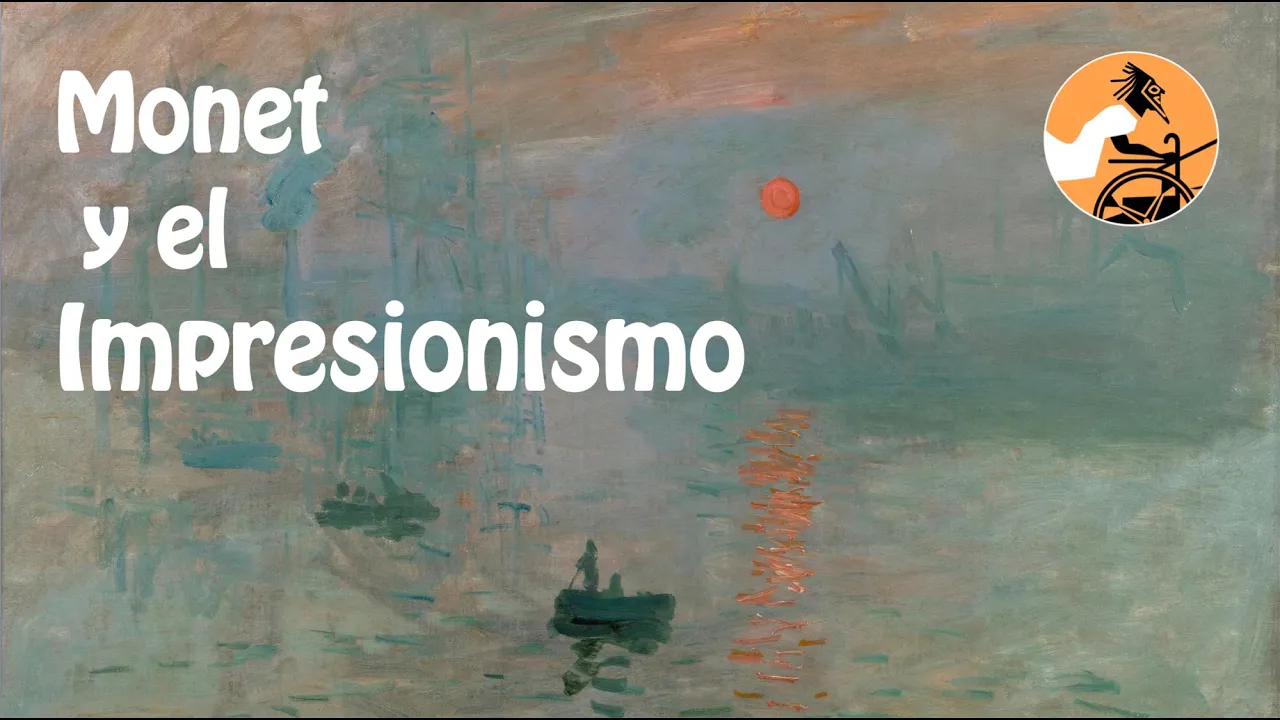
Monet y el Impresionismo · El Auriga del Arte
62.5K
Claude Monet (1840-1926) is considered the father of Impressionism. Born in Paris and dying in Giverny, Normandy, he was the most prolific and celebrated of all Impressionist painters. While Édouard Manet was somewhat the initiator of the group, Monet was the central figure who developed and defined the Impressionist style. His dedication to painting the same subjects repeatedly under different lighting conditions became a hallmark of the movement.
Click to watch →

Claude Monet: Inventing Impressionism
167.1K
Claude Monet (1840-1926) revolutionized art by breaking traditional rules to paint everyday scenes with light and color, co-founding Impressionism with friends Renoir, Basil, and Sicily; he created famous series paintings like haystacks and water lilies, transforming a meadow into a water garden at Giverny, and changed art history by painting impressions of nature rather than historical subjects.
Click to watch →
Deep Dive
An understanding of how artists use physical environments, such as gardens and natural habitats, as curated, living studios.

The Deci Lecture Series Presents: Artists' Houses and Their Stories with Dr. Wanda M. Corn
234
Five distinct artist environments demonstrate how physical spaces reveal creative processes invisible in paintings alone: (1) Grant Wood's Cedar Rapids studio shows how multi-disciplinary artists transform spaces with custom metalwork and multi-purpose furniture; (2) Frederick Church's Olana demonstrates the 'lived aesthetic' where spatial organization mirrors painting principles; (3) Winslow Homer's Prouts Neck studio reveals how complete isolation from public view enables intense creative focus; (4) Jackson Pollock's East Hampton studio demonstrates how physical constraints paradoxically enhance creativity; (5) Georgia O'Keeffe's Abiquiu home shows how artists create environments that mirror their artistic philosophies. Each case illustrates how standing in the actual space where groundbreaking work occurred provides insights impossible from viewing paintings alone.
Click to watch →
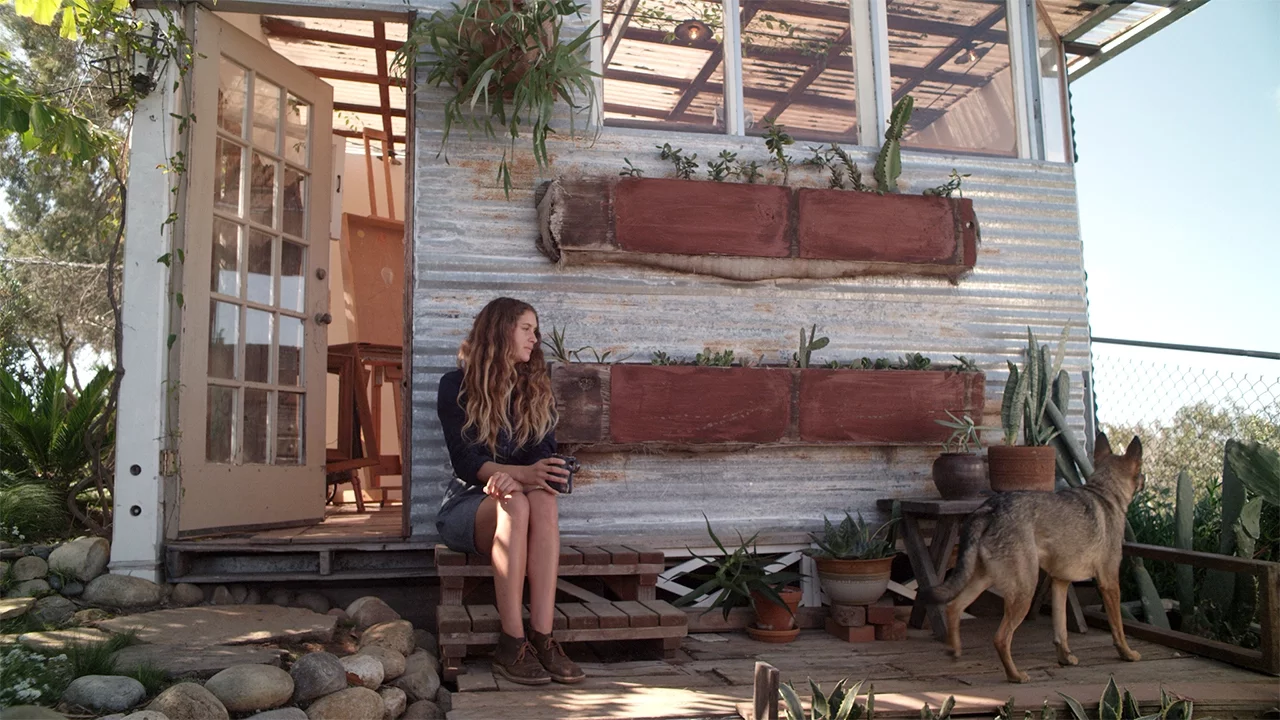
Garden Art Studio Shed in San Diego | Sanctuary | Zillow
382K
Passion in artistic practice means love and commitment, involving daily time and energy spent on the process rather than just the final product. The artist's surroundings significantly affect both her art and life, with a beautiful garden studio overlooking a canyon creating a comfortable, creative environment. Her studio, built as a low-budget project using pallets and steel studs with a window wall from construction jobs, became an extension of herself. The space integrates her native plants (stag horns, orange trees, lemon trees, prickly pear cactus) and found frames into her artwork. A sanctuary for an artist is a beautiful, inspiring place that enables daily creative practice and contributes to career success.
Click to watch →
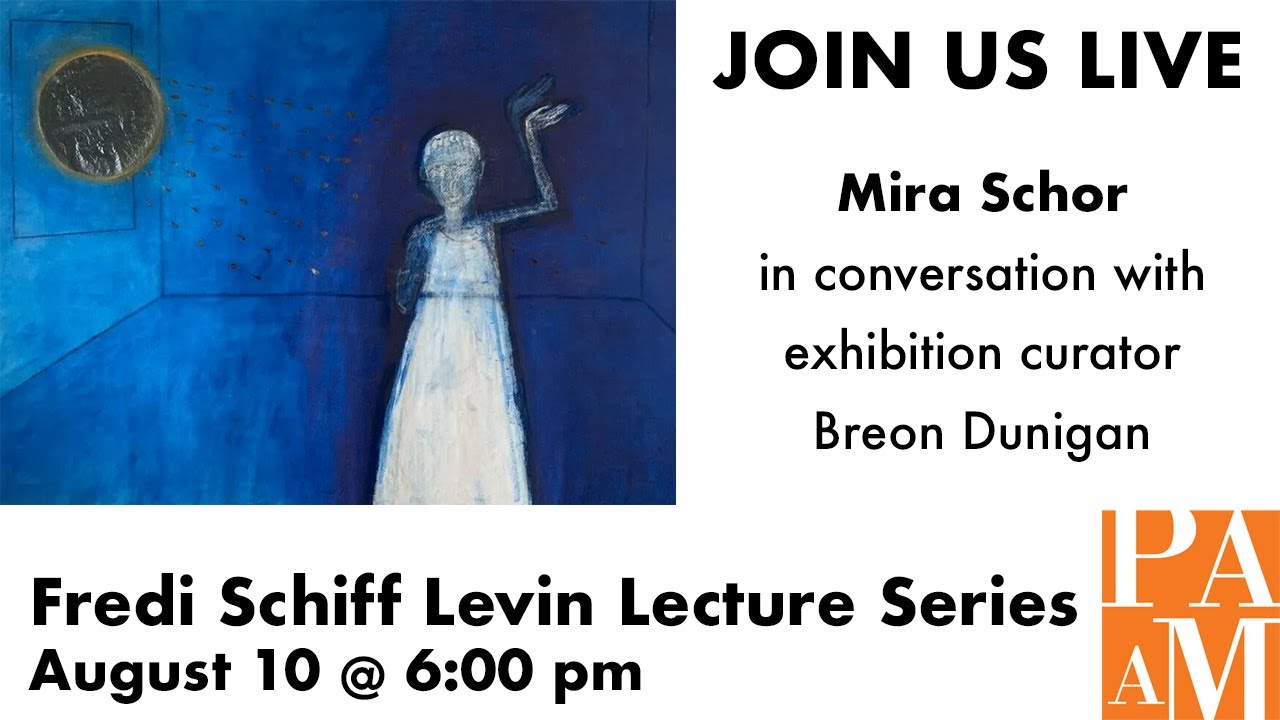
Fredi Schiff Levin Lecture: Mira Schor
209
The artist describes her unconventional studio practice in her Provincetown home, transforming domestic spaces—including a postcard wall, converted boiler room, and various household areas—into productive creative environments. She explains how Provincetown's natural landscape serves as foundational inspiration, describing how she finds forms in nature that she then applies to abstract artistic contexts. This section demonstrates how artists can derive formal vocabulary from environmental experience while simultaneously challenging conventional notions of what constitutes a studio space.
Click to watch →

Entretiens sur l'art avec Mimosa Echard et Jill Gasparina
4.8K
For Mimosa Echard, the studio is where ideas emerge through materials. Her studio in Nogent-sur-Marne is in a 17th-century park that became a foundation for artists, including a retirement house and workshops from the 1970s. She practices permaculture, maintaining connections between garden and studio. She developed an intense relationship with slugs, learning they lubricate soil and create iridescent trails. This biological observation influenced her bead sculptures for an Australian exhibition. The studio becomes a space where the boundary between conception and execution blurs, as materials actively participate in creative processes.
Click to watch →

Vanessa Rivero y Paola Santoscoy en conversación con Gerda Gruber
326
When exhibitions close, artists should activate them as living spaces for continued reflection rather than leaving them as static representations. Art should function as a bitácora (log) of observation, requiring artists to physically engage with nature, verify thoughts through direct experience, and test ideas against reality. Site-specific art demands artists go to natural locations and observe cycles rather than working from distance. Nature serves as fundamental refuge and protector, especially during crises. Working with nature requires dialogue rather than ordering, involving waiting and observing natural processes. Nature operates with unpredictable forces like rainfall that cannot be controlled, requiring artists to design work accommodating natural variations. Nature creates cycles of protection where structures shield growing life, similar to how a womb protects developing life.
Click to watch →
Prerequisite Knowledge
- Concept 01Fundamentals of the Impressionist Movement, including its departure from traditional academic painting and emphasis on capturing fleeting light.
- Concept 02The concept of 'en plein air' (painting outdoors) and how it revolutionized the techniques of late 19th-century French landscape artists.
- Concept 03A basic overview of Claude Monet's life, career, and his pivotal role as a founder of French Impressionist painting.
- Concept 04An understanding of how artists use physical environments, such as gardens and natural habitats, as curated, living studios.
Subsequent Learning
- Step 01In-depth analysis of Monet's late-career 'Water Lilies' (Nymphéas) series and how they reflect the specific geography of the Giverny pond.
- Step 02The influence of 'Japonisme' (Japanese art and design) on Western Impressionists, visible in Monet's Japanese footbridge and plant selection.
- Step 03Advanced color theory and the science of optics, focusing on how seasonal changes in light and foliage (like autumn) affect an artist's palette.
- Step 04The curation and preservation of historic heritage sites, exploring how Monet's house and gardens are maintained as a museum today.
Walmart Visit
Trip to Giverny
Autumn Gardens
Monet's Home
Garden Walks
Final Scenes
Walmart Visit
0:00Playing Section
- 1
Quick tour of Walmart while heading to Giverny.
- 2
Focus on city exploration and upcoming trip.
The Critique of Giverny as an Artificial and Insular Bourgeois Escape
While popular narratives celebrate Claude Monet's Giverny as a sublime sanctuary of natural beauty, art historians and cultural critics offer a more critical perspective. This counterpoint argues that Giverny was not a wild, natural landscape, but a highly engineered, artificial, and manicured environment. Monet went to great lengths—even diverting a local river, which angered local farmers—to construct a controlled, privatized fantasy world. Furthermore, critics point out that Monet’s retreat to Giverny represents a bourgeois withdrawal from the pressing socio-political realities of his time, such as rapid industrialization, urbanization, and the devastation of World War I. Instead of engaging with contemporary societal shifts, Monet chose to isolate himself within a manufactured ecological bubble. Today, this insularity is further compounded by extreme commercialization and over-tourism, which some argue reduces the historic estate to a commodified caricature of Impressionism that contradicts the serene, contemplative experience Monet initially sought to paint.
Deep Dive
In-depth analysis of Monet's late-career 'Water Lilies' (Nymphéas) series and how they reflect the specific geography of the Giverny pond.
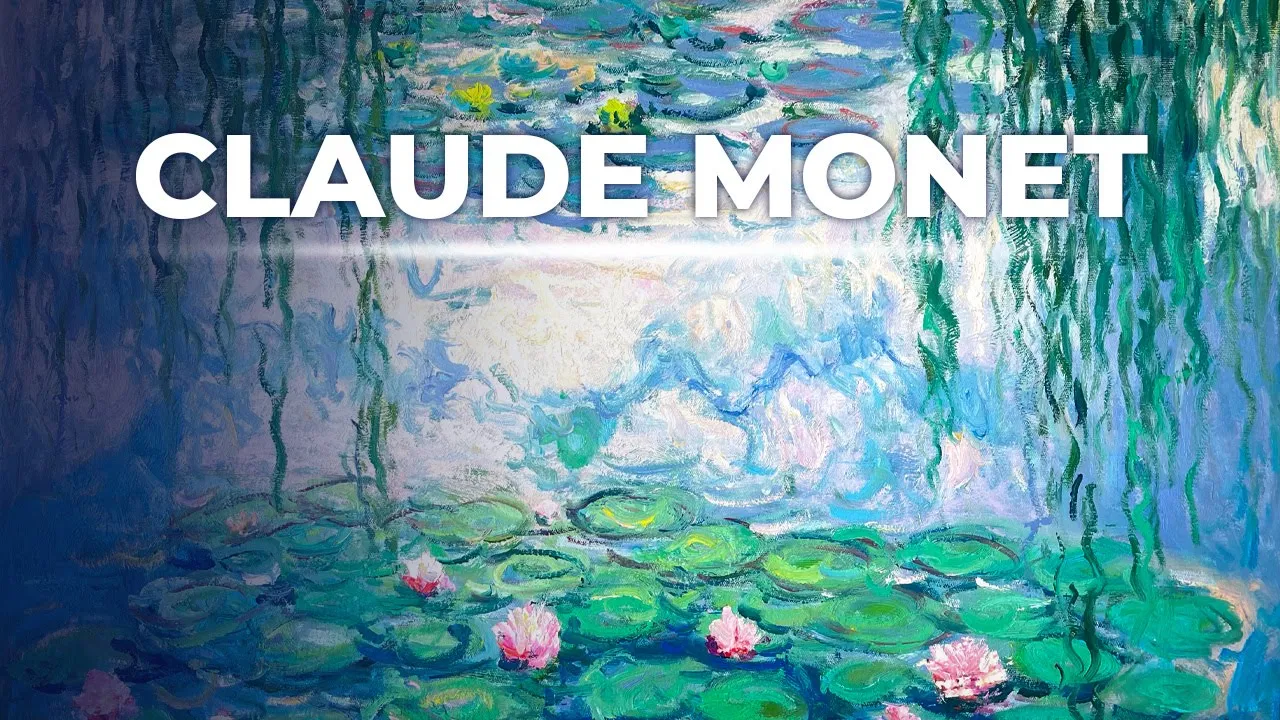
Claude Monet - Les Grands Maîtres de la Peinture
123.6K
Monet devoted all his energy to creating his garden at Giverny. In 1900, he painted the flower beds of irises at Clos Normand, with the pink house in stucco with green shutters visible in the background. In 1893, Monet bought the meadows and fields on the other side of the road bordering his garden. He then obtained permission to divert the waters of the Epte to supply his Japanese-influenced aquatic garden. Monet planned to divert the small stream to supply his pond and plant water lilies, but not just any water lilies. He chose Egyptian water lilies that were not simply yellow like the common water lily, but had red and magenta varieties, blue varieties, and the simple white. This was the apotheosis for Monet, who said 'It's no longer necessary for me to travel, I will travel in my pond and paint.' He had a revelation: a painting without end, an infinite painting, a formidable reservoir of images of forms and colors. The theme of water lilies progressively became the main center of interest for Monet. The object of his artistic quest was to capture the fugitive and momentary aspects of nature. In 1909, Monet exhibited 48 of his water lily paintings at the Durand-Ruel gallery in Paris. They were received with such enthusiasm that the master decided to create a fresco to immerse his public more deeply. Monet wrote a letter to Clemenceau: 'My dear and great friend, for the victory, I offer you two paintings, so it will be the decorations for the first day of Clemenceau's leave.' He went to Giverny, fell into the arms of the other in that autumn garden where the roses had held back from dying. Clemenceau would not be two paintings but 18 paintings, and it would be the masterpiece of his life, the famous Nymphéas now in the Musée de l'Orangerie in Paris. In these large panels, as in the more personal and smaller studies, the subject tended to disappear, giving way to color modulations. In the water lily paintings, the absence of any reference to the pond's perimeter, the circular brushstrokes, and the unfinished edges of the canvas reinforced Monet's link with modern art. The variations on the water lily theme represented the apogee of the master's work. It was then the change between light and shadow rather than the landscape itself that formed the subject of the work.
Click to watch →

Los Cuadros más Famosos de Claude Monet | Historia del Arte
356.1K
Monet painted approximately 250 water lily paintings in his final years, living in Giverny where he installed a Japanese bridge and pond with exotic plants. Despite his fame, he continued investigating color variations of the same theme across different hours and seasons. In these later works, forms dissolve into pure color patches. Art historians believe cataracts caused Monet to see through a blurry yellow filter, though after surgery he briefly returned to his earlier style. The most famous panels hang in the Musée de l'Orangerie in Paris, displayed in a circular room of 360 degrees, earning them the title 'the Sistine Chapel of Impressionism.' One enormous painting measures two meters high by six meters wide, depicting only water, plants, and exterior reflections.
Click to watch →

09-04-2010. Monet y la Abstracción.
77.2K
In 1883, Monet settled in Giverny, creating a vast garden that became his permanent source of inspiration. He designed the garden specifically to paint, creating a nature to his measure. He made drawings of how to arrange chromatic ranges of flowers to paint them in specific ways. In his later years, Monet stopped traveling and created his own pictorial motif in his home. Despite suffering from cataracts and chromatic vision alterations, he painted an extraordinary series of water lilies just before his operation, with tones that were completely invented. He stated that while remaining insensitive to color subtleties seen up close, his eyes did not deceive him, but from a distance, he approached the subject with large masses of color. This series represents one of his most extended periods of pictorial experimentation.
Click to watch →
Monet y el Impresionismo · El Auriga del Arte
62.5K
The Water Lilies (Nymphéas) series is Monet's most extensive body of work, comprising approximately 250 paintings. Monet created this series in his garden at Giverny, where he had built a pond with a Japanese bridge. The paintings focus on the reflections of plants, trees, and flowers in the water, exploring the mutable and changing nature of light and reflection. Some paintings are very large, up to six meters in length. The series represents Monet's obsession with capturing the fleeting effects of light on water surfaces, and it is considered one of the most important series in art history.
Click to watch →
Rick Steves Art of the Modern Age
234.9K
In his final years, Monet painted water lilies in an ensemble of canvases focusing on ever-changing light—from pre-dawn darkness to clear morning light to afternoon lavender to golden sunset. He laid down thick, big brushstrokes of single color horizontally and vertically to create dense mesh of foliage, adding dramatic highlights until achieving a dense paste of piled-up paint. Up close it's messy, but stepping back reveals luminous scenes of pure reflected color where the true subject is not really the lilies but changing reflections on the pond.
Click to watch →
Deep Dive
The influence of 'Japonisme' (Japanese art and design) on Western Impressionists, visible in Monet's Japanese footbridge and plant selection.
Los Cuadros más Famosos de Claude Monet | Historia del Arte
356.1K
Japanese art caused a sensation in Paris after Japan's 1867 Universal Exhibition, profoundly influencing Impressionists. Monet's 1876 'La Japonaise' shows his wife Camille in a detailed red kimono holding an elaborate fan, with additional fans in the background for oriental flavor. He later regretted selling it for 2,000 francs. In 1878, 'La Rue Montorgueil' depicts a celebratory street scene where Monet may have painted himself among pedestrians. The painting features a constellation of white, red, and blue flames with a flag crowning the sky instead of the sun. The street undulates with the heat of joy, creating a dance of miniature fires—a single narrative without secondary storytelling.
Click to watch →
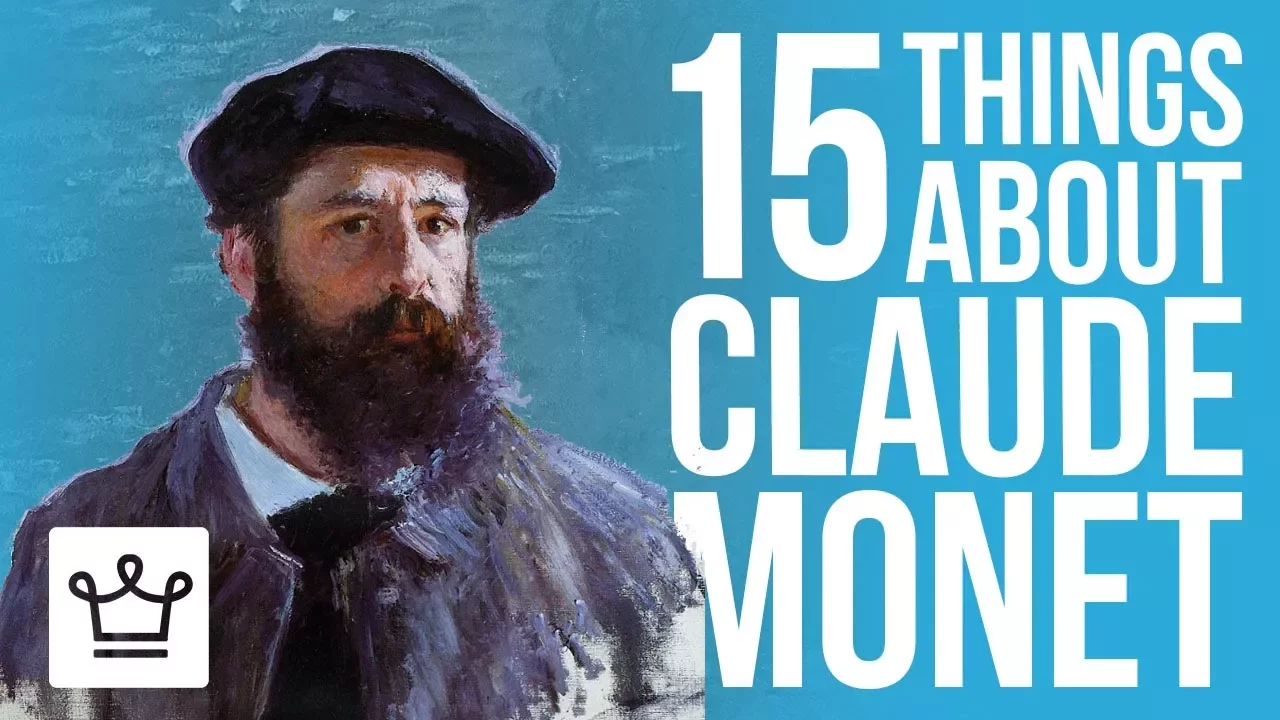
15 Things You Didn't Know About Claude Monet
124.7K
Unlike many artist peers who took inspiration from past European Masters, Monet looked to Japan for both gardening and artistic inspiration. Woodcuts by Hokusai show familiar elements—the close detail of things like Wisteria blossoms, arched bridges, and the way images center around water—are all indicative of the Water Lily Series. This cross-cultural influence helped define his unique style.
Click to watch →

고흐의 명작들은 다 어디로 갔을까?ㅣ일본에서 고흐 명작들이 사라진 이유ㅣ전원경 교수
220
From the 1870s onward, nearly all major Impressionist painters including Manet, Monet, Renoir, Degas, Van Gogh, Gauguin, Cézanne, and Pissarro were deeply influenced by Japanese ukiyo-e woodblock prints. This phenomenon, called Japonism, occurred because ukiyo-e art depicted everyday scenes with a light, cheerful style that contrasted with Western art's traditional focus on religious and aristocratic subjects. Western artists incorporated Japanese compositional techniques, such as cutting subjects in half and extending them beyond the canvas edge, as seen in Monet's painting of his daughters on a boat.
Click to watch →
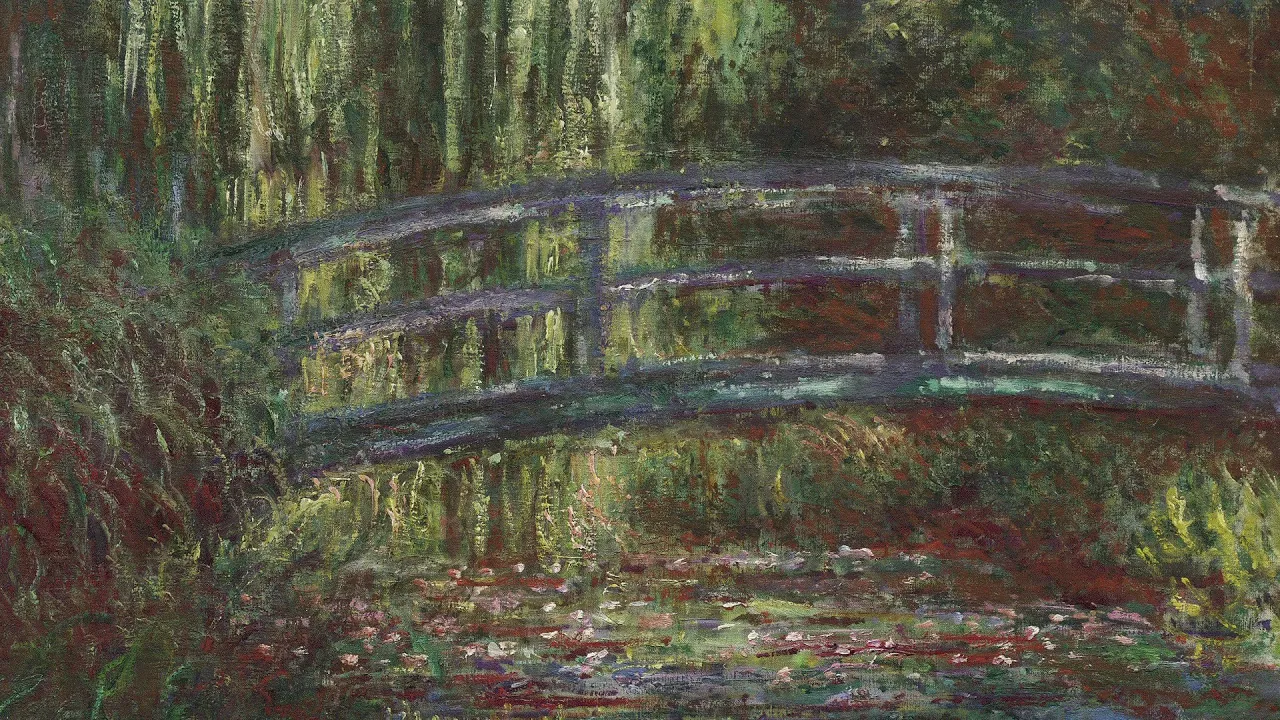
How Japan Inspired Monet, Van Gogh, and Western Art
46.3K
When Japan opened to international trade in the 1850s after centuries of isolation, Japanese prints, albums, and objects flooded Europe and North America, inspiring Western artists like Monet and Van Gogh to adopt Japanese artistic devices including flattened compositions, bold colors, asymmetrical layouts, and rhythmic patterns, transforming Western art practices.
Click to watch →
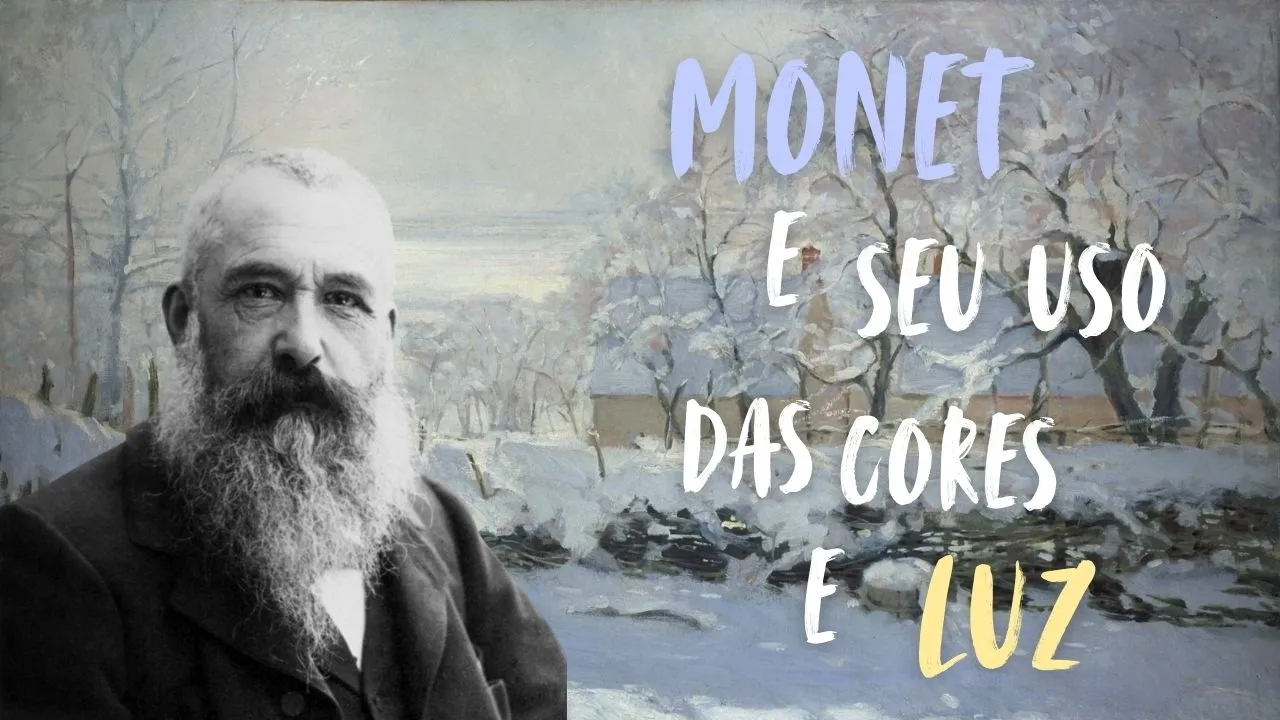
O Segredo das Cores que Tornaram Monet Imortal
37.5K
Monet became more than a painter; he became a visual researcher. According to 19th-century vision science, shadows projected on snow are not truly gray or black but take on the cool tones of the environment, receiving reflections from the sky, atmosphere, and dispersed sunlight. Monet revealed this truth rather than inventing it. In his Cathedral Series, London series, and snowscapes, he repeated the same motif under different lighting conditions to test how the world changed before his eyes. This approach contrasted sharply with academic tradition, which insisted on using black as the basis for volumes. Works with colored shadows were often rejected in official salons. Monet also absorbed Japanese ukiyo-e prints by Hiroshige and Hokusai, which he collected enthusiastically. In these works, landscapes were reduced to simple colored planes with almost no traditional depth, prioritizing atmosphere and sensation. Monet saw in these prints an alternative way of constructing the world without rigid limits and without the modeled shadows of academicism. When observing bridges, gardens, or margins in his paintings, one perceives this Japanese echo. The scene seems to float, sustained more by color than by drawing. This search for atmosphere reached its apex in the Water Lilies panels. For decades, Monet studied his own garden at Giverny, transforming a small lake into a visual laboratory. Technical analyses reveal that color layers overlap so that water is not presented as an object but as a living, pulsating surface that reflects the sky, vegetation, and the movement of the day.
Click to watch →
Deep Dive
Advanced color theory and the science of optics, focusing on how seasonal changes in light and foliage (like autumn) affect an artist's palette.
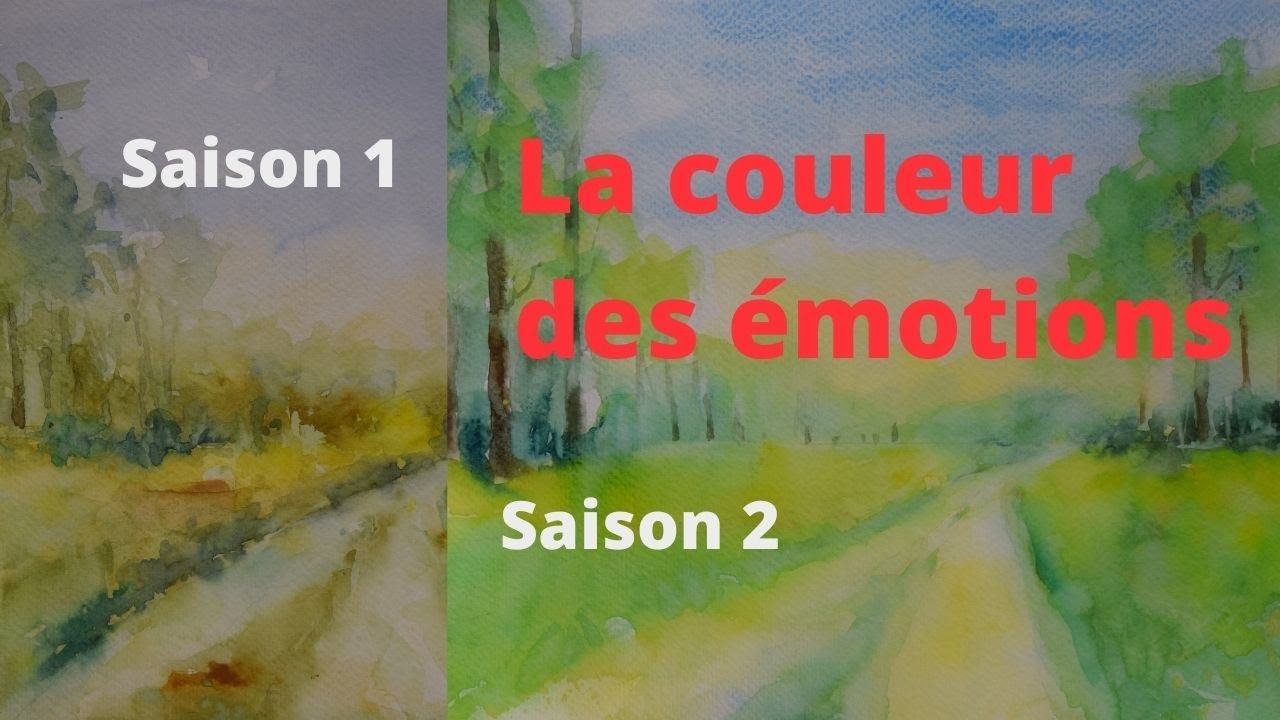
COMMENT PEINDRE LA COULEUR DES SAISONS
1.9K
This segment introduces the core concept that landscape colors should reflect seasonal emotional atmospheres. The artist demonstrates painting the same composition in spring and autumn to show how color choices dramatically change emotional impact. For autumn, the key technique is reducing color saturation by mixing with earth tones like burnt sienna and natural sienna. The sky uses blue ultramarine with burnt sienna for a muted, grayish effect. The horizon uses natural sienna to create soft halos. The artist emphasizes that autumn colors are 'rabattu' (muted) and less luminous than spring colors, creating a melancholy atmosphere.
Click to watch →
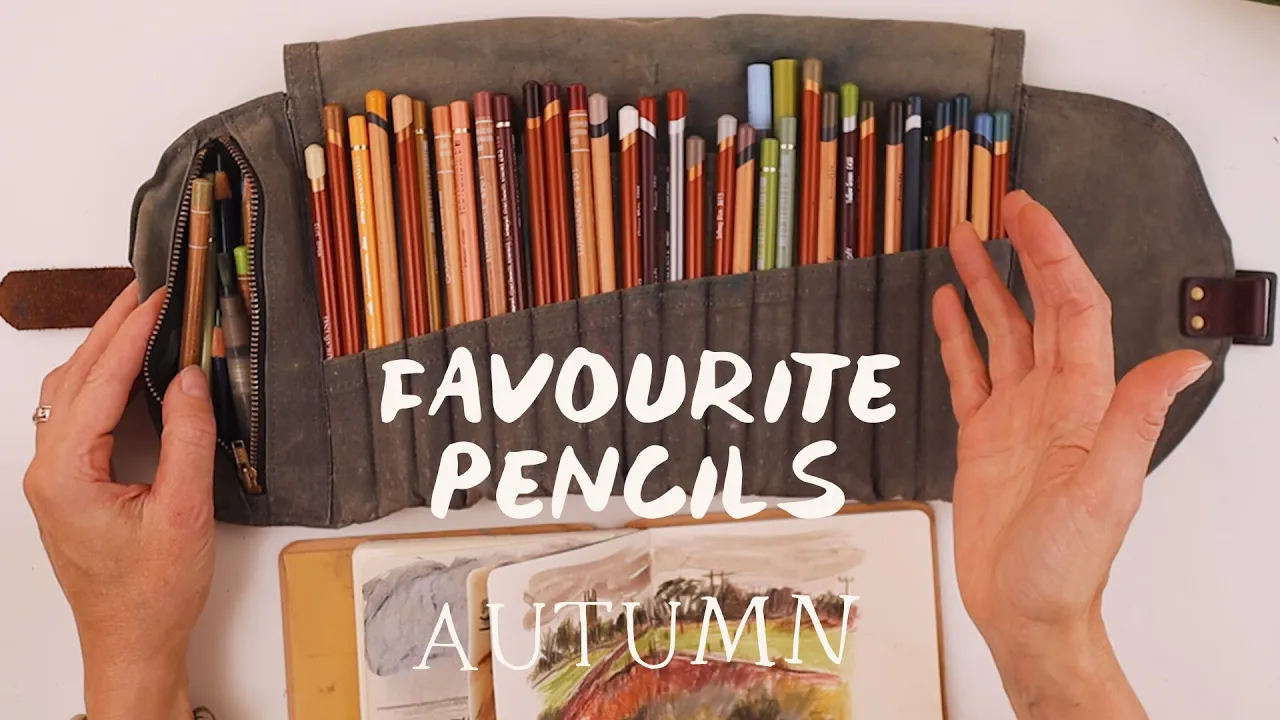
My favourite pencils for Autumn colour palettes
8.3K
A complete artist's palette should include a range of values (lightness/darkness) rather than many colors. The presenter demonstrates this principle by showing how colors like Ink Blue and Blue Gray are similar but serve different purposes. Light blue colors like Mid Ultramarine and Smoke Blue contribute to atmospheric effects, while bright accent colors like Poppy Red and Tangerine provide visual interest for focal points. The presenter emphasizes that having darks, mids, and lights is more important than having an extensive color selection, and that this palette approach can transition from Autumn to Winter themes as seasons change.
Click to watch →

A Study of Autumn Colors For Your Landscape Paintings
3K
Autumn painting relies on a specific color range from violet through yellow-green, including red violet, yellow green, red orange, and yellow orange. These warm colors dominate the palette, while cooler blues serve depth purposes. Yellow-green is not a single color but a spectrum from almost yellow to almost green. Artists should think in terms of subtle variations between a set of colors rather than copying photographs exactly. The key is understanding that autumn scenes naturally contain multiple color traces from different seasons, requiring artists to embrace variety within a cohesive scheme.
Click to watch →
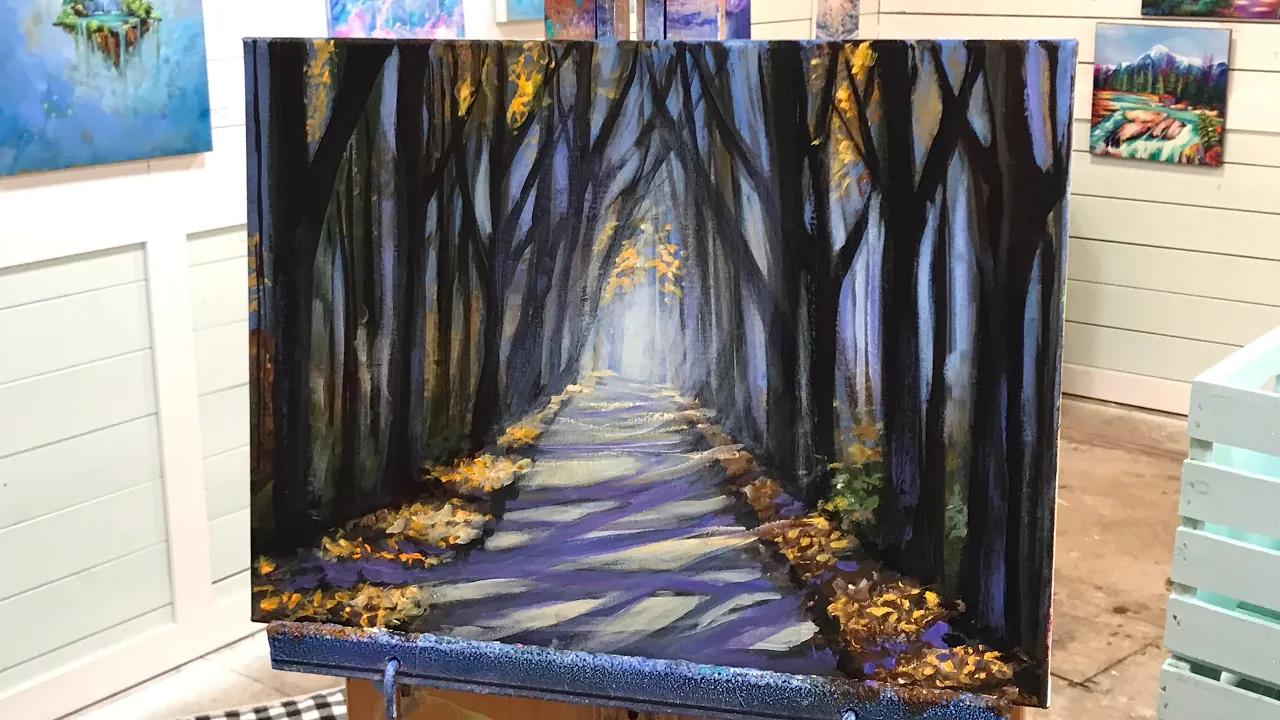
HOW TO PAINT AUTUMN/FALL LANE | STEP BY STEP PAINTING TUTORIAL
8.1K
This extended segment covers advanced foliage techniques including: creating textured leaves using stippling with a mop brush, adding shadow contrast with green and burnt sienna, and developing fall colors through mixing yellow ochre with burnt sienna and sap green. The instructor introduces complementary color theory, explaining how cobalt blue and yellow ochre create strong visual contrast. Students learn to build up foliage gradually, adding layers of leaves upon leaves to create texture and depth in the painting.
Click to watch →
![Teoría del color: la paleta del otoño – Tutorial de arcilla polimérica [Sub] | Ana Belchí](https://i.ytimg.com/vi/0L7BsOf2CvA/maxresdefault.jpg)
Teoría del color: la paleta del otoño – Tutorial de arcilla polimérica [Sub] | Ana Belchí
9.5K
This comprehensive tutorial covers the complete process of transforming vibrant colors into autumn palettes using color theory principles. Key concepts include: autumn palettes feature low saturation (muted colors) and high value contrast (light/dark variations); creating a neutral color by mixing all three primaries (8:4:1 ratio) enables effective desaturation; customizing neutral color composition based on target hues (more blue for cool tones, more yellow for warm tones) optimizes results; adjusting luminosity with white creates varied values; perceived color depends on context, making exact reproduction unnecessary; recommended resources include 'Teoría del color' by Johannes Pawlik and 'Polymer Clay Colors Inspirations' by Lindly Haunani and Maggie Maggio.
Click to watch →
Deep Dive
The curation and preservation of historic heritage sites, exploring how Monet's house and gardens are maintained as a museum today.

O que fazer em PARIS na França: Tudo o que você precisa saber sobre a Cidade Luz e seus arredores
68.3K
Giverny is a village in Normandy where Claude Monet lived for 43 years, creating his most famous works. The village features two separate gardens: the Garden of Water (Jardin de l'Eau) and the Garden of the House. The Garden of Water, accessed through a subterranean passage, contains the pond with water lilies that inspired over 250 paintings, including the most valuable sold for 59 million euros in 2008. The Japanese bridge is the most photographed spot. The second garden contains Monet's pink house, restored to its original appearance, where he lived and painted. The house was donated by his son to the Institute of Fine Arts and transformed into the Monet Foundation. Tickets cost 11.50 euros and should be purchased in advance.
Click to watch →
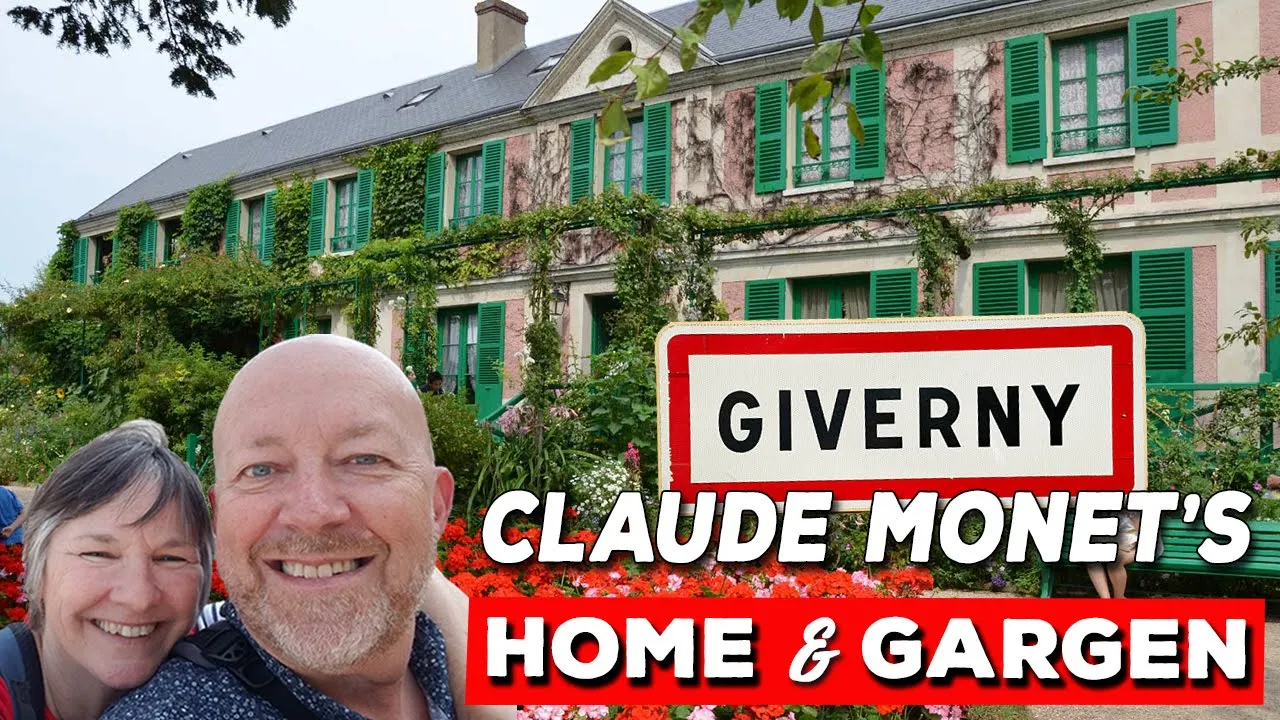
Giverny: The Monet Home & Garden (Is it Worth it?)
92.7K
Giverny, located 90 minutes from Paris via train from Saint-Lazare station (33.60€ round-trip), is the home and garden of renowned Impressionist painter Claude Monet, where he transformed an abandoned property into a masterpiece of floral design; the gardens, open April 1st to November 1st, feature meticulously maintained paths and a serene lily pond that inspired many of his famous paintings, while the Orangerie Museum in Paris displays eight of his iconic water lily murals in a specially designed room that Monet himself helped create to optimally showcase his post-impressionist works.
Click to watch →

Живерни - дом Клода Моне в Нормандии, практическая информация, сад с лилиями
25.7K
Giverny is the former home of French impressionist painter Claude Monet in Normandy, France, where he created his famous water lily garden that inspired his renowned series of water lily paintings; the estate features a carefully designed pond and garden that Monet spent decades cultivating to achieve his artistic vision.
Click to watch →
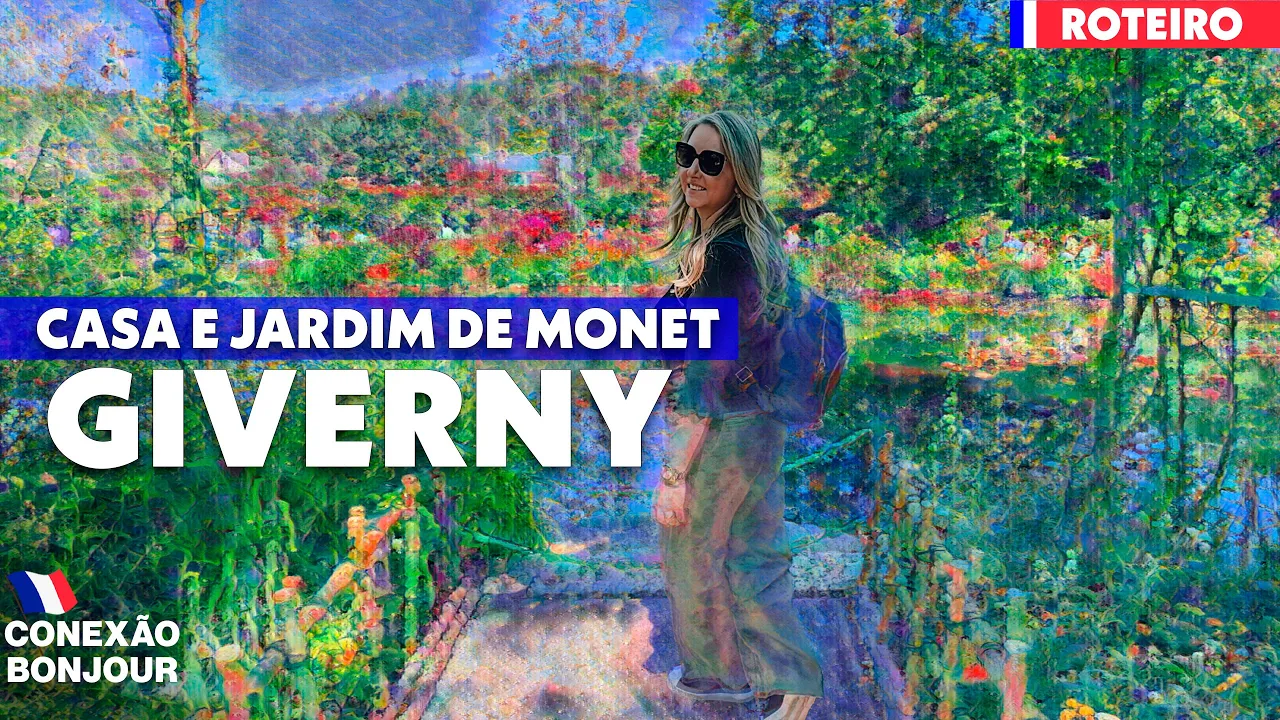
GIVERNY - CASA E JARDINS DE MONET | Bate e volta de Paris para Giverny - Guia completo
14.4K
Claude Monet's house and gardens in Giverny, France, represent a masterpiece of Impressionist art where the artist transformed an abandoned property into a living work of art over 43 years (1883-1926). The gardens feature a famous water garden (Jardin Aquatique) that inspired many of Monet's paintings, along with Japanese-style bridges and oriental plants reflecting his deep appreciation for Japanese culture. Visitors can explore the house, which contains Monet's extensive collection of his own paintings and authentic period furniture, as well as the surrounding gardens. To visit, travelers should take the Regional Train Vernon-Giverny from Paris's Gare Saint-Lazare station, then transfer to the Navette (shuttle train or bus) from Vernon station to Giverny. Tickets should be purchased in advance through the official website to avoid long queues, with visits costing approximately 11.50€ per person. The gardens are open from March 29th to November 1st, typically from 9:30 AM to 6 PM.
Click to watch →

неделя моды в париже (денег больше нет)
102.8K
Claude Monet's garden in Giverny, located 75 km from Paris in the Normandy region, served as the primary inspiration for his famous water lily paintings. Monet settled there at the end of the 19th century and lived there until his death, creating a house and gardens divided into a flower garden and a water garden. The water garden, where the water lilies were planted, became the subject of his most celebrated series of paintings. The garden has been preserved as a museum showcasing Monet's works, demonstrating how artists can transform natural landscapes into iconic artistic representations that influence art history.
Click to watch →
Walmart Visit
Trip to Giverny
Autumn Gardens
Monet's Home
Garden Walks
Final Scenes
Walmart Visit
0:00- 1
Quick tour of Walmart while heading to Giverny.
- 2
Focus on city exploration and upcoming trip.
The Critique of Giverny as an Artificial and Insular Bourgeois Escape
While popular narratives celebrate Claude Monet's Giverny as a sublime sanctuary of natural beauty, art historians and cultural critics offer a more critical perspective. This counterpoint argues that Giverny was not a wild, natural landscape, but a highly engineered, artificial, and manicured environment. Monet went to great lengths—even diverting a local river, which angered local farmers—to construct a controlled, privatized fantasy world. Furthermore, critics point out that Monet’s retreat to Giverny represents a bourgeois withdrawal from the pressing socio-political realities of his time, such as rapid industrialization, urbanization, and the devastation of World War I. Instead of engaging with contemporary societal shifts, Monet chose to isolate himself within a manufactured ecological bubble. Today, this insularity is further compounded by extreme commercialization and over-tourism, which some argue reduces the historic estate to a commodified caricature of Impressionism that contradicts the serene, contemplative experience Monet initially sought to paint.
Fundamentals of the Impressionist Movement, including its departure from traditional academic painting and emphasis on capturing fleeting light.
The concept of 'en plein air' (painting outdoors) and how it revolutionized the techniques of late 19th-century French landscape artists.
A basic overview of Claude Monet's life, career, and his pivotal role as a founder of French Impressionist painting.
An understanding of how artists use physical environments, such as gardens and natural habitats, as curated, living studios.
In-depth analysis of Monet's late-career 'Water Lilies' (Nymphéas) series and how they reflect the specific geography of the Giverny pond.
The influence of 'Japonisme' (Japanese art and design) on Western Impressionists, visible in Monet's Japanese footbridge and plant selection.
Advanced color theory and the science of optics, focusing on how seasonal changes in light and foliage (like autumn) affect an artist's palette.
The curation and preservation of historic heritage sites, exploring how Monet's house and gardens are maintained as a museum today.
62.2K views2.4Klikes13:56@ParisienneFarmgirlOriginal Release: 2023-02-09
foreign [Music] [Music] welcome to my channel we're exploring the city again today I'm going to show you just a little bit around Walmart I've got to hurry because I'm headed to G Vernier for the afternoon [Music] [Music] thank you [Music] if you are in the city for any period of time it's fun to escape the hustle and bustle for an afternoon and places like Versailles and Giverny are excellent options in all of my trips to Paris I had never been to Giverny which was a crime as a gardener that is no good so we blocked off an afternoon for this excursion to get to Jivani from Paris you can hire a driver or take a tour bus you can drive and you can travel by train which is what we did so you'll take the metro in Paris to send Lazar and lines 3 12 13 and 14 will get you there and once you're there you're looking for the calm lean signs you'll want a train that says its final stop is what this was my first time and it's very easy and straightforward it's only about a 30 or 40 minute trip out of town with your stop being Vernon shiverni from the Vernal train station you can rent bikes you can walk or you can take the bus which is really really easy in our case we took the bus because we knew rain was coming when Monet found this Serene location he said I am in raptures the countryside of shiverni is glorious for me and as an artist and Gardener I felt the same the town of shiverni is small and it's full of ateliers and other artists and little restaurants and it's just quaint and Charming you feel like you've been transported back in time and I don't know who gets to live in this wonderful space but my goodness I was moved to tears to be in this space Monet's love for color and vibrancy Japanese art and tile it speaks to me and I was not surprised to be as impressed with the interior of the home as I was with his Gardens the day I'm sharing with you was in late September and as you can see the Dahlia are in full force the nasturtiums have made their way across the paths I'm sure spring and summer are stunning but Autumn Giverny is not to be missed now I'm going to quiet down now and let you enjoy But be sure you stay to the end if you'd like to go to Paris with me in 2024 and for those of you who I get to meet in just a few weeks on our next trip I can't wait [Music] foreign [Music] foreign [Music] foreign [Music] foreign [Music] foreign [Music] foreign [Music] foreign [Music] foreign [Music] foreign [Music] foreign [Music] foreign [Music] foreign [Music] foreign [Music] foreign [Music] foreign [Music] foreign [Music]
Up Next

37:21
Top 10 Must-See Paintings at London's National Gallery
@TheMuseumGuide
216.6K views•2022-07-19

114:18
Christian Iconography: History, Theology, and Meaning | Fr. Panayiotis Papageorgiou
@Trisagionfilms
58.8K views•2020-02-21
7:48
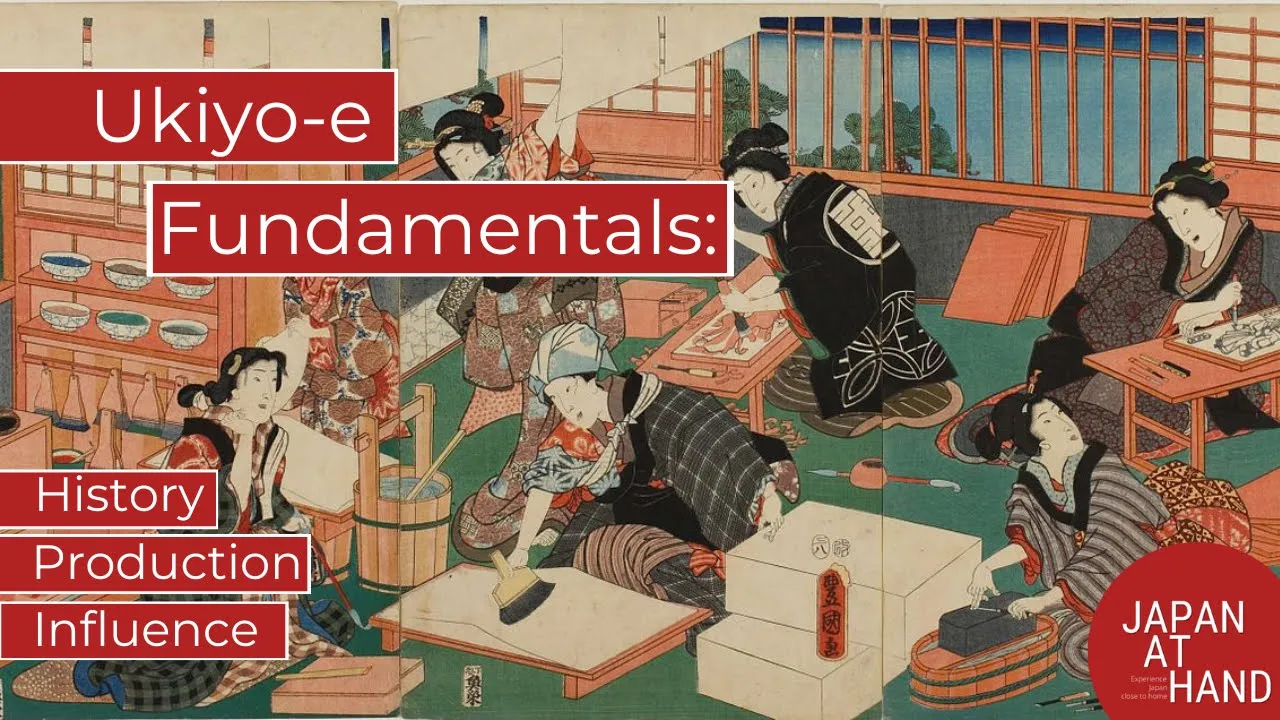
Ukiyo-e Art: History, Woodblock Printing & Influence
@japanathand
6.3K views•2023-06-08

16:34
Earliest Depictions of Jesus in Art: 10 Ancient Images Explained
@UsefulCharts
5.9M views•2022-06-03
Related Study Plans & Knowledge Roadmaps
Structured learning paths in Art History
art-history
Gothic Cathedrals: Engineering, Light & Society
01The Birth of the Gothic: Romanesque to Suger's Vision
02The Structural Triad: Pointed Arches, Ribbed Vaults, and Flying Buttresses
03Theology of Light: Lux Nova and Sacred Geometry
+ 2 more learning modules
14h5 modules
Explore Roadmap
art-history
Pre-Raphaelites: Realism, Symbolism & Critique
01The Victorian Art Establishment and Academic Formula
02The Founding of the PRB and Radical Realism
03Medieval Revivalism and Literary Symbolism
+ 1 more learning modules
8h4 modules
Explore Roadmap
art-history
Street Art: From Subways to Art Market
01Subcultural Origins in Philadelphia and New York (1970s)
02The Subway Era and Style Wars (Late 1970s - 1980s)
03The East Village Scene and Early Gallery Crossover
+ 2 more learning modules
10h5 modules
Explore Roadmap
art-history
Classic Maya Art: Iconography, Glyphs & Ritual
01Foundations of Classic Maya Visual Culture
02Deciphering Maya Hieroglyphs & Text-Image Integration
03Sacred Geography and Cosmological Architecture
+ 2 more learning modules
14h5 modules
Explore Roadmap