

























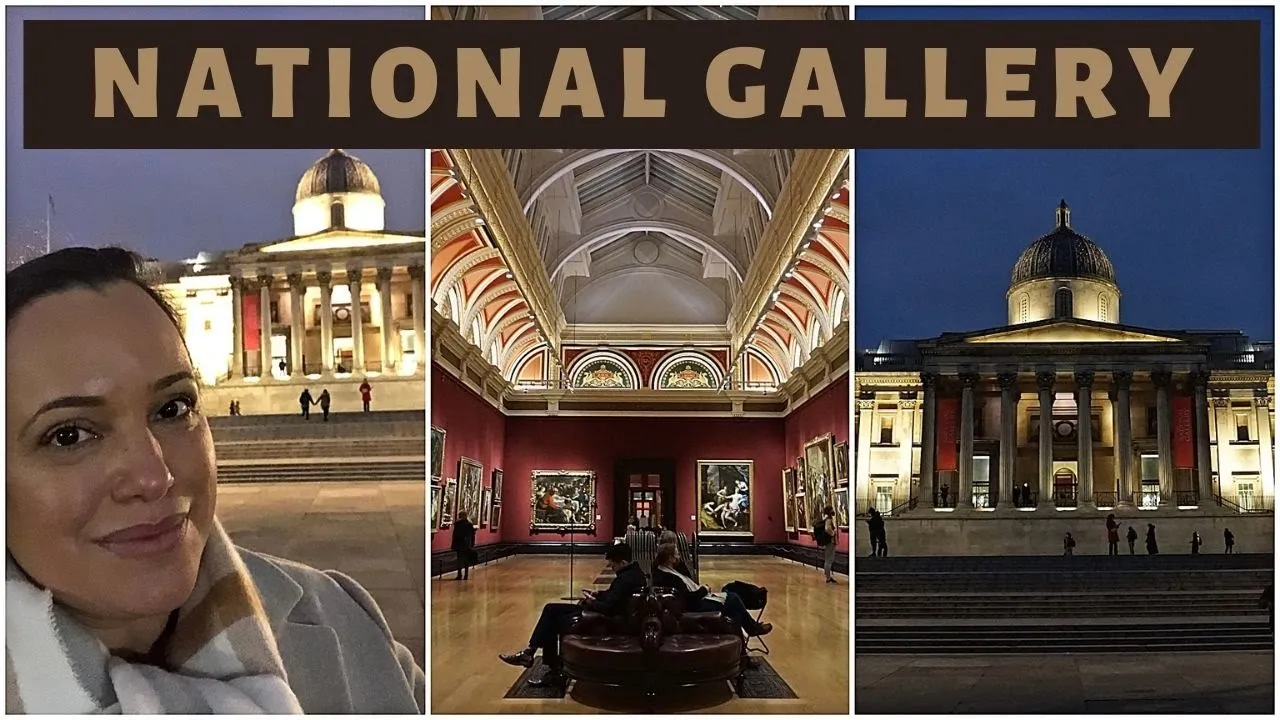

This video guide presents a curated tour of the National Gallery's most significant paintings, spanning from Jan van Eyck's mysterious Arnolfini Portrait (1434) to Vincent van Gogh's vibrant Sunflowers (1888), illustrating how each artwork reflects its historical context, artistic innovation, and cultural significance. Key works include Botticelli's Venus and Mars, Leonardo da Vinci's Virgin of the Rocks with its revolutionary sfumato technique, Titian's Bacchus and Ariadne, Holbein's The Ambassadors with its anamorphic skull, Caravaggio's Boy Bitten by a Lizard, Delaroche's The Execution of Lady Jane Grey, Velázquez's Rokeby Venus, Monet's Water Lilies, and Van Gogh's iconic Sunflowers. The tour demonstrates how these masterpieces reveal the evolution of artistic styles, technical innovations, and the enduring power of visual storytelling across five centuries of Western art history.
Top 10 Must-See Paintings at London's National Gallery
Added:i'm just here at the national gallery and i am about to take you guys on a tour of the top 10 highlights of the national gallery it's a particularly hot and sweaty day in june here in london and it is a nice time to get into the museum and go have a look at some of the world's most famous pieces of art so follow me inside one of the nicest things about visiting the national gallery is the building itself which was open to the public in 1838 before we continue through the museum i want to tell you a little bit about what we're going to see today on our top 10 tour we are exploring more than 500 years of art history as we make our way chronologically through some of the paintings that you simply cannot miss when you visit this impressive gallery now i know it is impossible to make an official top 10 list there's so many different opinions about what should be on the list and i have to say that some of my favorite paintings didn't even make the cut that said if you only have a short amount of time in the national gallery here are the paintings that i think you definitely should not miss if you enjoy this tour of the national gallery and you'd like to leave me a tip or buy me a coffee you can find the information in the description below let's make our way now to our first painting on the list it's always really amazing to approach these paintings that you've seen on television in magazines and textbooks your whole life and then to see them in person is really something special that's really how i feel about something like the arnolfini portrait commissioned from jan van ike in 1434 by the arnolfini family it's really one of the most compelling paintings in the world and that's why it's still indoors today it's also really mysterious so you can see there's a man and a woman dressed in finery and it looks like a normal room but every single object has been purposefully selected by van ike to represent the sophistication and wealth of the couple and their extended family the arnolfini's were wealthy merchants from italy living in bruges where von ick was active at the time the home is really stately you can tell just by looking at the construction of the room it's made of bricks which would have been a lot more of a status symbol than a house made from wood or even a village shack and out through the window you can see a really handsome cherry tree which would have been a status symbol in its own right let's have a look at their bed this isn't their bedroom at this time in history your bed would have been the most expensive item of furniture one owned remember a lot of people didn't have beds they would have bunked down in some straw this bed would have been placed in the reception room and that is where we are in this painting the bed's covered with extremely expensive red cloth with extra cushions and an ornately carved chair and bench nearby overhead there's an intricate brush chandelier and underfoot a hand woven middle eastern rug even the fruit has been chosen carefully look at the oranges just kind of casually dotted across the table but remember this would have been a tropical fruit that required an orangery or greenhouse so it was incredibly expensive the plaster walls in the house show us the couple can afford to pay for the details because most people at that time would have used tapestries to cover their unfinished walls however there are some inconsistencies and at first you might think that it's a mistake on van nike's part but he was too much of a master these are artistic choices to have a chandelier that simply could not have fit into the space that it occupies there's also no fireplace maybe he didn't feel like painting one the bed is too short and that convex mirror on the back wall it's very ornate but it's impossibly large savannah has created a convincing show of reality but he's altered slight details for his own aesthetic purposes now let's look at the couple themselves remember they're dressed really elaborately for the time their fine clothing isn't flashy it's a sign of sophistication this is kind of like their instagram page really when you think about it also have a look at her physique it's common to misinterpret her as pregnant after all she's holding a bulky belly in front of her but she's actually just holding up the folds of her heavy gown air because that was the fashion at the time let's look back again at that mirror the one that's slightly too big for the room it kind of contorts the room because of its convex shape but when you look in the mirror you can see there are actually two more people in this painting there are two men entering the room behind where we're standing and one of the men is raising his hand maybe in a greeting above the mirror van ike signed the painting jan van ike was here 1434.
so a lot of people think that maybe the men are van ike and his servant entering the room to visit or maybe they're here to paint the painting that we're viewing nearly 600 years later i don't know something about that feels kind of spooky in a really cool way let's head now to painting number two we're going to go look at a work by the legendary sandro botticelli as one of the most famous renaissance artists sandra bobcicelli is often thought of as the archetypal florentine painter here he is painted the goddess venus with the god of war mars and the painting is called venus and mars of course the goddess venus represents a love here she is alert and awake while mars is sleeping and you can almost hear him snoring it's really clear that love has conquered war in this particular sexual encounter botticelli painted this to honor his patrons wedding who were they well check out the wasps that are buzzing around the subject's heads vespe is the italian word for wasp and so this could be a nod to the vespuccis a noble florentine family botticelli chooses to depict a popular myth in the story venus was married to vulcan the god of the forge often represented as an unattractive blacksmith vulcan heard about this tryst between venus and mars and so he forged chains to catch them in the act however the chains were so light and delicate that the gods did not know they had been captured soon vulcan invited the other gods from mount olympus and they pointed and laughed at the adulterers in flaglante delecto botticelli had painted this for his client with a keen attention to detail and lots of funny inclusions that are meant to amuse us the viewer so let's look at these impish setters they're playing with mars's armor and the helmet is even covering one of their little faces one of the little ones is even blowing a conch shell into mars's ear but even this loud sound doesn't disturb his slumber the conch further symbolizes venus's connection with the sea which you can almost see in the distance and all this mayhem was disturbed by a wasp's nest and the prickly little creatures are just buzzing around in this painting botticelli is showing off his knowledge of ancient greek sculpture which was the pinnacle of sophistication in 15th century florence so mars almost looks like a classical nude sculpture but venus is fully clothed in fact look at her clothing and her hair her braids are actually woven into her dress it would have actually been impossible to take off so with this botticelli might be nodding to her chastity even though she's just committed adultery but we need to understand one more thing about the placement of the painting to understand why he did this so works like this were typically placed in a newlywed couple's bed chamber which remember from the arnolfini portrait that's also where guests would be received therefore since this was a pretty public space and he wouldn't have wanted to offend his patron botticelli might be referencing the bride's purity before marriage there's also a myrtle bush behind venus and that was a symbol of marriage as well but despite this chastity there did need to be some lust going on in the painting which explains its subject matter i mean the young couple would be meeting in this room to conceive children so it had to be a little bit spicy speaking of that magical feeling that you get in a place like the national gallery the name leonardo da vinci always takes my breath away this painting is the most famous the national gallery holds by leonardo da vinci it's called the virgin of the rocks and it depicts the virgin mary the baby jesus and the infant john the baptist it consists of three panels that would have originally been part of the altar of a chapel in the church of san francisco grande milan sculptor giacomo del maiano had already finished elaborate sculptures for the altar and then leonardo and his associates were hired to do the paintings but there is a second version of this painting this is not the first this one was made to replace another one which now hangs in the louvre and if you'd like to see me do a tour of the louvre i have a few coming up and i definitely have the louvre's version of the rocks as part of my video why was the second one made perhaps the religious order wouldn't properly pay him for the expensive materials that he needed to create such a masterpiece this painting is notable because it introduces us to leonardo's iconic style of using shadows instead of outlines think about it in typical renaissance paintings the virgin and child are usually depicted in bright daylight with the blue sky behind them but in this case leonardo positions them in a dark cave which in fact some people would have found quite blasphemous to do at the time but it's this contrast that makes the painting so unique leonardo wrote that light and shadow should blend together quote without lines or borders in the manner of smoke end quote this gave rise to the term svumato which means seen as if through smoke but just so we're clear leonardo did not think that the holy land looked like this cave this particular setting was meant to remind us about many biblical metaphors for instance mary and joseph are often associated with caves and rocks because they make us think of sanctuary a place to hide and be safe similarly the flowers at the bottom left are called star of bethlehem's or hearts ease and they symbolize purity we can also see palm leaves which are a symbol of the virgin mary behind the infant john's head so we may write these off as small unimportant details but for a renaissance viewer they would have been very familiar with metaphors like this and it would have given an extra layer of meaning for those who were viewing the painting if you'd like to see more leonardo paintings make sure you like and subscribe because i do have videos visiting other famous art galleries coming up very soon i'm going to start making my way out of the sainsbury wing which is where we've been for the first three paintings on our tour the sainsbury wing was officially opened in 1991 to house the ever expanding collection but now i'm going to walk between the two galleries into the main section of the museum which is spread out over two floors like many large british galleries and museums the national gallery is free that's a very important way to ensure that this gallery and many others across the country remain free and open to people regardless of economic status or income level of course it's also very nice for visitors to the uk because it really does help to offset some of the higher costs of traveling in an expensive city like london now we're approaching painting number four let me know in the comments below if you'd be interested in seeing an alternative tour of the national gallery but for now let's focus on this masterpiece here we're looking at a piece by titian called bacchus and ariadne it's by one of the most important painters in history the venetian painter known as titian or tiziano vicelli in italian this painting is a bacchus in ariadne and depicts the cretan princess whose love theseus had just left her on the greek island of naxos look at the horizon in the top left of the painting behind ariadne and you can see his ship sailing away as he abandons her bacchus the god of wine is entering the painting in a chariot drawn by two cheetahs which is very extra he's being trailed by his followers and revellers as well as drunken silence who was slumped over on a donkey look at the way that bacchus is immediately in love with ariadne but she's put off by him after all her lover has just left her but bacchus promises that he will turn her into a constellation corona borealis which you can see above her at the top left of the painting and so that's why her pose is quite complicated she seems partially turned towards her disappearing lover theseus but she's also clearly intrigued by bacchus and his wild energy as he leaps out of the chariot and he's kind of suspended in midair so they were both clearly doing other things when they were unexpectedly drawn to each other their bodies are kind of at odds with their heads and that's a really good metaphor for intense passion titian was a master colorist and he used all the most vibrant paints and pigments available in venice undiluted and unmixed soon many other painters were depicting the gods and their love lives as you can see it's not too busy in the museum today sometimes it's absolutely heaving with school groups and large tourist groups but today it's quite tranquil and it's a lovely place to spend some time i also find the curation exceptional here things are laid out very well and the museum is really easy to navigate that said some people do complain about it being a little bit like a labyrinth and easy to get lost so just remember i do guide private tours of the national gallery if you're interested the next time you're in london you can find my contact details below the museum museumguide.com really easy now let's continue walking through these absolutely beautiful rooms each decorated in sumptuous colors as we walk towards a tudor era painting by hans holbein the younger now i'm approaching the ambassadors by hans holbein the younger he was a german swiss painter most famous for his tutor portraiture think of these famous images of henry viii anne of cleves thomas moore and many more he created this magnificent work in 1533 and it is undoubtedly one of the most famous pieces in the national gallery the ambassadors depicts jean-danville the french ambassador to england at that time on the right is his friend and fellow diplomat georges deself just as people do today on instagram georges and john are surrounding themselves with status symbols to show you just how important they are just like in the arnolfini portrait it would have cost a fortune to own clothes like these so let's have a closer look at some of the symbols the globe shows that they are worldly well-traveled people the giant loot demonstrates that they can either play the loot which was a symbol of education and sophistication or at the very least that they had the money to pay somebody else to play the loot for them there are also a number of astronomy objects on display and a crucified jesus christ in the top left corner perhaps the ambassadors are showing us that while they are enjoying earthly pleasures they haven't forgotten the heavens and christ it's also fascinating to note the date at the bottom of the portrait 1533 at this time 1533 was perceived to be exactly 1500 years since the death of christ and that would not have gone unnoticed to viewers there are many clues about the painting and even the tiniest details for example we know the men's ages because jean's little sword reads 29 and the book georges is touching reads 25.
these objects also tell us something about their character the book shows george to be a more contemplative person whereas the sword shows zhang to be a man of action look at the loot's broken string it is positioned next to a book of hymns to signify the tension between the religious and political situation of the day remember this is 1533 the year that henry viii secretly married anne boleyn annulled his marriage to catherine of aragon and officially changed england's religion to the church of england now we can't leave this painting without enjoying its crazy optical illusion the skull is anamorphic which means that if you stand here it comes to life it's actually quite spooky and i know you can see it a little bit in the video but in person it's absolutely wild you really need to come and see it this skull is a classic memento mori that was a popular phrase at the time and it means remember you are going to die okay that sounds pretty goth but it's actually a way to remind you that your time on earth is short and so you should be focusing on preparing for the afterlife instead of purely indulging in earthly pleasures now from some restrained tudor portraiture let's make our way towards one of the bad boys in art history one of my favorites caravaggio michelangelo mauricio de caravaggio more commonly just known as caravaggio was a milan-born painter often considered the father of modern painting this was one of his early works painted as he tried to attract attention from a wealthy patron in rome it's called boy bitten by a lizard and it was painted in 1594.
caravaggio is known for his tempestuous life and his habit of using sex workers and orphaned children as models and that was pretty scandalous at the time he's been described as the quote rebellious hot-tempered punk of art history and i really love that about him this is my personal favorite caravaggio piece here in the national gallery some art historians think that the model for this painting was mario minity caravaggio's companion and a fellow painter but others think that this might be caravaggio himself as you can see the boy's middle finger is getting bitten by a lizard as he reaches for some grapes in 16th century rome the middle finger had a similar meaning to what it does today so perhaps caravaggio was sending a message maybe to rival painters but regardless of the finger choice there is a lot of symbolism in the lizard biting the boy and there's quite a few theories about what this painting means it could be a metaphor for love with the flowers representing love and the lizards bite a warning for getting hurt by love that's pretty innocent though and when we're talking about carabaggio things are rarely innocent so another theory proposes that this painting is a metaphor for syphilis which was a big problem in rome at the time perhaps the finger is a phallic symbol and this scene is a warning not to enjoy too much of life's carnal pleasures as you might get bitten a more academic reading of the painting symbolism could be that this is a rendering of the apollo siroctonus theme in which a poisonous salamander attacks and bests the greek god apollo the four temperaments are also represented as the salamander was a symbol of fire in the caravaggio's time and it also had phallic connotations a lot of things too especially in art history caravaggio is really showing off his talent in this painting you can see the stunning still life of cherries plums and flowers and look even closer at the reflection of the room itself in the glass of water caravaggio's biographers state that this painting was made for the open market and not for a specific patron however it did the trick caravaggio finally got a patron to find his works shortly after it was completed now i'm going on a short walk through the galleries as we make our way to number 7 on our top 10 paintings in the national gallery as we go to see a piece by paul de la roche it's a true show stopper and a favorite on every national gallery tour when this painting the execution of lady jane gray in the tower of london was first exhibited at the paris salon in 1834 it drew massive cues as people pressed in just to get close to its hyper-realistic style salons were annual showcases of all of the art in paris and i talked more about them in my video on the musee d'orsay this painting was thought to be lost for most of the 20th century believed to be destroyed in the thames flood of 1928.
it was rediscovered in the basement of the tate in 1973 and was placed on display here in the national gallery two years later it drew crowds then as well the painting is by paul delaroche and it was completed in 1833 the painting depicts a legendary 1554 event the execution of england's shortest reigning queen known as lady jane gray the nine days queen which took place at the tower of london she was only 17 years old when she took the throne after the death of king edward vi who was her cousin he wanted her to take the throne in order to stop the catholic mary the first his half-sister from becoming the monarch and threatening the relatively new church of england which was only 20 years old at the time but jane only lasted nine days before the courts and the wider population turned against her in favor of queen mary she was put on trial and sentenced to death you might notice that she's wearing a ring on her finger her husband lord gilford was executed just before her she didn't see it happen but she may have seen his decapitated body being towed away as it passed by her room on a horse and cart and that would have absolutely terrified her when this painting was unveiled in 1834 it was a hit with the public but critics were not always so generous for paul de la roche they claimed that it was too sensational and too similar to another painting john opie's mary queen of scots there are also a lot of factually incorrect details in the painting especially in the styles of clothing which are not historically accurate but the main difference between this painting and what really happened is the lighting the execution occurred outdoor during daylight hours yet this painting seems to be indoors in a relatively dark room that inaccuracy might have been deliberate paul de la roche was obsessed with british history and he had visited the tower of london writing notes and drawing a lot of sketches so he was probably aware that the execution had happened outside so it's likely that he made everything a lot darker to add to the drama that's actually a lot like the caravaggio that we just saw the use of darkness in this painting makes it a lot more tense and foreboding than it may have been had he depicted a bright sunny day with the execution as i mentioned critics have not always been that fond of paul de la roche but he is a crowd pleaser this painting continues to attract crowds to this day in fact what you might not be able to see in this video is that there's a huge group of school children just behind me all really excited about seeing this painting we are leaving behind one famous woman in the national gallery to head toward another but while lady jane grey is a real historical figure we are going to be walking towards a roman goddess a painting by the spanish painter diego velazquez depicting the goddess venus as we stroll through the galleries you'll notice some people sitting enjoying the paintings taking them in this is a place where you can truly spend hours and if you don't get to see everything that you came for you can always come back another time remember it's free admission this is the roquep venus painted by diego velazquez around 1651 diego velazquez is considered the most important spanish painter of the 17th century his style of painting is called baroque the most popular style of painting in 17th century europe his style would go on to influence many other painters throughout history particularly in the mid and late 19th century he was a big inspiration for the impressionists we'll see some impressionists a bit later on i've got a new video about impressionism and the musee d'orsay coming up very soon while we tend to think of the naked female form as being common in renaissance art this was not the case in 17th century spain due to the censorship of the catholic church painting nudity could be punished with fines or even exile from the country therefore this painting was almost undoubtedly displayed in a private room probably covered with a curtain and only revealed to certain guests the painting appears quite flirtatious velasquez has painted venus here to reveal just enough for the viewer to be drawn into the subject but he doesn't reveal her front so there's still a lot of mystery to her form venus was the roman god of love beauty desire sex fertility prosperity and victory cupid the god of erotic love is propping up a mirror and the erotic overtones are contrasted by the fact that the venus's face is rather blurred why is that our critics are undecided it may be to conceal the identity of the woman who had posed for velazquez or it might be a deliberate technique to emphasize that our attention should be focused on venus's body as the face is out of focus the mirror is angled incorrectly a lot of people have tried to reconstruct this painting only to discover that it is geometrically impossible for the mirror to show her face this is velasquez playing with our perspective instead of the venus looking at herself she is looking at us looking at her and it actually becomes quite confrontational after being owned in private collections in spain it was first brought to britain in 1806 and kept in a private collection it then shot to fame in 1905 when the national gallery purchased it because displaying erotica like this 100 years ago did not go unnoticed in fact it became so well known that it was the target of a protest by a suffragette campaigner women could not vote in elections in britain and some campaigners were committing acts of sabotage to draw attention to this cause in 1914 mary richardson came right to where we are standing with the butcher's cleaver and smashed the glass and sliced up the body of venus if you look closely at the painting you can still see it has the scars she said i have tried to destroy the picture of the most beautiful woman in mythological history as a protest against the government for destroying mrs pankhurst who was the most beautiful character in modern history mrs pankerst was of course emmeline pankhurst one of the suffragette leaders who had been imprisoned just the day before well mary richardson herself was sentenced to six months in prison for this act but this didn't deter other campaigners from damaging other paintings in this gallery and the national gallery even closed for several months until the suffragettes agreed to stop destroying works of art whether you agree with their methods or not they were successful some white women were finally granted the right to vote in 1918 so you can really see how some of the works of art in the national gallery are woven throughout other historical events in british and world history okay now we're going to cheat a little bit throughout our top 10 list the only way that i could bring myself to even put such a list together and leave some objects out was by putting it into some kind of chronological order but in order to end with a truly famous show-stopping painting i'm skipping ahead just a little bit right now we're going to go to the early 20th century and visit with cloud monet claude monet was a french painter whose work came to epitomize the art movement impressionism which was all about capturing the way that light lands on natural forms he's famous for painting water lilies more than 250 different versions of paintings like this one monet moved to je vernet in normandy france in 1883 and he was absolutely taken by his gardens there for monet his gardens were a respite from the rapidly industrializing world even though he did benefit from advances in botanical science that helped him to create hybrid flowers in a diverse array of sizes and shapes after moving to givernay he became a passionate gardener and employed as many as eight gardeners at one time to help him cultivate these iconic flowers he replaced his kitchen garden with flowers and soon purchased the plot next to his it came with a pond and he transformed it into a water garden and lily pond that were quote both for the pleasure of the eye and for the purpose of having subjects to paint over time he enlarged the pond and tripled its size and eventually built a japanese bridge over the western end of the pond he patiently waited for the garden to grow and mature before he would paint it he said quote it took me time to understand my water lilies it takes more than a day to get under your skin and that all at once i had the revelation how wonderful my pond was and i reached for my palette i've hardly had any other subject since that moment today monet is most known for his lilies and i really think he would have liked that while the national gallery does hold a collection of monet's watercolors if you'd like to see me visit juvernae or the orangery in paris let me know now we're heading to the final painting in our top 10.
this is one of the most famous works by vincent van gaal now before i continue let me just say that there are many different ways to pronounce this legendary painter's name the dutch pronunciation is a little bit more like than ha british people tend to say van gogh and north americans say van gogh just for the sake of continuity and to honor my canadian roots i'm going to use the pronunciation van gogh today sunflowers is one of his most famous paintings and there are five different versions of it in different galleries around the world today van gogh is one of the most famous painters in history but that was certainly not always the case in fact he himself was not even a painter until the age of 30 and his career in the field was incredibly short he died at the young age of 37.
what's incredible about van gogh's life is that until he turned to painting he failed at almost everything else he tried he failed at teaching preaching as an art salesman and sadly he failed at love with a number of tragic love affairs van gogh moved to arl in the south of france in 1888 and he was incredibly inspired by the vivid colors of the countryside of course this is also where his mental health suffered and he had a fateful argument with his friend fellow painter paul gauguin after which he cut off part of his own ear to learn more about this incident and see even more works by van gogh be sure to watch my video on the musee d'orsay in paris but let's focus on the happy times for now this painting and the four others like it reveal van gogh in more uplifted spirits these sunflowers absolutely radiate brightness he was also able to head outside to gain inspiration for this painting owing to the invention of paint in small tubes that's right before john g rand invented paint tubes in 1841 painters were tied to their studios stuck indoors however paint and tubes made their profession more portable than ever before so van gogh could head outdoors and be even more inspired by these gorgeous colors of course he wasn't only inspired by nature and the beauty of the french countryside he was also heavily influenced by japanese art particularly woodcuts and he sought to bring these elements into his work these vibrant sunflowers influential as they are are a true juxtaposition with van gogh's life and its tragic nature not long after he produced these paintings he passed away at age 37 under appreciated undervalued and having received little recognition from the general public just imagine what he would think today with us admiring his work nearly 150 years later and even making youtube videos about it before we say goodbye to the national gallery today i'm going to head out onto its balcony that overlooks trafalgar square one of the most famous places in london and certainly one of the most famous places in the world straight ahead of me you can see nelson's column and i get a nice view down towards the houses of parliament and big ben don't miss this view while you're here well that's the end of our tour and i hope that you've enjoyed seeing my top 10 paintings of the national gallery as much as i've enjoyed showing them to you remember to like and subscribe and let me know any other museum tours that you'd like to see or more paintings in this gallery thanks a lot and see you next time in the museum
Up Next
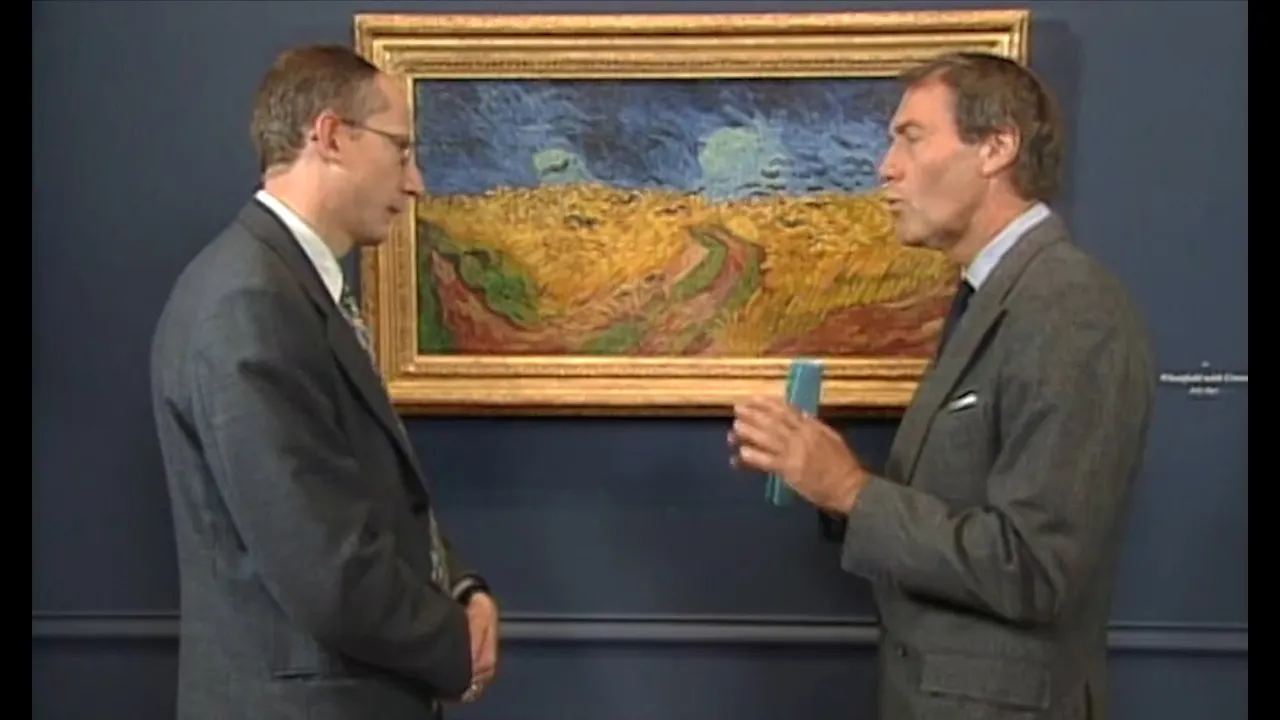
Van Gogh Museum Tour: Curator Insights at National Gallery
@ManufacturingIntellect
474.2K views•2016-07-30

Christian Iconography: History, Theology, and Meaning | Fr. Panayiotis Papageorgiou
@Trisagionfilms
58.8K views•2020-02-21

Ukiyo-e Art: History, Woodblock Printing & Influence
@japanathand
6.3K views•2023-06-08

Earliest Depictions of Jesus in Art: 10 Ancient Images Explained
@UsefulCharts
5.9M views•2022-06-03
Related Study Plans & Knowledge Roadmaps
Structured learning paths in Art History