








![[고1 한국사] 1단원 21차시│흥선대원군의 개혁│](https://i.ytimg.com/vi/t3pSHFaTnWI/maxresdefault.jpg)


![[한국사] 19-1강. 제국주의 열강의 침략과 동아시아의 근대화](https://i.ytimg.com/vi/U_DUjcPD9go/maxresdefault.jpg)







![[홍사훈의 경제쇼] 오건영ㅡ거대한 일본號, 긴축으로 방향을 틀다! 한국경제에 어떤 영향?ㅣKBS 230731 방송](https://i.ytimg.com/vi_webp/FZy4K2Df9I8/maxresdefault.webp)



Japan's dramatic economic transformation from a feudal society to a global economic powerhouse demonstrates how strategic policy decisions, corporate innovation, and cultural adaptation can drive national development. Beginning with the forced opening of Japan in 1853, the nation underwent rapid industrialization through the creation of zaibatsu conglomerates that controlled entire supply chains, enabling Japan to catch up with Western powers in just a few decades. Post-WWII occupation initially dismantled these structures, but Japan leveraged Cold War dynamics and government-led initiatives to achieve unprecedented economic growth, becoming the world's third-largest economy by the 1980s. This trajectory illustrates how economic policies, corporate organization, and cultural values interact to shape national trajectories.
Japan's Economic Transformation: 1853-1989 | Historical Analysis
Added:A sleepy harbor, cannons glinting in the sun, black ships and white steam. For a nation that's worked so hard to keep things the same for 200 years, everything is about to change.
[Music] This extra extra history is brought to you by the new card game Cyberpunk Legends, which is kickstarting right now. Actually, let's break the ad format here for a second because in creating the game I just mentioned, our founder James actually ended up doing a deep dive on the history of Japanese companies, trying to understand how they became such a roaring success in the8s that they ended up as the villains in so much cyberpunk media. And all the stuff he found was so fascinating that he penned this bonus episode that ties quite nicely into our previous Japanese history series, which you can see right here or in the links below. But I'll recap here a little bit just in case you haven't watched those yet. This tale begins with American ships in Edeto Bay.
The year is 1853. Under the hot summer sun, four American gunboats rest at anchor in sight of the Japanese capital.
For over 200 years, the Tokugawa shogunit has had a policy of sakoku or extreme isolation. Trade, information, and even movement was restricted to the point where the islands were effectively cut off from the world. But the United States had other ideas. They needed new ports for their goods and a new coing station for their ships on the way to China. So by diplomacy or daring, they were going to make Japan open, whether its people wanted it or not. The commander of the fleet, Matthew Perry, let the guns roar and showed the entire nation that he could flatten Edeto from the sea if they did not agree to start being open for business. Trade began, and within 5 years, the Japanese had been forced to sign away more and more of their rights. And this was the spark that set Japan al light. Since the Sangoku Jedai, Japan had been ruled by the shogunit and remained a strictly feudal society. But without the rampant wars of the earlier eras, the warrior cast became bureaucrats. They administered the land, collected taxes, and became government functionaries. But without those wars, there was also no possibility for advancement. Children inherited the jobs of their parents.
People taught to believe themselves to be a proud and noble warrior spent their whole lifetime as the feudal equivalent of being a clerk at the DMV. And as the years became centuries, the currency devalued and the fixed income of these samurai bought less and less. Yet the law essentially forbade them from taking other jobs. Meanwhile, by law, they were required to keep and support residences in the capital. So they often fell into poverty and debt. The entire warrior class was at its breaking point. At the same time, there was a faction of powerful nobility that was becoming increasingly concerned with Japan's ability to compete with the West. And by increasingly concerned, I mean they looked over at what was happening in China and decided it was time to smash the in case of emergency glass and go full-on revolution. The lower ranking samurai gladly joined in. They overthrew the shogun. It restored the emperor.
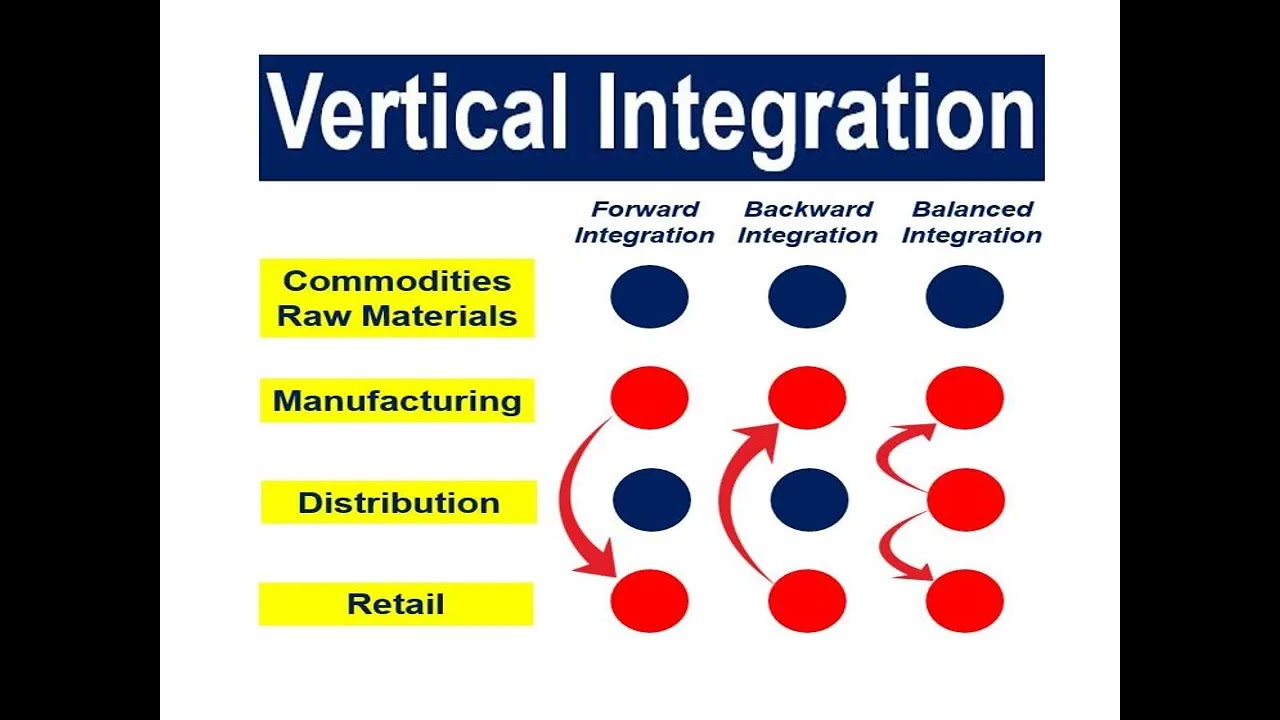
Took about 8 seconds to breathe. And then said, "Hey, how do we not become a colony of a European power like basically every other nation in Asia and started a crashindustrialization program the likes of which the world had never seen?" They brought in German doctors, British engineers, scientists from around the globe, and of course, military advisers. Lots of military advisers. They needed to do in about 30 years what most European nations had taken centuries to achieve. They simply had no time for faffing about with the standard mechanisms of capitalism. They needed to invent a new type of corporation to compete on the world stage. And so in 1868, they invented the Zybatsu where all the cyber punkiness begins. Zybatsu are basically a mega monopoly with a single family at the top. It's almost a direct inheritance of the feudal daimo system, but like capitalism style. What makes a zyatu unique is that they're built in such a way that they control the entire supply chain in an industry. First, there's the family that controls them. Then, right below that comes their own bank that provides all the financing for everything in their sector. Underneath the bank sits the big businesses that do all of the actual manufacturing. And below that there is a pyramid of smaller businesses that manage everything that take the product from manufacturing to something the consumer actually sees. So as an example let's imagine a car zatu.
At the top you have a family that's going to rule the thing for generations.
Below them you've got a bank but not a bank quite like we think of it. A bank whose sole job is to manage the money for everything in the zybatsu. Below the bank you have mining and resource extraction firms. Below them, you'll have giant heavy industry plants where the cars actually get built. Below them, you'll have the transportation company that ships the cars around the world and gets them to dealerships. And below that, you'll have the dealerships, the repair shops, the parts vendors, everything related to the cars they produce. And it's all effectively one company, absolute monopoly and absolute efficiency. By owning the entire chain, the Zibbatu could operate at a level and a speed that no company that used outside dealership, shippers, or mining operations possibly could. But that efficiency comes with risks. The obvious one is the problem with any monopoly.
Why pass all of those efficiencies on to the consumer if you're the only place they can buy from? But the bigger question was, if you control every part of making the weapons of war, does the government control you or do you control the government? And therein lies the rub. Between government efforts and the ibatu monopolies, Japan achieved its goal. It remained independent. It even caught up to the west enough to give Russia a sound dubbing. And all the way through the First World War, things seemed to be going swimmingly. But then at the Treaty of Versailles, everything went south. About the only thing the Antant powers could agree on during the treaty negotiations was that they were going to screw the Japanese, who felt like they were entitled to something for cutting Germany off from almost all of its Far East holdings. They did, and this slight raised the eyeire of the militarist faction in Japan. Despite their expansionist leanings, the militarists felt like the Zybatsu's pro-western economic focused agenda was keeping Japan from the empire it deserved. And when ultraist militarists feel like something is getting in the way, blood tends to get spilled. The 20s were rife with assassinations, coup attempts, and general violence. But in every case, the perpetrators were let off lightly, which just emboldened them until at last the military faction had complete control of the country. The military couldn't remove the Zybatsu, but they could force them into line and then sweeten the deal with the offer of lucrative arms contracts. And by the time the world went to war again, the Zybatsu were some of the largest arms manufacturers on the planet. Then in a flash of light, the end of an era, a way of life burnt away in atomic fire. With Japan's catastrophic loss in World War II, the militarist faction was wiped out. Japan was occupied, and the US planned to remake Japan in its image.
One of the first things MacArthur did, the leader of the American occupation, was dismantle these zibatus. He felt they were anti-democratic, concentrating too much power in a single family and anti- capitalist, being a monopoly that no one could buy into. And after the war, Japan lay in ruins. The industrial base was barely a quarter of what it was pre-war. The only thing that saved off famine in the early years was America sending in food. And at first, it looked like the American occupiers meant to keep it that way. But as the Cold War began to heat up, it became clear to those in Washington that a strong and prosperous Japan was going to be a vital tool in keeping the Soviet Union in check. So the US began pouring money into the restoration of Japan as much as it did in Europe. And by the end of the occupation in the 50s, Japan was back on its feet. Though not everyone in Japan was happy because even after the occupation, the treaties and the constitution forced on the nation compelled Japan to allow American bases on their soil and to remain largely disarmed, relying on the US for protection. Massive protests erupted.
But in a deaf move, the prime minister of Japan turned public sentiment around by launching his 10-year plan to double the size of the Japanese economy, in part through the use of all the funds they were saving by not having to spend on defense. So through a combination of government investment, increasing the social safety net, improving access to education, and focusing on exports, he did it. And he did it in 7 years, not 10. By 1964, Japan hosted the Olympics and would let the world ride on its new bullet trains. But underneath this, a cultural shift was happening. Japan's new education system tried to fuse its new democratic ideals with its traditional values of duty and respect for your elders. Creating a workforce that was invested in the nation, able to think independently, but also felt a deep sense of obligation to the companies that employed them. In essence, it tried to bring the samurai ethic to the workplace. The government also heavily invested in education, especially in the sciences, functionally creating a super worker for the late 20th century. And here is where it starts to get more cyberpunk because Japanese mega corpse went from being zyatus to kiritsu, which are basically the same thing, but without a single family in control. Now though, that great vertical integration which the Zibbatus were famous for, yeah, it would be extended right into workers lives.
Because as the 70s rolled around, Tokyo became a city of neon and glass.
Skyscrapers began to dominate the skyline, the Kiritsu went from rebuilding Japan to being household names across the world. And the expectation was that if you were a company man, you were a company man. You worked 10, maybe 12 hours a day. Your social life revolved entirely around the company. Your life would look something like this. Go to work. Have lunch with folks from the company. Work late.
Stumble out into the Tokyo night life.
Grab dinner with fellow employees. Go out to karaoke, a bar, or a host club with your team. Sleep for 5 hours.
Repeat. Yeah, there is a reason that only the Japanese have a word like kroshi, meaning death from overwork. So, Japan was rich. Tokyo was wild. But there was also a work culture unlike anything the world had ever seen. This rocketed Japan to becoming the third largest economy in the world just behind the USA and the USSR and in turn the world became fascinated with Japan.
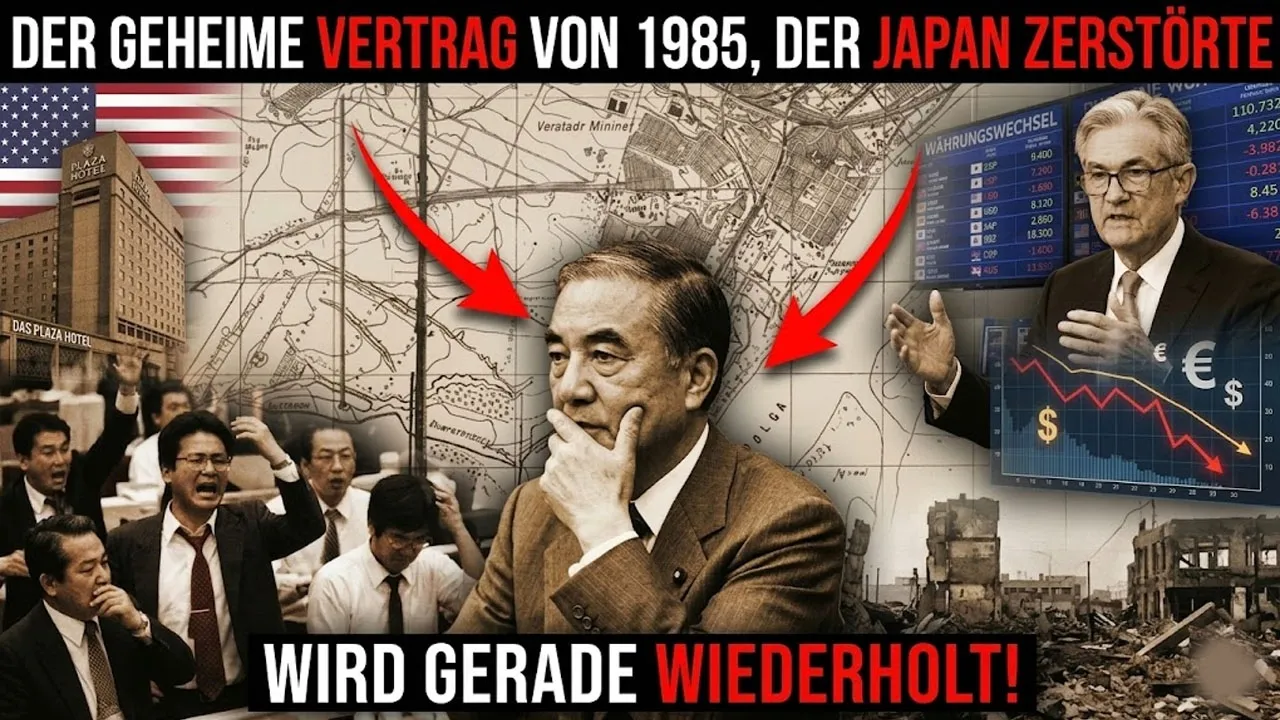
Japan was seen as the future as the high-tech cutting edge. Whole districts of Tokyo were devoted to trade in rare and high-end electronics. Japan started to export culture on a scale it never had before with things like anime and manga beginning to make a tow hold in western markets and Japanese goods were no longer desired solely because they were cheap. Rather, a whole line of luxury products started flowing out of the country and into the country as a spending craze took hold of a populace drowning in its newfound wealth. Real estate prices exploded with the land the Imperial Palace sat on once being valued as being worth more than the entire state of California. A square foot in Tokyo was being priced at 350 times that of a square foot in Manhattan. And as the Japanese picked up golf as the business sport of choice, landhungry golf clubs started charging incredible prices for membership. In fact, dropping a million or more dollars on a membership was so common that the Nikay Golf Club membership index was established to make golf club memberships a tradable asset and basically have a mini stock market of their own. Then there was the Plaza Accords which were an attempt by the largest economies in the world to find a way to deflate the US dollar. And this was totally with the backing of the US by the way because the dollar was so valuable by the mid80s. It made it almost impossible for US companies to sell anything abroad and made US consumers ravenous for cheap foreign goods instead of buying domestically made products. And it worked like a charm. For the first time, everything in America was cheap for cash flush Japanese tourists and corporations.
Visits to America spiked and Japanese companies went on buying sprees, picking up American icons like the Rockefeller Center and the Builtmore Hotel.
Hollywood studios like Columbia Pictures and Universal Studios were bought by Japanese companies as well. Investment flowed in across the board and soon there was a mini panic about a Japanese economic takeover in the US. But sooner or later, the ride had to stop. In 1989, the cracks started to appear in the Japanese economy. Skyrocketing land values finally took a downturn. Exports shrunk as the yen became more valuable.
And by 1990, the bubble burst. The Japanese stock market crashed. Companies that were once on top of the world saw a third of their value wiped out virtually overnight. This led to decades of slow economic growth, something Japan has yet to fully recover from. But to this day, Tokyo remains a vision of a future that never was. Neon and chrome right next to lacquer and rice paper, robot waiters serving you sushi as you look out over a thousand-year-old shrine or temple. And it's that Tokyo, that Japan that caught the imagination of writers in the8s.
Because for just a brief moment, it looked like that might really be the future. And that future was tied to the ideas of the Kiratsu growing forever, becoming the strange monopolistic Japanese mega corpse dominating the world stage. A few years earlier or a few years later, who knows what cyberpunk would look like? Would we have Wayand Utani, Arasaka, or the Auto Sendai? I'll of course leave all that to the speculative fiction writers. I just love that for a moment, an economic miracle across the globe could forever change how we wrote about the future.
First in the States, but then all over the world. And if you would like a look at a phenomenal instance of this impact 30 years on, then you've got to come join me in Night City with James' kick-ass new card game, Cyberpunk Legends. a strategic co-op narrative card game that takes place in the faristant future of 2012 before anything else in the cyberpunk timeline. In it, you and your crew pick unique classes complete with abilities and upgrades and then shape the outcome of various scenario decks that let you live out a fast-paced cyberpunk story complete with choices, puzzles, and combat with no GM required. I've actually been play testing this for the last few years with James and the Night Crew games folks, and I loved it so much that I volunteered to go out to Gen Con this year and help run it for strangers for 4 days to show them the magic. We sold out slots in like 19 minutes. It was legit a blast. But lucky for all of you at home, the Kickstarter for Cyberpunk Legends just went live. So to check it out for yourself, just click the link in the description or I'll Yeah, I just hacked a QR code up right there and you can scan that as well. I believe in this game. so much. It is always really nice when a friend makes something and you want to support them. It's also really great when that thing is just truly truly awesome. So, I really believe in Cyberpunk Legends and I think you will love it at your gaming table. Again, to snag Cyberpunk Legends for yourself, click or scan here and then once your legend is born, check out our next video here. I gotta tell you, Zelad's Architectures, Lotus Wolf, Joseph Blame, Hunter Z, Dominic Valenciana, Arl Posting, and Angelo Valenciata are just the best beans in the business.
[Music]
Up Next

How Food Shapes Our Cities | Carolyn Steel | TED
@TED
183.2K views•2009-10-05

Impact of Yuan in Indo-Russian Trade Amid Sanctions
@WION
261.9K views•2022-07-01
Behavioral Economics Explained: Rationality, Nudges, and Risk
@crashcourse
1.1M views•2016-03-12

The Age of Easy Money: Fed & Inflation | Full Documentary
@frontline
21.2M views•2023-03-15
Related Study Plans & Knowledge Roadmaps
Structured learning paths in Economics