
![Биохимия зрения [Clockwork]](https://i.ytimg.com/vi/4q3VdZfyzaE/maxresdefault.jpg)




























![[ENG] Linear Rec2020](https://i.ytimg.com/vi/DsZYv_aRWjE/maxresdefault.jpg)



Language can influence how we perceive and categorize colors, as demonstrated by studies showing that speakers of languages with distinct color terms (like Russian's separate words for light blue and dark blue) perform better at distinguishing those specific shades compared to speakers of languages without such distinctions, supporting the linguistic relativity hypothesis that our words shape how we see the world.
How Language Shapes Our Perception of Color | SciShow
Added:Basic anatomy of the human eye, specifically the roles of rods and cones (photoreceptors) in detecting light.
The physics of light, including the visible spectrum and how different wavelengths correspond to different colors.
The core concept of Linguistic Relativity (the Sapir-Whorf hypothesis), which suggests that the structure of a language influences its speakers' cognition.
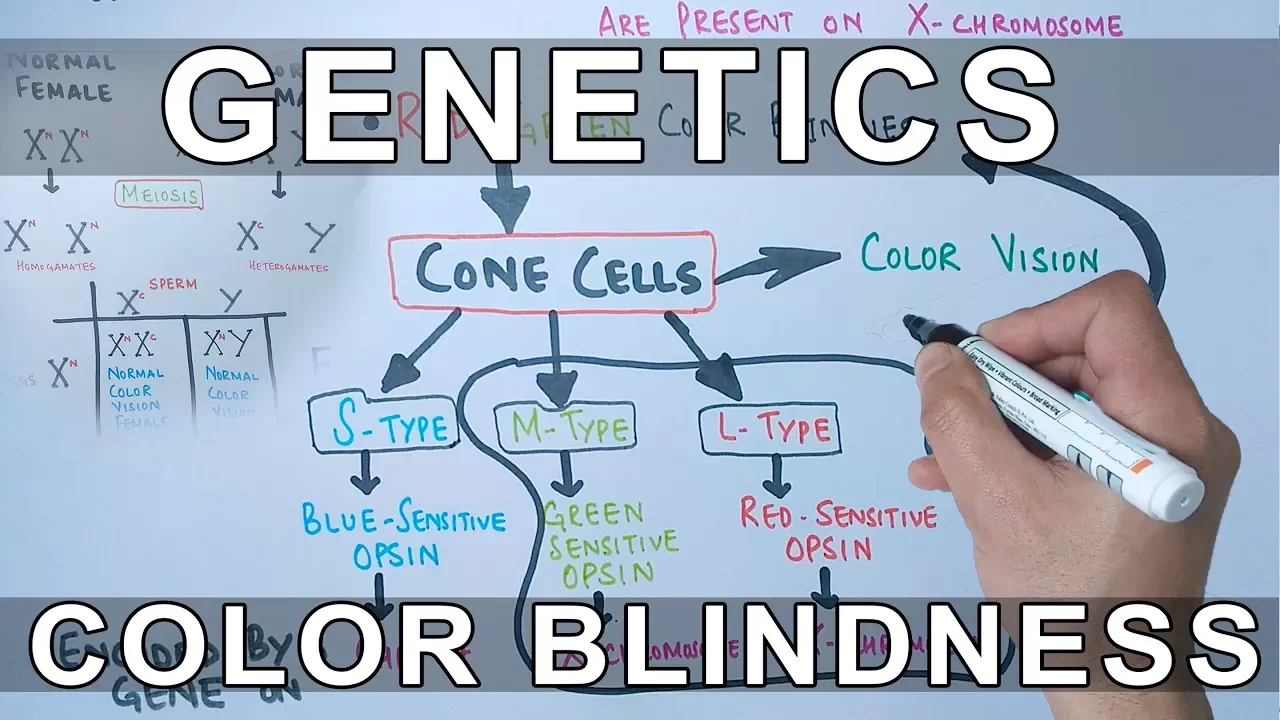
Basic genetics of vision, particularly how genetic variations and mutations on the X chromosome lead to color vision deficiencies.
The Berlin and Kay theory of color term evolution, which details how languages systematically adopt color names in a predictable hierarchy.
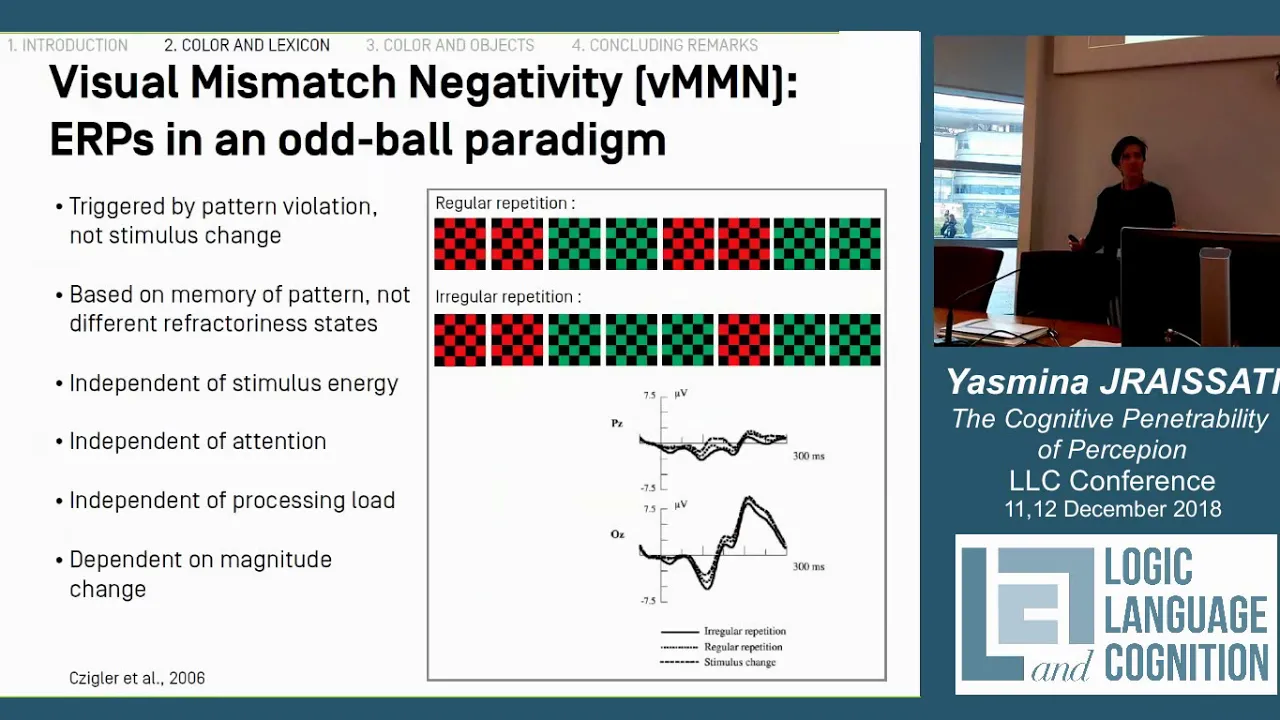
The cognitive science of 'categorical perception' and how linguistic boundaries can physically alter reaction times in color discrimination tasks.
The neurological phenomenon of synesthesia, specifically grapheme-color synesthesia, where letters or numbers are inherently associated with colors.
The application of human color perception models in computer vision, digital imaging, and the development of color spaces like CIE L*a*b*.
377.6K views6.7Klikes30:25Original Release: 2021-12-19
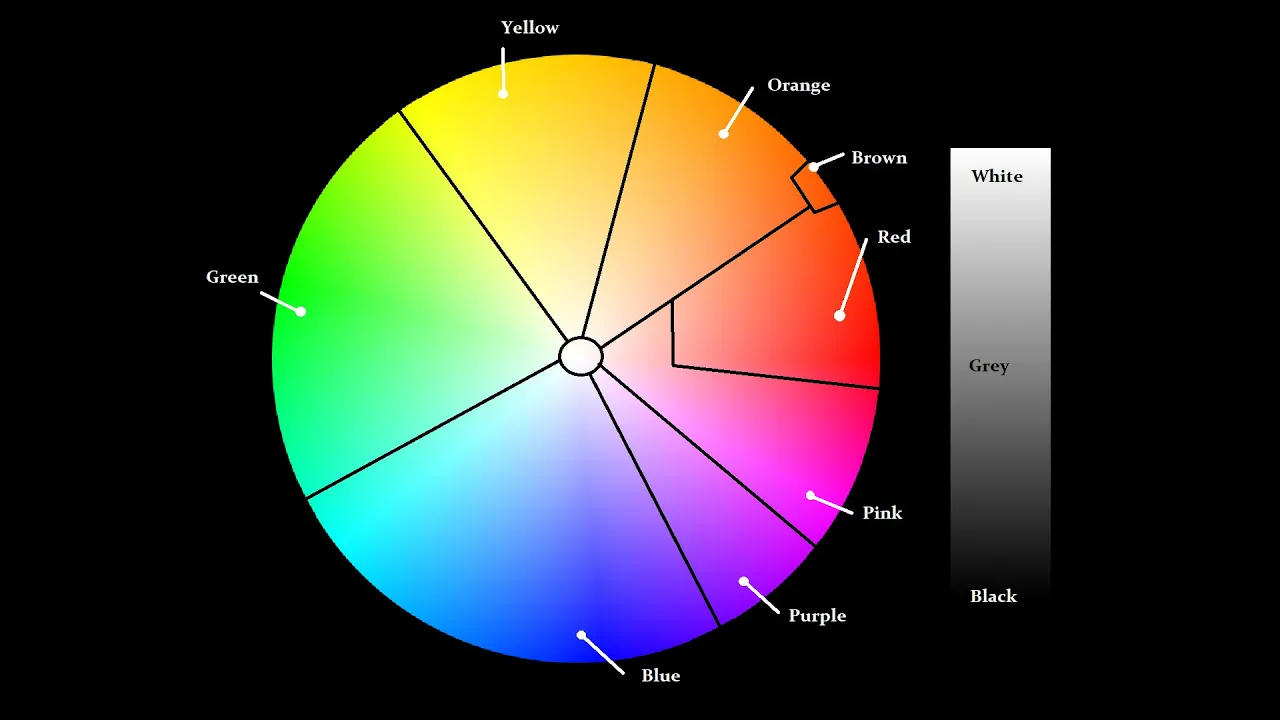
[Music] sometimes when you walk outside and see nothing but white snow under a white sky it can feel like the world has no color but the human eye is incredible at detecting about a million different colors in this world granted not everyone's eyes work the same way so not everyone sees the same colors here's how different people can look at the same scene and see things differently you might tend to assume that everyone sees the world in pretty much the same way within the same sets of colors that we call visible light as if we were all coloring with the same box of crayons but the truth is how many colors you can perceive actually depends on what you're working with our eyes are these amazing energy converters taking light energy and turning it into chemical energy and transmitting it to our brains through nerves and within our retinas at the backs of our eyes are receptor cells called cones and rods rods allow us to see in black and white and gray and they're still effective in dim light and most humans have more than 120 million of them cones on the other hand are the eye's color receptors we only have six million of those and they enable us to see fine detail in well-lit conditions most people have three types of cones blue red and green and each receptor is triggered by different wavelengths of light the brain combines the signals from the three types of receptors to produce what we perceive as color when you put all the various combinations from these three receptors together most humans can see about one million colors this is called trichromacy colorblindness usually occurs when a person is missing one of those cone receptors almost always either red or green this is called dichromacy and it reduces the ability to distinguish between those two colors interestingly there are varying degrees of color blindness dichromatics can see about 10 000 colors but humans with monochromacy who are missing two or all three types of cones only perceive about 100 colors mostly shades of gray and because the genes that affect color vision are on the x chromosome disparities in color vision often correspond with your sex biological males only have one x chromosome so they're more likely to inherit color blindness about eight percent of men have some form of it but biological females have two x chromosomes so for them to be affected they have to have the colorblindness trait on both of their sex chromosomes as a result color blindness in women is really rare showing up less than one percent of the time but the x chromosome is also where scientists have recently found a genetic mutation that may be linked to a sort of technicolor superpower in 2010 british scientists identified the first known tetrachromat a woman whose eyes have a fourth type of cone that can register shades between red and green basically enabling her to perceive at least 100 million colors this too seems to be a sex-linked trait and other studies have suggested that as many as three percent of the world's women may have this ability in which case paint companies and crayon makers are going to have a lot of new names to come up with well now we have a better understanding of how our eyes take in different colors and the huge variety of colors that are out there next up let's talk about how those colors get to our eyes in the first place nowadays we have everything from bright blue cars to green cupcakes to pink phone cases but our lives weren't always so full of rainbows for millennia we've mostly had to make do with natural pigments and dyes which were dug out of the earth or taken from plants and while white chalk is great for cave painting it doesn't work so well for multi-colored clothes if you want flashy colors that'll last but don't want to spend a ton of time or money harvesting them from nature you must turn to chemistry and in the last 300 years or so chemical synthesis has revolutionized the scientific art and fashion worlds one of the first pigments made in a lab was prussian blue it was created in berlin around 1706 and was famously used to dye the uniforms of the prussian army the color was included when crayola debuted their crayons in 1903 and it still appears in crayon packs today you just might know it by a different name since it's been called midnight blue since 1958. now the details of the discovery are a little fuzzy but the story goes a paint maker by the name of diesbach was trying to cook up a red pigment from some scale insects but he borrowed some chemicals from a lab mate that happened to be contaminated with iron and got a dark blue color instead the color of something depends on how that object absorbs and reflects light a red apple for instance looks red to us because it reflects the long wavelengths of red light and absorbs the rest but a blue shirt is reflecting shorter wavelengths of blue light or because of complementary colors something can appear blue because it only absorbs the color of light that's opposite on the color wheel in this case orange white light is a mixture of all colors so when one gets taken away you basically perceive what's left the complementary color there are different reasons why a pigment might reflect or absorb certain wavelengths with prussian blue it's because of iron and something called charge transfer the pigment actually has two differently charged iron atoms that will absorb orange light and use that energy to move an electron from one iron atom to the other and because of complementary colors it ends up looking blue diesebox mistake was serendipitous because at the time a lot of blue pigments like indigo faded or they were super expensive like ultramarine which was made by grinding up semi-precious stones shipped from afghanistan prussian blue was cheap and durable so all of europe wanted it for clothes stamps and in their fine art it was a smash hit and not just for its looks because prussian blue can bind metals like cesium or thallium the pigment has had a second life as a drug to treat people for heavy metal contamination another highly sought after pigment was discovered while trying to make medicine specifically quinine a natural drug that was used to treat malaria 150 years after the invention of prussian blue there was still no easy way to make purple the ancient romans got purple from mediterranean snails but it took a lot of them to make much dye which meant the color was really expensive so when an 18 year old chemistry student in london named william henry perkin was tinkering with a molecule from coal tar a sticky type of distilled coal and failed to make quinine he was still excited because instead he stumbled upon a bright purple substance that could permanently dye fabric he called it moving moving is an organic pigment mostly made of carbon hydrogen and nitrogen so it's not purple because of metals but because of the way electrons are distributed when organic compounds form rings carbon rings are only possible when every other carbon is held together with a double bond that means electrons are constantly moving across all of the bonds in a kind of hexagonal donut cloud they're pretty easy to excite with yellow light so that's what gets absorbed and because purple is the complement to yellow the pigment looks purple now if you think color discovery is just a thing of the past think again in 2009 a grad student at oregon state university was heating up some manganese oxide and other chemicals to around 1200 degrees celsius in hopes of generating a new super efficient electronic material he hadn't made the next silicon but he did create the first new blue pigment in two centuries it was a bright blue and because it was made at such high temperatures the scientists knew it had to be a pretty stable chemical along with oxygen the pigment was made of just three elements itrium indium and manganese so it was named yin min blue the key to the color is how the manganese atoms are ordered within the crystal structure they sit inside little pyramids surrounded by some oxygens because of the pyramidal shape the manganese electrons are repulsed by different amounts by the oxygens so they have different energies that means that there's some wiggle room to get excited so the electrons can absorb a lot of light yin min absorbs red and green light really well but still reflects blue light so it's a vibrant blue it's also non-toxic and reflects heat which means it doesn't just look pretty it could be used to paint roofs and keep houses cool the same team has since reported that if they add zinc and titanium they can make purples and if they replace the manganese atoms with copper or iron they can make greens or oranges with similar properties this year crayola decided to honor ian minblue by giving it a coveted spot in its 24 pack of crayons but like prussian blue it's going to be renamed first which makes sense for marketing but means kids might miss out on some cool chemistry so there's still a lot we can learn about colors and pigments but speaking of seeing new colors you may have seen videos of people trying on colorblind glasses for the first time and wondered if they actually work can people actually see colors that they couldn't see before here's the science behind those viral videos a while back there were a whole bunch of videos with the same theme that went viral someone who is colorblind puts on special glasses and suddenly they can see the world in all its colorful glory some people freak out some people cry some people can't stop staring at colors they say they've never seen when we first heard about this we were like we need to make a video about that immediately and then we spent years basically trying to get to the bottom of it and this is the culmination of that thank you to our writing staff so obviously these glasses don't just like turn on a bunch of new colors for colorblind people and when people put the glasses on they aren't suddenly seeing the world the way that people with normal color vision do the glasses just filter light in a way that makes it easier for people with certain types of colorblindness to tell the difference between colors if someone's colorblind that means that something's up with the cones in their eyes the photoreceptors that detect color there are three types of cones for seeing short medium and long wavelengths which roughly correspond to blue green and red there are lots of different types of colorblindness and almost all of them people can see at least some colors the exception is monochromacy where people don't have any cones at all and they see the world in black white and gray but that is incredibly rare only about 1 in 30 000 people have it there's also dichromacy where one type of cone is missing where someone is missing all of their green cones for example they see the world in just blues and yellows but it's a lot more common to have what's known as anomalous trichromacy where you have all three cones but one type gets activated by the wrong wavelengths about 6.3 percent of men and 0.37 percent of women have anomalous trichromacy and in the vast majority of those people it's their red or green cones that are affected which is why most colorblind people confuse green and red in deuteronomy the green cones detect wavelengths that are too high so on the redder end of the spectrum red light activates both red and green cones which the brain interprets as a kind of yellowish color pro anomaly is kind of the opposite the red cones detect wavelengths that are too low so green light can activate the red cones either way the red and green cones are activated by similar wavelengths so there's confusion around red and green which can both look yellowish like it might be kind of hard to tell the difference between a lemon and a lime or between red and green peppers but there are a couple of ways to help colorblind people tell the difference between colors even without fancy glasses like with an app that changes the colors for you if you were trying to figure out which peppers were the red ones you could pull out your phone and hold the camera up to them and the app would detect the red peppers and change them to a color that would be easier to distinguish like pink some apps and video games have settings that will do something similar so you don't confuse the enemies outlined in red with the people on your team outlined in green for example there are also colorblind friendly contact lenses you wear a special contact lens in just one eye which is usually tinted deep red so it blocks out a lot of green light green objects will look much darker through that tinted lens so by comparing what you see with each eye it's easier to tell the difference between green and red these lenses could help you pass tests for colorblindness like the ones where you check which number you see in different colored dots and it can also help people in some specific jobs like electricians you don't want to get the wires wrong when you're an electrician some people who've used these lenses say that they do start to see green and red differently but they don't really correct color vision the glasses that spawned all those viral videos on the other hand do try to correct color vision they're designed to solve the problem of the cones overlapping so colors don't activate the wrong cones they only work for the types of red green colorblindness where you have all three cones though so either deuteranomaly or proto-normally the key is to block the specific wavelengths that are causing the most confusion the wavelengths of red and green light that trigger both the red and green cones the glasses use what's known as multi-notch filtering where they're embedded with rare earth metals that absorb certain wavelengths of light leaving just the wavelengths that a colorblind person's eyes have an easier time distinguishing so red things will be more red and green things will be more green making it easier to distinguish between them and that's also what happens if someone with regular vision wears the glasses they'll see the primary colors of light much more vividly but for colorblind people the glasses will only work if their colorblindness isn't too severe if their cones overlap too much there's not much these glasses can do because they won't block all the wavelengths that trigger both types of cones on the other hand some of the people that the glasses do work for say that they can see colors they've never seen before like certain shades of purple people with normal color vision see purple when there's a mix of red and blue wavelengths reaching their eyes but with deuter anomaly part of the red light activates the green cones which muddles the color it's possible that with the glasses blocking the wavelengths of light that activate the green cones people can see shades of purple they wouldn't otherwise be able to see of course the glasses cannot cure colorblindness because nothing has physically changed about your eyes or your cones but for the people in those viral videos the world really does look different though i was skeptical of that at first although it does not look exactly the same as the way that people with normal color vision see it there's more than one kind of color blindness in humans but let's not forget all the unique ways other animals can see color there is a colorblind animal who still camouflages with the best of them this is the story of the cuttlefish cuttlefish are the ultimate hide and seek players they can copy the color contrast even texture of their surroundings in seconds even in the dark of night they are camouflage wizards and what makes their skill absolutely mind-blowing is that they can do this even though they are colorblind we've actually known for some time that cuttlefish are colorblind heated debates in the early part of the 20th century were basically settled when biologists dissected cuttlefish eyes and found only one visual pigment which would strongly suggest that they could only see in black and white still just to make extra sure scientists in recent years have tested their camouflage abilities on a series of checkerboard patterns in various colors and brightnesses and when the colors are matched in intensity the cuttlefish don't blend in further implying that they can't see the difference between those colors the conundrum of how cuttlefish and other cephalopods like octopus and squid can copy colorful patterns without being able to see them as perplexed scientists for decades and led to some wild theories like one is that cuttlefish see with their skin rather than their eyes which actually isn't as out there as you might think cuttlefish do have light-sensitive proteins called opsins all over their skin opsins are the molecules in the eyes that detect light so researchers thought that maybe they gave the animals skin some kind of sight enough to figure out the colors they needed to blend in with anyway and this theory would kind of explain a study done back in 1930 which found that cephalopods could still change color even if one or both of their eyes were removed although the paper says this ability was quote somewhat impaired but despite five years of painstaking research scientists haven't found any conclusive evidence that these opsin proteins have any connection to their camouflage abilities so in 2016 scientists put forward a new hypothesis that got some tentacles in a bunch they argued the cuttlefish aren't quite as colorblind as they seem and that they're actually able to discern colors using chromatic aberration that is the phenomenon where different colors of light come into focus at different distances because of the way different wavelengths of light bend through a lens it's actually an annoying thing that happens with cameras sometimes producing a rainbowy edge to pictures and it turns out that eyes with off-center pupils like cuttlefish have create the same kind of chromatic aberration as camera lenses but more strongly if the cuttlefish can essentially shift their focus and use this trick to separate reds yellows and blues they wouldn't actually need to see color directly to sense it for their patterning the problem is so far this has only been tested using computer models so many scientists are still skeptical and really neither of these ideas provides a satisfactory explanation for how the animals can camouflage themselves at night when there's basically no light for them to pick up so for now it seems that how colorblind cephalopods manage to be masters of disguise will remain a mystery which makes it to me at least that much more impressive the theory that cuttlefish can see with their skin makes them my new favorite superhero but we can also use colorful sounds to gain super focus if you've ever wondered how white noise works here's your answer when we think about colors we normally connect them with light things you can see like white clouds pink flowers and brown cows but color can also be used to describe some special sounds white pink and brown noise they're very specific types of the kind of noise you'd probably think of as static designed to sound a certain way based on the physiology of human hearing and because of human evolution they can also be useful when you're trying to concentrate have a listen to this this is white noise both light and sound are made of waves the frequency of the waves how quickly they vibrate are important in how we perceive them you might know that white light is made up of light of all different colors of the rainbow all frequencies we can see white noise gets its name because it contains sounds from all across the frequencies we can hear that's a big range from around 20 to 20 000 hertz or wave vibrations per second these frequencies are played in fast random succession and your brain combines these random fast changing frequencies into a fuzzy hiss of static now you may have noticed that the white noise sounds kind of high-pitched which seems weird if white noise is made up of sounds with totally random frequencies you'd think it would sound sort of middle pitched the reason white noise sounds high-pitched has to do with your biology the way your ears and brain detect and process sound what you hear is pitch isn't quite the same as the objective frequencies produced and detected by machines your hearing system and music is based on octaves when you play a string of notes each one octave apart like a row of c's it might sound like they are evenly spaced in terms of how high they are that's not actually the case instead each octave represents a doubling in frequency meaning there are twice as many possible frequencies for a random sampler to choose from so in a random set of frequencies statistically more of the sounds will seem higher pitched to the human ear and there's another reason why noise sounds high pitched human anatomy makes us more attuned to sounds in the highest region of three to four kilohertz our brains amplify sounds in this higher pitched region making the higher frequency sounds in the white noise seem louder than they really are so if you find white noise a bit too tinny you might prefer other color sounds like pink noise pink noise takes human hearing into account and balances out the frequencies so that all octaves are represented evenly in pink noise the frequencies played are still random but the volume of the higher frequencies is dampened the higher the frequency the more the volume is lowered which compensates for how often the higher sounds are played to your ears the different pitches come through equally strong and the result is a deeper more balanced listening experience brown noise takes this idea a step further sapping even more volume from the higher frequencies this creates a more bassy rumble like this which sounds a bit like a large waterfall or distant traffic now if you just glanced worriedly down at your pants you've probably heard about the infamous brown note supposedly there's a particular tone that's too low for humans to hear but apparently vibrates through your body including your bowels causing involuntary motions down there do not worry though you and your rear end can rest assured this myth has been well and truly busted you're safe to enjoy brown noise without any additional brown there are other noise colors too with frequencies that are adjusted in different ways but white pink and brown are the three main ones you might find the sounds of white pink and brown noise relaxing and if you do you're not alone many people play these sounds to help them work or sleep but why again the answer lies in human biology your brain is especially attuned to detect changes in your surroundings if there's a low level of background information like it's easy to tell the difference between two and three people talking at once compared to 99 versus 100 people chatting away still just one extra person but your brain has a harder time detecting that when it's silent almost any sound can alert your brain and you can't help but pay attention after all it might signal danger a throwback to our evolutionary ancestors worries about predators or other threats an unfortunate side effect is that a dripping tap or snoring partner in a quiet room can lead to some pretty frazzled nerves but white pink and brown noise playing across all frequencies are like muffling blankets of sound they mask other sounds by making them less significant compared to the background so the solution to annoying noises can sometimes be more noise sounds that come in many colors we're used to thinking of colors as things that we see so if sounds can be colors are any of the colors that we see real in the first place roses are red the sky is blue oranges are well you know orange colors seem pretty straightforward except that in a lot of languages that aren't english people don't make the same distinction between green and blue two colors that we totally take for granted when we talk about say the blue sky and the grass that's always greener on the other side do they just think of colors differently or are they literally seeing something different believe it or not scientists who study color aren't sure yet but they do think the colors we see and the words we call them have a lot of influence on one another objectively speaking colors are definitely real colors correspond to wavelengths of light and the light that we call violet is different from the light we call red but despite the fact that we can see millions of different colors somewhere along the way we started grouping some of them into categories and giving those categories names these categories aren't the only colors but rather groups of all the crayons you might lump under one broader name like brown most of the time when we're just walking around the world looking at colorful things we tend to see those categories and use them to talk about color we see brown rather than for instance burnt umber but among scientists there's a lot of debate about whether we're born with those color categories wired into our brains or whether by starting to name colors we shaped how we see them this idea that your language influences the way you think about the world is called the saber wharf hypothesis or the linguistic relativity hypothesis and there is some reason to believe that it might apply when it comes to colors but there's also reason to believe that color categories might be innate the thing to understand about studying this stuff is that it's super hard to do you can't study someone who already knows the names of colors if you're trying to see if color categories are innate so one approach is to look at infants early studies have mixed results but more recent ones have found that babies can categorize colors and that their neurons fired differently when they saw colors from different categories some of these researchers have noted that their findings don't address how language might later shape color perception like when you're older but they do at least provide evidence that some color categorization is innate meanwhile a 2019 case study of a stroke patient found that even though he could no longer name colors like red or blue he could still tell when two colors belonged in the same category or didn't go together this does seem to suggest color categories are wired fairly deep in our brains but the main way to try to understand our perception of color that we're going to talk about today is to look at people from different cultures who speak different languages at least according to research published by paul k and brent berlin in the 1960s in a study that built the foundation for a lot of color perception research they looked at the languages of various cultures and came to the conclusion that there are a limited number of basic color categories not every language has them all they suggested instead they believe that languages evolve to acquire color words over time in seven stages the last stage represented industrialized countries with anywhere from eight to 11 basic color terms the colors they argued always appear in the same order first black and white or at least dark and light then red then green or yellow then blue then brown and then finally purple pink orange or gray this seemed to suggest that color categories were innate and it was a cool elegant theory but the theory has its critics and it's been revised quite a lot since the 60s some contemporary researchers argue that k and berlin cherry-pick data to match their theory and it is somewhat english-centric not every language or culture has the same color terms or uses them in the same way for example there are actually enough cultures around the world that don't distinguish between green and blue that researchers in this field usually just call them by their couple name gru to get to the bottom of all this starting in the 1970s researchers began assembling the world color survey this documented the color lexicons of 110 unwritten languages from around the world to try to get more data to support reject or modify the basic k in berlin hypothesis they found clusters of basic terms around certain shades suggesting that black white red yellow and green slash blue may actually be universal color categories interestingly enough these color categories also match up with the six colors central to what's known as the opponent process theory of color vision this is one of the two major theories psychologists have proposed to explain how we can see so many colors despite having only three kinds of color receptors in our eyes so revisions of the k and berlin theory have floated the idea of just six primary colors in line with the biology of color vision and they've suggested that other colors are just mashups of the fuzzy boundaries between those six including the ones like orange and purple that had been considered basic colors they've also focused less on the idea of language evolution which was pretty problematic anyway industrialized languages ways of talking about color aren't necessarily some desirable endpoint and some researchers have found evidence to suggest that colors emerge in a language when the culture that speaks that language needs them the revisions have also gotten somewhat more on board with the idea that language can influence color perception at least in some situations in addition to our innate color perception shaping language because there is evidence that it's not just innate and a lot of it comes from studies of the blue-green boundary one approach is to ask people to make decisions about the similarity of two colors that are in the same linguistic category versus two other colors that were also similar but cross the color boundary in one study from 2000 researchers looked at speakers of the berinmo language in papua new guinea while english has a boundary between green and blue burimo has one between war a category that includes some green and null which includes a lot of blue green and some bluish purple the researchers found that when asked to identify the odd man out in a set of three colors english speakers more consistently judge colors as different when they cross a linguistic blue-green boundary meanwhile barimo speakers were better at judgments near their linguistic boundary similarly when asked to learn to divide a set of colors into blue versus green or war versus null speakers were better at the tasks that use the color category in their own language this suggests that the language they use to describe where one color ends and another begins influence what the participants saw it's not really about which color falls in which category it shows that if we have some inborn sense of color our language still shapes it literally our language changing how we see the world a similar study that included russian and greek speakers who have categories for light blue and dark blue found that their extra blue word also shaped what they saw for instance they were more likely to see a light blue triangle against a dark blue background than they were to see a light green one against a dark green one meanwhile speakers of german which doesn't have this blue distinction perform the same for the blue problems and the green problems the thing is though this debate is far from over while plenty of the critical discussion of the berlin and k theory is from the early 2000s that theory is still playing an influential role in the field modern studies and reviews on color categorization still often begin with a discussion of the way this conversation has gone back and forth over the years and there are still lots of studies being done on it the studies of the babies the stroke patients and the russian greek and german speakers are all from the last few years there have also been additional more recent studies of the color vocabulary of hunter-gatherer cultures and there are more complications we haven't even touched on some researchers argued that language shapes color processing in just one half of the brain and then there are the challenges of how huge shade and saturation all play into what we see when we experience a particular color we still don't actually know the answer to this nature versus nurture question but it does seem pretty apparent we have to jettison the old english is best biases before we're going to have any hope of figuring things out after all english isn't immune to changes we only added orange around the renaissance about the same time we got oranges and in the end it probably doesn't really matter to most of us in our day-to-day lives whether color categories are an actual thing or a thing brought about by how our language shapes our perception it's not going to change what you see tomorrow when you grab an apple for lunch or go outside and look up at the sky after all we all know the sky is grew right okay so the world's colors probably aren't just a figment of our imagination but there's a variety of ways that different people and other animals see them thank you for watching the vivid colors of scishow if you'd like to see more you can check out this video next about the dazzling colors of dinosaurs [Music] you
Up Next

4:21
How Language Shapes Thought: The Whorfian Hypothesis
@bbcideas
274.5K views•2020-03-20
36:52
Constraint Interaction in Optimality Theory: Epenthesis & Deletion
@Vidyamitra
180 views•2018-08-20

8:59
Forensic Linguistics: How Language Solves Crimes | PBS
@pbsstoried
1M views•2024-01-25

21:32
Accent Expert Explains U.S. Regional Dialects | Part 1
@WIRED
9.3M views•2021-01-21
Related Study Plans & Knowledge Roadmaps
Structured learning paths in Linguistics
linguistics
Optimality Theory: Tableaux & Constraints
01Phonological Basics: Sounds, Syllables & Rules
02Foundations of Optimality Theory: GEN, CON, and EVAL
03The Constraint Inventory: Markedness vs. Faithfulness
+ 2 more learning modules
15h5 modules
Explore Roadmap
linguistics
Morphosyntactic Alignment: S, A & P Systems
01Foundations of Syntax: Transitivity and Arguments
02The Linguistic Variables: Mapping S, A, and P
03Nominative-Accusative Alignment
+ 3 more learning modules
12h6 modules
Explore Roadmap
linguistics
Analyzing Sign Language: Phonology & Syntax
01Foundations of Sign Language Linguistics
02Phonology: The Five Parameters of a Sign
03Morphology: Word Formation and Classifiers
+ 2 more learning modules
14h5 modules
Explore Roadmap
linguistics
Pragmatics: Speech Acts, Grice & Politeness
01Introduction to Pragmatics: Meaning in Context
02Grice’s Cooperative Principle & Implicature
03Speech Act Theory
+ 2 more learning modules
14h5 modules
Explore Roadmap