









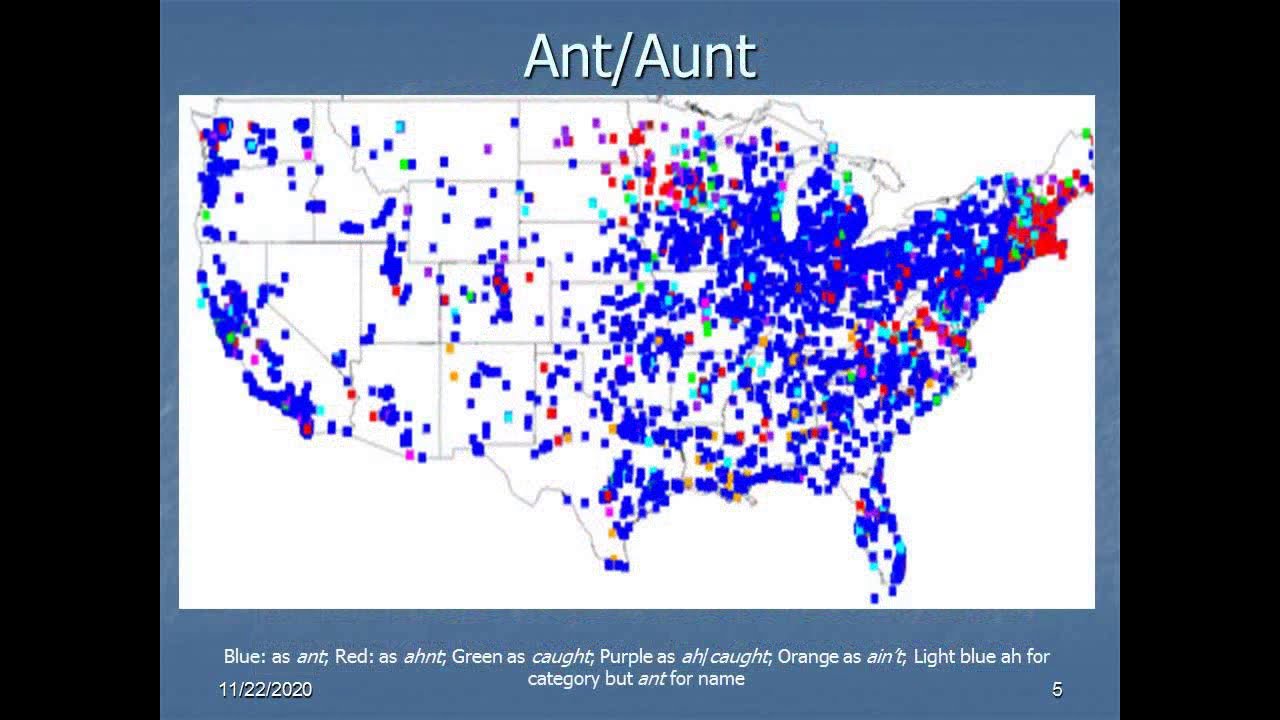



Regional accents in North America develop primarily through geographic isolation and settlement patterns rather than political boundaries, with features like vowel shifts, rhoticity (r-sound pronunciation), and consonant variations accumulating over generations in isolated communities, as demonstrated by distinct accents from Boston to the Outer Banks and Lumbee English, showing how language reflects cultural identity and historical contact.
Accent Expert Explains U.S. Regional Dialects | Part 1
Added:Understanding the basic distinction between 'accent' (pronunciation patterns) and 'dialect' (variations in grammar, vocabulary, and pronunciation).
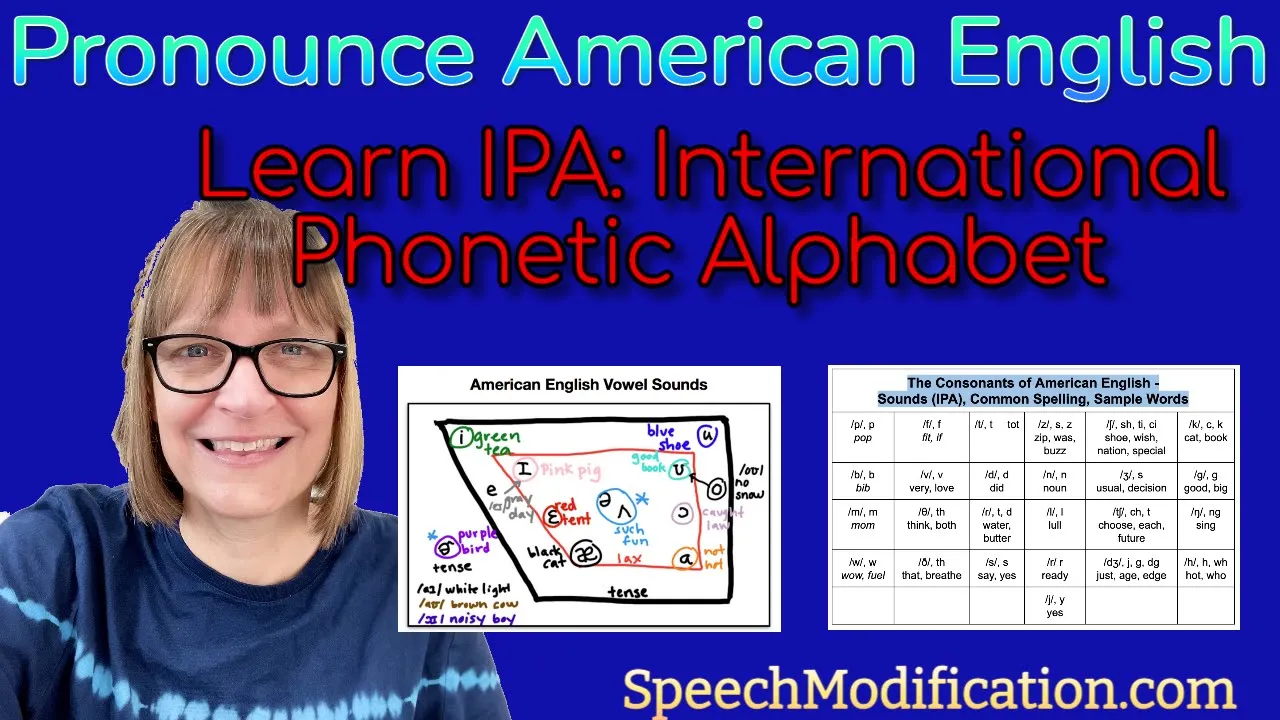
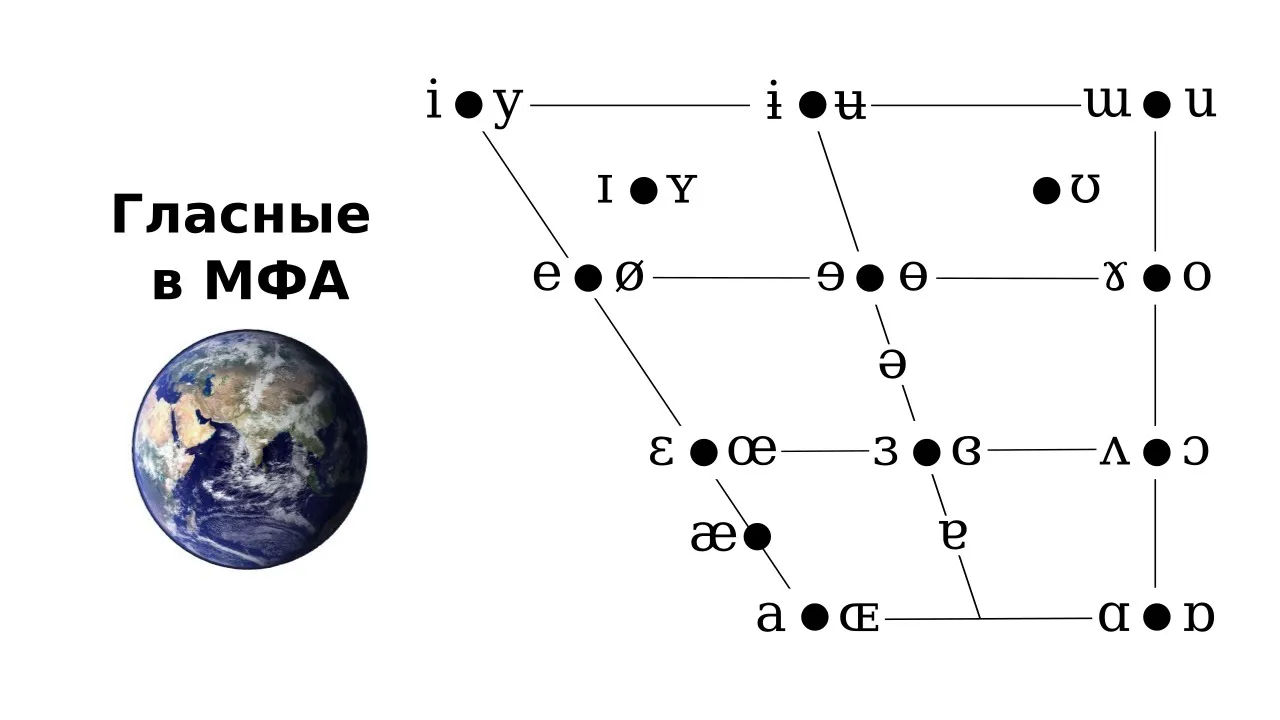
Familiarity with the International Phonetic Alphabet (IPA) and the concept of phonemes, particularly how vowel sounds are classified and produced.
Fundamental concepts of sociolinguistics, specifically how geographical isolation, migration patterns, and social class historical shape language variation.
The concept of a 'prestige dialect' vs. 'regional dialects' and how cultural attitudes influence the perception of certain speech patterns.
In-depth study of the Great Vowel Shifts in North America, such as the Northern Cities Vowel Shift and the Southern Vowel Shift.
The methodology of linguistic mapping, including how researchers use 'isoglosses' to define dialect boundaries on a map.
Applied dialect training techniques used by actors, such as modifying oral posture, resonance, and prosody to adopt a target accent.
An exploration of linguistic profiling and the social, economic, and legal consequences of accent-based discrimination.
9.3M views271.3Klikes21:32Original Release: 2021-01-21
new york city trenton north carolina mississippi and northern florida that's where you get this sort of blanche dubois scarlet o'hara kind of classical southern accent hi my name is eric singer i'm a dialect coach today we're going to take a little tour of some of the different accents of english-speaking north america [Music] now a couple of quick disclaimers these are by no means all the accents in north america or even all the english-speaking ones and not everyone from the same place sounds the same accents vary by socioeconomic background generation ethnicity and race and all kinds of individual factors because in a very real way accent is identity different people from the same place have more or less localizable accents and that usually has to do with identity too now on some of our stops we're going to be looking at some of the most distinctive and interesting local features but it doesn't mean that everyone from there has that accent or has it to the same degree i'm also going to have some linguists and language experts from around the continent join me today to lend their expertise in some of these areas hi i'm megan figueroa hi i'm nicole peace i'm sun michaud hi i'm kalina hi i'm amani doran one of the things you'll notice along the way is that accents often don't follow political boundaries especially ones like state lines they'll follow major geographical boundaries things like mountains for sure but what regional accent differences mostly reflect is settlement patterns and contact historically isolated communities like ocracoke island in the outer banks of north carolina or the sea islands in the low country in georgia can have really distinctive speech ways they've had the time and isolation necessary to diverge and develop them that's the other thing that makes for accent variety time there's a lot more accent diversity in the british isles for example where there are local populations that have been speaking english in their particular way for hundreds and hundreds of years and there's more accent diversity on the east coast of the u.s than there is west of the mississippi it's been settled by english speakers longer the first places english was spoken in north america were roanoke jamestown and of course plymouth massachusetts where the pilgrims landed in 1620. so let's start there the pilgrims spoke with what we call rhodic accents meaning they said all their r's in fact so did almost all english speakers in 1620 including the ones in england that's right a southern english accent might have used to sound something like this it was only in the late 18th century that fashionable young people in and around london started dropping their arse and from there the trend spread to america now north of plymouth rock we have avedyat one of the places you might hear a boston accent today stereotypical boston accents of course are non-rhodic meaning no r sounds in park your car and harvard yard let's all get in the car and head south down the coast now into rhode island traditional rhode island accents here are still non-rhodic but there's a key vowel difference the placement for that bowel sound in park your car in harvard yard we call this the start valve in boston it's usually pretty fronted park your car in harvard yard in rhode island it's back park your car in harvard yard ah rhode island accents were shaped by a lot of irish and italian immigration just like new york city so many accents they don't vary by borrow by the way that's a myth i know you guys are going to tell me to forget about it but i'm sorry sociolinguists have studied this really carefully and there just really isn't any such thing as a specifically brooklyn specifically bronx accent there certainly are a lot of different new york city accents but they vary by socioeconomic background and by ethnicity and other aspects of group belonging and identity more than by neighborhood or by borough they're historically non-rhodic though that's changing some in the youngest generations for sure here's something fun most of them have in common the tongue tip hits the teeth or close to them on td and n sounds instead of you know a little further back so you can hear that in like this kind of new york city accent tongue tip on the teeth times square new york city and this kind of new york accent 22nd street times square uh dumbo taxis traffic and so on okay so you may have noticed that all of these accents i've talked about so far sound pretty white i'm going to take a pause here and linguist nicole holiday is going to go a little deeper on african-american english varieties my colleague amani dorn is going to demonstrate some of those accents hi i'm nicole holiday and i'm a linguist as we know new york has all kinds of people in it african american english has a lot of shared features across regions because of its history so black people in africa were kidnapped and brought to what is now the united states at the time they didn't all speak the same languages they spoke multiple different african languages and those languages came into contact not only with each other but those languages were also coming into contact with the english spoken by the colonizers this created a situation where there was a really unusual learning exposure to english right so there are all these languages in contact with each other and for economic and survival reasons the enslaved people had to in some ways acquire english but the english that they were acquiring was not like what you learned in the classroom right it was under this really unusual situation of acquisition so some of the features that we see in modern african american english are a result of this contact between the african languages as well as the english spoken by colonizers and those features have persisted over generations after slavery was legally ended the majority of african americans remained in the south but experienced really extreme segregation this led to different varieties of english being spoken in black and white communities within the south and even as they moved north during the great migration nicole how did the great migration influence accents the english that we see today spoken by african americans has some features that have persisted throughout generations th stopping so that might be using something like a d sound for where you see a written th so dat for that you can hear that in this clip they said i could participate online they said i could they said i could they said i could participate online l vocalization so that's an l turning into a vowel in a word like pool or pull might sound something like pull or pull you said ask cool who cool cool that's cool we also see consonant cluster simplification if you have a series of consonants at the end of a word you might see them turned into just one consonant so in a word like west you might hear it pronounced does wes it's been a minute but she just left she just left she just left and anything specific to new york one feature common in new york city is what we call a raised vowel in words like thought and cloth it sounds something like oh coffee without froth on top isn't coffee at all so let's get it together okay let's go back to eric thank you nicole and even that's just the tip of the iceberg for linguistic diversity in this incredibly diverse city around 50 of new yorkers speak languages other than english at home and for half of those that language is spanish megan figueroa is here to tell us a little bit about one of those varieties a variety linguists call new york latino english new york latino english is heavily influenced by puerto rican spanish and dominican spanish one remarkable feature of this variety is a light l the sound that you would find in a word like like love leaf right so new york latino english speakers have a particularly light l you can hear that in this native speaker clip i guess growing up i know what it's like to not have a lie i know what it's like to not have a lie lie lie in contrast the light l when you produce the dark l the back of your tongue bunches so think about the words milk and pull the lighter l was a feature of new york latino english but latinx people are a very diverse group of people and they speak a variety of varieties we'll get to more of those later thank you megan and this single feature is a good contrast with other new york accents by the way because most other new york accents are pretty dark else lots of lemon lollipops la la i like to lick them so now as we leave new york and head south in new jersey and towards philadelphia we cross a major dialect boundary the online now north of this line most people say ahn rhymes with don south of it they say on rhymes with dawn of course this doesn't apply at all if you rhyme dawn and dawn only if you have two distinct pronunciations that's called the cot caught merger but we'll talk more about that later there are a few major dialect areas in the u.s and one of the biggest dividing lines is between northern dialects and midland dialects the online basically runs right along this boundary so as we cross over it somewhere around trenton we've crossed from the north to the midlands dialect wise now another thing that starts to happen as we get down towards philly is that the goat diphthong starts to move forwards in the mouth so we get go hoagies you want to go get some hoagies go gets maybe even a little further forward as we get down to baltimore especially you know danny you want to get any ocean on wednesday let's make a quick stop in dc where nicole has some really interesting stuff on the prosidy of local african-american speakers in my research i study prosody which has to do with the tone and intonation of the phrase itself in a study i found that african-american speakers may be more likely to ask a yes no question with a level tone or a falling tone for white speakers we expect a rising tone in questions like these so something like did you do the dishes but african-american speakers may be more likely to say something like did you do the dishes another feature that we see in dc similar to new york is the raised thought cloth vowel that ah this is a new feature in dc and we think it's part of a pattern of dc varieties becoming more like northern cities as opposed to the south you can hear that in this clip change is needed but um edward cost edward cost cost okay let's go back to eric now we take a quick detour over to pittsburgh yids are the only people in all of north america that smooths the math diphthong except for maybe chicago sometimes the smoothing is when you take a diphthong like ow and smooth it out so it's just one sound ah just like we have price smoothing and much of the sound so that i smooths out to just ah price same thing here except with the math vowel smoothing out to a long ass sound you just want to meet dan tan go shopping for catches heading back over to the delmarva peninsula as we head down into virginia we get something different happening with that same mouth diphthong here it's going to sound like oh mouth house so it's not smoothing out here it's raisin the tongue starts a little higher up uh instead of i so it's like oh oh a boat hose this feature is called tidewater raisin something similar happens with this bio in canada and there we call it canadian raisin but it's essentially the same thing happening time to get out of the house keep heading south down in north carolina we really start to hear pretty significant goat fronting again so the vowel sound in boat most hope starts with the tongue further forwards in the mouth oh interestingly goat fronting which is now widespread in a lot of the american south seems to have originated in north carolina sometime in the last part of the 19th century remember that regional dialect boundaries don't necessarily follow political boundaries they follow settlement patterns and contact patterns between populations so the inline part of north carolina which is in the appalachian highlands the original european settlers were scotch-irish folks and germans moving southwest from pennsylvania due to being relatively inaccessible and isolated for a long time that's handy is distinct from the lowlands and from the coastal areas the isolated speech communities are fascinating because we can get some really interesting sound patterns up here you get some really dramatic face lowering for example so the diphthong in face starts real low down around i i face light die you'll also get some particular dialect features so words and word order and grammar things that stretch way back to those original settlers from scotland and northern ireland things like a hunting and efficient and extra sounds too like the r sound and warsh and the h sound and hit get on with hit here's nicole again to talk a little bit about african american speech in southern appalachia hi again so african americans in appalachia are understudied mostly because stereotypes of appalachia are very very white african americans in appalachia may be more likely to be rhodic so in words like floor why up there on the fourth floor fourth floor floor floor you'll get the r whereas in other places you might get flow african americans in appalachia also tend to follow the more general southern pattern with respect to eye monopolization ah in wide turning to i so you get wide and now the map tour continues with eric thank you nicole we're picking up again in north carolina over in the outer banks there's an even more historically isolated community because of a shift in shipping patterns in the mid 19th century and probably also because of sympathizing with the northern cause in the civil war agriculture island was relatively isolated from the mainland for a long time it developed maybe one of the most distinctive and different dialects in north america obliging islanders will sometimes say to tourists well it's high tide on the sound side last night the waterfall night the moon shine no fish extra coke islanders are sometimes called high tiders because of that particularly distinctive oi sound and their accent is sometimes taken to be british or australian even by brits truth be told there are some similarities with some regional english accents including that high toy vowel sound which is similar to both southwestern english accents like devon or gloucestershire and east england accents like norfolk and suffolk those east and most counties of england curiously another distinctive thing about the old ocracoke accent is it's also got a real sort of balance to it which is something that both those southwestern and those east anglian accents also have in common north carolina is actually one of the most linguistically diverse states in the country i want to bring in colleen newmark now to talk about native american english hello my name is kalina newmark and i am talita denney first nations from the northwest territories canada i come from a strong line of dene and metis leaders who are passionate about our language and cultural teachings the lumbee tribe is the largest state recognized native american tribe in north carolina lumbee speakers combine and pronounce english words that distinguish them from african-american and southern speakers since encountering white settlers in the mid-1800s the lumbee have carved out a dialect of english that is uniquely theirs one interesting feature is that lumbee english speakers share vowel sounds present in the outer banks accent where tide is pronounced toyed you can hear that in this native speaker clip well when he got halfway that little on this side on this side on this side thank you kalina so that ocracoke island high tider accent is an accent that's disappearing fast the younger ocracokers tend to speak much more mainstream american english there's a popular idea that we're losing regional accents that people are sounding more and more similar that's true of some people in some places especially some of these isolated communities but it's not true across the board there are actually plenty of accent differences that are getting more and more distinct over time but of course it's a complex picture there are parts of the south that don't have all that much southern about them accent-wise raleigh north carolina and austin texas are two good examples a lot of people from those two cities may be pretty hard to identify by their accents which brings us to what is sometimes called general american what's general american the first thing is it's not one accent it's basically a terrible term for a wide variety of accents that essentially don't have a lot of obvious regionally distinctive features in them we're going to talk to son michoa now sun is a native speaker of gala a fascinating and really important creole language spoken in the low countries in the carolinas georgia and florida gullah is a language spoken in a region of the united states called the galakichi cultural heritage corridor which extends officially from wilmington north carolina down to jacksonville florida gullah's an atlantic creole most similar with bohemian creole english and beijing creole in fact when i visited the bahamas a bunch of the local imathol and i've been a local too there are a variety of factors that inform the language for instance the secluded plantations on the sea island a mixture of african languages as well as the accents of lower class english and irish indentured servants and slavers european slavers were so ill-suited for the sea islands environment that they would often afford long periods of solitary time to our ancestors with little to no oversight slavers would mismatch the languages in order to confound them and hinder their ability to organize rebellions now the scheme of this tactic was designed for our gala gichi ancestors to be forced to speak english so that their overseers could be privy to their communications but what slavers didn't predict is that this first-generation english-based african pigeon would develop into a creole a fully mature rule-governed language of its own much of which remains with us today due to generations of force segregation and eventual separation by choice before the building of bridges that increased easy access to and fro i'm going to walk you through a few distinct features of the gulligici accent for example the kit foot vials are reversed for the words fish and foot to sound like fish and fit the lot trap vowels are reversed for god and pat to sound like gad and pot the softening of the teas where butter and bent would sound like butter and bean gula speakers also drop consonants for vowels where the two words meet for instance in the sentences that galile and that boy the word for their de adds or subtracts the d depending on if there's a consonant or a vowel preceding it the importance of accent to the gulligici language simply cannot be overstated it is the clearest bond between ourselves and other displaced africans throughout colonized spaces and the black diaspora how we sound is as important as what we say because our accent is a statement in itself this has been your gun teacher son micho stay safe and as always we out you peace thank you so much son so if you're keeping count that's six southern accents already even though we're not being remotely comprehensive here and we've only been through a few states lots more to come as we get into the piney woods bell southern georgia alabama and mississippi and northern florida we get into one of the parts of the south that's always been rhodic a lot of the south was historically non-rhodic that's where you get this sort of blanche dubois scholar o'hara kind of classical southern accent you can hear that in this clip here i've always depended on the kindness of strangers you hear how there's no r in strangers strange strange strange that's a non-rhodic accent but that's changed and changed fast over the last few decades so most younger white southerners are now rhodic and most of piney woods belt though they always have been now nicole talked about the fact that some african-american speakers in southern appalachian smooth out the i diphthong the price vowel in some words and we get a long i sound but in other words it stays a diphthong i and this is a pattern we find in a lot of the south and most of the piney woods belt though there's always been what we can describe as full price smoothing where some southerners smooth the diphthong in words like fly rise and ride but use diphthong in rice and right here in the piney woods belt we're going to smooth them all fly rise rod and rise right life night and so on there's an interesting posture thing here too which is that you start to get tongue tips that are very edge focused and what i mean by that is that instead of using this part of the tongue the blade for things like t and d sounds uh so that there's a lot of surface contact duh we just use the narrow edge of the tongue so it's a more focused contact area ten tired turtles talk about dentists we're gonna end part one right here but we're gonna continue this all the way across the continent we're gonna go to chicago and southern california and yes absolutely we'll get out in a boat up in canada see you next time for part two
Up Next

4:53
AAVE Zero Copula: Understanding African American Vernacular Basics
@WhatsGoodEnglish
284K views•2021-09-14
36:52
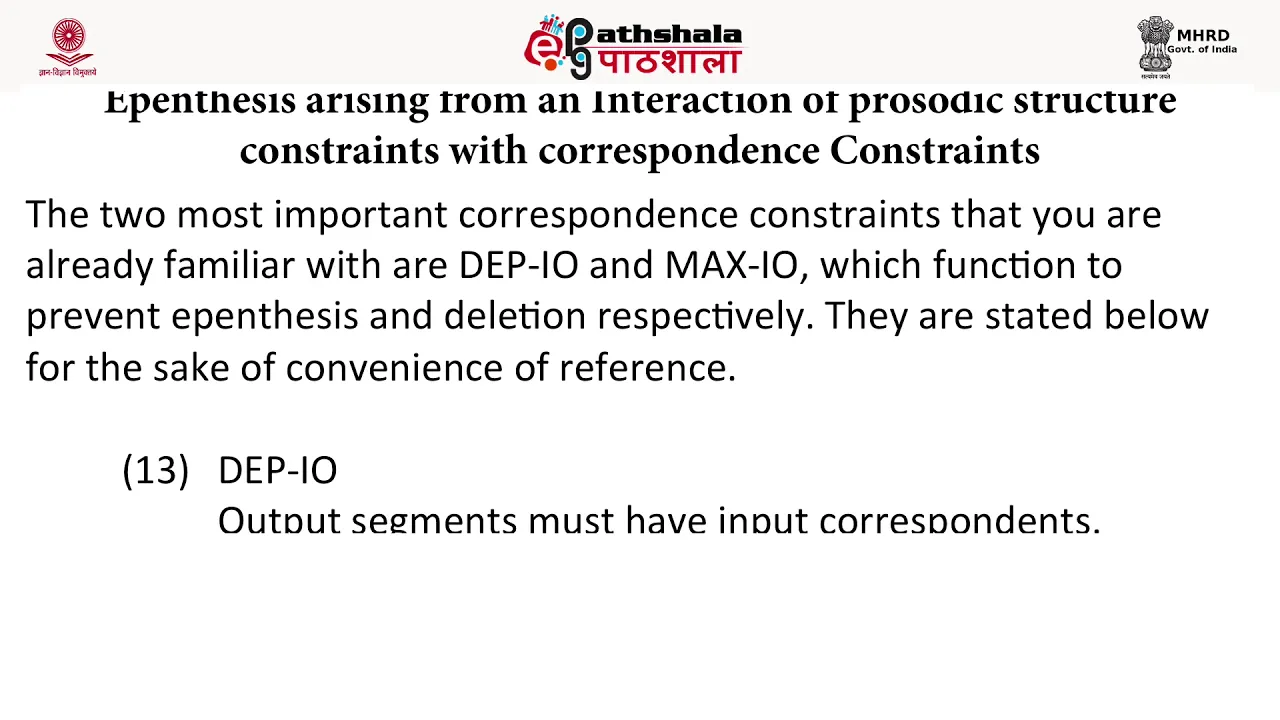
Constraint Interaction in Optimality Theory: Epenthesis & Deletion
@Vidyamitra
180 views•2018-08-20

8:59
Forensic Linguistics: How Language Solves Crimes | PBS
@pbsstoried
1M views•2024-01-25

5:32
Grice's Maxims: The Hidden Rules of Conversation
@TomScottGo
5.8M views•2020-05-04
Related Study Plans & Knowledge Roadmaps
Structured learning paths in Linguistics
linguistics
Optimality Theory: Tableaux & Constraints
01Phonological Basics: Sounds, Syllables & Rules
02Foundations of Optimality Theory: GEN, CON, and EVAL
03The Constraint Inventory: Markedness vs. Faithfulness
+ 2 more learning modules
15h5 modules
Explore Roadmap
linguistics
Morphosyntactic Alignment: S, A & P Systems
01Foundations of Syntax: Transitivity and Arguments
02The Linguistic Variables: Mapping S, A, and P
03Nominative-Accusative Alignment
+ 3 more learning modules
12h6 modules
Explore Roadmap
linguistics
Analyzing Sign Language: Phonology & Syntax
01Foundations of Sign Language Linguistics
02Phonology: The Five Parameters of a Sign
03Morphology: Word Formation and Classifiers
+ 2 more learning modules
14h5 modules
Explore Roadmap
linguistics
Pragmatics: Speech Acts, Grice & Politeness
01Introduction to Pragmatics: Meaning in Context
02Grice’s Cooperative Principle & Implicature
03Speech Act Theory
+ 2 more learning modules
14h5 modules
Explore Roadmap