![[ENG] 일본의 역사 30분만에 다보기 l Japanese History in 30 minutes](https://i.ytimg.com/vi/iiWOHiwF54g/maxresdefault.jpg)



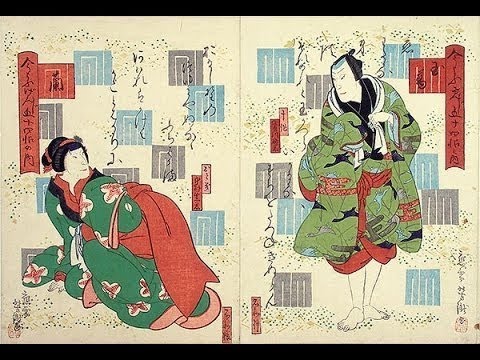










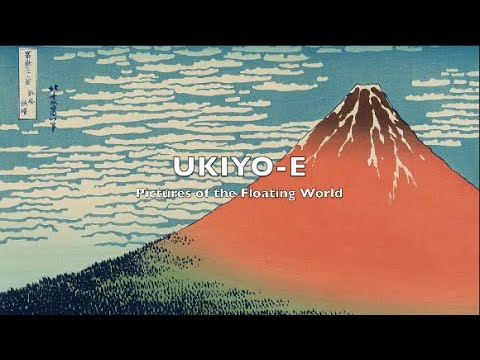


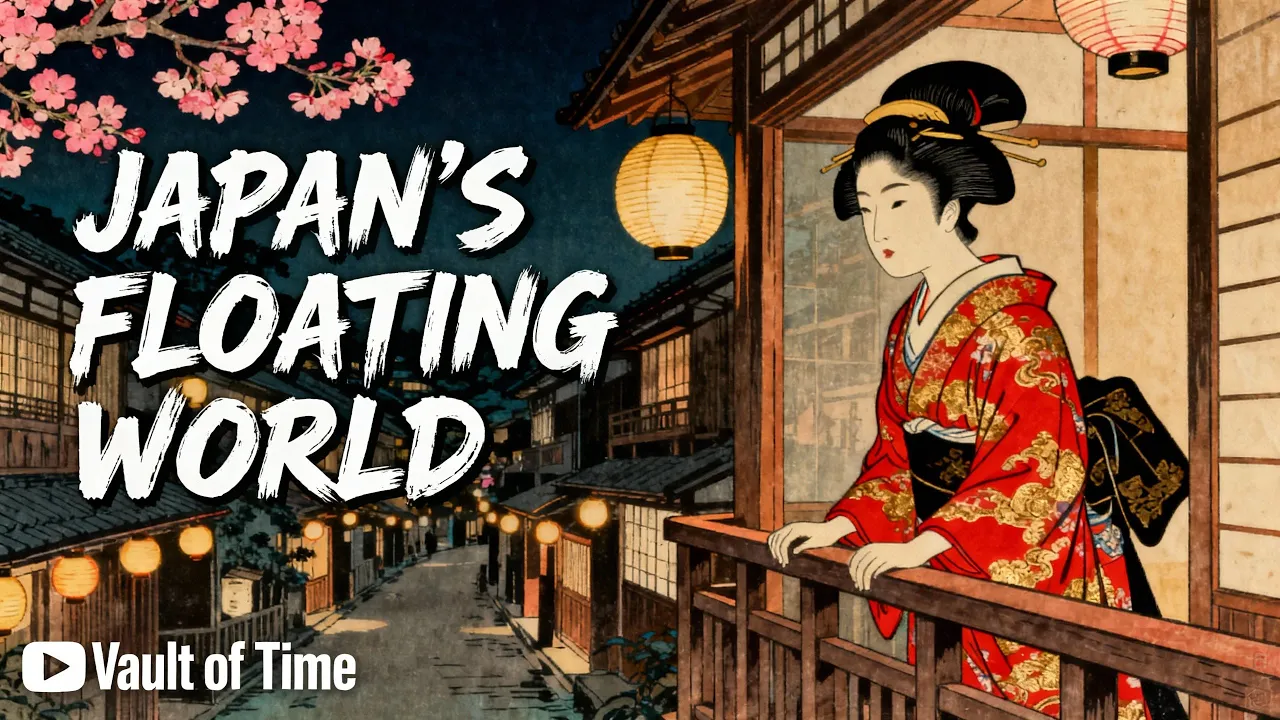
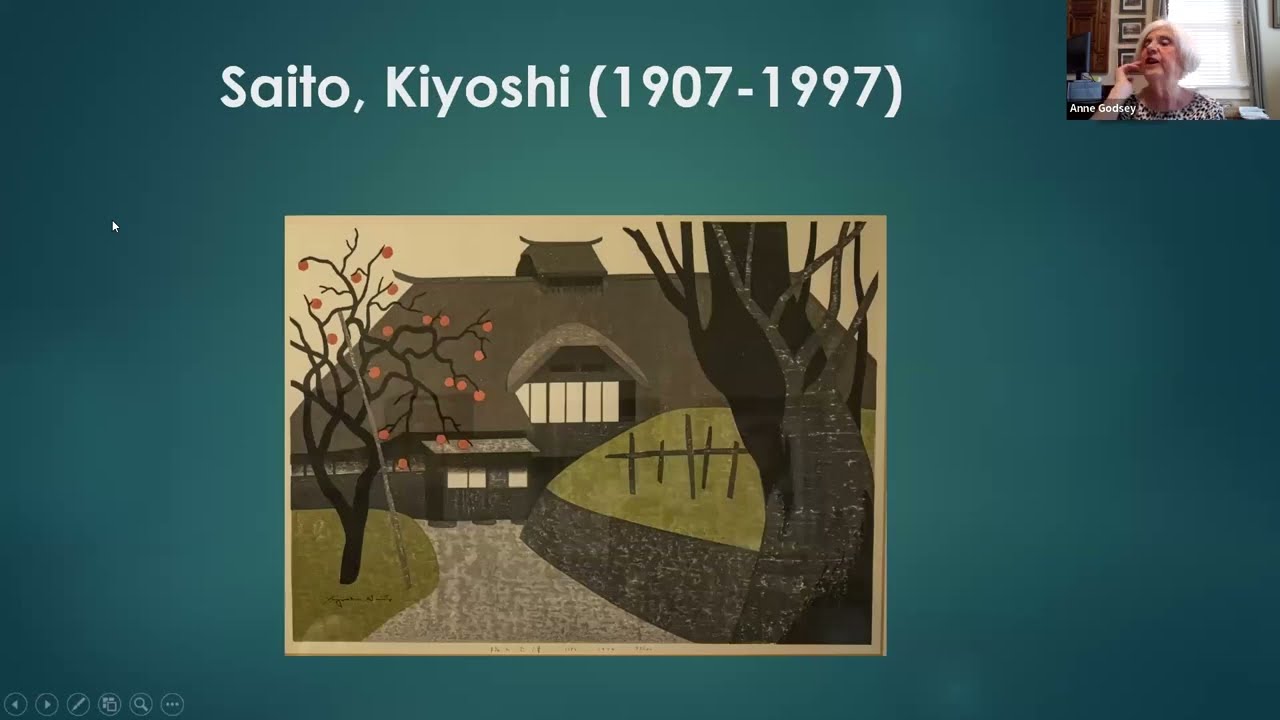




Ukiyo-e woodblock prints evolved from Buddhist manuscript illustrations in the 17th century to become a sophisticated commercial art form in the Edo period (1600-1868), featuring three main subject categories: beautiful women (yōkai), kabuki actors, and landscapes; this evolution was driven by technological innovations like multi-color printing (nishiki-e) starting in 1765, which allowed artists like Hokusai and Hiroshige to create masterpieces such as 'Thirty-Six Views of Mount Fuji' and 'Fifty-Three Stations of the Tokaidō,' ultimately influencing Western art movements including Impressionism.
Exploring Ukiyo-e Prints: History, Techniques & Master Artists at the MFA
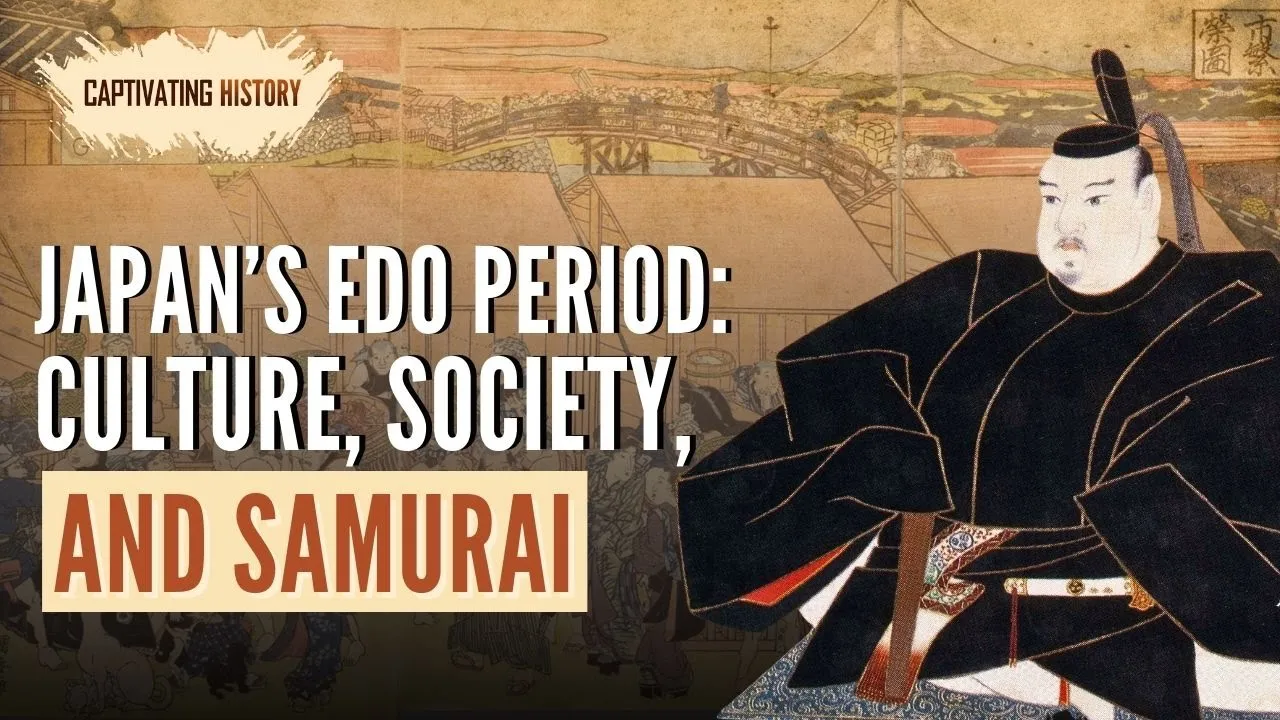
Added:Historical context of Japan's Edo Period (1603–1867), including its policy of national isolation (sakoku) and the rise of a wealthy merchant-class culture.
The conceptual origin of the term 'Ukiyo' (the 'floating world'), transitioning from Buddhist ideas of impermanence to the hedonistic urban lifestyles of Edo.
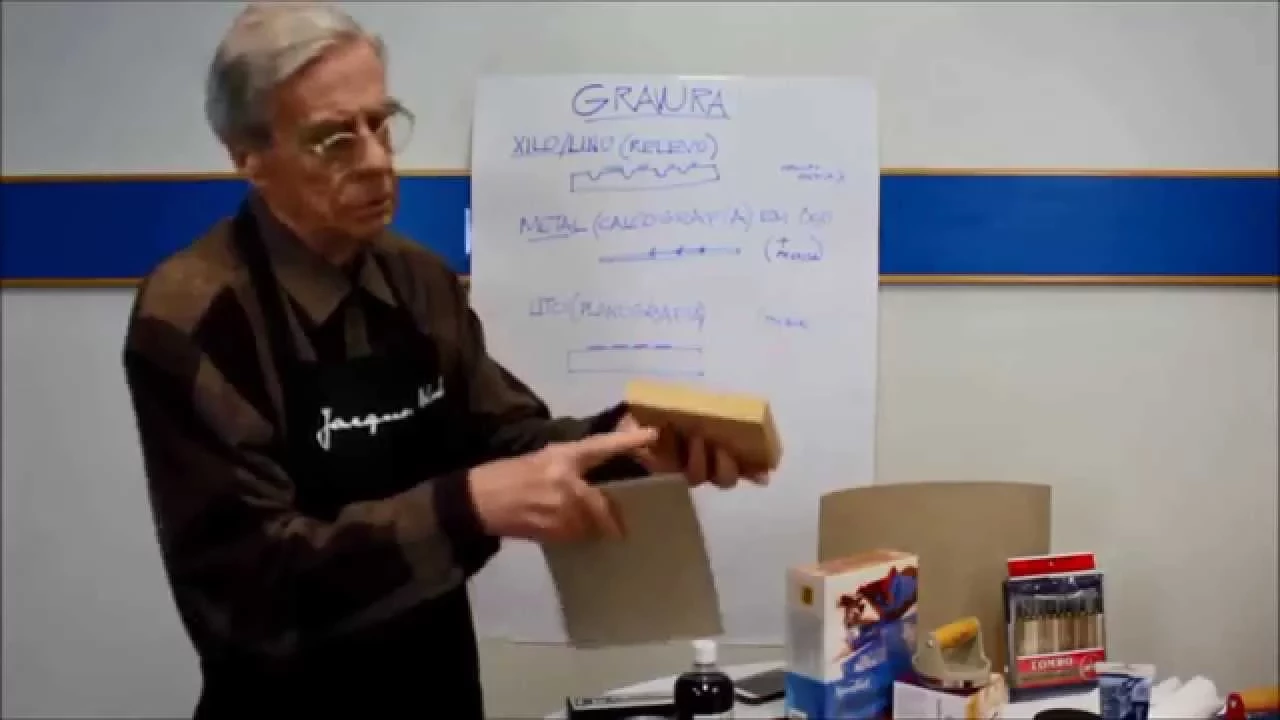
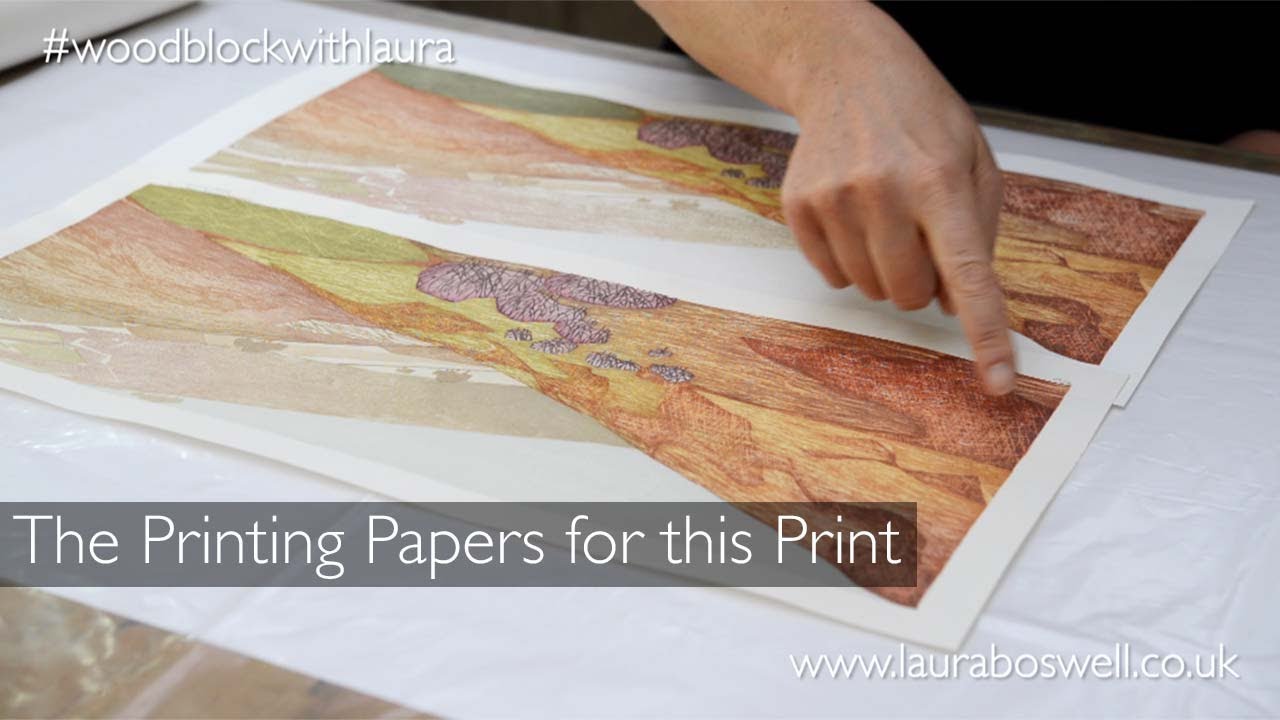
Fundamentals of relief printmaking, specifically how ink is transferred from raised surfaces of a matrix to paper.
Basic traditional Japanese aesthetic principles, such as asymmetric composition, flat planes of color, and the use of bold outlines.
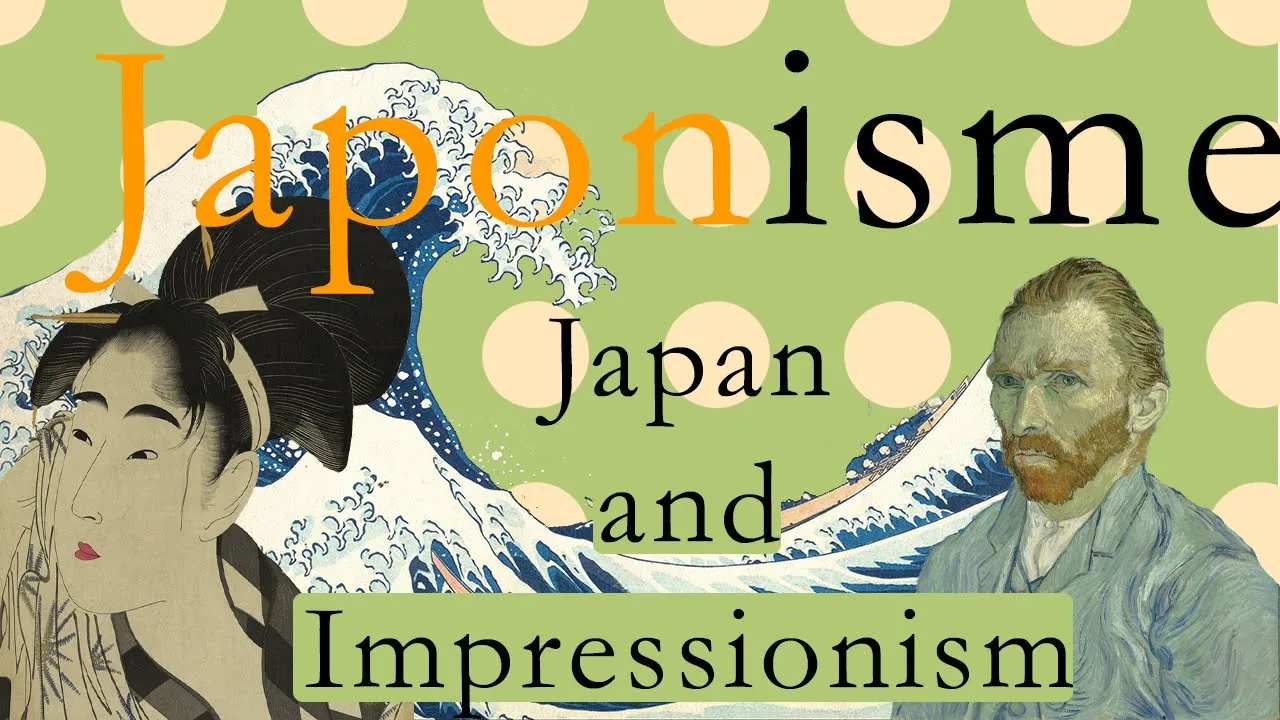
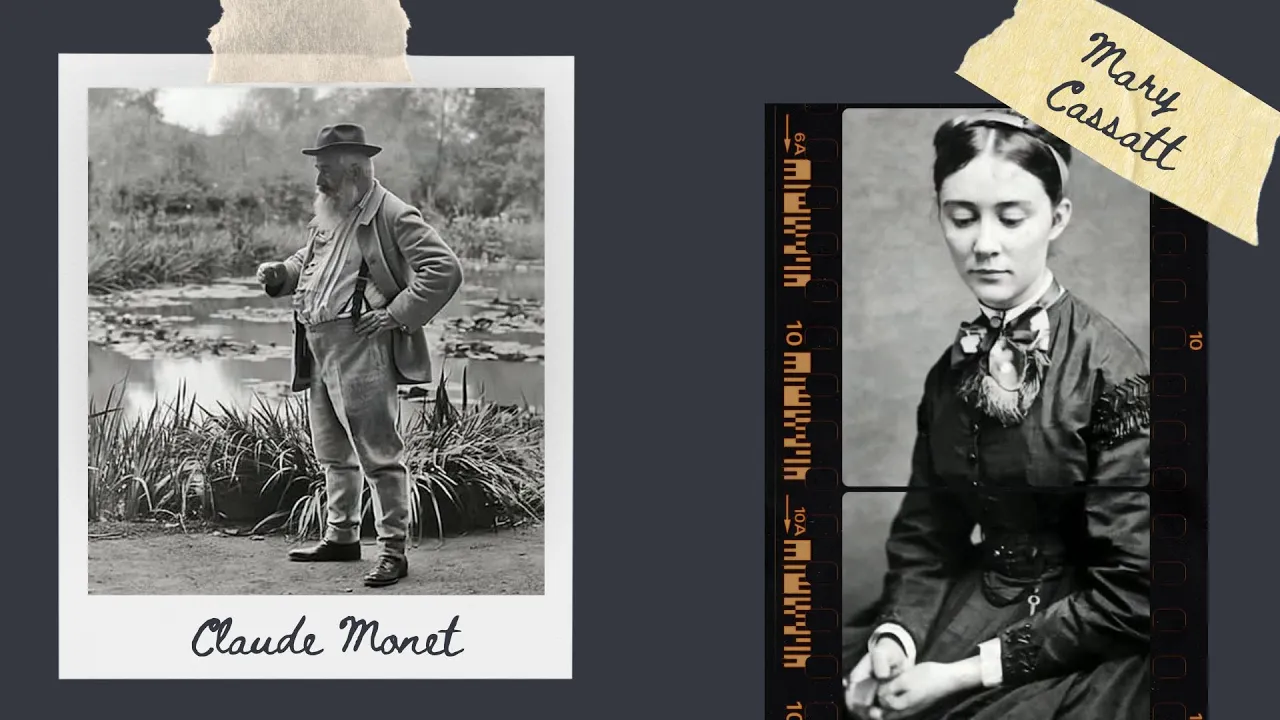
The phenomenon of 'Japonisme' and the profound influence of ukiyo-e on Western art movements, particularly Impressionism and Post-Impressionism.
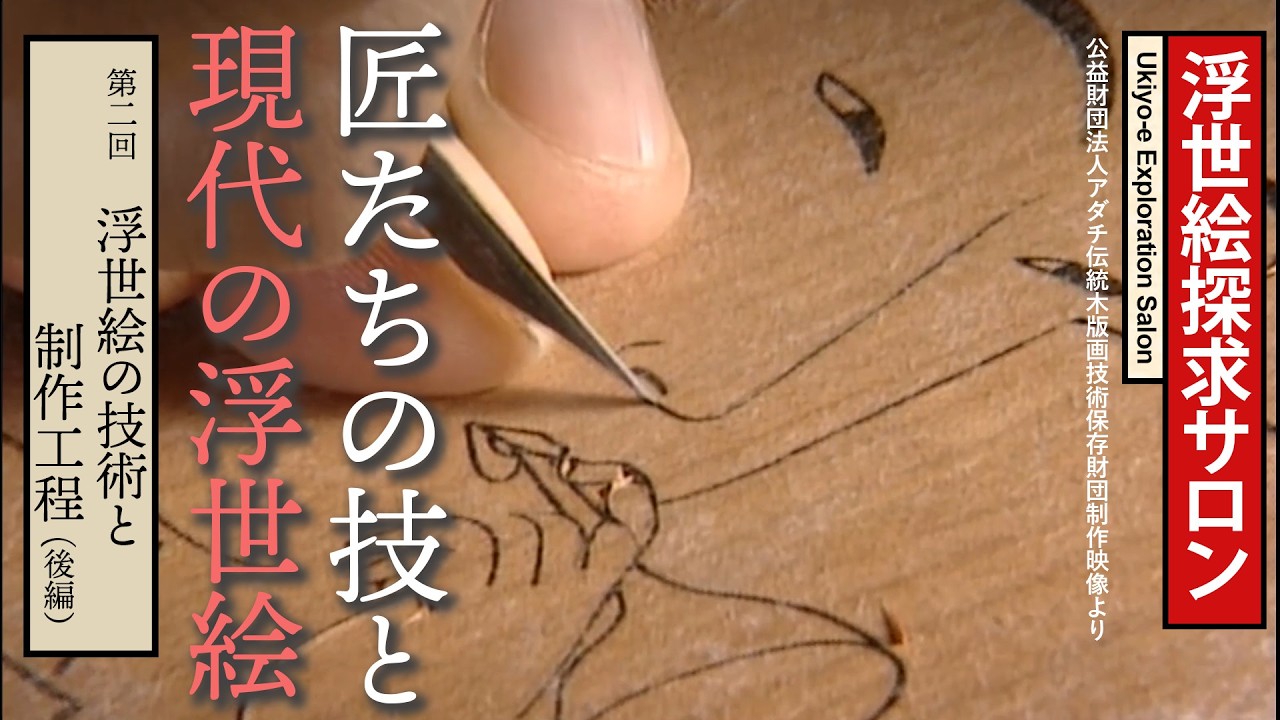
The collaborative production system of ukiyo-e, analyzing the distinct roles of the publisher (hanmoto), artist, carver, and printer.
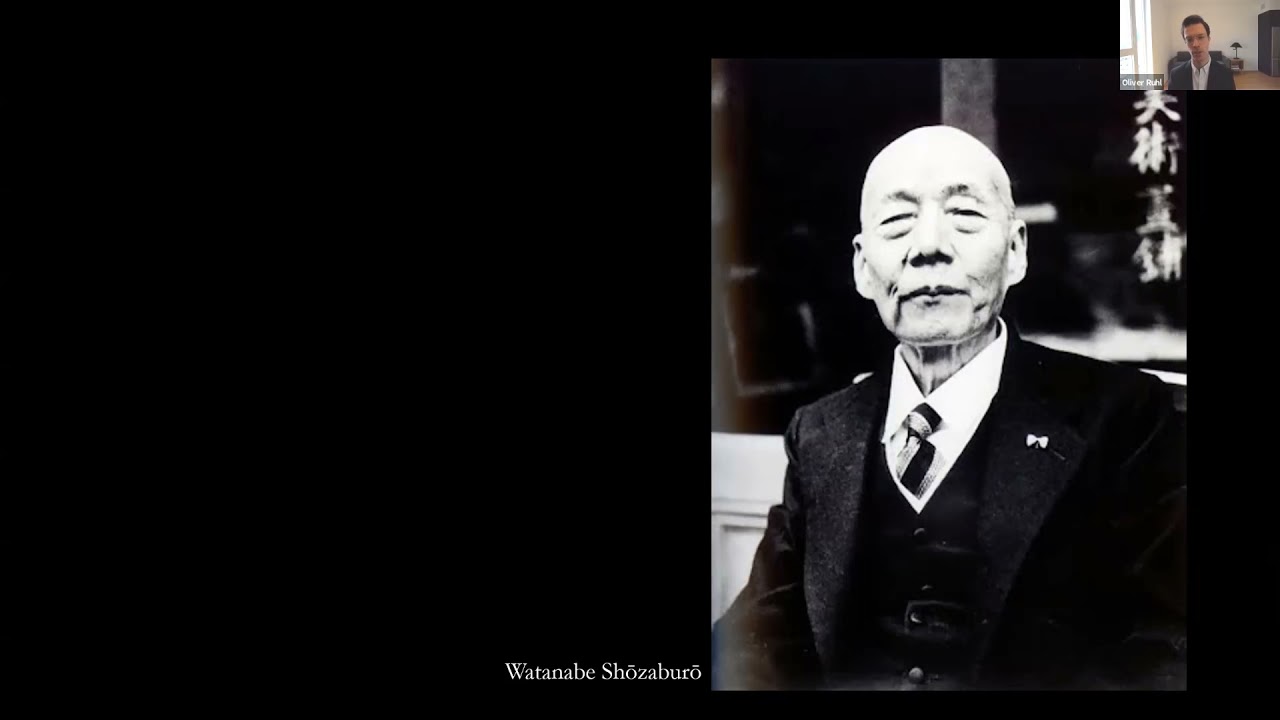
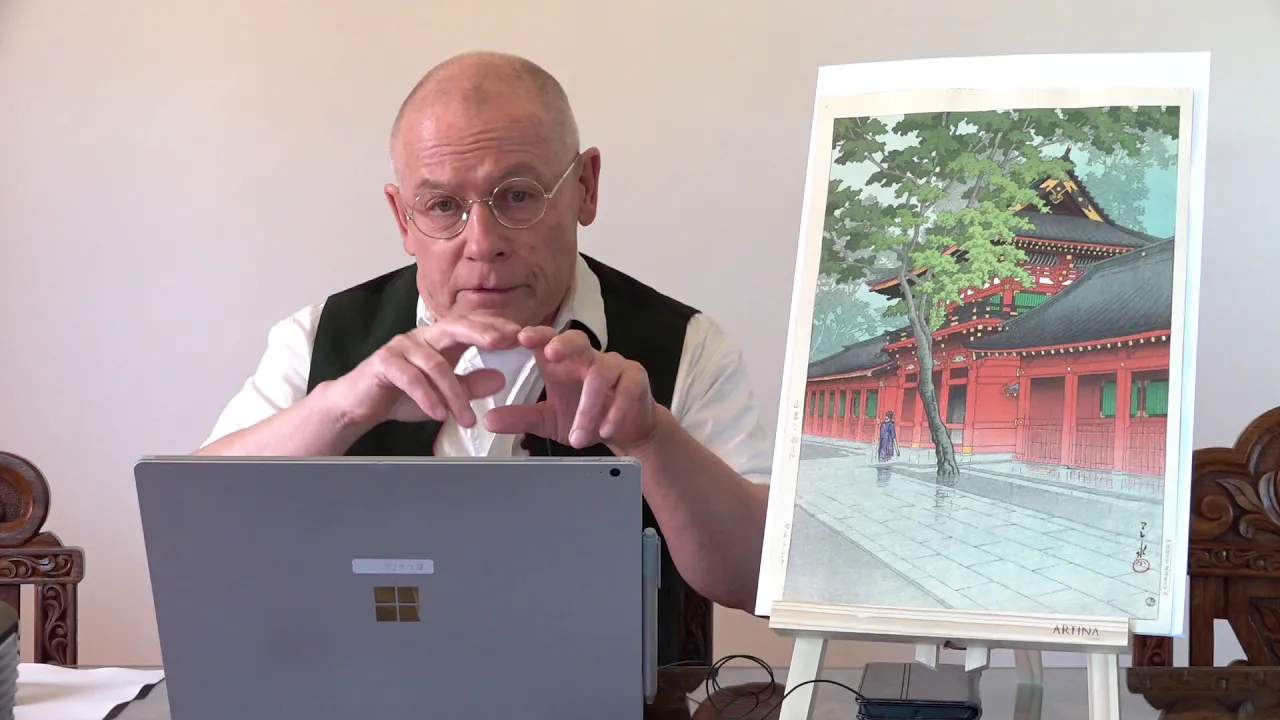
The transition of Japanese printmaking in the 20th century through the Shin-hanga ('new prints') and Sōsaku-hanga ('creative prints') movements.
Conservation and preservation challenges unique to historical Japanese woodblock prints, focusing on light-sensitive organic pigments and delicate washi paper.
238.7K views3.7Klikes1:40:51Original Release: 2017-02-22
please join me in welcoming Sarah Thompson to our semester course all right Lis thank you for that introduction which one of these should I use both both oh I'm I'm oh okay I'm in Stereo all right um okay um well um as L said uh 50,000 is actually a round number rounded off to the nearest 10,000 um if we if we calculate the by the method that give us gives us the maximum number and if we count each individual sheet of paper even if there are two or three sheets making up one picture uh then by individual sheets of paper uh we estimate about 54,000 uh prints um it's definitely the biggest outside Japan um there's a possibility it might be the biggest in the world there is another Museum in ja Japan that is supposed to have more than we do but they have never actually counted their collection and we have so we can say this with some confidence um oops is this the there we go all right um the uh Japanese prints in our collection uh range from the 8th Century to the 21st uh we go from the very beginning all the way up to the present um and in fact if you go up to the Japanese galleries now um you uh will see uh some of our not just some you will see our oldest Japanese prints which are Buddhist prints um the 8th Century ones are just text and not pictures uh but those are naturally the oldest Japanese printed material and uh until fairly recently were the oldest known printed material in the world now we know of Korean things that are even older uh and probably some will be found in China which seems to be where it started um in terms of pictures uh we have these 12th century Buddhist images that you see up here uh compared to a um a silk screen print by yayoi kusama from 2005 so just to show you the range um however um Although our prints include all kinds of Japanese prints um the most famous ones and really the heart of the collection is what's known as ukio um and I'll tell you in a minute what the floating world is now um those prints uh represent about half of our enormous collection ction of Japanese objects of art of all kinds um and uh just a reminder of how this fabulous collection happens to come to Boston uh these are the four gentlemen who are were uh responsible for it uh and you see them here in Japan in the 1880s uh all dressed up and looking very spiffy um so who and there's this uh again we have newly renovated our main Japanese art gallery um it's next to or or near the uh the print room uh and you will see this Photograph um of the the people who brought the works to Boston um on the left is Edward Morse um he was the first uh Bost the first one who went to Japan um and actually he was a biologist um interested in um in marine life um that was why he went he worked was at the um what was then the pebody Academy of Sciences now the peat essics Museum but he got a grant to go to Japan to study marine life while he was there he was invited to teach at the Imperial University he was such a success that they asked him to recommend other people um and so uh the third person from the left is Ernest fosa uh who Morse recommended uh who taught political and economic philosophy um but who once he got to Japan became very interested in Japanese art as Morse had um and the young Japanese man uh near the front was originally a student of fenosa uh he graduated from the University in 1880 and quickly became their collaborator uh it was through his uh translation that they were able to make really in-depth studies um however uh the one who was the last to join the group but the one who had the huge amount of money uh was William sturis Bigalow uh and you see him there on the right and he is actually the most important one uh for the history of the UK print collection um the thing about fenosa and okakura um they were where fosa with ura's help was the first Westerner uh to really seriously study Japanese art to uh to uh speak with actual Japanese art historians and try to learn about things from the Japanese Viewpoint um and among Japanese intellectuals in the 19th centur Century prints were not highly regarded they were the art of the commoners it was just oh that that corny pop culture stuff um and so uh the first three people here were not very interested Bigalow however um was a medical doctor although he gave up practicing when he got interested in Japan and spent the rest of his life collecting Japanese art um but uh as a young man in the 1870s he had studied in Paris and the French were just crazy about Japanese prints um they uh had discovered them already in the 1850s um as I'm sure you know many artists were influenced by them um and uh here is just some uh some proof we don't actually own the uh the painting on the left I got the picture off the web which is why it's a little blurry but you see actual prints in the background and we have another uh impression of one of them which you see there on the right so so um everyone in France was collecting these things and the young Bostonian got caught up in it and we think he probably began his collection of Japanese art actually while he was in Paris um then came back to Boston uh met Morse and went off to Japan with him uh and amassed an enormous collection um so uh Bigalow came back in uh 1889 and deposited his collection at the MFA um he then formally gave it in 1911 um and it was tens of thousands of prints it still is slightly more than half the collection but there have been over 200 other donors who've added to it so that's how we have so much now I said that I would tell you what the floating world is um it uh actually the if you look at the history of the word it originally uh it comes up in Buddhist context mean meaning the sad world uh mean meaning that you know this world is a very sad place and bad things are going to happen and so you should think about the next World instead um but um people made a joke because the the word meaning sad sounds like the word for floating um so the sad world uh thus became the floating World it originally meant specific geographical areas uh but later it came to mean the general things that went on in those areas and also in other parts of town um so uh UK is the the pictures of the floating World um if you look at the um at the um handout which uh you should I believe have I hope everybody has has got this I put in a little note at the beginning um how to pronounce Japanese um consonants is in English vowels is in Spanish um so know a why in front of UK the U is an u i uh mentioned men that the pictures of the floating World include paintings book illustrations and woodlock prints uh and we have a very fine collection of UK paintings I'll mainly be talking about prints uh but I want to show you some paintings uh these uh were acquired all the way back in 1879 they were the gift of Oliver peot of Salem to the MFA and they are by uh the very first artist who became known as an ukio artist that is hiawa Moro noou um I've got a list uh of artists uh that you can have um a look at and I'm going to go through in roughly chronological order um introducing work by these artists uh as I go along I'll talk about things like technological developments in prints and also of course the subject matter now uh these are very large paintings that you're looking at it's a pair of folding screens uh the kind that you could would use as as room dividers so about uh roughly 6 feet tall um and uh the screens usually came in pairs of two sixfold screens um and often the paintings were related in some way so these are both by moronobu and they show uh two of the most important parts of the floating World um you see the Kabuki theater uh in its early form um above and uh the Yoshi which was uh the licensed red light district uh below so um prostitution was uh was legal um it's it it's it's a very sticky question in dealing with ukio because it it has such bad connotations in in Modern English that you sort of hate to call these gorgeous women prostitutes although technically that's what they are um we tend to say cortison as a nice euphemism but it's a little misleading because they are not active at a court um that are in a uh a town or a kind of City within the city which is what the Yoshi was sometimes as a joke people pretended that it was another country um so uh the the city or the land of the Yoshi and I'll talk more about the different types of women there later so it's combination of inside and outside views now where did this ukio style come from um there were a lot of different styles of painting in the Edo period I've listed some of them on uh your handout um I'm not going to go into detail um the one that is most closely related to UK as an ancestor is what during the Edo period was known as the TOA style um there's a more general term Yamato which just means Japanese painting um and this was the traditional style um so uh there you see a page from a in the upper left a page from a manuscript book uh from uh the 16th century uh a beautiful uh illustration from the classic novel The Tale of Genji um it has uh actual gold leaf um as of course did the uh the the screens by noo you see those same scalloped decorative clouds which come out of this style um and then uh it has traditional Japanese perspective with the so-called blown-off roof uh where you look down into a room um and that is actually the outer wall with the blinds rolled up although the uh the roof has been taken off so you can see inside and then overall it's done with fine lines and then colored in with bright colors now that translated very well into woodlock book illustrations um there was a big boom in printing uh in the 17th century again uh printing had been known in Japan uh for a long time already but it had been used mainly in a Buddhist context um however um as Japan developed this Urban society which you've heard about already so happily I don't have to go into too much detail about that and I can just show you pictures and talk about them uh but as this Urban Society developed there were more and more people who were literate and there were more and more people who had at least a little bit of disposable income and so um book printing of books became very popular uh the books tended to be heavily Illustrated um I think partly because although people were literate they weren't that literate um so they wanted lots of pictures in their uh in their books um and originally um they were woodcut versions of the classic uh the classics of Japanese literature uh upper class people still uh would have painted versions so the the the manuscripts did not go away they continued to be made along with the books uh but here is an early book uh by moronobu from the 1670s um and it illustrates uh actually not the tales not the tale of Genji but the tales of eay that's another a classic work set in the hon period when women had floor length hair and and many layers of clothing uh and so on uh and you can see the uh the wood cut here is very very similar to the older uh painted illustration it translates very nicely you basically you just leave out the color um and of course if if the owner was artistically inclined and wanted to they could paint in the colors and sometimes people did that um but uh this style uh was then applied by moronobu and other artists whose names we don't know uh to pictures of contemporary people so in the screens and here is a book by him with fan pictures um and this uh I tried to I tried to go heavy on Warrior prints since this is in connection with the samurai show that we'll is just about to open so there is a traditional story about a Warrior fighting a demon who's trying to grab his helmet but here is a contemporary scene with three women in a beautiful modern clothes so this was a movement that happened in literature also authors began to write stories set in the modern world uh particularly uh romantic stories uh set in the floating World about rich play boys and the beautiful cortis and so forth uh and hobu Illustrated those books now uh at some point we think roughly around 1680 uh someone and it was probably the publisher got the bright idea that in addition to selling Illustrated books uh they also could just sell the pictures by themselves um so this was a new product line and they wanted people to buy those in addition to uh buying the books uh sometimes prints like this were uh were apparently they were sometimes sold separately and they were sometimes um made into albums either pasted in a scrapbook or uh folded in half with the outside edges glued together this is from a series of 12 um so from the very beginning prints were often made in series you can see that that's another marketing device um The Border there would be on all 12 of the prints UK artists um in terms of their print designing typically are very prolific um that is because all they did was draw the basic picture um they was not like modern art prints in Japan and elsewhere uh where typically uh it is the artist who produces the wood blocks or um you know the lithograph plate or whatever it is that they're using uh and then personally does the printing um these were a commercial product uh they were mass-produced so the artist did the drawing uh then professional block Cutters uh would cut out the wooden blocks um they and typically the drawing was destroyed in the process so the usual sometimes they may have traced the drawing so that they could keep the original but usually it would be used up uh you pasted the thin paper onto a block of wood face down uh and even though it was face down the paper was so thin that when it was damp you would be able to see through it and that neatly reversed what the artist had drawn or especially important in the case of writing if there was writing on um then uh the block cutter who was a very a skilled professional would cut through it and make the printing block with the parts that you wanted to be black uh raised uh this was how books were made and then it it was how they'd been made for many centuries and then it became how uh the first prints were made later on they uh developed different ways of coloring them as we'll see um the sentence of these prints well they were pictures of at first especially pictures of the Yoshi that's what moronobu is really known for um and uh when they first started doing this um explicit erotica was not illegal because it had not occurred to the government to ban it um back when um when um erotic pictures were uh expensive handp painted things that only the elite could have um they didn't try to control them but once uh they began to be printed and anyone could buy this um then there began to be alarm and eventually in 1722 uh explicit erotica was banned now it continued to be made after that um but uh on an under the counter basis um but this time however it was perfectly legal and in many of the early series uh there is a mix of uh explicit and non-explicit prints um here uh you see this lovely young couple um that is a young man I should say on the the left in case you didn't uh didn't know uh you can tell that it's a young man because the very top of his head is shaved um but he still has the lock of hair in front so he's probably in his teens um and um the uh the woman is uh then excuse me when he went through the adulthood ceremony the front of the head would be shaved also um the age of that varied but typically around 20 um the woman is probably a cortison it's it's hard to tell uh but the her instrument the shamien is typically associated with the Yoshi later on It's associated with gisha rather than cortison uh but that custom hasn't developed yet at this point um so uh you can see they're they're just starting to to get acquainted his hand has disappeared into her kimono um and uh there are more explicit scenes in other prints of the uh of the series you'll also notice um the main influence is the tosa paintings but if you look at the moronobu is known for his beautiful line people sometimes talk about the singing line of moronobu and you'll notice there is some variation uh some of the lines are quite caligraphic they vary in thickness and thinness so it's not just the narrow outline from tssa painting and that I think is the is from Kano painting uh which developed from Chinese ink painting um the Kano painters uh were the official painters to the Shogun and they also controlled art education so if you wanted to study uh art you would most likely would start out by studying with a kho painter so there's a bit of influence from that uh in Uka also um now here is the timeline um there's a more a more complete timeline in your handout uh but just to give you the general uh idea um I think some of your other speakers have given the beginning dates of this ETO period or Tokugawa period is 1600 you also sometimes see 16003 um it's uh it's just a matter of which particular historical event um you select as the beginning of it uh 1600 is when the Tokugawa family uh took over Japan and were the people uh in control 1615 is when they wiped out the last of the opposition and were the absolute rulers uh from then until 1867 um so uh the woodlot prints of the floating world were made uh through from the late 17th century through the Edo period and continued on into the Magi period uh as when Japan uh did its big modernization so we'll see that process uh then around the beginning of the 20th century uh the function of the ukio print as images of the popular culture is replaced by things like photographs lithographs uh post post cards uh printed sometimes by woodblock sometimes by lithography um but uh woodlock prints do continue to be made they're revived as art for Arts sake U but I'm not going to go into that today um now um moving along um I want to show you a prints by artists of the to school I said I was going to show um the most important artists here I'm cheating a little bit because instead of picking one toy artist uh I'm giving you the whole uh School uh to e is the family name uh I it's toy e because the they're they're two eyes they're e um excuse me uh and they dominated uh printmaking especially after print all through the first half of the 18th century so uh they started uh in the 1690s uh and then continued and we can see many of the technical changes that happened uh happening in the works of these artists so you can see uh how they are coming out of the style that moronobu developed uh we have the combination of Fine Lines especially in the faces and the caligraphic lines used especially in the clothing um so these are from the early 1700s uh again the two uh main subjects of the floating world the one on the left is a cortison uh the one on the right is a kabuki actor these are large prints about like so um and uh they have been hand colored uh with various colors uh of which the most prominent is that very bright orange uh the name of that color in Japanese is ton spelled t n so this type of handcolored print is sometimes called ton a uh pictures using uh using ton um the cortison how do you know that she's a cortison uh well um her Obi is tied in the front uh that's the main uh the main giveaway uh that you can see um this is not to say that every single uh style of tying the sash that ties it in front uh means she's a cortison but usually it does there there are some exceptions and as we go along we'll have some who have it tied in the front and aren't cortison at this point the hairstyle is is still fairly simple but you'll notice one thing that happens uh at this time sometimes the hair is still hanging down as in the moton noo print but usually it's piled up on top of the head and there is that uh sort of duct tail effect at the back uh that's very typically of the be at the beginning of the 18th century and you see that the Kabuki actor has it too um this particular Kabuki actor uh is one who plays female roles women could not appear on stage publicly uh sometimes there were private theatricals in which women could act um and in the shogun's Harum there was apparently an entire uh female Kabuki troop uh to entertain the ladies so that they would not go out to the theater and um be stared at by the public and uh possibly get excessively interested in actors um but uh this is an actor who plays female roles he's young and good-look um and uh there was a long Evolution which you probably heard about in the lecture on Performing Arts um where a women ironically Kabuki was invented by a woman but women were then forbidden to appear on stage um then uh young men were doing it but eventually the requirement was that it had to be adult men with the shaven head haircut um so the actors who wanted to get a reputation for their prettiness and who played female roles uh wore a purple scarf uh over the head uh to hide the shaved head this is a little bit faded it's more sort of brown now but originally that was purple so there was a very lovely contrast to the yellow and orange and uh he's this is a kind of he's not really dressed as a woman in this case U it's kind of ambiguous it's it's a male costume but it's a very fancy male costume that would only be worn on stage um and he was doing this dance with the with tassel Spears uh such as were used when the procession of a lord went by there would be a kind of drum major at the beginning holding these things up uh so that people knew who was coming and he danced on stage with them this was apparently enormously popular and people would imitate it at home dancing with mops and brooms and things like that um but there he is in a Tor School print so you can see why doing things like this uh they became uh so very popular at that time uh now uh the next stage um in and actually we we now know almost exactly when it was in 1719 uh the actor prints began to be made smaller but with more uh and different colors uh so this size is about like so um and uh they began to be colored with Reds and blues uh in addition to the uh the oranges uh that were used before uh these are known as Benny a Benny is uh it can be translated either red or pink it's a kind of Rosy pink um it fades to a more orangey red but I'll show you a very pink one uh in a minute so here are some examples of uh actor prints uh from the 1720s by toi School artists you'll notice that the faces are very idealized these are just classic faces and the way that you know which actor is which is either uh that the that the name is written right on the print as it often is or um sometimes instead or in addition uh the actor's personal Crest will appear on the on the costume so that's how you know uh who is playing which part yes I can't resist this is a warrior print again actors actors and beautiful women are the main subjects for the whole first part of the history of ukio but we do see other things occasionally um so this is actually a diptic and it was meant to be cut apart but we have the uh the whole thing um and it's historic Samurai uh in armor um and you'll notice it has been very beautifully embellished it has not only the red green and blue and yellow coloring uh but there is shiny black uh on the horse and there is a metallic uh coloring on the armor so this is what would be known as urushi literally it means lacquer but there's no lacquer involved uh it just means the shiny black color in the 1740s and again I'm showing you toy school actor print um that's uh that's unfaded Benny on the left you see how pink it is um it goes a little a little bit Orange um as you can see in the very slightly but not very uh faded one on the right in the 1740s um the print makers began to experiment with color printing now again uh all of this technological development is basically driven by uh commercial um needs and competition uh each publisher who's producing these things uh wants their product to look better than the uh than the other person and attract as many customers as possible um the uh publisher is the one who controls the whole thing not the artist the artist is just one of the people that the publisher hires he also hires the block cutter and the printer supervises the whole thing and the prints are sold uh in the Bookshop along with printed books sometimes they're sold on the street by Street vendors so the first Color Prints beginning in the 1740s uh have two colors uh you see the the pink and the green on the left a little bit later as we get into the 1750s uh they may have three colors uh so on the right uh there are actually three colors uh the blue the red and the yellow but they have been very cleverly printed over each other so that you get still more you get some green and some purple in there uh because of the way the colors have been over printed so once again to school actor prints now the big breakthrough uh to color printing or full color printing uh is in 1765 uh and the artist who is associated with that is harunobu uh so both of these prints are by harunobu uh the one on the left is a warrior print it's a famous scene from Japanese history of um a warrior uh right he's fighting for um an emperor who has been captured by the enemy and this guy has escaped but he knows that the captured Emperor is going to go by a certain spot so he writes an encouraging message in Chinese on a tree that the emperor will have to pass uh because he knows that he himself and the emperor are the only people well enough educated to read a message in Chinese um so uh that is the uh the story um that is uh a beautiful example of what is called Benny zud literally pink printed Prince uh that's the early Prince with two or three colors this one again has three it's the red the blue and the green green um 1765 um Publishers began to produce on a large scale full Color Prints with five or more colors and these were called nishik a literally brocade prints um so because they had as many colors as you wanted to make color blocks um how was this done uh well starting with the simpler ones with two or three and then moving on to the five Color Prints um the um the uh first black and white block was still the main one that would be carved and but if you were going to do color printing you would also put guide marks on it so in that block in addition to the raised part that you want it to have printed at the very corner there would be a little L-shaped uh sort of little corner that you would fit the paper into and then to keep it straight uh further up on the side there would be a straight Mark and you would align the paper with those um now it takes a lot of manual dexterity uh even if you've got those guide marks to align the paper perfectly but that's why professional printers were involved and the more colors you have the more difficult it is to keep everything lined up nicely um but 1765 is when they finally mastered that um and as you can see um in a good quality impression um everything just matches beautifully it it really almost looks as if it was fastidious colored in by hand but no that is color printing um people often want to know about how many were made at a time best guess there's a lot of discussion about this it's not certain best guess is about 200 at a time um and then you would stop um and let your blocks dry out you can't let them get too water logged um then if the print sold well you could do another run and keep printing it um and in the case of very popular things in the 19th century um they printed uh probably thousands of Impressions until the blocks just fell apart and wore out um at this time in the early days uh they don't seem to have been printing that many most of the ones that have survived are in quite good condition um and the blocks have not been worn down so you don't see breaks in the lines or smudgy parts or um misaligned uh bits um the uh the reason we know the date so precisely is is that the full Color Prints that were made at that time uh many of them were calendars um now there were all kinds of censorship regulations that had been in effect since 1722 at that point they banned the the government banned the erotica uh they also um stated that the artist and the publisher uh had to put their names uh on the print um and various other things uh that you could not uh that you could not print anything that was sedici or uh improper um you could get around some of the requirements if you had things privately printed uh but still it was it was good to uh to uh adhere to the rules and one of the rules was that only certain Publishers who had special licenses were allowed to uh print calendars um now this is because uh the calendar information changed every year um so you needed something to remember it by um it was a lunar calendar and a month was either 30 days or 29 days long then every uh every few years they would put in not just a leap day but an entire leap month um in order to make the solar and lunar calendars match so this took a lot of calculation it was an official government job um and only the government could license people to do it if anyone else did that that was an improper uh infringement um but if you think about it all you really needed was a list of numbers saying which of the 12 or 13 months uh were long with 30 days which were short with 29 days so just a little list of numbers would do it um and uh picture calendars were popular um they were like little puzzles somewhere in the picture the numbers that you needed to calculate the calendar would be hidden um so uh the print by harunobu up at the top left is one of those 1765 picture calendars um and of course the information is hidden on that that scroll um that is a cortison uh sitting on the crane and you might assume it's a love letter she's holding from her favorite uh client uh but actually it tells you the information about which month is which in 1765 um interestingly enough the there are three signatures down here it's the artist The Block cutter and the printer and the main signature is not the artist but it's a person named Tacho we don't who that was uh who had the idea for it um so this one theoretically this could have been in the suim mono show because it's privately commissioned print that this person Teo uh asked for um and uh then uh had the design the design now the other thing that's interesting about this is something you often see in UK prints is not just scenes of contemporary life but parodies of famous themes that you would see in serious paintings and this uh is it wasn't invented by harunobu here's an early print uh from the 1710s a black and white print by okamuro masanobu showing the same thing a cortison of that time with the long hair uh riding uh on a crane um but um it is a parody of the theme of uh a DST Immortal in China uh who because of his his man a few of them are are female but mostly their male can ride on the back of a crane so um this is a a kind of a joking reference to the the magic of the cortison uh who like a DST Immortal could ride on the back of a crane it's a parody of a serious painting that you might see in the shogun's palace or somewhere like that so there are lots of parodies uh in ukio um the on the left is yet another print by harunobu um he shows uh many different kinds of women uh some of them are cortison some of them are a not uh the one that we saw playing the Cotto that is a young lady of good family she is certainly not a cortison her parents would be horrified if you said such a thing um but she is showing how uh how uh elegant how delicately raised she has been and how knowledgeable she is about the Arts uh she is playing the cotal um and then there are some books uh on the Shelf in the background she knows classical literature uh and uh the equipment on on the higher of the two shelves uh is for the uh the incense game um it's kind of like being a wine connoisseur you are a connoisseur of incense and can identify it by the uh the scent um although you don't do anything so indelicate as smell incense uh in the Japanese language this is described as listening to the incense um so perhaps after she's listen to uh the CTO she'll listen to the the incense so uh you know respectable young ladies this is cortison uh both of them are U and then uh in the hadon noo print on the left um it looks like an ordinary young woman there's nothing special about her clothing it looks like you know two neighbors visiting uh that is a young man sitting there on the edge of the uh of the house um and uh just you can see the shaved part on the top of the head chatting with her um and she is a working girl who is stretching out cotton floss uh to make things like quilting and uh and so on um you did that by pulling it over a round form uh and there's a very cute cat curled up in the background however um as honobu customers knew and you will now know um the uh the pretty girls who uh worked as cotton stretchers um were very often unlicensed prostitutes um the women in the Yoshi were all registered with the government and paid their taxes properly um so Constitution was legal if you did it under the right circumstances you had to be in the Yoshi uh you had to be registered and pay your taxes and so forth and so on and needless to say there was a lot that went on that was illegal uh but what was illegal or sort of gry Market about it uh was that it was unofficial um so that's probably uh who that is um but you'll notice despite the fact that these definitely are adults or in the case of the man at at least a physical adult probably late teens um but uh Hobo's drawing style is very sweet very cute they they have almost a childish look and um they look uh Fair these people are seated but even if they were standing they look uh fairly short um honobu died in 1770 um and there was a gradual change in style I don't have time to show you a Continuum of of prints that would show the women getting taller and taller um but by the 1780s um the next artist who was really really big name in figureprints is kaga and what he is famous for is the very tall figures uh typically eight heads high they look sort of like fashion drawings um and they have beautiful beautiful kimono um so still it's still the same basic technique um but uh they uh the uh printers are becoming even more skill um they do things like overlap the colors to get different effects um for a while um artists were or the printers were not using overlapping colors because they just did a separate block for each one rather than having to create green with yellow and blue and so on uh but if you look very carefully um you can see uh this woman is wearing uh kind of a gray uh outer uh robe it's summer um so her clothes are very very thin and because because it's so thin you can see her red under robe through it so you can see if you look here there's a little bit of the pink under it and then where the uh the outer robe doubles back on itself you see at the at the seams on in the front you see the gray color so very beautifully done and then the young man's outer robe also is kind of transparent gauze and you can see through it um so once again this there is a shaved patch there although you don't see it that is a young man is the the equivalent of of this guy um over a decade later um and there's not an identification of who exactly these women are but they are probably gisha um you noticed the shami sin uh there now um many people think Geisha and cortison are the same thing they're not um and they were carefully separated by law there were special costumes for cortison um very very fancy clothes uh often High clogs so that they could wear um robes longer than they were were tall very elaborate haird with lots of hair pins and so on uh gisha are harder to detect uh because uh basically they look like ordinary women in their party clothes um so it's kind of hard to tell what gisha were were professional entertainers um they were musicians and comedians um and when a rich young man and you had to be rich to to go in at the top level went to the Yoshi um he did not just pay his money and go straight to bed with the cortison that would be very tacky um furthermore the highest level cortison had the right to they couldn't refuse to see any customer but they could pick and choose which customer it would be so young men had to be very nice and very polite um I heard an interesting interpretation once of why Merchants were willing to let their young Sons do this and spend money this way um and it was um because they were learning how to use money to get what what you want so that was a very interest and all these skills of negotiating with the corisan to get her to accept you as the customer uh could be put to use in business negotiations uh later in life at least that was the theor it was an interesting idea um so uh at any rate here is here is this young man wasting daddy's money um perhaps um and the women are playing the shami now until about 1750 um when the word DEA was used at all it meant actually a male entertainer um a sort of a party MC um at these parties in the Yoshi he would uh tell jokes and pour drinks and see to it that everybody had a good time but around 1750 women started doing this um and the women who did that uh began to be differentiated from the cortison so technically their job was entertainment rather than sex um however it was a technicality um gisha usually did um have um sexual affairs with their customers and even if they were not paid a specific fee they almost certainly got lavish gifts in return for doing so but theoretically that was all their private Arrangement and it wasn't actually part of the job um they were not allow was recognized that they might be in danger of competing with the cortison so they were not allowed to wear cortison like costumes of course the ironic result was that planer clothes came to be seen as very chic so it's interesting but they were part of the Yoshi scene although they weren't a cordons so part of the many different types of women that you see um now um I let me just backtrack I wanted to also mention um the size I did I wanted to show them in different sizes uh it's actually a little misleading because this is not to scale the one on the right is literally twice as big as the one on the left one of the things that happened in the 1780s is that a bigger size of print became standard and this became the standard size for the rest of the history of UK away the majority of prints are about 15 inches long by about 10 in uh wide and to make a bigger picture they could be put together um often in triptic sometimes two together you could also do something bigger uh have as many as five um there are a few cases of 12 and we even have one that's that is 20 continuous uh prints although that wasn't I think it really would have been impossible to do something like display it on a wall it's in the form of a folded album you could unfold a few pages uh at a time anyway these are tryptic by kaga a beautiful example of uh of uh his long slim figures um those are cortison and their attendance up at the top um a top ranked cortison typically had two little girls who were not were uh would uh sort of Trail along after her and and be her her attendance um and they often were dressed in matching costumes so you you frequently see these these cute little children uh in pictures of the Yoshi um and then uh this woman in black is most likely a manager um and uh there are various uh various people in this group and they of course are admiring the cherry blossoms and tying poems on the cherry blossoms top ranked cortison were very well educated uh they were supposed to be like princesses or like young ladies um so that the customer could fantasize that you know he was an emperor with a herum or something of that kind um the bottom one uh is uh in fabulous condition it shows how landscape typically appeared in the 18th century it was background for figureprints most often um this is a pilgrimage to inoshima uh which is still a gorgeous uh Beach area uh today um that is a sacred island with a shrine on it um the water is quite shallow at low tide you could walk across if you wanted to go across if these people are going to uh go to the shrine uh there are Porters who will uh will carry them um they would carry The Travelers on their backs I think the little boy here is a local kid who's negotiating with these these people for um hey want to go to the shrine you know my my brother will carry you or something like that um but these people have come probably from Edo um nowadays of course you go on the on the train but uh they would have walked um you notice the sandals and the walking stick and the big hat to keep the sun off uh and this lady here who uh is probably the uh the head of the wife of a rich Merchant or possibly a samurai uh she has been traveling in a uh a palankin that someone else carries we don't see the uh the chair carriers but she's taking a break and they're all resting and uh looking out at at their destination inoshima there of course is not Fuji in the background um the print below the inoshima print that is part of the Spalding collection uh that uh collection within our collection that we're not allowed to exhibit uh because the colors are in so much danger of fading um so there are some fabulous things in that however I'm happy to say we do also have very good things in the main collection that we can exhibit um although we try to be very careful uh nowadays uh not to let them fade uh any more than we can help so the one at the top has been uh exhibited in fact I I'd have to double check I believe it's in Australia at the moment um but uh it has um um special plexiglass to block the uh the ultraviolet um and uh the room has to be kept rather dim any anywhere where Japanese prints are exhibited you may need to walk in and wait a minute for your eyes to adjust um and then uh it can only be shown for a relatively short time and this is true of other forms of Asian art also uh typically prints and paintings we usually show for just nine months at a time and then we don't show them again for at least five years uh that won't stop the damage but it will slow it down now kaga um lived uh for some time after that but uh he was he actually was a member of the toori school even though what he was famous for let me backtrack while I'm talking about kaga kaga was famous for his beautiful women uh but he had originally been trained to do actor prints uh and in the late 1780s he had to go back to that because he became the head of the Tor school um and what the head did was not design Prints but he did the actual paintings that were displayed outside the Kabuki theaters uh basically the Billboards uh was very prestigious uh unfortunately most of them didn't survive um so that was what kaga was doing so there was a an empty space for a new person to come along and be the next big artist doing beautiful women that was utamaro um he is is many people's favorite um I like him very much myself um there's lots of information on him books about him uh in English um he did even more uh long elegant figures than kaga did they his his women really look like fashion illustrations um so they're they're strictly speaking they're not realistic but they're so gorgeous who cares um so this is from a set of 12 um it shows cortison in the Yoshi and shows them at the different hours of the day there were 12 hours in the day rather than 24 so they were two of our hours long um it's very beautiful With Many Colors um originally would have been a little brighter these are slightly faded but not very and um it has metallic sprinkles probably ground up flakes of bronze on the background um to remind you of things like the gold leaf that would be used in a very expensive paintings so very very beautiful glittering Works showing The Cordon at different hours of the day um on the right it's uh the daytime and the cortison is walking outside you she you see she has her clogs on um the long many layers of gorgeous garments very elaborate hairst style um on the uh left it's the middle of the night um and I'm I'm very fond of that this there's a little bit of a tease a little bit of a sexy you know revealing the leg she's she's uh going out she's going to the ouse and that's why she's putting her sandals on at this point so it is the most beautiful sexy picture I have ever seen in my life of someone getting up in the middle of the night to go to the bathroom um that's toilet paper or it's allpurpose paper which which is also used as napkin and Kleenex and uh so forth and so on but very very beautiful now utamaro is also known for his closeups um and uh some this one on the uh on the left is not not just one one one but three um you can't see it very well but there is shiny Micah on the background one of the things done to enhance these close-up portraits of women uh these women are not cortison but they are it is portrait of actual specific people um and these are real women uh in the city of Edo at the time who were known for being especially good-looking um and he gives their names and although they they are they're almost generic pretty faces but if you look really closely you can see that they're just slightly different from each other if you look at things like the shape of their faces and especially the shape of their noses uh this one is toyoha who was a s singer um this is a girl who uh who worked as a waitress in her family's little tea shop um and this was the daughter of a shopkeeper and one of the big attractions of the shop was come to see the the pretty daughter um so they were they were part of the family business um they're you could say broadly speaking it's the floating world but they're not they're not in the Yoshi water or anything like that um and their faces are just a little different this one has a slightly hooked nose this one has more of a sort of ski slope nose uh and their their faces are just slightly different so he does a little bit of female portraiture um also as I'll show you in a minute um actor portraiture is becoming more realistic um the one on the right is from a series of different types of women uh and uh this is the this little picture is the title of the series now here the title of the of the the whole thing it's it's the the this is just a a oneoff it's three beautiful women of the present day in a little geometrical shape but here it's a pair of spectacles glasses um the Japanese couldn't make lenses yet but they imported lenses uh from Holland and they made Optical equipment such as reading glasses um telescopes and so on so uh this is types of women seen through the parents moralizing spectacles so you have to imagine a Stern old lady with her spectacles holding them up to her eyes and looking disapprovingly at this young woman what is wrong with this young woman well I'm sure you can guess she is drunk um that's a that's a sake cup that she's holding a sort of one of the varieties was a sort of saucer shape and it's empty she's holding it upside down and she looks extremely Tipsy um so there there are the parents moralizing spectacles and utamaro presented himself as a great Authority on different types of women um now utamaro died in uh let me let me backtrack to utamaro he died in 1806 um and the style changed uh after that but let's backtrack a little bit and look at actors um the toi school um well basically um their best artist went over to drawing beautiful women uh instead of actors that was kaga and when he went back to actors he was doing paintings rather than uh than prints so actor prints were taken over by a new group this is not on your list but these are the katsukawa school artists um and here are some examples of actor prints uh from the 1780s um they're printed in a full color um and you'll notice uh each one has just one figure but they have some background um usually these prints were made in sets that would show um all the main roles in a particular play um so if you got some of the other prints from this play uh they would have that same background um this way you have the option you can get just your own favorite or if you have more money uh and a broader taste you can get the whole cast of the play and have uh something that fits together so for example uh this is a very famous play about a corisan her true love who is a commoner you notice he only has one sword and the wicked Samurai who is his rival who has a two sword sort um and you know uh can he uh can can the two of them get together before this guy buys her out and makes her his private mistress um and there are actually even more figures in this set we have three uh but there are at least five uh that fit together so that's one clever thing that the uh the artists doing actor prints were doing now you'll notice also the faces are much more differentiated uh than they have been uh than they were uh in the to school print so um there really is more and more of an interest in looking at uh people's faces this is probably connected with the interest in physiognomy that you have in the 18th century in Europe as well as in Asia um but the Japanese could have gotten it from Europe or they could have gotten it from China where facial types are very uh very uh important the ultimate development um what happens uh if you I'm Excuse me I'm going to flip back again if you look at these actors you can see that they have individual faces uh the faces get more and more real and then what finally happens in the 1790s is it comes out on the other side of realism as caricature um these faces are so I mean nobody uh or at least uh hardly you can't would not expect someone really to have a nose that big or a chin that long um or you know eyes of that very odd shape and so forth uh but these are by the the most famous uh of all actor print designers his name is sharaku um he's especially known for his soall big heads it's close-up bust portraits and of course what makes them interesting is that now artists are drawing the individual features of the actors and even in this case uh exaggerating uh them in a very a very modern way they really look quite a bit like modern caricatures um so an actor in a male role on the right an actor in a female role on the left uh the actor is actually wearing a woman's wig uh and the there's the purple scarf that that says I'm really an adult man and my head is shaven I'm obeying the law um but um most artists drew the actors in female roles looking pretty sharaku doesn't um so uh the she is uh is quite um um exaggerated this is supposed to be a beautiful a beautiful young lady but it's actually a middle-aged man um with a very uh recognizable face and you'll notice the shiny background uh that is a special technique uh that was used especially in the 1790s um and uh it's the very last stage after all the printing has been done um you can't really print the shiny Flex of Micah it doesn't stick properly if you try to print it um so what they would do is then cover up the F the um colored parts of the print with a kind of stencil or silhouette and paint on the um the Silvery Micah uh around it so there you can there you can see where the edge of the uh of the um Shield was when they painted the mic on and then of course the artist signature and the publisher trademark would be covered up so they would have to print those uh in again uh on top um shaku did do some fulllength uh prints uh there you see on the left two two figures in costume from a play um it's uh the colors are faded but the Micah is really gorgeous um the one on the right a lot of the Micah has flaked off so you see the gray underneath but the colors are in fantastic shape um often when he has two uh characters it's a good one and a bad one so this is an exciting scene from a play where the bad guy in front is talking about his evil scheme he's going to betray the hero and the good guy in back is saying oh no don't do that uh and looking looking horrified uh so this is a dramatic moment in the play uh often you see the uh if you're looking the the good guy is staring in horror and he has crossed eyes you often see that there was an acting technique to look really intense now um the traditional I say traditional the the early collectors in early 20th Century early Western collectors um did not like 19th century figureprints they thought that after utamaro um figures of women uh and or actors were just not very nice or very interesting anymore um today we have a different opinion um this is kunisada who was the top artist doing women in the early 19th century um but uh he starts out probably even the old collectors would like the one on the right that's a very early work by him at the beginning of the century early in his career um and then the one on the left is from uh 1858 so quite late in his life um and if you look carefully at the proportions of the women uh you can see the one on the right is is not quite excuse me as tall as uh utamaro's women she shrunk down a little bit but still pretty long and thin kind of similar to kaga uh whereas on the left uh it's a much shorter figure more like six heads High rather than eight heads High um I've always thought it's ironic since supposedly Western Art prizes realism uh that uh westerners like liked the unrealistic tall figures uh better than the more realistic shorter figures um nevertheless the uh the shorter figures uh were considered less attractive uh but now I think we really uh can uh enjoy them um and things like you know the woman washing herself this really reminds me of the kind of thing that uh someone like daa might have seen but for the time being I'm going to skip over the 19th century figure artists um and um just uh talk about landscape prints instead now after 1806 when utamaro died um there was this gradual change in style figures became shorter um but also utamaro had gotten in some political trouble um because uh he had drawn some prints uh showing historical Samurai um and furthermore showing them uh you know looking kind of frivolous and playing around with their concubines and things like that um not actually erotic but very suggestive and that was bad uh so he he and furthermore he was the most prominent ukio artist um they made an example of him uh he was was punished uh with three days in jail which sounds like nothing but it was a total disgrace um so it was really shameful to be punished with any jail time at all and then he had to spend 30 days in handcuffs um constantly in handcuffs so uh that was intended to be humiliating it meant that someone had to take care of you in every way um and if you went you didn't want to have to go through that um and this all happened in 1805 he died the following year in 1806 um so people wonder whether it may have affected his health um at any rate artists were very keen on uh being good and not doing anything that could get them into trouble so continued doing women and actors and other things from time to time but then um beginning around 1830 um all of a sudden three new kinds of subject matter became very popular um there's just an explosion of all three of these types of prints now all of these had been done before uh there are examples of landscape examples of so-called bird and flower prints which basically means any kind of nature print it includes things like fish and animals and so on and Warrior prints I showed you some early examples of warrior prints since that's what we're especially interested in um but um those had only been small minor fields in the past now beginning in the early 1830s they became very important Fields um in terms of landscape uh the first big landscape series uh that was really a huge hit and established landscape as a genre uh is hulas siiz 36 views of Mount Fuji um in in my teaching days I had a trick question um for uh for uson exams um or pop quizzes in class and that is how many prints in hokai Series 36 views of Mount Fuji uh the correct answer is actually 46 because it was such a huge hit that he did 10 extras uh so it's really 36 plus 10 um and can see why um they are greatly admired U from the time they were first made uh even uh today even influencing artist today um and Hiro shig U who I'll show you in a moment also did a very beautiful and interesting landscape prints a hokkai was extremely versatile I show you one of his Landscapes but he did many other things also um as did most of the artists most of them had Specialties but they had other things that they um that they could do um my example of a bird in flower print the sweet little bird on a branch is by Hiro shig um this I think harks back to uh ancient China uh when uh this type of work was done in the form of paintings uh but now it became popular in uh often very small prints um and then finally um Warrior Prince became a big important uh genre uh for the first time not just a minor field but really uh important one with lots and lots of prints being made um and uh the leader in this was utagawa Koshi who I think at this point has edged out UT tomorrow as my top favorite although I really I I love them all and so it's hard to to say um that is an example from 1828 from his very first hit series of muscular Heroes with fabulous tattoos that particular print was in our tattoo show um and interestingly enough uh these were not Japanese Heroes but they were Chinese martial artists um illustrations of a very famous Chinese martial arts novel um that had been translated into Japanese and was a huge hit um I I think of it as being like you know the big boom in Bruce Lee movies in the 1970s um but Chinese martial arts were very big in Japan in the 1820s and 30s um you'll notice one thing all of these prints have in common and that is beautiful blue coloring uh one of the factors although not the only one by any means was the introduction of a new pigment uh that had not previously been cheap enough uh to be used uh in Prince um it had been invented in uh Europe already in the um 18th century um and was known in Japan but really uh got big in Prince just at this time this is uh so-called Prussian Blue the Japanese called it Berlin blue um also one of the first synthetic colors that was made uh was imported to Japan by the Dutch and became very popular in Prince because it doesn't fade the way the earlier blue colors did um so particularly um if you the older the print if you look especially at hobu it's rare to find blues and purples because those are the first colors that go um it fade they're vegetable colors and they faded within weeks uh this was a blue color that really lasts and if you think about it if you're going to be doing things like sky and mountains and water you want a good blue color um so once this became available artists just went wild with it um I oops let me let me backtrack if you look at the Hokusai print if you look very carefully and I'll show you other examples from the Fuji Series in a minute um the outlines which normally would be printed in Black are printed in dark blue um so it's a very blue uh effect now Huli uh haai was a very long-lived artist he's by far the most famous of not not just of ukio artists but all Japanese artists he started out uh being trained by the katsukawa school to design actor prints and so you see one of his early works from the 1790s uh showing an actor uh on the right um he first he was uh reasonably successful all along um he first became really big uh beginning in 1811 um for u a series of picture books that was a huge hit uh this was his hosai M uh yes manga is the same word that means comic books today uh you've probably all heard it since Japanese Comics are so popular nowadays um in those days it didn't quite mean graphic novel it meant something like uh you can Loosely translate it sketches sketches by hokai or or light-hearted pictures by hokai theoretically this was a how- to draw book with lots of little models for people who wanted to draw for example fish uh so here are different kinds of fish all labeled um the book was a great bestseller and was a series of books it was a huge bestseller um that went on for years and the last volumes even were published cumly um but I think most people were not uh really using it as a how- to draw book but but just enjoying the many uh very humorous pictures um Hokusai also designed the sudim mono that are the subject of the current show you can see that one below upstairs on the wall um it's a still life with a telescope again with imported uh imported uh lenses but uh put together in Japan uh and then there are some flowers and some uh some dried fish uh put together to make a still life so he was very very good at those um was well known as a sunim mono artist also the huge hit that he was known for in Japan during his life time and around the world uh shortly afterward uh is the 36 views of M Fuji um and this began coming out uh when he was already over 70 years old so he's a great role model for uh being uh very uh active at at an advanced age and continuing to do uh fabulous things all through your life um of course The Great Wave is the most famous image in all of of Japanese art um but there it is it's its real its real title is um under the wave off the coast at agawa um but people just call it the Great Wave so there are those boats about to be swamped we have to hope that they'll make it and there's fuif far in the background um this is another well-known one uh showing a high wind um someone is losing a a bunch of papers and someone has this this unfortunate man here has lost his hat which blew right off his uh his head um people are making their way along and there you see the mountain again both of these were among the early ones printed and they have the blue uh outlines later prints in the series had black outlines uh it's actually even to these were a novelty and people saved them uh furthermore thousands were printed they were a huge huge hit the Publishers could sell as many as they could print and they did um so even today it's not too difficult uh to find a and purchase if you want to a real one of these the problem however is uh finding a good early impression uh one not made from those late printings when the blocks were wearing down and getting smear and the colors don't quite match and so on uh you have to find not only one that is a good impression but that is in good condition and has not had bad things happen to it uh over the last uh century and more um often um you should excuse crease lines in the middle um that's why it survived in good condition somebody made a little album by folding a set in half and gluing them together so you do often uh see that but so there this is why landscape became such a hit um hokai went on uh did many other kinds of landscape uh just samples from his famous series of waterfalls his series of bridges and you'll notice although it's not precise these uh have sort of Western perspective that was something he' learned as a Young Man uh vanishing point perspective came to Japan uh in the 7 1940s um and um many pictures such as the one at the right apparently were used for uh peep shows um so um I I found it very ironic that this was not seen by the Japanese as a great advance in science or art because High art um you know painting by the Koo and other painters uh mostly went on using traditional a perspective but the vanishing point perspective uh was um kind novelty it was suitable for toys um so you would have little pictures like this in in the peep show and you would look in and oh my isn't that remarkable how it it looks so so real um hokai took advantage of this a typical hokai like way he shows a haunted house uh so you're looking at a real haunted house that may be in this very believable three-dimensional setting but there's a wonderful assortment of ghosts that he drew um he did Warrior prints also um I made that one a little larger it's the standard oond size the two at the left are the the half siiz print um this is an example of bird and flower print it's a canary um and this is a wonderful ghost from a famous series of Five Ghost prints this is the plate ghost um it is the ghost of an unfortunate maid servant who worked in a wealthy household and she broke one of their precious porcelain plates and the Master of the House flew into a rage and killed her by throwing her her into the well so that she drown and every night her ghost rises from the well and counts the plates you know and when she discovers that one is missing then she whales a terrible whale and sinks back down into the well um hokusai's idea was to have the ghost actually made up of the plates so she's not just counting the plates she is the plates um so very uh very spooky looking so just examples of his very clever uh designs of many kinds in landscape hokai big competition was Hiro uh this was a younger artist um and he uh his the second most important landscape series were the second most popular um and it came chronologically just a couple of years later after the 36 views of not Fuji the 53 Stations of the tokaido road uh the tokaido was the main road between Edo which is now Tokyo and Kyoto um there were uh more than 53 towns along the way it's actually a series of 55 um if you count the two cities uh at the end so there is one print for Edo and one print for Kyoto 53 towns in between there were more than 53 towns in between but those were the ones uh the so-called stations uh were the TR the uh official highway rest stops where the government required uh that there be ins and uh facilities of and restaurants and Facilities of various kinds for travelers um so um nowadays it's uh it's a little over two hours by uh by high-speed train it's half an hour by air it's a little over two hours by highspeed train and they're in the process of building a super highspeed train that will get it slightly under two hours um but in those days you walked um an athletic person who walked fast could supposedly do it in 10 days um but if you were with a group and had baggage and so forth and so on U you had to figure about a month um but at any rate uh hosig himself actually did go on that trip uh he did it during the summer but then he came home and Drew the places he had seen uh but used his imagination to show them at all times of year uh he's especially known for his skill in rain scenes and snow scenes this is his most famous snow scene a place called kada where the snow is uh is coming down um this is from another series also showing a famous Highway um it's got the Wonder wonderful graded uh colors showing the sunset um this is the kok kaido highway which also went from Edo to Koto but it was the interior route uh that's not actually Fuji in the background it's another volcanic Mountain they're kind of all that that cone shaped um so there is another one of his travel prints in the case of hosig um you really need to see good early additions to appreciate him because much of the effect is uh due to the skilled print uh getting the colors right and doing the beautiful shading uh of the colors uh as you see that's printing technique it involves uh putting water on the Block and then letting the color spread just a little bit uh but it really takes a good printer uh to do it um he did the tokaido series in the 1830s at the end of Hiro's life in the 1850s he did a wonderful series of 100 views of Edo they're actually 119 in the set um some of which may have been designed by his um his uh Heir Hiro II uh because he died while the series was being printed so we're not absolutely sure if all of the last ones were drawn by him um or uh and were just in in in print as it were when he died or whether someone had to fill in but I just show you a selection these were wildly popular and again remember this is 1858 so it's only uh shortly after the time that they were made that they went to Europe uh became very popular there uh there's actually you may have seen there's a copy V by Van go in oils of the center one um this series is known for unusual viewpoints um by now um vanishing point the Japanese have pretty much mastered vanishing point perspective it's not a novelty anymore but something you can just take for granted but what's unusual here uh is uh the actual Shadows You Don't See shadows in Japanese prints very often and then uh because this is a good early edition um you have a beautiful cloud in the sky that was actually it's it's a that part of the print is a kind of mono print that was something the printer had to do to paint that cloud on the Block uh and then uh paint print from it um so it's going to be a little bit different in every uh in every impression but it really gives an excellent um uh sense of what the night of the full moon is like uh in the center one with the plum tree you're it's almost as if you're sitting in the plum tree or standing right next to it and you look through the branches at the rest of the garden um and then on the uh the right uh for the cat lovers uh that is a Coran's cat in the Yoshi uh looking out it was on the edge of town that's why You See Fields rather than houses um and probably the cortison herself is behind the screen this is the edge of a folding screen um and those are some hair pins uh in the shape of rakes which are decorations for the festival Festival parade in the background this is Kun Sada once again um he was the uh the most famous figure artist doing actors and women in the 19 century again he is coming to be appreciated again um the reason that the big hid Prince made by people like sharaku and utamaro stopped suddenly um is that the government banned them um they were made illegal the government didn't like them possibly because they glorified lowly people like actors and prostitutes um however um after about 10 years that fell into disuse um these were made in 1811 um by the very promising Young artist kunisada so you can see how influenced by sharaku he is he's he's using that caricature technique um and he's also using the Micah background um so these are um these are actually going to go uh to Japan uh as part of a show that we're doing at our sister Museum of of Nagoya showing the influence on uh on uh Western Art uh and they will be compared with with things like uh uh van Go's uh Postman uh on the right and and other such exaggerated portraits the these are very early as o as I said from uh 1811 and then uh more spectacular big heads of actors uh these were toward the end of uh of Kunis sada's life um he uh started this series and then uh some pupils did this also uh using uh very many different colors very bright colors very meticulously printed uh as you see so a really uh kind of ultimate 19th century actor print and these are two of his later 19th century beautiful women these are you know shorter women um only six heads tall but really Charming close-ups uh the one on the the left that is from a tokaido series that was co-designed uh by Koshi kunisada and hosig Koshi did Warriors hiroshige did uh Landscapes and other things kunisada did women this is a woman actually doing uh Japanese tie dying she's tying little itty bitty knots in that piece of cloth which will then be dyed and it will come out looking like this it's a still made it's very expensive because there's so much labor involved it's very very beautiful um actually most of what you see that looks like that is a cheap printed version the real thing has texture as well as the uh the interesting design this is a very Charming scene of a woman adjusting a um a a shop Lantern it's a a kind of of a lantern that has the name of a shop on it and you see the the light coming out interesting play on the the dark area and the the light area where you see full color and once again for the cat lovers she has a wonderful hairpin in the shape of a kitten playing with two dangling balls I that one almost went into the pet show but it got cut because there wasn't quite enough room and I decided I would only put in real cats and not um not uh cats on jewelry however cute Kun Yoshi he's my my current favorite um although I reserve the right to change my mind he is the one who did Warrior prints um many single sheet prints of Warriors I showed you the early example of the tattooed Chinese martial arts hero um and he soon turned to doing uh Japanese Heroes um so here are two showing Samurai um the at the bottom is a scene from a famous battle in the 16th century um close-ups of the heroes uh in their armor um and then at the top is a fantasy scene he's known for fantasy monsters and so on as well as Warriors the one at the top is both uh they're Samurai but they're also ghosts uh this is the Tia Clan who were defeated in the 12th century um they committed suicide by jumping into the sea and there their ghosts are at the bottom of the sea still in in armor they're they're blue like the plate ghost that you saw this is the most famous one of all um it's actually a scene from a fantasy novel of the time there was a big uh in addition to the uh the boom uh for the uh Chinese martial arts heroes um fantasy scenes were very very popular warriors fighting monsters um again uh this was kind of sneered at by a lot of early 20th century American collectors but people now tend to like this artist very much because he's pretty clearly a forerunner of uh things like modern Japanese comics and animation which are so popular you also probably can guess from looking at this tryptic he was very interested in Western prints um and in fact he collected them so again not until uh till later were Japanese allowed to go abroad um at the time he made this the country was still closed uh but uh books could be imported uh especially books with pictures um and so this I don't think it's ever been identified but that skeleton almost certainly comes out of something like a Western Medical book and you can see he's even got some of the the shading on it and so forth but he uses it for his own purposes and turns it into a wonderful ghost so there is the this is the wicked sorceress who is reading magic spells that conjure up this uh this ghost and then this is the hero who eventually will uh will defeat her this is a kabuki play although he draws it as if it were a historical or literary scene um because this is from the 1840s when Kabuki prints were technically illegal uh you could actually get away with drawing them as long as you didn't do anything like identify the actors so it was a play um about a uh a cat monster an evil monster that took the shape of of a woman and and you know killed people and took their forms and drank their blood and so forth and so on um so here is the actor playing the cat monster which is about halfway turned back to a cat it's been discovered by our two Heroes uh it's about to turn back into a giant cat uh there uh what this probably really was was a painted Kabuki backdrop and he uses the same device what all this straw-like stuff is that's bamboo curtains that you have on an old Palace uh just like here the skeleton is clawing down the bamboo curtains and here it's a giant cat clawing down the bamboo curtains uh there also are some little cats and we assume if they were in the Kabuki play they were probably puppets on sticks manipulated by uh the stage hands it's also possible that they might have been children in cats suits but here they're they're drawn as uh as if they were real cats um and they have a double tail they're sort of the the little assistants of the evil cat monster they have double tails and they wear towels on their heads this is what cats supposedly did when they wanted to commit mad magic if your cat puts a towel on if it's tail forks and it dances watch out now another way of getting around the ban on actor prints in addition to just drawing a stage scene but not saying what it was uh was uh caricatures like this uh Kun Koshi was a notorious cat lover there are lots of cats in his prints um if you look at those cats on the left they actually have actor's faces uh and they are doing a scene from a specific specific play uh there's a text which is actually the words from the play but it's all been altered so that it sounds like cat talk uh Japanese cats don't say meow they say yanyan um so this is it's all it's all cat talk and it's all talking about caty things like you know fish and mice and and so on but it's a parody of the words of the Kabuki play um and then prob probably the most so he drew actors as animals as masks um he did a very famous a set of prints of scribblings on a storehouse wall U there's actually a cartoon of a magic cat here but most of these which supposedly are scratched on a plaster wall are caricatures of actors um now um he did some things that may or may not have been political I'm sorry I'm I'm almost at the end I promise um this is uh I I was afraid I wouldn't go long enough and I'm going a little too long uh this is a very famous PR that he got in trouble for with the government it ostensibly is the story of a famous Samurai of the Past who was attacked by an evil monster called the earth spider um and it used magical enchantments to give him horrible nightmares so this is symbolized by the uh the spider kind of kind of pulling up the edge of the picture as if it were a a piece of cloth um and then behind you see the hero's nightmare of these demons fighting each other uh this came out uh in 1843 and the Rumor spread that it was about all the people who were angry about the latest round of censorship rules there were lots of rules uh many of them applied to princess when actor prints were made illegal there were all kinds of other things um you know you weren't the the top actor was banned from Edo because his costumes were too gorgeous um you weren't allowed to get your hair done which made a lot of people quite angry uh you weren't supposed to gamble all kinds of things were banned so the rumor went around that those demons fighting each other are really the shogun's followers on the one hand and the people who were angry about the uh the new laws he was hauled up before the court and asked to explain and he swore up and down that no no no I'm just illustrating that traditional story there's nothing political in this um the uh judge was very suspicious but they couldn't prove anything so in this case he got away with it and actually to this day we're not sure um most people suspect that he did intend something political but it might have been just a coincidence um now uh everything changed um in the Magi period I'm just going to very quickly show you a few mag prints UK continues uh this is Kun Yoshi's um student Yoshi tooshi very very popular uh he does uh the same kind of illustrations of traditional stories but his style is much more westernized uh as you see also uh in the past it was illegal to show current events or recent history but in the mag period that changed they went over to a European pattern of censorship uh you still couldn't say anything derogatory about the government or you would be in big big trouble and go to jail for a year and not just for three days uh but you could show things that had happened that were happening now and had happened in the past so this is by uh the same artist Yoshi Toshi it's a battle scene uh rather like uh what Kun Yoshi did but it chose a real battle that happened in 1868 uh when the forces of the Shogun were fighting uh the forces loyal to the emperor uh and the forces loyal to the Emperor of course won and became the new Magi government um we've recently acquired some drawings by Yoshi tooshi um this one was probably done he did a lot of uh newspaper illustrations um as in the west uh popular novels were often serialized in newspapers that was how Charles Dickens published a lot of his uh works and in Japan they usually had illustrations um so this is a actually a drawing a sketch and I don't know how well you can see it but he actually did it in red first and he drew the people's bodies and then drew the clothes over them uh in uh in uh black ink and his sketches typically are much more Western looking than the prince because remember the prince went through the block Cutters who um were more traditional than some of the artists um I I love this because it's uh it's westernization but it's in Japanese style um so beautiful ladies under the cherry trees with a landscape and Mount Fuji in the background uh but the beautiful ladies are in the cloes of the 1880s um which at this point uh certainly not everyone in Japan but wealthy fashionable women were wearing those clothes and there is the brand new Iron Bridge in the background which looks just like Bridges uh in the West at the time the Japanese were very proud of it um finally uh this Magi artist Koch uh really began to do he still used the traditional ukio method he worked through a publisher who hired block Cutters and printers and so on but he uh probably we're not certain but probably he had actually studied with a western artist who was in Japan um and he did very western style up prints um the cat catching a rat uh again sort of reminds you of Courier and IES um but the rat is inside a Ln but the cat is is going to get it um and then a scene of fireworks on the river at night uh by a Koch um and the prints are just beautifully designed and technically printed at the end of the Magi period uh you got a number of prints showing the two Wars that Japan got into at the time us from the war with China in 1894 95 it's um allegedly a current event that the artist is using his imagination for this beautiful snow scene with the the Red Cross tent um and then there was another War uh with Russia uh which Japan won and thereby became the leading imperialist power uh in East Asia which of course was not necessarily a good thing because of what happened after that but that's beyond the scope of this uh this talk um this is also uh the very end of the UK story uh the latest prints that I have ever seen that I personally would classify as ukio are from the year 1912 this is one of them it's a current event of that year it's the funeral of the Magi Emperor so it has a black border as a similar picture in Europe would have done but it is made by the old-fashioned wood block process and it's an Oban tryptic uh like the others that we've seen uh so it's the funeral it's very Western in style it's the funeral of the nii emperor it's the funeral of ukio so print making does go on but that's another story so thank you for your patience and I I'm sorry I've run a little over but I'll be happy to answer questions for anyone who can stay and has some first question will be over here in the red y I have a my uh could you give us a one minute summary of paper making and how these were able to be preserved yes um yeah okay um really the person you need for for wonderful details of this is is Joan Wright our our um conser Asian paper conservative who is totally expert on this um first of all we hate hate hate the term rice paper uh I don't know where that term came from it's not made from rice it's made from a special uh paper Mulberry plant it's kind of malberry um it Japanese paper is very high quality it's very good uh durable paper um so uh it it usually it keeps its color unless it's next to acidic paper if you have Japanese prints uh please make sure they're in nice acid-free uh folders or a mats because uh they will sort of burn uh is made by the usual process where you mash up your pulp and then dip a screen into it and uh and uh let it dry it's kind of the standard paper making process um whereas good quality European paper was typically made from Rags the Japanese used this uh this fiber they're different kinds of paper um it came in bigger sheets and was cut up the reason for this choice for the obon is um actually the paper itself came in bigger uh sheets but remember the way the prints were printed there was no printing press it was done by hand uh so um this was about the easy about about like that is about the biggest size that one person can easily do of course it's not impossible to print a a bigger sheet but it's more work and it's to to print something like this as one print would be more than three times as much work as of as printing it in sections uh because you'd have to you couldn't just sit there and and do this uh you'd have to move around or move it around or something um and so the easiest way to produce bigger things efficiently uh was that way um the um you do have to be the paper is very absorbent uh so in addition to keeping it away from anything acidic um don't talk while you're facing it or cover your mouth if you do uh when Japanese Scholars come to look at our prints they often wear uh The Masks um so as not to have the slightest chance of of damaging it we ourselves are not quite so picky but we do try to be very uh very careful um of course you want to be very careful not to spill anything on it um the the fiber is they're they're quite resilient um if if one gets creased or something like that you you can flatten it out again pretty well um there are interesting things that can be done um um it's amazing what conservators can do things like holes can often be repaired um and something that I don't think is done anymore that was done quite often a hundred years ago um the erotic print there are lots of erotic prints they're Often by famous artists and it would be too much work to do this today but in the old days they would sometimes UNP pick out the fibers from the explicit parts and reprint it with something innocuous so if you see people in a sort of a faintly suggestive position and their clothes aren't drawn very well or look sort of odd look and see if possibly it might be a doctored uh erotic print because of course you know respectable westerners 100 years ago were not going to uh to buy erotic prints now we have some that came I I now now it can be told uh we have a group of actually uh it's mostly paintings but there are in prints we have a group of Japanese erotica that came to this Museum in 1909 but uh it's only because William Sturgis Bigalow was a personal friend of President Theodore Roosevelt um and he got special permission since this was going to an educ ational institution um the the uh paintings and prints um were permitted into the country by by special Arrangement however the deal was uh the ship containing them came to the docks in Boston they were then brought straight to the museum with no stops along the way um and they were put under lock and key um and for many years the official rule was that only married men were permitted to look at those prints our head curator an nishimoto Morse was the first woman who in the 1980s was officially allowed to look at them um however uh rumor has it that in the old days um in the Asian department when the male curators were not around the women would take the key and go and look at the the PRS so I wasn't here I can't tell you but that's the story
Up Next

36:46
Reframing Japonisme: Rachel Saunders on Japanese Art at Harvard
@harvartmuseums
4.9K views•2021-08-03

114:18
Christian Iconography: History, Theology, and Meaning | Fr. Panayiotis Papageorgiou
@Trisagionfilms
58.8K views•2020-02-21
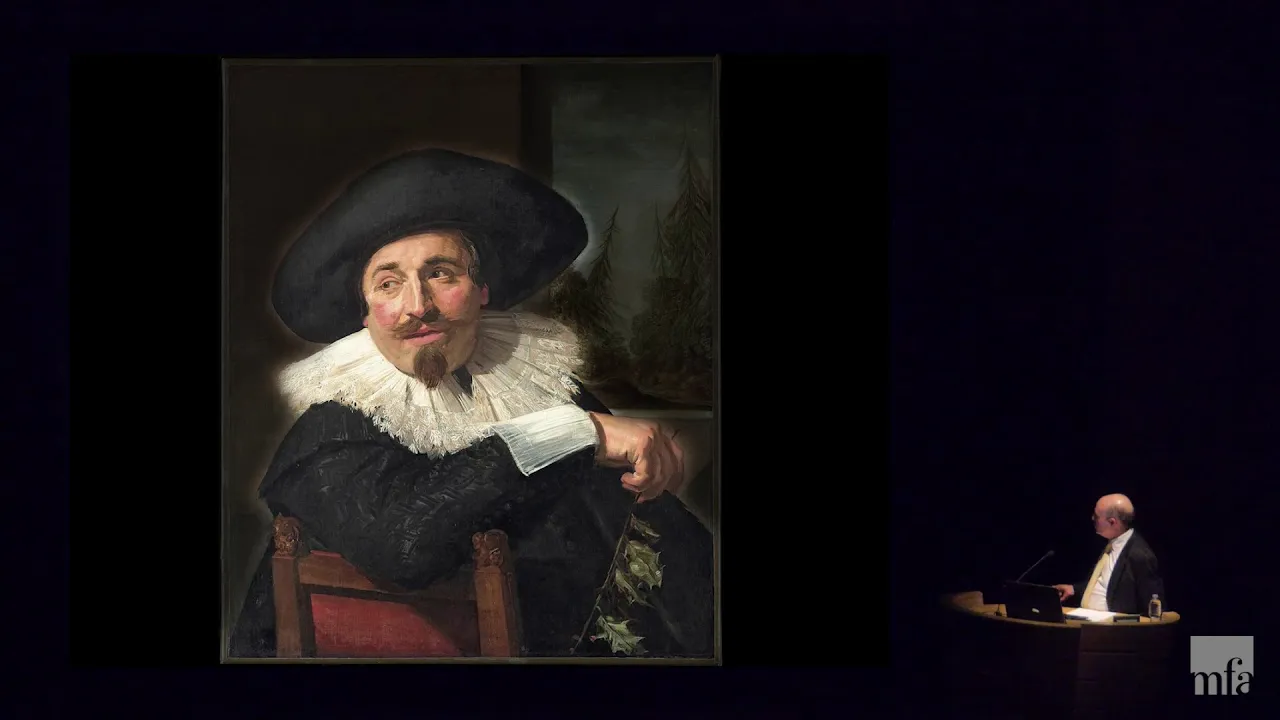
58:09
The Dutch Golden Age: Contemporaries of Rembrandt and Vermeer
@mfaboston
45.5K views•2020-01-28

16:34
Earliest Depictions of Jesus in Art: 10 Ancient Images Explained
@UsefulCharts
5.9M views•2022-06-03
Related Study Plans & Knowledge Roadmaps
Structured learning paths in Art History
art-history
Gothic Cathedrals: Engineering, Light & Society
01The Birth of the Gothic: Romanesque to Suger's Vision
02The Structural Triad: Pointed Arches, Ribbed Vaults, and Flying Buttresses
03Theology of Light: Lux Nova and Sacred Geometry
+ 2 more learning modules
14h5 modules
Explore Roadmap
art-history
Pre-Raphaelites: Realism, Symbolism & Critique
01The Victorian Art Establishment and Academic Formula
02The Founding of the PRB and Radical Realism
03Medieval Revivalism and Literary Symbolism
+ 1 more learning modules
8h4 modules
Explore Roadmap
art-history
Street Art: From Subways to Art Market
01Subcultural Origins in Philadelphia and New York (1970s)
02The Subway Era and Style Wars (Late 1970s - 1980s)
03The East Village Scene and Early Gallery Crossover
+ 2 more learning modules
10h5 modules
Explore Roadmap
art-history
Classic Maya Art: Iconography, Glyphs & Ritual
01Foundations of Classic Maya Visual Culture
02Deciphering Maya Hieroglyphs & Text-Image Integration
03Sacred Geography and Cosmological Architecture
+ 2 more learning modules
14h5 modules
Explore Roadmap